Plant Profile
SkirretSium sisarum
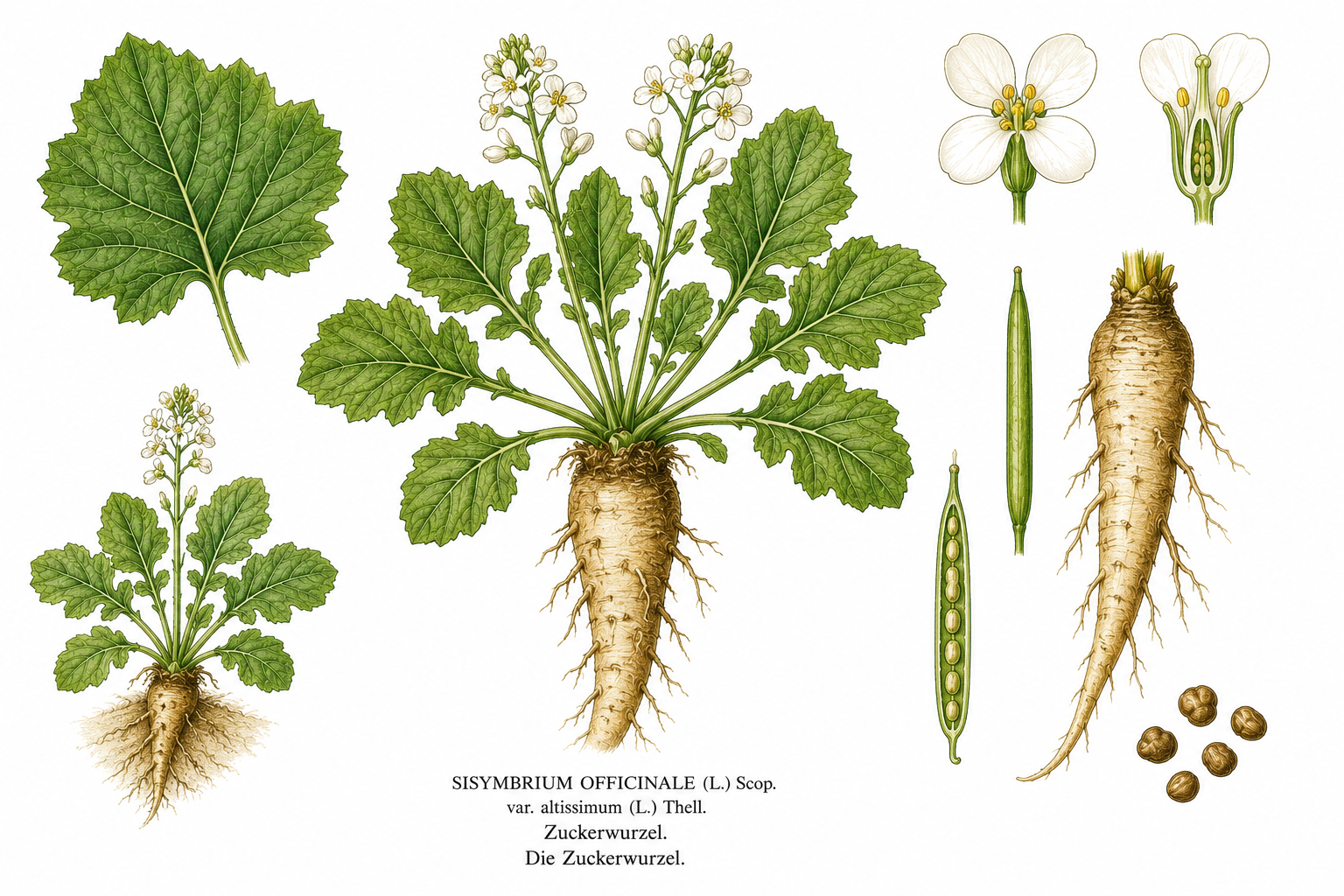
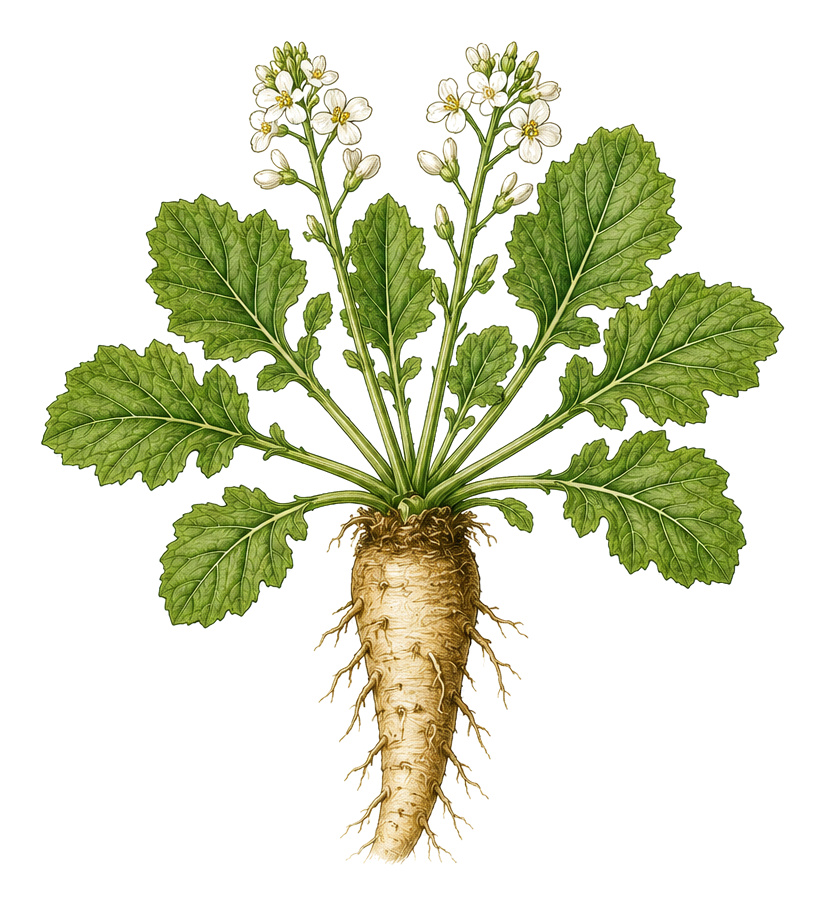
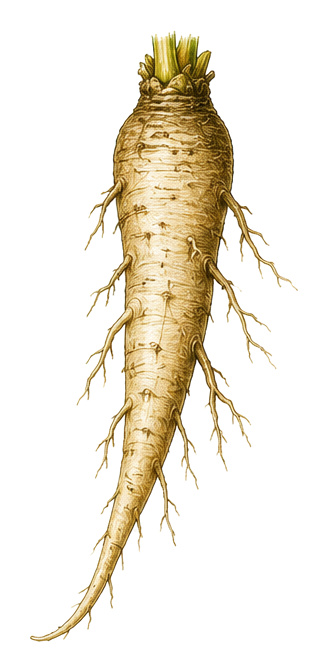
Skirret (Sium sisarum) is a forgotten perennial winter root vegetable belonging to the carrot family. Highly esteemed during the Middle Ages and the Renaissance, it yields fan-shaped clusters of pencil-thick roots. After the first winter frosts, these develop a delightfully sweet flavor reminiscent of chestnuts and parsnips. Being completely frost-hardy, it provides fresh harvests straight from the winter garden.
Quick profile
Key data
Suitable growing locations:
Good neighbors
LeekLettuce
Avoid
CarrotParsnip
Indoor & direct sowing
Skirret: Sowing and germination
Indoor sowing in pots protects the slow-germinating seeds from weed competition.
Direct sowing possible in early spring or as autumn sowing for cold stratification.
Planting & site
Skirret: Planting and spacing
Plant out pre-cultured seedlings or root divisions into the bed in spring.
Site & practical notes
Cultivation tips: Patience during sowing: Seeds often germinate erratically and can take up to 4 weeks to emerge., Keep soil stone-free: In stony ground, the naturally slender roots will fork and become difficult to process.
Temperature & frost
Skirret: Temperature and site
Water & nutrients
Skirret: Water, nutrients and care
Container & growth
Skirret: Container, support and growth
Year plan
Skirret Calendar
In October, the foliage begins to die back – the exact moment cold temperatures start concentrating the root sugars.
Recurring tasks
Relevant now
June
- No additional single task
Next up
July
- No additional single task
Monthly tasks
Single tasks from monthly data; repeated seasonal windows are shown in the overview above.
January
No additional single task
February
No additional single task
March
No additional single task
April
No additional single task
May
No additional single task
June
Quiet month
August
Quiet month
September
Quiet month
October
No additional single task
November
No additional single task
December
No additional single task
Flowering & pollination
Skirret Flowering & pollination
Flower type
Compound umbel
Flower color
White
Self-fertility
self-fertile, cross-pollination beneficial
Pollinator needed
yes
Overview
The flowers attract numerous beneficial insects, especially hoverflies, wild bees, and beetles, which perform the pollination.
Notes
The hermaphrodite flowers are protandrous, which encourages cross-pollination by insects, though self-pollination within the umbel occurs.
Pruning & care
Skirret Pruning & care
Pruning type
cut_to_ground
Pruning timing
Cutting back to ground level after foliage dieback Foliage dies back in late autumn; cutting it back makes accessing and digging up root clusters easier during winter frosts.
Clearing the bed before new spring growth If foliage was left as natural winter protection, clear it entirely now to make room for emerging shoots.
Remove
Preserve
Avoid
Tools and hygiene
Use sharp hand pruners; disinfect tools after cutting infected plant parts (e.g., powdery mildew) to avoid cross-contamination.
Companion guide
Skirret Companion guide
Good neighbors
LeekLettuce
Avoid
CarrotParsnip
Use & storage
Skirret Use & storage
Harvest from October throughout winter; the roots are completely frost-hardy. Frost improves the flavor.
Storage
Best kept fresh in the ground or stored in a cool root cellar.
Storage life
Stored in the ground, it keeps all winter; once harvested, it lasts about 1 to 2 weeks in the refrigerator.
Flavor
Very sweet, aromatic, reminiscent of a blend of parsnip, celery, and chestnut.
Harvest
Harvest from October throughout winter; the roots are completely frost-hardy. Frost improves the flavor.
Processing
After harvest
Carefully remove soil from harvested root clusters and wash them. Avoid snapping the brittle roots. The woody central core found in older roots is removed either before or after cooking.
Edibility & safety
Skirret Edibility & safety
For people
In brief: which parts are edible, which parts remain risky, and whether raw consumption makes sense.
Safety notes
No known toxicity. While wild foraging carries a risk of confusion with toxic relatives like Sium latifolium (great water-parsnip), controlled cultivation in garden beds poses no such risk.
Animal safety
For many animals, this plant is generally low-risk: 14 animal types are rated suitable or mostly suitable. Quantity, plant part, and individual tolerance still matter.
Each row shows which parts are more suitable and which parts are critical.
Companion animals
 Dog
DogRoots, Young shoots in spring
No risk parts listed
Roots, Young shoots in spring
No risk parts listed
Risk of confusion with toxic relatives like Sium latifolium when foraging wild
usually no action needed
Skirret is considered edible and non-toxic for dogs. Young roots and shoots can be occasionally fed as a treat. When foraging wild, there is a risk of confusion with toxic species such as Sium latifolium (great water-parsnip).
Open animal page Cat
CatRoots, Young shoots in spring
No risk parts listed
Roots, Young shoots in spring
No risk parts listed
Risk of confusion with toxic relatives like Sium latifolium when foraging wild
usually no action needed
Skirret is considered edible and non-toxic for humans. For cats, the roots and young shoots are safe as an occasional treat in small amounts. Overconsumption may cause mild gastrointestinal upset. Risk of confusion with toxic species like Sium latifolium exists only when foraging wild, not with cultivated plants.
Open animal page Rabbit
Roots, Young shoots in spring
No risk parts listed
Roots, Young shoots in spring
No risk parts listed
Risk of confusion with toxic great water-parsnip (Sium latifolium) when foraging wild
usually no action needed
Skirret is safe for rabbits. Roots and young shoots can be fed regularly. When foraging wild, take care to avoid confusion with toxic relatives.
Open animal page Guinea pig
Roots, Young shoots in spring
No risk parts listed
Roots, Young shoots in spring
No risk parts listed
Overfeeding may cause digestive upset due to high fiber and sugar content
usually no action needed
The roots and young shoots of skirret are suitable for guinea pigs. Older, woody parts and seeds should be avoided as they are not toxic but are difficult to digest. No known toxic compounds. With controlled cultivation, there is no risk of confusion with toxic relatives like Sium latifolium. Suitable as a treat in small quantities due to its sweet taste and acceptable nutrient profile. Excessive consumption may…
Open animal page Hamster
Roots, Young shoots in spring
No risk parts listed
Roots, Young shoots in spring
No risk parts listed
Overfeeding may cause digestive upset due to high fiber and sugar content
usually no action needed
No direct species-specific source was found for hamsters. This is a cautious inference from the guinea pigs profile and the known plant-part risks.
Open animal page Budgie
Roots, Young shoots in spring
No risk parts listed
Roots, Young shoots in spring
No risk parts listed
Overconsumption may cause digestive upset
observe
The edible parts of skirret (roots and young shoots) are safe for budgies in small quantities. Other plant parts like flowering stems or seeds are not toxic but are difficult to digest and should be avoided. When foraging wild, there is a risk of confusion with toxic relatives like Sium latifolium.
Open animal pageFarm animals
 Horse
HorseRoots, Young shoots in spring
No risk parts listed
Roots, Young shoots in spring
No risk parts listed
Risk of confusion with toxic relatives like Sium latifolium when wild foraging
usually no action needed
Skirret is considered edible and non-toxic for horses. Young roots and shoots can be occasionally fed as a treat. Older, woody parts and seeds are less palatable but not toxic. When wild foraging, there is a risk of confusion with toxic species such as great water-parsnip (Sium latifolium).
Open animal page Chicken
Roots, Young shoots in spring
No risk parts listed
Roots, Young shoots in spring
No risk parts listed
Risk of confusion with toxic relatives like Sium latifolium when foraging wild
usually no action needed
The roots and young shoots of skirret are edible for chickens and are enjoyed as a treat. With controlled cultivation, there is no toxicity risk. When foraging wild, there is a risk of confusion with toxic species such as Sium latifolium (great water-parsnip).
Open animal page Duck
DuckRoots, Young shoots in spring
No risk parts listed
Roots, Young shoots in spring
No risk parts listed
Risk of confusion with toxic relatives like Sium latifolium when foraging wild
usually no action needed
No direct species-specific source was found for ducks. This is a cautious inference from the geese profile and the known plant-part risks.
Open animal page Goose
GooseRoots, Young shoots in spring
No risk parts listed
Roots, Young shoots in spring
No risk parts listed
Risk of confusion with toxic relatives like Sium latifolium when foraging wild
usually no action needed
No direct species-specific source was found for geese. This is a cautious inference from the chickens profile and the known plant-part risks.
Open animal page Sheep
SheepRoots, Young shoots in spring
No risk parts listed
Roots, Young shoots in spring
No risk parts listed
Risk of confusion with toxic relatives like Sium latifolium when foraging wild
usually no action needed
Skirret is safe for sheep and can be included in their diet. Young roots and shoots are particularly palatable and nutritious. When foraging wild, there is a risk of confusion with toxic species like Sium latifolium (great water-parsnip), so only cultivated skirret should be used. No known toxic compounds or adverse effects documented in sheep.
Open animal page Goat
GoatRoots, Young shoots in spring
No risk parts listed
Roots, Young shoots in spring
No risk parts listed
Risk of confusion with toxic great water-parsnip (Sium latifolium) when foraging wild
usually no action needed
Skirret is edible and non-toxic for goats. Young roots and shoots are readily consumed. When foraging wild, there is a risk of confusion with toxic great water-parsnip (Sium latifolium), so only use cultivated plants.
Open animal page Cattle
Roots, Young shoots in spring
No risk parts listed
Roots, Young shoots in spring
No risk parts listed
usually no action needed
Skirret (Sium sisarum) is suitable for cattle as a feed plant. The roots and young shoots are edible and are well accepted due to their sweet taste. No known toxic compounds or harmful effects under normal feeding.
Open animal page Pig
PigRoots, Young shoots in spring
No risk parts listed
Roots, Young shoots in spring
No risk parts listed
Risk of confusion with toxic relatives like Sium latifolium when foraging wild
usually no action needed
The roots and young shoots of skirret are edible for pigs and valued as a nutritious root vegetable. Under controlled cultivation, no known toxicity exists. However, when foraging wild, there is a risk of confusion with toxic species such as great water-parsnip (Sium latifolium), so only positively identified material should be fed. Overconsumption may cause digestive upset due to high fiber content.
Open animal pageThese guidelines are for general information only and do not replace veterinary diagnosis. If critical plant parts were ingested or the animal shows unusual behaviour or symptoms, seek veterinary advice.
Max risk
unknown
Highest status
moderation only
Urgency
observe
Saving seed
Skirret Saving seed
Seed type
orthodox
Seed viability
1 - 2 years
Practical tips
Skirret Practical tips
Common beginner mistakes
Giving up too early during germination. Seeds require persistent moisture and often several weeks of patience.
Success pattern
Indoor pot culture starting February, followed by planting out into deeply loosened, mulched beds in April yields reliable winter rewards.
High-impact tips
Allow two or three plants to flower in their second year; the white umbels act as a magnet for beneficial insects and self-seed easily.
Grower observations
Plants located in partial shade with moisture-rich humus yield noticeably tenderer roots than those exposed to hot, dry midday sun.
Plant Profile
Additional plant images
Health
Pests, Diseases
Plant health
Diagnosis help
Skirret Diagnosis help
Pest groups
Disease groups
Prevention
Diagnosis
Stunted foliage usually indicates either root-zone damage from drought or maggot feeding.
Cultural prevention
Monitoring
Set up yellow sticky traps from May onwards to monitor carrot rust fly flight
First response
Diagnostic rules
Foliage turns reddish-yellow and wilts without obvious water deficiency.
Possible causes: Chamaepsila rosae, Drought woody roots
- Check root crown for feeding tunnels
- Check soil moisture at a depth of 15 cm
FAQ
Why are my skirret roots woody and bitter?
This is typically caused by drought stress in mid-summer. When water is scarce, roots develop tough fibers. Regular mulching and deep watering prevent this issue.
Do you always have to eat the hard central core?
Older roots develop a woody central core. It can be easily pulled out in one piece from the soft root flesh after cooking.
Is Skirret safe for Dog?
Skirret is classified as suitable for Dog. Risk: unknown. Urgency: usually no action needed. Skirret is considered edible and non-toxic for dogs. Young roots and shoots can be occasionally fed as a treat. When foraging wild, there is a risk of confusion with toxic species such as Sium latifolium (great water-parsnip).
Is Skirret safe for Cat?
Skirret is classified as moderation only for Cat. Risk: unknown. Urgency: usually no action needed. Skirret is considered edible and non-toxic for humans. For cats, the roots and young shoots are safe as an occasional treat in small amounts. Overconsumption may cause mild gastrointestinal upset. Risk of confusion with toxic species like Sium latifolium exists only when foraging wild, not with cultivated plants.
Is Skirret safe for Rabbit?
Skirret is classified as moderation only for Rabbit. Risk: unknown. Urgency: usually no action needed. Skirret is safe for rabbits. Roots and young shoots can be fed regularly. When foraging wild, take care to avoid confusion with toxic relatives.
Is Skirret safe for Guinea pig?
Skirret is classified as moderation only for Guinea pig. Risk: unknown. Urgency: usually no action needed. The roots and young shoots of skirret are suitable for guinea pigs. Older, woody parts and seeds should be avoided as they are not toxic but are difficult to digest. No known toxic compounds. With controlled cultivation, there is no risk of confusion with toxic relatives like Sium latifolium. Suitable as a treat in small quantities due to its sweet taste and acceptable nutrient profile. Excessive consumption may…
Guides
Related guides
Guide
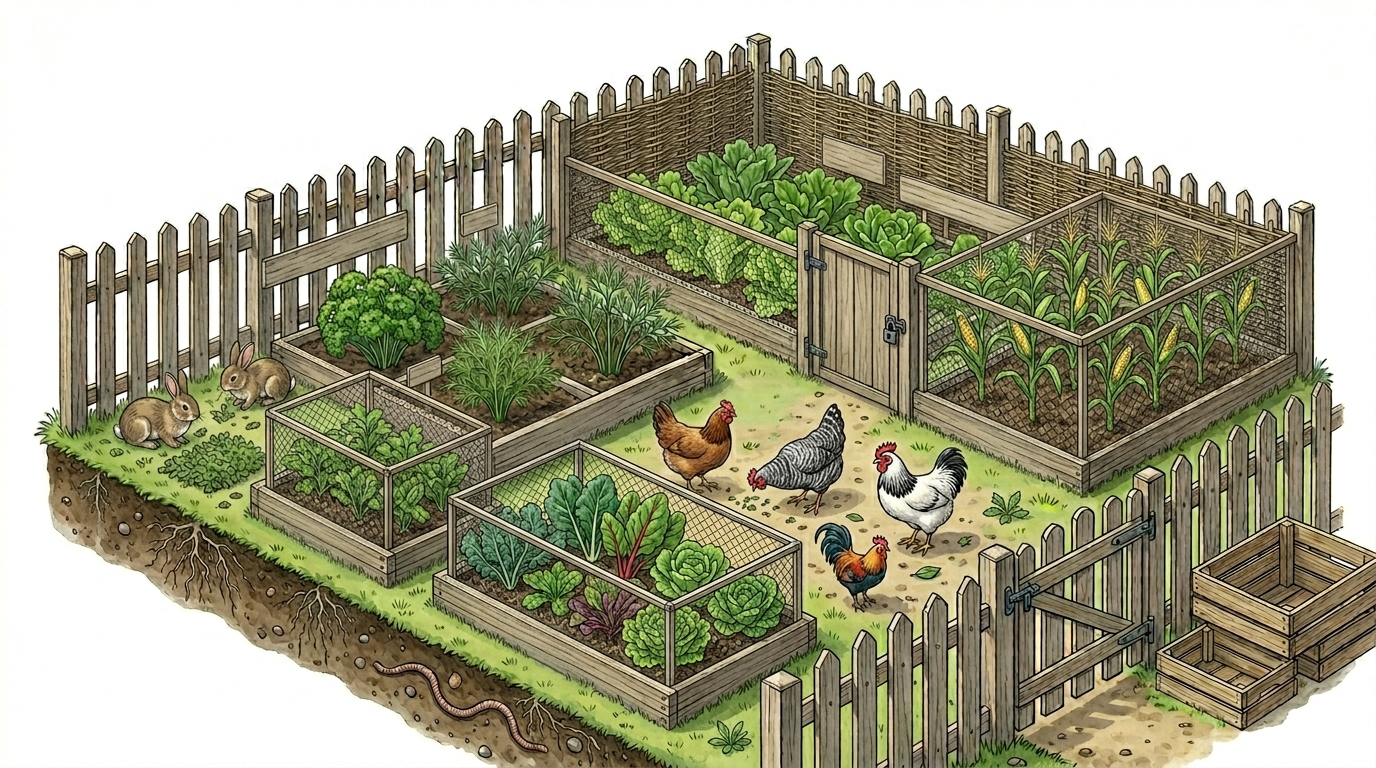
Chickens in the Garden: Safe Plants and Zones
Learn how to design a chicken-friendly garden with suitable plants, protected beds, and well-planned activity areas.
Guide
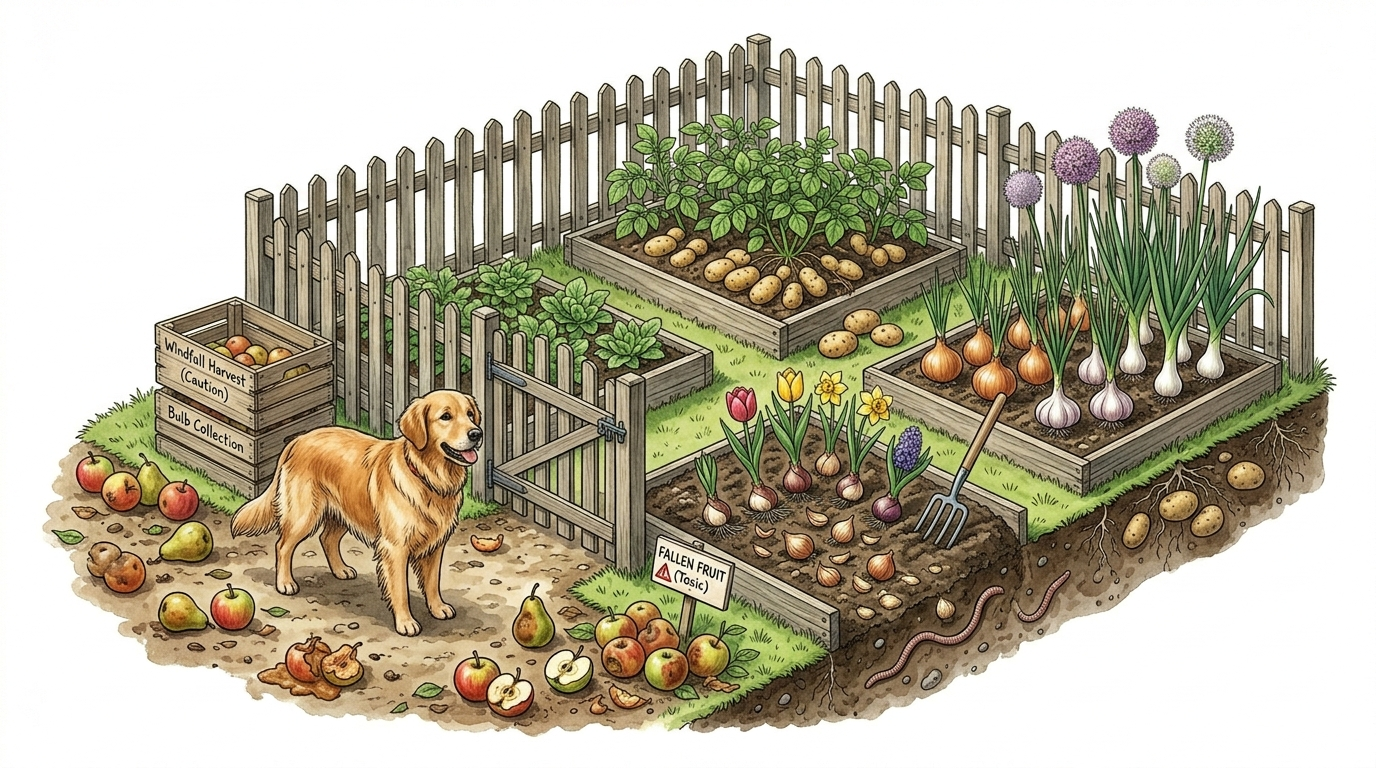
Dogs in the Garden: Windfall Fruit and Risks
Keep your garden dog-safe by managing windfall fruit, seeds, stored crops, and potentially problematic plant parts.
Guide
Horse Pastures and Garden Plants: Safety Checks
Learn how to identify risks near horse pastures, fences, turnout areas, fruit trees, and garden planting zones.
Guide
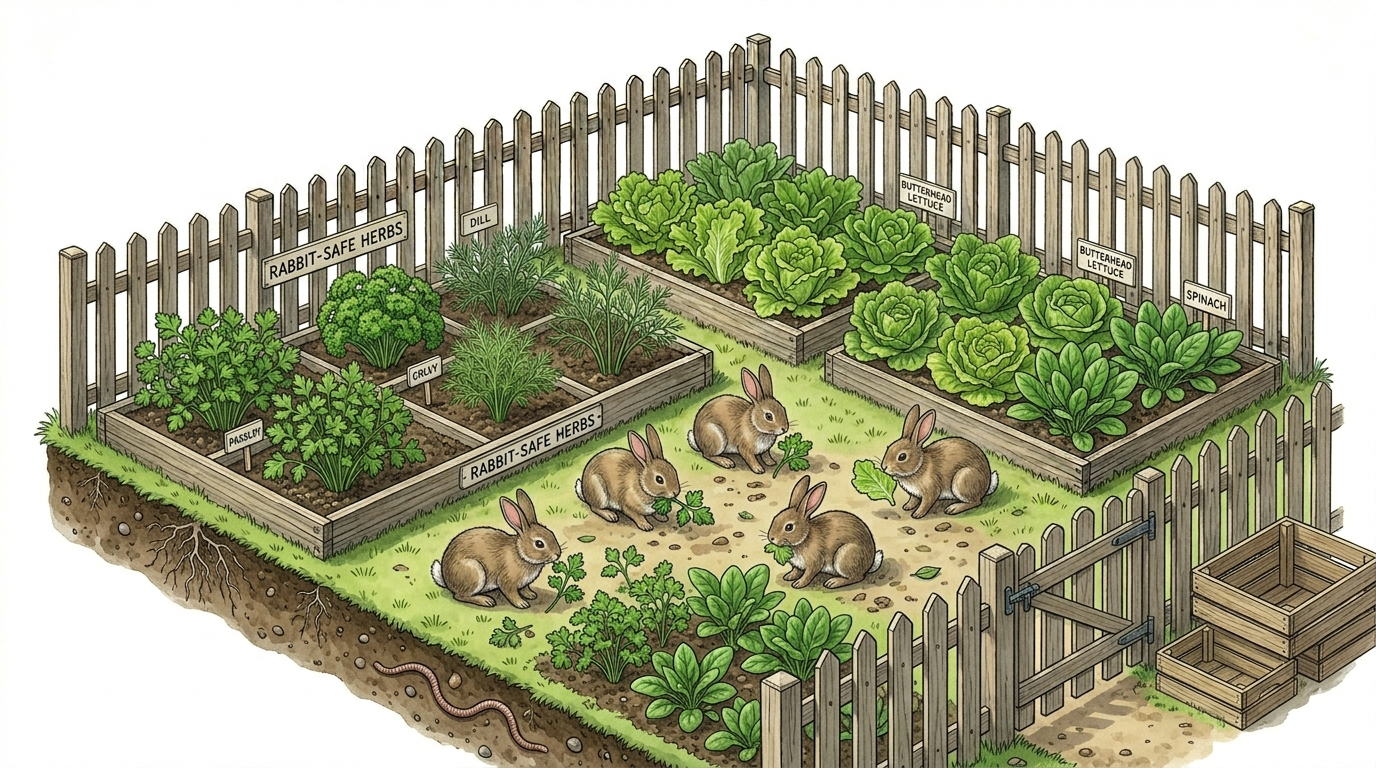
Rabbits in the Garden: Herbs and Vegetables
Learn how to choose suitable herbs and vegetables for rabbits, grow feeding plants, and plan a rabbit-friendly garden.
Internal links
Related plants
Carrot
Both belong to the Apiaceae family; heightened awareness required for shared pests.
As a member of the Apiaceae family, it shares identical vulnerability to the carrot rust fly.
Parsnip
Share highly similar requirements regarding soil texture and deep loosening.
Similar culinary uses and aromatic flavor profile, also belonging to the Apiaceae family.
Carrot rust fly
Primary pest for both crops, major threat to tender root tissues.
Onion
Both are classified as medium feeders and cannot tolerate fresh, nitrogen-heavy manure.
Leek
Require continuous soil moisture during mid-summer to maintain tender tissue growth.
Scorzonera (Black Salsify)
Likewise harvested as a highly winter-hardy, delicate root crop throughout the cold season.
Great water-parsnip
Belongs to the same genus and grows wild in wet areas, but is toxic if consumed.
Sources
Public sources
- Wikidata entity
Wikidata · 2026-05-16
- GBIF species match
GBIF · 2026-05-16
- Deutschsprachige Wikipedia: Zuckerwurzel
Wikipedia · 2026-05-16
- English Wikipedia: Sium sisarum
Wikipedia · 2026-05-16