Plants
100
Category
Vegetables brings together 100 plant profiles with cultivation data, care guidance, and calendar windows. Typical sowing windows include January - December. Harvest is especially relevant in January - December. Common site needs: Full sun, Full sun to partial shade, Sun to partial shade. Useful edible parts: Bracts, Buds, Bulb, bulb.
Overview
100
Full sun, Full sun to partial shade, Sun to partial shade, Sunny to partial shade
high, low, medium
Bracts, Buds, Bulb, bulb, bulbs, Bulbs
81 / 100
Growing guidance
Vegetables are not a single cultivation type. The group ranges from quick radishes and salads to tomatoes, squash, brassicas, and perennial crops. Planning should begin by separating crops according to space, growing time, and warmth. Short crops can use gaps before or after large summer vegetables, while spreading or tall plants need a permanent position from the start. A productive vegetable garden is not created by fitting in the maximum number of varieties, but by using realistic spacing and a sequence that distributes harvest and care through the season.
Most vegetables prefer an open position with several hours of sun, although leafy crops and selected herbs tolerate temporary shade. Heavy, wet soil can hinder root crops and early sowing, while very light soil dries quickly around fruiting vegetables. Compost improves structure but does not replace crop-specific feeding. Heavy feeders such as tomatoes, courgettes, and many brassicas require different treatment from peas, radishes, or lamb's lettuce. Where soil fertility is unknown, moderate feeding followed by observation is more reliable than applying a large general dose.
A long harvest combines indoor sowing, direct sowing, transplanting, and succession crops. Tender species should not remain outdoors until cold-night risk has passed, while hardy crops can start early or be sown again in late summer. Several small sowings of salads, radishes, or spinach are often more useful than one large batch. Companion planting helps combine height and harvest timing, but it does not replace rotation or spacing. Where diseases recur, plants from the same family should not dominate the same bed every year.
Use the individual profiles for the final decision. They provide sowing and harvest windows, spacing, water demand, container suitability, and known companions. This category is an entry point for comparison, not one shared care instruction. In small gardens, compact crops, vertical supports, and deliberate follow-on planting are especially valuable; raised beds and containers require closer control of water and nutrients than established ground.
Overview
Sowing: January - December; harvest: January - December.
Site values: Full sun, Full sun to partial shade, Sun to partial shade, Sunny to partial shade; water: high, low, medium.
Useful parts: Bracts, Buds, Bulb, bulb, bulbs; container suitable: 81 of 100 plants.
Overview
Quick entry points by common gardening intent, so the category is more than a list.
This selection helps with quick decisions in June.
This selection helps with quick decisions in June.
This selection helps with quick decisions in June.
This selection helps with quick decisions in June.
Plants
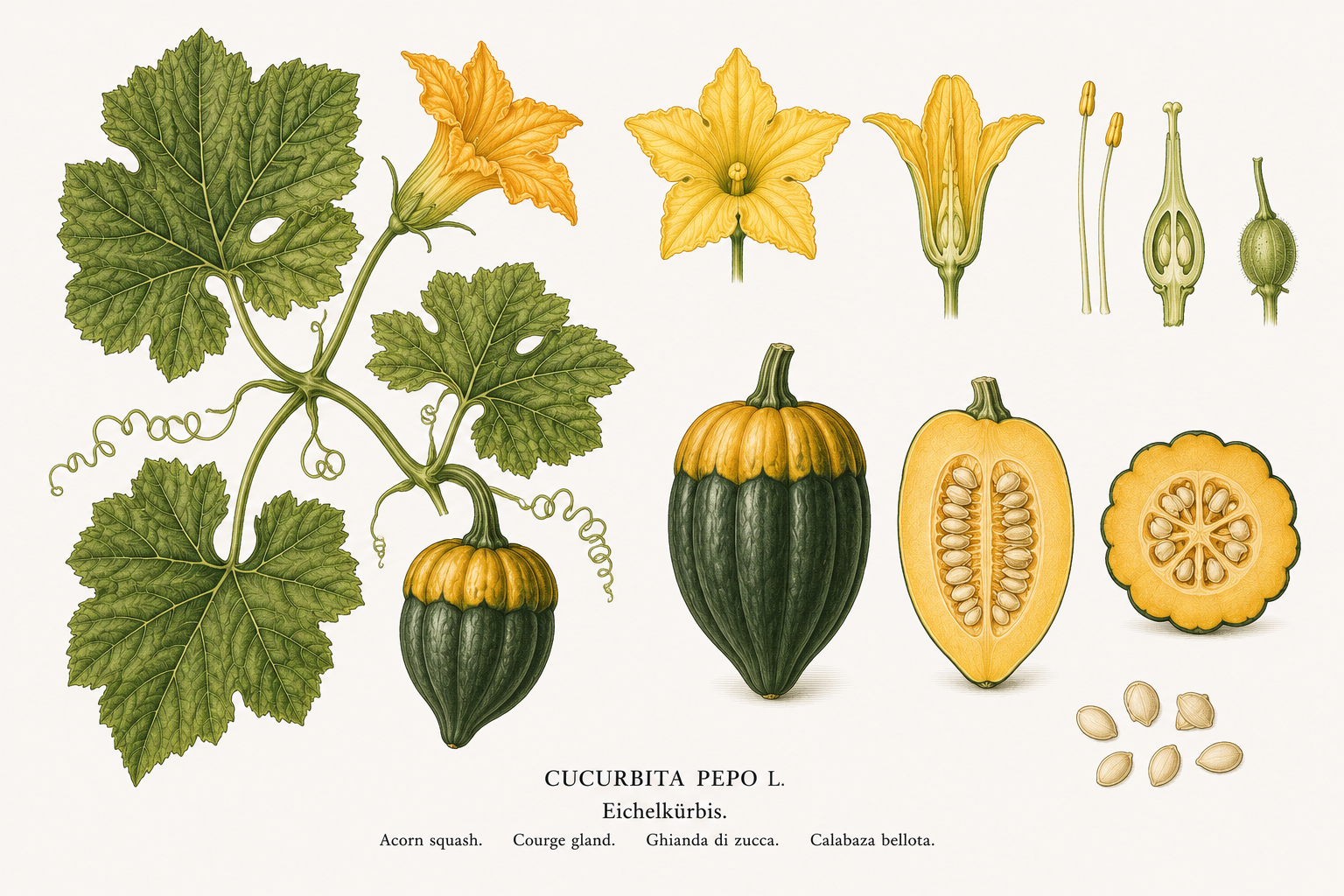
Cucurbita pepo
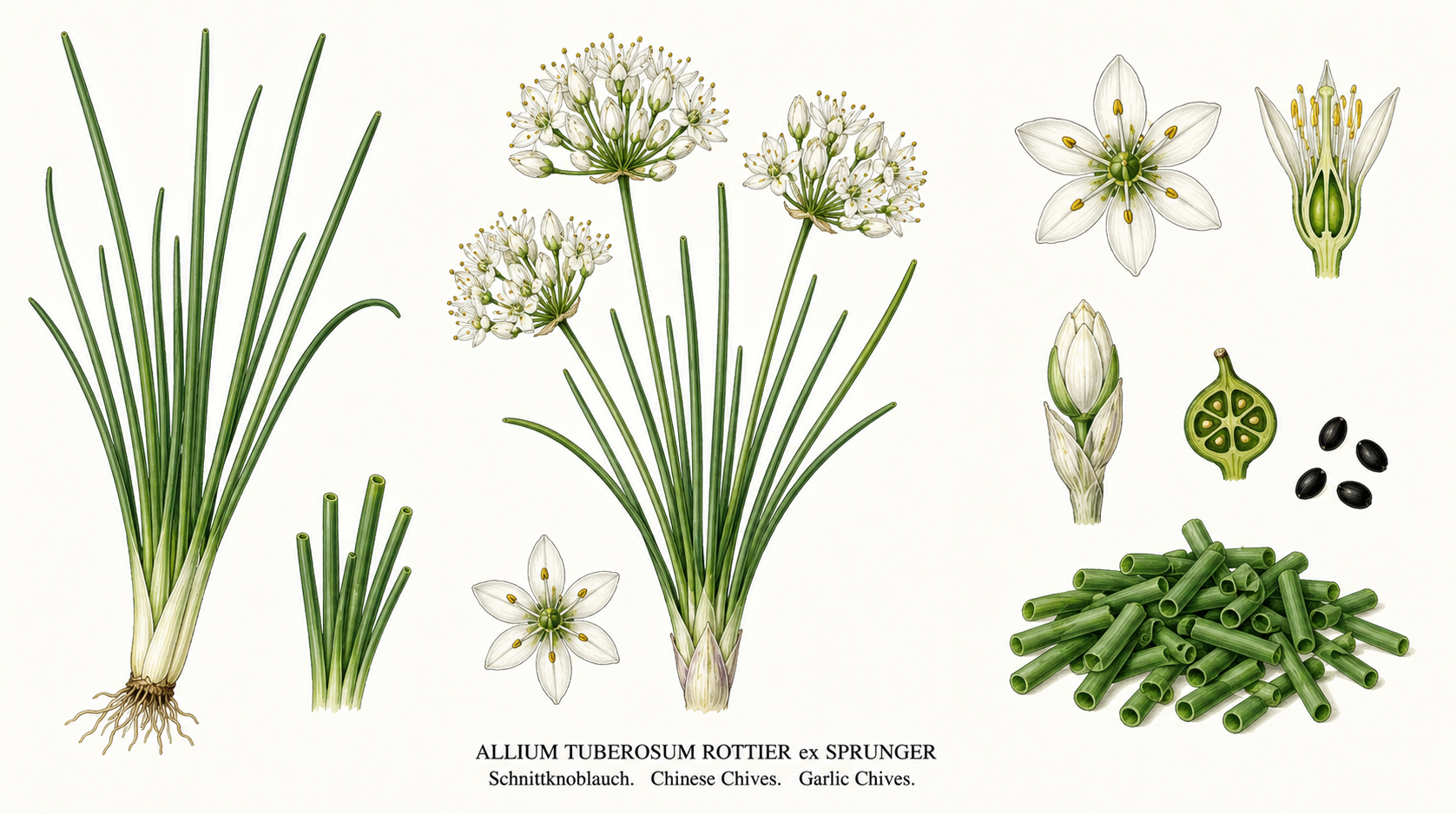
Allium ramosum

Allium ursinum
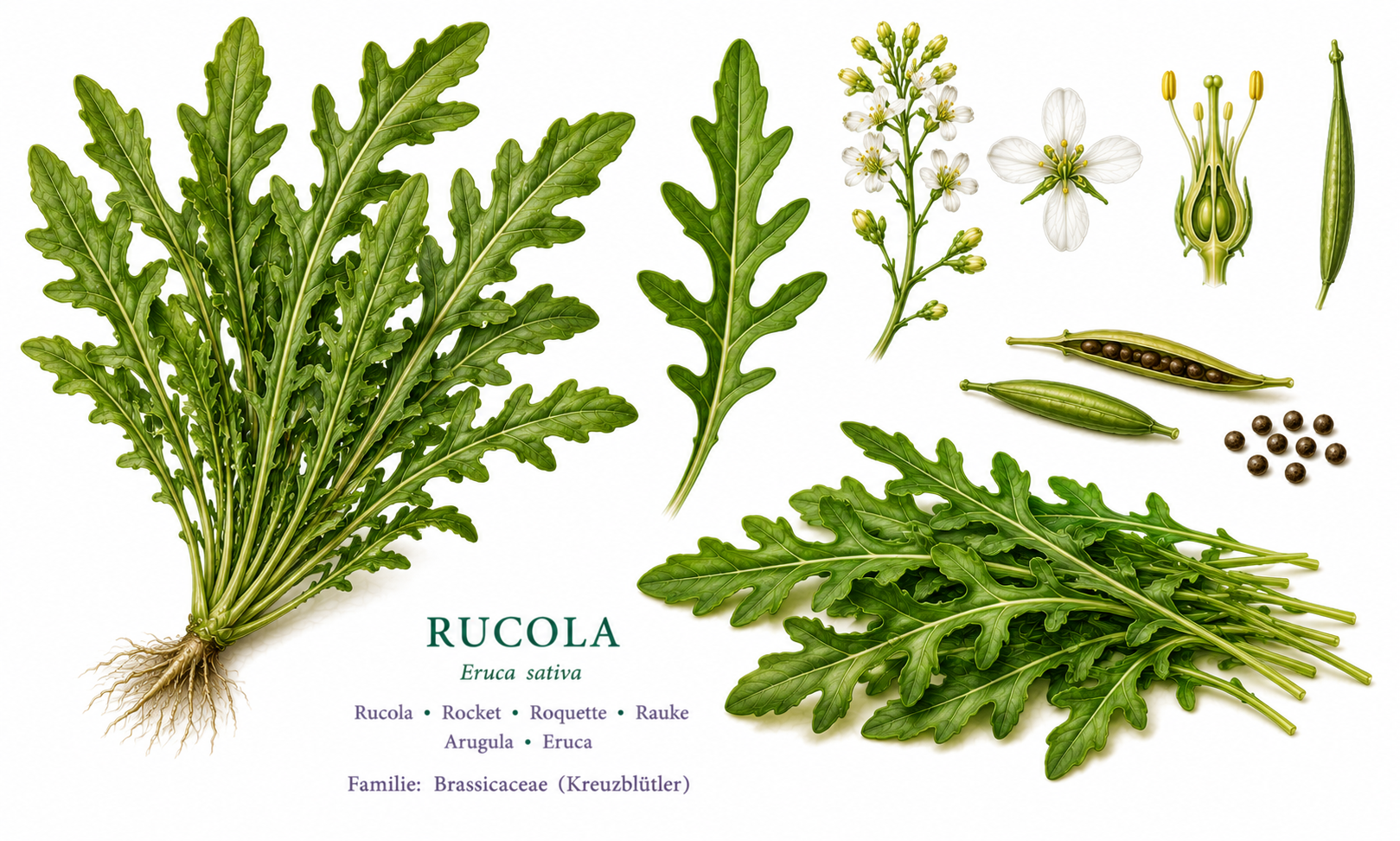
Eruca vesicaria subsp. sativa
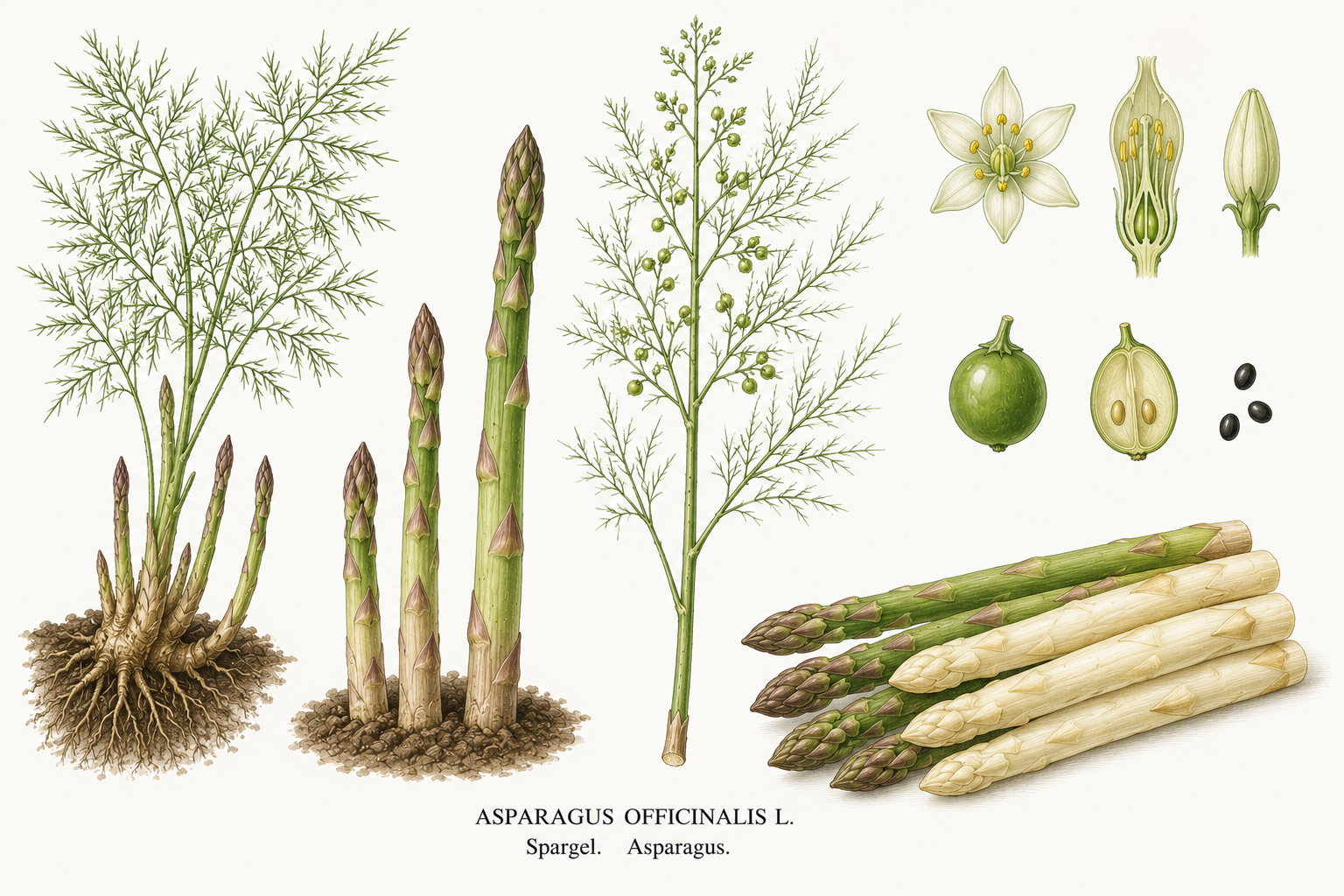
Asparagus
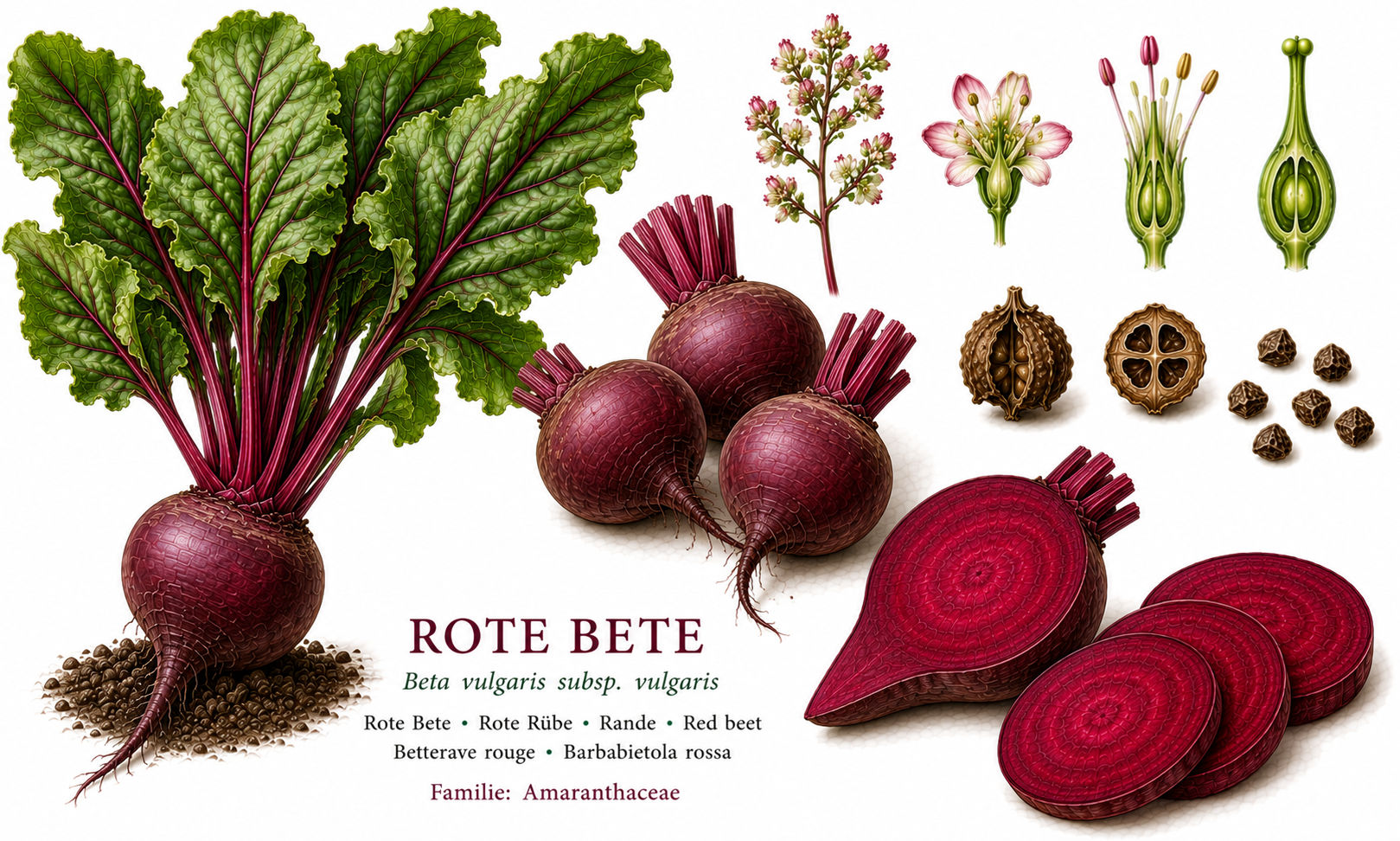
Beta vulgaris subsp. vulgaris Conditiva Group
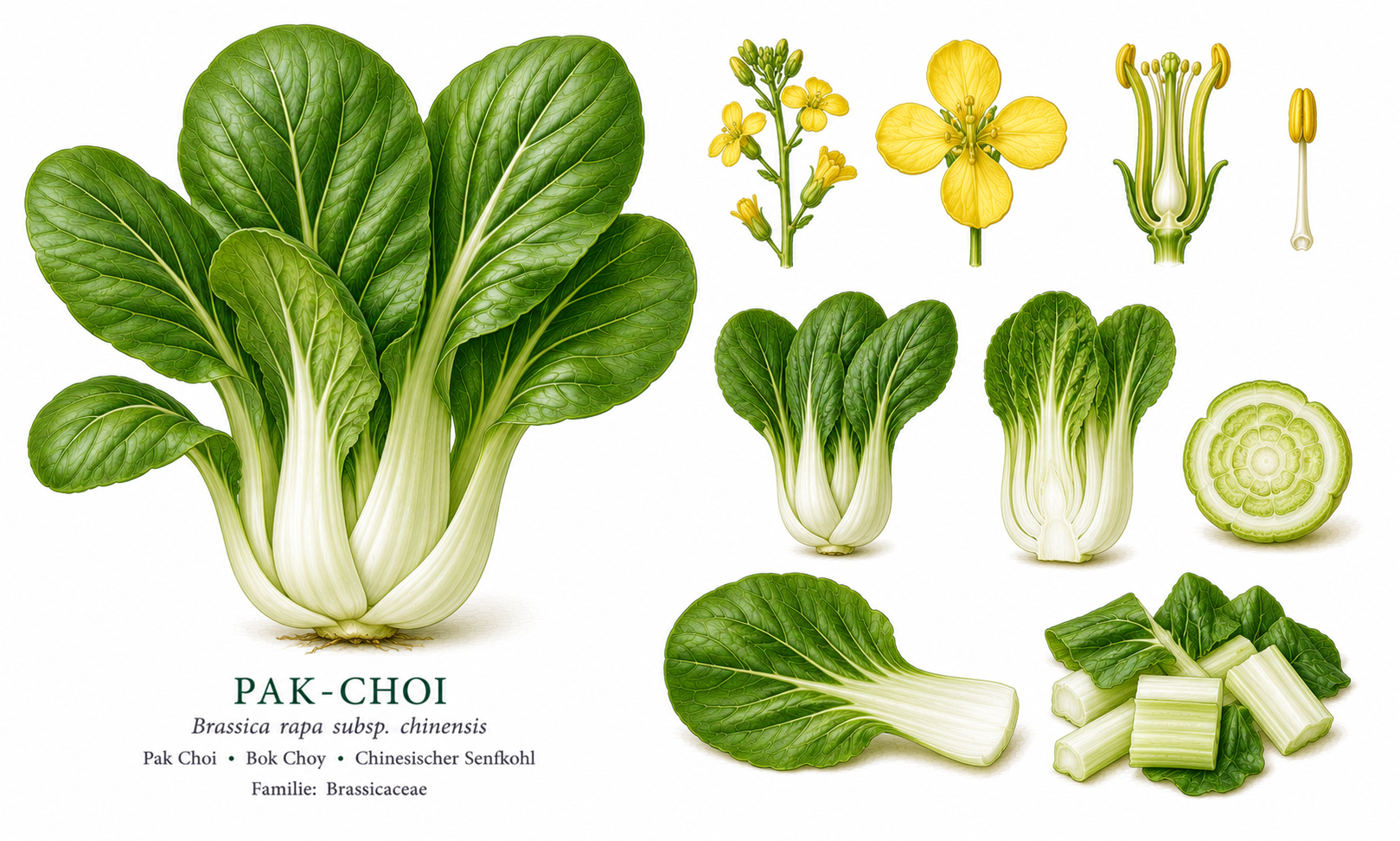
Brassica rapa subsp. chinensis
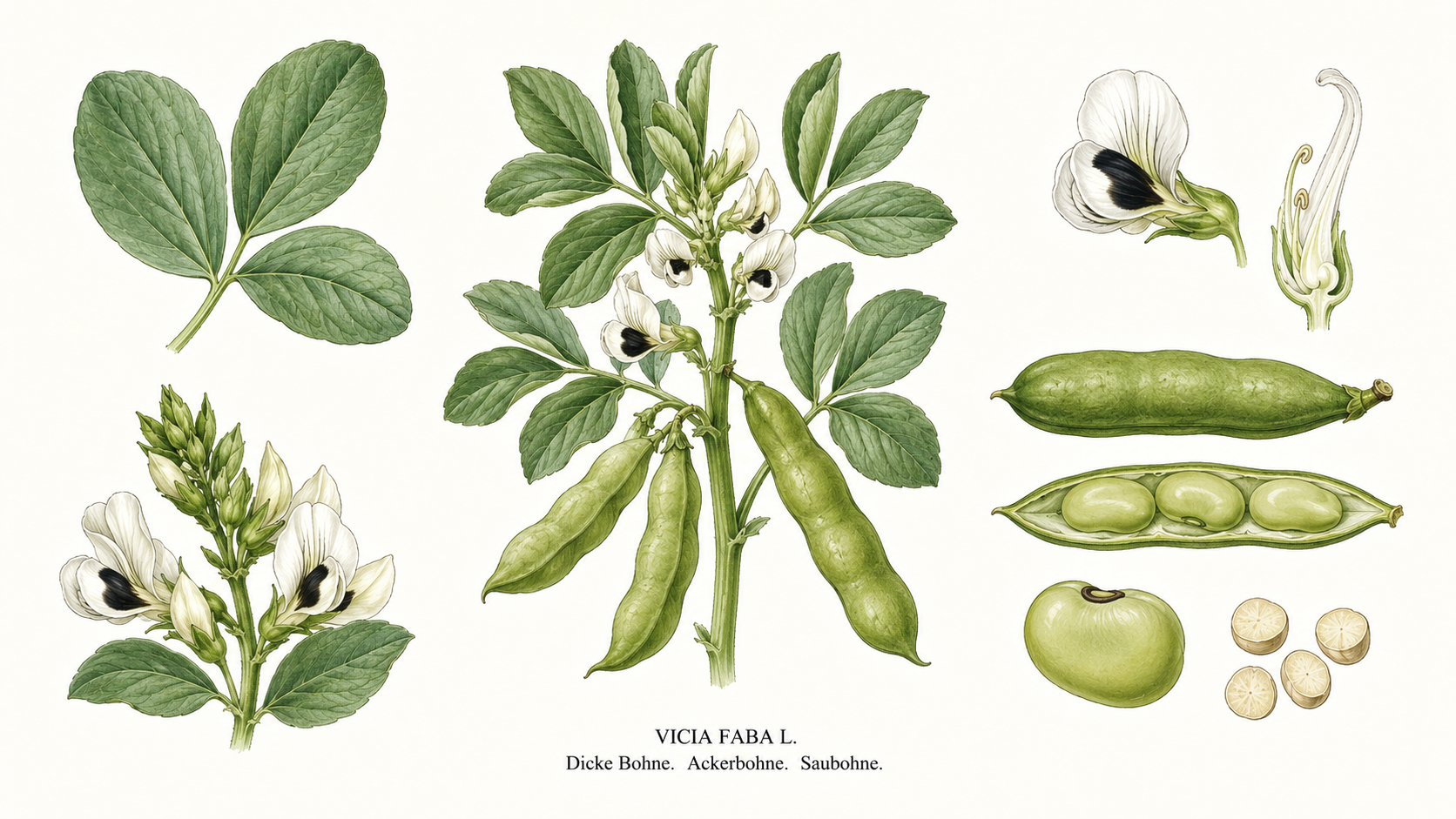
Vicia faba
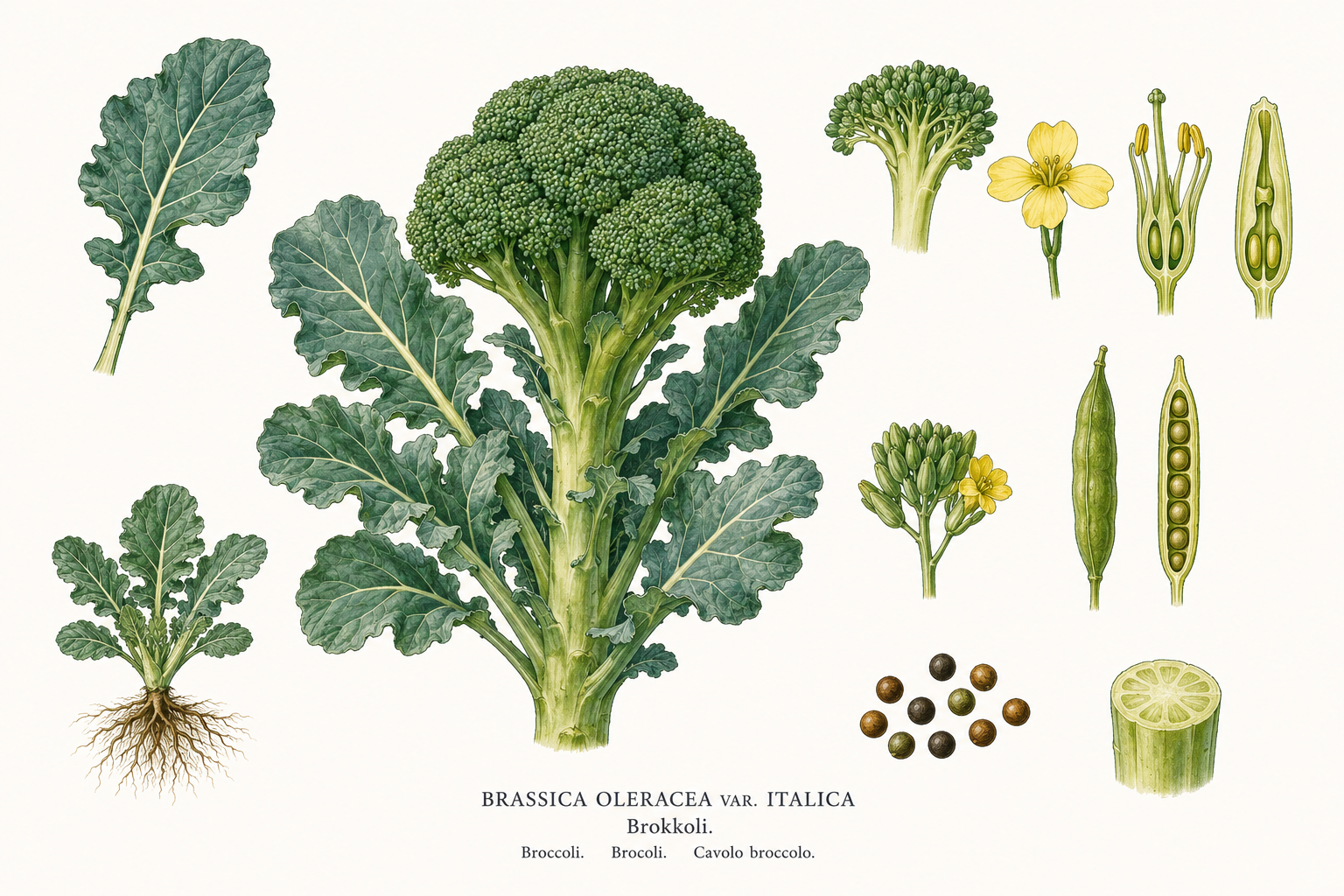
Brassica oleracea var. italica
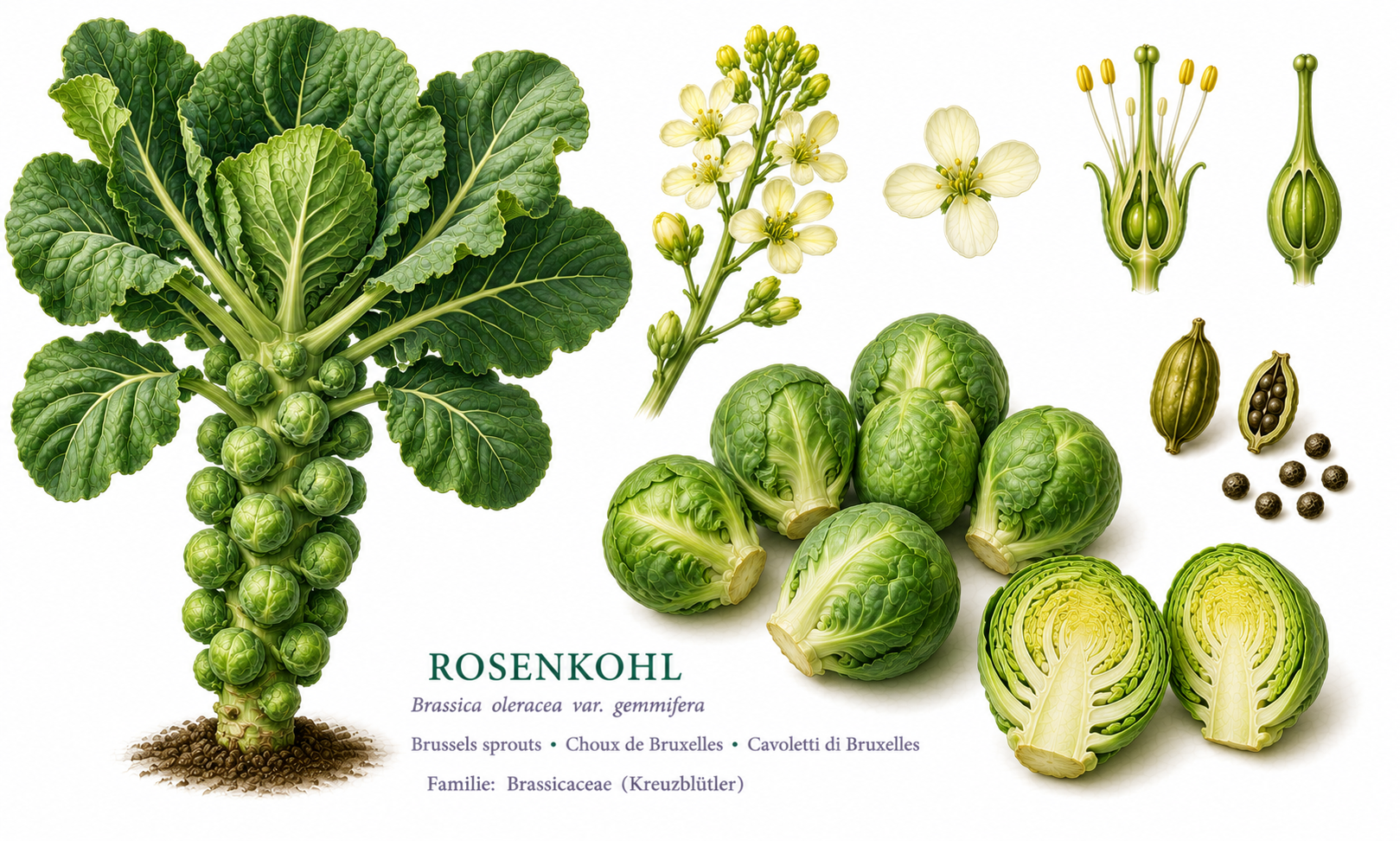
Brassica oleracea var. gemmifera
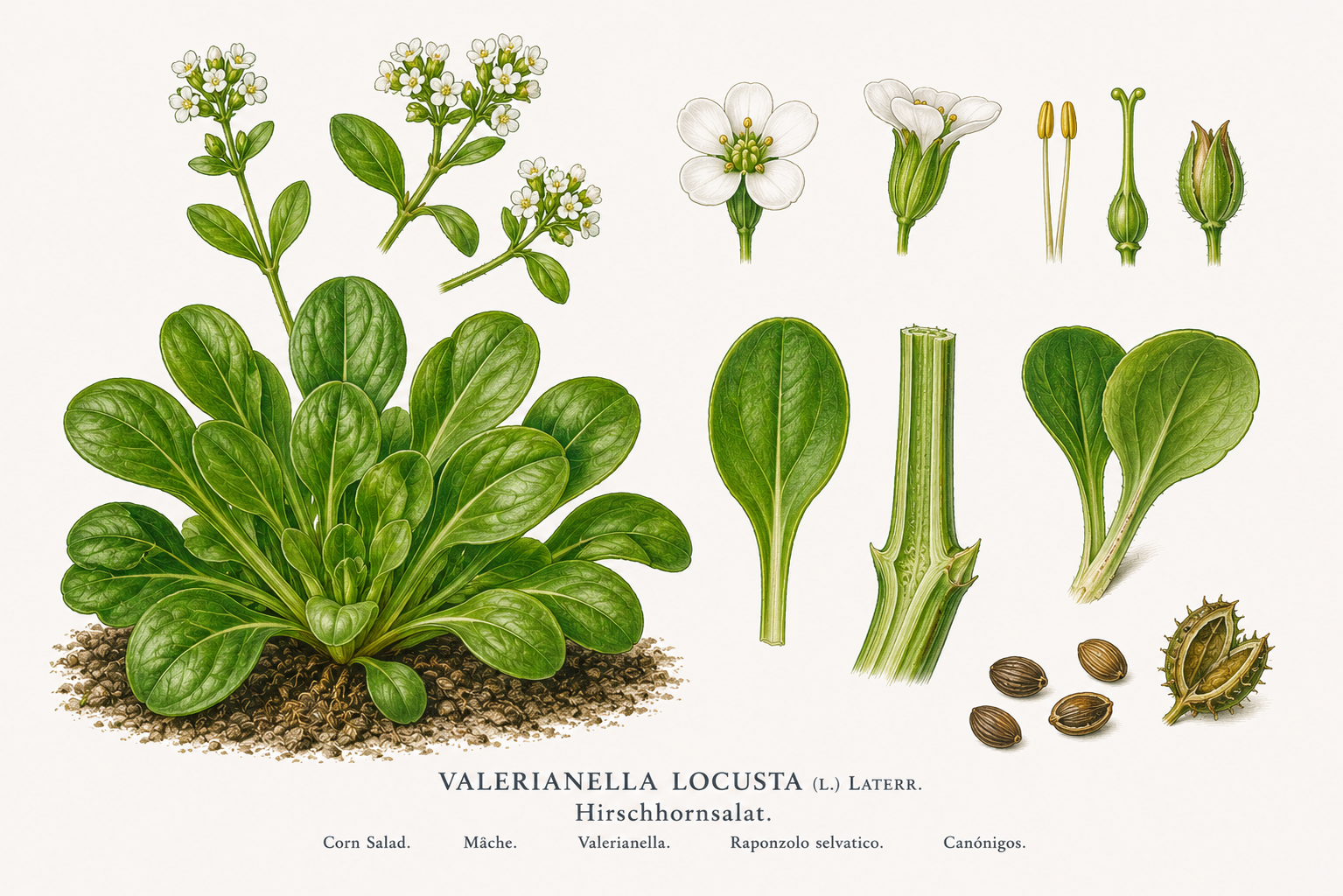
Plantago coronopus
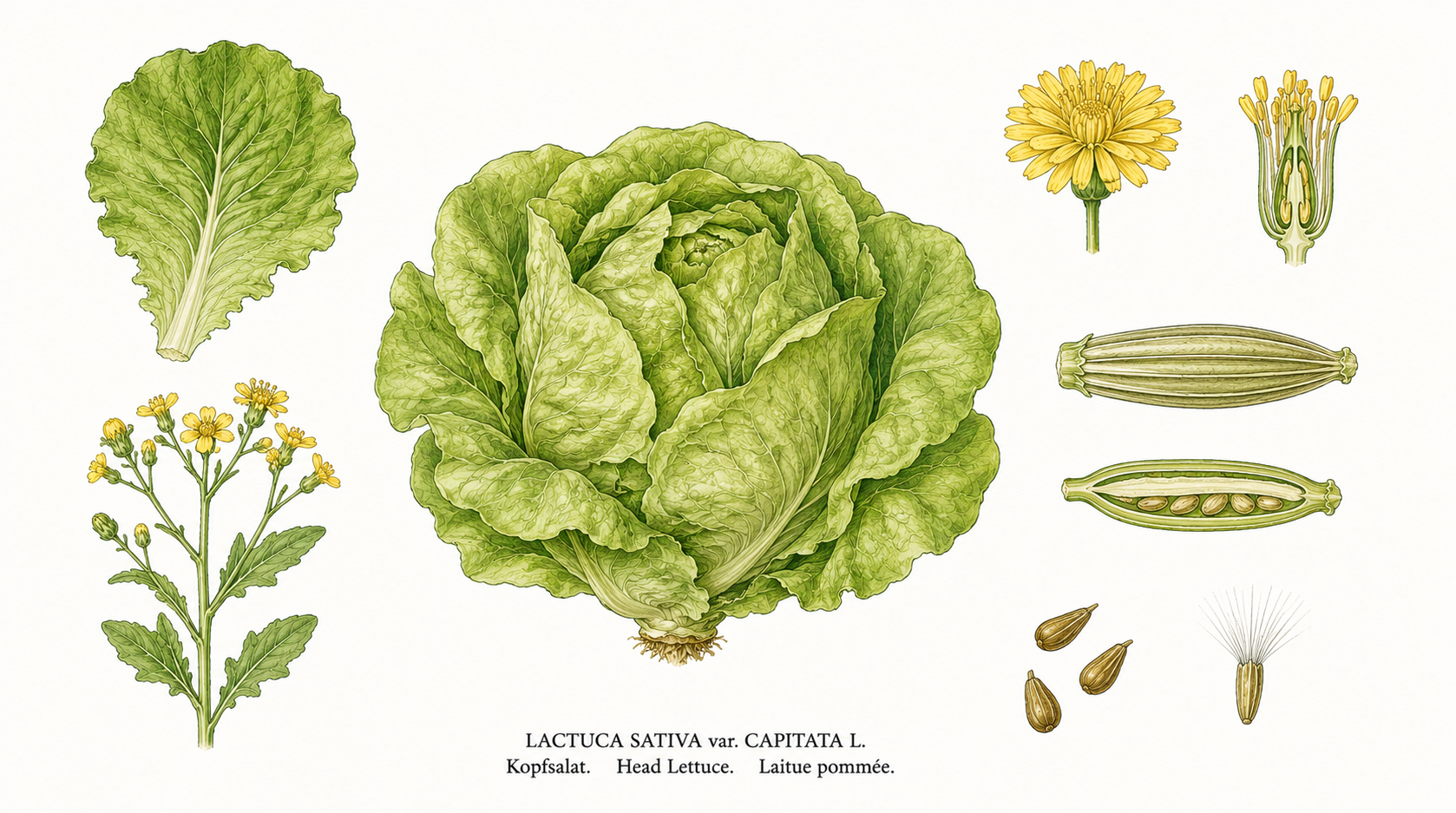
Lactuca sativa var. capitata
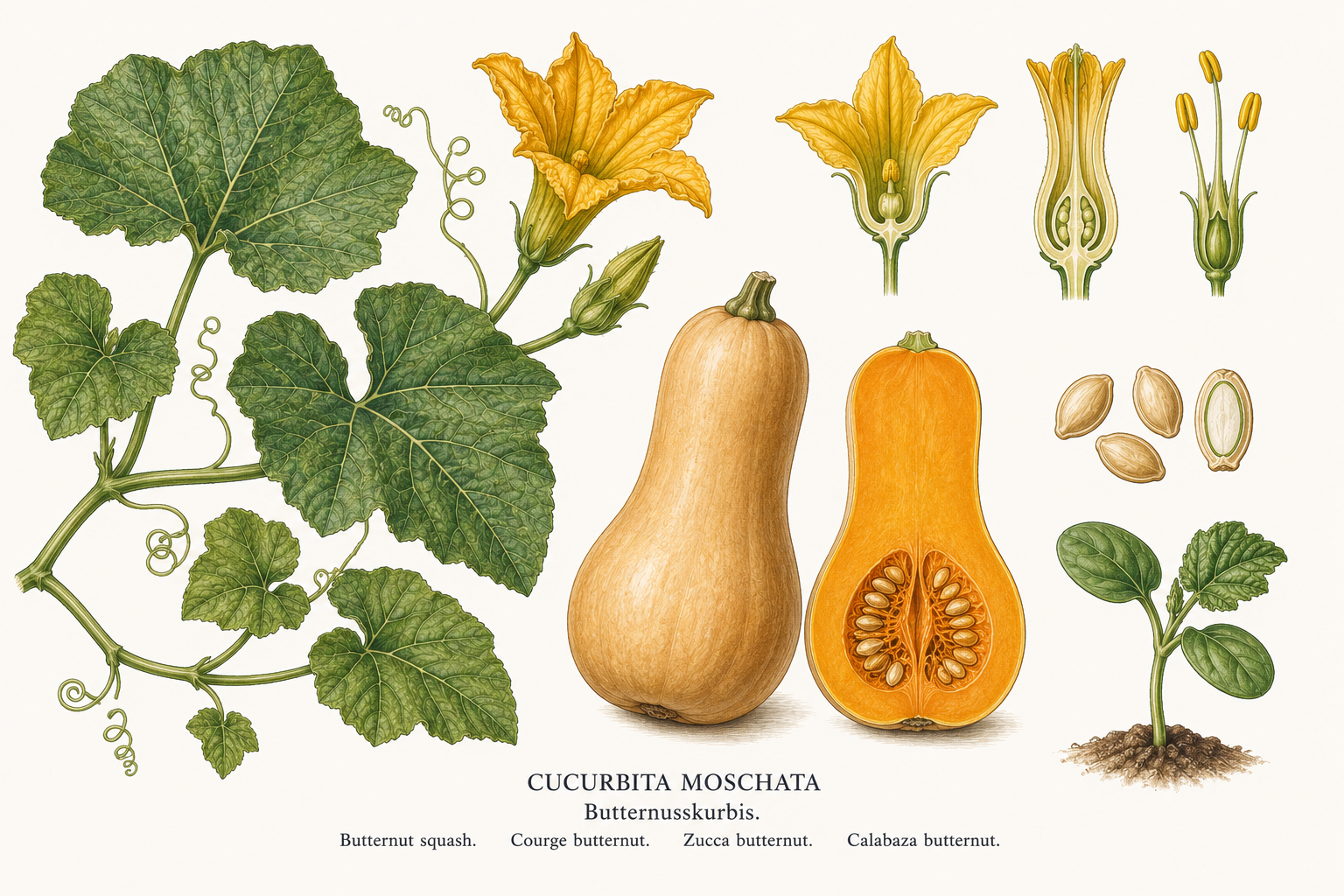
Cucurbita moschata
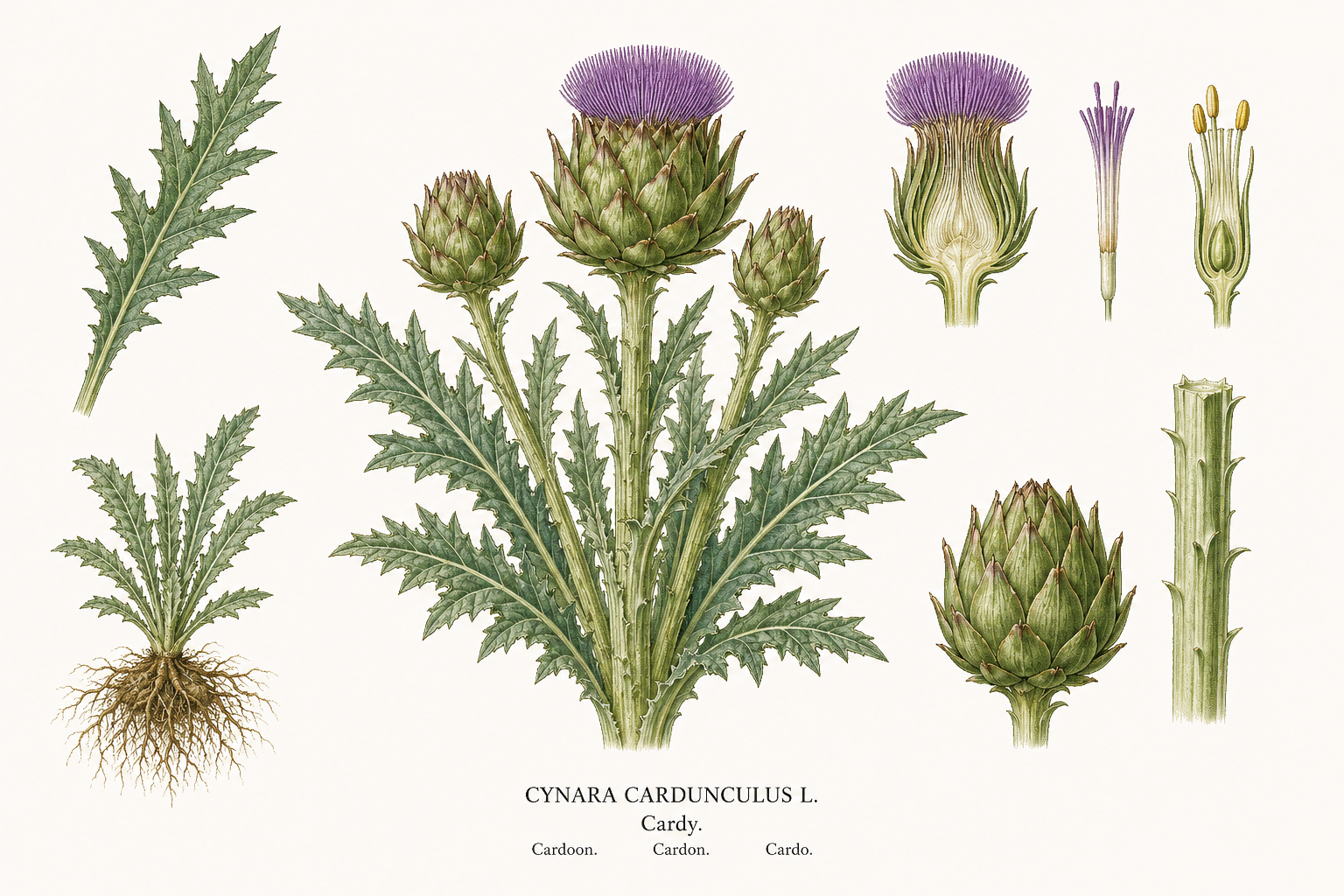
Cynara cardunculus
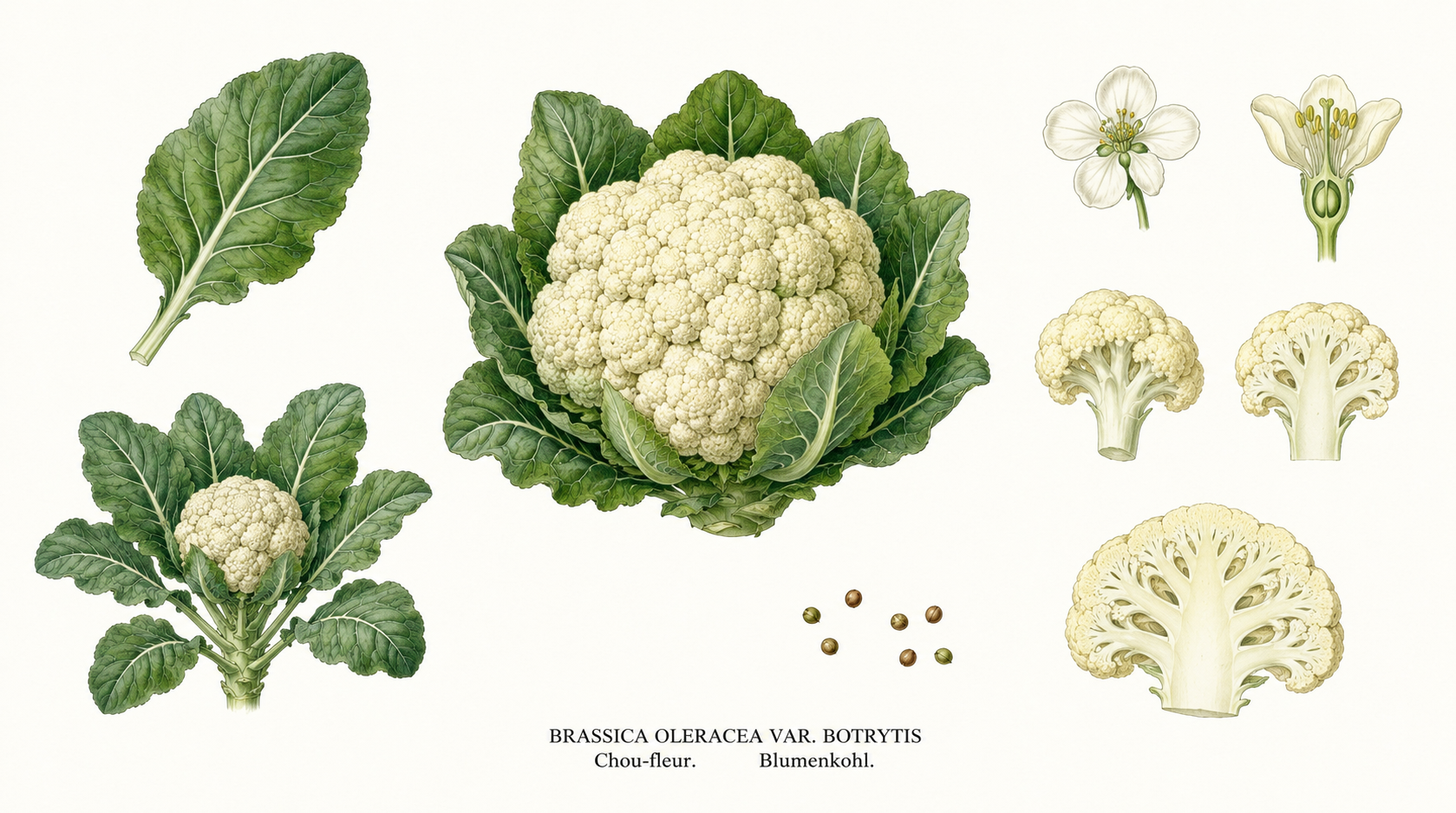
Brassica oleracea var. botrytis
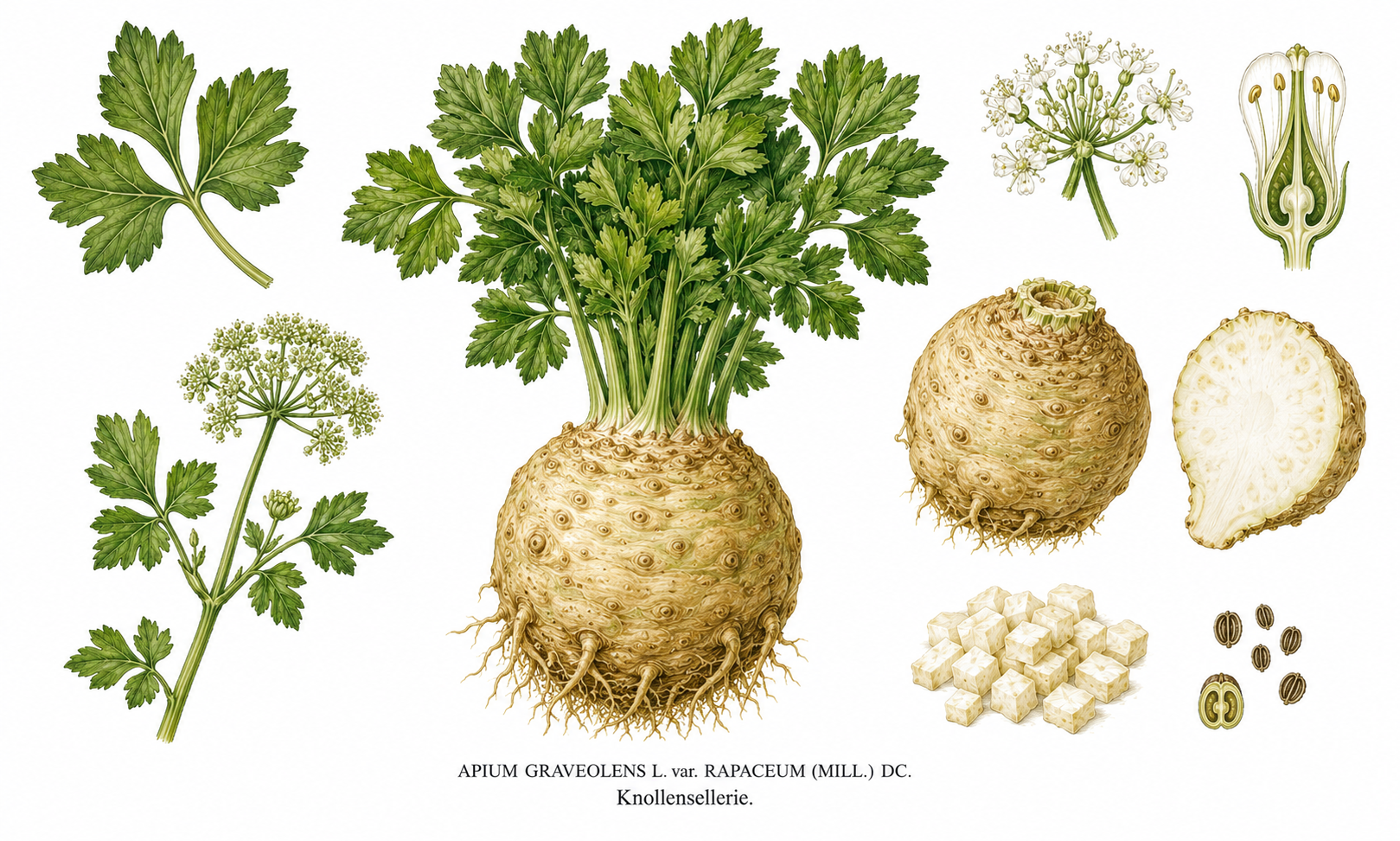
Apium graveolens var. rapaceum
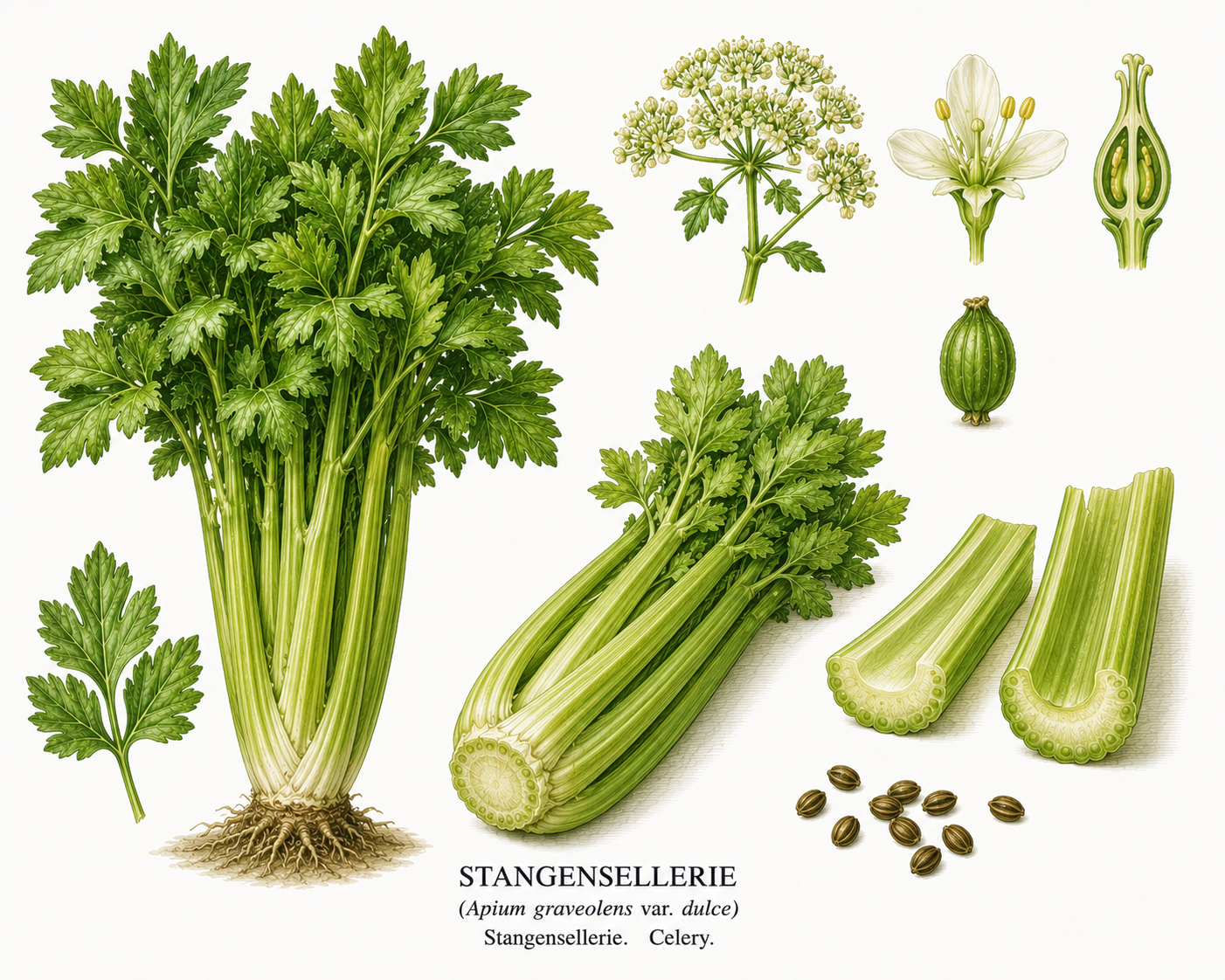
Apium graveolens var. dulce
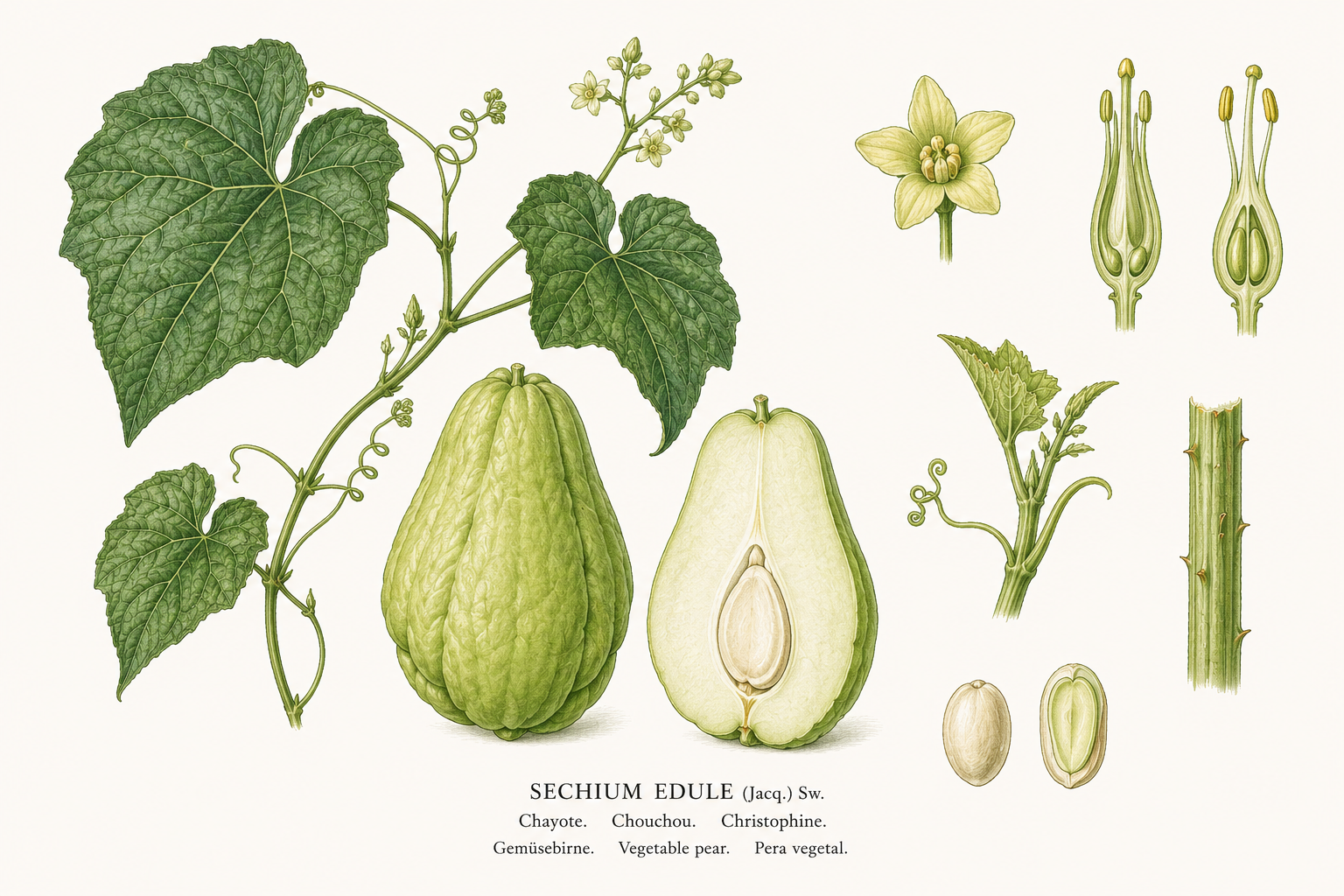
Sechium edule
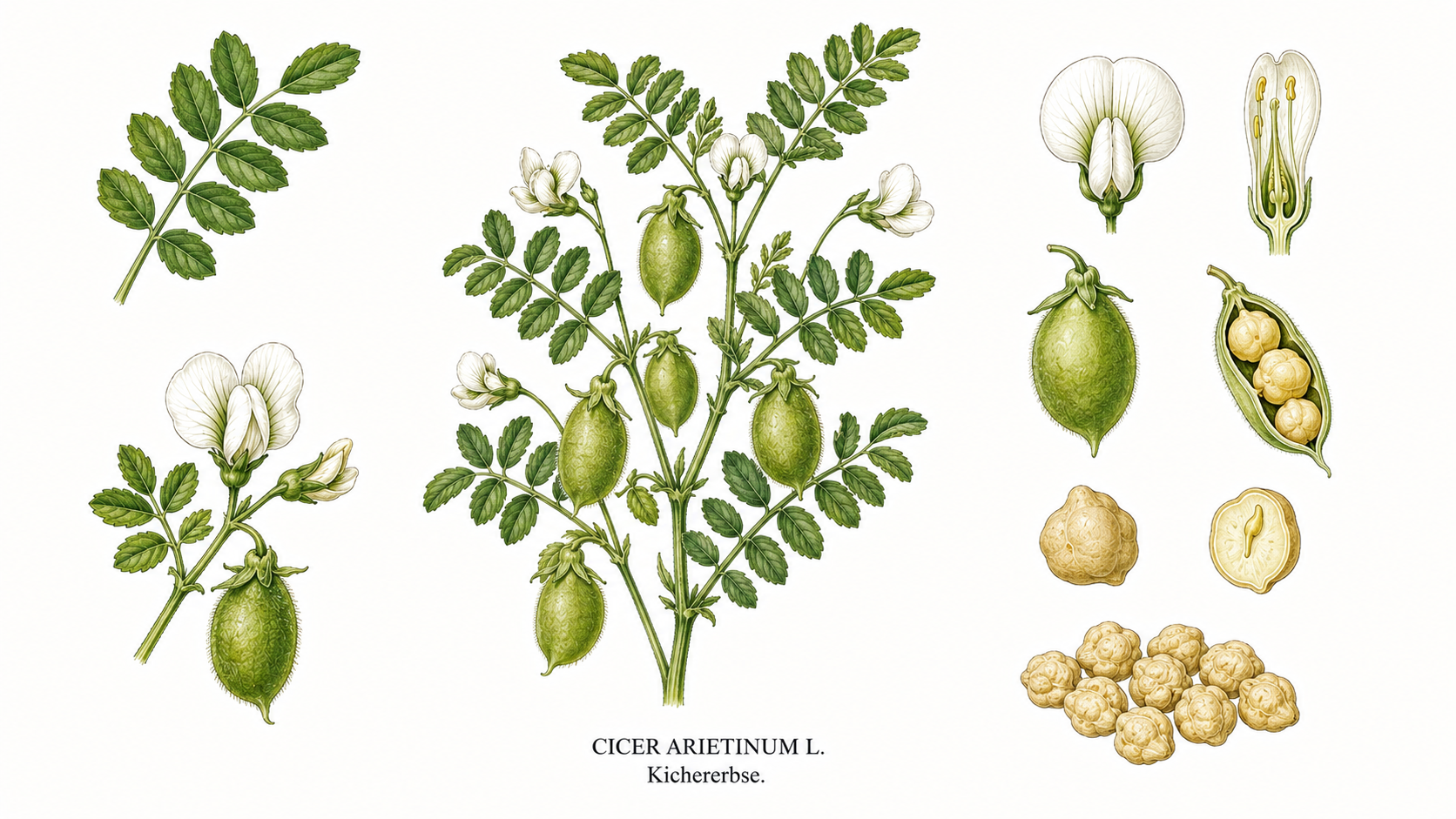
Cicer arietinum

Capsicum annuum
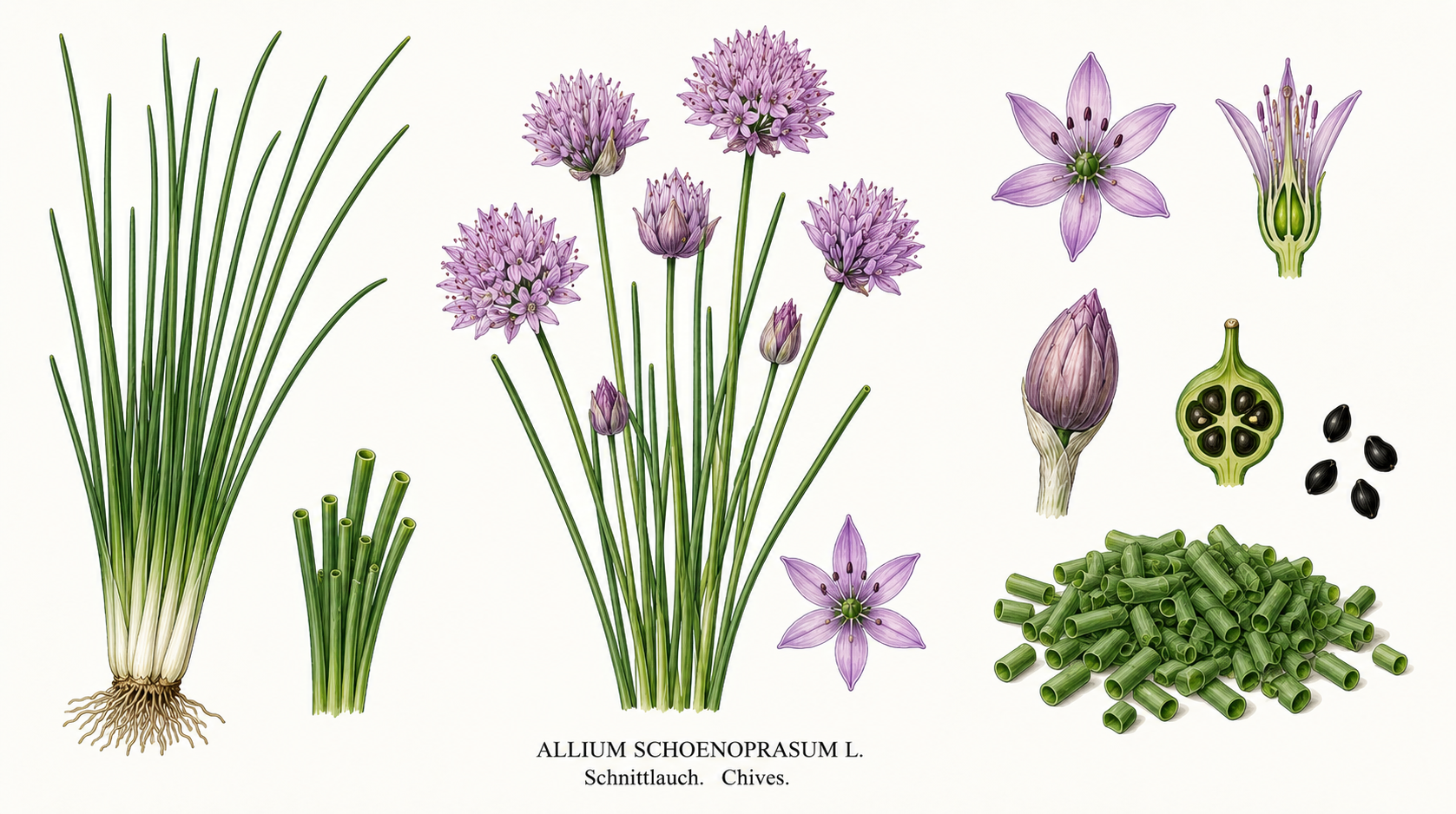
Allium schoenoprasum
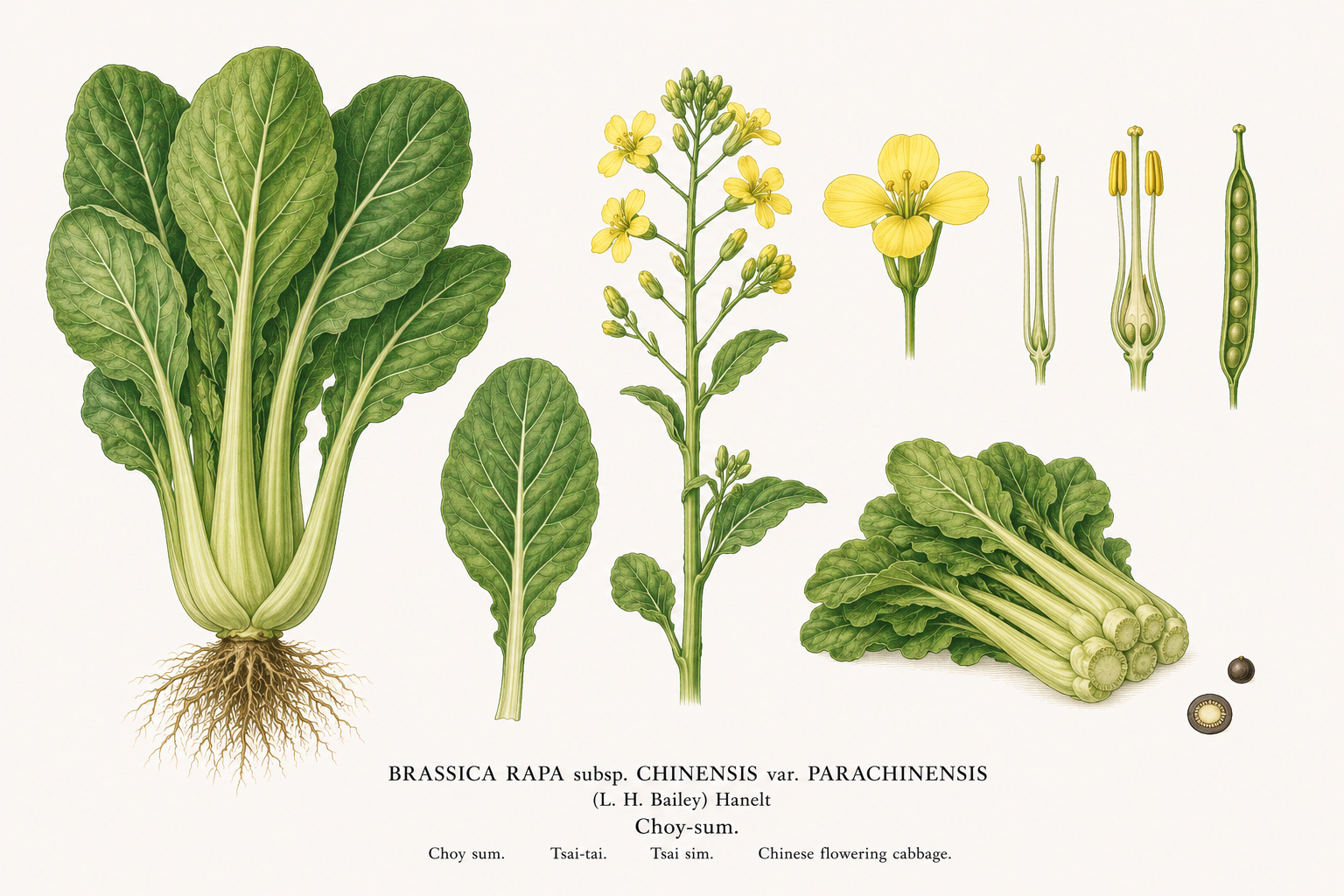
Brassica rapa var. parachinensis
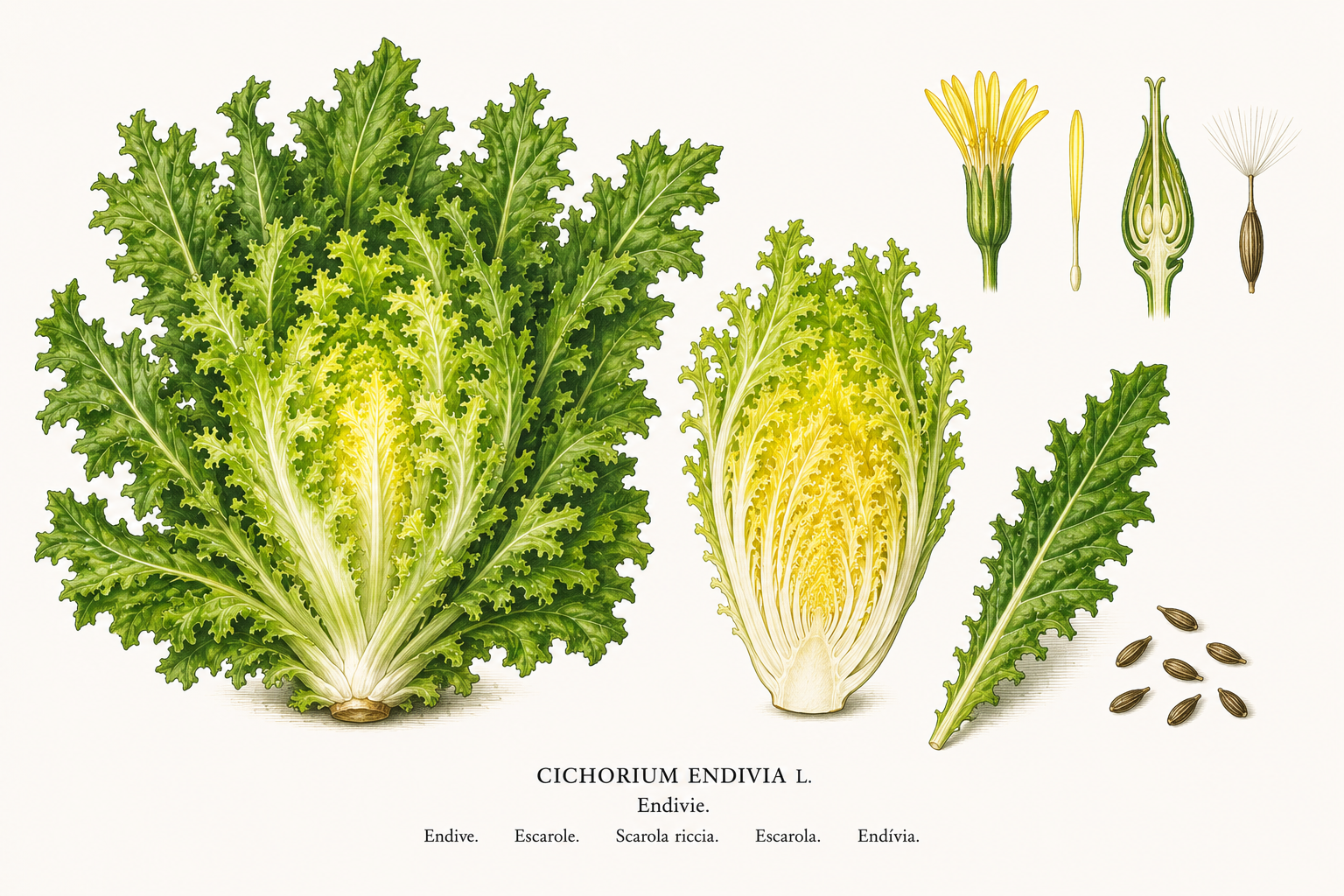
Cichorium endivia
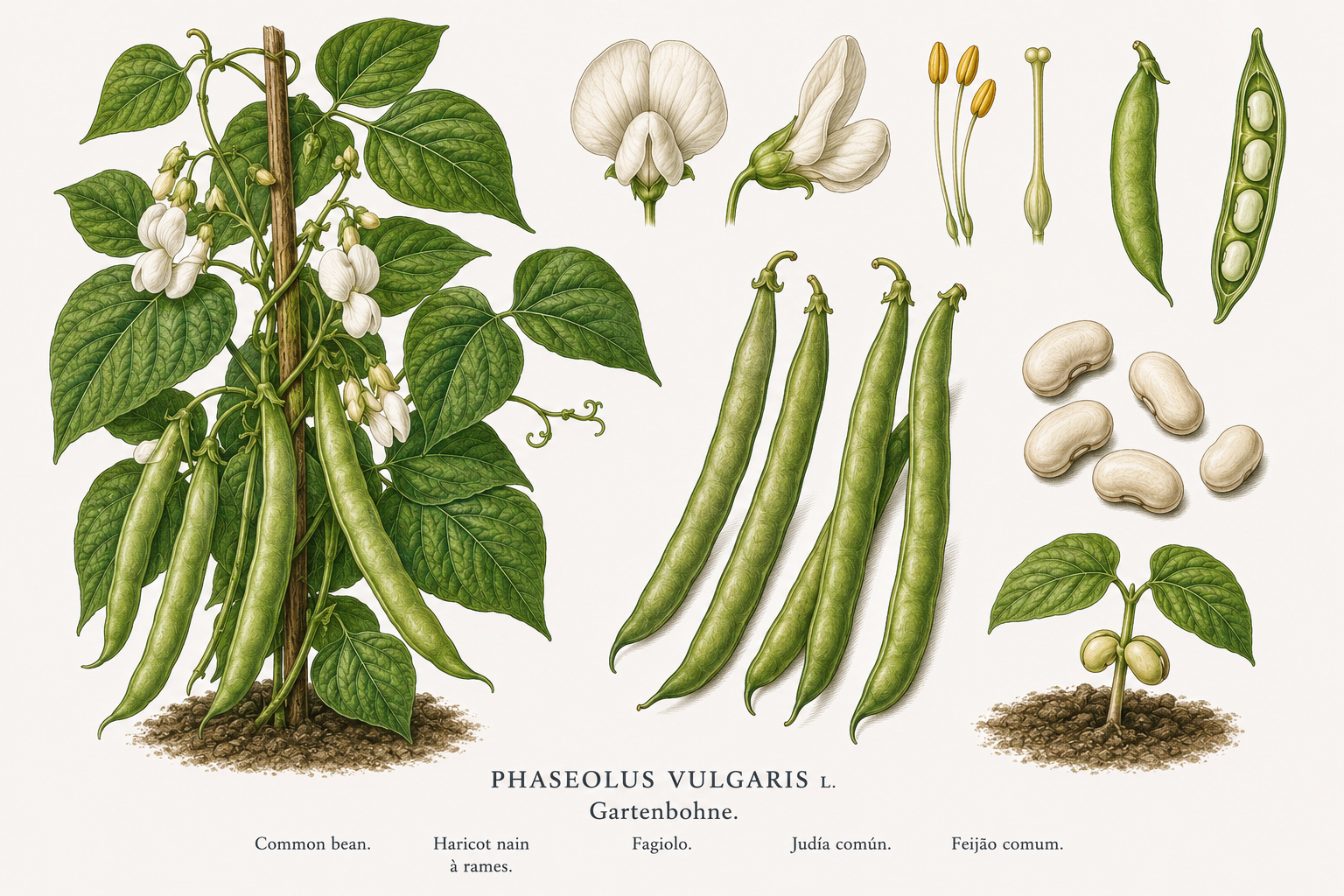
Phaseolus vulgaris
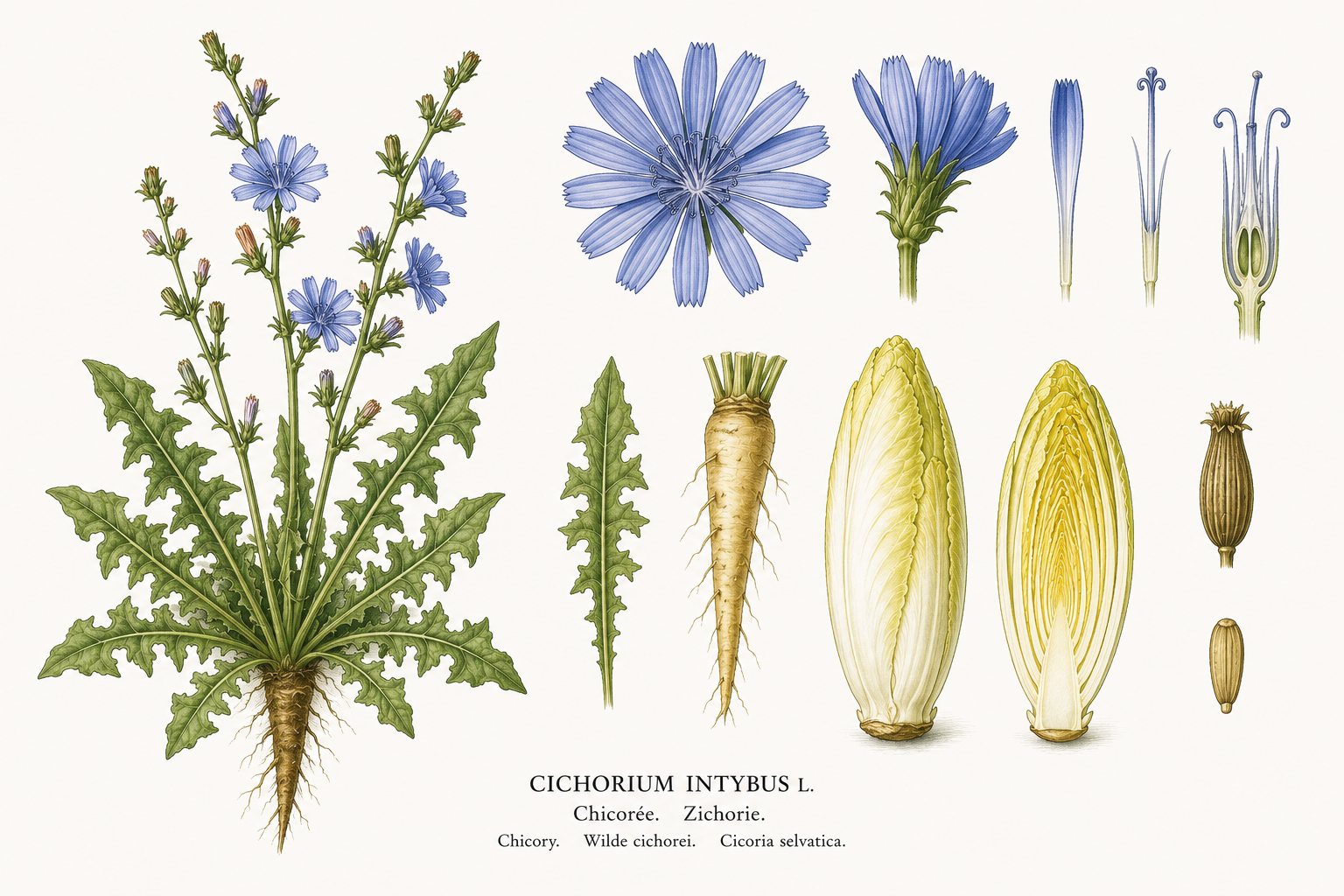
Cichorium intybus
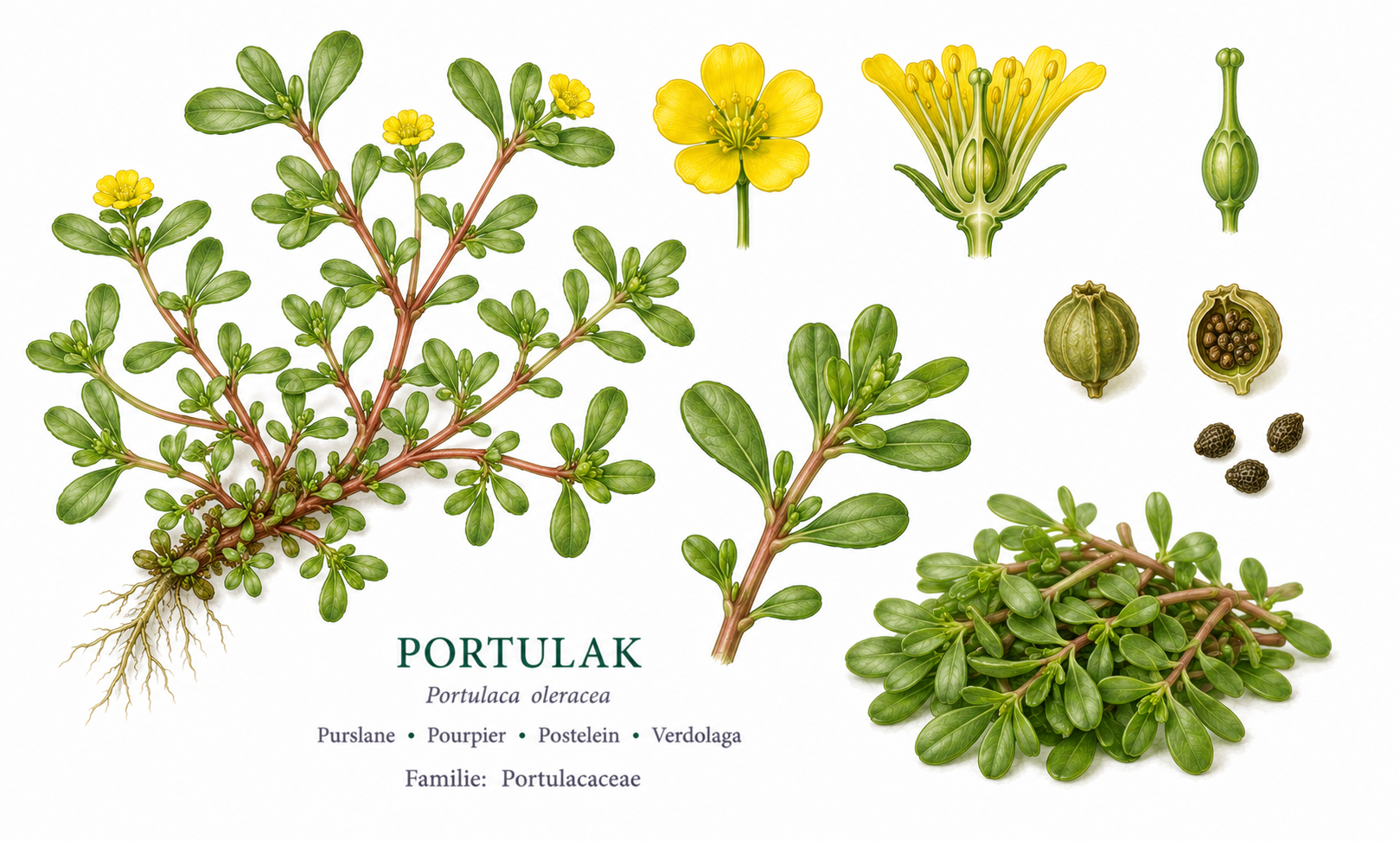
Portulaca oleracea
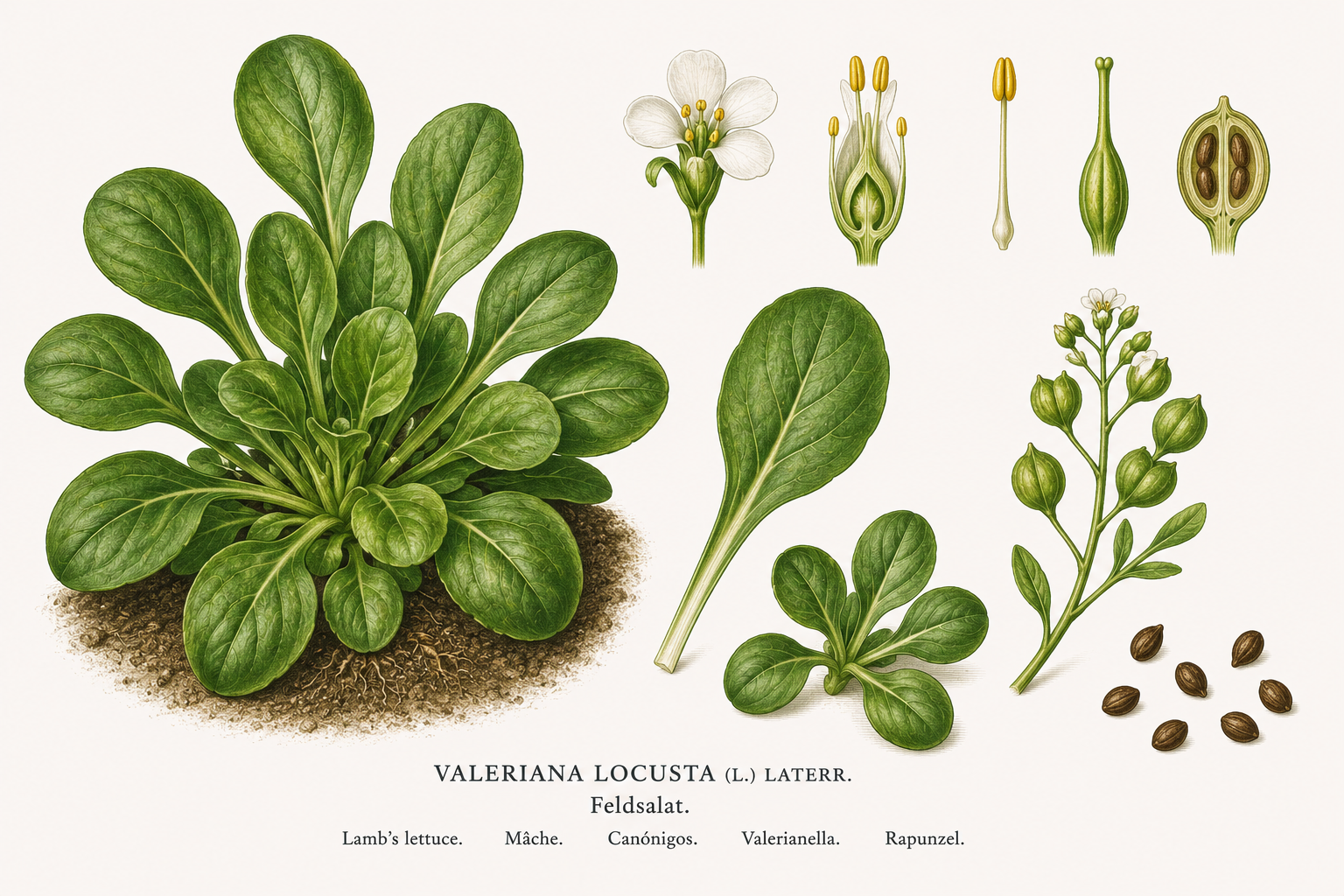
Valerianella locusta
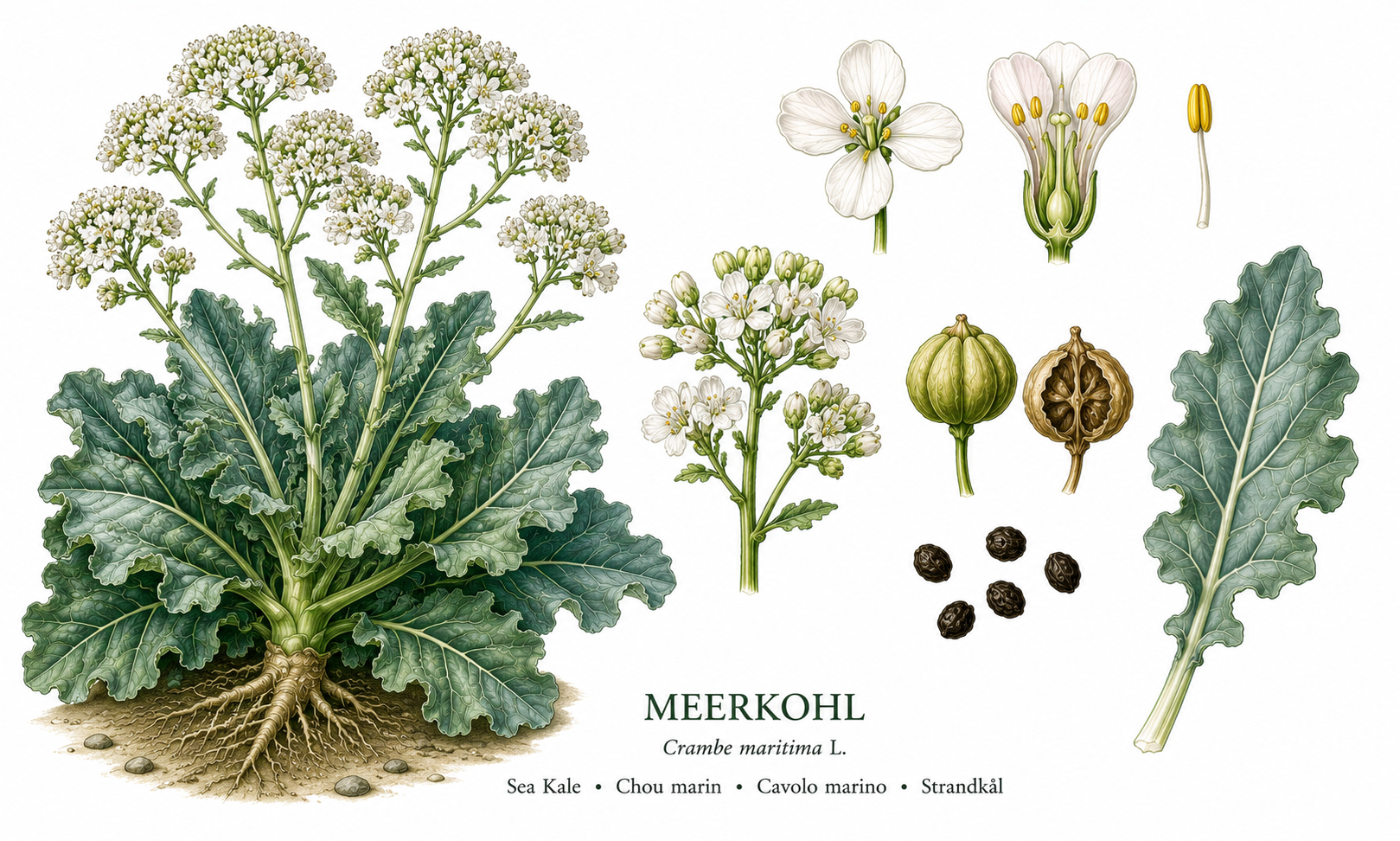
Crambe
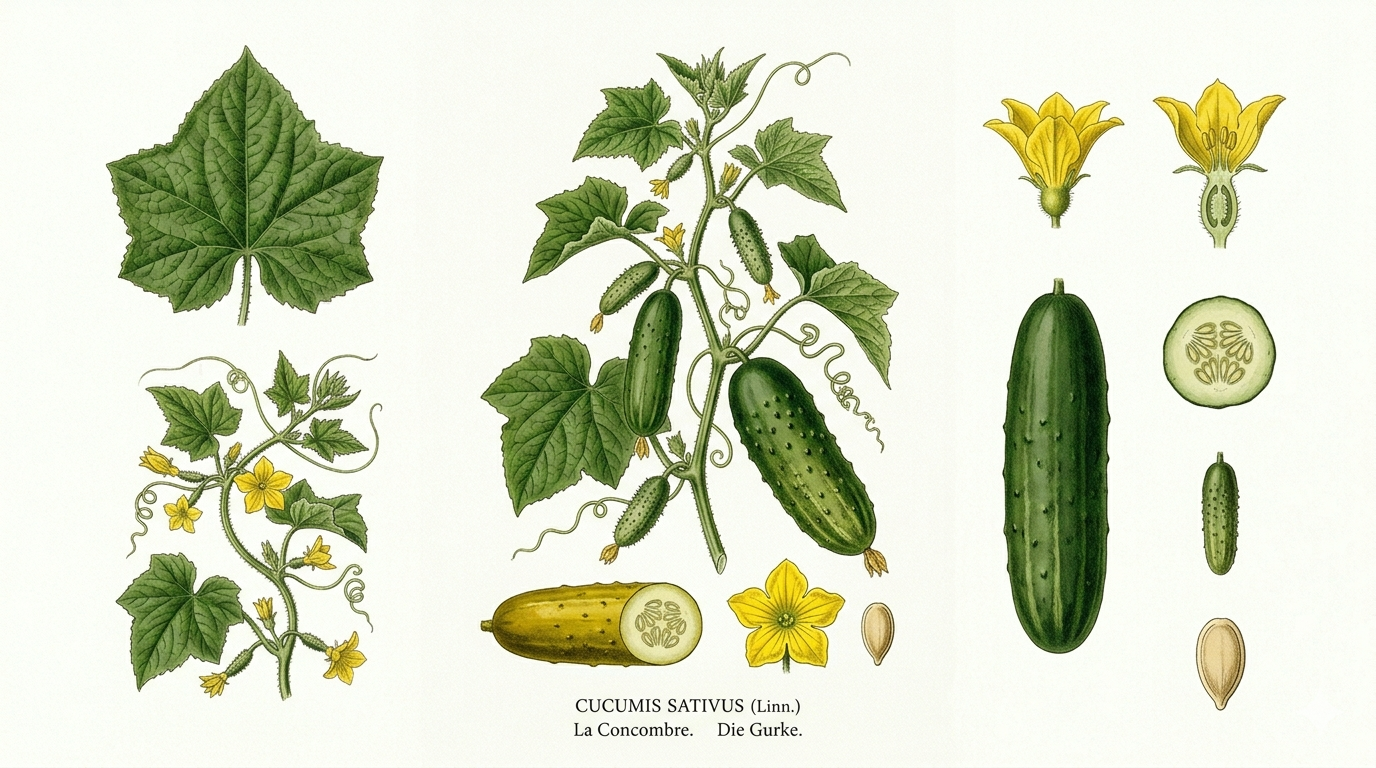
Cucumis sativus
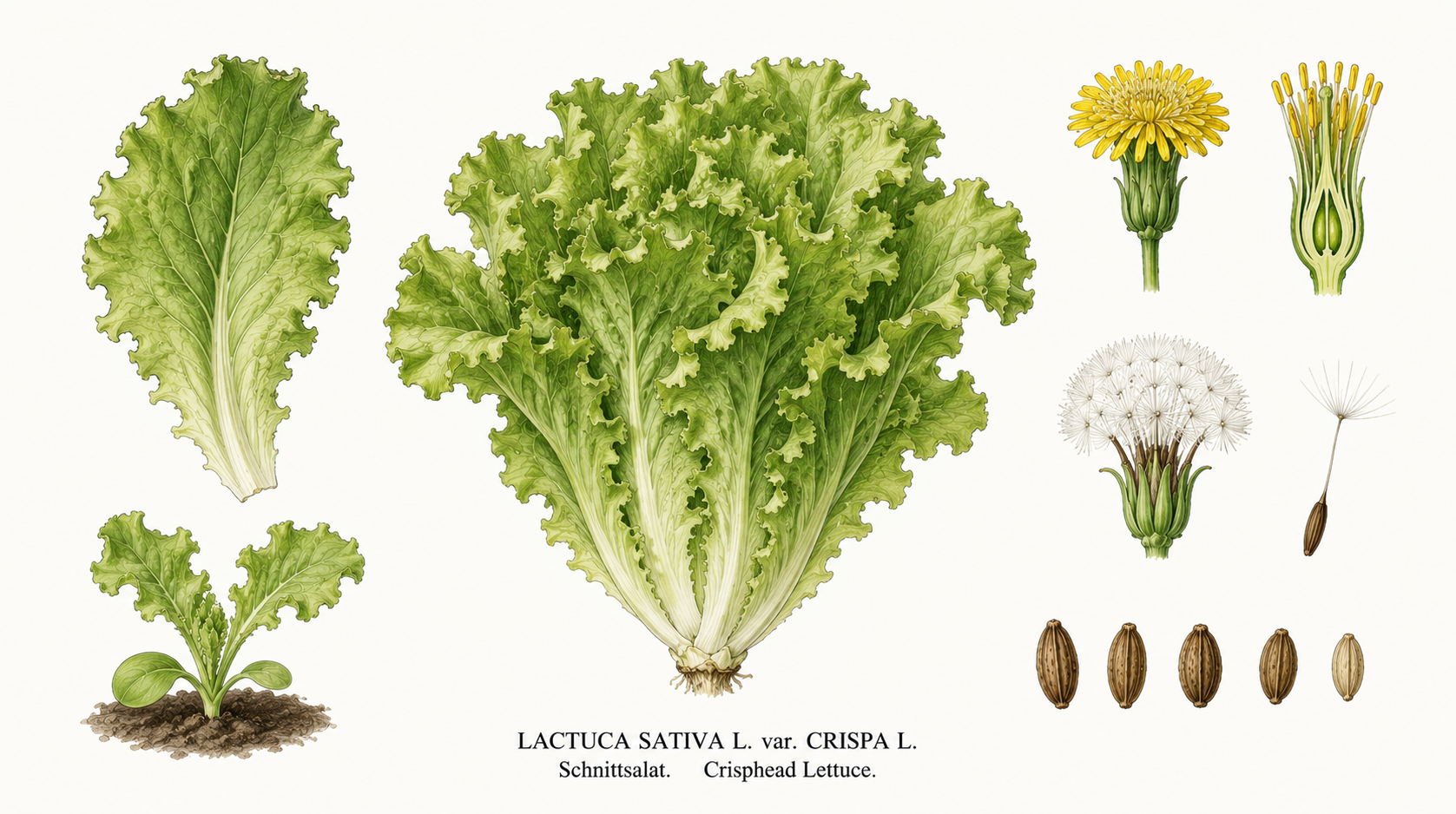
Lactuca sativa var. crispa
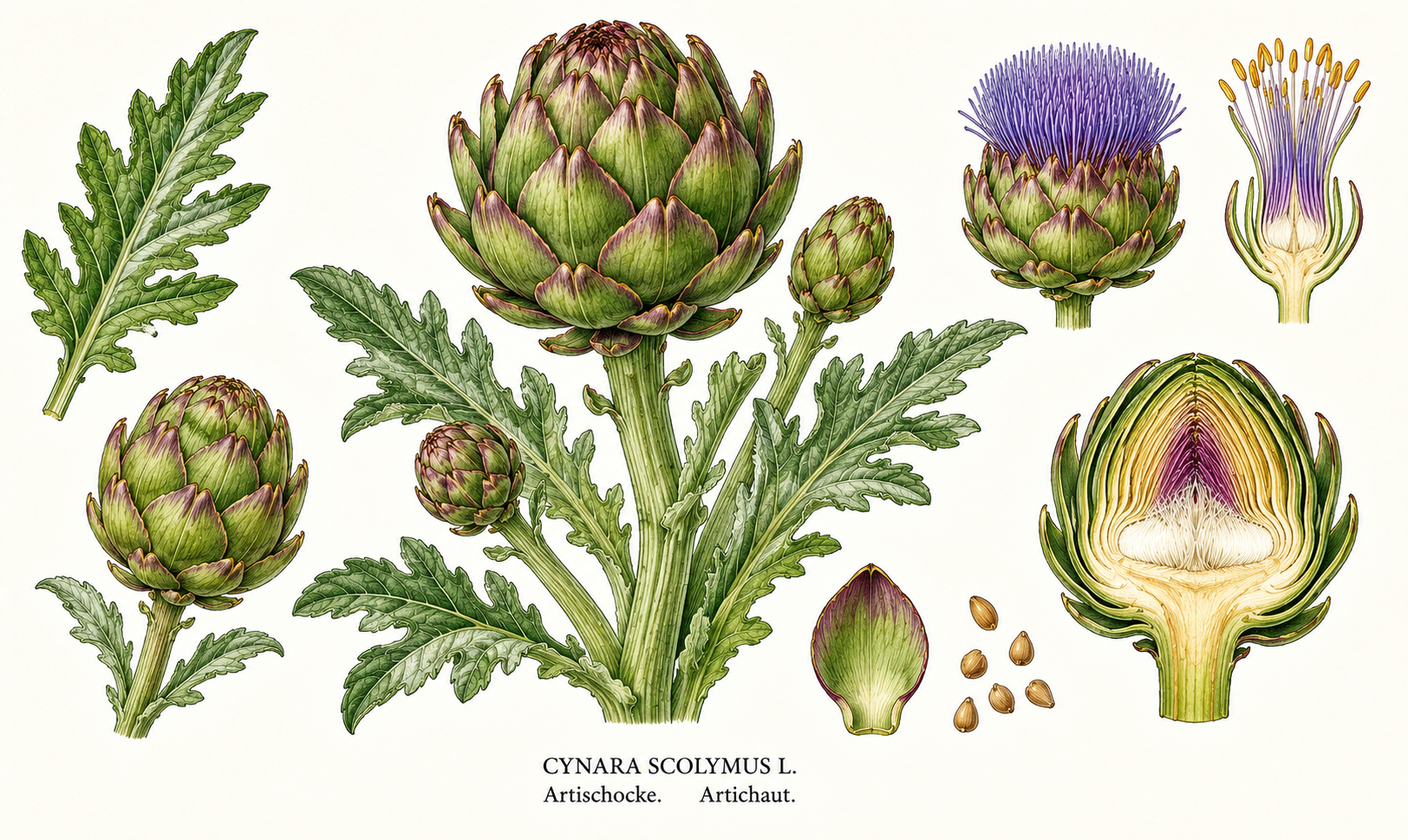
Cynara scolymus
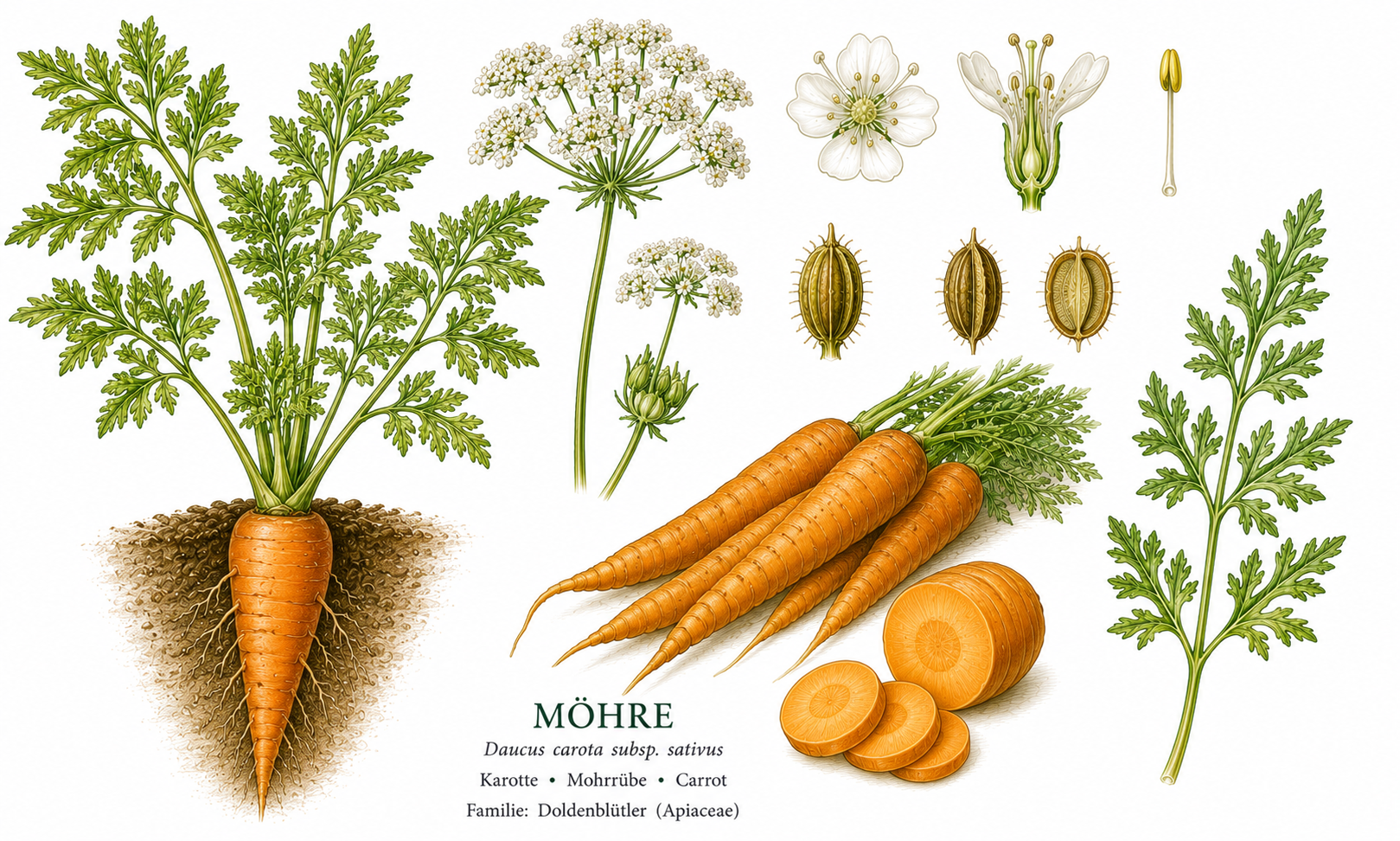
Daucus carota
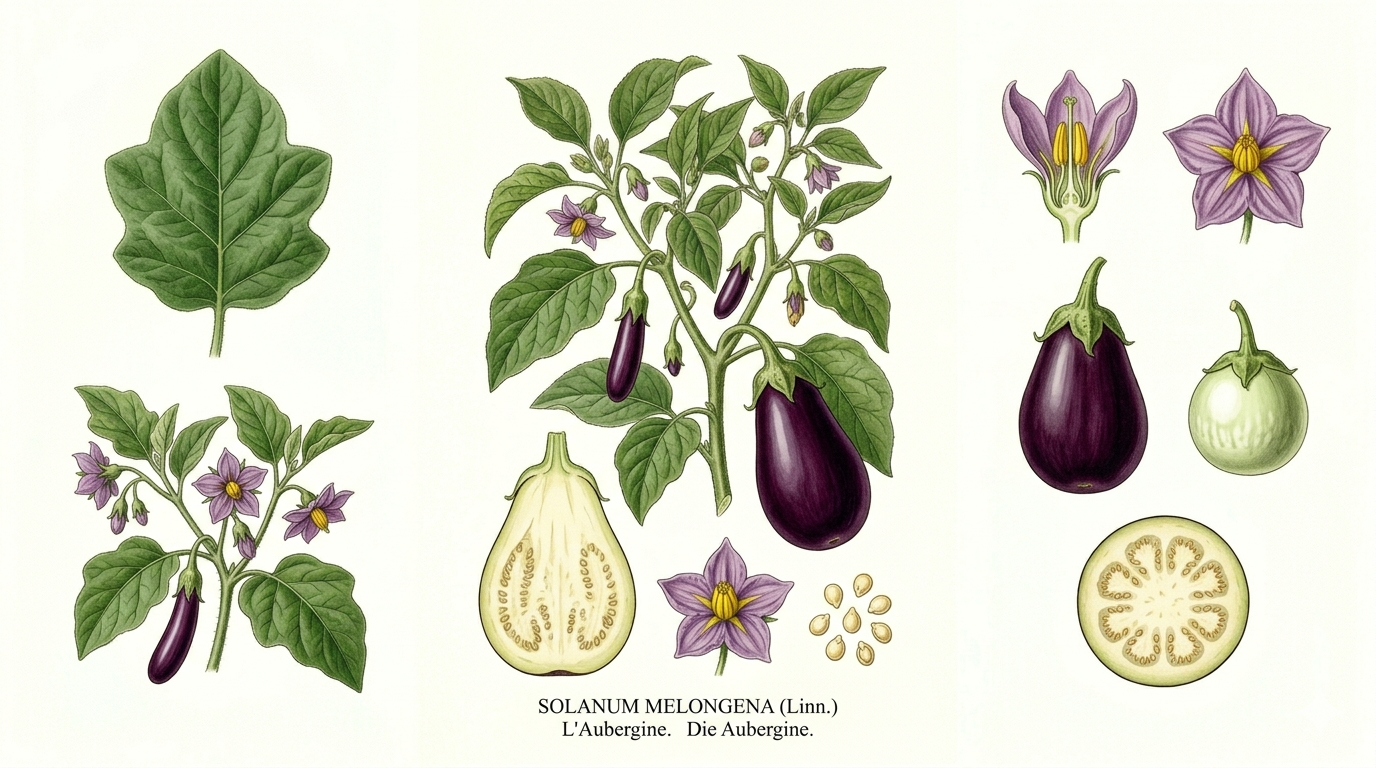
Solanum melongena
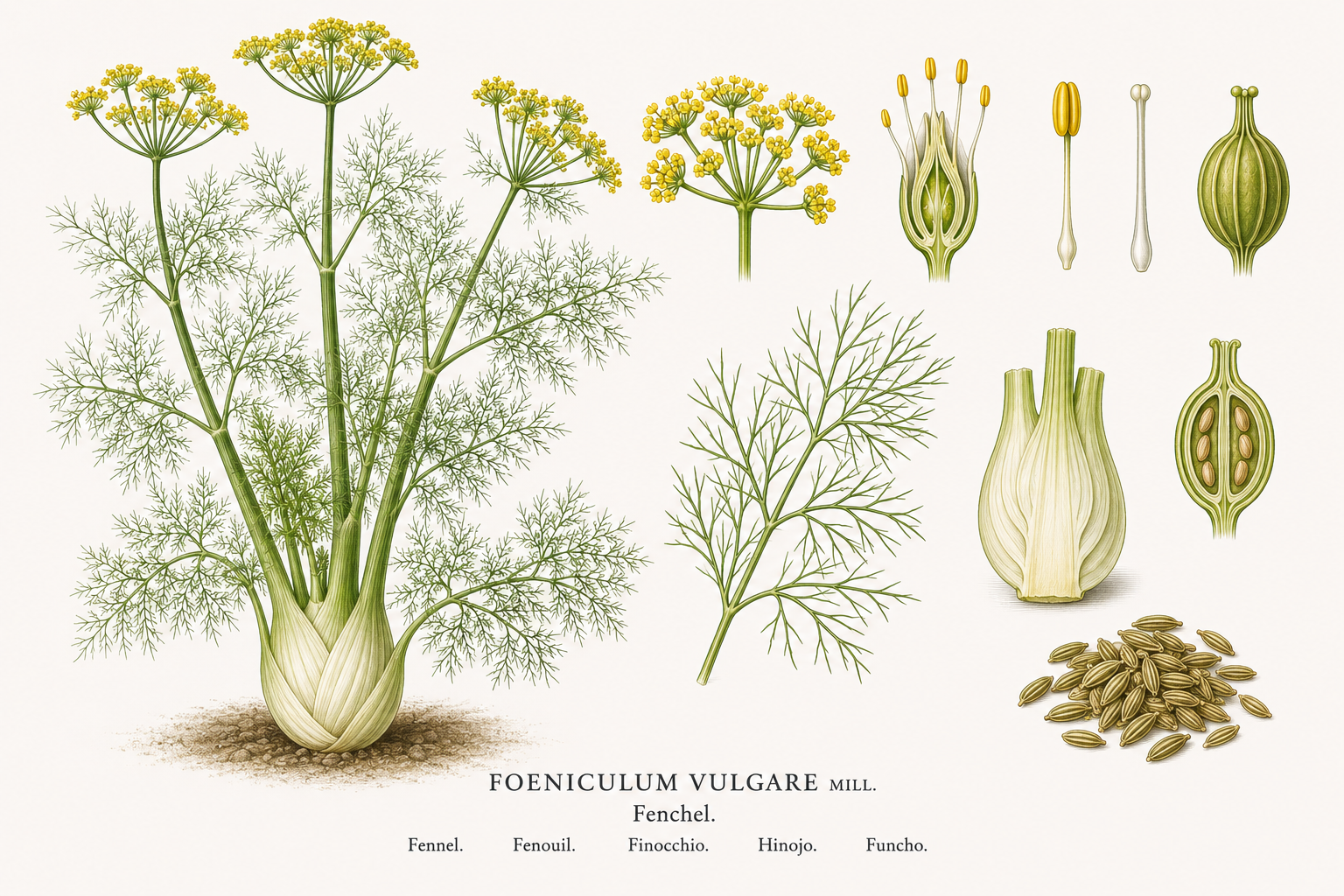
Foeniculum vulgare
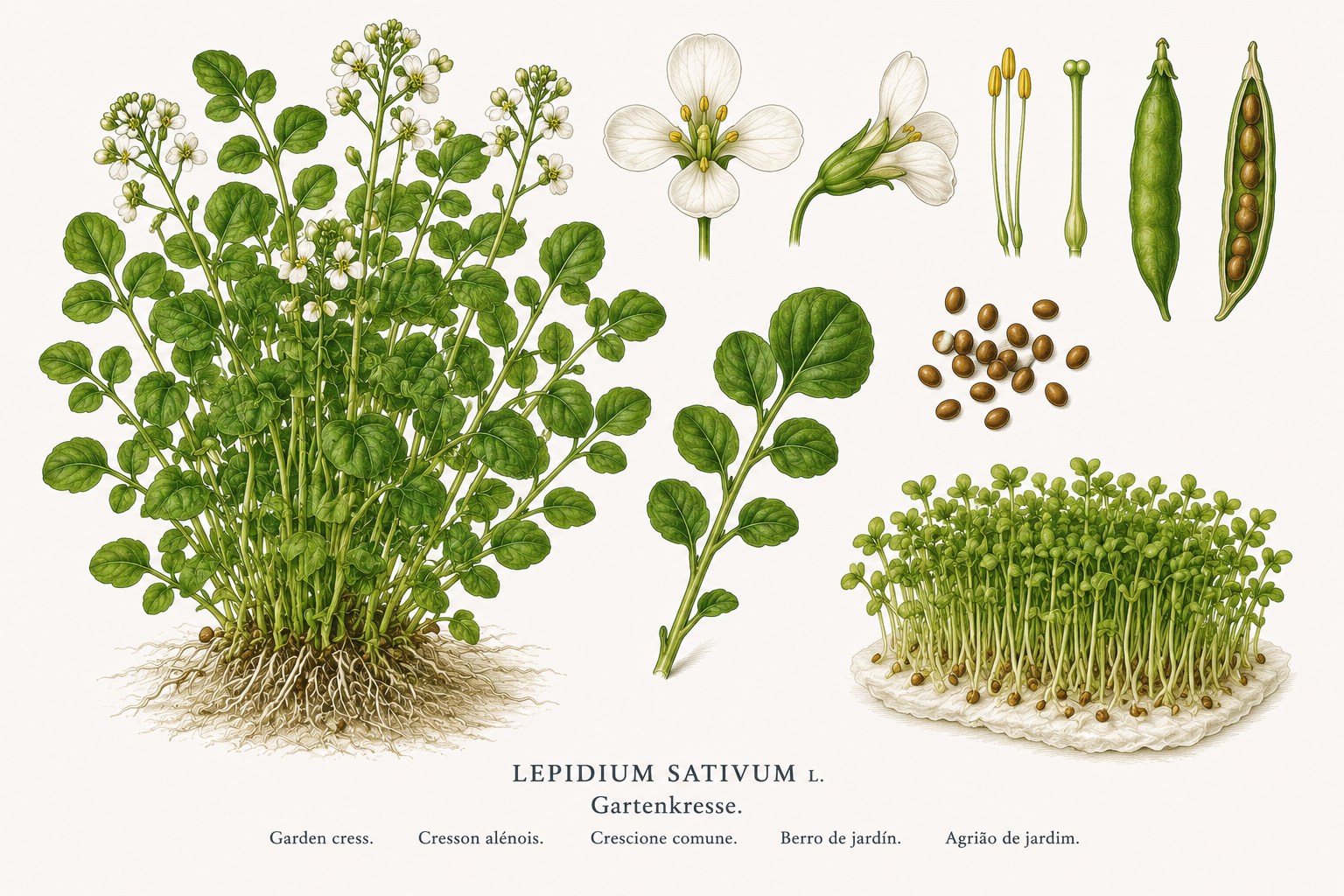
Lepidium sativum
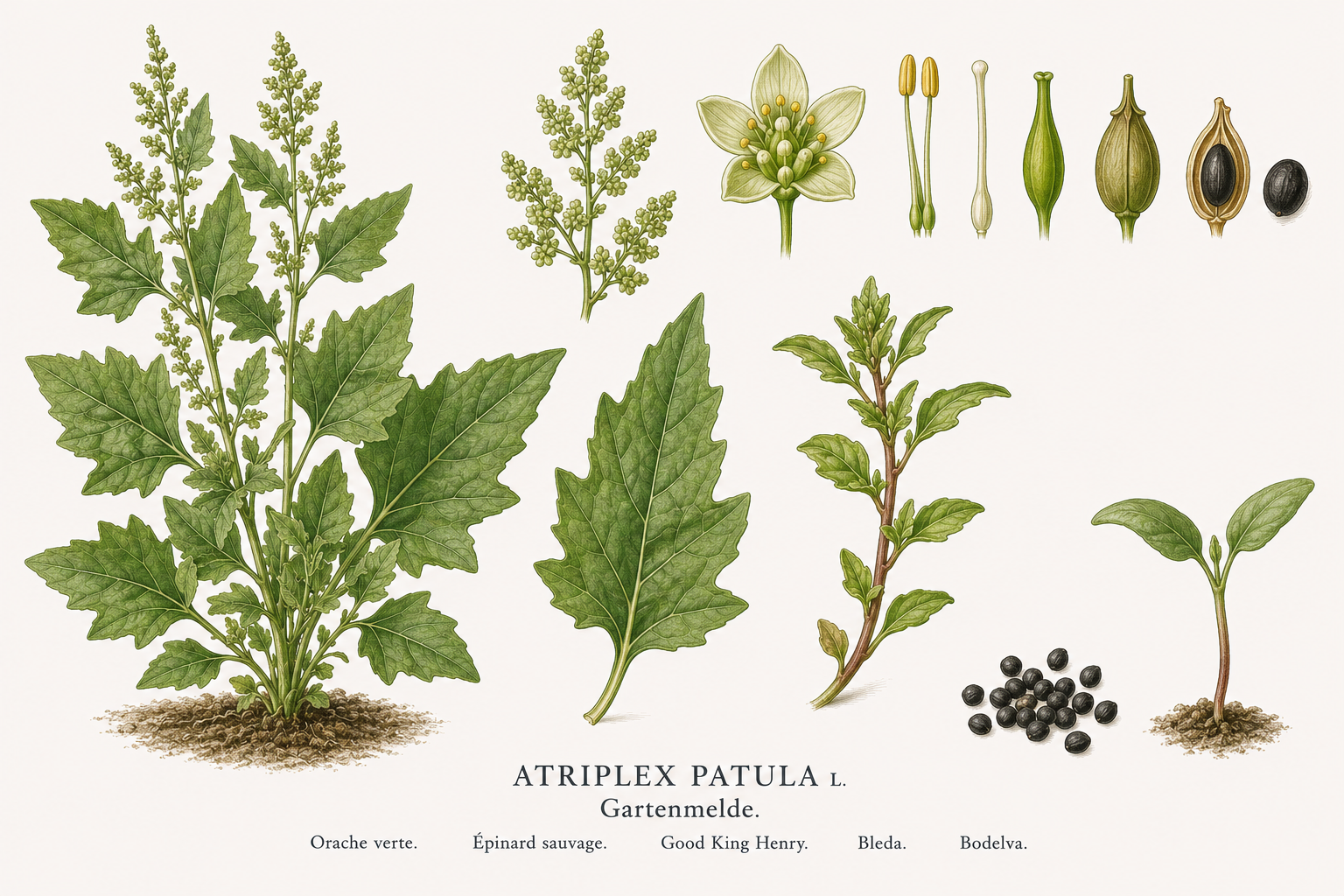
Atriplex hortensis
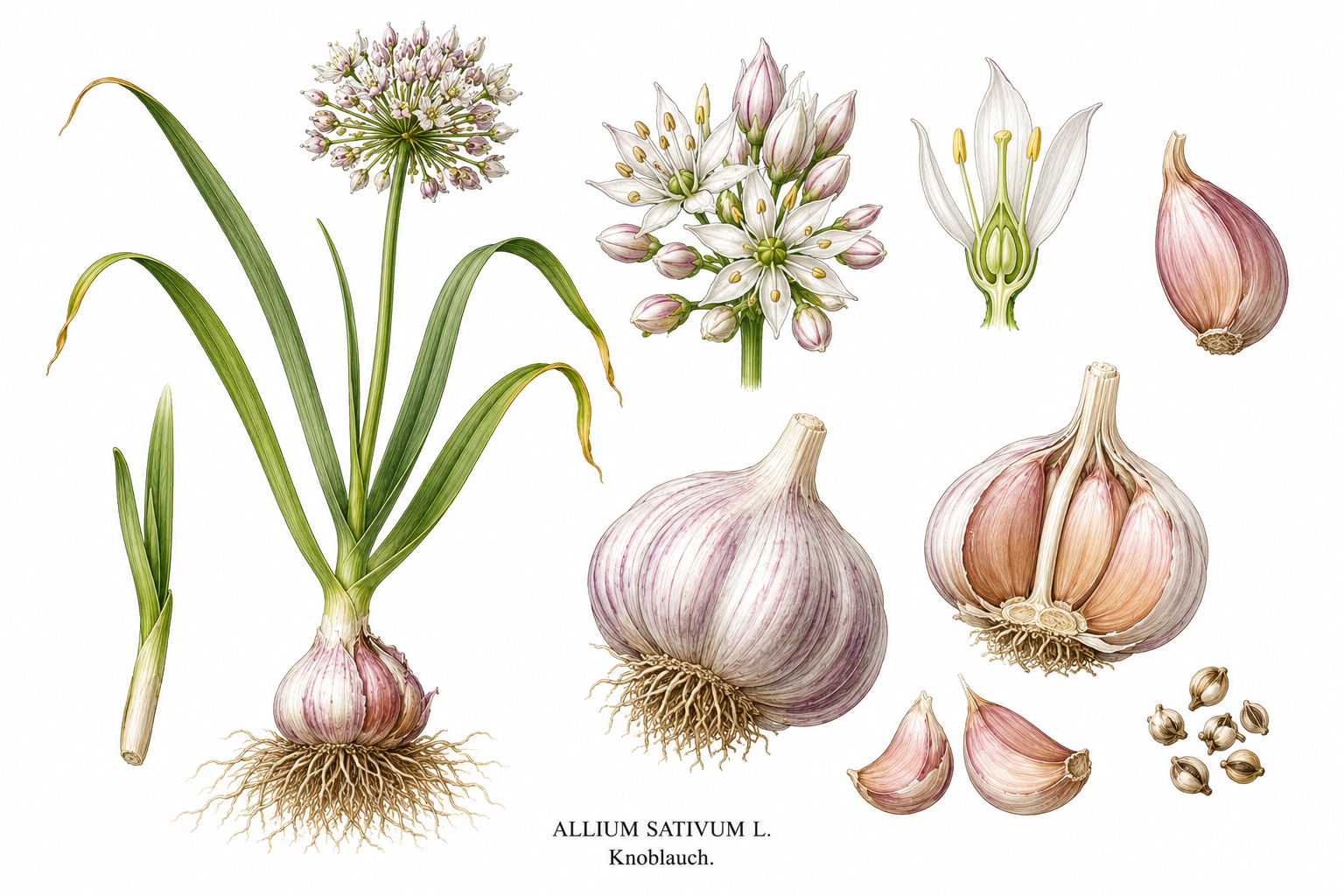
Allium sativum
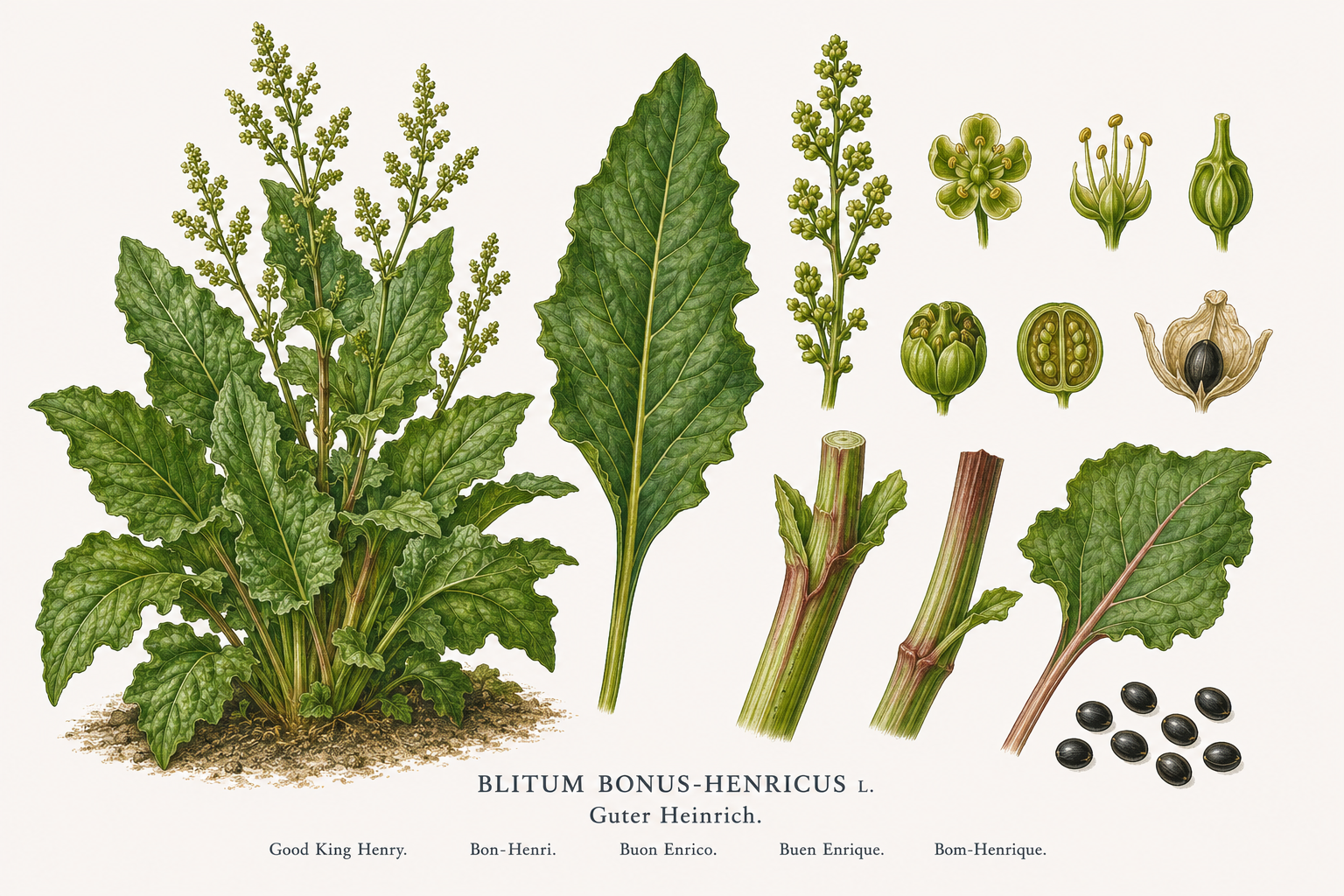
Blitum bonus-henricus
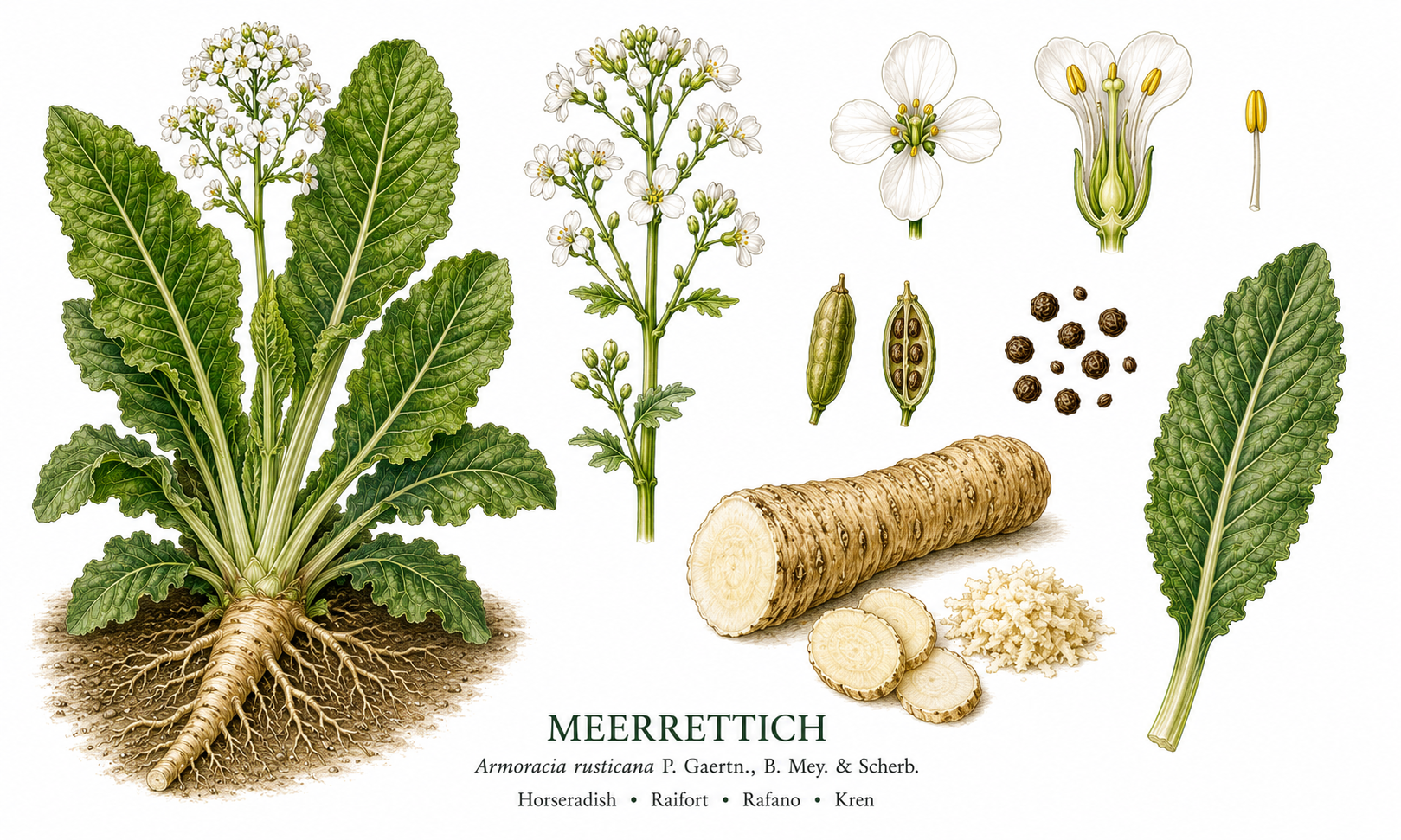
Armoracia rusticana
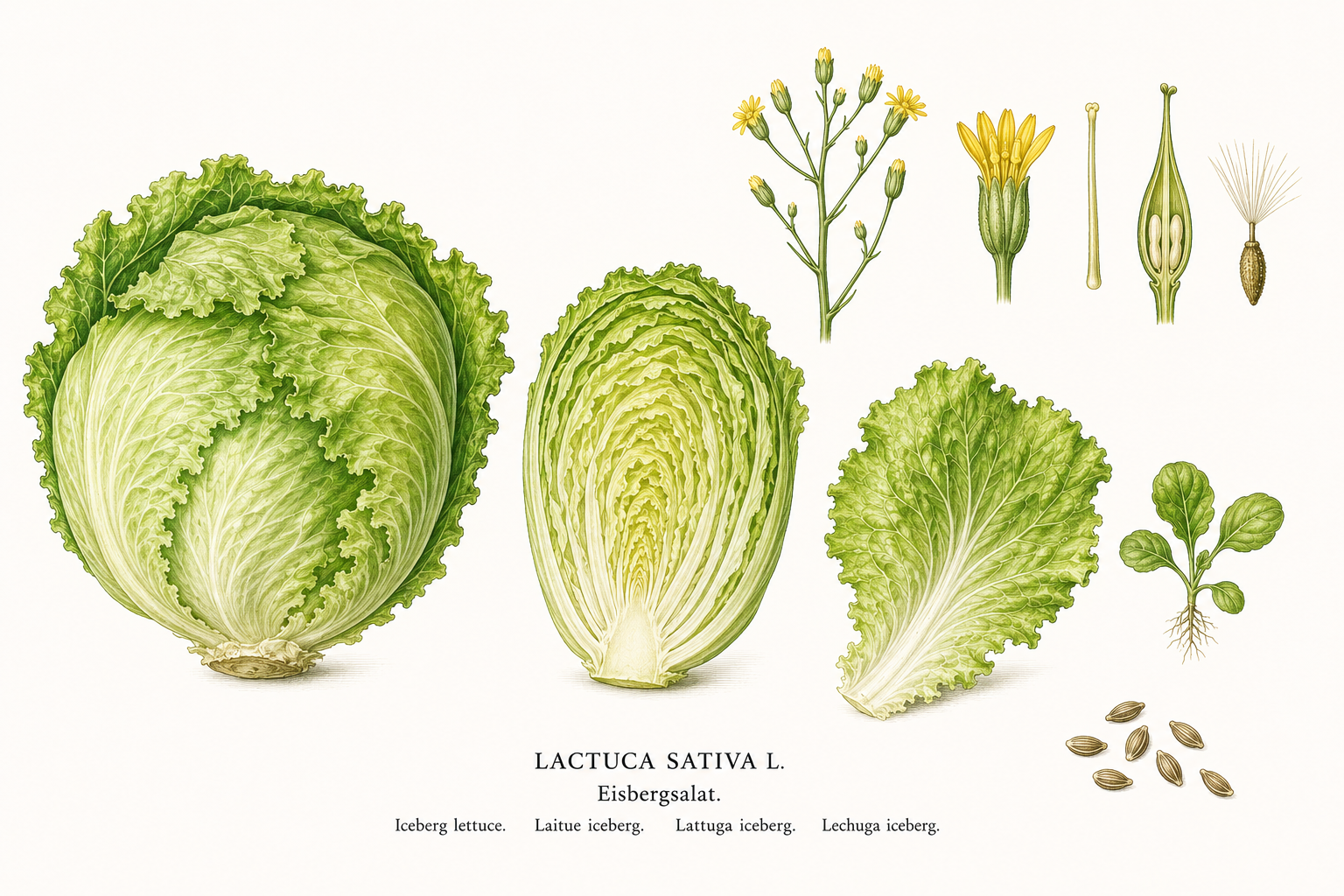
Lactuca sativa var. capitata
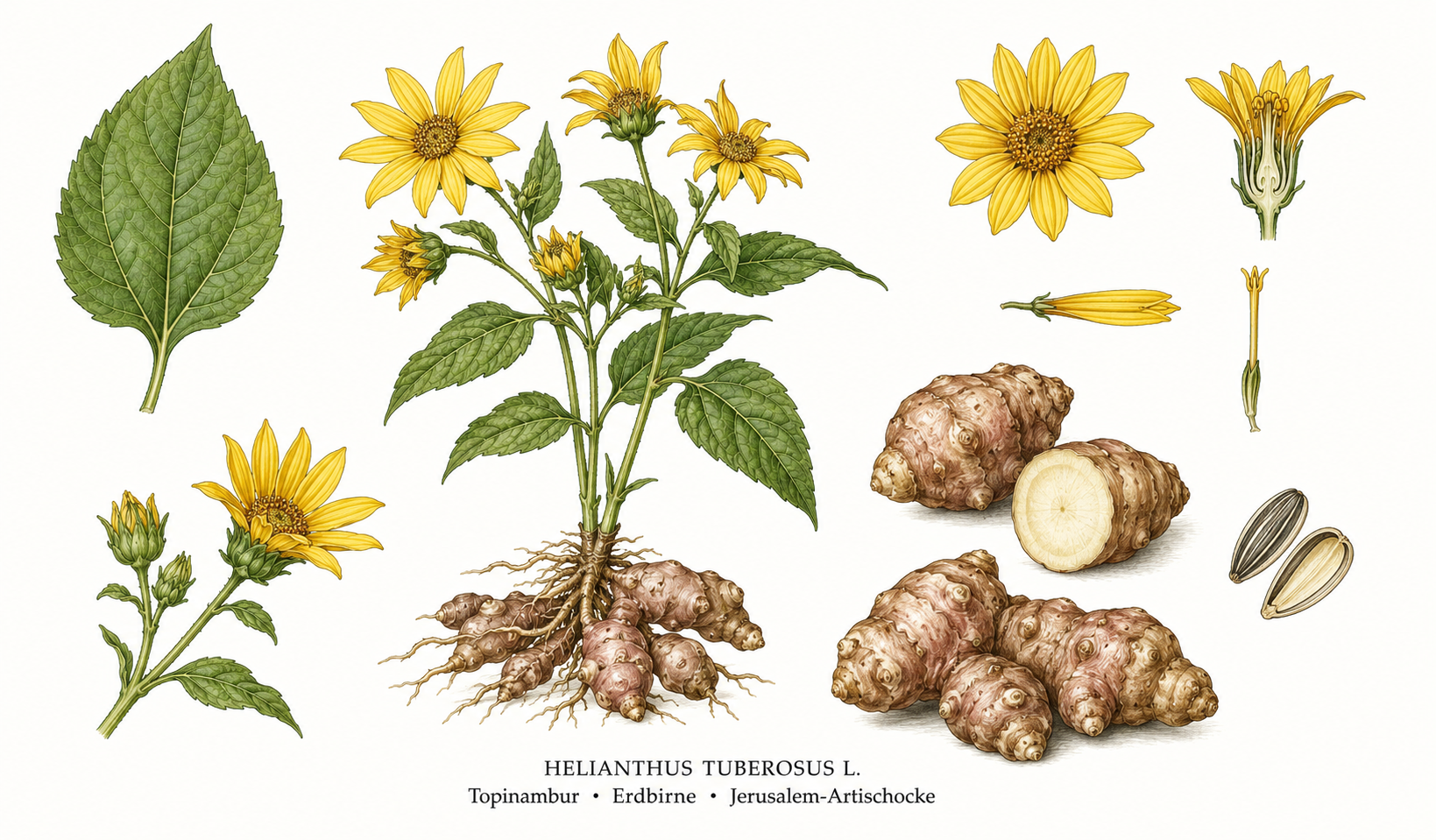
Helianthus tuberosus
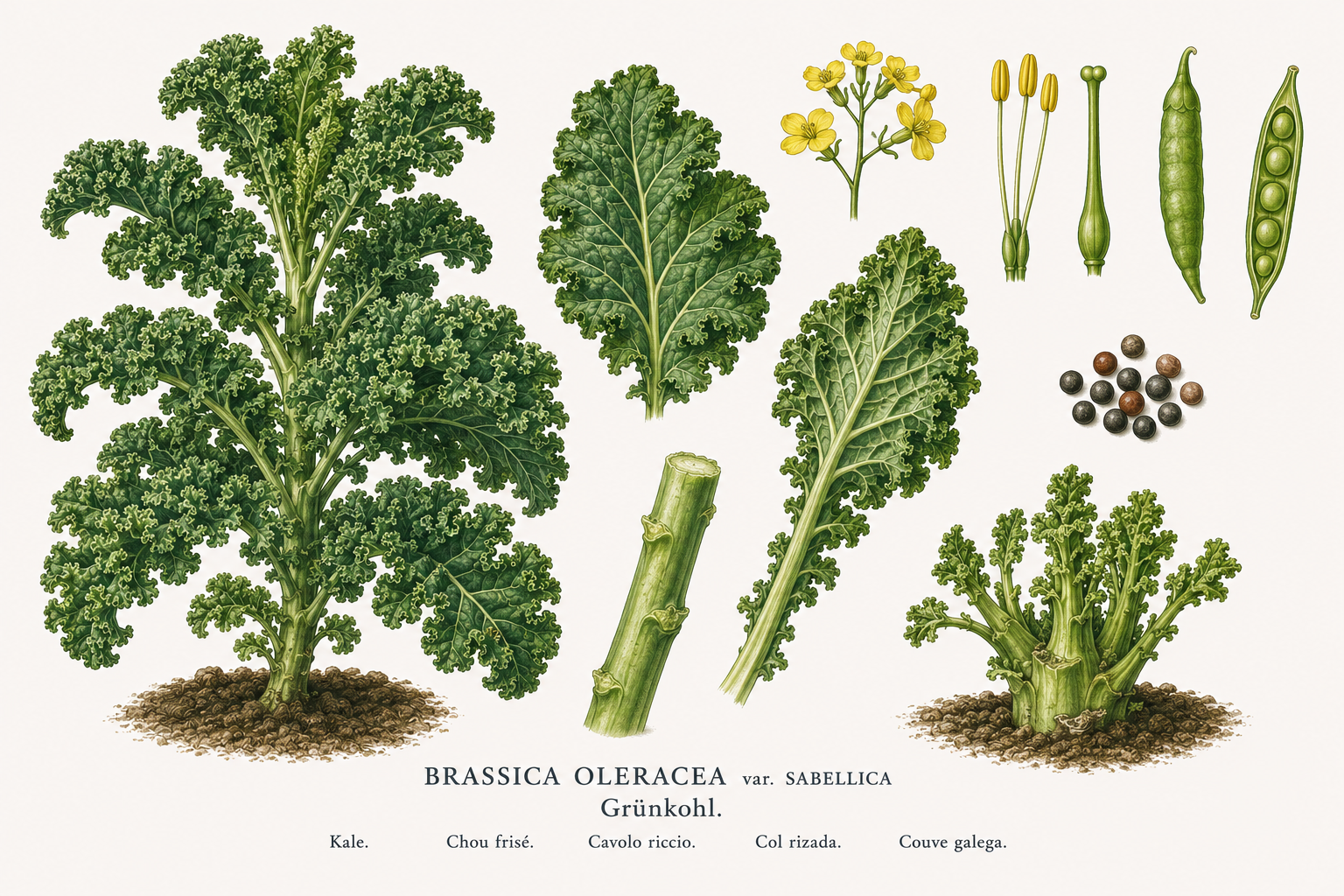
Brassica oleracea var. sabellica
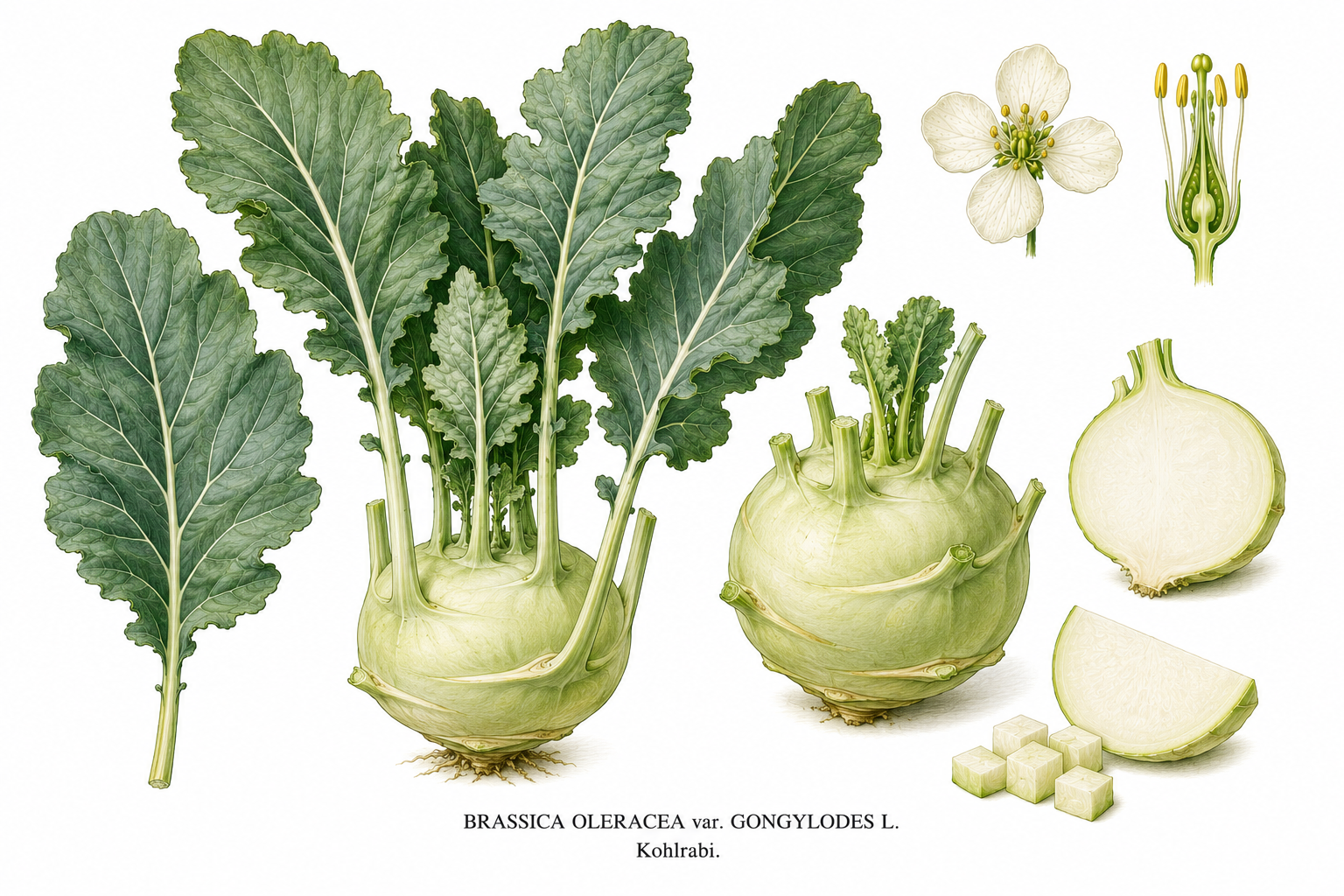
Brassica oleracea var. gongylodes
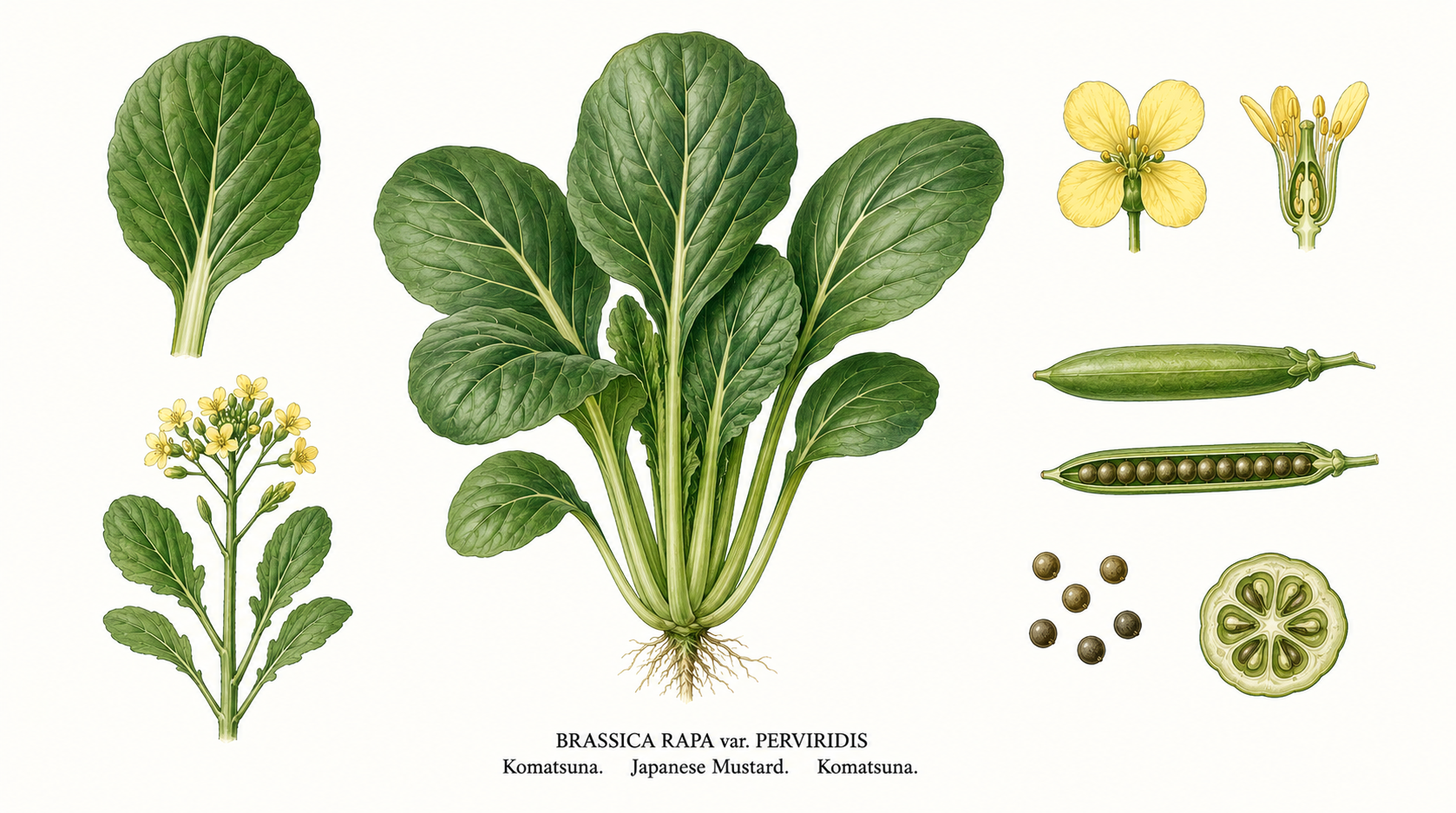
Brassica rapa var. perviridis
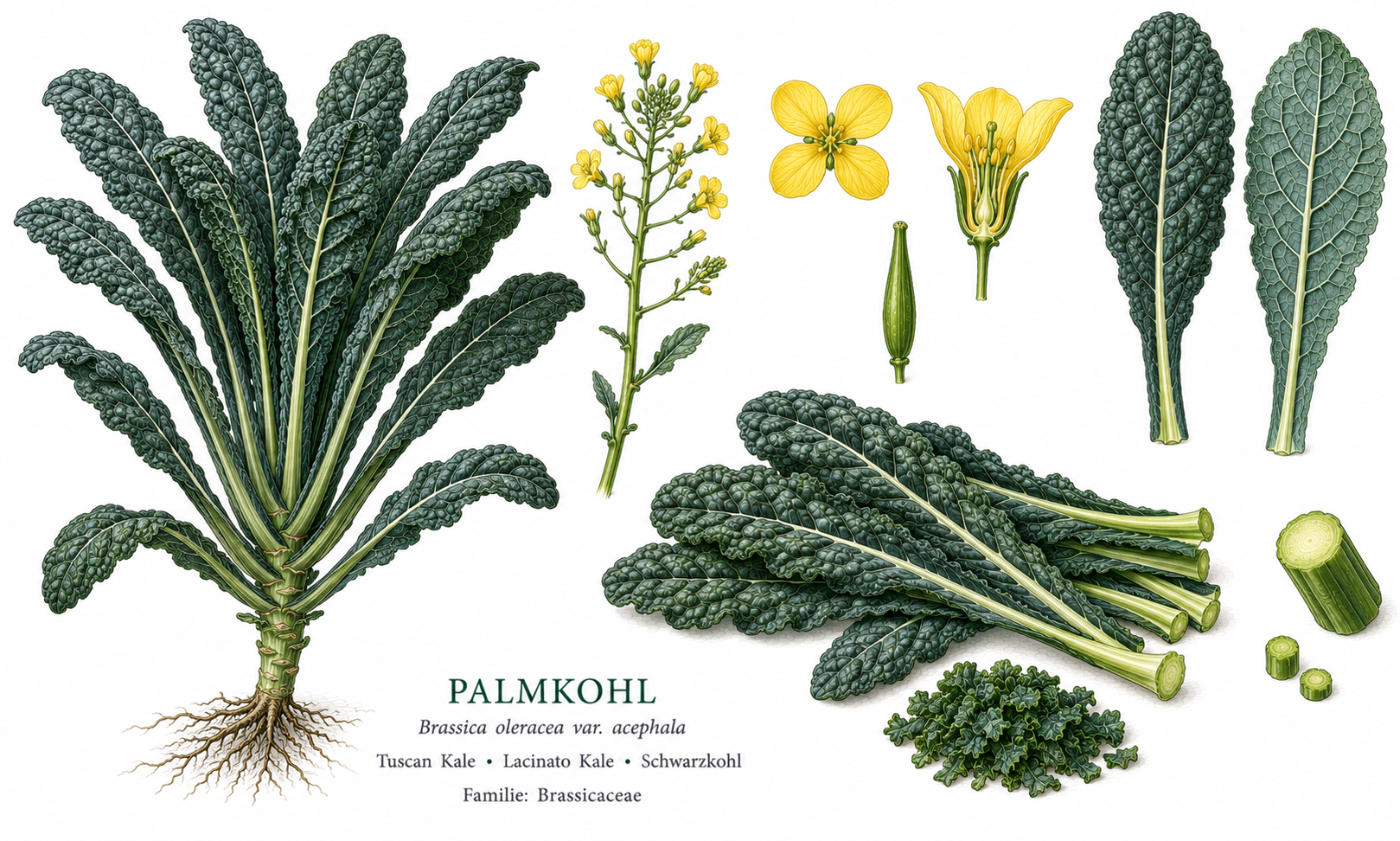
Brassica oleracea var. palmifolia
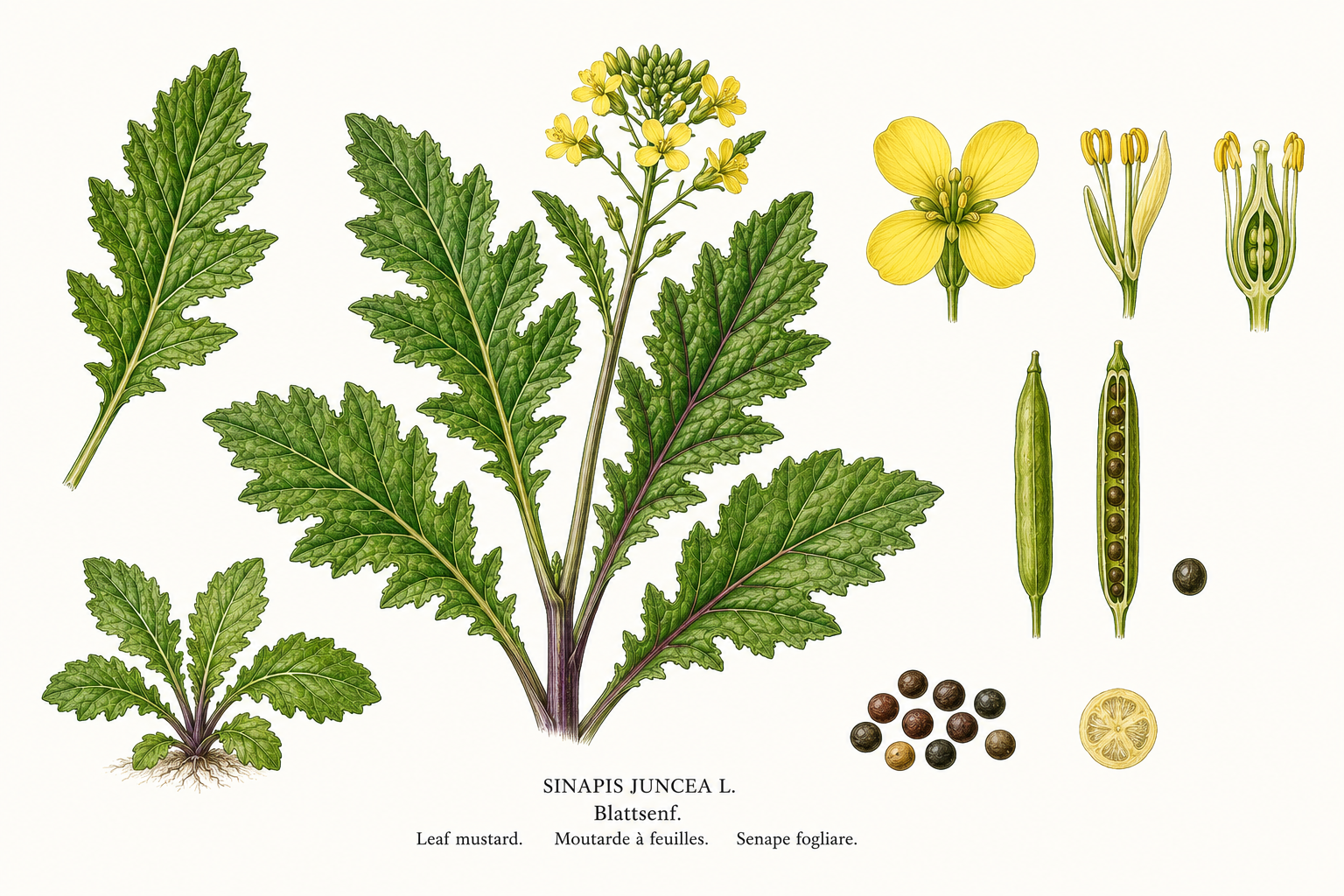
Brassica juncea
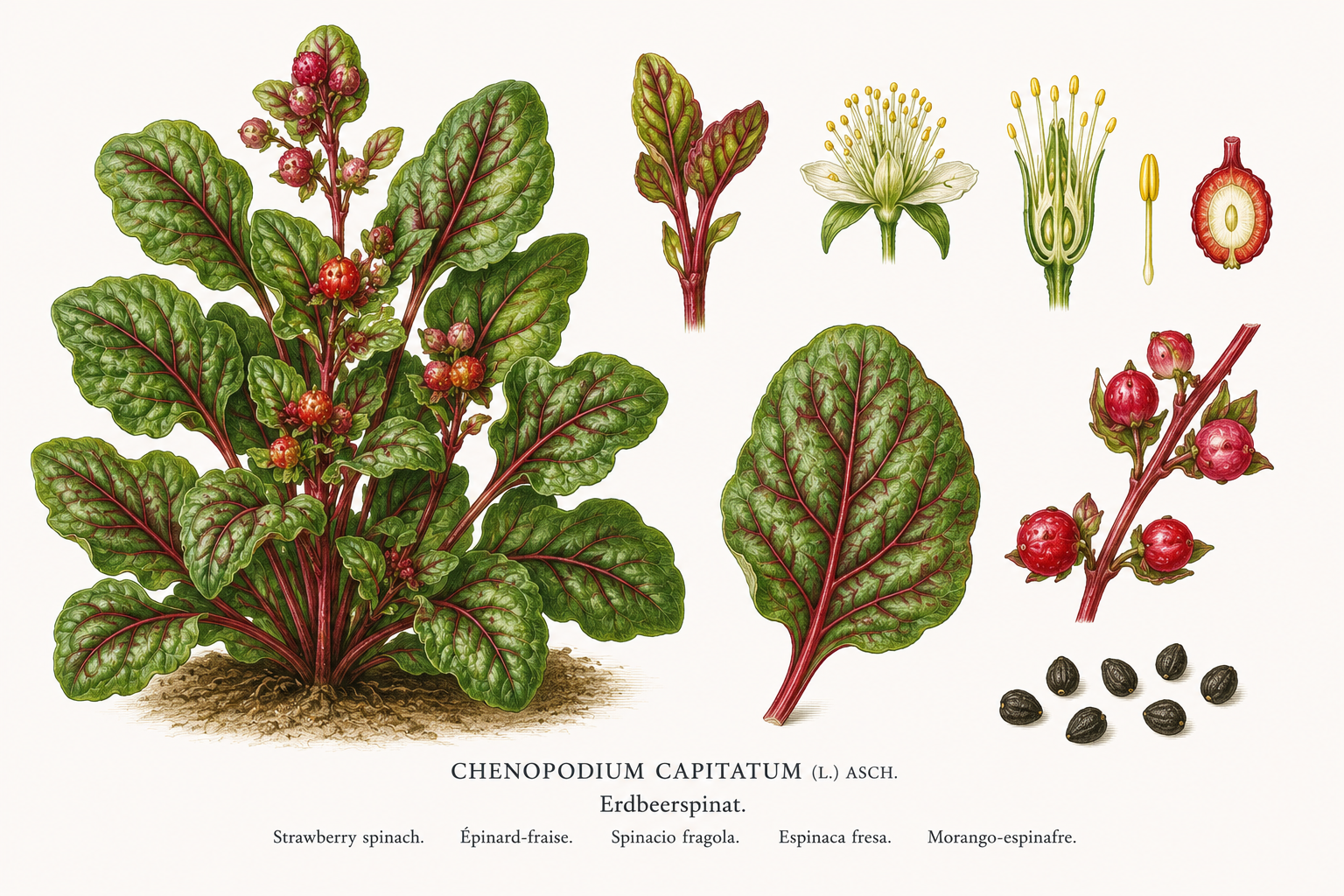
Blitum virgatum
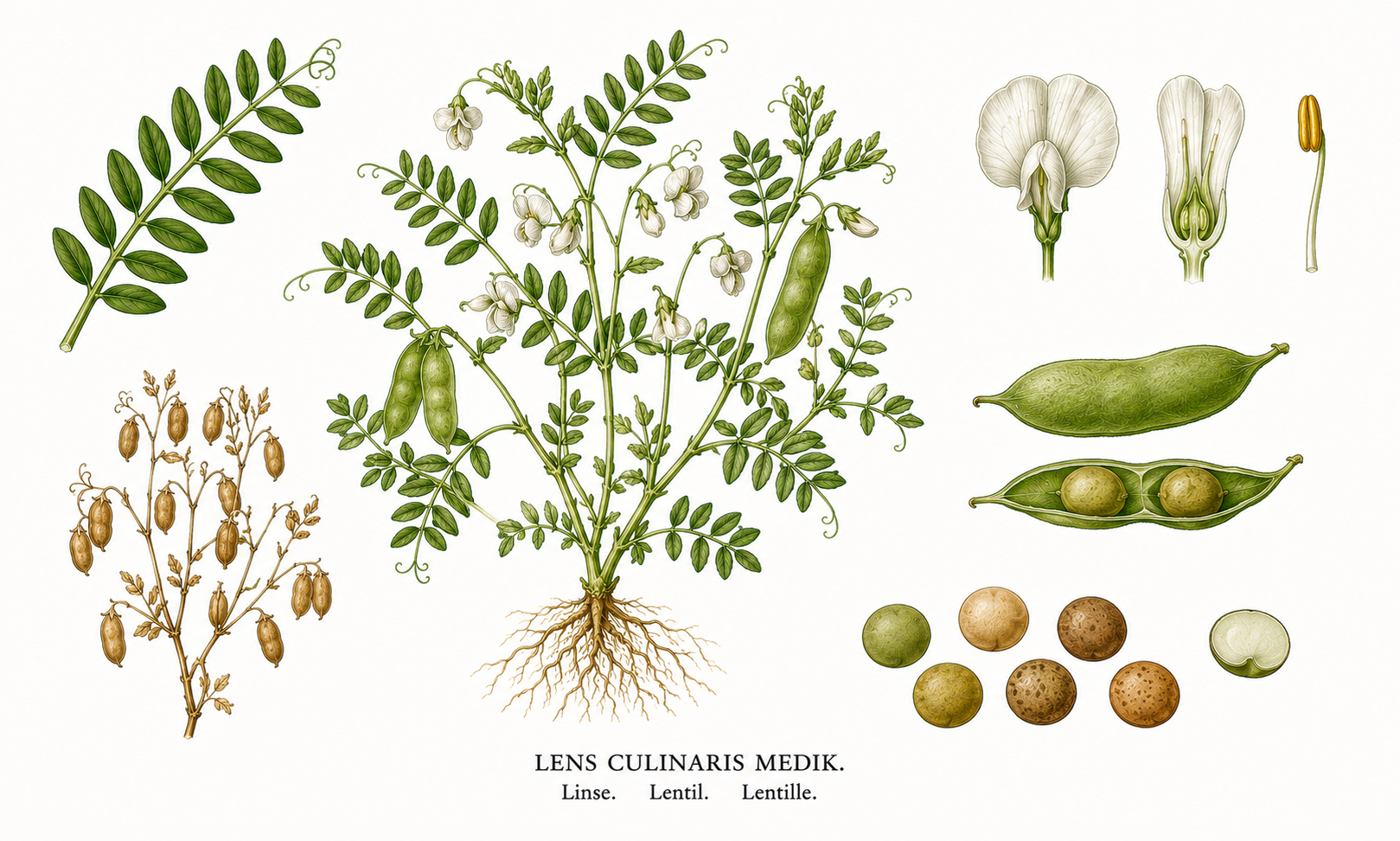
Lens culinaris
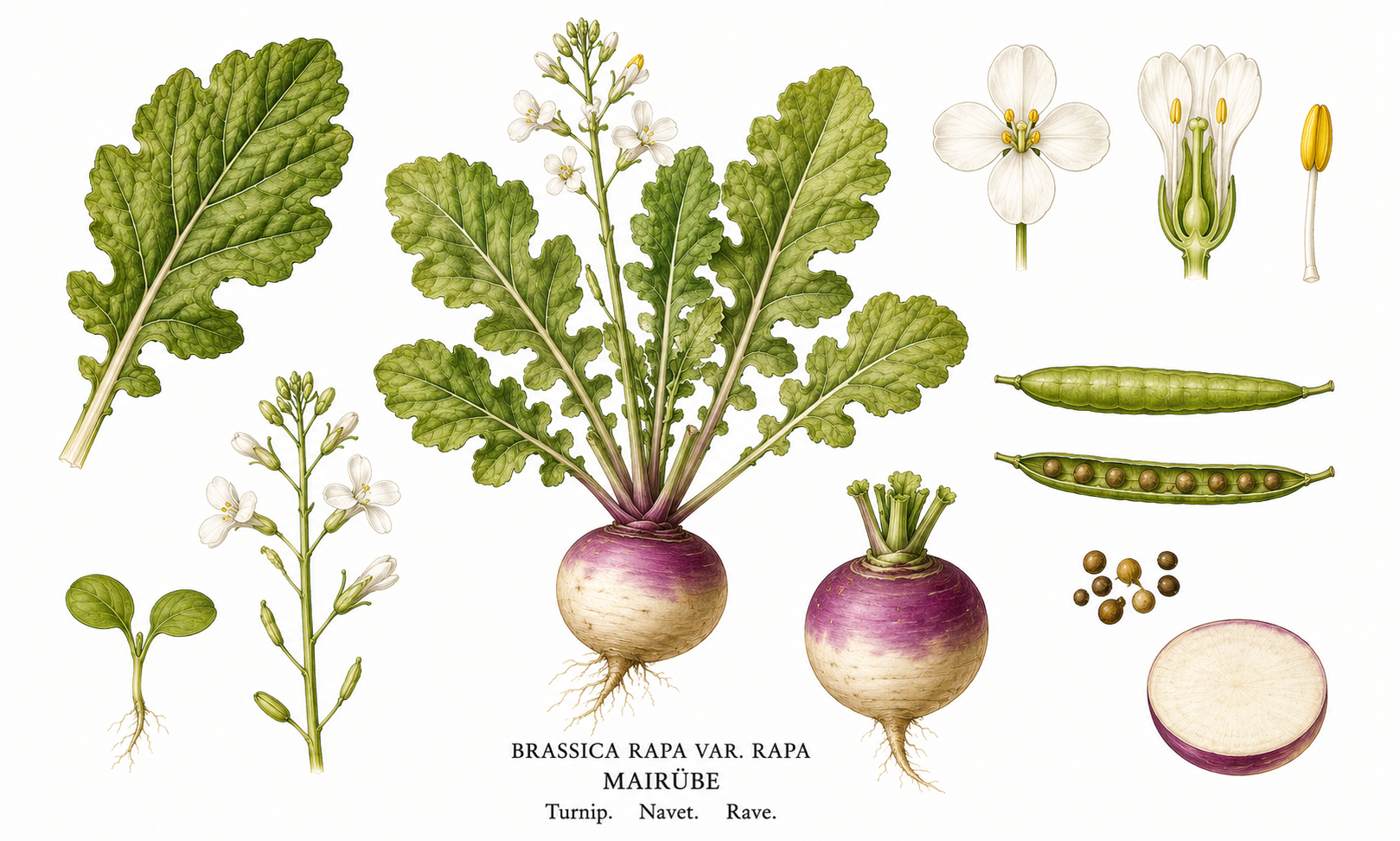
Brassica rapa var. majalis
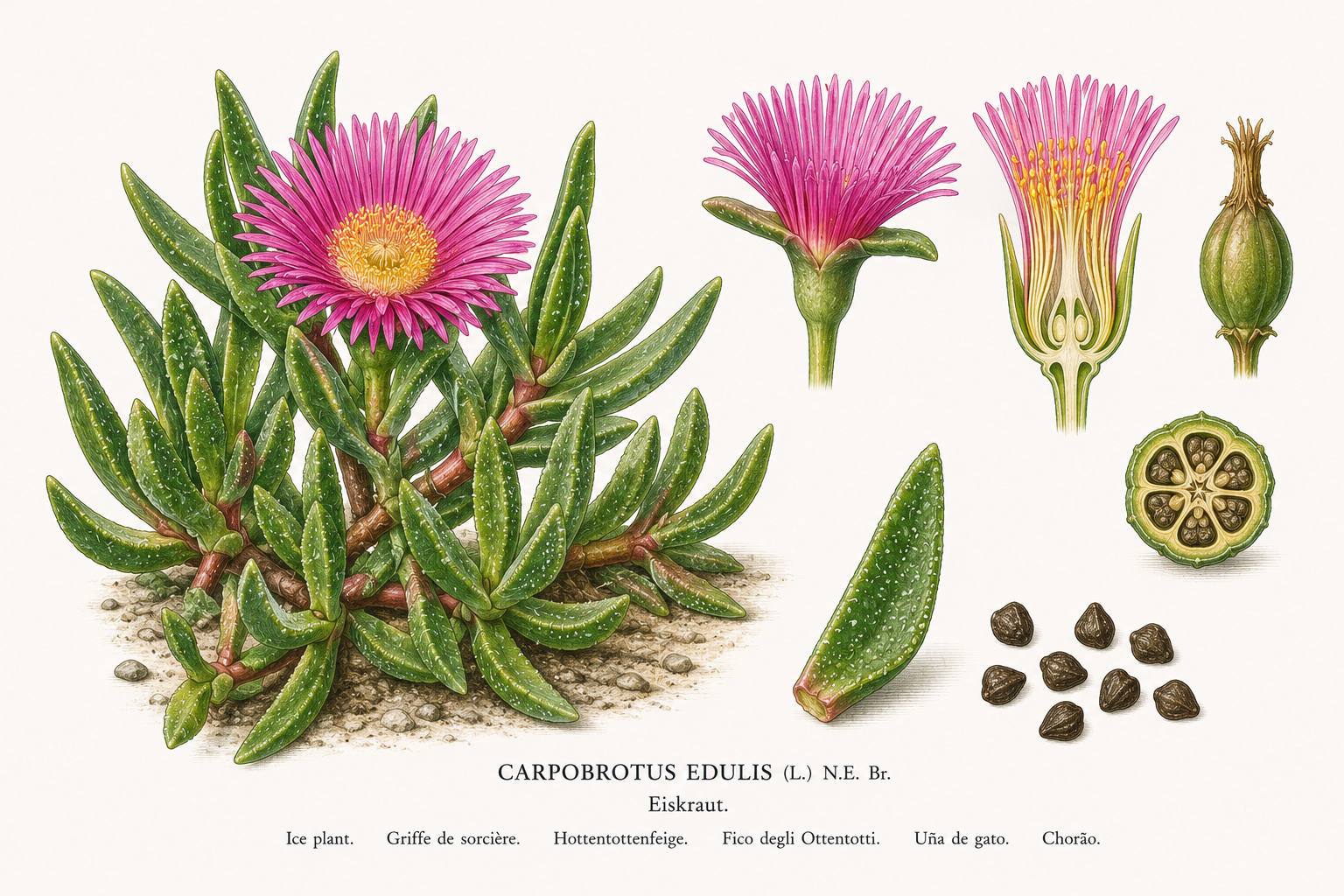
Mesembryanthemum crystallinum
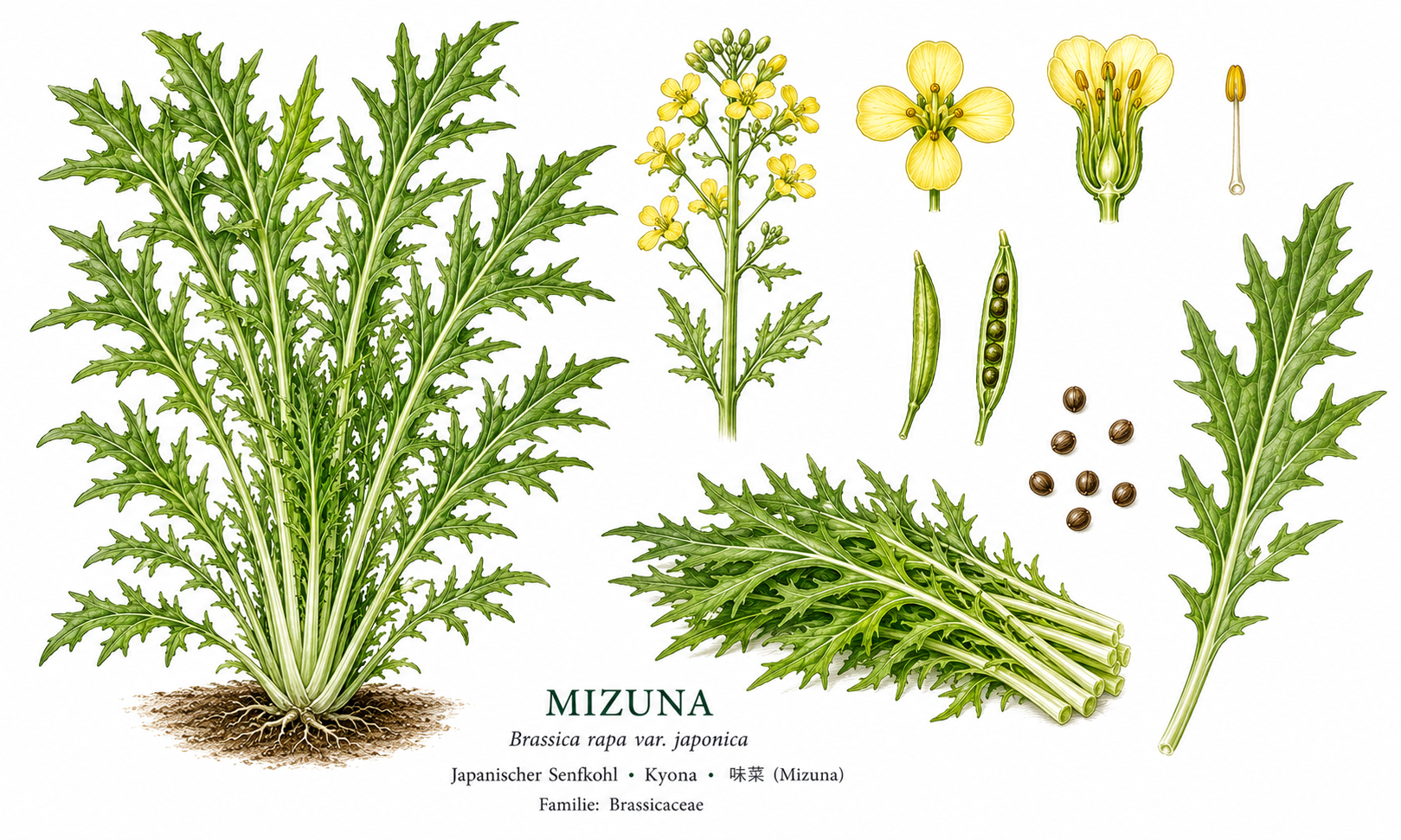
Brassica rapa subsp. nipposinica
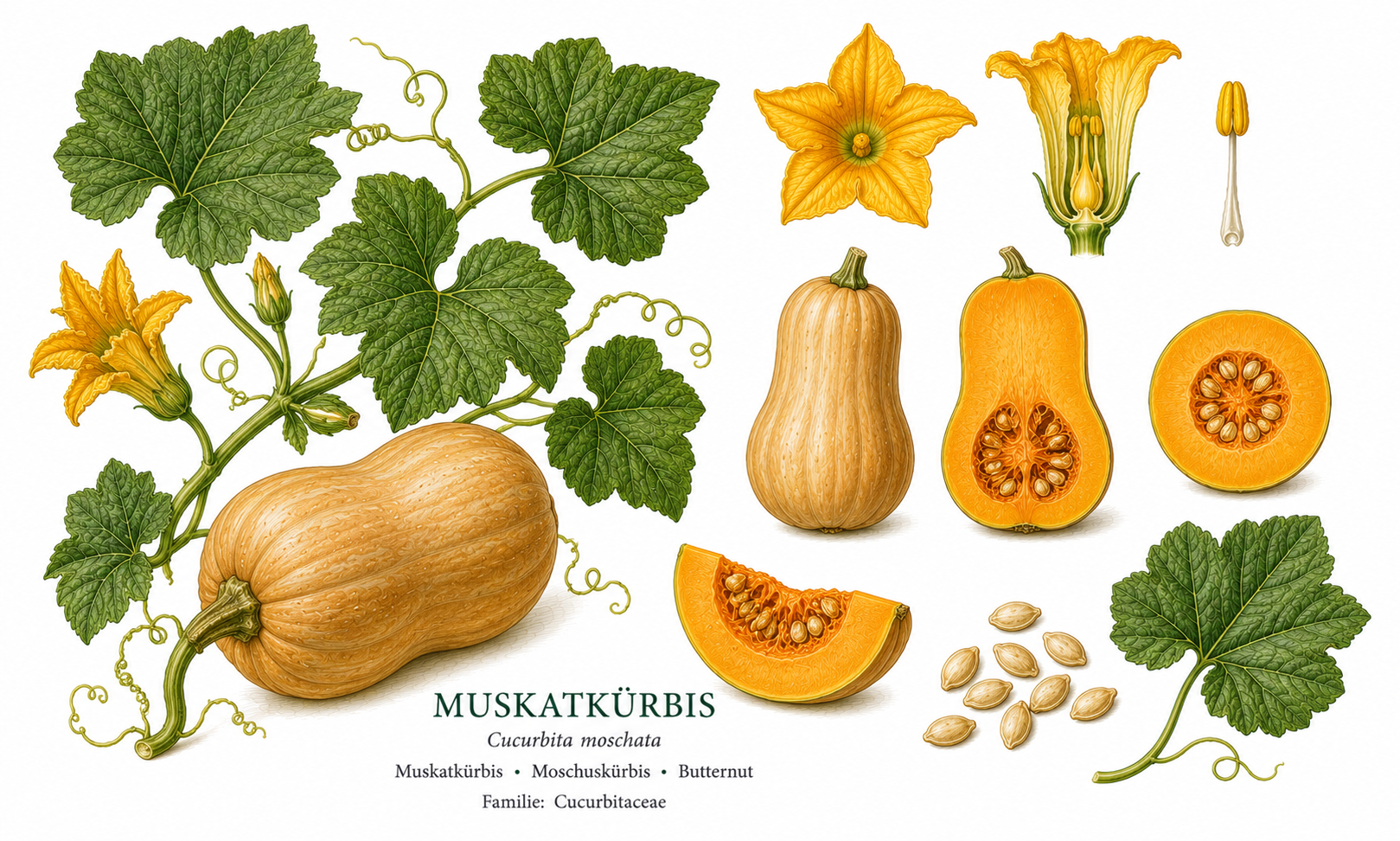
Cucurbita moschata
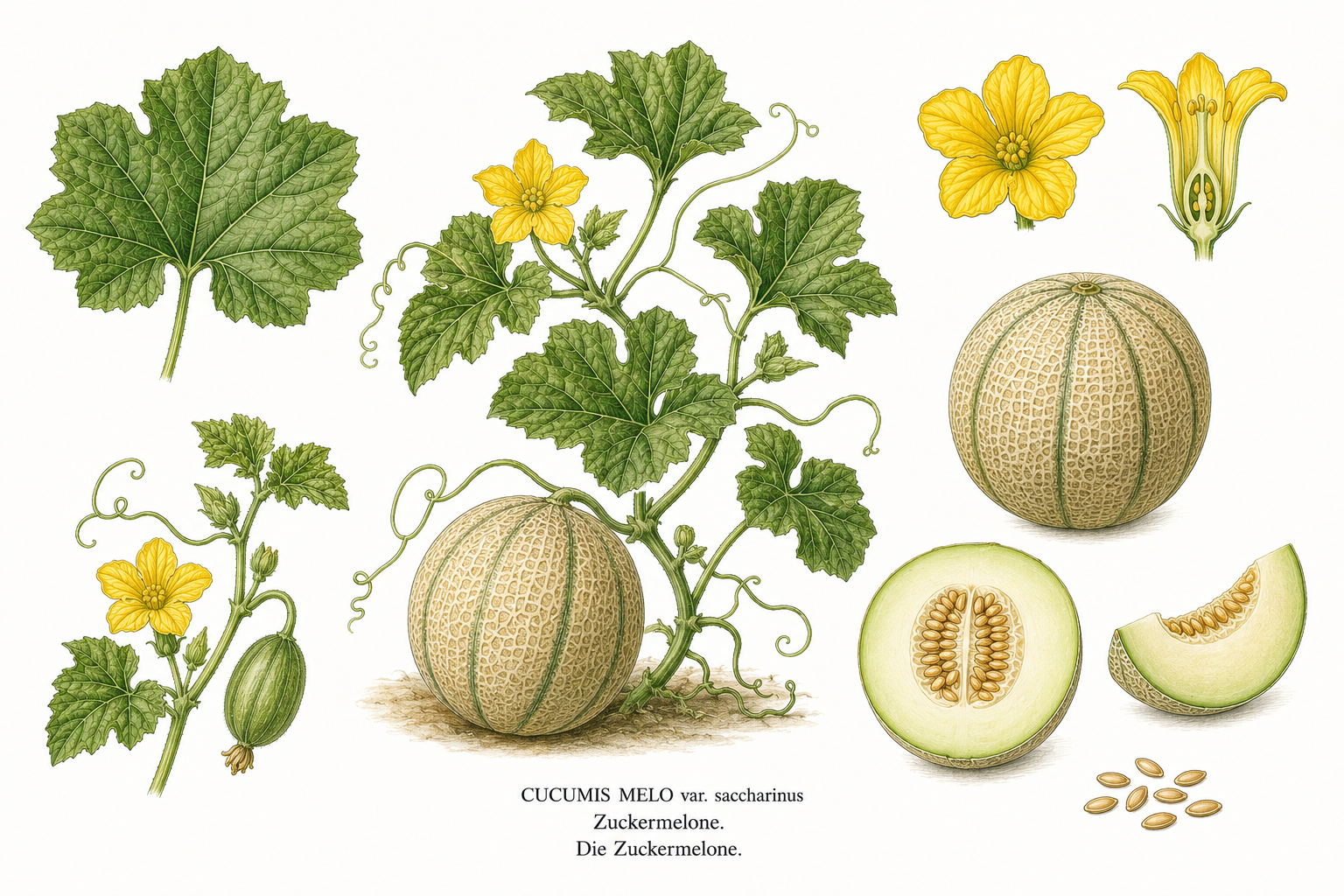
Cucumis melo
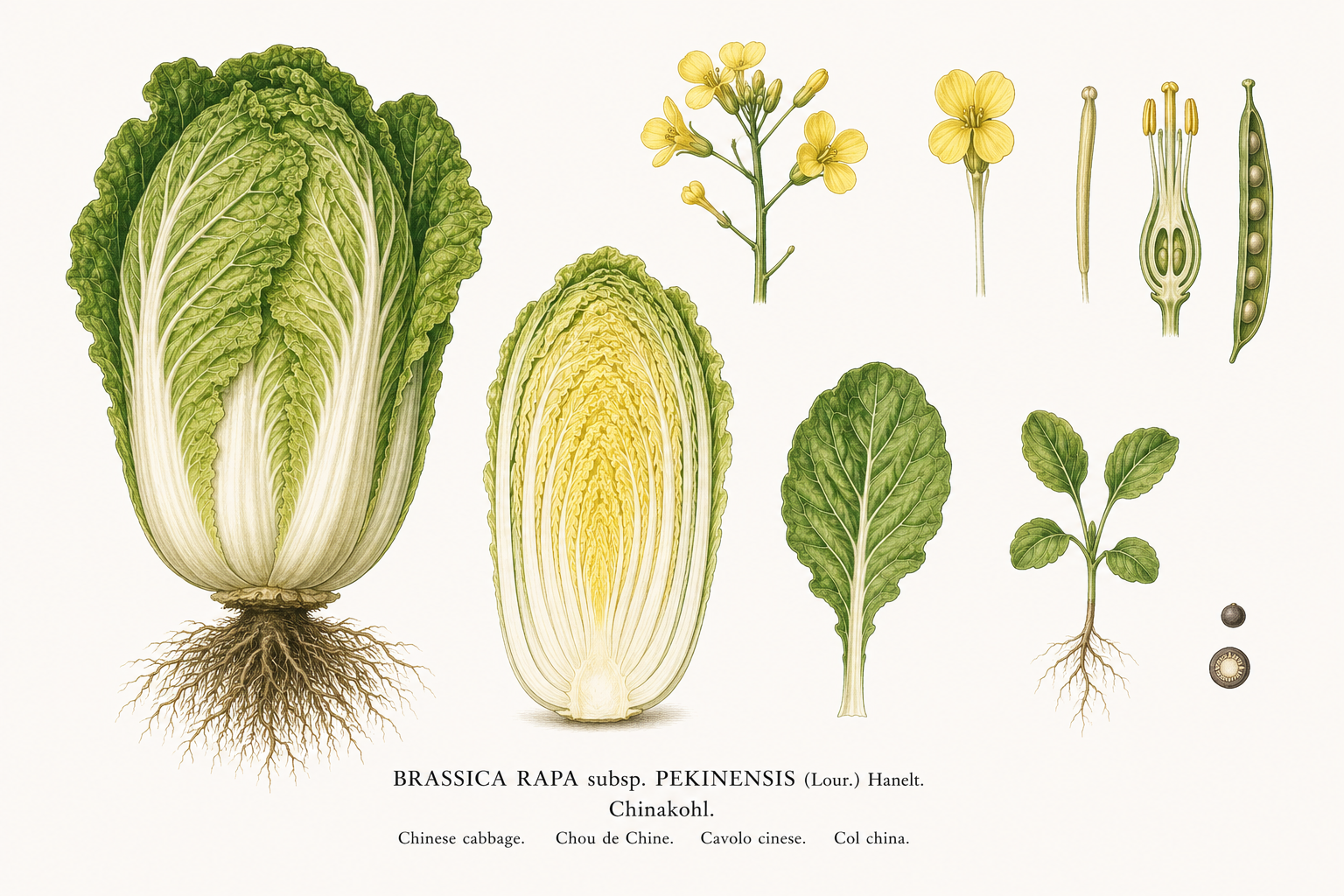
Brassica rapa subsp. pekinensis
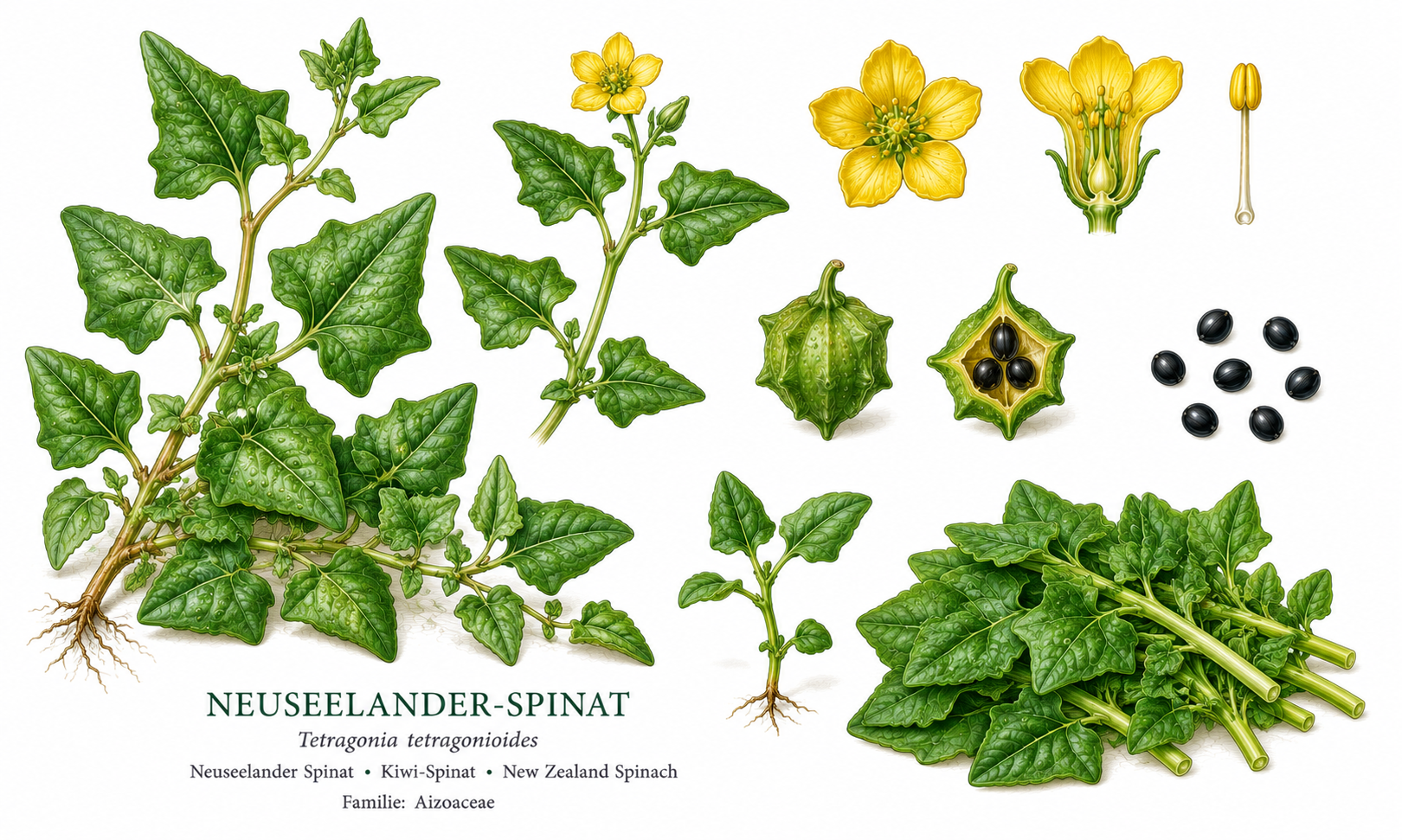
Tetragonia tetragonoides
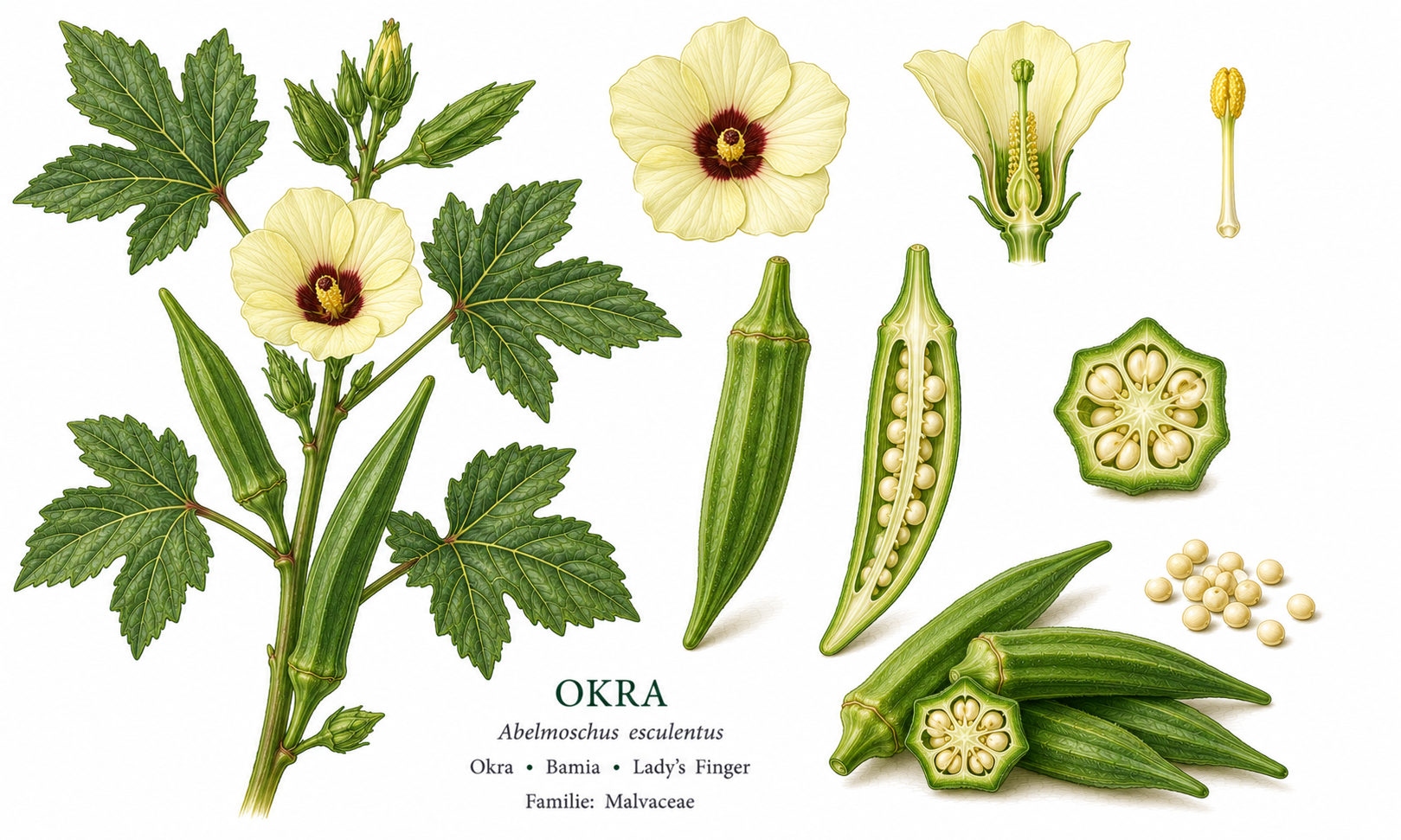
Abelmoschus esculentus
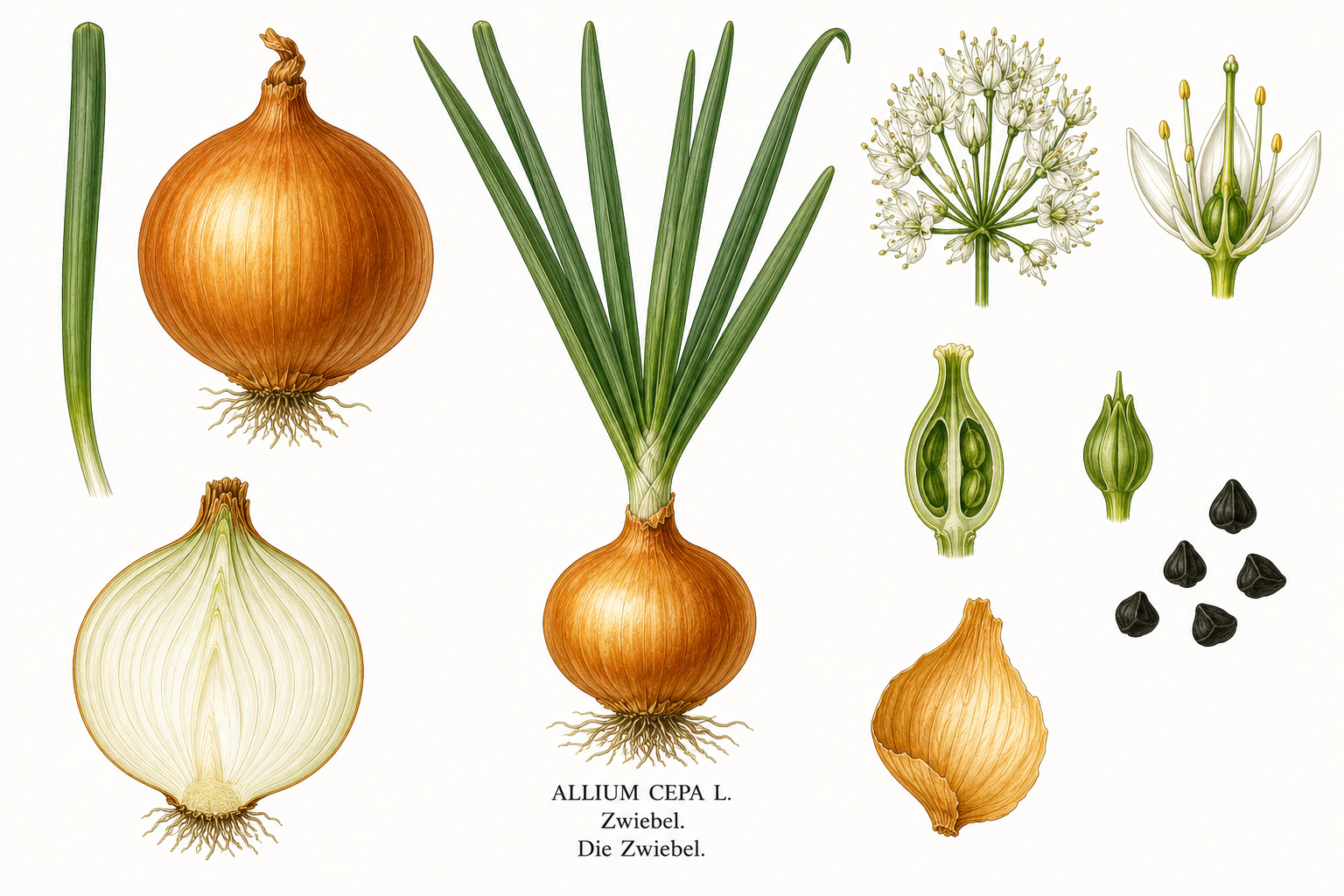
Allium cepa
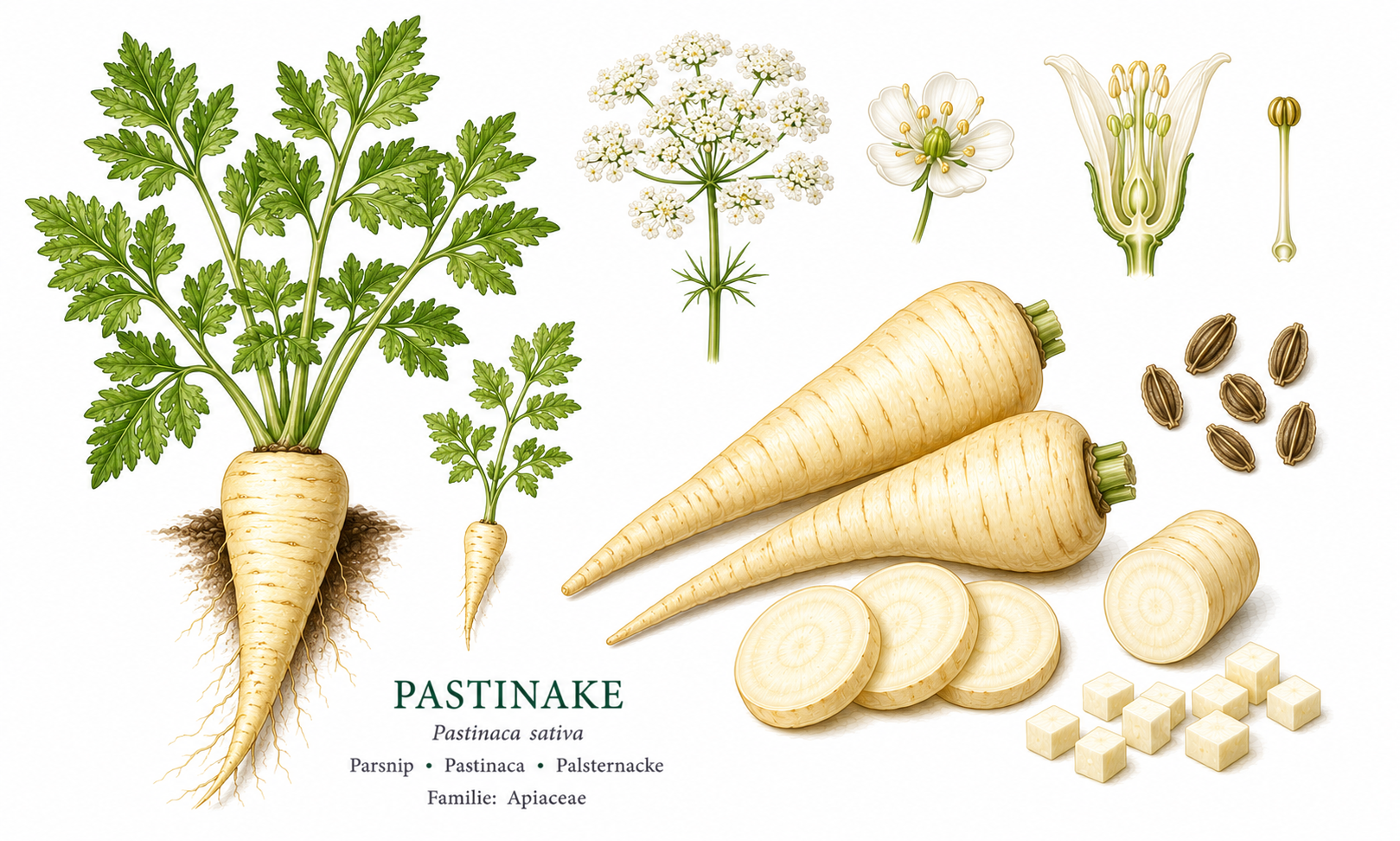
Pastinaca sativa
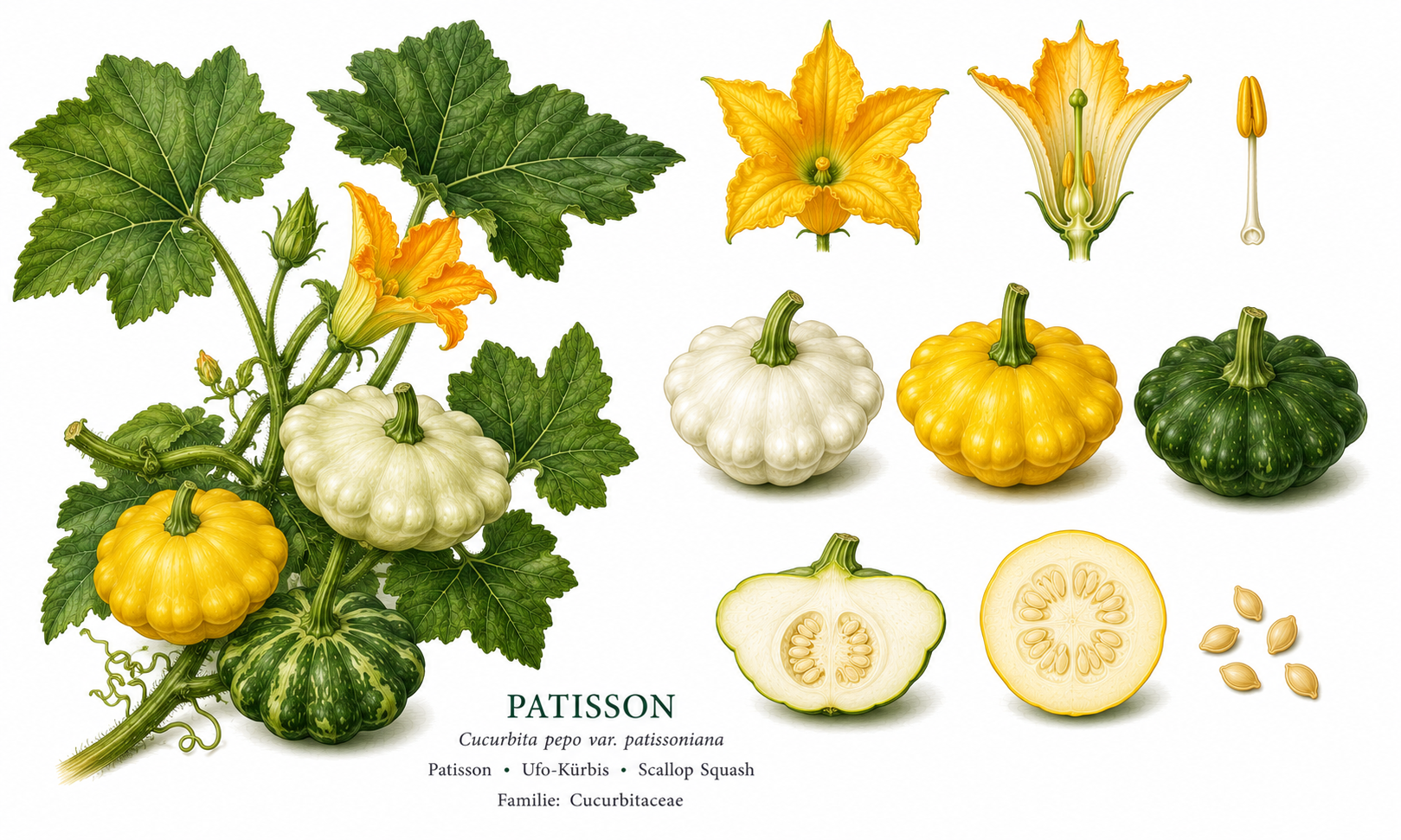
Cucurbita pepo var. clypeata
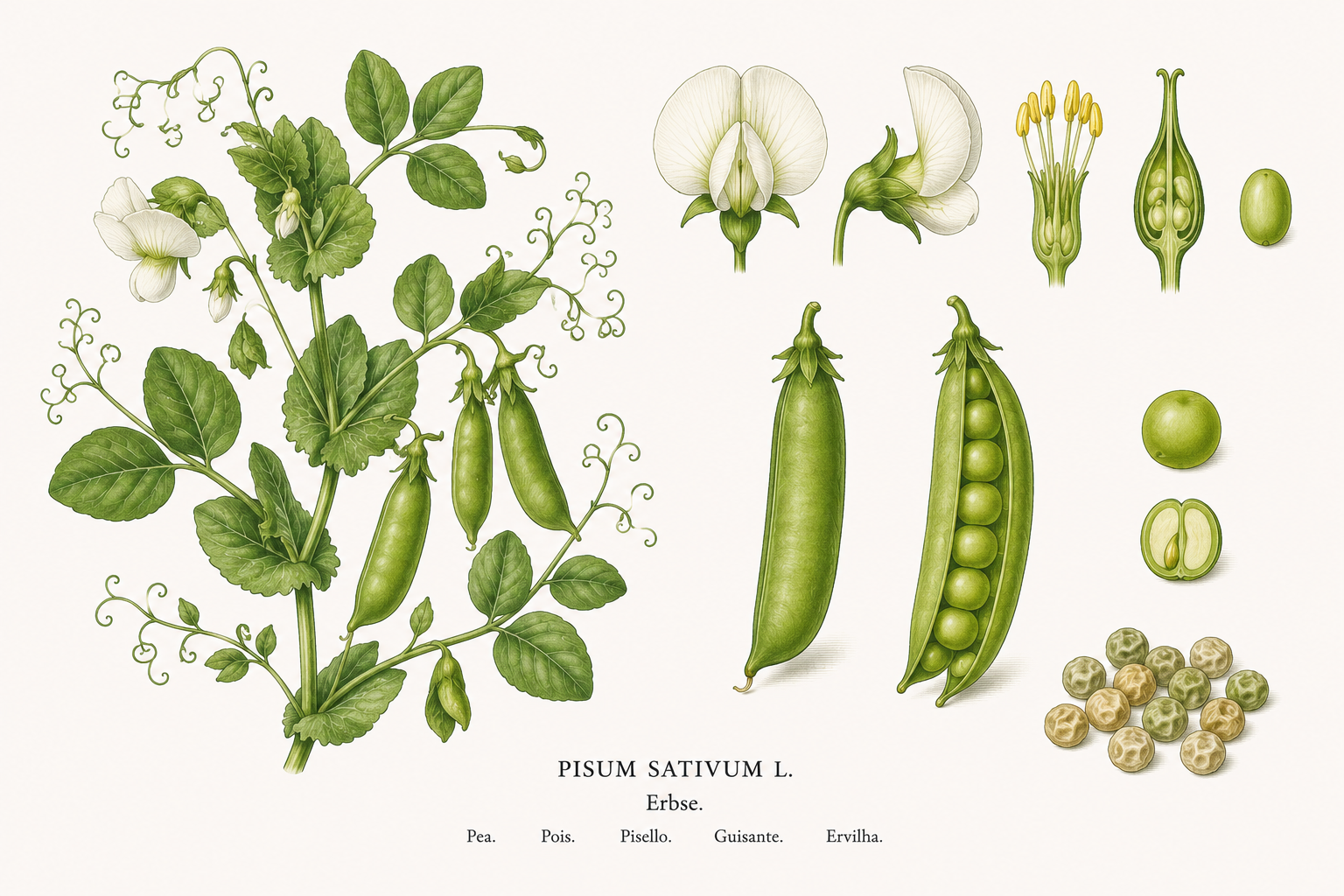
Pisum sativum
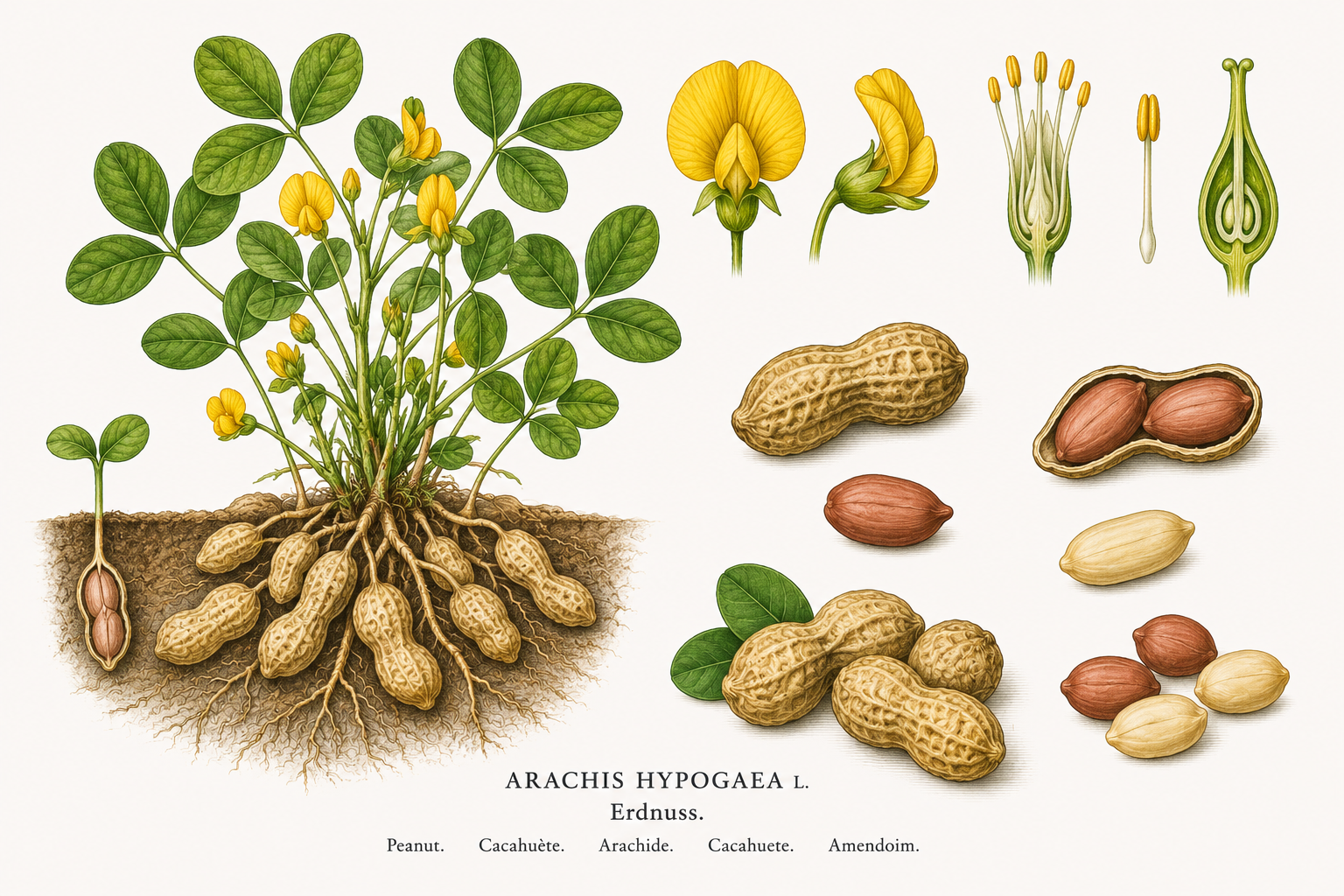
Arachis hypogaea
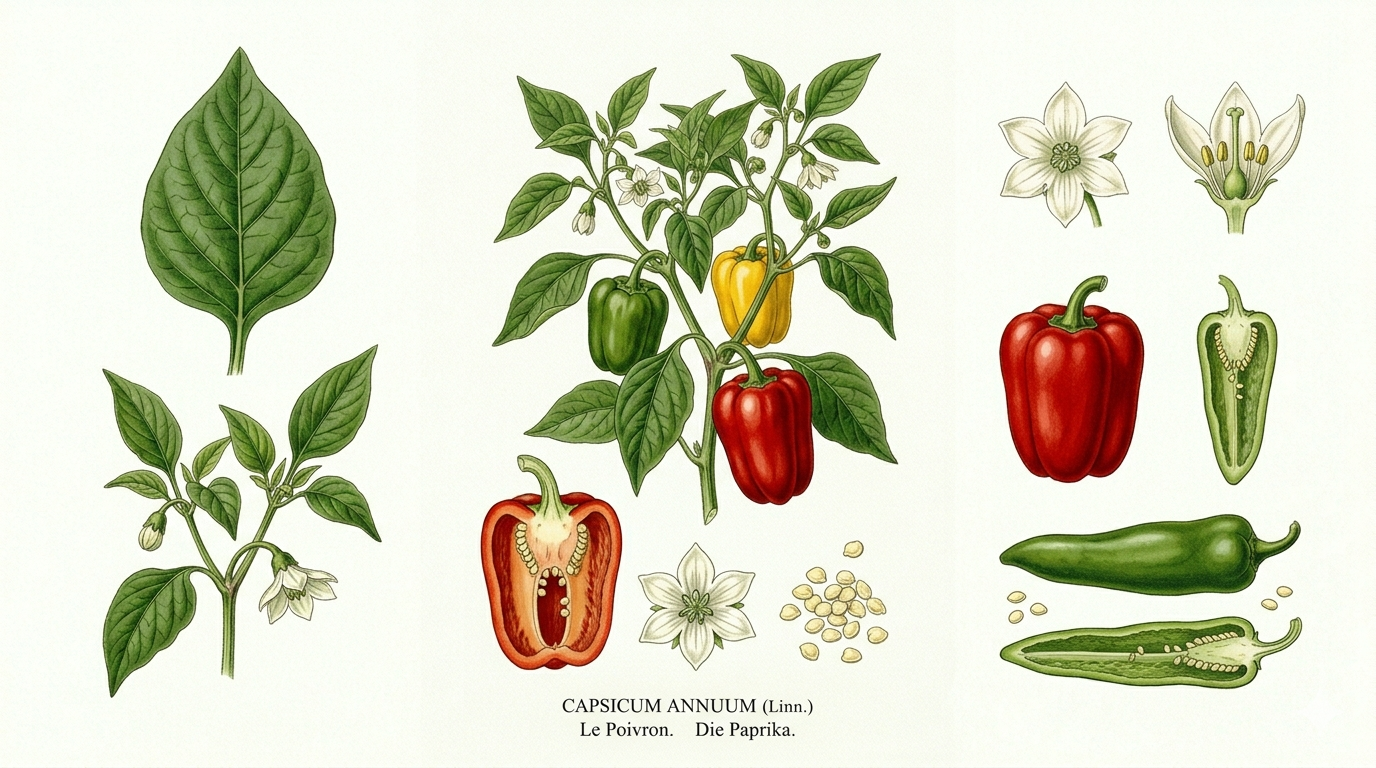
Capsicum
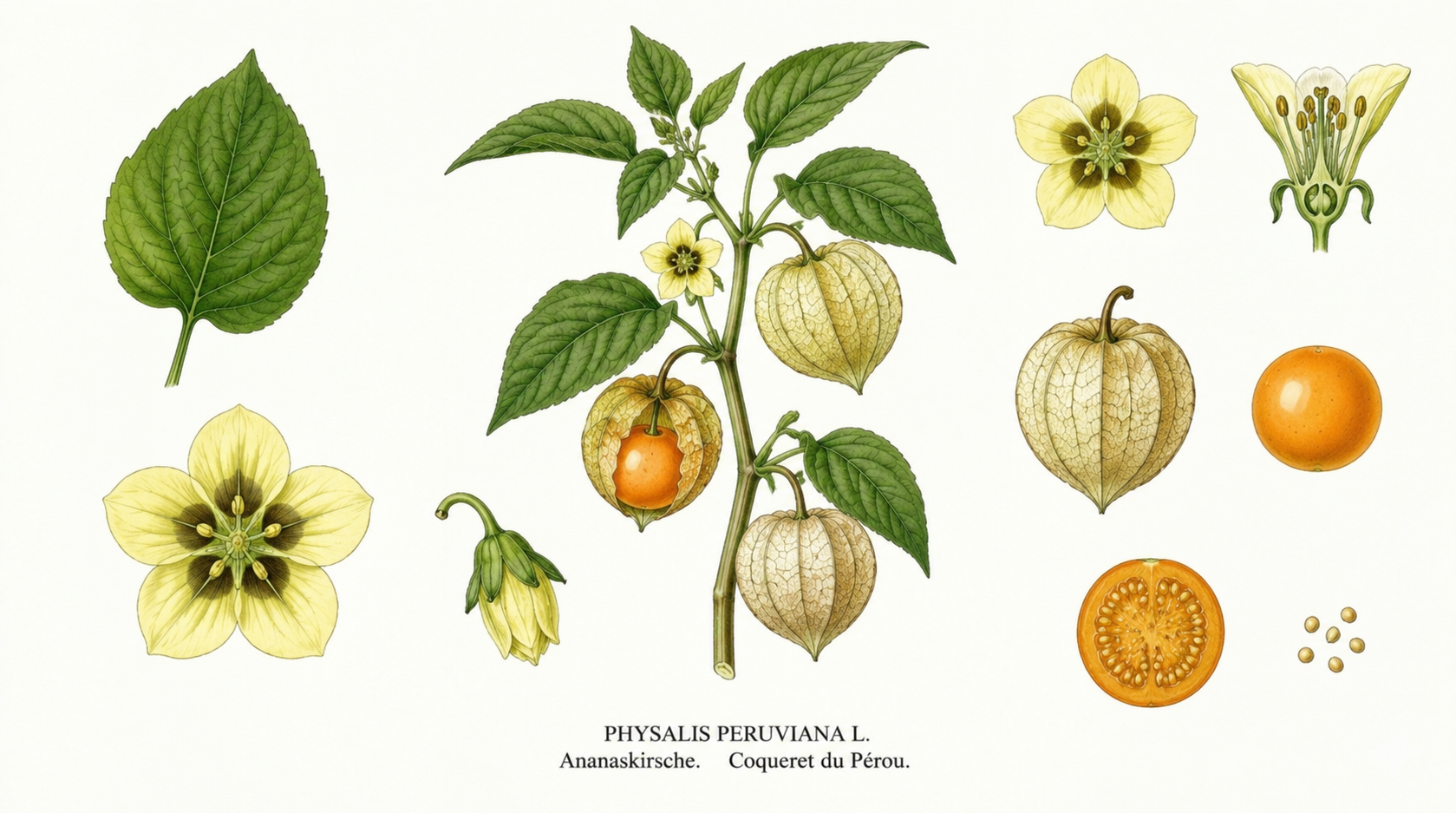
Physalis pruinosa
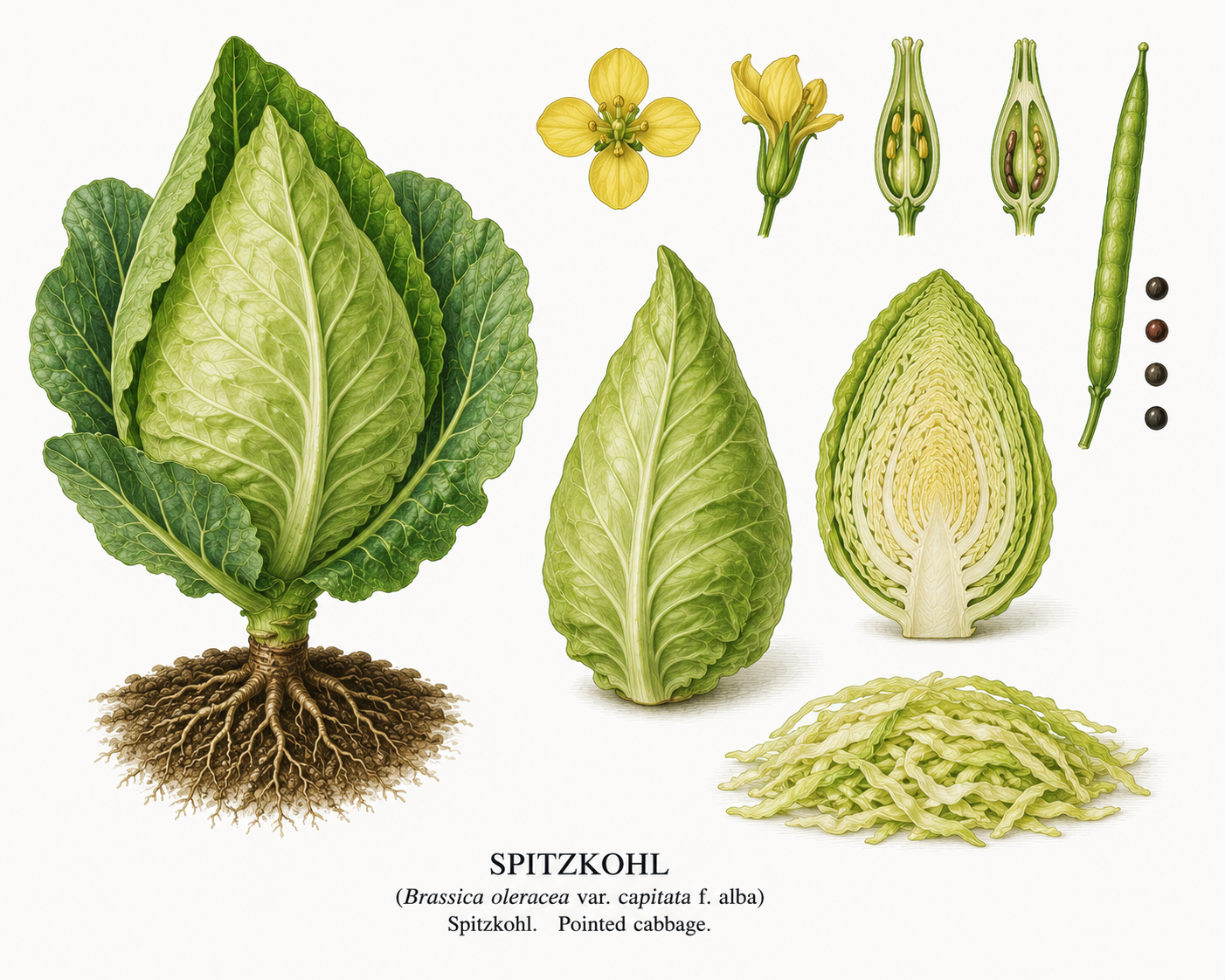
Brassica oleracea var. capitata f. acuta
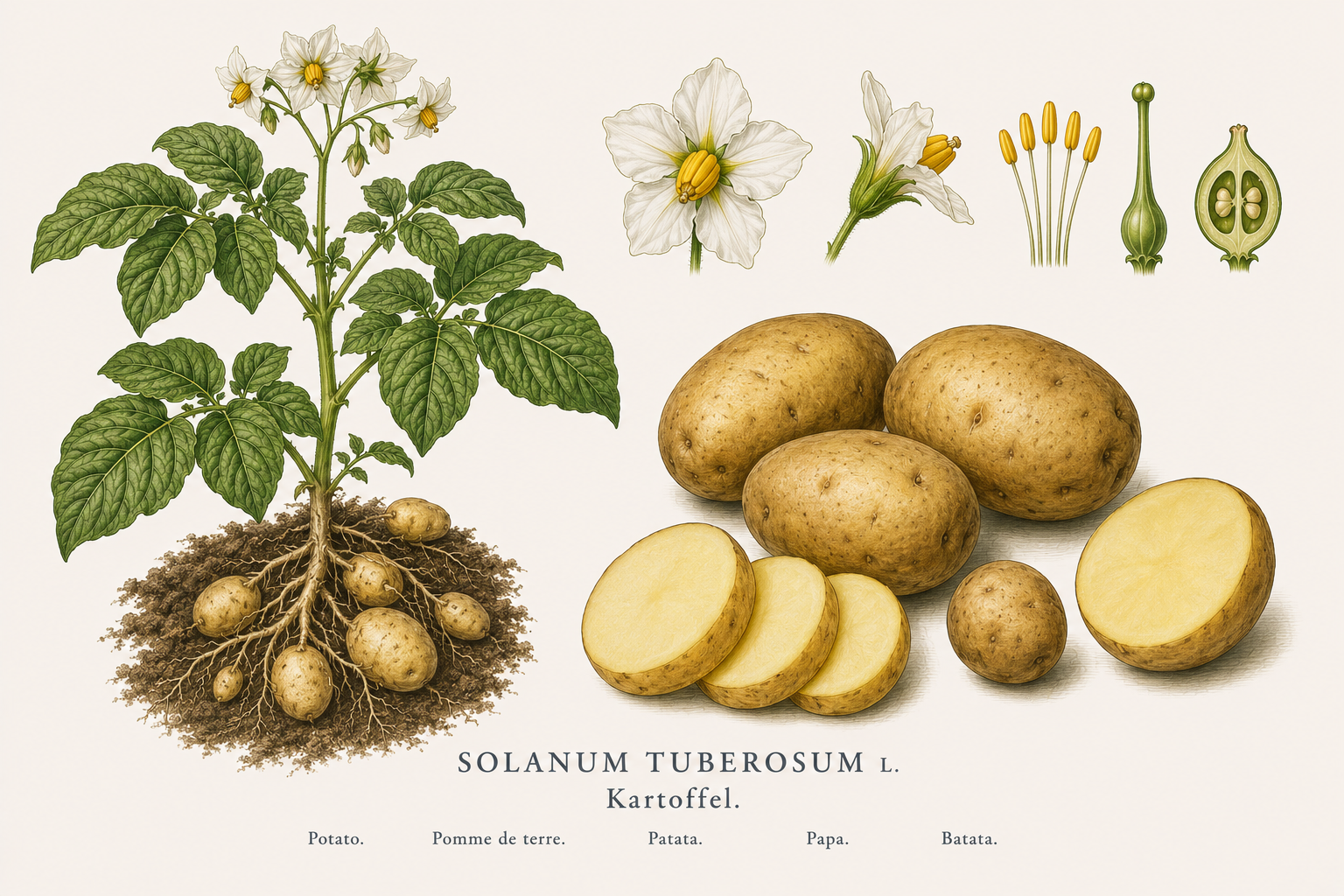
Solanum tuberosum
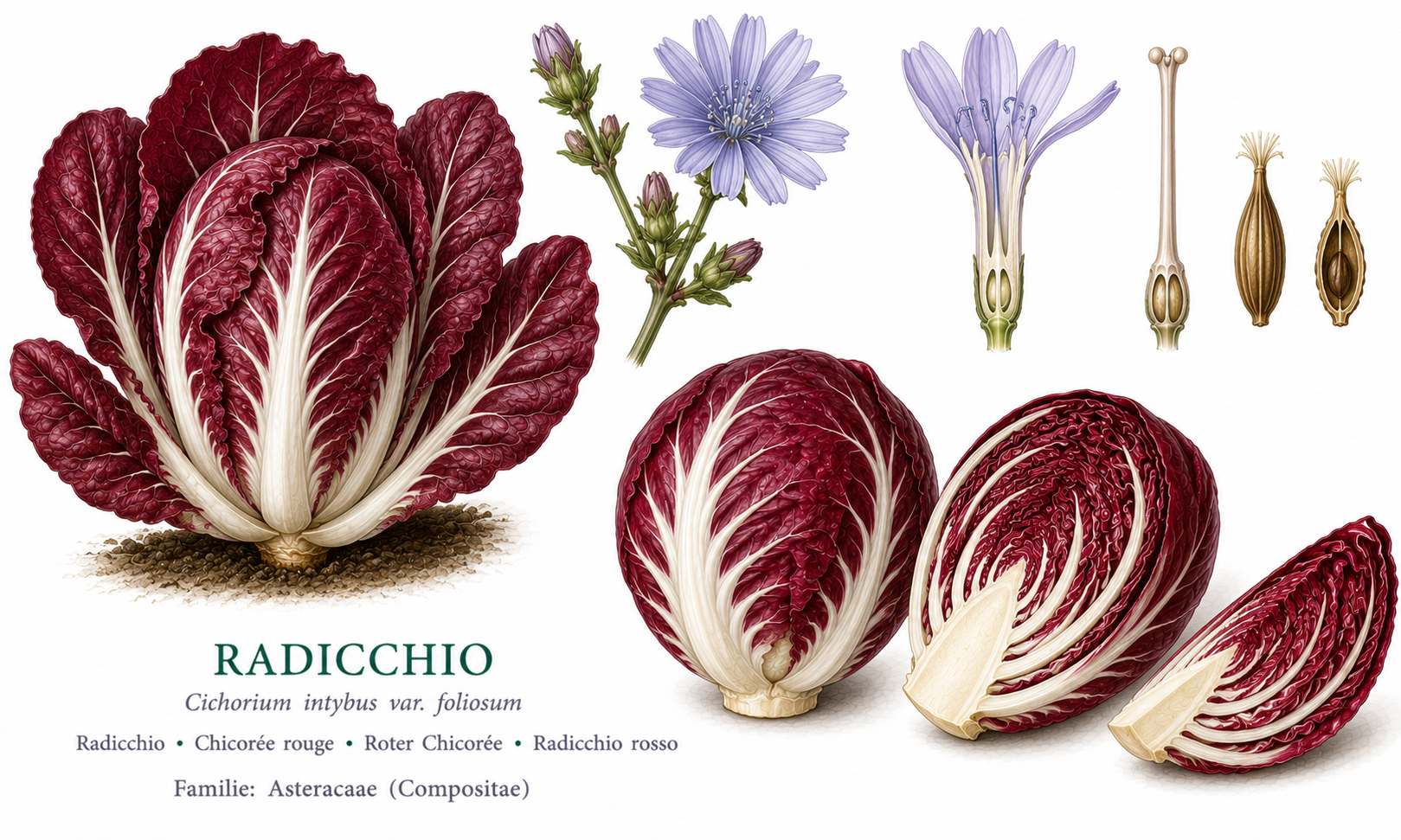
Cichorium intybus var. foliosum
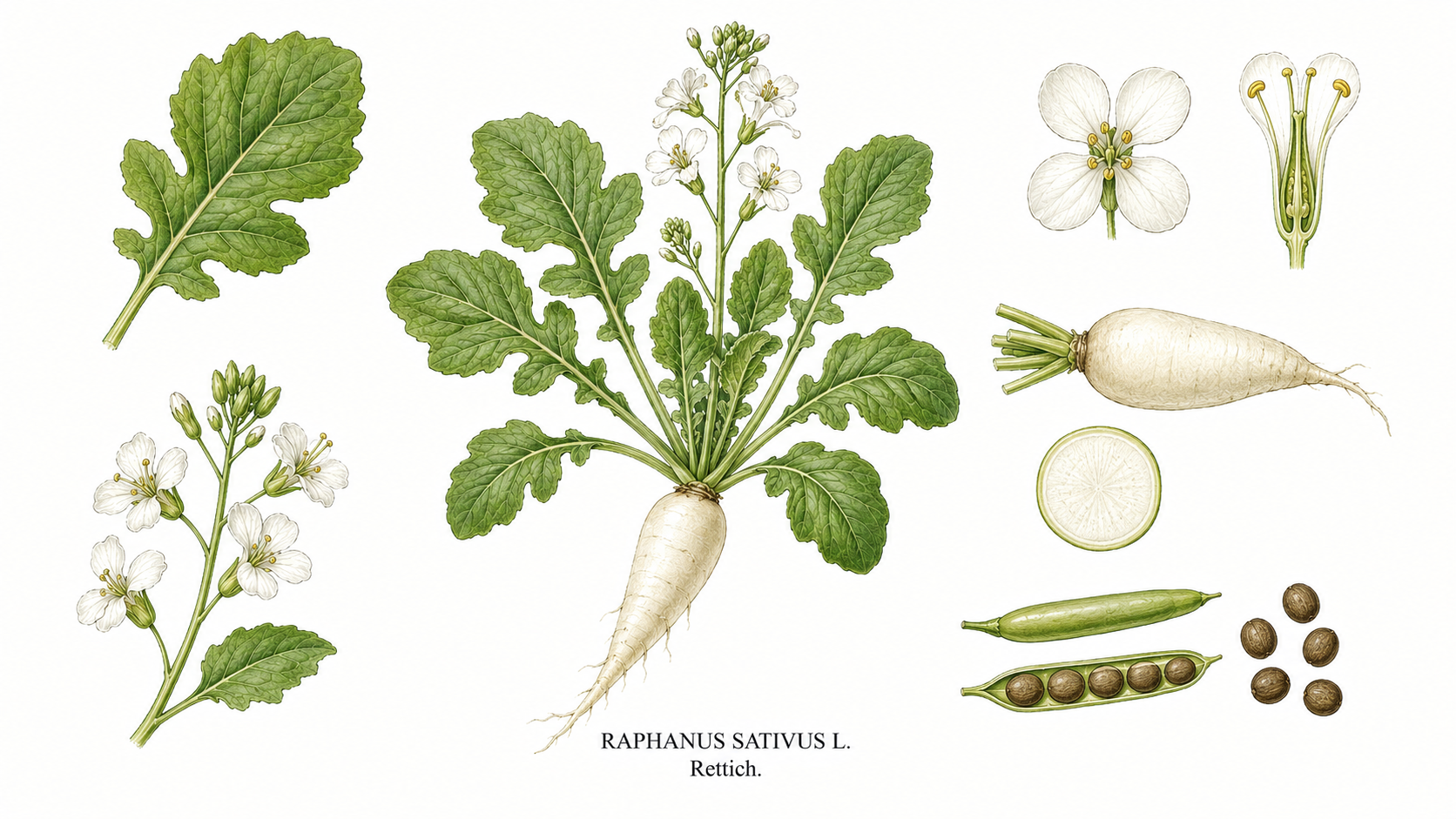
Raphanus sativus
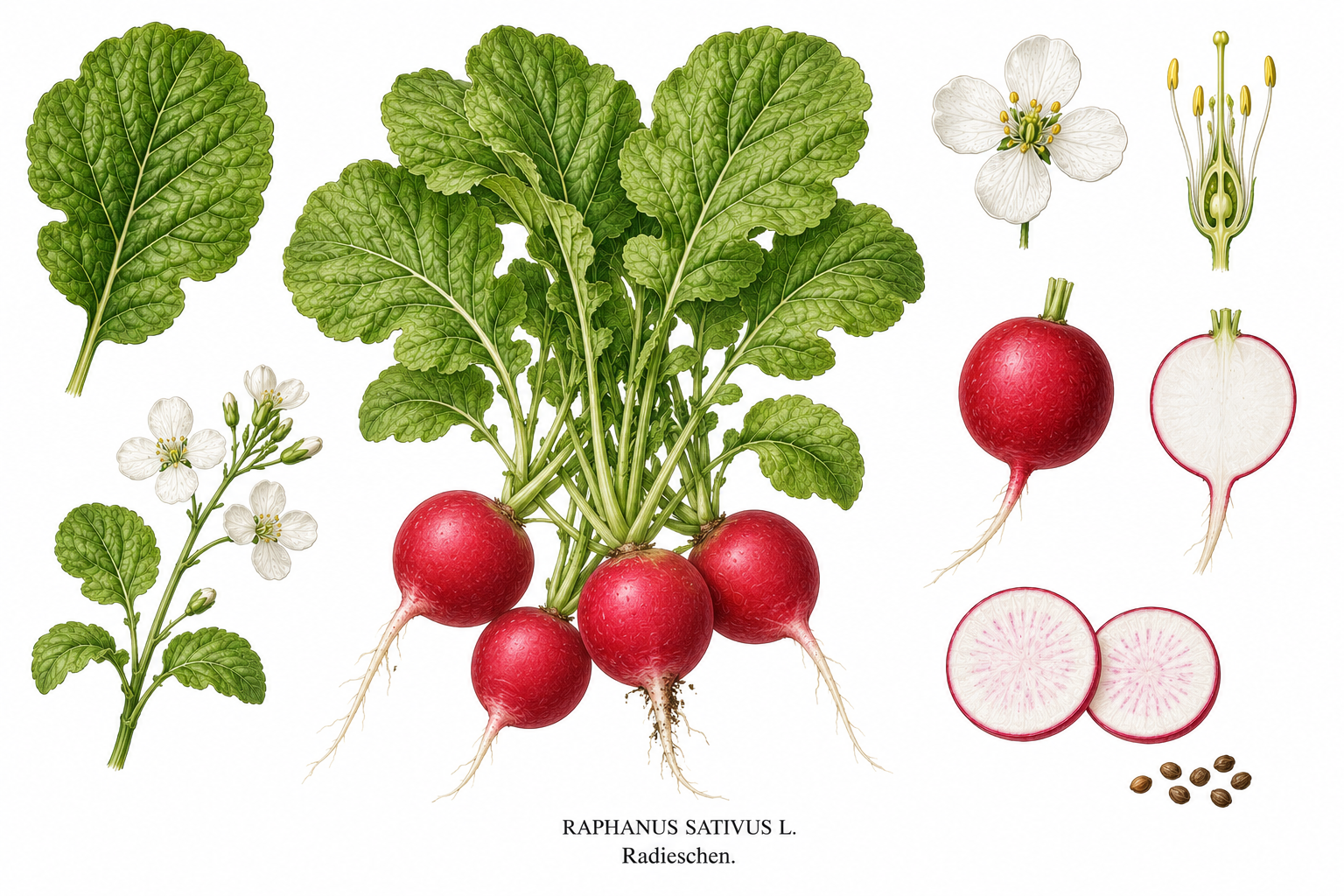
Raphanus sativus
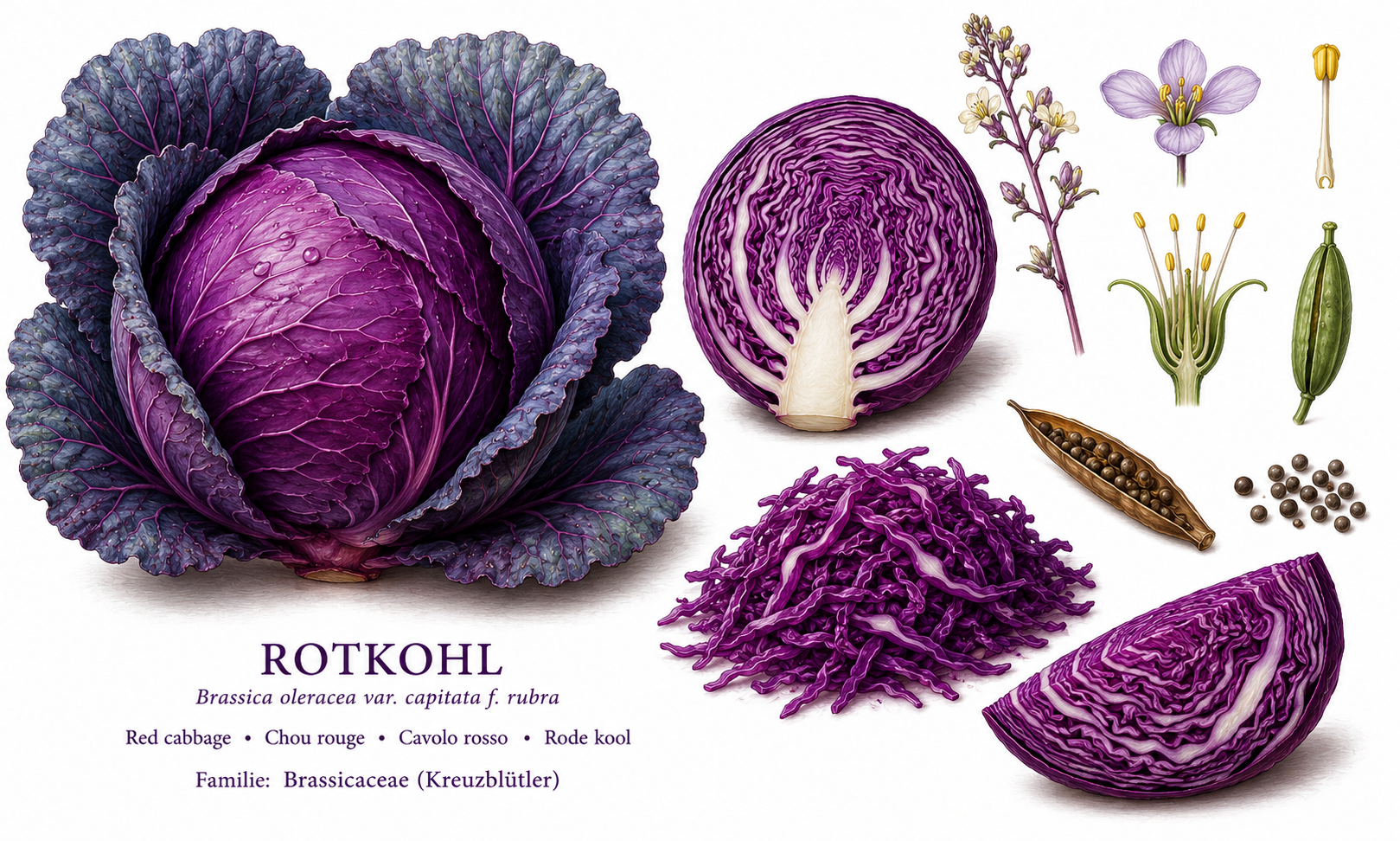
Brassica oleracea var. capitata f. rubra
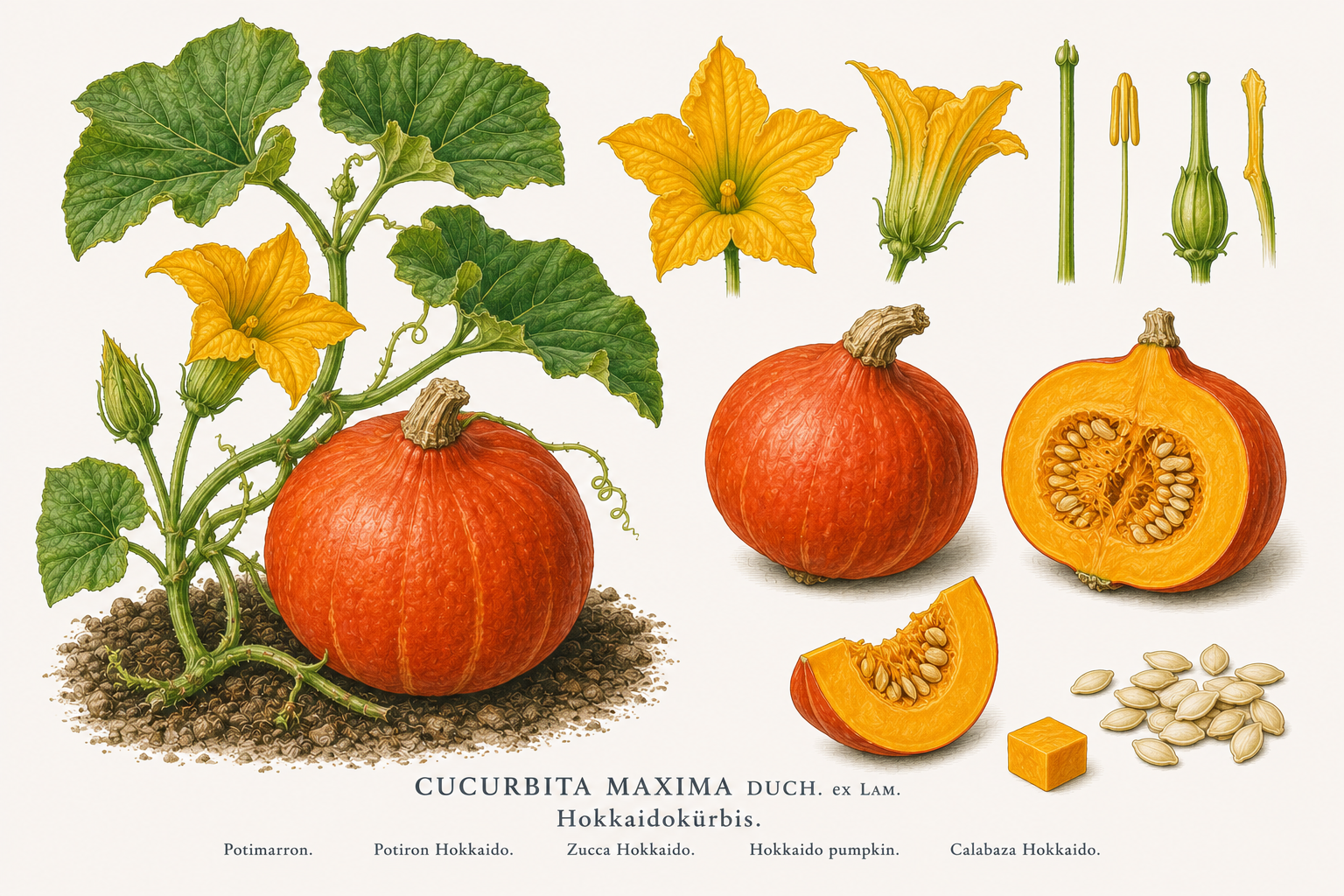
Cucurbita maxima
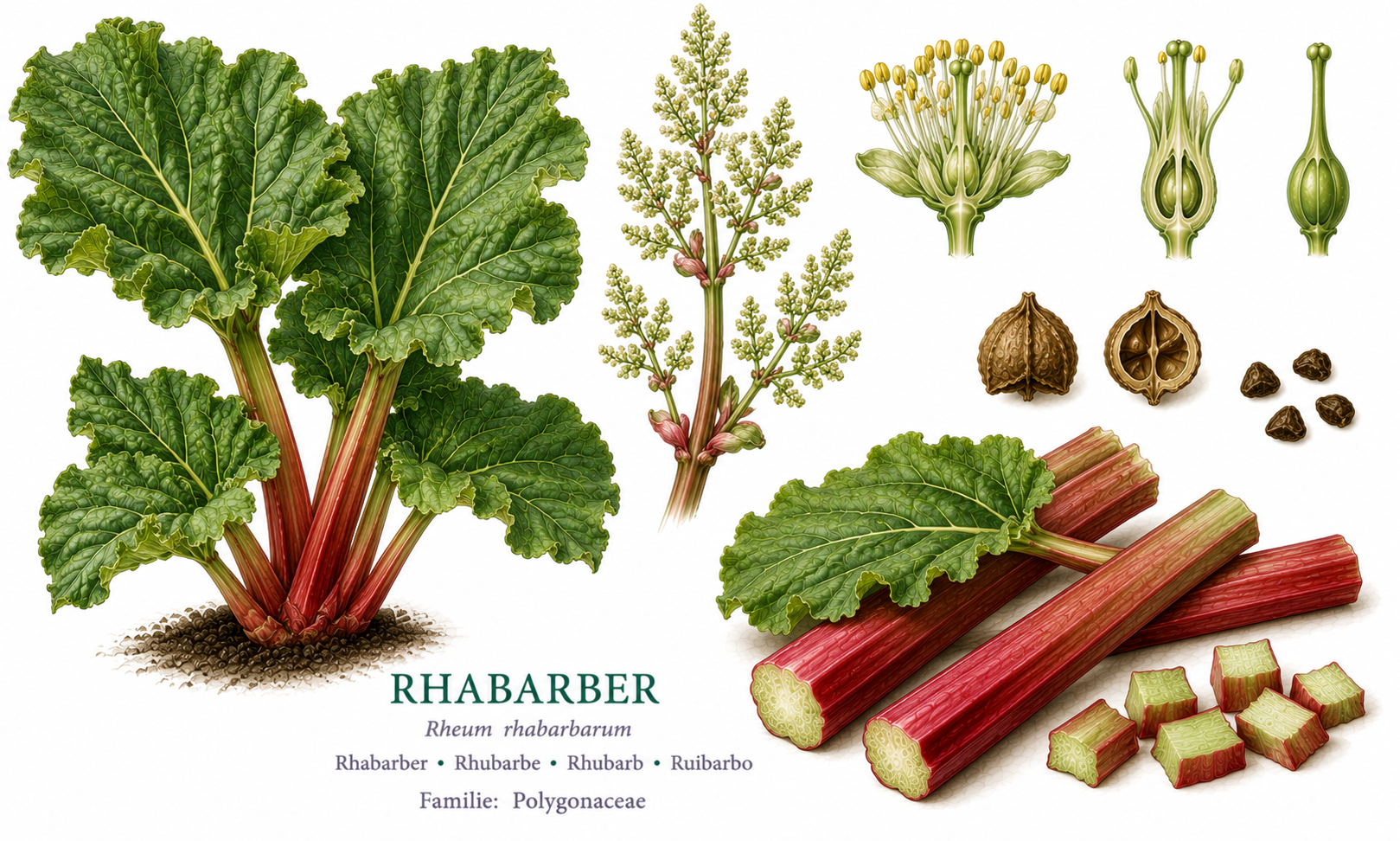
Rheum
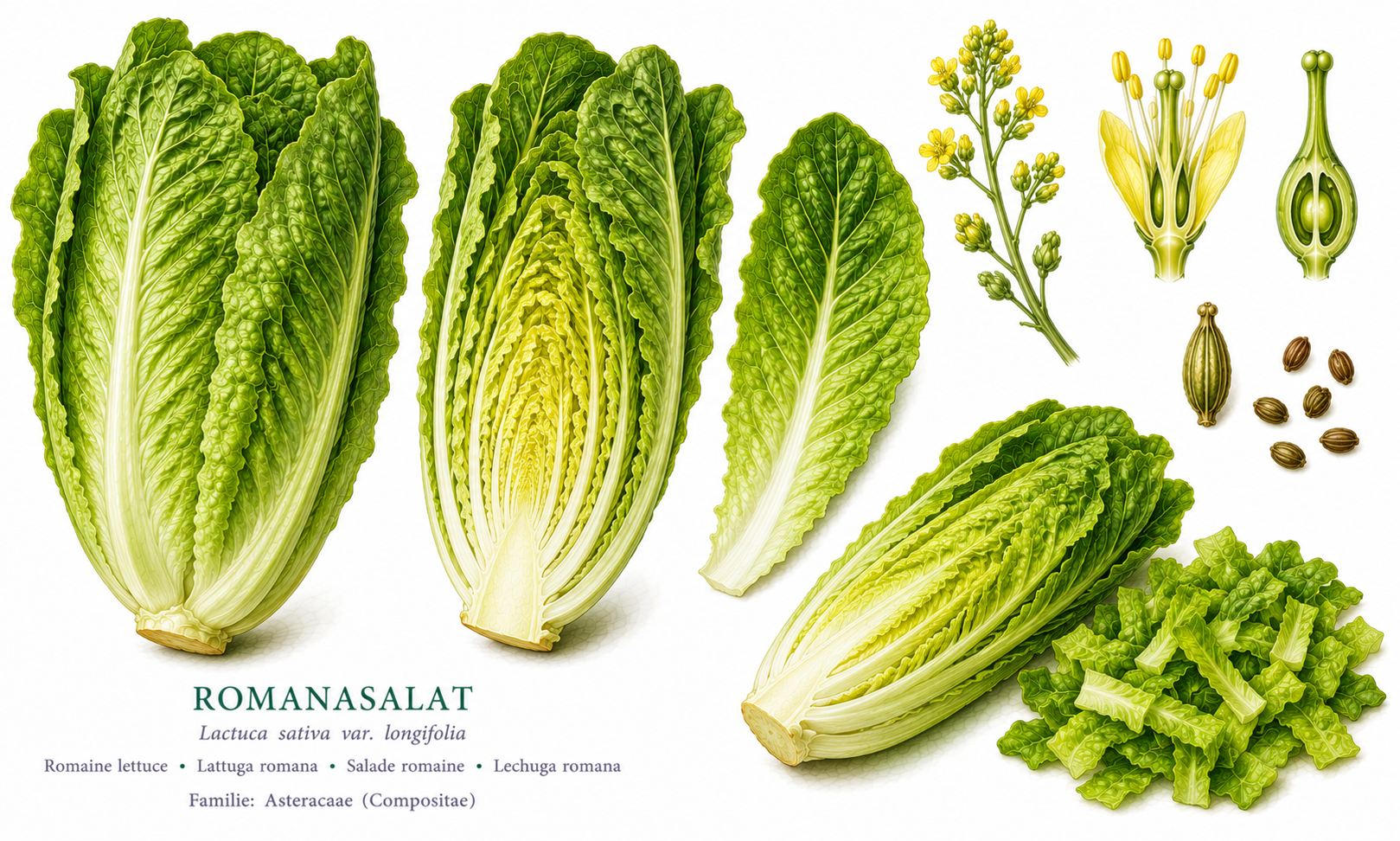
Lactuca sativa var. longifolia
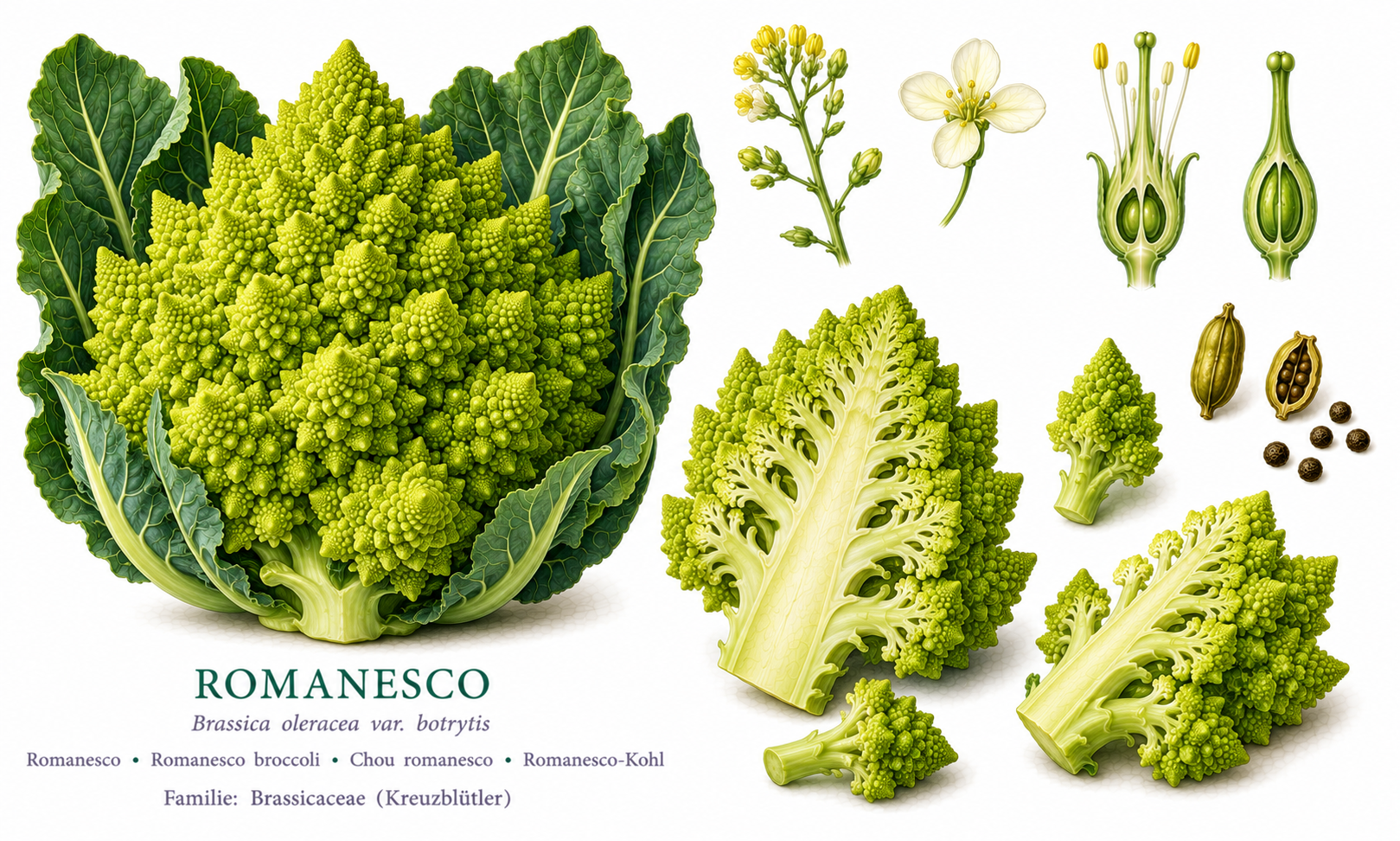
Brassica oleracea
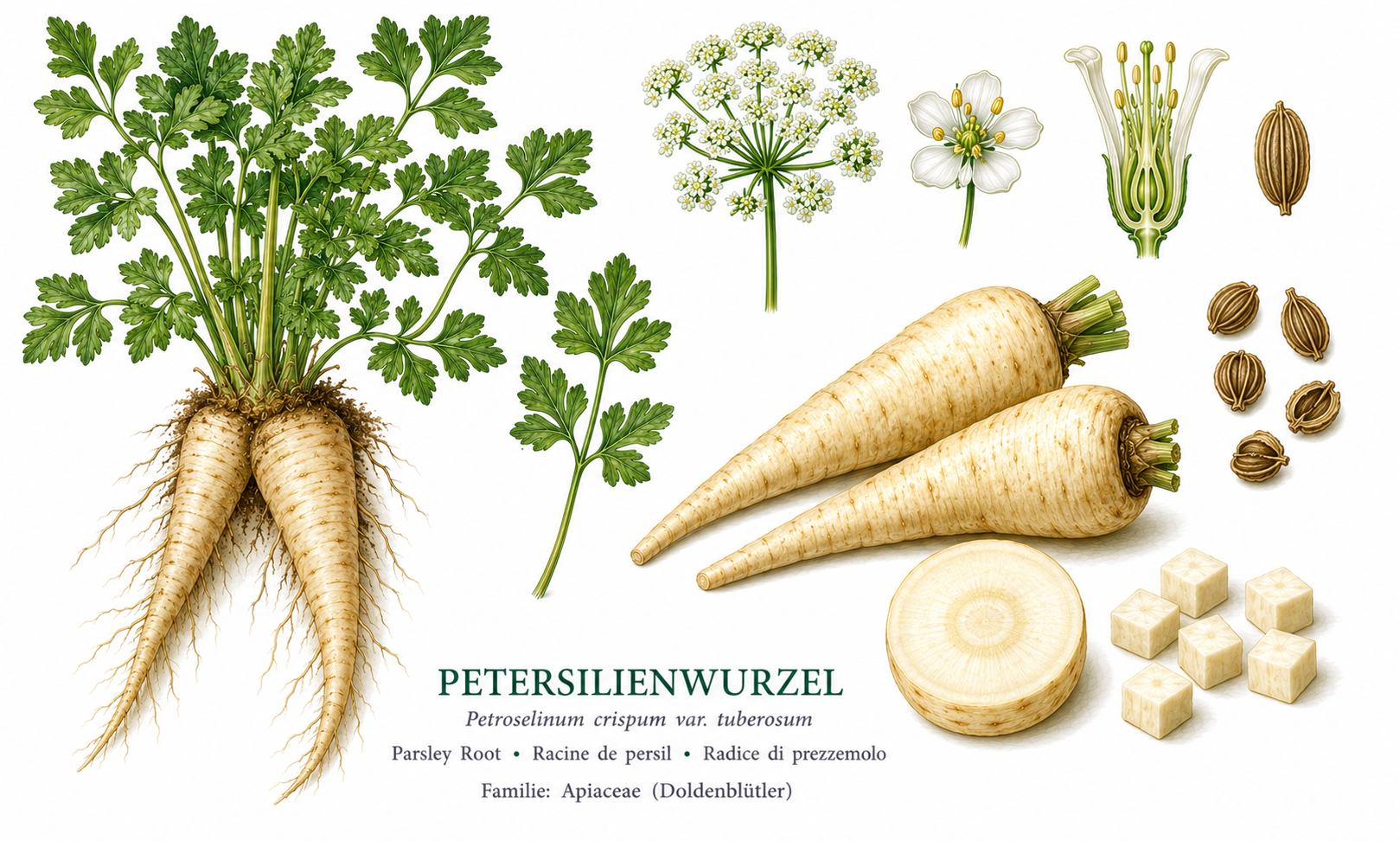
Petroselinum crispum subsp. tuberosum
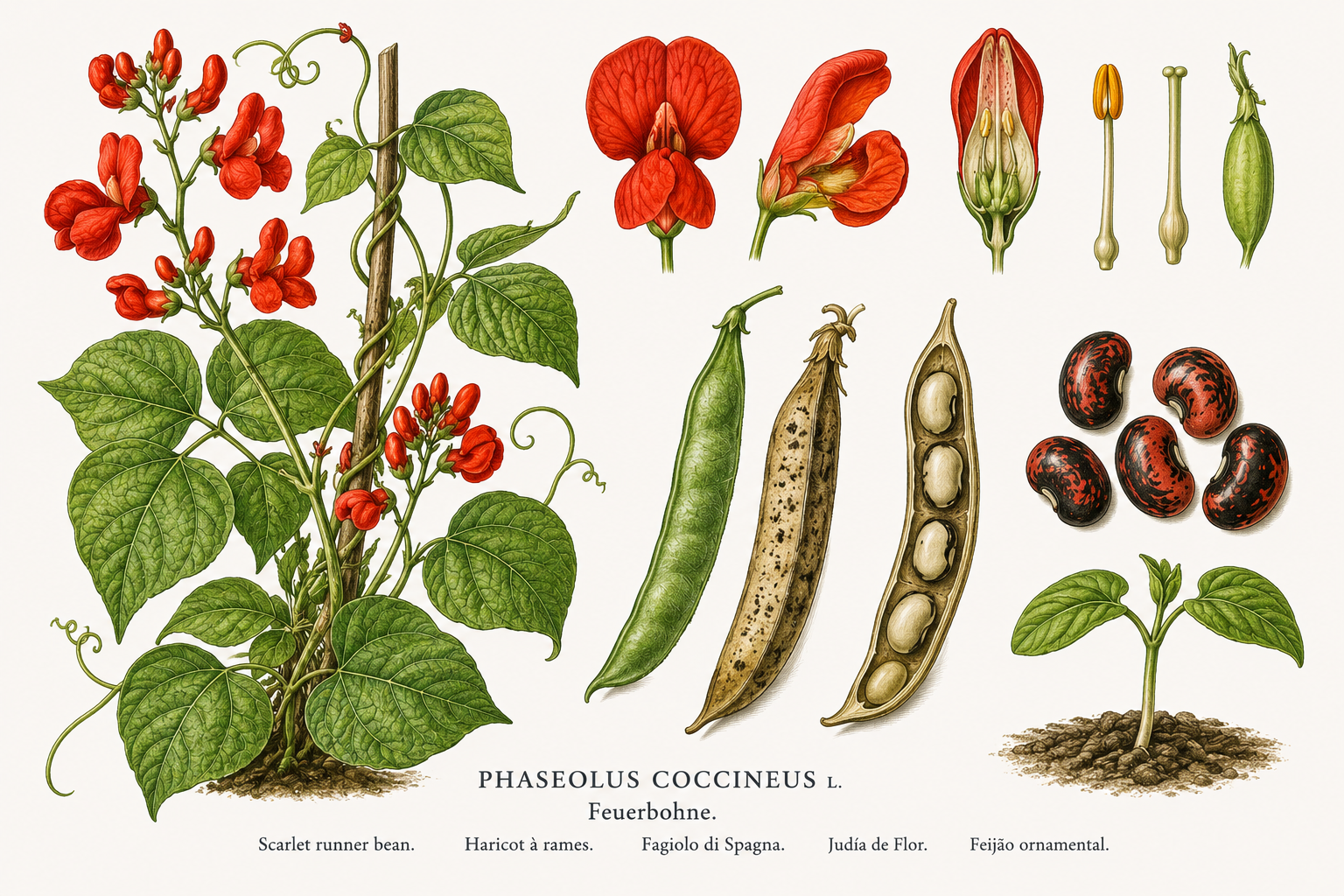
Phaseolus coccineus
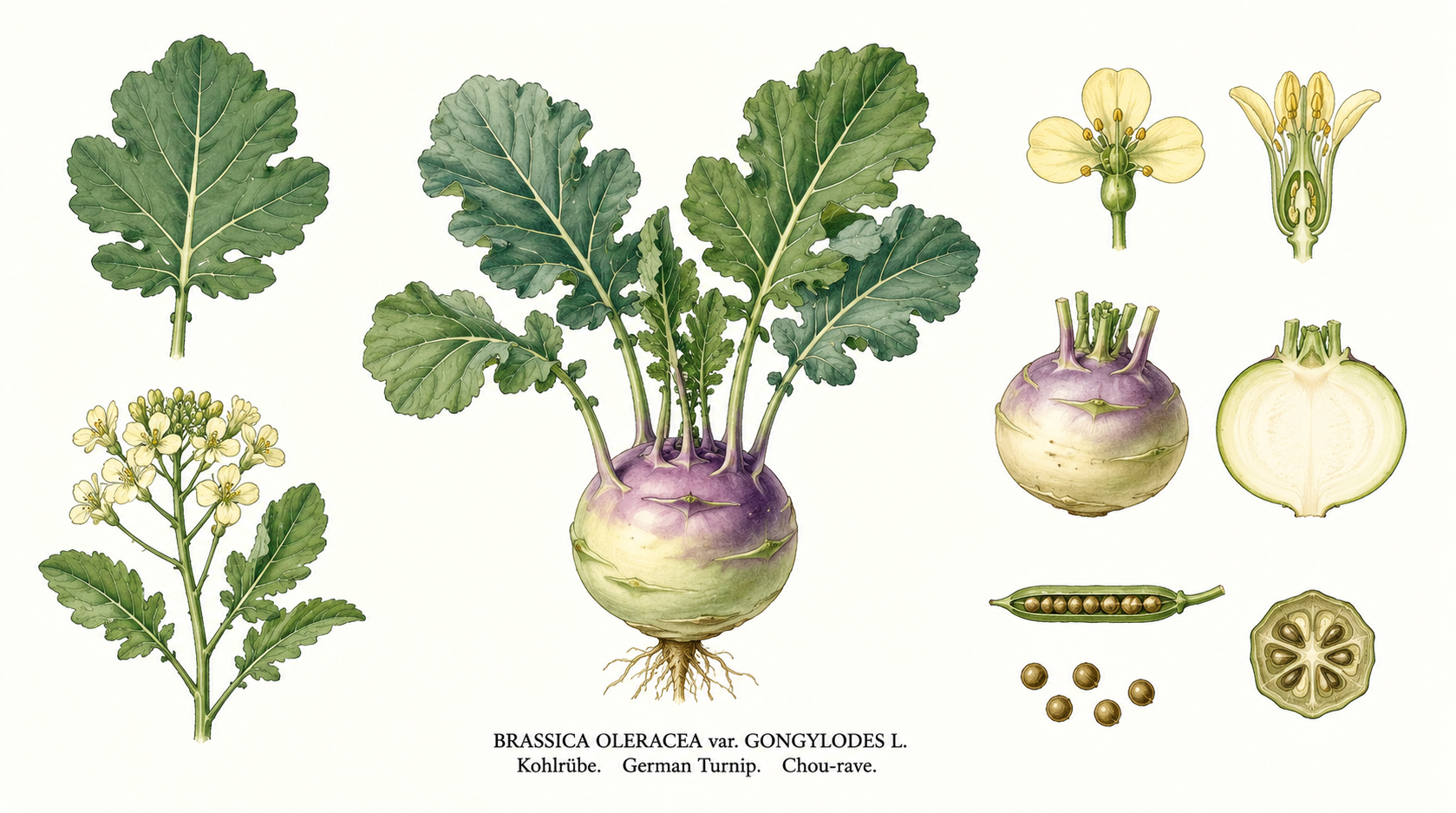
Brassica oleracea var. gongylodes
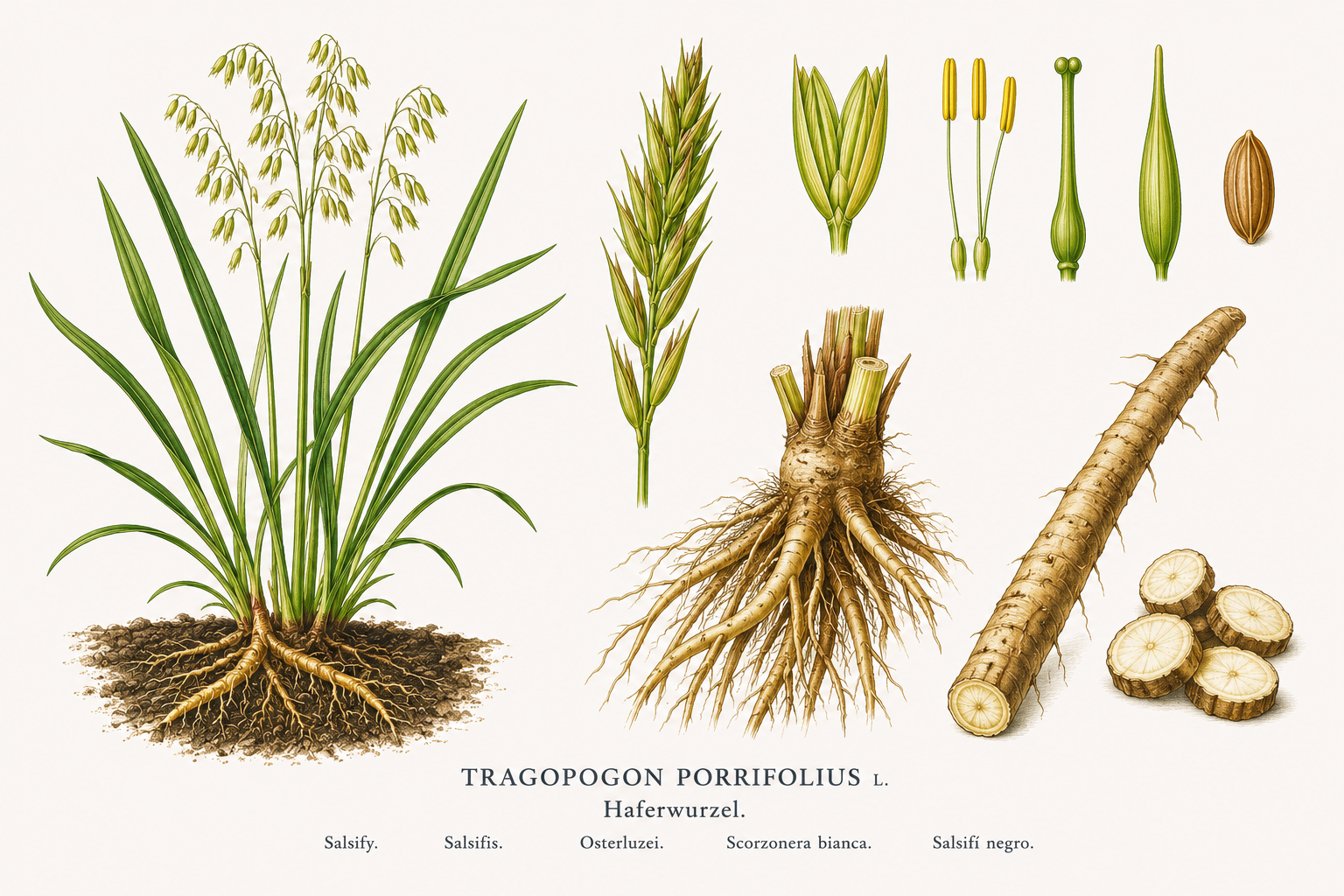
Tragopogon porrifolius
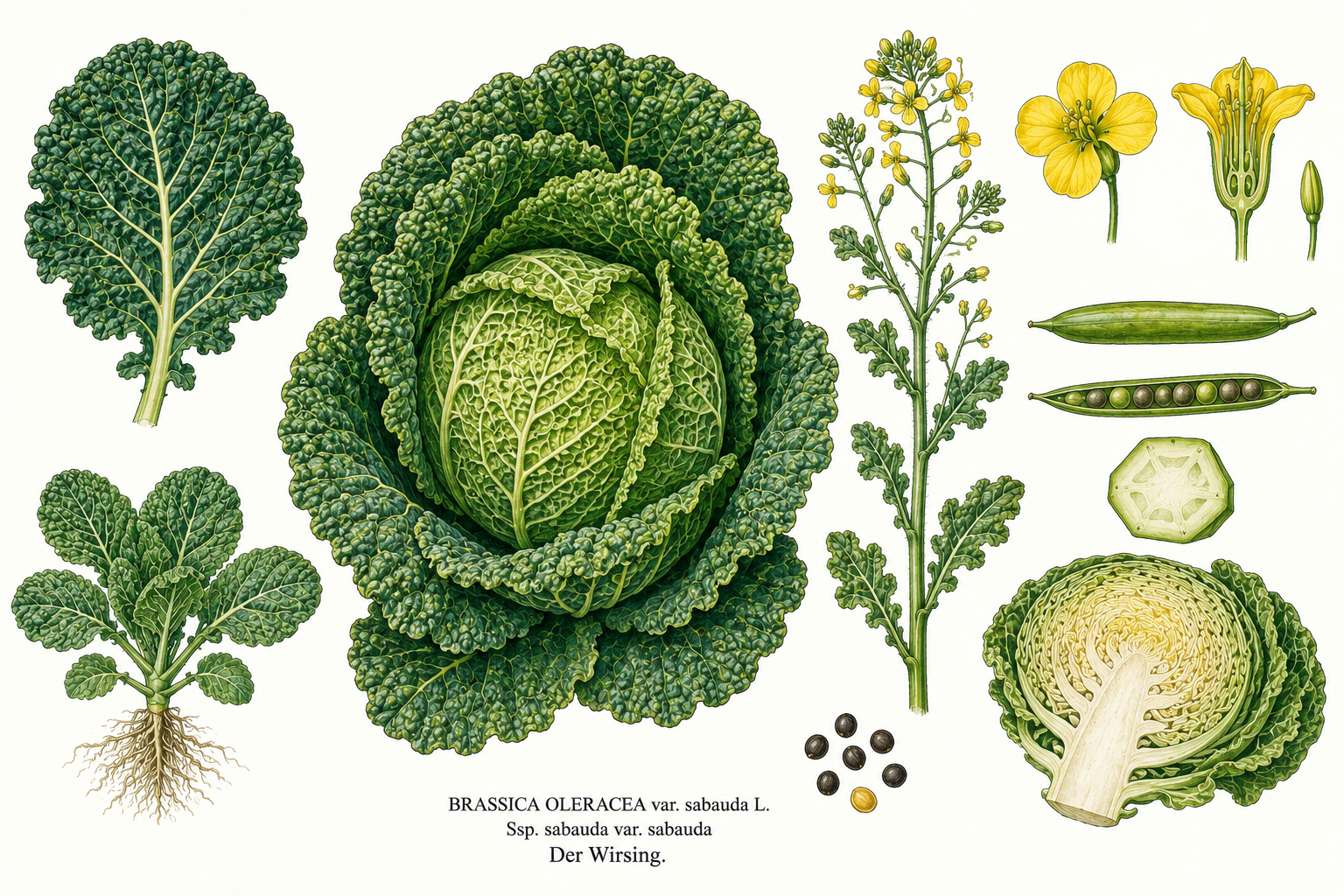
Brassica oleracea var. sabauda
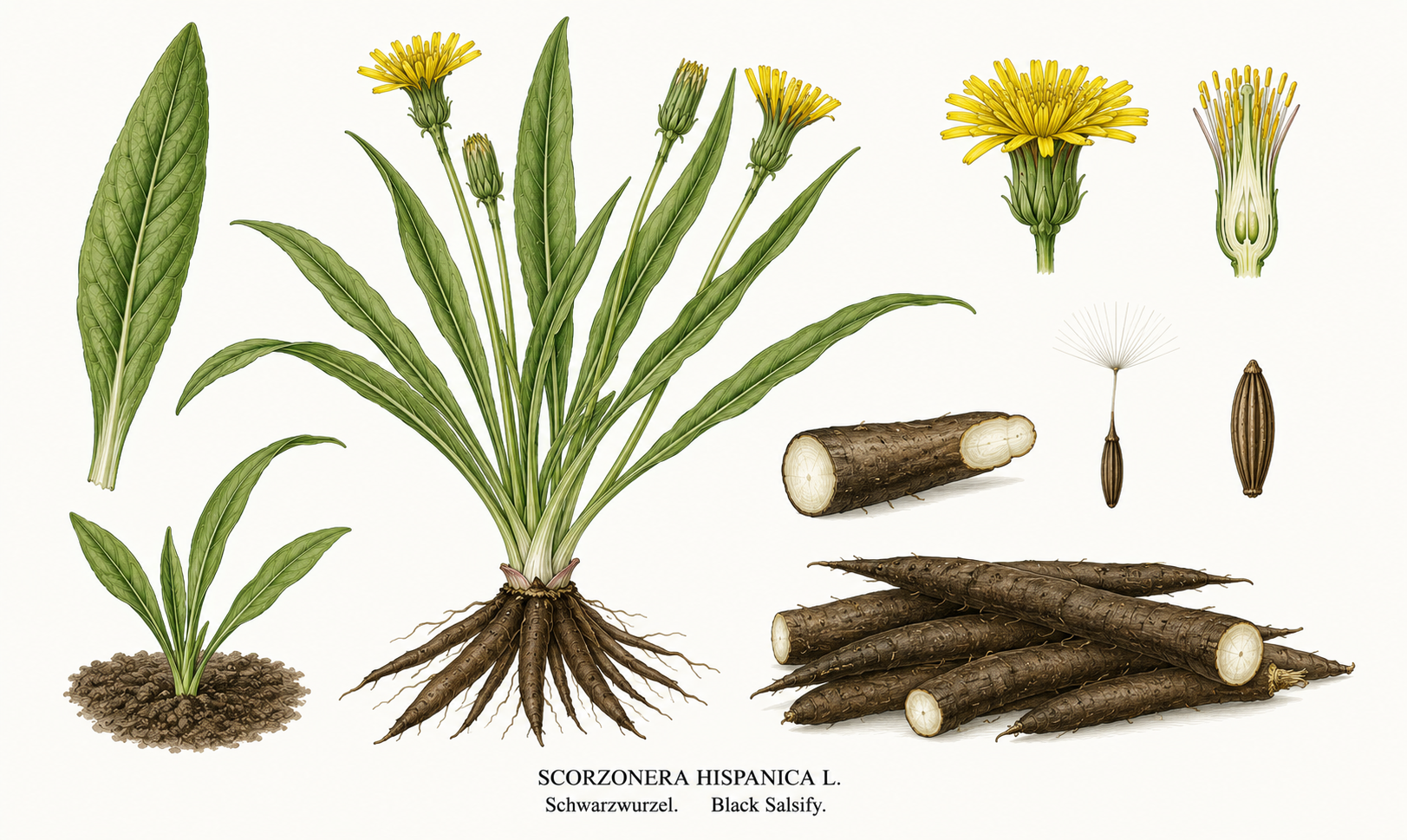
Scorzonera
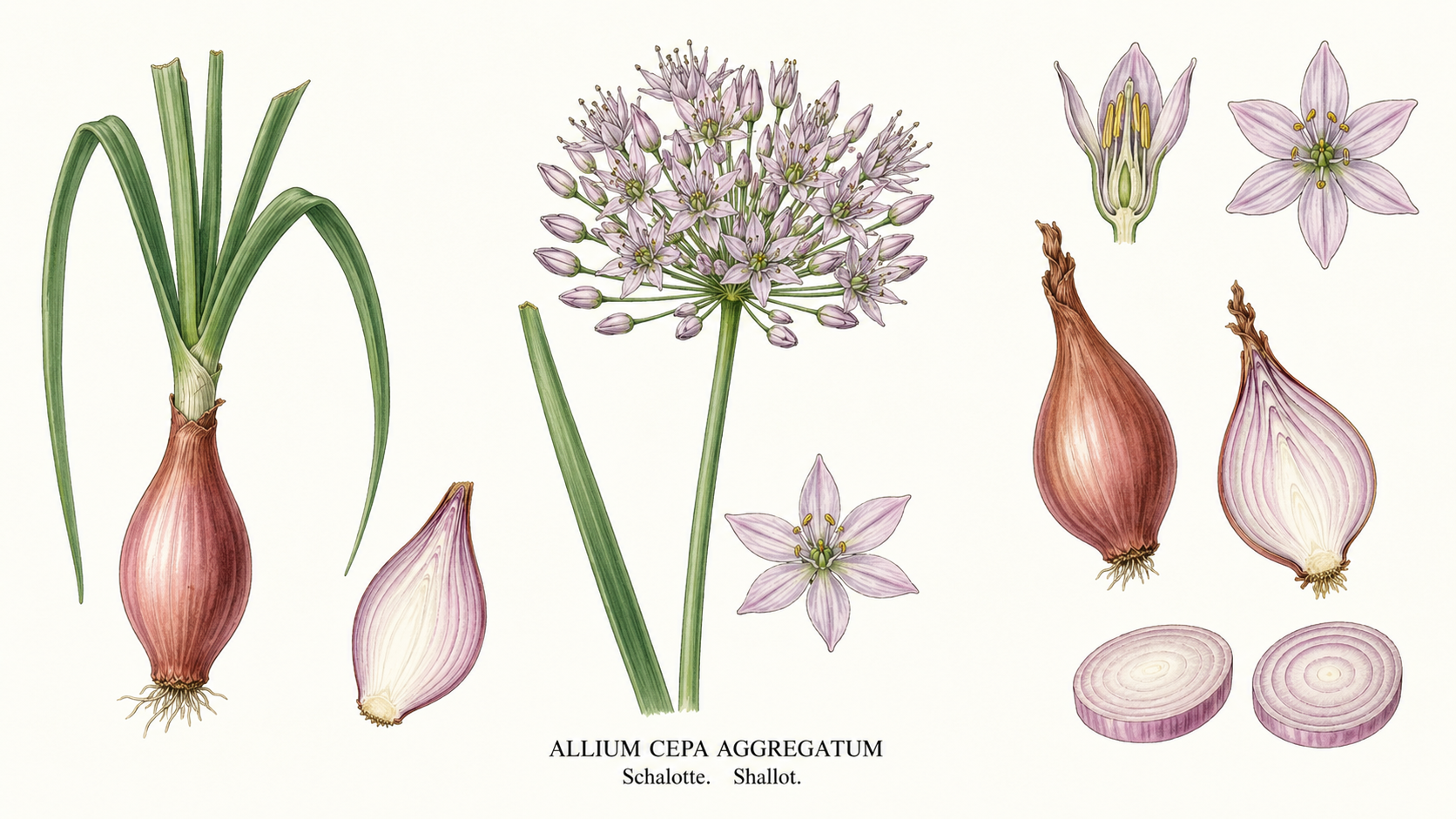
Allium ascalonicum
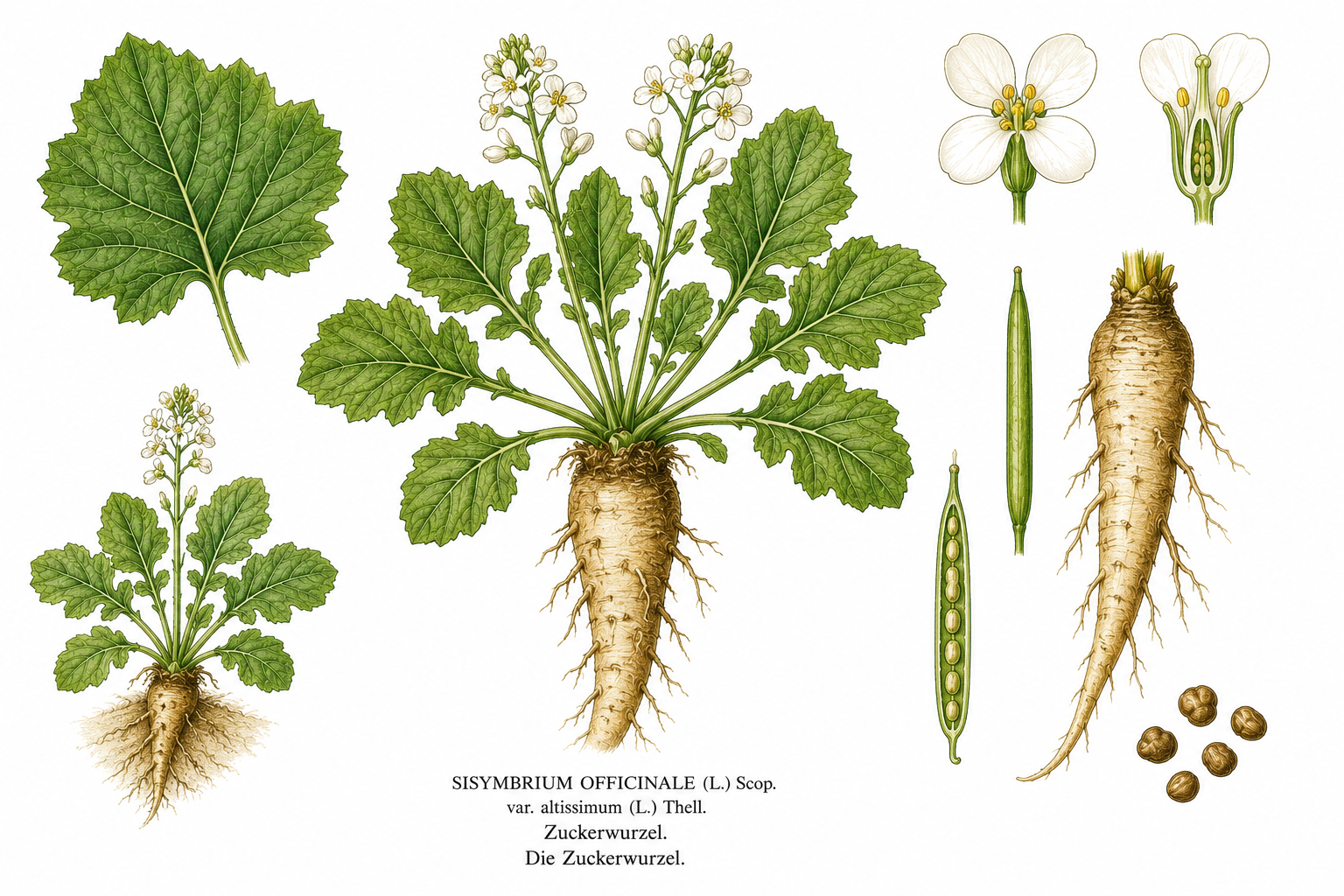
Sium sisarum
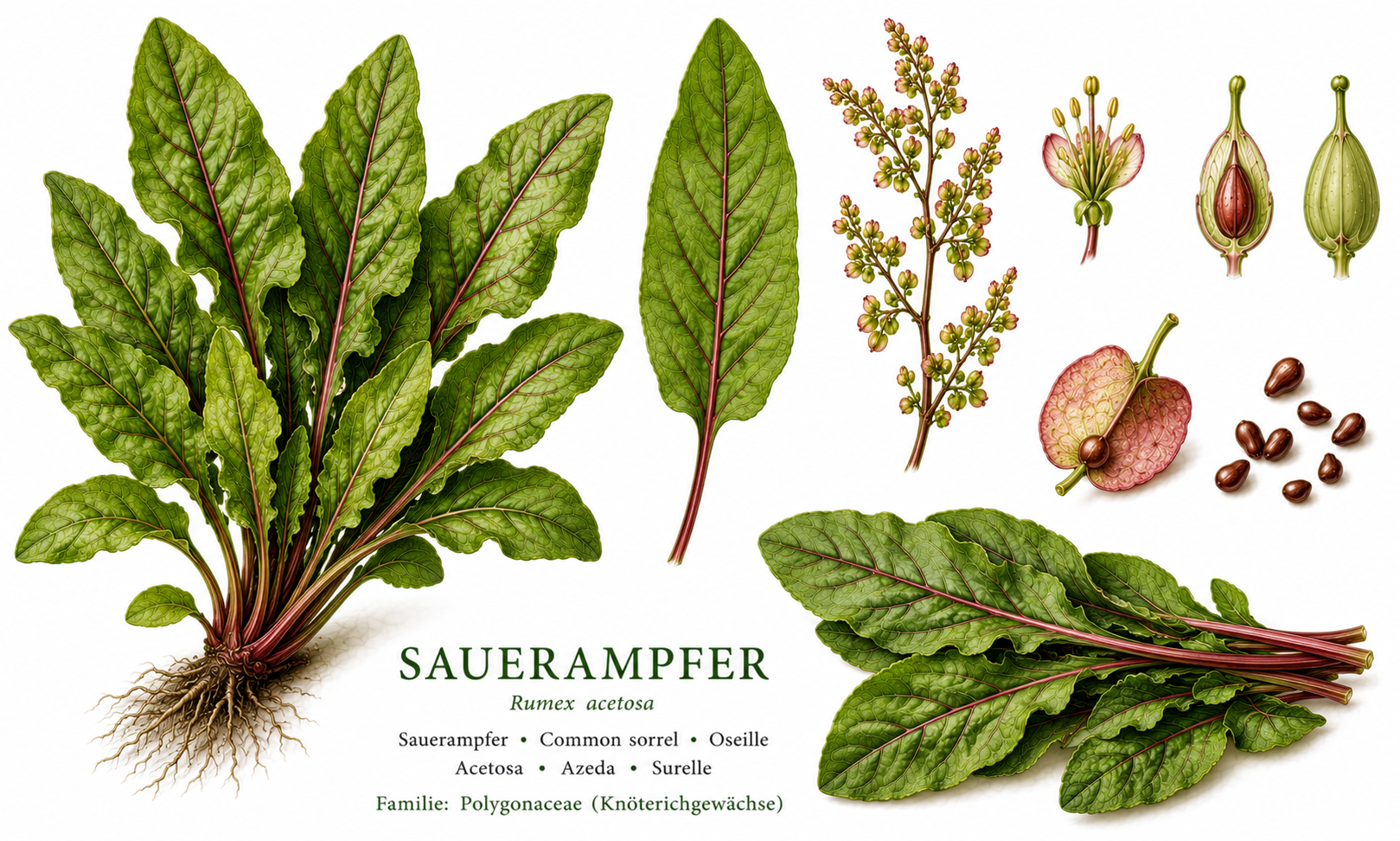
Rumex acetosa
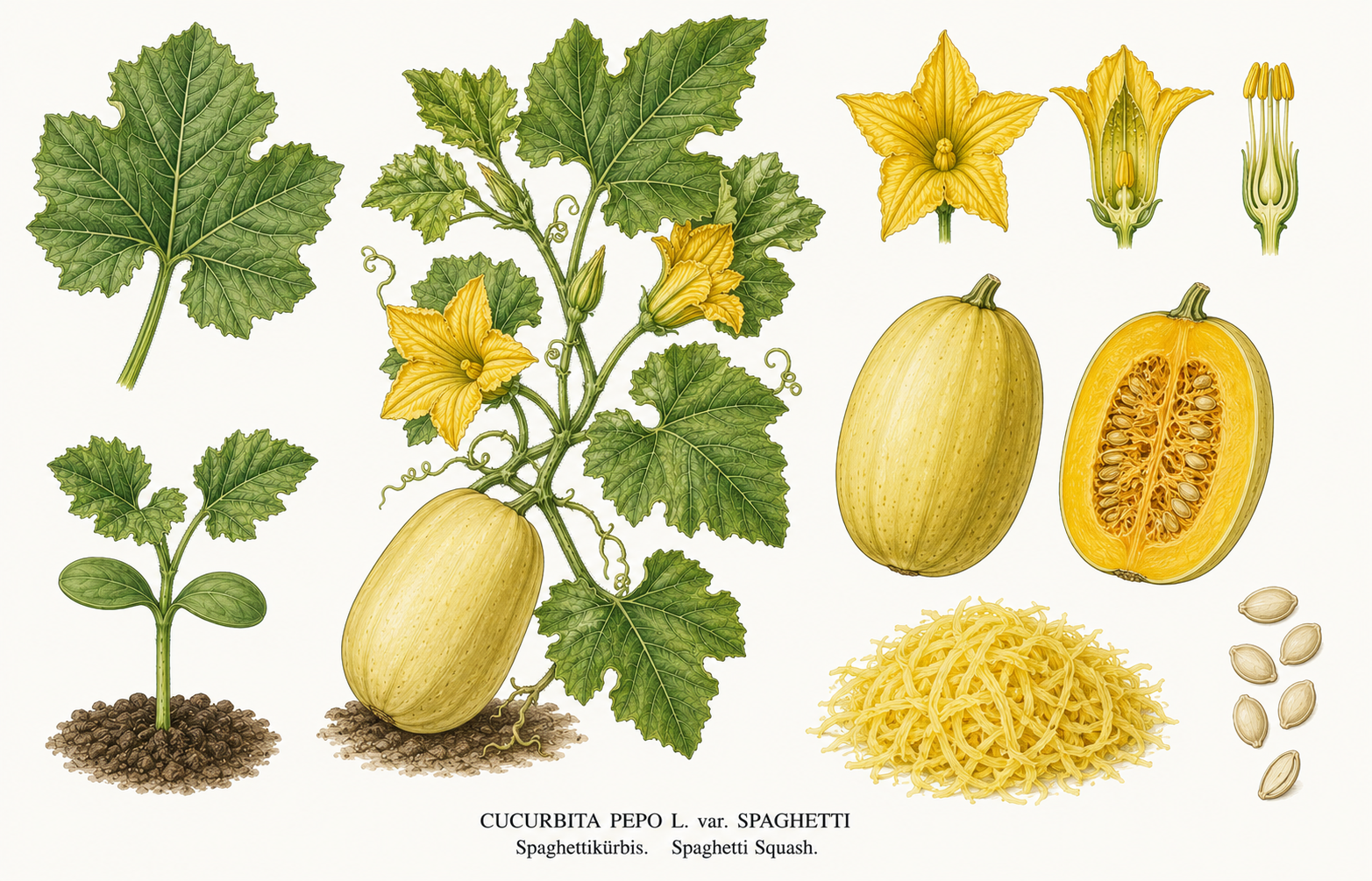
Cucurbita pepo
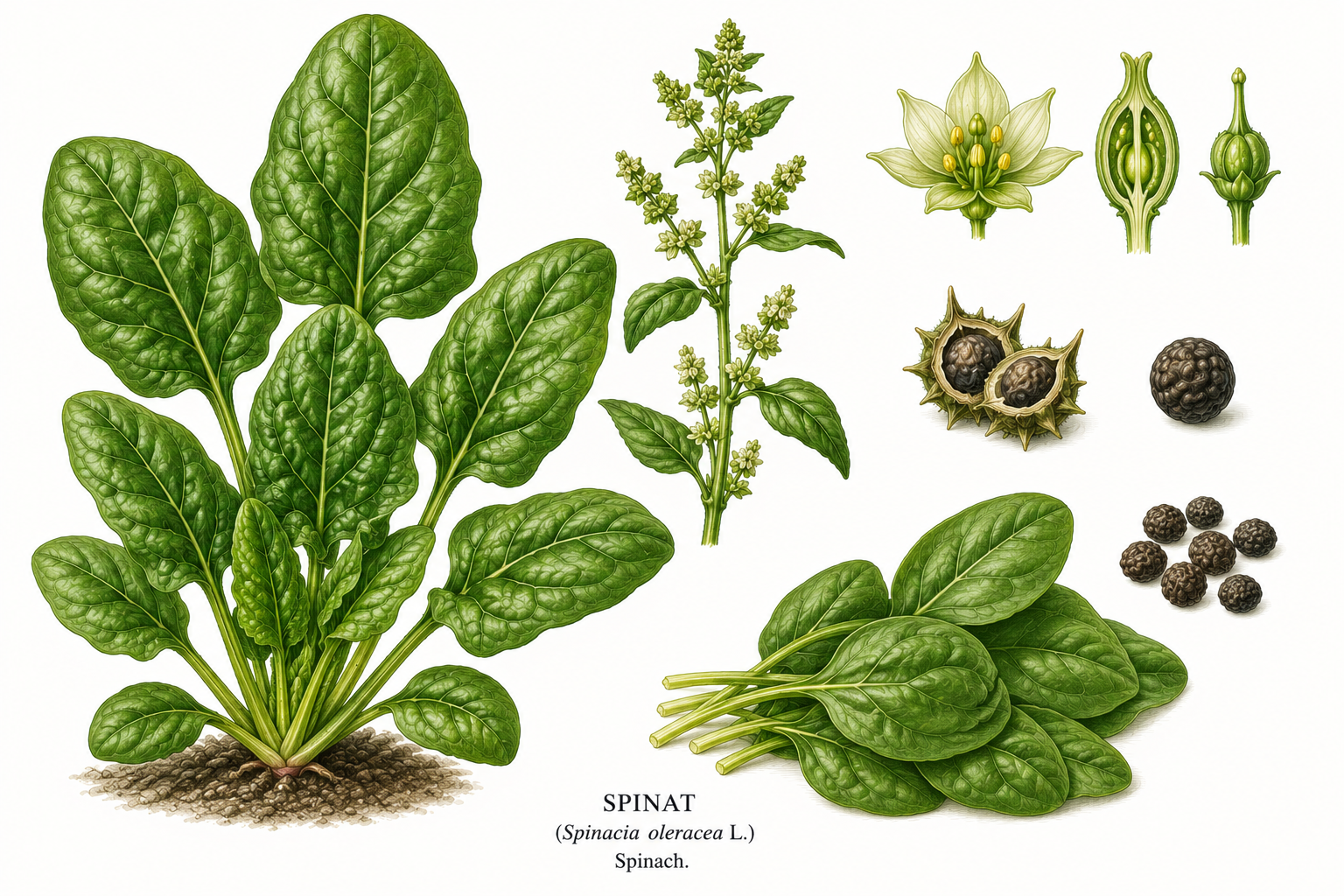
Spinacia oleracea
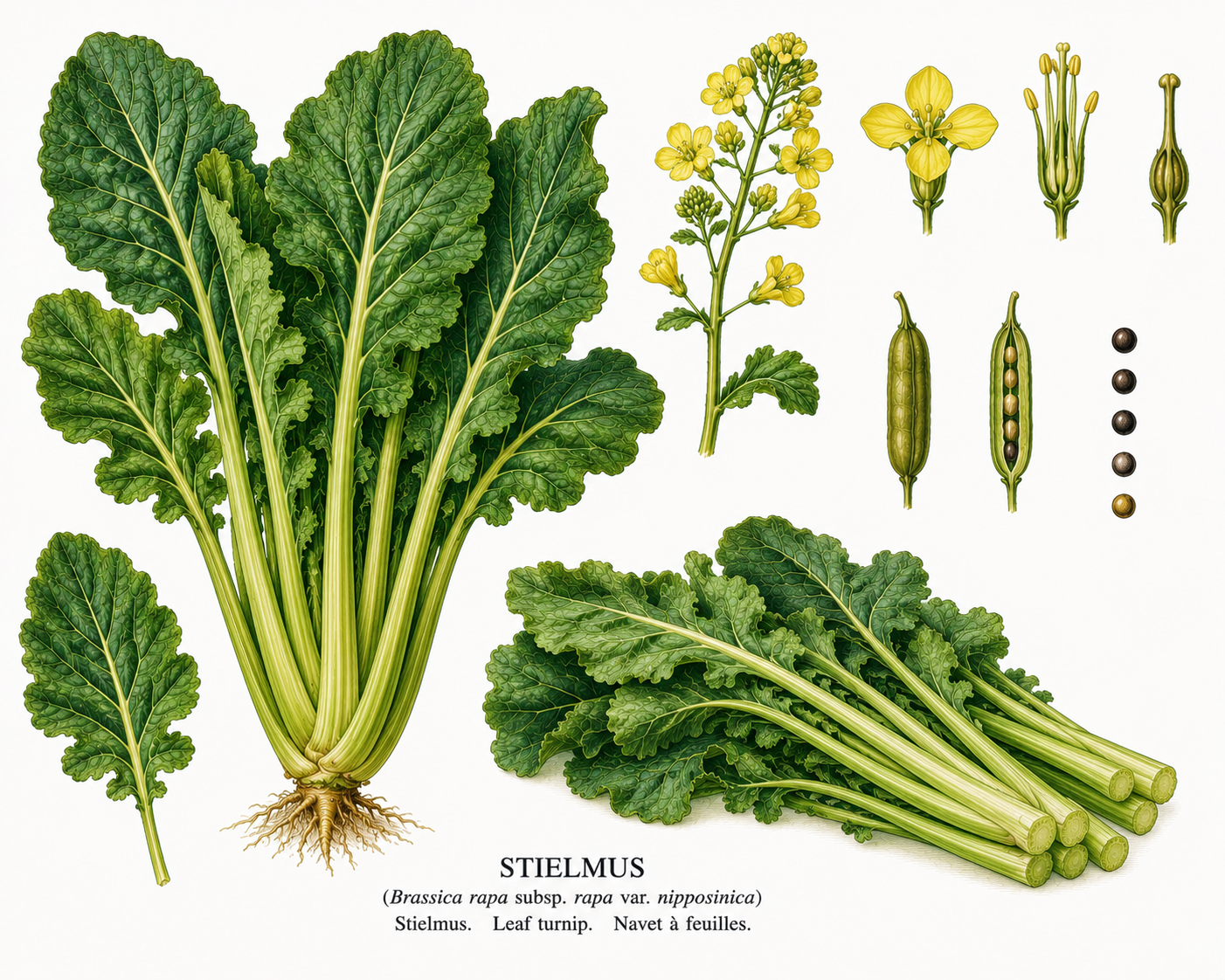
Brassica rapa subsp. rapa
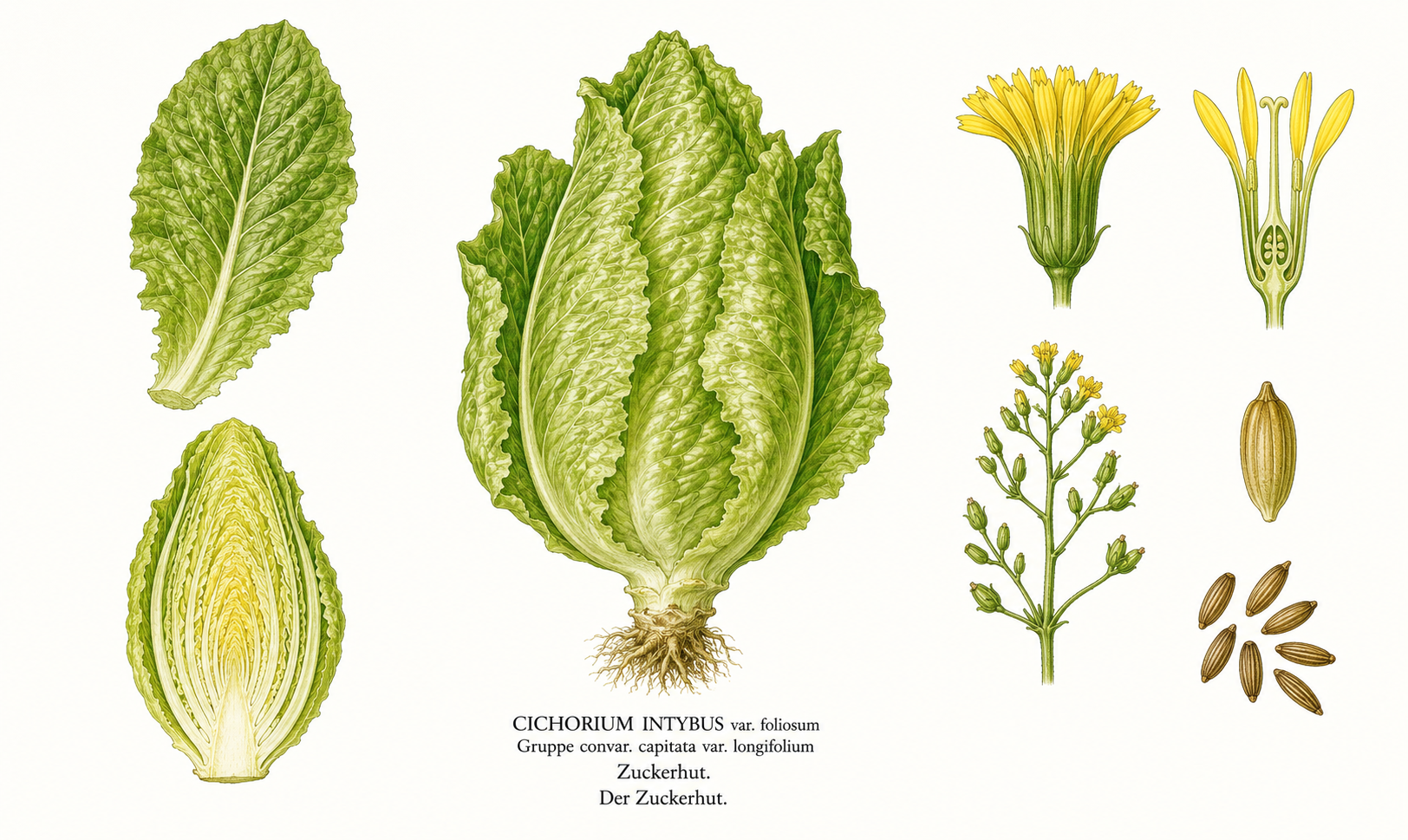
Cichorium intybus var. foliosum
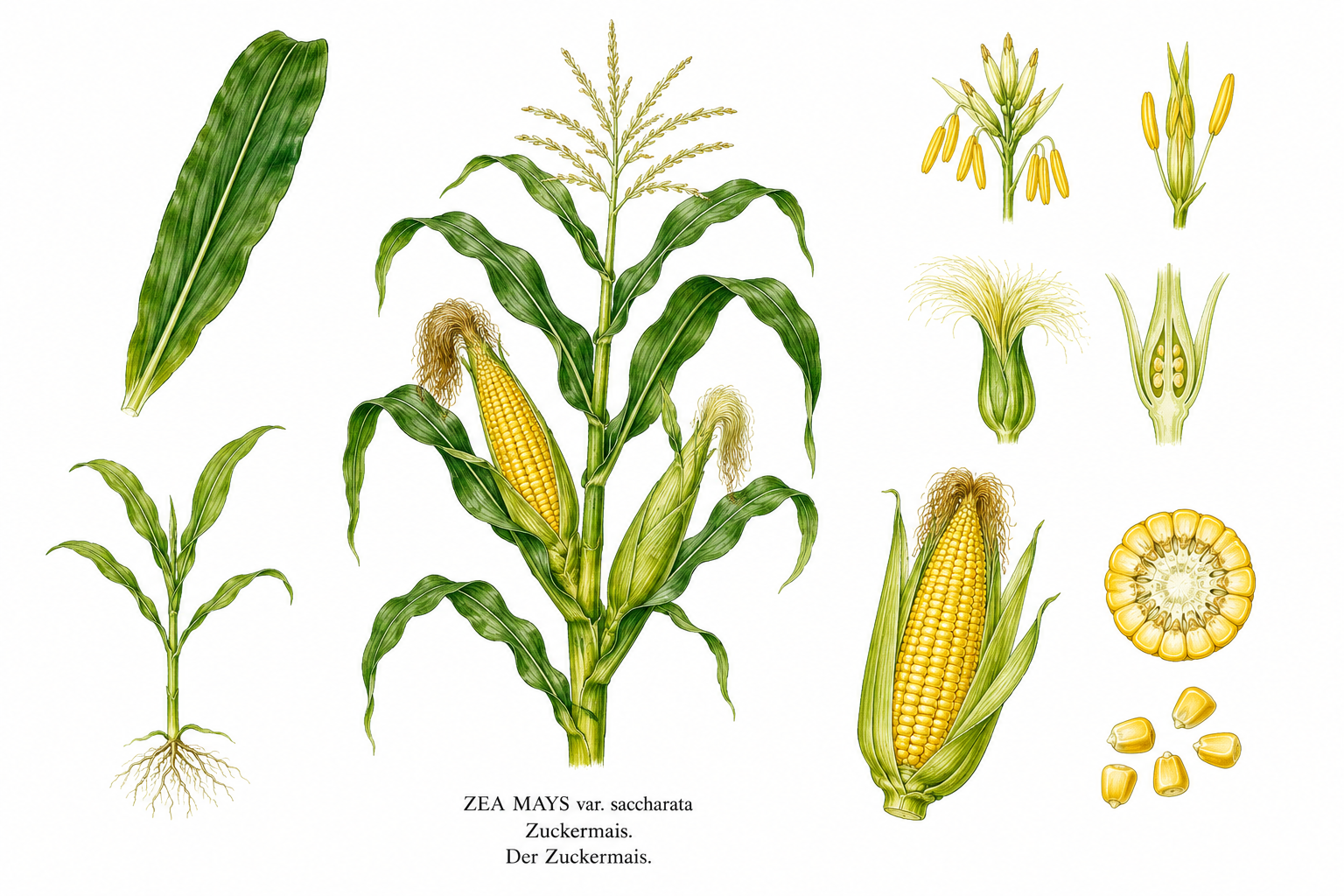
Zea mays Saccharata Group
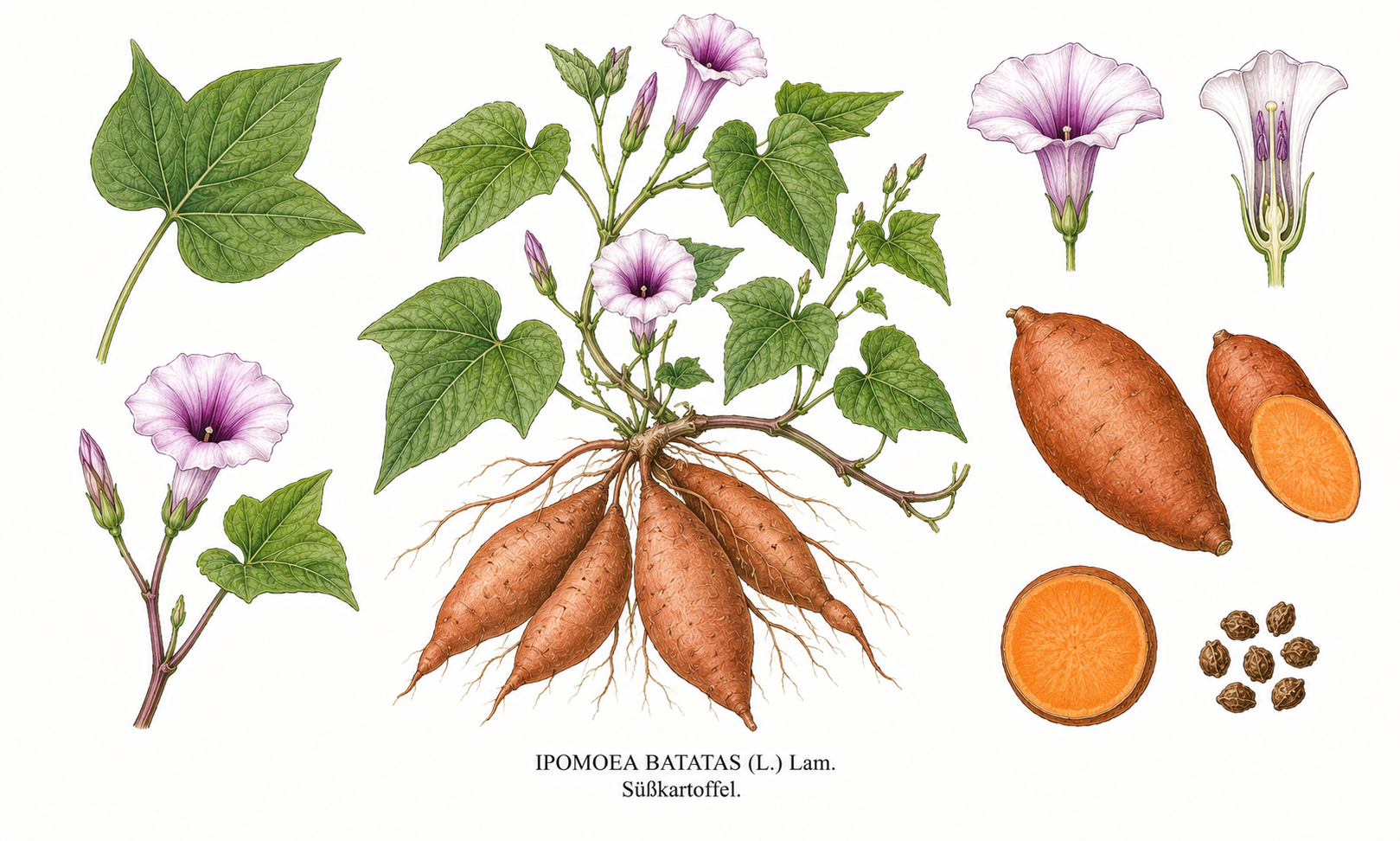
Ipomoea batatas
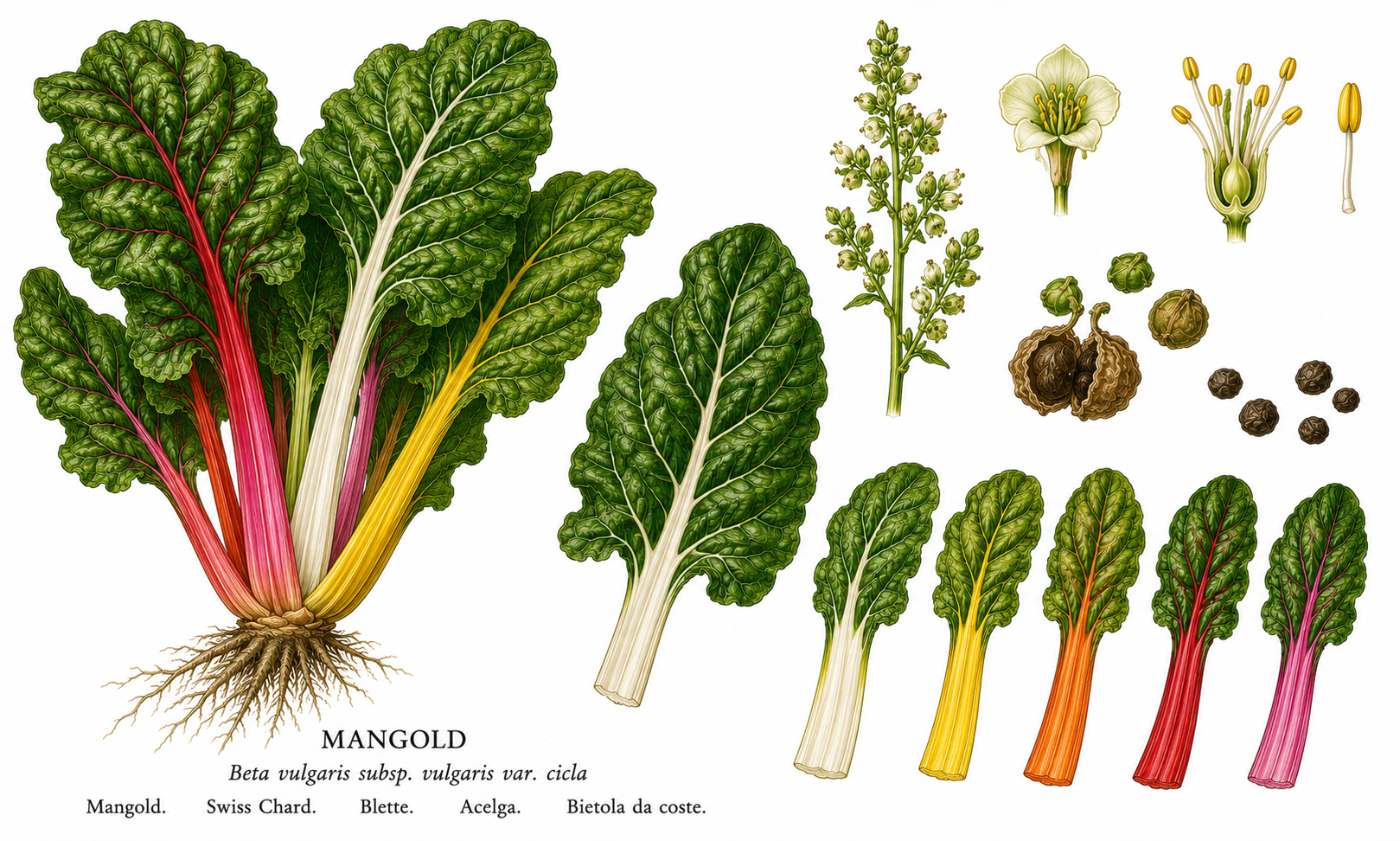
Beta vulgaris subsp. vulgaris Cicla Group
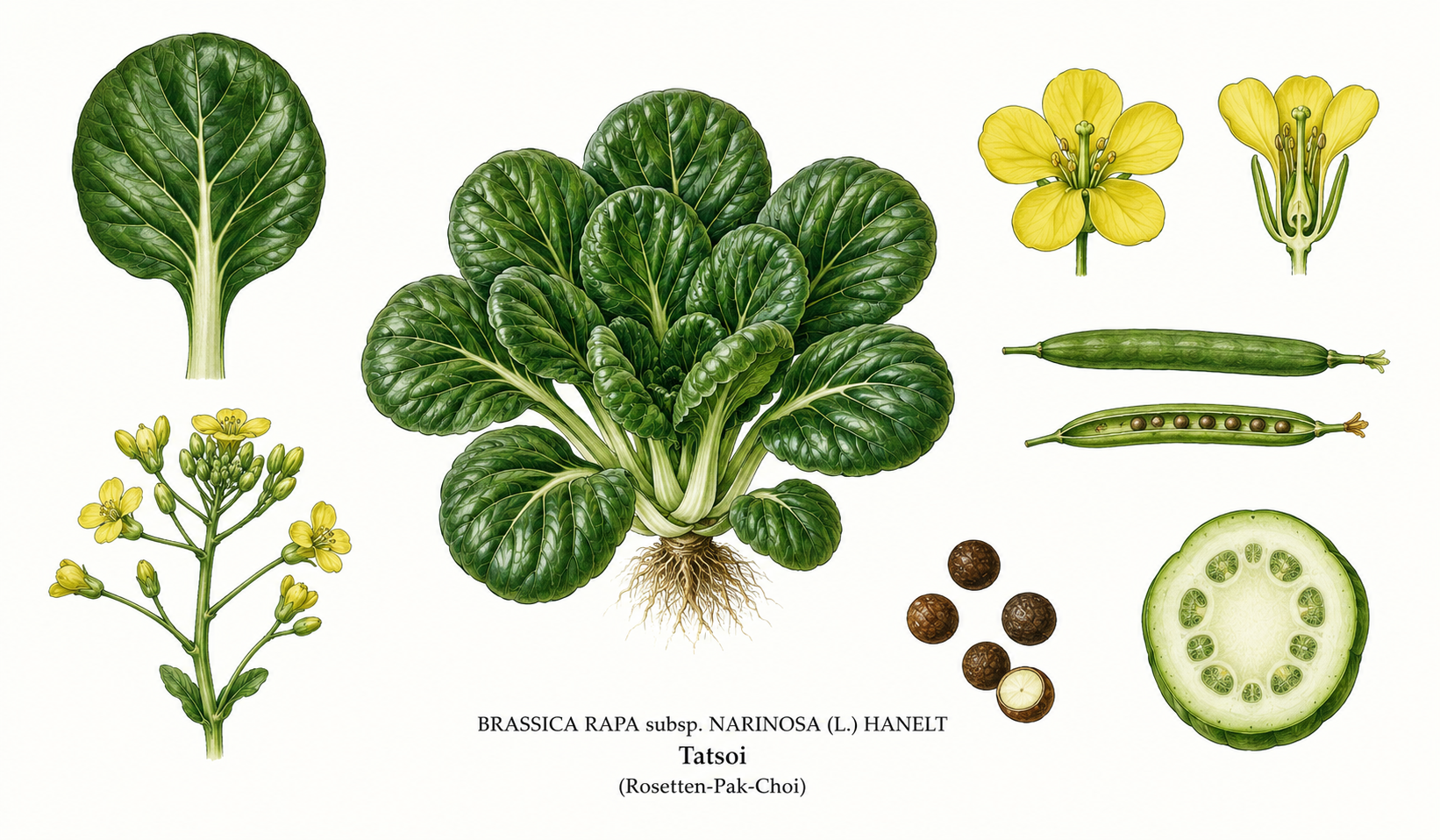
Brassica rapa subsp. narinosa
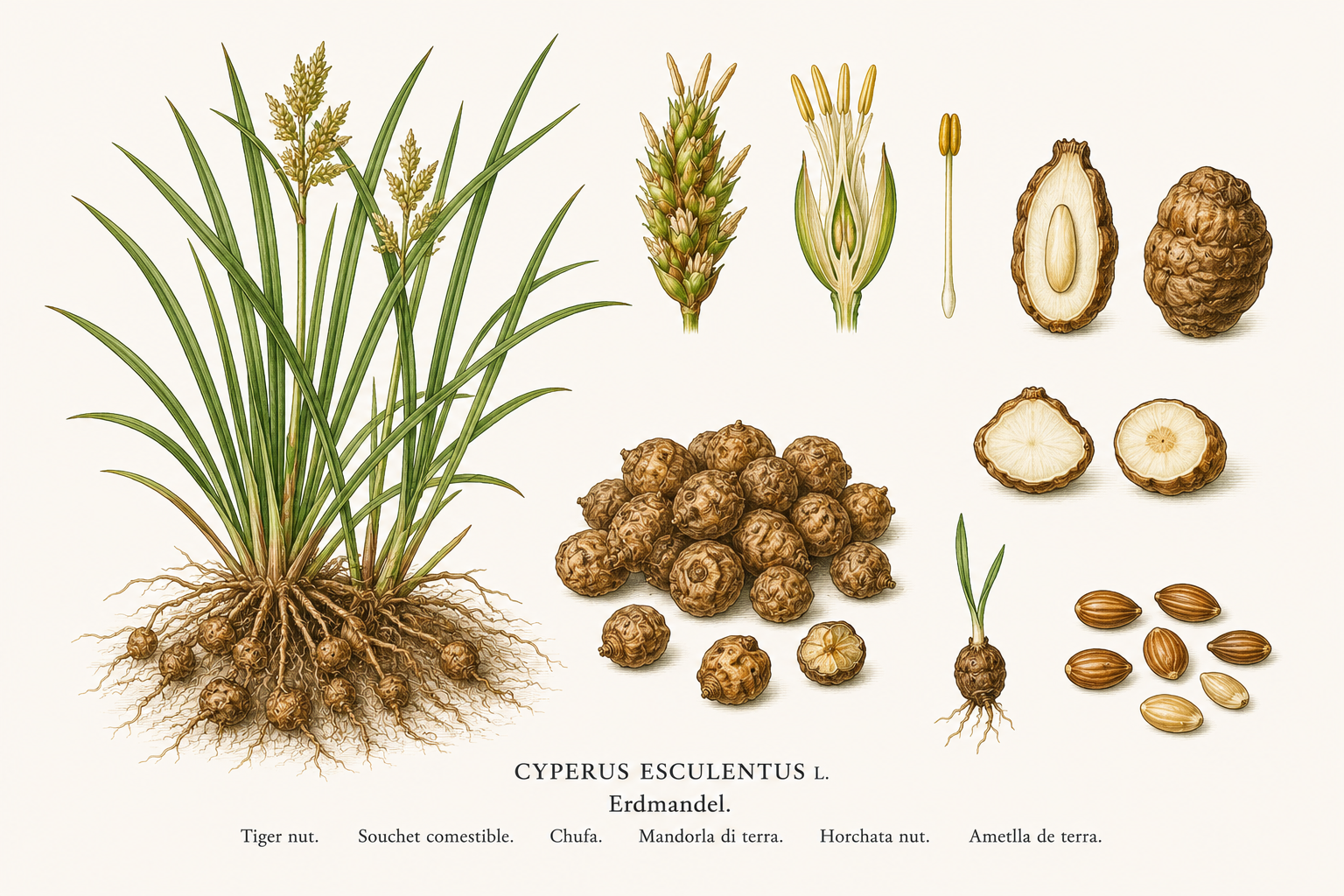
Cyperus esculentus
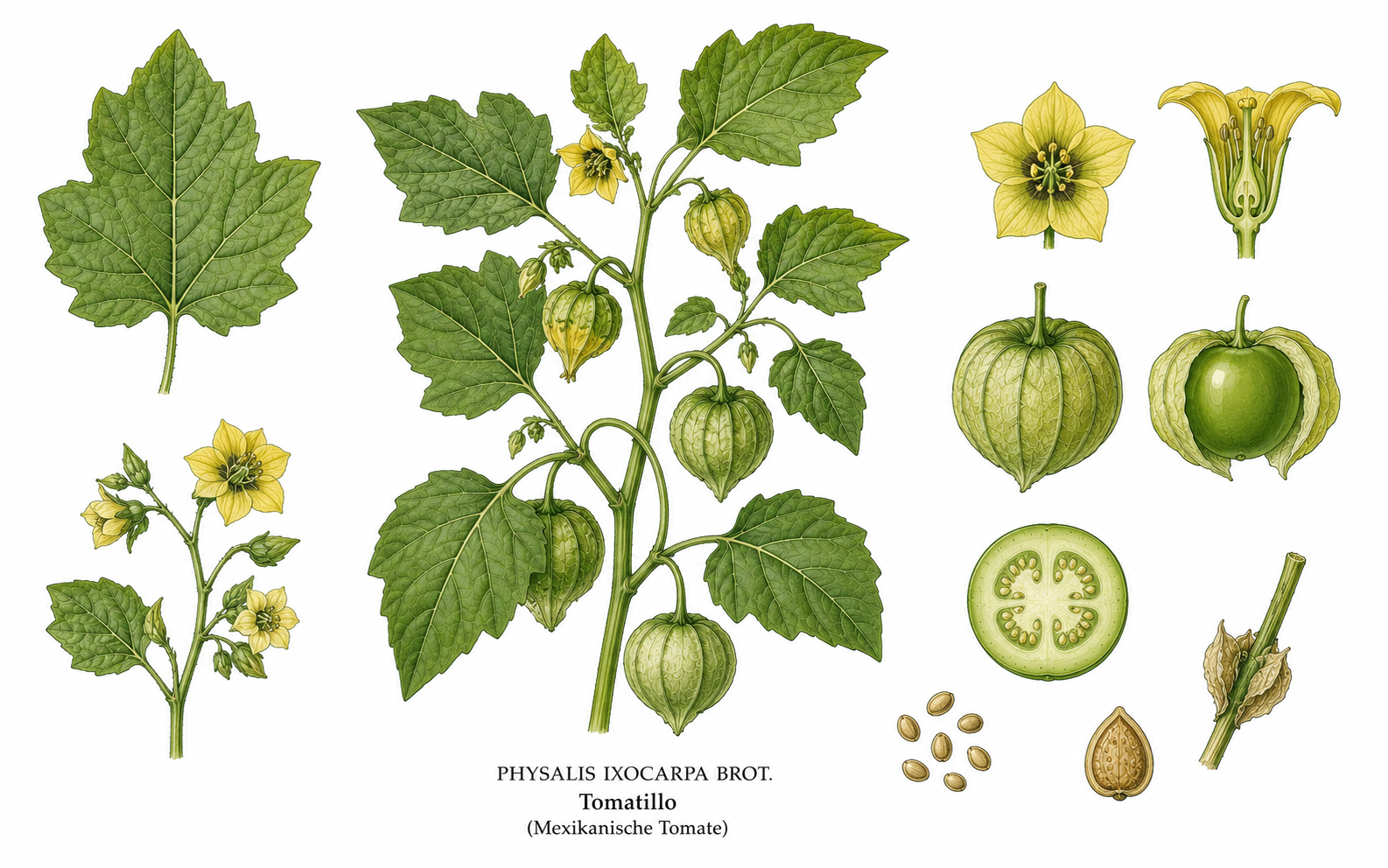
Physalis philadelphica
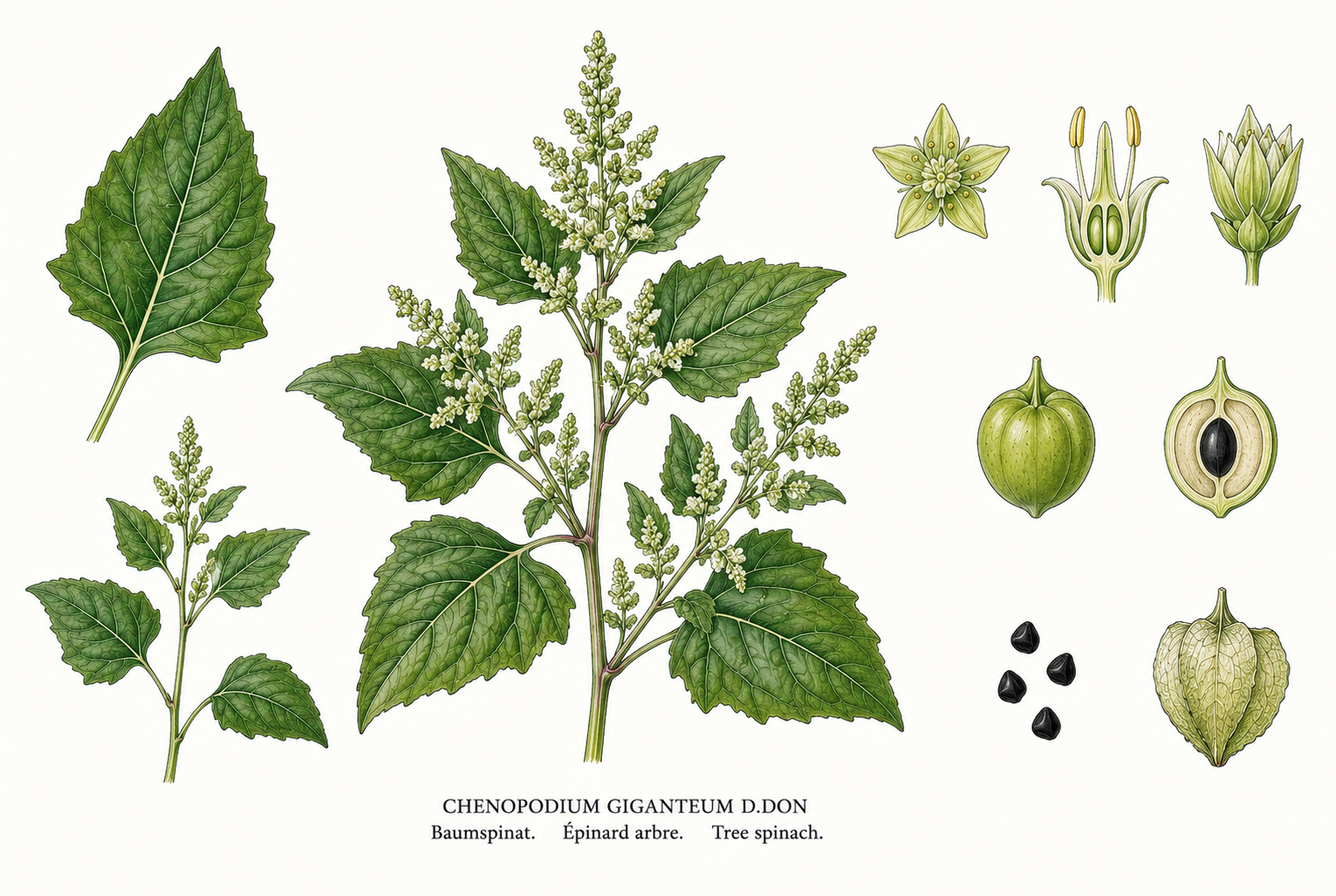
Chenopodium giganteum D.Don
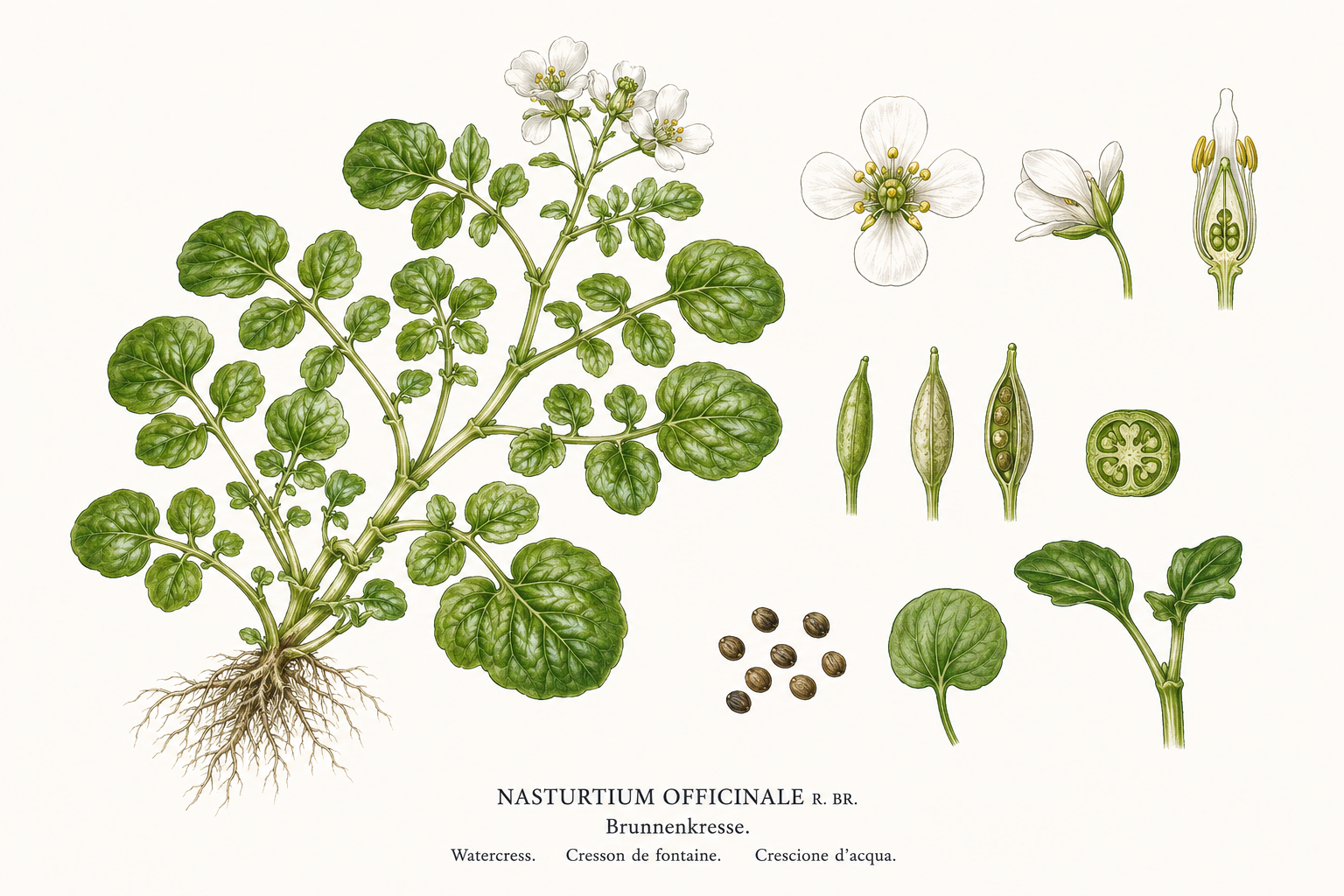
Nasturtium officinale
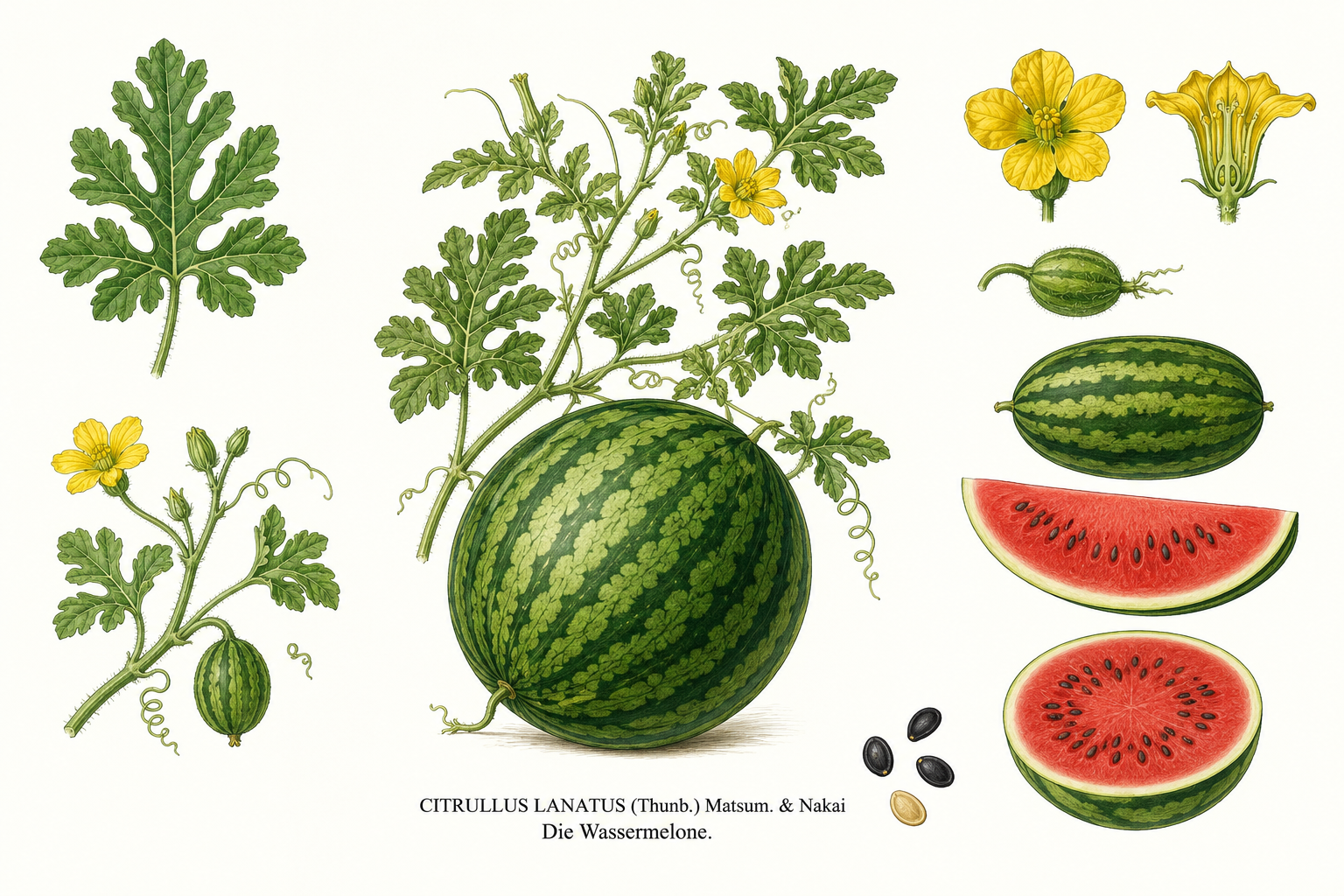
Citrullus lanatus
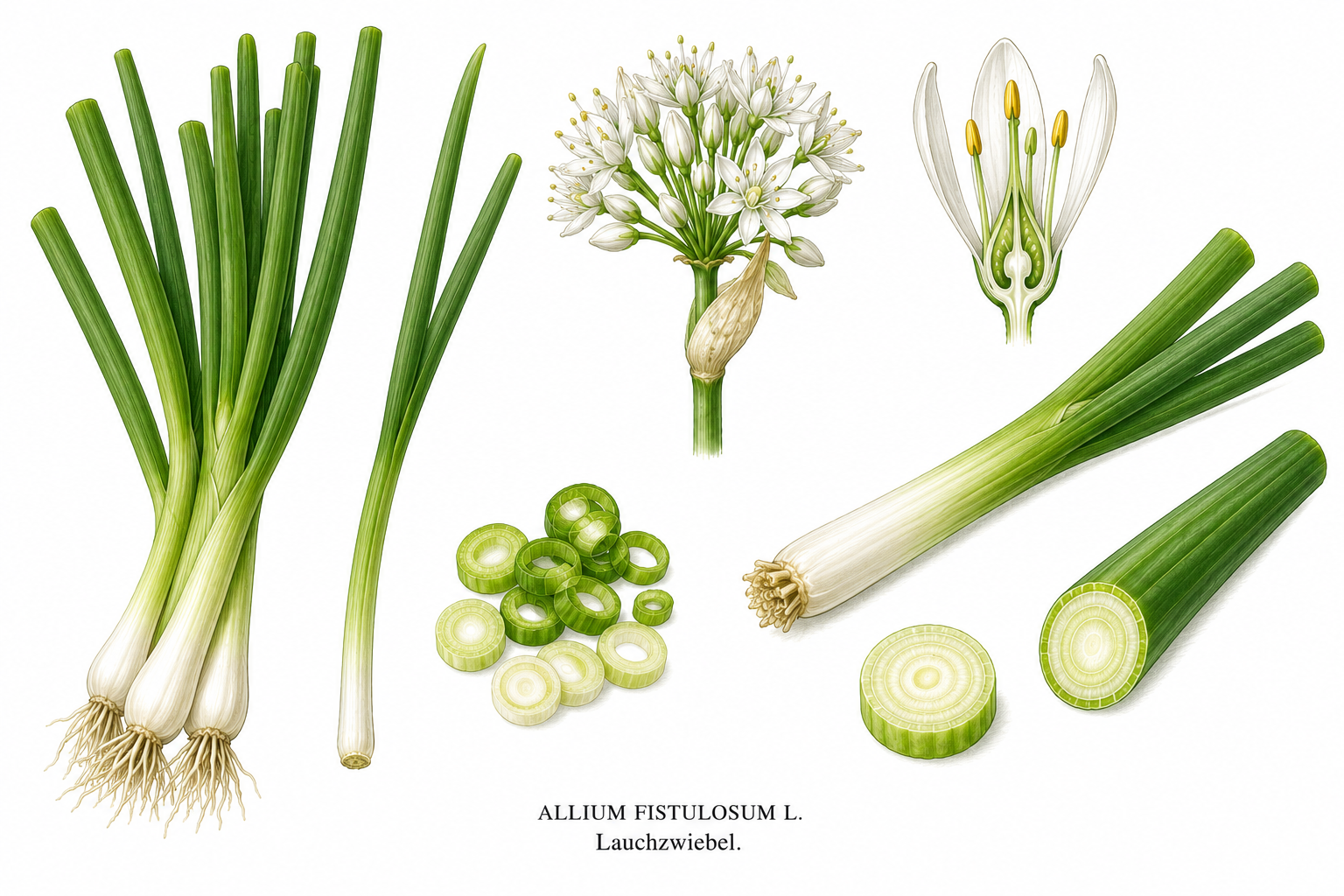
Allium fistulosum
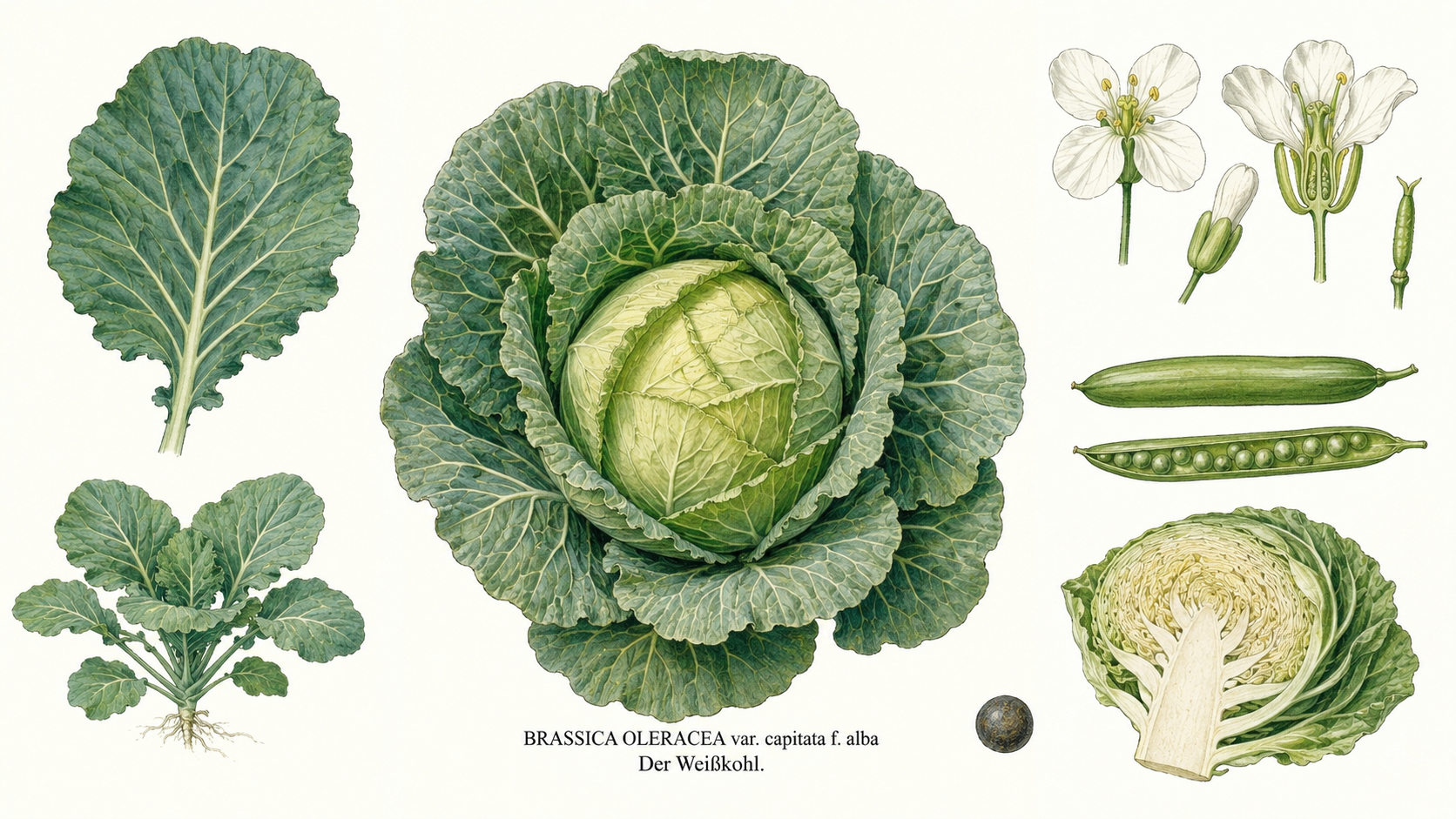
Brassica oleracea var. capitata
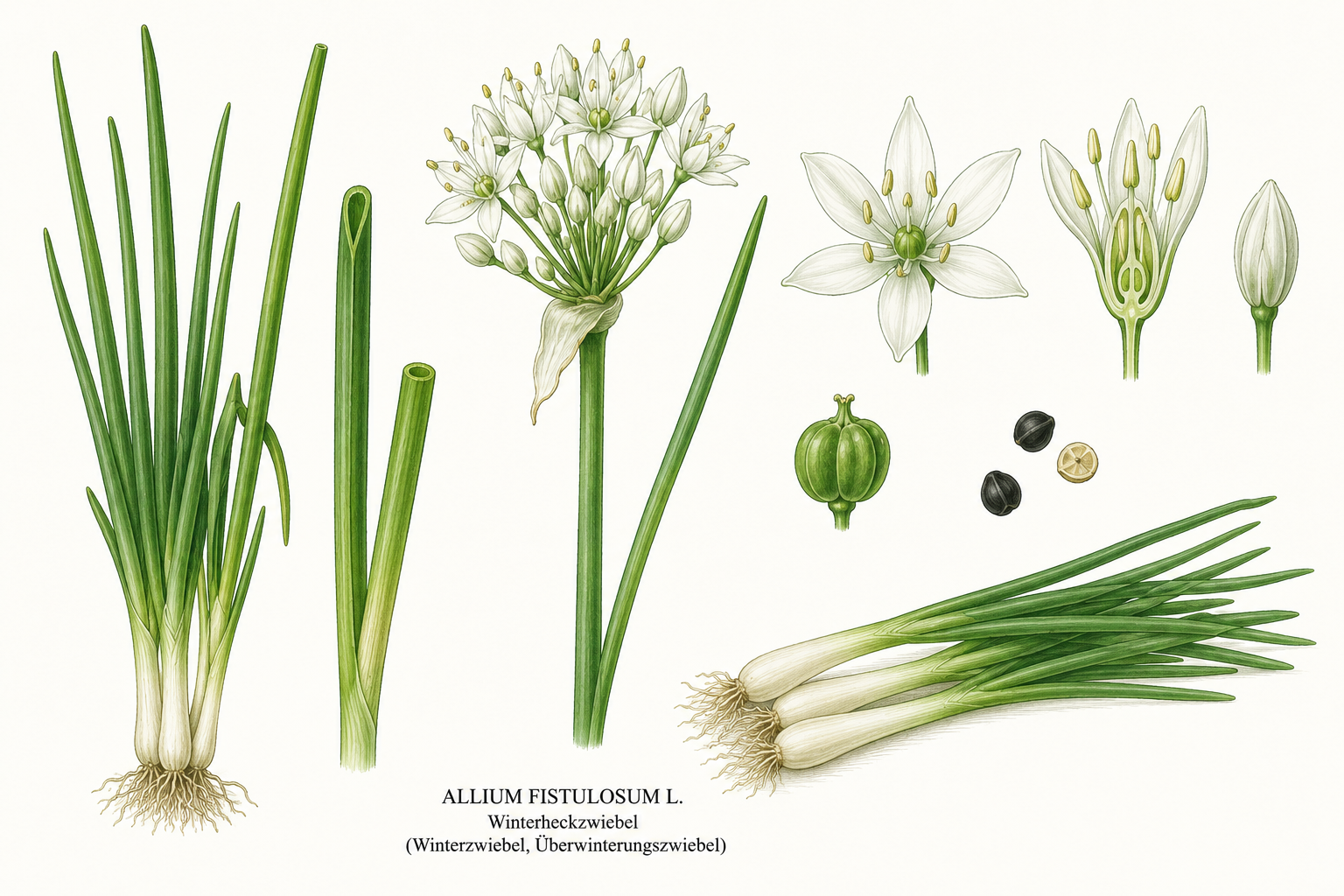
Allium fistulosum
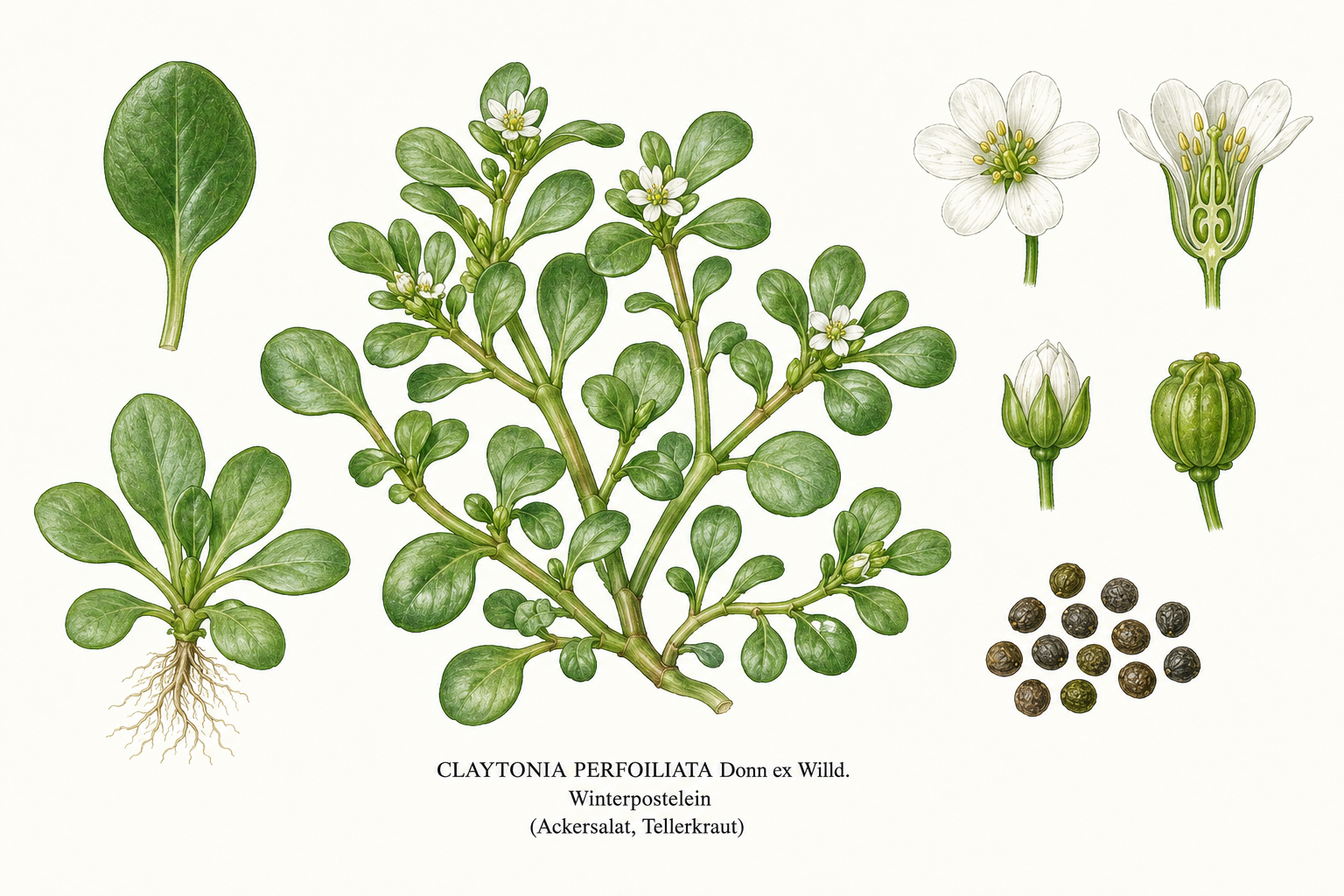
Claytonia perfoliata
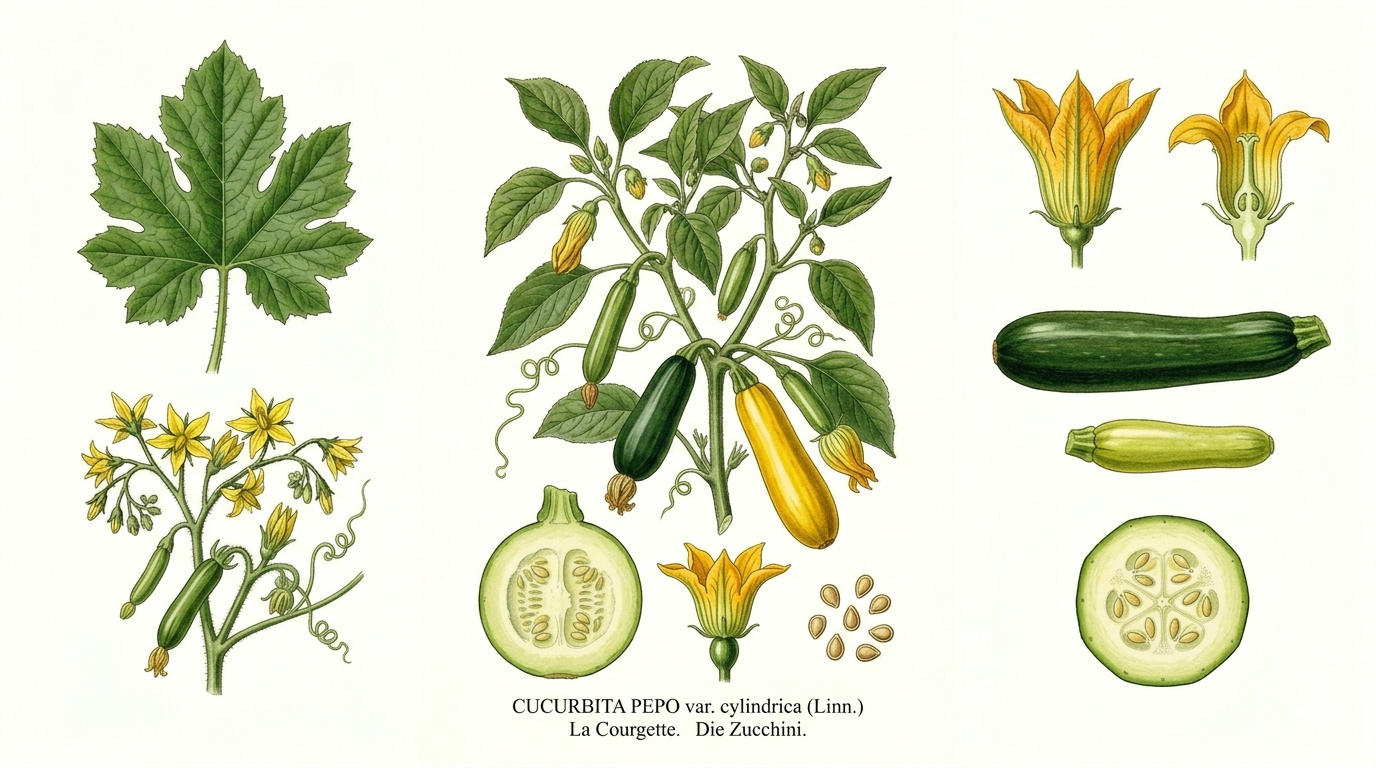
Cucurbita pepo var. cylindrica
Guides
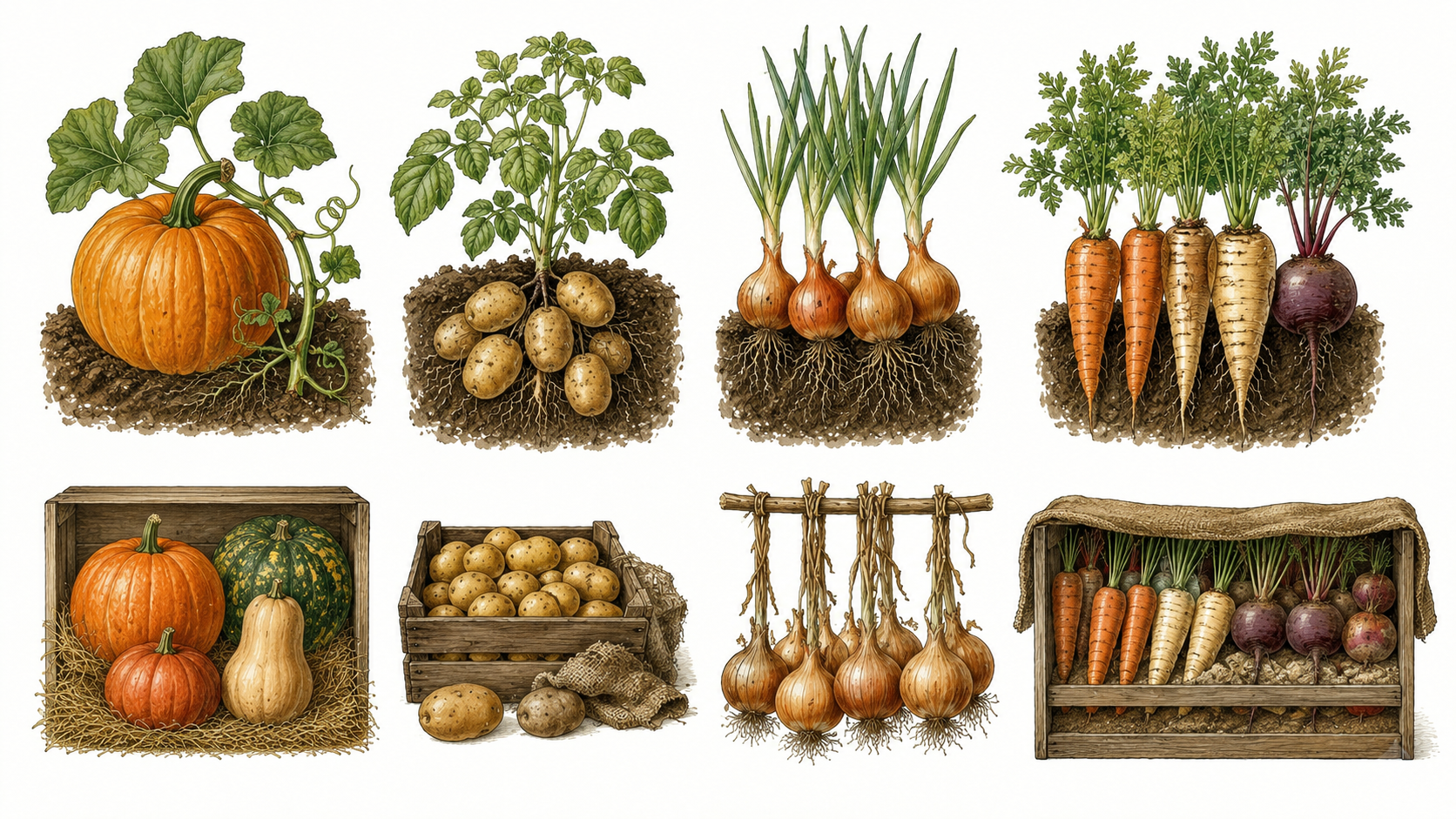
Guide
Learn how to harvest and store squash, potatoes, onions, and root vegetables for longer freshness through autumn and winter.
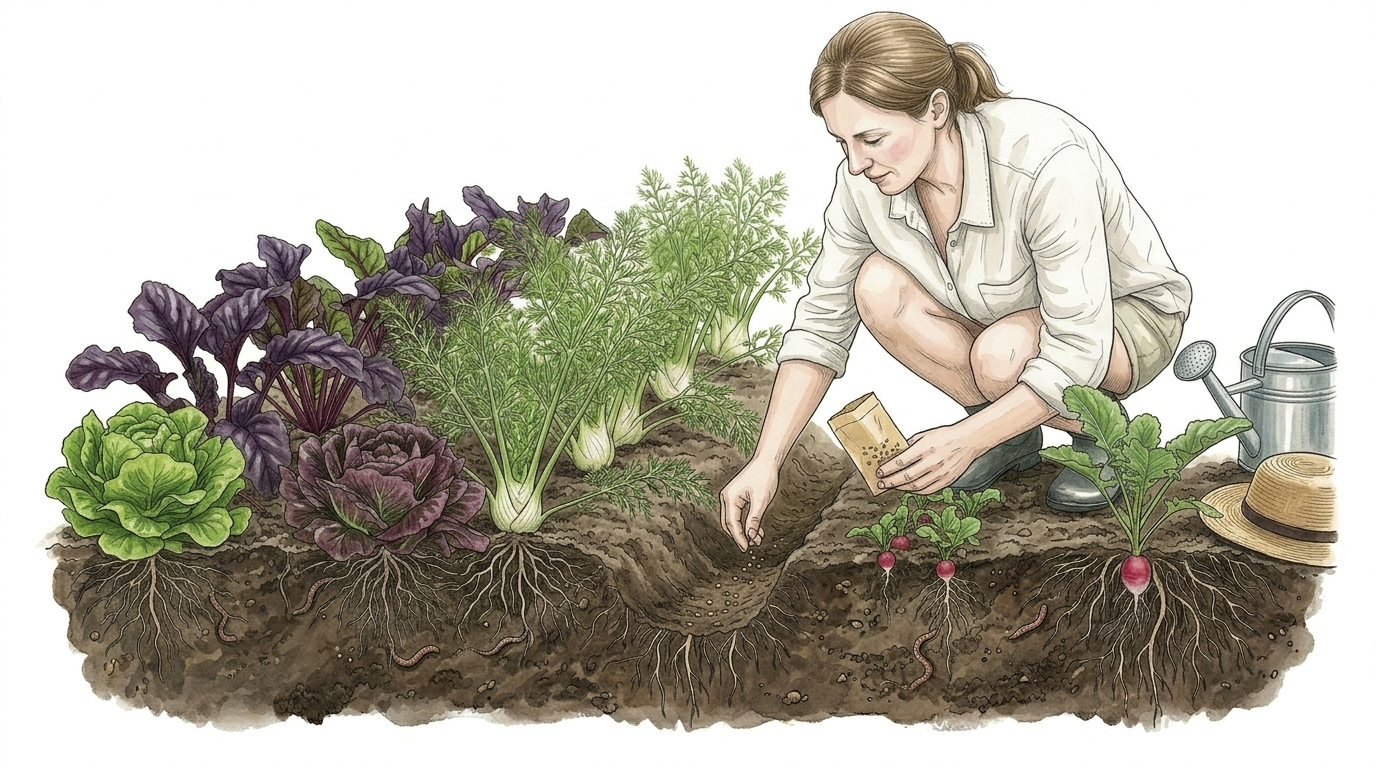
Guide
Discover which vegetables to sow in June for succession planting, filling gaps in beds, and planning autumn harvests.
Guide
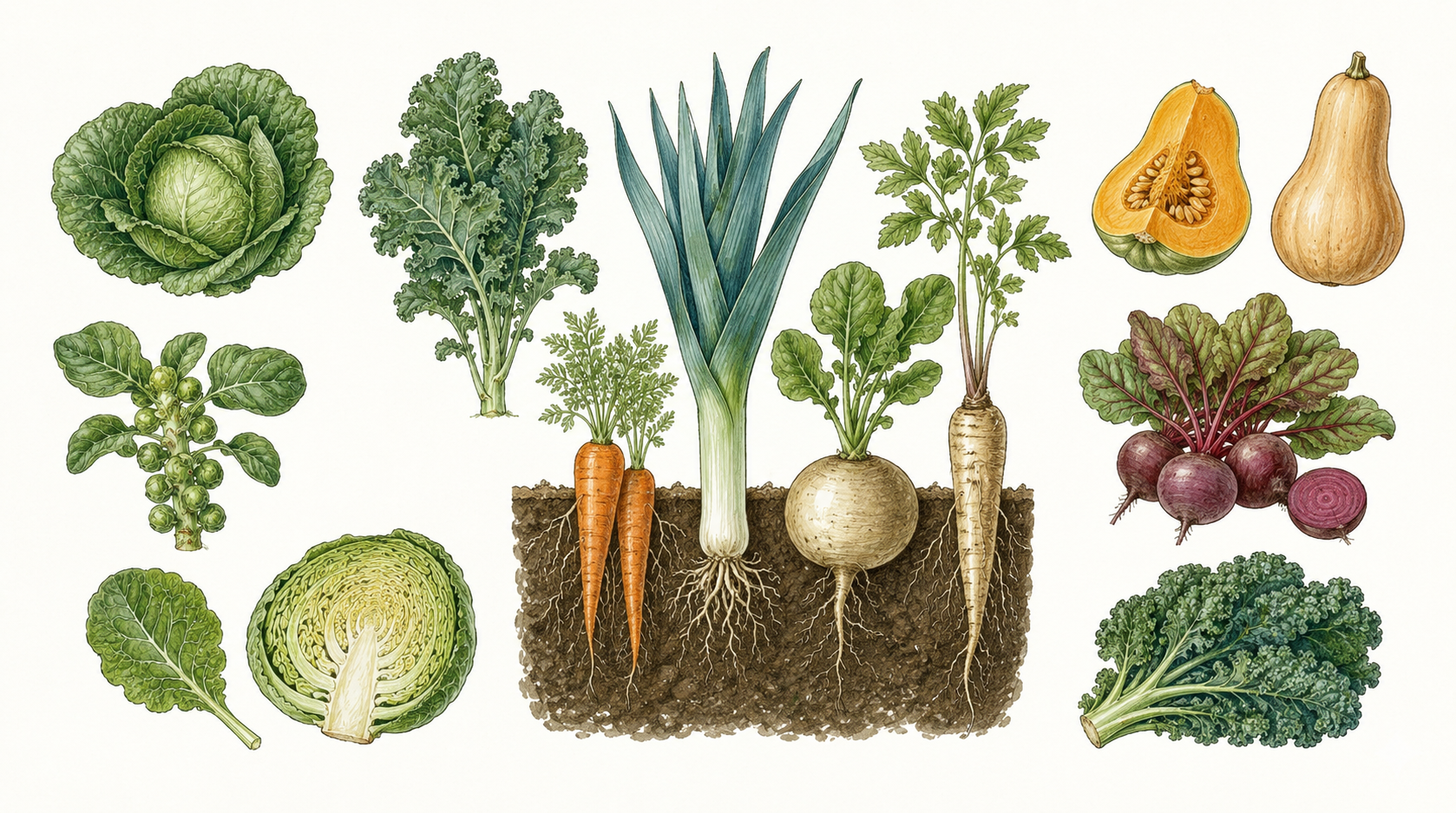
Learn how to grow autumn vegetables such as kale, spinach, lamb's lettuce, and leeks for harvests into winter.
Guide
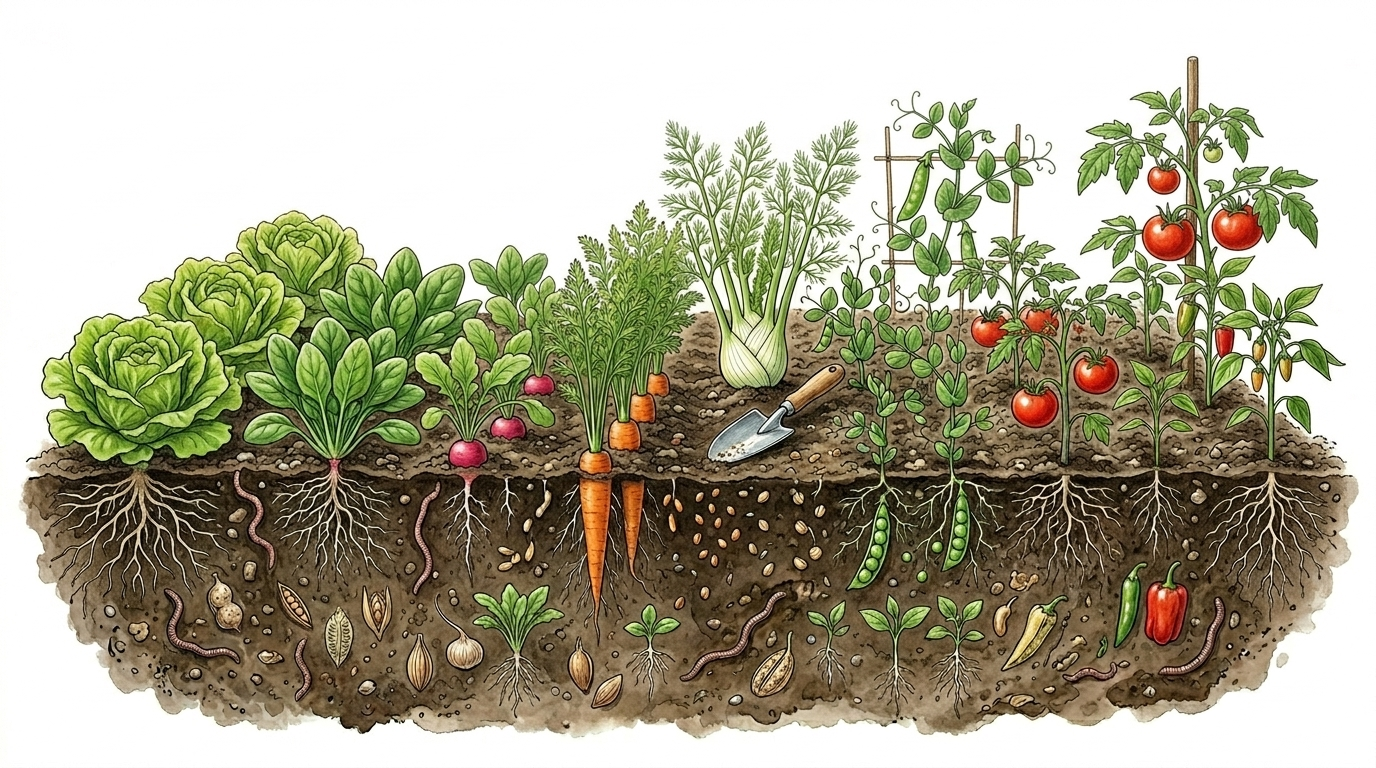
What to plant and sow in May: transplant tender vegetables, continue succession sowing, and make the most of garden beds.
Guide
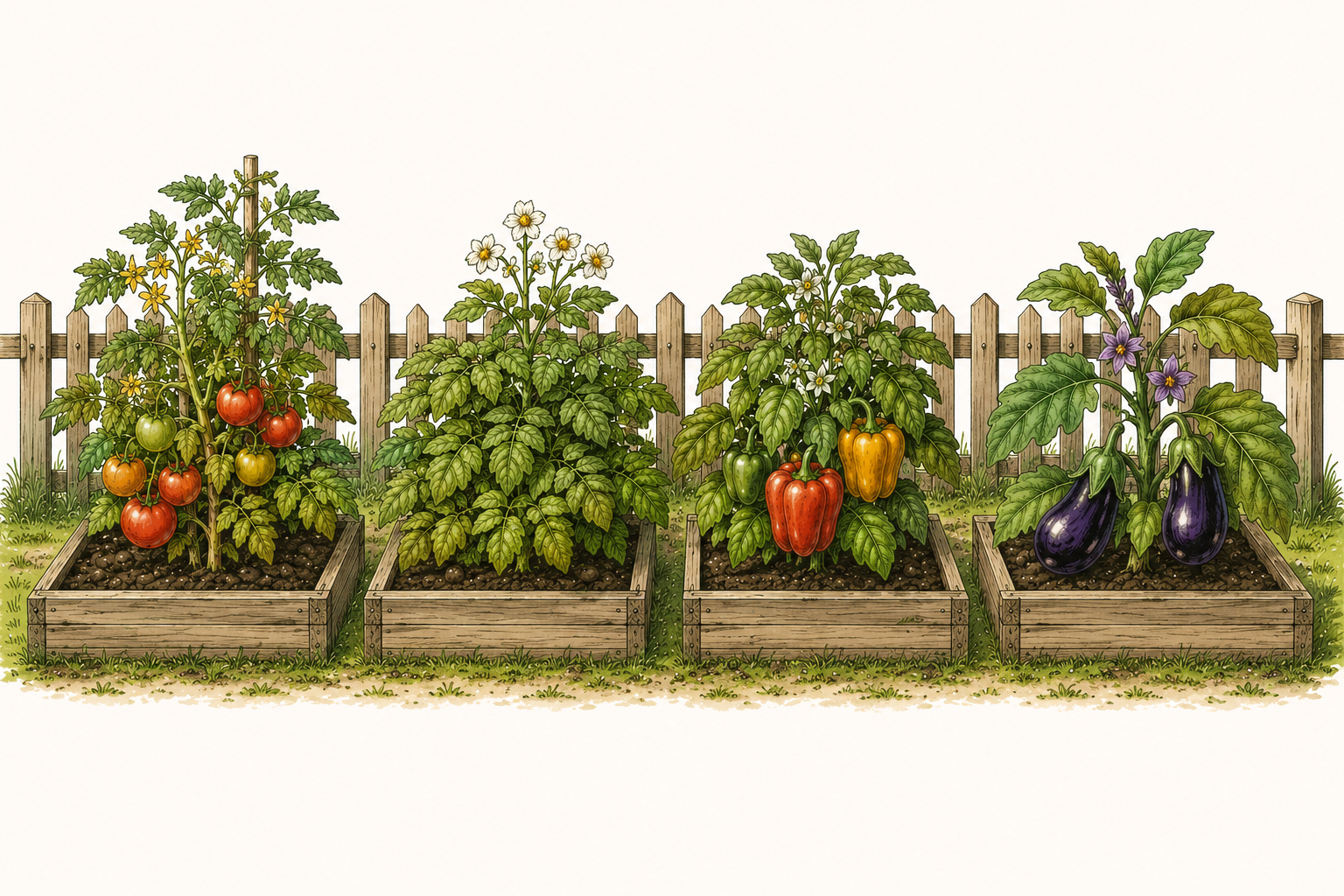
Learn how to grow tomatoes, potatoes, peppers, and eggplants safely in pet-friendly gardens and understand plant-part risks.
Guide
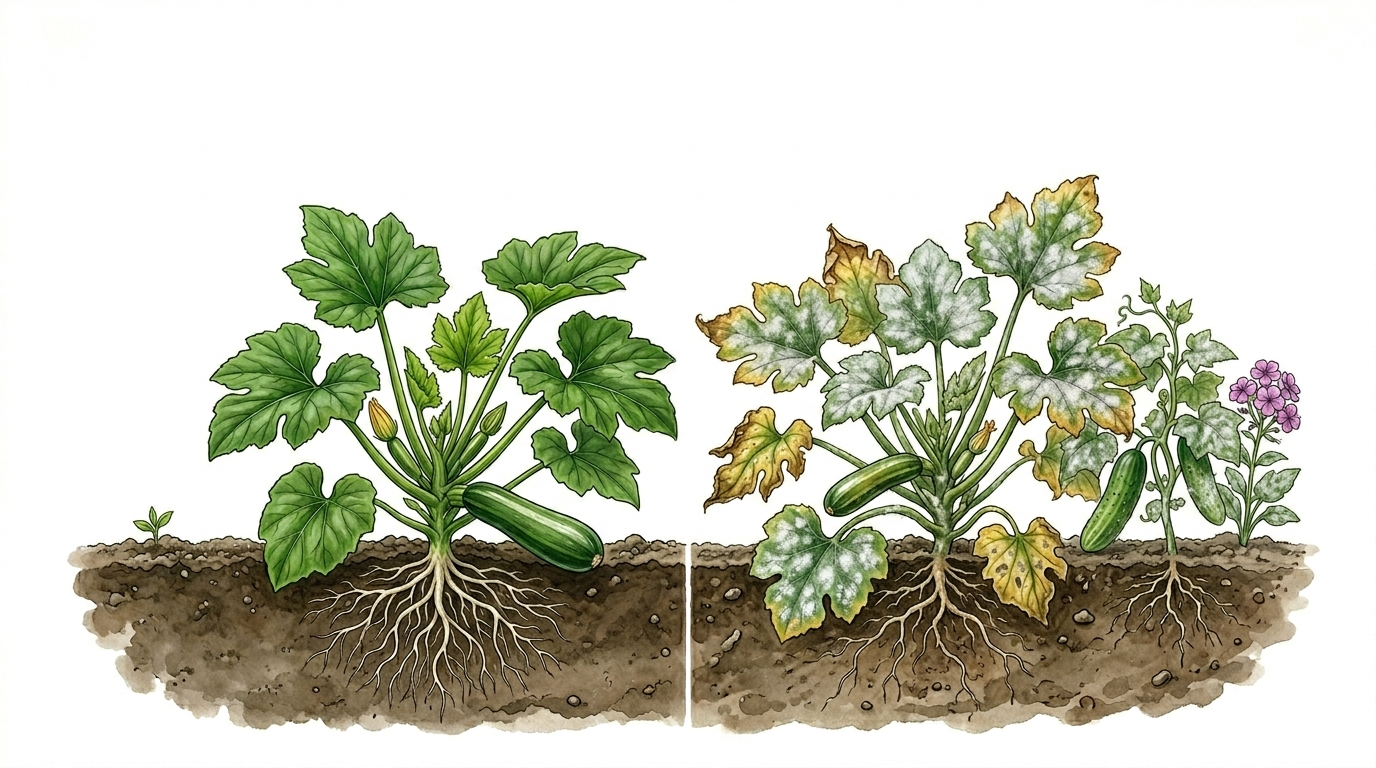
Learn how to recognize powdery mildew early, improve airflow, and care for affected vegetables in the garden.
More categories