Indoor sowing3notes
Season
What matters in January
90 notes
Direct sowing2notes
Planting2notes
Harvest25notes
Growing9notes
Pruning46notes
Plant health3notes
Priorities
- Check seed stocks and update the bed plan.
- Inspect winter protection after storms and frost.
- Prune woody plants only on frost-free days.
Seasonal guidance
Gardening in January: weather, planning, and priorities
In January the garden is mostly dormant, but planning, seed checks, and frost-free care days matter. Use mild spells for woody pruning, winter-protection checks, and preparation for the coming sowing season. Short days and low temperatures slow the growth of almost all garden plants. Frost, thawing, and prolonged wet conditions often alternate, making soils especially vulnerable. Avoiding unnecessary disturbance helps protect soil structure and overwintering crops.
For January, this calendar connects 90 specific notes from 56 plant profiles. These include 3 indoor-sowing, 2 direct-sowing, 2 planting-out, and 25 harvest records. A further 9 care, 46 pruning, and 3 plant-health notes are assigned to the month. Common groups include Berries, Root vegetables, Pome fruit, Leafy vegetables, Stone fruit; examples from the current selection are table grape, Sea Buckthorn, Garden cress, Allium, Jerusalem artichoke, Scorzonera, hardy kiwi, Horseradish.
These dates are guidance rather than fixed deadlines. Coastal areas, warm wine-growing regions, uplands, and sheltered urban gardens in Central Europe can differ by several weeks. Before direct sowing or planting, check soil temperature, night-frost forecasts, and soil moisture. For care and plant health, actual growth stage and weather matter more than the calendar date. The main priorities this month are: Check seed stocks and update the bed plan. Inspect winter protection after storms and frost. Prune woody plants only on frost-free days.
Plan the transition into February at the same time: prepare open spaces, required seedlings, seed, and harvest processing. The related guides below explain suitable jobs in greater depth, while the task lists link to complete plant profiles with spacing, site, and care information.
Guides
Guides for the garden in January
Detailed guidance for the tasks, plants, and problems that are especially relevant during this month.
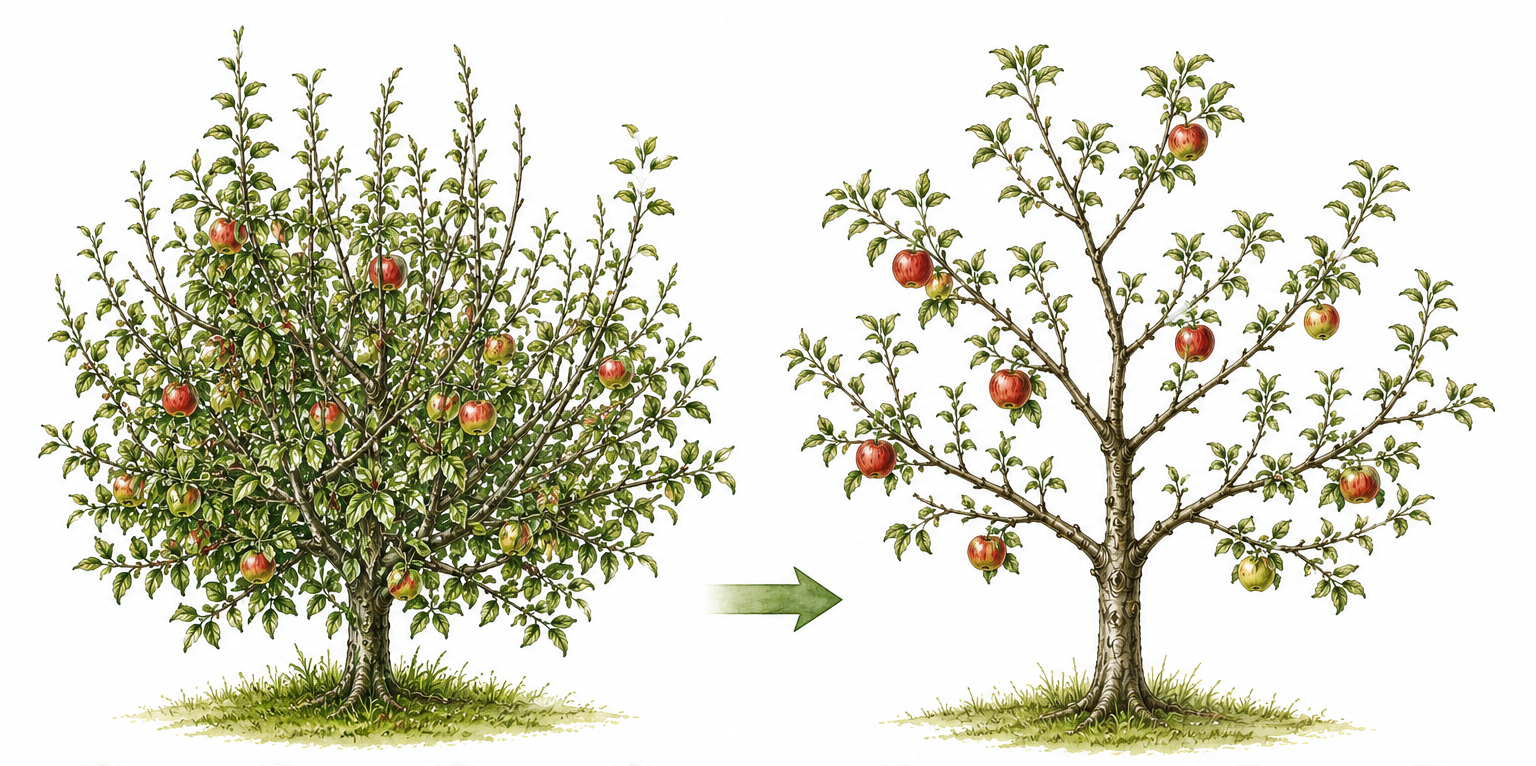
Guide
Pruning Apple Trees: Timing, Techniques, and Common Mistakes
Learn when and how to prune apple trees properly, including winter pruning, summer pruning, training cuts, and maintenance tips for healthy, productive…
Updated:2026-05-21
Season:January - March, July - August
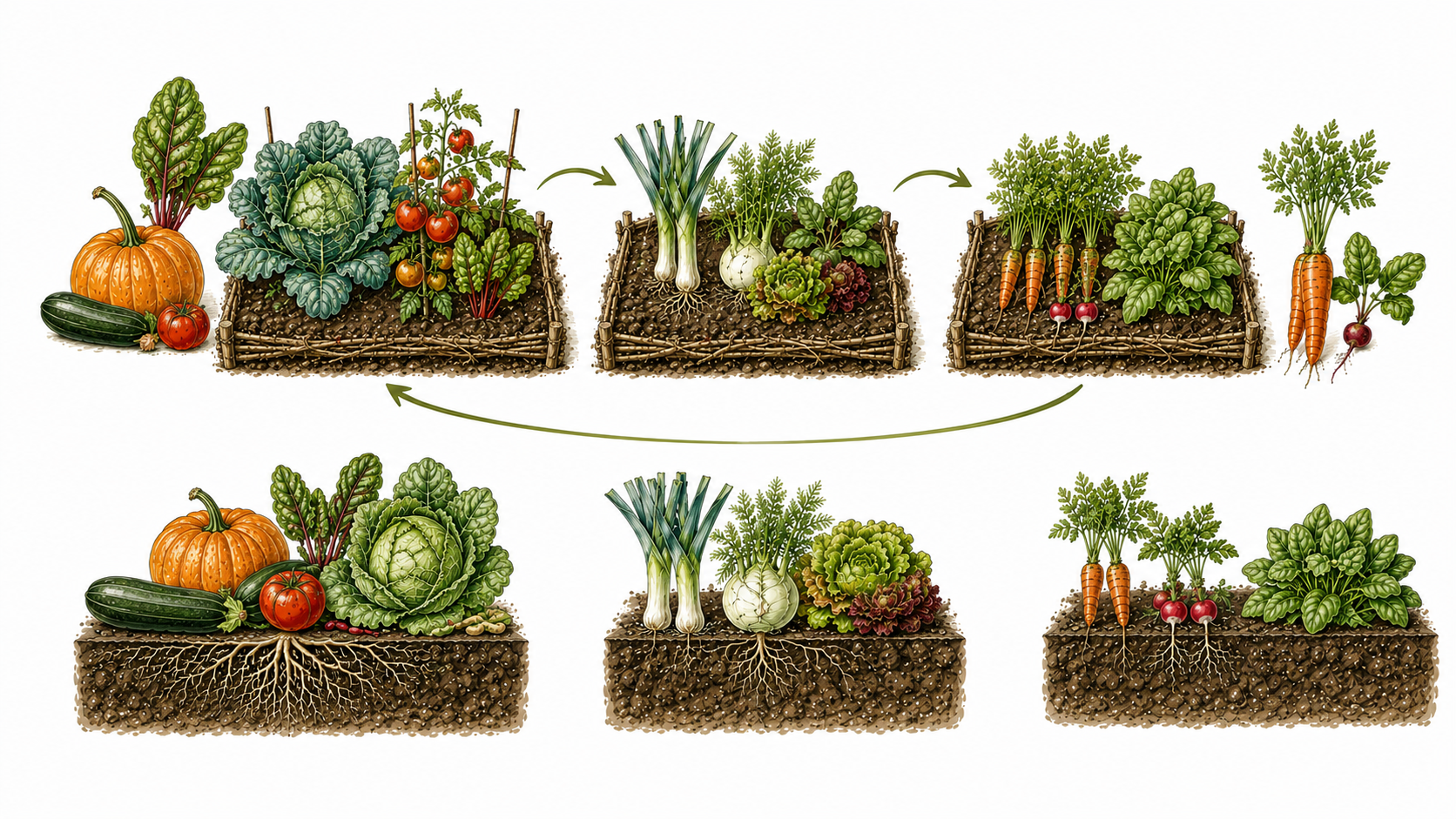
Guide
Crop Rotation in Vegetable Gardens Explained
Learn how to plan crop rotation with heavy, medium, and light feeders to keep vegetable beds productive and balanced.
Updated:2026-05-21
Season:January - February, September - November
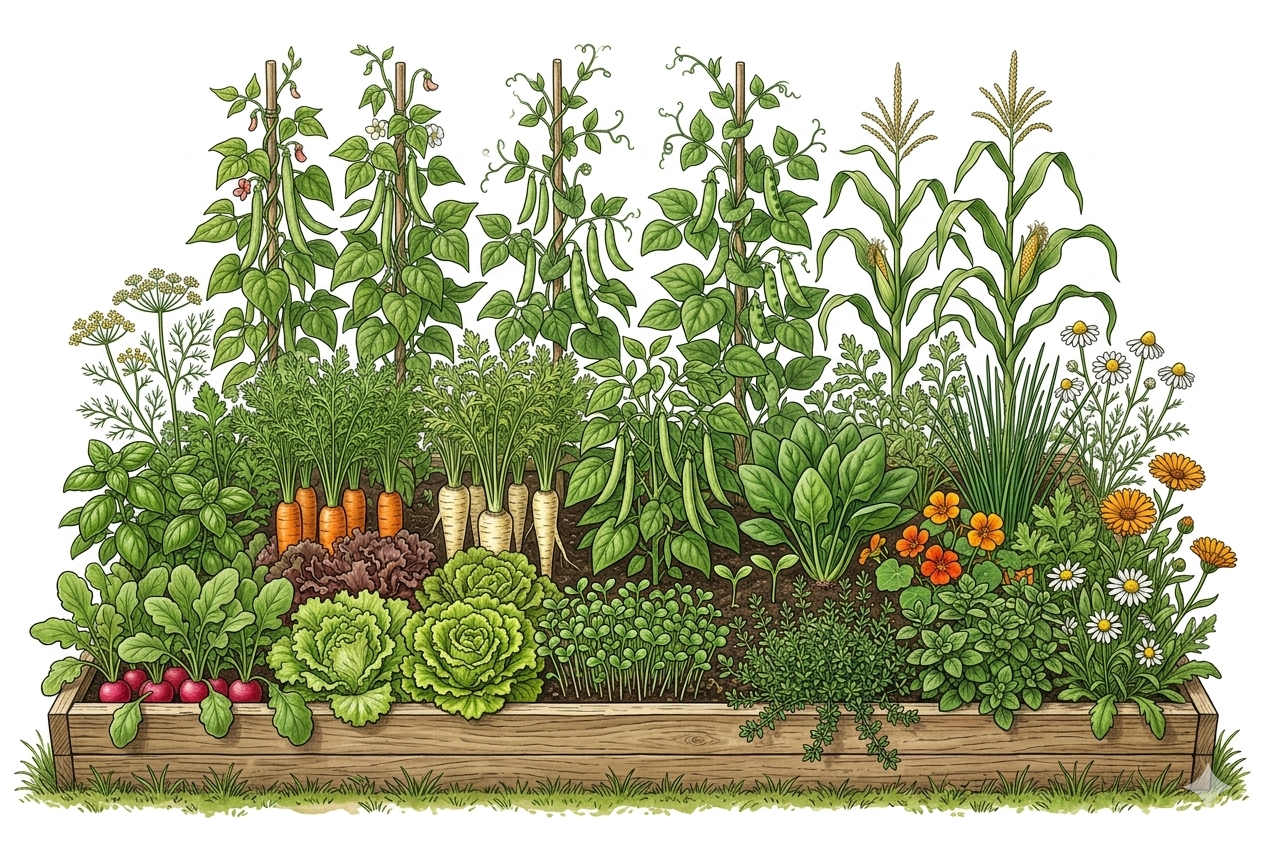
Guide
Small Garden Bed Planning: Combine 20 Crops Well
Use small beds efficiently by combining 20 vegetables and herbs, planning successions, and avoiding wasted gaps.
Updated:2026-06-11
Season:January - October
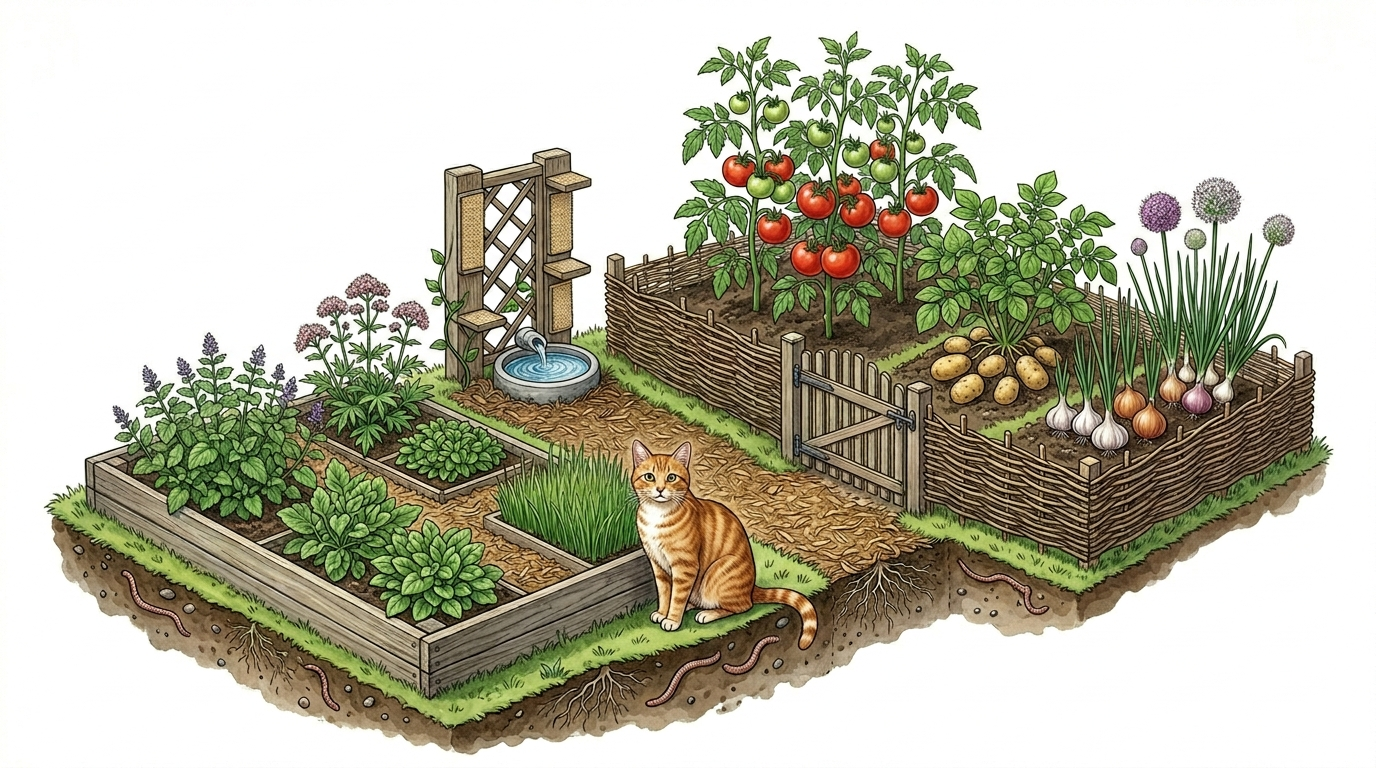
Guide
Toxic Garden Plants for Cats: Safer Planning
Learn which garden plants can be risky for cats, how to plan safer beds, and what to do if a cat eats a toxic plant.
Updated:2026-05-28
Season:January - December
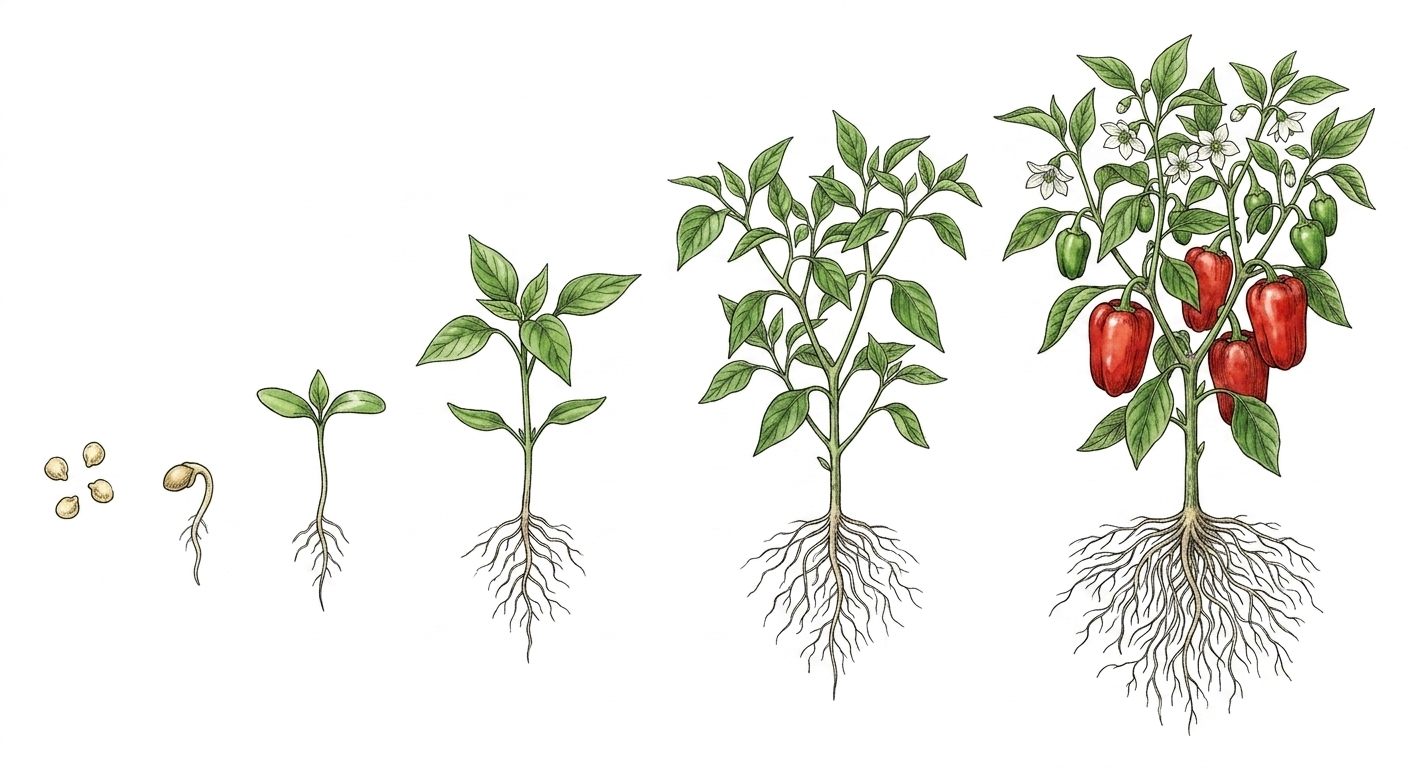
Guide
Starting Peppers and Chilies Indoors Successfully
Learn how to start peppers and chilies indoors with proper warmth, strong light, pricking out, and healthy seedling care.
Updated:2026-05-21
Season:January - April
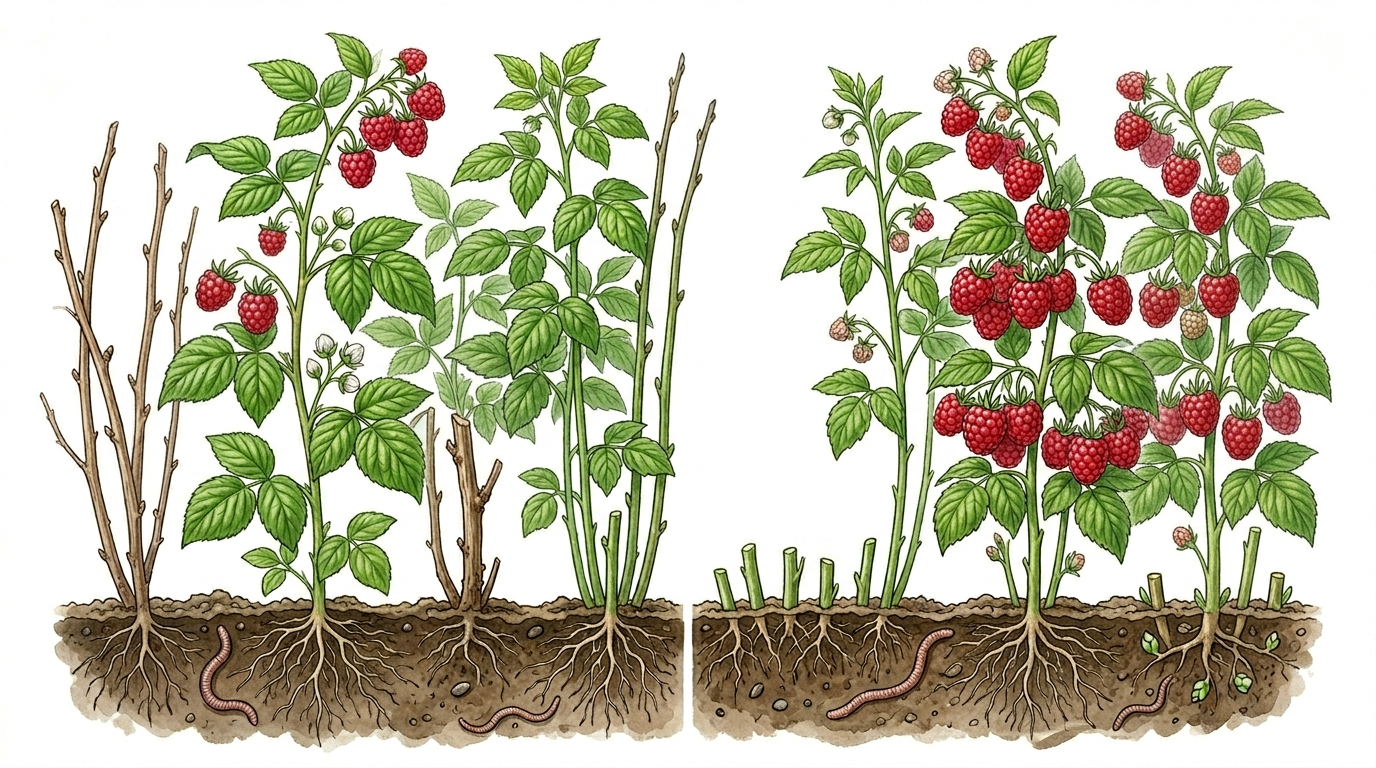
Guide
Pruning Raspberries: Summer and Autumn Types
Learn how to prune raspberries correctly by understanding the differences between summer-bearing and autumn-bearing types.
Updated:2026-05-28
Season:February - March, July - October
Calendar
January tasks
Indoor sowing
Indoor sowing (3)
For indoor sowing in January, light, steady moisture, and moderate warmth matter most. Record date and variety so later transplanting is easier to plan. The data links 3 matching notes for this month.
Direct sowing
Direct sowing (2)
Direct sowing in January works best when soil is fine, not waterlogged, and kept evenly moist after sowing. The data links 2 matching notes for this month.
Sea BuckthornDirect sowingSow in autumn for natural cold stratification over winter, or in early spring after artificial stratification. · cold_stratification - Seeds require cold stratification, so direct sowing in winter is possible.BlackthornDirect sowingSow in autumn or early spring. Cold germinator.
Planting
Planting (2)
When planting out in January, watering basins, correct spacing, and cold protection matter more than planting as early as possible. The data links 2 matching notes for this month.
Harvest
Harvest (25)
Harvest regularly in January, preferably in smaller rounds. This keeps many crops productive and improves quality and storage life. The data links 25 matching notes for this month.
AlliumHarvestHarvesting can take place from summer until the following spring, depending on the variety and sowing time. Winter-hardy varieties can remain in the...AlliumHarvest winter leeksPlants are mature - Harvest only the required amount to leave the plant in the bed.Welsh onionHarvestContinuous harvest of leaves and stems from spring to autumn. Overwintered plants can also be harvested in winter and early spring.kaleHarvestOften harvested after the first frost to sweeten the flavor.Brussels sproutsHarvestHarvest begins in autumn and can continue into spring, depending on the variety and weather. Frost often improves the flavor. · Sprouts firm and developed - Harvest the sprouts from bottom to top, starting with the...Rosmarinus tomentosusHarvestHarvesting can be done year-round, using the leaves and young shoots. Harvest in summer and autumn for best quality.Salad BurnetHarvestHarvestable year-round in mild winters; tastes best before flowering.Barbarea vulgarisHarvestCut young leaves in autumn, winter, and spring.Garden cressHarvestHarvest usually 1-2 weeks after sowing.Lacinato kaleHarvestHarvest outer leaves from the bottom up; frost improves the flavor.Daucus carotaHarvestHarvest time varies depending on the variety and sowing date. Early varieties can be harvested as early as June/July. Storable varieties can be kept...HorseradishHarvestHarvest roots in autumn after the first frost or in early spring before new growth. Roots can also remain in the ground over winter and be harvested...HorseradishHarvest rootsfrostfreier Boden - Only possible when the ground is not frozen.Jerusalem artichokeHarvestHarvest tubers after the first frost until new growth begins in spring. Tubers can remain in the ground over winter and be harvested as needed.
Show 11 more notes
Jerusalem artichokeHarvest tubersBoden frostfrei - Jerusalem artichoke tubers can remain in the ground all winter and be harvested as needed, as long as the soil is not frozen.ParsnipHarvestHarvesting after the first frost improves flavor (conversion of starch to sugar).SalsifyHarvestFrost hardy; harvest as needed from autumn through early spring.ScorzoneraHarvestHarvest can begin in October and continue into late winter or early spring, depending on the weather. The roots are frost-hardy and can overwinter in...ScorzoneraHarvest rootsroots mature - Dig carefully to avoid damaging the roots.SkirretHarvestHarvest from October throughout winter; the roots are completely frost-hardy. Frost improves the flavor.SkirretRoot Harvestsoil_not_frozen - Dig up root clusters carefully with a fork to avoid snapping the brittle roots.corn saladHarvestHarvest possible throughout winter depending on sowing date.RadicchioHarvestHarvest depends on variety; many types tolerate light frosts, which intensifies their color.winter purslaneHarvestHarvest from October to March, depending on weather. · frost-free - Harvest during frost-free weather.Curry plantHarvestYear-round harvest possible; main harvest before flowering for best aroma.
Growing
Growing (9)
Care tasks in January prevent later problems: watering, mulching, supports, thinning, and succession sowing should follow the weather. The data links 9 matching notes for this month.
table grapeCheck for frost damage.Nach Kälteperioden. - Remove damaged shoots in spring.Savoy cabbagePlanning and variety selectionChoose varieties for early, mid, and late harvest.KiwiCheck winter protectionBei Bedarf - Ensure winter protection is intact and protects plants from severe frost.StrawberryWinter dormancydormant season - Plants require a rest period.Common chicoryPrepare pre-cultivationindoor - Sow in seed compost at 15–20 °C. Germination takes 7–14 days.SpinachBed preparationClear snow and incorporate compost if soil is not frozen.MedlarCheck for winter damageNach starken Frösten - Check young trees for frost damage and loose winter protection.ScorzoneraLoosen soilsoil workable - Only if the soil is not frozen.sweet potatoStorage checkCheck overwintered tubers for rot, discard affected ones immediately
Pruning
Pruning (46)
Do pruning work in January only in suitable weather. Clean tools, clear goals, and the plant's growth stage matter more than a fixed date. The data links 46 matching notes for this month.
BilberryRenewal pruningPrune during dormancy before bud break in frost-free weather.Goji BerryMain renewal pruningRemove old wood near the ground to encourage young canes.Goji BerryPruningRemove old wood to encourage new growth.gooseberryMain prune: thinning, rejuvenation, maintaining fruitfulness.Only on frost-free days.gooseberryPerform pruningfrostfrei - Late winter pruning on frost-free days encourages new growth and fruiting.hardy kiwiComplete winter pruningRemove old fruiting wood and thin out the plant to encourage new shoots and fruits.hardy kiwiPerform winter pruningRemove old fruiting wood and thin out the plant to encourage new shoots and fruits.hardy kiwiStructure building, fruiting wood renewal, thinningThe main pruning is done in late winter when the plant is dormant and before sap rise begins. This minimizes 'bleeding' from cuts.MulberryFormative pruning for young trees, removal of dead or diseased wood. Only perform on frost-free days.Winter pruning should be done before sap rise to avoid heavy bleeding. For Morus nigra, very late winter pruning (just before bud break) or summer...RaspberryPruning of harvested canes (summer-bearing raspberries) and thinning.The best time for pruning summer-bearing raspberries is after harvest or in late winter/early spring before sap flow begins.RubusPruning old shootsfalls noch nicht geschehen - Remove dead or damaged shoots.Sea BuckthornMain pruning for thinning and rejuvenation, shaping.The best time is in late winter (January to March) before sap rises, or in late autumn after leaf fall. This minimizes stress on the plant and...Sea BuckthornPruningdormancy - Shaping and thinning to promote fruit production and plant health.Sea BuckthornWinter pruningdormancy - Shaping and thinning to promote fruit production and plant health.
Show 32 more notes
table grapeDormant phase of the plant. Further winter pruning if needed.Winter. - No active care measures required, except if needed.table grapeMain pruning for shaping and yield regulation. Remove old wood and cut back fruiting canes.Preferably in late winter (January-February) when the risk of severe frost has passed. Do not prune during hard frost.table grapePerform winter pruning to shape the plant and promote fruit formation for the next year.Vegetationsruhe. - Fundamental pruning for training and yield regulation.table grapeStart of winter pruning if needed to maintain plant structure.Nach Laubfall, vor dem Austrieb. - Remove old, dead, or crossing shoots.kaleContinuous harvestPick leaves from the bottom as needed.ChayoteDormancy and planningNo pruning measures. Collect seeds and prepare storage. Plan for the next season.chili pepperPruningPrune to encourage new growth.Barbarea vulgarisEncourage new growthPrune after the last frost to encourage new growth.Garden cressHarvest cutCutting occurs approx. 7-14 days after sowing.Lacinato kaleMain harvest periodHarvesting after the onset of frost improves the flavor.Sweet ChestnutMain pruning season for shaping, maintenance, and renewal.Perform only during frost-free weather. Ideal for structural cuts.AppleFormative pruning, thinning, and maintenanceMain pruning period. Encourages vigorous growth and fruit production for the coming year. Performed while the tree is dormant and before bud break.ApplePruningfrost-free - Perform pruning on older trees.Asian pearStructural pruningOn frost-free days to stimulate growth.Pyrus communisPruning to encourage new growthPruning in spring encourages new growth., Pruning in spring encourages new growth.QuinceMain pruning for crown shapingOn frost-free days before bud break.QuinceWinter pruningfrost-free - Thin out the crown to let in light and air.ServiceberryRenewal pruningBest time for removing thick, old branches.ServiceberryWinter pruningfrost-free - Only thin out; serviceberries grow very beautifully naturally.Sorbus domesticaStructural pruning, removal of dead wood and diseased branches, thinning of the crown.Perform only on frost-free days. Heavy cuts in winter promote growth.Jerusalem artichokeRemoval of dead plant parts, preparation for harvestCutback occurs once aerial parts have died back after the first frost. This can also be done gradually over winter to facilitate harvesting.corn saladMain harvest periodHarvest only on frost-free days.Cornelian cherryThinning outBefore buds swell on frost-free days.European PlumFormative and training pruning for young trees, corrective pruning for older trees.Perform only on frost-free days. Promotes growth and branching.GreengageRejuvenation and framework buildingOnly on frost-free days; strongly stimulates growth.Mirabelle plumTraining pruning, thinning pruning, corrective pruningPerform on frost-free days to promote wound healing and avoid gummosis. Complete before bud break.Mirabelle plumWinter pruning if necessaryno_severe_frost - Perform only on frost-free days to avoid damage.Sour cherryMain pruning for shaping, thinning, and renewal. Promoting crown structure and fruiting wood.While the tree is dormant. Avoid frost periods.sweet cherryMain prune: shape and thin during dormancyOnly prune on frost-free days above -5 °C.sweet cherryTree pruningfrostfrei - Remove dead wood and crossing branches.Common HazelMain pruning and rejuvenationBefore bud swell on frost-free days.Common HazelThinning cutRemove old shoots near ground level to allow light into the center.
Plant health
Plant health (3)
Plant health in January starts with early checks. Look at leaf undersides, young shoots, feeding marks, coatings, and water or heat stress. The data links 3 matching notes for this month.
table grapeProtect sensitive varieties from severe frost.Bei erwarteten starken Frösten. - Cover young plants or sensitive varieties with fleece or brushwood.StrawberryFrost protectionprolonged deep frost - Additional mulch or fleece may be necessary.Mirabelle plumCheck for winter damage and pestsfrost_free_days - Pay special attention to bark cracks and overwintering pests.
Plants
Plants to focus on in January
56 Plants
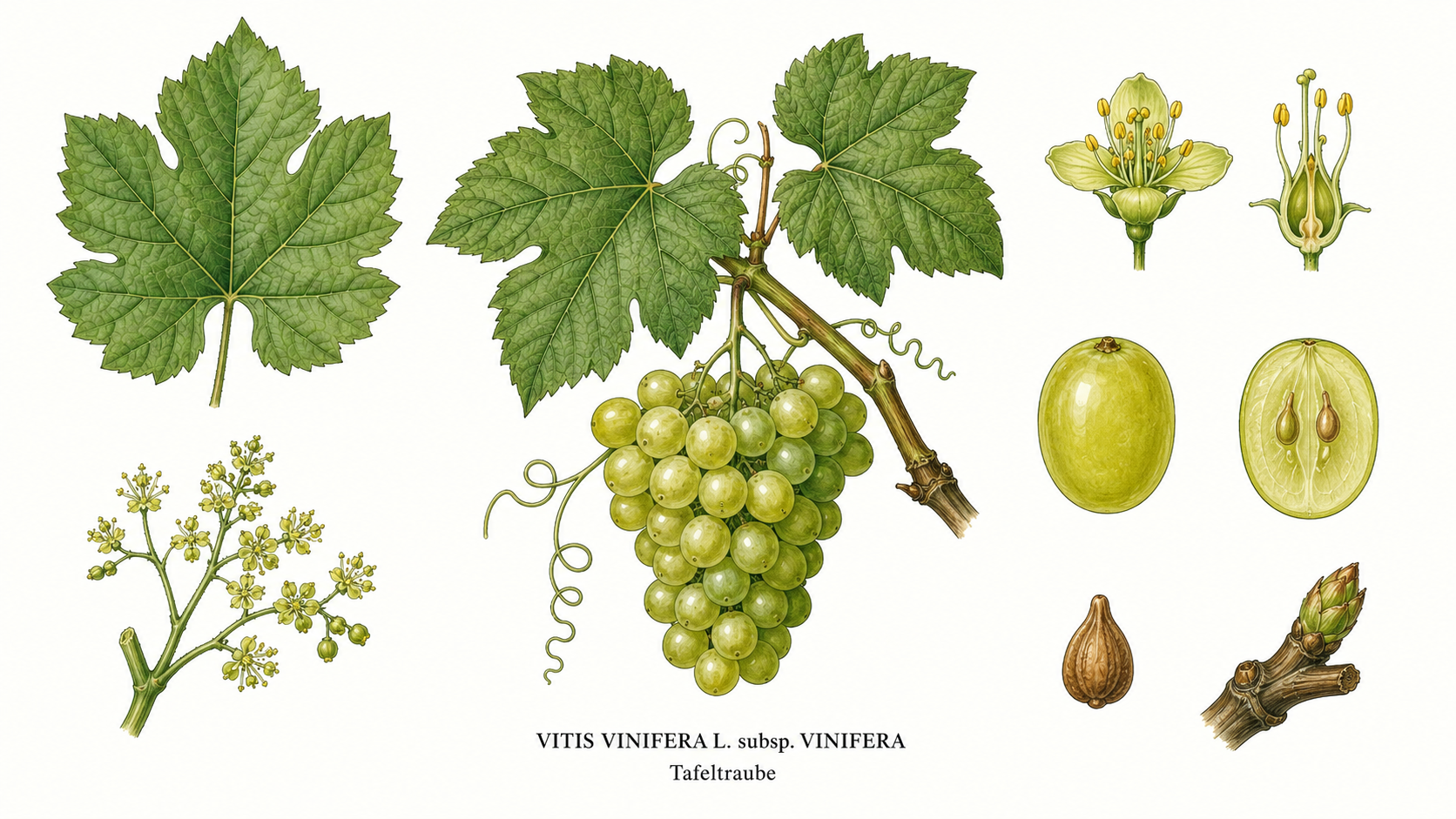
table grape
Vitis vinifera
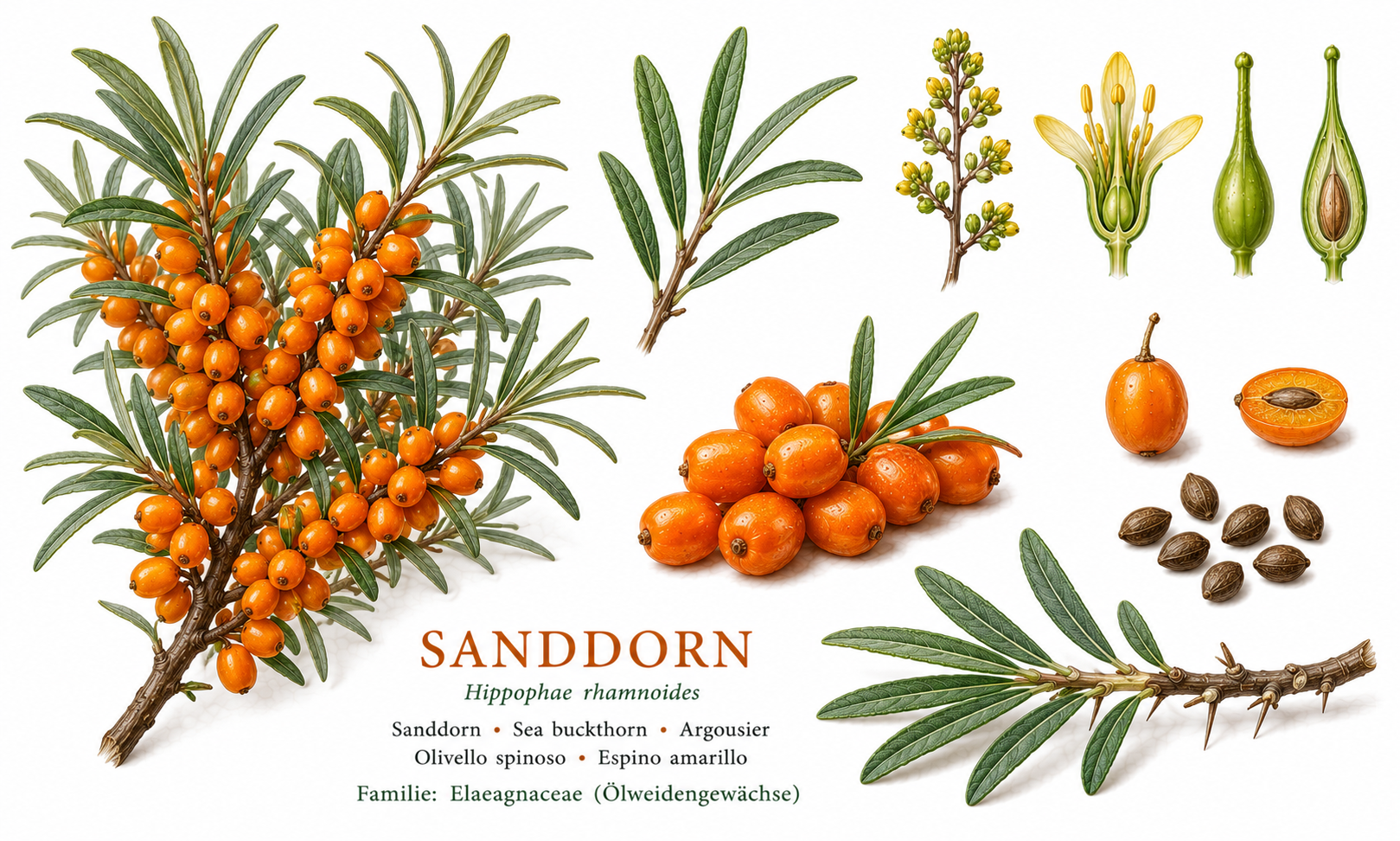
Sea Buckthorn
Hippophae rhamnoides
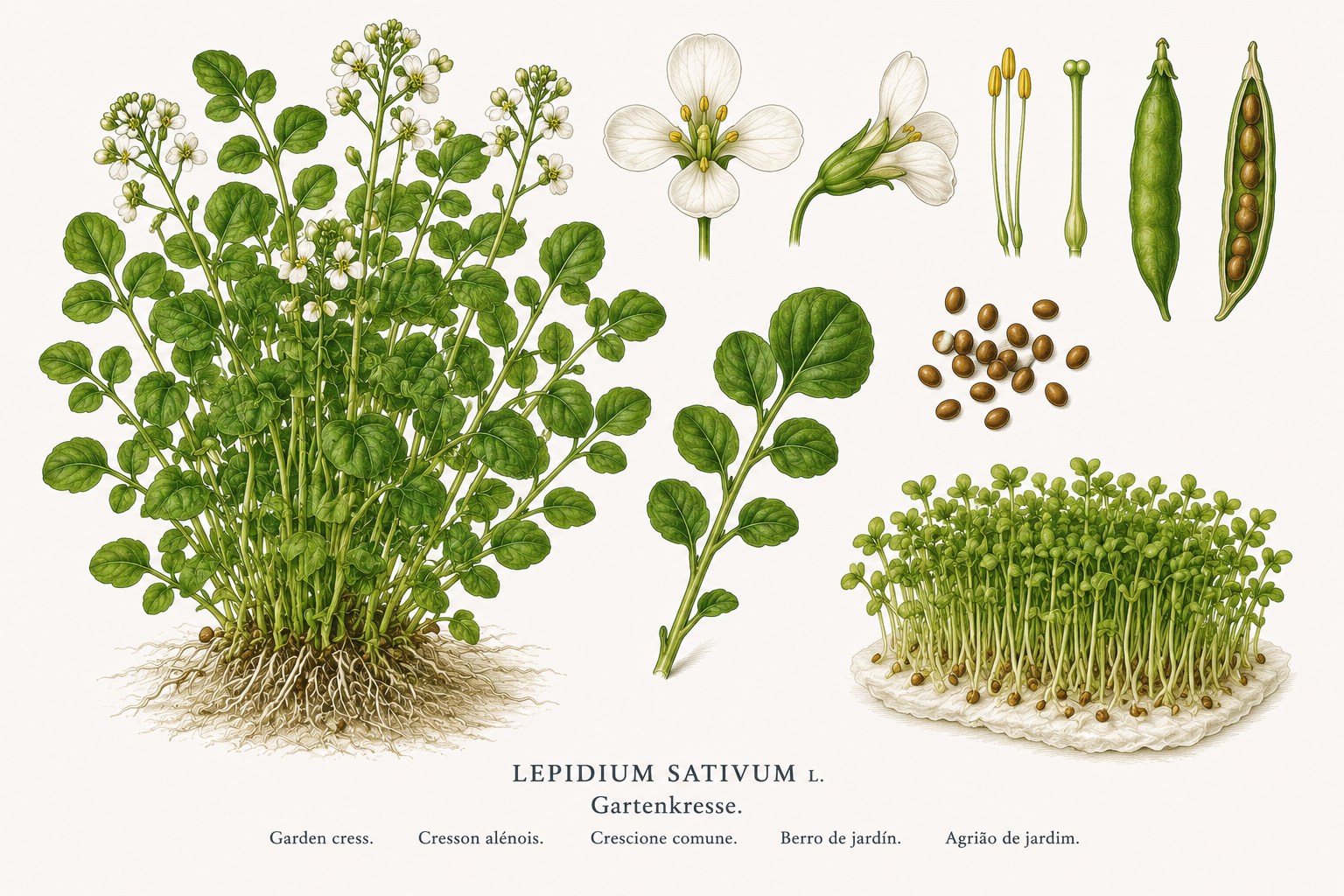
Garden cress
Lepidium sativum
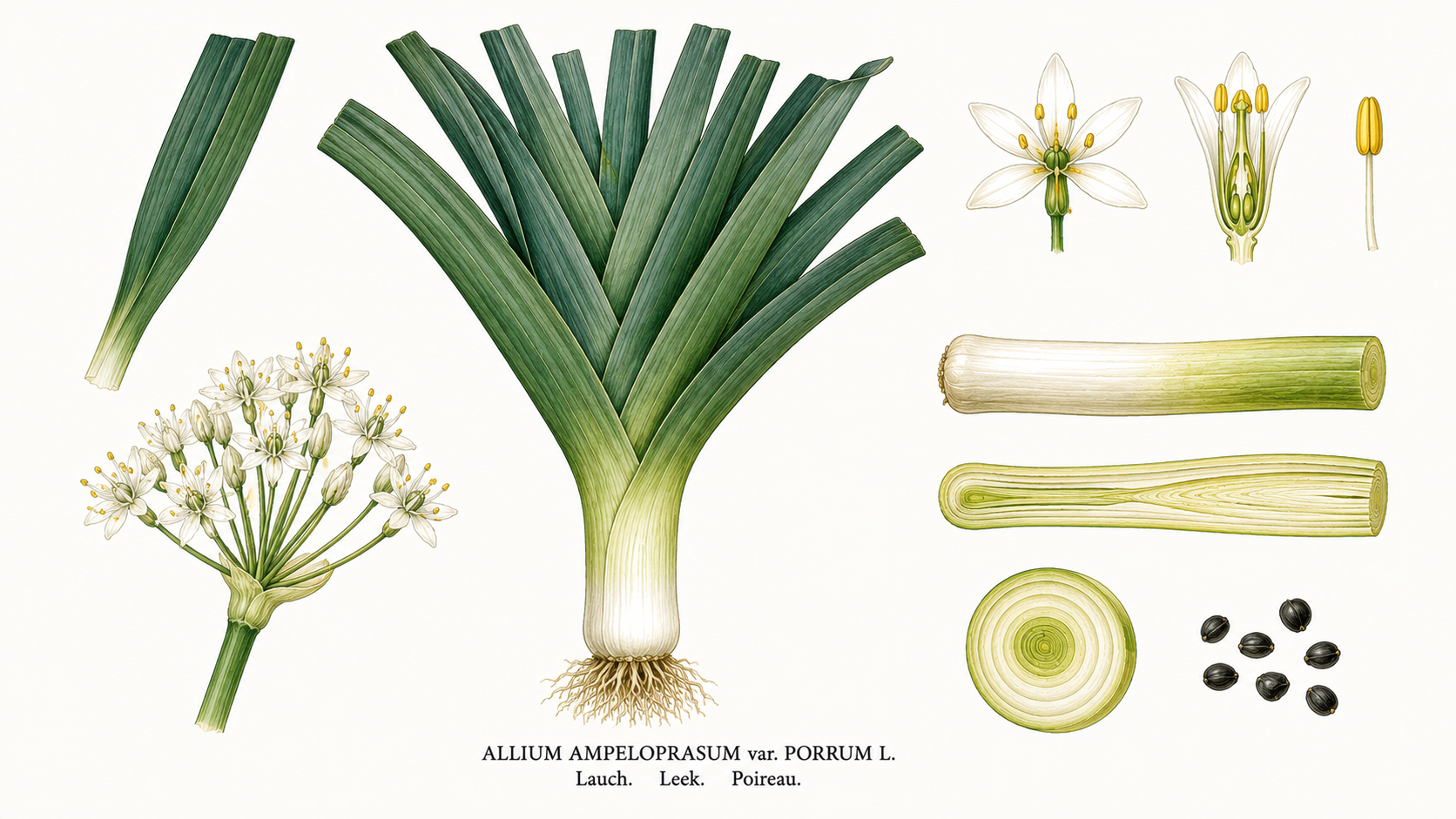
Allium
Allium
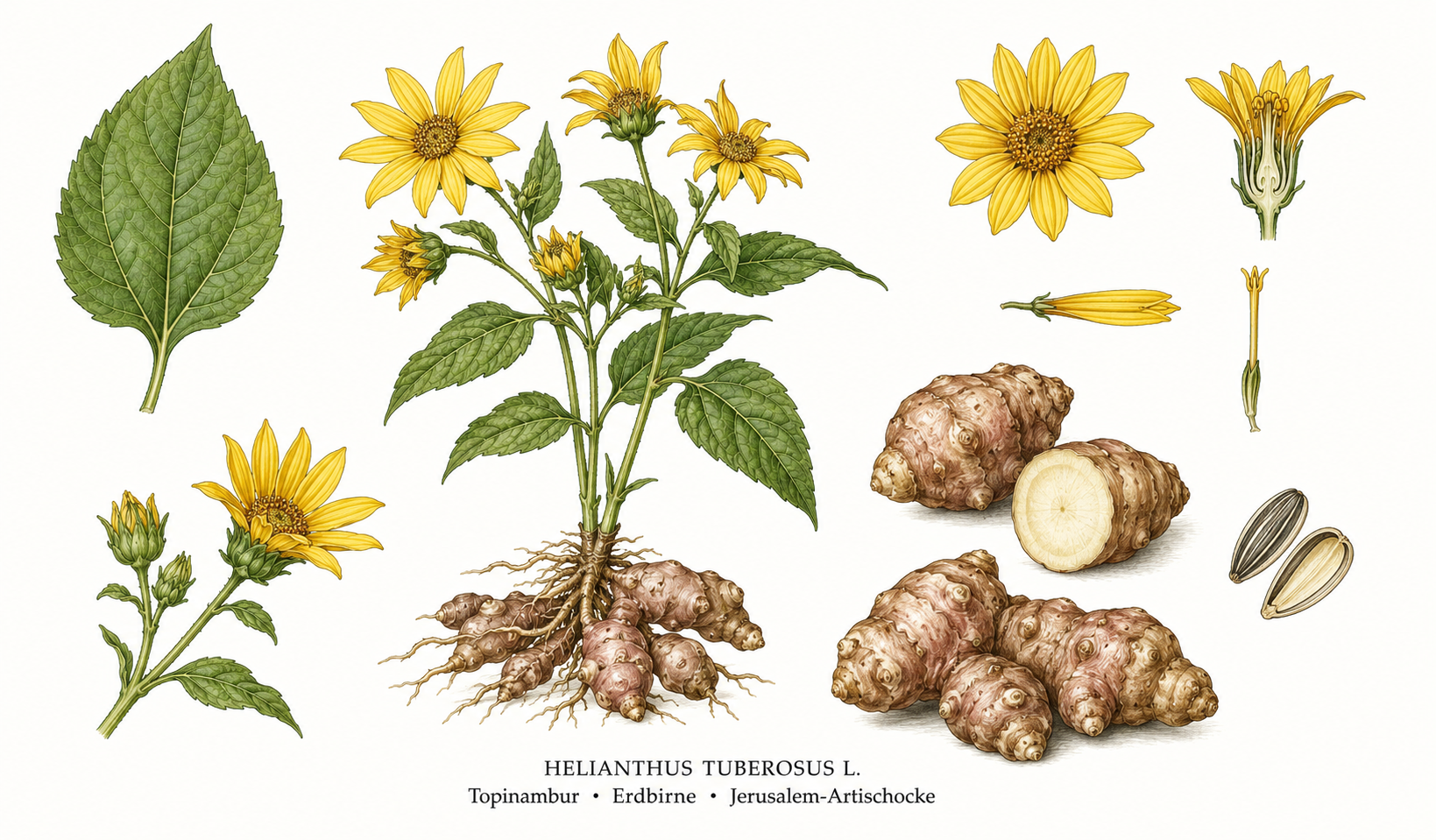
Jerusalem artichoke
Helianthus tuberosus
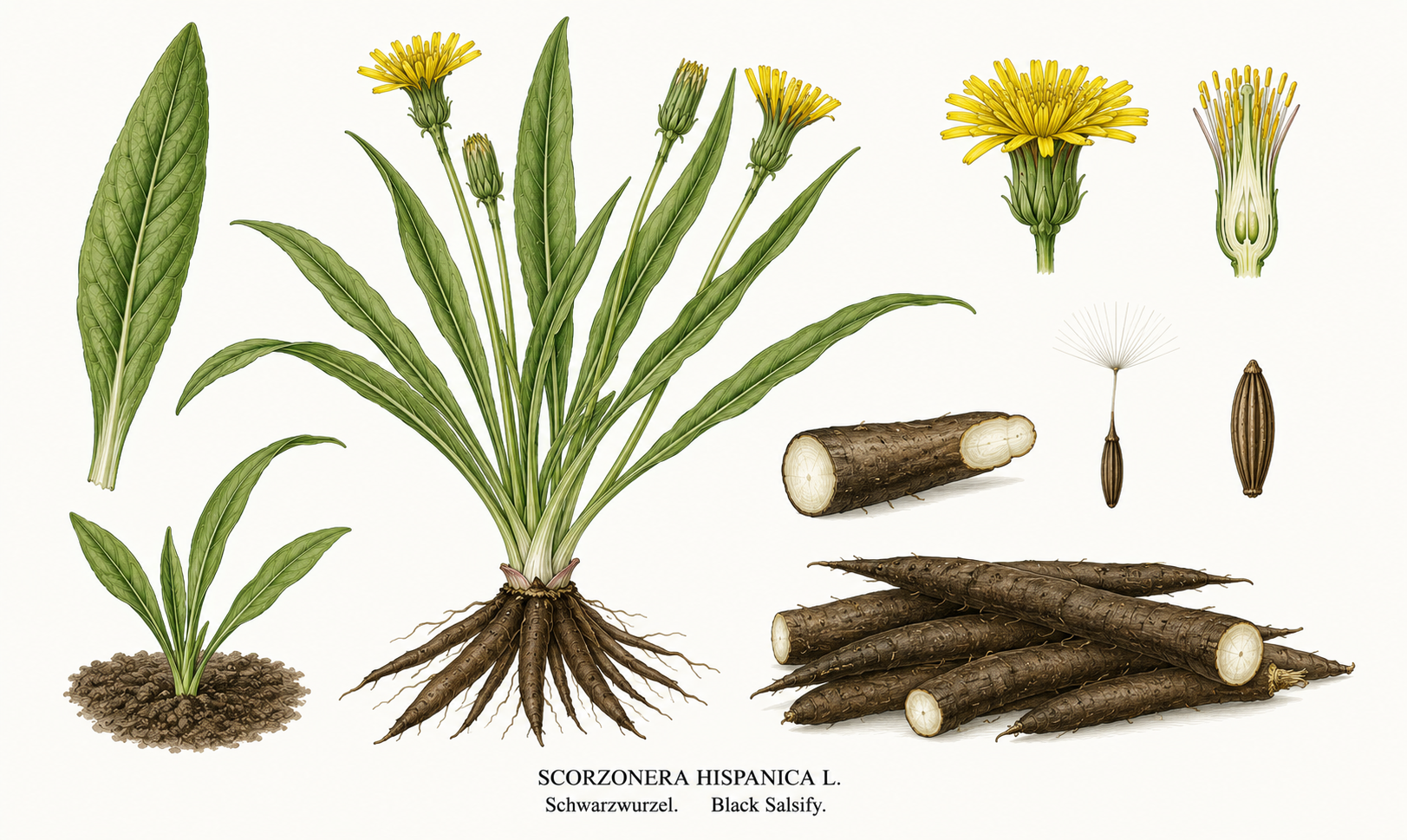
Scorzonera
Scorzonera
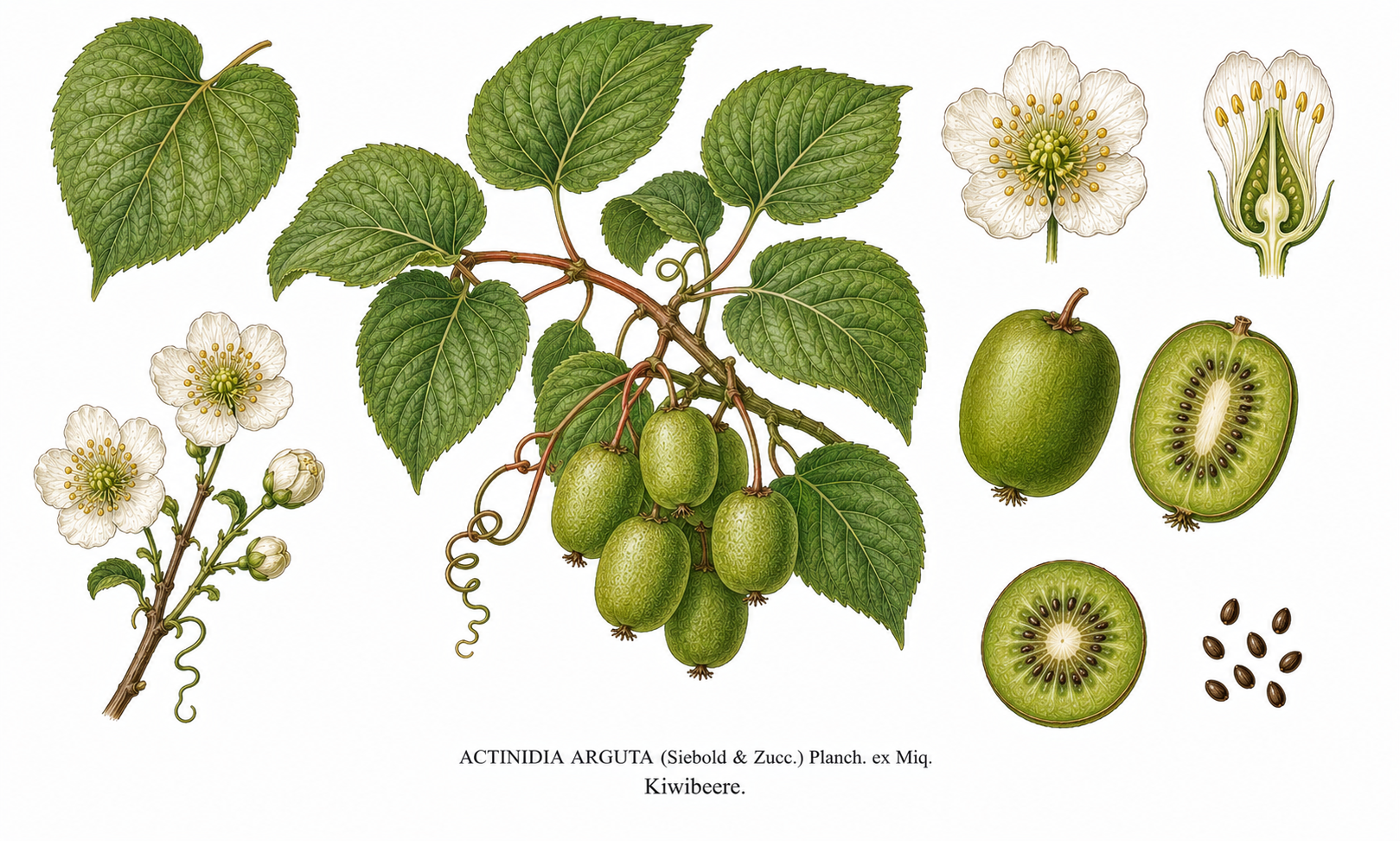
hardy kiwi
Actinidia arguta
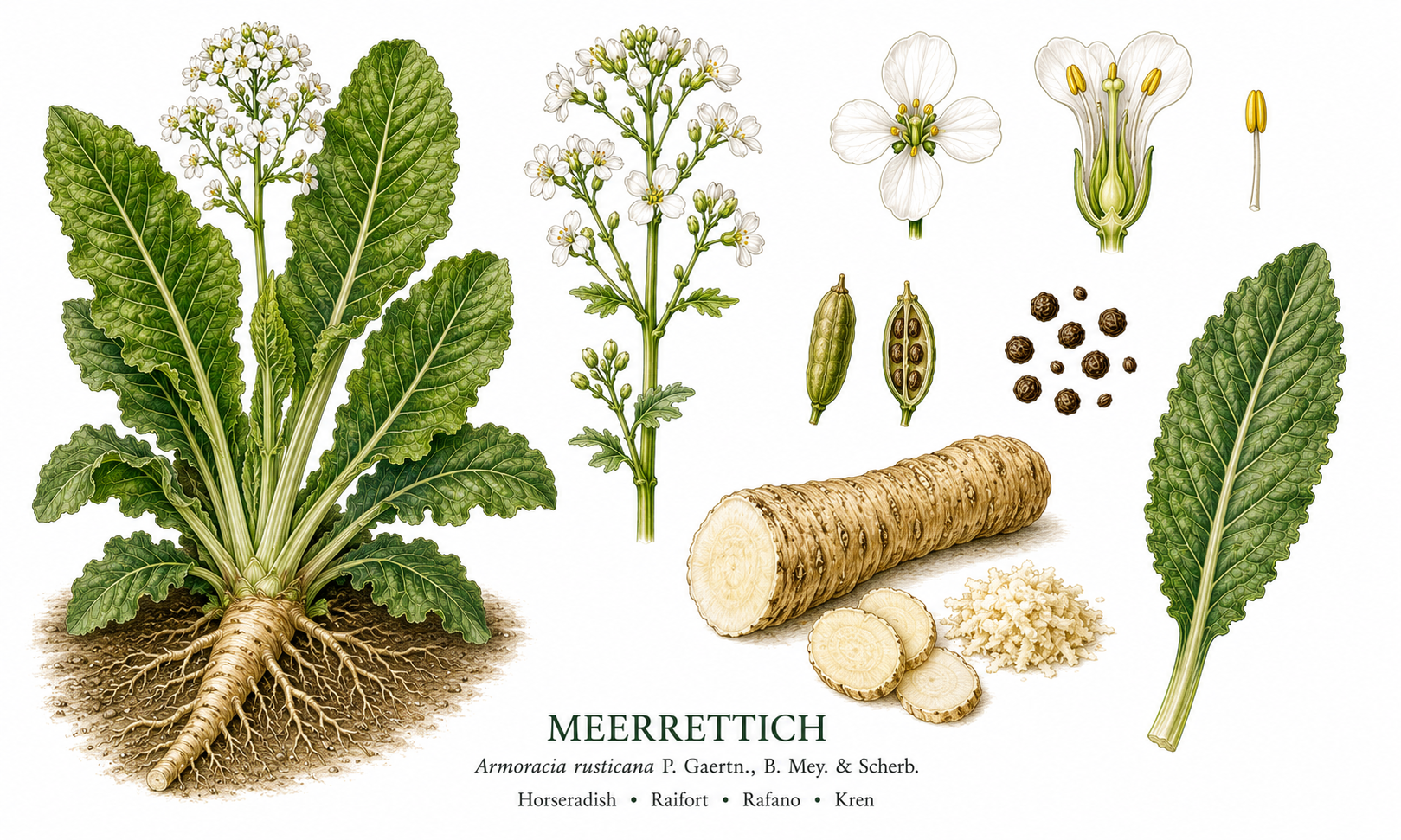
Horseradish
Armoracia rusticana
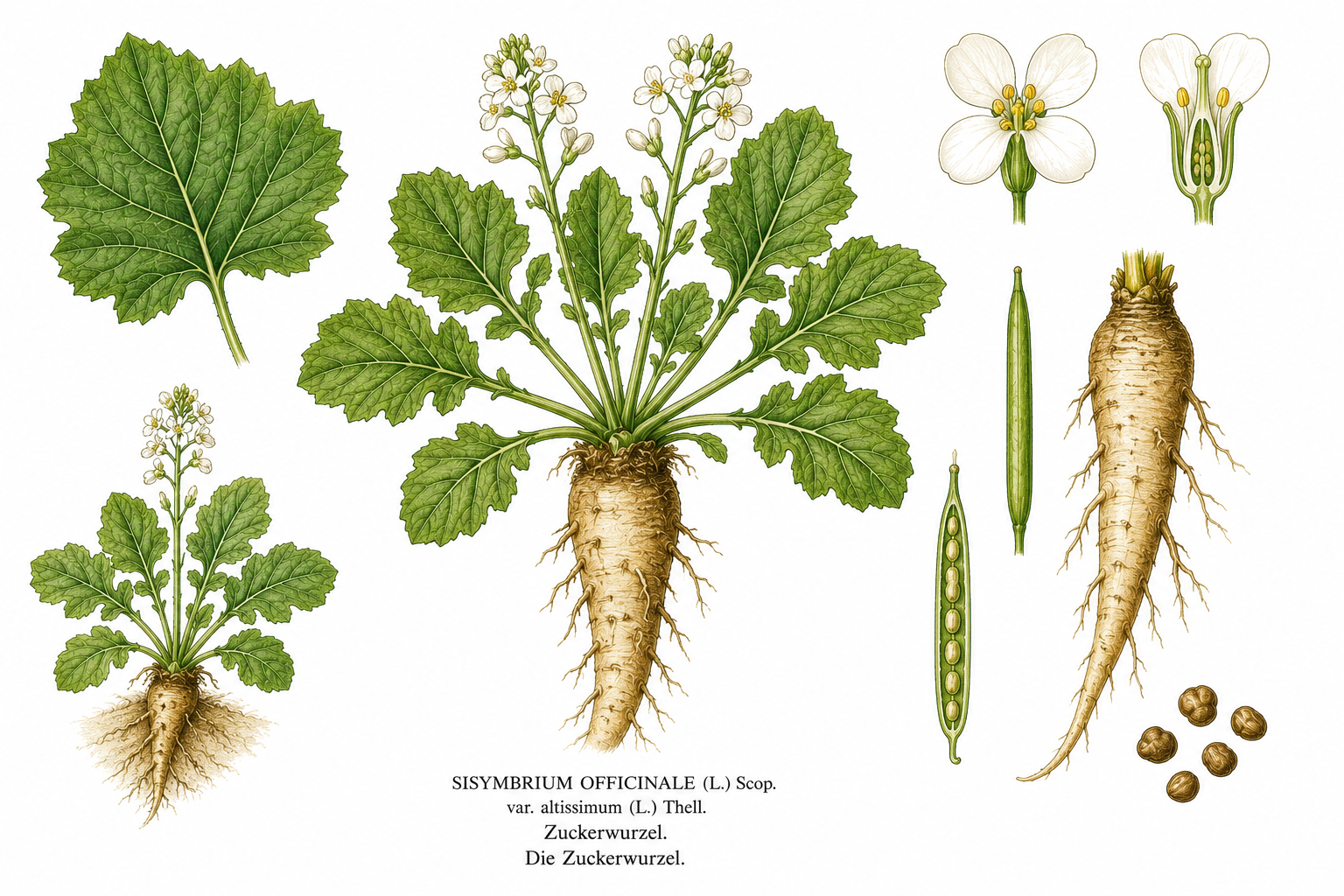
Skirret
Sium sisarum
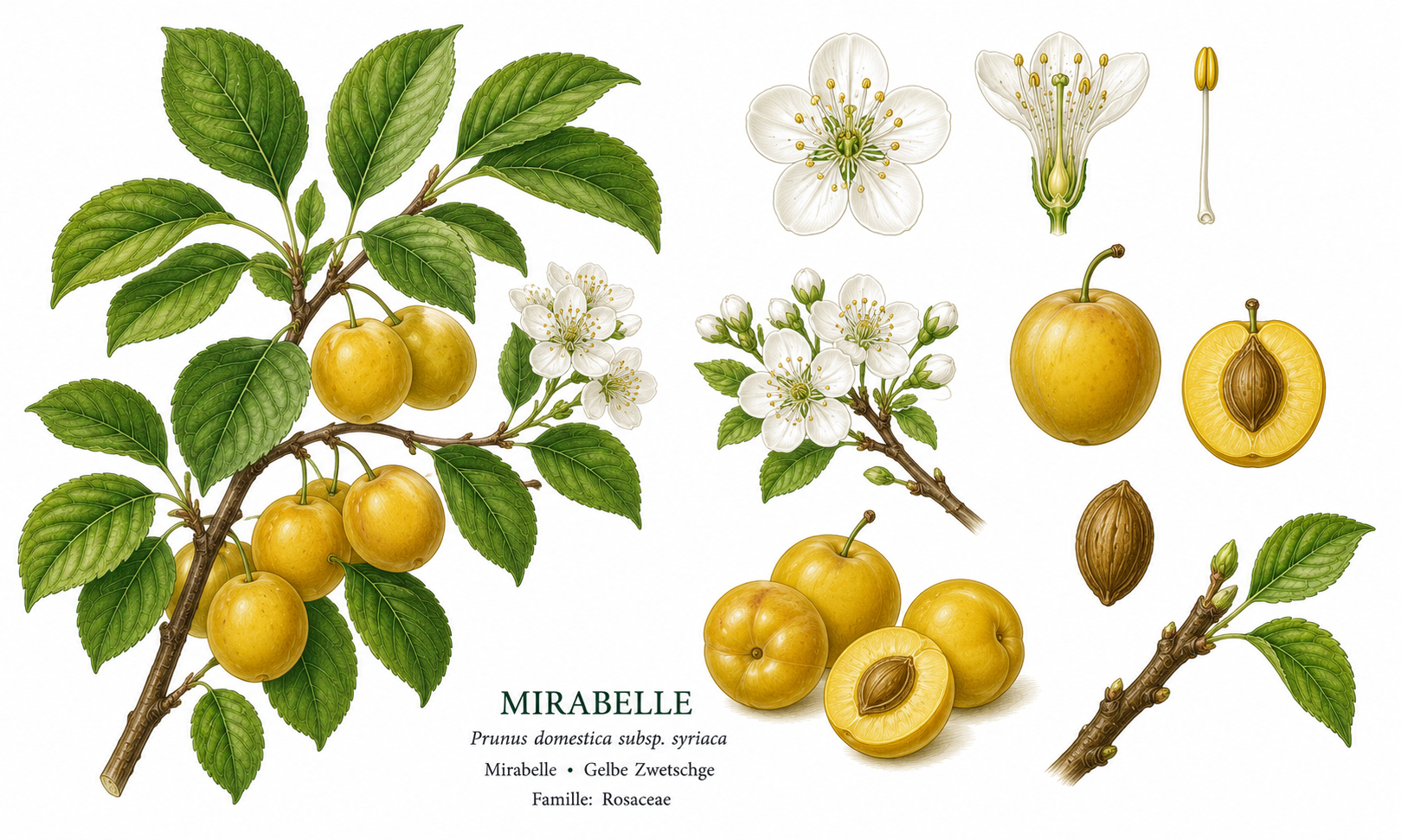
Mirabelle plum
Prunus domestica subsp. syriaca
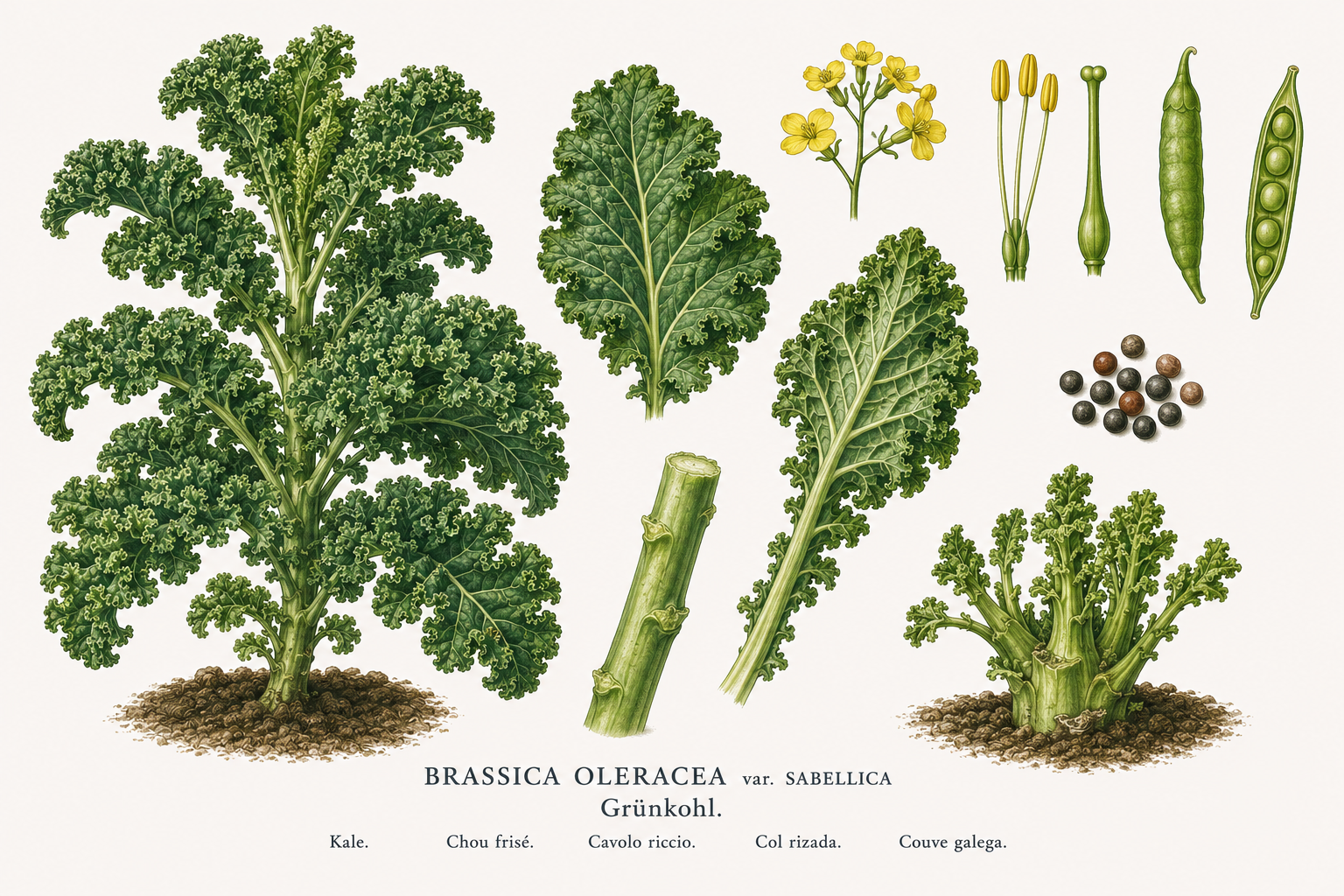
kale
Brassica oleracea var. sabellica
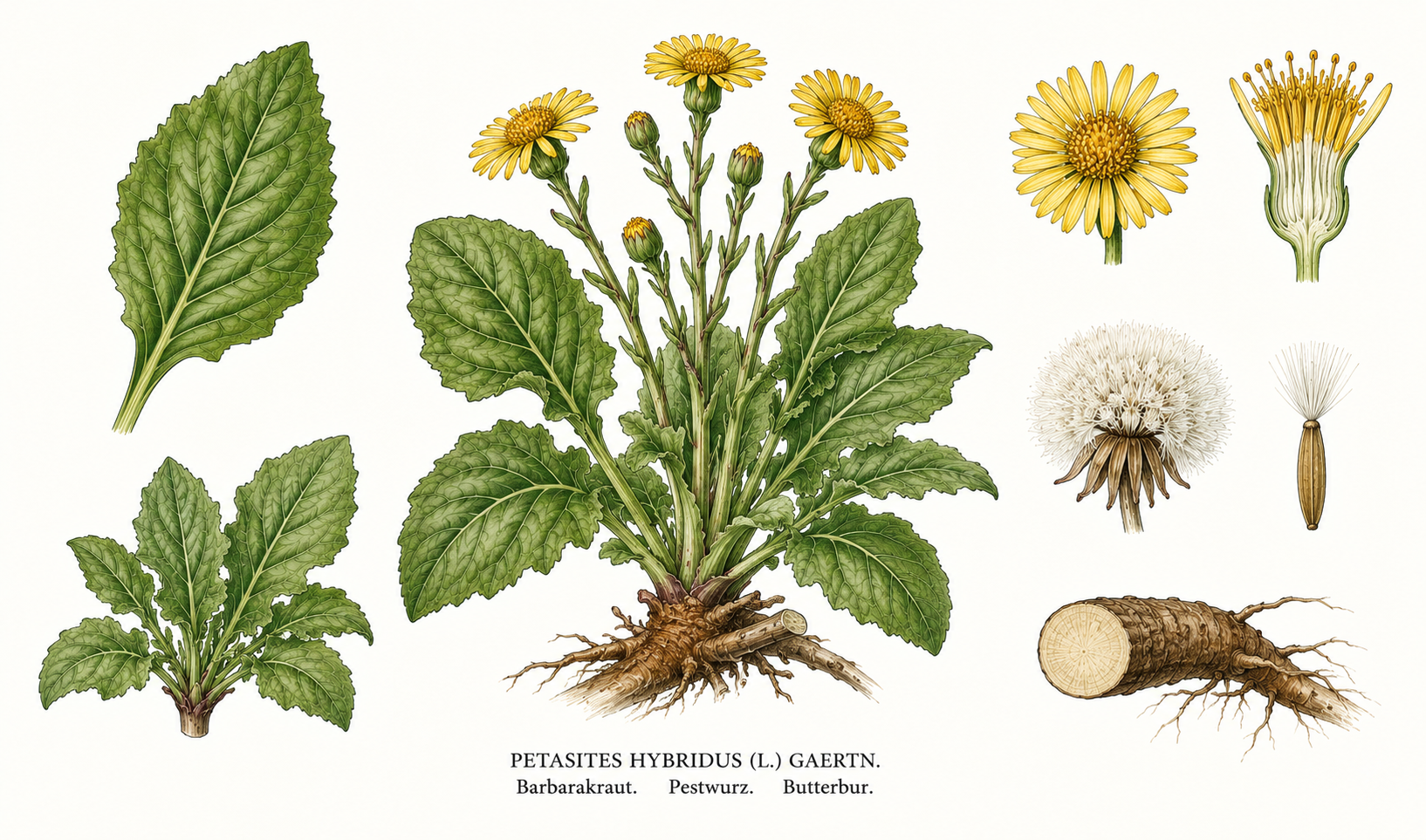
Barbarea vulgaris
Barbarea vulgaris
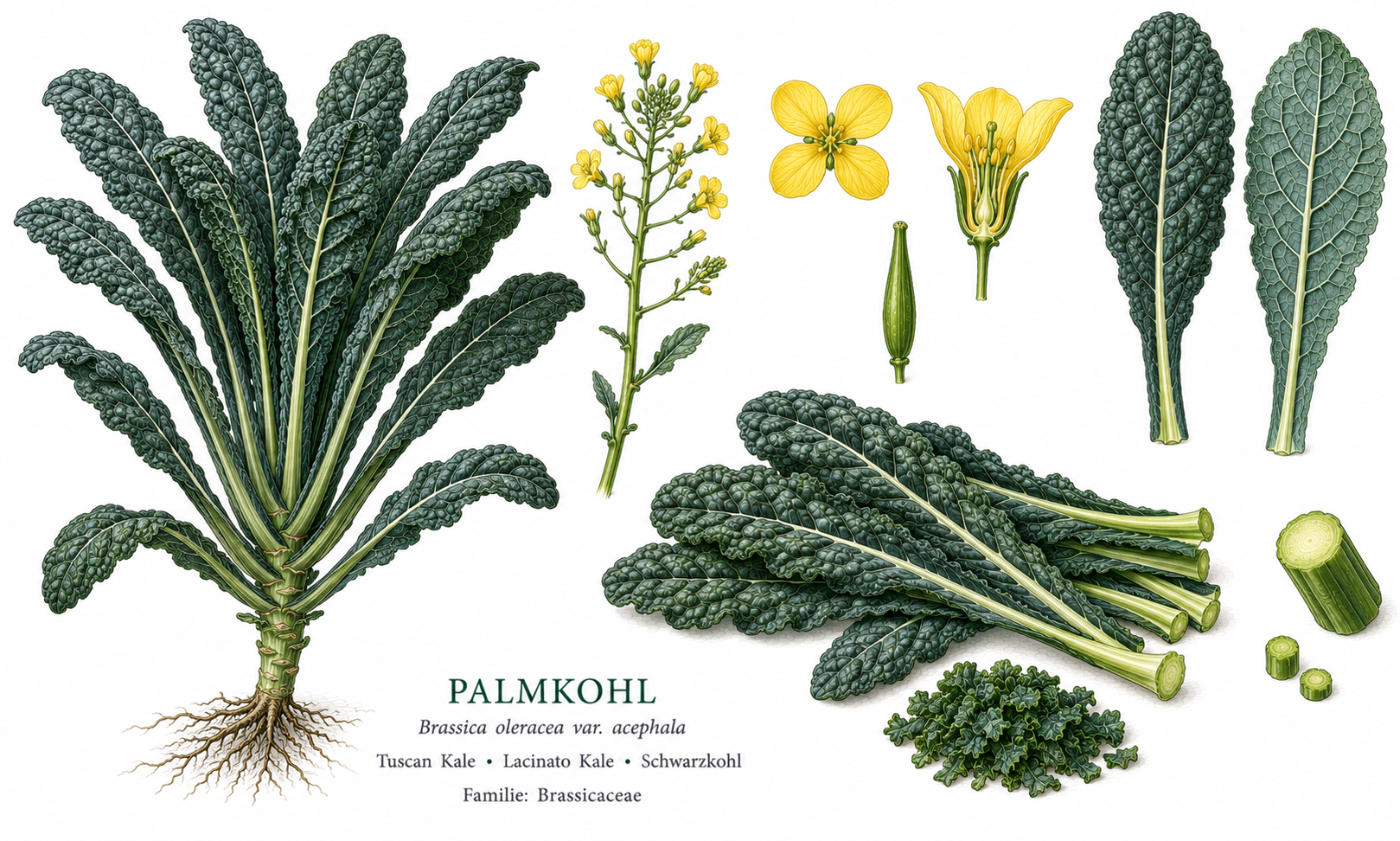
Lacinato kale
Brassica oleracea var. palmifolia
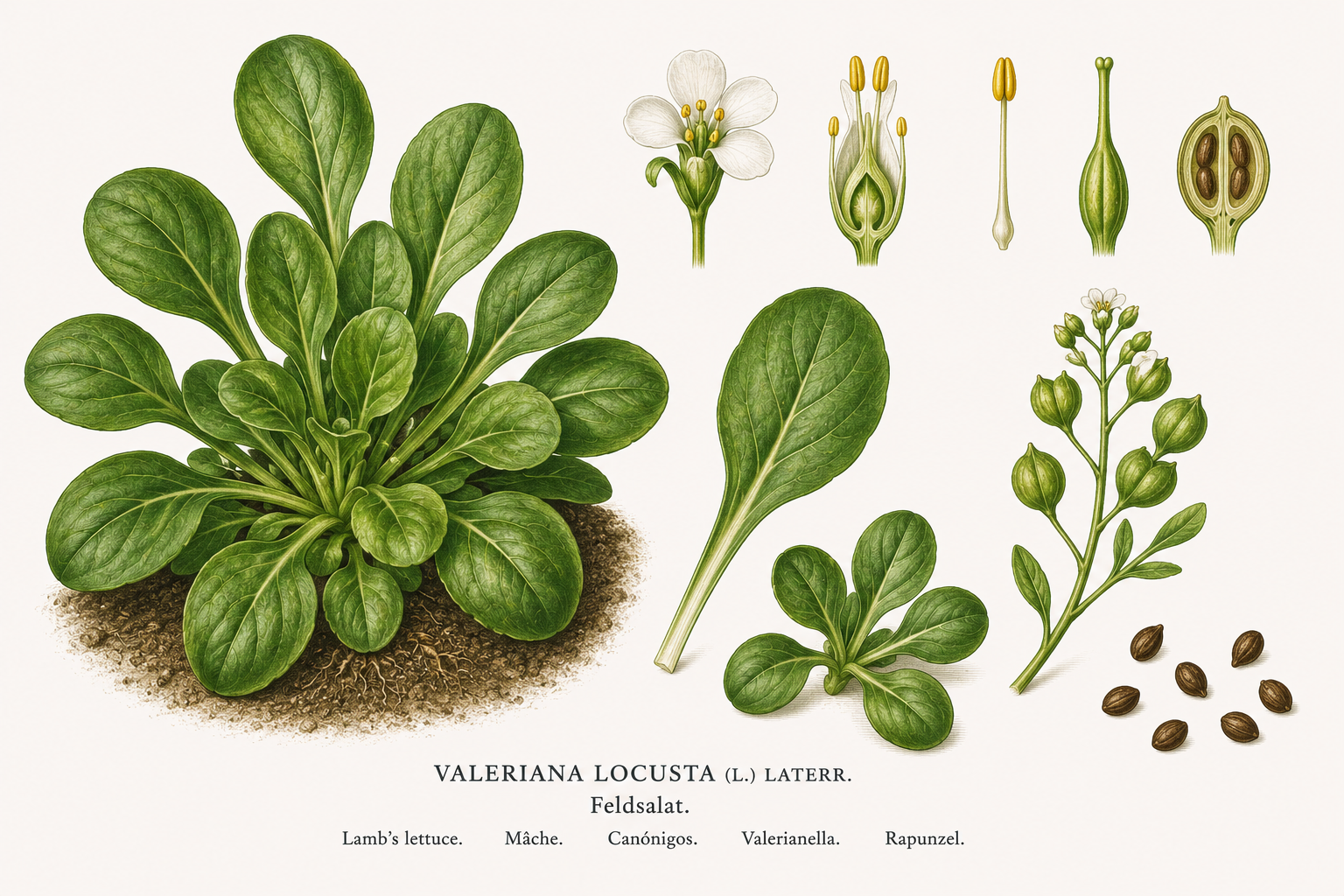
corn salad
Valerianella locusta
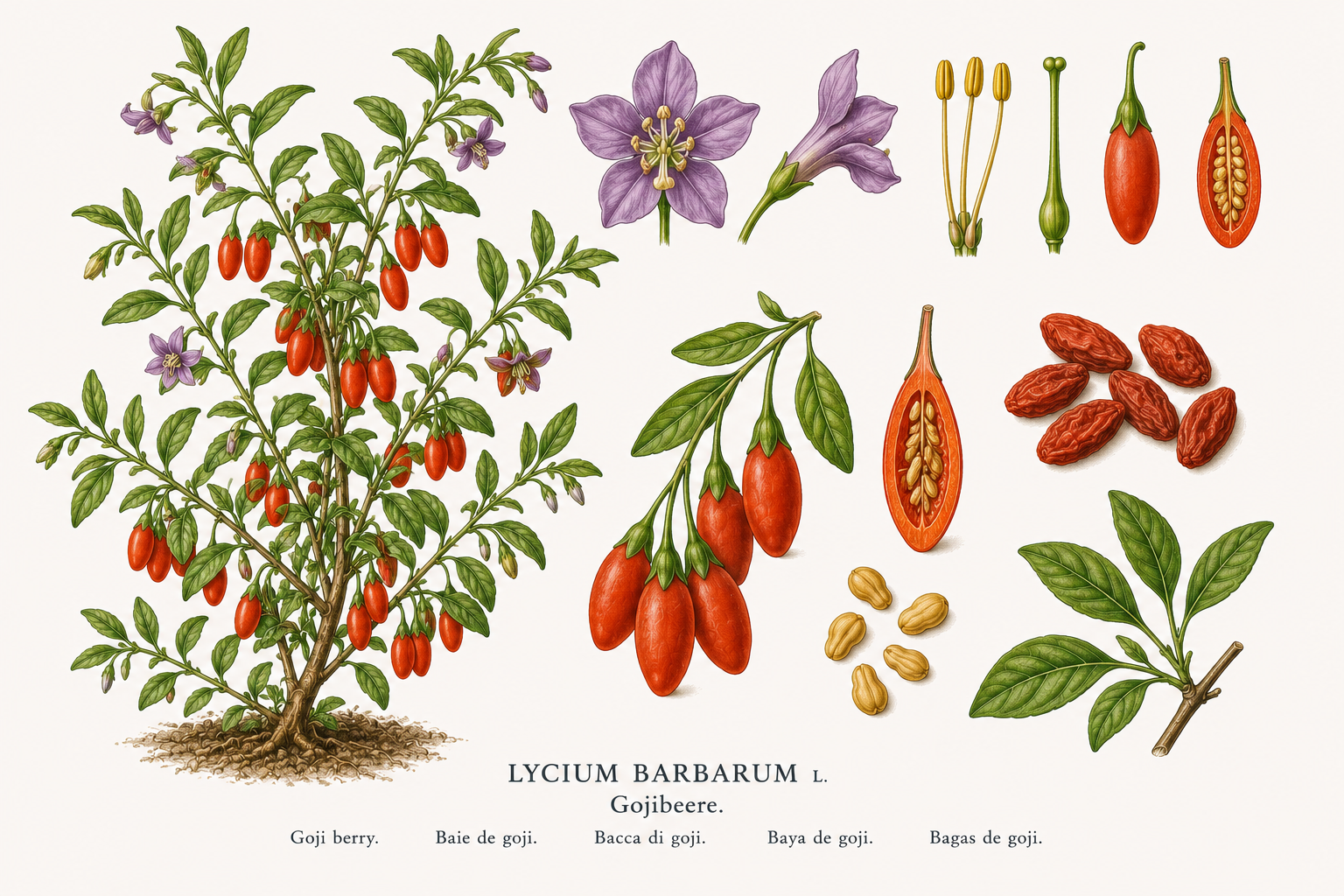
Goji Berry
Lycium barbarum
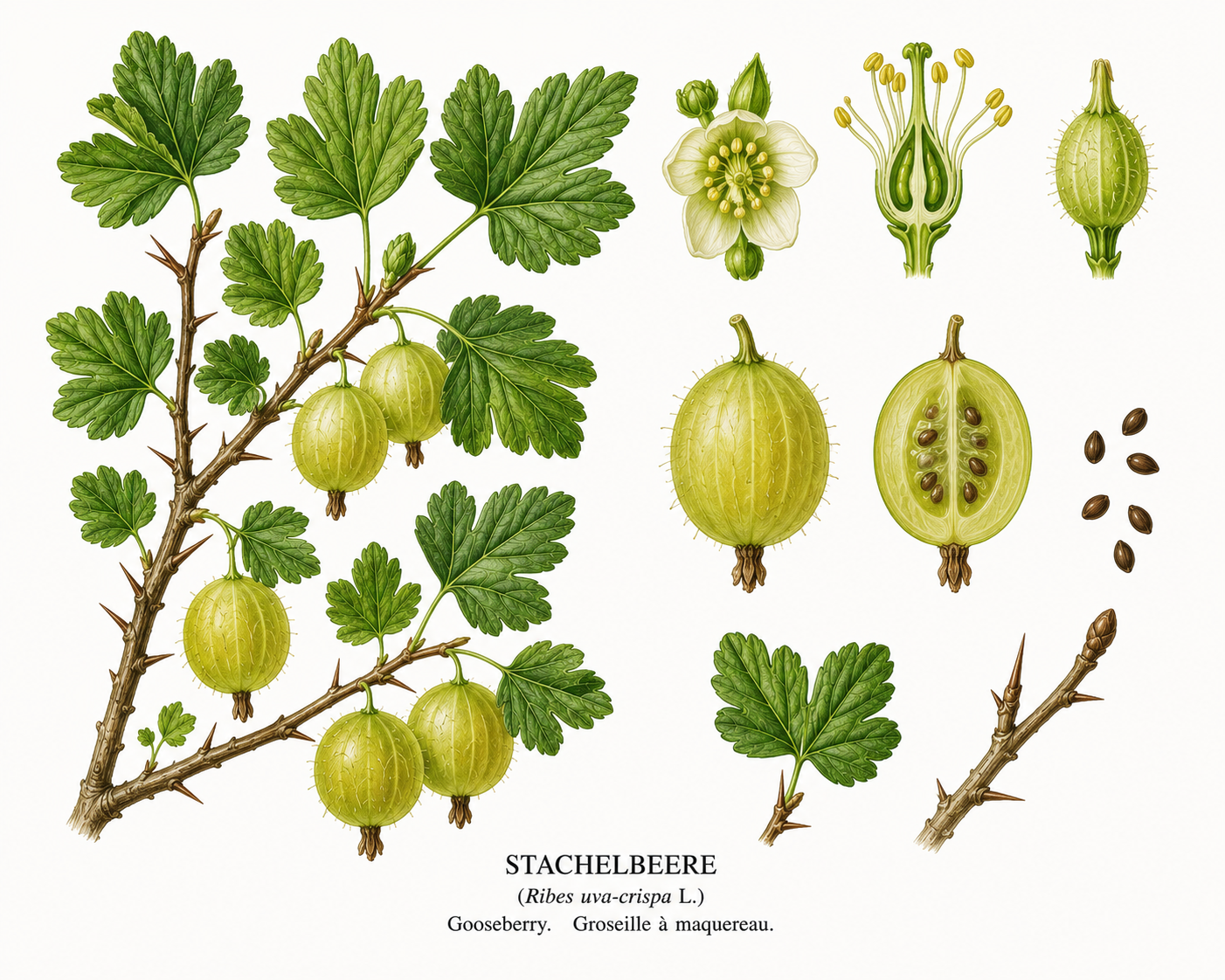
gooseberry
Ribes uva-crispa
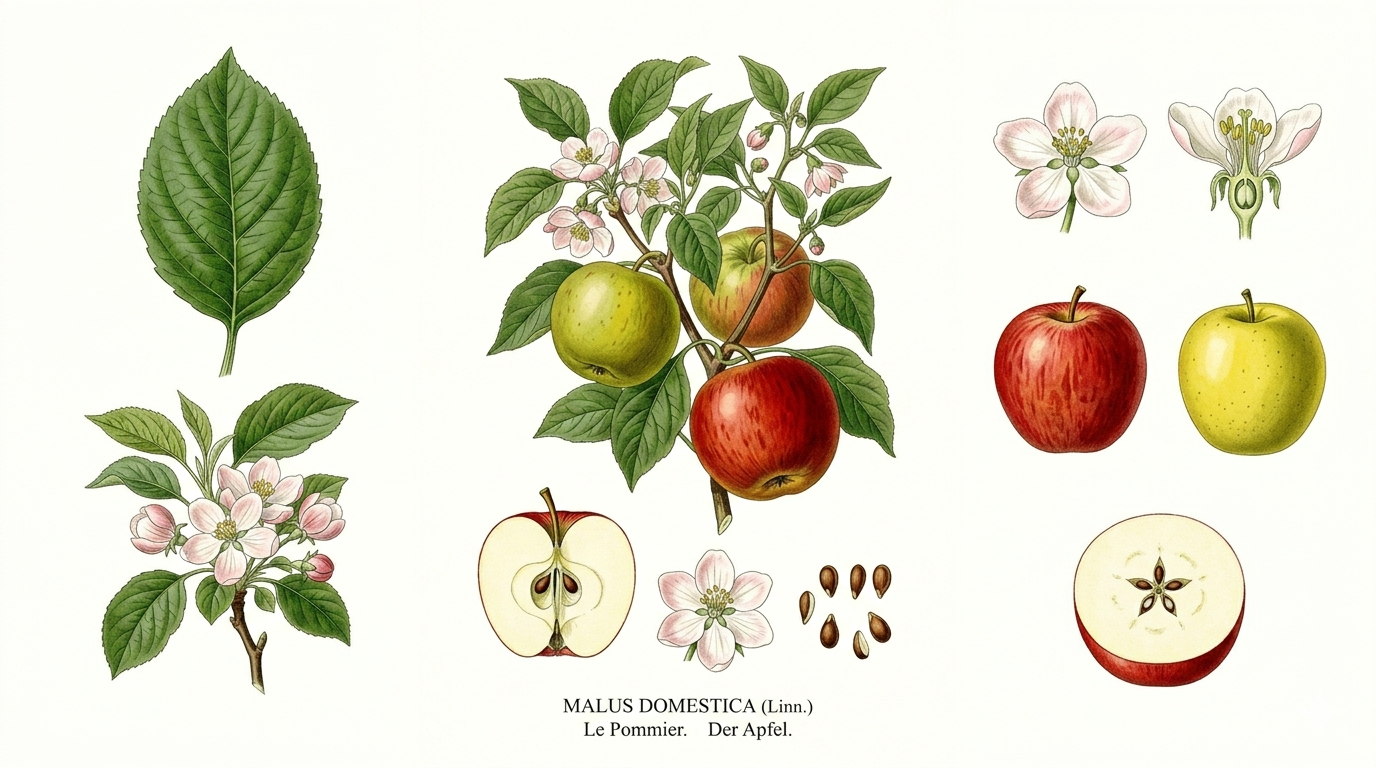
Apple
Malus domestica
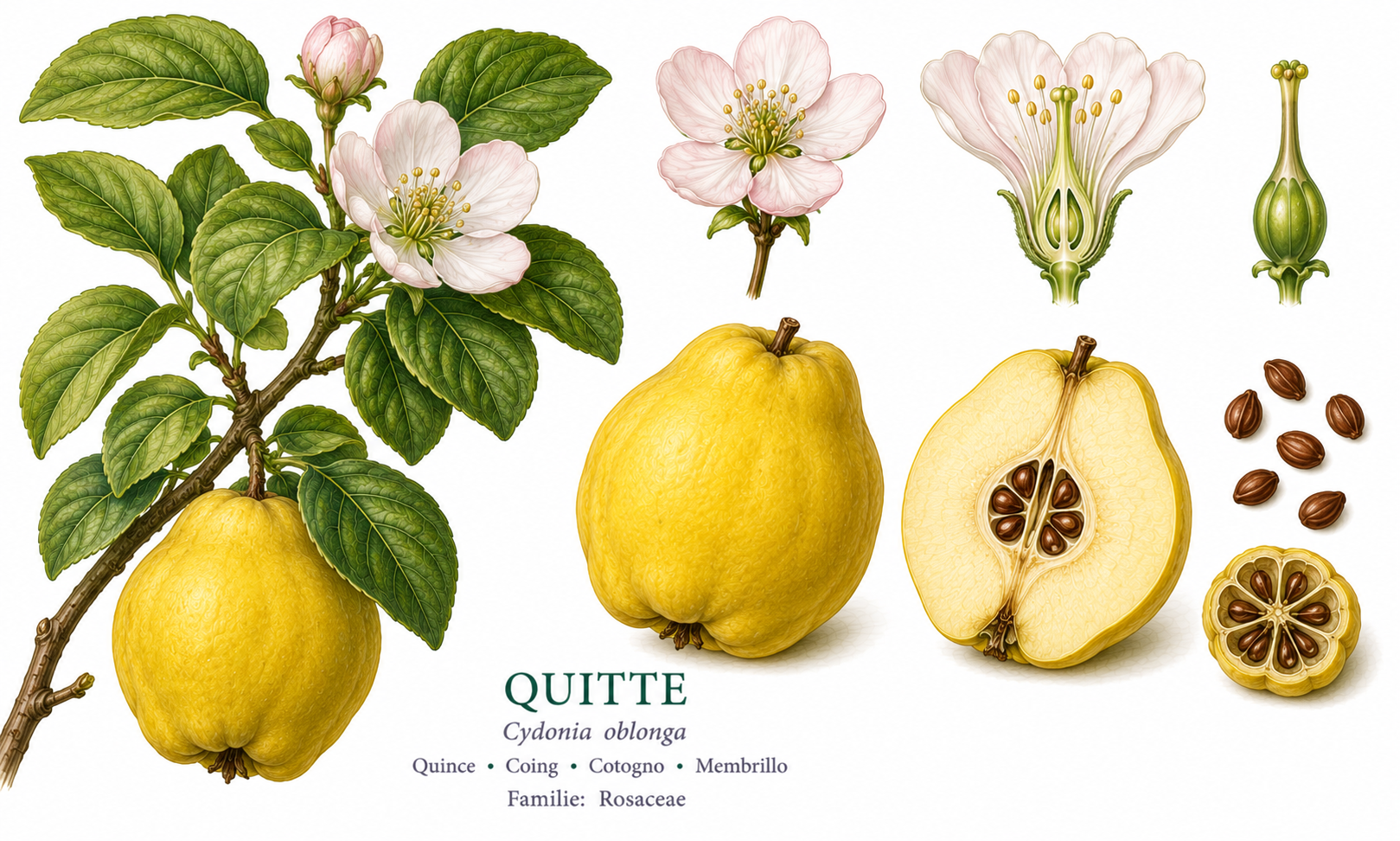
Quince
Cydonia oblonga
38 more plants are linked in the task lists above.