Guide
Pets and Nightshades: Tomatoes, Potatoes and More
Tomatoes, potatoes, peppers, and eggplants are among the most popular edible garden plants. For pet owners, it is important to understand that safety assessments often depend on the specific plant part, growth stage, and animal species involved. Thoughtful garden management helps reduce avoidable risks.
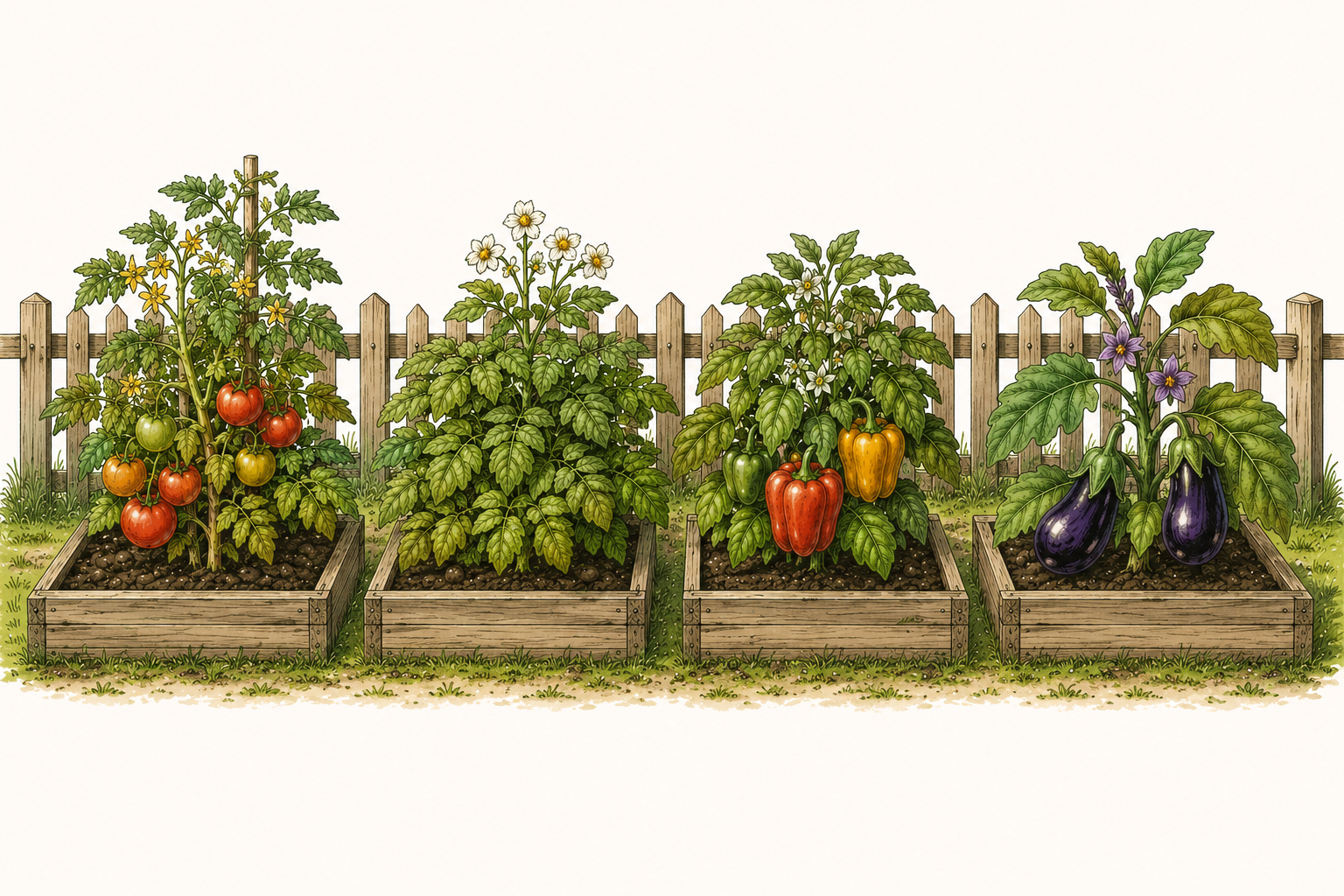
What are nightshade plants?
Tomatoes, potatoes, peppers, eggplants, chilies, tomatillos, and ground cherries belong to the nightshade family. Many provide valuable food crops, but different plant parts may require separate consideration.
- distinguish harvested crops from plant material
- consider green plant parts separately
- unripe plant material may differ from ripe harvests
- animal species and quantity consumed matter
Tomatoes in pet-friendly gardens
Tomatoes are among the most common garden crops. Green plant material, pruned shoots, and unripe fruit are the areas that usually deserve the most attention.
- remove tomato foliage after pruning
- do not leave unripe fruit accessible
- dispose of plant cuttings promptly
- check harvest crates regularly
- review species-specific animal safety information
Potatoes and potato foliage
With potatoes, the focus is often on foliage, sprouts, green plant material, and stored tubers. Many risks arise after harvest or during storage.
- remove potato foliage after the season
- store potatoes securely
- separate green or sprouted tubers
- avoid leaving harvest waste exposed
- inspect compost systems regularly
Peppers, chilies, and related crops
Peppers and chilies are commonly grown in beds, greenhouses, and containers. As with other nightshades, harvested fruits and other plant parts should be considered separately.
- remove pruned shoots
- avoid storing plant waste in pet areas
- keep harvest stations tidy
- place containers away from animal pathways
- consult plant-specific safety profiles
Eggplants in the garden
Eggplants are often grown alongside tomatoes and peppers. Similar principles apply: plant debris, cuttings, and harvest leftovers should not be left accessible to animals.
- inspect plants regularly
- collect fallen plant material
- maintain clean harvest areas
- organize greenhouse spaces
- consider animal access routes
Integrating nightshades safely
Most pet owners do not need to avoid growing nightshades. Good organization and management of plant waste, harvest leftovers, and storage areas are usually the key factors.
- 1
Plan locations carefully
Position vegetable beds with animal movement patterns in mind.
- 2
Remove plant waste
Dispose of pruned shoots, leaves, and debris promptly.
- 3
Organize harvest areas
Do not leave harvest crates or waste unattended.
- 4
Secure storage
Store potatoes and harvested crops safely.
- 5
Use plant profiles
Review safety information for individual species and plant parts.
Different pets, different considerations
Dogs, cats, rabbits, chickens, and horses interact with gardens in different ways. The same plant may therefore be relevant for one animal but less important for another.
- dogs often investigate windfall fruit and plant waste
- cats may nibble leaves occasionally
- rabbits actively consume plant material
- chickens explore beds and compost areas
- horses reach plants along fences and pasture edges
Warning signs and precautions
If a pet consumes large amounts of unknown plant material or develops unusual symptoms, veterinary advice should be sought.
- unusual behavior
- digestive problems
- lethargy
- loss of appetite
- other noticeable changes
Frequently asked questions
Are all parts of tomatoes and potatoes assessed the same way?
No. Evaluations depend on the plant part and growth stage involved, which is why detailed plant profiles are important.
Do pet owners need to remove nightshade plants?
Often not. Careful placement, maintenance, and removal of plant waste are usually sufficient.
Where do most risks occur?
Common locations include pruning waste, harvest leftovers, compost areas, and storage spaces.
Why are plant profiles important?
Safety assessments may differ between species, plant parts, and animal types. Individual profiles provide the most precise information.
Internal links
Related plants
Guides
Related guides
Guide
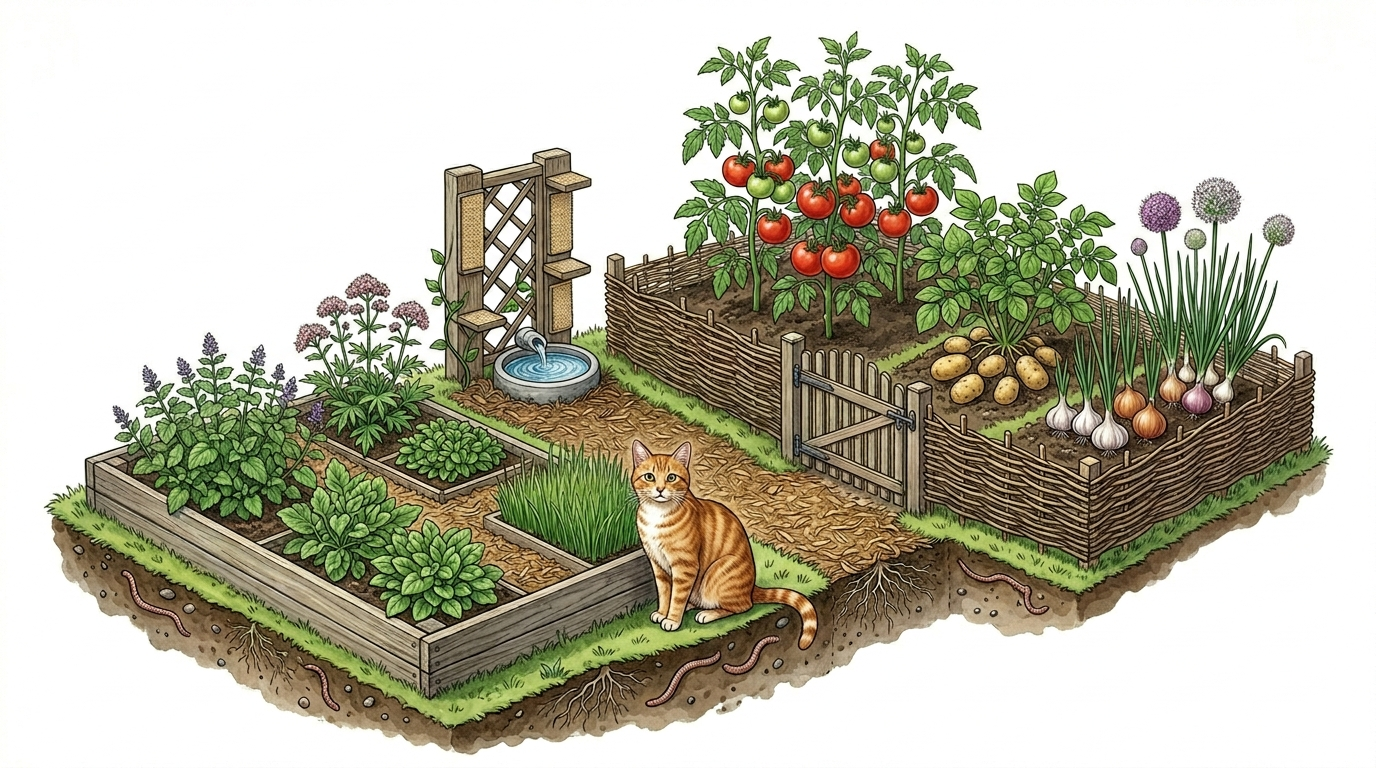
Toxic Garden Plants for Cats: Safer Planning
Learn which garden plants can be risky for cats, how to plan safer beds, and what to do if a cat eats a toxic plant.
Guide
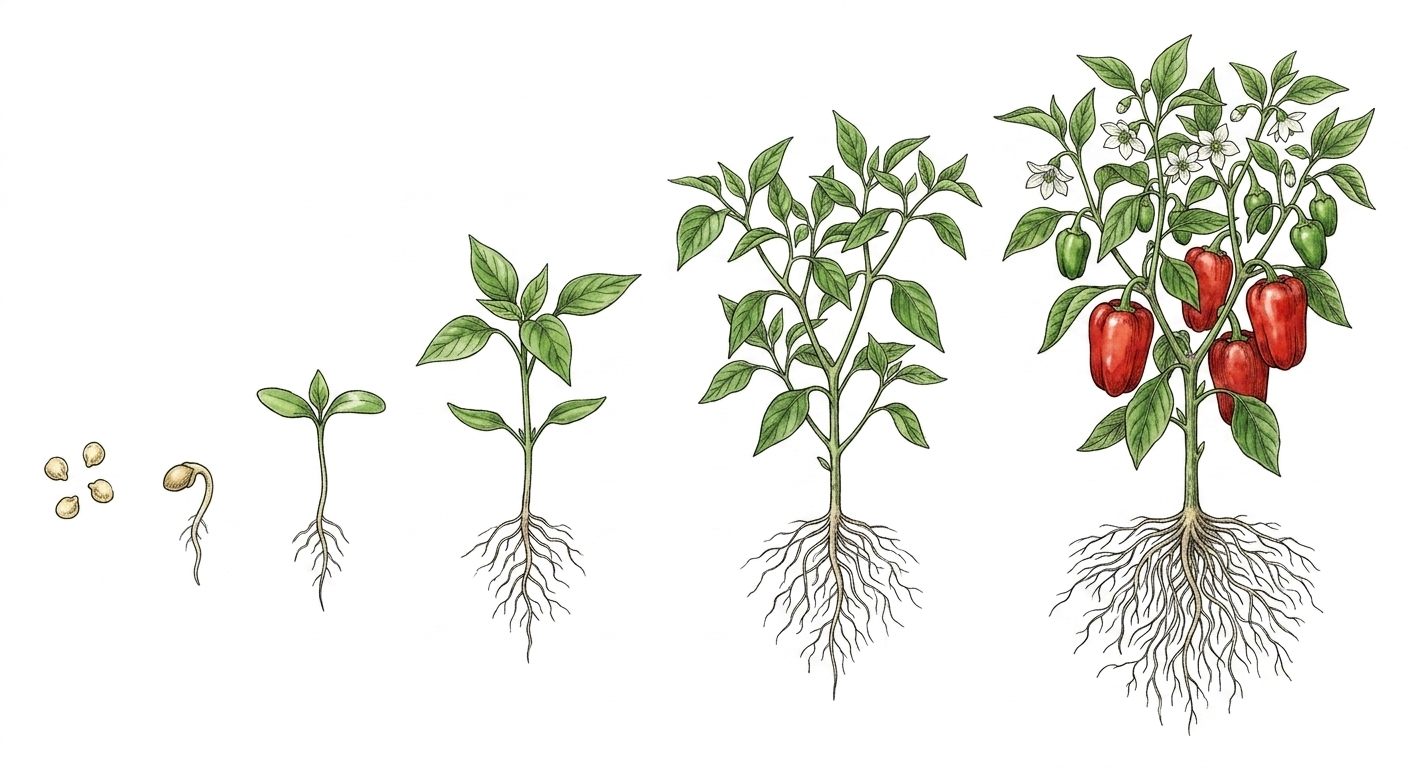
Starting Peppers and Chilies Indoors Successfully
Learn how to start peppers and chilies indoors with proper warmth, strong light, pricking out, and healthy seedling care.
Guide
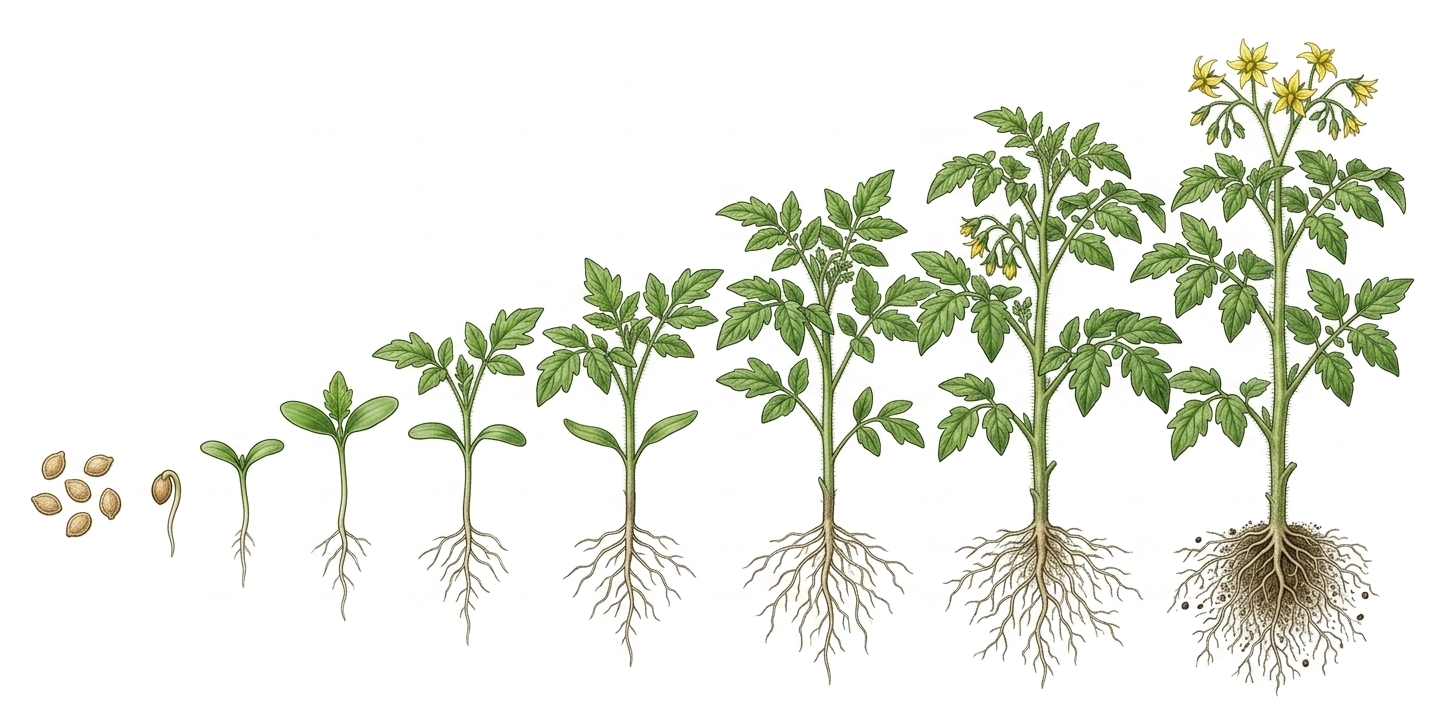
Starting Tomatoes Indoors: Light, Timing and Pricking Out
Start tomatoes indoors successfully with the right timing, warmth, strong light, pricking out, and care for healthy young plants.
Guide
Horse Pastures and Garden Plants: Safety Checks
Learn how to identify risks near horse pastures, fences, turnout areas, fruit trees, and garden planting zones.