Deficiencies
Nitrogen deficiency
Identify Nitrogen deficiency: symptoms, possible causes, prevention, and practical actions for 83 affected plants. pale green to yellow leaves
Editorial diagnosis
Diagnosis overview
Nitrogen deficiency is a deficiency pattern in which nutrient supply or uptake does not match the plant's needs.
In gardens, Nitrogen deficiency can occur on plants including Cynara scolymus, Barbarea vulgaris, Tree spinach, cauliflower. In the available profiles, it is linked mainly with Alliums, Asian greens, Berries.
The recorded risk level is low.
Check whether young or older leaves react first, whether veins remain green, and whether the pattern is evenly distributed. Assess soil moisture, pH, and root condition at the same time. Record the most recent feeding and use a soil test for recurring or widespread deficiency patterns instead of applying several fertilisers on suspicion.
A common mistake is to fertilise immediately. Waterlogging, drought, cold soil, unsuitable pH, or damaged roots can block nutrient uptake.
At a glance
Plants
83
Category
Alliums, Asian greens, Berries, Brassicas, Cabbages
Risk
low
Typical signs
- pale green to yellow leaves
- Stunted growth
- starting with older leaves
- Thin, weak stems
- Weak shoot formation
- Defoliation from below
- Small fruits
- starting at the tips
Immediate actions
- Light application of compost or organic liquid fertilizer
- Nettle tea
- Apply compost or horn shavings in spring
- Quick application of organic nitrogen fertilizer (e.g., nettle liquid manure)
- horn meal
- Incorporate compost
- Moderate application of herb fertilizer
- Liquid fertilizer with nitrogen (e.g., nettle manure)
Prevention
- fertilize regularly with organic fertilizer
- Soil preparation with well-rotted compost
- Enrich soil with compost or organic fertilizer before planting
- mulching
- Regular compost application
- Regular fertilization with nitrogen-rich organic materials
Affected plants
Guides
Related guides
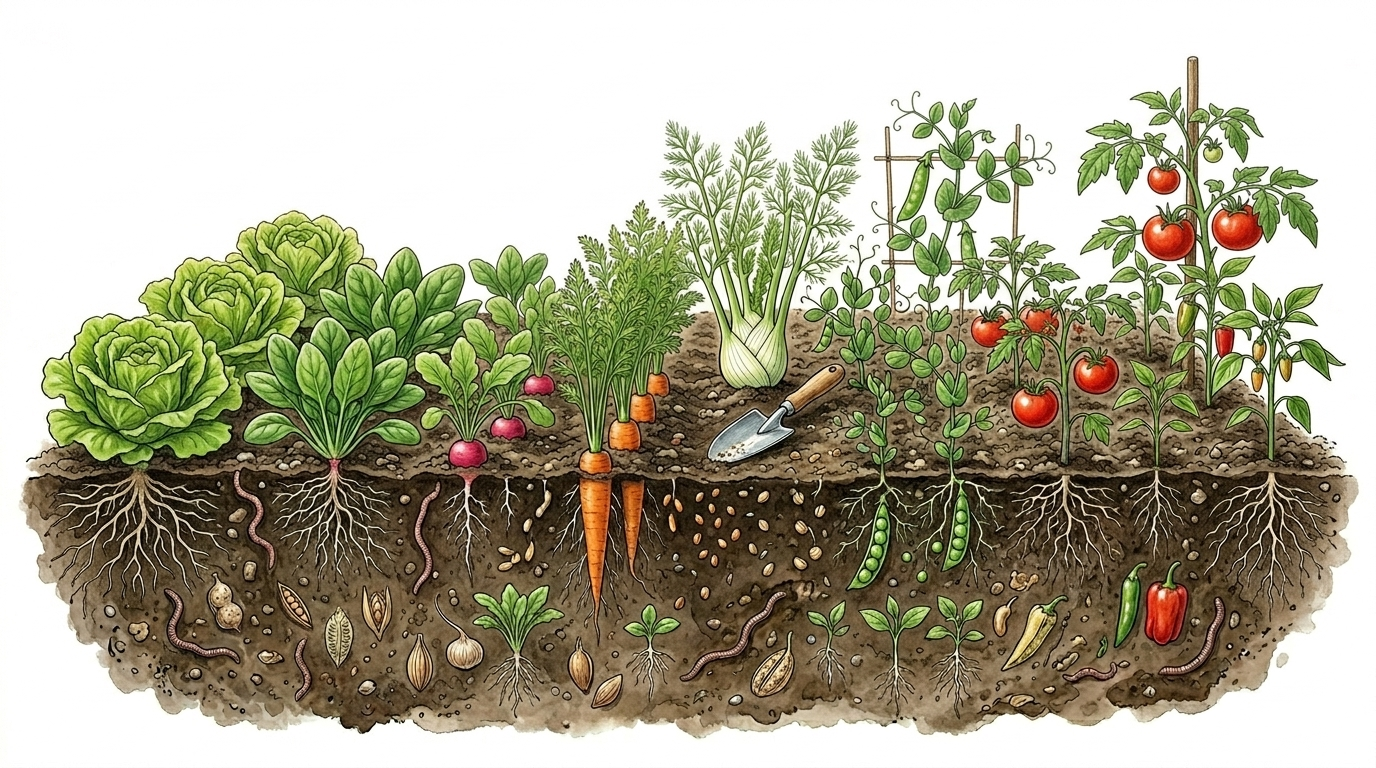
Guide
May Planting Calendar: Transplanting and Succession Sowing
What to plant and sow in May: transplant tender vegetables, continue succession sowing, and make the most of garden beds.
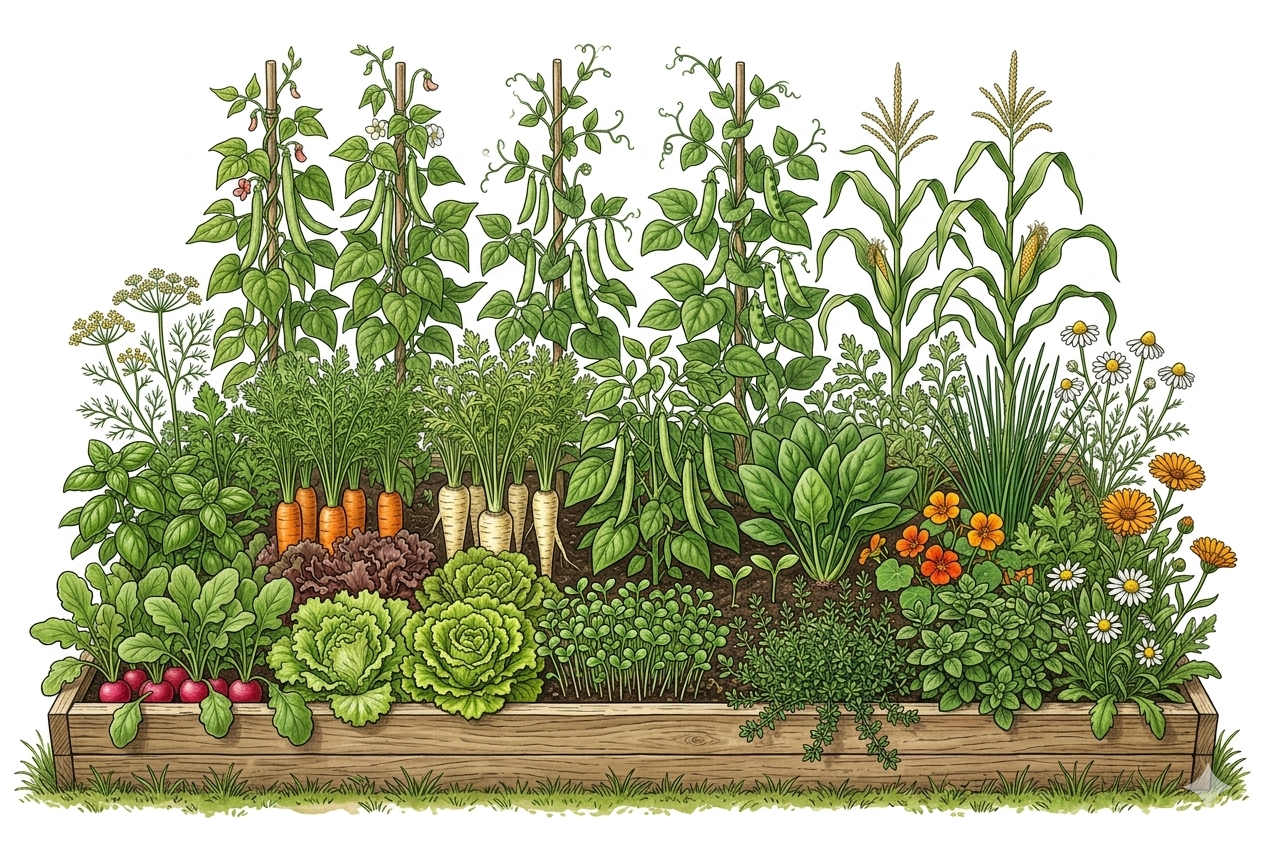
Guide
Small Garden Bed Planning: Combine 20 Crops Well
Use small beds efficiently by combining 20 vegetables and herbs, planning successions, and avoiding wasted gaps.
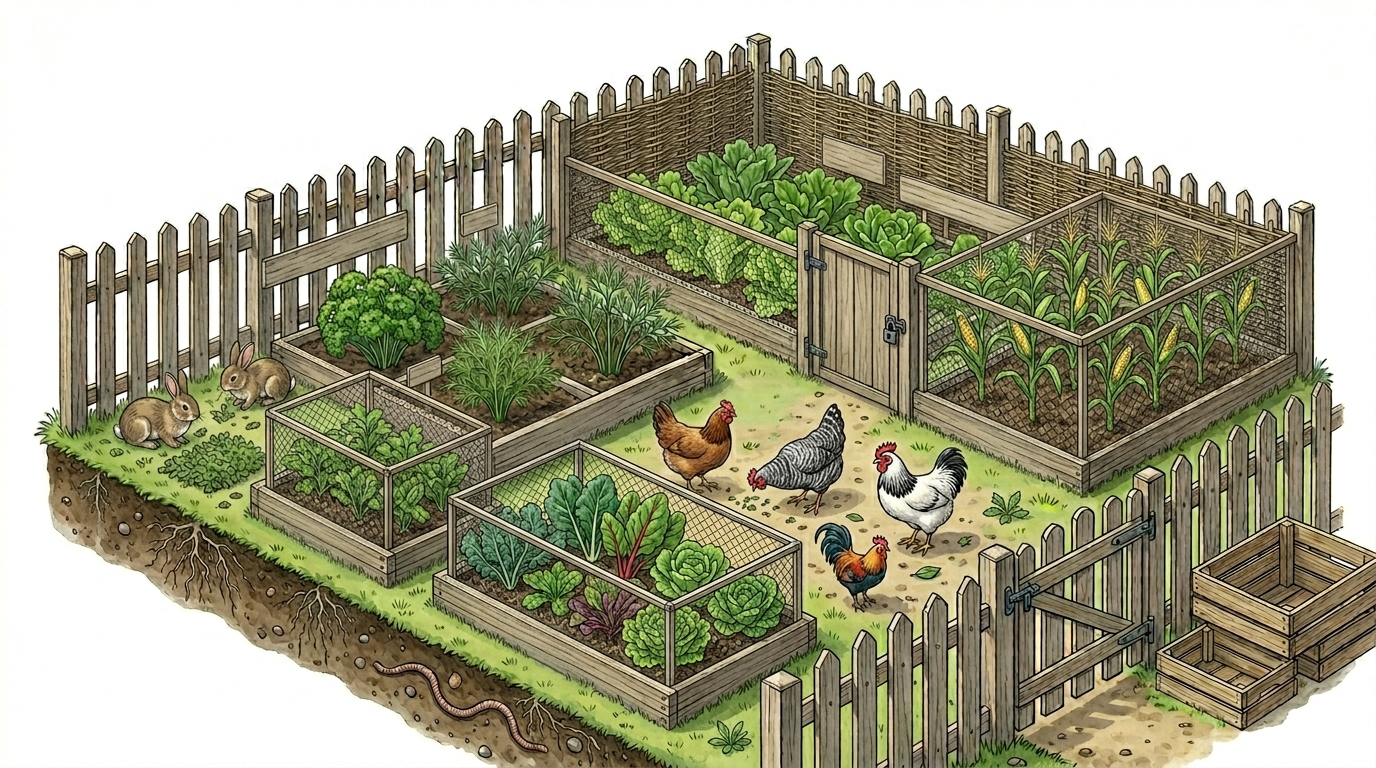
Guide
Chickens in the Garden: Safe Plants and Zones
Learn how to design a chicken-friendly garden with suitable plants, protected beds, and well-planned activity areas.
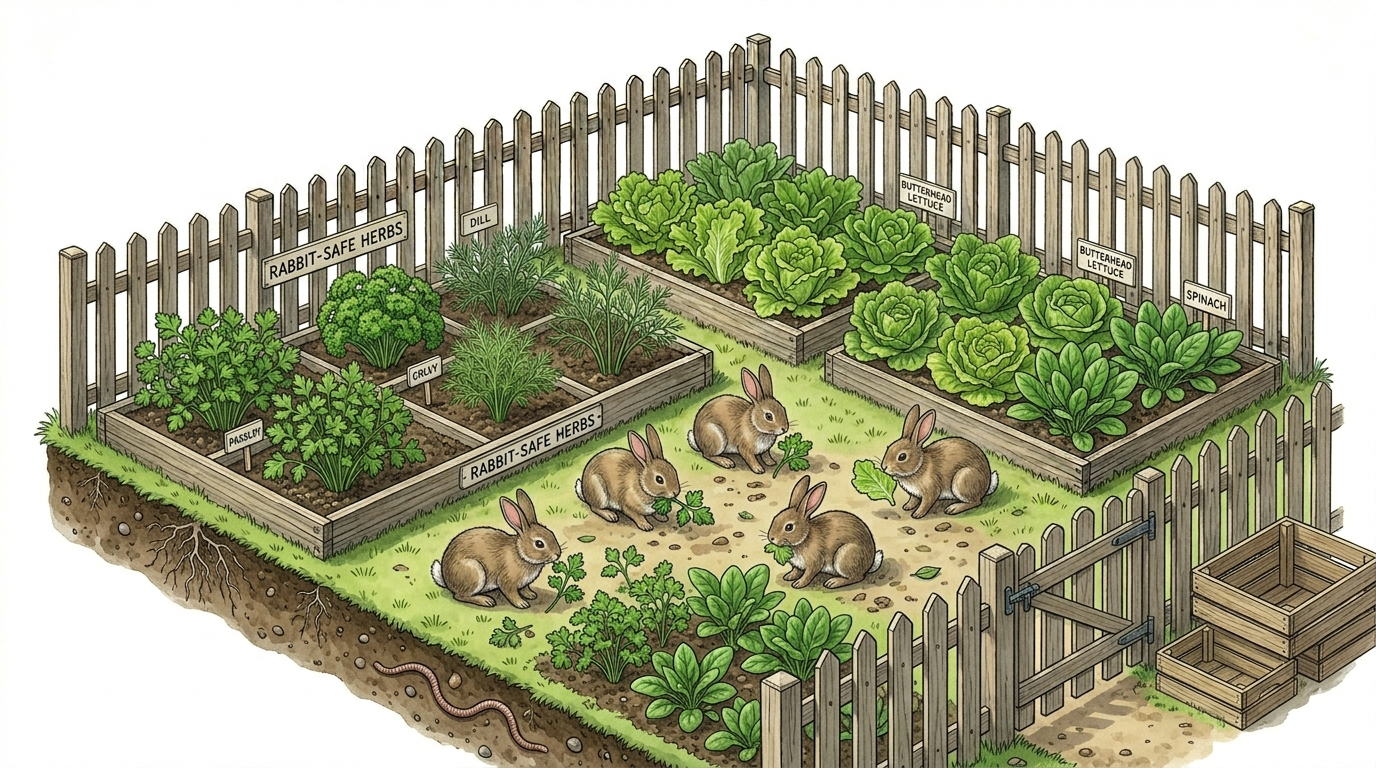
Guide
Rabbits in the Garden: Herbs and Vegetables
Learn how to choose suitable herbs and vegetables for rabbits, grow feeding plants, and plan a rabbit-friendly garden.
Guide
Toxic Garden Plants for Cats: Safer Planning
Learn which garden plants can be risky for cats, how to plan safer beds, and what to do if a cat eats a toxic plant.
Similar topics
FAQ
What causes Nitrogen deficiency?
nutrient-poor soil