Deficiencies
Iron deficiency
Identify Iron deficiency: symptoms, possible causes, prevention, and practical actions for 30 affected plants. Interveinal chlorosis (yellowing between…
Editorial diagnosis
Diagnosis overview
Iron deficiency is a deficiency pattern in which nutrient supply or uptake does not match the plant's needs.
In gardens, Iron deficiency can occur on plants including Aronia, Watercress, common sage, Serviceberry. In the available profiles, it is linked mainly with Berries, Fruit, Herbs.
The recorded risk level is low.
Check whether young or older leaves react first, whether veins remain green, and whether the pattern is evenly distributed. Assess soil moisture, pH, and root condition at the same time. Record the most recent feeding and use a soil test for recurring or widespread deficiency patterns instead of applying several fertilisers on suspicion.
A common mistake is to fertilise immediately. Waterlogging, drought, cold soil, unsuitable pH, or damaged roots can block nutrient uptake.
At a glance
Plants
30
Category
Berries, Fruit, Herbs, Leafy vegetables, Legumes
Risk
low
Typical signs
- Interveinal chlorosis (yellowing between leaf veins)
- often in overly calcareous soil
- usually caused by a soil pH that is too high
- Veins remain green
- In severe deficiency: leaves become almost white
- Stunted growth
- Starts on the youngest leaves
- often caused by excessively high pH
Immediate actions
- Foliar sprays with iron chelates
- Anpassung des pH-Wertes des Bodens
- Bodenverbesserung mit saurem Kompost oder Torf
- yes
- Improve soil to lower pH (if necessary)
- Application of iron chelates
- Iron chelates as foliar spray
- acidic fertilizers
Prevention
- Grow in suitable soil (slightly acidic to neutral)
- Avoid soils with high pH
- Cultivation on suitable
- Cultivating in soils with optimal pH (6.0-7.5)
- Maintain soil pH in optimal range
- Adjust soil pH
- Planting in suitable soils
- Maintain optimal soil pH
Affected plants
Guides
Related guides

Guide
Growing Figs Outdoors: Varieties, Pots and Winter Care
Grow figs outdoors or in containers with the right variety, warm site, steady care, and practical winter protection.
Guide
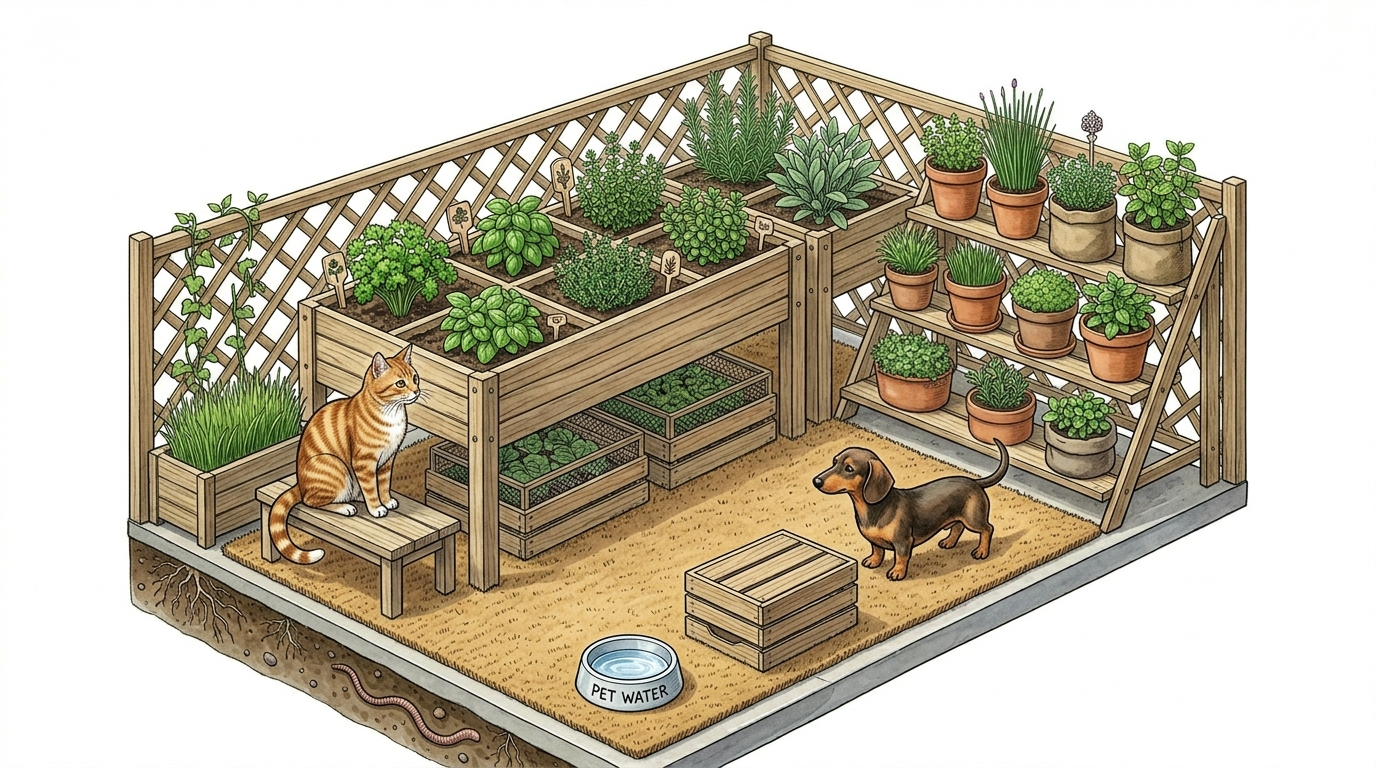
Pet-Safe Herb Gardens for Balconies and Beds
Learn how to create a pet-safe herb garden with suitable herbs, thoughtful layouts, and practical maintenance strategies.
Guide
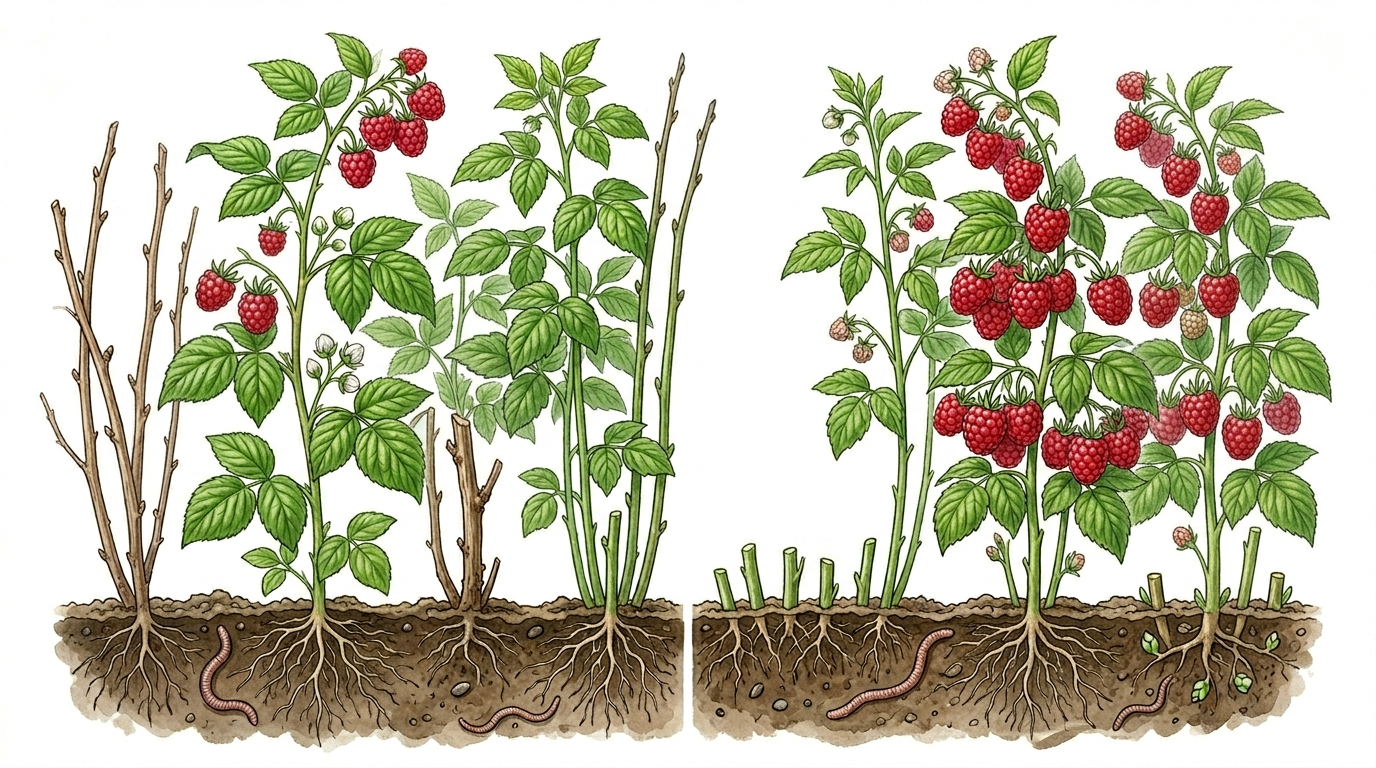
Pruning Raspberries: Summer and Autumn Types
Learn how to prune raspberries correctly by understanding the differences between summer-bearing and autumn-bearing types.
Guide
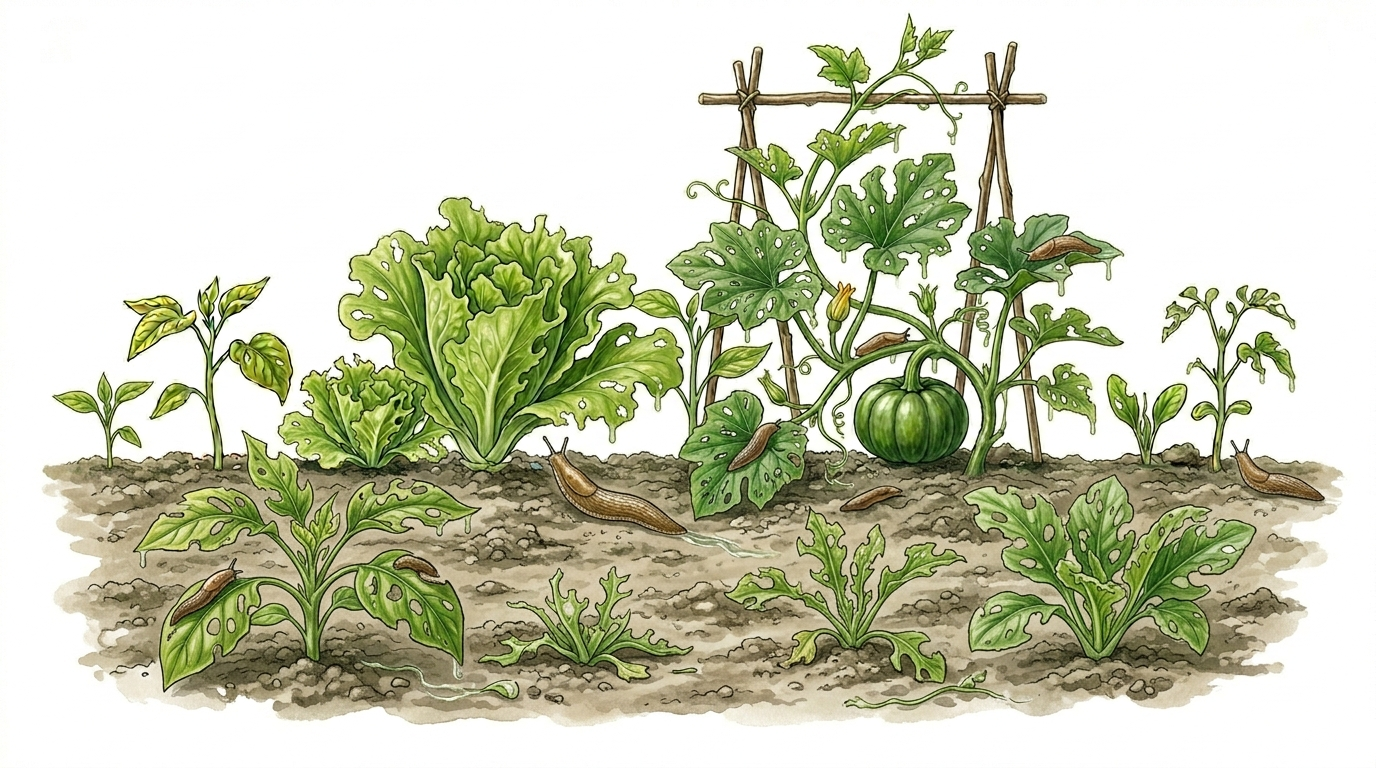
Slugs in Vegetable Beds: Protecting Vulnerable Plants
Learn how to protect vegetables from slugs, recognize feeding damage early, and plan beds to reduce slug pressure.
Similar topics
FAQ
What causes Iron deficiency?
High soil pH (alkaline)