Guide
Toxic Garden Plants for Cats: Safer Planning
Cats explore gardens in their own way: they move through beds, sometimes nibble plants, and rest in warm, sheltered spots. By knowing which plants or plant parts are risky and planning the garden carefully, you can reduce hazards without giving up vegetables, herbs, or ornamentals.
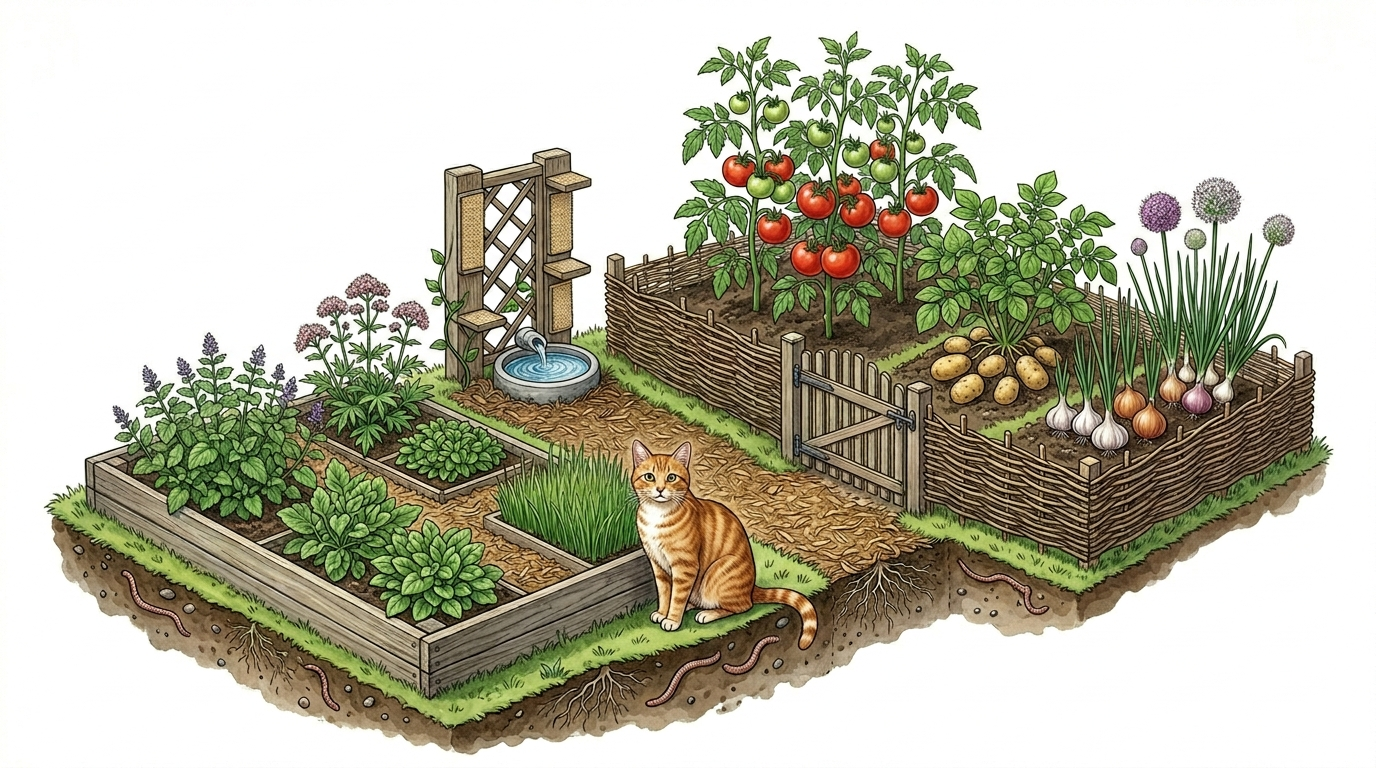
Why some garden plants are risky for cats
Not every problematic plant is dangerous in the same way. Risk depends on the plant species, plant part, amount eaten, plant condition, and the individual cat. Young, curious, or bored cats are more likely to nibble plants than experienced outdoor cats.
- leaves, stems, tubers, bulbs, seeds, and unripe fruit may carry different levels of concern
- cuttings and wilted plant parts are often easier for cats to reach than standing plants
- container plants on patios or balconies are more likely to be investigated closely
- if poisoning is suspected, quick action matters more than waiting
Common risky plants in edible gardens
Even edible garden plants can have parts that are unsuitable for cats. It is especially important to distinguish between edible harvest parts for people and plant parts pets should not eat.
- tomato: keep green plant parts and unripe fruit away from cats
- potato: store foliage, sprouts, green parts, and raw tubers safely
- onion, garlic, and leek: not suitable as cat food and cuttings should be removed
- rhubarb: do not leave leaves or larger plant parts accessible
Planning safer garden areas
Plan the garden so that especially risky plants are not placed directly beside favorite paths, resting spots, or cat flaps. The easier it is for a cat to reach leaves, cuttings, or pots, the higher the practical risk.
- 1
Observe cat routes
Check where your cat walks, rests, climbs, and jumps into beds.
- 2
Map risky plants
Identify plants with problematic parts, such as nightshades, alliums, or rhubarb.
- 3
Create distance
Avoid placing risky plants directly next to resting spots, water bowls, or cat grass.
- 4
Limit access
Use raised beds, covers, planting rings, or protected areas if cats nibble heavily.
- 5
Remove cuttings immediately
Clear away leaves, stems, tuber scraps, and wilted plant parts right away.
Pots, balconies, and patios
On balconies and patios, contact is often closer than in garden beds. Cats sit beside containers, dig in soil, or nibble hanging shoots. Especially risky plants should therefore be placed with care.
- do not place pots with risky plants directly beside resting spots
- trim overhanging shoots regularly
- keep saucers with irrigation water clean
- place overwintered pots out of cats' reach
- offer cat grass or safer nibbling plants separately
Harvest, storage, and kitchen scraps
Many risks appear after harvest rather than on the growing plant. Raw potatoes, onion skins, garlic scraps, tomato foliage, or rhubarb leaves should not be left where cats can reach them.
- do not leave harvest crates unattended within reach of cats
- store potatoes in a dark, cool, cat-safe place
- dispose of onion and leek scraps immediately
- remove tomato foliage after pruning side shoots
- secure compost so cats cannot reach fresh problematic scraps
Warning signs and emergencies
If a cat has eaten a risky plant or shows unclear symptoms, seek veterinary advice. Do not try to treat the cat yourself or induce vomiting.
- possible warning signs include drooling, vomiting, diarrhea, tremors, weakness, or unusual behavior
- keep plant material or a photo of the plant ready for the veterinarian
- note the amount, time, and plant part as accurately as possible
- seek veterinary help immediately if symptoms are severe
Everyday care for a cat-safer garden
The best prevention combines plant knowledge with routine. Regular tidying, clear bed layouts, and safe storage reduce many common risks.
- check beds regularly for fallen plant parts
- keep seedlings and propagation trays away from cats
- do not feed cats kitchen scraps from allium plants
- check animal safety before buying new plants
- provide enrichment, shade, and fresh water
Frequently asked questions
Are tomato plants toxic to cats?
Green plant parts and unripe fruit are considered risky and should not be accessible to cats. Ripe tomatoes as food are different from the plant itself.
Can cats nibble onions or garlic?
No. Onions, garlic, and related allium plants do not belong in a cat's diet and should not be reachable as garden or kitchen scraps.
Do I need to remove every risky plant from my garden?
Not always. Safe placement, good maintenance, and consistent removal of cuttings may be enough. For cats that nibble heavily, avoiding certain plants may be better.
What should I do if my cat ate a toxic plant?
Contact a veterinarian or emergency veterinary service. Keep the plant part, a photo, amount, and time ready, and do not treat the cat yourself.
Internal links
Related plants
Guides
Related guides
Guide
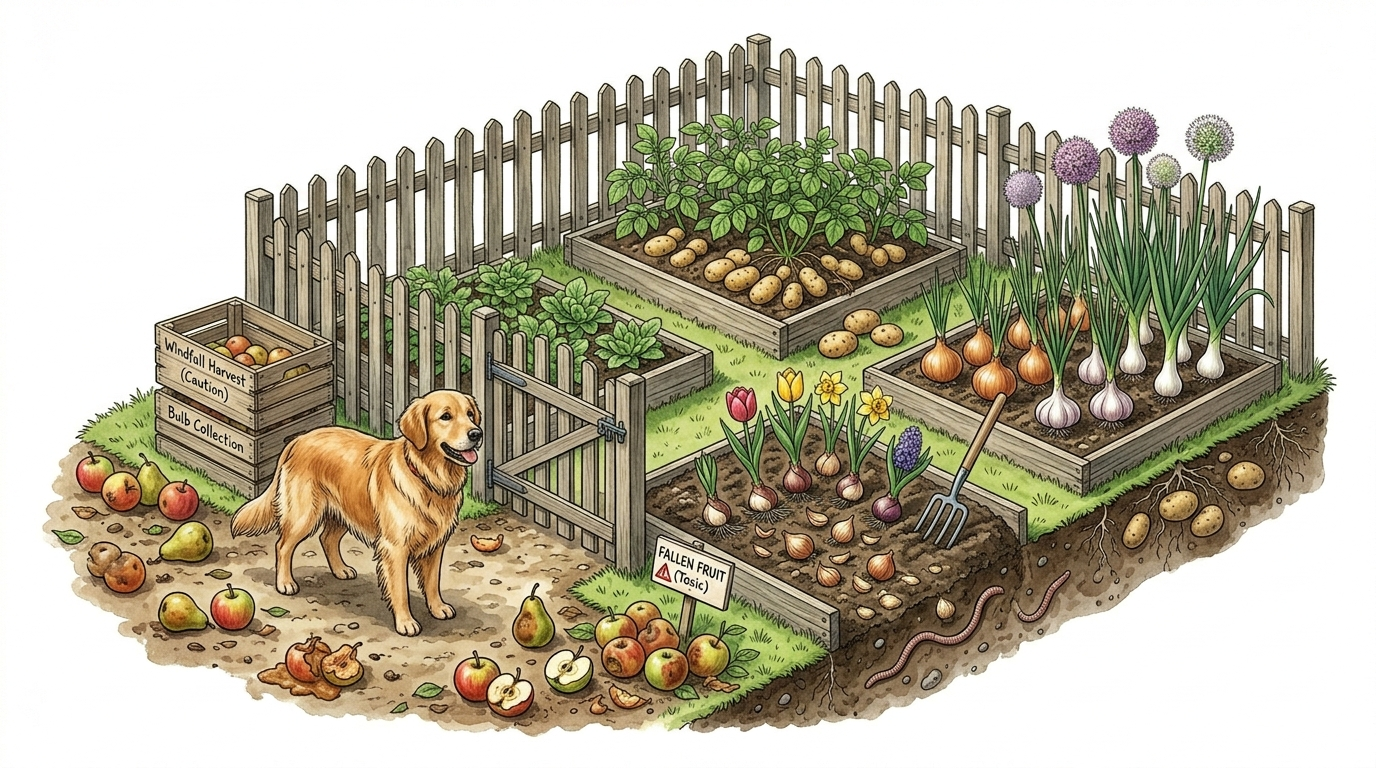
Dogs in the Garden: Windfall Fruit and Risks
Keep your garden dog-safe by managing windfall fruit, seeds, stored crops, and potentially problematic plant parts.
Guide
Horse Pastures and Garden Plants: Safety Checks
Learn how to identify risks near horse pastures, fences, turnout areas, fruit trees, and garden planting zones.
Guide
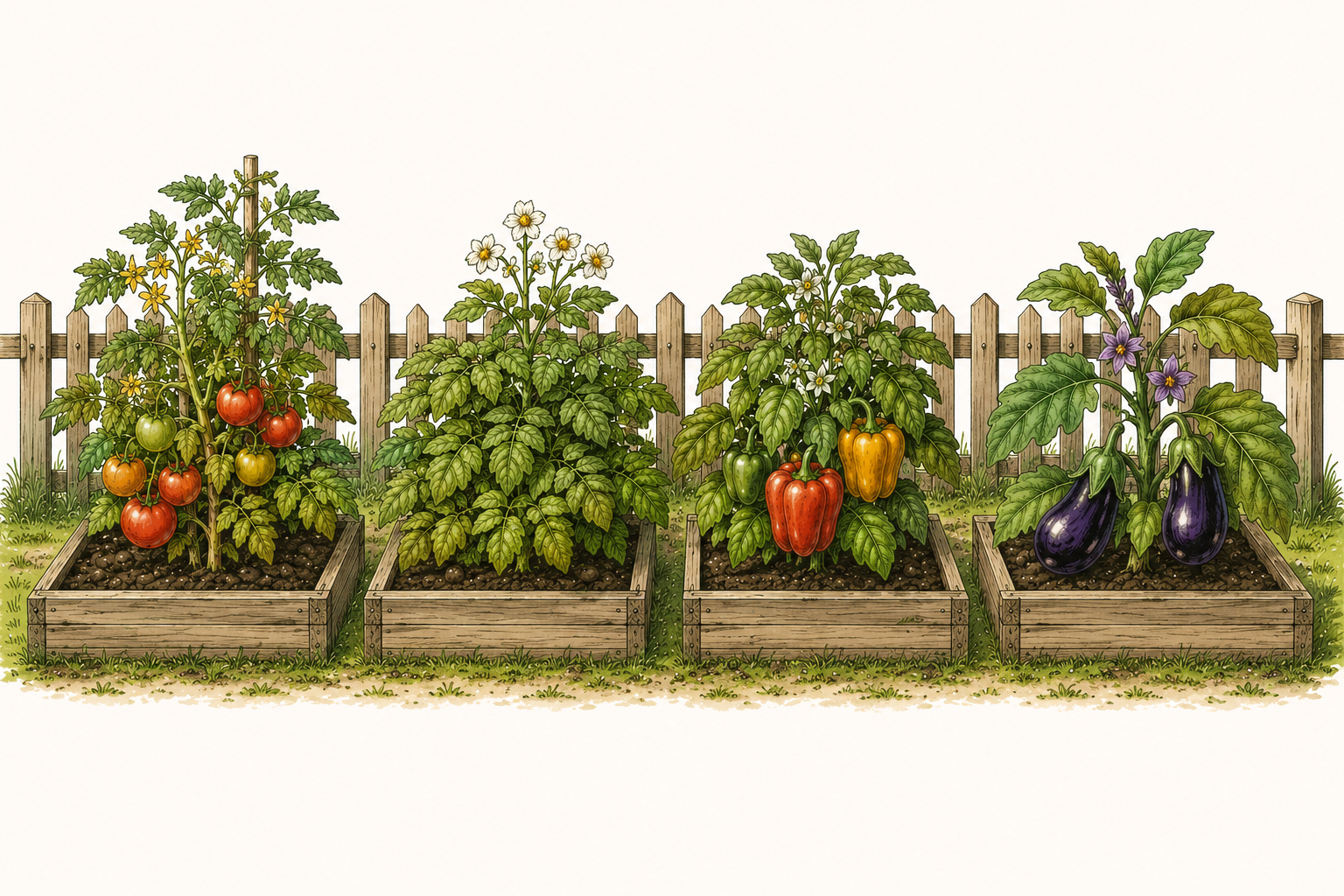
Pets and Nightshades: Tomatoes, Potatoes and More
Learn how to grow tomatoes, potatoes, peppers, and eggplants safely in pet-friendly gardens and understand plant-part risks.
Guide
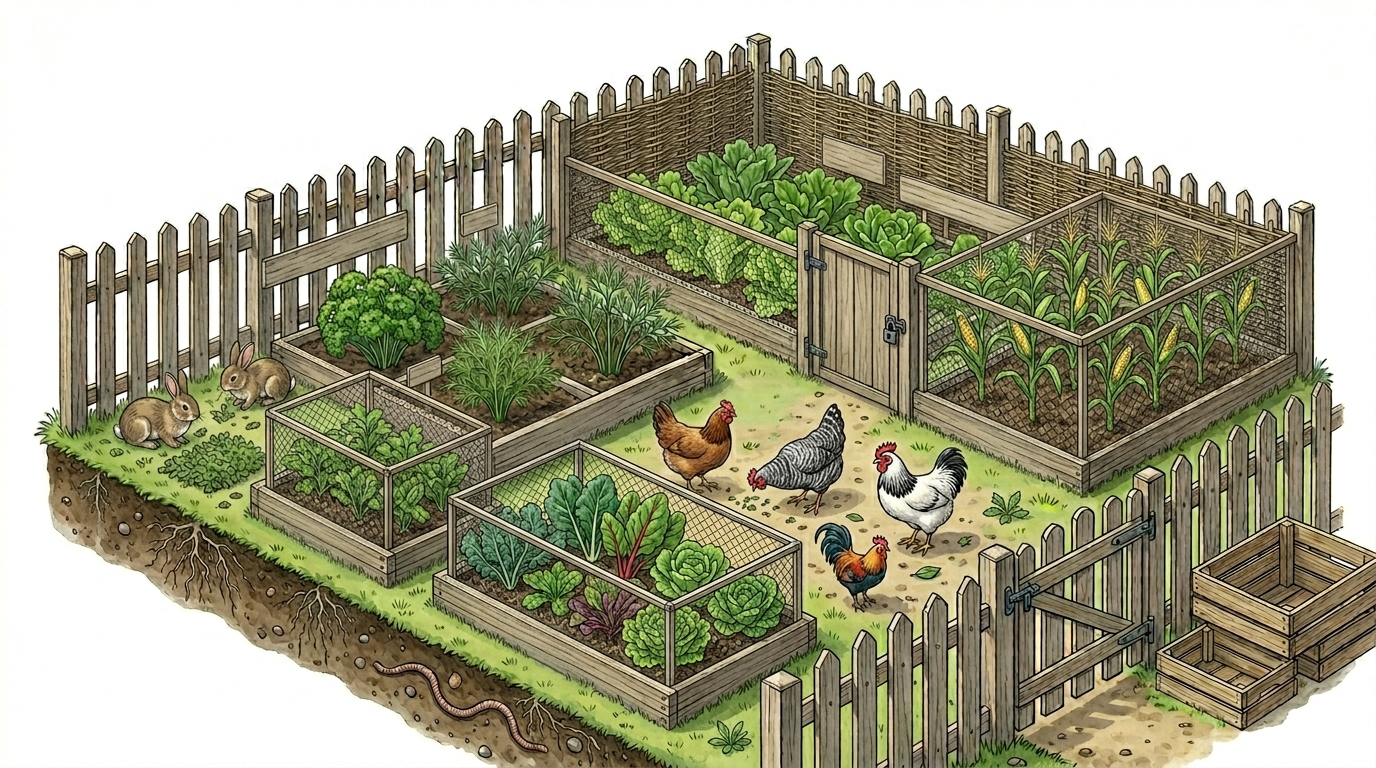
Chickens in the Garden: Safe Plants and Zones
Learn how to design a chicken-friendly garden with suitable plants, protected beds, and well-planned activity areas.