Deficiencies
Calcium deficiency
Identify Calcium deficiency: symptoms, possible causes, prevention, and practical actions for 15 affected plants. Stunted growth of young leaves
Editorial diagnosis
Diagnosis overview
Calcium deficiency is a deficiency pattern in which nutrient supply or uptake does not match the plant's needs.
In gardens, Calcium deficiency can occur on plants including Physalis peruviana, Apple, Eggplant, Common chicory. In the available profiles, it is linked mainly with Berries, Cabbages, Cucurbits.
The recorded risk level is medium.
Check whether young or older leaves react first, whether veins remain green, and whether the pattern is evenly distributed. Assess soil moisture, pH, and root condition at the same time. Record the most recent feeding and use a soil test for recurring or widespread deficiency patterns instead of applying several fertilisers on suspicion.
A common mistake is to fertilise immediately. Waterlogging, drought, cold soil, unsuitable pH, or damaged roots can block nutrient uptake.
At a glance
Plants
15
Category
Berries, Cabbages, Cucurbits, Fruit vegetables, Leafy vegetables
Risk
medium
Typical signs
- Stunted growth of young leaves
- Bitter pit in fruit
- Blossom end rot (dark, sunken spots at the blossom end of fruits)
- Dying leaf tips
- Wilting of shoot tips
- Tipburn (brown leaf margins in the lettuce heart)
- Pops (empty pods)
- Death of the youngest leaves in the heart of the plant
Immediate actions
- Application of calcium fertilizers (e.g., calcium sulfate, calcium nitrate)
- Calcium fertilizers (e.g., calcium nitrate) via foliar spray or soil application
- Balanced fertilization with calcium
- Ensure consistent water supply
- Boden mit Kalk oder Gesteinsmehl verbessern
- Water evenly
- apply agricultural lime if necessary
Prevention
- Sufficient calcium supply in the soil
- Adjust pH (6.0–7.5)
- Regular watering
- Regular lime applications for acidic soils
Affected plants
Guides
Related guides
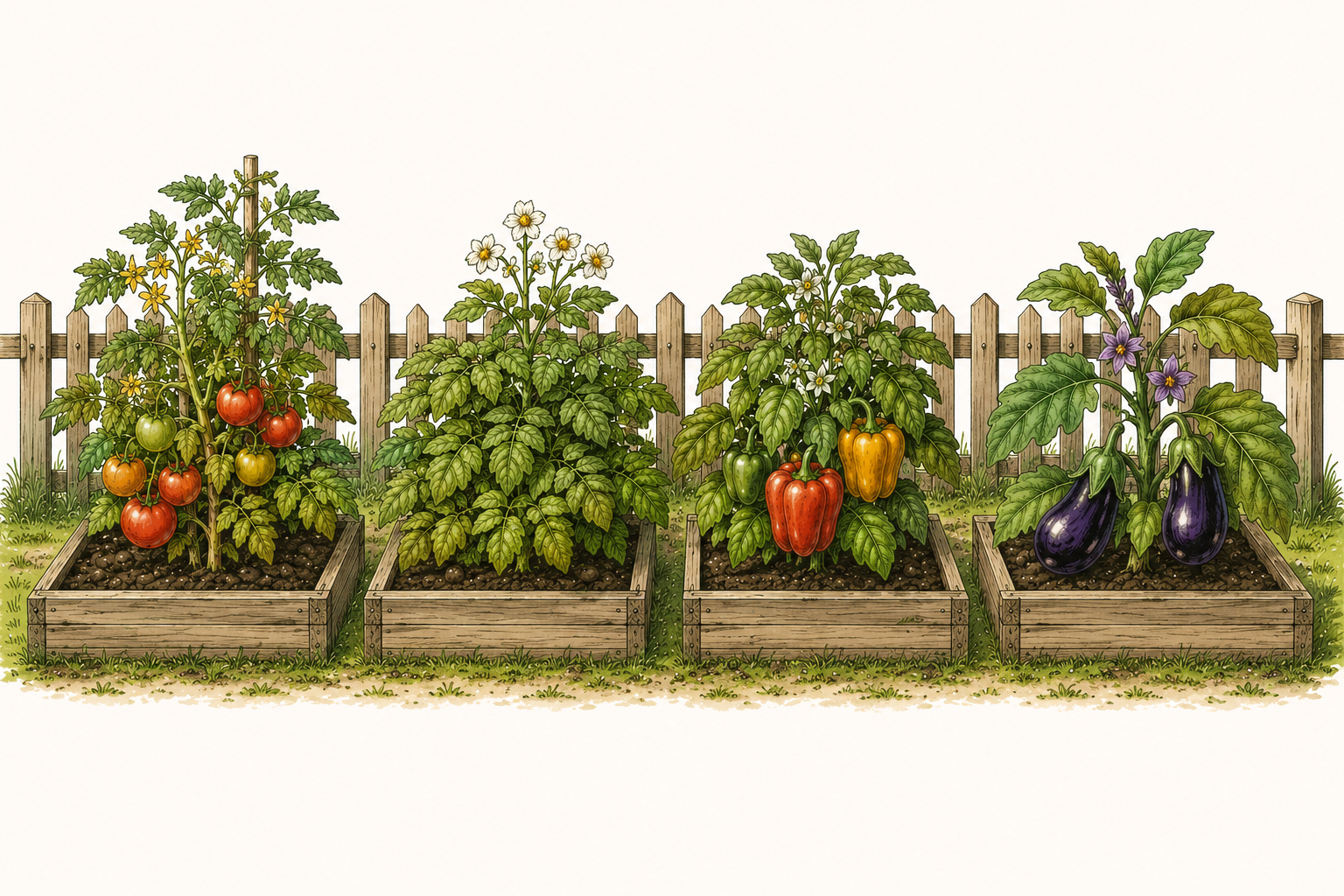
Guide
Pets and Nightshades: Tomatoes, Potatoes and More
Learn how to grow tomatoes, potatoes, peppers, and eggplants safely in pet-friendly gardens and understand plant-part risks.
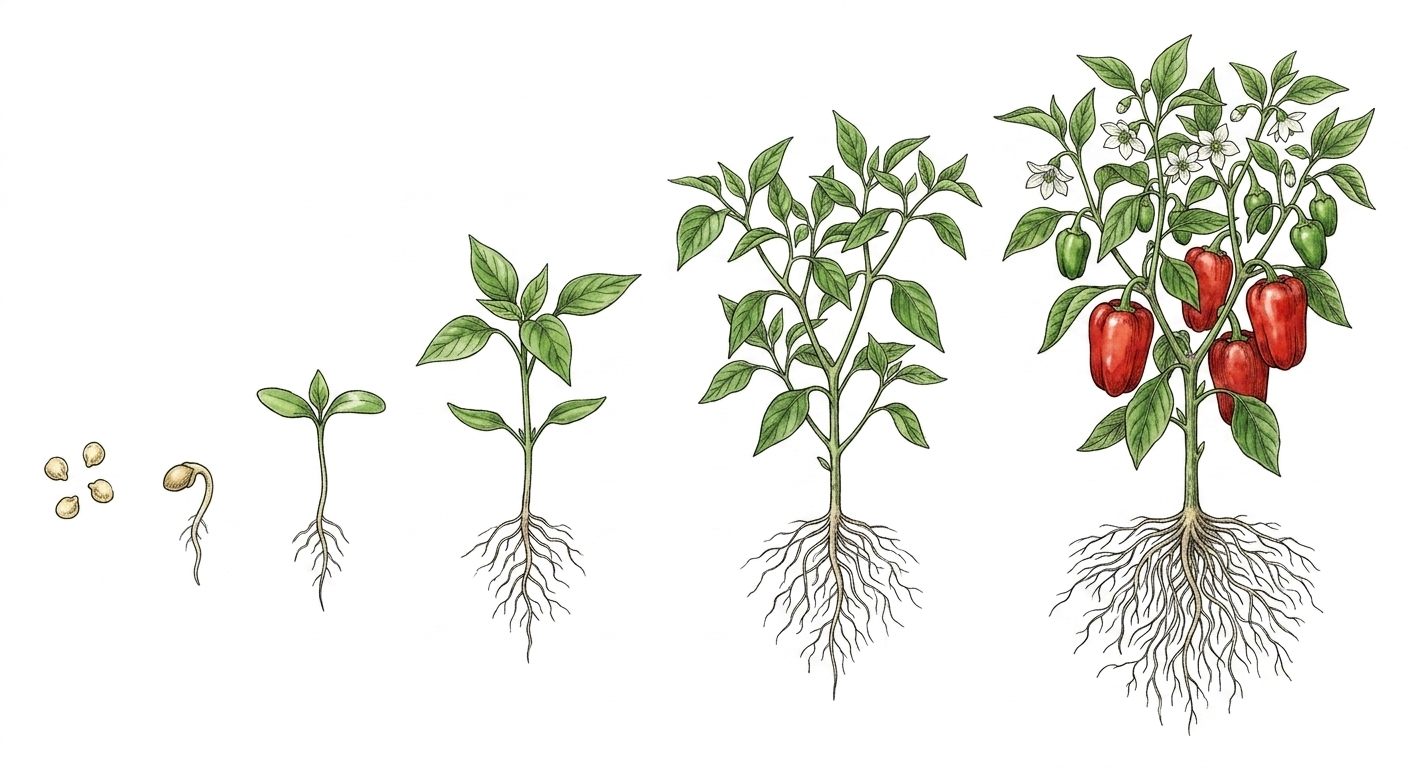
Guide
Starting Peppers and Chilies Indoors Successfully
Learn how to start peppers and chilies indoors with proper warmth, strong light, pricking out, and healthy seedling care.
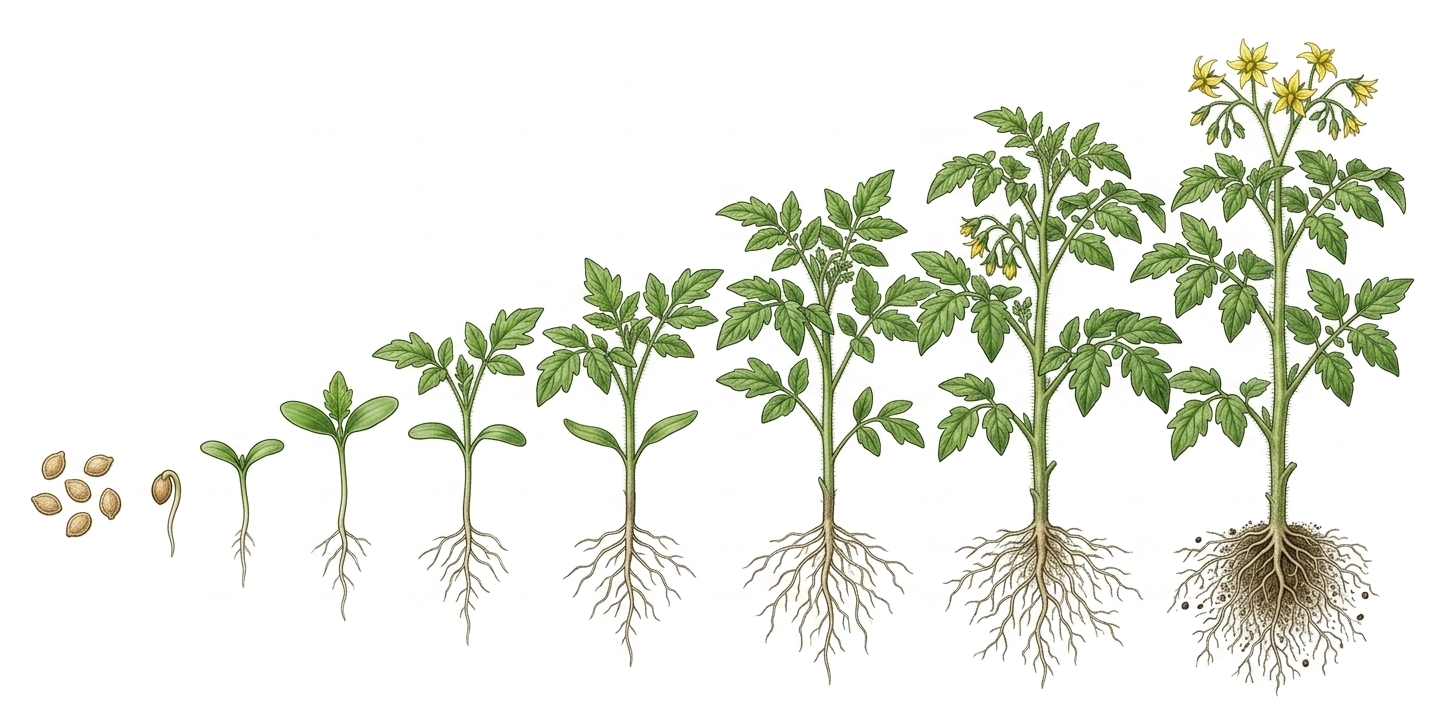
Guide
Starting Tomatoes Indoors: Light, Timing and Pricking Out
Start tomatoes indoors successfully with the right timing, warmth, strong light, pricking out, and care for healthy young plants.
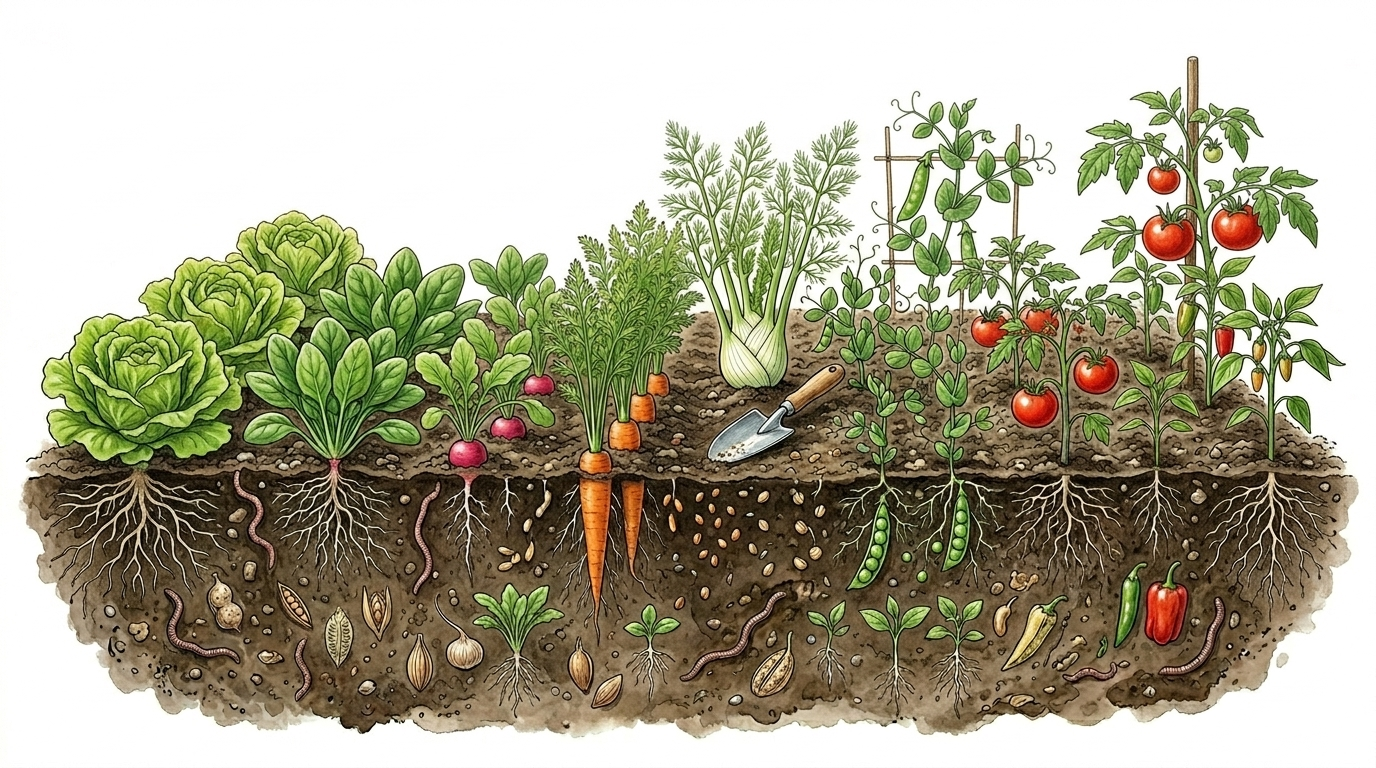
Guide
May Planting Calendar: Transplanting and Succession Sowing
What to plant and sow in May: transplant tender vegetables, continue succession sowing, and make the most of garden beds.
Guide
Companion Planting for Tomatoes: Good and Bad Neighbors
Learn which plants grow well with tomatoes, which neighbors to avoid, and how to plan productive mixed tomato beds.
Similar topics
FAQ
What causes Calcium deficiency?
Acidic soils