Guide
Rabbits in the Garden: Herbs and Vegetables
Many garden plants can be part of a varied rabbit diet. By choosing suitable herbs and leafy vegetables, introducing fresh plants gradually, and focusing on diversity, gardeners can safely combine food production with rabbit care.
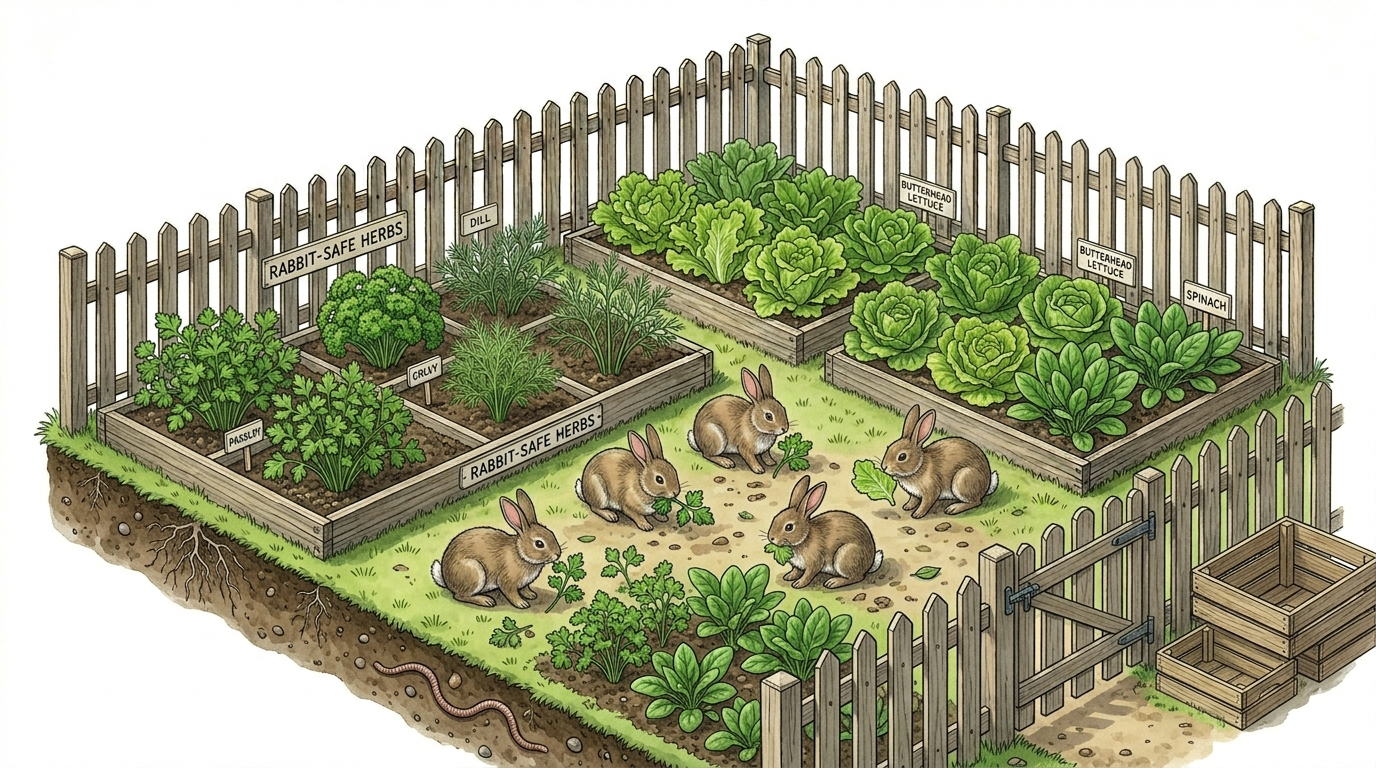
Basics of a rabbit-friendly garden
Rabbits benefit from a varied selection of plants. Rather than feeding large amounts of a single plant, a mix of herbs, leafy vegetables, and other suitable forage plants is usually the better approach.
- variety is more important than large amounts of one plant
- introduce fresh plants gradually
- use only healthy and clean plant material
- discard wilted or moldy plants
Suitable herbs for rabbits
Many culinary herbs can be grown in gardens or containers and offered as part of a varied diet. Herbs are generally fed in smaller quantities than leafy greens.
- parsley
- basil
- dill
- other suitable herbs depending on individual tolerance
- offer a variety of fresh herbs whenever possible
Leafy vegetables from the garden
Leafy vegetables are among the most popular home-grown rabbit foods. Fresh young leaves are often preferred over old or damaged foliage.
- lettuce
- spinach
- Swiss chard
- prefer fresh leaves
- clean dirty leaves before feeding
Creating a rabbit feeding bed
A dedicated feeding bed makes harvesting easier and allows suitable plants to be grown in one area. It also helps separate forage plants from ornamental plantings.
- 1
Choose a location
Select a sunny to partially shaded area with easy access.
- 2
Combine plants
Grow different herbs and leafy vegetables together for variety.
- 3
Sow regularly
Use staggered sowings to provide fresh harvests throughout the season.
- 4
Harvest carefully
Do not remove all leaves from a plant at once so it can continue growing.
- 5
Monitor plant health
Remove damaged or unhealthy plant parts regularly.
Growing herbs and vegetables in containers
Suitable feeding plants can also be grown on balconies, patios, and in small gardens. Many herbs perform especially well in containers.
- use containers with drainage holes
- water regularly
- harvest herbs multiple times
- replant or resow when needed
Harvesting and feeding safely
Plant quality is just as important as plant choice. Clean harvesting and proper storage help reduce avoidable risks.
- feed only fresh plant material
- discard moldy plants
- avoid leaving harvests in direct sun
- check plants for dirt and contamination
- feed freshly harvested material as soon as possible
Combining gardening and rabbit care
Rabbit owners can design gardens around their animals' needs. Dedicated forage areas, regular sowings, and careful plant selection help provide food throughout much of the growing season.
- group suitable feeding plants together
- label feeding beds
- plan harvest periods
- maintain variety throughout the season
- check animal safety before introducing new plants
Frequently asked questions
Which herbs are suitable for rabbits?
Common choices include parsley, basil, and dill. Variety and gradual introduction are important.
Can rabbits eat leafy vegetables from the garden?
Many rabbit keepers use plants such as lettuce, spinach, and Swiss chard as part of a varied diet.
Is a dedicated feeding bed worthwhile?
Yes. It makes growing, harvesting, and planning suitable forage plants much easier.
Why should new plants be introduced gradually?
A gradual introduction helps the digestive system adapt and makes it easier to spot individual tolerances.
Internal links
Related plants
Guides
Related guides
Guide
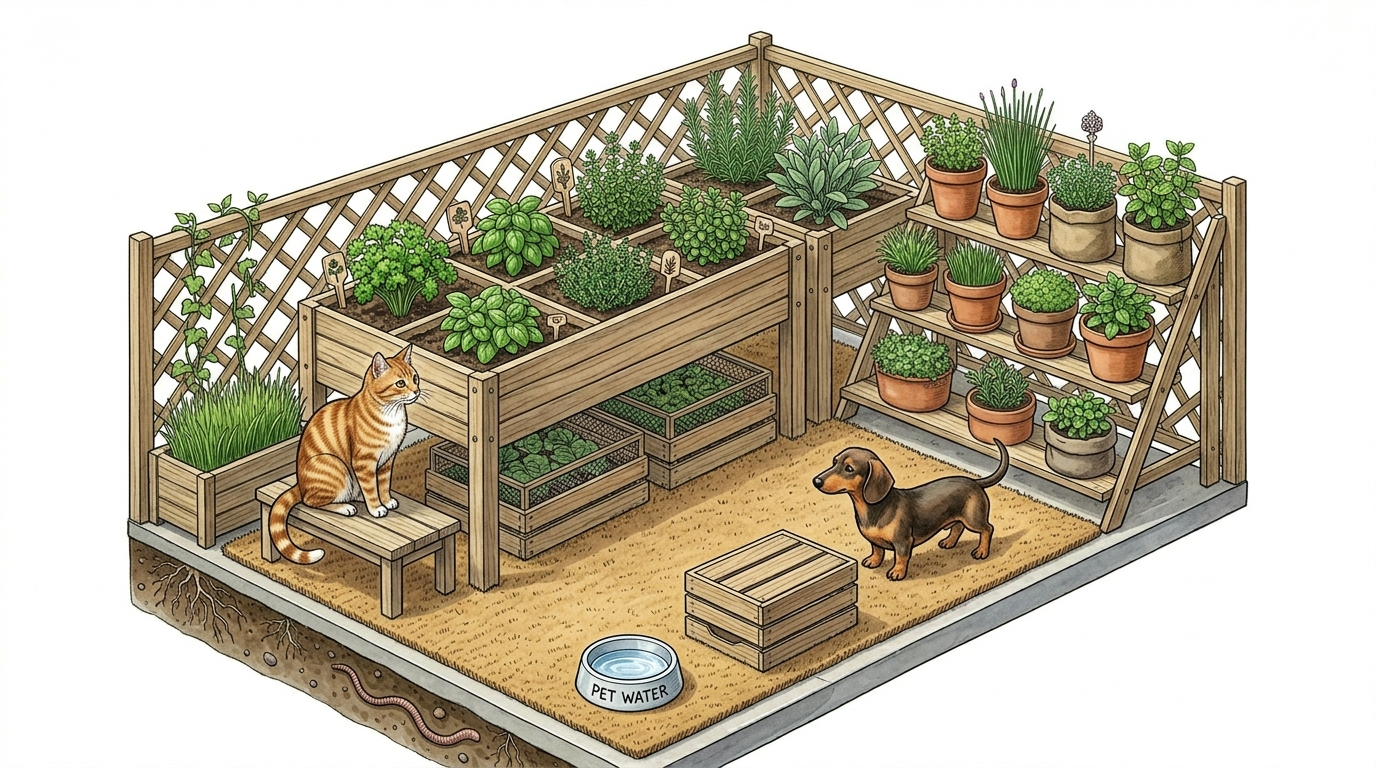
Pet-Safe Herb Gardens for Balconies and Beds
Learn how to create a pet-safe herb garden with suitable herbs, thoughtful layouts, and practical maintenance strategies.
Guide
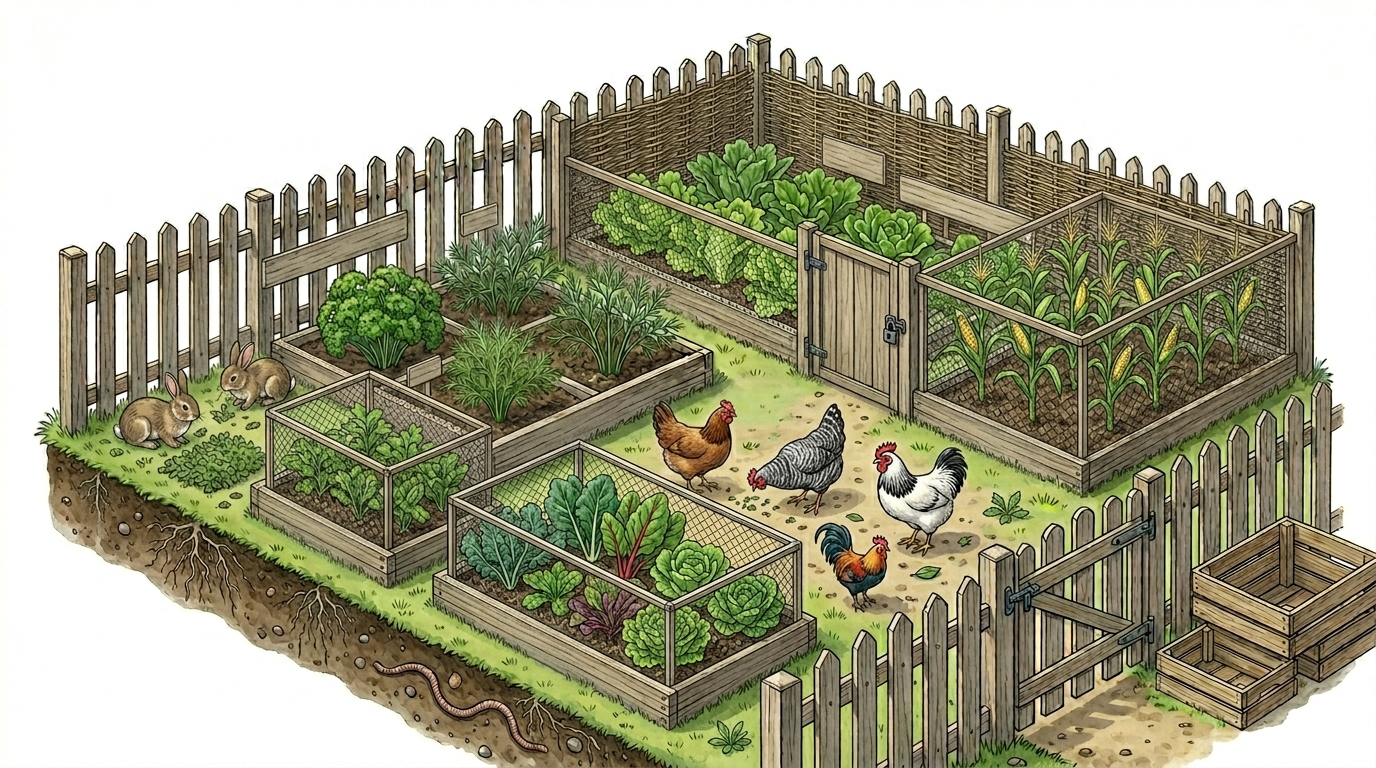
Chickens in the Garden: Safe Plants and Zones
Learn how to design a chicken-friendly garden with suitable plants, protected beds, and well-planned activity areas.
Guide
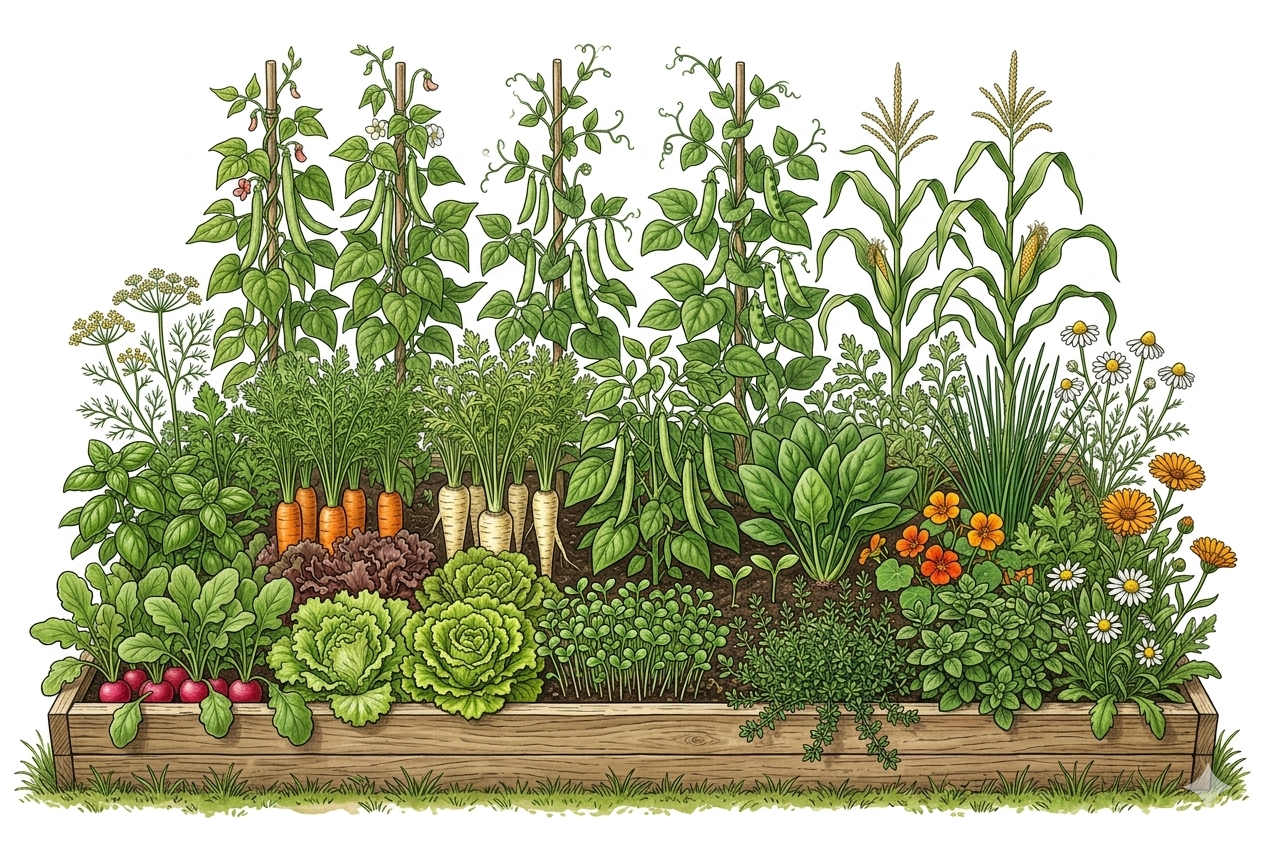
Small Garden Bed Planning: Combine 20 Crops Well
Use small beds efficiently by combining 20 vegetables and herbs, planning successions, and avoiding wasted gaps.
Guide
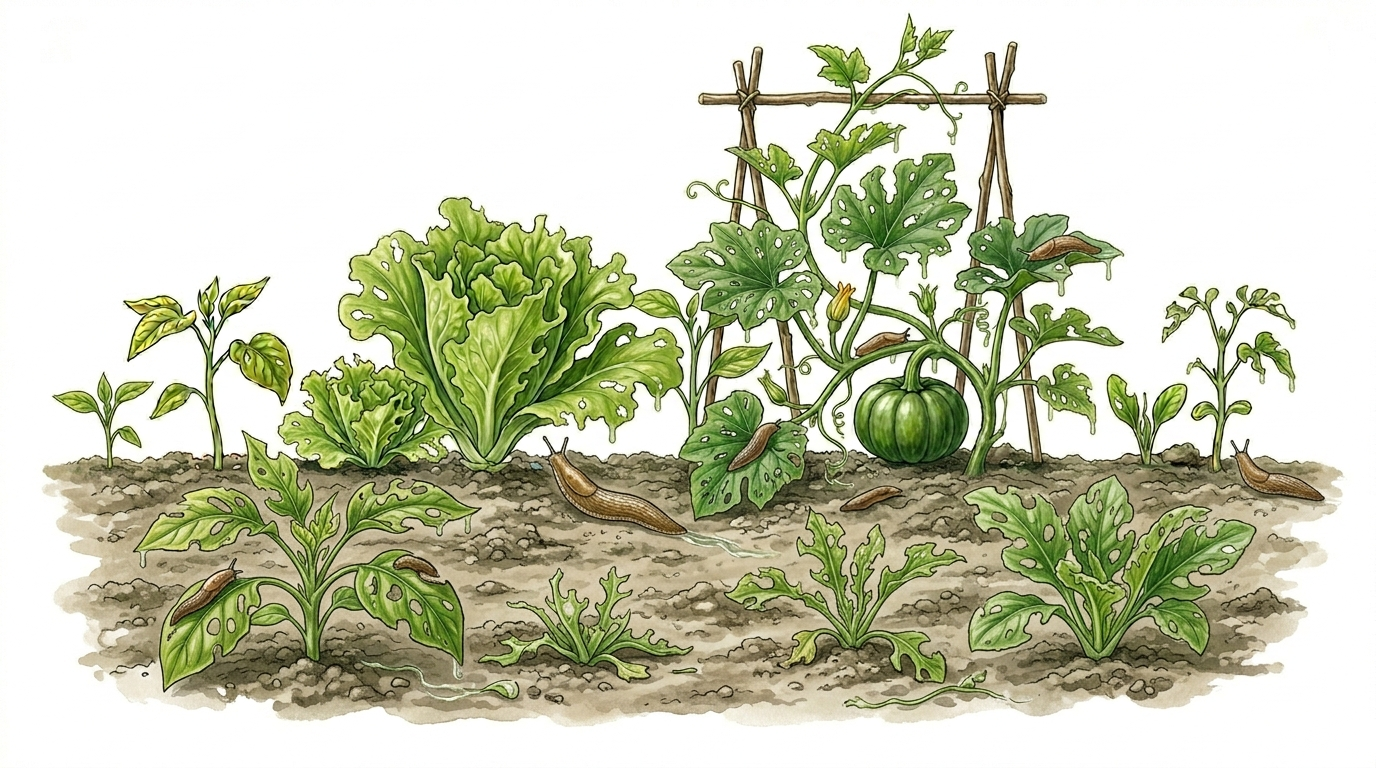
Slugs in Vegetable Beds: Protecting Vulnerable Plants
Learn how to protect vegetables from slugs, recognize feeding damage early, and plan beds to reduce slug pressure.