Animal safety

Dog: safe and risky garden plants

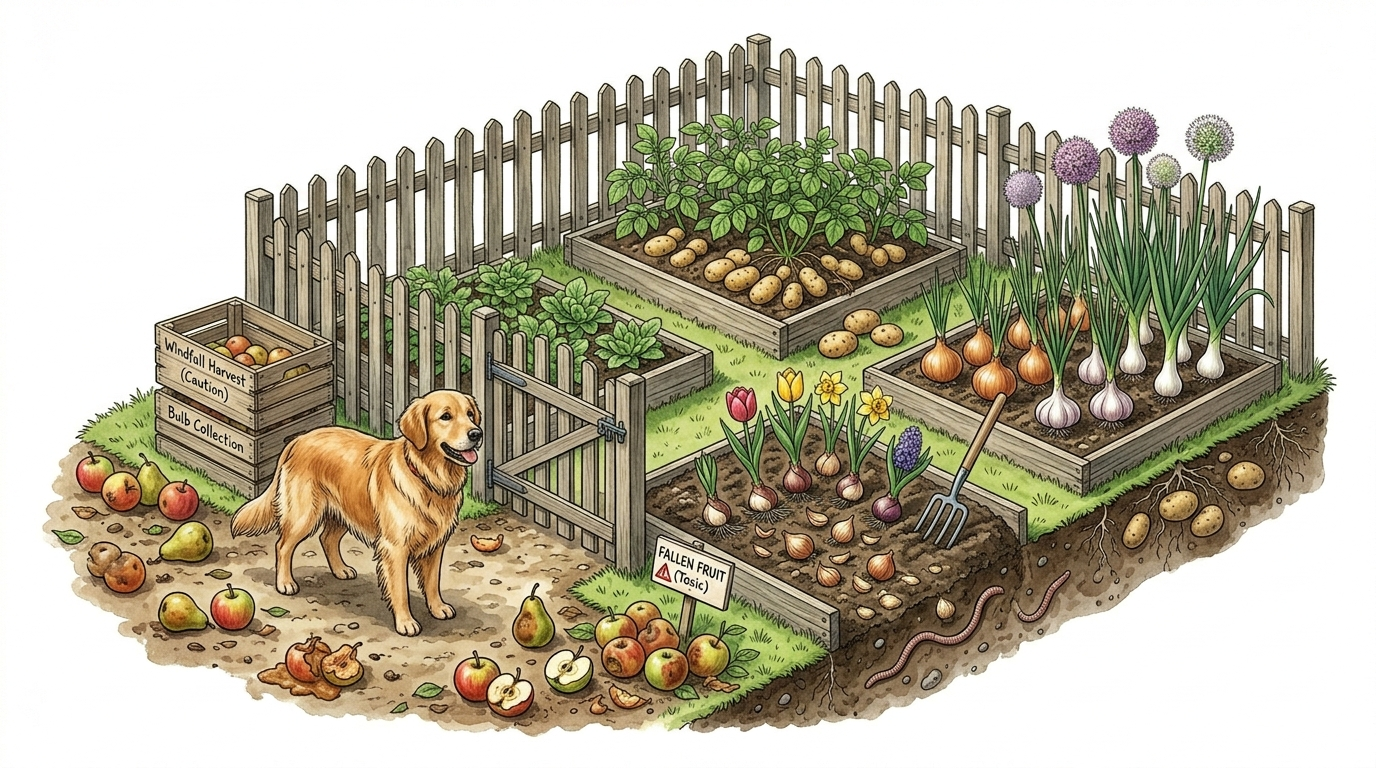
Dogs usually do not eat plants as a main food, but they may nibble leaves, grasses, fruit, and twigs out of curiosity, play, or boredom. Puppies and young dogs in particular often explore with their mouths and may pick up unsuitable plant parts.
Suitable 107Restricted 36Critical 23Unclear 14

Dog

Plant overview

All animals

Dog

Critical / do not feed

These plants should not be fed or need clear access control.
23 Plants

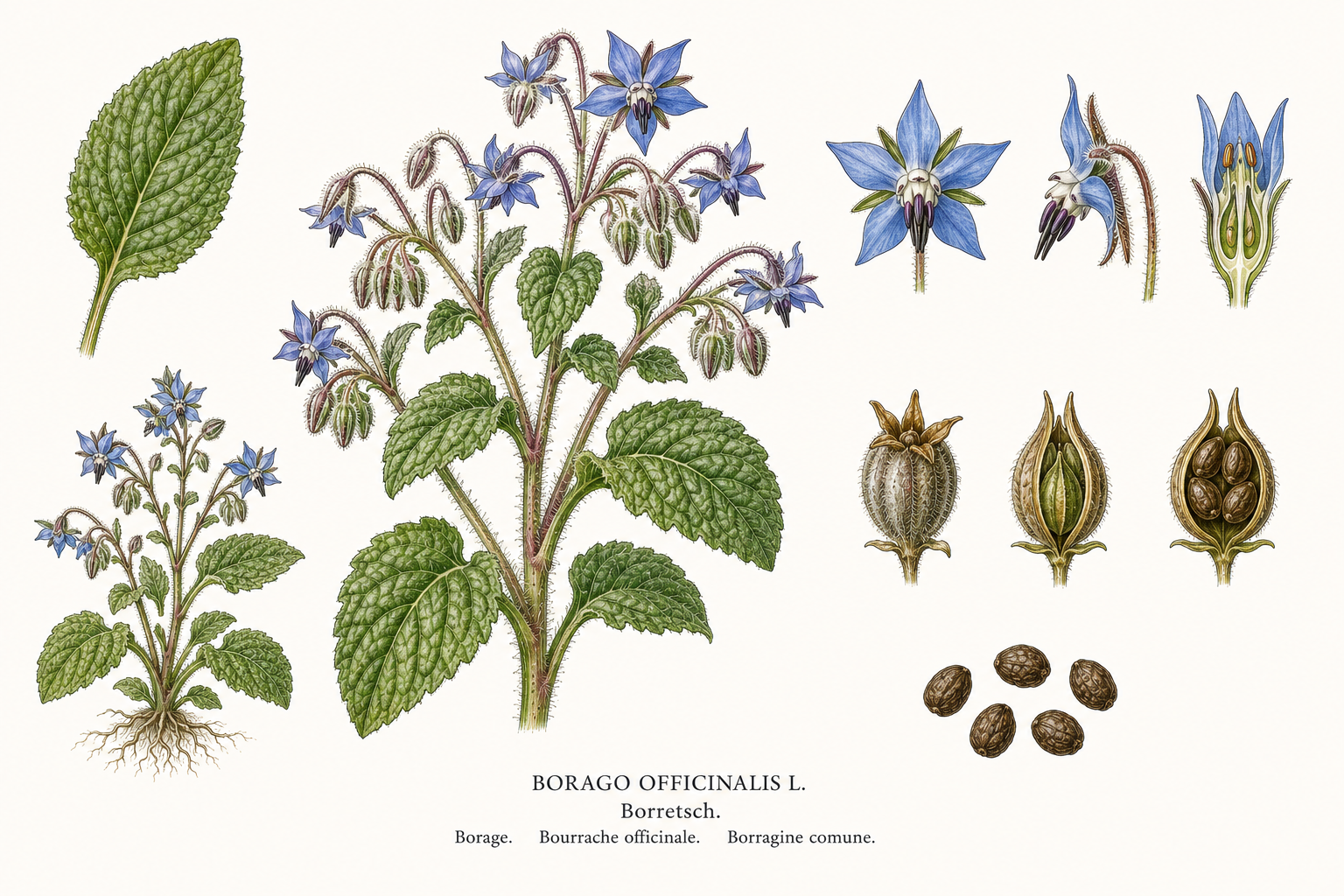
borage plant card: Herbs, borage family, Harvest May - September

Dog

borage

toxicRisk level 4 / 5contact a vet if symptoms appearhigh evidence

Borage contains pyrrolizidine alkaloids that can be hepatotoxic. While young leaves and flowers are considered edible in small amounts for humans, feeding to dogs is not recommended due to hepatotoxicity risk. Skin contact may cause irritation.

Risk parts: leaves, stems

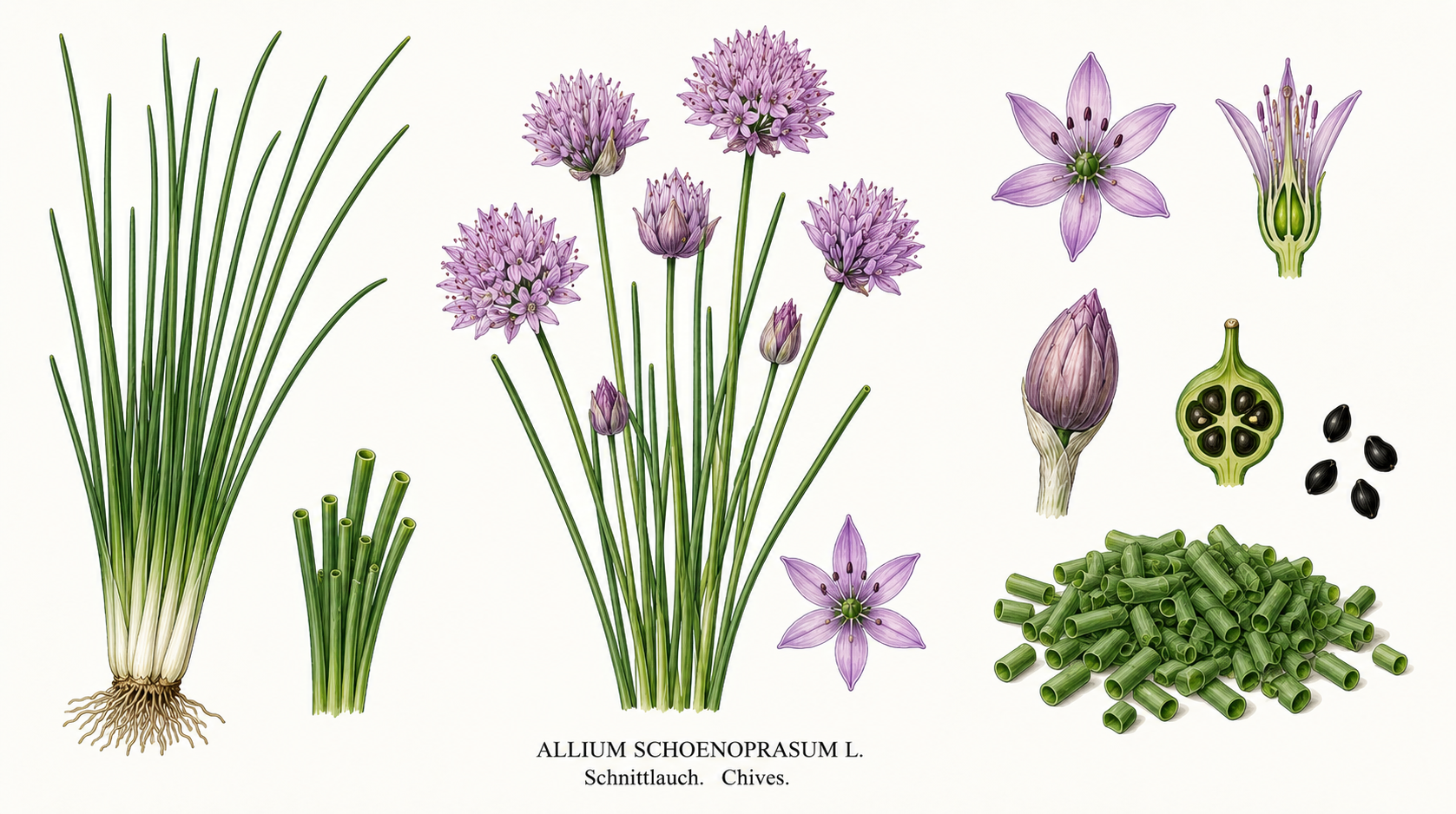
Chives plant card: Vegetables, Amaryllis family, Harvest April - November

Dog

Chives

toxicRisk level 4 / 5contact a vet if symptoms appearhigh evidence

Chives contain N-propyl disulfide, which can cause gastrointestinal irritation and hemolytic anemia in dogs. All plant parts are considered toxic. Even small amounts may cause symptoms in sensitive animals. Seek veterinary advice if ingestion is suspected.

Risk parts: Leaves, Flowers

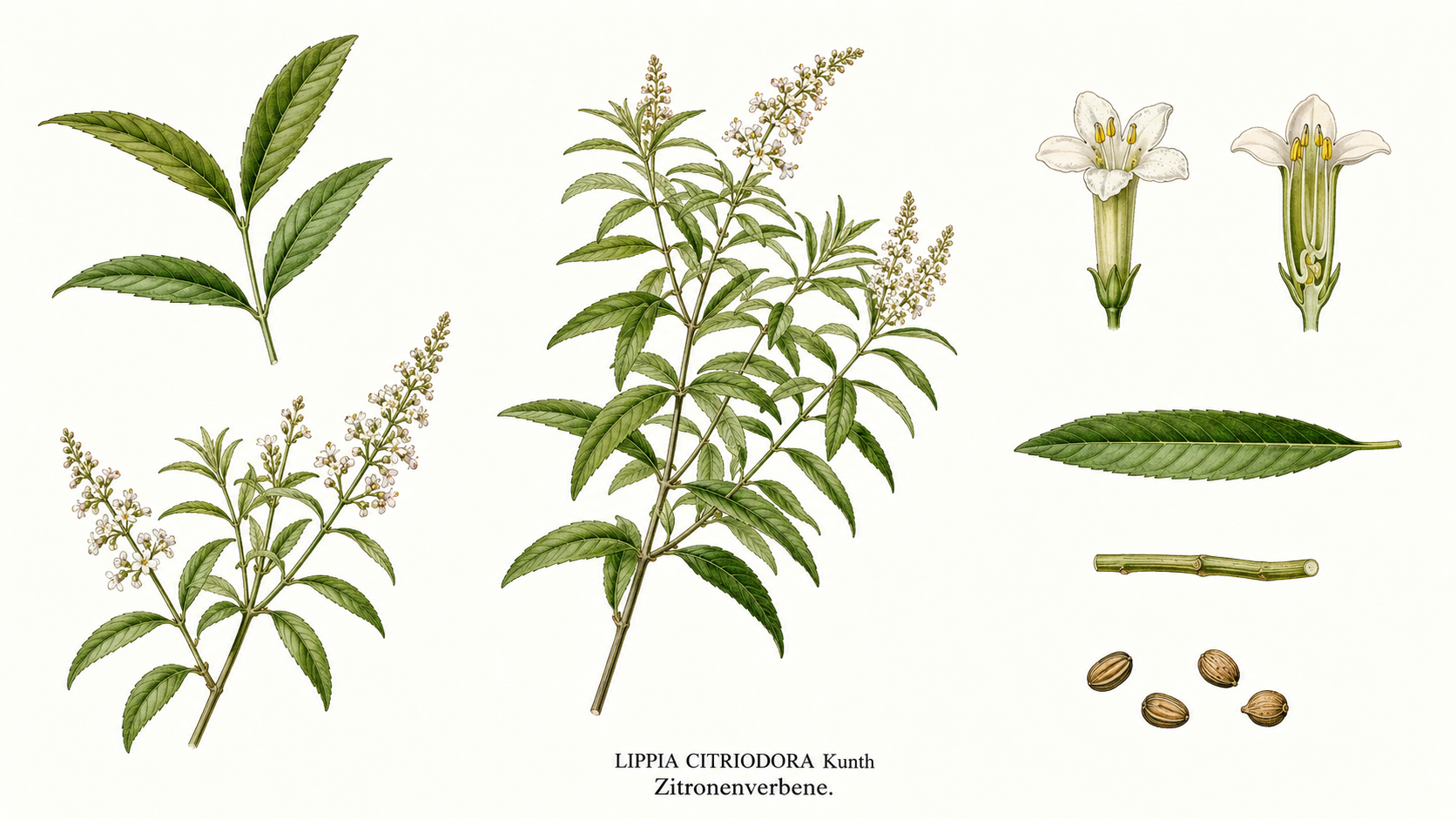
Lemon verbena plant card: Herbs, Verbena family, Harvest May - October

Dog

Lemon verbena

toxicRisk level 4 / 5contact a vet if symptoms appearhigh evidence

Lemon verbena contains essential oils that can cause gastrointestinal irritation in dogs. Small amounts used in cooking as flavoring are generally safe, but ingestion of plant parts is not recommended.

Risk parts: Leaves

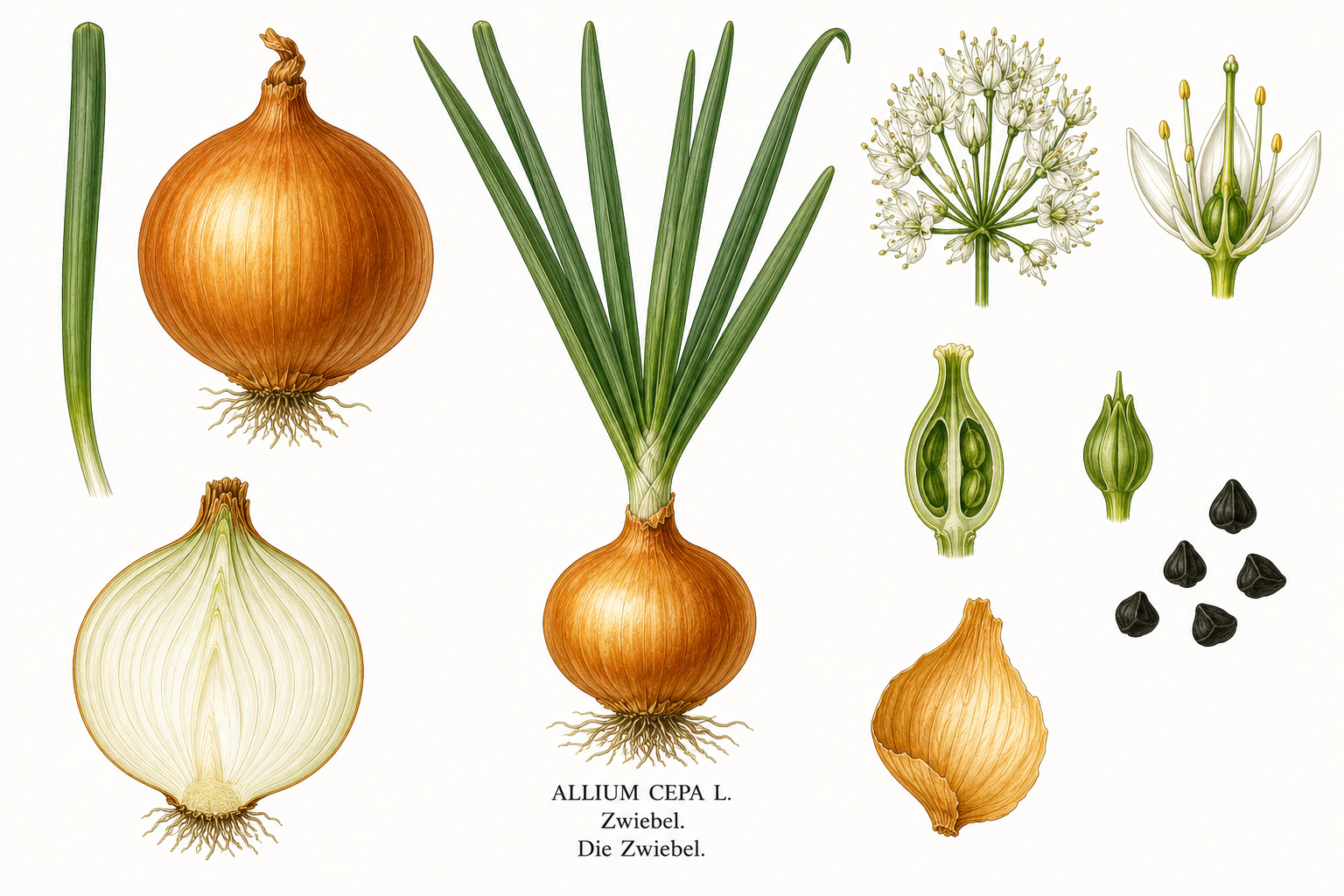
Onion plant card: Vegetables, Amaryllis family, Harvest July - September

Dog

Onion

toxicRisk level 4 / 5contact a vet if ingestedhigh evidence

Onion (Allium cepa) contains N-propyl disulfide, which can cause hemolytic anemia in dogs. All plant parts are toxic, including raw, cooked, and dried forms. Seek veterinary advice immediately if ingested.

Risk parts: Bulb, Green shoots (leaves), Flowers

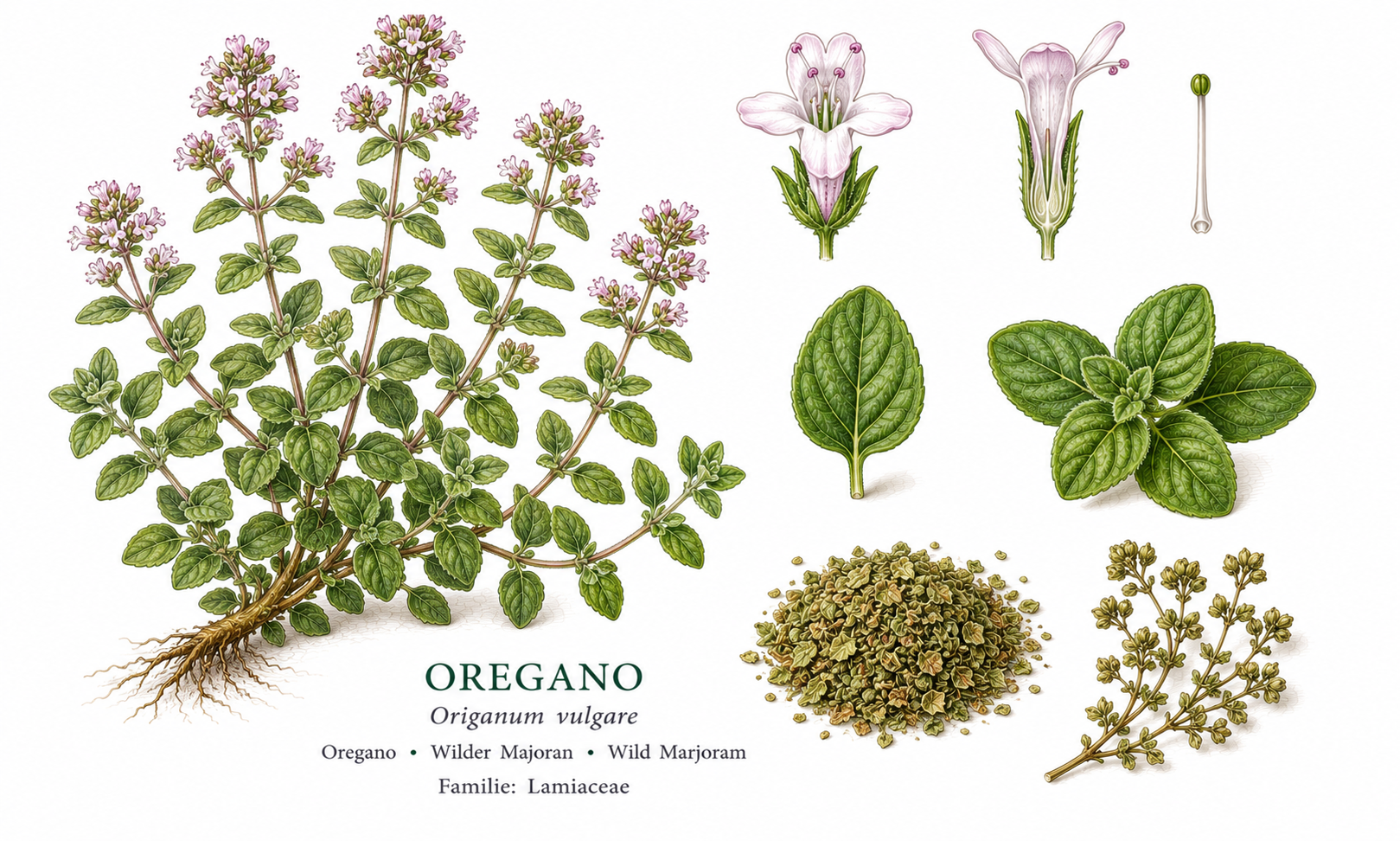
Oregano plant card: Herbs, Mint family, Harvest June - October

Dog

Oregano

toxicRisk level 4 / 5contact a vet if symptoms appearhigh evidence

Oregano contains essential oils that can cause gastrointestinal irritation in dogs. The leaves, flowers, and young shoot tips are considered toxic. Ingestion may lead to vomiting and diarrhea. If symptoms persist, a veterinarian should be consulted.

Risk parts: Leaves, Flowers, Young shoot tips

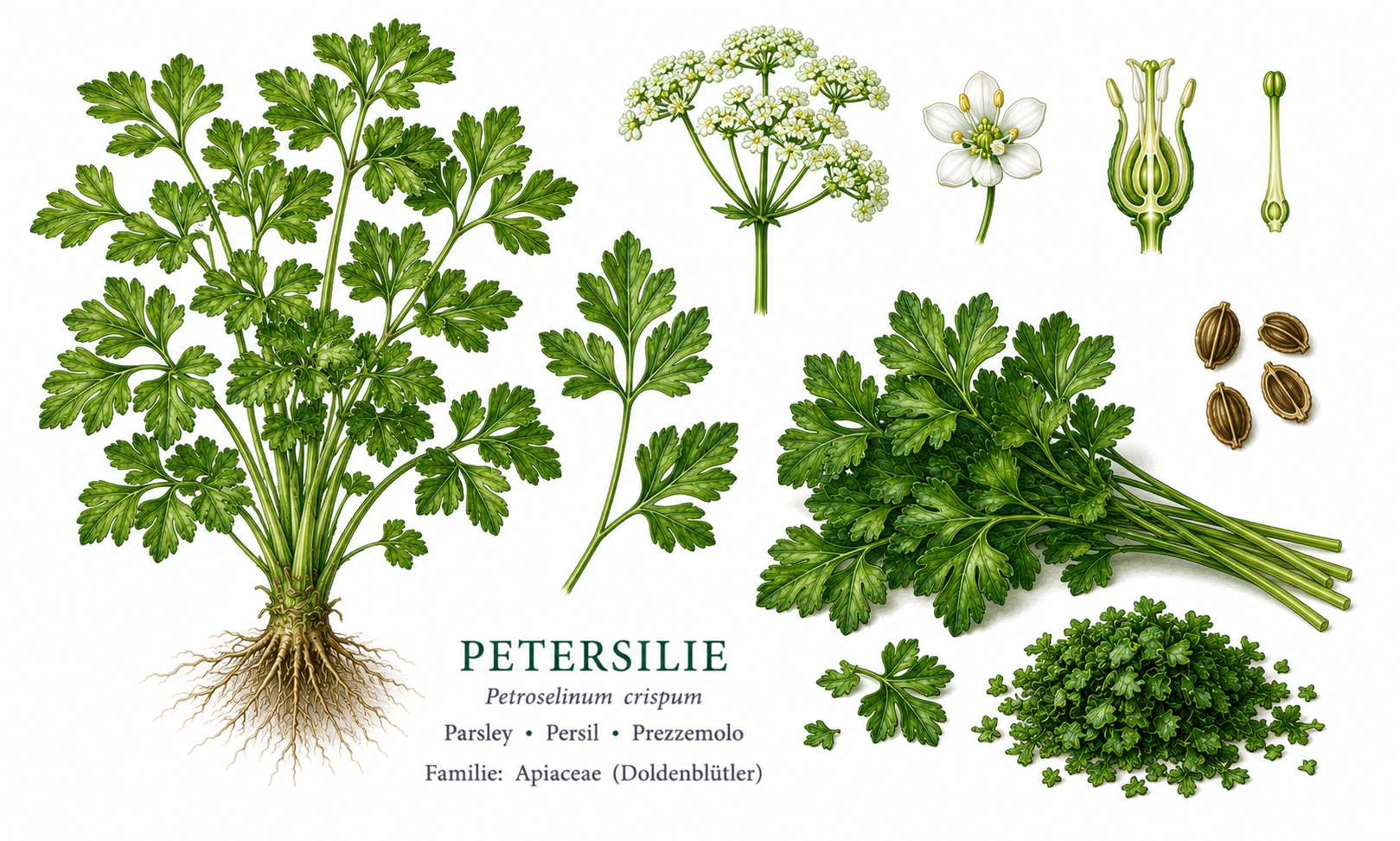
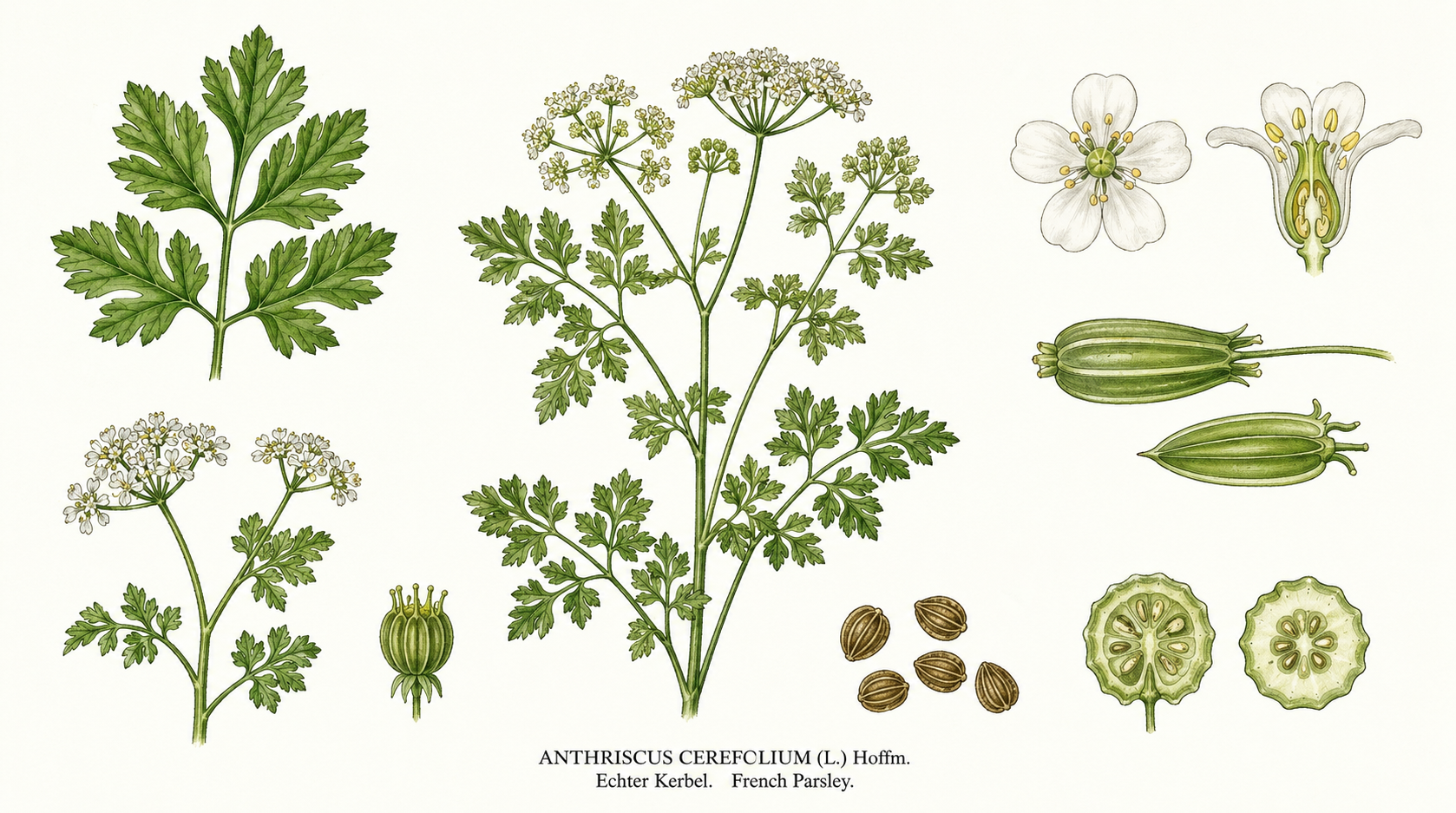
parsley plant card: Herbs, celery family, Harvest May - November

Dog

parsley

toxicRisk level 4 / 5contact a vet if ingestedhigh evidence

Large quantities are needed to cause this effect. Apiol content increases during the flowering stage.

Risk parts: Plant as a whole (especially during flowering stage)

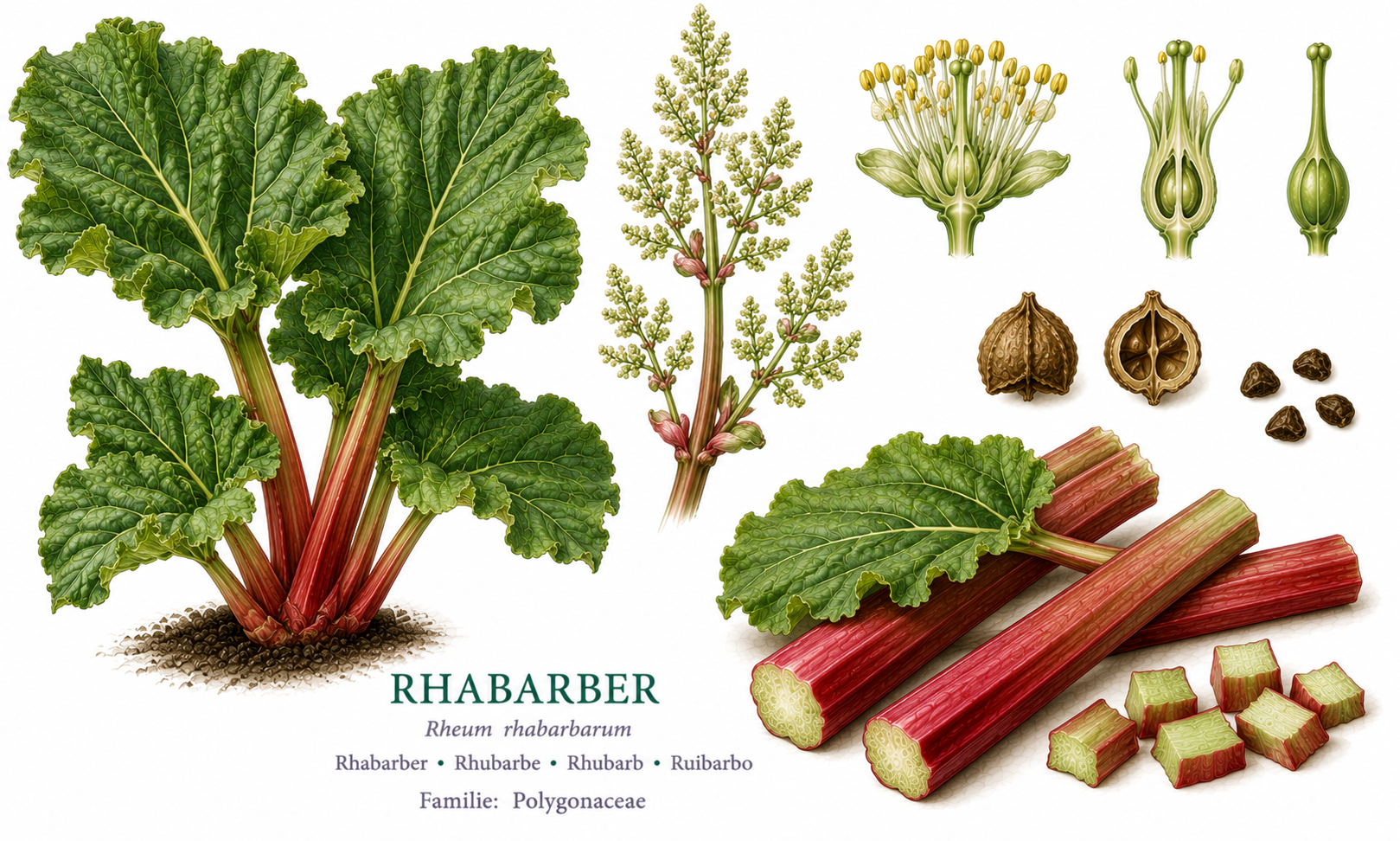
Rhubarb plant card: Vegetables, Buckwheat family, Harvest April - June

Dog

Rhubarb

toxicRisk level 4 / 5contact a vet if ingestedhigh evidence

Rhubarb leaves and rhizome contain soluble calcium oxalates, which are toxic to dogs. Leaf stalks may be consumed in very small amounts but also contain oxalates and are not suitable as feed.

Risk parts: Leaf blades, Rhizome/Rootstock

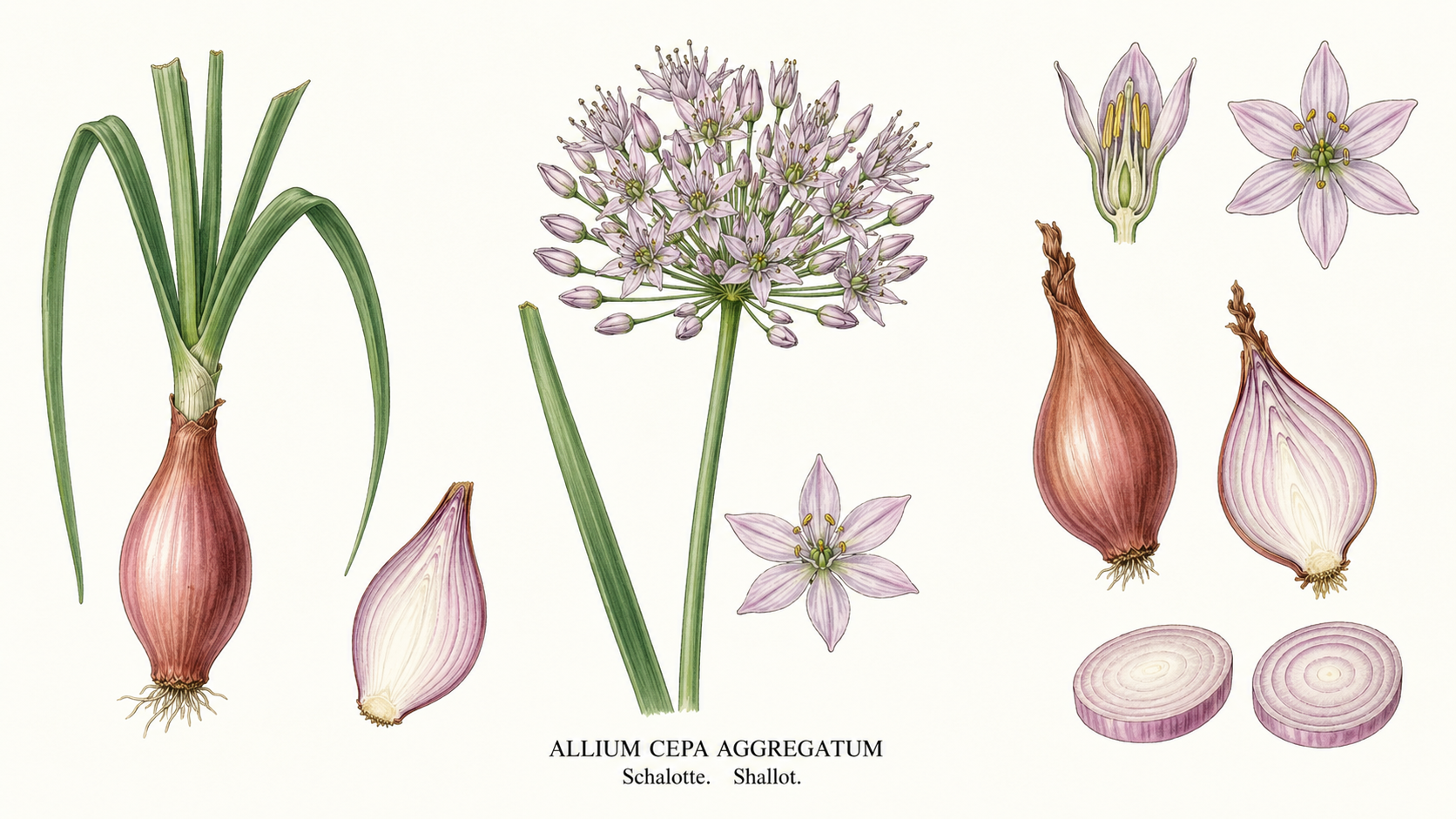
Shallot plant card: Vegetables, Amaryllis family, Harvest July - August

Dog

Shallot

toxicRisk level 4 / 5contact a vet if ingestedlow evidence

Shallots belong to the Allium genus and contain sulfur compounds such as disulfides and thiosulfates that can cause hemolytic anemia in dogs. Although specific studies on shallots in dogs are lacking, toxicity is likely due to chemical similarity to known toxic Allium species (onion, garlic). Even small amounts can cause gastrointestinal irritation; larger amounts lead to oxidative stress and hemolysis. No safe…

Risk parts: Bulb, Leaves

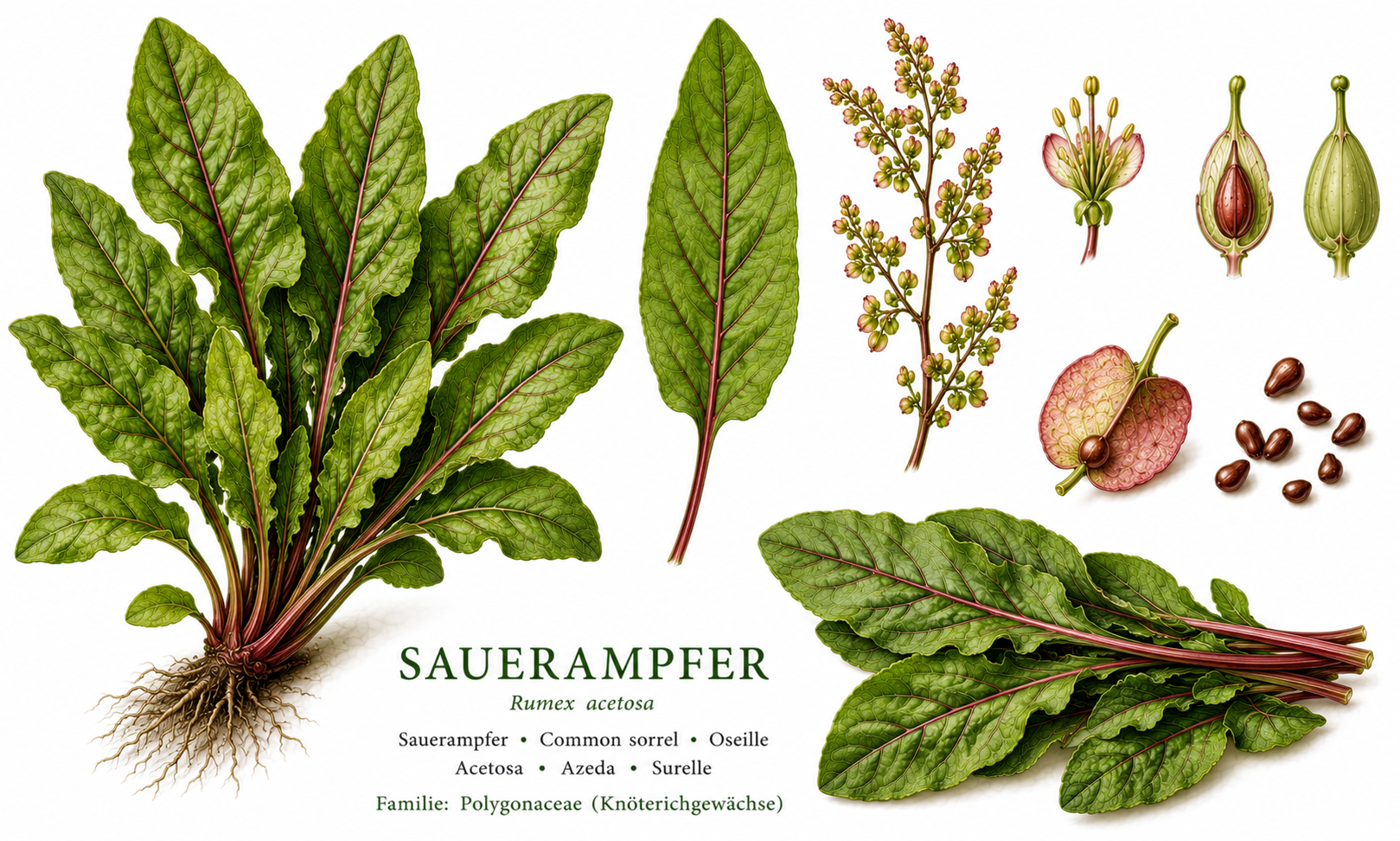
Sorrel plant card: Vegetables, Knotweed family, Harvest April - October

Dog

Sorrel

toxicRisk level 4 / 5contact a vet if ingestedhigh evidence

Sorrel contains soluble oxalates, which are toxic to dogs. Small amounts typically cause gastrointestinal upset; very large amounts can lead to weakness, muscle fasciculations, seizures, and secondary renal injury. No parts are considered safe for canine consumption.

Risk parts: leaves, stems

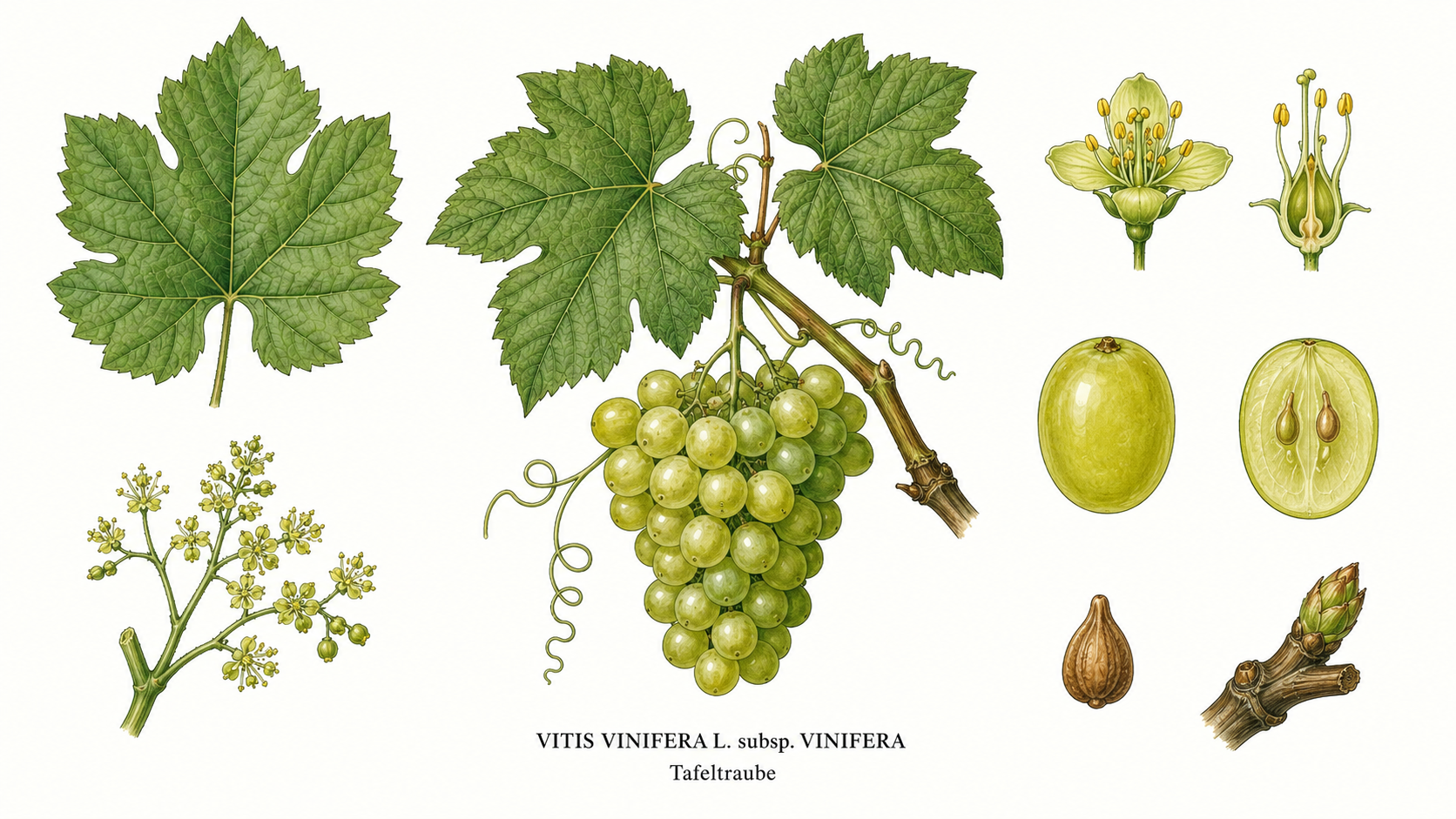
table grape plant card: Fruit, Grape family, Harvest August - October

Dog

table grape

toxicRisk level 4 / 5emergency vet immediatelymedium evidence

Table grapes (wine grapes) are toxic to dogs and can cause acute kidney failure. The exact toxic substance is unknown, but the danger is well documented. All parts of the fruit should be considered toxic.

Risk parts: Fruit (berries)

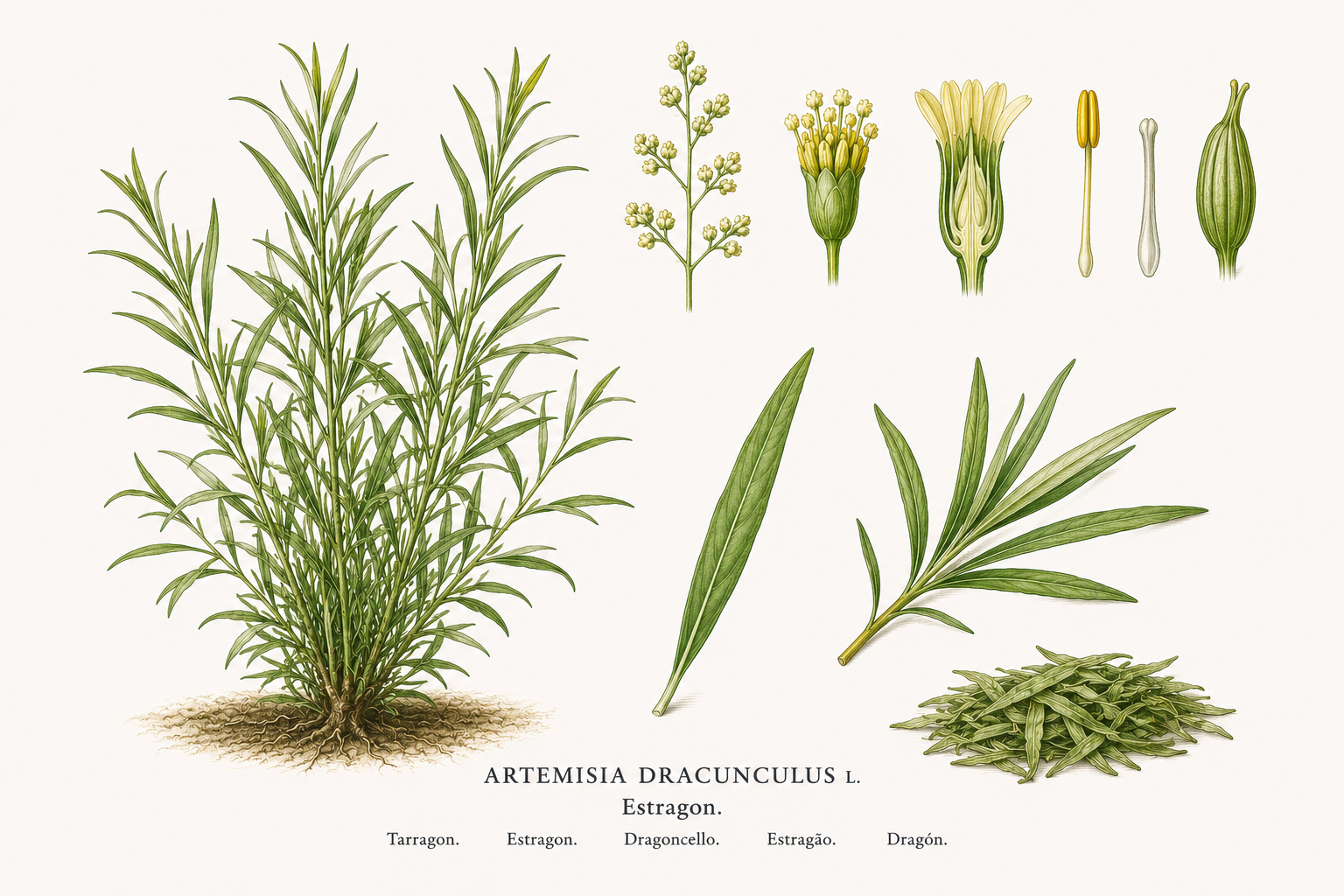
tarragon plant card: Herbs, Daisy family, Harvest May - October

Dog

tarragon

toxicRisk level 4 / 5contact a vet if ingestedhigh evidence

Tarragon contains essential oils and estragole, which can cause gastrointestinal upset in dogs if consumed excessively. Culinary amounts as a herb are likely safe, but larger quantities should be avoided.

Risk parts: Leaves, Young shoots

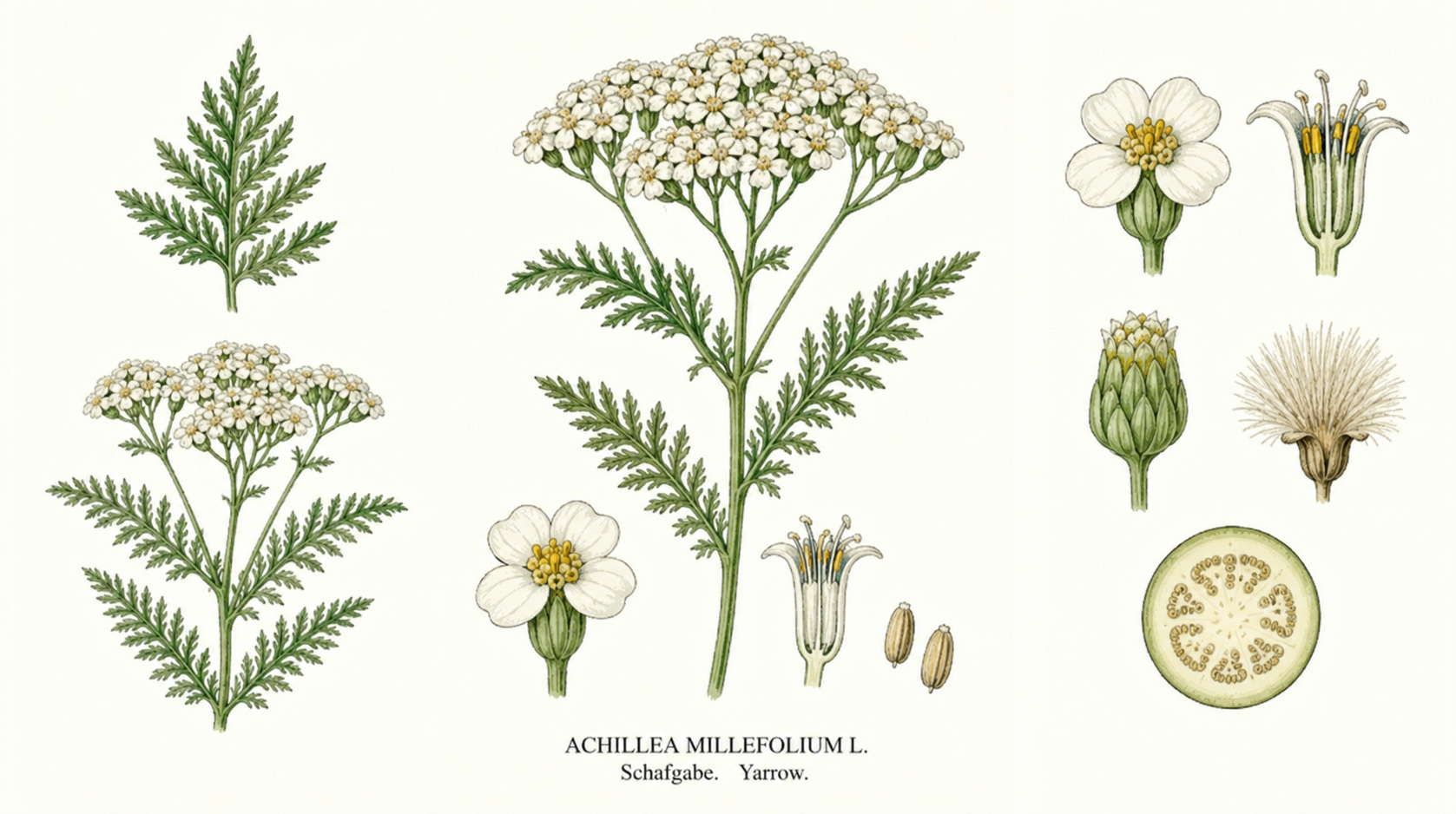
Yarrow plant card: Ornamentals, Aster family, Harvest May - September

Dog

Yarrow

toxicRisk level 4 / 5contact a vet if symptoms appearhigh evidence

Yarrow contains glycoalkaloids and other compounds that can cause gastrointestinal upset and skin irritation in dogs. Young leaves and flowers, while edible for humans, are not suitable for dogs. If ingested, monitor for symptoms and contact a veterinarian if symptoms persist or are severe. Skin contact may cause irritation in sensitive animals.

Risk parts: Leaves, Flowers, Stems

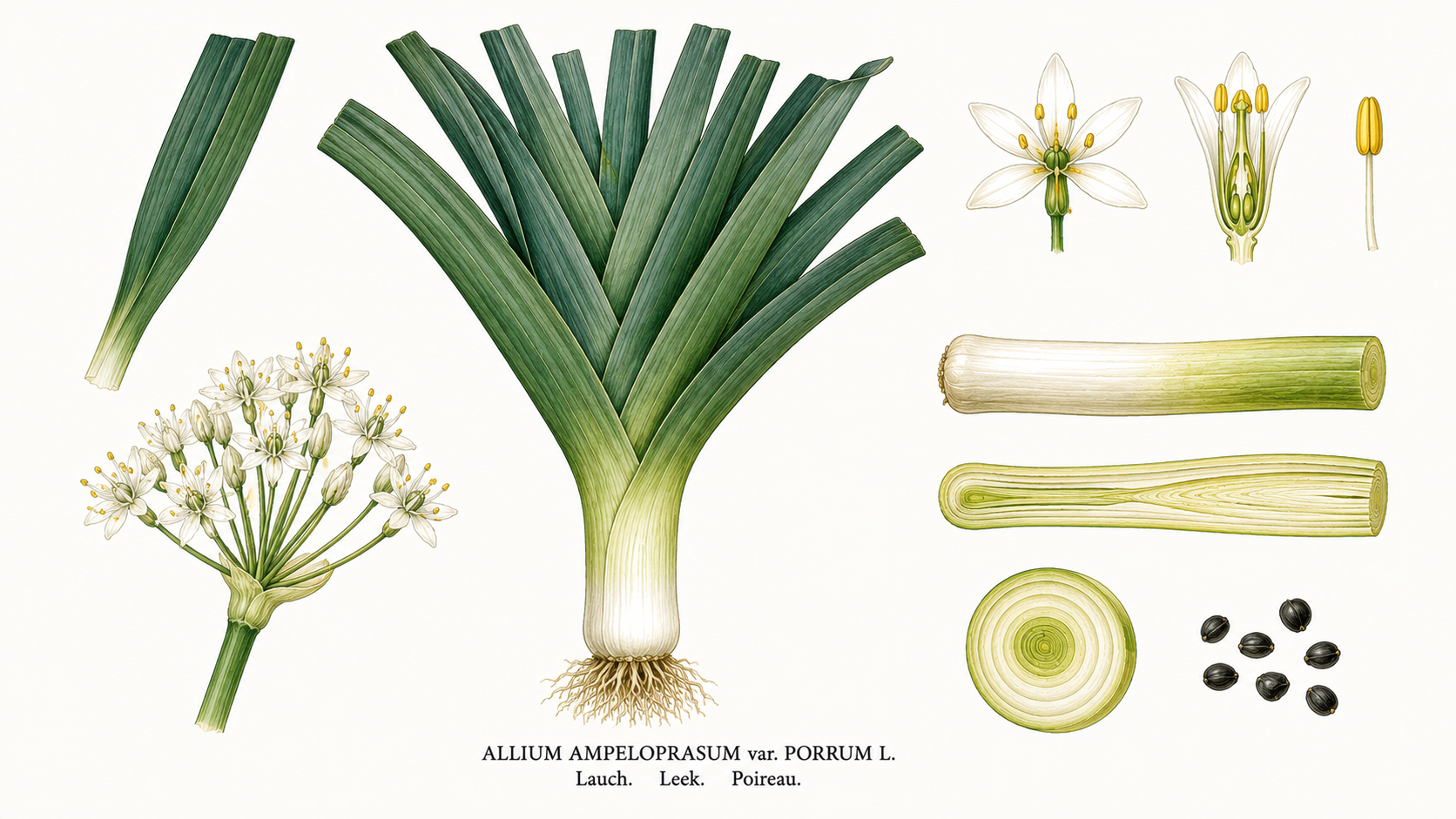
Allium plant card: Bulb and tuber vegetables, Amaryllis family, Sunny to partial shade

Dog

Allium

do not feedRisk level unknowncontact a vet if ingestedlow evidence

All parts of the leek contain disulfides and thiosulfates, which can cause oxidative stress and hemolysis in dogs. Even small amounts can cause symptoms in sensitive animals. No parts are considered safe for canine consumption. If ingestion is suspected, contact a veterinarian. For severe symptoms such as difficulty breathing or collapse, seek emergency veterinary care.

Risk parts: Shaft (white and light green), Leaves (tender, green parts), Flowers (as edible garnish), Roots

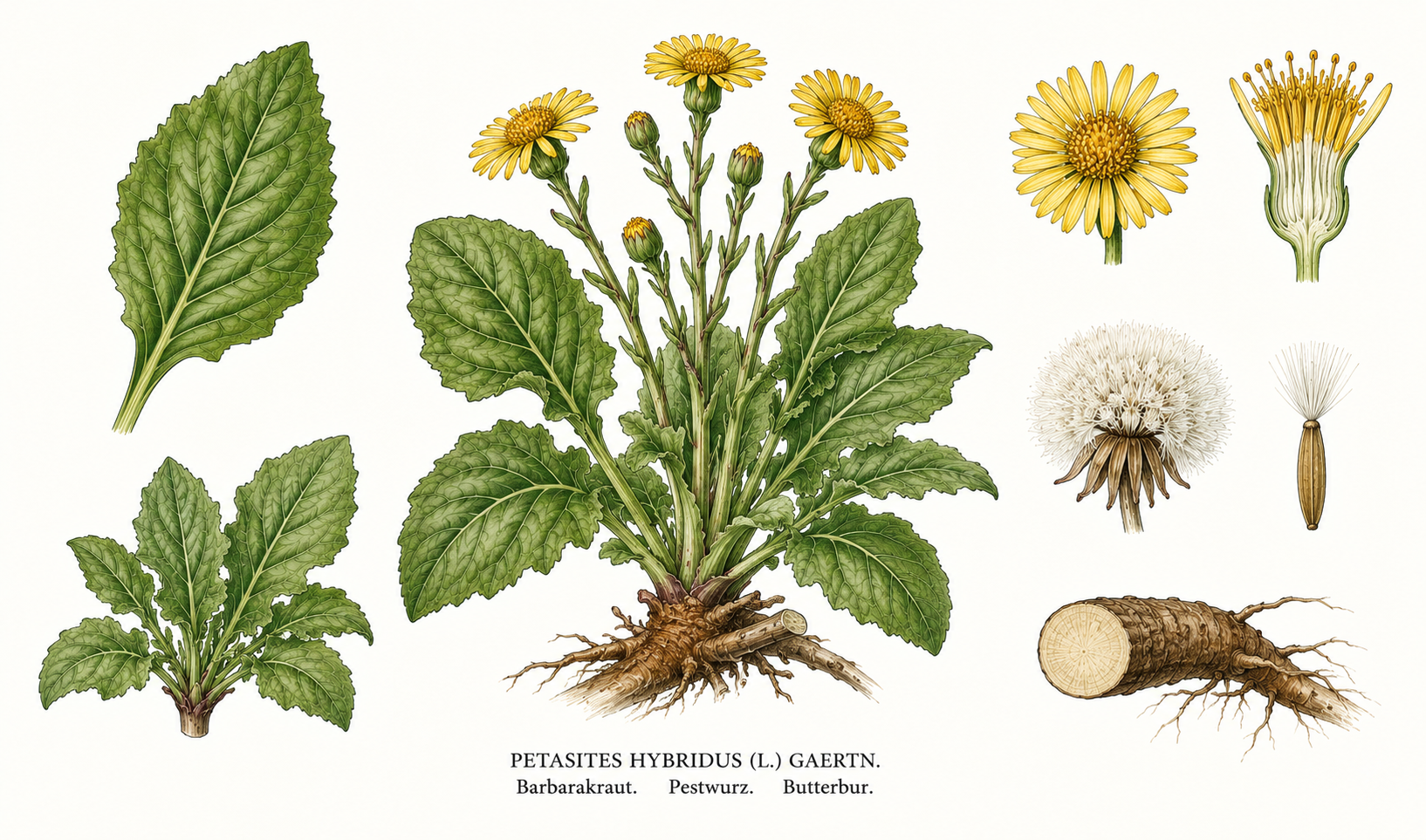
Barbarea vulgaris plant card: Leafy vegetables, Brassicaceae, sun to partial shade

Dog

Barbarea vulgaris

do not feedRisk level unknowncontact a vet if symptoms appearlow evidence

Due to the potential for gastrointestinal upset, especially with older or pungent leaves, feeding is not recommended.

Suitable: young leaves, flower buds

Risk parts: very pungent or old leaves

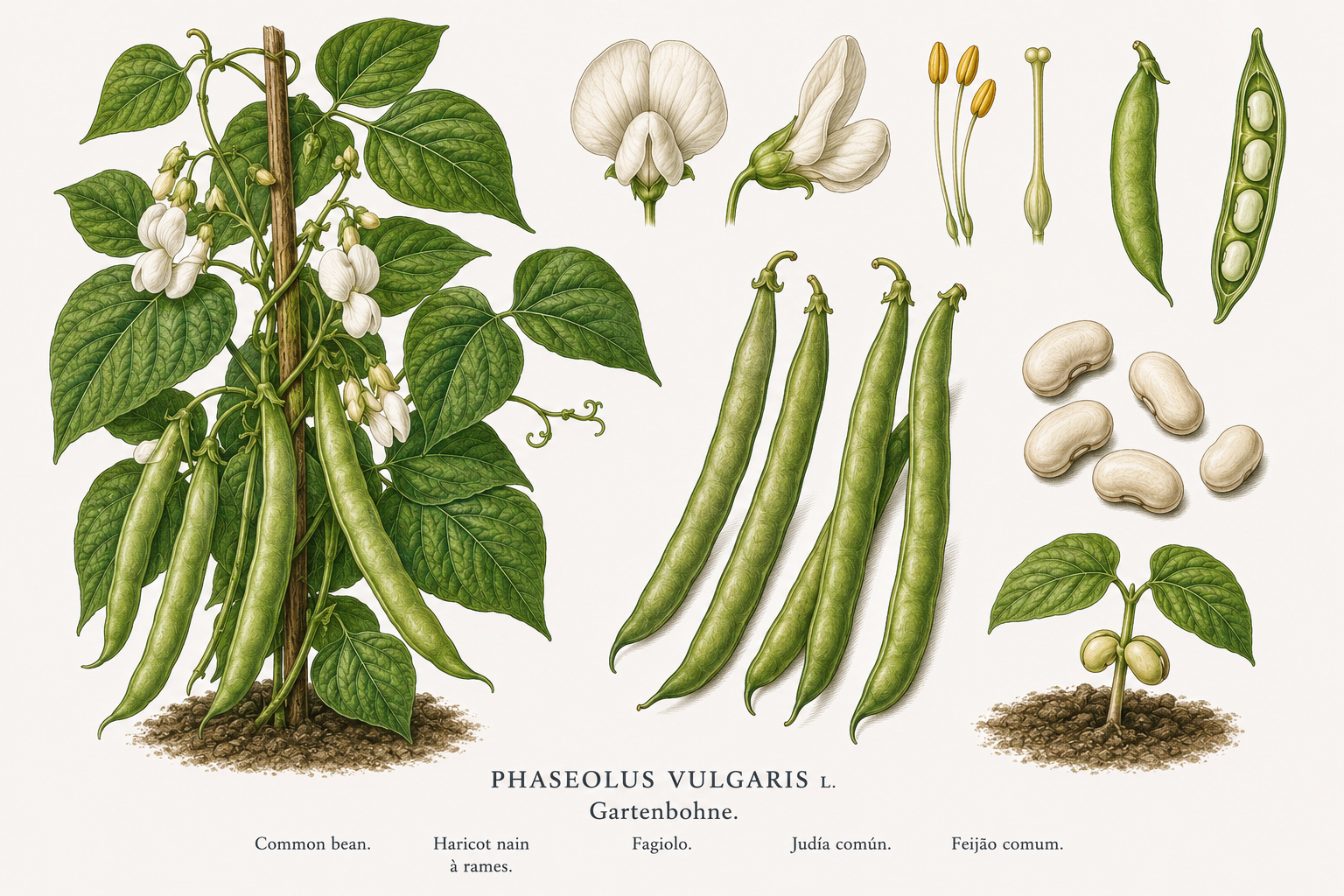
Common bean plant card: Vegetables, Pea family, Harvest July - September

Dog

Common bean

do not feedRisk level unknowncontact a vet if symptoms appearlow evidence

Common bean contains the lectin phasin, which causes gastrointestinal distress in dogs when consumed raw. Cooking destroys the toxin, making the bean digestible. Only cooked pods and seeds in moderation as treats are suitable. Avoid raw material. Contact vet if symptoms occur.

Suitable: cooked pods, cooked seeds

Risk parts: raw pods, raw seeds

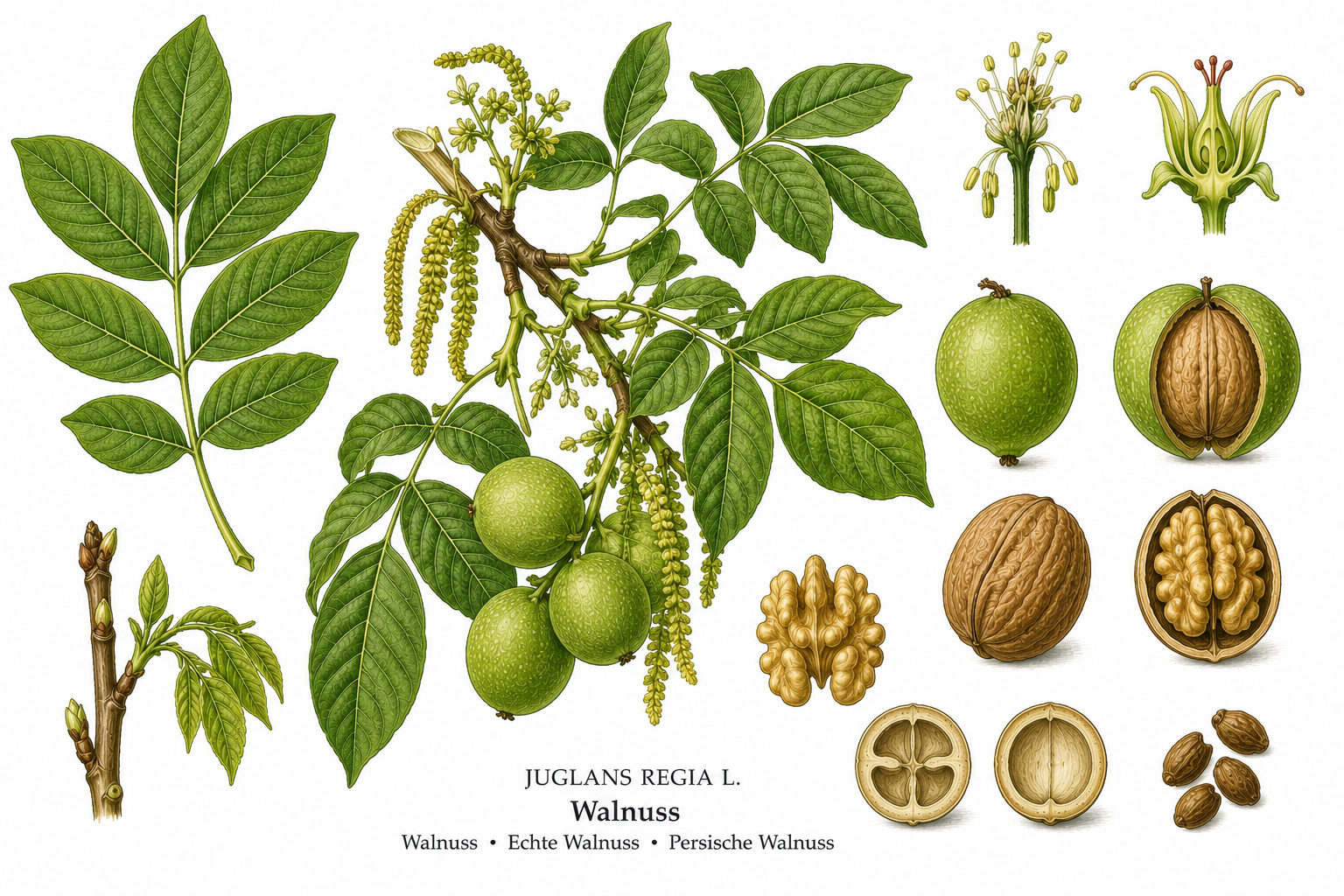
Common Walnut plant card: Nuts, Walnut family, full sun

Dog

Common Walnut

do not feedRisk level unknowncontact a vet if symptoms appearlow evidence

The edible nut kernels are generally safe for dogs in small amounts, but other plant parts (leaves, green husks, roots) may cause gastrointestinal upset due to juglone content. Moldy nuts can produce mycotoxins posing a higher risk. Regular feeding is not recommended due to high fat content and potential digestive issues.

Suitable: Fruit (nut kernel)

Risk parts: Green fruit husks (staining, contain juglone), Leaves (contain juglone), Roots (contain juglone)

Good King Henry plant card: Vegetables, Amaranths, Harvest April - August

Dog

Good King Henry

do not feedRisk level unknowncontact a vet if symptoms appearlow evidence

Leaves, young shoots, and flower spikes can be fed in small amounts as an occasional treat. Seeds, older stalks, and roots contain higher concentrations of saponins and oxalic acid and should be avoided. Cooking reduces oxalic acid and saponin content.

Suitable: leaves, young shoots, flower spikes

Risk parts: seeds, older tough stalks, roots

Ground Ivy plant card: Herbs, Mint family, Harvest March - October

Dog

Ground Ivy

do not feedRisk level unknownobservelow evidence

Ground ivy contains essential oils and tannins that can cause gastrointestinal irritation in dogs. While not classified as highly toxic, ingestion can lead to discomfort. Consult a veterinarian if large amounts are consumed or symptoms persist.

Risk parts: Leaves, Flowers, Stems

Horseradish plant card: Vegetables, Mustard family, Harvest January - March, October - December

Dog

Horseradish

do not feedRisk level unknownobservelow evidence

The pungent glucosinolates can cause GI irritation in dogs, especially if large amounts are consumed. Fumes can irritate eyes and respiratory tract.

Risk parts: All plant parts (especially in large quantities), Fumes during grating

potato plant card: Vegetables, nightshade family, Harvest July - October

Dog

potato

do not feedRisk level unknowncontact a vet if ingestedlow evidence

Solanine in green parts and sprouts can be toxic. Cooked tubers without these parts are safe in moderation.

Suitable: Tuber (cooked, without green spots or sprouts)

Risk parts: Green parts of tuber, Sprouts, Leaves, Stems

Sambucus plant card: Woody plants, Moschatel family, Harvest July - September

Dog

Sambucus

do not feedRisk level unknownobservelow evidence

Ripe, cooked elderberries and flowers can be given in small amounts as a treat. Raw berries, leaves, stems, and roots contain sambunigrin and cause gastrointestinal upset. No indications of severe poisoning in dogs, but caution is advised.

Suitable: flowers, ripe berries (cooked)

Risk parts: raw berries, leaves, stems, roots

Urtica plant card: Wild herbs, Nettle family, Harvest March - September

Dog

Urtica

do not feedRisk level unknownobservelow evidence

Young leaves and shoot tips of stinging nettle are suitable for dogs in small amounts as a dietary supplement after heating, blanching, or drying. Old stems and raw plant parts may cause skin irritation and gastrointestinal upset due to stinging hairs. Caution is advised with large consumption or in sensitive dogs. In case of skin contact with stinging hairs, local irritation may occur. Consult a veterinarian if…

Suitable: young leaves, shoot tips

Risk parts: old fibrous stems, contaminated plants, plants from heavily fertilized or polluted sites

Winter Heath Onion plant card: Vegetables, Amaryllis family, Harvest March - November

Dog

Winter Heath Onion

do not feedRisk level unknowncontact a vet if symptoms appearlow evidence

Leaves, young shoots, thickened stems, and flowers are acceptable as treats in small amounts. Root fibers and dry leaf sheaths should be avoided due to potential irritation from thiosulfates. Excessive consumption may lead to gastrointestinal upset.

Suitable: Leaves, young shoots, thickened stems, flowers

Risk parts: Root fibers, dry leaf sheaths

Dog

Restricted use

Plant part, amount, maturity, or animal condition matter here.

36 Plants

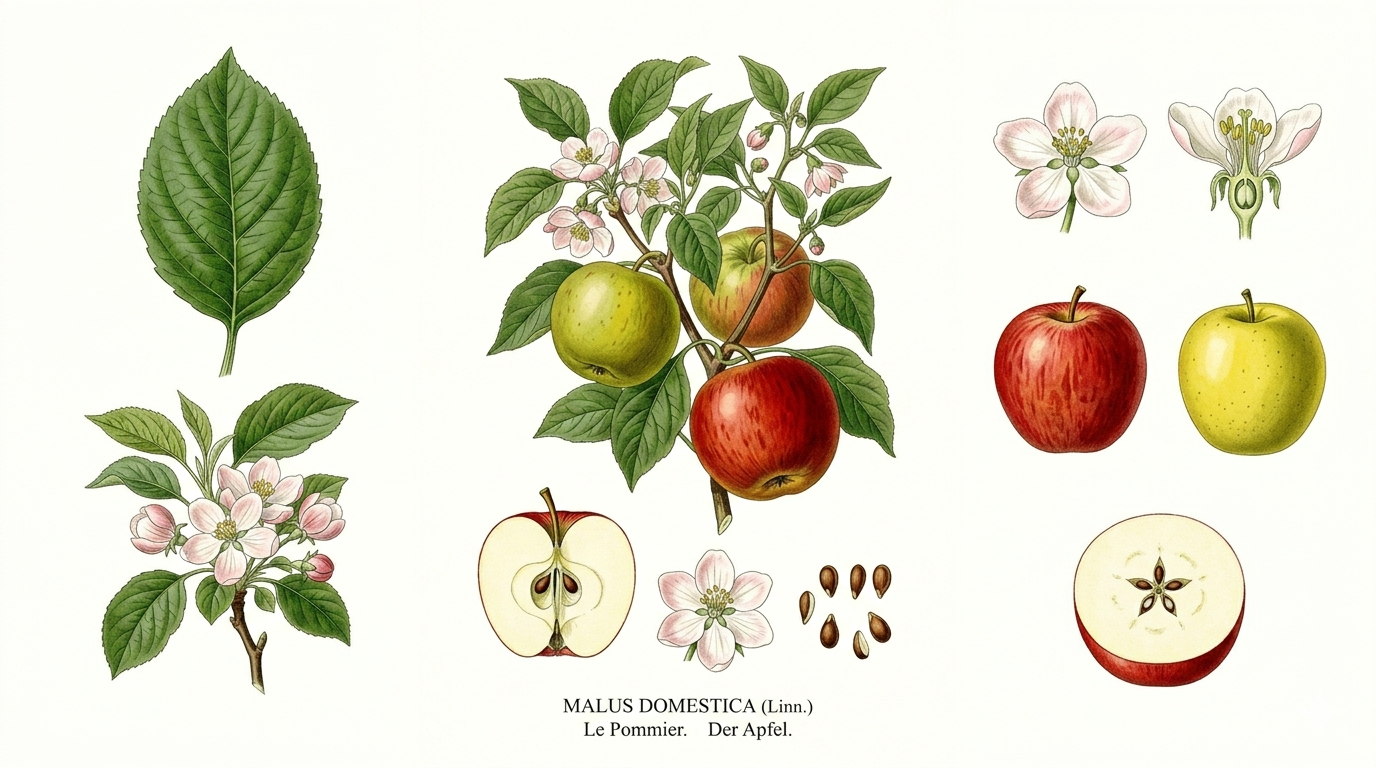
Apple plant card: Fruit, Rose family, full sun

Dog

Apple

selected parts onlyRisk level 3 / 5contact a vet if symptoms appearhigh evidence

Apple flesh and peel (untreated) are safe for dogs in moderation as a treat. However, seeds, stems, and leaves contain cyanogenic glycosides, which are toxic and can be metabolized into cyanide. Ingestion of these parts, especially in large quantities or if wilted, can lead to serious poisoning symptoms. Always remove seeds before feeding apple pieces to your dog.

Suitable: Fruit flesh, Peel (for untreated fruit)

Risk parts: Seeds, Stems, Leaves, Wilted material

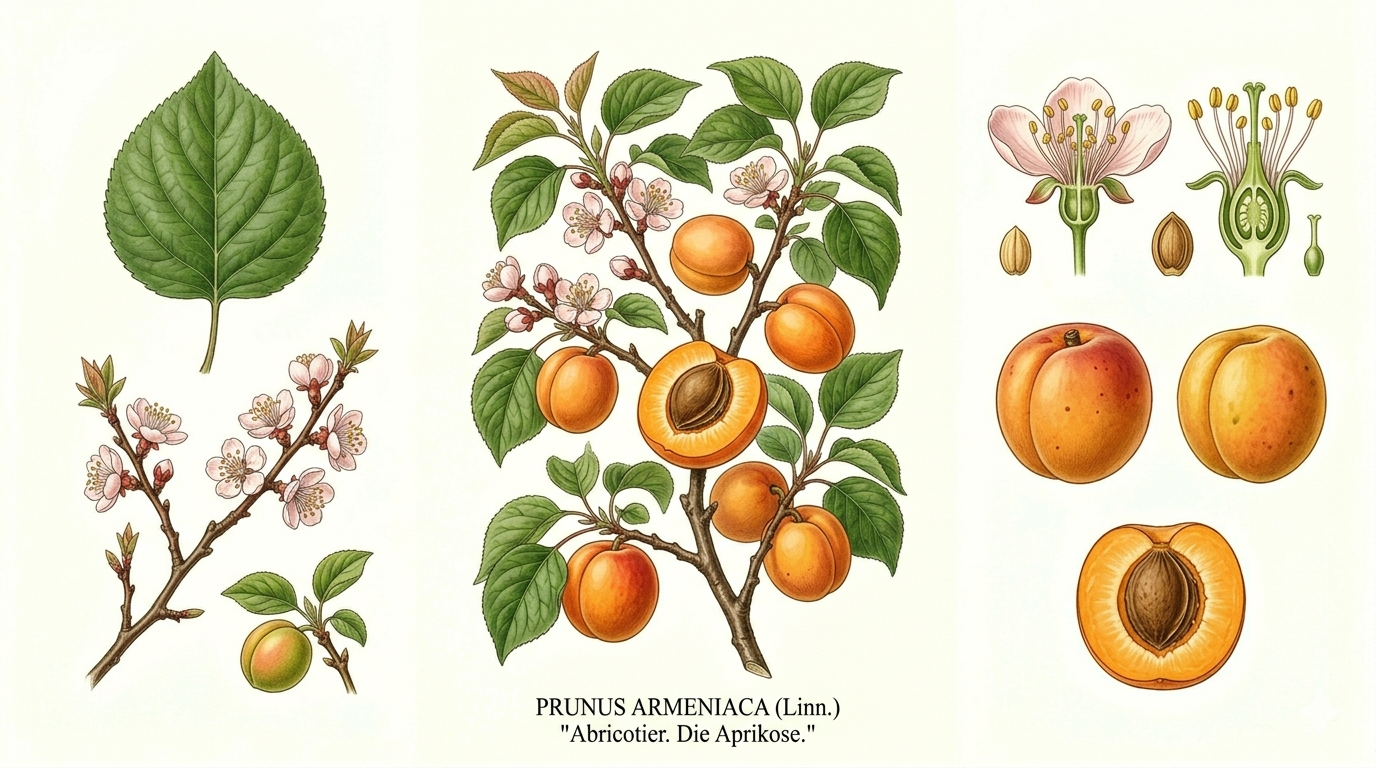
Apricot plant card: Fruit, Rose family, Harvest July - August

Dog

Apricot

selected parts onlyRisk level 3 / 5contact a vet if ingestedhigh evidence

Apricot flesh is safe for dogs in small amounts as an occasional treat. However, the stones (seeds), leaves, and stems contain cyanogenic glycosides, which are toxic and can lead to cyanide poisoning. Wilting plant material is particularly dangerous.

Suitable: Flesh (without the stone)

Risk parts: Stones (seeds), Leaves, Stems

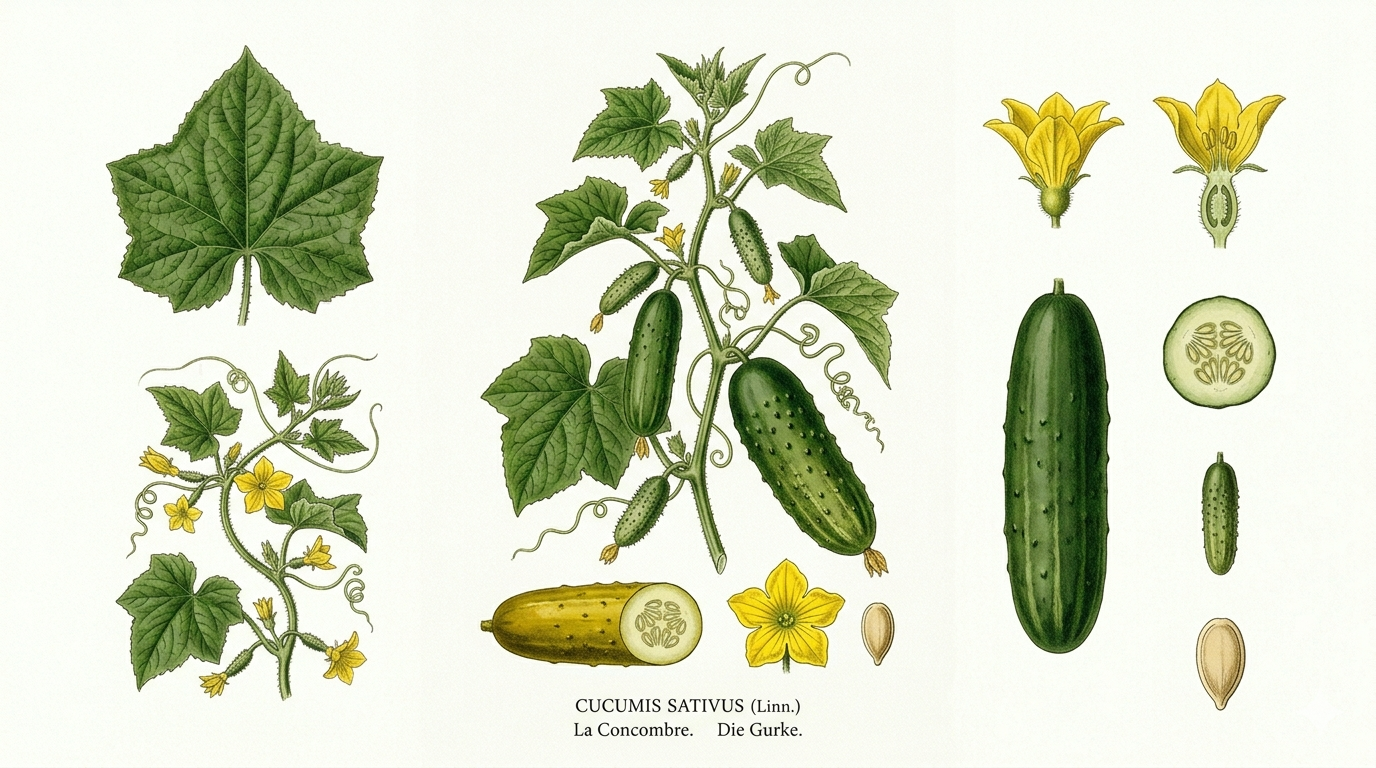
Cucumber plant card: Vegetables, Gourd family, Harvest July - October

Dog

Cucumber

selected parts onlyRisk level 3 / 5usually no action neededhigh evidence

Cucumbers are safe for dogs in normal amounts. The fruit is non-toxic and often used as a low-calorie treat. Exercise caution with bitter-tasting fruits, as they may contain cucurbitacins. Leaves and roots are not recommended but are not relevant when feeding the fruit.

Suitable: Fruit, Flowers

Risk parts: Stems, Leaves, Seeds

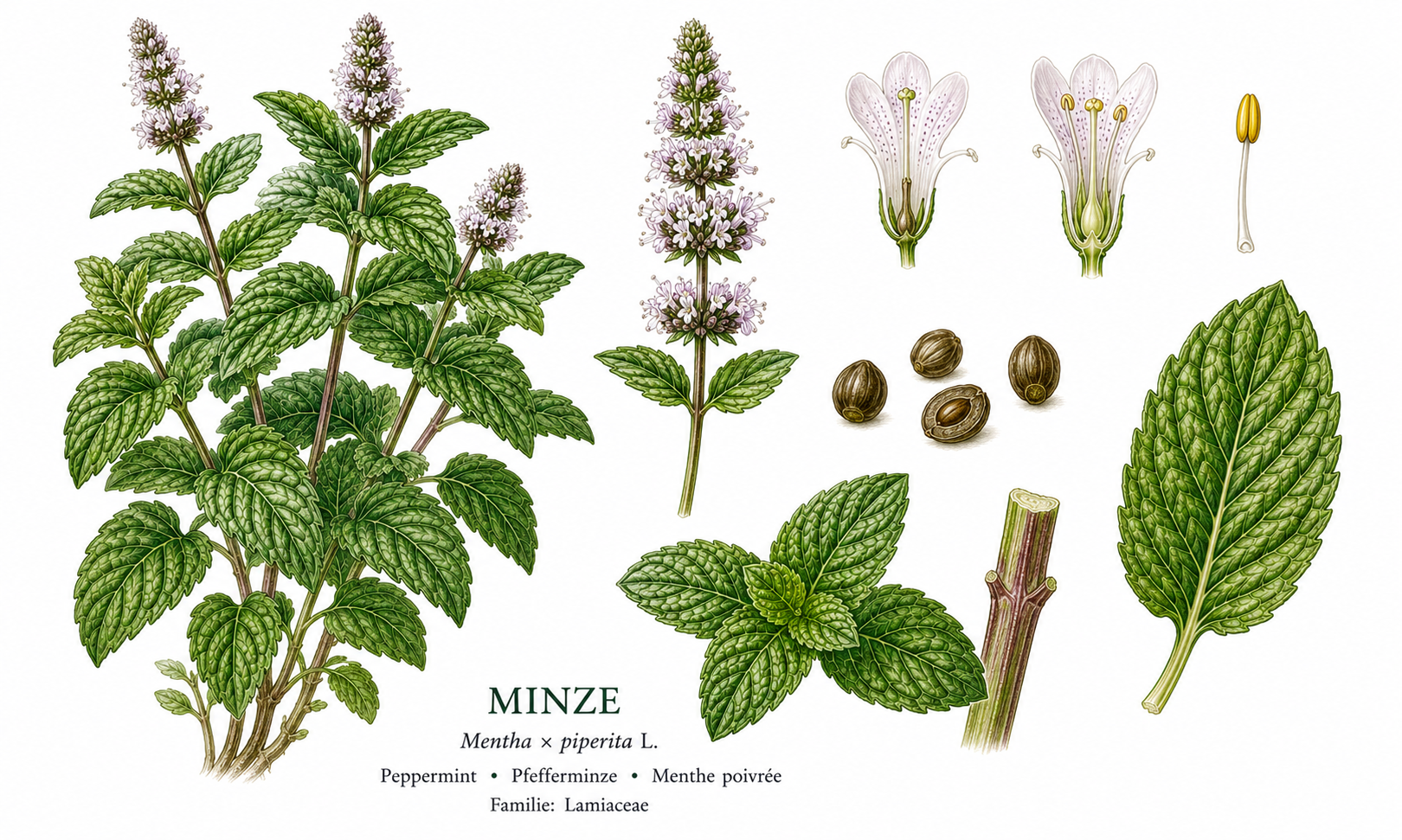
Mint plant card: Herbs, Mint family, Harvest May - October

Dog

Mint

selected parts onlyRisk level 3 / 5observehigh evidence

Most common culinary mints are safe for dogs in small amounts. Large quantities or ingestion of Pennyroyal mint can cause gastrointestinal upset. Essential oils are concentrated and should not be administered directly.

Suitable: Leaves (in small amounts, from common culinary mints)

Risk parts: Pennyroyal mint (Mentha pulegium) (all parts), large quantities of other mint varieties, concentrated essential oils, Seeds

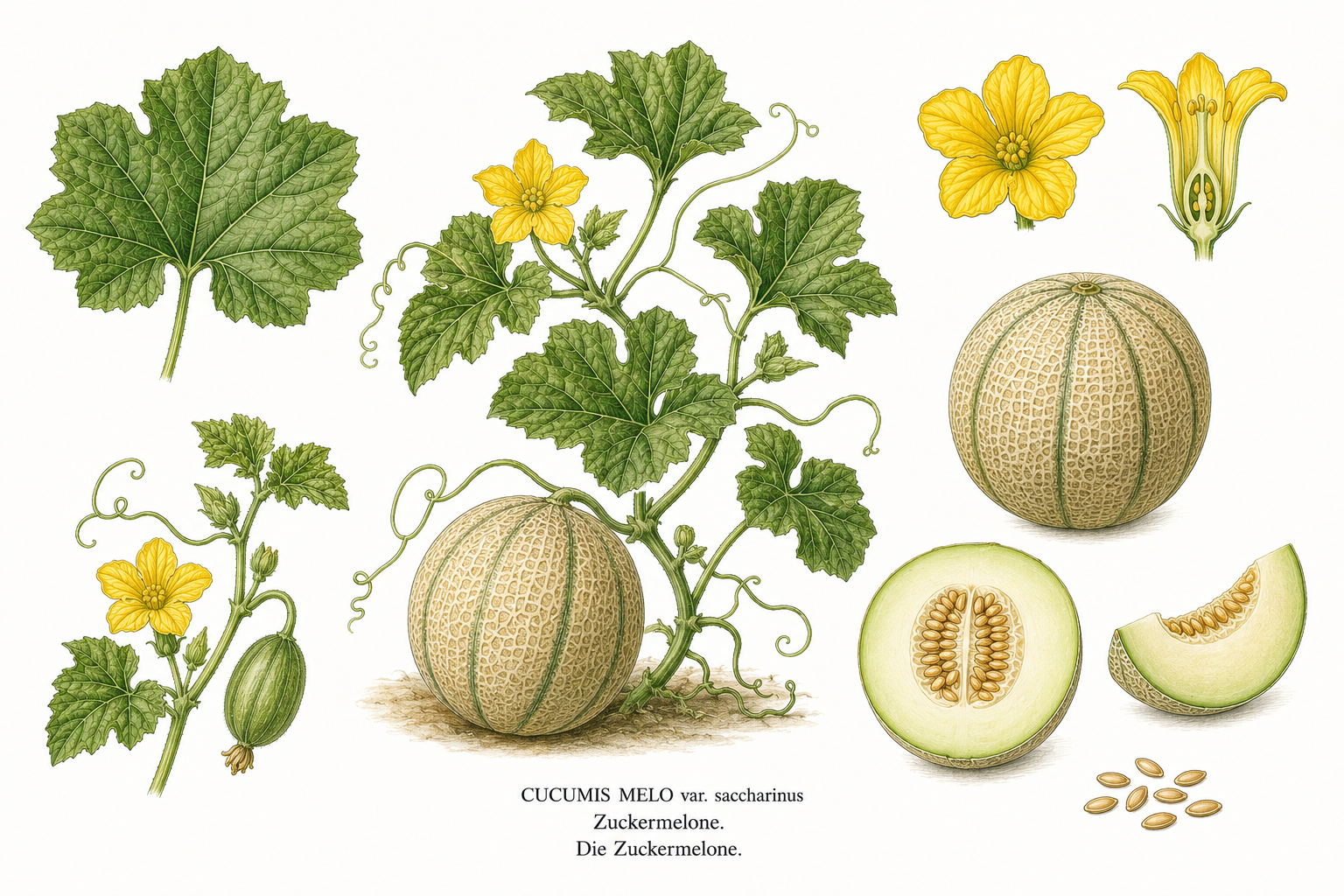
Muskmelon plant card: Vegetables, Gourd family, Harvest July - September

Dog

Muskmelon

selected parts onlyRisk level 3 / 5observehigh evidence

The ripe fruit flesh of muskmelon is safe for dogs in moderation and is commonly used as a treat. Seeds and rind should be removed as they can cause digestive issues. The plant itself is non-toxic.

Suitable: Fruit flesh

Risk parts: Seeds, Rind

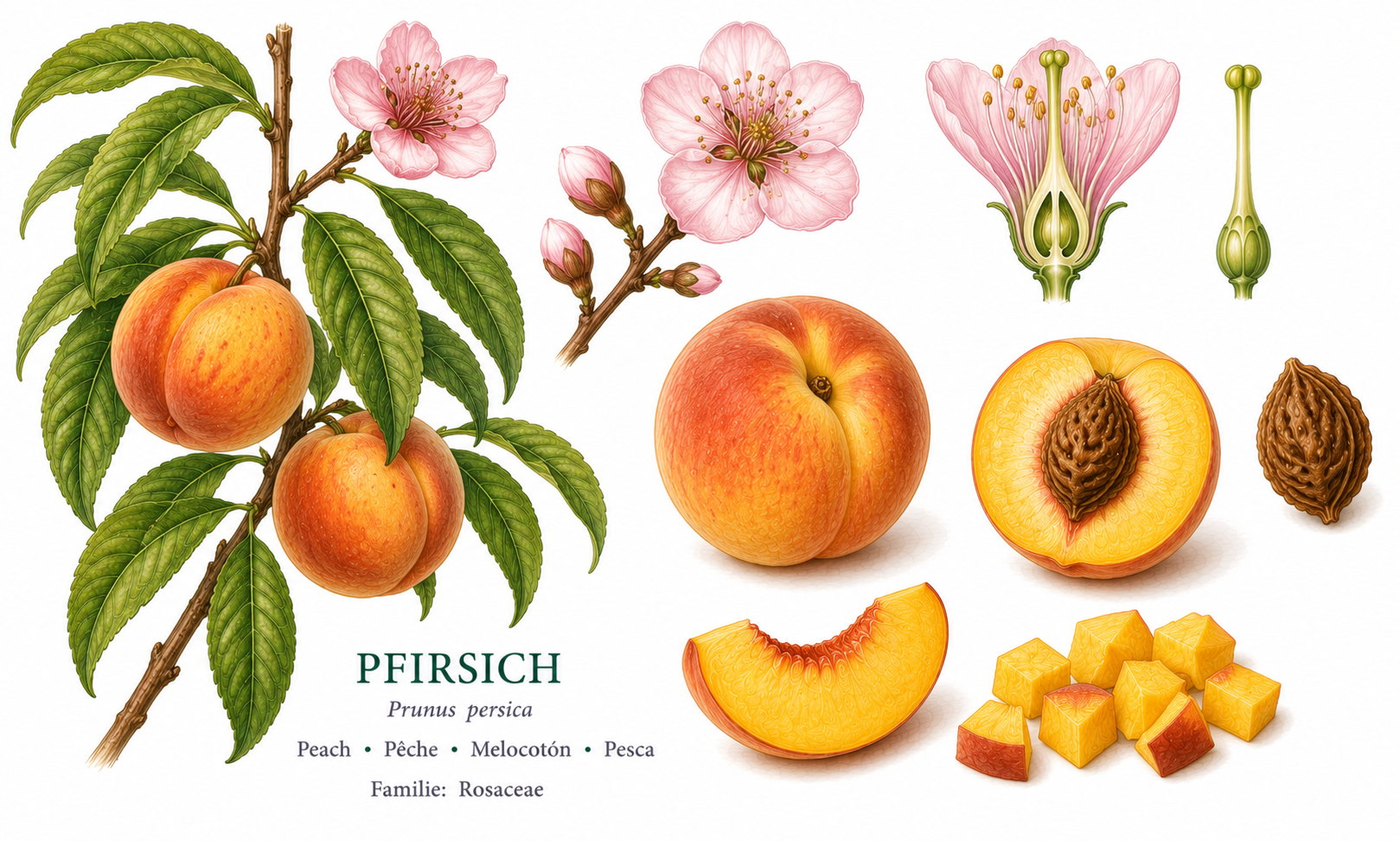
Peach plant card: Fruit, Rose family, Harvest July - September

Dog

Peach

selected parts onlyRisk level 3 / 5contact a vet if ingestedhigh evidence

Peach fruit flesh is safe for dogs in small amounts as a treat, but the pit, leaves, and stems contain amygdalin, which can metabolize to cyanide and cause poisoning. Wilted foliage poses higher risk due to increased cyanide concentration. Seek veterinary advice immediately if ingestion of toxic parts is suspected.

Suitable: Fruit flesh, Skin

Risk parts: Pit (contains amygdalin), Leaves, Stems

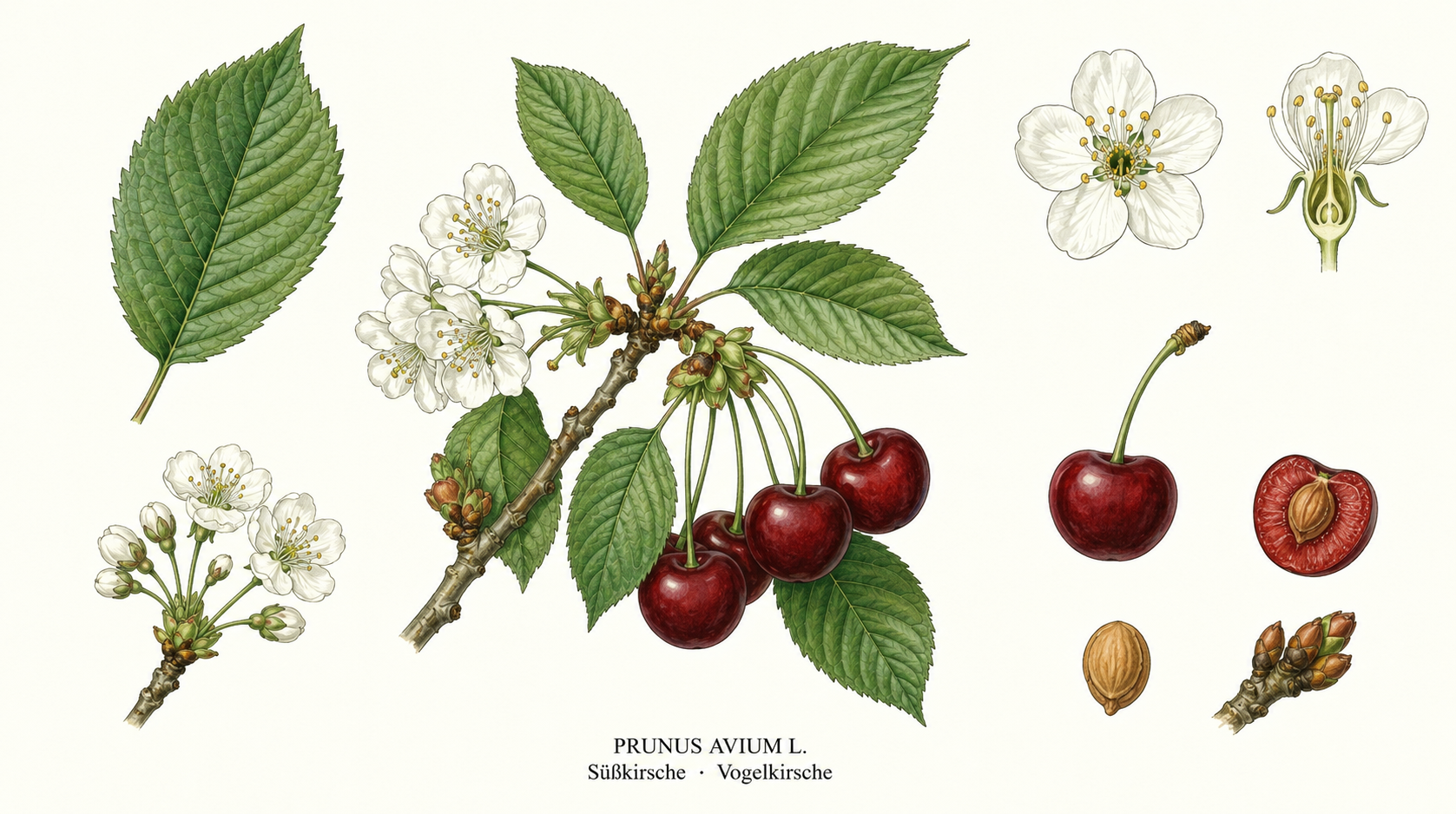
sweet cherry plant card: Fruit, Rose family, Harvest June - August

Dog

sweet cherry

selected parts onlyRisk level 3 / 5contact a vet if ingestedhigh evidence

The flesh of sweet cherry is safe for dogs in small amounts, but pits, stems, and leaves are toxic due to cyanogenic glycosides. Wilted foliage poses an increased risk. If ingestion of toxic parts is suspected, contact a veterinarian.

Suitable: Flesh

Risk parts: Pits, Stems, Leaves

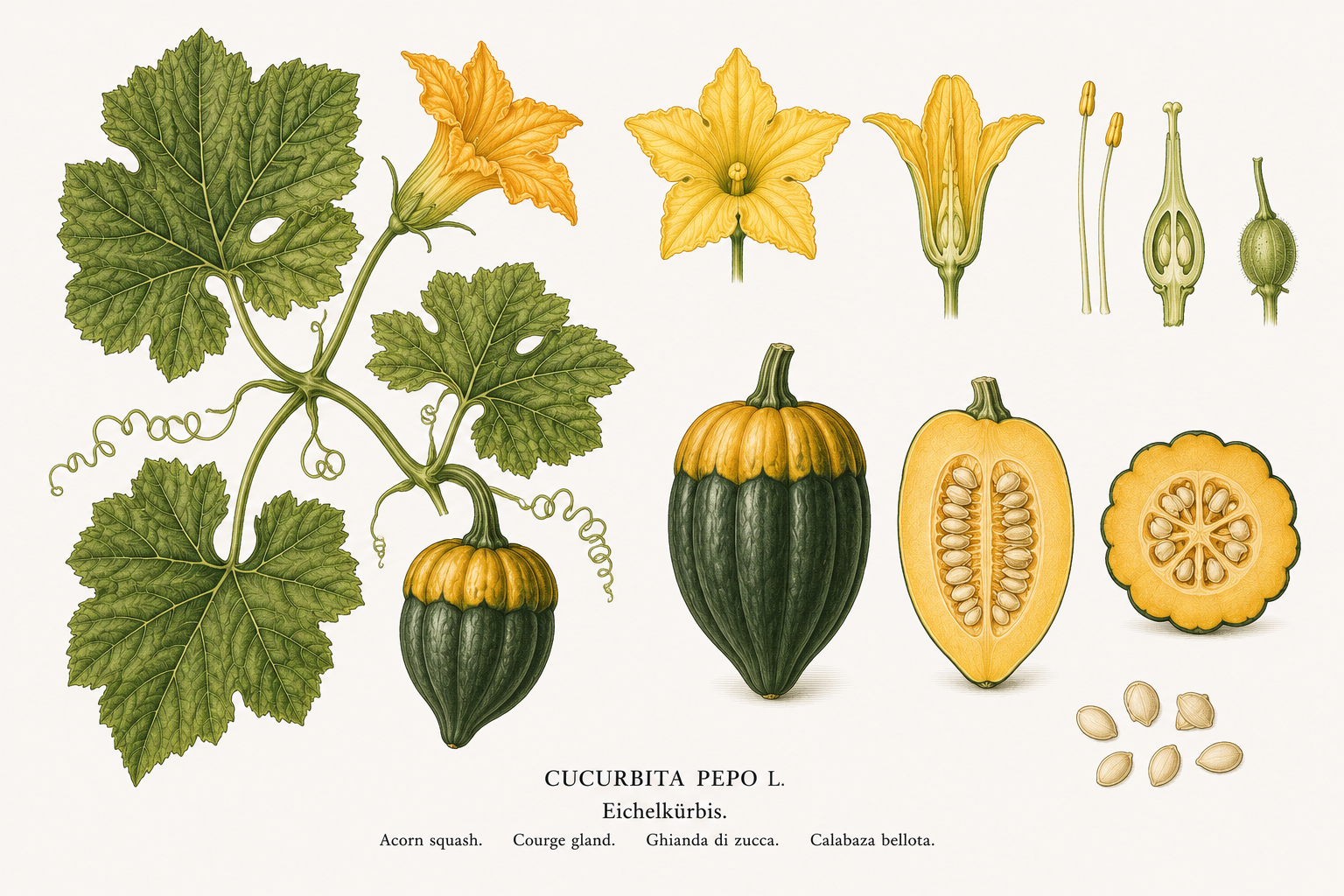
Acorn Squash plant card: Vegetables, Gourd family, Harvest September - November

Dog

Acorn Squash

selected parts onlyRisk level unknownobservelow evidence

The flesh of acorn squash is safe for dogs in small amounts and can serve as an occasional treat. Leaves, stems, and raw seeds contain cucurbitacins, which can cause gastrointestinal upset. Always serve cooked and remove seeds. Consult a veterinarian if symptoms occur.

Suitable: Flesh (cooked/baked)

Risk parts: Leaves, Stems, Seeds (raw)

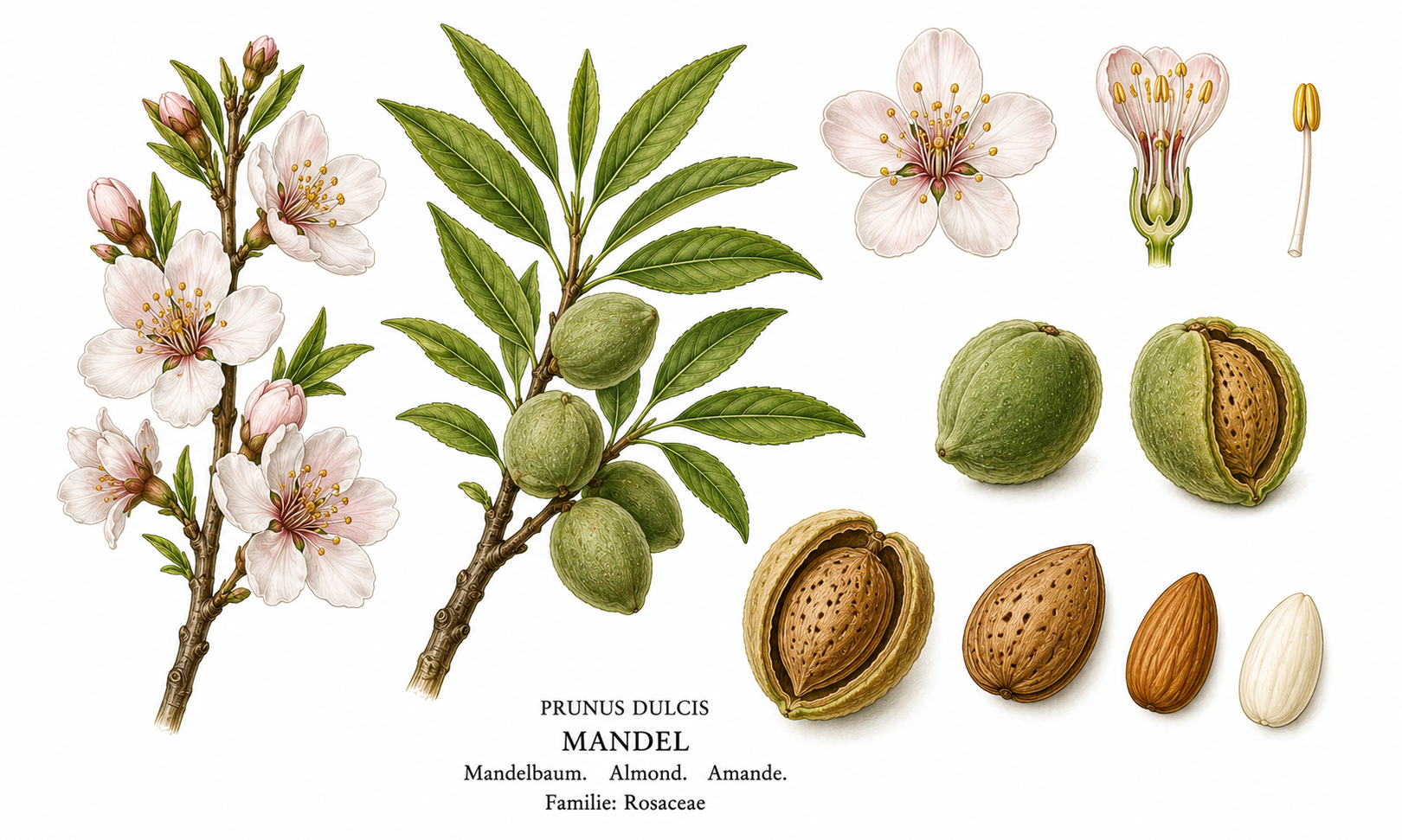
Almond plant card: Fruit, Rose family, Harvest August - October

Dog

Almond

selected parts onlyRisk level unknownemergency vet immediatelymedium evidence

Sweet almond kernels (shelled, unsalted) are generally considered safe for dogs in moderation. Bitter almonds, often found in wild varieties, contain amygdalin, which releases hydrogen cyanide and is highly toxic. The fruit hull, hard inner shell, leaves, and stems are also hazardous due to amygdalin content or the risk of gastrointestinal obstruction. Distinguishing between sweet and bitter almonds can be…

Suitable: Sweet almond kernels (shelled, unsalted)

Risk parts: Bitter almond kernels, Fruit hull, Hard inner shell (endocarp), Leaves

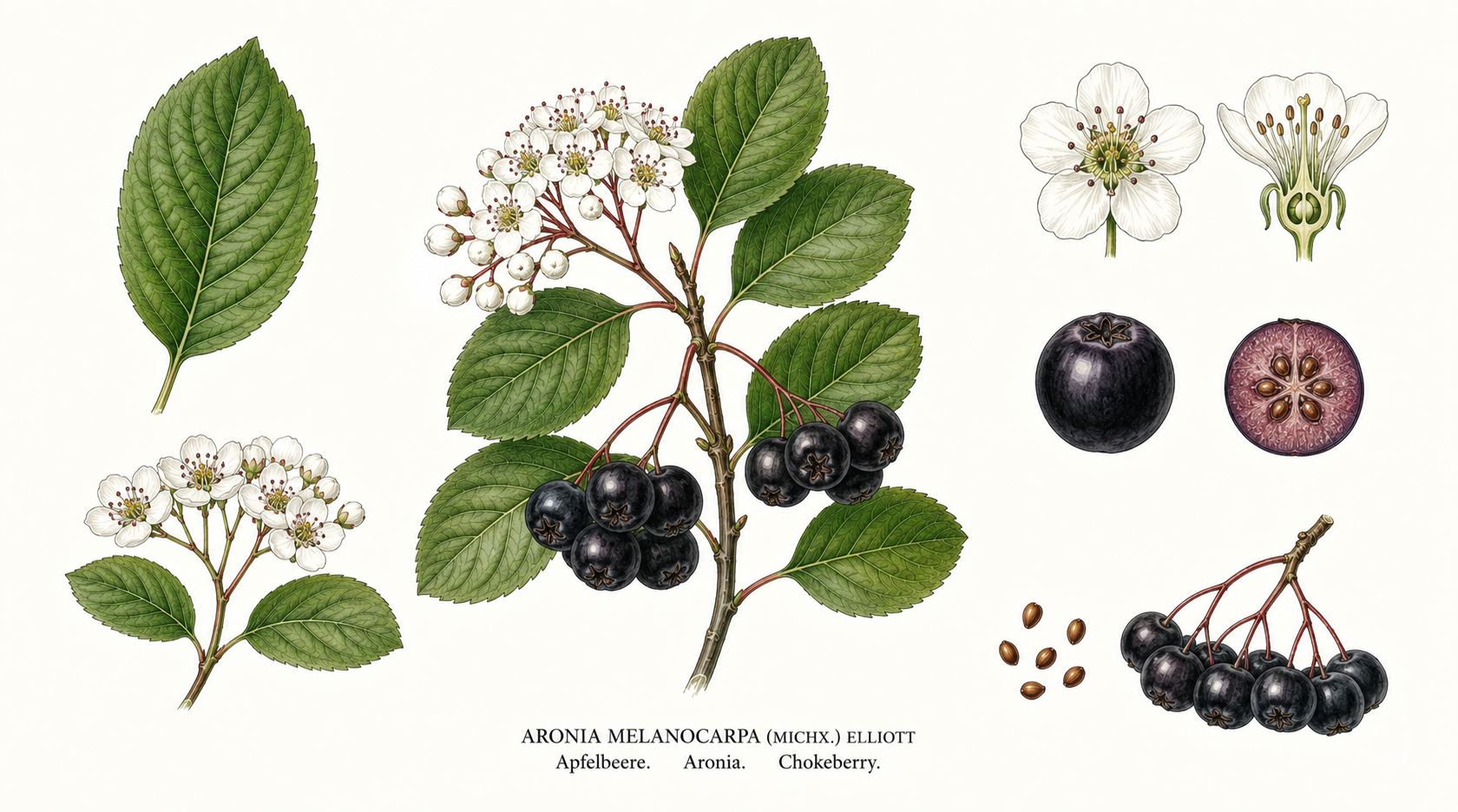
Aronia plant card: Woody plants, Rose family, Harvest August - October

Dog

Aronia

selected parts onlyRisk level unknownusually no action neededmedium evidence

Aronia berries are considered non-toxic to dogs. However, large quantities of the raw, tart berries or other plant material (leaves, stems, seeds) may cause mild gastrointestinal upset. Seeds and other plant parts may contain cyanogenic glycosides.

Suitable: Ripe fruits (in moderation)

Risk parts: Leaves, Stems, Seeds

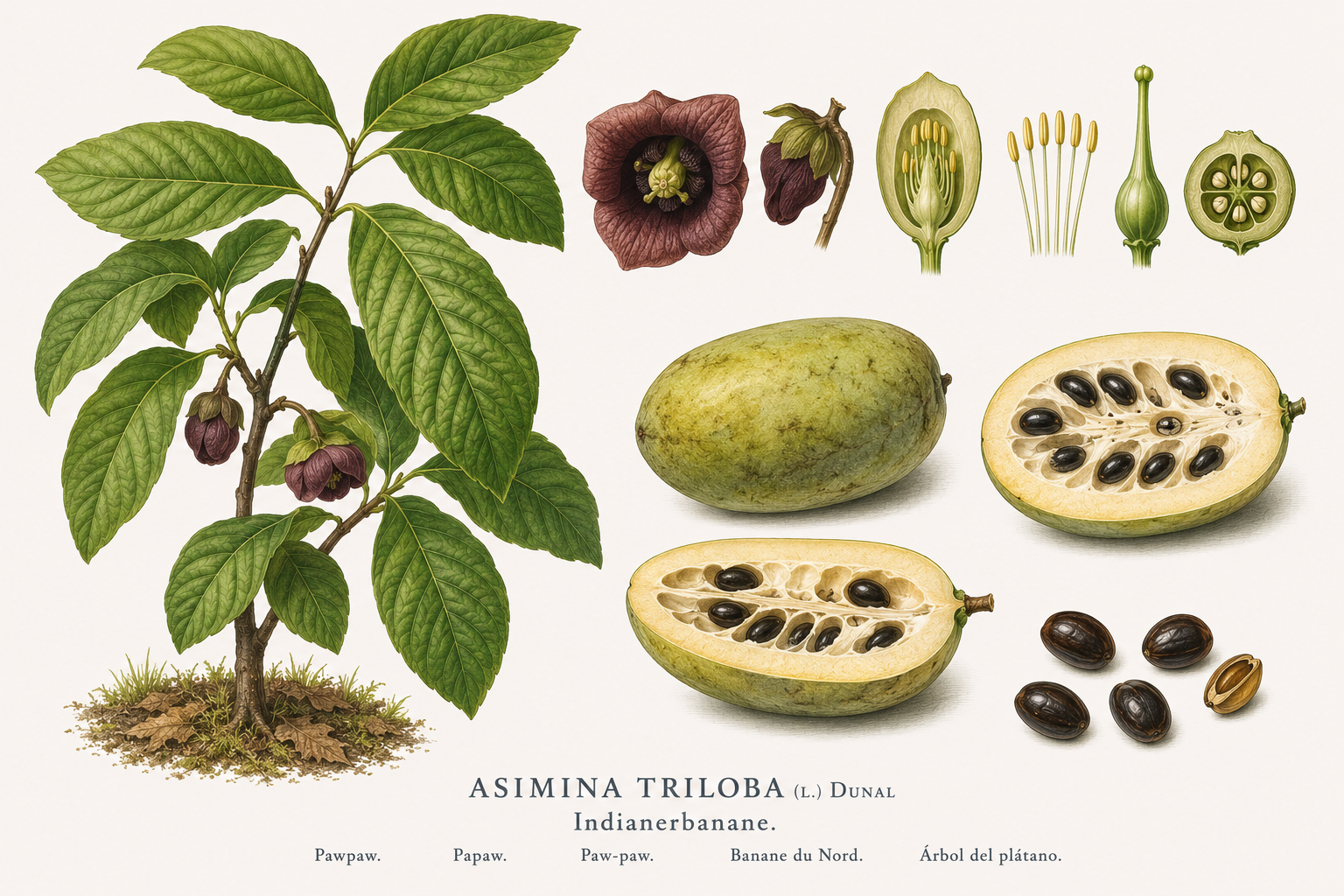
Asimina triloba plant card: Fruit, Annonaceae, Sunny to partial shade

Dog

Asimina triloba

selected parts onlyRisk level unknowncontact a vet if symptoms appearlow evidence

The flesh of ripe pawpaw fruit is considered safe, but the seeds are toxic and can cause gastrointestinal upset if ingested. Unripe fruits can also cause digestive issues. Due to the risk of seed ingestion, the plant is not recommended for dogs.

Suitable: Ripe fruit flesh (without seeds)

Risk parts: Seeds, Unripe fruits

chili pepper plant card: Vegetables, Nightshade family, full sun, warm, sheltered

Dog

chili pepper

selected parts onlyRisk level unknownusually no action neededlow evidence

Fruits can be given in small amounts as treats, but seeds and cores should be avoided. No direct species-specific toxicity data for dogs is available, but general plant tolerance and the irritant capsaicin suggest cautious feeding.

Suitable: ripe and unripe fruits (without seeds)

Common Fig plant card: Fruit, Mulberry family, Harvest August - November

Dog

Common Fig

selected parts onlyRisk level unknownobservelow evidence

The ripe fruit of the common fig is suitable for dogs in small amounts as a treat. Leaves, unripe plant parts, and the milky sap contain furocoumarins and ficin, which can cause gastrointestinal upset or phototoxic skin reactions. The skin of ripe fruit is edible and tolerated. Excessive consumption may lead to vomiting and diarrhea. Skin contact with sap in sunlight can cause skin irritation. Contact a vet if…

Suitable: ripe fruit (syconium) including skin

Risk parts: leaves, unripe shoots, milky sap

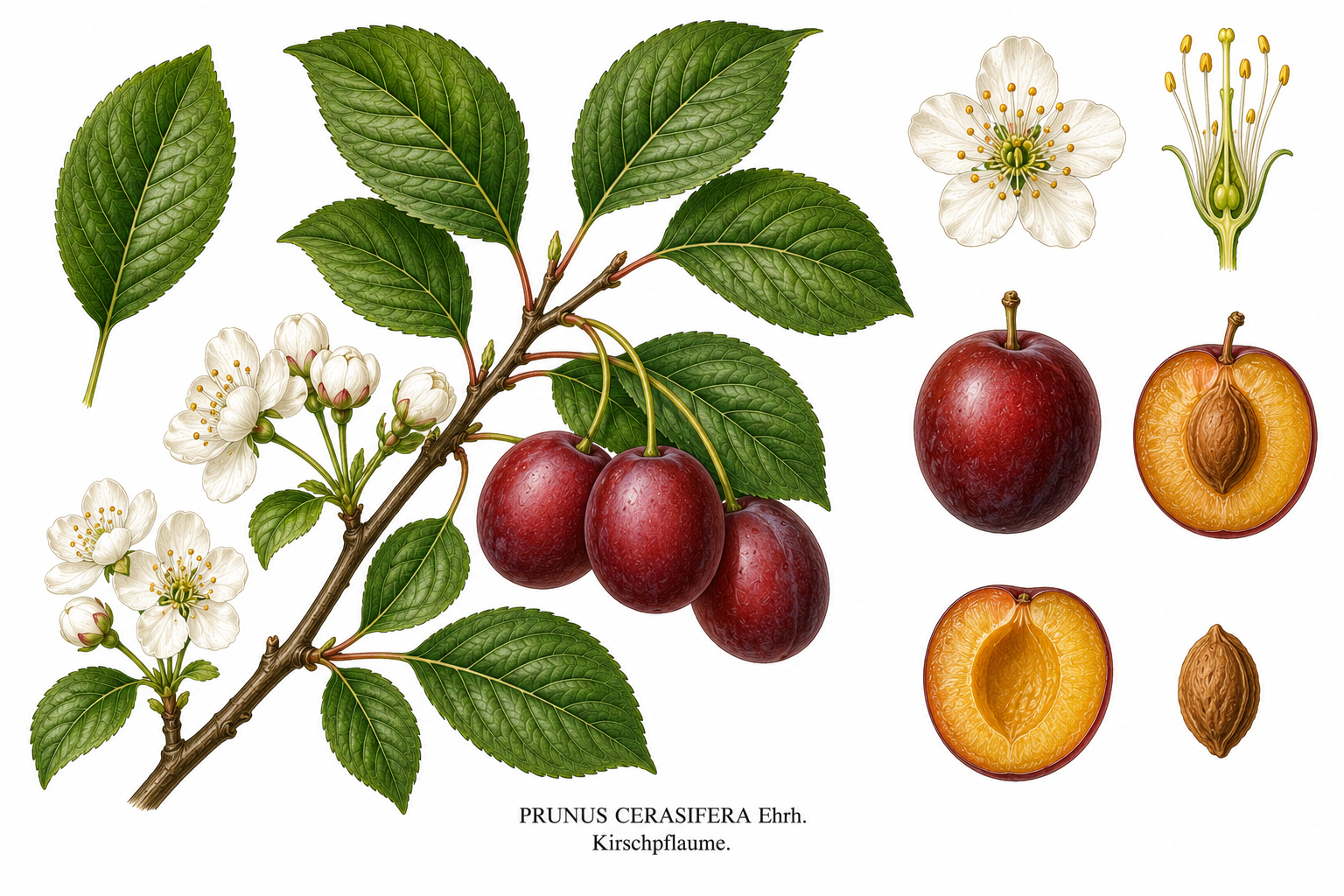
Damson plum plant card: Fruit, Rose family, Harvest July - October

Dog

Damson plum

selected parts onlyRisk level unknowncontact a vet if symptoms appearlow evidence

The fruit flesh of the damson plum is safe for dogs in small amounts as a treat. Pits, leaves, and bark contain amygdalin, which can hydrolyze to hydrogen cyanide and cause poisoning. If toxic parts are ingested, seek veterinary advice immediately.

Suitable: Fruit flesh, Fruit skin

Risk parts: Seed/pit (contains cyanogenic glycosides), Leaves, Bark

Eggplant plant card: Vegetables, Nightshade family, Harvest July - October

Dog

Eggplant

selected parts onlyRisk level unknownobservelow evidence

Ripe eggplant flesh is safe for dogs in small quantities as a treat. Green plant parts and unripe fruits contain solanine and are toxic. Gastrointestinal upset is possible if non-ripe parts or large quantities are consumed.

Suitable: Ripe flesh

Risk parts: Leaves, Stems, Unripe fruits, Green plant parts

European Plum plant card: Fruit, Rose family, Harvest July - October

Dog

European Plum

selected parts onlyRisk level unknowncontact a vet if ingestedlow evidence

The flesh of the plum is suitable for dogs in small amounts as a treat, but the pits contain amygdalin, which can release cyanide. Leaves and bark are also toxic. If pits, leaves, or bark are ingested, seek veterinary advice immediately. Overconsumption of the flesh may cause gastrointestinal upset.

Suitable: Fruit flesh, Skin

Risk parts: Seeds (pit), Leaves, Bark

Goji Berry plant card: Fruit, Nightshades, Harvest August - October

Dog

Goji Berry

selected parts onlyRisk level unknownobservelow evidence

Fully ripe goji berries are suitable for dogs in small amounts as a treat. Unripe fruits, leaves, stems, roots, and bark contain toxic compounds such as solanine and can cause gastrointestinal upset. Consult a veterinarian if poisoning is suspected.

Suitable: fully ripe fruits

Risk parts: green unripe fruits, leaves, stems, roots

Greengage plant card: Fruit, Rose family, Harvest August - September

Dog

Greengage

selected parts onlyRisk level unknowncontact a vet if symptoms appearlow evidence

The fruit flesh of greengage is suitable for dogs in small amounts as a treat. Pits, leaves, and bark contain cyanogenic glycosides and can cause poisoning symptoms. If hazardous parts are consumed, seek veterinary advice immediately.

Suitable: Fruit flesh, Fruit skin

Risk parts: Seeds (pit), Leaves, Bark

Kiwi plant card: Fruit, Kiwifruit family, Harvest October - November

Dog

Kiwi

selected parts onlyRisk level unknownobservelow evidence

Kiwi fruit flesh is suitable for dogs in small amounts as an occasional treat. The skin, leaves, and stems contain actinidin and oxalates that can cause gastrointestinal upset. If large amounts or non-edible parts are consumed, consult a veterinarian.

Suitable: Fruit flesh

Risk parts: Skin, Leaves, Stems

Mirabelle plum plant card: Fruit, Rose family, Harvest July - August

Dog

Mirabelle plum

selected parts onlyRisk level unknowncontact a vet if symptoms appearlow evidence

The fruit flesh of the Mirabelle plum is suitable for dogs in small amounts as a treat. The pits contain cyanogenic glycosides and must not be fed. Consumption of pits can release hydrogen cyanide, leading to severe poisoning symptoms. With only fruit flesh consumption, mild gastrointestinal upset is usually expected.

Suitable: Fruit flesh

Risk parts: Pit (seed)

Mulberry plant card: Fruit, Mulberry family, Harvest June - September

Dog

Mulberry

selected parts onlyRisk level unknowncontact a vet if symptoms appearmedium evidence

Ripe mulberries are considered non-toxic for dogs and can be offered in moderation as a treat. However, unripe fruits, leaves, and the milky sap can cause gastrointestinal upset such as vomiting and diarrhea. These symptoms are generally mild and not life-threatening.

Suitable: Ripe fruits

Risk parts: Unripe fruits, Leaves, Milky sap (in unripe fruits and other plant parts)

Musk squash plant card: Vegetables, Gourds, Harvest September - November

Dog

Musk squash

selected parts onlyRisk level unknowncontact a vet if symptoms appearinsufficient

The flesh of musk squash is suitable for dogs in small amounts as a treat. Bitter-tasting parts contain toxic cucurbitacins and must be avoided. Seeds should be given only sparingly due to potential digestive issues. Leaves and stems are not recommended due to possible irritants. Consult a veterinarian if bitter parts are consumed or symptoms occur.

Suitable: Flesh

Risk parts: Bitter flesh (contains cucurbitacins), Seeds in large quantities, Leaves, Stems

Okra plant card: Vegetables, Mallows, Harvest July - October

Dog

Okra

selected parts onlyRisk level unknownobservelow evidence

Okra is generally non-toxic for dogs, particularly the young, immature seed pods, leaves, and flowers. These can be fed occasionally as a treat. Overripe, woody pods may be difficult to digest and can cause gastrointestinal upset. The fine hairs on the surface can cause skin irritation in sensitive dogs. Overfeeding should be avoided to prevent digestive issues. If symptoms such as vomiting or diarrhea occur, a…

Suitable: Immature seed pods, Leaves, Flowers

Risk parts: Overripe, woody pods

pattypan squash plant card: Vegetables, Gourd family, Harvest July - October

Dog

pattypan squash

selected parts onlyRisk level unknowncontact a vet if symptoms appearmedium evidence

Pattypan squash (flesh, young skin, seeds, flowers) is generally considered non-toxic to dogs and can be offered in moderation as a treat. However, consumption of any plant material may cause mild gastrointestinal upset. Bitter-tasting fruits contain toxic cucurbitacins and must not be eaten. Leaves, stems, and roots should also be avoided.

Suitable: Flesh, Skin (on young fruits), Seeds (on mature fruits), Flowers

Risk parts: Stem, Roots, Leaves, Bitter-tasting fruits

Pepino plant card: Fruit vegetables, Nightshades, Harvest August - October

Dog

Pepino

selected parts onlyRisk level unknowncontact a vet if symptoms appearlow evidence

Ripe fruits are safe for dogs in moderation. Green plant parts and unripe fruits may contain solanine and should be avoided. Ingestion of large quantities can lead to gastrointestinal upset.

Suitable: Ripe fruits

Risk parts: Leaves, Stems, Unripe fruits

Pepper plant card: Vegetables, Nightshades, Harvest July - October

Dog

Pepper

selected parts onlyRisk level unknownobservelow evidence

Ripe fruits of sweet pepper varieties are suitable for dogs in small amounts as a treat. Green parts and unripe fruits contain solanine and can cause gastrointestinal upset. Hot varieties (chili) can cause mucosal irritation due to capsaicin. No known severe poisonings documented in dogs.

Suitable: Ripe fruits

Risk parts: Leaves, Stems, Roots, Unripe fruits

Physalis peruviana plant card: Fruit, Nightshade family, Harvest July - October

Dog

Physalis peruviana

selected parts onlyRisk level unknowncontact a vet if symptoms appearlow evidence

Ripe physalis fruits can be offered in very small quantities as an occasional treat. Leaves, stems, and unripe fruits contain alkaloids and should be considered toxic to dogs. The calyx (husk) should also be removed. Gastrointestinal symptoms may occur if toxic parts are ingested or if ripe fruits are overconsumed.

Suitable: Ripe fruits (without calyx)

Risk parts: Leaves, Stems, Unripe fruits, Calyx (husk)

Physalis pruinosa plant card: Vegetables, Nightshade family, Harvest July - October

Dog

Physalis pruinosa

selected parts onlyRisk level unknowncontact a vet if symptoms appearlow evidence

Only fully ripe fruits are suitable for dogs in moderation as a treat. Unripe fruits, leaves, stems, and roots contain alkaloids (like solanine) and are toxic. Ingestion of larger quantities or unripe plant parts can cause gastrointestinal upset.

Suitable: Ripe fruits (without calyx)

Risk parts: Unripe fruits, Leaves, Stems, Roots

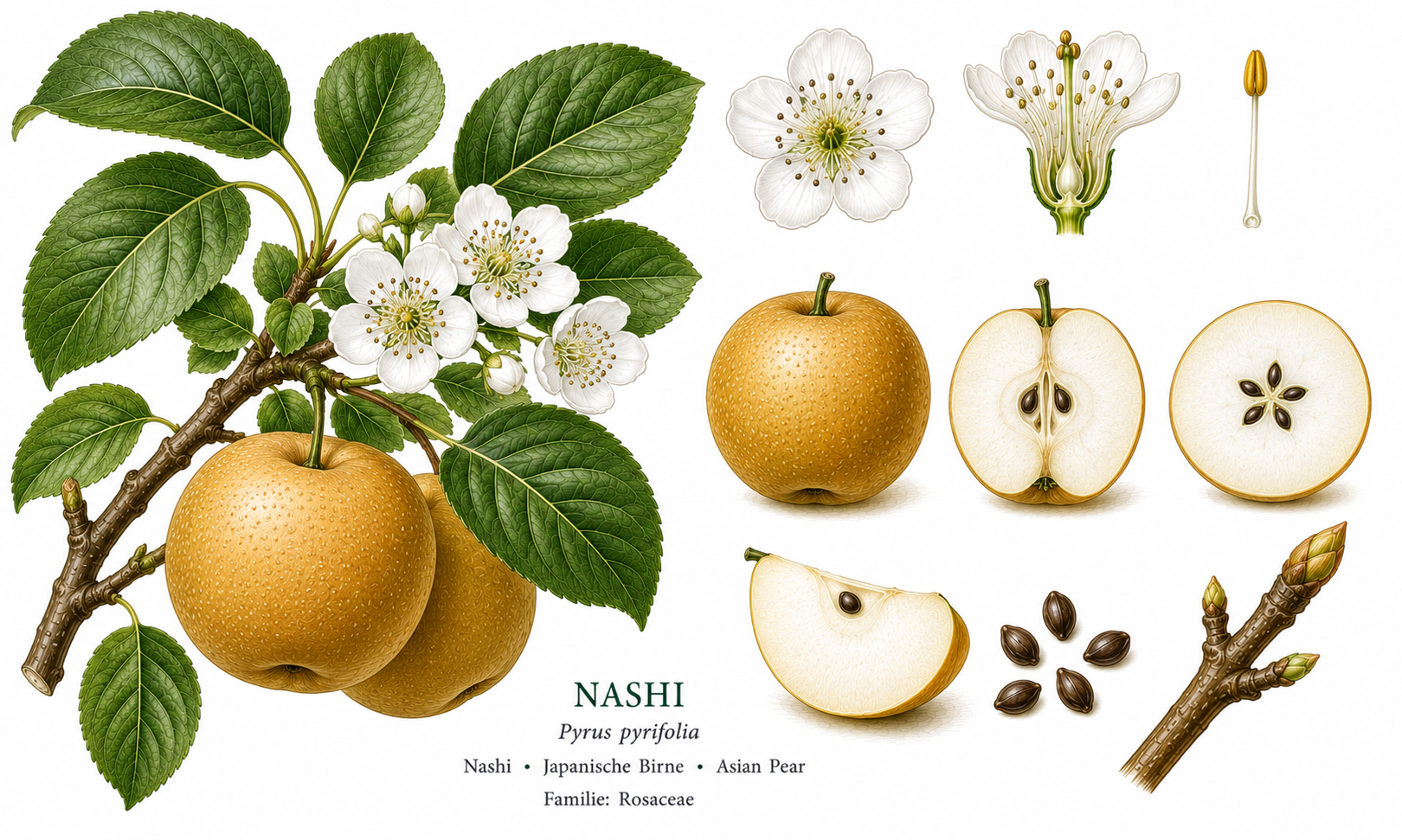
Pyrus communis plant card: Fruit, Rose family, sunny, warm, airy

Dog

Pyrus communis

selected parts onlyRisk level unknowncontact a vet if symptoms appearmedium evidence

The flesh of ripe pears is generally considered safe for dogs in moderation. However, seeds, leaves, and stems contain cyanogenic glycosides, which can be toxic if ingested in larger quantities. Always remove seeds before feeding pears to dogs.

Suitable: Ripe fruit flesh

Risk parts: Seeds, Leaves, Stems

Quince plant card: Fruit, Rose family, Harvest September - November

Dog

Quince

selected parts onlyRisk level unknowncontact a vet if ingestedlow evidence

The fruit flesh of quince is tolerable for dogs in small amounts when cooked. The seeds contain amygdalin and can release cyanide when chewed. Raw fruit flesh, fuzz, leaves, and stems are not recommended due to hardness, tannins, and toxins. Seek veterinary advice if seeds, fuzz, leaves, stems, or large amounts of raw fruit are ingested.

Suitable: Fruit flesh (cooked), Peel (cooked)

Risk parts: Seeds, Woolly fuzz, Leaves, Stems

red kuri squash plant card: Vegetables, Gourd family, Harvest September - November

Dog

red kuri squash

selected parts onlyRisk level unknownobservelow evidence

The flesh and skin of red kuri squash are suitable for dogs in small amounts as a treat. Bitter fruits due to cucurbitacins can cause gastrointestinal upset and should be avoided. Flower stem should not be fed.

Suitable: Flesh, Skin

Risk parts: Flower stem

Sour cherry plant card: Fruit, Rose family, Sunny to partial shade

Dog

Sour cherry

selected parts onlyRisk level unknowncontact a vet if symptoms appearlow evidence

The flesh of sour cherries is safe for dogs in small amounts as an occasional treat. Pits, leaves, and twigs contain amygdalin, which can hydrolyze to hydrogen cyanide when chewed, posing a poisoning risk. Swallowing a few whole pits is generally low risk, but deliberate chewing should be avoided. Excessive consumption of the flesh may cause gastrointestinal upset due to acidity and fiber. If symptoms such as…

Suitable: Flesh

Risk parts: Pits, leaves, twigs

Spaghetti squash plant card: Vegetables, Gourd family, Harvest August - October

Dog

Spaghetti squash

selected parts onlyRisk level unknownobservelow evidence

Cooked spaghetti squash flesh is safe for dogs in moderation and can be used as a treat. Raw flesh, seeds, and rind contain cucurbitacins, which can cause gastrointestinal irritation. Seeds should be roasted before feeding to reduce bitter compounds. Rind is not recommended due to its hardness and potential residue. Consumption of large amounts of raw hazardous parts warrants veterinary observation. If symptoms…

Suitable: Flesh (cooked)

Risk parts: Seeds (raw), Rind

Tomatillo plant card: Vegetables, Nightshade family, Harvest July - October

Dog

Tomatillo

selected parts onlyRisk level unknownobservelow evidence

Ripe tomatillo fruits are suitable for dogs in small amounts as a treat. Unripe fruits, leaves, stems, and husk contain solanine-like alkaloids that can cause gastrointestinal upset. If toxic parts are ingested, consult a veterinarian.

Suitable: Ripe fruit

Risk parts: Unripe fruits, Leaves, Stems, Husk (calyx)

tomato plant card: Fruit vegetables, nightshade family, Harvest July - October

Dog

tomato

selected parts onlyRisk level unknownobservelow evidence

Ripe tomato fruits are safe for dogs in moderation and can be given as treats. All green parts of the plant contain solanine and can cause gastrointestinal upset if consumed in excess. Stems and leaves should be avoided.

Suitable: ripe fruit

Risk parts: leaves, stems, unripe green fruits

watermelon plant card: Fruit, Gourd family, Harvest August - October

Dog

watermelon

selected parts onlyRisk level unknownusually no action neededmedium evidence

Watermelon flesh is safe for dogs in moderation and is commonly used as a treat. Seeds should be removed as they pose a choking hazard, although they are not toxic. The white rind between the flesh and hard shell is edible but often tough and tasteless, thus not recommended.

Suitable: Flesh

Risk parts: Seeds, Rind

Dog

Likely suitable

These plants are more likely suitable in the reviewed data, but not as a sole feed.

107 Plants

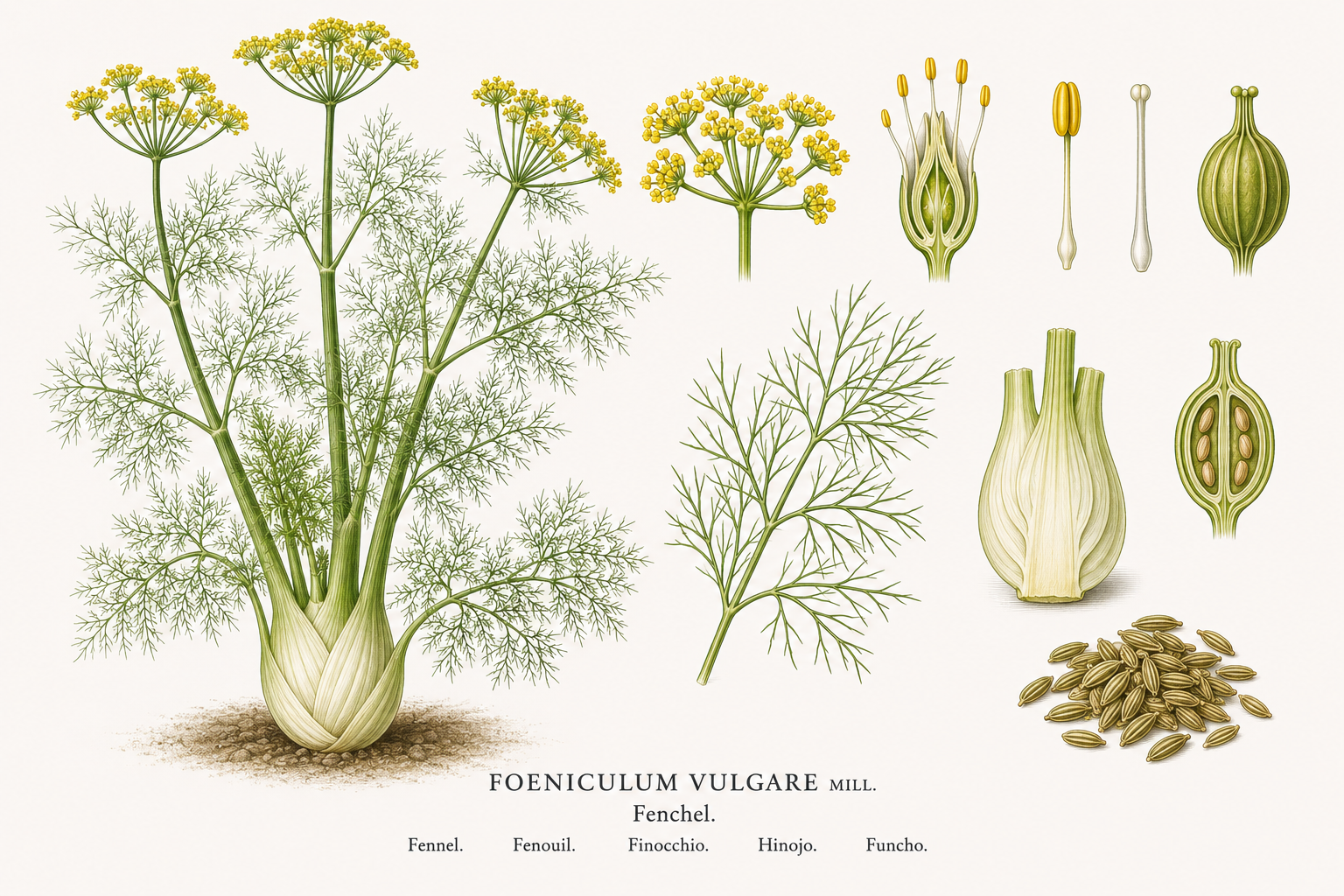
Fennel plant card: Vegetables, Carrot family, Harvest July - November

Dog

Fennel

moderation onlyRisk level 2 / 5usually no action neededhigh evidence

Fennel is generally safe for dogs in typical amounts. All edible parts (bulb, leaves, seeds, stems, pollen) can be fed. Concentrated essential oil poses a risk and should be avoided. No poisoning symptoms are expected with normal feeding of the vegetable or herb.

Suitable: Bulb, Leaves, Seeds, Stems

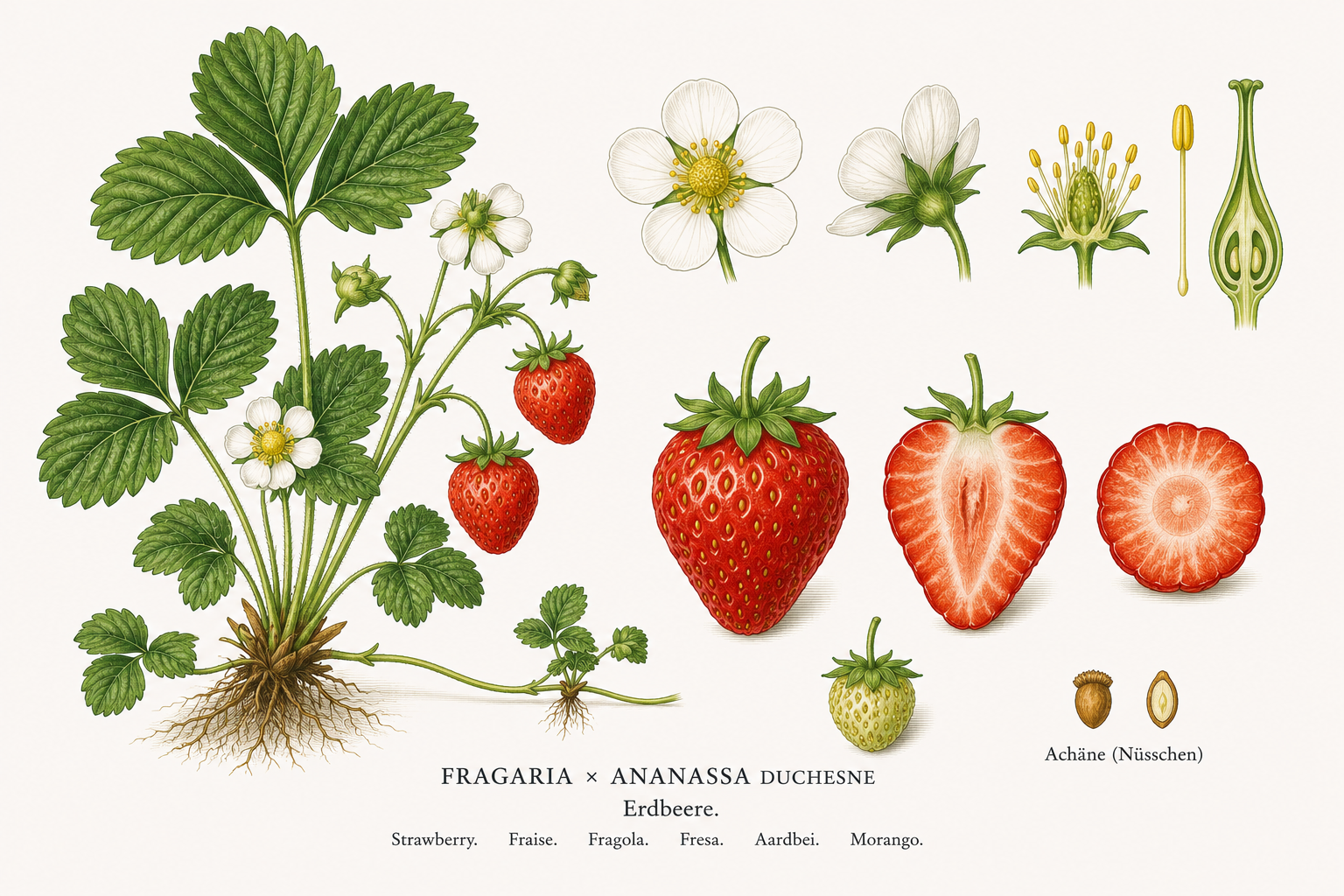
Strawberry plant card: Fruit, Rose family, Harvest May - October

Dog

Strawberry

moderation onlyRisk level 2 / 5usually no action neededhigh evidence

No reliable species-specific assessment is available.

Suitable: Fruits

Risk parts: Stems, Leaves, Seeds

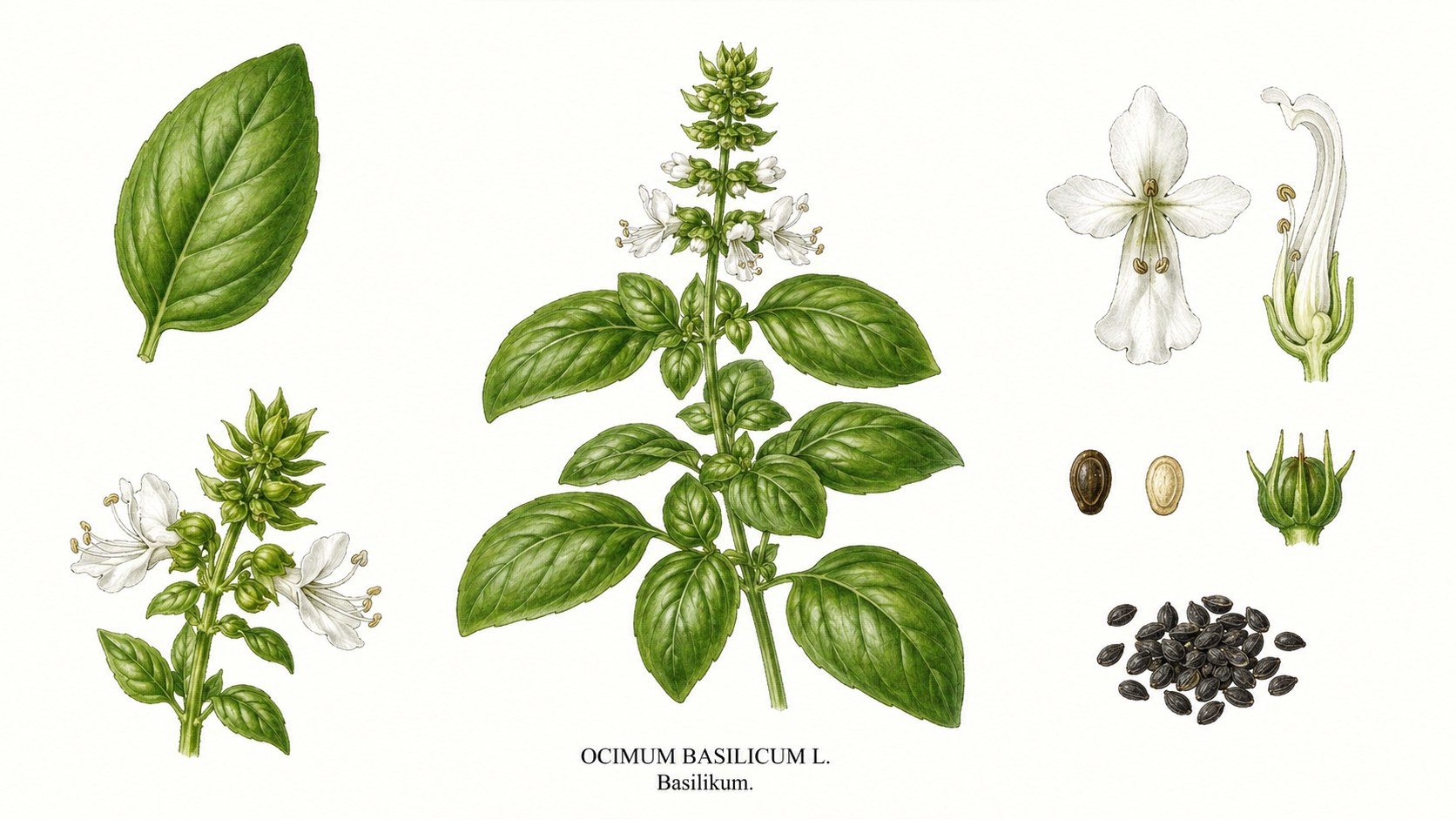
basil plant card: Woody plants, Lamiaceae, warm, sunny, sheltered

Dog

basil

moderation onlyRisk level 1 / 5usually no action neededhigh evidence

Excessive consumption, as with any plant material, could potentially cause mild gastrointestinal upset.

Suitable: leaves, young shoots, flowers

Dill plant card: Herbs, Celery family, Harvest May - October

Dog

Dill

moderation onlyRisk level 1 / 5usually no action neededhigh evidence

Dill is considered non-toxic for dogs. All commonly edible parts (leaves, seeds, flowers, tender stems) can be fed in small amounts as a treat. Contact with plant sap and sunlight poses a rare risk of skin irritation.

Suitable: Leaves, Seeds, Flowers, Tender stems

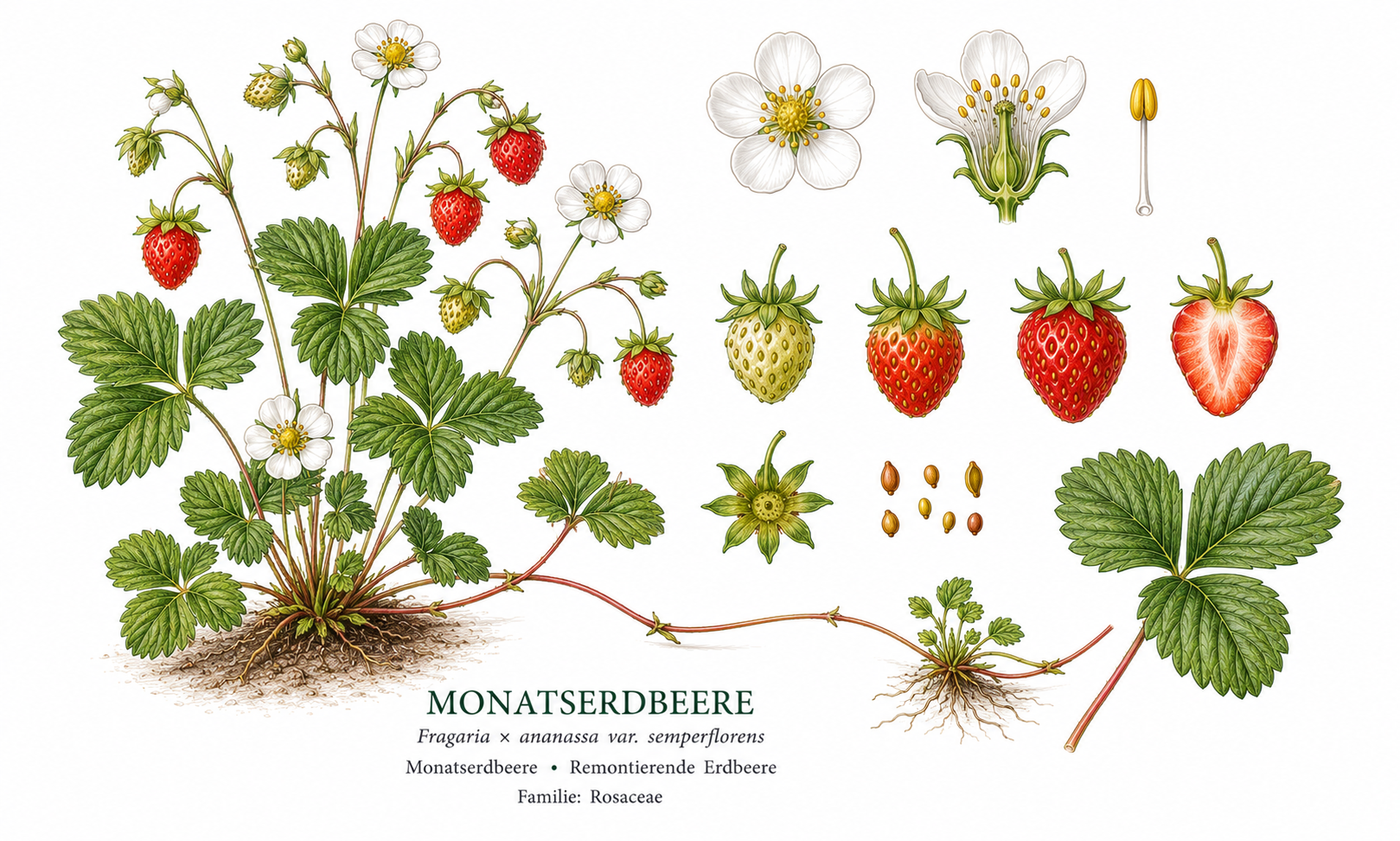
Wild Strawberry plant card: Fruit, Rose family, Full sun to partial shade

Dog

Wild Strawberry

moderation onlyRisk level 1 / 5usually no action neededhigh evidence

Wild strawberry (Fragaria vesca) is non-toxic to dogs. Fruits and leaves can be fed in moderation as treats. Overconsumption may cause gastrointestinal upset. No known toxic compounds.

Suitable: Fruits, Leaves

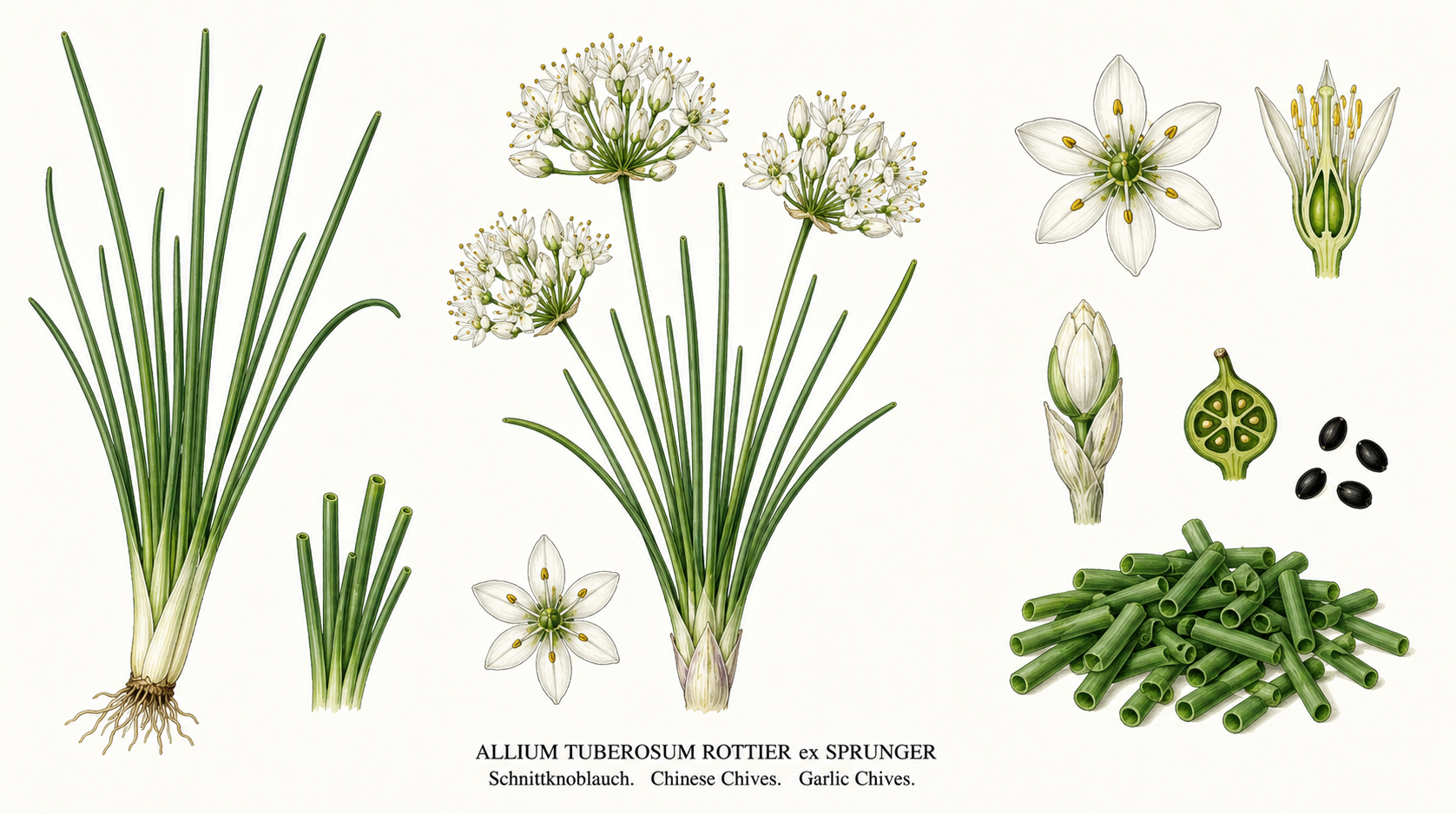
Allium ramosum plant card: Vegetables, Amaryllis family, Harvest April - October

Dog

Allium ramosum

moderation onlyRisk level unknownobservelow evidence

Leaves and flowers of Allium ramosum are edible for dogs in small amounts but may cause gastrointestinal upset in sensitive animals. No known severe toxicity.

Suitable: Leaves, Flowers

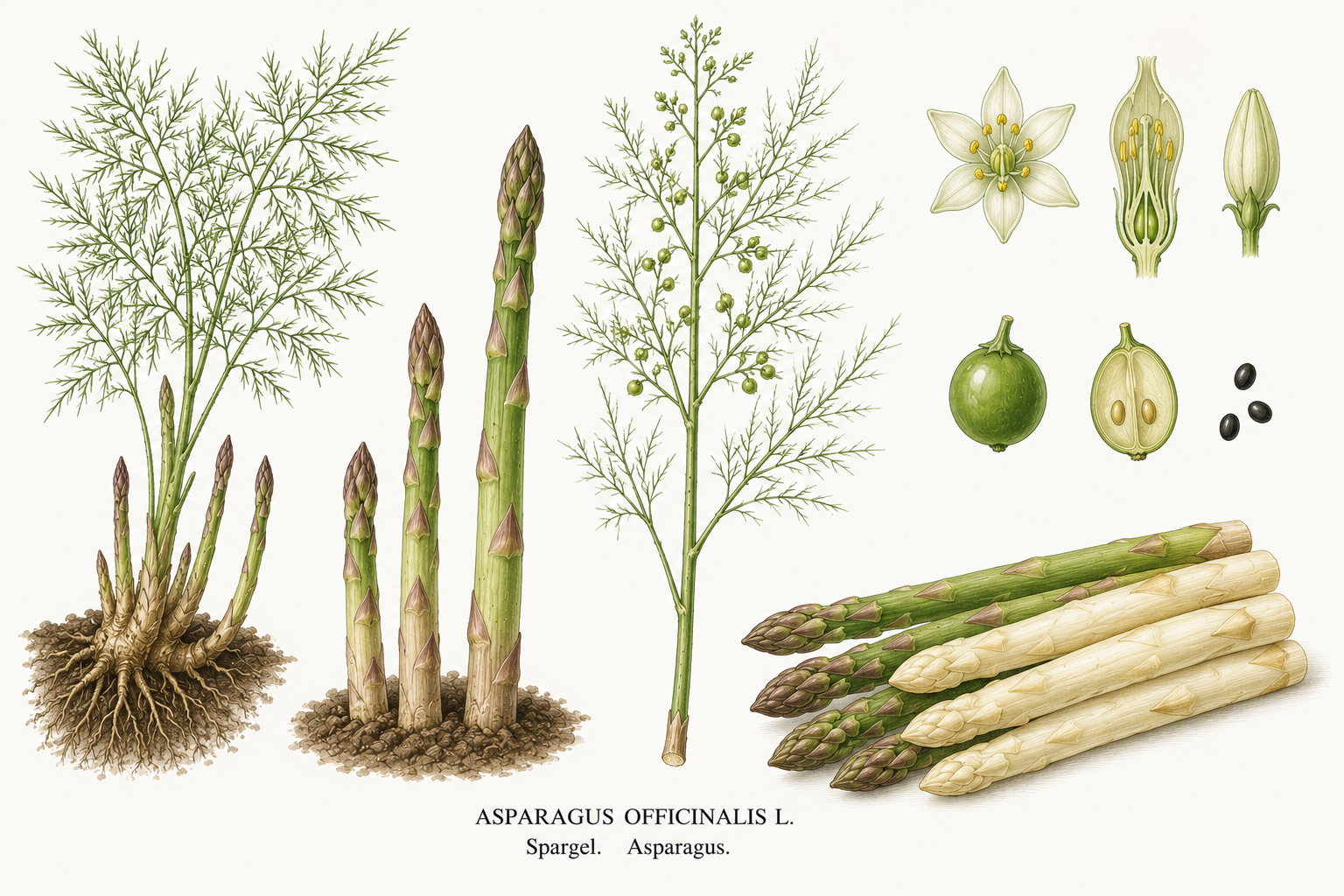
Asparagus plant card: Vegetables, Asparagus family, Harvest April - June

Dog

Asparagus

moderation onlyRisk level unknowncontact a vet if symptoms appearlow evidence

Young asparagus spears are suitable for dogs in small amounts as a treat. Berries and mature plant parts contain saponins and can cause gastrointestinal upset. Woody ends are difficult to digest and should be avoided.

Suitable: Young shoots (asparagus spears)

Risk parts: Berries, Woody ends of spears, Mature fronds

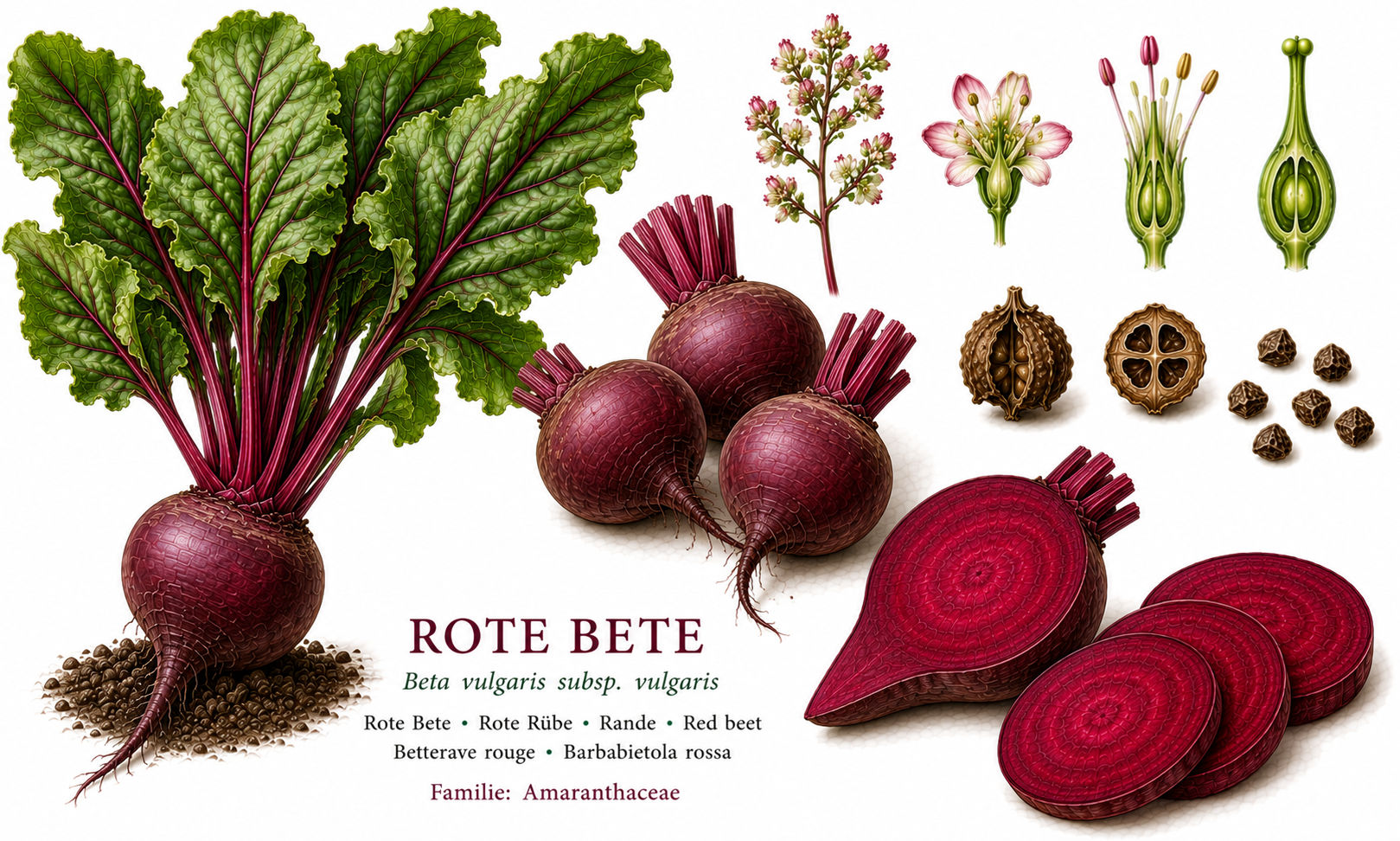
beet plant card: Vegetables, Amaranthaceae, Harvest June - November

Dog

beet

moderation onlyRisk level unknowncontact a vet if symptoms appearhigh evidence

Beetroot (root) is considered non-toxic to dogs and can be offered in moderation as a treat. The leaves contain oxalic acid, which can cause gastrointestinal upset in large quantities. As with any new food, consumption of plant material may cause mild gastrointestinal upset in dogs.

Suitable: Root (beetroot)

Risk parts: Leaves (in large quantities)

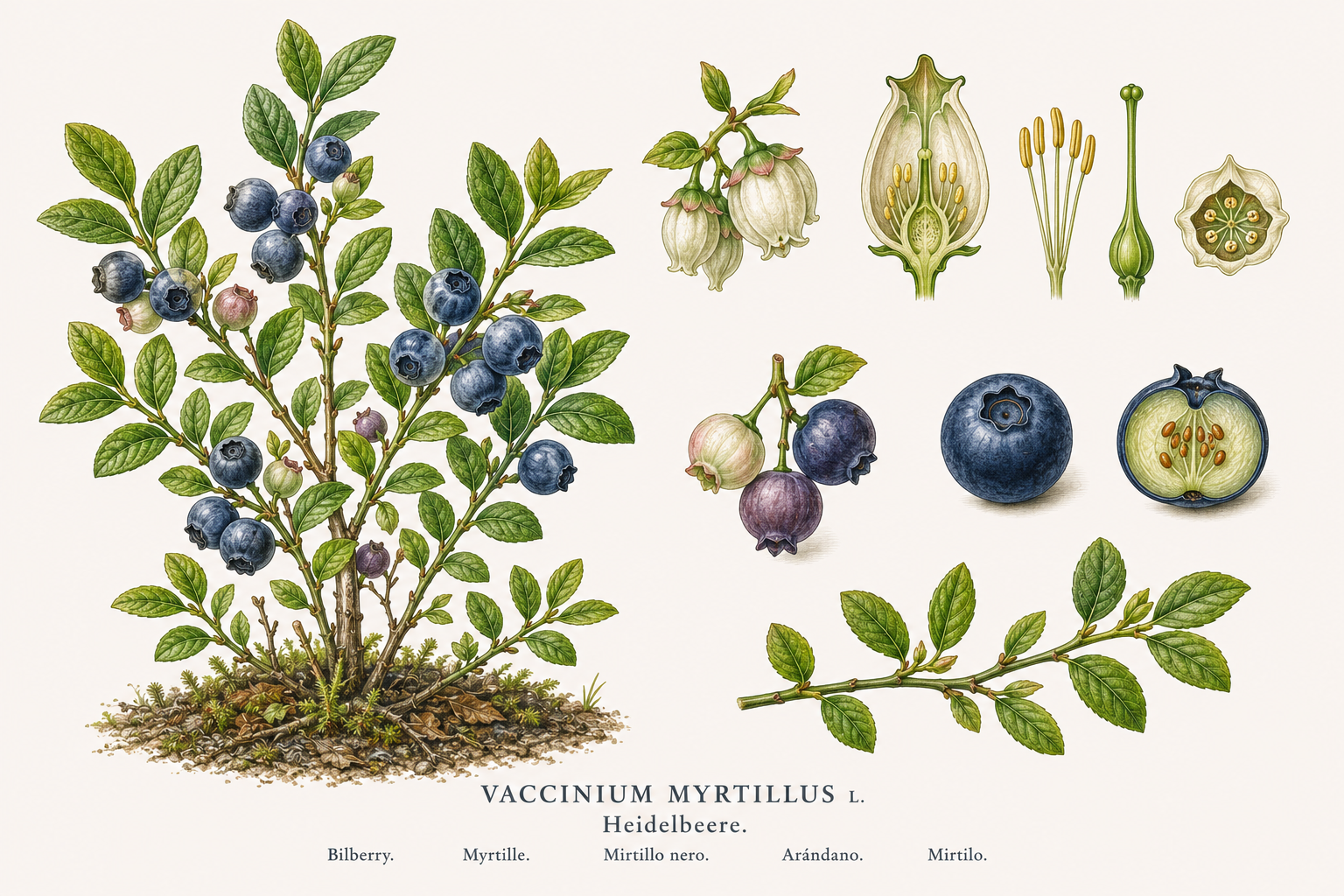
Bilberry plant card: Fruit, Heathers, Harvest July - September

Dog

Bilberry

moderation onlyRisk level unknownusually no action neededlow evidence

Berries are safe for dogs in moderation and are occasionally fed as treats. Leaves can be used for tea but are not a regular part of canine diet. Excessive consumption can lead to temporary diarrhea or vomiting due to fiber and tannins. No known toxic compounds in Vaccinium myrtillus that could endanger dogs.

Suitable: Fruits

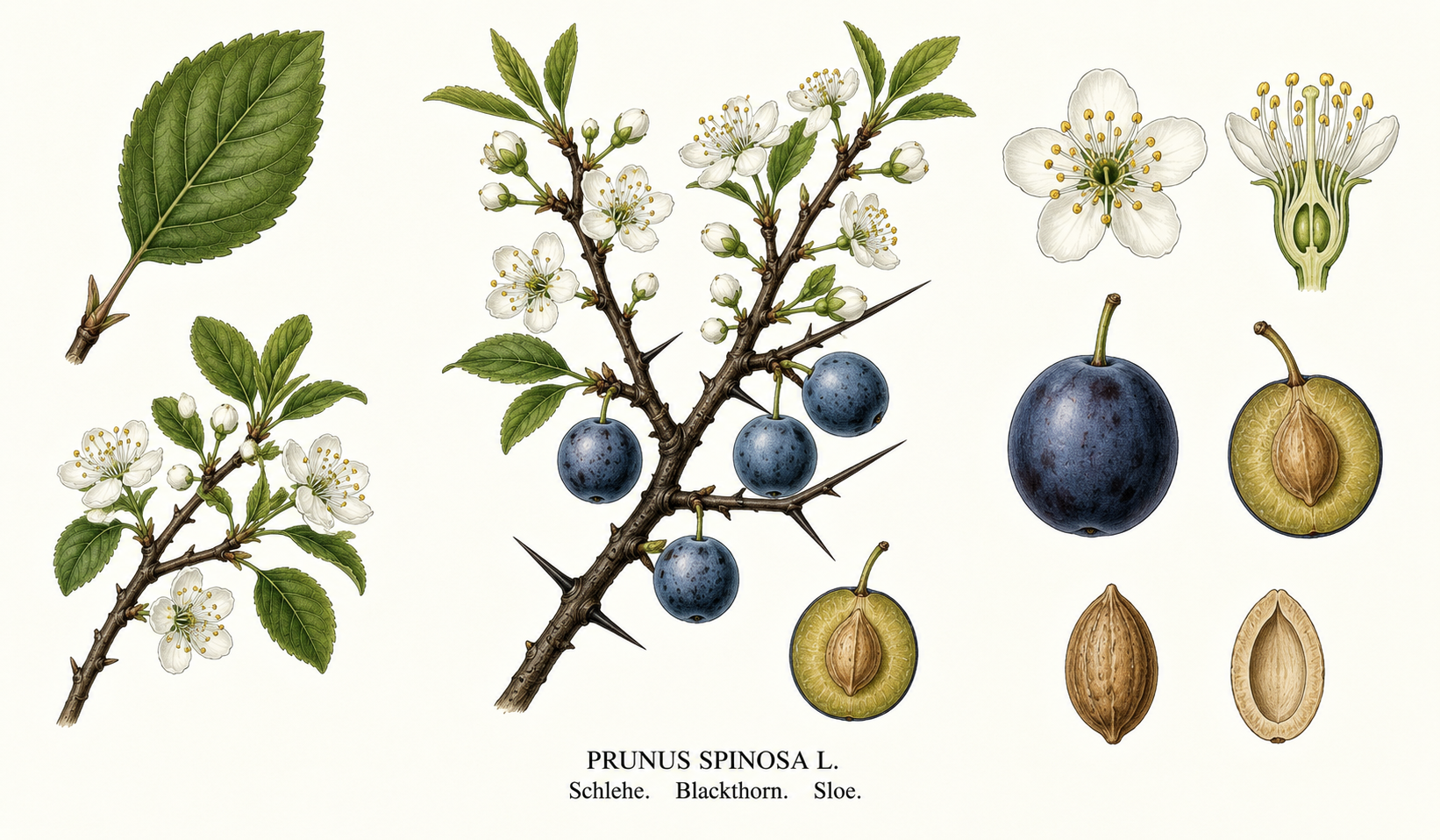
Blackthorn plant card: Woody plants, Rose family, Harvest October - December

Dog

Blackthorn

moderation onlyRisk level unknownusually no action neededlow evidence

Fruits are suitable in small amounts for dogs as a treat after frost or processing. Leaves and seeds should be avoided as they contain amygdalin, which can be converted to hydrocyanic acid. No direct species-specific poisoning cases are known in dogs, but caution is advised.

Suitable: Fruit (after frost or processed)

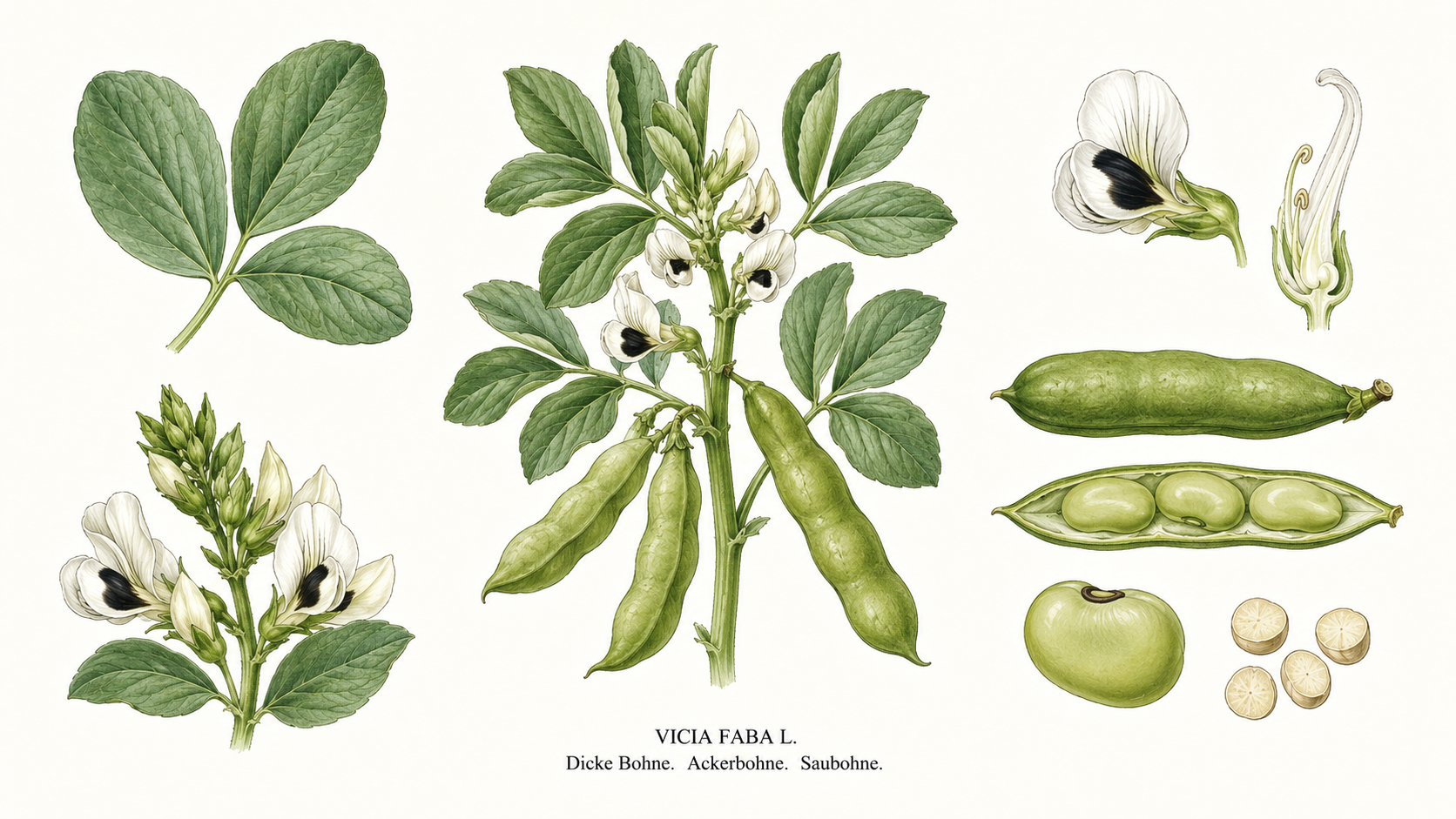
broad bean plant card: Vegetables, legumes, Harvest May - August

Dog

broad bean

moderation onlyRisk level unknowncontact a vet if symptoms appearlow evidence

The edible parts (seeds, young pods, shoot tips) are suitable for dogs in small amounts as treats, but contain phasin, which is destroyed by cooking. Mature pod shells and roots are tough and indigestible and may cause gastrointestinal discomfort. Favism is not known in dogs, but caution is advised in cases of known G6PD deficiency. Overconsumption may lead to gastrointestinal distress. Consult a veterinarian if…

Suitable: Seeds (beans), Very young pods, Tender shoot tips

Risk parts: Mature pod shells, Roots

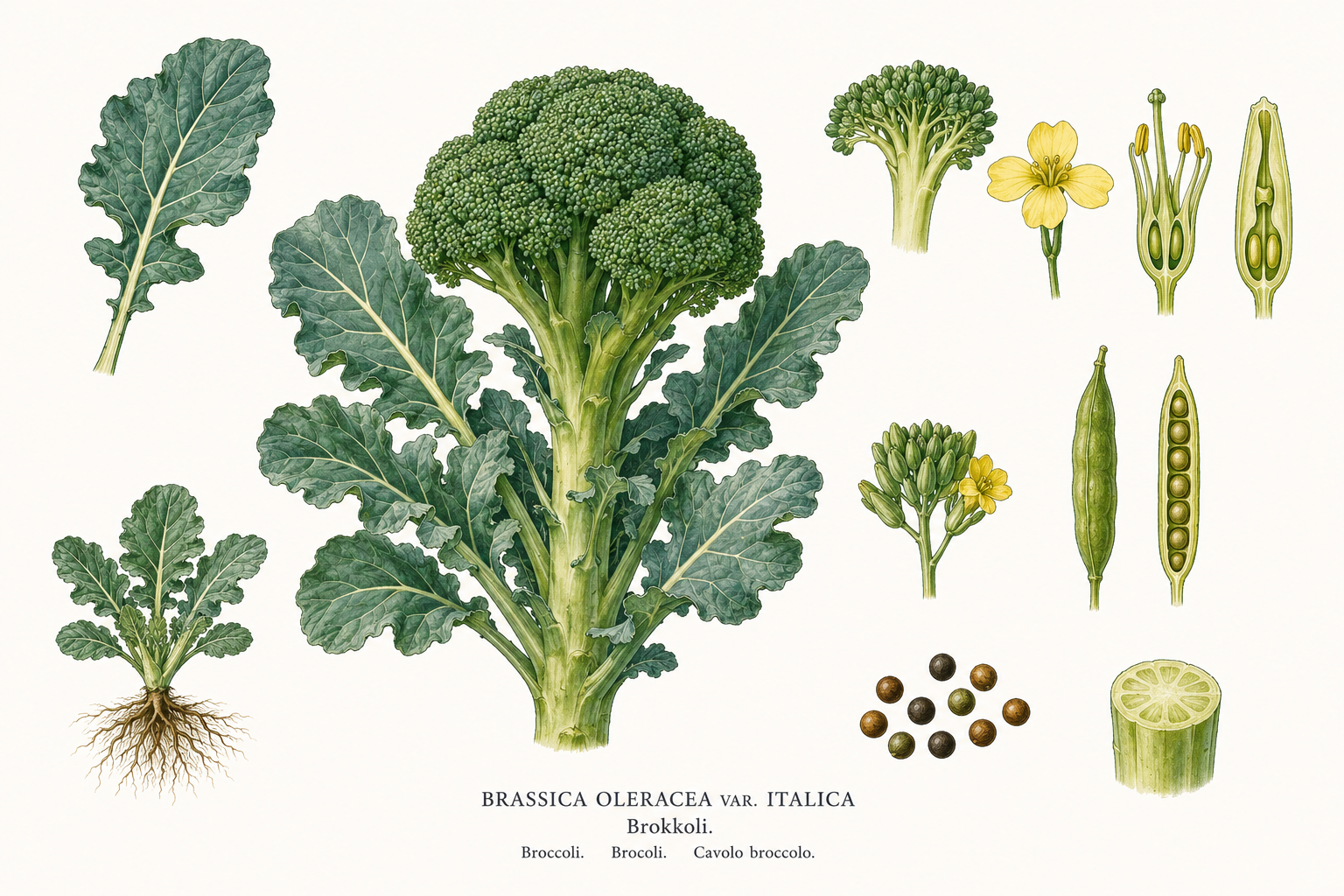
broccoli plant card: Vegetables, mustard family, Sunny to partial shade

Dog

broccoli

moderation onlyRisk level unknownusually no action neededmedium evidence

Broccoli is suitable for dogs in small amounts as a treat. The edible parts (flower buds, tender stems, young leaves) are non-toxic but may cause gas and bloating if overconsumed. Woody stems and spoiled parts should be avoided.

Suitable: flower buds, tender stems, young leaves

Brussels sprouts plant card: Vegetables, Mustard family, Sunny to partial shade

Dog

Brussels sprouts

moderation onlyRisk level unknownusually no action neededlow evidence

Brussels sprouts are safe for dogs in normal amounts and can be fed as an occasional supplement. All parts of the plant are edible and non-toxic. Overconsumption may cause gas and gastrointestinal upset. Young leaves are often bitter and should be finely chopped or cooked before feeding.

Suitable: Buds (sprouts), Young leaves

buck's-horn plantain plant card: Vegetables, Plantain family, Harvest April - October

Dog

buck's-horn plantain

moderation onlyRisk level unknownobservelow evidence

Leaves of buck's-horn plantain are edible for dogs and not known to be toxic. Feed in moderation only, as overconsumption may cause gastrointestinal upset. Other plant parts such as flower stalks are not commonly used and their safety is less documented.

Suitable: Leaves

cardoon plant card: Vegetables, daisy family, Harvest July - October

Dog

cardoon

moderation onlyRisk level unknownobservelow evidence

Young, tender parts are safe in moderation; older, fibrous parts and thorns should be avoided.

Suitable: Young leaf stalks, Young leaves, Flower buds

Risk parts: Older, fibrous leaf stalks, Thorns on leaves and stalks

cauliflower plant card: Vegetables, Mustard family, Harvest June - November

Dog

cauliflower

moderation onlyRisk level unknownusually no action neededlow evidence

Cauliflower is generally safe and non-toxic for dogs when fed in moderation. Large quantities, especially raw, may cause gastrointestinal upset or gas in some dogs. Feed only fresh, clean parts.

Suitable: curd/head, tender inner leaves, peeled stem

Risk parts: rotted or moldy parts

celeriac plant card: Vegetables, Carrot family, Harvest August - November

Dog

celeriac

moderation onlyRisk level unknownusually no action neededlow evidence

The bulb of celeriac is suitable for dogs in small amounts as a treat. Leaves and stalks should be avoided as they may contain potentially irritating compounds. Excessive consumption of the bulb can lead to gastrointestinal upset.

Suitable: Bulb (hypocotyl)

celery plant card: Vegetables, Carrot family, Harvest July - October

Dog

celery

moderation onlyRisk level unknowncontact a vet if symptoms appearlow evidence

Celery can be used as an occasional treat for dogs in moderation. However, the root and seeds should be avoided.

Suitable: stalks, leaves

Risk parts: root, seeds

Chaenomeles plant card: Ornamentals, Rose family, full sun

Dog

Chaenomeles

moderation onlyRisk level unknowncontact a vet if symptoms appearlow evidence

Cooked or processed flowering quince fruit is safe for dogs in small amounts as an occasional treat. Seeds contain cyanogenic glycosides and should be removed. Raw fruit is not recommended due to high acidity and hardness and may cause gastrointestinal irritation. Consult a veterinarian if seeds are ingested or symptoms occur.

Suitable: Fruit (cooked or processed)

Risk parts: Seeds

Choy Sum plant card: Vegetables, Mustard family, Harvest May - November

Dog

Choy Sum

moderation onlyRisk level unknownusually no action neededlow evidence

Choy Sum is edible for dogs and provides valuable nutrients such as vitamin C, vitamin K, fiber, and calcium. Like all Brassica species, it contains glucosinolates, which are safe in normal amounts but may cause mild gastrointestinal upset if overconsumed. Roots should be avoided as they are not commonly consumed and may accumulate soil contaminants.

Suitable: Leaves, Stems, Flower buds, Flowers

Cochlearia plant card: Mustard family, Harvest March - May, September - November, Direct sowing March - April, August

Dog

Cochlearia

moderation onlyRisk level unknownobservelow evidence

Cochlearia (scurvygrass) contains mustard oil glycosides that can cause gastrointestinal upset in dogs when consumed in large quantities. Young leaves and shoots are edible and occasionally used as a vitamin C source, but should only be fed in small amounts. No known serious toxic properties with normal consumption. Consult a veterinarian if symptoms occur.

Suitable: Leaves, Young shoots, Stems

Common chicory plant card: Vegetables, Aster family, Harvest May - October

Dog

Common chicory

moderation onlyRisk level unknownobservelow evidence

Chicory is generally considered safe for dogs in small amounts. Leaves and stems can be offered occasionally as a treat. Excessive consumption may cause mild gastrointestinal upset. No known toxic compounds documented for dogs.

Suitable: leaves, stems

Common Hazel plant card: Nuts, Birch family, Harvest September - October

Dog

Common Hazel

moderation onlyRisk level unknownobservelow evidence

Hazelnut kernels are suitable for dogs in small amounts as an occasional treat, but due to high fat content should only be fed infrequently. Whole nuts pose a choking hazard. Shell and husk are not toxic but poorly digestible and should not be fed. No known toxic compounds in Corylus avellana for dogs. Excessive consumption may cause gastrointestinal upset. Seek veterinary assistance for signs of pancreatitis or…

Suitable: Seeds (nut kernel)

Common Purslane plant card: Vegetables, Purslanes, Harvest June - October

Dog

Common Purslane

moderation onlyRisk level unknownobservelow evidence

Common purslane is edible for dogs in small amounts but contains oxalic acid, which can cause gastrointestinal upset if consumed excessively. Seeds should be avoided as they may contain higher concentrations of oxalic acid. Young leaves and stems are most tolerable. If symptoms occur, consult a veterinarian.

Suitable: Leaves, Stems, Flower buds

Risk parts: Seeds

common sage plant card: Herbs, Mint family, Harvest May - October

Dog

common sage

moderation onlyRisk level unknowncontact a vet if symptoms appearlow evidence

Common sage (Salvia officinalis) contains thujone, which can be neurotoxic in high doses. Normal culinary amounts of leaves, young shoots, or flowers are generally tolerated by dogs and may occasionally be used as a feed additive or treat. Concentrated essential oils or extracts should be avoided due to thujone content, which can cause vomiting, diarrhea, tremors, and in rare cases seizures if overdosed. When used…

Suitable: Leaves, Young shoots, Flowers (sparingly)

Risk parts: Concentrated essential oils

corn salad plant card: Vegetables, Honeysuckle family, Harvest January - April, September - December

Dog

corn salad

moderation onlyRisk level unknownobservelow evidence

Leaves and flowers are edible and nutritious for dogs. Roots and seeds should be avoided as they may be indigestible and cause gastrointestinal upset.

Suitable: Leaves, Flowers

Risk parts: Roots, Seeds

Crambe plant card: Vegetables, Brassicaceae, Harvest April - October

Dog

Crambe

moderation onlyRisk level unknownusually no action neededlow evidence

However, excessive consumption of raw plant material can cause gastrointestinal upset in dogs, similar to humans. No specific toxic compounds are known.

Suitable: Leaves, Shoots, Flower buds

Curry plant plant card: Herbs, Aster family, Harvest January - December

Dog

Curry plant

moderation onlyRisk level unknownobservelow evidence

Leaves and young shoots are non-toxic for dogs in small amounts as a flavoring, but due to tough texture not suitable as main feed. Woody stems should be avoided. Excessive consumption may cause gastrointestinal upset.

Suitable: Leaves, Young shoots

Risk parts: Woody stems

cutting lettuce plant card: Vegetables, Aster family, Harvest April - October

Dog

cutting lettuce

moderation onlyRisk level unknownusually no action neededlow evidence

Cutting lettuce (Lactuca sativa var. crispa) is safe for dogs in normal amounts and is commonly used as a low-calorie snack. All parts of the plant are edible and contain no known toxic compounds for dogs. Overconsumption may cause temporary gastrointestinal upset due to high water and fiber content.

Suitable: Leaves

Cynara scolymus plant card: Vegetables, Aster family, Harvest June - October

Dog

Cynara scolymus

moderation onlyRisk level unknownobservelow evidence

The artichoke is generally recognized as safe and edible. No specific toxic properties are known. Raw consumption of the flower heads is possible but often less palatable and harder to digest than cooked artichokes. The leaves are bitter raw and are mostly used for medicinal purposes. Excessive consumption or consumption of non-edible parts can lead to gastrointestinal upset.

Suitable: Flower bud base (heart), Inner, tender parts of the bracts

Risk parts: Choke (the fine hairs inside the flower head), Outer, tough parts of the bracts, Stems (raw)

Dandelion plant card: Wild plants, Aster family, Harvest March - October

Dog

Dandelion

moderation onlyRisk level unknownusually no action neededmedium evidence

Dandelion is generally considered safe for dogs. All parts of the plant (leaves, flowers, roots) can be fed in moderation. The latex may cause skin irritation in sensitive dogs but is not toxic when ingested. As a nutritious supplement, dandelion contains vitamins A, C, K, and minerals such as potassium and iron. Due to its high fiber and bitter compound content, introduction should be gradual to avoid digestive…

Suitable: Leaves, Flowers, Roots

Daucus carota plant card: Vegetables, Apiaceae, full sun

Dog

Daucus carota

moderation onlyRisk level unknownusually no action neededmedium evidence

The root of the carrot (Daucus carota) is safe for dogs and can be given as a nutritious treat. Young leaves can be fed in small amounts, while older leaves and stems are less suitable due to bitterness and fibrousness. Excessive consumption may lead to harmless temporary skin yellowing.

Suitable: Root, Young leaves (in moderation)

Risk parts: Older leaves and stems

Garden cress plant card: Vegetables, Mustard family, Harvest January - December

Dog

Garden cress

moderation onlyRisk level unknownobservelow evidence

Garden cress is safe for dogs in small amounts as an occasional treat. The leaves, seedlings, and flowers can be fed, but seeds should be avoided due to their higher mustard oil content, which may cause gastric irritation if consumed excessively. When fed occasionally as a treat, no serious effects are expected. If large amounts are ingested, especially seeds, the dog should be monitored and a veterinarian…

Suitable: Leaves, Seedlings, Flowers

Risk parts: Seeds

Garden Orache plant card: Vegetables, Amaranth family, Harvest May - October

Dog

Garden Orache

moderation onlyRisk level unknownobservelow evidence

Leaves and young stems of garden orache are suitable for dogs in small amounts as an occasional treat. Mature seeds contain saponins and may cause gastrointestinal upset if consumed in large quantities. Woody stems are difficult to digest and should be avoided. Consult a veterinarian if large amounts are ingested or if symptoms occur.

Suitable: Leaves, Young stems

Risk parts: Old, woody stems, Large quantities of mature seeds

gooseberry plant card: Fruit, Gooseberry family, Harvest June - August

Dog

gooseberry

moderation onlyRisk level unknownusually no action neededlow evidence

Fully ripe fruit is suitable for dogs in small amounts as an occasional treat. No indications of toxicity in dogs.

Suitable: fruit (fully ripe)

hardy kiwi plant card: Fruit, Kiwifruit family, Harvest September - October

Dog

hardy kiwi

moderation onlyRisk level unknownobservelow evidence

The fruit of the hardy kiwi is safe for dogs in small amounts as a treat. No known toxic compounds in the fruit. In sensitive dogs, mild allergic reactions may rarely occur, similar to those with common kiwi. Leaves and stems are not classified as toxic but are not suitable for consumption and may cause gastrointestinal upset in large quantities. Due to the high sugar content, the fruit should only be fed…

Suitable: Fruit

Honeyberry plant card: Fruit, Honeysuckle family, Harvest May - June

Dog

Honeyberry

moderation onlyRisk level unknownobservelow evidence

Honeyberry fruits are safe for dogs in moderation and can be given as an occasional treat. Other plant parts such as leaves and stems are not suitable for consumption and should be avoided. Overconsumption may cause gastrointestinal upset.

Suitable: Fruits

Risk parts: Leaves, Stems

Hyssop plant card: Herbs, Mint family, Harvest June - September

Dog

Hyssop

moderation onlyRisk level unknownobservelow evidence

Leaves and flowers in typical amounts are safe for dogs. Essential oil contains neurotoxic compounds like thujone and should be avoided. Excessive consumption may cause gastrointestinal upset.

Suitable: Leaves, Flowers

Risk parts: Essential oil (in high doses)

iceberg lettuce plant card: Aster family, Harvest June - October, Direct sowing April - July

Dog

iceberg lettuce

moderation onlyRisk level unknownusually no action neededmedium evidence

Iceberg lettuce is safe for dogs in moderation. The leaves and young stems are edible and commonly used as a low-calorie snack. Excessive fertilization can lead to nitrate accumulation in the leaves, which may pose a risk if very large quantities are consumed. No known toxic compounds for dogs. Possible mild gastrointestinal upset from overconsumption due to fiber content.

Suitable: Leaves, Stem (if young and tender)

Jostaberry plant card: Fruit, Gooseberry family, Harvest June - August

Dog

Jostaberry

moderation onlyRisk level unknownobservelow evidence

The fruit of the jostaberry bush is edible for dogs in small amounts and may be tolerated as an occasional treat. Other plant parts such as leaves, stems, and roots may cause gastrointestinal upset if ingested but are not considered highly toxic. Monitoring is recommended if larger amounts are consumed.

Suitable: Fruit

Risk parts: Leaves, Stems, Roots

kale plant card: Vegetables, Mustard family, Harvest January - February, October - December

Dog

kale

moderation onlyRisk level unknownobservemedium evidence

Kale is suitable for dogs in small amounts as a supplemental feed. The leaves, young shoots, and flower buds are edible and nutrient-rich but high in fiber, which can cause gastrointestinal upset if consumed excessively. Roots and woody stalks are difficult to digest and should be avoided. Due to its high vitamin K content, consult a veterinarian before feeding to dogs on anticoagulant therapy.

Suitable: Leaves, Young shoots, Flower buds

Risk parts: Roots, Woody stalks

kohlrabi plant card: Vegetables, Cabbage family, Harvest May - October

Dog

kohlrabi

moderation onlyRisk level unknownusually no action neededlow evidence

Kohlrabi is considered safe for dogs in moderate amounts. The stem tuber and young leaves are edible and nutrient-rich. Overconsumption may cause gas or gastrointestinal discomfort due to high fiber and sulfur content. No known toxic compounds for dogs have been identified. As a member of the Brassica family, it is generally regarded as safe, but it should not be used as a primary food source.

Suitable: Stem tuber, Young leaves

Komatsuna plant card: Vegetables, Cabbage family, Harvest May - November

Dog

Komatsuna

moderation onlyRisk level unknownobservelow evidence

Komatsuna is edible and nutritious for dogs. Like all brassicas, it contains glucosinolates, which are health-promoting in normal quantities. Overconsumption may cause gas or gastrointestinal upset. Young leaves are particularly tender and flavorful. Roots and old, woody stems are not recommended but are not toxic.

Suitable: Leaves, Stems, Flower buds, Young flower stalks

Risk parts: Roots, Old, woody stems

Lacinato kale plant card: Vegetables, Mustard family, Harvest January - February, August - December

Dog

Lacinato kale

moderation onlyRisk level unknownobservelow evidence

Lacinato kale (Palmkohl) is safe for dogs in small amounts as an occasional treat. Leaves and young flower buds are nutrient-rich but may cause bloating or gastrointestinal upset if overconsumed due to glucosinolates. Tough, woody stalks should be avoided as they are difficult to digest and may pose a choking hazard.

Suitable: Leaves, Young flower buds

Risk parts: Tough, woody stalks

Lavandula plant card: Ornamentals, Lamiaceae, Harvest June - August

Dog

Lavandula

moderation onlyRisk level unknowncontact a vet if symptoms appearlow evidence

Lavender is not toxic to dogs in usual amounts, but ingestion of large quantities or essential oils can lead to gastrointestinal upset. Young leaves and flowers can be given in small amounts as treats, while older, woody parts should be avoided. Consult a veterinarian if symptoms occur.

Suitable: Flowers, Young leaves

Risk parts: Older, woody plant parts

leaf mustard plant card: Mustard family, sun to partial shade, Harvest May - June, September - November

Dog

leaf mustard

moderation onlyRisk level unknownobservelow evidence

Leaf mustard is generally safe for dogs when fed in moderation. Large quantities, especially raw, can cause gastrointestinal upset. Individuals with thyroid issues should limit brassica intake.

Suitable: leaves, young stems

Leafy Goosefoot plant card: Vegetables, Amaranth family, Harvest June - October

Dog

Leafy Goosefoot

moderation onlyRisk level unknowncontact a vet if symptoms appearlow evidence

Leaves, young shoots, and ripe pseudo-fruits are safe in small amounts as a treat. Roots, unripe fruits, and large quantities of seeds may cause gastrointestinal upset due to oxalic acid and saponins. Avoid consumption in dogs with known kidney sensitivity due to oxalic acid.

Suitable: Leaves, Young shoots, Ripe pseudo-fruits

Risk parts: Roots, Green (unripe) fruits, Seeds (in large quantities)

Lentil plant card: Legumes, Pea family, Harvest July - September

Dog

Lentil

moderation onlyRisk level unknowncontact a vet if symptoms appearlow evidence

['Cooked lentils are suitable for dogs in small amounts as an occasional treat. Raw seeds contain lectins that can cause gastrointestinal upset. Leaves and stems of the plant are not recommended for consumption.']

Suitable: Seeds (cooked)

Risk parts: Raw seeds, Leaves, Stems

Levisticum officinale plant card: Herbs, Apiaceae, Harvest April - October

Dog

Levisticum officinale

moderation onlyRisk level unknownobservelow evidence

Leaves and stems are generally tolerable in small amounts, but seeds may contain furocoumarins that can cause phototoxic reactions and gastrointestinal upset in dogs. Feed only under supervision and in limited quantities.

Suitable: leaves, stems

Risk parts: seeds

May turnip plant card: Vegetables, Mustard family, Harvest May - October

Dog

May turnip

moderation onlyRisk level unknowncontact a vet if symptoms appearmedium evidence

May turnips are considered non-toxic to dogs. However, consumption of large quantities or older, woody turnips and bolted flower stalks may lead to gastrointestinal upset. Offer only young, fresh turnips and leaves as an occasional treat.

Suitable: Root (turnip), Leaves (young)

Risk parts: Older, woody turnips, Flower stalks (after bolting)

Medlar plant card: Fruit, Rose family, Harvest October - November

Dog

Medlar

moderation onlyRisk level unknownobserveinsufficient

The fruit of the medlar is suitable for dogs in small amounts as a treat after bletting. The seeds contain cyanogenic glycosides and should be avoided. Consumption of large amounts or seeds may cause gastrointestinal upset.

Suitable: Fruit (after bletting)

Risk parts: Seeds

Mesembryanthemum crystallinum plant card: Woody plants, Aizoaceae, full sun and warm

Dog

Mesembryanthemum crystallinum

moderation onlyRisk level unknownobservelow evidence

Flowers and leaves of ice plant are safe for dogs in small amounts as an occasional treat. Seeds should be avoided as their safety profile is unclear and they may cause gastrointestinal upset if consumed in excess. If large amounts are ingested or symptoms occur, consult a veterinarian.

Suitable: Flowers, Leaves

Risk parts: Seeds

Mizuna plant card: Leafy vegetables, Mustard family, Sun to partial shade

Dog

Mizuna

moderation onlyRisk level unknownobservelow evidence

Mizuna is edible for dogs in moderation and used as a leafy vegetable. Young leaves and stems are tender and mild. No known toxic compounds that are harmful in normal amounts. As part of the Brassica family, it contains glucosinolates which are harmless in normal amounts. Excessive consumption may cause mild gastrointestinal upset due to fiber content. Feed fresh and washed, introduced in small amounts for…

Suitable: Leaves, Young stems

New Zealand spinach plant card: Vegetables, Fig-marigold family, Harvest June - October

Dog

New Zealand spinach

moderation onlyRisk level unknownobservelow evidence

New Zealand spinach contains oxalic acid and saponins that can cause gastrointestinal upset in dogs when consumed in large amounts. Young leaves and tender shoot tips are suitable as an occasional treat in small amounts after blanching. Mature stems and seeds should be avoided. Consult a veterinarian if large amounts are ingested.

Suitable: Young leaves, Tender shoot tips

Risk parts: Tough, woody stems, Mature fruits (seed capsules)

Parsnip plant card: Vegetables, Carrot family, Harvest January - February, October - December

Dog

Parsnip

moderation onlyRisk level unknownobservelow evidence

Parsnip root is suitable for dogs in small amounts as a treat. Leaves and flower stalks contain furanocoumarins that can cause skin irritation on contact with sunlight and may cause gastrointestinal upset if ingested. Young leaves as seasoning in very small amounts may be tolerated but not recommended due to phototoxic potential.

Suitable: Root

Risk parts: Leaves, Flower stalks

Pea plant card: Vegetables, Legumes, Harvest June - September

Dog

Pea

moderation onlyRisk level unknownobservelow evidence

Peas are safe for dogs in cooked form and in moderation. Raw seeds contain lectins that can cause gastrointestinal distress if consumed in large quantities. Sugar pea pods and young shoot tips are more digestible. Roots and old pods should be avoided. In case of raw overconsumption, observe and contact vet if symptoms persist.

Suitable: Seeds (cooked), Pods (sugar peas, young), Young shoot tips, Flowers

Risk parts: Raw seeds in large quantities, Old, fibrous pods, Roots

peanut plant card: Vegetables, Legumes, Harvest September - October

Dog

peanut

moderation onlyRisk level unknowncontact a vet if symptoms appearmedium evidence

Peanut kernels are suitable for dogs in small amounts as treats, but due to high fat content and allergenic potential should only be fed occasionally. Moldy kernels contain highly toxic aflatoxins and must never be fed. The shell is indigestible and poses an obstruction hazard. Consult a veterinarian if signs of allergy or digestive upset occur.

Suitable: Seeds (kernels)

Risk parts: Shell, Moldy kernels

pointed cabbage plant card: Vegetables, Mustard family, Harvest June - October

Dog

pointed cabbage

moderation onlyRisk level unknownobservelow evidence

Pointed cabbage is suitable for dogs in small amounts as supplemental feed. The leaves and head are safe, while the core and wilted outer leaves should be avoided due to fiber and potential mustard oil concentrations. Excessive intake may cause flatulence and gastrointestinal discomfort. Consult a veterinarian if symptoms persist.

Suitable: head, leaves

Risk parts: core (very fibrous, not edible raw), outer wilted leaves

Radicchio plant card: Vegetables, Aster family, Harvest January, August - December

Dog

Radicchio

moderation onlyRisk level unknownusually no action neededlow evidence

Radicchio is safe for dogs in small amounts as a treat. The leaves contain intybin, which may aid digestion, but large quantities can cause gas or diarrhea due to fiber and bitter compounds. The tough core should be removed as it is difficult to digest.

Suitable: Leaves

Radish plant card: Vegetables, Mustard family, Harvest April - November

Dog

Radish

moderation onlyRisk level unknownusually no action neededmedium evidence

Garden radish is safe for dogs in normal amounts. The root tuber, young leaves, seed pods, and flowers can be given as occasional treats. Overconsumption may cause stomach irritation. Old, woody leaves should be avoided as they are difficult to digest.

Suitable: Root tuber, Young leaves, Seed pods, Flowers

Risk parts: Old, woody leaves

Radish plant card: Vegetables, Mustard family, Full sun to partial shade

Dog

Radish

moderation onlyRisk level unknownobserveinsufficient

No reliable species-specific assessment is available.

Suitable: Root

red cabbage plant card: Vegetables, Mustard family, Harvest July - November

Dog

red cabbage

moderation onlyRisk level unknownobservelow evidence

Red cabbage is safe for dogs in small amounts as a treat. Consumption of large quantities may cause gas and gastrointestinal upset. No known toxic compounds in the edible parts.

Suitable: Head (leaves), Young leaves

Ribes plant card: Fruit, Gooseberry family, Harvest June - August

Dog

Ribes

moderation onlyRisk level unknownobservelow evidence

Currant (Ribes) fruit is safe for dogs in small amounts as a treat. Leaves, stems, and roots contain glycosides and may cause gastrointestinal upset if ingested. Monitoring is recommended if large amounts have been consumed.

Suitable: Fruit

Risk parts: Leaves, Stems, Roots

Romanesco broccoli plant card: Vegetables, Mustards, Harvest August - November

Dog

Romanesco broccoli

moderation onlyRisk level unknownobservelow evidence

Romanesco is suitable for dogs in small amounts as a treat, provided only the edible parts (inflorescence, tender inner leaves, peeled stem) are fed. Roots and old, tough leaves should be avoided. Overconsumption may cause bloating or gastrointestinal upset. Consult a veterinarian if symptoms persist.

Suitable: Inflorescence (head), Tender inner leaves, Stem (peeled)

Risk parts: Roots, Old, tough outer leaves

Root Parsley plant card: Vegetables, Umbellifers, Harvest September - December

Dog

Root Parsley

moderation onlyRisk level unknownobservelow evidence

The root and leaves are safe in moderation for dogs and are used as food. Large quantities, especially of flowering plants or seeds, may have adverse effects due to apiol and myristicin content, such as gastrointestinal upset and vomiting.

Suitable: Root, Leaves

Risk parts: Flowering plants in the second year (increased apiol content), Seeds (in larger amounts)

Rosmarinus tomentosus plant card: Herbs, Mint family, Harvest January - December

Dog

Rosmarinus tomentosus

moderation onlyRisk level unknownobservemedium evidence

Rosemary is considered non-toxic to dogs, but excessive consumption may cause mild gastrointestinal upset. Not suitable as a regular feed.

Suitable: Leaves, Young shoots

Rubus plant card: Fruit, Rose family, Harvest July - October

Dog

Rubus

moderation onlyRisk level unknownobservelow evidence

Blackberry fruits are safe for dogs in moderation and can be given as an occasional treat. Leaves and stems contain tannins that may cause gastrointestinal upset if consumed in large quantities. Thorns pose a mechanical injury risk but are not toxic.

Suitable: Fruit

Risk parts: Leaves and stems

Runner bean plant card: Vegetables, Legumes, Harvest July - October

Dog

Runner bean

moderation onlyRisk level unknowncontact a vet if symptoms appearlow evidence

['Runner bean (Phaseolus coccineus) contains the lectin phytohaemagglutinin (phyasin) when raw, which can cause gastrointestinal irritation in dogs. Sufficient cooking (at least 10 minutes boiling) destroys the toxin, making cooked pods and seeds suitable as an occasional treat. Flowers are also edible and non-toxic. Raw seeds and pods are toxic and should be avoided.']

Suitable: cooked pods (young), cooked seeds (mature and immature), flowers

Risk parts: raw seeds and pods

Salsify plant card: Vegetables, Daisy family, Harvest January - February, October - December

Dog

Salsify

moderation onlyRisk level unknownusually no action neededlow evidence

Salsify (Tragopogon porrifolius) is considered safe for dogs. Edible parts (root, young shoots, leaves, flower buds) can be fed in moderation. Old, woody stems in the second year should be avoided as they are difficult to digest. No known toxic compounds.

Suitable: Root, Young shoots, Leaves, Flower buds

Risk parts: Old, woody stems in the second year

Satureja plant card: Herbs, Lamiaceae, Harvest June - October

Dog

Satureja

moderation onlyRisk level unknownobservelow evidence

Satureja is generally safe for dogs when consumed in normal amounts. Excessive consumption may lead to mild gastrointestinal upset. The essential oils could potentially be irritating in very large quantities, but this is unlikely in dogs.

Suitable: Leaves, Young shoots

Savoy cabbage plant card: Vegetables, Cabbage family, Harvest July - November

Dog

Savoy cabbage

moderation onlyRisk level unknownobservelow evidence

No reliable species-specific assessment is available.

Suitable: Leaves, Head

Scorzonera plant card: Vegetables, Aster family, Full sun to partial shade

Dog

Scorzonera

moderation onlyRisk level unknownobservelow evidence

The root of black salsify is edible for dogs and used as a root vegetable. Leaves and stems contain latex that may cause skin irritation in sensitive dogs. Consuming large amounts may cause gastrointestinal upset. Only feed the root in small amounts as an occasional treat. Avoid leaves and stems.

Suitable: Root

Risk parts: Leaves and stems

Sea Buckthorn plant card: Fruit, Oleaster family, Harvest August - October

Dog

Sea Buckthorn

moderation onlyRisk level unknownobservelow evidence

The edible berries of sea buckthorn are suitable for dogs in small amounts as a treat, but may cause gastrointestinal upset due to the tart taste and high vitamin C content if consumed excessively. Thorns are not toxic but physically hazardous and should be removed. No known toxic compounds in the edible parts. Processing reduces acidity and improves tolerance.

Suitable: Fruits (berries)

Sedum rupestre plant card: Stonecrop family, Harvest April - October, Direct sowing March - May

Dog

Sedum rupestre

moderation onlyRisk level unknownobservelow evidence

Tripmadam (Sedum rupestre) is considered non-toxic and safe for dogs in the specified parts. Young shoots and leaves can be occasionally fed as a treat. Overconsumption may lead to mild gastrointestinal upset. No known toxic compounds or serious symptoms documented in dogs. Consult a veterinarian if symptoms persist.

Suitable: Young shoots, Leaves

Serviceberry plant card: Woody plants, Rose family, Harvest June - August

Dog

Serviceberry

moderation onlyRisk level unknowncontact a vet if symptoms appearlow evidence

Serviceberry fruits are safe for dogs in small amounts as an occasional treat. Seeds, leaves, and bark contain cyanogenic glycosides that can release cyanide when chewed or crushed, potentially causing gastrointestinal upset.

Suitable: Fruits

Risk parts: Seeds, Leaves, Bark

Sorbus domestica plant card: Woody plants, Rose family, Harvest September - October

Dog

Sorbus domestica

moderation onlyRisk level unknowncontact a vet if symptoms appearlow evidence

The ripe, bletted fruit is suitable in small amounts as a treat for dogs, but contains high pectin and may cause gastrointestinal upset if overconsumed. Unripe fruits, seeds, leaves, and bark contain astringent tannins and trace cyanogenic glycosides that can cause vomiting, diarrhea, and abdominal pain if ingested in larger quantities. Poisoning is unlikely with normal access, but observation is recommended if…

Suitable: Fruit (after bletting)

Risk parts: Unripe/unbletted fruits, Seeds (in large quantities), Leaves, Bark

soybean plant card: Legumes, legume family, Harvest September - October

Dog

soybean

moderation onlyRisk level unknownobservelow evidence

Cooked soybeans are tolerable for dogs in small amounts and can serve as an occasional protein source. Raw soybeans contain trypsin inhibitors and other anti-nutrients that can cause gastrointestinal upset. Overfeeding should be avoided due to high purine and phytoestrogen content. If ingestion of raw beans is suspected, monitor the dog and consult a veterinarian if symptoms persist.

Suitable: cooked seeds

Risk parts: raw seeds

Spinach plant card: Vegetables, Amaranth family, Harvest April - December

Dog

Spinach

moderation onlyRisk level unknownobservelow evidence

Leaves and young shoots are safe in moderation; roots, flower stalks, and seeds contain higher concentrations of oxalic acid and should be avoided. Blanching reduces risk. For dogs with kidney issues, feed only after consulting a veterinarian.

Suitable: Leaves, young shoots

Risk parts: Roots, Flower stalks, Seeds

Stielmus plant card: Vegetables, Mustard family, Harvest April - October

Dog

Stielmus

moderation onlyRisk level unknownobservelow evidence

Stielmus (Brassica rapa subsp. rapa) is edible and non-toxic for dogs in small amounts. Young stems, leaves, and roots can be fed as an occasional treat. Older, woody parts and seeds should be avoided due to potential digestibility issues.

Suitable: Stems, Leaves, Young roots

Risk parts: Old, woody stems, Flower stalks (if already bloomed), Seed pods

Sweet Chestnut plant card: Tree fruit, Beech family, Full sun to partial shade

Dog

Sweet Chestnut

moderation onlyRisk level unknownobservelow evidence

Cooked or roasted sweet chestnuts are suitable for dogs in small amounts as a treat. Raw nut flesh contains tannins that can cause gastrointestinal upset. Leaves, bark, and cupule should be avoided. In case of excessive raw nut consumption, observe and consult a veterinarian if symptoms persist.

Suitable: Nut (after peeling and cooking/roasting)

Risk parts: Raw nut flesh (high tannin content), Leaves, Bark, Cupule (spiny)

Sweet corn plant card: Vegetables, Grasses, Harvest August - October

Dog

Sweet corn

moderation onlyRisk level unknownobservelow evidence

Sweet corn is non-toxic to dogs, but only the kernels and young ears should be fed in moderation. Other plant parts are difficult to digest and may cause gastrointestinal upset. Corn cobs pose a choking hazard. Moldy corn should be avoided due to potential mycotoxins.

Suitable: Kernels (seeds), Young, immature ears (baby corn)

Risk parts: Husks, Stalks, Dried silks, Central cob core

sweet potato plant card: Vegetables, morning glory, Harvest September - October

Dog

sweet potato

moderation onlyRisk level unknownusually no action neededlow evidence

Cooked sweet potato tuber is suitable in small amounts as a treat. Raw tubers or seeds should be avoided. No specific toxicity data found for dogs.

Suitable: tuber (cooked)

Tatsoi plant card: Vegetables, Mustard family, Harvest April - November

Dog

Tatsoi

moderation onlyRisk level unknownobservelow evidence

Tatsoi is generally safe for dogs when fed in moderation. Like other brassicas, it contains glucosinolates which can cause mild digestive upset if consumed in excess. Leaves and leaf stalks are the commonly consumed parts.

Suitable: Leaves, Leaf stalks

Thymus plant card: Herbs, Mint family, Harvest May - September

Dog

Thymus

moderation onlyRisk level unknownobservemedium evidence

Thyme is safe for dogs in normal amounts and is sometimes used as a feed additive. In large amounts it may cause stomach irritation. Essential oils should be used diluted.

Suitable: Leaves, young shoots, flowers

Tiger Nut plant card: Vegetables, Sedges, Harvest October - November

Dog

Tiger Nut

moderation onlyRisk level unknownobservelow evidence

The underground tubers of tiger nut (Cyperus esculentus) are edible for dogs and are sometimes used as a treat. Due to their high fiber content, they should only be fed in small amounts. The green foliage is very fibrous and sharp-edged and should not be consumed, as it may cause gastrointestinal irritation.

Suitable: Underground tubers

Risk parts: Green foliage (very fibrous and sharp-edged)

Tree spinach plant card: Leafy vegetables, Amaranth family, Harvest June - October

Dog

Tree spinach

moderation onlyRisk level unknowncontact a vet if symptoms appearlow evidence

Tree spinach contains oxalic acid, which is harmless in small quantities but can cause problems in large amounts or for sensitive animals. Leaves and young shoots can be offered in very small, cooked or blanched quantities as an occasional treat. Mature seeds and old stems should be avoided. Blanching reduces oxalic acid content.

Suitable: Leaves (in small quantities, cooked or blanched), young shoots (in small quantities, cooked or blanched)

Risk parts: Mature seeds, old, woody stems, all parts in large quantities

Watercress plant card: Herbs, Mustard family, Harvest April - October

Dog

Watercress

moderation onlyRisk level unknownobservehigh evidence

Watercress is considered non-toxic to dogs. However, like any plant, excessive consumption may lead to mild gastrointestinal upset. It contains glucosinolates which can be irritating in large quantities. Caution is advised for dogs with thyroid conditions due to its natural iodine content.

Suitable: Leaves, Young shoots

Welsh onion plant card: Vegetables, Amaryllis family, Harvest January - December

Dog

Welsh onion

moderation onlyRisk level unknownobservelow evidence

Welsh onion contains disulfides and thiosulfates that can cause gastrointestinal irritation in dogs when consumed in larger amounts. Edible parts are suitable as an occasional treat in small quantities, but regular feeding should be avoided. Consult a veterinarian if large amounts are ingested.

Suitable: Leaves, Stems, Bulb base

White Cabbage plant card: Vegetables, Mustard family, Harvest July - November

Dog

White Cabbage

moderation onlyRisk level unknownusually no action neededlow evidence

White cabbage is safe for dogs in moderation and can be fed as an occasional supplement. The head (leaves) is edible and safe. Excessive consumption may cause flatulence or gastrointestinal upset. No known toxic compounds in normal feeding amounts.

Suitable: Head (leaves)

winter purslane plant card: Vegetables, Montiaceae, Harvest January - March, October - December

Dog

winter purslane

moderation onlyRisk level unknownobservelow evidence

Winter purslane is safe for dogs in moderation. Leaves and stems can be occasionally fed as a treat. Due to its oxalic acid content, feeding should be limited to avoid possible gastrointestinal irritation. Flower stems and seeds of older plants should be avoided as they may be bitter and are not recommended. If signs of gastrointestinal upset occur after ingestion, a veterinarian should be consulted.

Suitable: Leaves, Stems

Zingiber plant card: Herbs, Ginger family, Harvest October - December

Dog

Zingiber

moderation onlyRisk level unknownobservemedium evidence

Ginger is generally safe for dogs in small amounts and may aid digestion. Large quantities can cause stomach irritation. Use only the rhizome, avoid other plant parts.

Suitable: Rhizome

Zucchini plant card: Vegetables, Gourd family, Harvest June - October

Dog

Zucchini

moderation onlyRisk level unknowncontact a vet if symptoms appearlow evidence

Non-bitter, young zucchini fruits are suitable for dogs in small amounts as a treat. Bitter-tasting fruits must be discarded due to potential cucurbitacin poisoning. Flowers and young shoot tips are also edible and safe if not bitter. Excessive consumption may cause gastrointestinal upset.

Suitable: Young fruits (including skin and soft seeds), Male and female flowers, Young, tender shoot tips

Risk parts: Old, woody stems, Bitter-tasting fruits

Lemon Balm plant card: Herbs, Mint family, Sunny to partial shade

Dog

Lemon Balm

suitableRisk level 1 / 5usually no action neededhigh evidence

Lemon balm (Melissa officinalis) is considered non-toxic to dogs. Leaves and young shoots can be fed in small amounts as a treat. Overconsumption may cause mild gastrointestinal upset. No known toxic compounds or serious side effects with intended use.

Suitable: Leaves, Young shoots

Arugula plant card: Vegetables, Mustard family, Harvest May - October

Dog

Arugula

suitableRisk level unknownusually no action neededmedium evidence

Arugula (Rucola) is non-toxic for dogs and can be fed in moderation as a treat. It contains valuable nutrients like vitamin K, folate, and antioxidants. As with all fresh greens, introduction should be gradual to assess individual tolerance. Overconsumption may cause temporary gastrointestinal upset due to high fiber and glucosinolate content. No known severe toxicities documented for dogs.

Suitable: Leaves, Flowers, Young seed pods

Butterhead lettuce plant card: Vegetables, Aster family, Harvest May - October

Dog

Butterhead lettuce

suitableRisk level unknownusually no action neededmedium evidence

Butterhead lettuce is considered safe for dogs in normal amounts. Nitrate can accumulate in leaves if over-fertilized, which may pose a risk only with very large consumption. Leaves should be washed thoroughly.

Suitable: Leaves, Head

Chayote plant card: Vegetables, Gourd family, Full sun

Dog

Chayote

suitableRisk level unknownusually no action neededmedium evidence

Chayote is edible and non-toxic for dogs. All parts of the plant can be fed. Excessive consumption may cause mild gastrointestinal upset. Suitable as supplemental feed.

Suitable: Fruit, Young shoots, Leaves, Roots

Cichorium endivia plant card: Vegetables, Aster family, Full sun to partial shade

Dog

Cichorium endivia

suitableRisk level unknownusually no action neededmedium evidence

Endive is considered non-toxic for dogs. The leaves and heart are edible and commonly used as a salad. In normal quantities, it is safe and can even aid digestion due to the bitter substances like intybin. However, excessive amounts may cause gastrointestinal upset.

Suitable: Leaves, Heart

Common chickweed plant card: Wild plants, Pink family, Harvest March - November

Dog

Common chickweed

suitableRisk level unknownusually no action neededmedium evidence

Common chickweed (Stellaria media) is considered safe for dogs. Young leaves and shoots can be given as supplemental feed. Overconsumption may pose a low risk of gastrointestinal upset.

Suitable: Young shoots, Leaves

Coriander plant card: Herbs, Carrot family, Harvest June - October

Dog

Coriander

suitableRisk level unknownobservelow evidence

Coriander is safe for dogs in normal amounts and is occasionally used as a treat. Overconsumption may cause mild gastrointestinal upset. All plant parts are edible and non-toxic.

Suitable: Leaves, Flowers, Seeds, Roots

Cornelian cherry plant card: Nuts, Dogwood family, Harvest August - September

Dog

Cornelian cherry

suitableRisk level unknownusually no action neededlow evidence

The fruit pulp of Cornelian cherry is edible for dogs and is occasionally used as a treat. Seeds are indigestible and should be removed. Leaves may cause skin irritation in sensitive individuals but are not significantly toxic to dogs under normal contact. The plant contains no known dog-toxic compounds. Overconsumption may cause gastrointestinal upset due to the high acid and tannin content of the fruit. Seeds…

Suitable: Fruit pulp

Ground elder plant card: Wild herbs, Carrot family, Harvest March - October

Dog

Ground elder

suitableRisk level unknownusually no action neededmedium evidence

Ground elder (Aegopodium podagraria) is considered non-toxic to dogs. Young shoots, leaves, stems, and flowers can be fed in moderation. Roots are inedible and older leaves may be bitter. Confusion with poisonous Apiaceae must be ruled out.

Suitable: Leaves, Stems, Flowers

Napa cabbage plant card: Vegetables, Mustard family, Harvest September - November

Dog

Napa cabbage

suitableRisk level unknownusually no action neededmedium evidence

Napa cabbage is considered safe for dogs in normal amounts. It is easily digestible and causes less bloating than other brassicas. However, it should only be fed as a supplement, not as a main food. If signs of intolerance such as gas or diarrhea appear, reduce or discontinue feeding.

Suitable: Leaves, Leaf ribs, Heart

Raspberry plant card: Fruit, Rose family, Harvest June - October

Dog

Raspberry

suitableRisk level unknownusually no action neededmedium evidence

Raspberries are non-toxic to dogs and can be fed as an occasional treat. The fruit is safe, but overconsumption should be avoided to prevent gastrointestinal upset. Leaves and stems are not recommended, as raw consumption in large quantities may cause gastrointestinal irritation.

Suitable: Fruit

Salad Burnet plant card: Herbs, Rose family, Harvest January - December

Dog

Salad Burnet

suitableRisk level unknownusually no action neededhigh evidence

Plant is used as edible herb, leaves and young shoots are safe in moderation. No known toxic compounds or symptoms reported in dogs.

Suitable: Leaves, Flowers, Young shoots

Skirret plant card: Vegetables, Carrot family, Harvest January - February, October - December

Dog

Skirret

suitableRisk level unknownusually no action neededmedium evidence

Skirret is considered edible and non-toxic for dogs. Young roots and shoots can be occasionally fed as a treat. When foraging wild, there is a risk of confusion with toxic species such as Sium latifolium (great water-parsnip).

Suitable: Roots, Young shoots in spring

Sugarloaf Chicory plant card: Vegetables, Aster family, Harvest September - December

Dog

Sugarloaf Chicory

suitableRisk level unknownusually no action neededlow evidence

Sugarloaf Chicory is considered non-toxic to dogs. The leaves and blanched heart are edible and recommended as an occasional treat due to low nutritional value and good digestibility. The high content of bitter compounds such as intybin may stimulate digestion but should not be fed in large quantities.

Suitable: Leaves, Inner tender leaf layers, Blanched heart

Winter Savory plant card: Herbs, Mint family, Harvest March - December

Dog

Winter Savory

suitableRisk level unknownusually no action neededhigh evidence

As with any plant material, consumption of large quantities may cause mild gastrointestinal upset.

Suitable: Leaves, Young shoots

Dog

Not sufficiently known

The public evidence for this combination is not strong enough.

14 Plants

Allium ursinum plant card: Vegetables, Amaryllis family, Harvest March - May

Dog

Allium ursinum

not establishedRisk level unknownunknowninsufficient

No reliable species-specific assessment is available.

Asian pear plant card: Fruit, Rose family, Harvest August - October

Dog

Asian pear

not establishedRisk level unknownunknowninsufficient

No reliable species-specific assessment is available.

Bok choy plant card: Vegetables, Cabbage family, Harvest May - July, September - November

Dog

Bok choy

not establishedRisk level unknownunknowninsufficient

No reliable species-specific assessment is available.

butternut squash plant card: Vegetables, Gourd family, Sunny to partially shaded

Dog

butternut squash

not establishedRisk level unknownunknowninsufficient

No reliable species-specific assessment is available.

Cherry plum plant card: Fruit shrub/tree, Rose family, Harvest June - August

Dog

Cherry plum

not establishedRisk level unknownunknowninsufficient

No reliable species-specific assessment is available.

Chickpea plant card: Vegetables, Legume family, Harvest July - September

Dog

Chickpea

not establishedRisk level unknownunknowninsufficient

No reliable species-specific assessment is available.

garden chervil plant card: Herbs, Carrot family, Harvest April - October

Dog

garden chervil

not establishedRisk level unknownunknowninsufficient

No reliable species-specific assessment is available.

Garlic plant card: Vegetables, Amaryllidaceae, Harvest June - August

Dog

Garlic

not establishedRisk level unknownunknowninsufficient

No reliable species-specific assessment is available.

Jerusalem artichoke plant card: Vegetables, Aster family, Harvest January - March, October - December

Dog

Jerusalem artichoke

not establishedRisk level unknownunknowninsufficient

No reliable species-specific assessment is available.

marjoram plant card: Herbs, Mint family, Harvest June - September

Dog

marjoram

not establishedRisk level unknownunknowninsufficient

No reliable species-specific assessment is available.

Romaine lettuce plant card: Vegetables, Daisy family, Harvest May - October

Dog

Romaine lettuce

not establishedRisk level unknownunknowninsufficient

Romaine lettuce is generally safe for dogs, but overconsumption may cause gastrointestinal upset. Roots and old, woody stems should be avoided. If over-fertilized, it can accumulate nitrate, which may be problematic in large amounts. No specific toxic compounds are known.

Rutabaga plant card: Vegetables, Cabbage family, Harvest May - October

Dog

Rutabaga

not establishedRisk level unknownunknowninsufficient

No reliable species-specific assessment is available.

sweet woodruff plant card: Madder family, Harvest April - May, Direct sowing March - April, September - October

Dog

sweet woodruff

not establishedRisk level unknownunknowninsufficient

No reliable species-specific assessment is available.

Swiss Chard plant card: Vegetables, Amaranth family, Harvest May - November

Dog

Swiss Chard

not establishedRisk level unknownunknowninsufficient

No reliable species-specific assessment is available.