Guide
Horse Pastures and Garden Plants: Safety Checks
Horses are curious grazers and often investigate plants growing near fences, turnout areas, and pasture edges. Many risks originate not from the pasture itself but from nearby garden plants, windfall fruit, cuttings, compost piles, or stored harvests. Careful planning helps reduce these hazards.
Why pasture edges matter
Horses naturally investigate plants they can easily reach. Fence lines, gates, and turnout boundaries therefore deserve special attention when gardens and pastures are close together.
- inspect fence lines regularly
- avoid direct transitions between gardens and pastures
- monitor plant growth near fences
- never throw garden waste over fences
- consider neighboring properties as well
Managing fruit trees and windfall fruit
Fruit trees are often located near paddocks or turnout areas. Fallen fruit can attract horses and should be monitored regularly.
- collect fallen apples regularly
- remove dropped plums promptly
- position fruit trees away from heavily used horse areas
- pay extra attention during harvest season
- check the ground beneath fruit trees
Garden plants near horse areas
Not every garden plant is suitable near horse pastures. It is important to distinguish between edible harvest products and plant parts that are not intended as horse feed.
- avoid growing tomato plants directly along pasture fences
- secure potato foliage and plant waste
- keep rhubarb areas clearly separated
- monitor walnut trees and fallen material
- never store garden waste in horse-accessible areas
Garden cuttings and plant waste
Garden waste is a common source of avoidable risks. Fresh cuttings, leaves, and harvest leftovers may seem harmless but can easily be reached by horses.
- 1
Collect cuttings
Gather plant waste immediately after gardening.
- 2
Keep waste away from pastures
Never leave garden waste near fences or turnout areas.
- 3
Check transport routes
Prevent plant material from falling along access paths.
- 4
Secure compost areas
Place compost systems outside horse-accessible zones.
- 5
Inspect pasture edges
Check fence lines after pruning or harvesting work.
Compost, storage, and harvest areas
Compost piles, vegetable stores, and harvest stations often contain plant material that horses should not access. This is especially relevant where gardens and livestock areas are close together.
- secure compost systems
- keep potato stores closed
- avoid storing harvest crates near fences
- dispose of plant waste promptly
- separate feed and garden materials
Planning safe turnout and pasture areas
Safe horse management considers not only pasture plants but also the surrounding environment. Transitions between gardens, yards, and horse areas deserve regular inspection.
- maintain adequate fence distances
- place plantings outside reach
- keep gates and transition zones clear
- perform regular inspections
- evaluate new plants before planting
Warning signs and veterinary advice
If a horse consumes large amounts of unknown plant material or develops unusual symptoms, veterinary advice should be sought.
- unusual feeding behavior
- lethargy
- digestive disturbances
- restlessness or nervous behavior
- other unusual changes
Frequently asked questions
Are fruit trees always unsuitable near horses?
Not necessarily. Regular monitoring of fallen fruit and thoughtful placement are the most important factors.
Why is garden waste considered risky?
Plant waste is easily accessible and may be investigated or eaten by curious horses.
Should compost be separated from horse areas?
Yes. Compost often contains plant materials that should not enter horse-accessible zones.
Which areas deserve the most attention?
Fence lines, gates, pasture edges, compost systems, and storage areas are among the most important inspection points.
Internal links
Related plants
Guides
Related guides
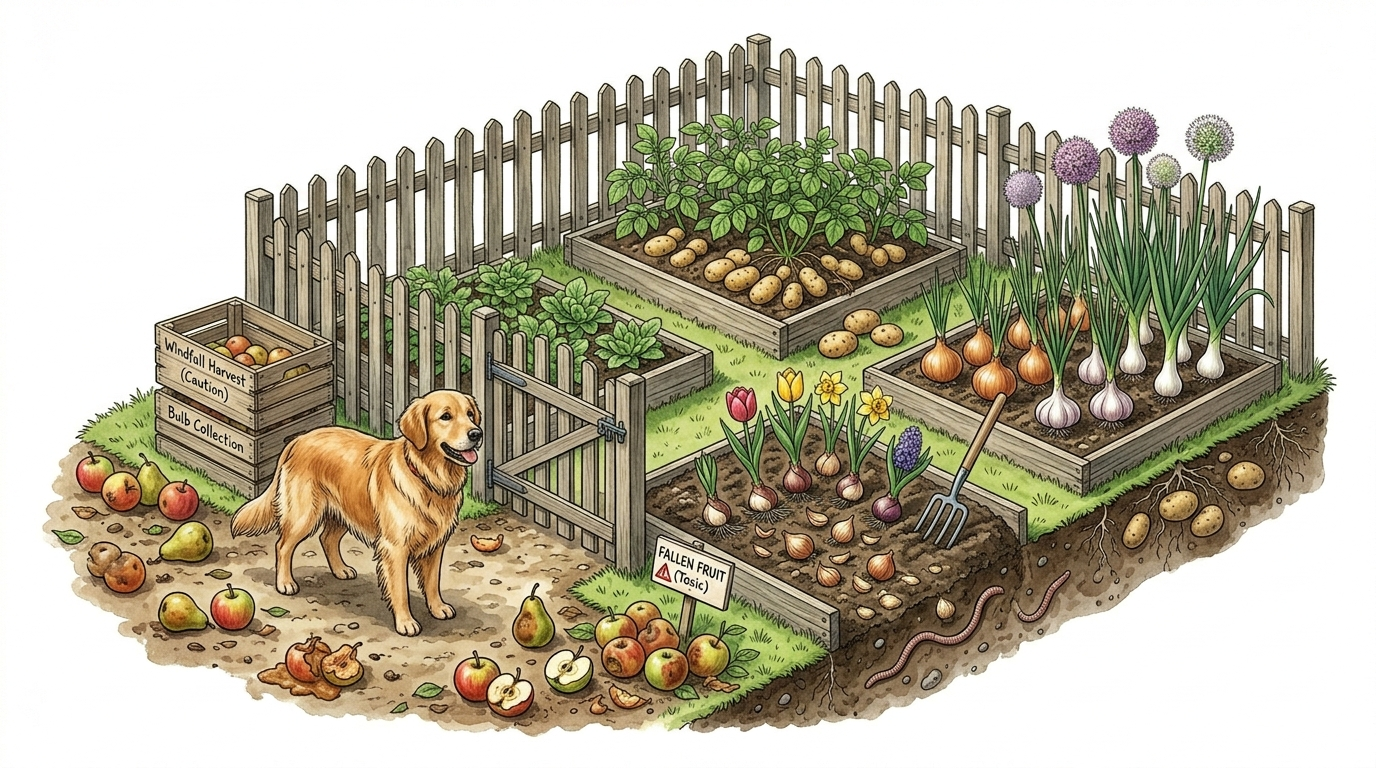
Guide
Dogs in the Garden: Windfall Fruit and Risks
Keep your garden dog-safe by managing windfall fruit, seeds, stored crops, and potentially problematic plant parts.
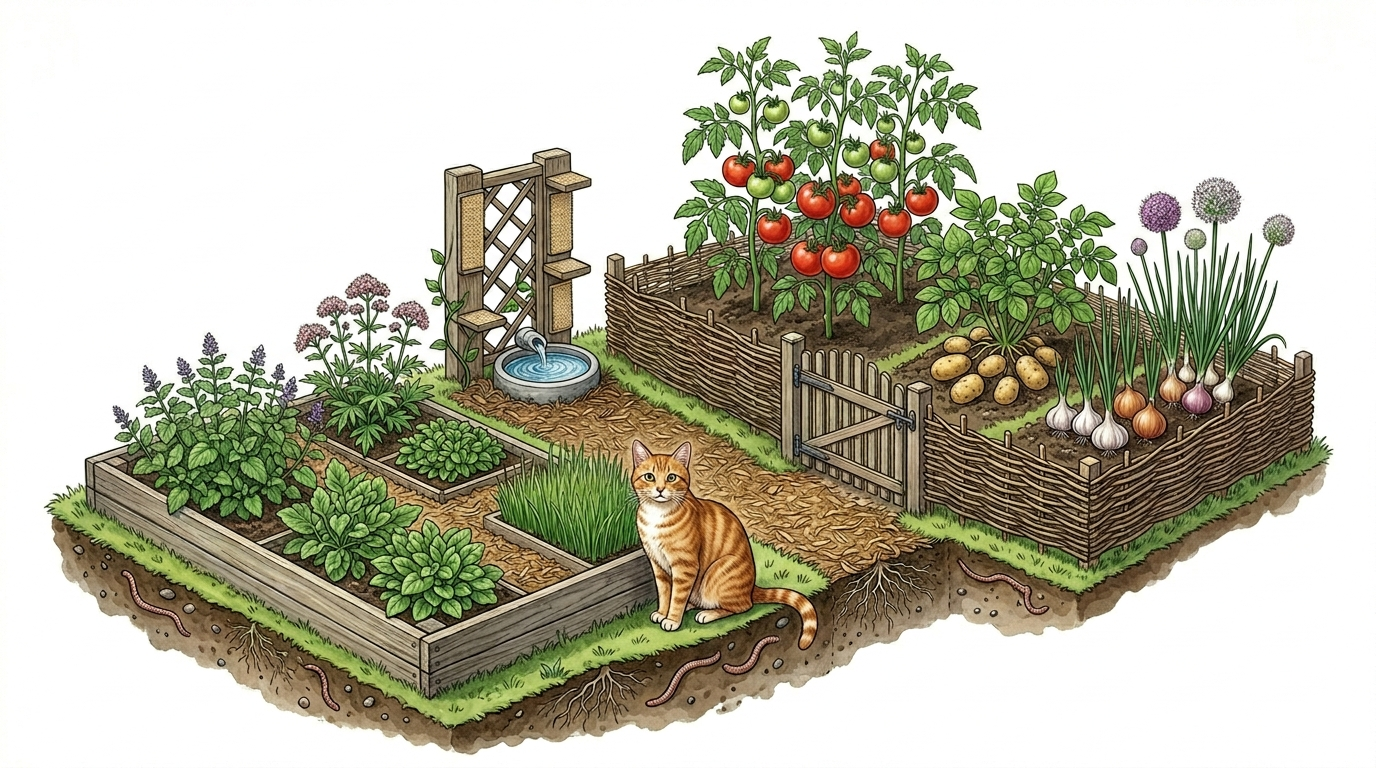
Guide
Toxic Garden Plants for Cats: Safer Planning
Learn which garden plants can be risky for cats, how to plan safer beds, and what to do if a cat eats a toxic plant.
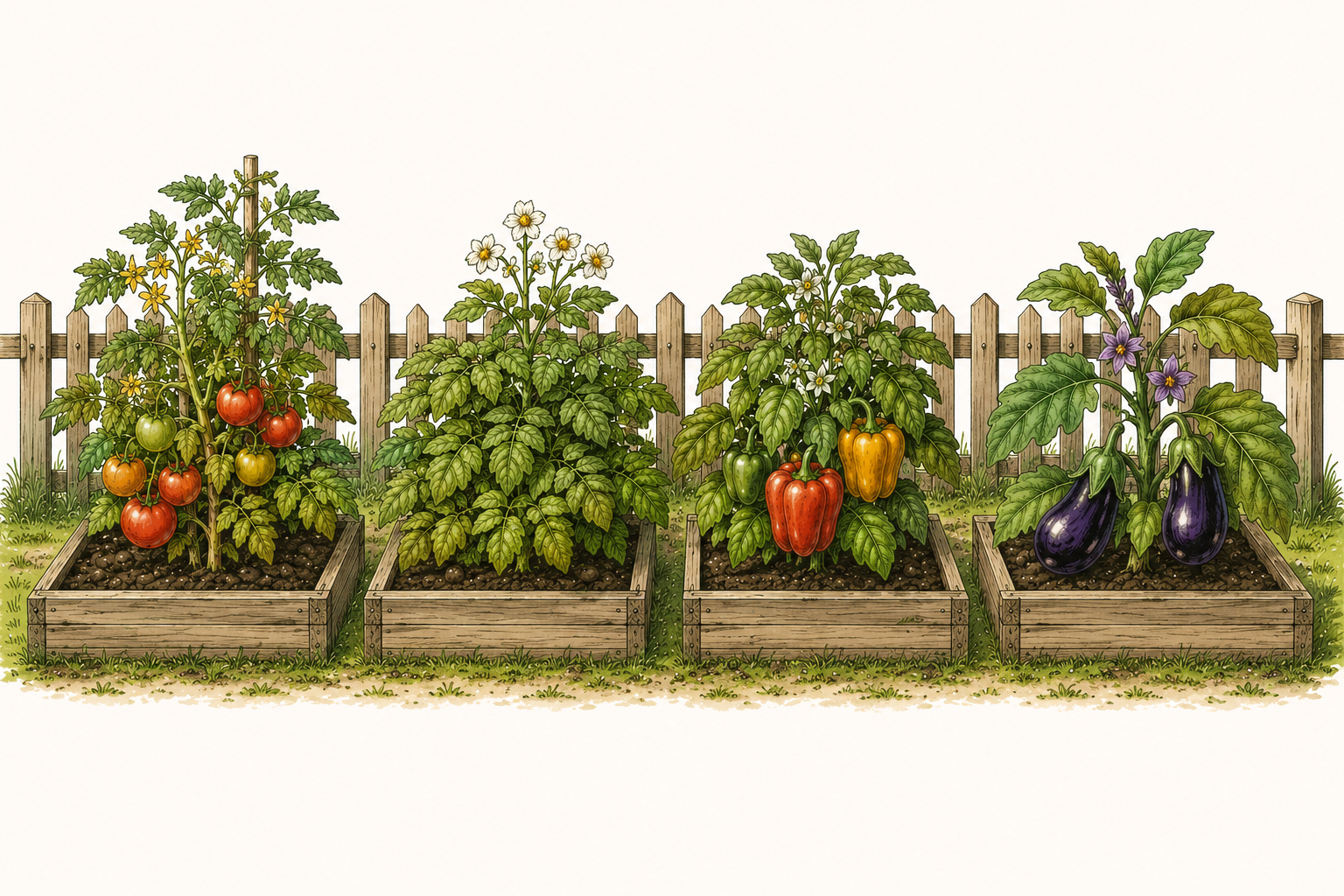
Guide
Pets and Nightshades: Tomatoes, Potatoes and More
Learn how to grow tomatoes, potatoes, peppers, and eggplants safely in pet-friendly gardens and understand plant-part risks.
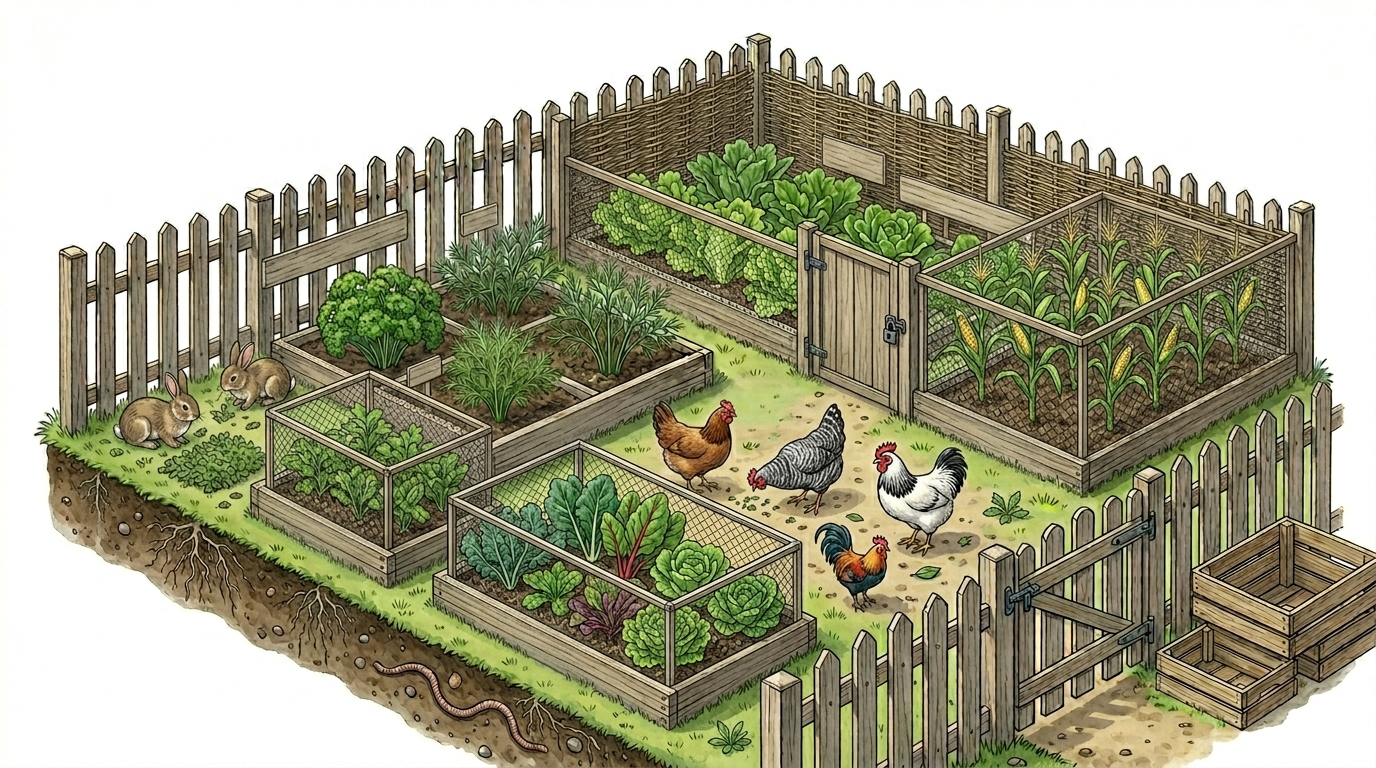
Guide
Chickens in the Garden: Safe Plants and Zones
Learn how to design a chicken-friendly garden with suitable plants, protected beds, and well-planned activity areas.