Guinea pigs are herbivores with sensitive digestion. They eat large amounts of plant food every day and should only have access to suitable plants. New forage plants should always be introduced gradually.
Quick help
Has your guinea pig eaten a plant?
Search for the plant first. The exact plant part, amount eaten, time of ingestion, possible symptoms, and the animal's weight are important for the next step.
Do not induce vomiting or give home remedies unless a veterinary professional specifically tells you to do so.
Prevent further access to the plant.
Keep remaining plant material or take a clear photo of the plant.
Note the plant part, approximate amount, time, symptoms, and animal weight.
Check the urgency level and contact a veterinarian or emergency clinic if unsure.
Practical guidance
How to assess garden plants for guinea pig
This animal page helps you assess garden plants by urgency, plant part, and evidence level. For possible exposure, start with the action guidance. For garden planning, focus on critical plant parts and access control.
After possible ingestion
The rating helps with initial orientation, but it cannot replace an individual assessment. Amount, plant part, spoiled material, chemical residues, age, weight, and existing health conditions may all matter.
Do not wait for symptoms when immediate contact is recommended.
Do not give milk, oil, salt, or home remedies.
Contact an emergency veterinarian immediately if severe restlessness, breathing problems, seizures, or rapid deterioration occur.
Plan the garden or enclosure
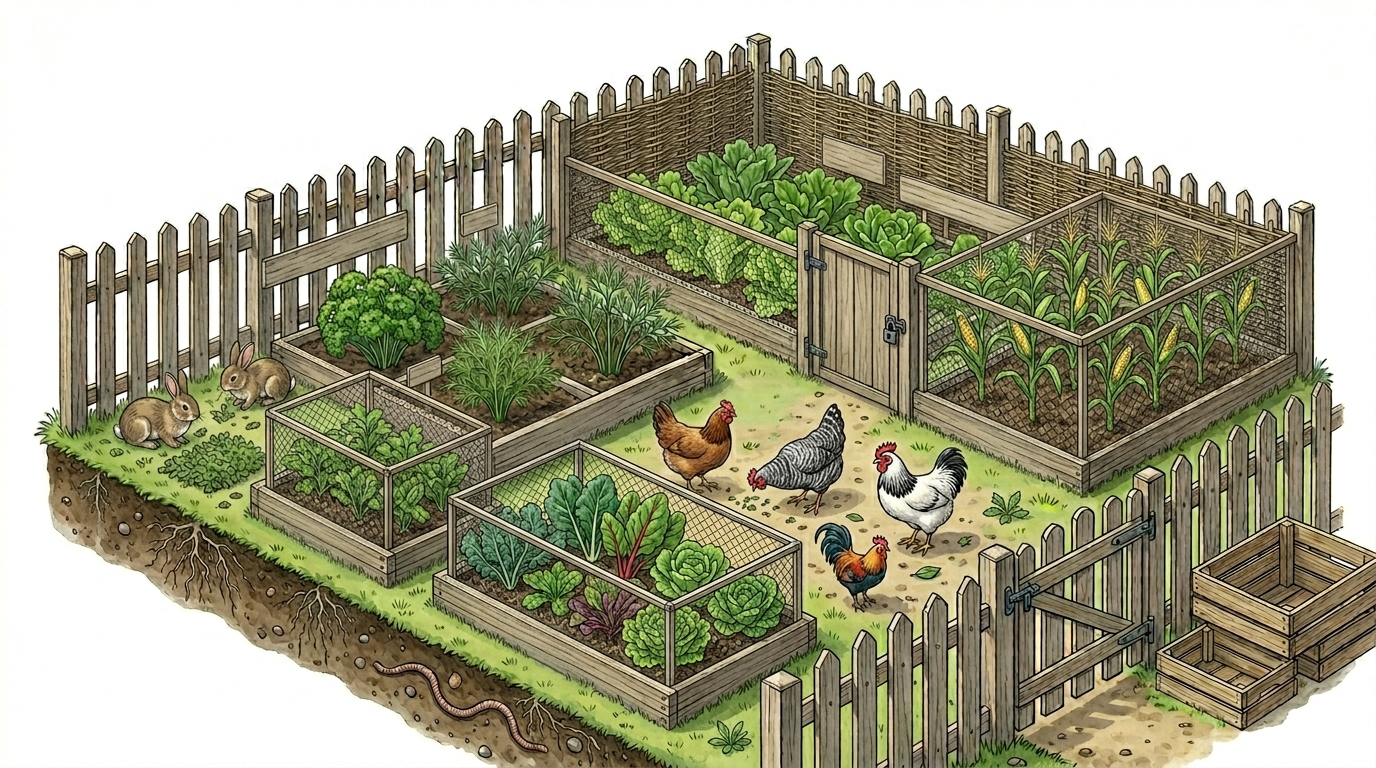
Guinea pigs commonly sample any plant they can reach. Limit access to known forage plants and remove wilted, dirty, or chemically treated material.
Keep critical plants and plant parts out of reach.
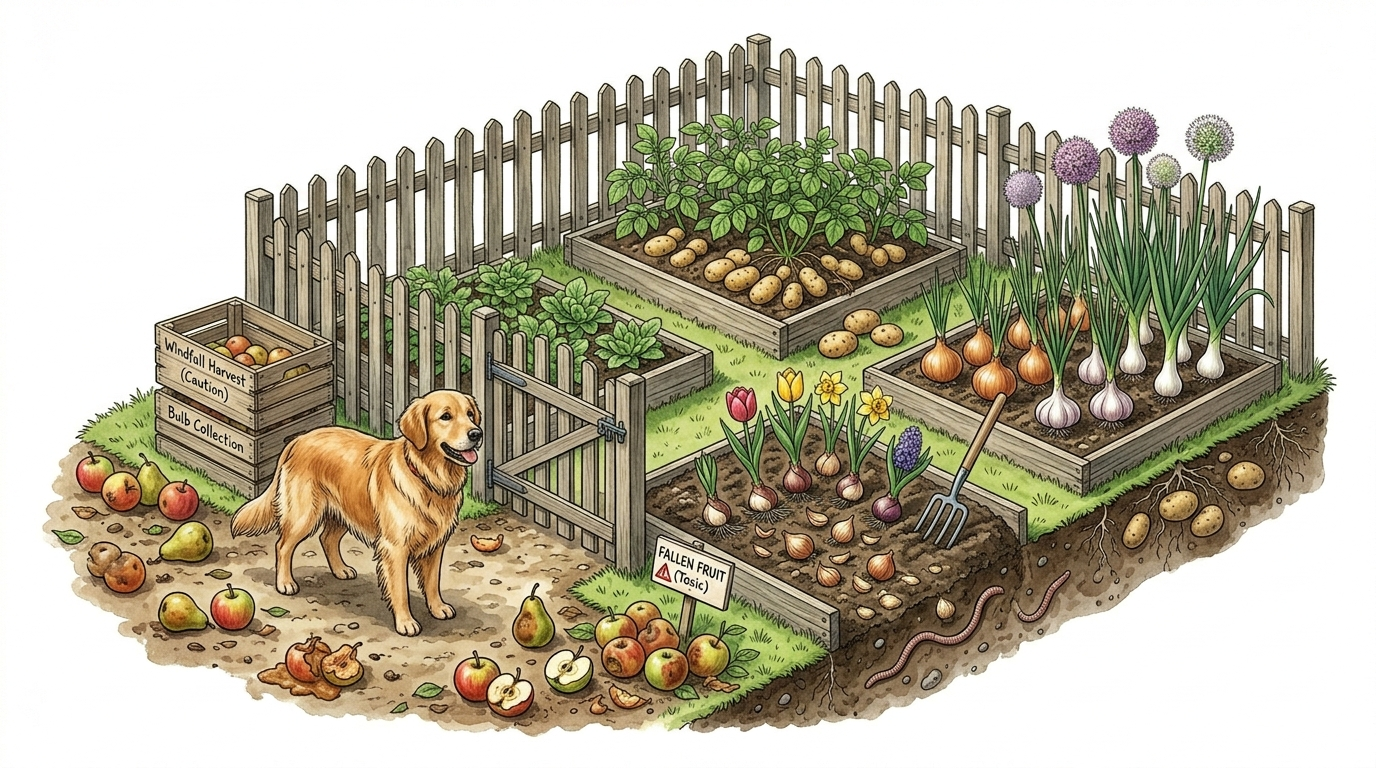
Remove cuttings, windfall fruit, wilted leaves, and compost regularly.
Check new plants before placing them in accessible areas.
As feed or a treat
The list shows which plants and plant parts are more suitable, restricted, or critical for guinea pig. It is not a feeding plan and does not replace individual ration advice.
Offer only explicitly suitable plant parts.
Introduce new foods slowly and in small amounts.
Do not trial-feed entries with unclear evidence.
Guinea pig
Search and compare plants
Cards start with the practical decision. Expand symptoms, reasoning, and evidence when needed.
How to read the assessment: Status describes general suitability, urgency describes the recommended response after possible ingestion, and evidence describes confidence in the assessment. Low evidence is not the same as low risk.
Guinea pig
Critical / do not feed
These plants or plant parts should not be fed. Depending on the animal, access control in the garden may also be advisable.
Contact a veterinarian or emergency clinic immediately after ingestion, even if no symptoms are visible yet.
Symptoms, assessment, and evidence
Possible symptoms: Vomiting, Blood in urine, Weakness, Elevated heart rate, Heinz body anemia
Especially relevant: Even small amounts can be harmful, Effect is cumulative with repeated exposure
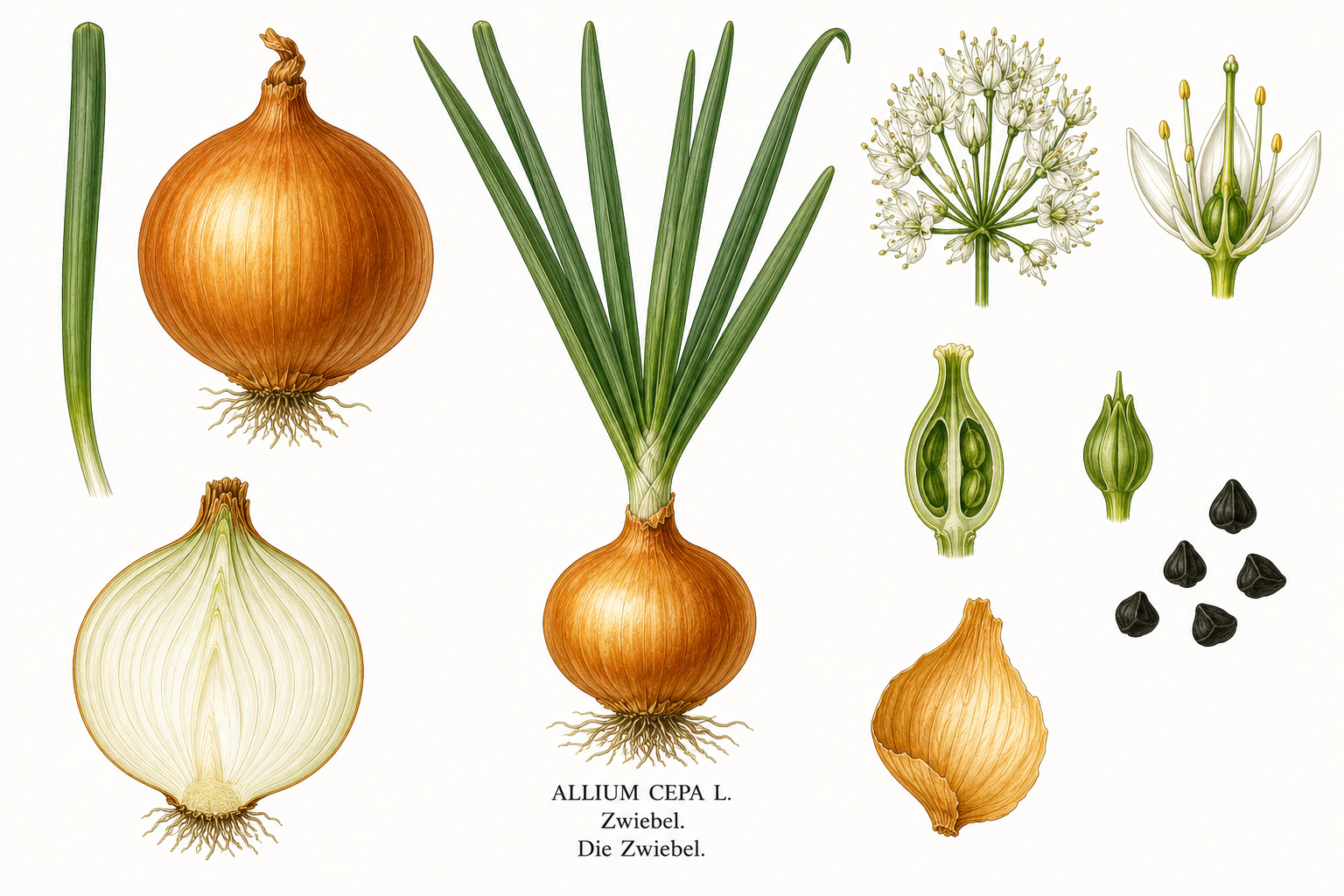
Onions contain N-propyl disulfide, which can cause oxidative damage to red blood cells in guinea pigs. While direct studies in guinea pigs are lacking, the effect is well-documented in...
low evidenceinferred or general evidencedirect veterinary source1 sourcereviewed 2026-06-02
Monitor the animal closely. Seek veterinary advice if vomiting, diarrhea, breathing difficulties, neurological signs, or other symptoms occur.
Symptoms, assessment, and evidence
Possible symptoms: Gastrointestinal irritation, Vomiting, Diarrhea, Anorexia, Lethargy
Especially relevant: All parts contain sulfur compounds toxic to guinea pigs., Small animals are particularly sensitive to Allium compounds.
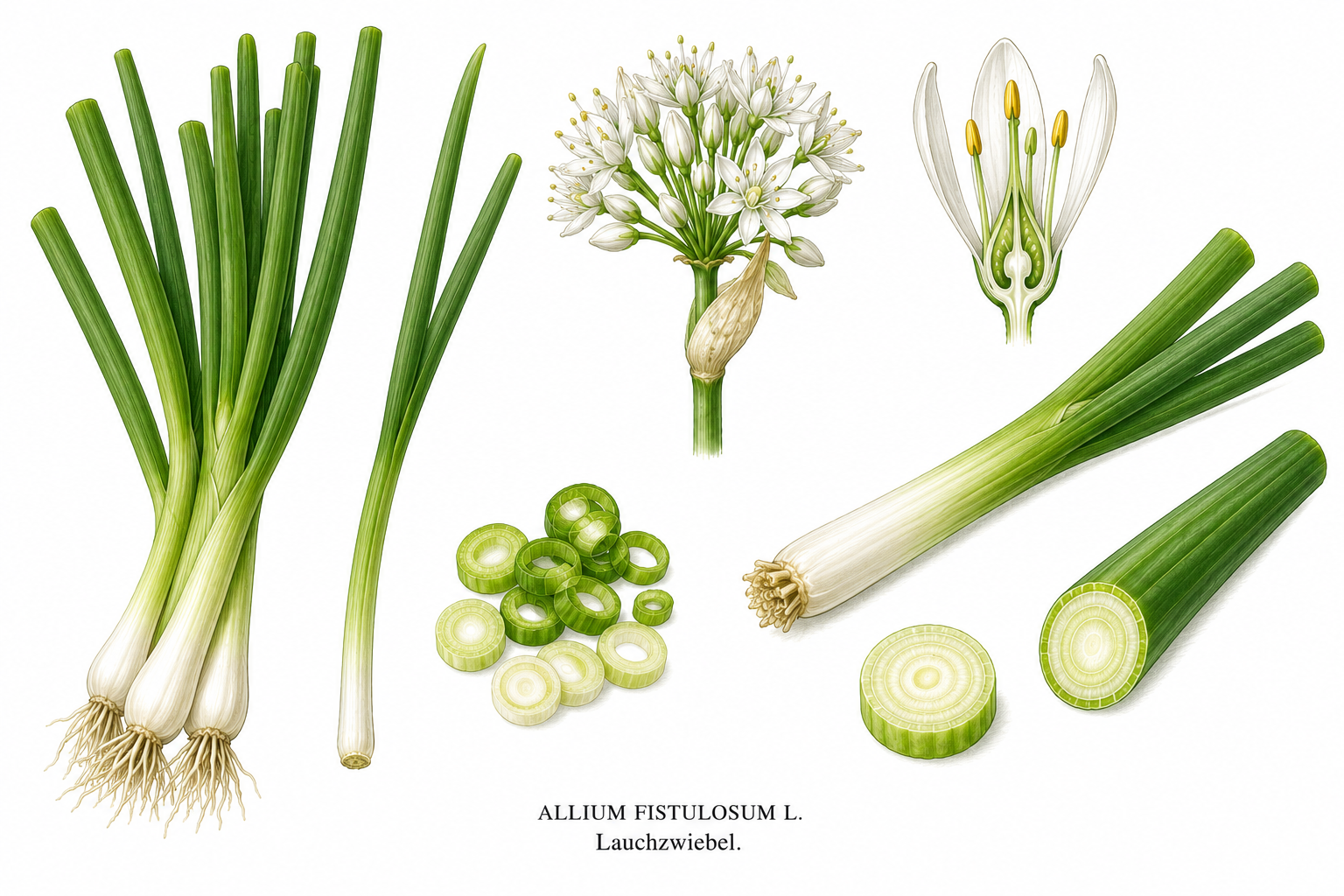
All parts of Welsh onion (Allium fistulosum) contain sulfur compounds such as disulfides and thiosulfates that are toxic to guinea pigs and can cause gastrointestinal irritation. While...
low evidenceinferred or general evidencedirect veterinary source1 sourcereviewed 2026-06-01
Critical: All parts, especially Pennyroyal mint (Mentha pulegium), concentrated essential oils
Monitor the animal closely. Seek veterinary advice if vomiting, diarrhea, breathing difficulties, neurological signs, or other symptoms occur.
Symptoms, assessment, and evidence
Possible symptoms: Diarrhea, Gastrointestinal upset
Especially relevant: Large quantities, Pennyroyal mint (Mentha pulegium)
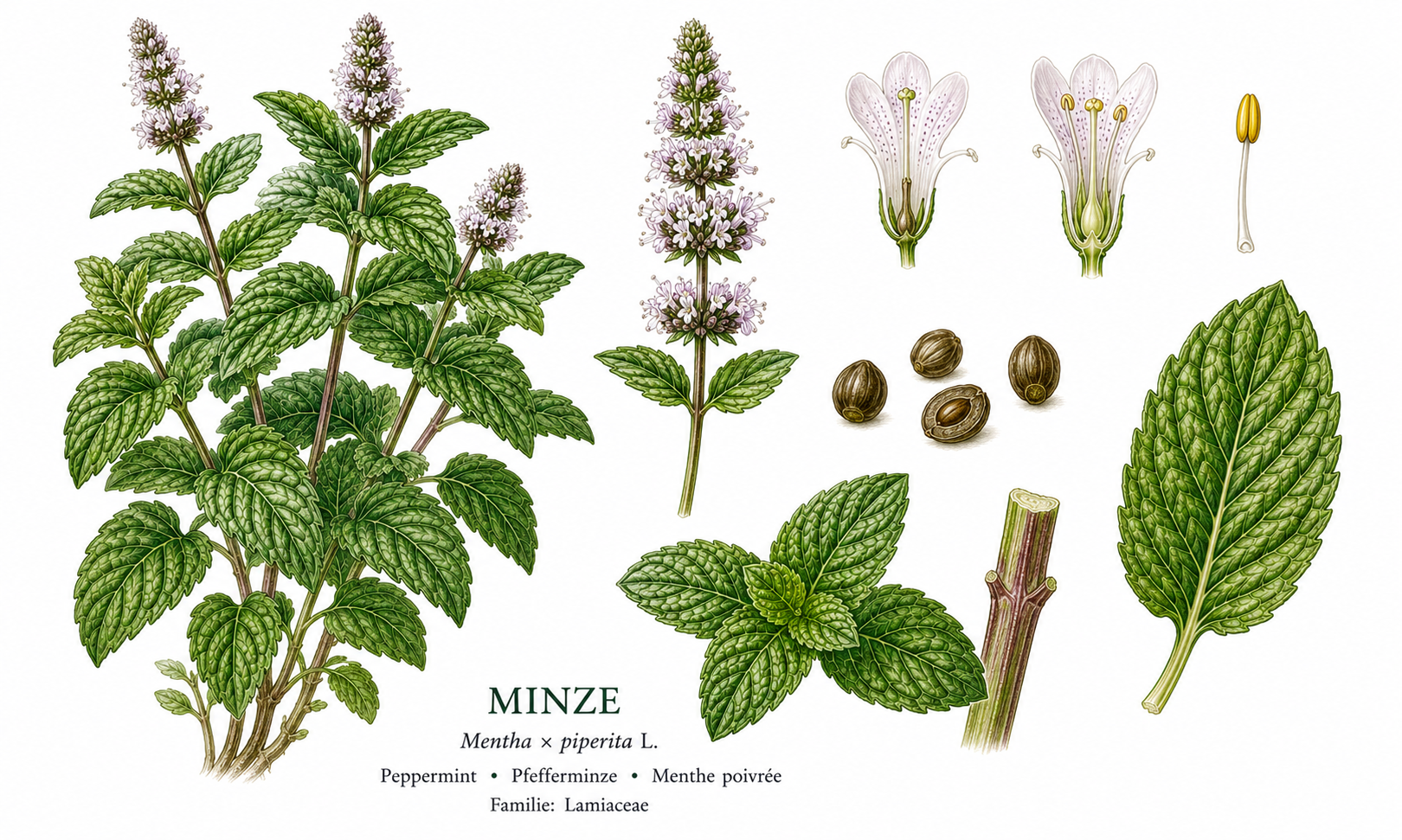
Mint is generally safe for guinea pigs in normal amounts, but large quantities may cause gastrointestinal upset. Pennyroyal mint is toxic and should be avoided. Essential oil should not be...
low evidenceinferred or general evidencedirect veterinary source2 sourcesreviewed 2026-06-02
Suitable: Shaft (white and light green), Leaves (tender, green parts), Flowers (as edible garnish)
Critical: Roots, Very tough, outer leaves, Woody flower stalk after bolting
Monitor the animal closely. Seek veterinary advice if vomiting, diarrhea, breathing difficulties, neurological signs, or other symptoms occur.
Symptoms, assessment, and evidence
Possible symptoms: Gastrointestinal upset, Vomiting, Diarrhea
Especially relevant: Large quantities, Frequent feeding
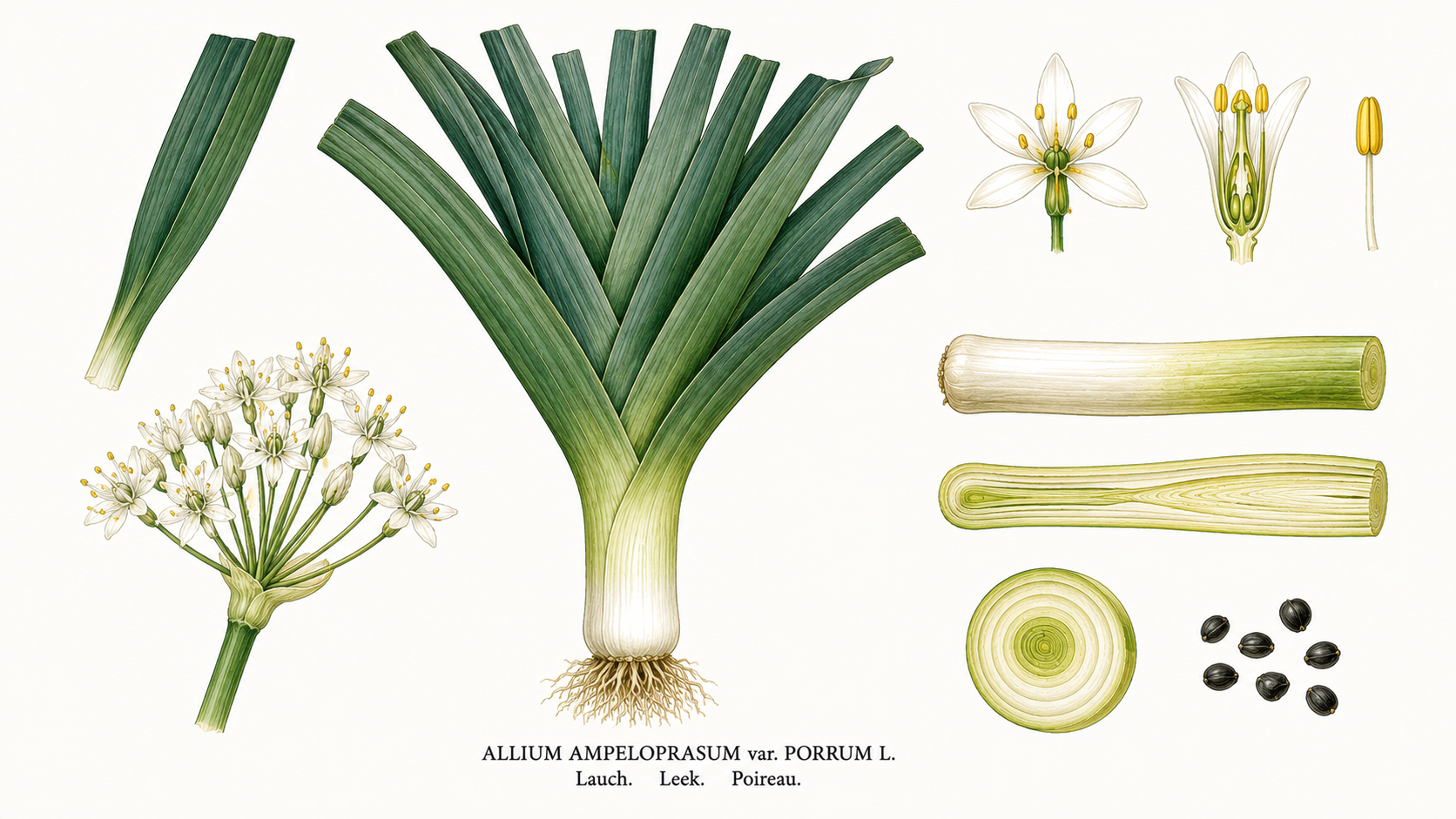
The edible parts of leek (shaft, tender leaves, flowers) can be offered in small amounts as a treat for guinea pigs, but contain compounds that may cause gastrointestinal upset if overfed...
low evidenceinferred or general evidencedirect veterinary source1 sourcereviewed 2026-06-01
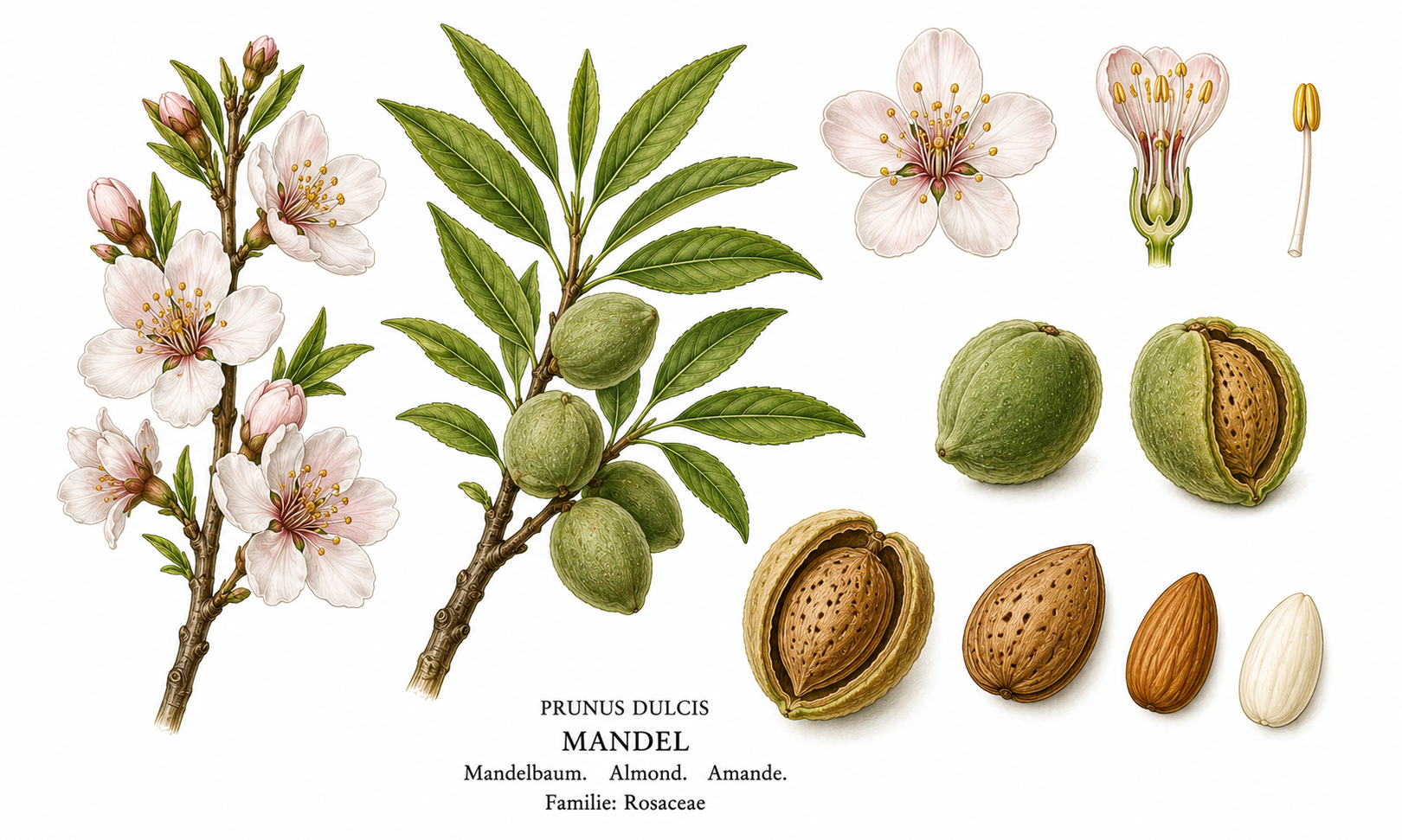
Suitable: Sweet almond kernels (shelled, in very small amounts as a treat)
Critical: Bitter almonds, Leaves, Stems, Bark
Contact an emergency veterinarian immediately. Do not wait for symptoms to appear.
Symptoms, assessment, and evidence
Possible symptoms: Difficulty breathing, Tremors, Weakness, Seizures, Coma, Death (with high doses of hydrogen cyanide)
Especially relevant: Confusion with bitter almonds, Ingestion of leaves, stems, or unripe fruits
Sweet almond kernels can be offered in very small amounts as an occasional treat. Bitter almonds and all other plant parts contain amygdalin, which releases hydrogen cyanide and is toxic...
low evidenceinferred or general evidencereviewed 2026-06-02
Based on the available information, no action is usually required. If symptoms occur, veterinary advice is still recommended.
Symptoms, assessment, and evidence
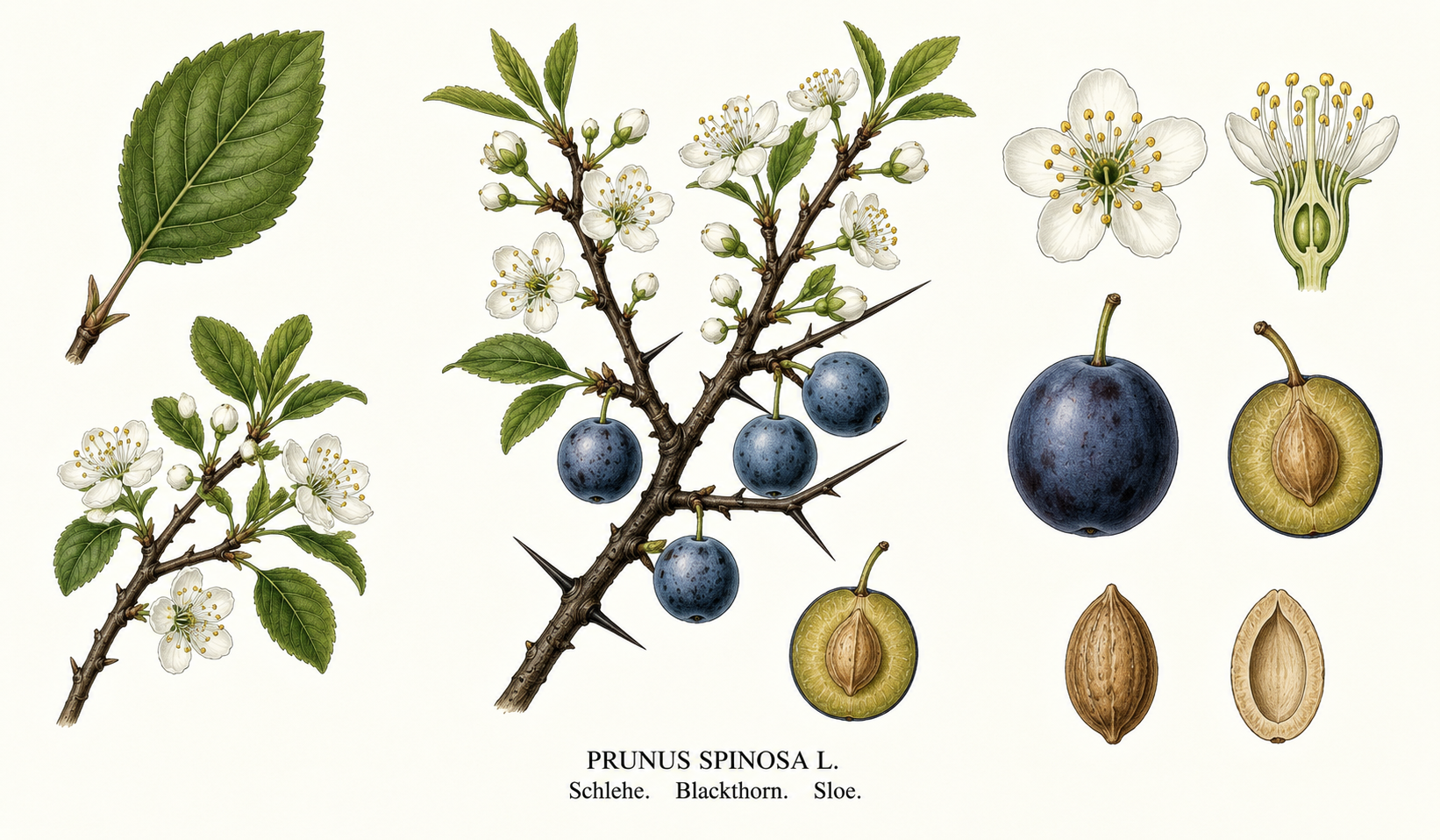
No reliable species-specific assessment is available. Fruits might be considered in very small amounts as a treat after frost or processing, but leaves and seeds should be avoided due to...
insufficientinferred or general evidencereviewed 2026-06-02
Monitor the animal closely. Seek veterinary advice if vomiting, diarrhea, breathing difficulties, neurological signs, or other symptoms occur.
Symptoms, assessment, and evidence
Possible symptoms: Vomiting, Diarrhea, Abdominal pain, Lethargy
Especially relevant: Raw consumption, Consumption of large quantities
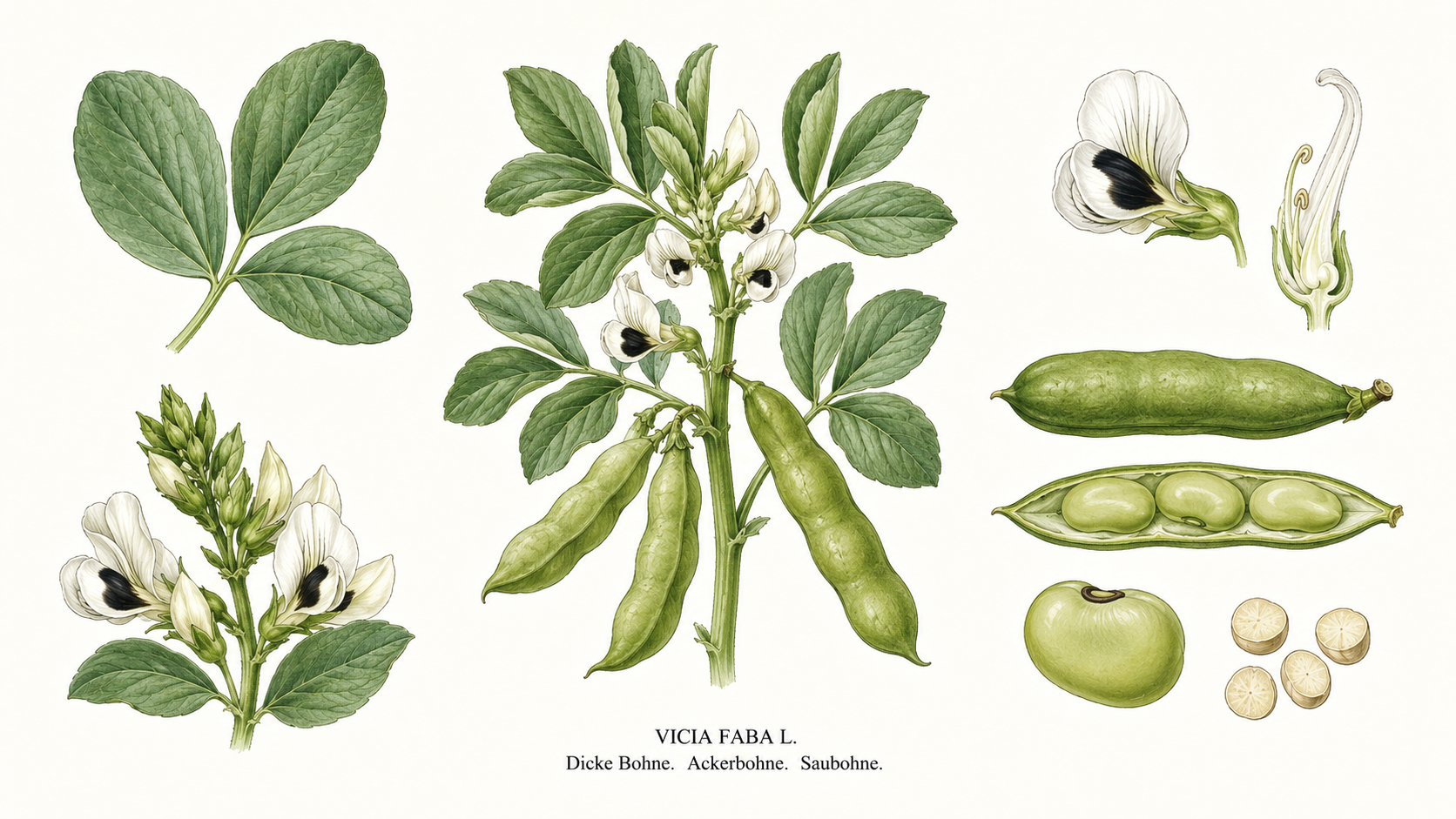
Edible parts (seeds, young pods, shoot tips) are suitable for guinea pigs after cooking, but only in small amounts as treats. Mature pods and roots contain lectins and are toxic. Favism is...
low evidenceinferred or general evidencedirect veterinary source1 sourcereviewed 2026-06-01
Monitor the animal closely. Seek veterinary advice if vomiting, diarrhea, breathing difficulties, neurological signs, or other symptoms occur.
Symptoms, assessment, and evidence
Possible symptoms: Vomiting, Diarrhea, Gastrointestinal upset
Especially relevant: Consuming large quantities
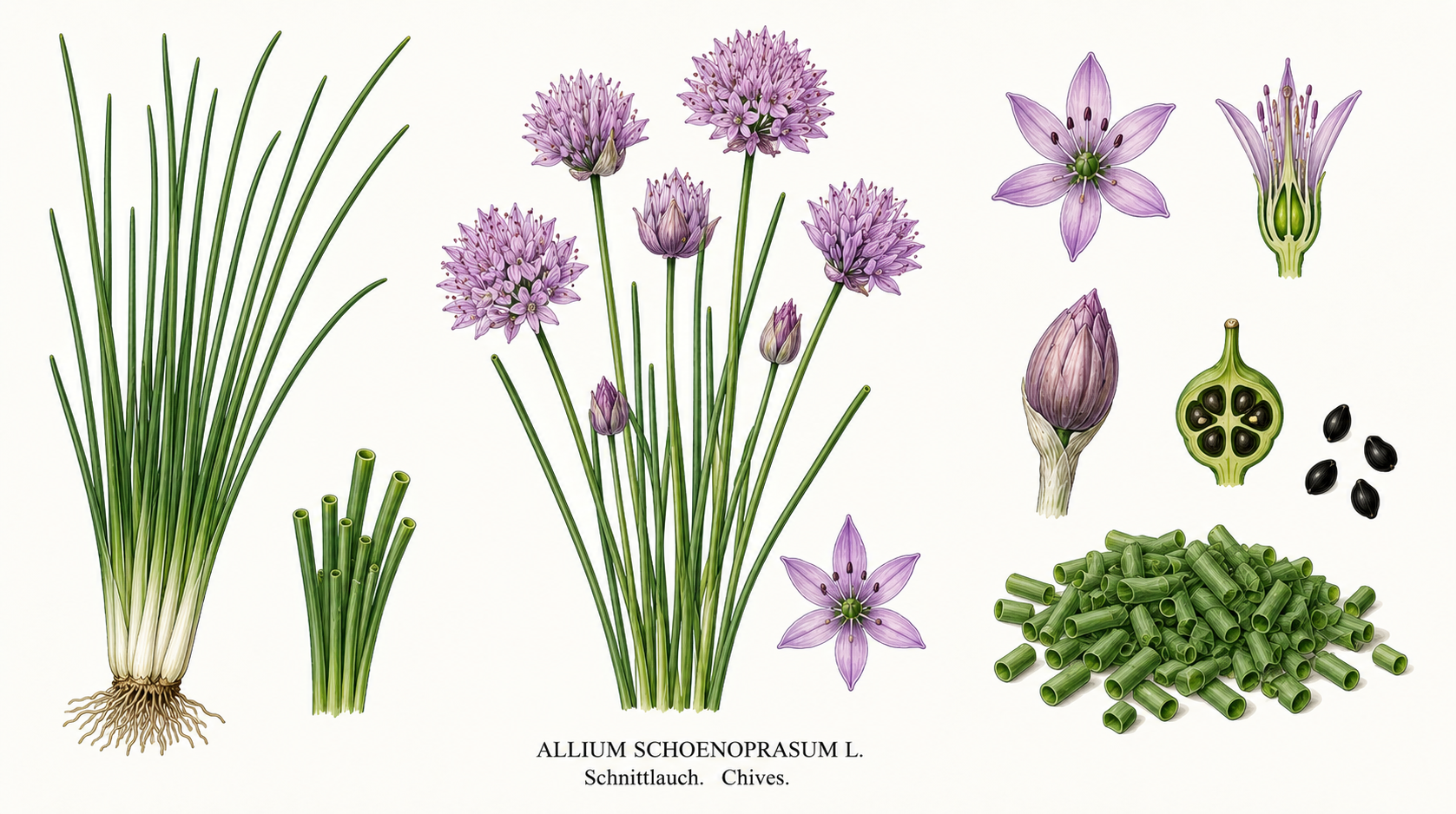
Chives contain N-propyl disulfide, which can cause gastrointestinal upset in guinea pigs. Although no species-specific studies are available, a conservative assessment is made based on...
low evidenceinferred or general evidencedirect veterinary source1 sourcereviewed 2026-06-02
Monitor the animal closely. Seek veterinary advice if vomiting, diarrhea, breathing difficulties, neurological signs, or other symptoms occur.
Symptoms, assessment, and evidence
Possible symptoms: vomiting, diarrhea, abdominal pain
Especially relevant: raw consumption, immature pods
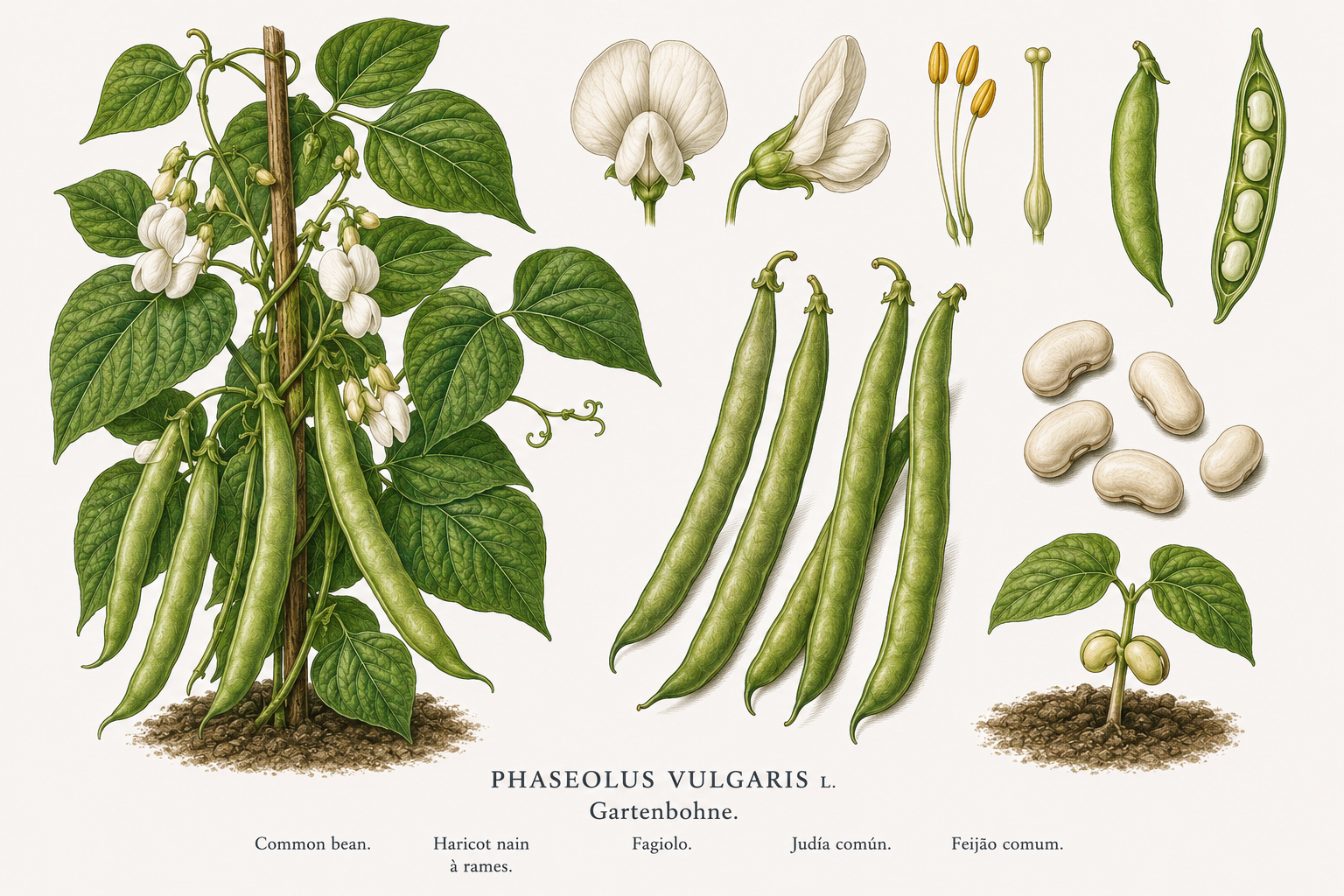
Common bean (Phaseolus vulgaris) contains the lectin phasin in its raw state, which can cause gastrointestinal irritation in guinea pigs. Thorough cooking destroys the toxin, allowing...
low evidenceinferred or general evidencedirect veterinary source1 sourcereviewed 2026-06-01
Monitor the animal closely. Seek veterinary advice if vomiting, diarrhea, breathing difficulties, neurological signs, or other symptoms occur.
Symptoms, assessment, and evidence
Possible symptoms: Gastrointestinal upset, Vomiting, Diarrhea
Especially relevant: Nagetiere sind besonders empfindlich gegenüber den ätherischen Ölen und Gerbstoffen in Gundelrebe. Selbst kleine Mengen können bei Meerschweinchen zu Verdauungsstörungen führen., Rodents are particularly sensitive to the essential oils and tannins in ground ivy. Even small amounts can cause digestive disturbances in guinea pigs.
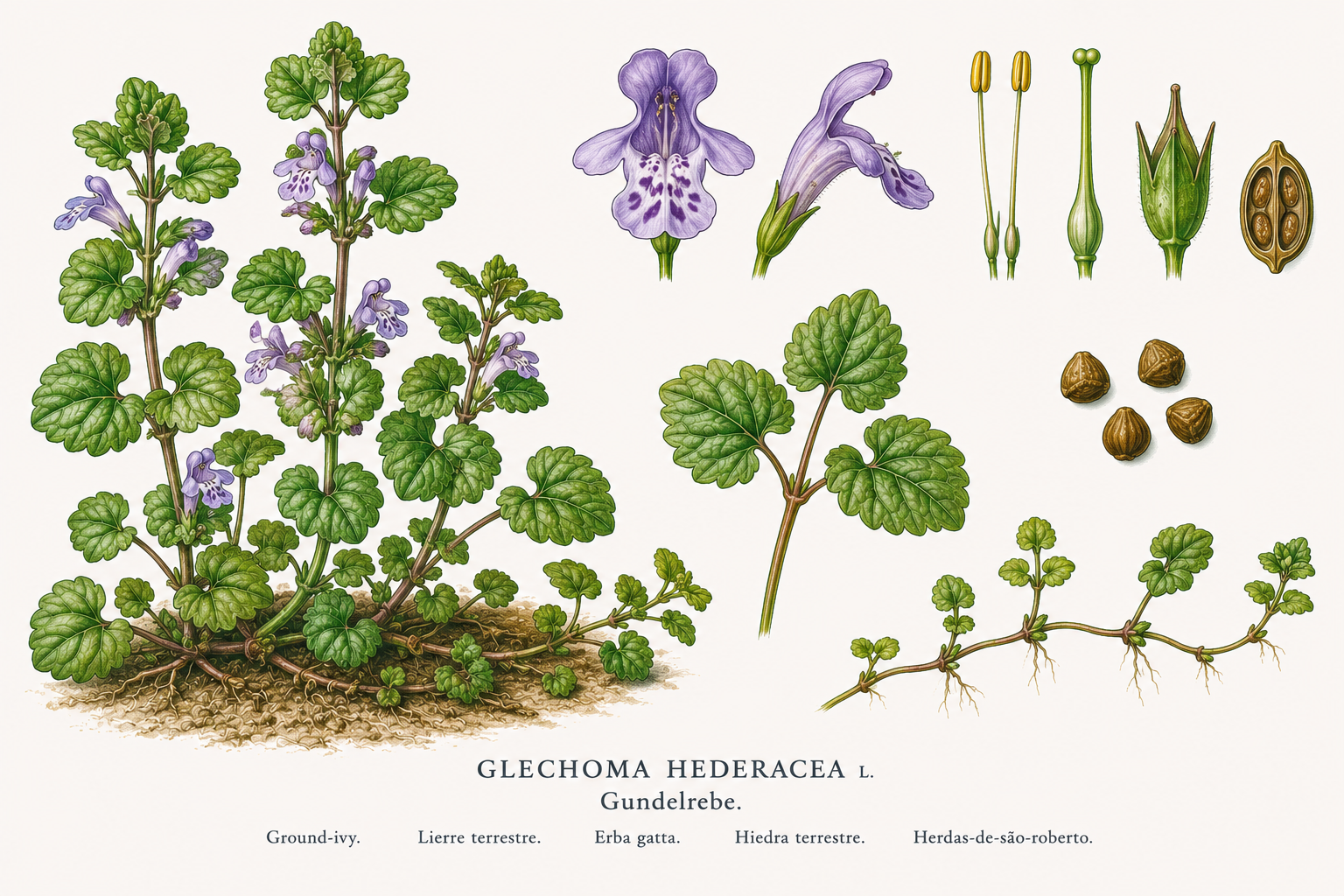
Ground ivy contains essential oils, tannins, and saponins that can be irritating to rodents like guinea pigs. While safe for humans in moderation, small mammals face an increased risk of...
low evidenceinferred or general evidencedirect veterinary source1 sourcereviewed 2026-06-01
Observe the animal over the next few hours. Seek veterinary advice if unusual behavior or symptoms develop.
Symptoms, assessment, and evidence
Possible symptoms: Gastrointestinal irritation, Colic
Especially relevant: Large amounts, Woody stems
Leaves can be given as an occasional treat in small amounts. Stems and roots are not recommended due to high woody content and potential irritation from essential oils. Excessive...
low evidenceinferred or general evidencedirect veterinary source1 sourcereviewed 2026-06-02
Monitor the animal closely. Seek veterinary advice if vomiting, diarrhea, breathing difficulties, neurological signs, or other symptoms occur.
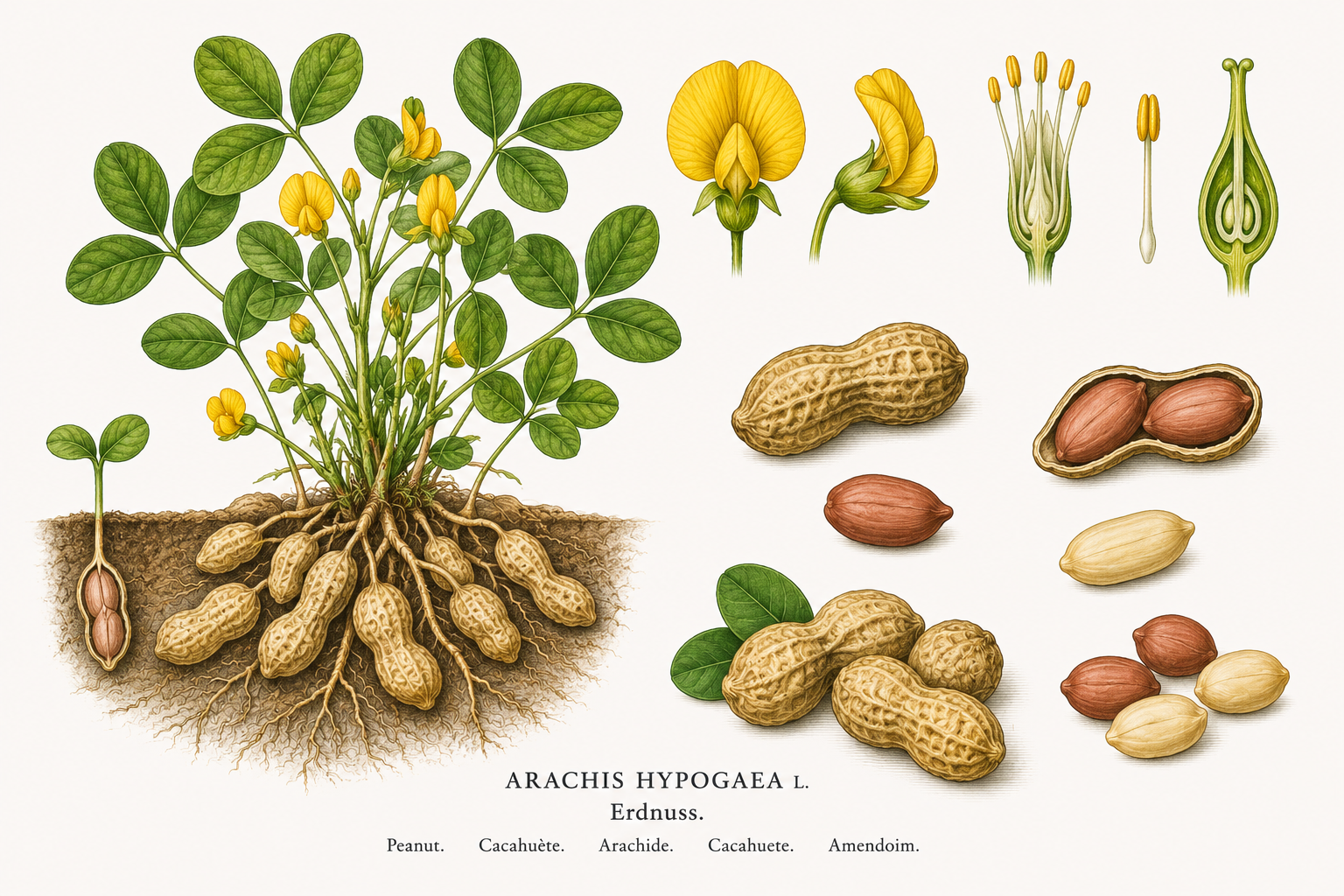
Symptoms, assessment, and evidence
Possible symptoms: Gastrointestinal upset, Allergic reactions
Especially relevant: Mold contamination, Overfeeding
Peanut kernels can be fed as an occasional treat in small amounts, but there is a high allergy risk and danger of aflatoxin poisoning from moldy kernels. Shell and foliage are not suitable...
low evidenceinferred or general evidencedirect veterinary source1 sourcereviewed 2026-06-01
Monitor the animal closely. Seek veterinary advice if vomiting, diarrhea, breathing difficulties, neurological signs, or other symptoms occur.
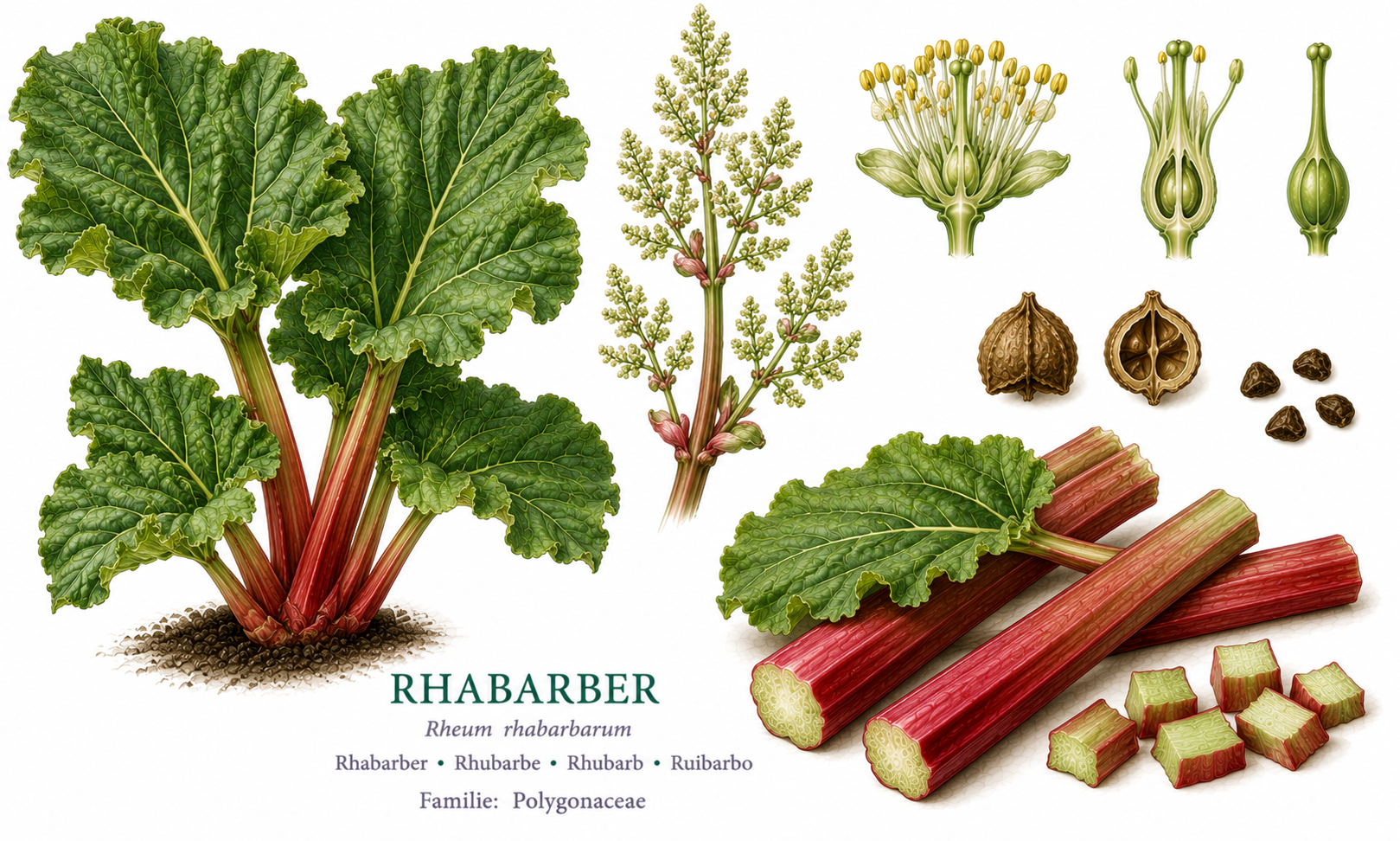
Symptoms, assessment, and evidence
Possible symptoms: Salivation, Tremors, Kidney failure
Especially relevant: Leaves and rhizome contain high oxalic acid concentration, Oxalic acid levels in stalks increase significantly after late June
Only leaf stalks (petioles) in very small amounts as an occasional treat suitable. Leaf blades and rhizome are toxic due to soluble calcium oxalates. Oxalic acid content increases after St...
low evidenceinferred or general evidencedirect veterinary source1 sourcereviewed 2026-06-02
Contact a veterinarian or emergency clinic immediately after ingestion, even if no symptoms are visible yet.
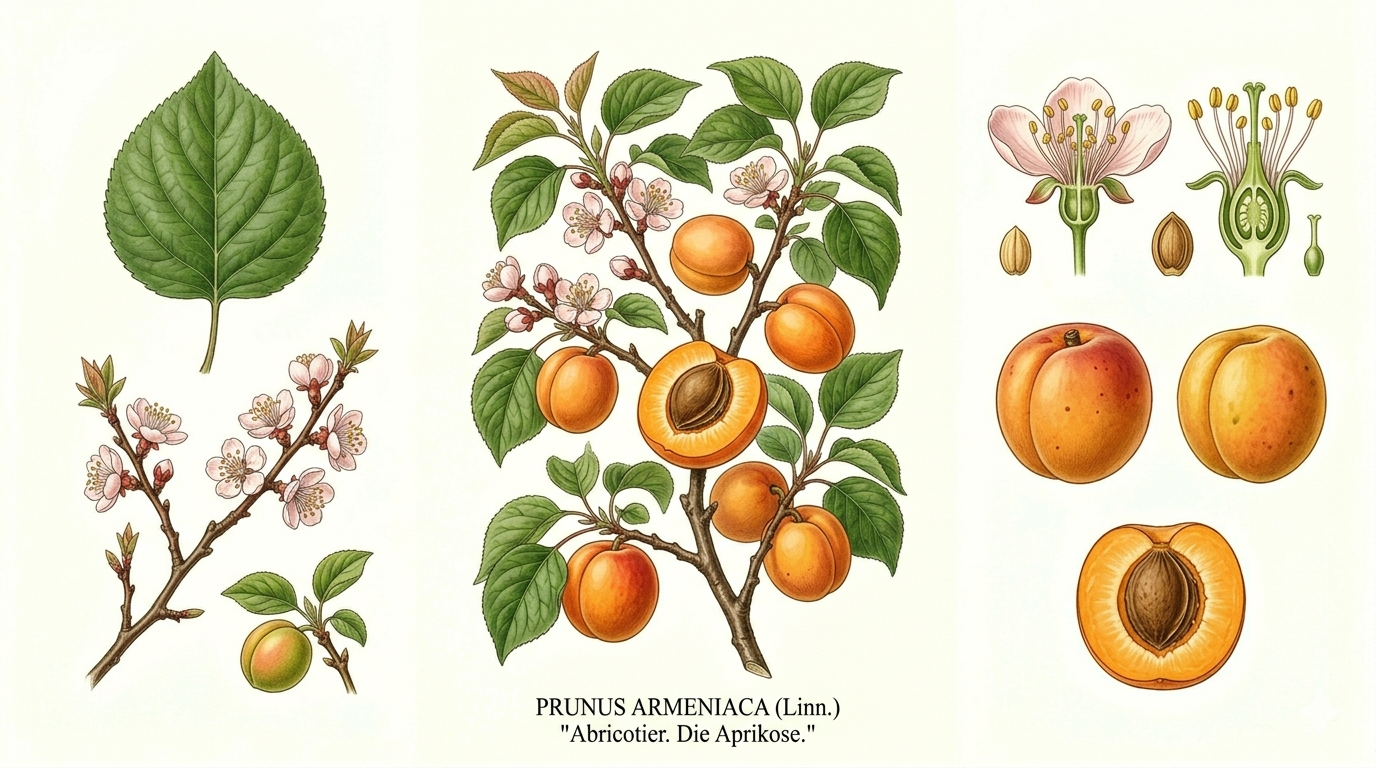
Symptoms, assessment, and evidence
Possible symptoms: Cyanide poisoning: Brick red mucous membranes, Dilated pupils, Difficulty breathing, Panting, Shock
Especially relevant: Access to the plant (leaves, stems), Ingestion of stones or seeds
Apricot fruit flesh can be offered in very small quantities as an occasional treat. Leaves, stems, and especially the stones contain cyanogenic glycosides and are toxic. Wilting plant...
low evidenceinferred or general evidencedirect veterinary source1 sourcereviewed 2026-06-01
Suitable: Fruit flesh (without seeds), Peel (from untreated fruit, in moderation)
Critical: Seeds, Leaves, Stems, Branches
Contact an emergency veterinarian immediately. Do not wait for symptoms to appear.
Symptoms, assessment, and evidence
Possible symptoms: Difficulty breathing, Panting, Shock, Dilated pupils, Brick red mucous membranes
Especially relevant: Consumption of large quantities of seeds, leaves, or stems, Consumption of wilted plant parts
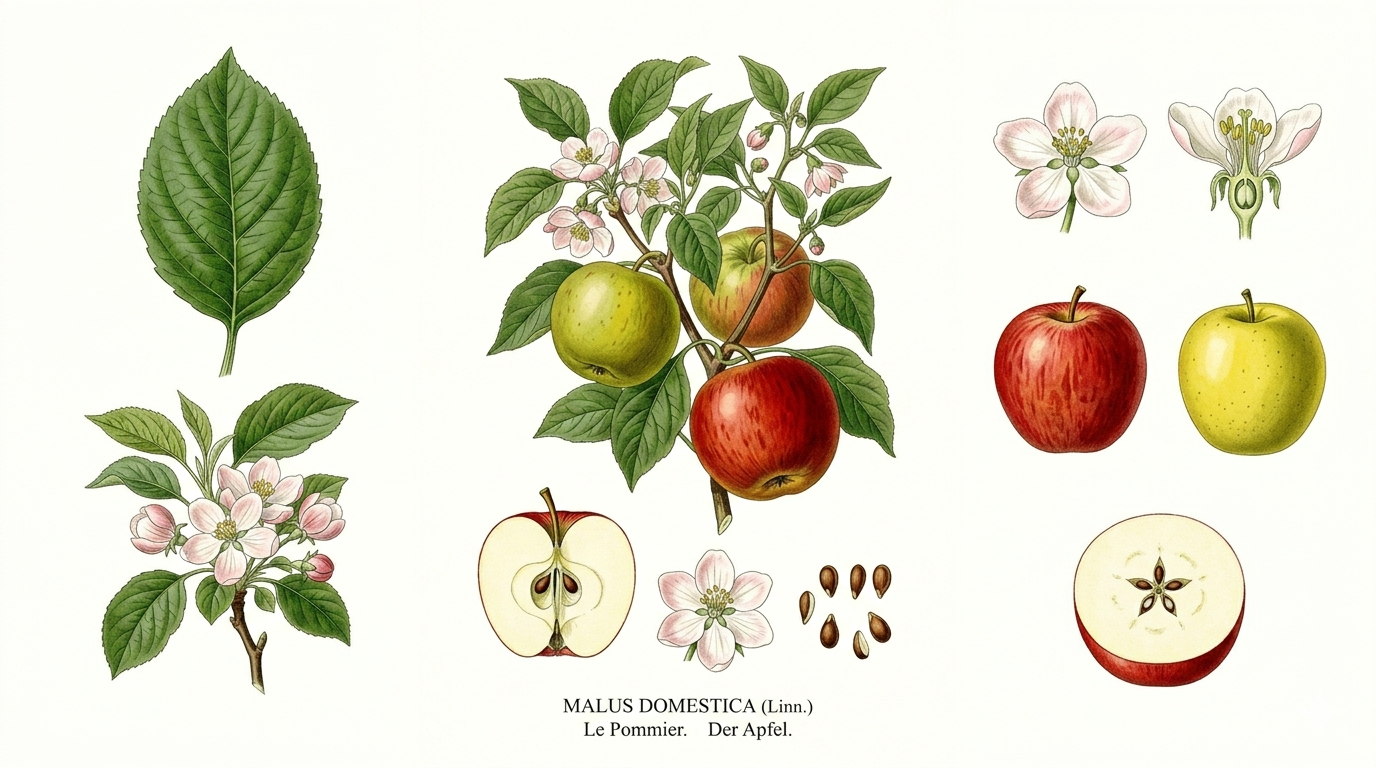
Apple flesh without seeds can be offered in very small quantities as an occasional treat. Seeds, leaves, and stems contain cyanogenic glycosides and are toxic. Wilted plant parts are...
low evidenceinferred or general evidencedirect veterinary source1 sourcereviewed 2026-05-29
Suitable: Ripe fruits (in very small quantities as a treat)
Critical: Leaves, Stems, Seeds
Monitor the animal closely. Seek veterinary advice if vomiting, diarrhea, breathing difficulties, neurological signs, or other symptoms occur.
Symptoms, assessment, and evidence
Possible symptoms: Gastrointestinal upset, Diarrhea, Abdominal pain
Especially relevant: Overconsumption, Consumption of non-fruit plant parts
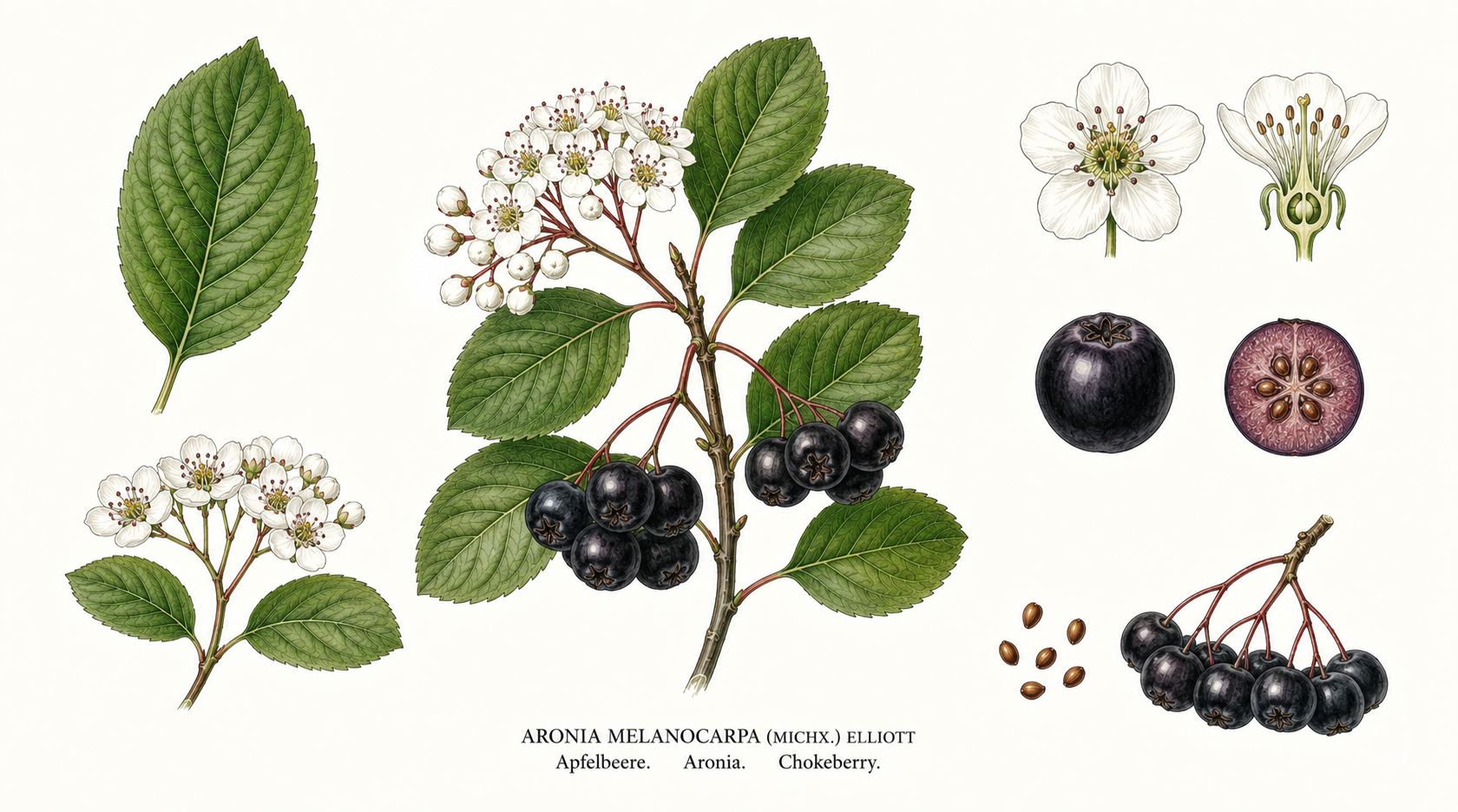
Aronia fruits can be offered in very small quantities as an occasional treat. Leaves, stems, and seeds should be avoided due to potential toxins (cyanogenic glycosides) and tannins. No...
low evidenceinferred or general evidencedirect veterinary source1 sourcereviewed 2026-06-01
Observe the animal over the next few hours. Seek veterinary advice if unusual behavior or symptoms develop.
Symptoms, assessment, and evidence
Possible symptoms: Nausea, Vomiting, Stomach upset
Especially relevant: Consumption of seeds, Consumption of unripe fruit
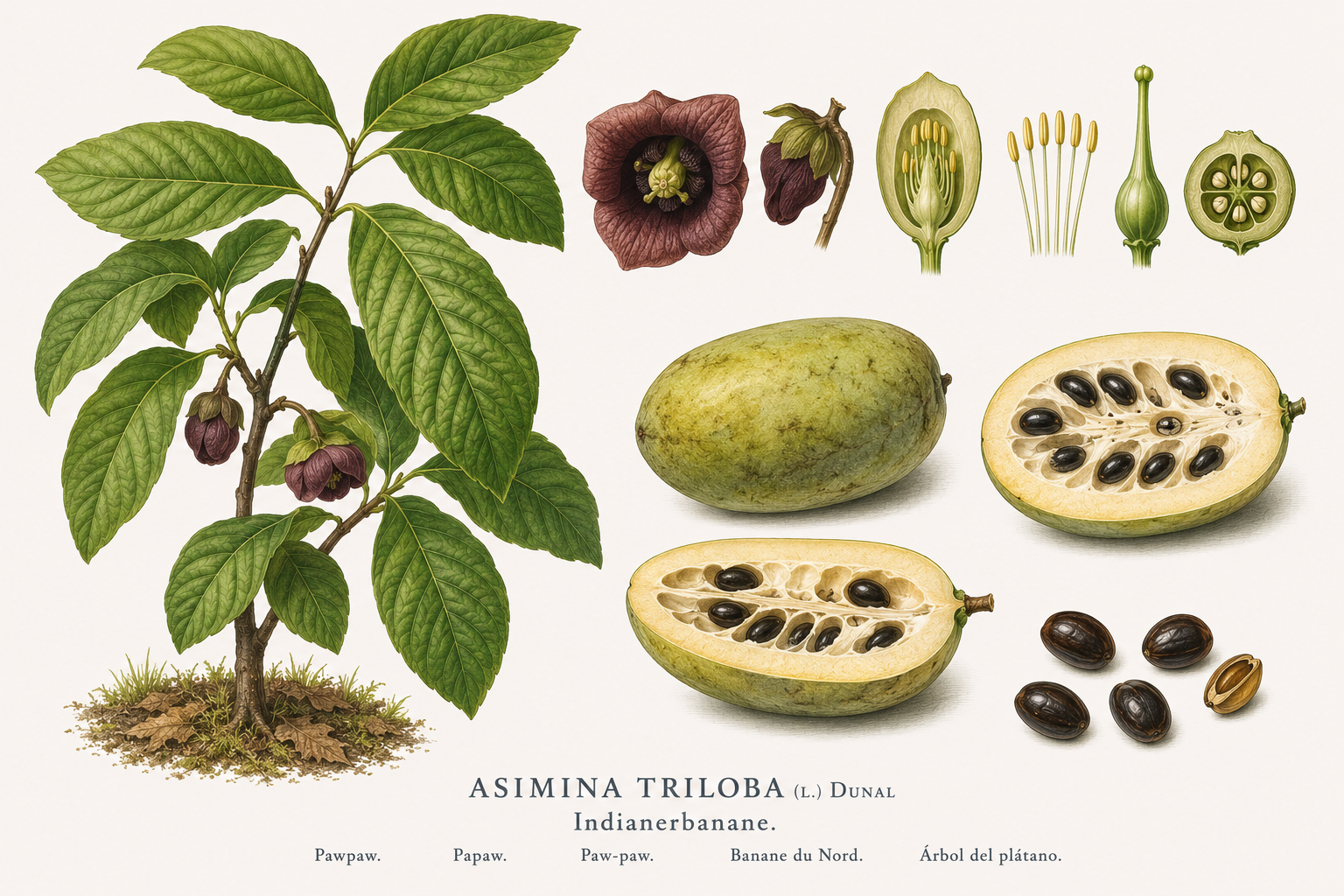
The flesh of fully ripe Asimina triloba can be fed in small amounts as a treat. Seeds and unripe fruits are toxic due to alkaloids and can cause gastrointestinal upset.
low evidenceinferred or general evidencedirect veterinary source1 sourcereviewed 2026-06-01
Observe the animal over the next few hours. Seek veterinary advice if unusual behavior or symptoms develop.
Symptoms, assessment, and evidence
Possible symptoms: Gastrointestinal upset, Vomiting
Especially relevant: Overconsumption, Consumption of unripe fruit
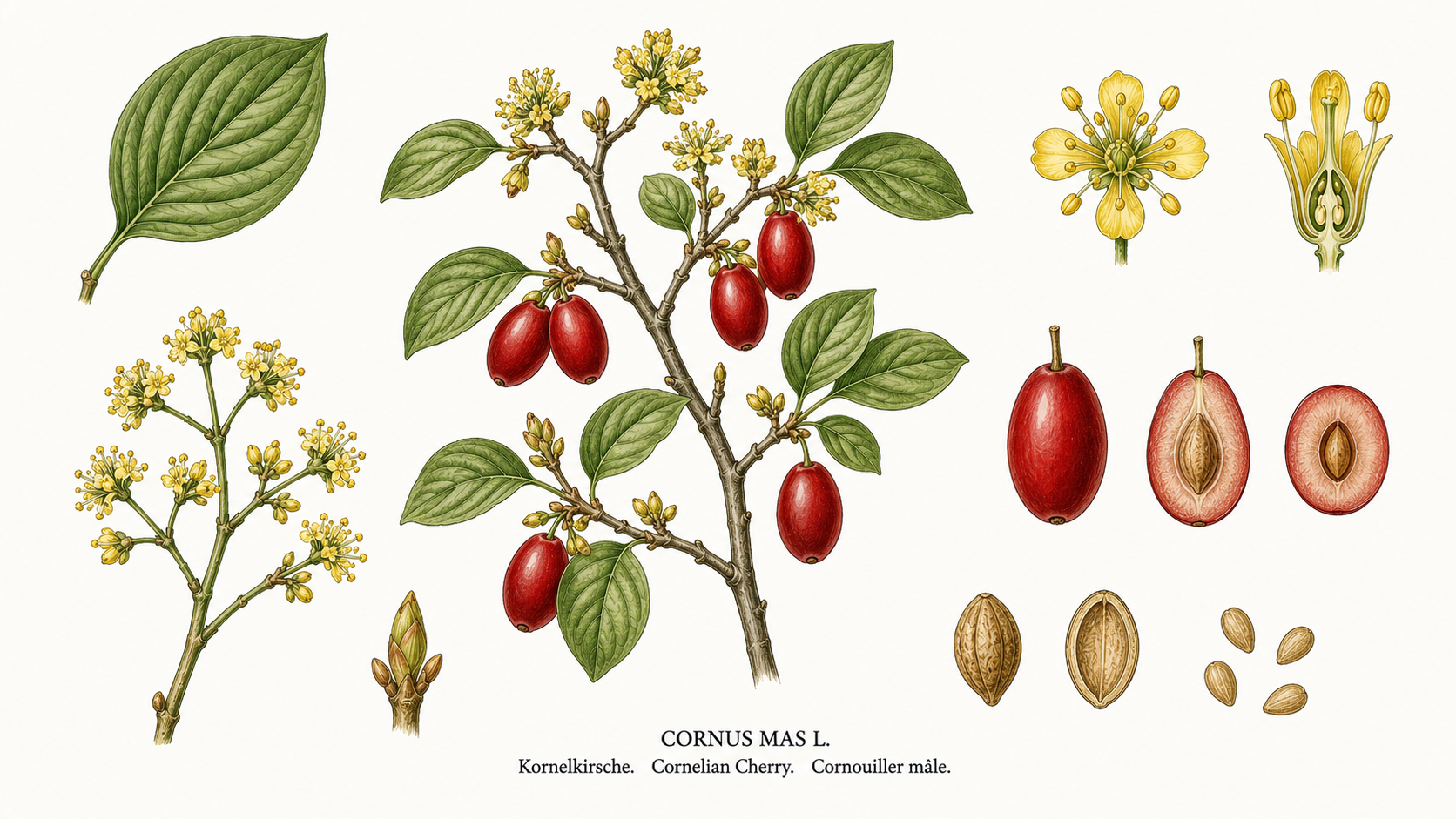
The fruit pulp of Cornelian cherry is suitable for guinea pigs in small amounts as a treat. Seeds are indigestible and can cause digestive issues. Leaves contain fine hairs that may cause...
low evidenceinferred or general evidencereviewed 2026-06-01
Critical: Leaves, Stems, Unripe fruits, Green plant parts
Observe the animal over the next few hours. Seek veterinary advice if unusual behavior or symptoms develop.
Symptoms, assessment, and evidence
Possible symptoms: Gastrointestinal upset (if green plant parts or unripe fruits are consumed)
Especially relevant: Consumption of green plant parts or unripe fruits, Excessive consumption of ripe fruits
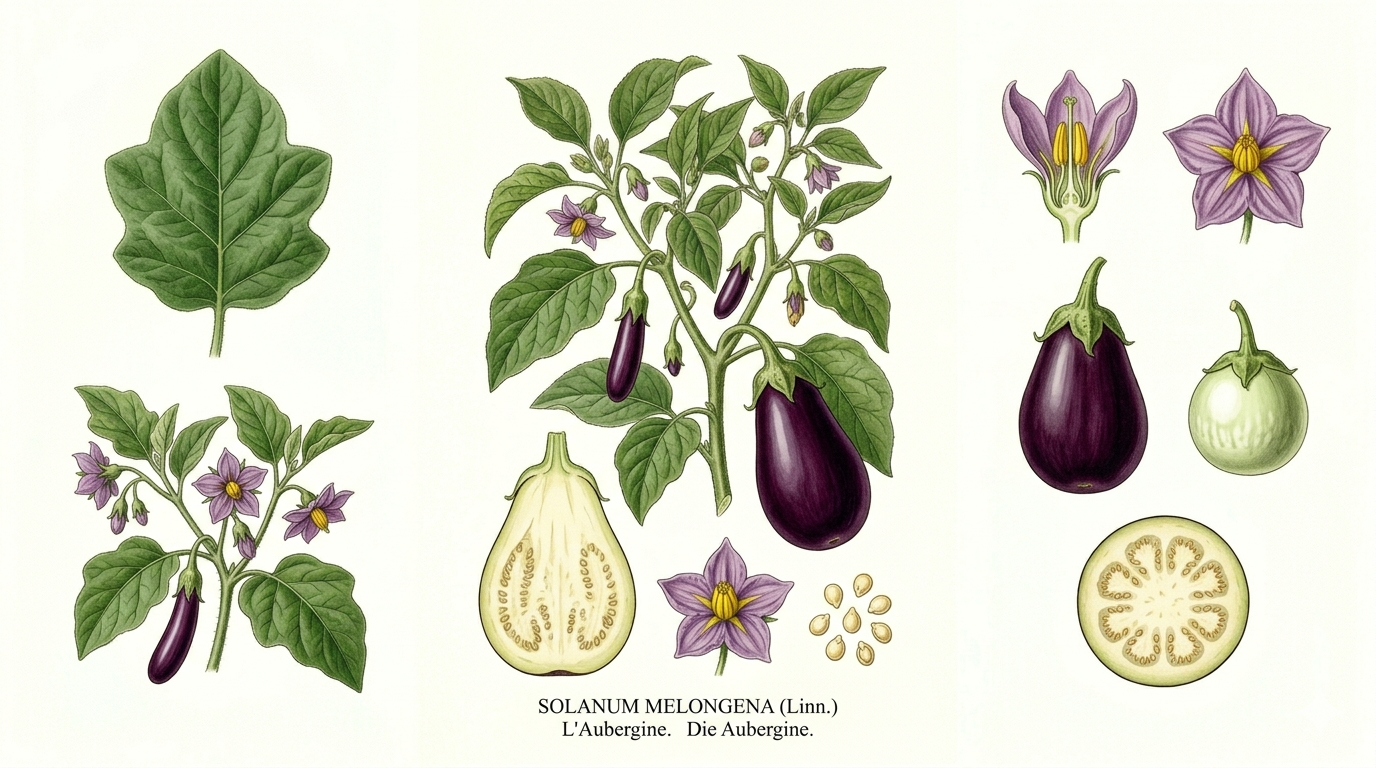
Ripe flesh can be given in small amounts as a treat. Green plant parts and unripe fruits are toxic due to solanine content. Quantity should be limited to avoid digestive upset.
low evidenceinferred or general evidencedirect veterinary source1 sourcereviewed 2026-06-01
Monitor the animal closely. Seek veterinary advice if vomiting, diarrhea, breathing difficulties, neurological signs, or other symptoms occur.
Symptoms, assessment, and evidence
Possible symptoms: Vomiting, Diarrhea, Breathing difficulties
Especially relevant: Consumption of seeds or leaves, Excessive fruit consumption
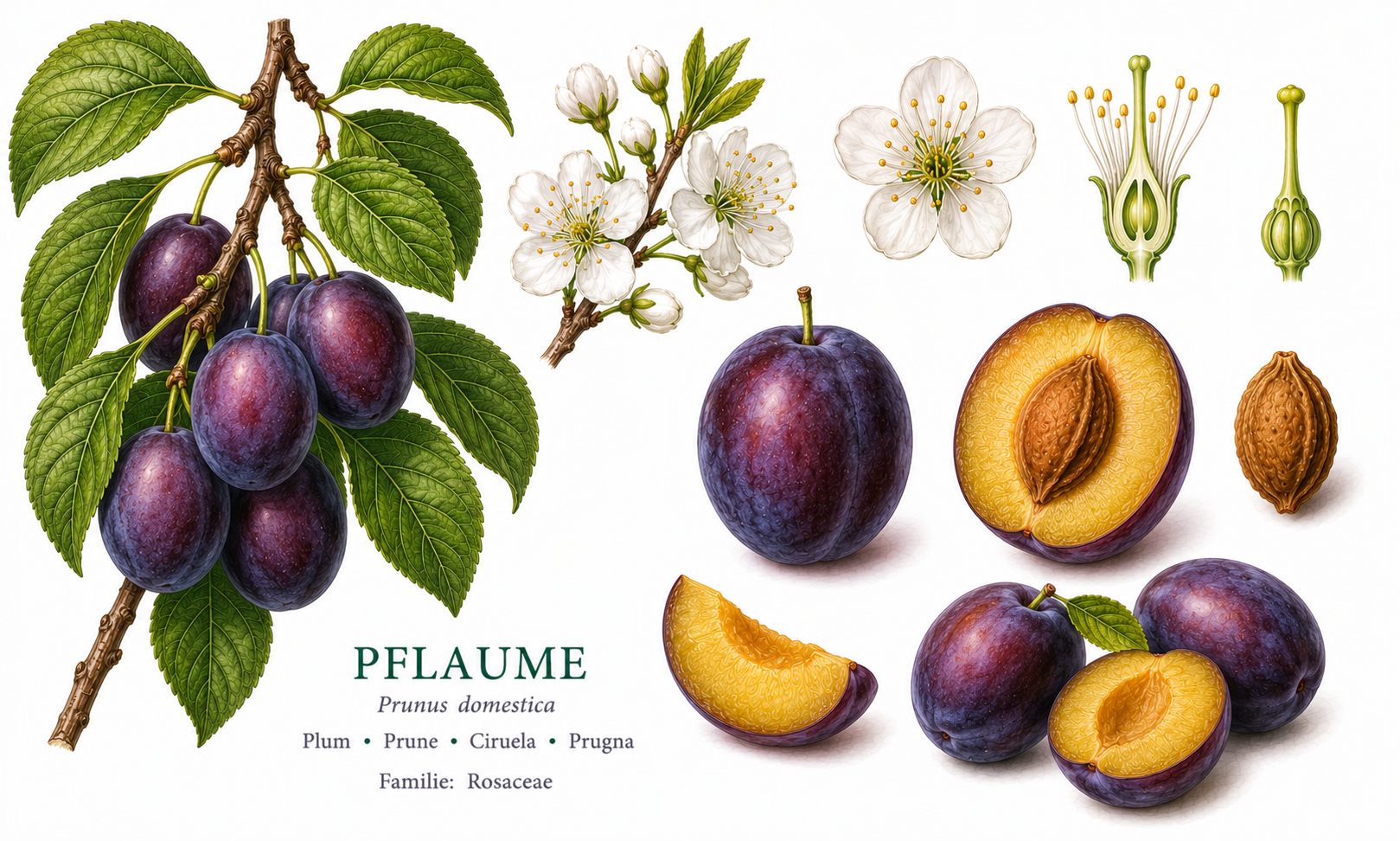
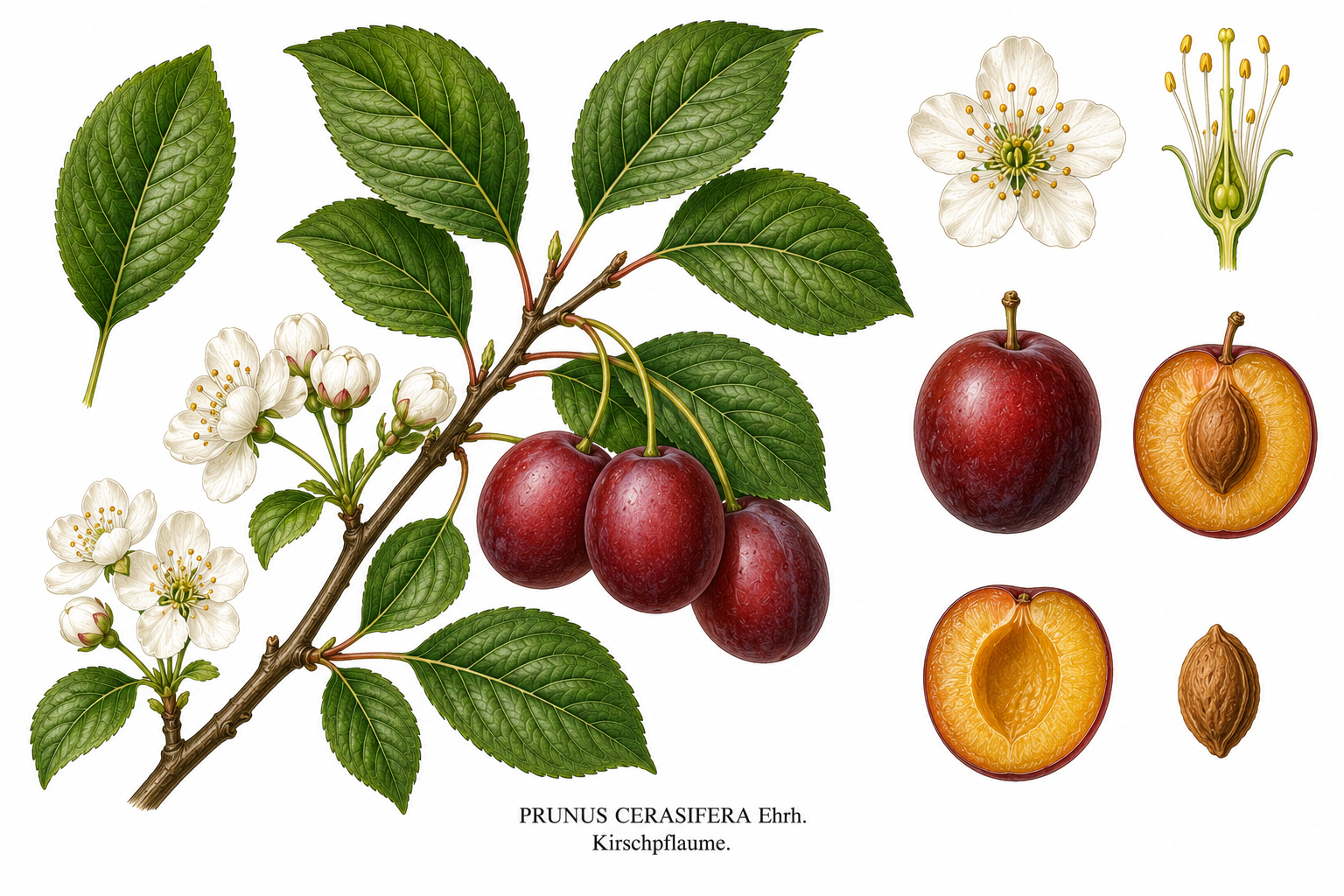
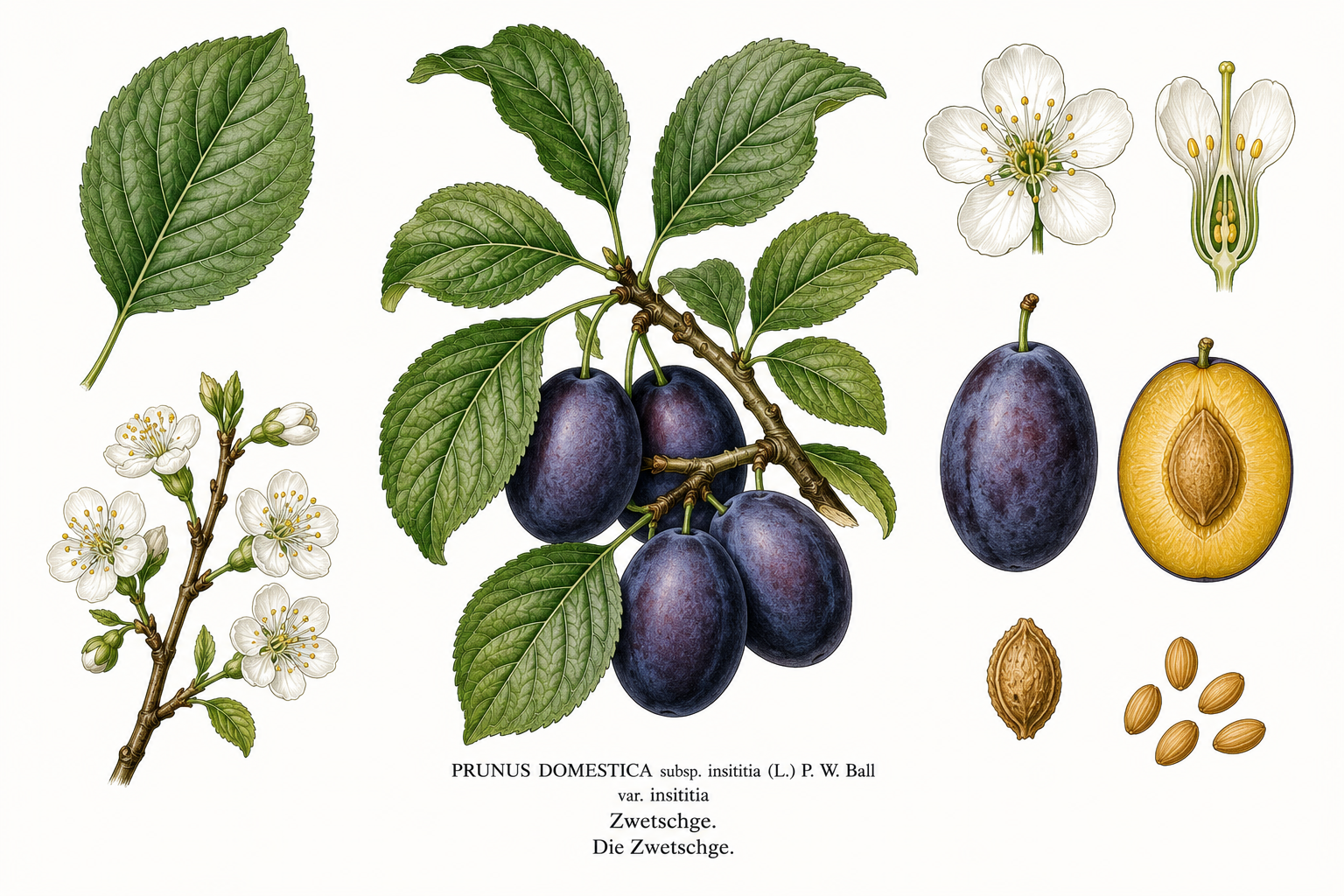
The fruit flesh and skin of plums are suitable for guinea pigs in small amounts as a treat. The seeds contain amygdalin, which can release hydrogen cyanide and is toxic. Leaves and bark...
low evidenceinferred or general evidencereviewed 2026-06-02
Critical: green unripe fruits, leaves, stems, roots
Observe the animal over the next few hours. Seek veterinary advice if unusual behavior or symptoms develop.
Symptoms, assessment, and evidence
Possible symptoms: gastrointestinal upset, vomiting, diarrhea
Especially relevant: consumption of unripe parts, excessive consumption of ripe fruits
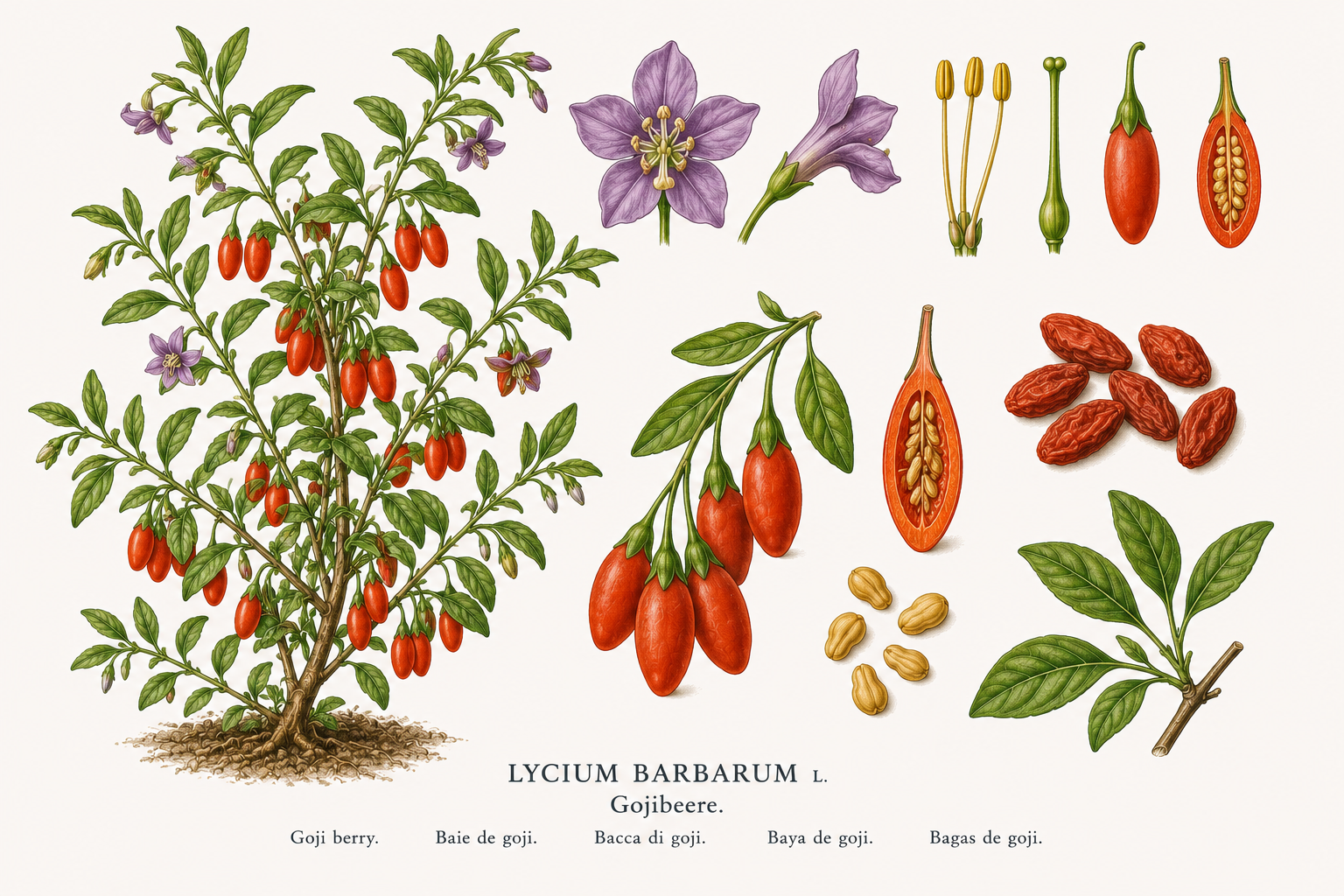
Fully ripe goji berries are suitable for guinea pigs in small amounts as an occasional treat. Unripe fruits and other plant parts contain toxic compounds such as solanine and should be...
low evidenceinferred or general evidencereviewed 2026-06-01
Monitor the animal closely. Seek veterinary advice if vomiting, diarrhea, breathing difficulties, neurological signs, or other symptoms occur.
Symptoms, assessment, and evidence
Possible symptoms: Vomiting, Diarrhea, Breathing difficulties, Weakness
Especially relevant: Consumption of seeds or pits, Excessive fruit flesh consumption
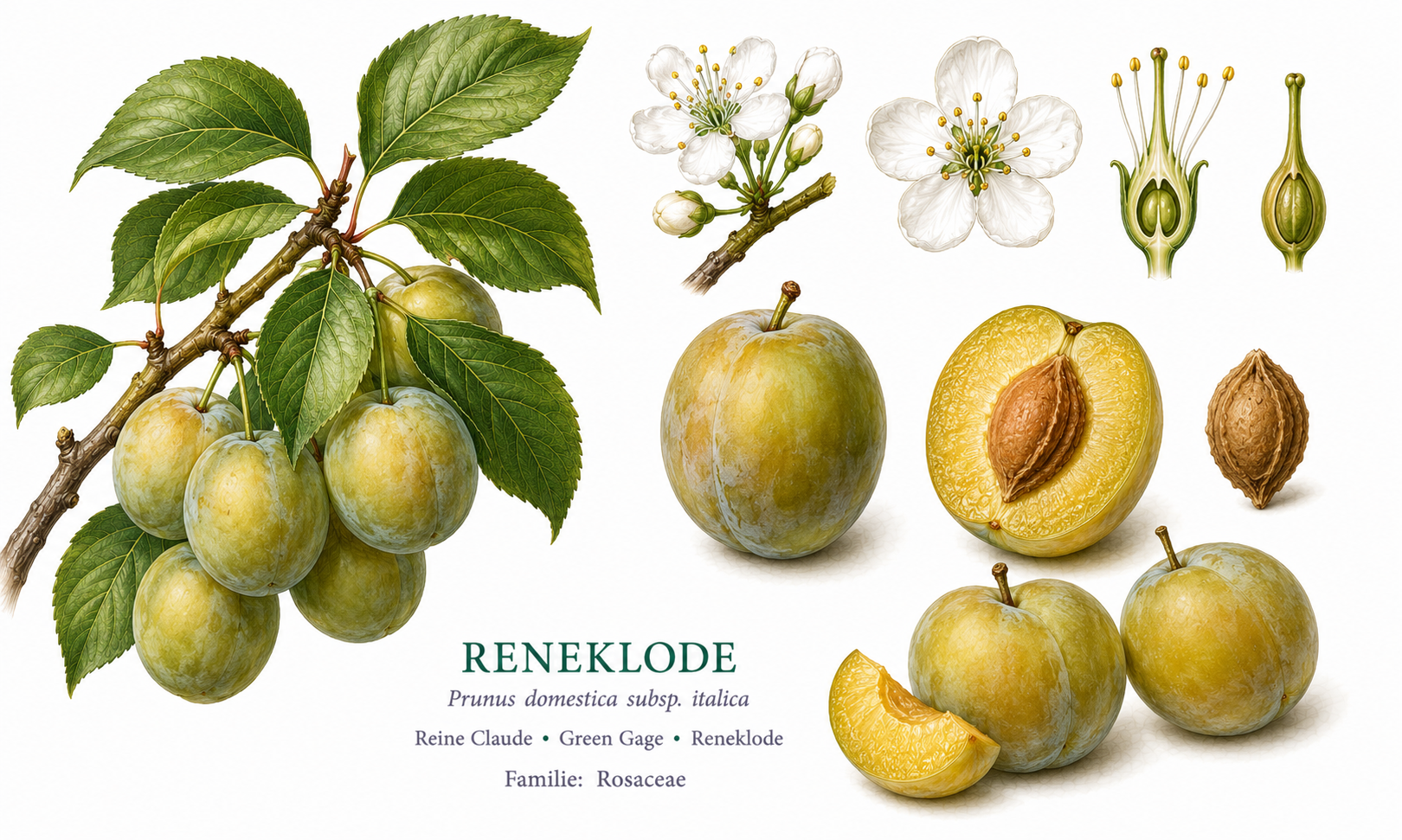
The fruit flesh of greengage is suitable for guinea pigs in small amounts as a treat. Pits, leaves, and bark contain cyanogenic glycosides and are toxic. If toxic parts are ingested, seek...
low evidenceinferred or general evidencereviewed 2026-06-02
Observe the animal over the next few hours. Seek veterinary advice if unusual behavior or symptoms develop.
Symptoms, assessment, and evidence
Possible symptoms: Gastrointestinal upset, Diarrhea
Especially relevant: Overconsumption, Sensitivity to actinidin
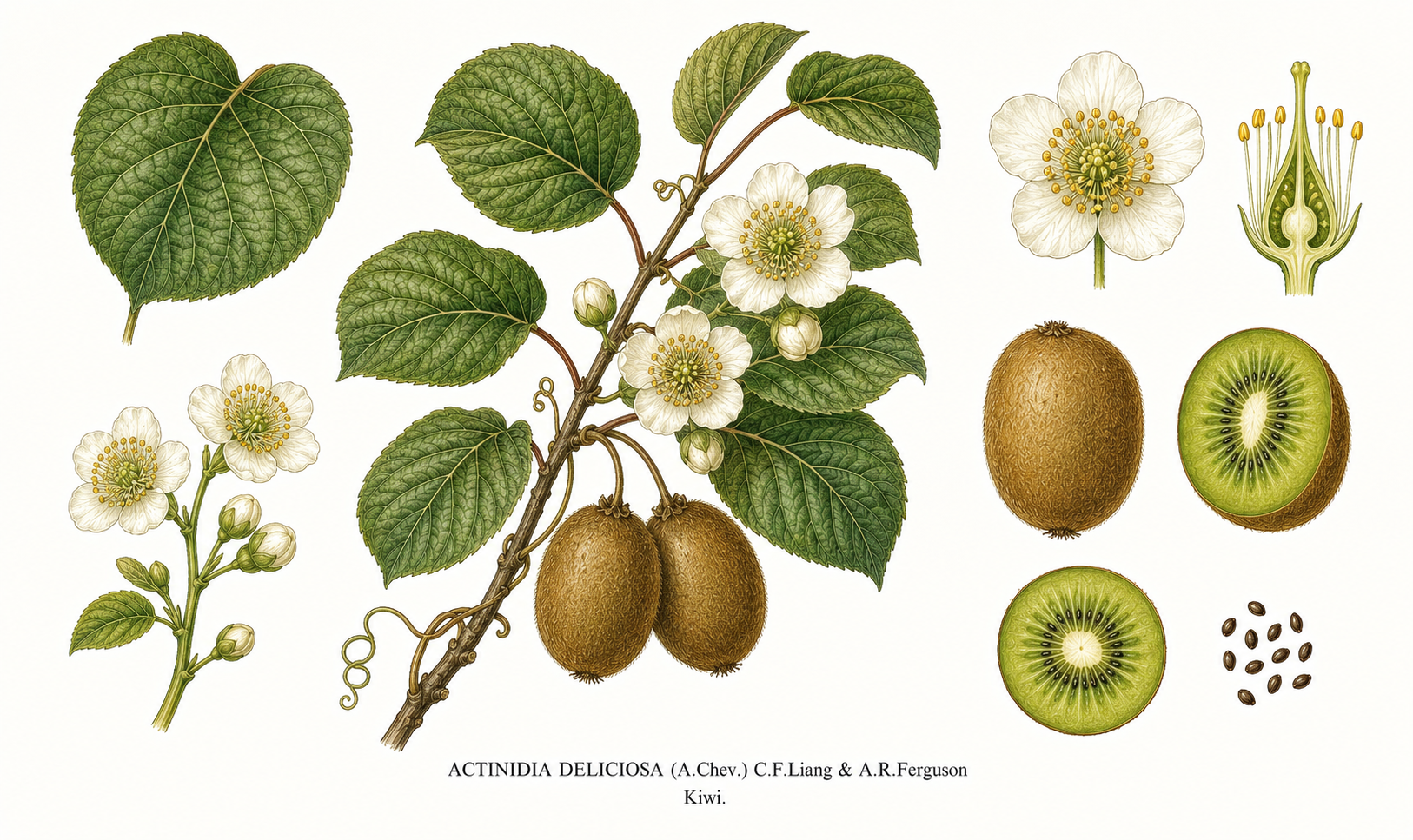
Kiwi fruit flesh is suitable for guinea pigs in small amounts as an occasional treat. Skin and leaves should be avoided due to potential irritation and mild toxicity. Due to high water and...
low evidenceinferred or general evidencereviewed 2026-06-01
Critical: Plants in the flowering stage (increased apiol content), Seeds (high furanocoumarin content)
Observe the animal over the next few hours. Seek veterinary advice if unusual behavior or symptoms develop.
Symptoms, assessment, and evidence
Possible symptoms: Photosensitization (sunburn, dermatitis) with ingestion of large amounts
Especially relevant: Ingestion of large quantities, Ingestion of plants in the flowering stage
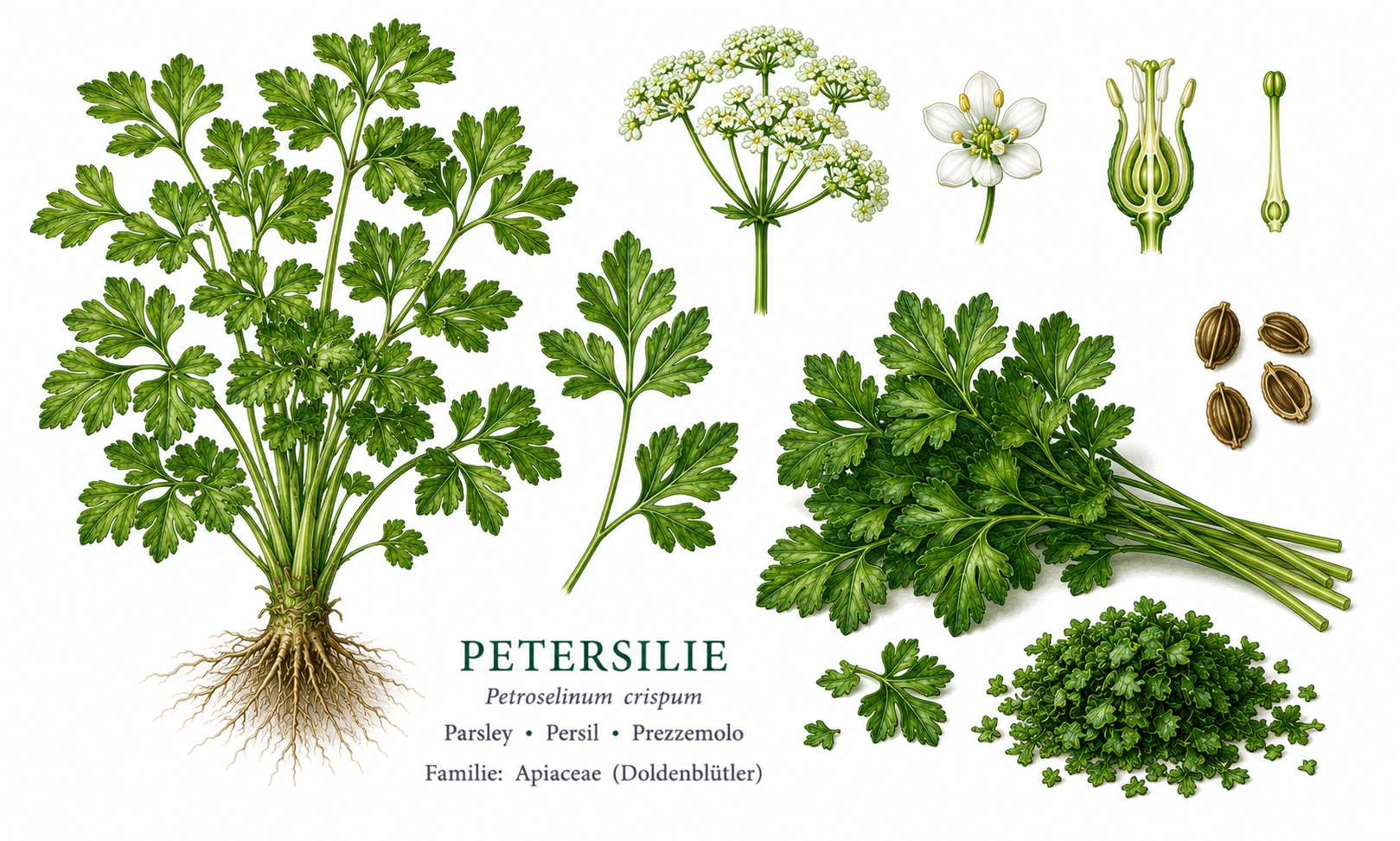
Parsley is safe in moderation for guinea pigs, particularly the leaves and stems. Large quantities or plants in the flowering stage should be avoided due to apiol and furanocoumarins, which...
low evidenceinferred or general evidencedirect veterinary source1 sourcereviewed 2026-06-02
Based on the available information, no action is usually required. If symptoms occur, veterinary advice is still recommended.
Symptoms, assessment, and evidence
Especially relevant: Phototoxicity possible with sap contact and UV light
Dill is generally suitable for guinea pigs as a treat in small amounts. Leaves, seeds, flowers, and tender stems can be fed. Contact with plant sap and UV light poses a low risk of...
low evidenceinferred or general evidencedirect veterinary source1 sourcereviewed 2026-06-01
Monitor the animal closely. Seek veterinary advice if vomiting, diarrhea, breathing difficulties, neurological signs, or other symptoms occur.
Symptoms, assessment, and evidence
Possible symptoms: Gastrointestinal upset, Diarrhea
Especially relevant: Sensitivity to Allium compounds, Excessive consumption
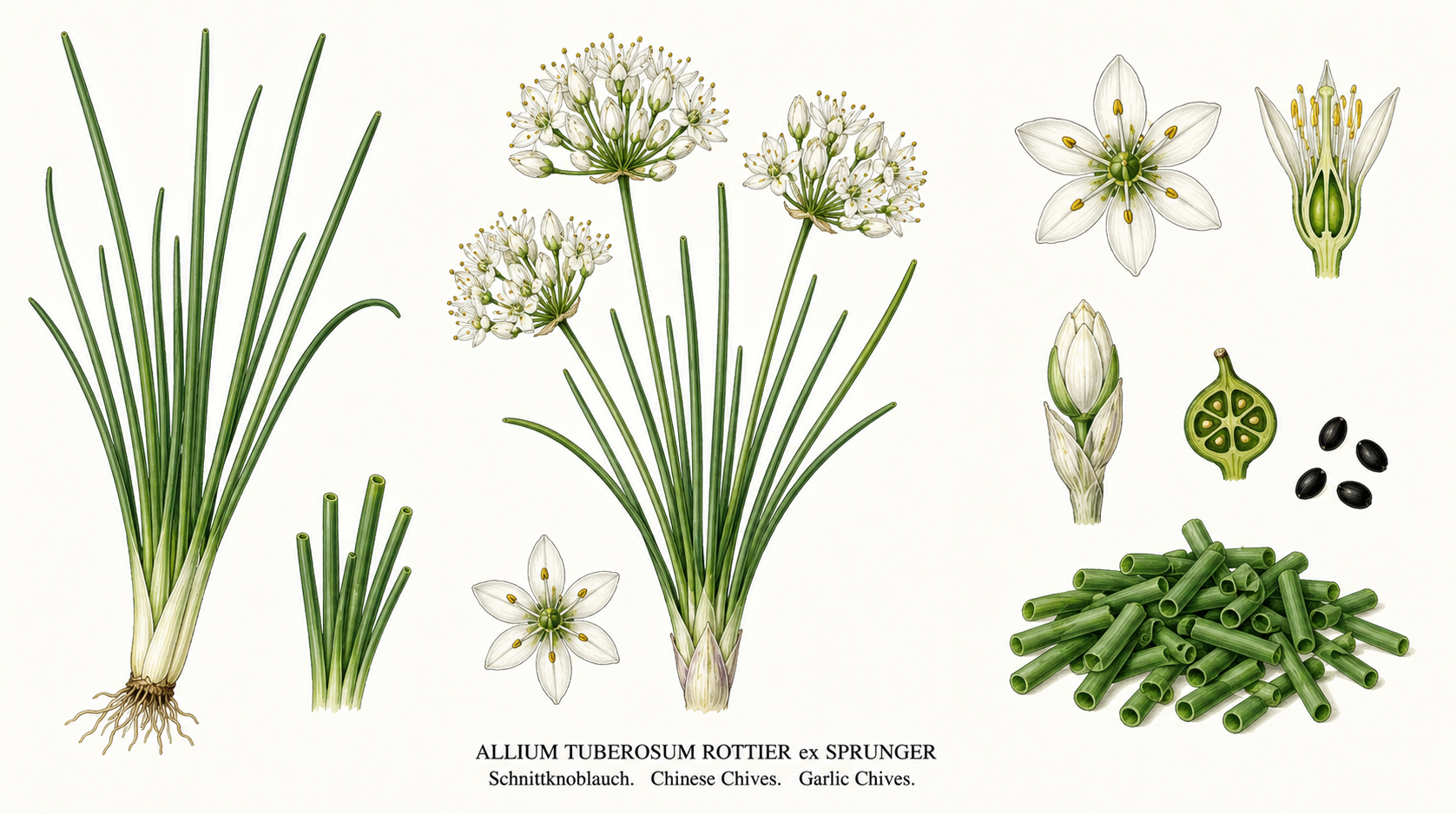
Leaves and flowers of Schnittknoblauch may be suitable as an occasional treat for guinea pigs in small amounts, but there is a risk of gastrointestinal upset due to disulfide and...
low evidenceinferred or general evidencereviewed 2026-06-02
Critical: Berries, Woody ends of spears, Mature fronds
Observe the animal over the next few hours. Seek veterinary advice if unusual behavior or symptoms develop.
Symptoms, assessment, and evidence
Possible symptoms: Gastrointestinal upset, Vomiting, Diarrhea
Especially relevant: Consumption of berries or mature plant parts, Overconsumption of young shoots
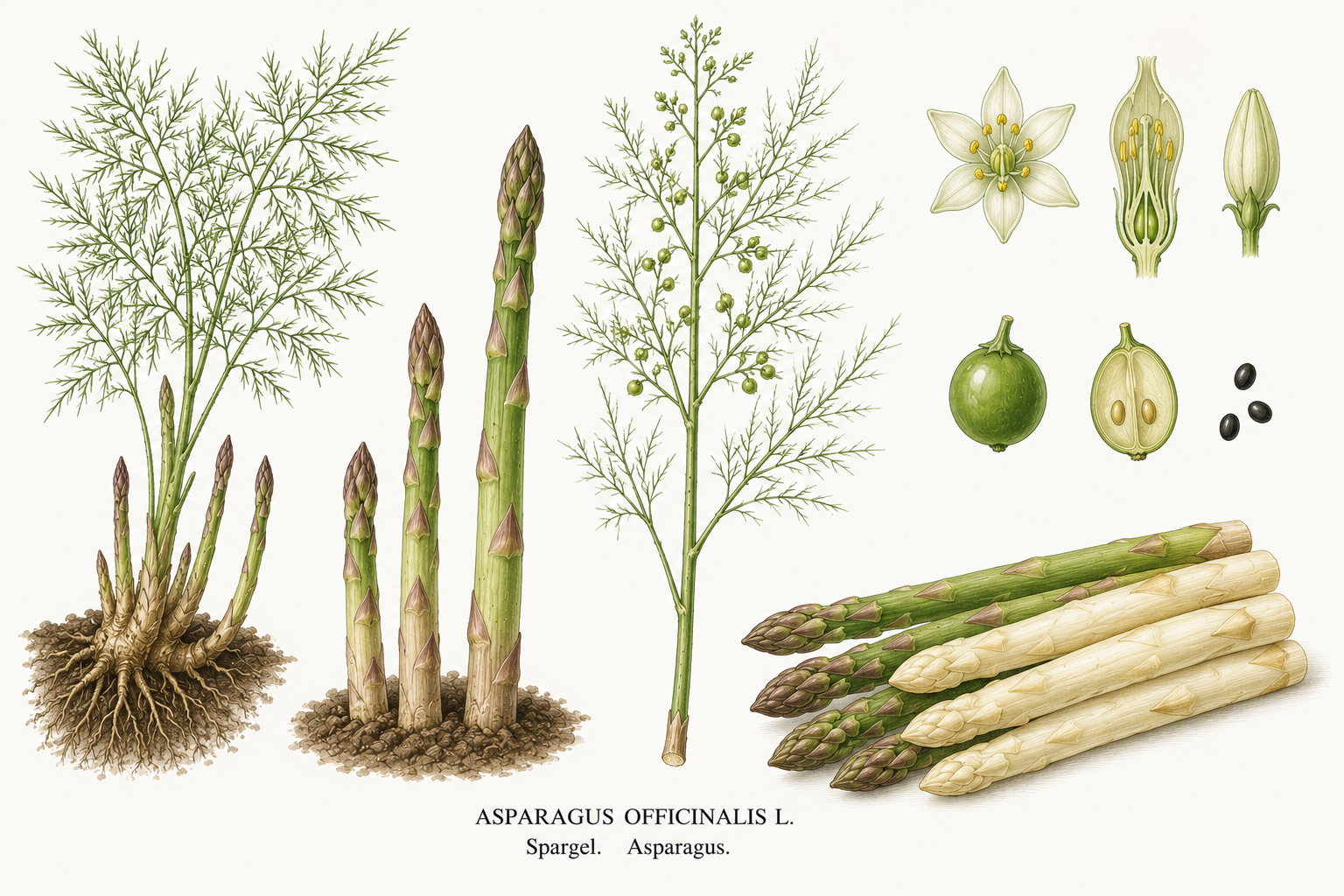
The young shoots (asparagus spears) are suitable for guinea pigs in small amounts as a treat. The red berries as well as woody ends and mature fronds contain saponins and are toxic or...
low evidenceinferred or general evidencereviewed 2026-06-02
Based on the available information, no action is usually required. If symptoms occur, veterinary advice is still recommended.
Symptoms, assessment, and evidence
Possible symptoms: gastrointestinal upset if consumed in excess
Especially relevant: excessive consumption, old or very pungent leaves
Barbarea vulgaris is palatable for guinea pigs in moderation, especially young leaves and flower buds. Older or very pungent leaves should be fed sparingly or not at all, as they can cause...
low evidenceinferred or general evidencereviewed 2026-06-01
Suitable: Root (taproot) (in moderation), Leaves (in moderation)
Critical: No critical parts listed
Observe the animal over the next few hours. Seek veterinary advice if unusual behavior or symptoms develop.
Symptoms, assessment, and evidence
Possible symptoms: Gastrointestinal upset (with excessive consumption), Harmless discoloration of urine and feces (beeturia)
Especially relevant: Excessive consumption, Sensitivity to oxalic acid
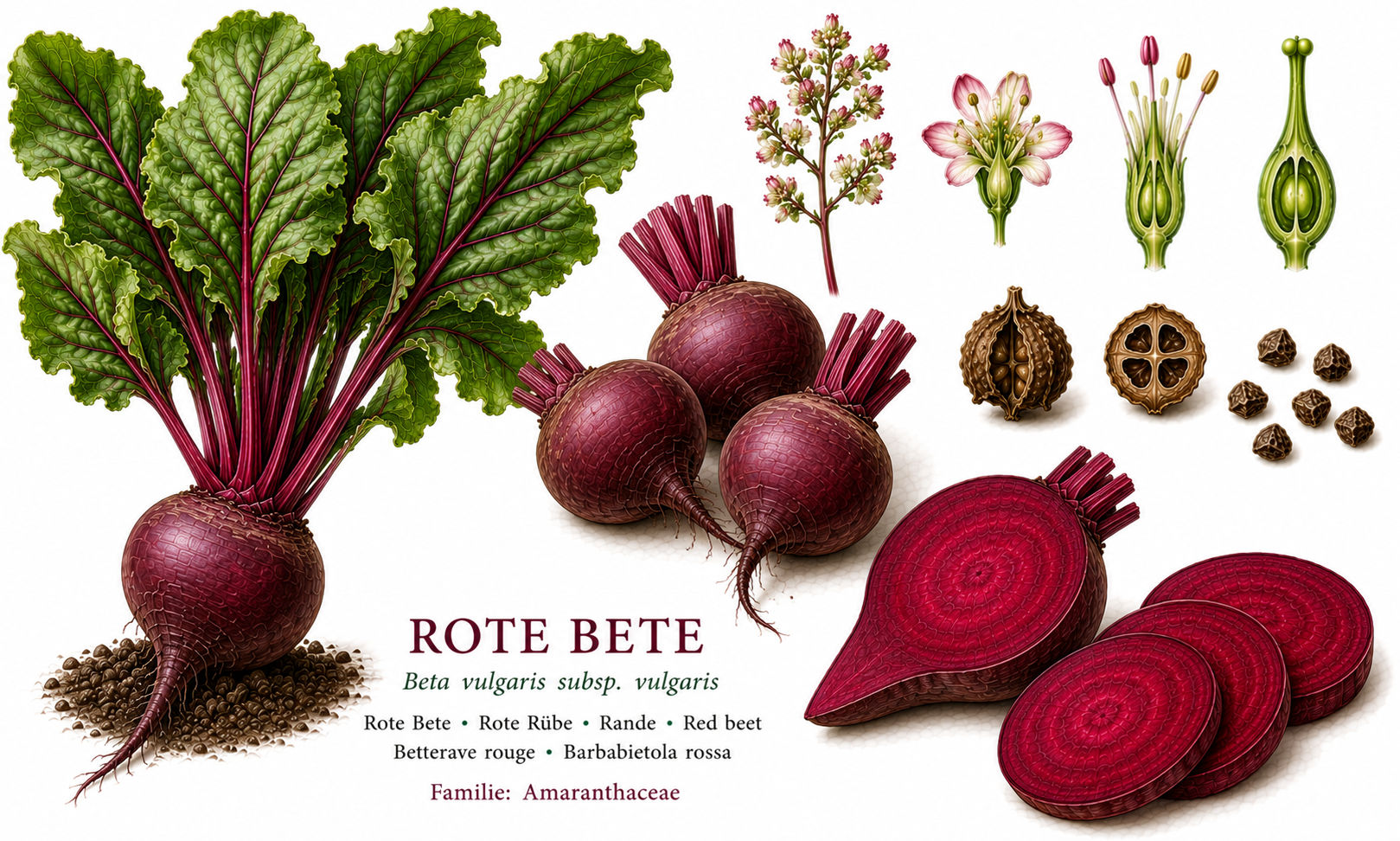
Beetroot can be fed in moderation. The leaves contain oxalic acid, so they should only be offered in small amounts. The red discoloration of urine and feces is harmless.
low evidenceinferred or general evidencereviewed 2026-06-02
Based on the available information, no action is usually required. If symptoms occur, veterinary advice is still recommended.
Symptoms, assessment, and evidence
Possible symptoms: Diarrhea with excessive consumption
Especially relevant: Overconsumption may cause diarrhea due to high fiber and tannin content., Wild-collected berries may carry parasites such as fox tapeworm eggs – wash thoroughly before feeding.
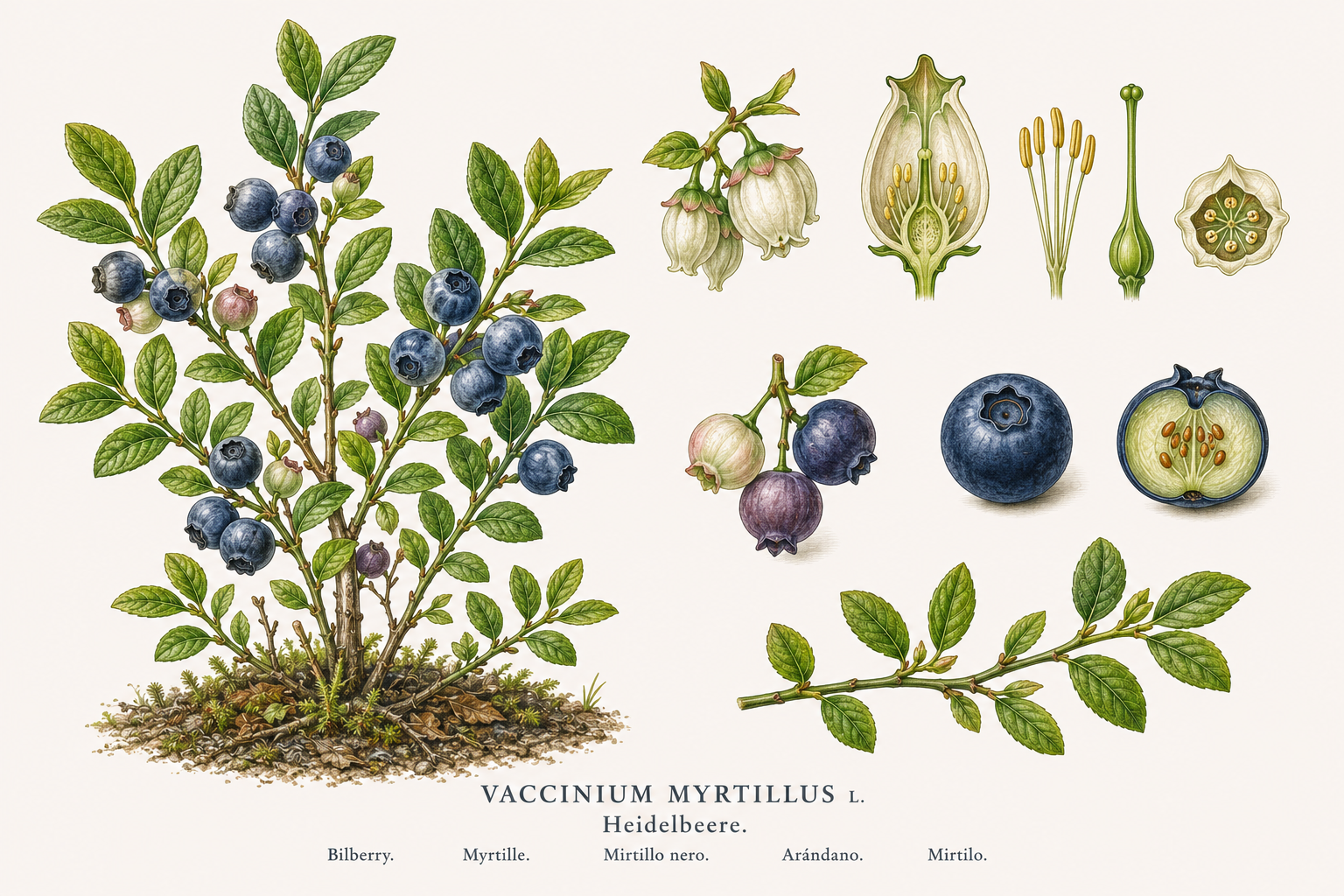
Bilberry fruits are suitable for guinea pigs in small amounts as an occasional treat. They contain vitamin C and antioxidants, but should only be fed occasionally due to sugar content and...
low evidenceinferred or general evidence1 sourcereviewed 2026-06-01
Observe the animal over the next few hours. Seek veterinary advice if unusual behavior or symptoms develop.
Symptoms, assessment, and evidence
Especially relevant: Excessive consumption may cause gas or digestive discomfort
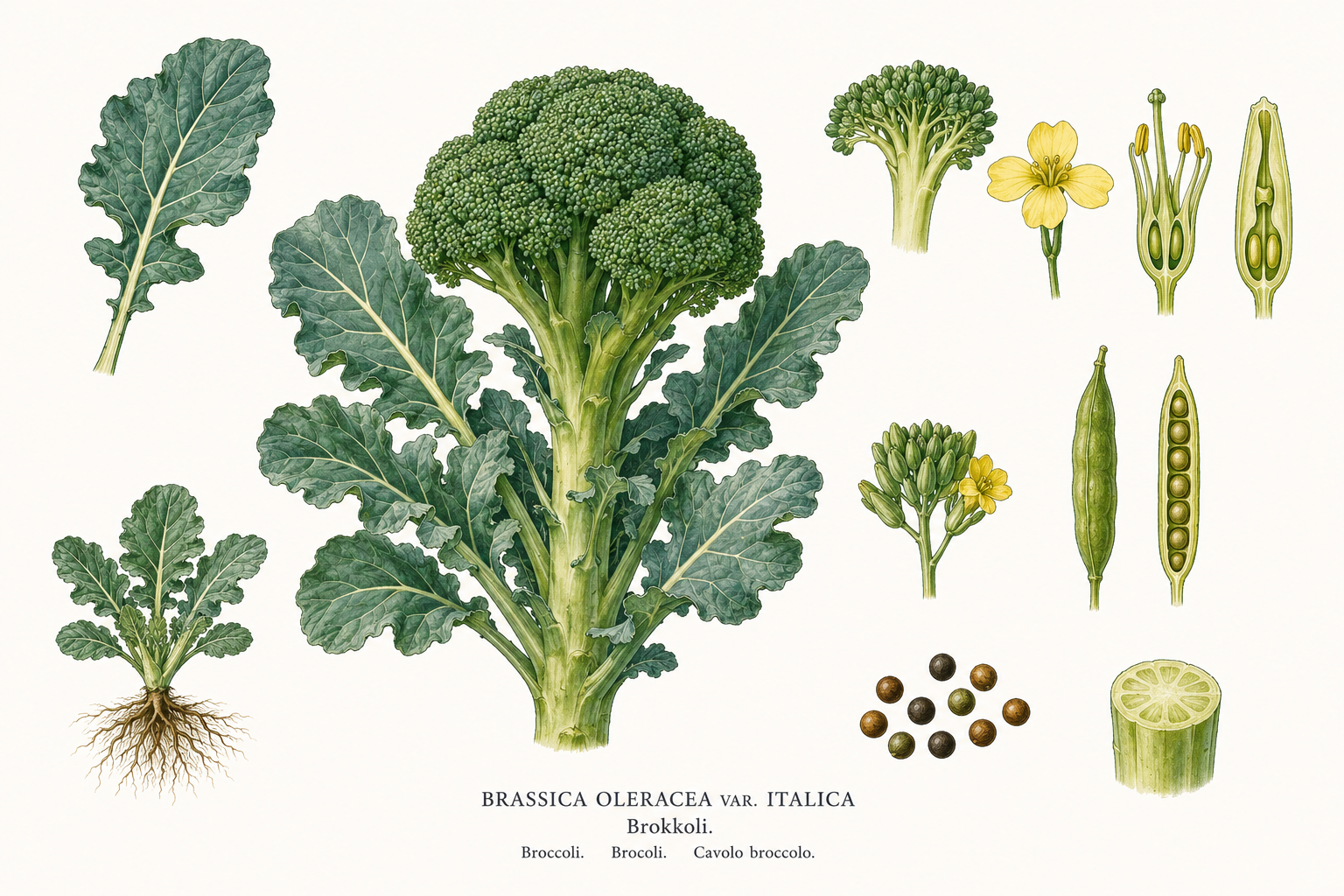
Broccoli is suitable for guinea pigs in moderation and is commonly fed as part of a balanced diet. The flower buds, tender stems, and young leaves are safe. Excessive amounts may cause gas...
low evidenceinferred or general evidence1 sourcereviewed 2026-06-01
Observe the animal over the next few hours. Seek veterinary advice if unusual behavior or symptoms develop.
Symptoms, assessment, and evidence
Possible symptoms: Gas, Gastrointestinal discomfort
Especially relevant: Overconsumption may cause gas or gastrointestinal discomfort.
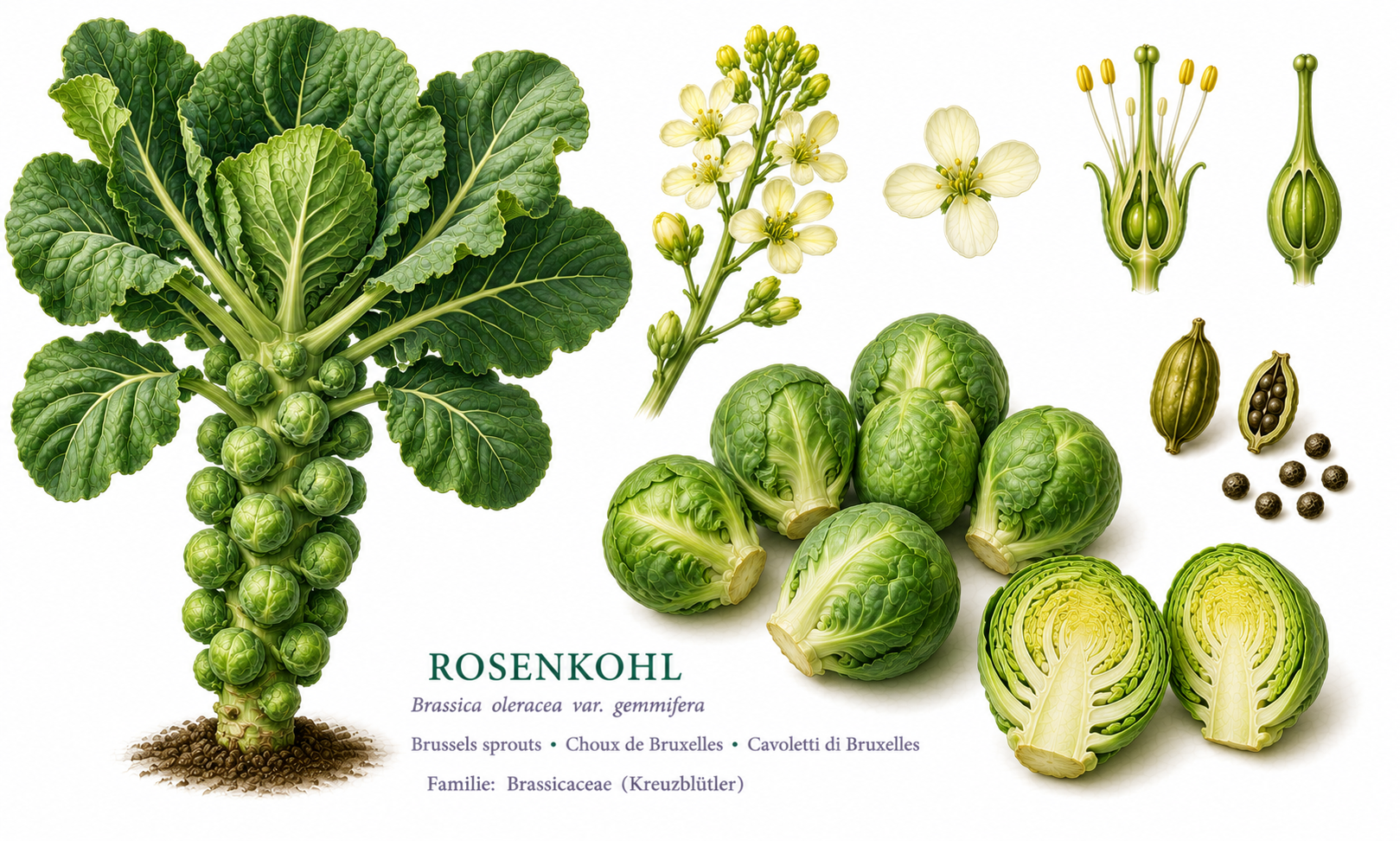
Brussels sprouts are edible and non-toxic for guinea pigs but should only be fed as an occasional treat in small amounts due to gas risk. Young sprouts and leaves are preferred.
low evidenceinferred or general evidencereviewed 2026-06-02
The urgency cannot be assessed reliably. When in doubt, seek veterinary advice.
Symptoms, assessment, and evidence
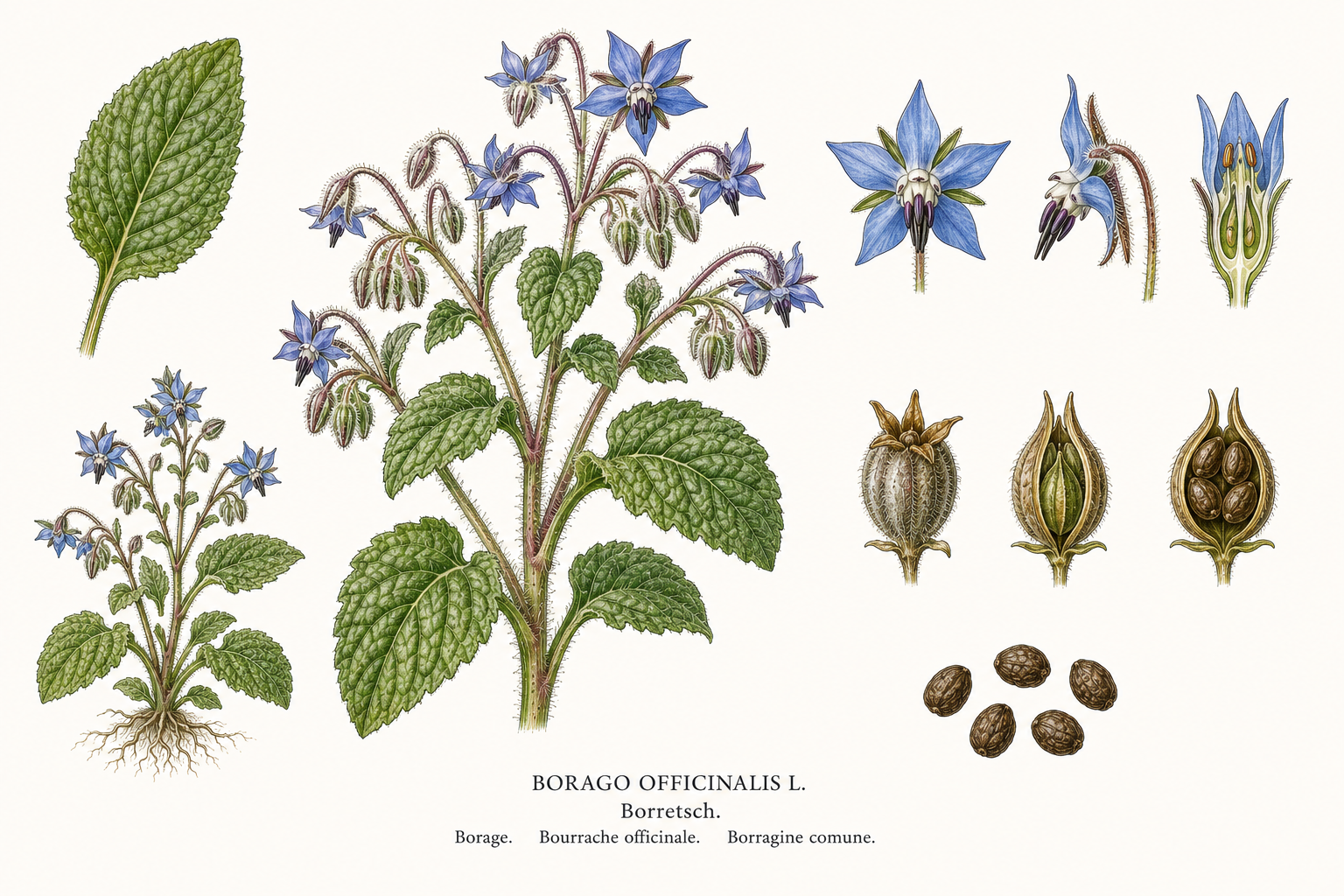
Young leaves and flowers of borage may be suitable as an occasional treat for guinea pigs in small amounts, but contain pyrrolizidine alkaloids that can be hepatotoxic with excessive...
insufficientinferred or general evidencedirect veterinary source1 sourcereviewed 2026-06-01
The urgency cannot be assessed reliably. When in doubt, seek veterinary advice.
Symptoms, assessment, and evidence
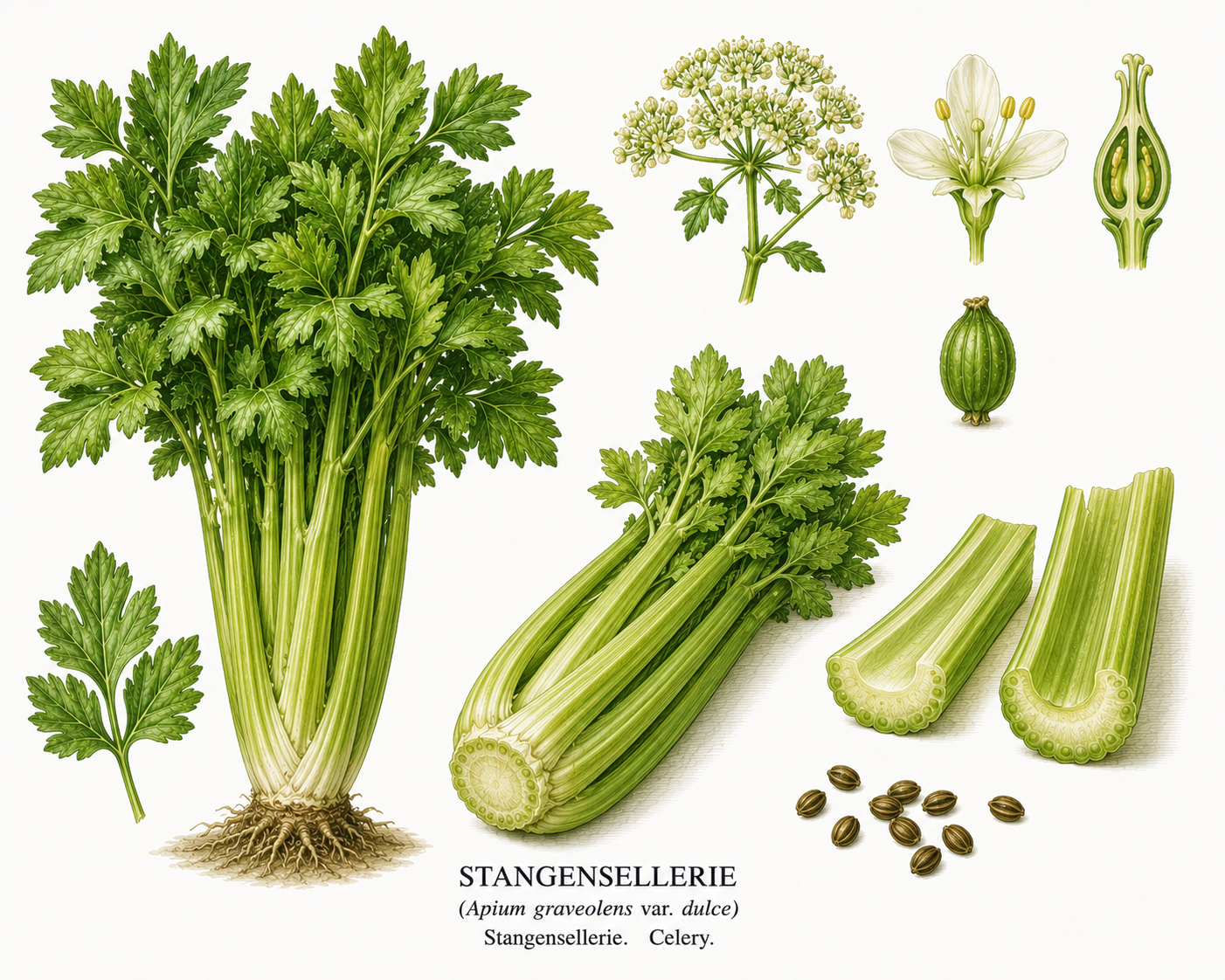
Celery (stalks and leaves) is suitable for guinea pigs in moderation and is commonly fed as a treat. Seeds contain higher concentrations of essential oils and psoralens and should be...
insufficientinferred or general evidencereviewed 2026-06-02
Common questions about garden plants and guinea pig
Which garden plants are suitable for guinea pig?
The overview shows which plants are rated as suitable, restricted, critical, or unclear for guinea pig. Always check the specific plant part, such as fruit, leaves, stems, seeds, or tubers.
What does restricted mean for guinea pig?
Restricted means that the plant or certain plant parts are not automatically unsafe, but may only be suitable for guinea pig in appropriate amounts, under control, or with extra caution.
What does critical mean for guinea pig?
Critical means the plant or certain plant parts should not be fed. Depending on the plant, access control in the garden may also be useful.
Does this list replace veterinary advice?
No. The information helps with garden safety decisions, but it does not replace veterinary advice. If risky plant parts were ingested, symptoms appear, or behavior changes, contact a veterinarian.
We use Google Analytics only with consent to improve Wild-Wuchs.