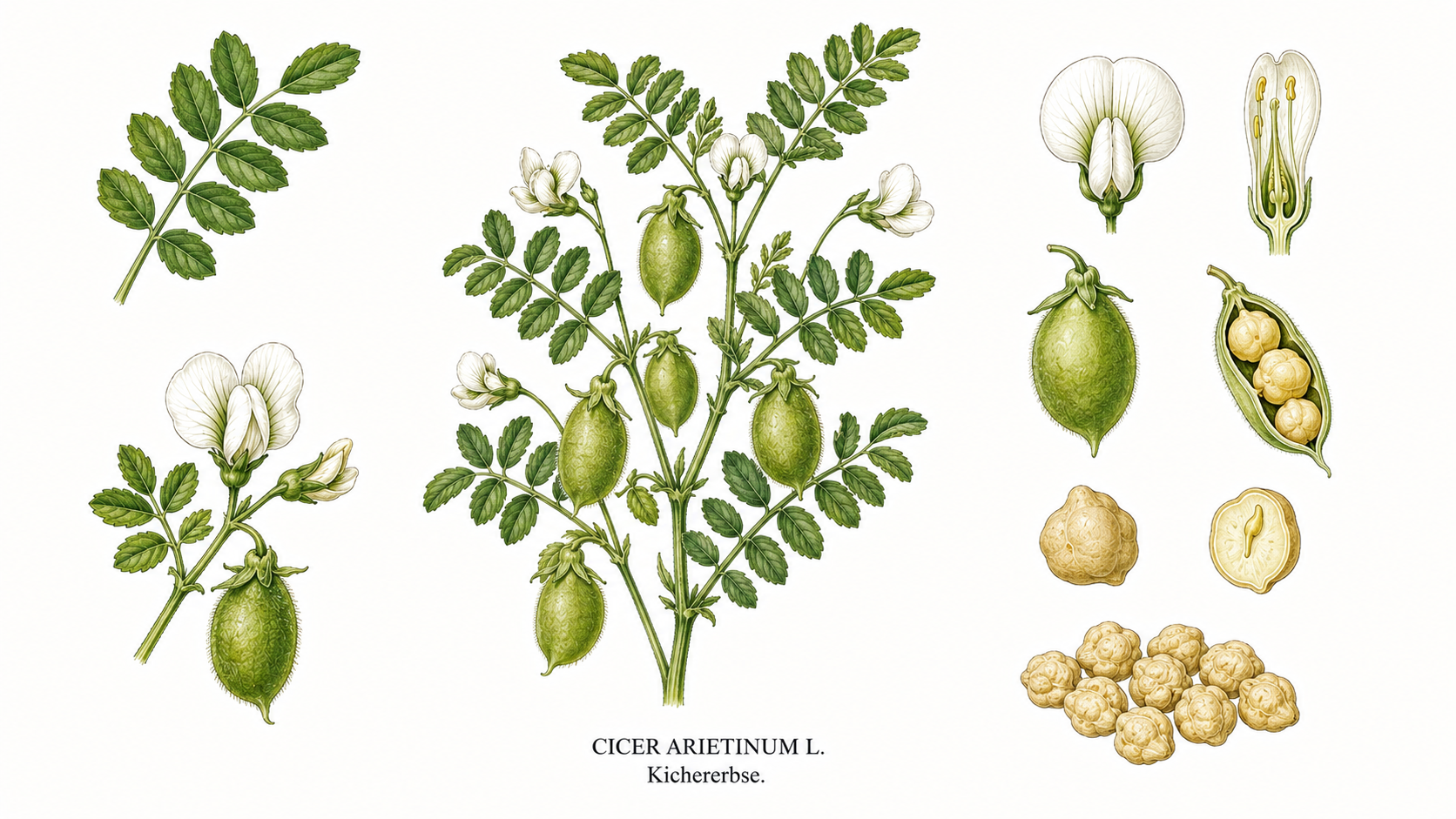
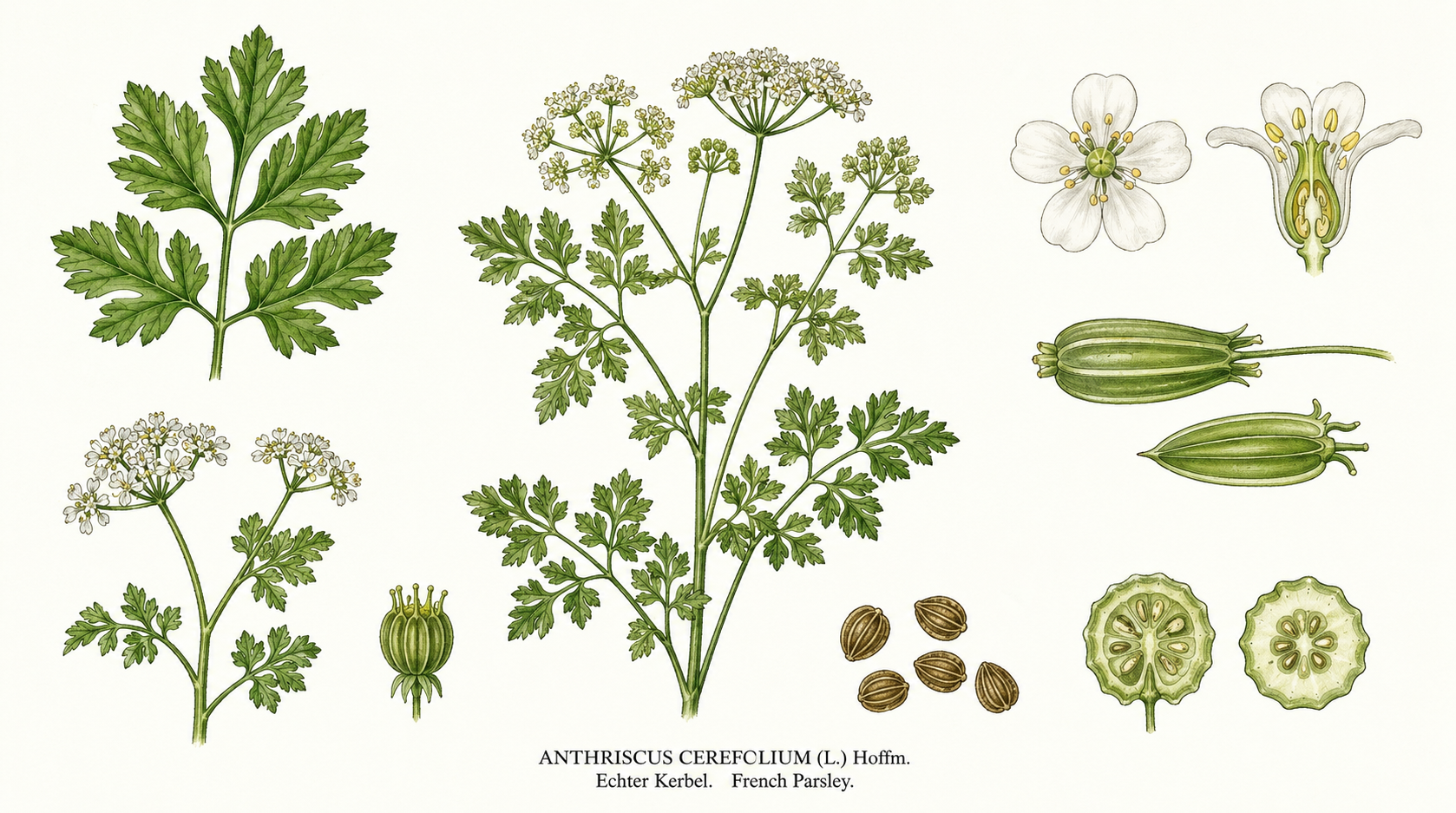
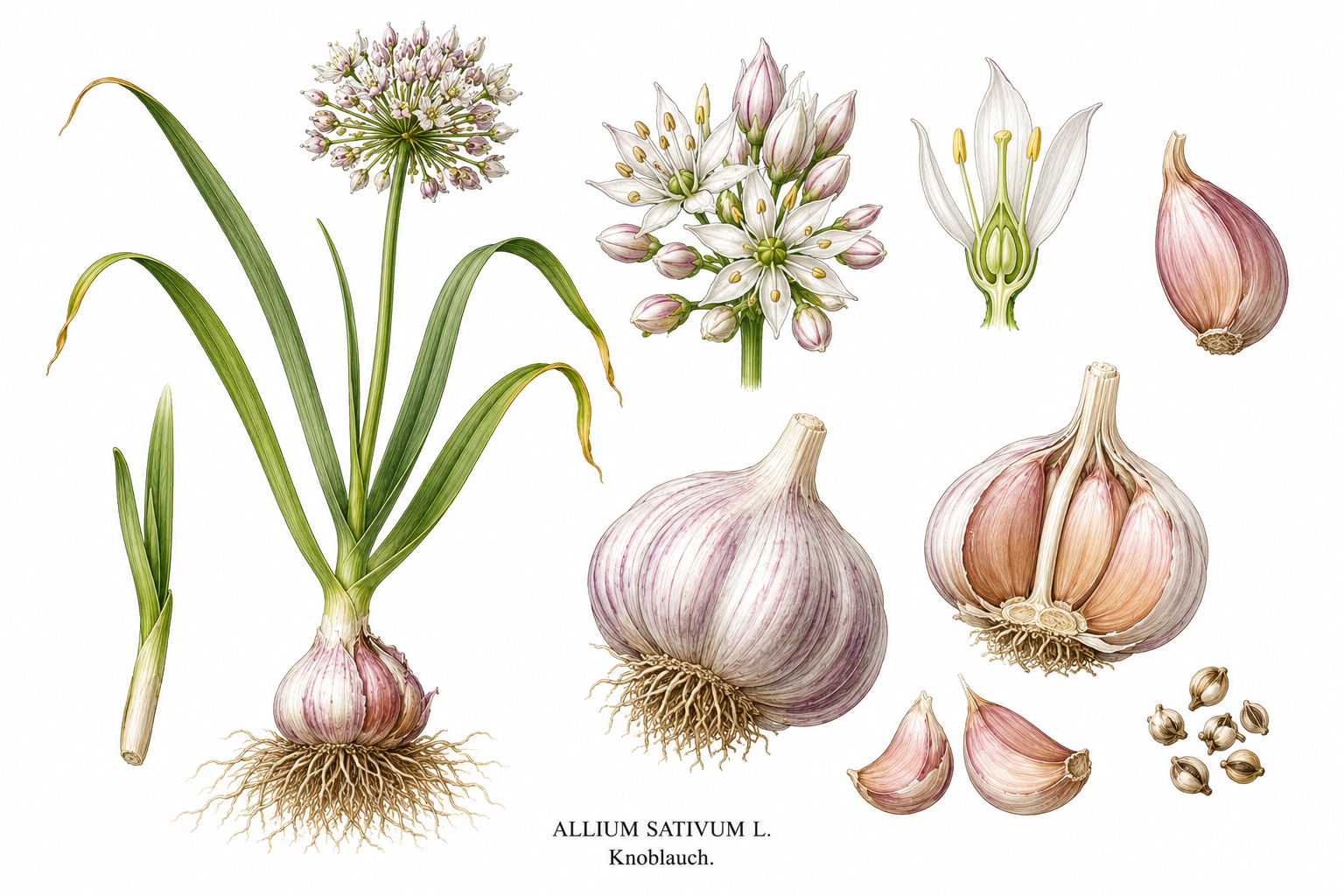
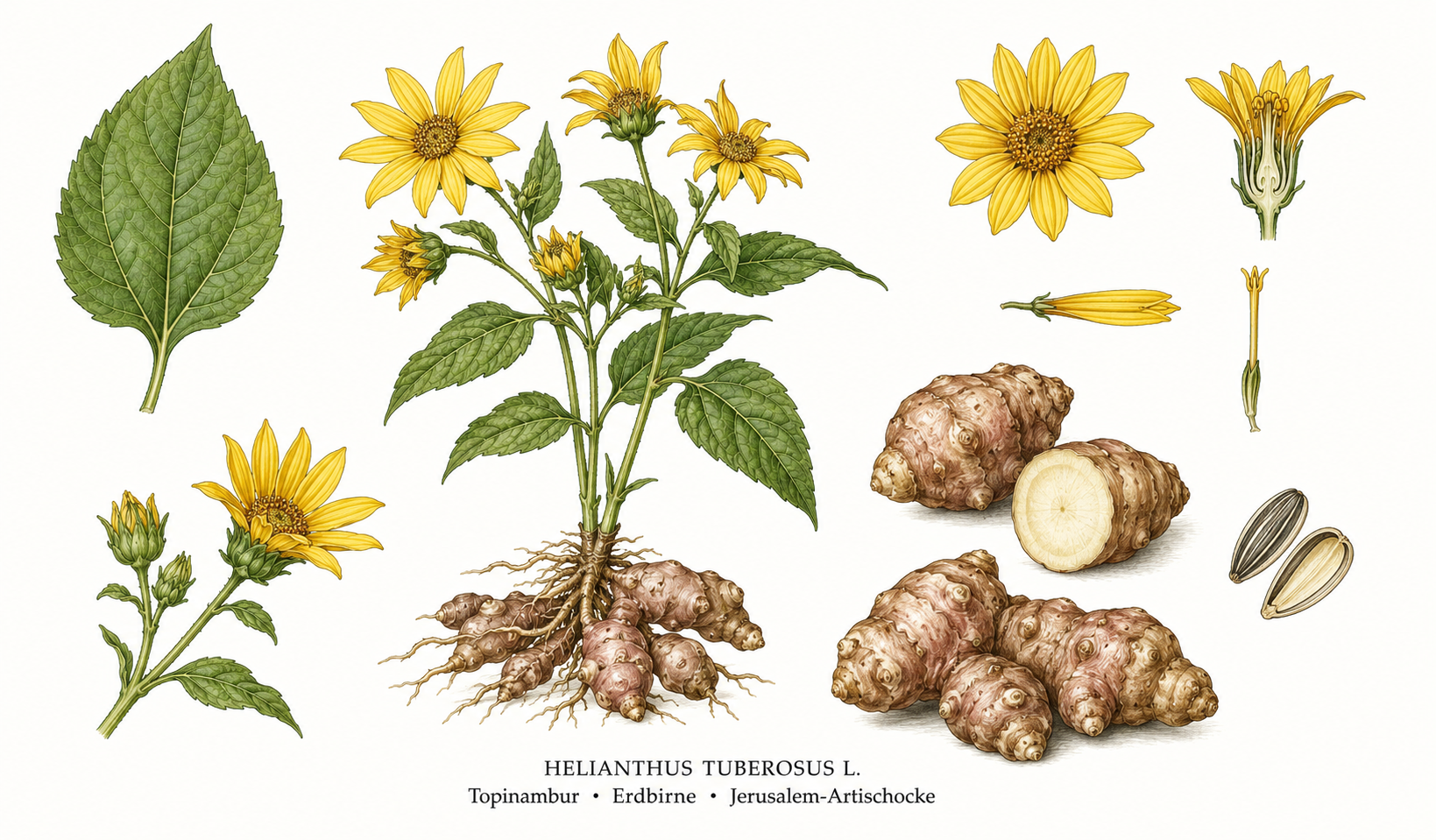
Alongside animal food, ducks eat many aquatic and land plants. While dabbling and grazing, they consume different plant parts, so planting around runs and pond edges should be selected carefully.
Quick help
Has your duck eaten a plant?
Search for the plant first. The exact plant part, amount eaten, time of ingestion, possible symptoms, and the animal's weight are important for the next step.
Do not induce vomiting or give home remedies unless a veterinary professional specifically tells you to do so.
Prevent further access to the plant.
Keep remaining plant material or take a clear photo of the plant.
Note the plant part, approximate amount, time, symptoms, and animal weight.
Check the urgency level and contact a veterinarian or emergency clinic if unsure.
Practical guidance
How to assess garden plants for duck
This animal page helps you assess garden plants by urgency, plant part, and evidence level. For possible exposure, start with the action guidance. For garden planning, focus on critical plant parts and access control.
After possible ingestion
The rating helps with initial orientation, but it cannot replace an individual assessment. Amount, plant part, spoiled material, chemical residues, age, weight, and existing health conditions may all matter.
Do not wait for symptoms when immediate contact is recommended.
Do not give milk, oil, salt, or home remedies.
Contact an emergency veterinarian immediately if severe restlessness, breathing problems, seizures, or rapid deterioration occur.
Plan the garden or enclosure
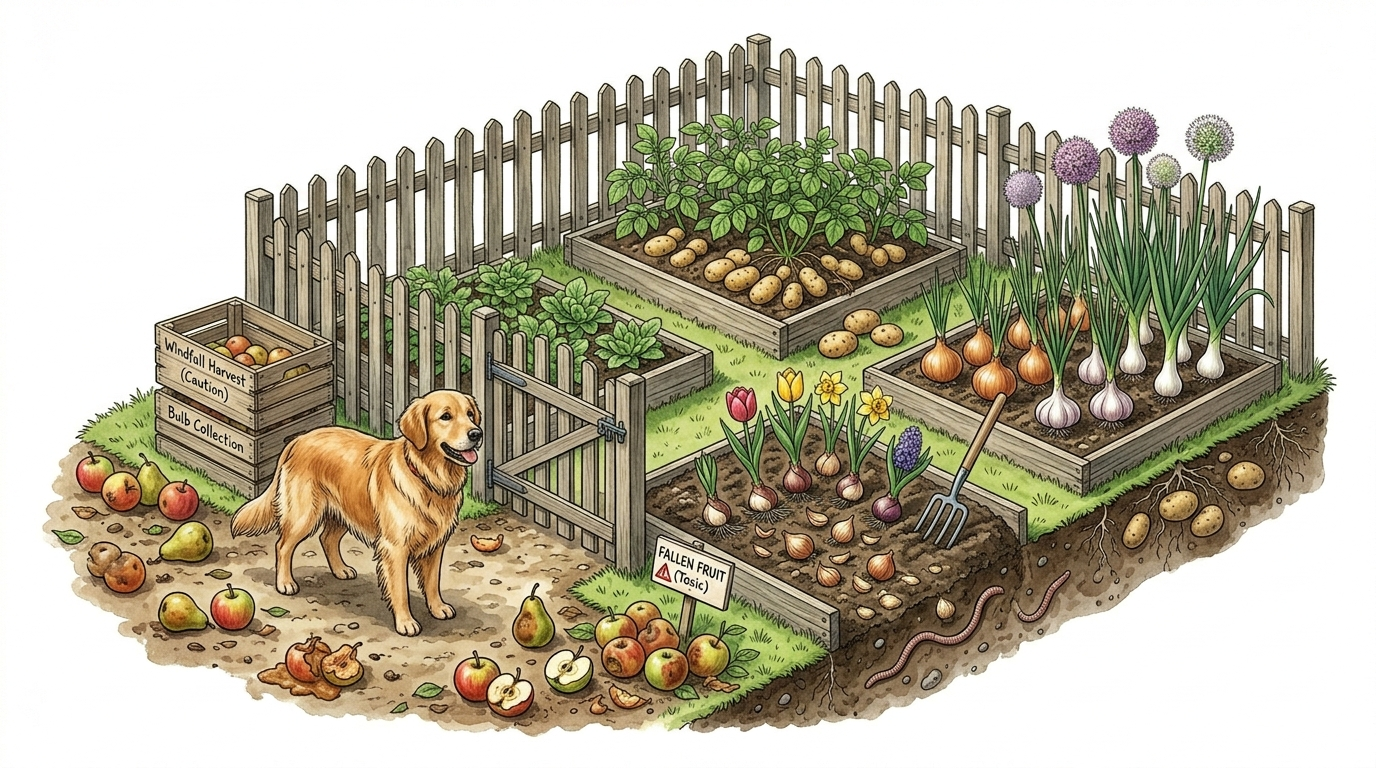
Ducks ingest plants while dabbling in soil and water. Check pond edges, muddy collection areas, and washed-up plant material regularly.
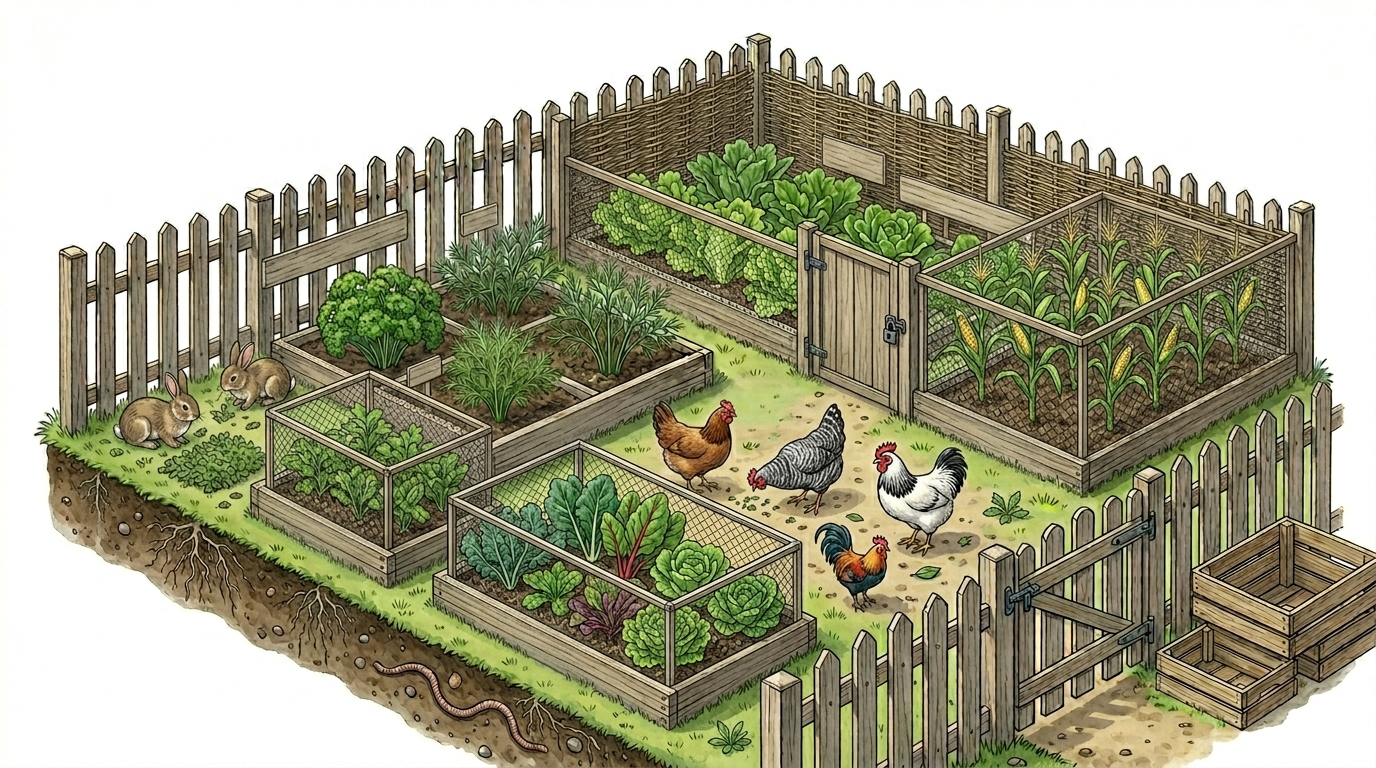
Keep critical plants and plant parts out of reach.
Remove cuttings, windfall fruit, wilted leaves, and compost regularly.
Check new plants before placing them in accessible areas.
As feed or a treat
The list shows which plants and plant parts are more suitable, restricted, or critical for duck. It is not a feeding plan and does not replace individual ration advice.
Offer only explicitly suitable plant parts.
Introduce new foods slowly and in small amounts.
Do not trial-feed entries with unclear evidence.
Duck
Search and compare plants
Cards start with the practical decision. Expand symptoms, reasoning, and evidence when needed.
How to read the assessment: Status describes general suitability, urgency describes the recommended response after possible ingestion, and evidence describes confidence in the assessment. Low evidence is not the same as low risk.
Duck
Critical / do not feed
These plants or plant parts should not be fed. Depending on the animal, access control in the garden may also be advisable.
Monitor the animal closely. Seek veterinary advice if vomiting, diarrhea, breathing difficulties, neurological signs, or other symptoms occur.
Symptoms, assessment, and evidence
Possible symptoms: Anemia, weakness, lethargy, pale mucous membranes, jaundice, dark urine
Especially relevant: Large quantities, regular consumption
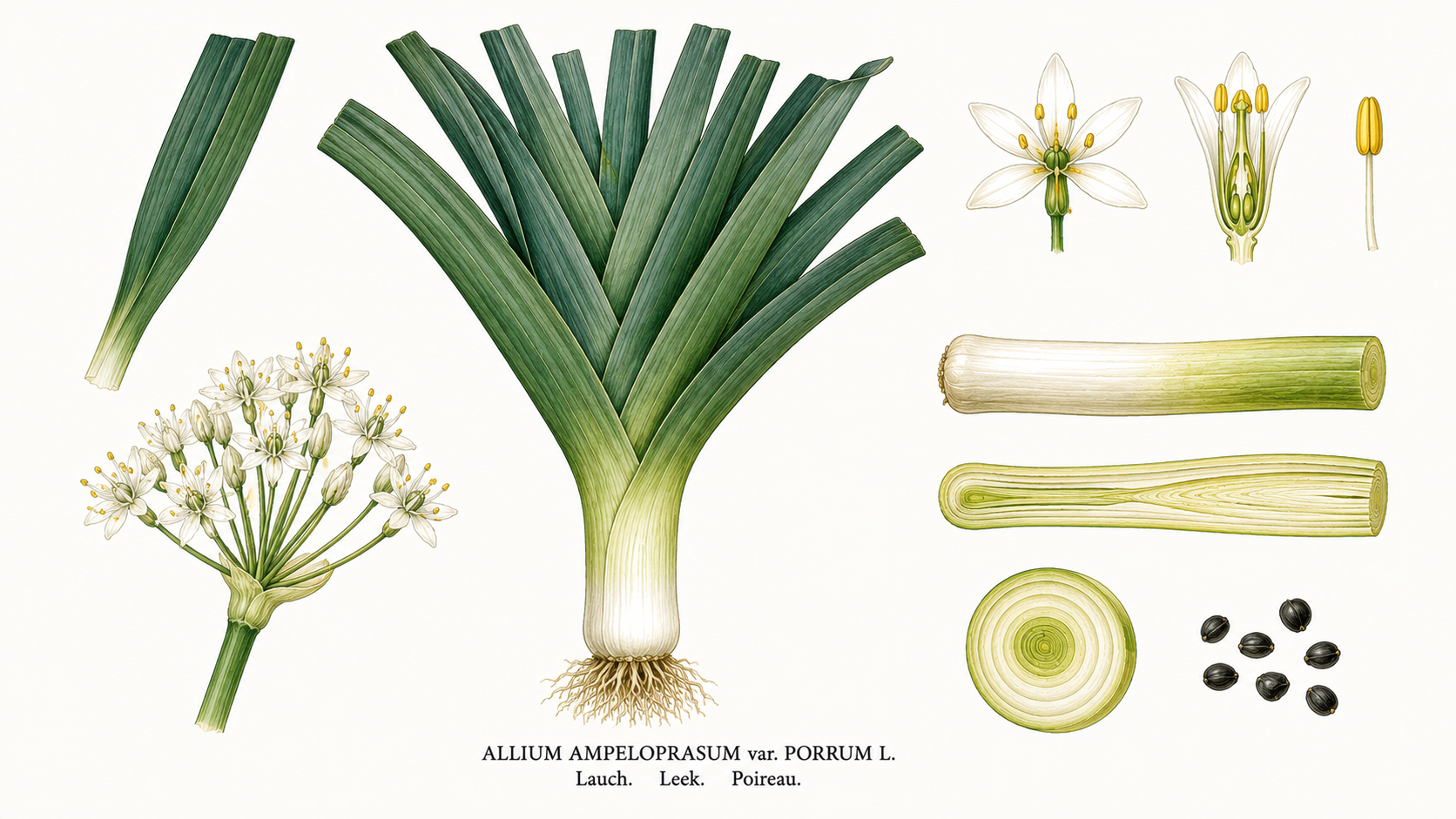
Wild garlic belongs to the Allium genus, which contains thiosulphates that can cause hemolytic anemia in poultry. While often considered milder than onions or garlic, caution is advised...
low evidenceinferred or general evidencereviewed 2026-06-01
Observe the animal over the next few hours. Seek veterinary advice if unusual behavior or symptoms develop.
Symptoms, assessment, and evidence
Possible symptoms: Vomiting, Diarrhea, Dermatitis
Especially relevant: Long-term consumption, Excessive consumption
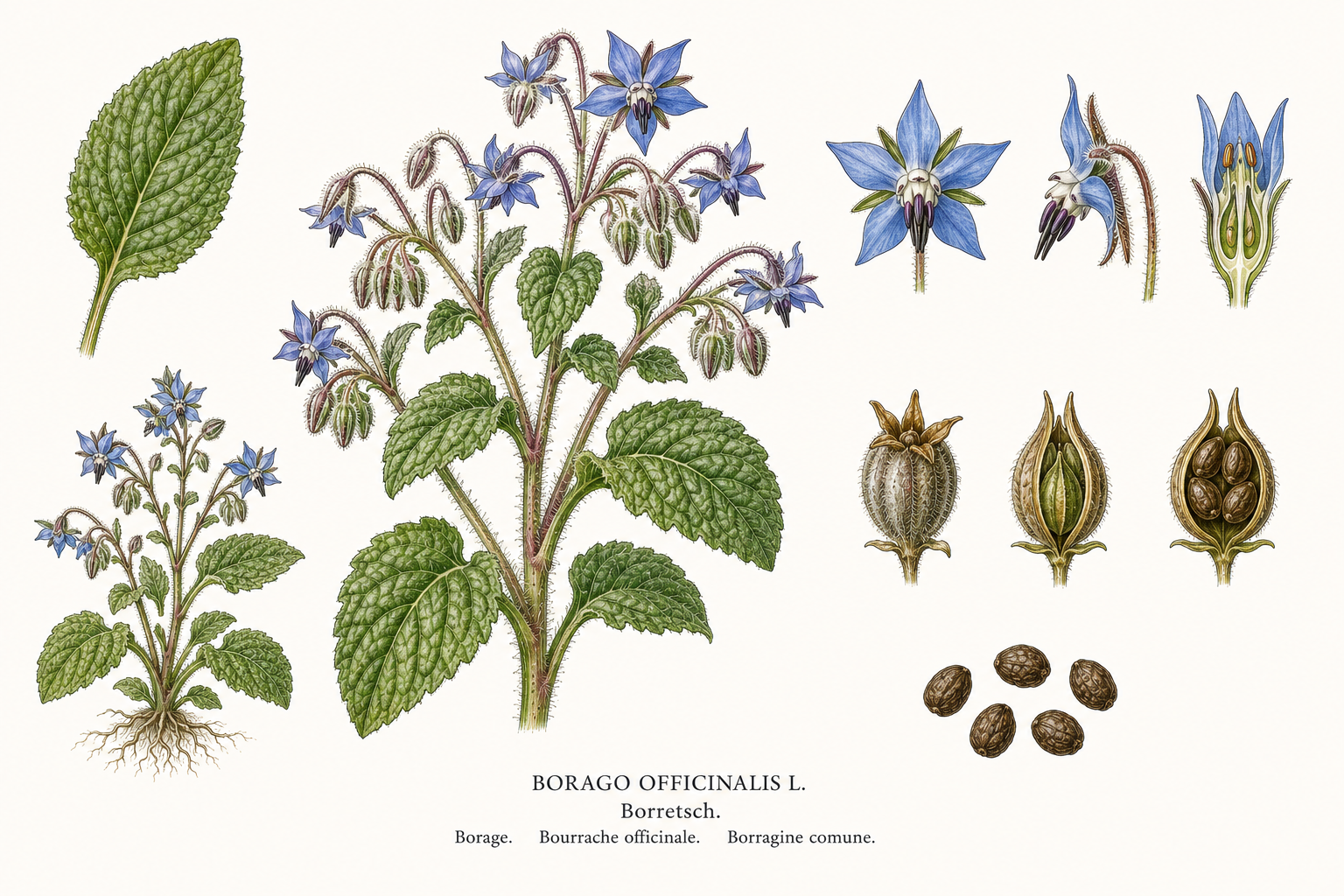
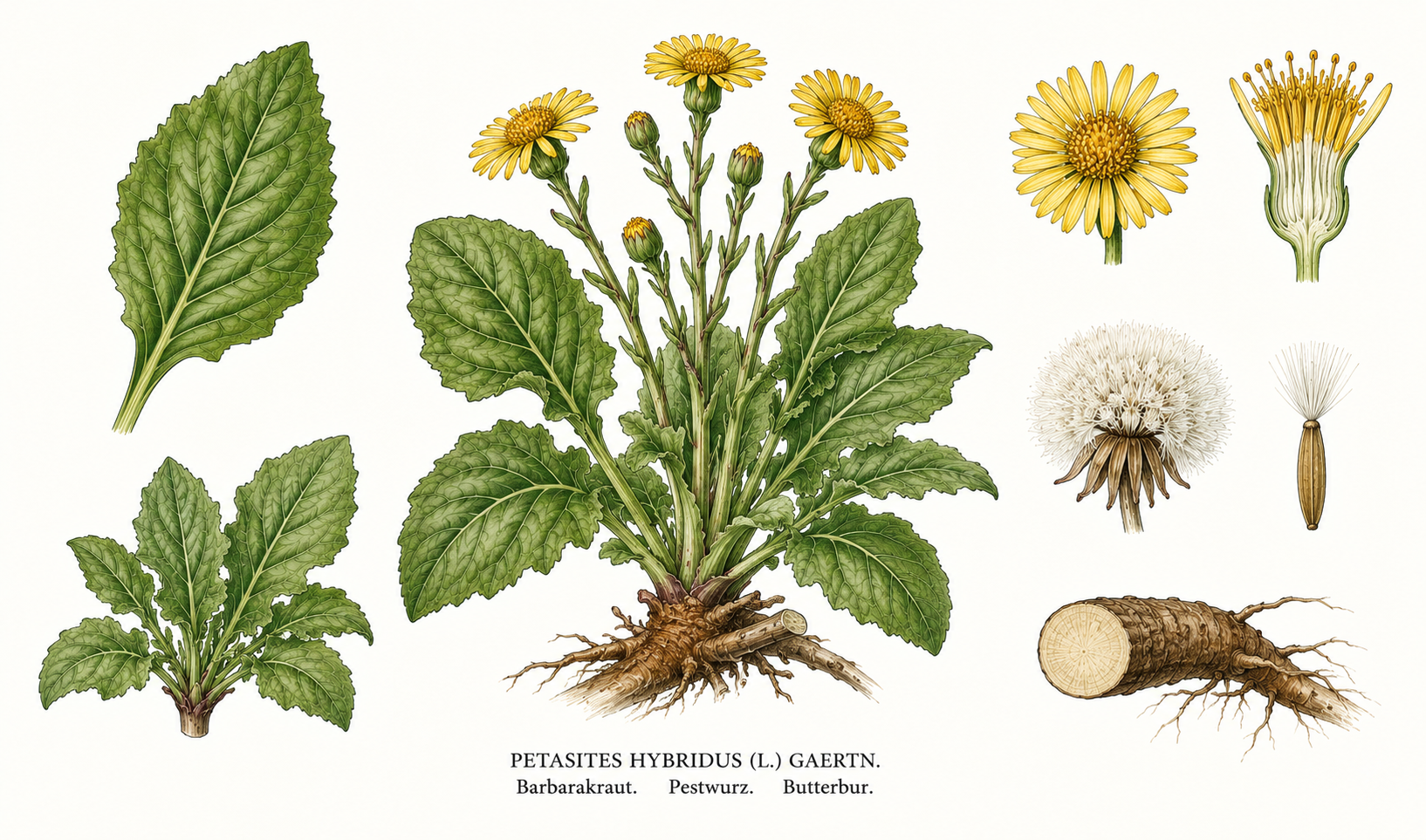
Young leaves and flowers are likely safe for ducks in small amounts, but older leaves, stems, and seeds contain pyrrolizidine alkaloids that can be hepatotoxic. No duck-specific studies...
low evidenceinferred or general evidencedirect veterinary source1 sourcereviewed 2026-06-01
Monitor the animal closely. Seek veterinary advice if vomiting, diarrhea, breathing difficulties, neurological signs, or other symptoms occur.
Symptoms, assessment, and evidence
Possible symptoms: Gastrointestinal upset, Vomiting, Diarrhea, Lethargy
Especially relevant: Raw consumption, Consumption of mature pods
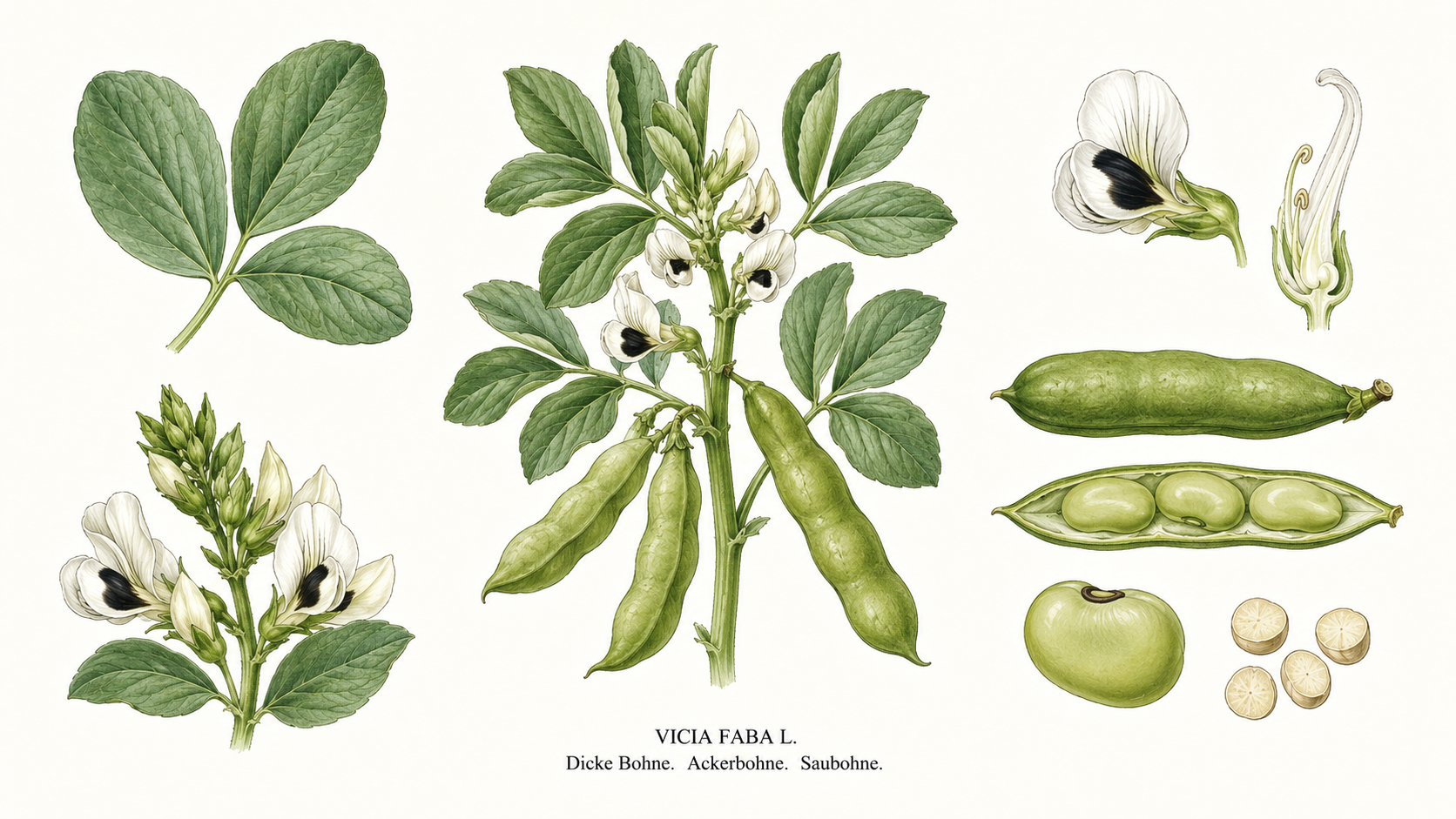
Edible parts (seeds, young pods, shoot tips) are suitable for ducks when cooked, but mature pods and roots should be avoided. Phasin and other lectins can cause gastrointestinal upset when...
low evidenceinferred or general evidencereviewed 2026-06-01
Monitor the animal closely. Seek veterinary advice if vomiting, diarrhea, breathing difficulties, neurological signs, or other symptoms occur.
Symptoms, assessment, and evidence
Possible symptoms: Vomiting, Diarrhea, Gastrointestinal upset, Anemia from red blood cell destruction
Especially relevant: Consuming large quantities, Sensitivity to Allium compounds
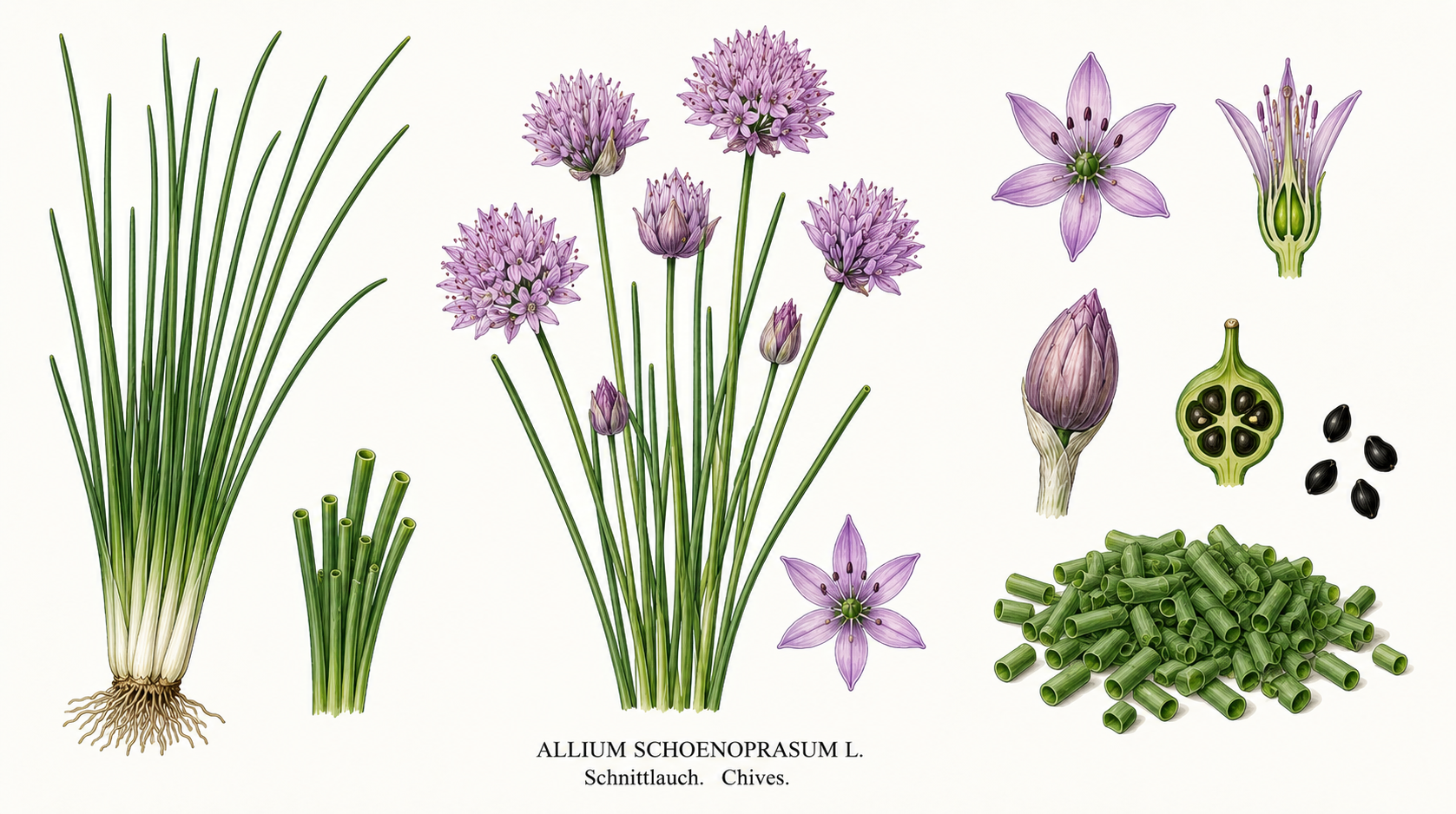
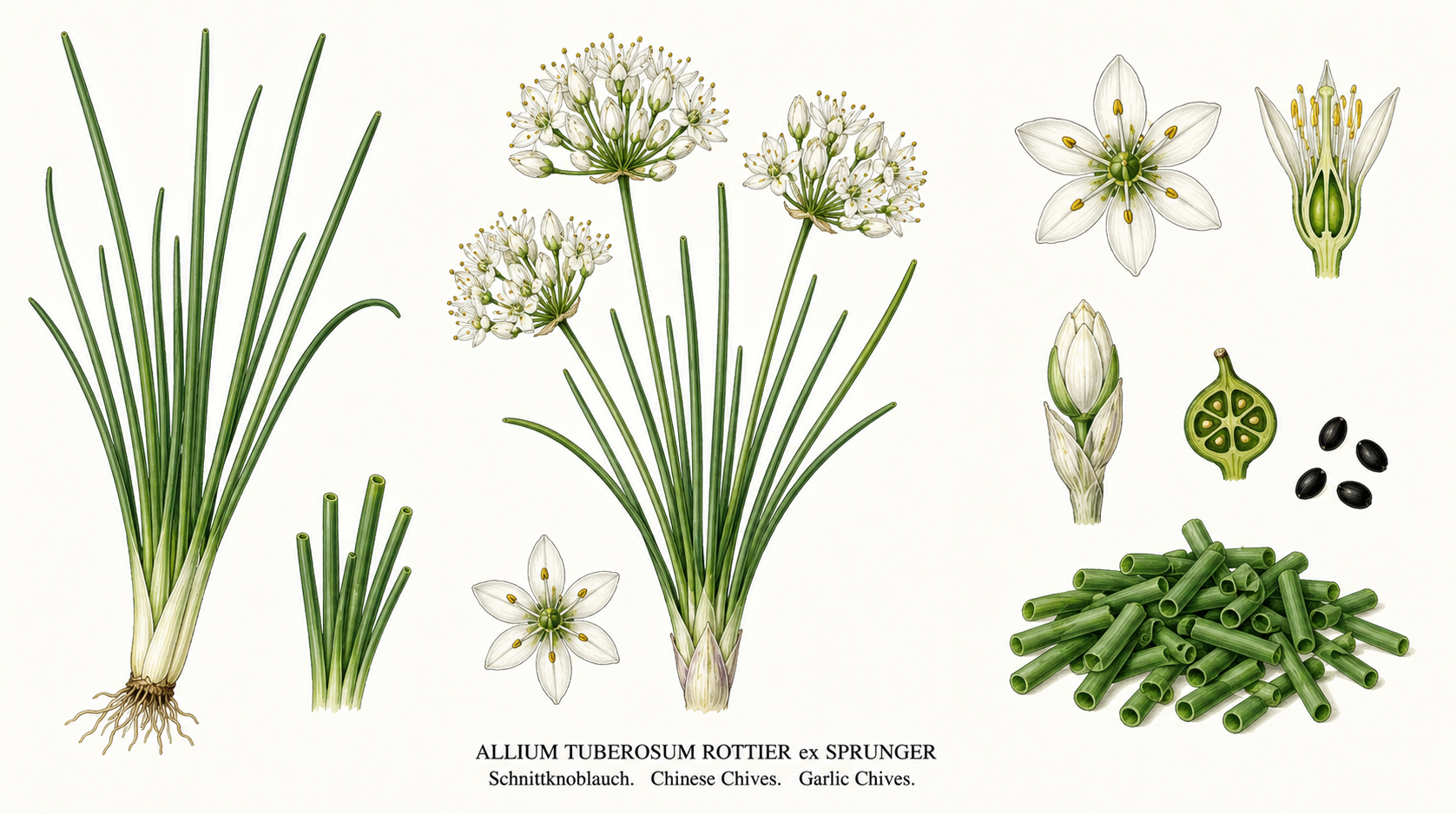
Chives contain N-propyl disulfide, which can be toxic to birds such as ducks, potentially causing hemolytic anemia and gastrointestinal upset. Although no species-specific studies exist for...
low evidenceinferred or general evidencedirect veterinary source1 sourcereviewed 2026-06-02
Observe the animal over the next few hours. Seek veterinary advice if unusual behavior or symptoms develop.
Symptoms, assessment, and evidence
Possible symptoms: vomiting, diarrhea, abdominal pain
Especially relevant: raw consumption, immature seeds
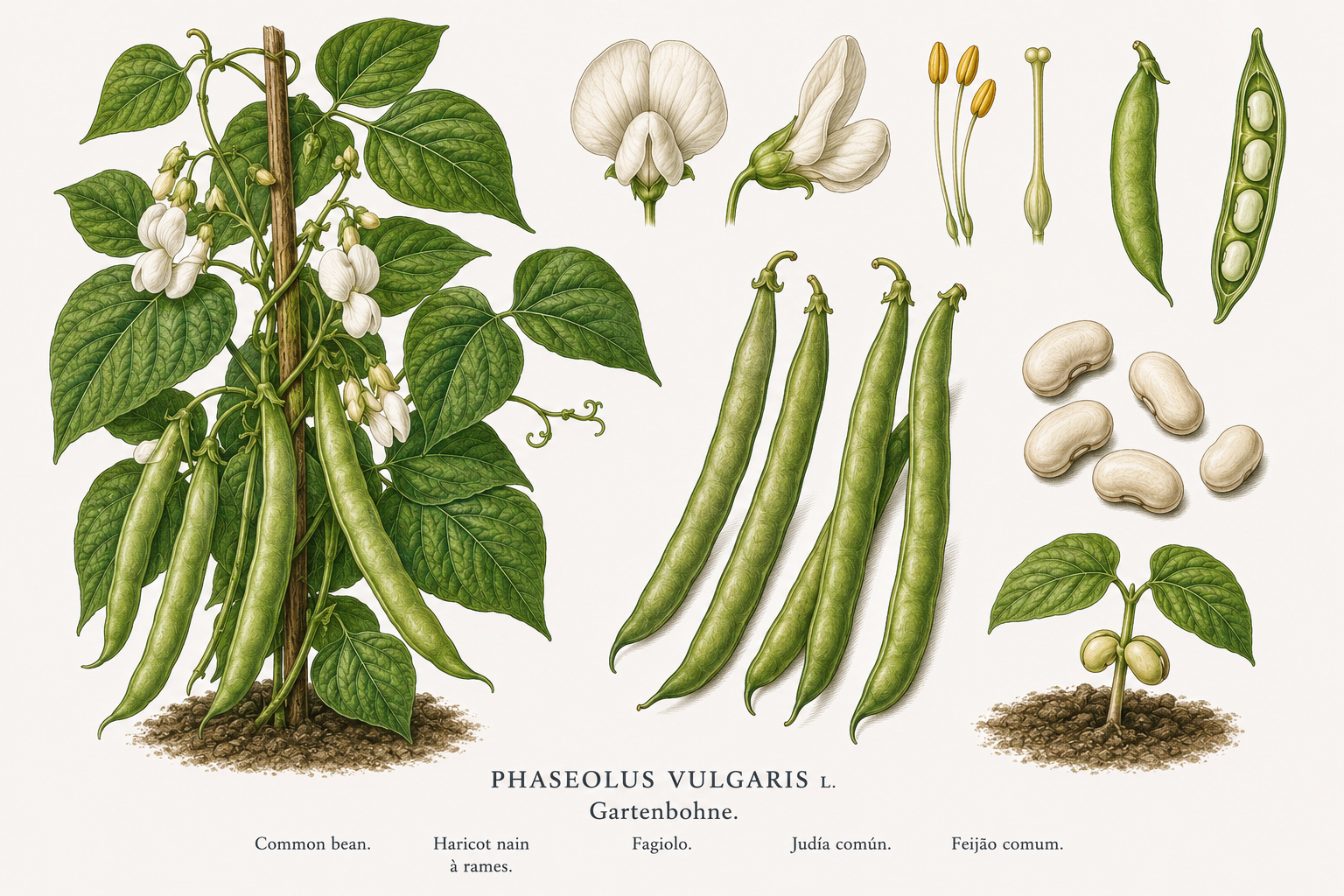
Common bean contains the lectin phasin, which causes gastrointestinal distress when raw. Cooking destroys the toxin. Ducks can tolerate cooked beans in small amounts, but raw parts are...
low evidenceinferred or general evidencedirect veterinary source1 sourcereviewed 2026-06-01
Observe the animal over the next few hours. Seek veterinary advice if unusual behavior or symptoms develop.
Symptoms, assessment, and evidence
Possible symptoms: Gastrointestinal upset
Especially relevant: Consumption of non-edible parts
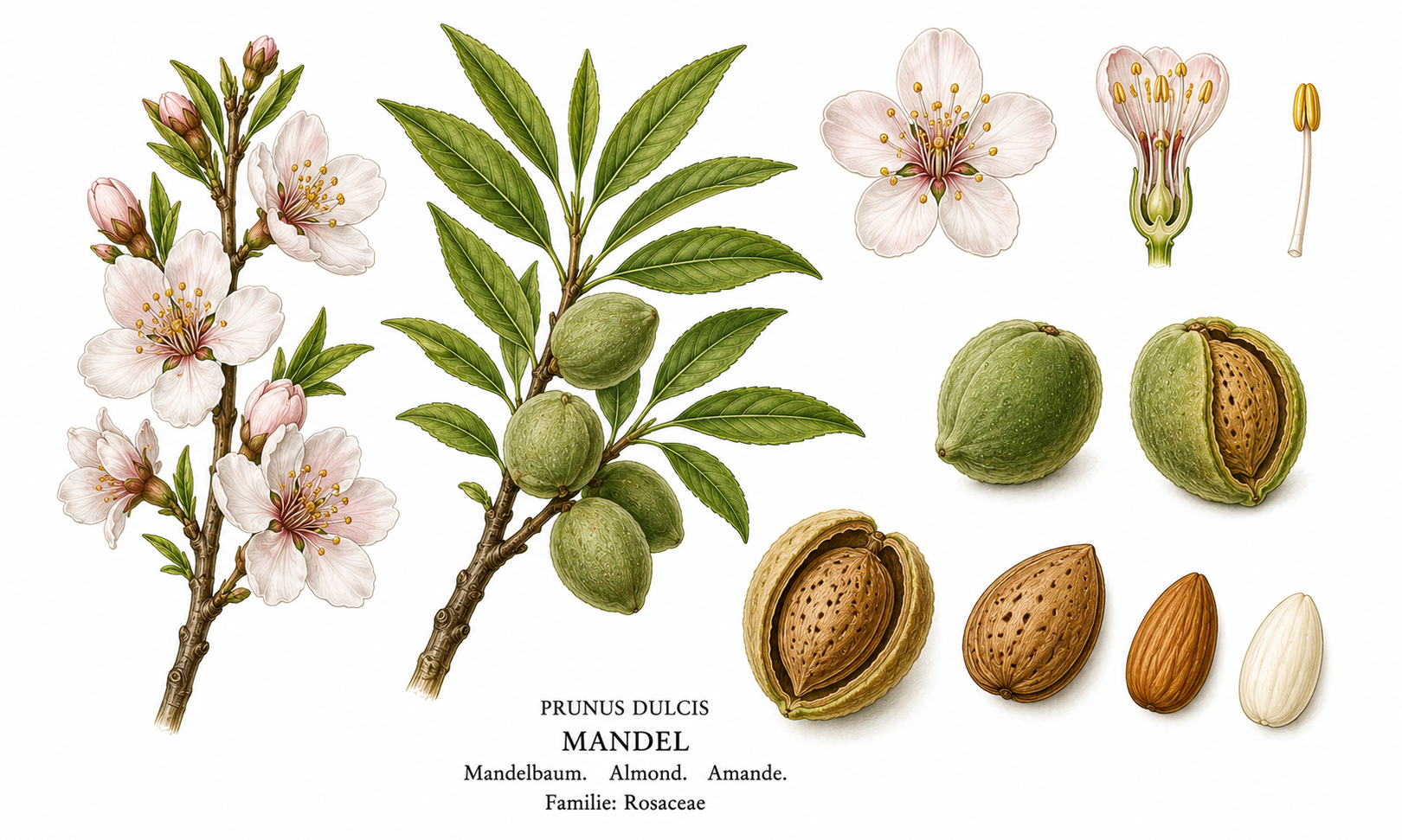
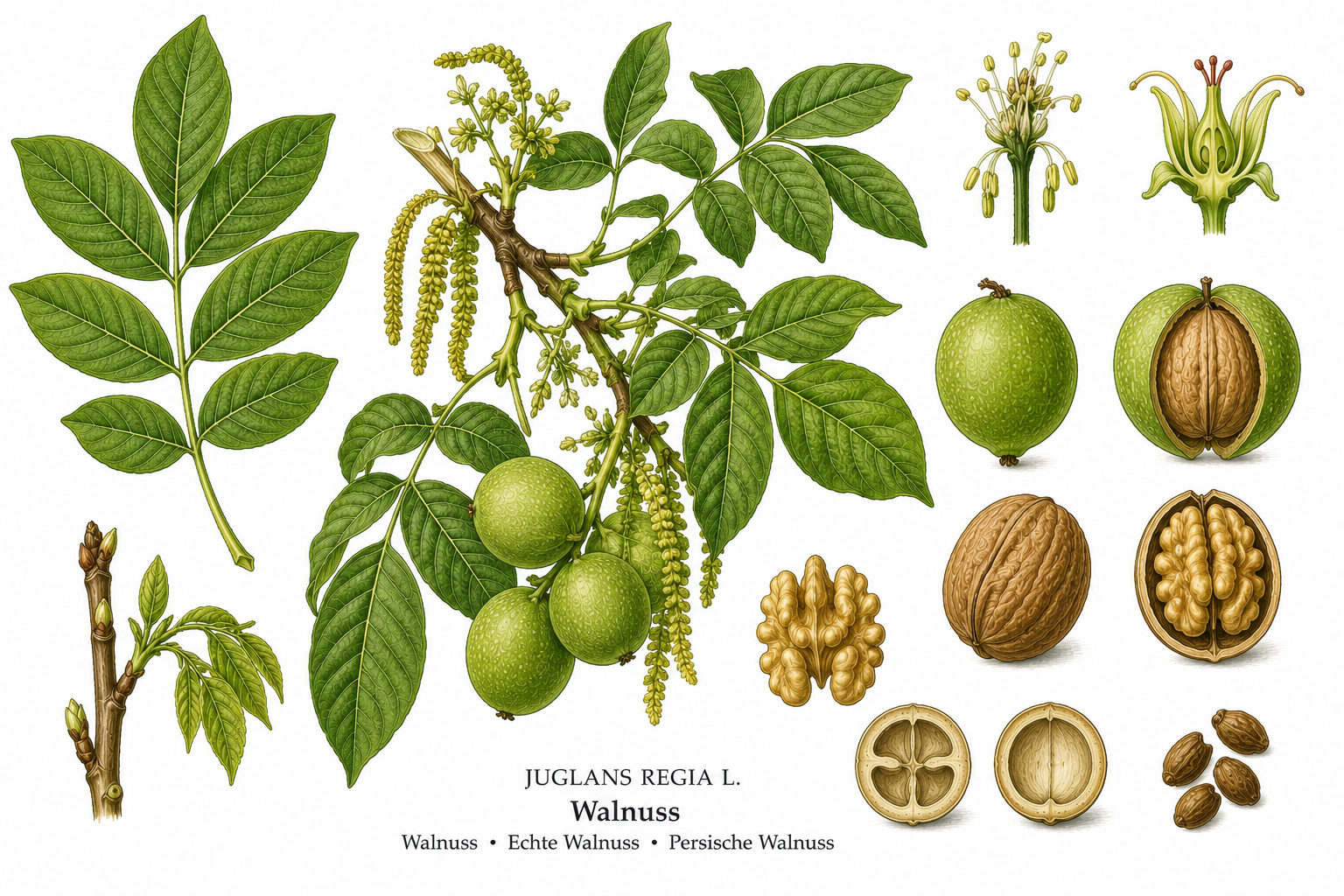
Edible nut kernels are safe for ducks in moderation, while other plant parts contain juglone and may cause gastrointestinal upset. A part-specific risk assessment is appropriate.
low evidenceinferred or general evidencereviewed 2026-06-02
Observe the animal over the next few hours. Seek veterinary advice if unusual behavior or symptoms develop.
Symptoms, assessment, and evidence
Possible symptoms: Gastrointestinal upset
Especially relevant: Woody parts difficult to digest
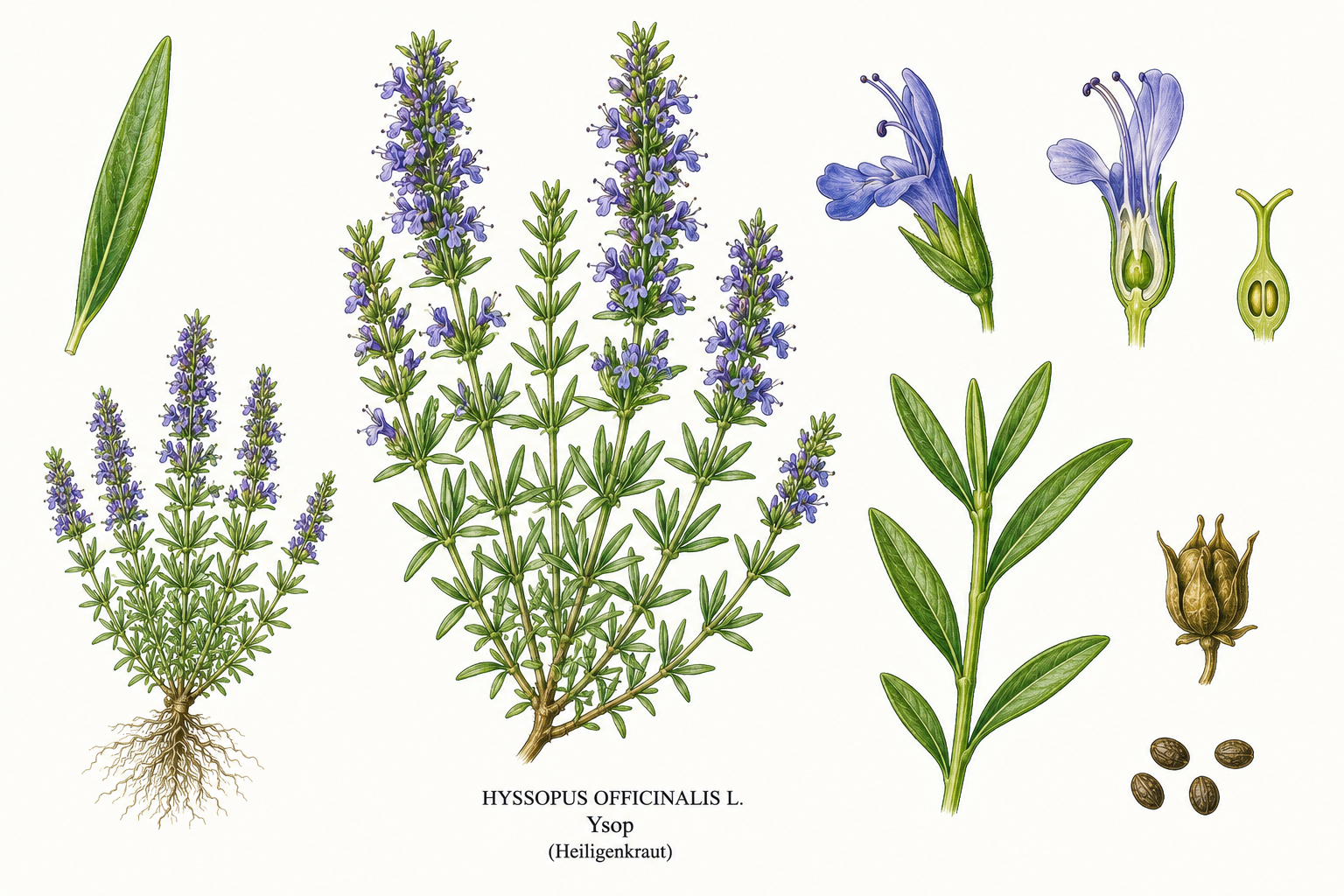
Leaves and young shoots suitable in small amounts as flavoring, avoid woody stems. Not for use as primary feed. Excessive consumption may cause digestive issues.
low evidenceinferred or general evidencereviewed 2026-06-01
Observe the animal over the next few hours. Seek veterinary advice if unusual behavior or symptoms develop.
Symptoms, assessment, and evidence
Possible symptoms: Gastrointestinal upset, Diarrhea, Vomiting
Especially relevant: High oxalate content may stress kidneys, Saponins may irritate mucous membranes
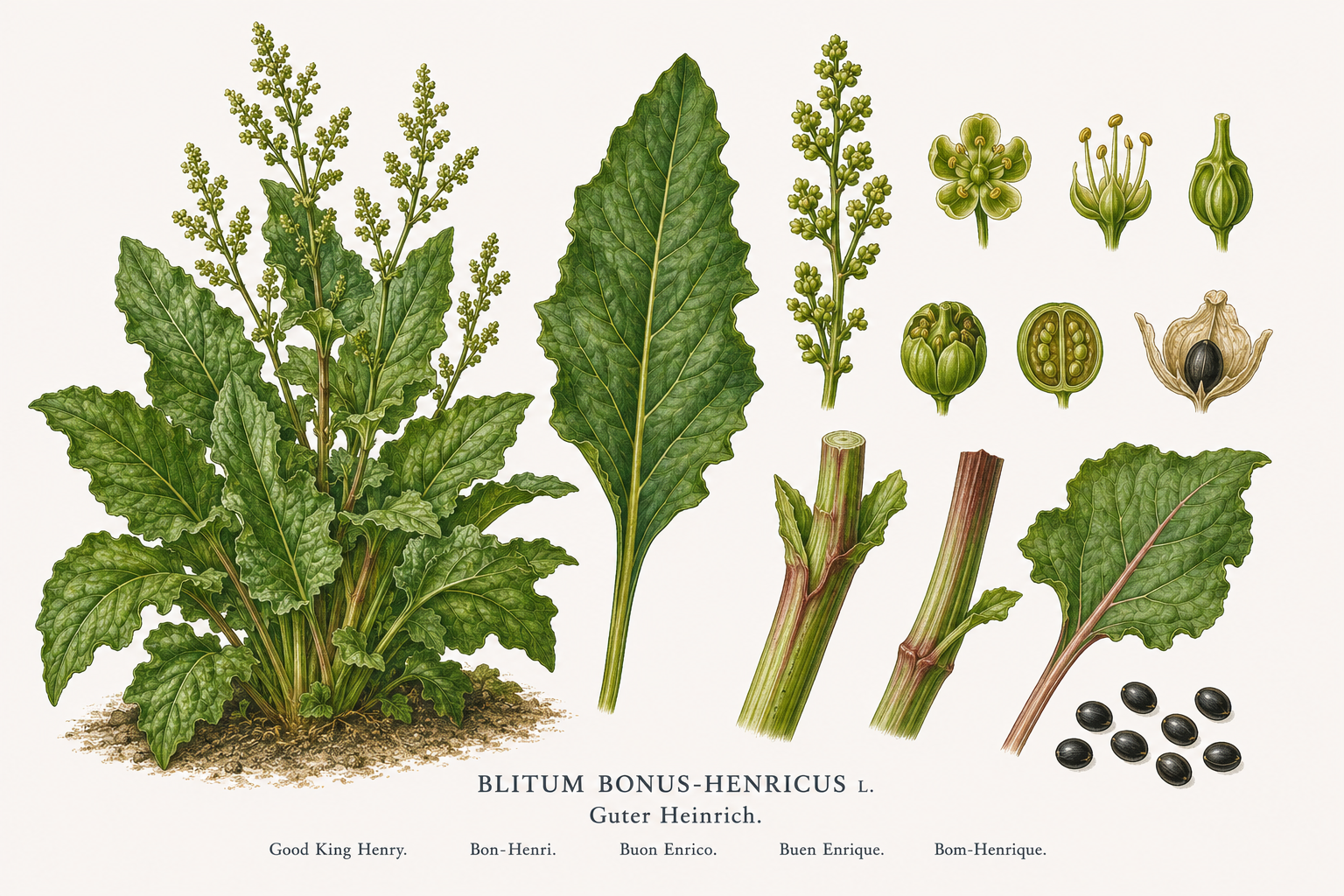
Leaves, young shoots, and flower spikes of Good King Henry are suitable for ducks in small amounts but contain saponins and oxalic acid. Seeds should be avoided due to higher concentrations...
low evidenceinferred or general evidencereviewed 2026-06-01
Monitor the animal closely. Seek veterinary advice if vomiting, diarrhea, breathing difficulties, neurological signs, or other symptoms occur.
Symptoms, assessment, and evidence
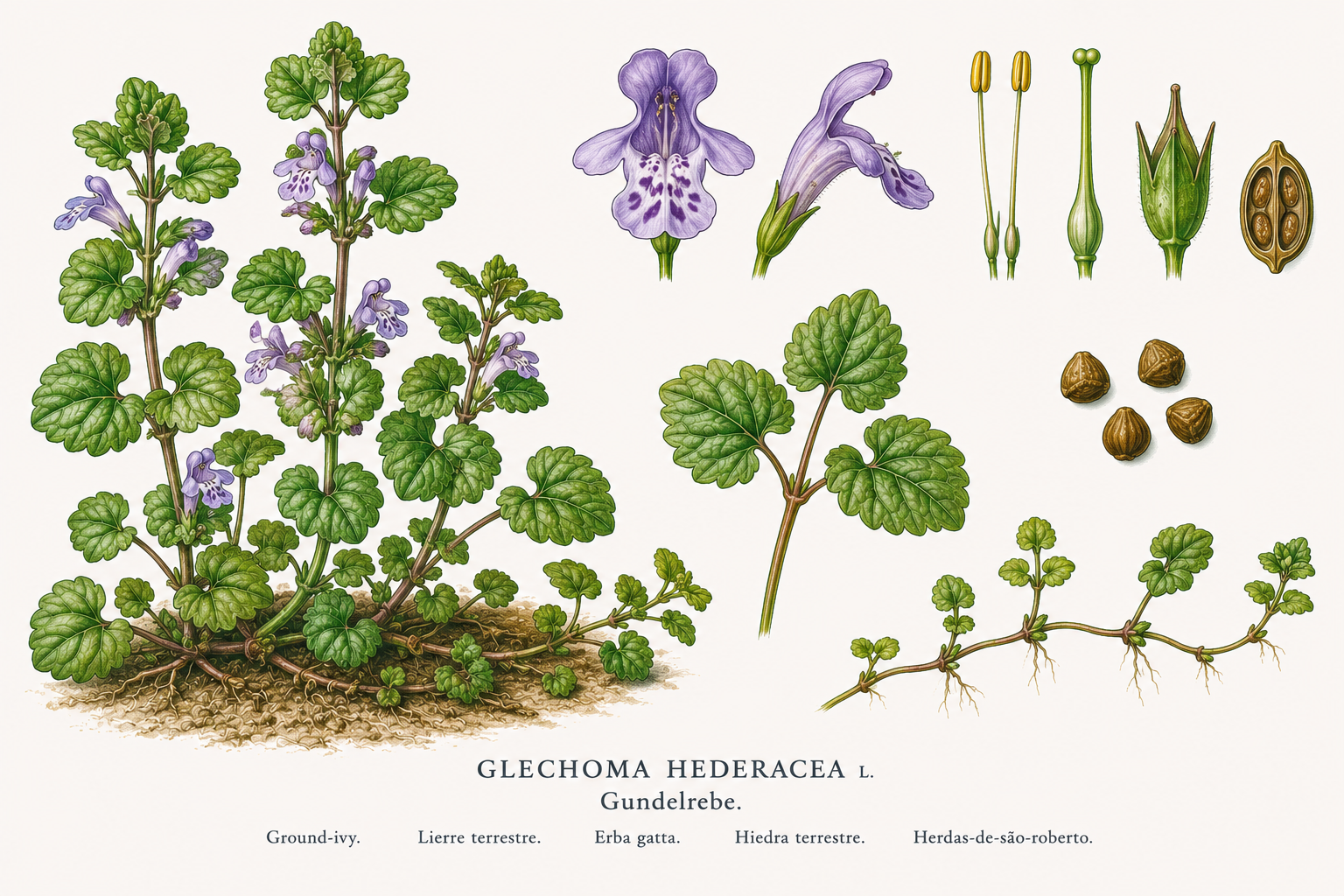
Possible symptoms: Gastrointestinal upset, Vomiting, Diarrhea
Especially relevant: Toxicity documented in many mammals, Plant parts contain potentially irritating compounds
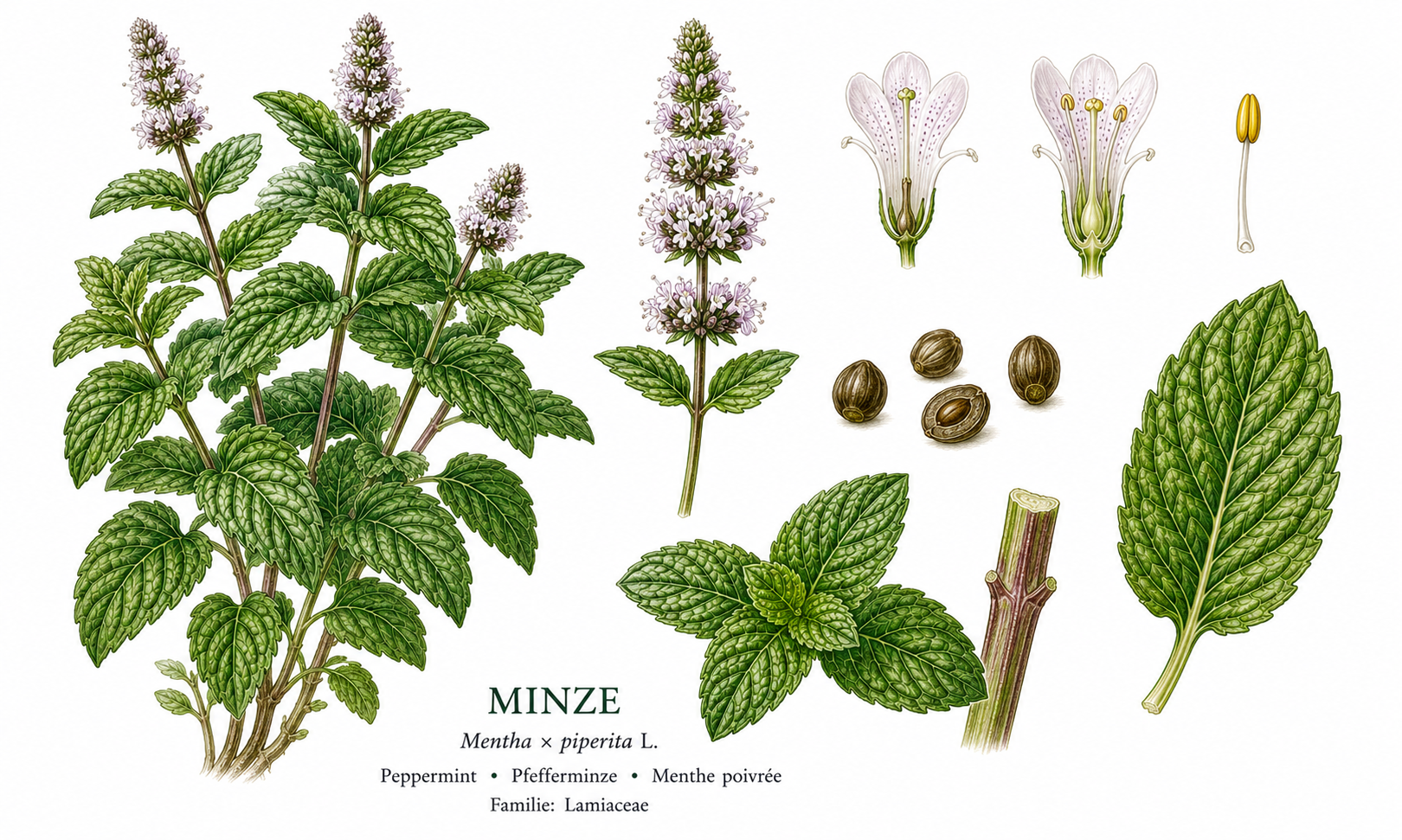
No duck-specific sources found. Based on documented toxicity in mammals and the presence of essential oils, tannins, and saponins, a conservative assessment is made. All plant parts should...
low evidenceinferred or general evidencereviewed 2026-06-01
Critical: All plant parts (especially in large quantities), Fumes during grating
Observe the animal over the next few hours. Seek veterinary advice if unusual behavior or symptoms develop.
Symptoms, assessment, and evidence
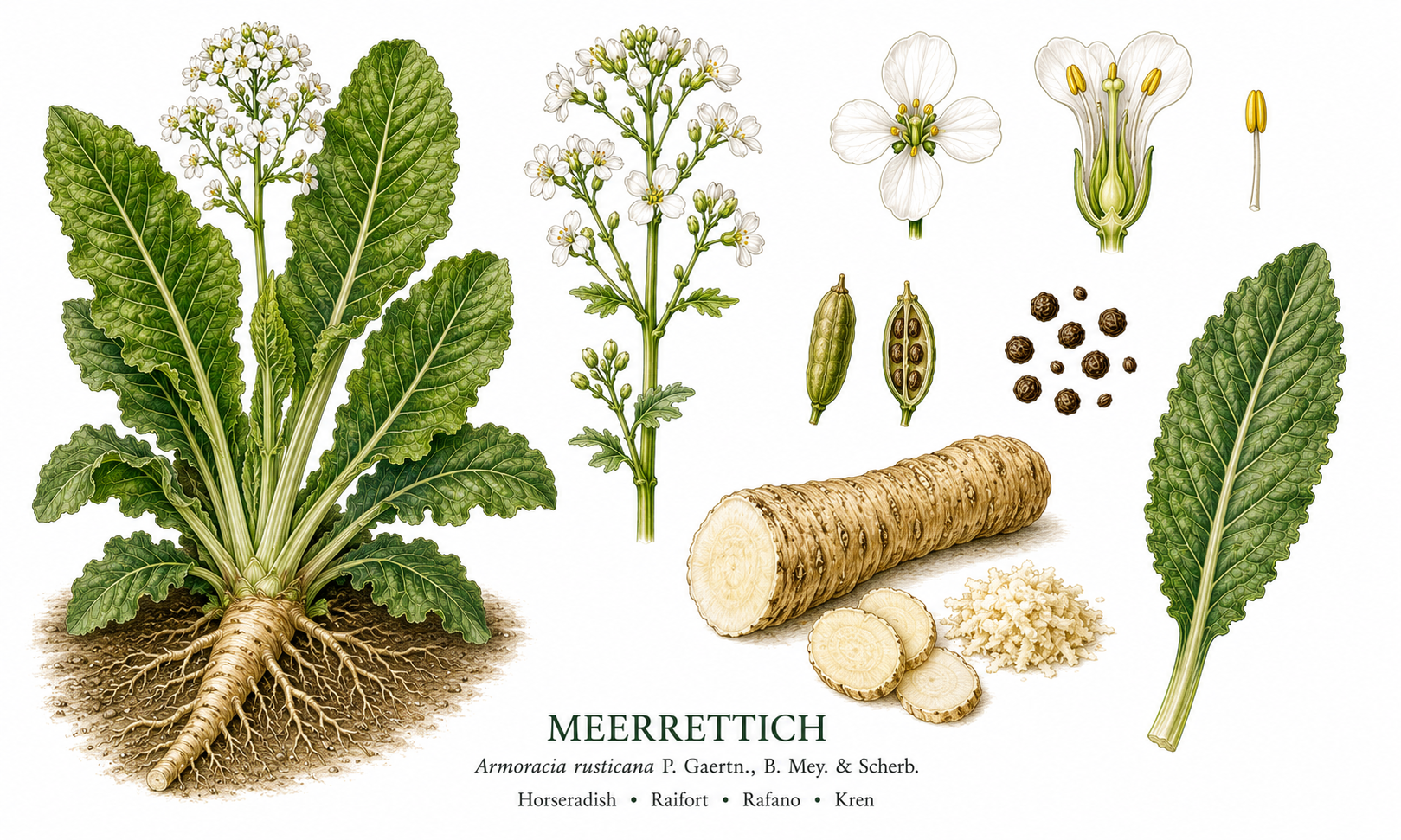
Possible symptoms: Gastrointestinal upset (if large quantities consumed), Eye and mucous membrane irritation (from fumes)
Especially relevant: Consumption of large quantities, Sensitive animals
No specific data available for ducks. Glucosinolates can cause gastrointestinal irritation in poultry, especially if large quantities are consumed. Fumes can also be irritating.
low evidenceinferred or general evidencereviewed 2026-06-02
Observe the animal over the next few hours. Seek veterinary advice if unusual behavior or symptoms develop.
Symptoms, assessment, and evidence
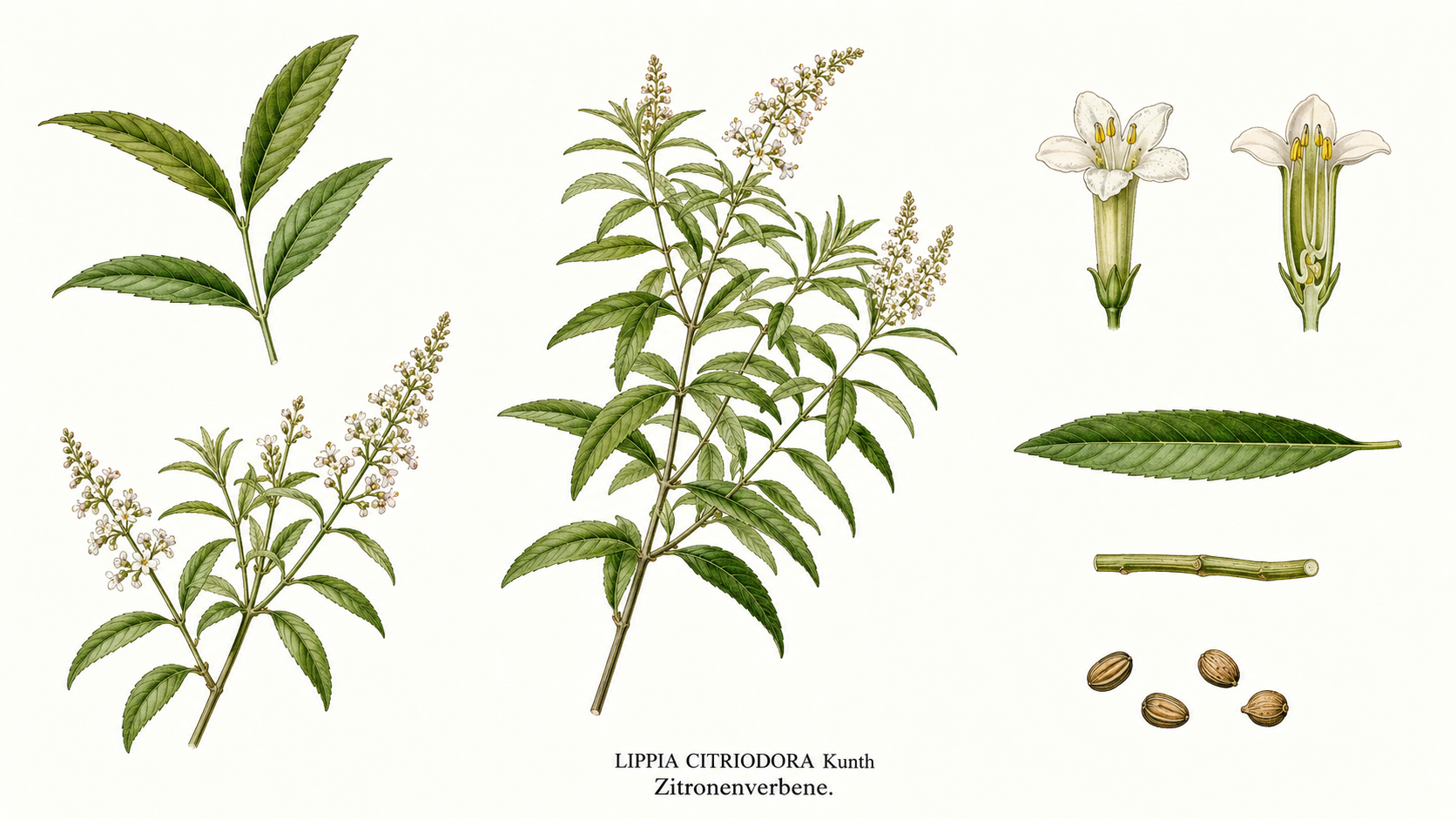
Possible symptoms: Gastrointestinal irritation, Vomiting, Diarrhea
Especially relevant: Large amounts, Essential oils
Lemon verbena contains essential oils that may cause gastrointestinal upset in ducks if consumed in large amounts. While small quantities are used as a culinary flavoring, it is not...
low evidenceinferred or general evidencedirect veterinary source1 sourcereviewed 2026-06-02
Contact a veterinarian or emergency clinic immediately after ingestion, even if no symptoms are visible yet.
Symptoms, assessment, and evidence
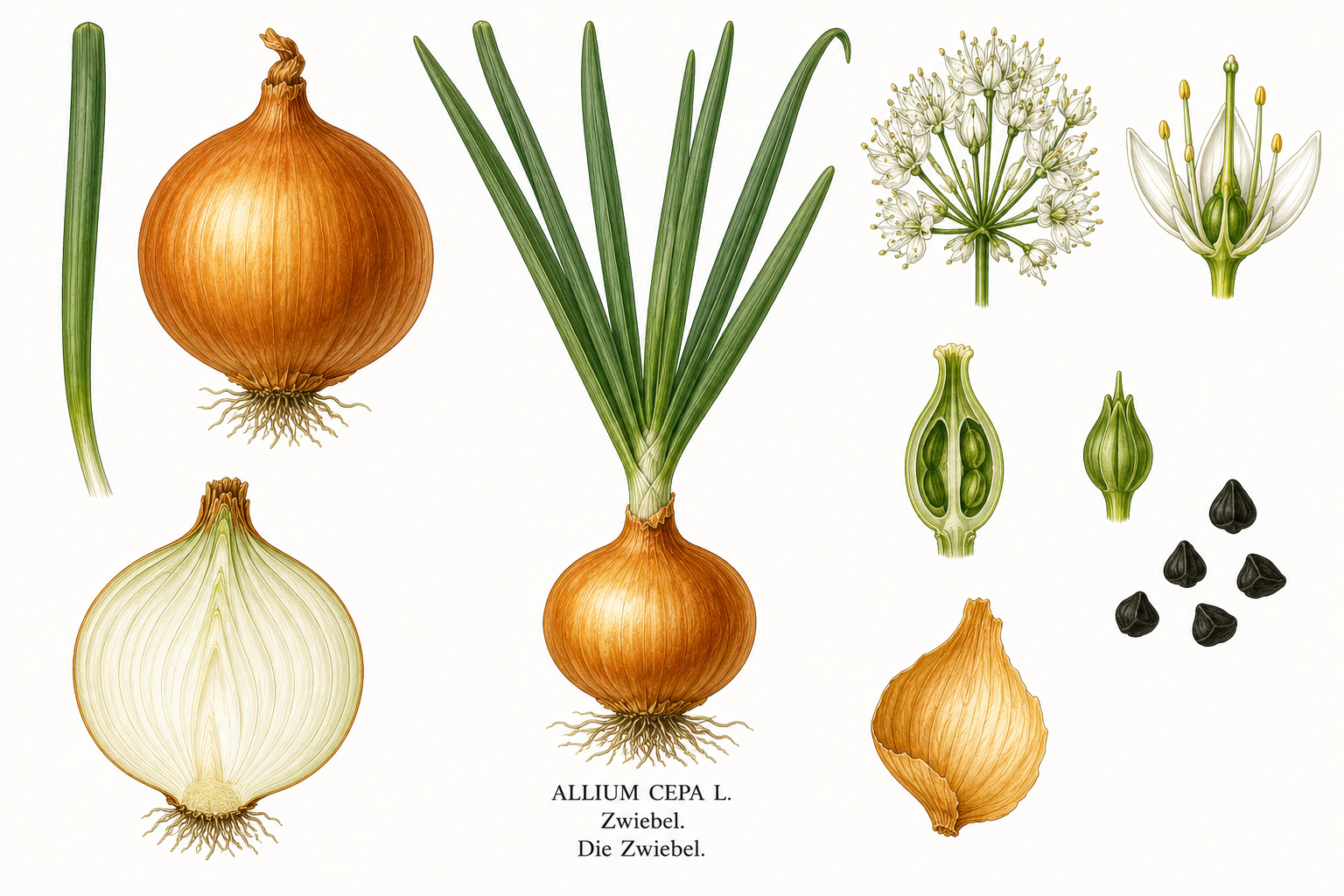
Possible symptoms: Vomiting, Blood in urine, Weakness, Elevated heart rate, Heinz body anemia
Especially relevant: All plant parts contain the toxic compound N-propyl disulfide, Ducks are sensitive to hemolytic anemia from Allium compounds
Onions are toxic to ducks due to N-propyl disulfide, which causes hemolytic anemia. All plant parts should be avoided. If ingested, seek veterinary advice immediately.
low evidenceinferred or general evidencedirect veterinary source1 sourcereviewed 2026-06-02
Observe the animal over the next few hours. Seek veterinary advice if unusual behavior or symptoms develop.
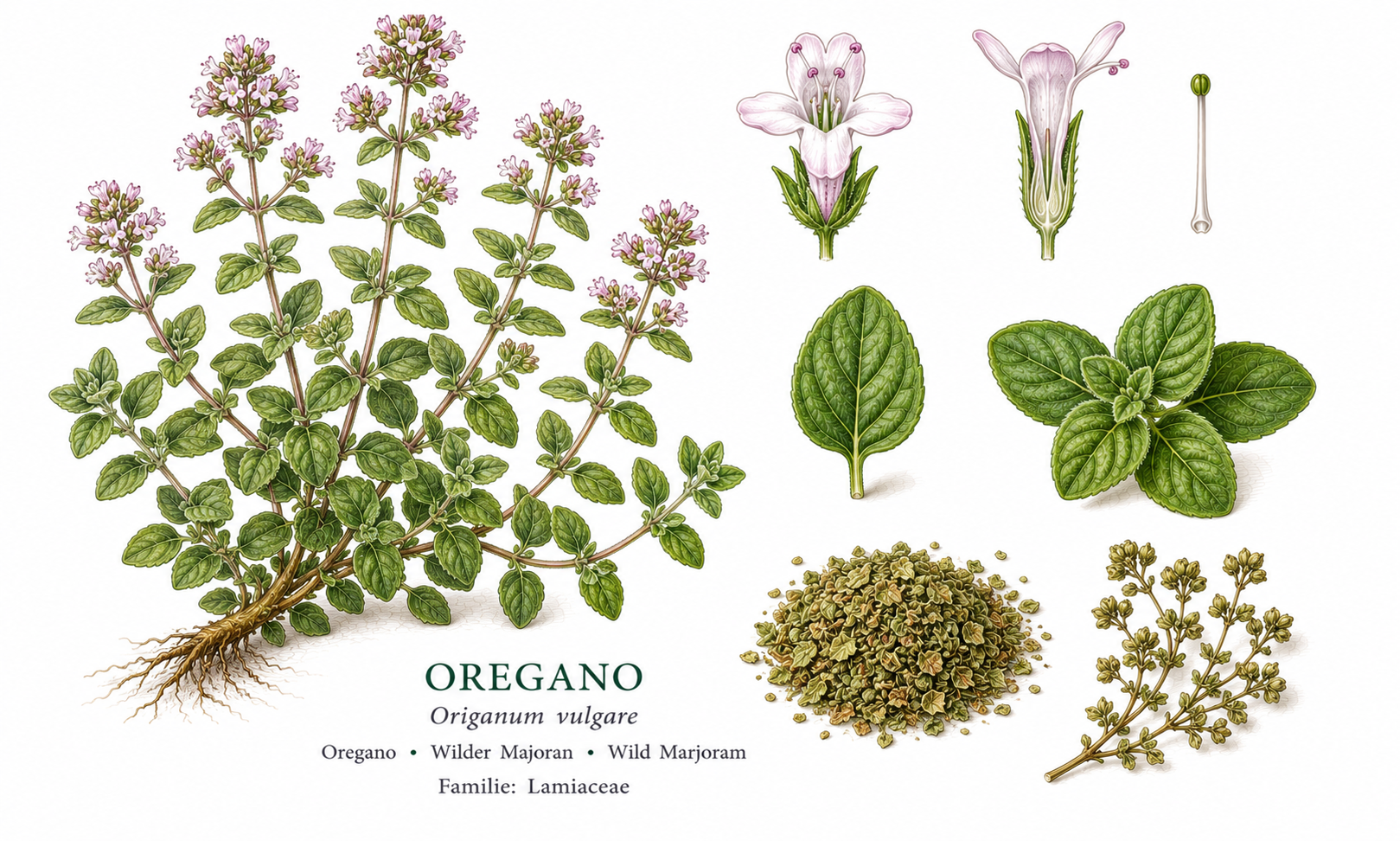
Symptoms, assessment, and evidence
Possible symptoms: Gastrointestinal irritation, Vomiting, Diarrhea
Especially relevant: Excessive consumption, Sensitivity to essential oils
>Oregano leaves and flowers are edible for ducks in small amounts, but essential oils may cause gastrointestinal upset if overconsumed. Woody stems should be avoided. No duck-specific...
low evidenceinferred or general evidencedirect veterinary source1 sourcereviewed 2026-06-02
Monitor the animal closely. Seek veterinary advice if vomiting, diarrhea, breathing difficulties, neurological signs, or other symptoms occur.
Symptoms, assessment, and evidence
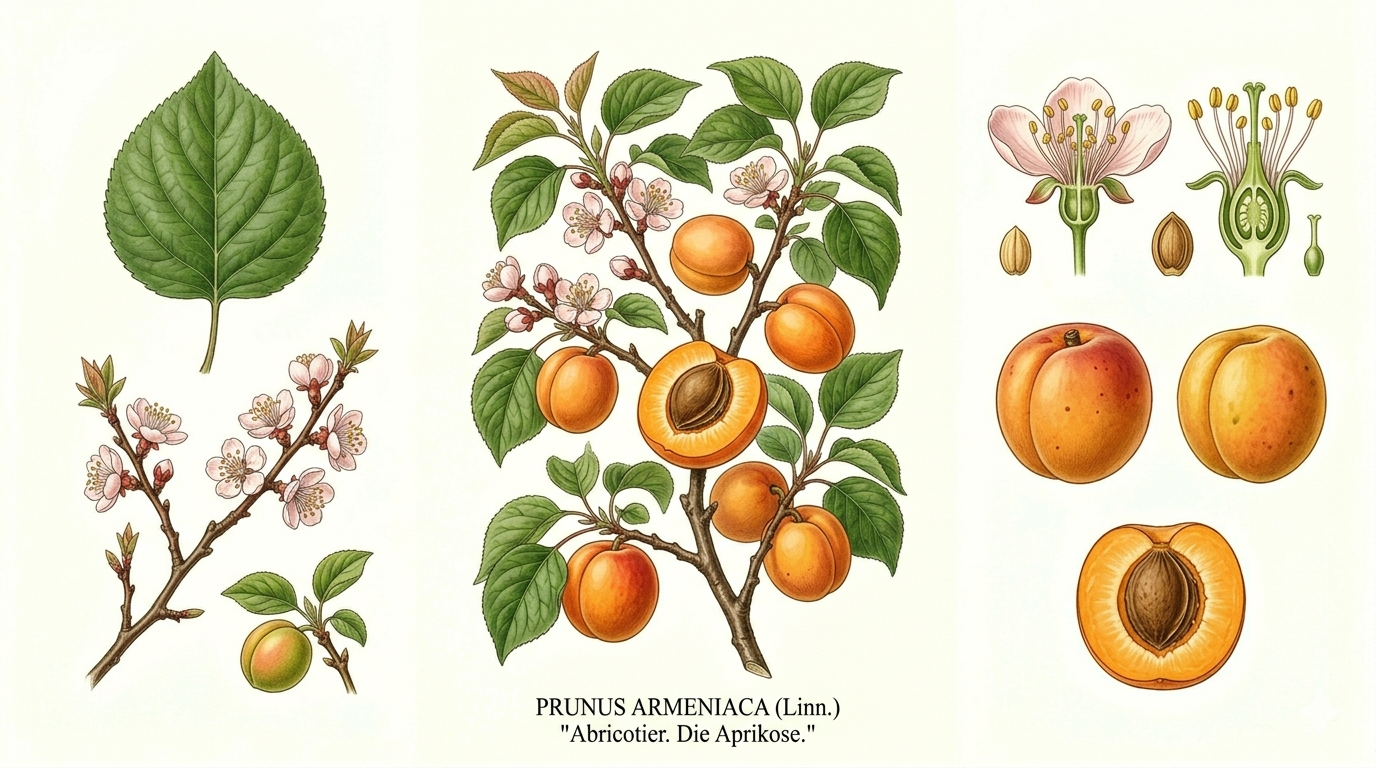
Possible symptoms: Brick red mucous membranes, dilated pupils, difficulty breathing, panting, shock
Especially relevant: Access to the whole plant, ingestion of stones or wilted leaves
Apricot fruit flesh is safe for ducks in moderation as a treat. All other plant parts, especially leaves, stems, and the stone, contain cyanogenic glycosides and are toxic. Wilted plant...
low evidenceinferred or general evidencedirect veterinary source1 sourcereviewed 2026-06-01
Observe the animal over the next few hours. Seek veterinary advice if unusual behavior or symptoms develop.
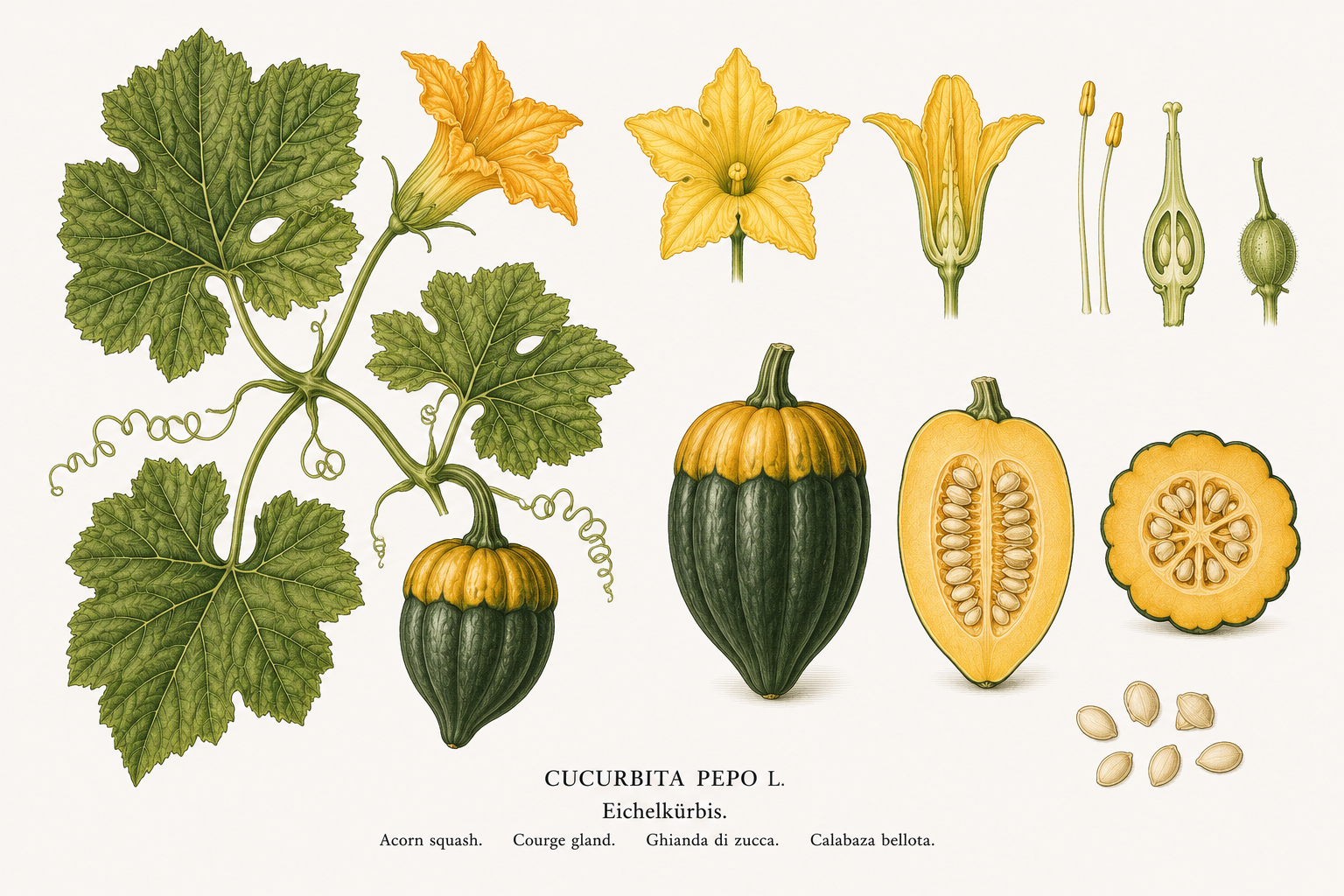
Symptoms, assessment, and evidence
Possible symptoms: Gastrointestinal upset, Vomiting, Diarrhea
Especially relevant: Overconsumption, Consumption of leaves or stems
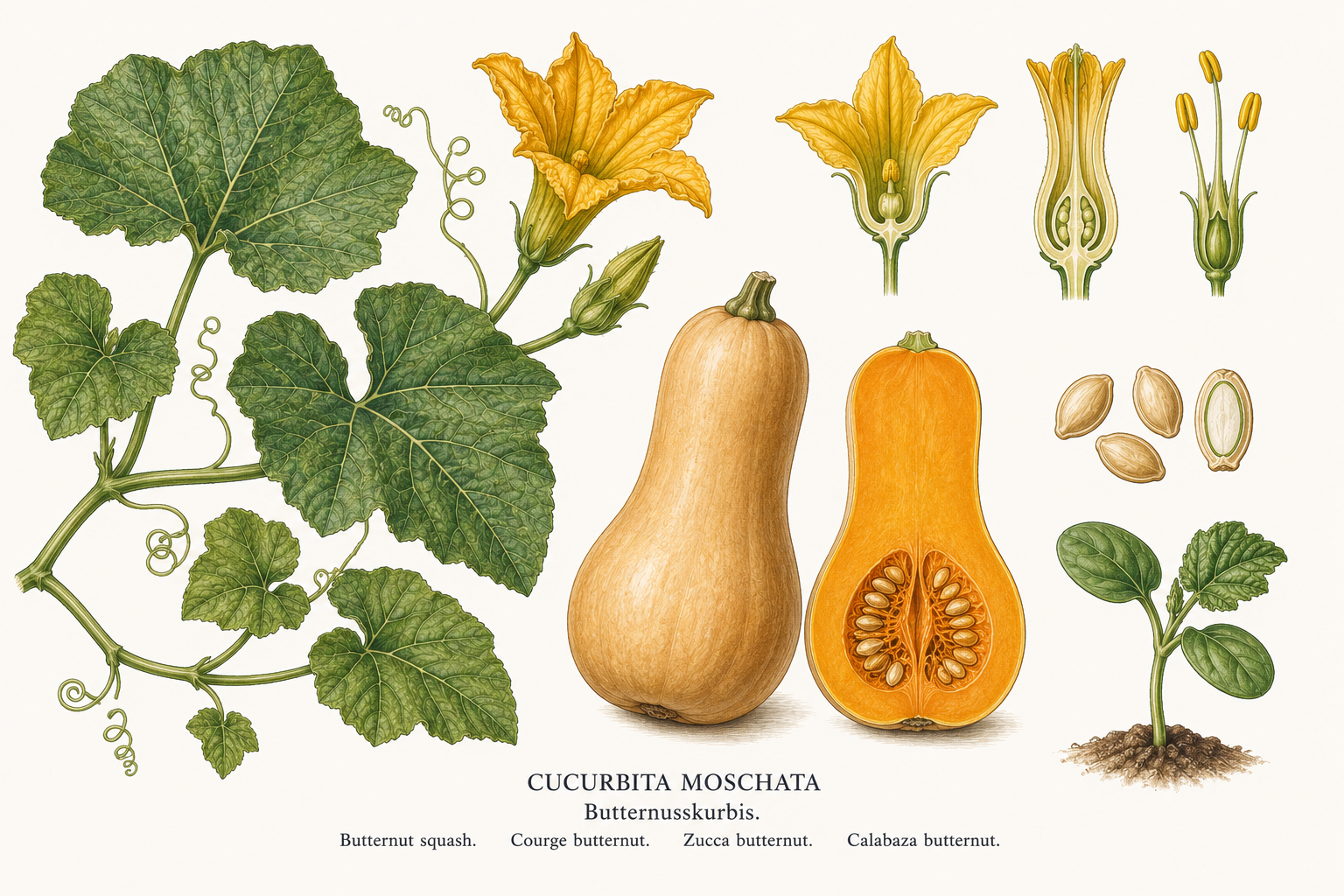
The flesh of acorn squash is suitable for ducks in small amounts as a treat. Leaves, stems, and raw seeds contain cucurbitacins, which can cause gastrointestinal upset. Seeds should only be...
low evidenceinferred or general evidencereviewed 2026-06-01
Suitable: Fruit flesh (without seeds), Peel (untreated)
Critical: Seeds, Leaves, Stems, Flowers
Monitor the animal closely. Seek veterinary advice if vomiting, diarrhea, breathing difficulties, neurological signs, or other symptoms occur.
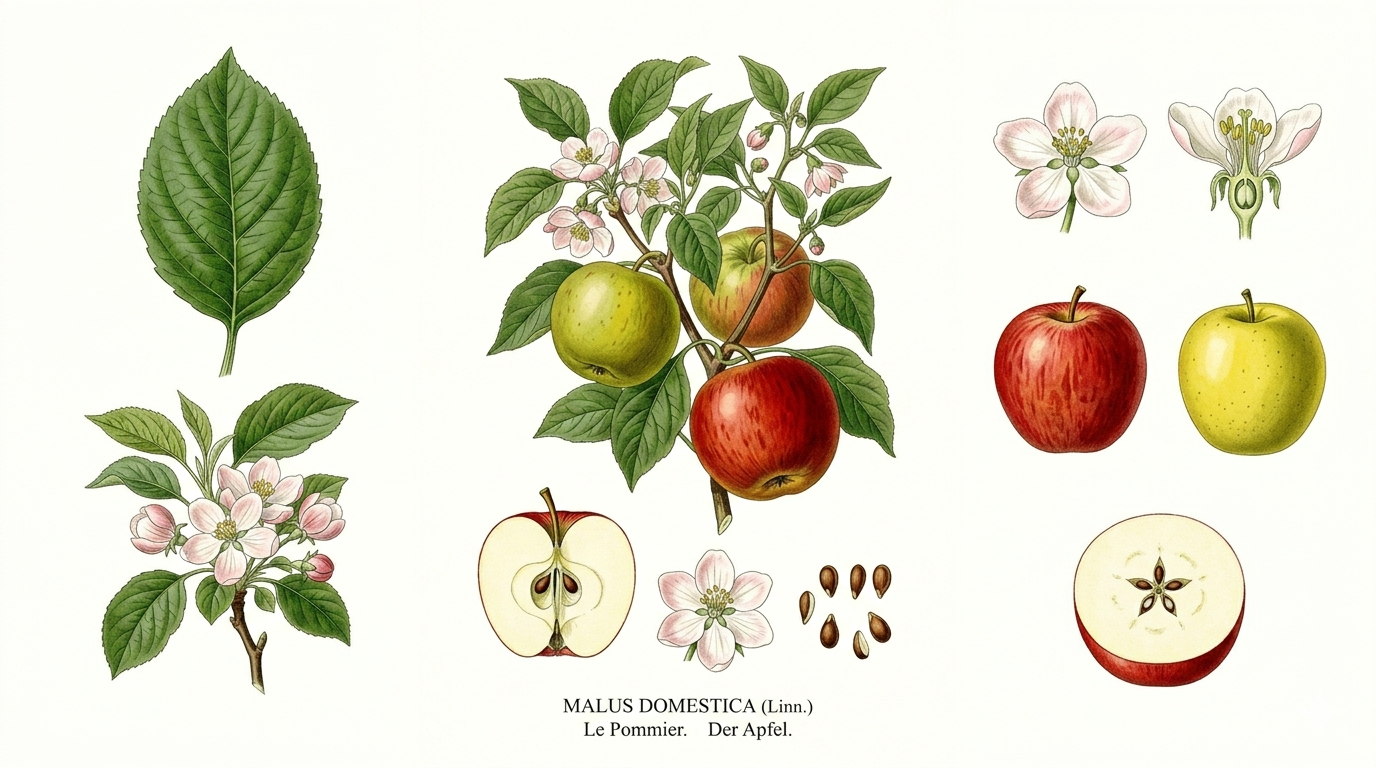
Symptoms, assessment, and evidence
Possible symptoms: Difficulty breathing, dilated pupils, shock, cyanide poisoning symptoms
Especially relevant: Ingestion of seeds, leaves, or stems, especially wilted material, Large quantities
Apple flesh (without seeds) can be offered to ducks in small quantities as an occasional treat. However, seeds, leaves, and stems contain cyanogenic glycosides, which are toxic and can lead...
low evidenceinferred or general evidencedirect veterinary source1 sourcereviewed 2026-05-29
Observe the animal over the next few hours. Seek veterinary advice if unusual behavior or symptoms develop.
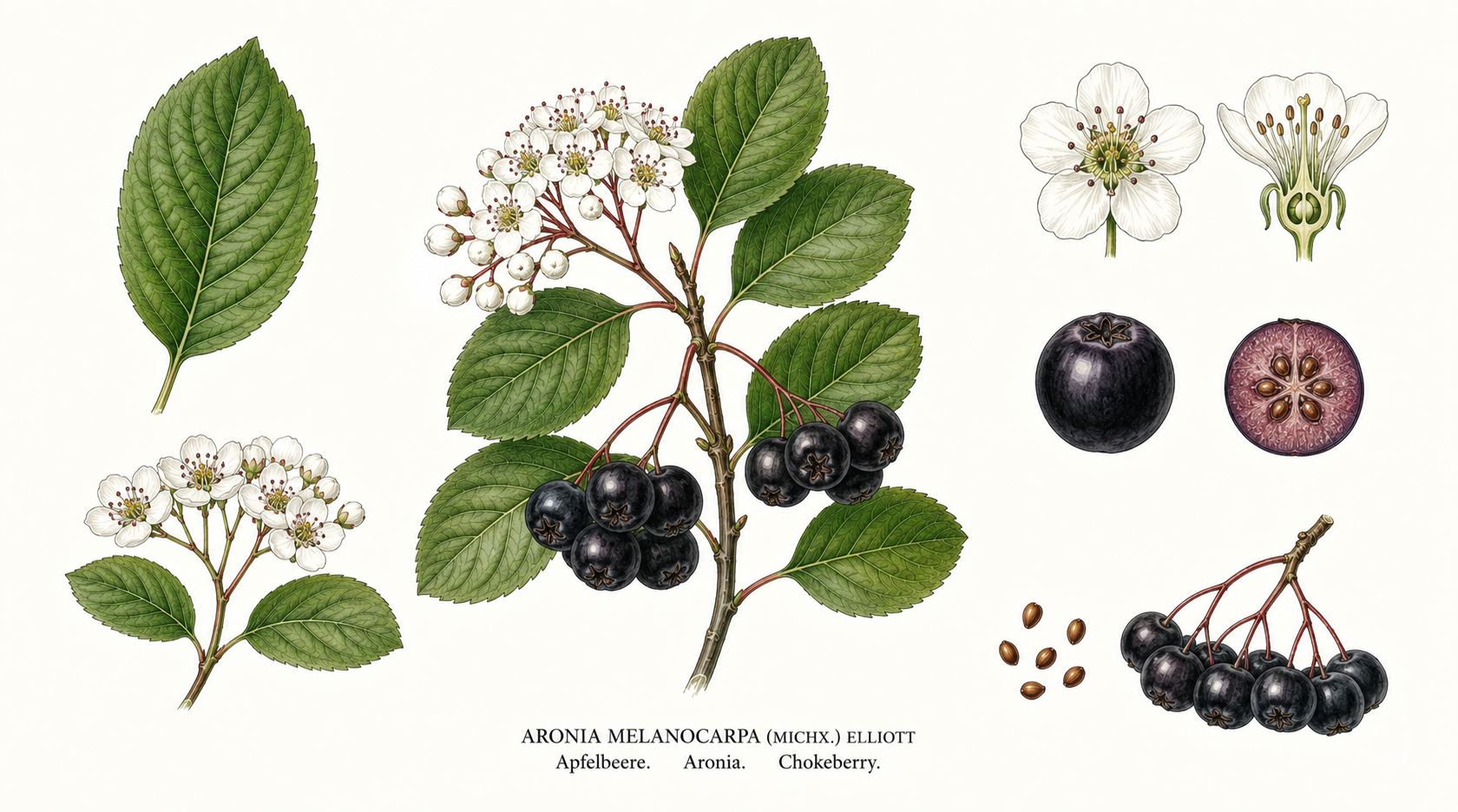
Symptoms, assessment, and evidence
Possible symptoms: Stomach upset (with large quantities of raw berries)
Especially relevant: Consumption of large quantities of raw berries, Consumption of leaves, stems, or seeds
Aronia berries are considered non-toxic, but due to their tart taste, excessive consumption, especially raw, may cause stomach upset. Suitable for ducks as an occasional treat in small...
medium evidencespecies-specific evidencedirect veterinary source1 sourcereviewed 2026-06-01
Observe the animal over the next few hours. Seek veterinary advice if unusual behavior or symptoms develop.
Symptoms, assessment, and evidence
Possible symptoms: Gastrointestinal upset, Vomiting
Especially relevant: Overconsumption of unripe fruits, Consumption of seeds or leaves
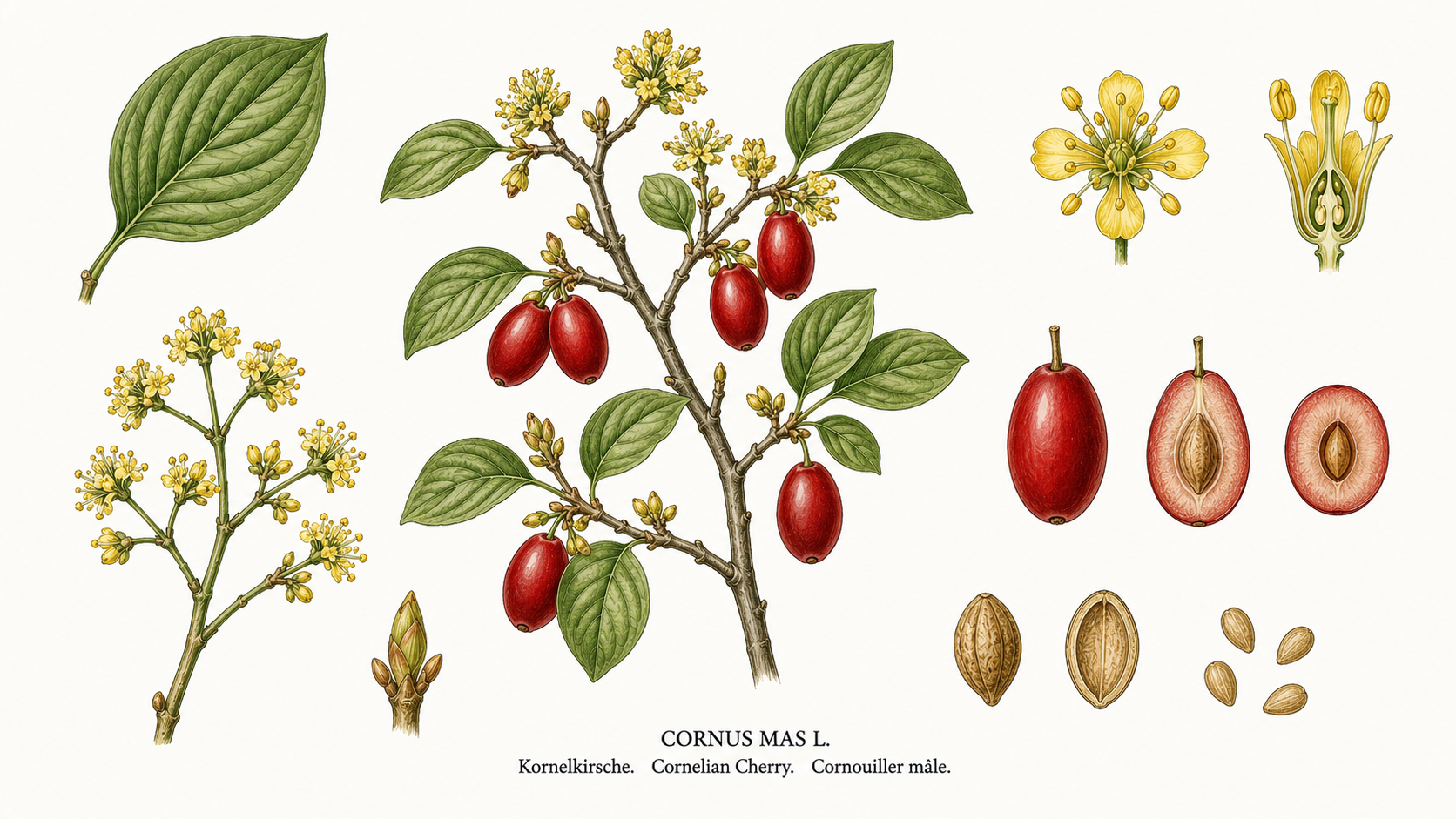
The fruit pulp of ripe Cornelian cherry is suitable for ducks in small amounts as a treat. Seeds are indigestible and may cause gastrointestinal upset. Leaves may cause skin irritation in...
low evidenceinferred or general evidencereviewed 2026-06-01
Monitor the animal closely. Seek veterinary advice if vomiting, diarrhea, breathing difficulties, neurological signs, or other symptoms occur.
Symptoms, assessment, and evidence
Possible symptoms: Vomiting, Diarrhea, Respiratory distress
Especially relevant: Access to pits or wilted leaves, Excessive fruit consumption
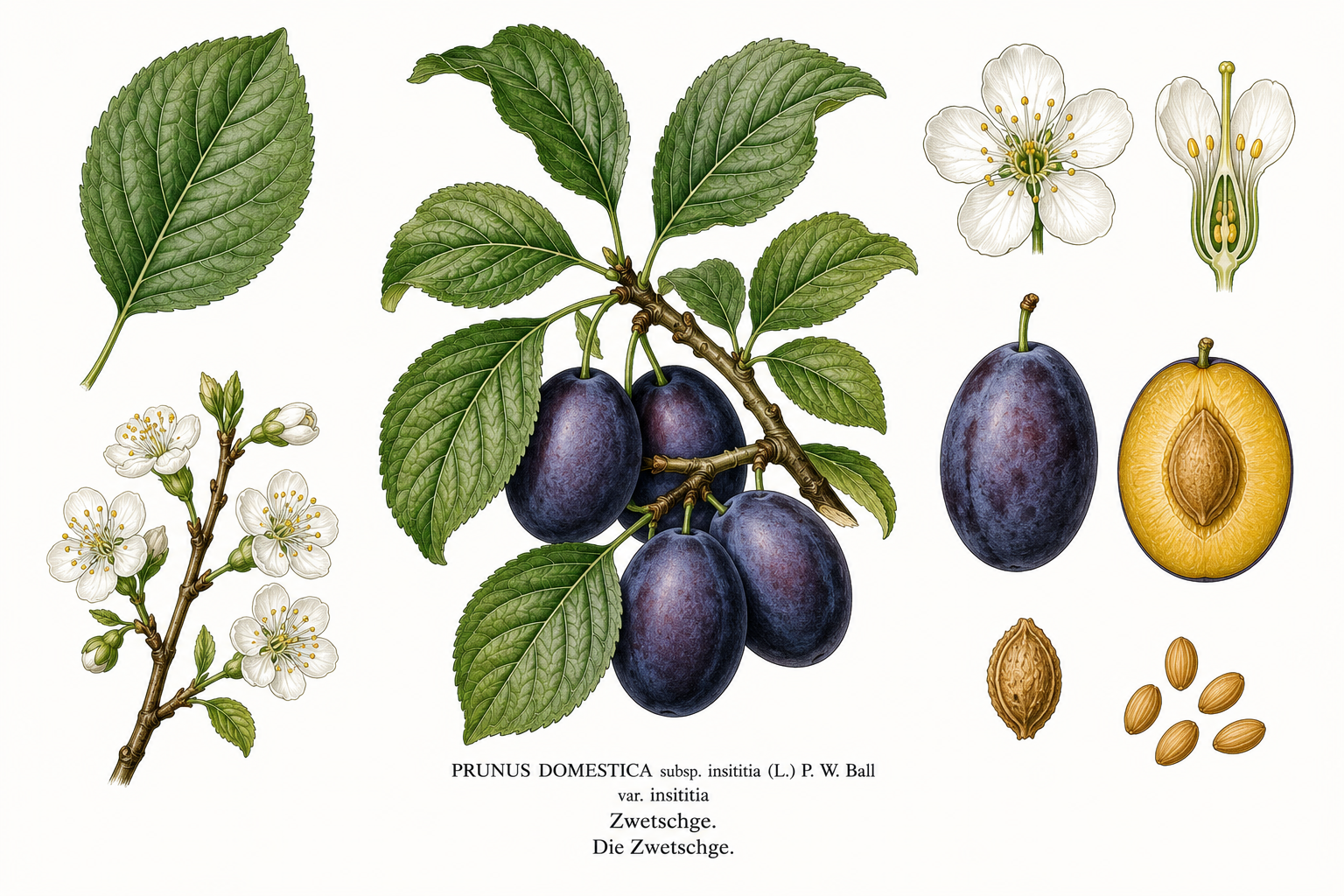
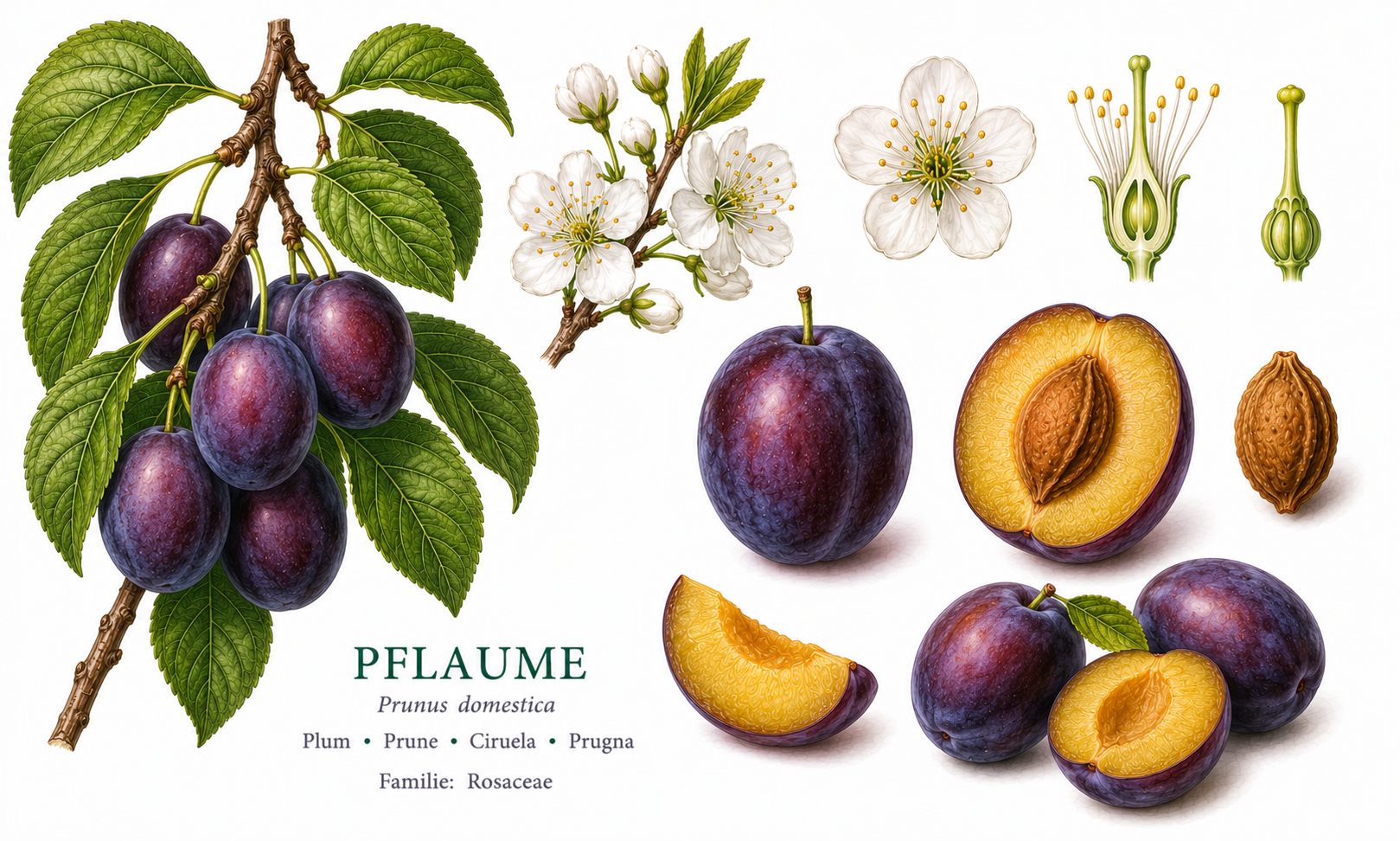
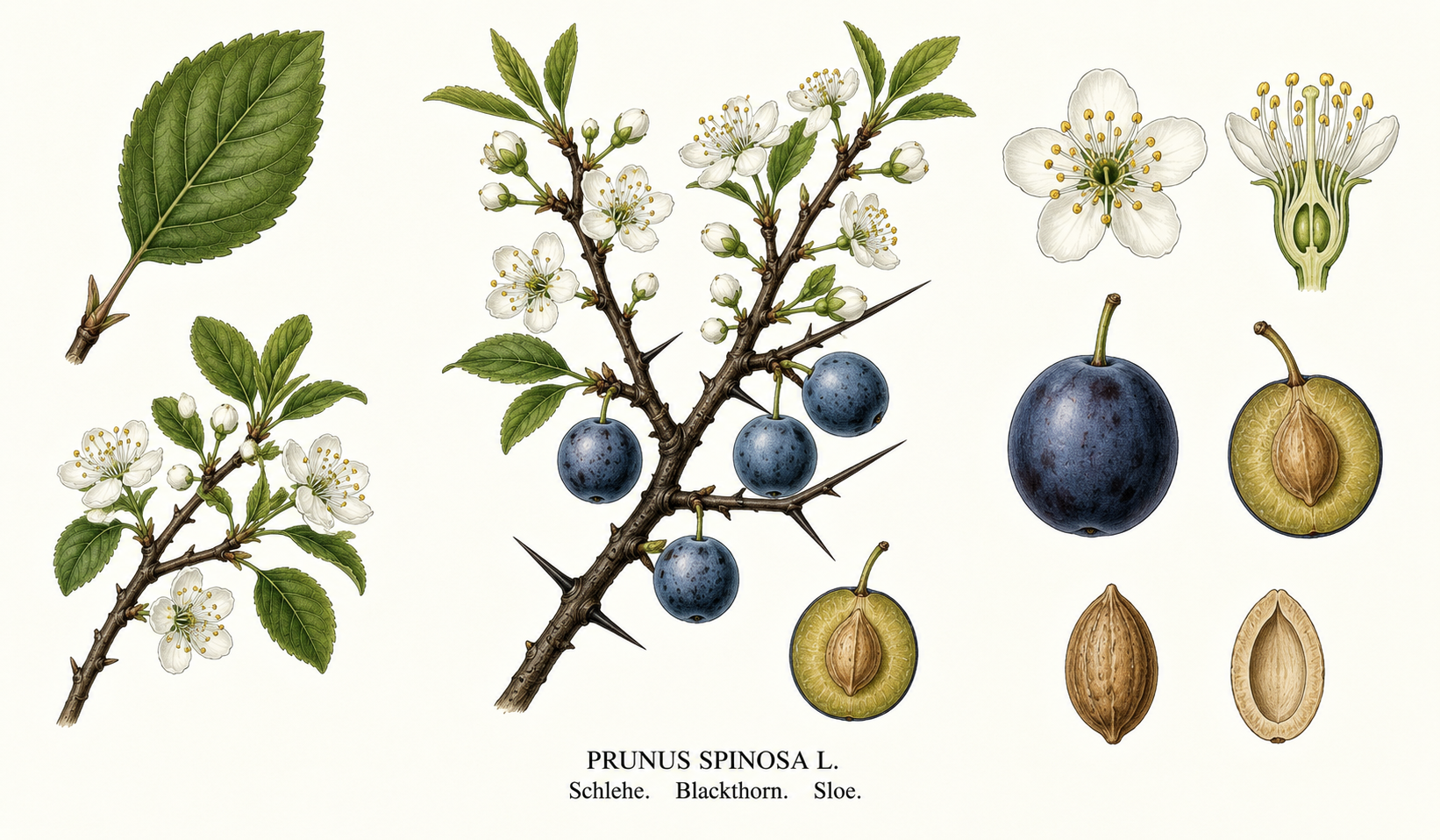
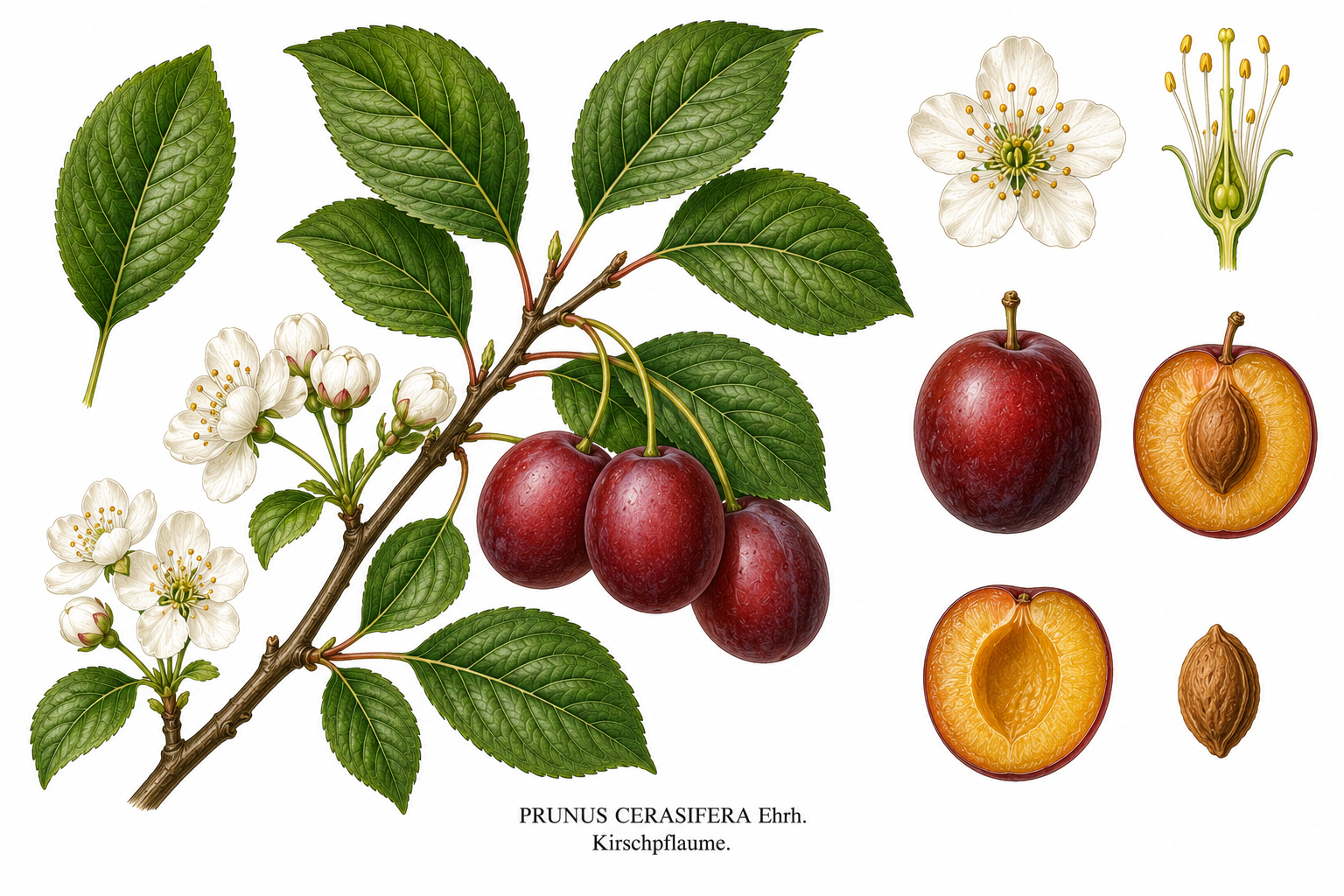
The fruit flesh of the damson plum is safe for ducks in small amounts as a treat. Pits, leaves, and bark contain amygdalin and can release cyanide, leading to poisoning symptoms. Ducks...
low evidenceinferred or general evidencereviewed 2026-06-02
Monitor the animal closely. Seek veterinary advice if vomiting, diarrhea, breathing difficulties, neurological signs, or other symptoms occur.
Symptoms, assessment, and evidence
Possible symptoms: Vomiting, Diarrhea, Breathing difficulties
Especially relevant: Pit ingestion, Leaf or bark consumption
The flesh of plums is suitable for ducks in small amounts as a treat. Pits, leaves, and bark contain amygdalin, which can release hydrogen cyanide and cause poisoning symptoms. Feed only...
low evidenceinferred or general evidencereviewed 2026-06-02
Critical: Seeds (in large quantities), Plants in the flowering stage
Observe the animal over the next few hours. Seek veterinary advice if unusual behavior or symptoms develop.
Symptoms, assessment, and evidence
Possible symptoms: Photosensitization (sunburn, dermatitis) with very large quantities
Especially relevant: Consumption of large quantities, Consumption of plants in the flowering stage
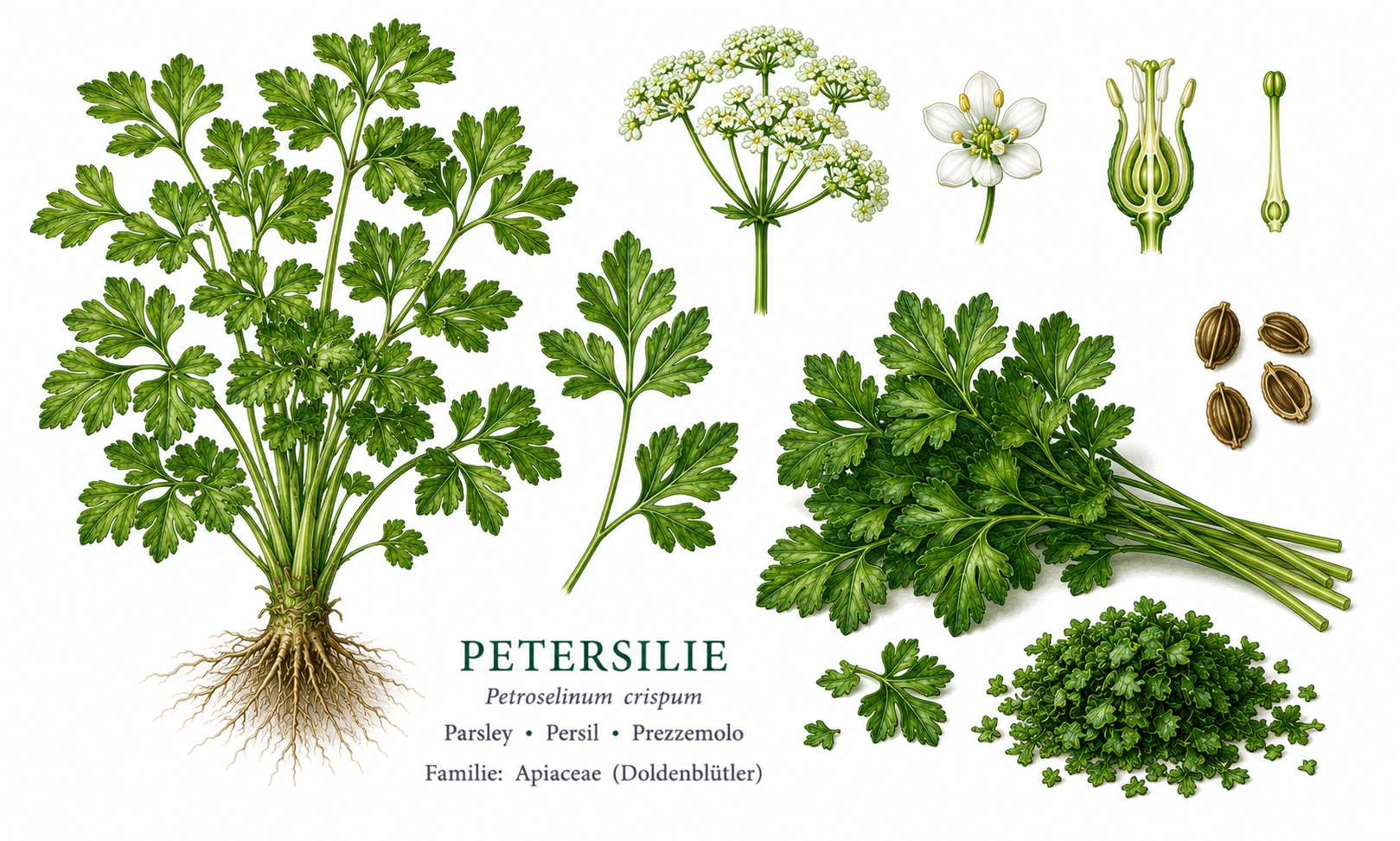
Parsley is generally safe for ducks when fed in moderation. Large quantities, especially of flowering plants or seeds, can lead to photosensitization due to apiol and furanocoumarin...
low evidenceinferred or general evidencedirect veterinary source1 sourcereviewed 2026-06-02
Observe the animal over the next few hours. Seek veterinary advice if unusual behavior or symptoms develop.
Symptoms, assessment, and evidence
Especially relevant: Overconsumption may cause digestive upset due to high water and sugar content., Leaves and stems contain small amounts of tannins that may cause gastrointestinal discomfort if ingested in large quantities.
No direct species-specific source was found for ducks. This is a cautious inference from the geese profile and the known plant-part risks.
low evidenceinferred or general evidencereviewed 2026-06-01
Based on the available information, no action is usually required. If symptoms occur, veterinary advice is still recommended.
Symptoms, assessment, and evidence
Possible symptoms: Gastrointestinal upset (with overconsumption)
Especially relevant: Excessive consumption may cause digestive upset
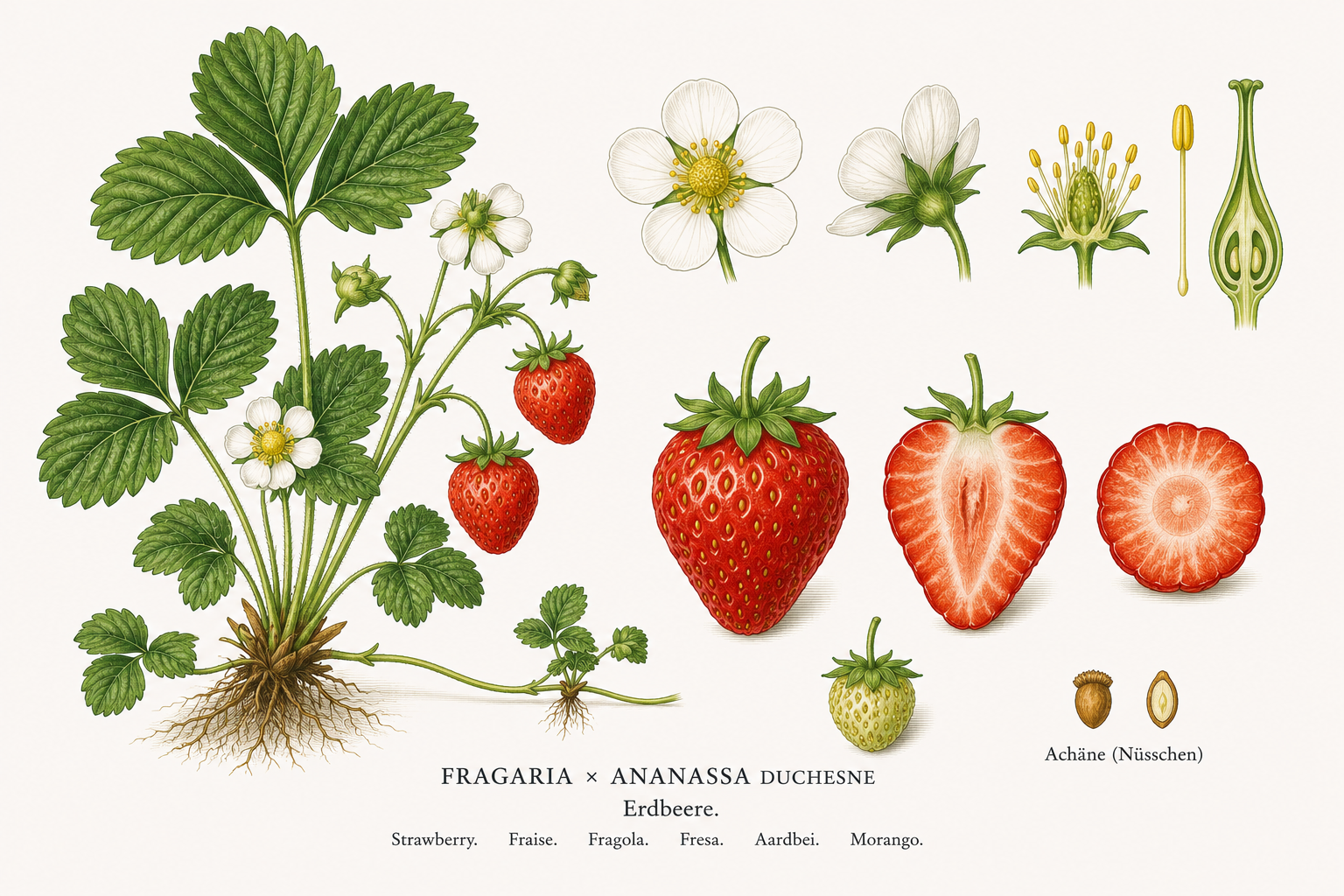
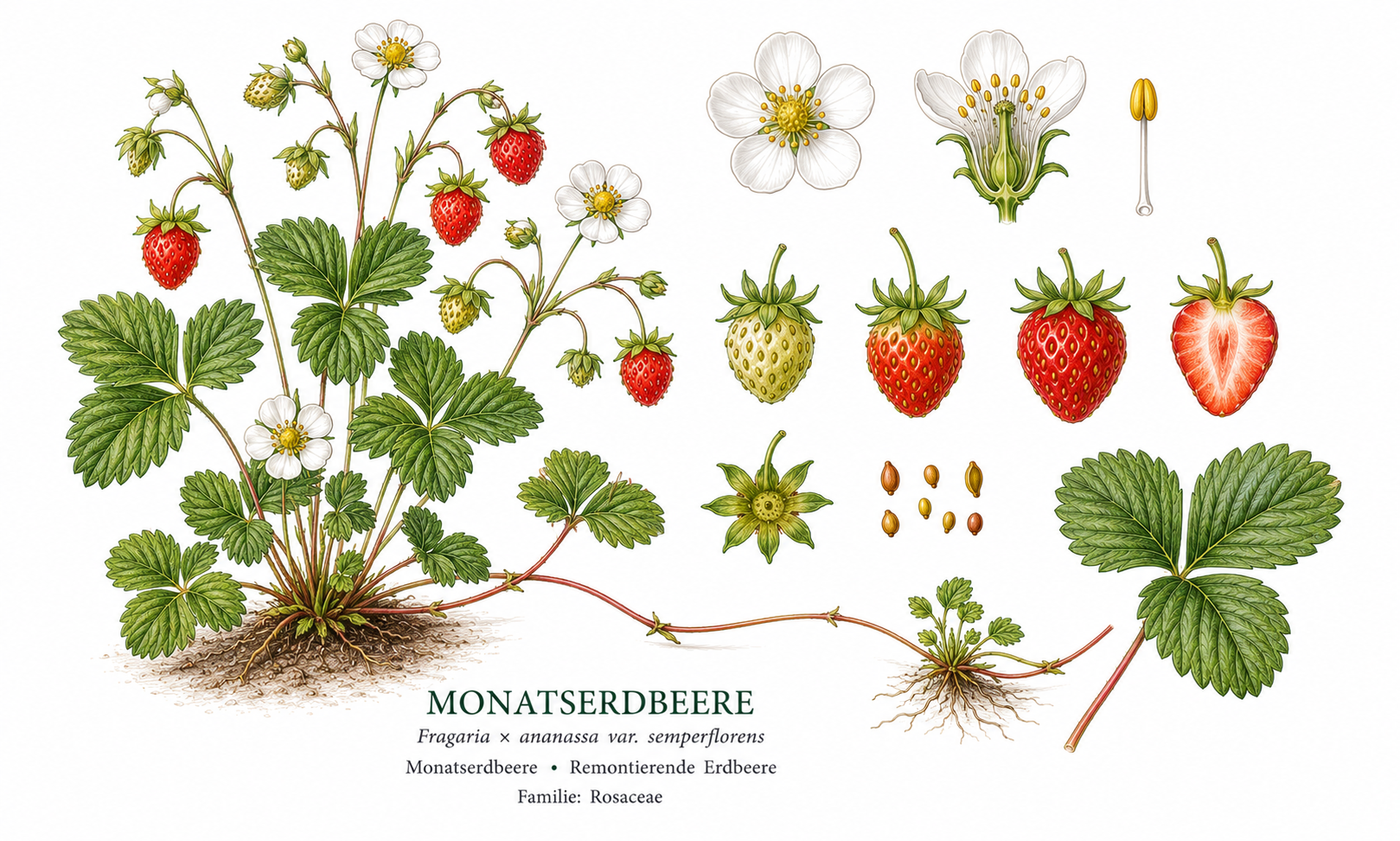
Wild strawberry (Fragaria vesca) is non-toxic to ducks. Fruits and leaves can be fed as an occasional treat. Excessive consumption may cause digestive upset due to fiber content.
low evidenceinferred or general evidencedirect veterinary source1 sourcereviewed 2026-06-02
Observe the animal over the next few hours. Seek veterinary advice if unusual behavior or symptoms develop.
Symptoms, assessment, and evidence
Possible symptoms: Gastrointestinal upset (with excessive consumption)
Especially relevant: Sensitivity to sulfur compounds, Excessive consumption
Leaves and flowers of Allium ramosum are edible for ducks in moderation and are occasionally consumed as a treat. As with all Allium species, sensitive individuals may experience...
low evidenceinferred or general evidencedirect veterinary source1 sourcereviewed 2026-06-02
Based on the available information, no action is usually required. If symptoms occur, veterinary advice is still recommended.
Symptoms, assessment, and evidence
Possible symptoms: Digestive upset (with overconsumption)
Especially relevant: Overconsumption may cause digestive upset
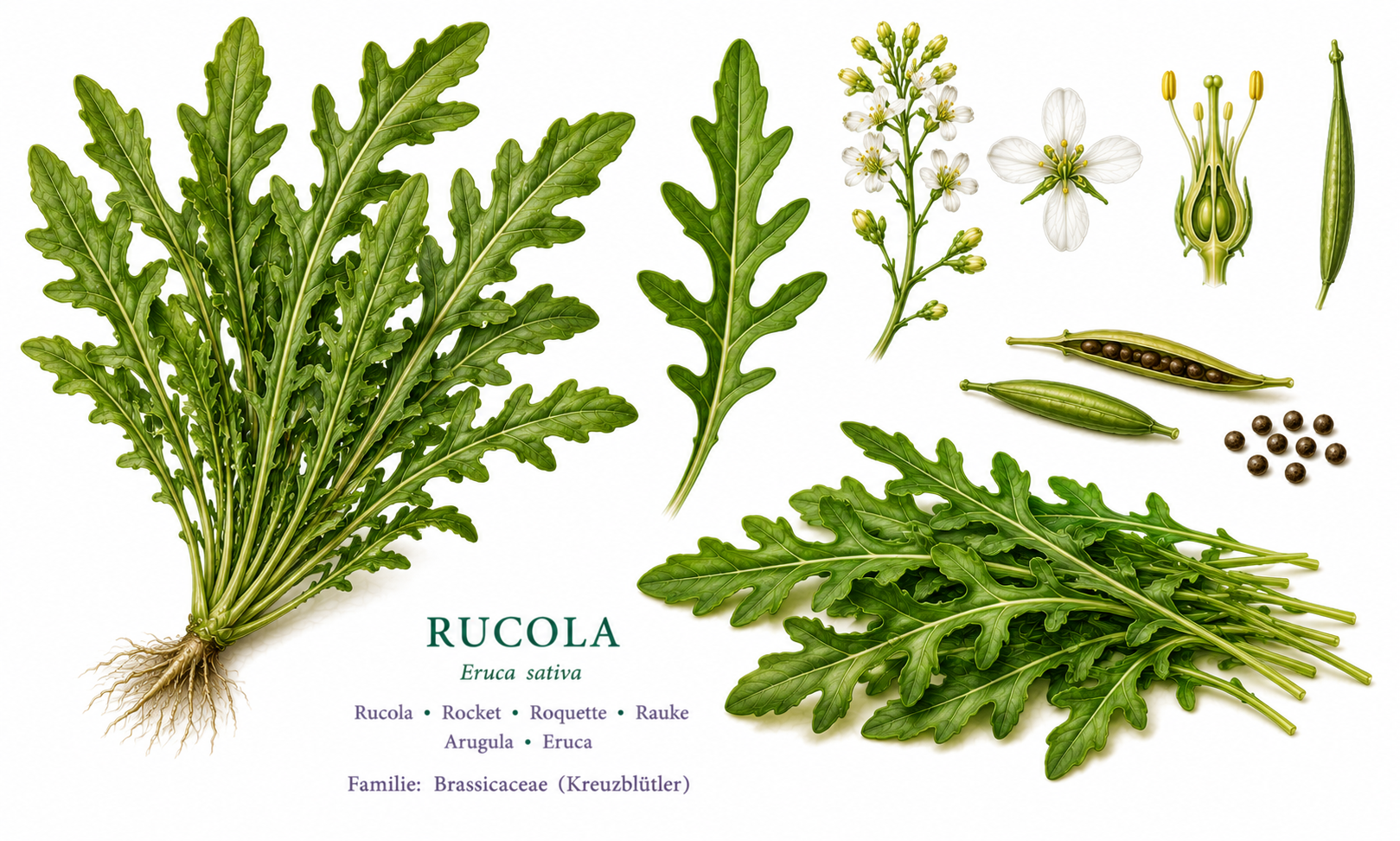
Arugula is suitable for ducks in small amounts as a treat. Leaves, flowers, and young seed pods are edible and non-toxic. No known toxic compounds. Overconsumption may pose a risk of...
low evidenceinferred or general evidencedirect veterinary source1 sourcereviewed 2026-06-02
Critical: Berries, Woody ends of spears, Mature fronds
Observe the animal over the next few hours. Seek veterinary advice if unusual behavior or symptoms develop.
Symptoms, assessment, and evidence
Possible symptoms: Gastrointestinal upset, Vomiting, Diarrhea
Especially relevant: Consumption of berries or mature plant parts, Overconsumption of shoots
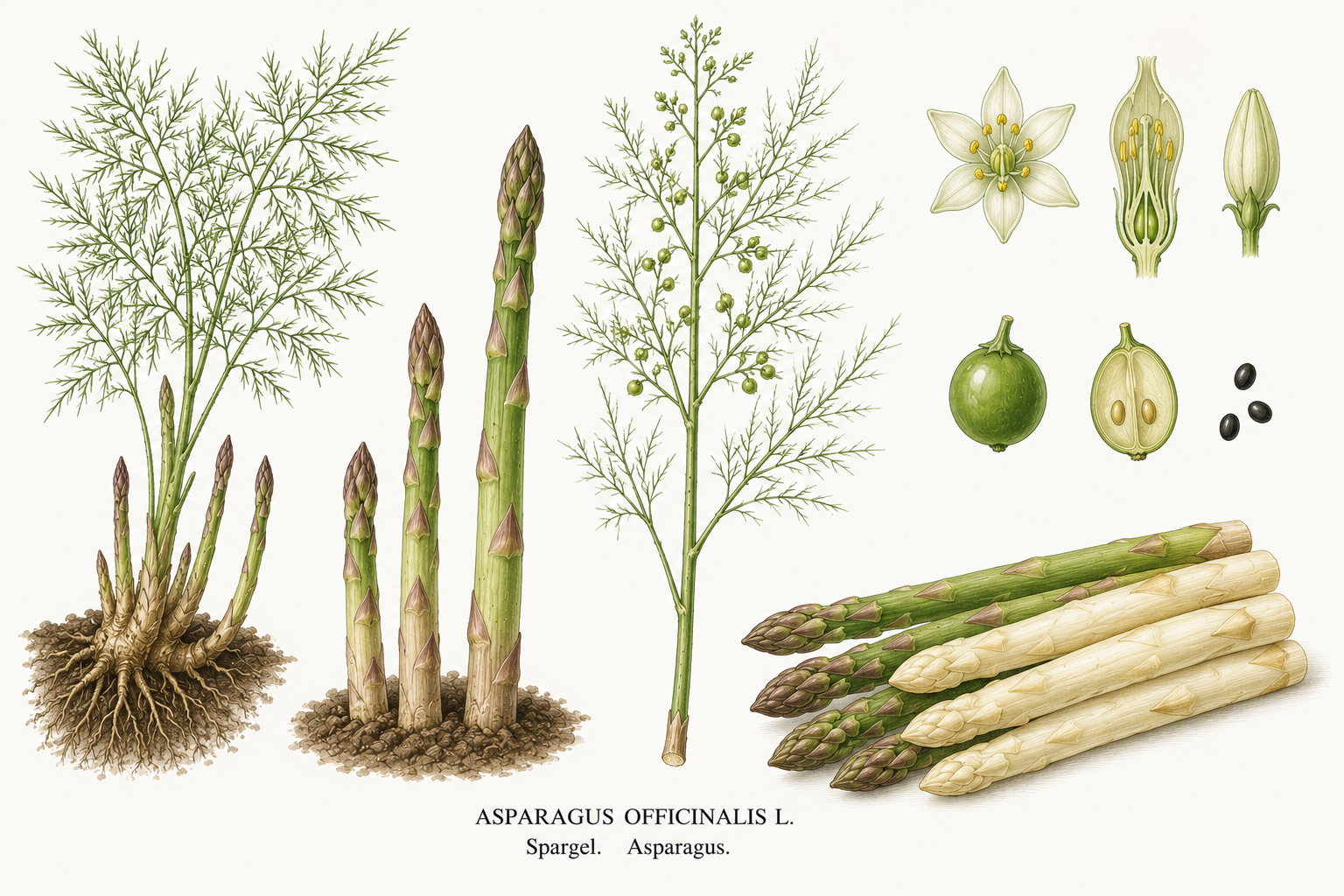
Young asparagus shoots are safe for ducks in moderation and can be offered as a treat. Berries, woody ends, and mature fronds contain saponins and should be avoided. Ingestion of toxic...
low evidenceinferred or general evidencereviewed 2026-06-02
Observe the animal over the next few hours. Seek veterinary advice if unusual behavior or symptoms develop.
Symptoms, assessment, and evidence
Possible symptoms: gastrointestinal upset if consumed in excess, potentially thyroid issues in very high amounts
Especially relevant: overconsumption, old or very pungent leaves
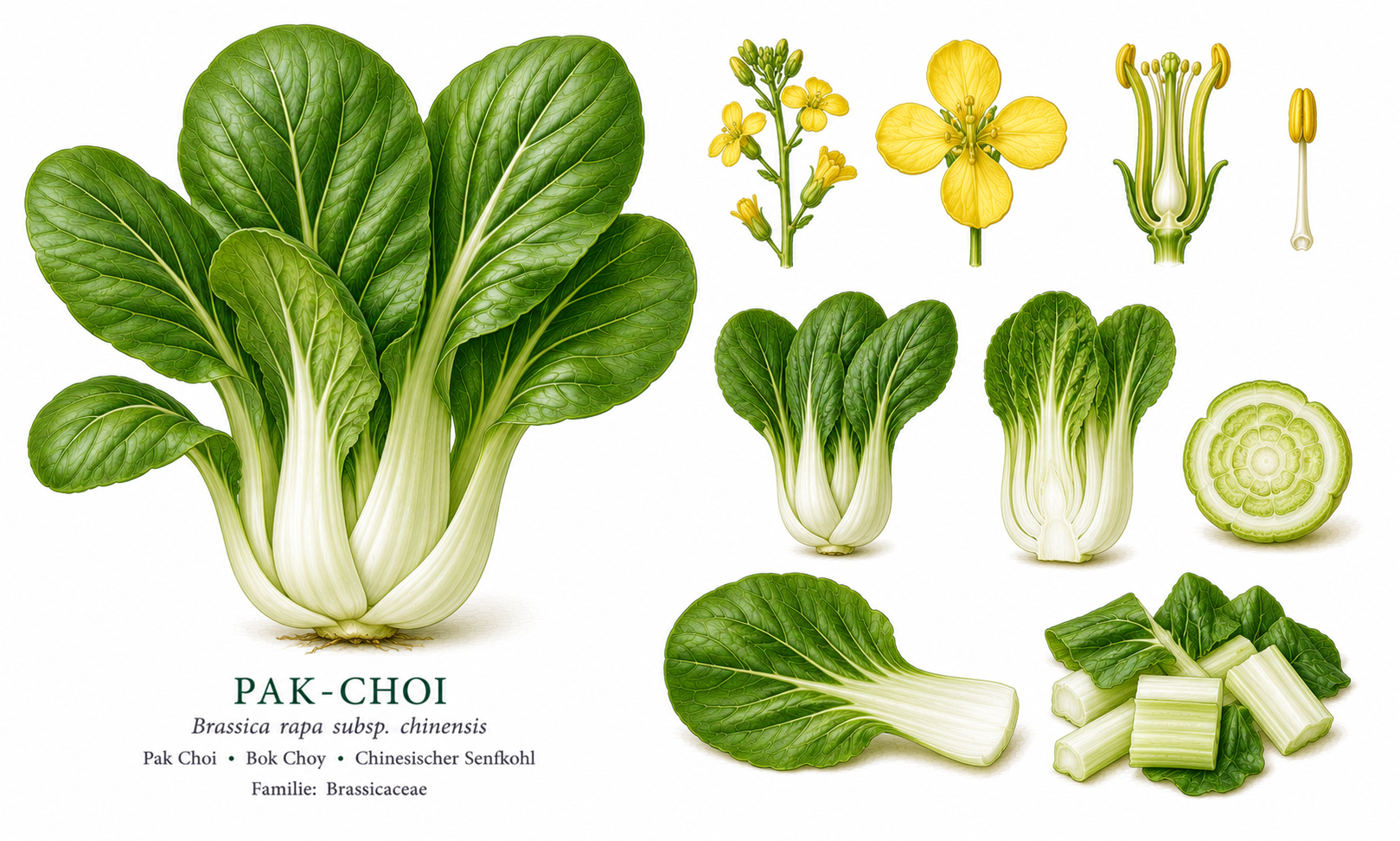
No direct species-specific source was found for ducks. This is a cautious inference from the chickens profile and the known plant-part risks of the Brassicaceae family. Young leaves and...
low evidenceinferred or general evidencereviewed 2026-06-01
Based on the available information, no action is usually required. If symptoms occur, veterinary advice is still recommended.
Symptoms, assessment, and evidence
Possible symptoms: Gastrointestinal upset (with excessive consumption), Harmless discoloration of urine and feces (beeturia)
Especially relevant: Excessive consumption, Consumption of large quantities of leaves
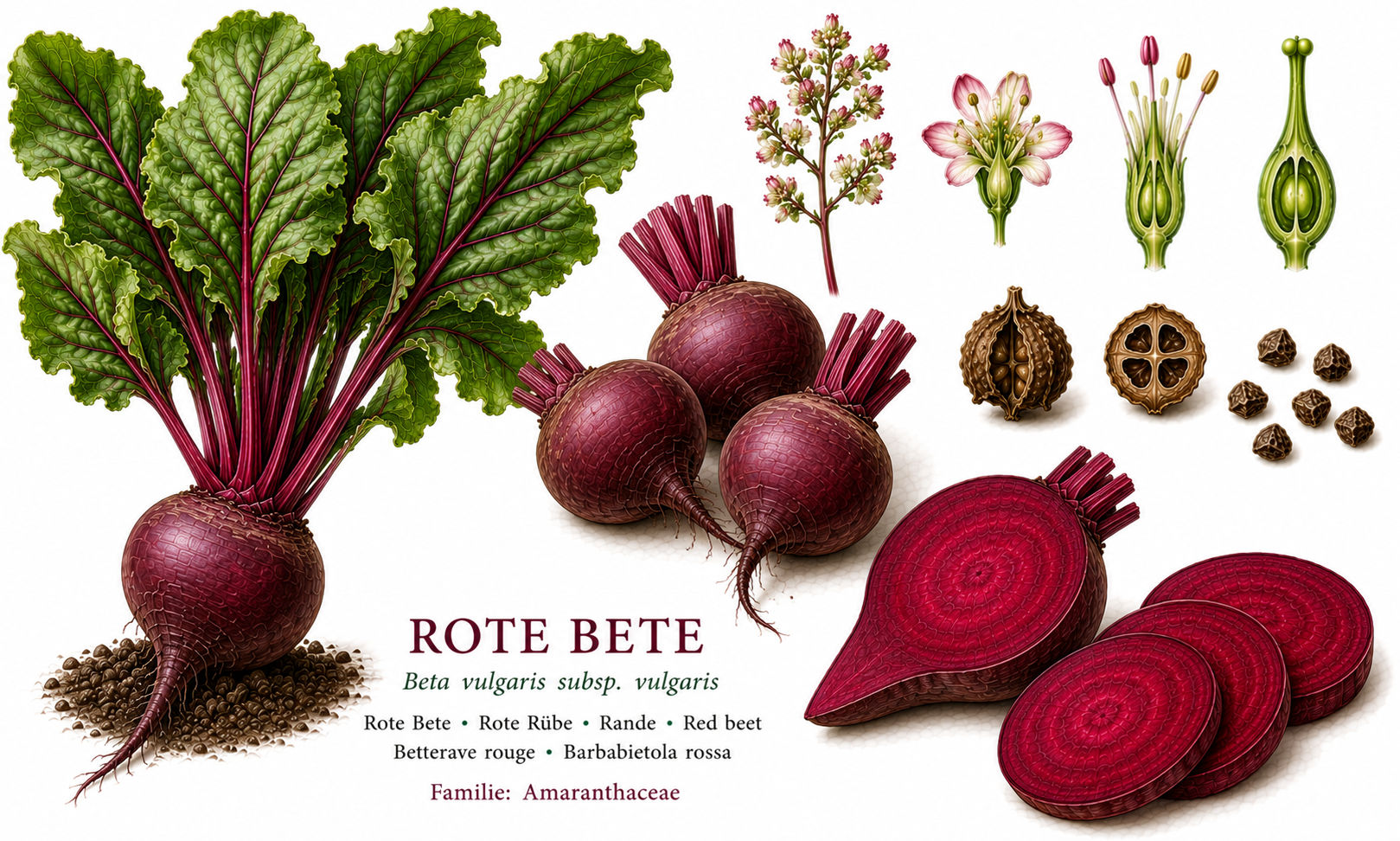
Beetroot is generally safe for ducks, especially the root. The leaves contain oxalic acid, which can be problematic in very large quantities but is unlikely to pose a significant risk to...
low evidenceinferred or general evidencereviewed 2026-06-02
Observe the animal over the next few hours. Seek veterinary advice if unusual behavior or symptoms develop.
Symptoms, assessment, and evidence
Possible symptoms: Gastrointestinal upset, Diarrhea
Especially relevant: Overconsumption of leaves or stems., Wild-collected berries should be washed to avoid parasites such as Echinococcus.
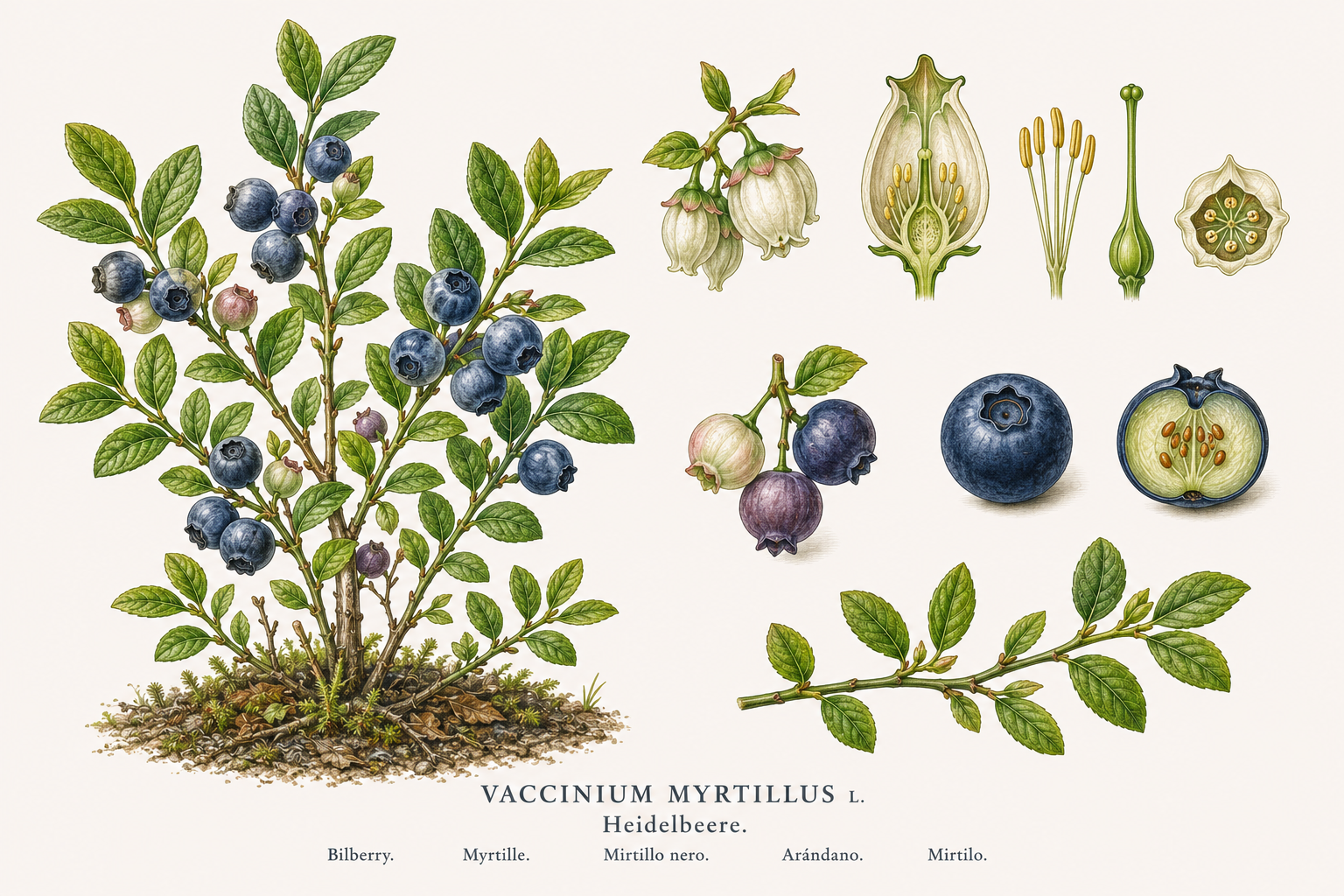
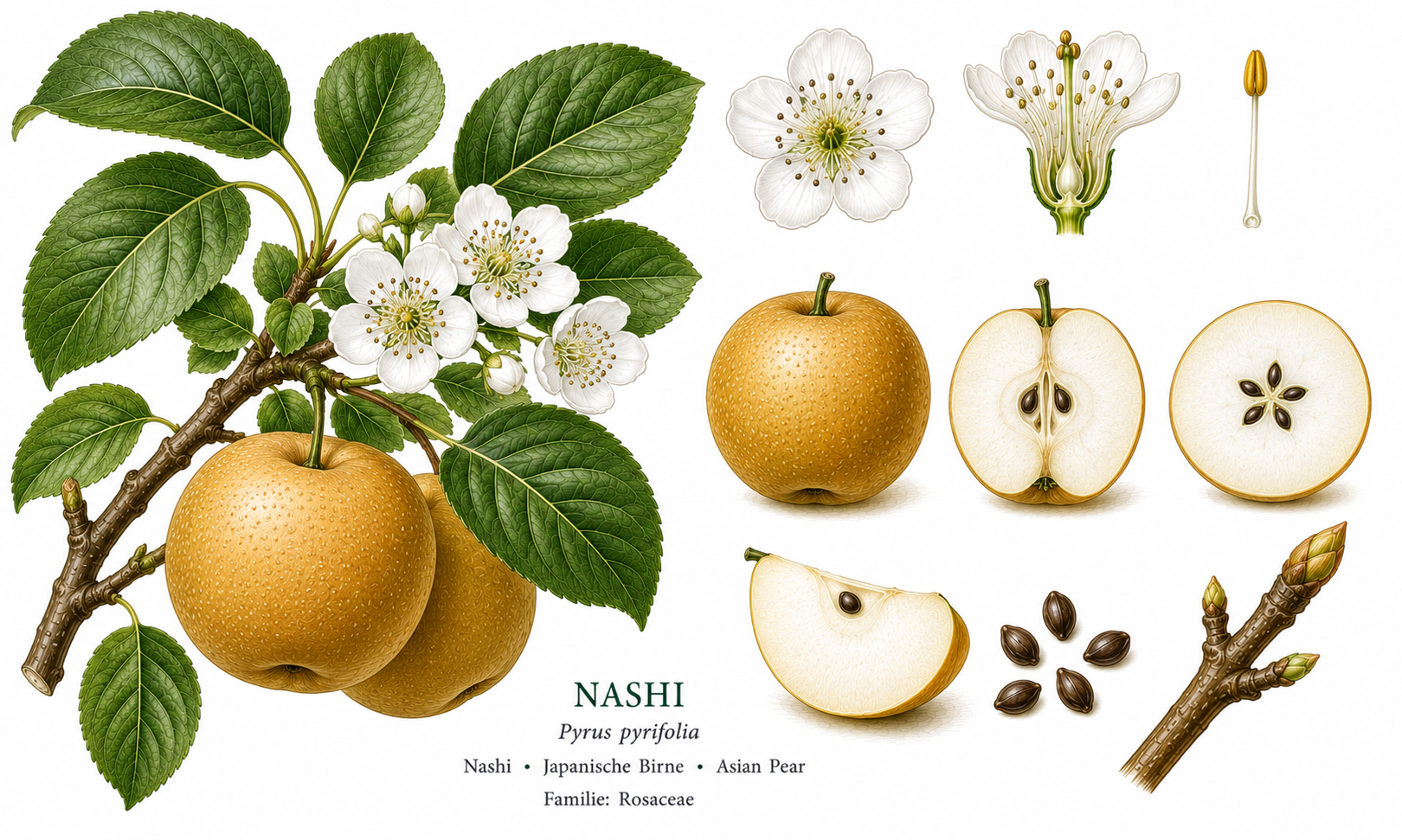
Fruits are safe for ducks in moderation and valued for their nutritional content. Leaves and stems contain tannins that may cause gastrointestinal irritation if consumed in large amounts...
low evidenceinferred or general evidence1 sourcereviewed 2026-06-01
Monitor the animal closely. Seek veterinary advice if vomiting, diarrhea, breathing difficulties, neurological signs, or other symptoms occur.
Symptoms, assessment, and evidence
Possible symptoms: Gastrointestinal disturbances, Cyanosis (in severe poisoning)
Especially relevant: Consumption of large quantities of raw fruit, Consumption of seeds or leaves
The fruits are suitable as occasional treats after frost or processing. Seeds and leaves contain amygdalin, which can be converted to hydrogen cyanide and are therefore toxic. Raw...
insufficientinferred or general evidencereviewed 2026-06-02
The overview shows which plants are rated as suitable, restricted, critical, or unclear for duck. Always check the specific plant part, such as fruit, leaves, stems, seeds, or tubers.
What does restricted mean for duck?
Restricted means that the plant or certain plant parts are not automatically unsafe, but may only be suitable for duck in appropriate amounts, under control, or with extra caution.
What does critical mean for duck?
Critical means the plant or certain plant parts should not be fed. Depending on the plant, access control in the garden may also be useful.
Does this list replace veterinary advice?
No. The information helps with garden safety decisions, but it does not replace veterinary advice. If risky plant parts were ingested, symptoms appear, or behavior changes, contact a veterinarian.
We use Google Analytics only with consent to improve Wild-Wuchs.