Animal safety

Sheep: safe and risky garden plants

Sheep are mainly grazing animals and feed mostly on grasses and herbs. Many problematic plants are avoided, but forage shortage, high stocking density, or limited choice can still lead to unsuitable plants being eaten.
Suitable 99Restricted 32Critical 32Unclear 17

Sheep

Plant overview

All animals

Sheep

Critical / do not feed

These plants should not be fed or need clear access control.

32 Plants

Allium ursinum plant card: Vegetables, Amaryllis family, Harvest March - May

Sheep

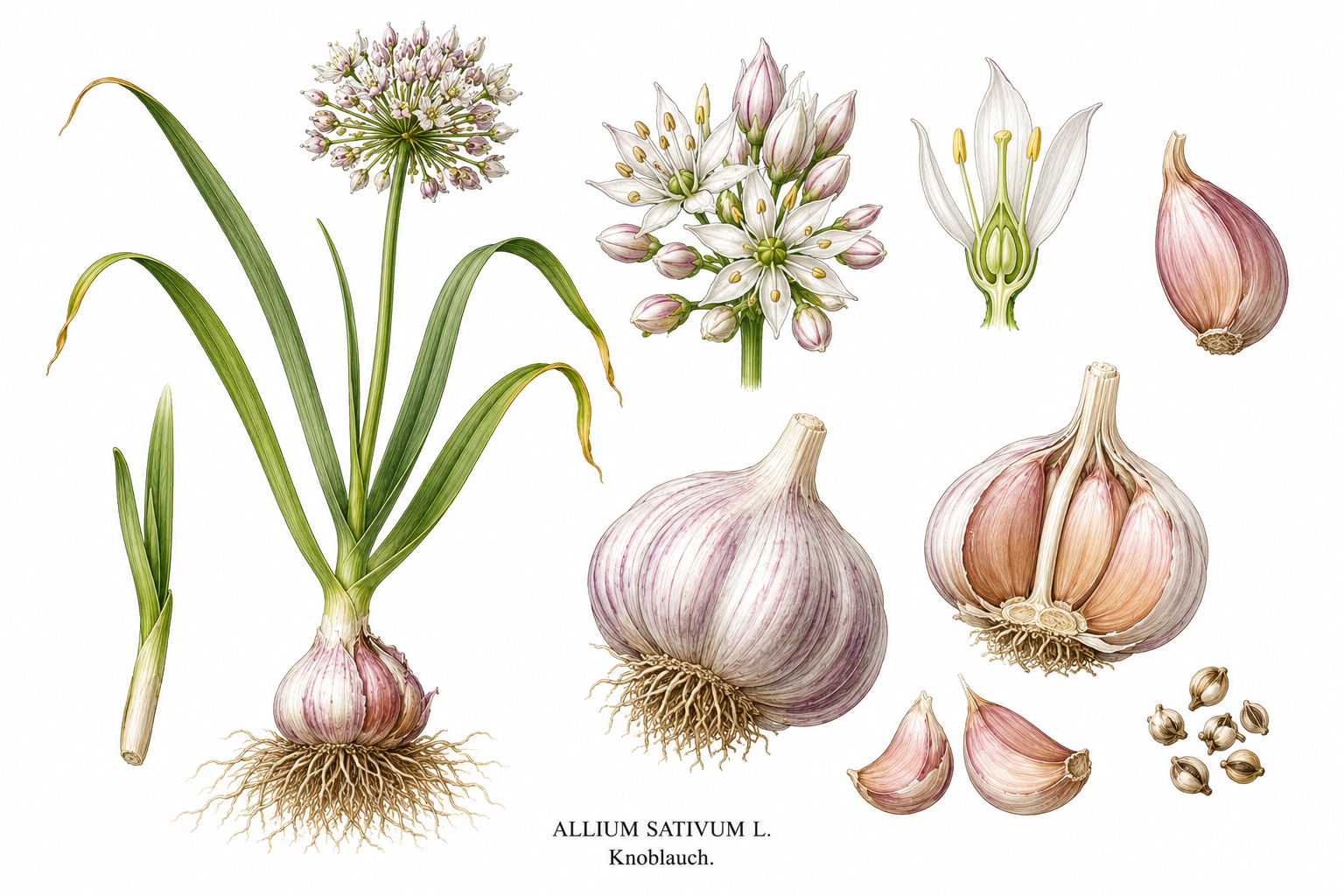
Allium ursinum

toxicRisk level 4 / 5emergency vet immediatelylow evidence

Wild garlic belongs to the Allium genus, whose species contain thiosulphates that can cause hemolytic anemia in grazing animals like sheep. Although no specific data for Allium ursinum in sheep is available, a toxic classification is made due to the known toxicity of other Allium species to ruminants.

Risk parts: All parts of the plant, especially bulbs and leaves

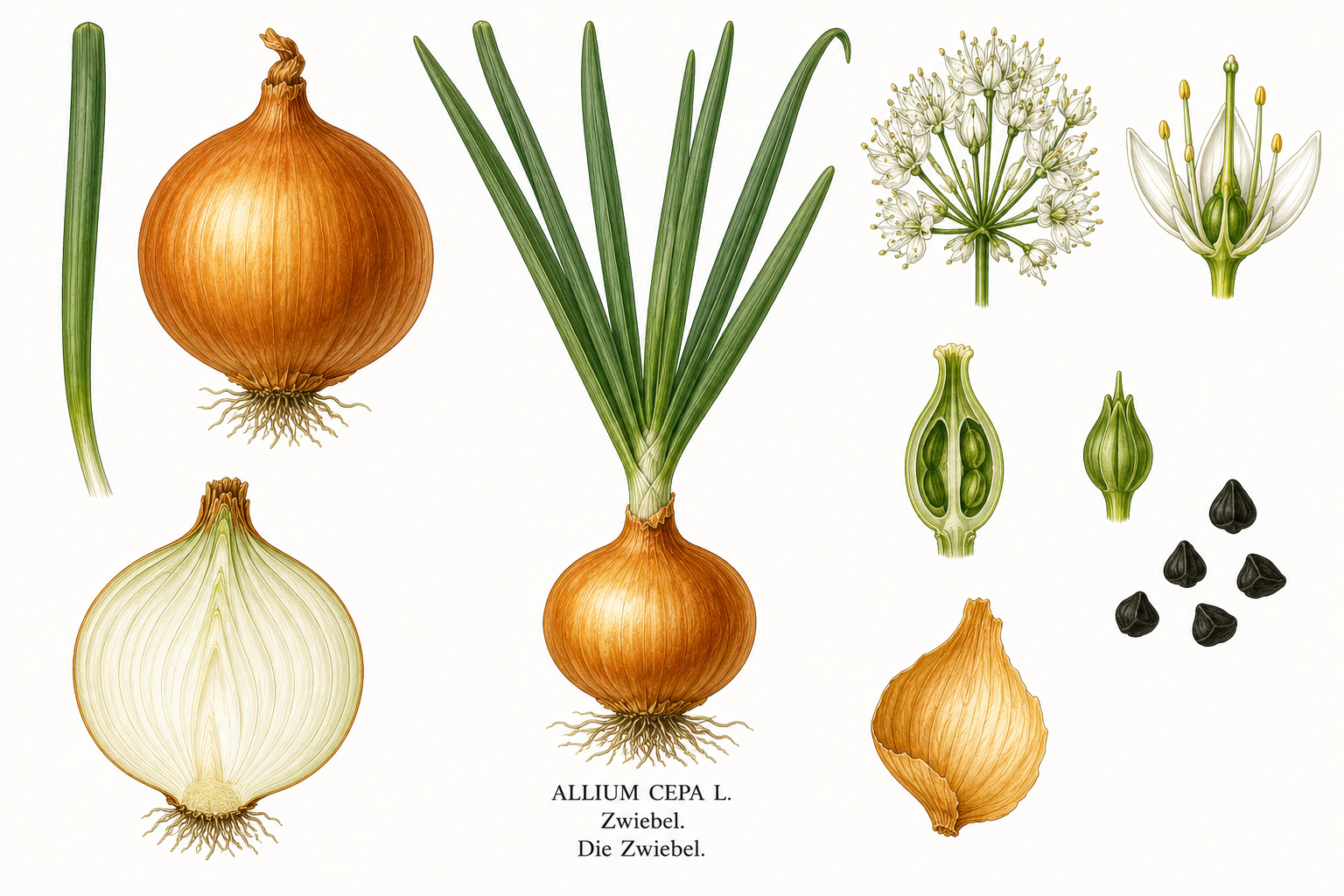
Onion plant card: Vegetables, Amaryllis family, Harvest July - September

Sheep

Onion

toxicRisk level 4 / 5contact a vet if ingestedinsufficient

No reliable species-specific assessment is available.

Risk parts: Bulb, Green shoots (leaves), Flowers

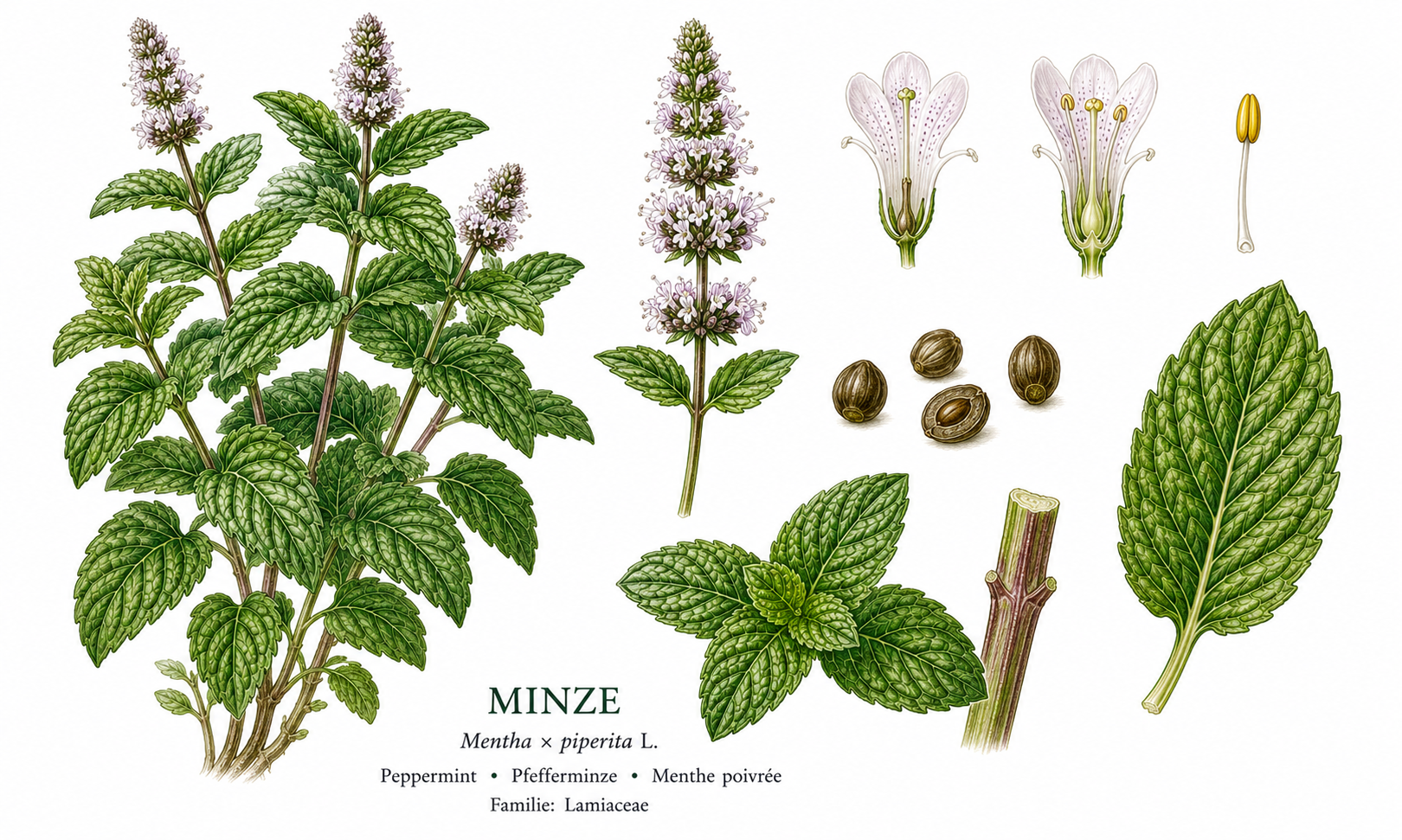
Mint plant card: Herbs, Mint family, Harvest May - October

Sheep

Mint

do not feedRisk level 3 / 5contact a vet if symptoms appearlow evidence

No direct species-specific source was found for sheep. This is a cautious inference from the goats profile and the known plant-part risks.

Risk parts: All parts, especially Pennyroyal mint (Mentha pulegium), concentrated essential oils

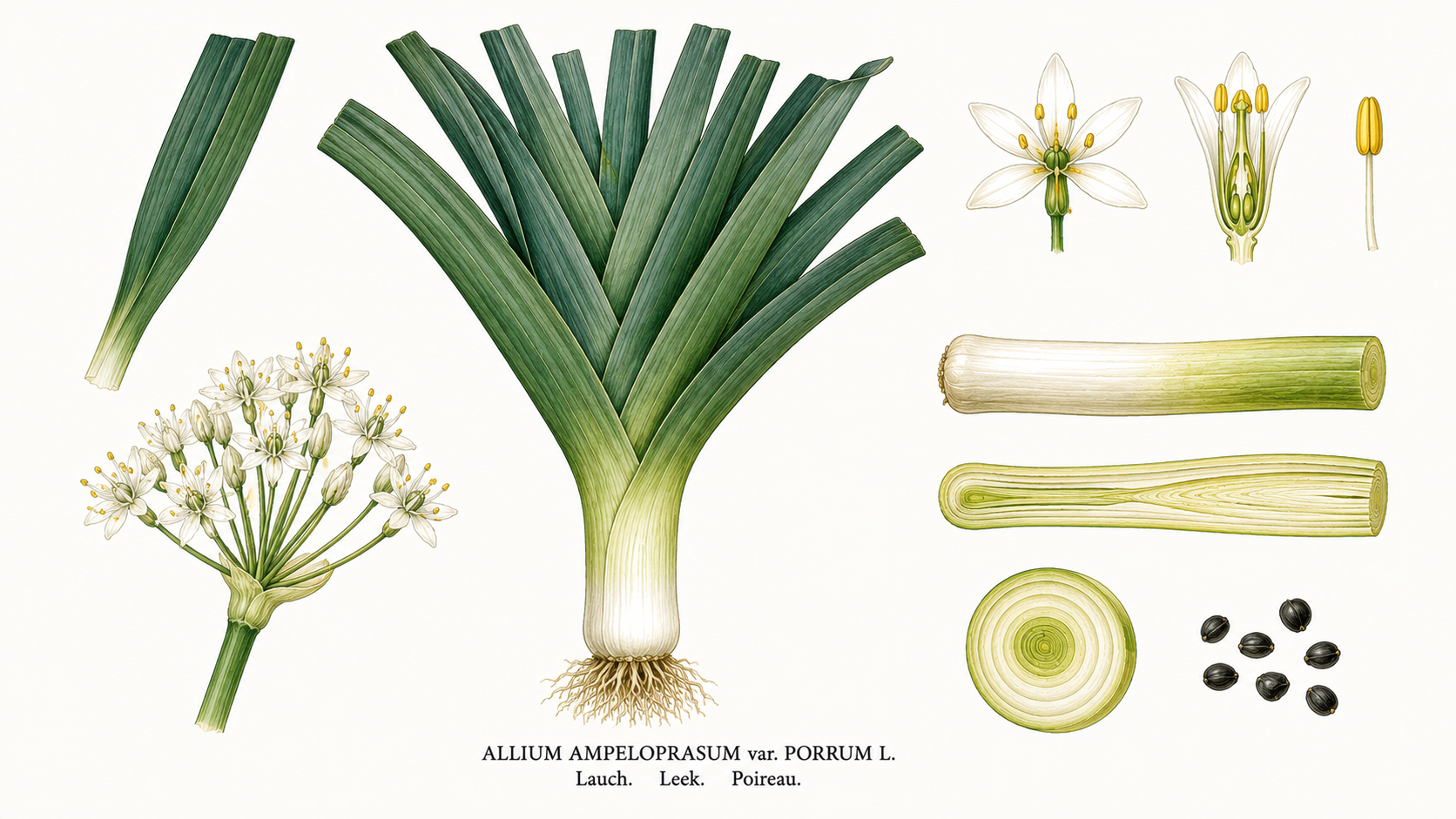
Allium plant card: Bulb and tuber vegetables, Amaryllis family, Sunny to partial shade

Sheep

Allium

do not feedRisk level unknownobservelow evidence

Leek is edible for sheep in small amounts, but certain parts like roots and tough outer leaves can cause gastrointestinal upset. Like other Allium species, it contains compounds that can be toxic in high doses. Feed only the tender, edible parts and limit quantity. Consult a veterinarian if signs of poisoning appear.

Suitable: Shaft (white and light green), Leaves (tender, green parts), Flowers (as edible garnish)

Risk parts: Roots, Very tough, outer leaves, Woody flower stalk after bolting

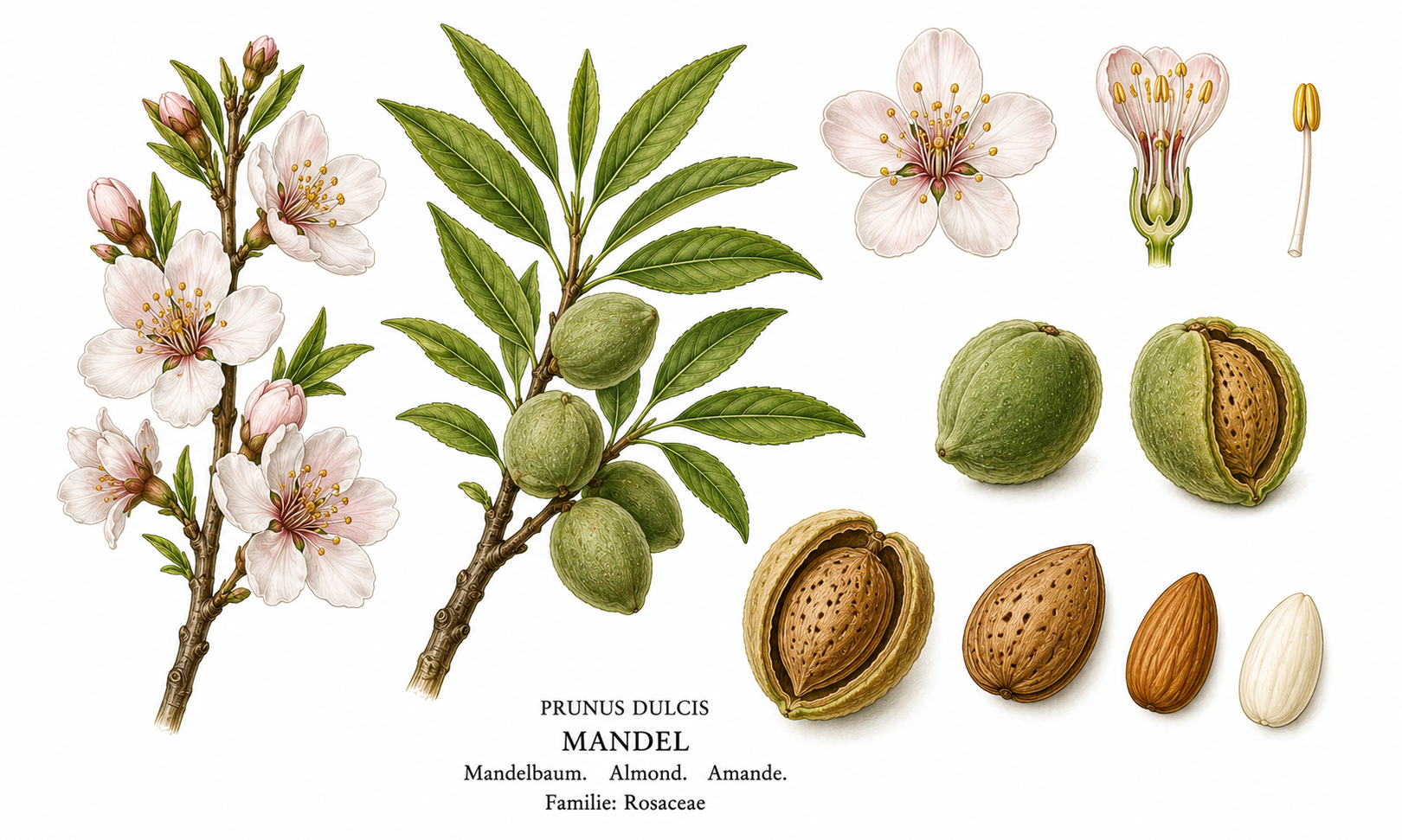
Almond plant card: Fruit, Rose family, Harvest August - October

Sheep

Almond

do not feedRisk level unknownemergency vet immediatelylow evidence

No direct species-specific source was found for sheep. This is a cautious inference from the goats profile and the known plant-part risks.

Suitable: Sweet almond kernels (shelled, in moderation)

Risk parts: Leaves, Stems, Bark, unripe fruits

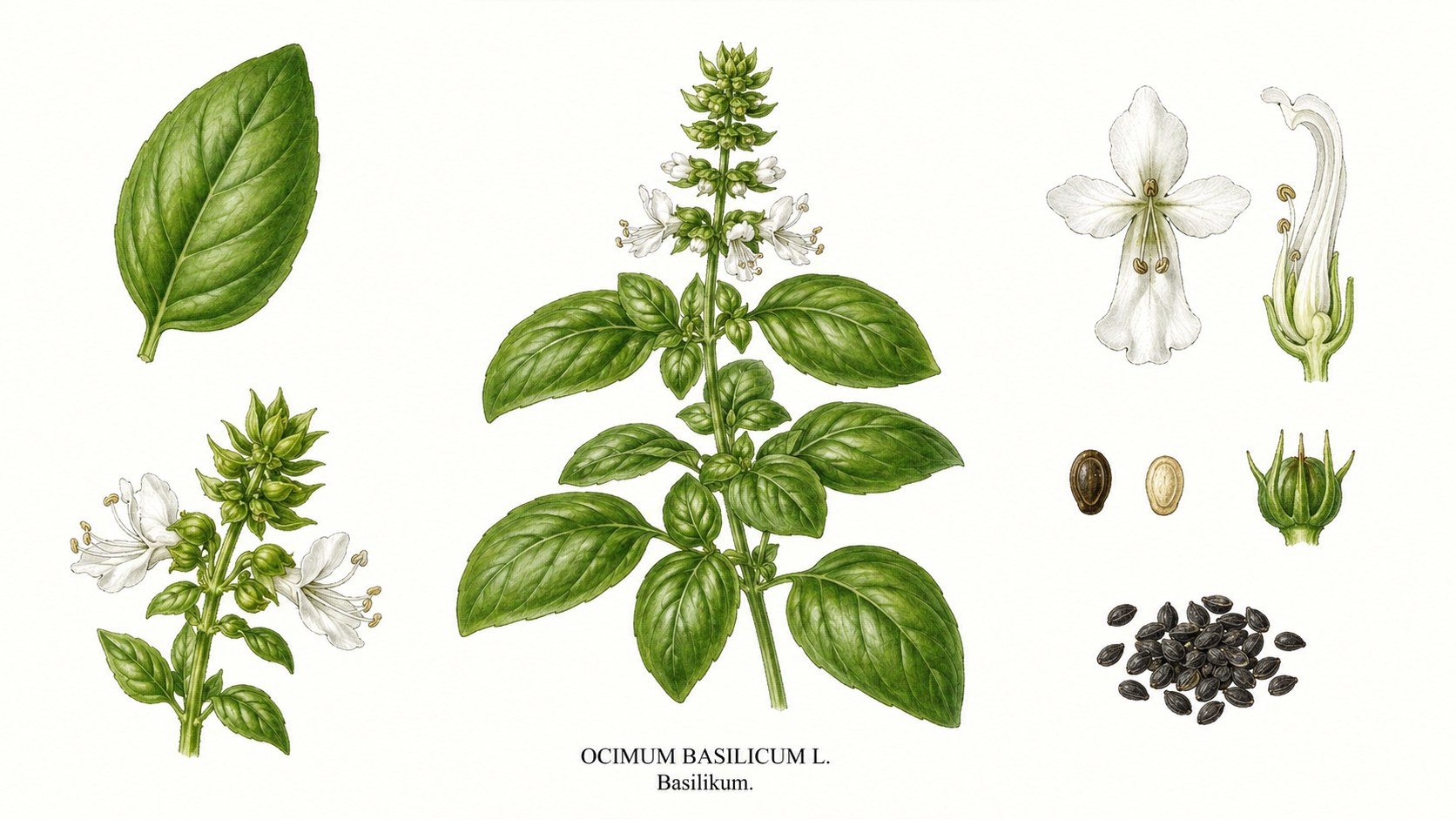
basil plant card: Woody plants, Lamiaceae, warm, sunny, sheltered

Sheep

basil

do not feedRisk level unknownusually no action neededlow evidence

No specific data on the safety of basil for sheep is available. Basil is generally considered safe for human consumption and non-toxic to dogs and cats. It is classified as 'not recommended' due to the lack of specific feeding data for sheep and because it is not a typical forage plant. In very large quantities, the essential oils present could theoretically cause digestive upset.

Suitable: leaves, young shoots, flowers

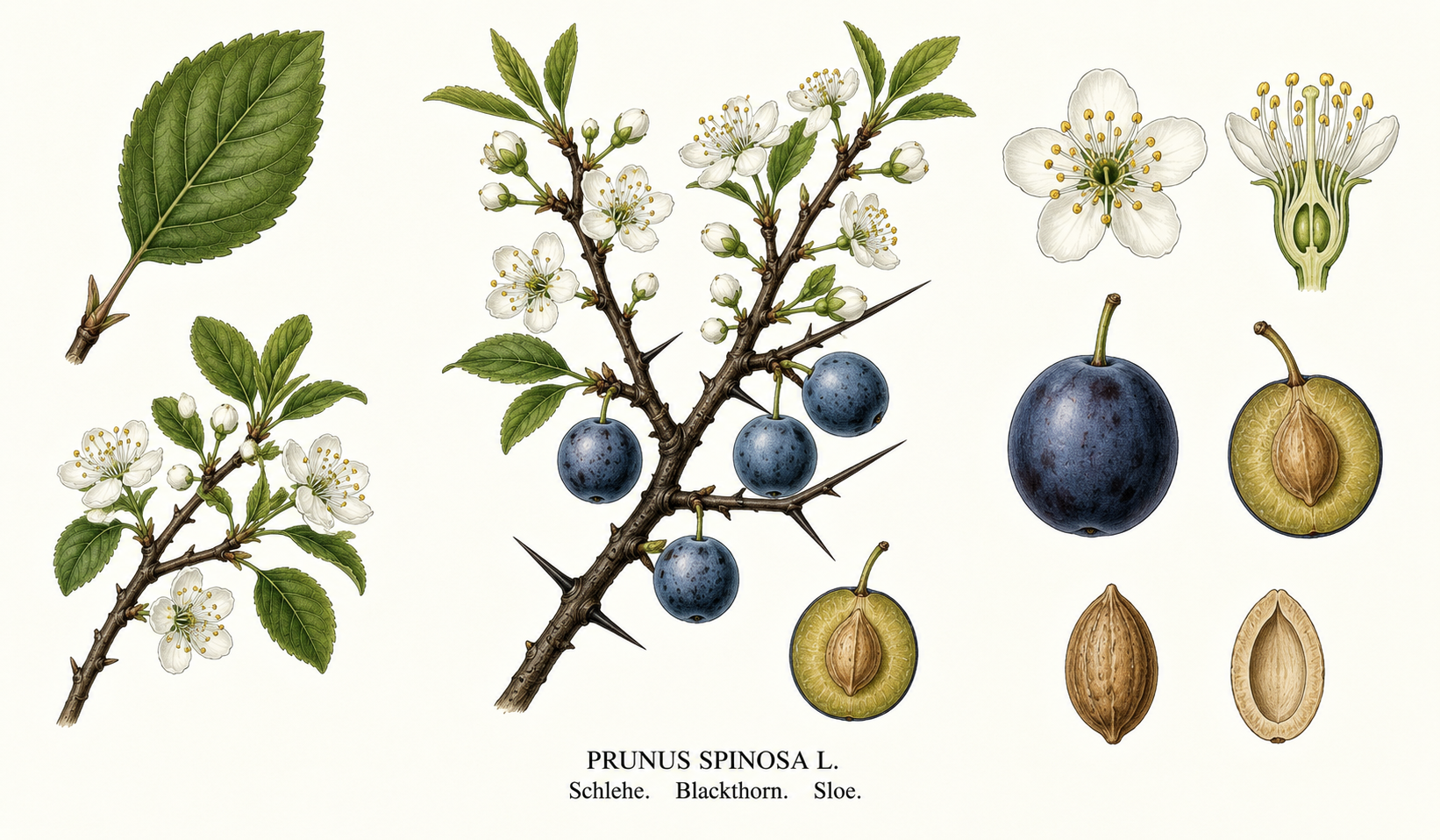
Blackthorn plant card: Woody plants, Rose family, Harvest October - December

Sheep

Blackthorn

do not feedRisk level unknownusually no action neededinsufficient

No reliable species-specific assessment is available. Fruits might be considered in very small amounts as a treat after frost or processing, but leaves and seeds should be avoided due to amygdalin.

Suitable: Fruit (processed or after frost)

Risk parts: Leaves, Seeds

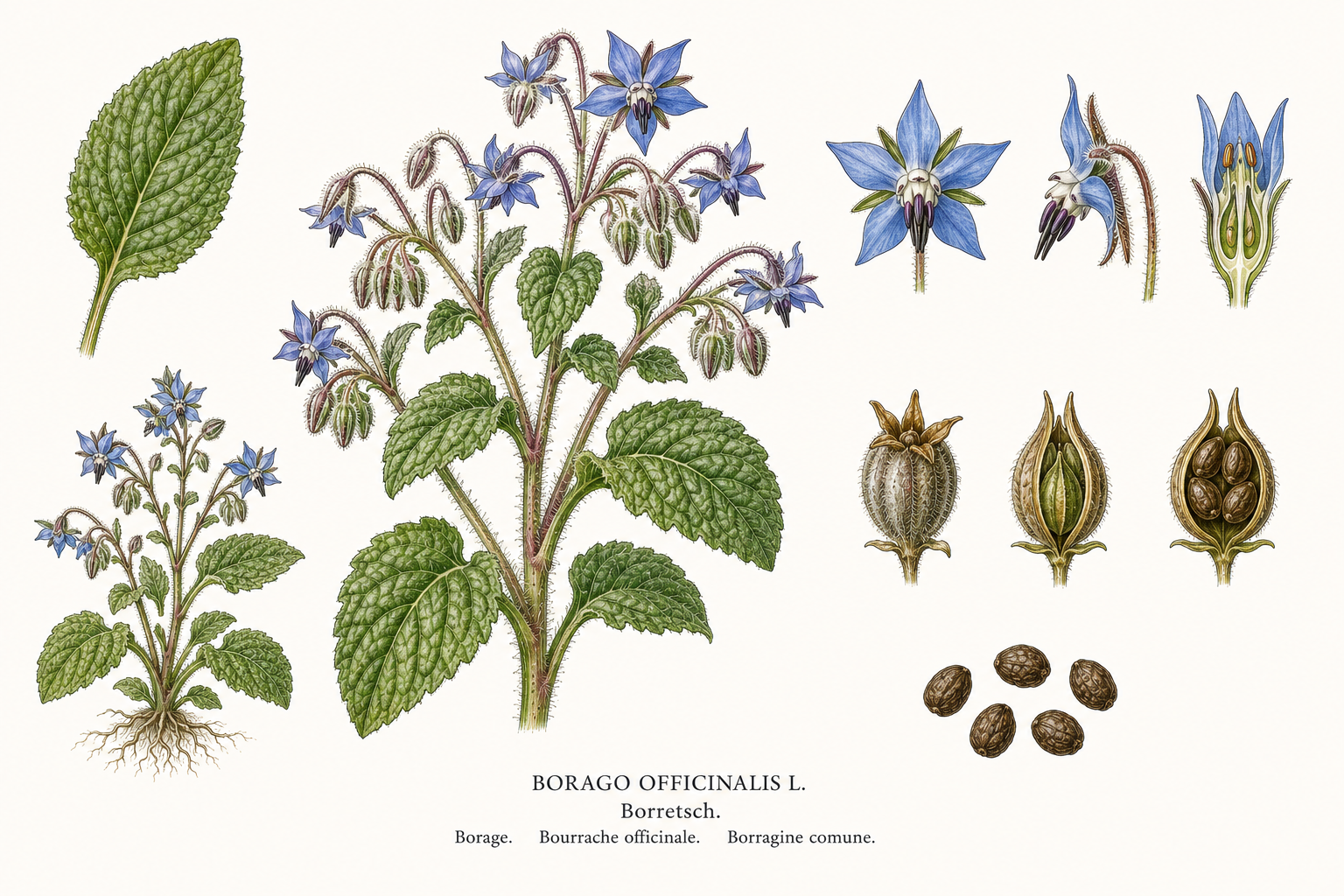
borage plant card: Herbs, borage family, Harvest May - September

Sheep

borage

do not feedRisk level unknownobservelow evidence

Young leaves and flowers are safe in moderation; older parts contain hepatotoxic pyrrolizidine alkaloids. Sheep can eat young leaves as occasional feed but not as primary feed.

Suitable: Young leaves, Flowers

Risk parts: Older leaves, Stems, Seeds

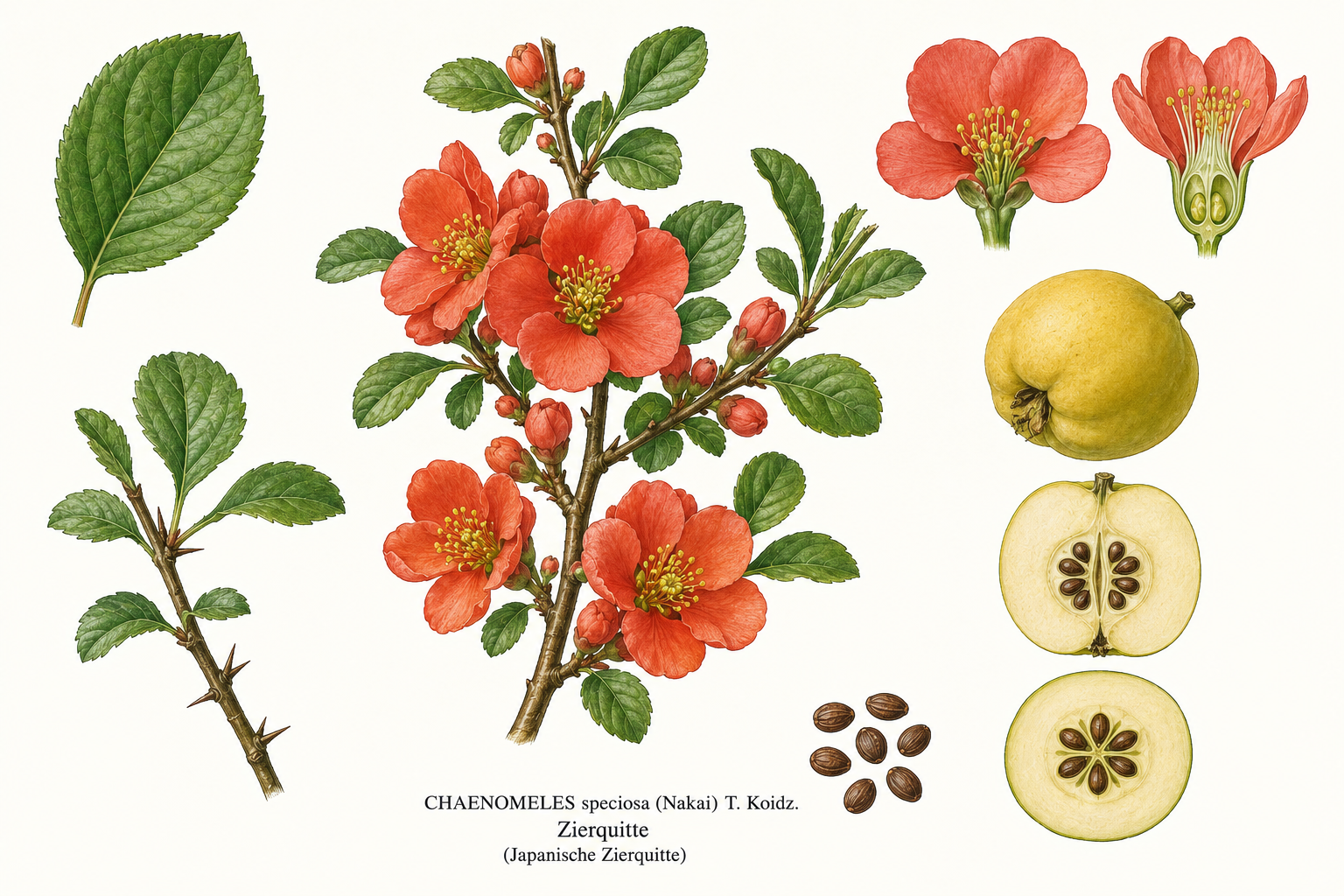
Chaenomeles plant card: Ornamentals, Rose family, full sun

Sheep

Chaenomeles

do not feedRisk level unknownobservelow evidence

Cooked or processed flowering quince fruit can be given to sheep as an occasional treat, but seeds must be removed due to their cyanogenic glycoside content. Raw fruit is unsuitable due to high acidity and hardness. Ingestion of seeds may cause mild to moderate gastrointestinal distress.

Suitable: Fruit (cooked or processed)

Risk parts: Seeds

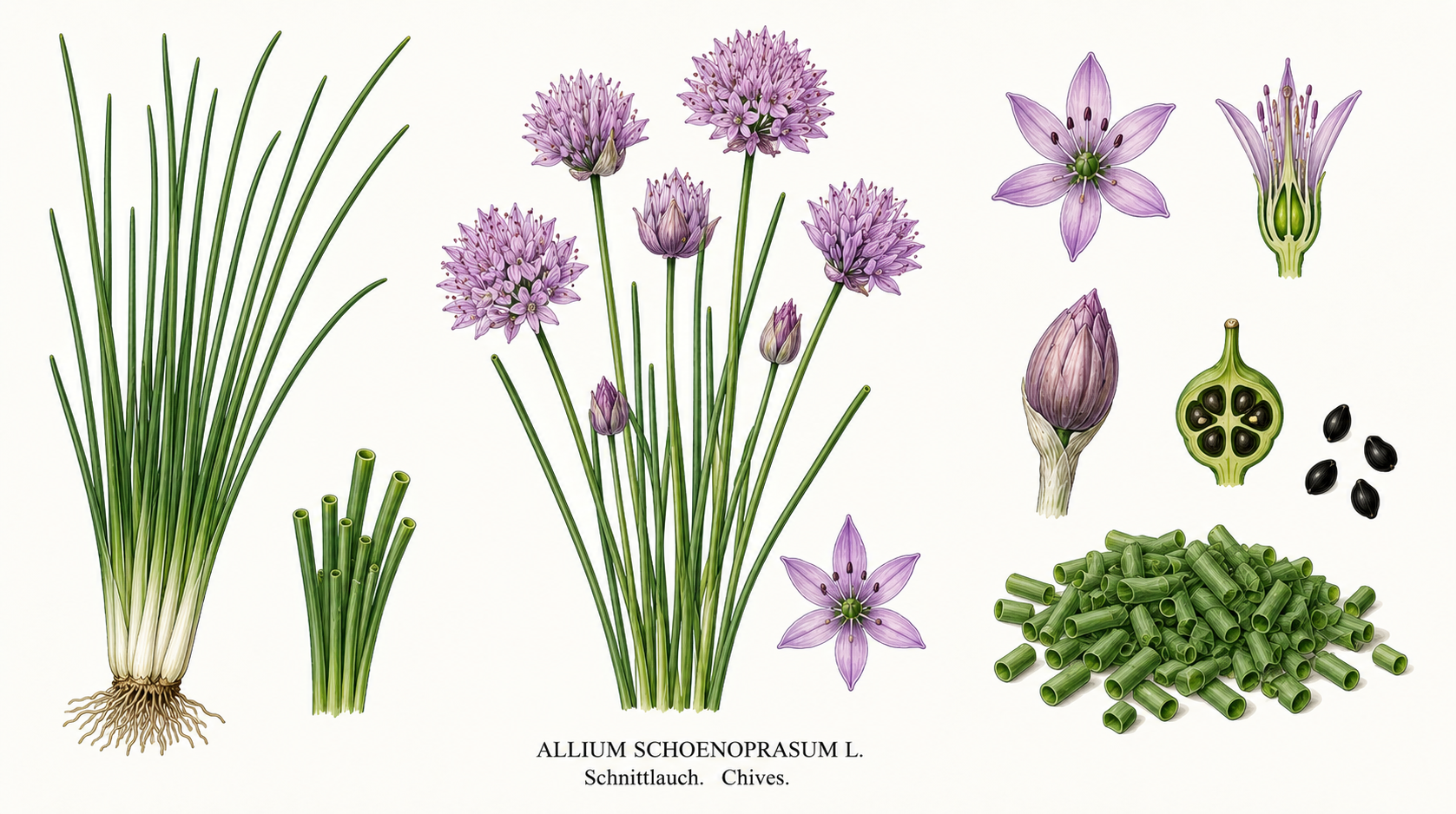
Chives plant card: Vegetables, Amaryllis family, Harvest April - November

Sheep

Chives

do not feedRisk level unknowncontact a vet if symptoms appearlow evidence

Chives contain N-propyl disulfide, which can cause gastrointestinal upset and hemolytic anemia in sheep if consumed in large quantities. Although no species-specific studies are available, a conservative assessment is made based on toxicity in related livestock (horses, cattle) and the known mechanism of action. Leaves and flowers are the toxic parts.

Risk parts: Leaves, Flowers

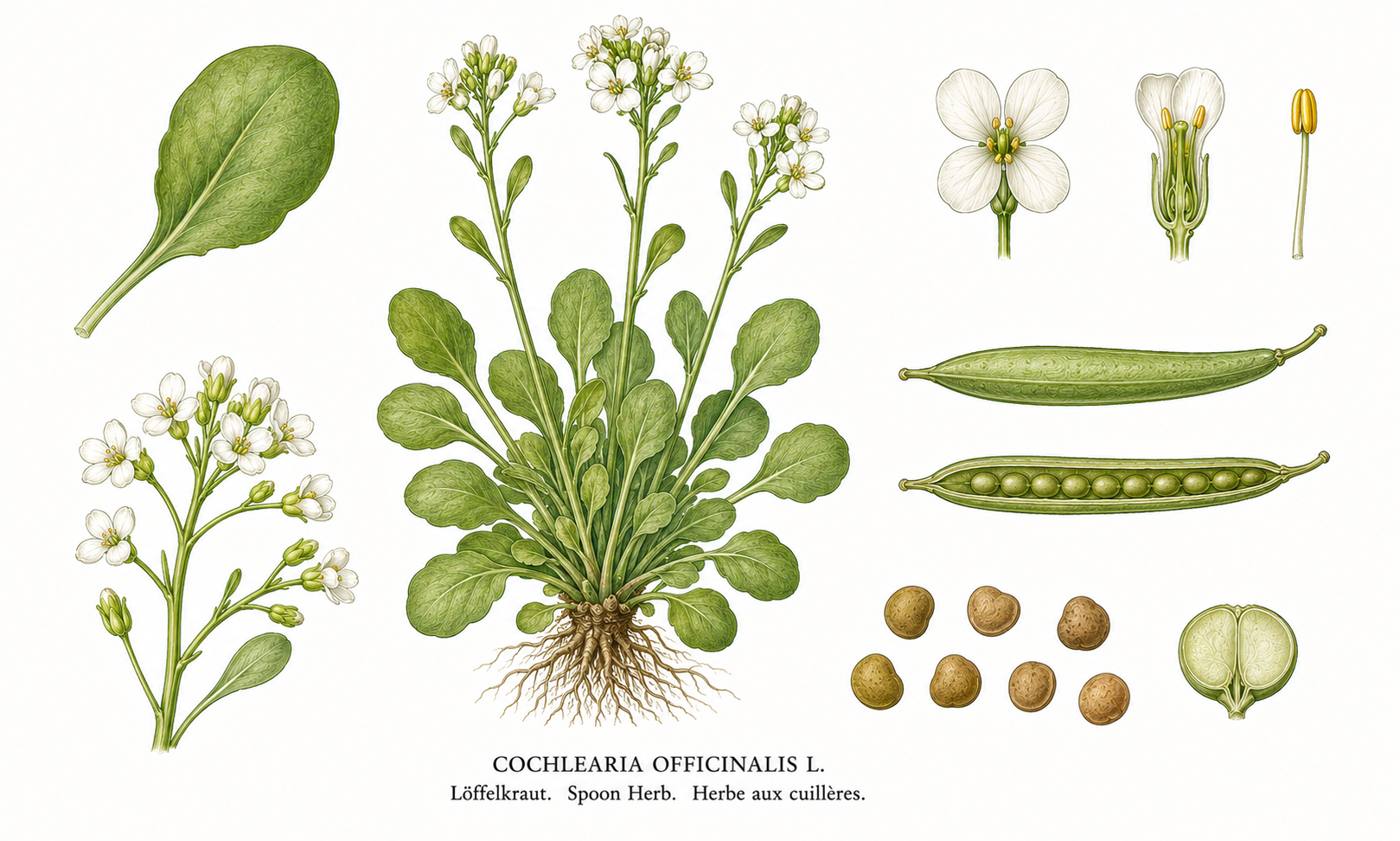
Cochlearia plant card: Mustard family, Harvest March - May, September - November, Direct sowing March - April, August

Sheep

Cochlearia

do not feedRisk level unknownobservelow evidence

Leaves, young shoots, and stems of Cochlearia species are generally edible for sheep and contain valuable vitamin C, but overconsumption may cause gastrointestinal irritation due to mustard oil glycosides. No evidence of severe poisoning in sheep found. Suitable as supplemental feed in moderation.

Suitable: Leaves, Young shoots, Stems

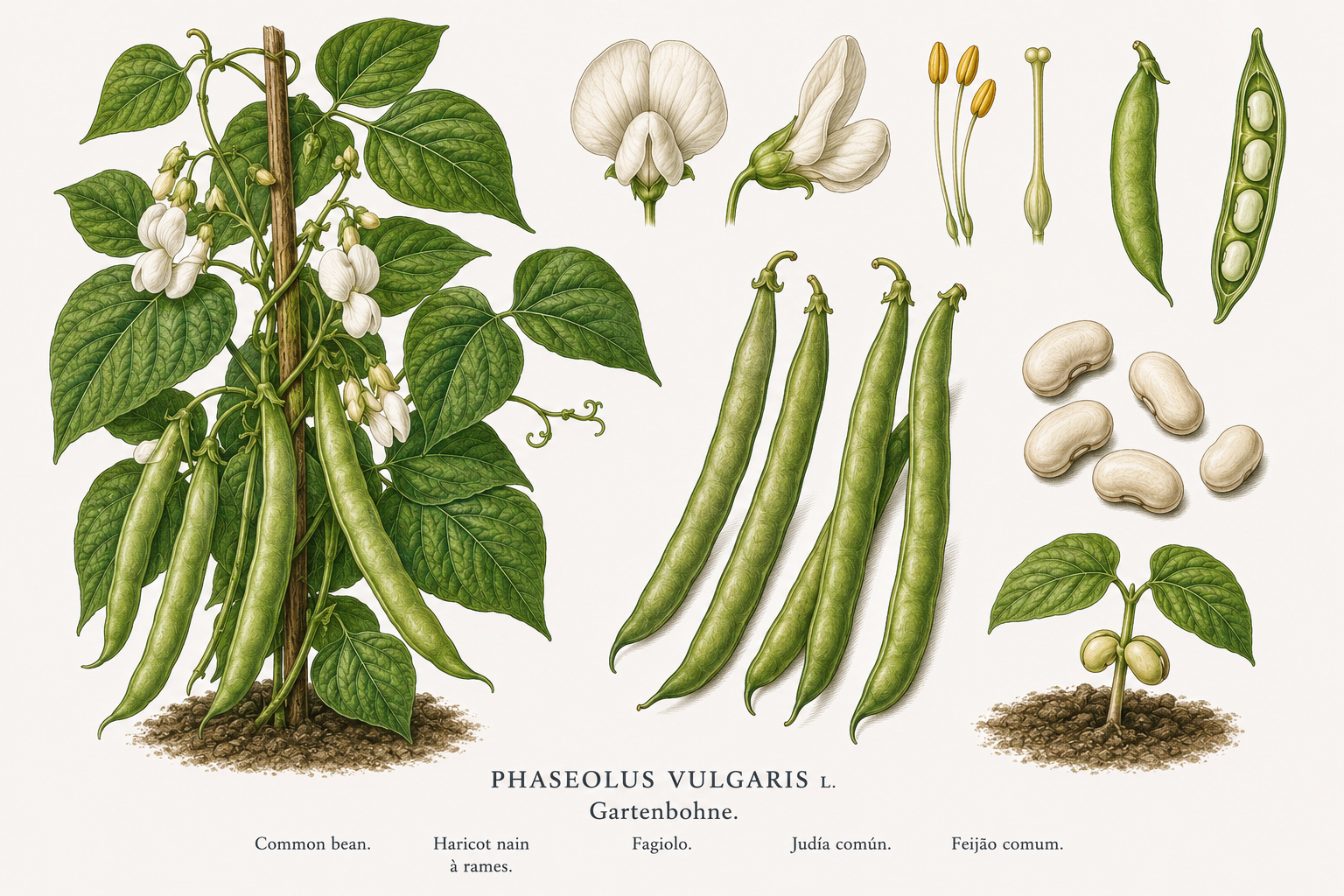
Common bean plant card: Vegetables, Pea family, Harvest July - September

Sheep

Common bean

do not feedRisk level unknowncontact a vet if symptoms appearlow evidence

['Common bean contains the lectin phasin, which causes gastrointestinal distress when raw. Heating destroys the toxin. Sheep can tolerate cooked beans in small amounts, but they should not be used as a primary feed.']

Suitable: cooked pods, cooked seeds

Risk parts: raw pods, raw seeds

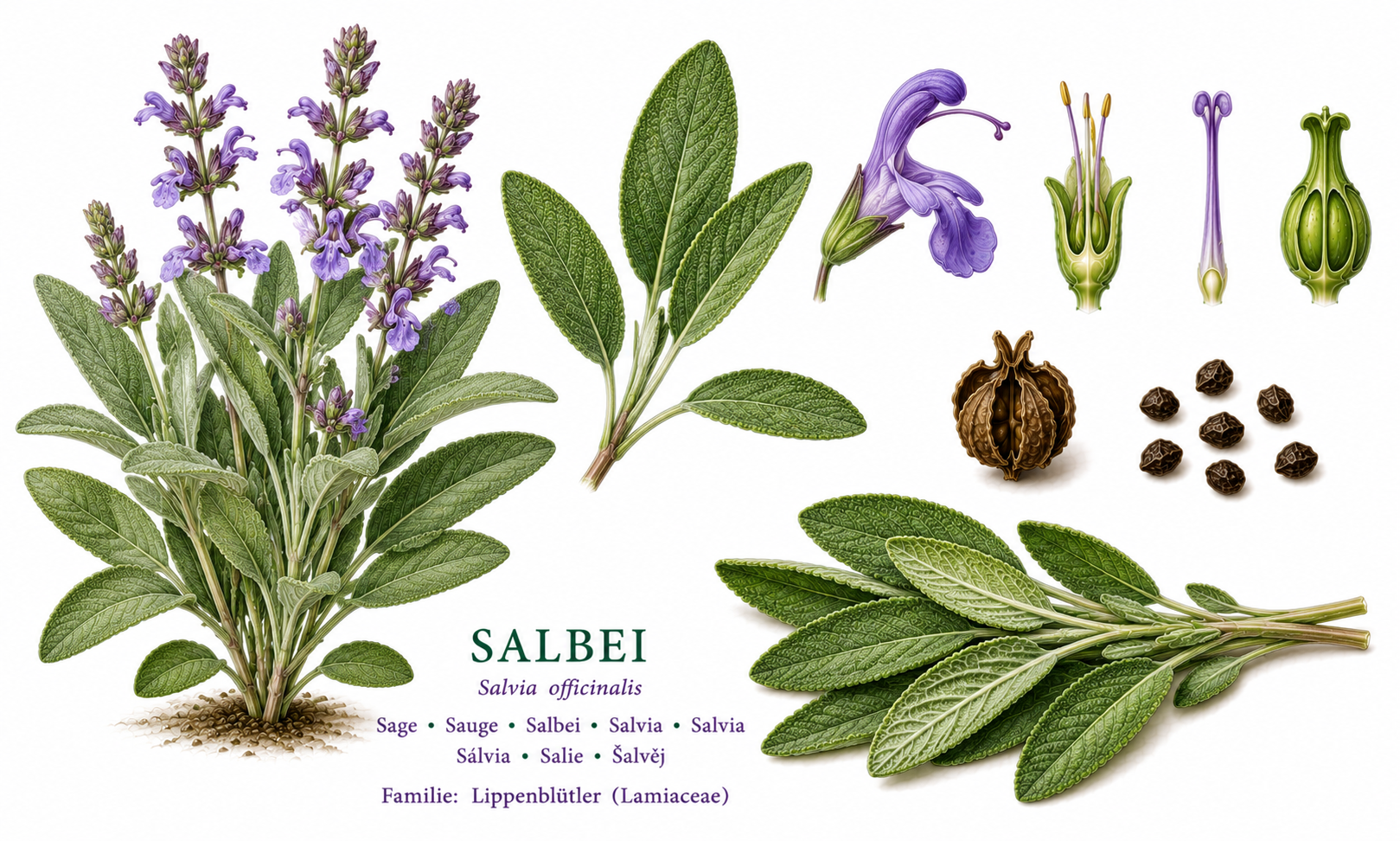
common sage plant card: Herbs, Mint family, Harvest May - October

Sheep

common sage

do not feedRisk level unknowncontact a vet if symptoms appearlow evidence

Sage contains thujone, which can be toxic in high doses. No adverse effects are expected with normal culinary use. Pregnant, lactating sheep and animals with epilepsy should avoid concentrated extracts. Leaves and young shoots can be given in small amounts as supplemental feed.

Suitable: Leaves, Young shoots, Flowers (sparingly)

Risk parts: Concentrated essential oils

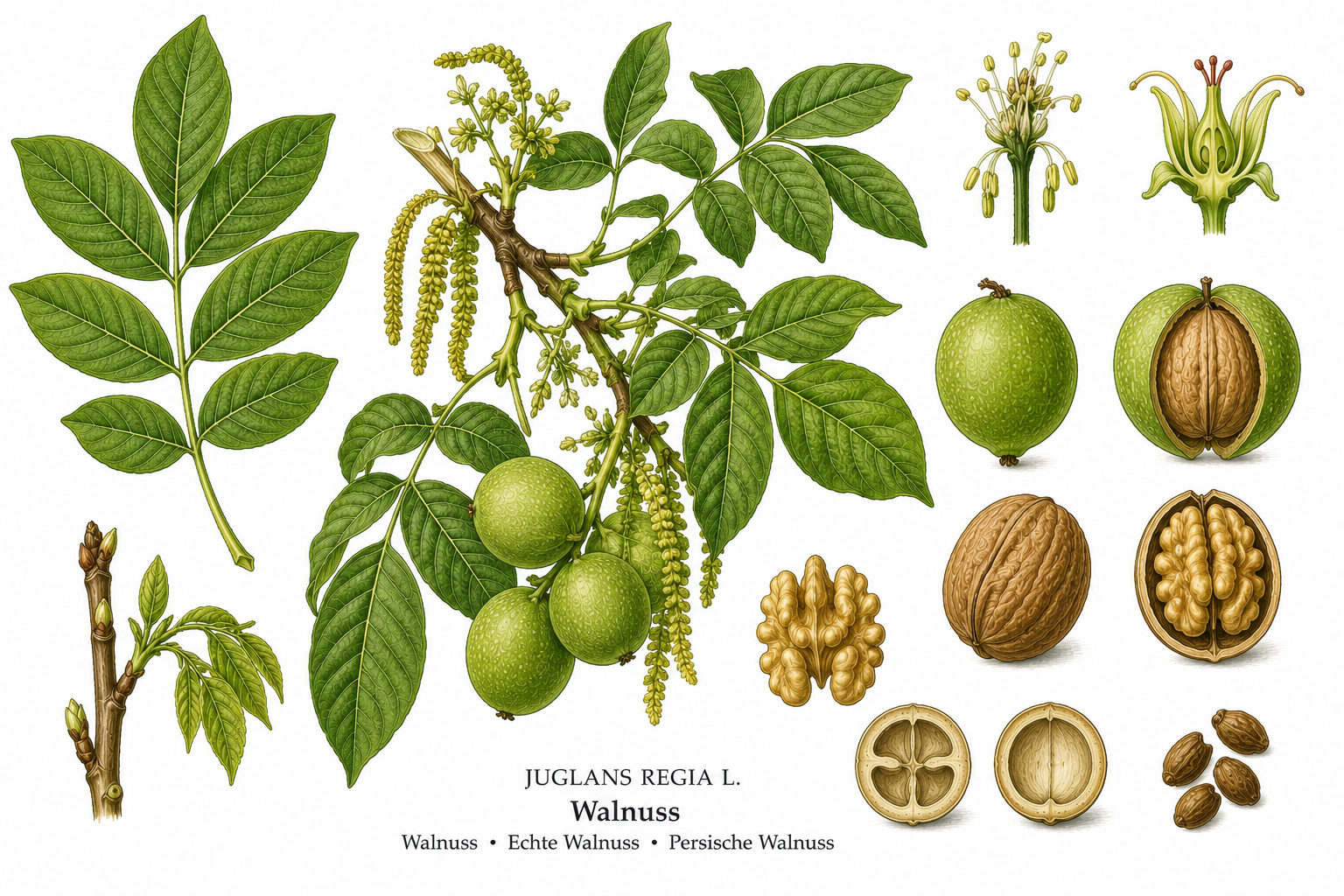
Common Walnut plant card: Nuts, Walnut family, full sun

Sheep

Common Walnut

do not feedRisk level unknownobservelow evidence

The nut kernels of Juglans regia are edible and nutritious for sheep, but other plant parts contain juglone, which can cause gastrointestinal irritation if ingested. Sheep should be restricted to nut kernels only, especially if fallen fruits or leaves are present on pasture. Monitoring is advised if access to non-nut parts exists.

Suitable: Fruit (nut kernel)

Risk parts: Green fruit husks, Leaves, Roots

Curry plant plant card: Herbs, Aster family, Harvest January - December

Sheep

Curry plant

do not feedRisk level unknownobservelow evidence

Leaves and young shoots suitable in small amounts as flavoring, avoid woody stems. Excessive consumption may cause digestive issues. Not suitable as main feed.

Suitable: Leaves, Young shoots

Risk parts: Woody stems

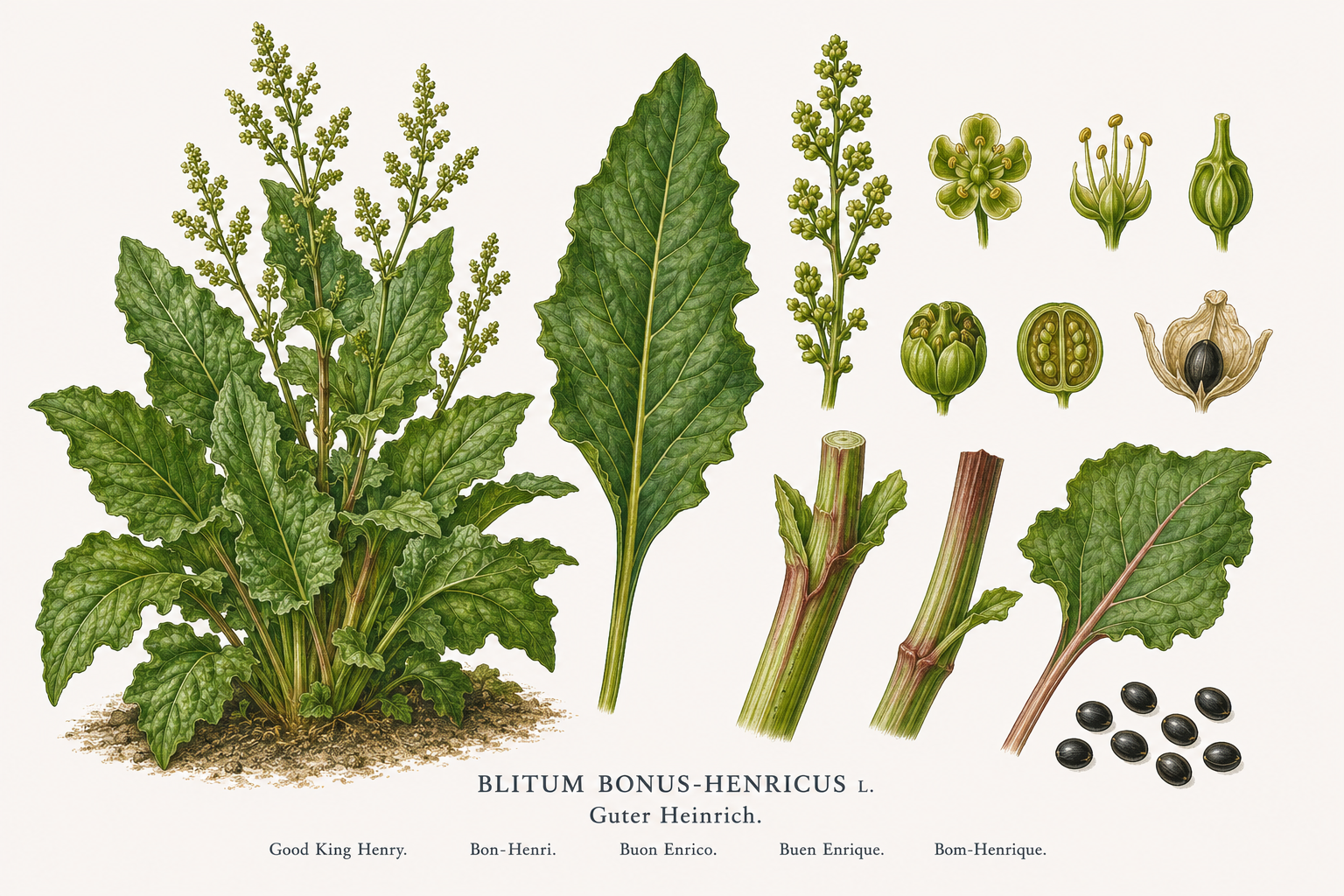
Good King Henry plant card: Vegetables, Amaranths, Harvest April - August

Sheep

Good King Henry

do not feedRisk level unknownobservelow evidence

Leaves, young shoots, and flower spikes are suitable for sheep in moderation. Seeds and older stalks contain higher concentrations of saponins and oxalic acid and may cause gastrointestinal upset. Roots are inedible and should be avoided. Consumption of large amounts may lead to diarrhea. Consult a veterinarian if symptoms persist.

Suitable: leaves, young shoots, flower spikes

Risk parts: seeds, older tough stalks, roots

Ground Ivy plant card: Herbs, Mint family, Harvest March - October

Sheep

Ground Ivy

do not feedRisk level unknowncontact a vet if symptoms appearlow evidence

Ground ivy contains essential oils, tannins, and saponins that can cause gastrointestinal upset in sheep. Although no species-specific sources are available, the plant is toxic to many mammals, especially horses and rodents. Sheep should not have access to fresh ground ivy, particularly not as part of their forage. If ingested, observe and contact a veterinarian if symptoms occur.

Risk parts: Leaves, Flowers, Young shoots

Lemon verbena plant card: Herbs, Verbena family, Harvest May - October

Sheep

Lemon verbena

do not feedRisk level unknownobservelow evidence

No direct species-specific source was found for sheep. This is a cautious inference from the goats profile and the known plant-part risks.

Suitable: Leaves

Risk parts: Stems (very woody), Roots

Oregano plant card: Herbs, Mint family, Harvest June - October

Sheep

Oregano

do not feedRisk level unknownobservelow evidence

Oregano is suitable for sheep in small amounts as supplemental feed, but essential oils may cause gastrointestinal upset if overconsumed. Woody stems should be avoided. Not for use as primary feed. Consult a veterinarian if symptoms persist.

Suitable: Leaves, Flowers, Young shoot tips

Risk parts: Heavily woody stems at the base

potato plant card: Vegetables, nightshade family, Harvest July - October

Sheep

potato

do not feedRisk level unknowncontact a vet if ingestedlow evidence

Solanine in green parts and sprouts can be toxic. Cooked tubers without these parts are safe in moderation.

Suitable: Tuber (ripe, not green, no sprouts)

Risk parts: Green parts of tuber, Sprouts, Leaves, Stems

Rhubarb plant card: Vegetables, Buckwheat family, Harvest April - June

Sheep

Rhubarb

do not feedRisk level unknowncontact a vet if ingestedlow evidence

Leaves and rhizome are toxic to sheep due to high oxalic acid concentration. Leaf stalks are only suitable in small amounts before end of June; thereafter oxalic acid levels increase significantly and pose kidney risk. No species-specific studies exist, but consensus from animal groups and plant toxicology supports conservative classification.

Suitable: Leaf stalks (petioles) until end of June

Risk parts: Leaf blades (high oxalic acid content), Rhizome/Rootstock, Leaf stalks after end of June (high oxalic acid content]

Runner bean plant card: Vegetables, Legumes, Harvest July - October

Sheep

Runner bean

do not feedRisk level unknownunknownlow evidence

No direct species-specific source was found for sheep. This is a cautious inference from the goats profile and the known plant-part risks.

Suitable: cooked pods (young), cooked seeds (mature and immature), flowers

Risk parts: raw seeds, raw pods

Sambucus plant card: Woody plants, Moschatel family, Harvest July - September

Sheep

Sambucus

do not feedRisk level unknownobservelow evidence

Sambucus contains sambunigrin, which can cause gastrointestinal upset when consumed raw. Cooked ripe berries and flowers are tolerable in small amounts. Leaves, stems, and roots are toxic and should be avoided. Sheep may receive cooked berries as an occasional treat, but raw parts are not recommended.

Suitable: Flowers, Ripe berries (cooked)

Risk parts: Raw berries, Leaves, Stems, Roots

Shallot plant card: Vegetables, Amaryllis family, Harvest July - August

Sheep

Shallot

do not feedRisk level unknownobservelow evidence

The bulb is safe for sheep in moderation, while young leaves should be avoided due to potential disulfide content. Excessive consumption may lead to gastrointestinal upset.

Suitable: Bulb

Risk parts: Leaves (young shoots)

Sorbus domestica plant card: Woody plants, Rose family, Harvest September - October

Sheep

Sorbus domestica

do not feedRisk level unknowncontact a vet if symptoms appearlow evidence

The ripe, bletted fruit of the service tree is tolerable in small amounts after bletting but contains astringent tannins. Unripe fruits, seeds, leaves, and bark contain cyanogenic glycosides that can cause gastrointestinal upset in sheep if consumed in excess. No specific sheep studies available, but conservative classification based on plant toxic compounds and known effects in ruminants.

Suitable: Fruit (after bletting)

Risk parts: Unripe/unbletted fruits, Seeds, Leaves, Bark

Sorrel plant card: Vegetables, Knotweed family, Harvest April - October

Sheep

Sorrel

do not feedRisk level unknownunknowninsufficient

No reliable species-specific assessment is available.

Suitable: Leaves (young and tender)

tarragon plant card: Herbs, Daisy family, Harvest May - October

Sheep

tarragon

do not feedRisk level unknownobservelow evidence

Tarragon contains estragole and essential oils that may cause gastrointestinal upset in sheep if consumed excessively. Culinary amounts are likely safe, but it is not suitable as feed.

Risk parts: Leaves, Young shoots

Tree spinach plant card: Leafy vegetables, Amaranth family, Harvest June - October

Sheep

Tree spinach

do not feedRisk level unknowncontact a vet if symptoms appearlow evidence

No direct species-specific source was found for sheep. This is a cautious inference from the goats profile and the known plant-part risks.

Risk parts: leaves, young shoots, seeds, stems

Winter Heath Onion plant card: Vegetables, Amaryllis family, Harvest March - November

Sheep

Winter Heath Onion

do not feedRisk level unknowncontact a vet if symptoms appearlow evidence

Edible parts (leaves, young shoots, thickened stems, flowers) are safe for sheep in moderation but contain thiosulfates that may cause gastrointestinal upset if overconsumed. Root fibers and dry leaf sheaths should be avoided. Sheep are ruminants and can tolerate Allium species better than monogastric animals, but caution is still advised.

Suitable: Leaves, young shoots, thickened stems, flowers

Risk parts: Root fibers, dry leaf sheaths

Winter Savory plant card: Herbs, Mint family, Harvest March - December

Sheep

Winter Savory

do not feedRisk level unknowncontact a vet if symptoms appearlow evidence

Winter Savory contains essential oils that can cause gastrointestinal upset if consumed in excessive quantities. It is not a typical forage for sheep and should not be offered as such.

Risk parts: Whole plant (especially with excessive consumption)

Yarrow plant card: Ornamentals, Aster family, Harvest May - September

Sheep

Yarrow

do not feedRisk level unknowncontact a vet if symptoms appearlow evidence

Yarrow contains glycoalkaloids and sesquiterpene lactones that can cause gastrointestinal upset and skin irritation in sheep. While not classified as highly toxic, ingestion is not recommended due to potential mild to moderate toxicity. Young leaves and flowers are occasionally used in very small amounts as herbs, but routine feeding should be avoided.

Risk parts: Leaves, Flowers, Stems

Apricot plant card: Fruit, Rose family, Harvest July - August

Sheep

Apricot

selected parts onlyRisk level 4 / 5contact a vet if ingestedlow evidence

While the flesh of apricots is safe for human consumption, the leaves, stems, and especially the stone contain cyanogenic glycosides, which can cause poisoning in ruminants like sheep. The risk is particularly high when the plant material is wilting. Feeding sheep apricot plants is not recommended.

Suitable: Flesh (in very small amounts as a treat, but not recommended)

Risk parts: Leaves, Stems, Seeds, Stone

Sheep

Restricted use

Plant part, amount, maturity, or animal condition matter here.

32 Plants

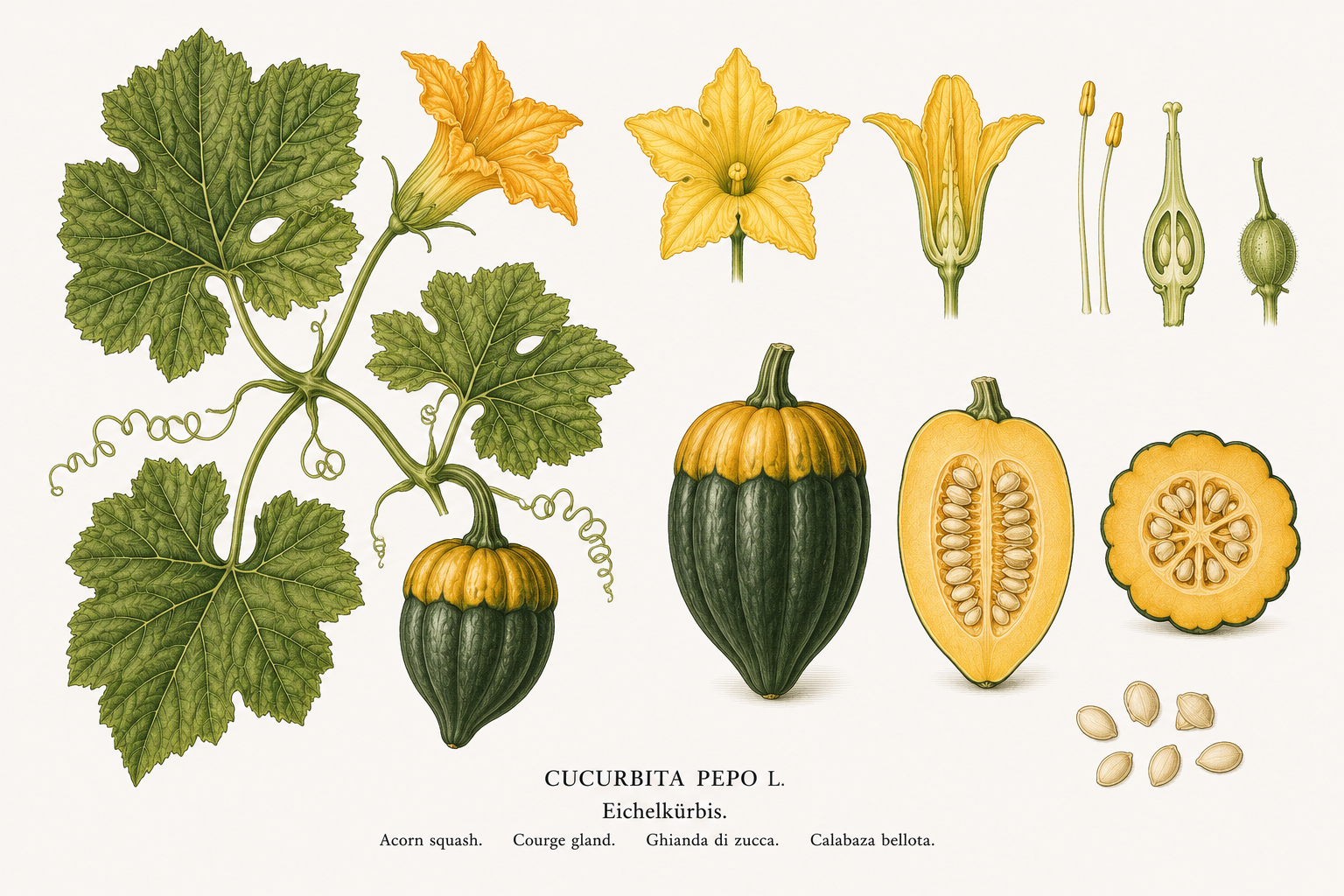
Acorn Squash plant card: Vegetables, Gourd family, Harvest September - November

Sheep

Acorn Squash

selected parts onlyRisk level unknownobservelow evidence

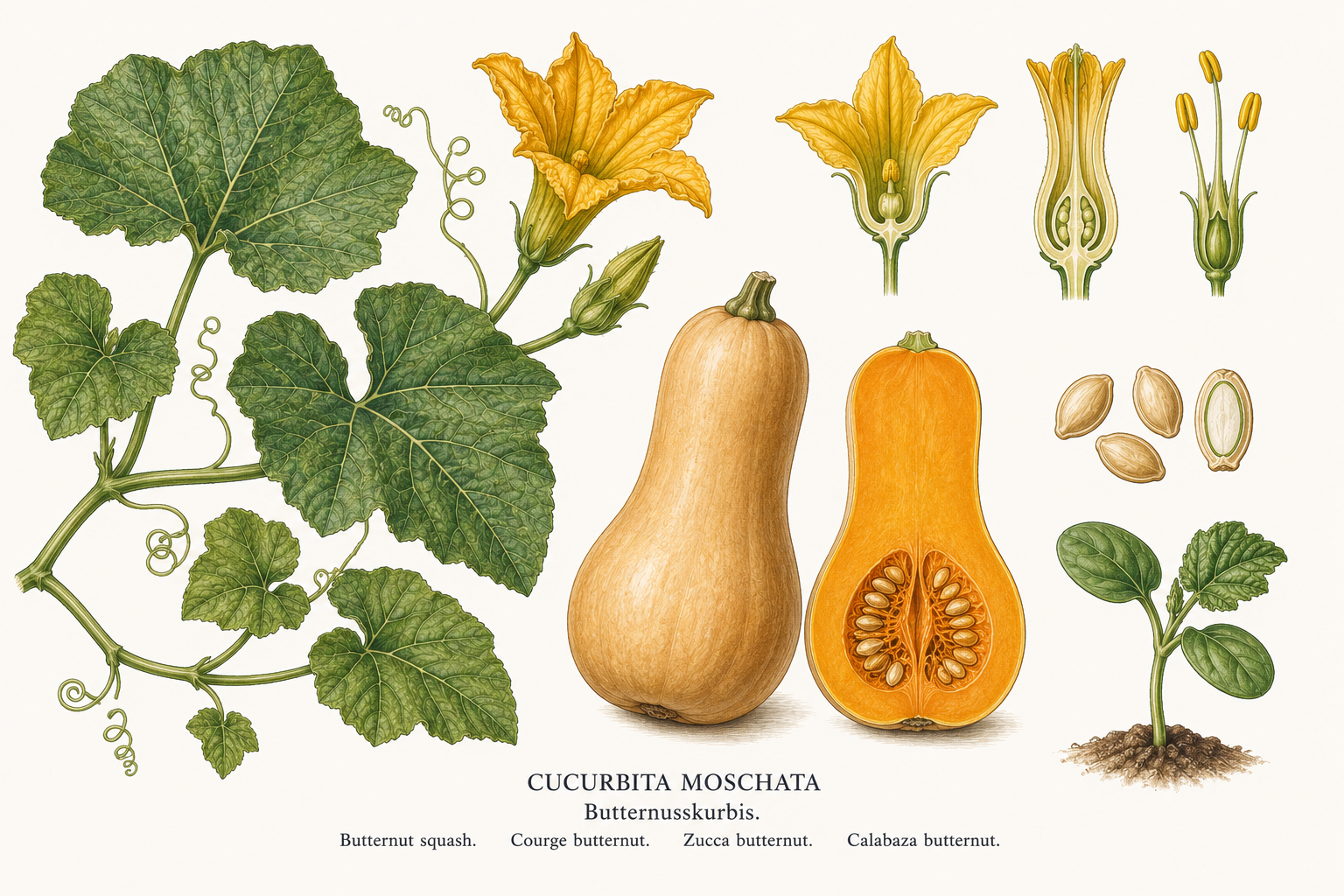
The flesh of acorn squash is safe for sheep in small amounts and can be fed as an occasional treat. Raw flesh may be difficult to digest. Seeds contain cucurbitacins, which can cause gastrointestinal irritation if consumed in excess. Leaves and stems should be avoided.

Suitable: Flesh

Risk parts: Leaves, Stems, Seeds (raw)

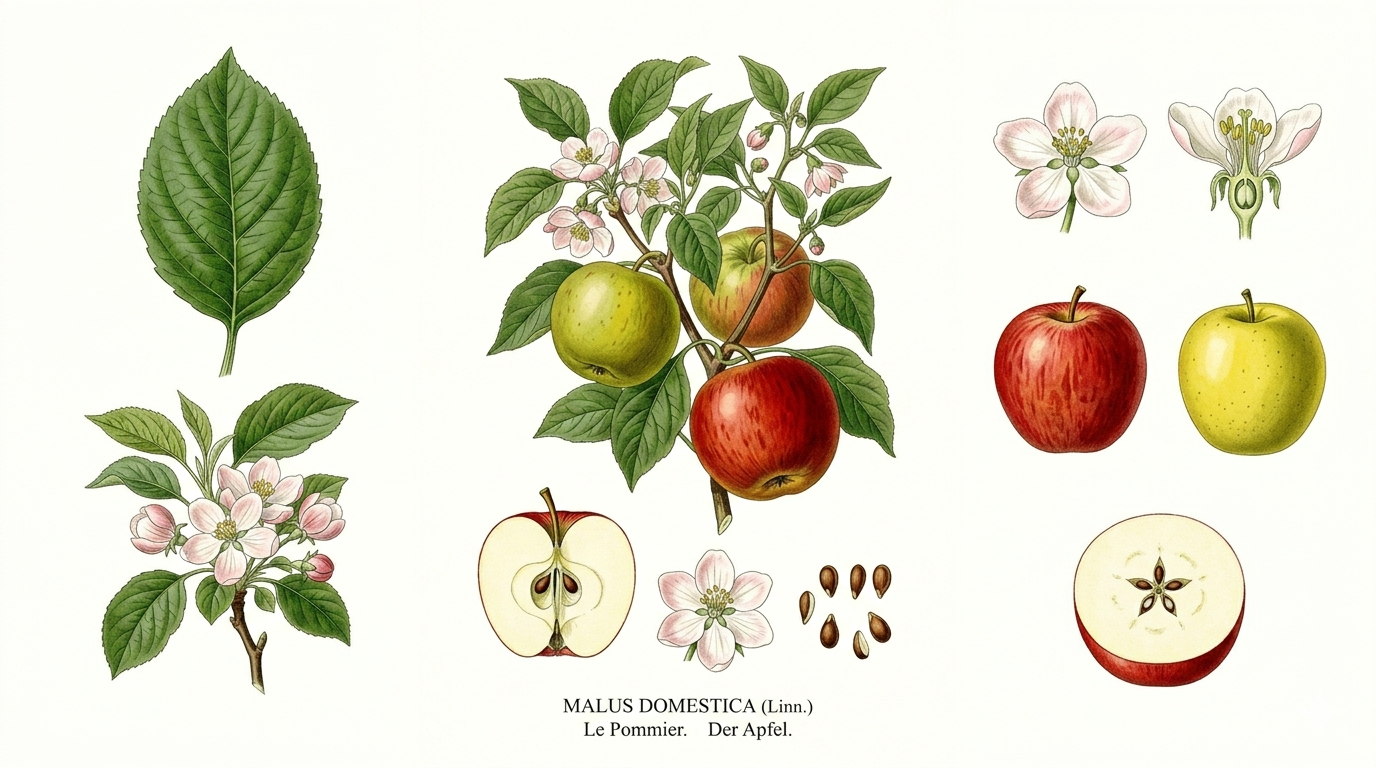
Apple plant card: Fruit, Rose family, full sun

Sheep

Apple

selected parts onlyRisk level unknownemergency vet immediatelylow evidence

Apple flesh and peel (untreated) can be offered to sheep in moderation as a treat. However, seeds, leaves, stems, and especially wilted plant material contain cyanogenic glycosides, which can be metabolized into cyanide and are highly toxic. Sheep should not have access to these plant parts.

Suitable: Fruit flesh (without seeds), Peel (for untreated fruit)

Risk parts: Seeds, Leaves, Stems, Wilted plant material

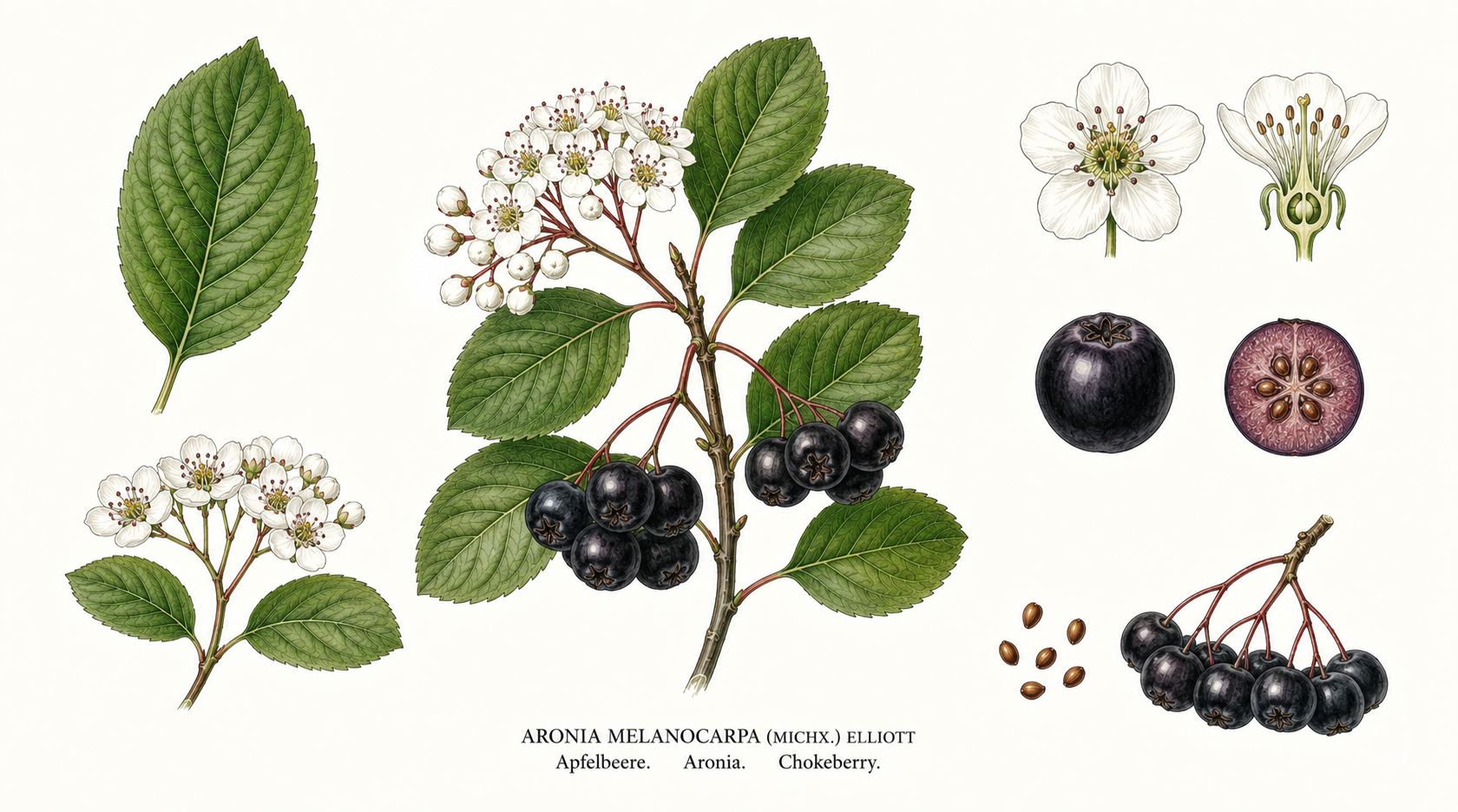
Aronia plant card: Woody plants, Rose family, Harvest August - October

Sheep

Aronia

selected parts onlyRisk level unknownobservelow evidence

No direct species-specific source was found for sheep. This is a cautious inference from known plant-part risks (tannins, cyanogenic glycosides in seeds/leaves) and the general non-toxicity of the fruits for other species.

Suitable: Ripe fruits (in small quantities)

Risk parts: Unripe fruits, Leaves, Stems, Seeds

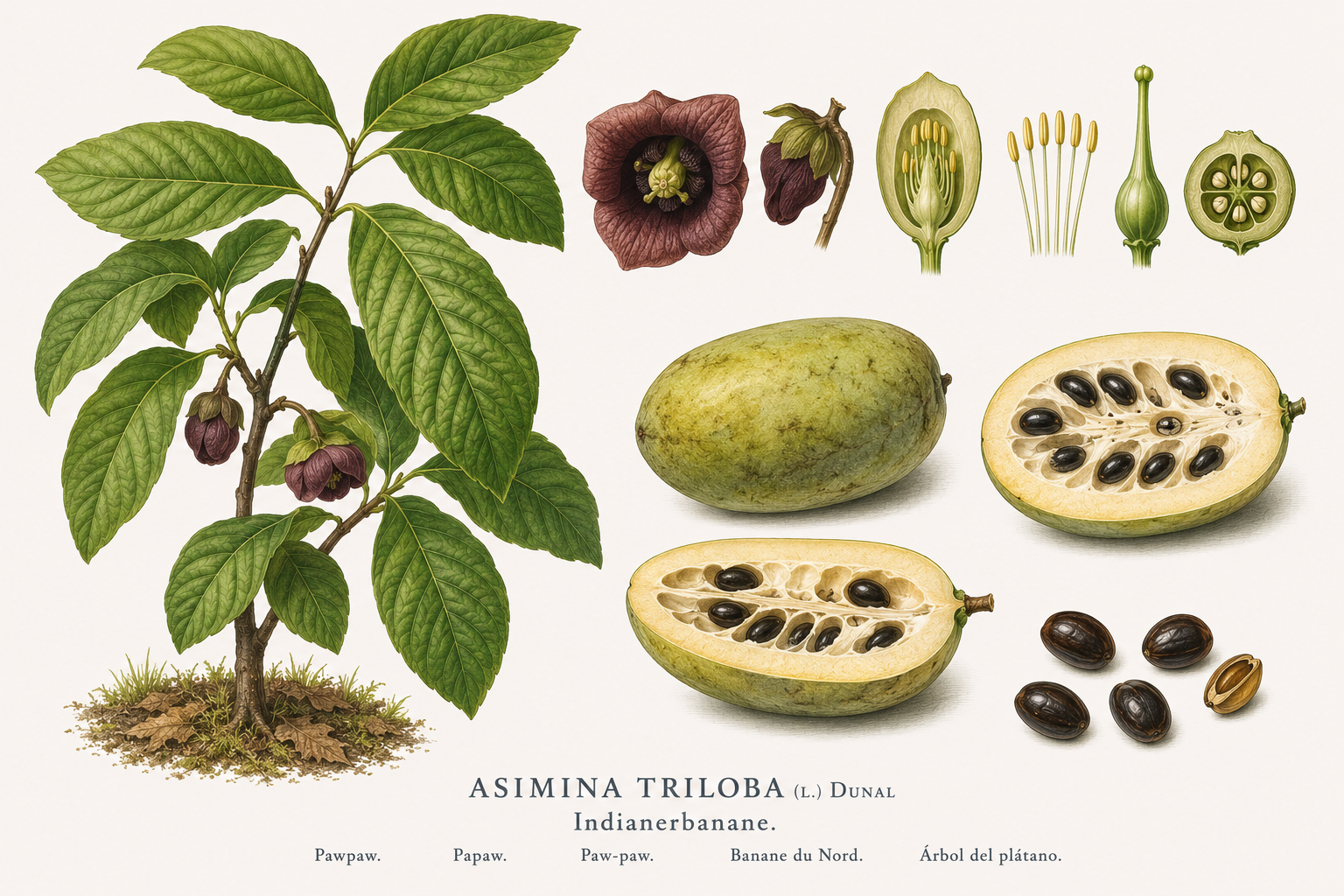
Asimina triloba plant card: Fruit, Annonaceae, Sunny to partial shade

Sheep

Asimina triloba

selected parts onlyRisk level unknownobservelow evidence

The flesh of ripe fruits is safe for sheep and can be fed as an occasional treat. The seeds and unripe fruits contain alkaloids and should be avoided.

Suitable: Flesh (fully ripe)

Risk parts: Seeds, Unripe fruits

chili pepper plant card: Vegetables, Nightshade family, full sun, warm, sheltered

Sheep

chili pepper

selected parts onlyRisk level unknowncontact a vet if symptoms appearlow evidence

Sheep should eat chili peppers in moderation only, as the seeds, leaves, and stems are toxic.

Suitable: ripe and unripe fruits

Risk parts: seeds, leaves, stems

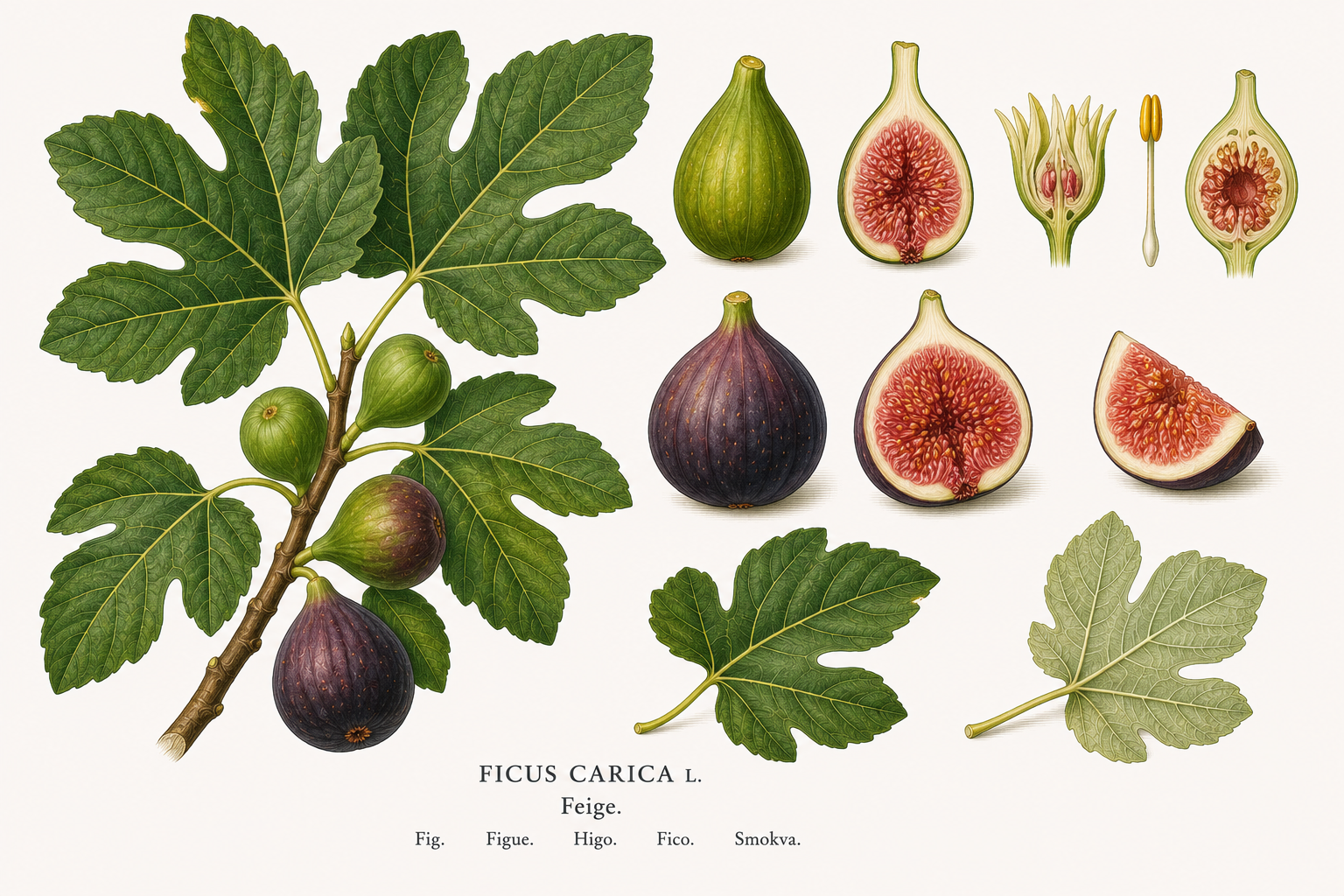
Common Fig plant card: Fruit, Mulberry family, Harvest August - November

Sheep

Common Fig

selected parts onlyRisk level unknownunknowninsufficient

No reliable species-specific assessment is available.

Suitable: ripe syconium (fruit flesh including skin)

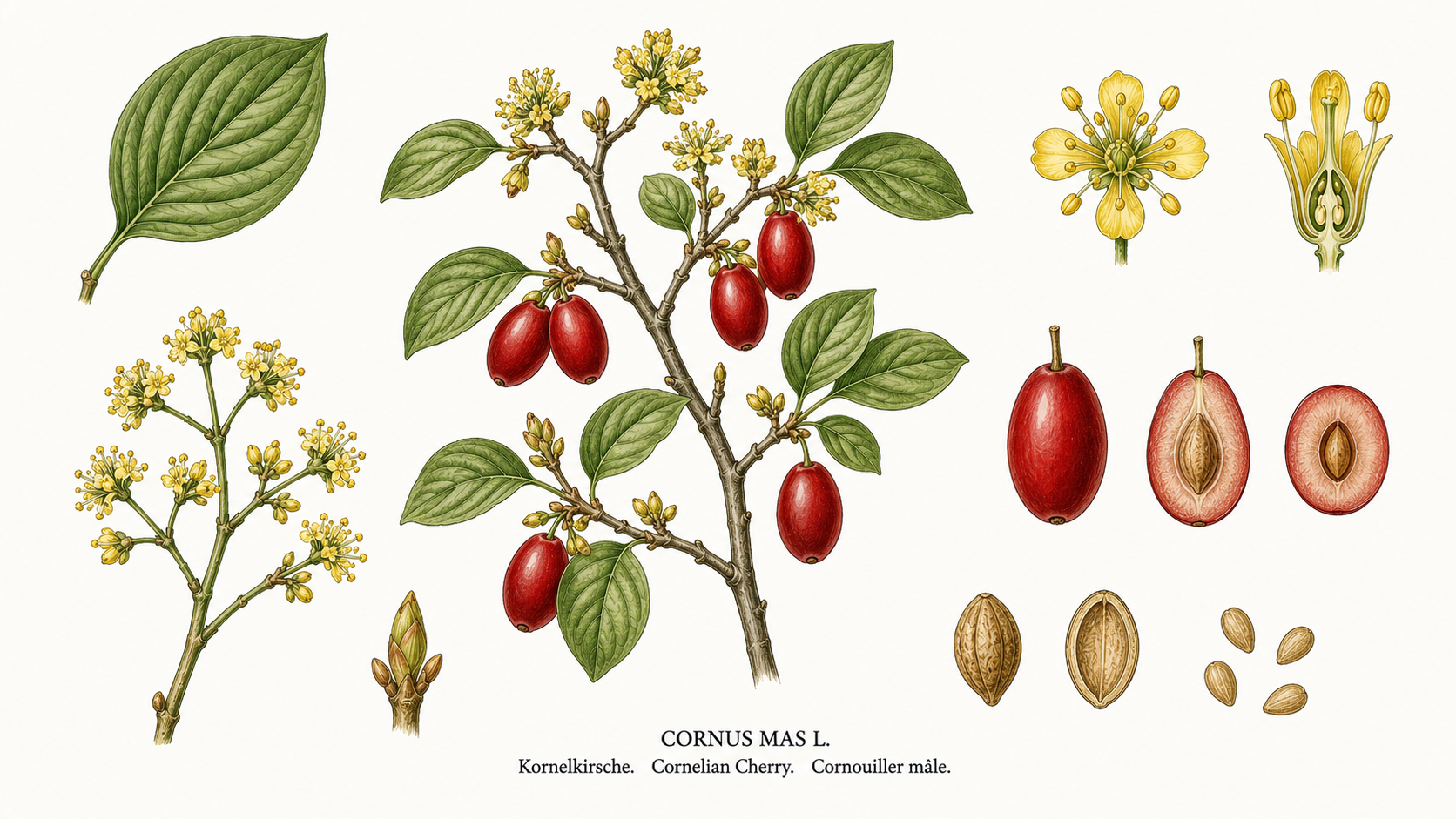
Cornelian cherry plant card: Nuts, Dogwood family, Harvest August - September

Sheep

Cornelian cherry

selected parts onlyRisk level unknownobservelow evidence

Fruit pulp of ripe Cornelian cherry is suitable for sheep in small amounts as a treat. Seeds are indigestible and may cause gastrointestinal upset. Leaves contain fine hairs that may cause irritation in sensitive animals. No known toxic compounds in the plant.

Suitable: Fruit pulp

Risk parts: Seeds, Leaves

Damson plum plant card: Fruit, Rose family, Harvest July - October

Sheep

Damson plum

selected parts onlyRisk level unknowncontact a vet if ingestedlow evidence

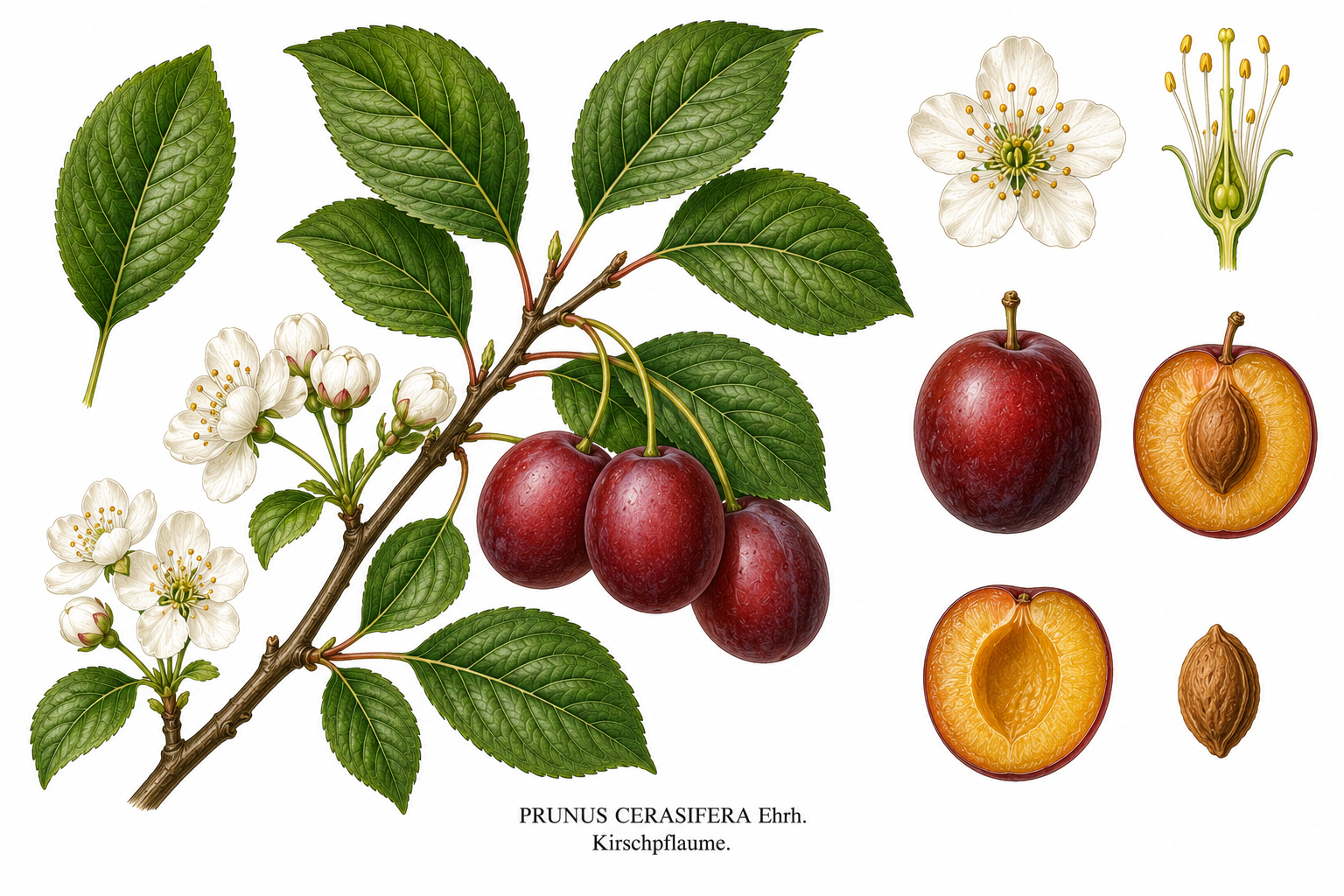
The fruit flesh of the damson plum is safe for sheep and can be given as a treat. Pits, leaves, and bark contain amygdalin, which releases cyanide when metabolized and is toxic. Feed only pitted fruit flesh.

Suitable: Fruit flesh

Risk parts: Seed/pit (contains cyanogenic glycosides), Leaves, Bark

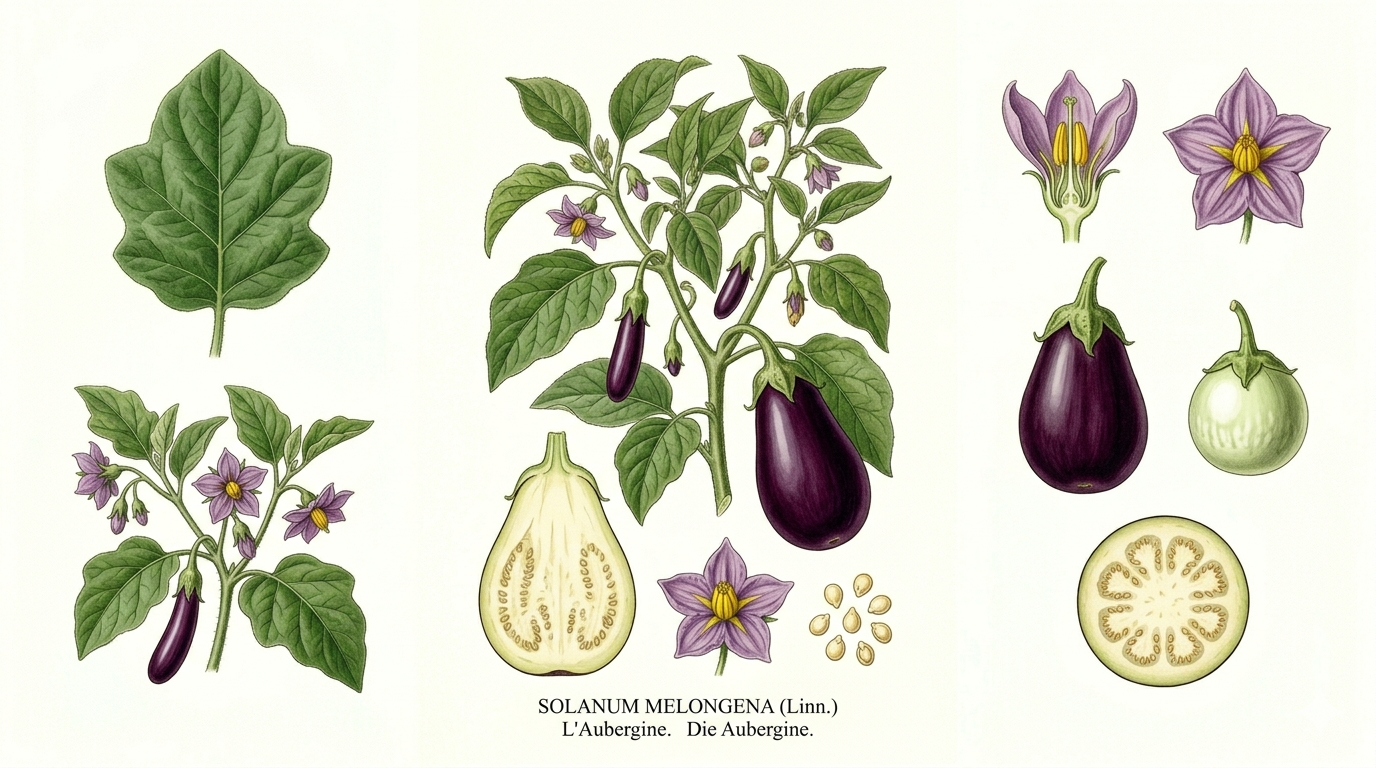
Eggplant plant card: Vegetables, Nightshade family, Harvest July - October

Sheep

Eggplant

selected parts onlyRisk level unknownobservelow evidence

Ripe fruits are likely safe in small amounts for sheep but not suitable as a primary feed. Green plant parts and unripe fruits contain solanine and are toxic. There is no direct evidence for sheep, but classification is based on known solanine toxicity and general plant use.

Suitable: Ripe fruit (in moderation)

Risk parts: Leaves, Stems, Unripe fruits, Green plant parts

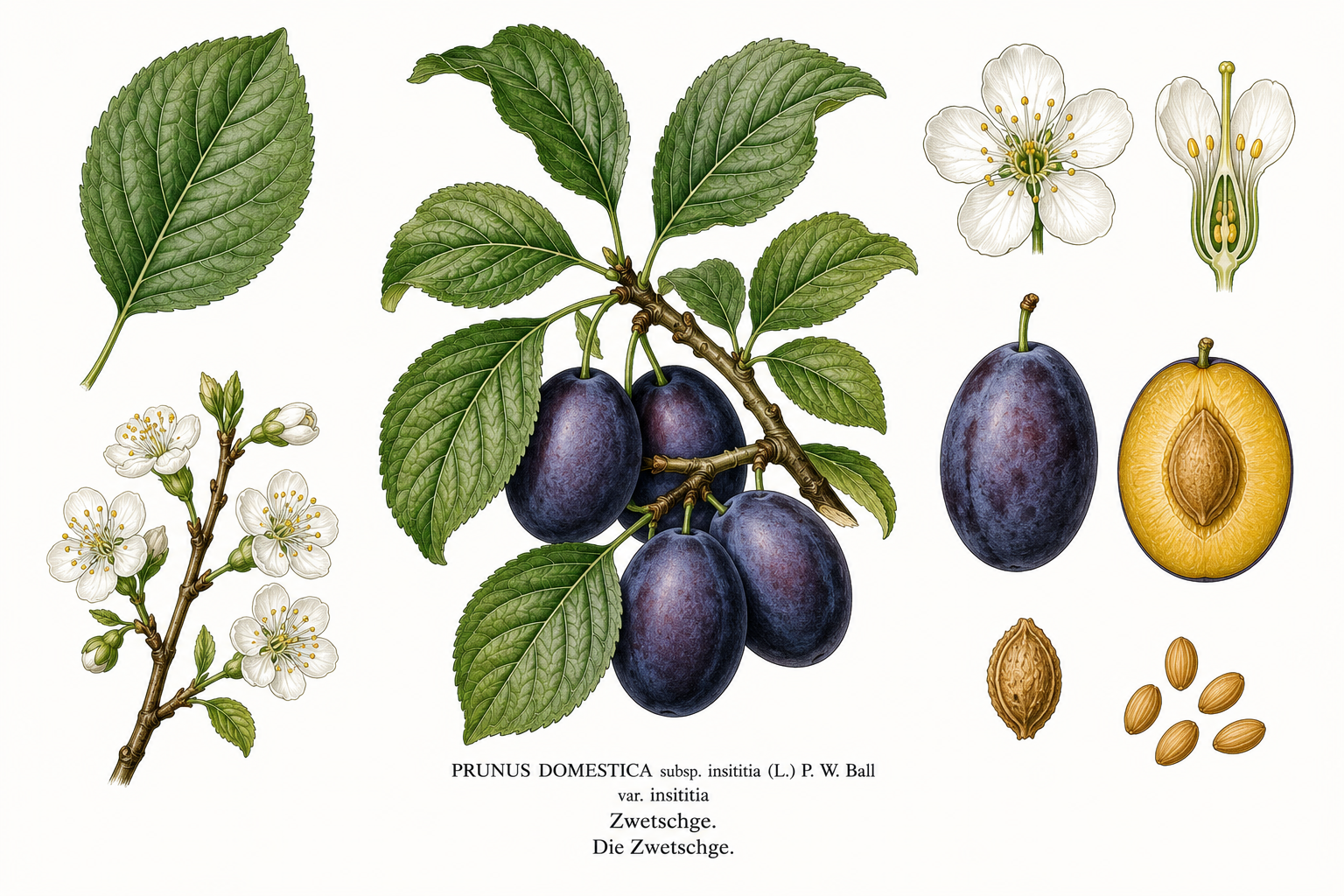
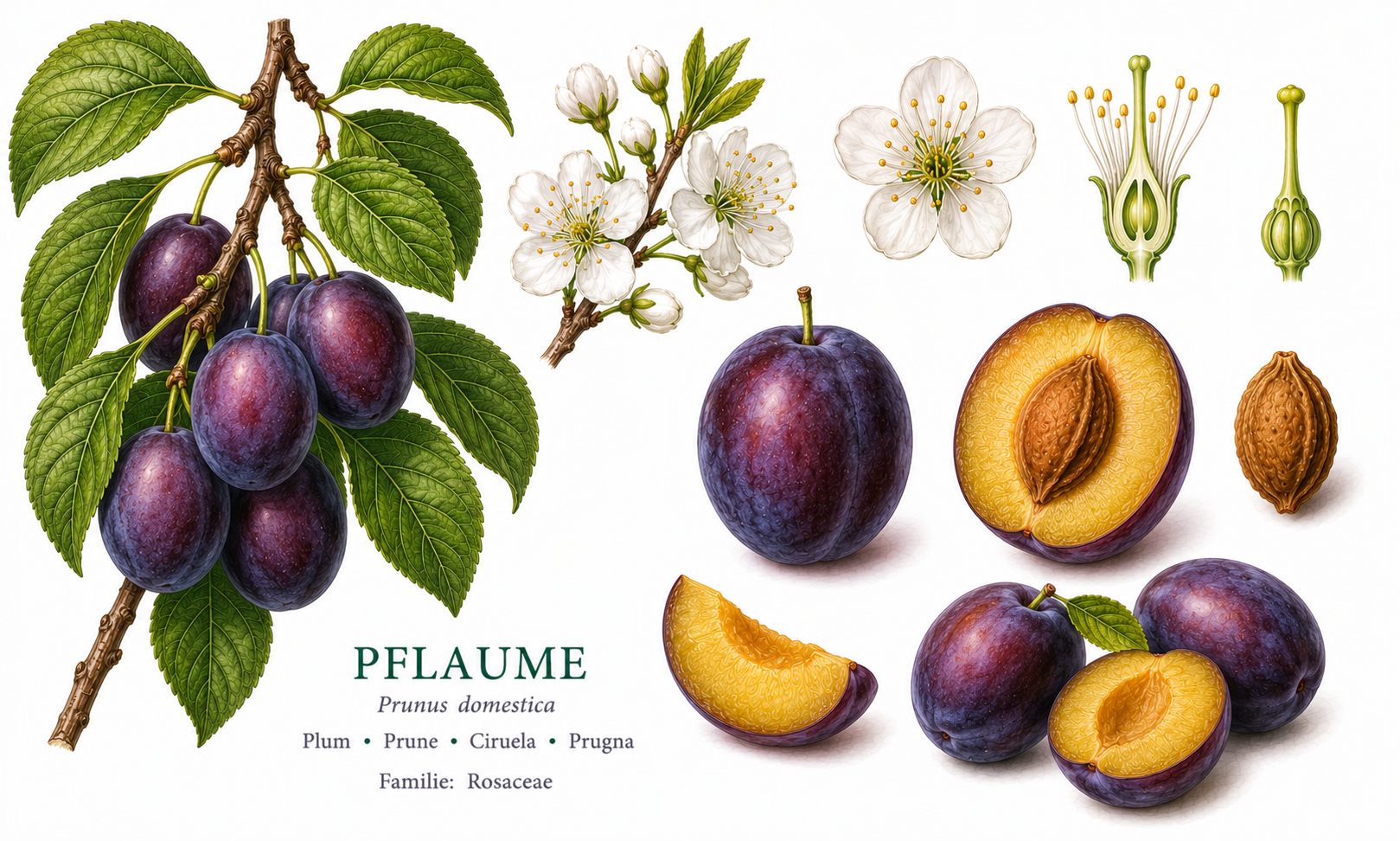
European Plum plant card: Fruit, Rose family, Harvest July - October

Sheep

European Plum

selected parts onlyRisk level unknowncontact a vet if ingestedlow evidence

The fruit flesh of plum is generally safe for sheep in moderation, however pits, leaves, and bark contain amygdalin which can release hydrogen cyanide. Consumption of large amounts of hazardous parts poses poisoning risk. Offer only pit-free fruit flesh as an occasional treat.

Suitable: Fruit flesh, Skin

Risk parts: Seeds (pit), Leaves, Bark

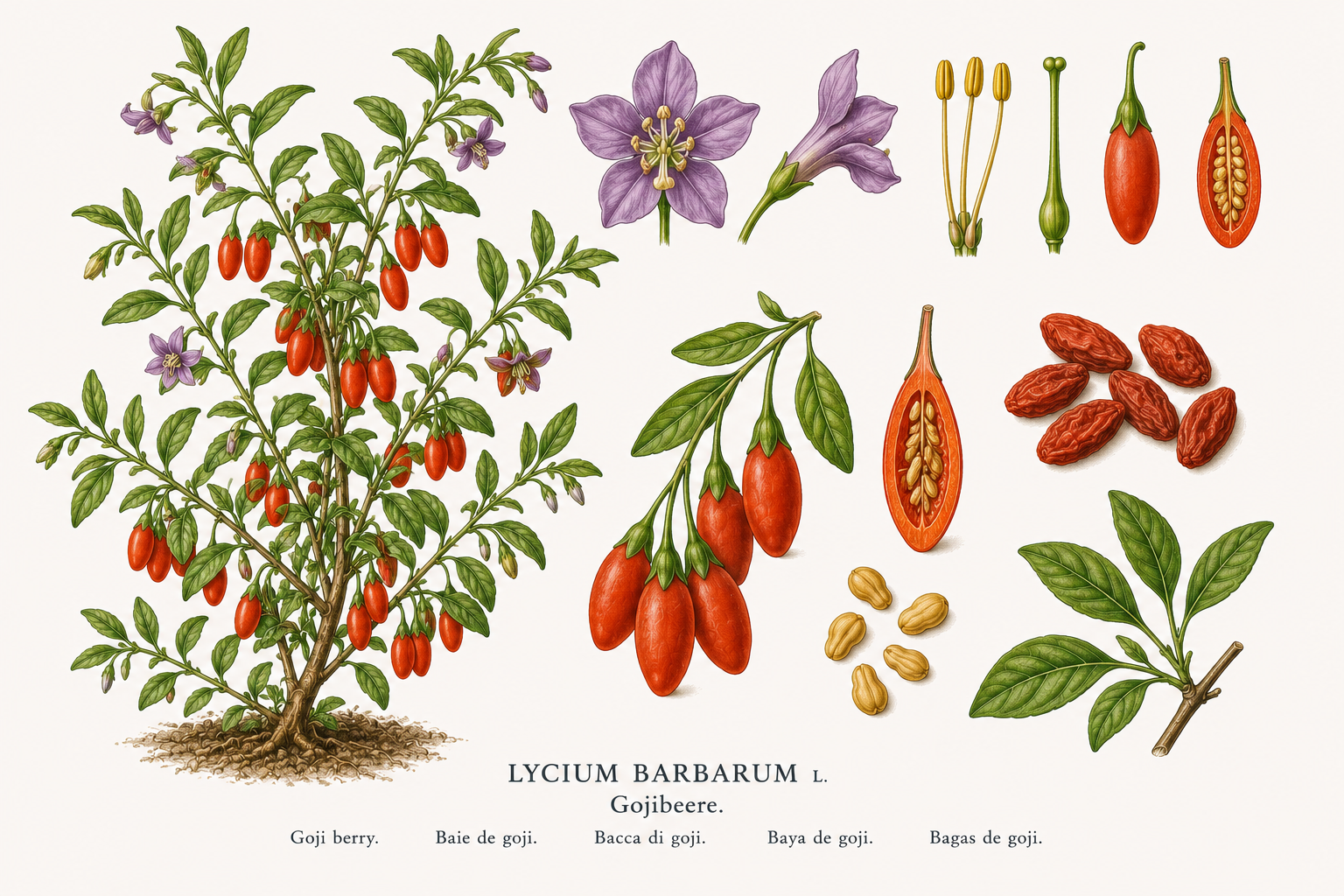
Goji Berry plant card: Fruit, Nightshades, Harvest August - October

Sheep

Goji Berry

selected parts onlyRisk level unknownobservelow evidence

Fully ripe goji berries are suitable for sheep in small amounts as an occasional treat. Unripe fruits contain solanine and can cause gastrointestinal upset. No indications of severe poisoning in sheep with normal consumption of ripe fruits. Consult a veterinarian if symptoms occur.

Suitable: fully ripe fruits

Risk parts: green unripe berries, roots, bark

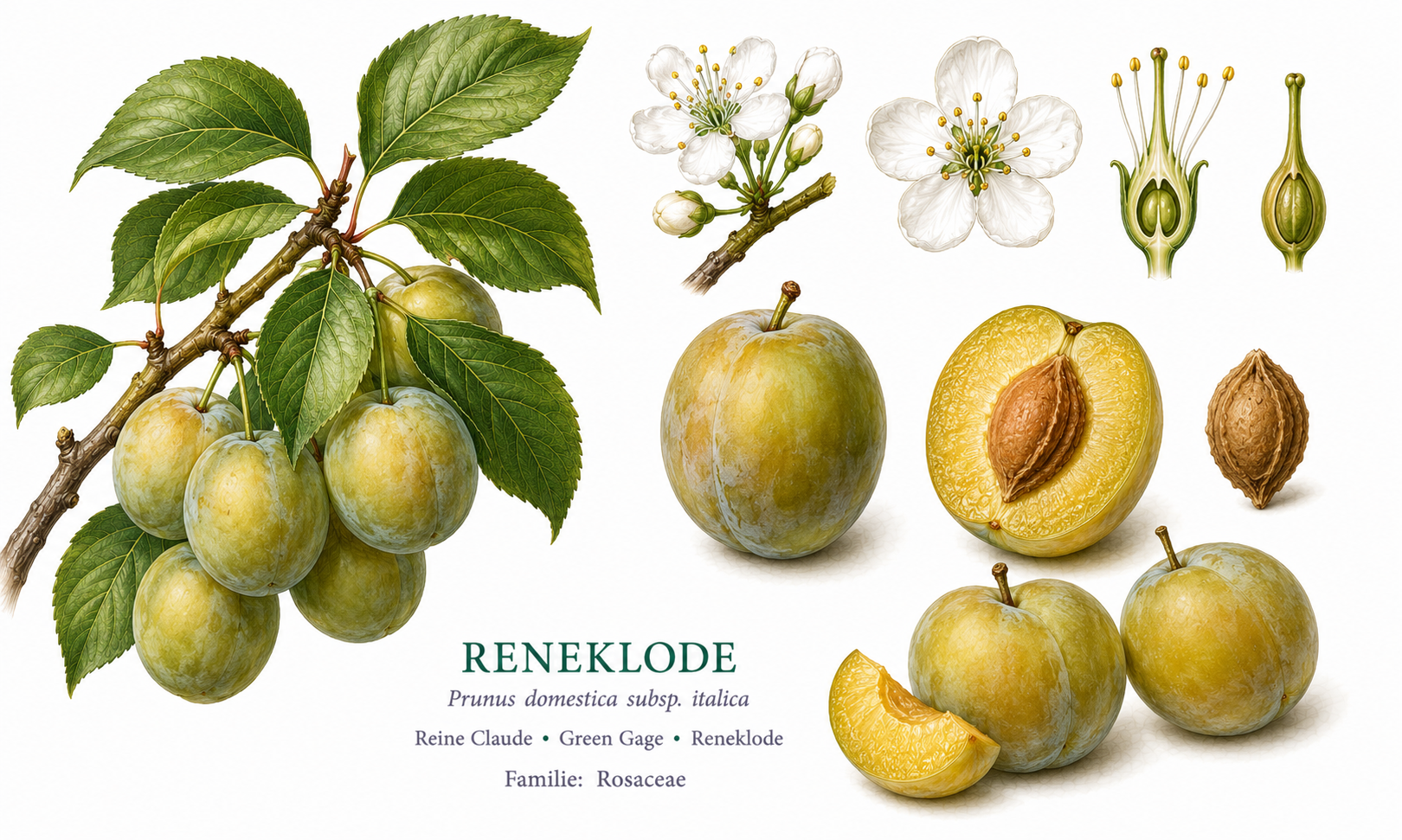
Greengage plant card: Fruit, Rose family, Harvest August - September

Sheep

Greengage

selected parts onlyRisk level unknowncontact a vet if symptoms appearlow evidence

The fruit flesh of greengage is suitable for sheep in small amounts as a treat. Pits, leaves, and bark contain cyanogenic glycosides and can cause poisoning symptoms. If toxic parts are consumed, contact a veterinarian immediately.

Suitable: Fruit flesh, Fruit skin

Risk parts: Seeds (pit), Leaves, Bark

Kiwi plant card: Fruit, Kiwifruit family, Harvest October - November

Sheep

Kiwi

selected parts onlyRisk level unknownobservelow evidence

Kiwi fruit flesh is suitable for sheep in small amounts as an occasional treat. Leaves and stems contain actinidin and oxalates, which can cause gastrointestinal upset if consumed excessively. Sheep should only be given the fruit flesh, never leaves or stems.

Suitable: Fruit flesh

Risk parts: Leaves, Stems

Mirabelle plum plant card: Fruit, Rose family, Harvest July - August

Sheep

Mirabelle plum

selected parts onlyRisk level unknowncontact a vet if ingestedlow evidence

Mirabelle fruit flesh is suitable for sheep in small amounts as an occasional treat. Pits, leaves, and stems contain cyanogenic glycosides and should be avoided. Consuming large quantities of fruit flesh may cause gastrointestinal upset due to sugar content.

Suitable: Fruit flesh

Risk parts: Pit (seed), Leaves, Stems

Mulberry plant card: Fruit, Mulberry family, Harvest June - September

Sheep

Mulberry

selected parts onlyRisk level unknownobservelow evidence

Ripe mulberries are generally safe for sheep and can be offered as an occasional treat or part of the diet. Unripe fruits and leaves may cause stomach upset. Overconsumption of ripe fruits can lead to digestive issues.

Suitable: Ripe fruits

Risk parts: Unripe fruits, Leaves, Milky sap

Musk squash plant card: Vegetables, Gourds, Harvest September - November

Sheep

Musk squash

selected parts onlyRisk level unknownobserveinsufficient

The flesh of musk squash is suitable for sheep in small amounts as a supplemental feed, provided it is not bitter. Bitter fruits contain toxic cucurbitacins and must be avoided. Seeds in large quantities, leaves, and stems are not recommended due to potential irritants and digestive issues.

Suitable: Flesh

Risk parts: Bitter-tasting fruits (cucurbitacins), seeds in large quantities, leaves, stems

Muskmelon plant card: Vegetables, Gourd family, Harvest July - September

Sheep

Muskmelon

selected parts onlyRisk level unknownobservelow evidence

No direct species-specific source was found for sheep. This is a cautious inference from the goats profile and the known plant-part risks.

Suitable: Fruit flesh

Risk parts: Seeds, Rind

Okra plant card: Vegetables, Mallows, Harvest July - October

Sheep

Okra

selected parts onlyRisk level unknownusually no action neededlow evidence

Immature okra pods, leaves, and flowers are safe and nutritious for sheep in moderation. Overripe, woody pods may pose impaction risk. The fine hairs can cause skin irritation in sensitive individuals but are usually harmless when ingested.

Suitable: Immature seed pods, Leaves, Flowers

Risk parts: Overripe, woody pods

pattypan squash plant card: Vegetables, Gourd family, Harvest July - October

Sheep

pattypan squash

selected parts onlyRisk level unknownobservelow evidence

Pattypan squash is generally safe for sheep when only the mature fruits or the flesh of young fruits are fed in moderation. Bitter or unripe fruits, as well as leaves, stem, and roots, should be avoided as they may contain cucurbitacins which can cause gastrointestinal upset. Feeding should be limited to young fruits or mature seeds.

Suitable: Flesh (young fruits), Seeds (mature fruits)

Risk parts: Leaves, Stem, Roots, unripe fruits (may contain cucurbitacins)

Peach plant card: Fruit, Rose family, Harvest July - September

Sheep

Peach

selected parts onlyRisk level unknowncontact a vet if symptoms appearlow evidence

Peaches are not recommended for sheep as the leaves and stems contain toxic cyanogenic glycosides.

Suitable: Fruit flesh

Risk parts: Pit, Leaves, Stems

Pepino plant card: Fruit vegetables, Nightshades, Harvest August - October

Sheep

Pepino

selected parts onlyRisk level unknownobservelow evidence

No direct species-specific source was found for sheep. This is a cautious inference from the goats profile and the known plant-part risks.

Suitable: Ripe fruits

Risk parts: Leaves, Stems, Green, unripe fruits

Pepper plant card: Vegetables, Nightshades, Harvest July - October

Sheep

Pepper

selected parts onlyRisk level unknownobservelow evidence

Ripe fruits of sweet pepper varieties are safe for sheep in moderation and can be given as treats. Green parts contain solanine and should be avoided. Hot varieties may cause mucosal irritation. If large amounts are consumed or symptoms occur, a veterinarian should be consulted.

Suitable: Ripe fruits

Risk parts: Leaves, Stems, Roots, Unripe fruits

Physalis peruviana plant card: Fruit, Nightshade family, Harvest July - October

Sheep

Physalis peruviana

selected parts onlyRisk level unknowncontact a vet if symptoms appearlow evidence

The leaves, stems, and unripe fruits of Physalis peruviana contain alkaloids and are considered toxic. As sheep are grazing animals, there is a risk they may consume these plant parts. Ripe fruits are safe for human consumption but are not suitable as feed for sheep.

Suitable: Ripe fruits (not recommended as feed)

Risk parts: Leaves, Stems, Unripe fruits

Physalis pruinosa plant card: Vegetables, Nightshade family, Harvest July - October

Sheep

Physalis pruinosa

selected parts onlyRisk level unknownemergency vet immediatelymedium evidence

All parts of the plant, especially the leaves and unripe fruit, contain solanine, a glycoalkaloid, which is toxic to sheep. Ripe fruit is generally considered safe, but consumption of other plant parts is not recommended and can cause severe symptoms.

Suitable: Ripe fruits (in very small amounts as a treat)

Risk parts: Unripe fruits, Leaves, Stems, Roots

Pyrus communis plant card: Fruit, Rose family, sunny, warm, airy

Sheep

Pyrus communis

selected parts onlyRisk level unknownobservelow evidence

Ripe fruit is safe for sheep in moderation and can be offered as a treat. Seeds, leaves, stems, and roots contain small amounts of cyanogenic glycosides and should not be consumed in large quantities.

Suitable: ripe fruit

Risk parts: seeds (in large quantities), leaves, stems, roots

Quince plant card: Fruit, Rose family, Harvest September - November

Sheep

Quince

selected parts onlyRisk level unknowncontact a vet if ingestedlow evidence

Cooked quince fruit flesh can be given to sheep occasionally as a treat, but seeds, woolly fuzz, leaves, and stems should be avoided due to amygdalin and potential irritation. Monitoring is advised if sheep have access to whole fruits or other plant parts.

Suitable: Fruit flesh (cooked)

Risk parts: Seeds, Woolly fuzz, Leaves, Stems

red kuri squash plant card: Vegetables, Gourd family, Harvest September - November

Sheep

red kuri squash

selected parts onlyRisk level unknownobservelow evidence

The flesh, skin, and roasted seeds of red kuri squash are safe for sheep in moderation. Bitter fruits due to cucurbitacins may cause gastrointestinal upset and should be avoided. The flower stem should not be fed.

Suitable: Flesh, Skin, Seeds (roasted)

Risk parts: Flower stem

Sour cherry plant card: Fruit, Rose family, Sunny to partial shade

Sheep

Sour cherry

selected parts onlyRisk level unknowncontact a vet if ingestedlow evidence

The flesh of sour cherry is suitable for sheep in small amounts as an occasional treat, but pits, leaves, and twigs contain amygdalin, which can release cyanide when chewed or when wilted material is consumed. Sheep tend to browse and may ingest leaves and twigs, posing a poisoning risk. Only pit-free flesh should be offered occasionally. Seek veterinary help immediately if poisoning is suspected.

Suitable: Flesh

Risk parts: Pits, leaves, twigs

Spaghetti squash plant card: Vegetables, Gourd family, Harvest August - October

Sheep

Spaghetti squash

selected parts onlyRisk level unknownobservelow evidence

Cooked spaghetti squash flesh is suitable for sheep in small amounts as a treat. Raw flesh, seeds, and hard rind may cause gastrointestinal upset due to cucurbitacins and poor digestibility. No known cases of severe poisoning in sheep. Occasionally used as feed but not recommended as a primary component.

Suitable: Flesh (cooked)

Risk parts: Seeds (raw), Rind

sweet cherry plant card: Fruit, Rose family, Harvest June - August

Sheep

sweet cherry

selected parts onlyRisk level unknowncontact a vet if symptoms appearlow evidence

The flesh of sweet cherry is suitable for sheep in small amounts as a treat, but pits, stems, and leaves contain cyanogenic glycosides that can be toxic if ingested. Wilted leaves pose an increased risk. Overconsumption of fruit may cause digestive upset.

Suitable: Flesh

Risk parts: Pits, Stems, Leaves

Tomatillo plant card: Vegetables, Nightshade family, Harvest July - October

Sheep

Tomatillo

selected parts onlyRisk level unknowncontact a vet if symptoms appearinsufficient

No reliable species-specific assessment is available.

Suitable: ripe fruit

Risk parts: unripe fruits, leaves, stems, husk (calyx)

watermelon plant card: Fruit, Gourd family, Harvest August - October

Sheep

watermelon

selected parts onlyRisk level unknownobservelow evidence

Watermelon flesh is generally safe for sheep as an occasional treat. Seeds contain low levels of cyanogenic compounds and should only be fed in very limited quantities. Unripe fruits may contain cucurbitacins that can cause gastrointestinal irritation. Sheep should not have access to wild forms or bitter-tasting melons. The high water and sugar content necessitates limited feeding to avoid digestive upset.

Suitable: Flesh

Risk parts: Seeds in large quantities, unripe fruits

Sheep

Likely suitable

These plants are more likely suitable in the reviewed data, but not as a sole feed.

99 Plants

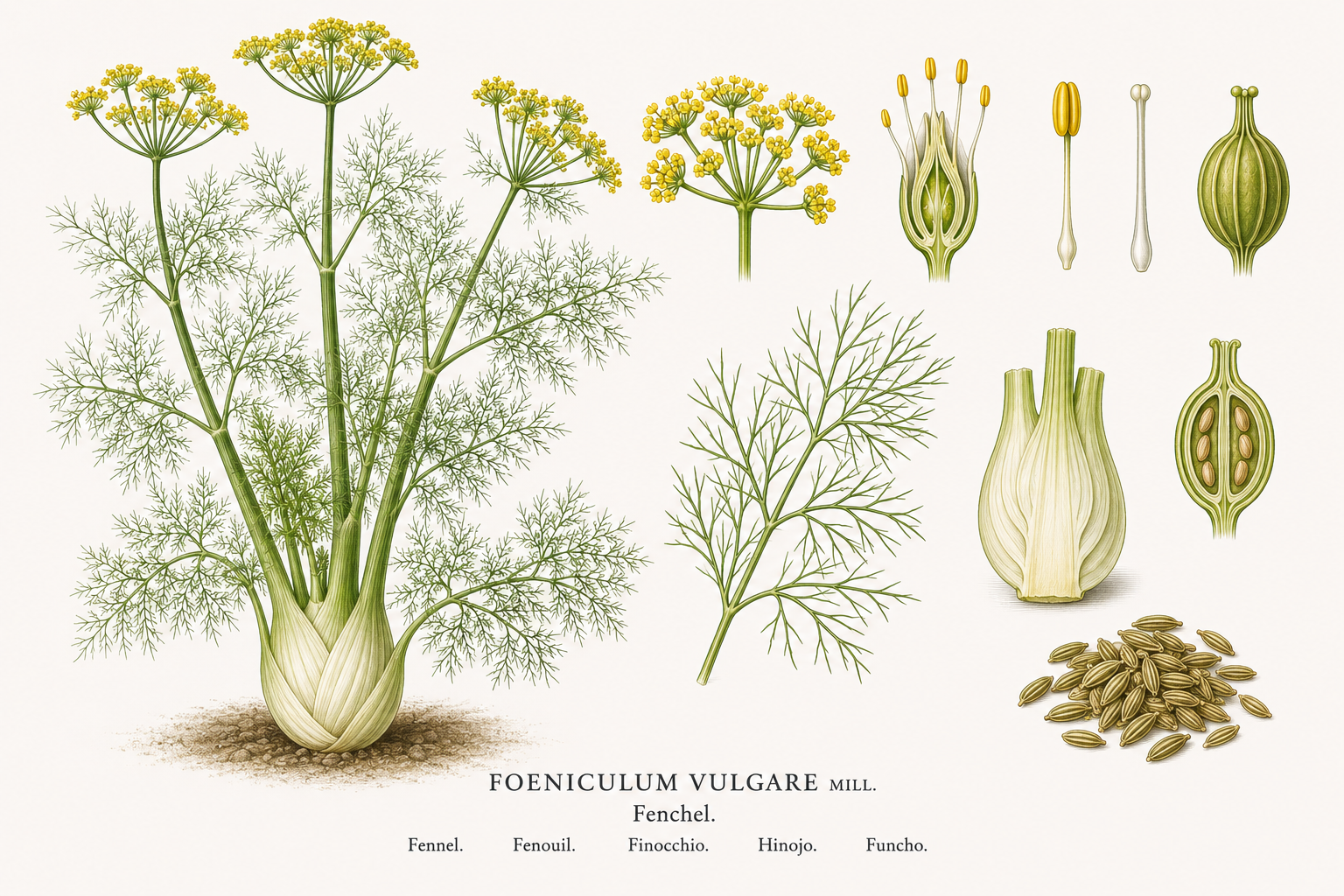
Fennel plant card: Vegetables, Carrot family, Harvest July - November

Sheep

Fennel

moderation onlyRisk level 2 / 5observelow evidence

Fennel is generally safe for sheep when the bulb, leaves, and stems are fed. Seeds and essential oil should be given only in very small amounts due to potential hormonal effects and overdose risks. No known cases of severe poisoning in sheep from normal feeding of vegetable fennel. Exercise caution during pregnancy due to possible estrogenic effects of anethole. Excessive seed consumption may cause gastrointestinal…

Suitable: Bulb, Leaves, Stems

Risk parts: Seeds in high concentrations, Essential oil

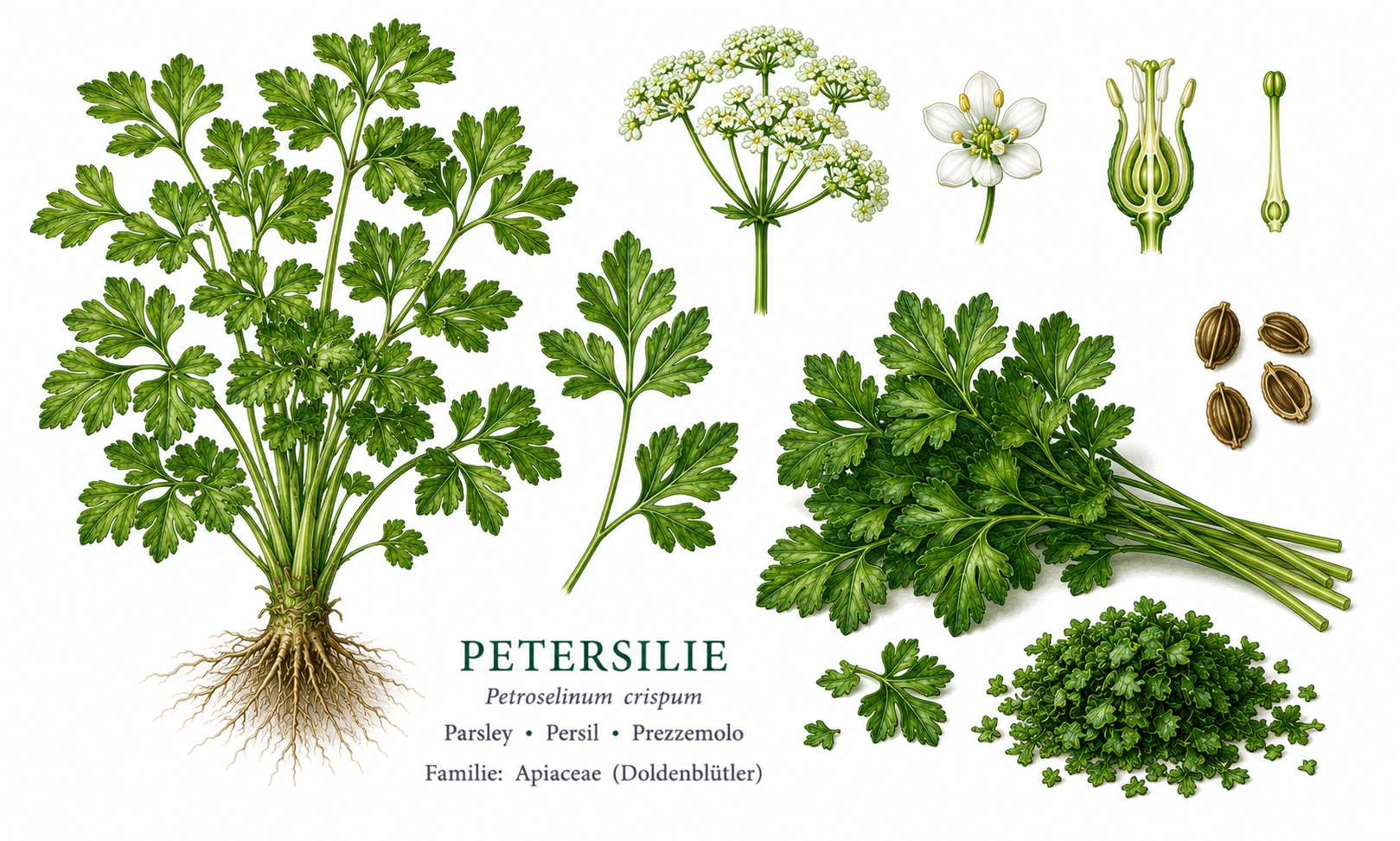
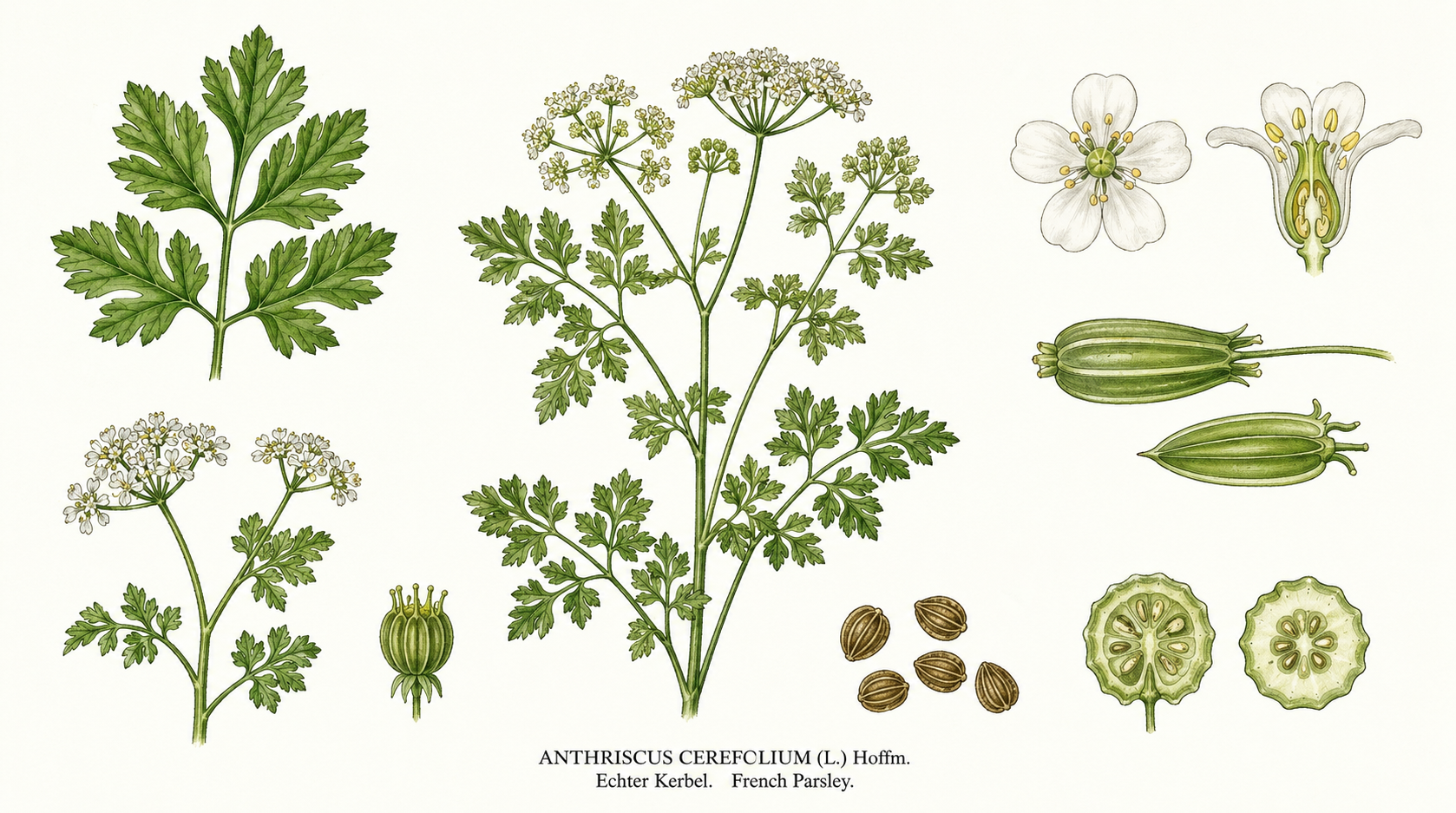
parsley plant card: Herbs, celery family, Harvest May - November

Sheep

parsley

moderation onlyRisk level 2 / 5observelow evidence

Parsley is generally safe for sheep when fed in moderation. Large quantities, especially from flowering plants, can lead to photosensitization due to apiol and furanocoumarin content. Leaves, stems, and roots are the commonly consumed parts and are considered safe. Feeding should be limited to non-flowering parts.

Suitable: Leaves, Stems, Roots

Risk parts: Plants in the flowering stage (increased apiol content), Seeds (high furanocoumarin content)

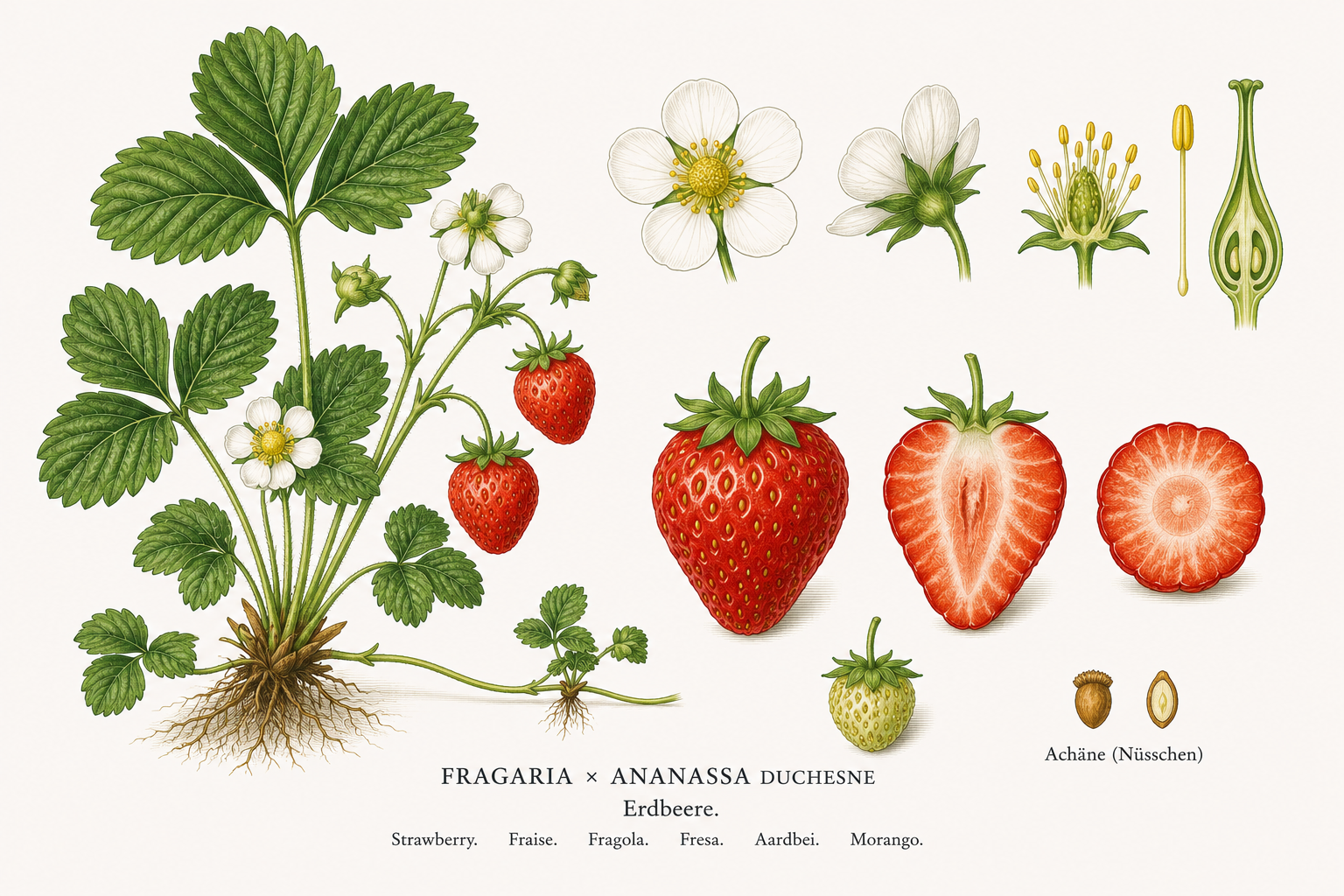
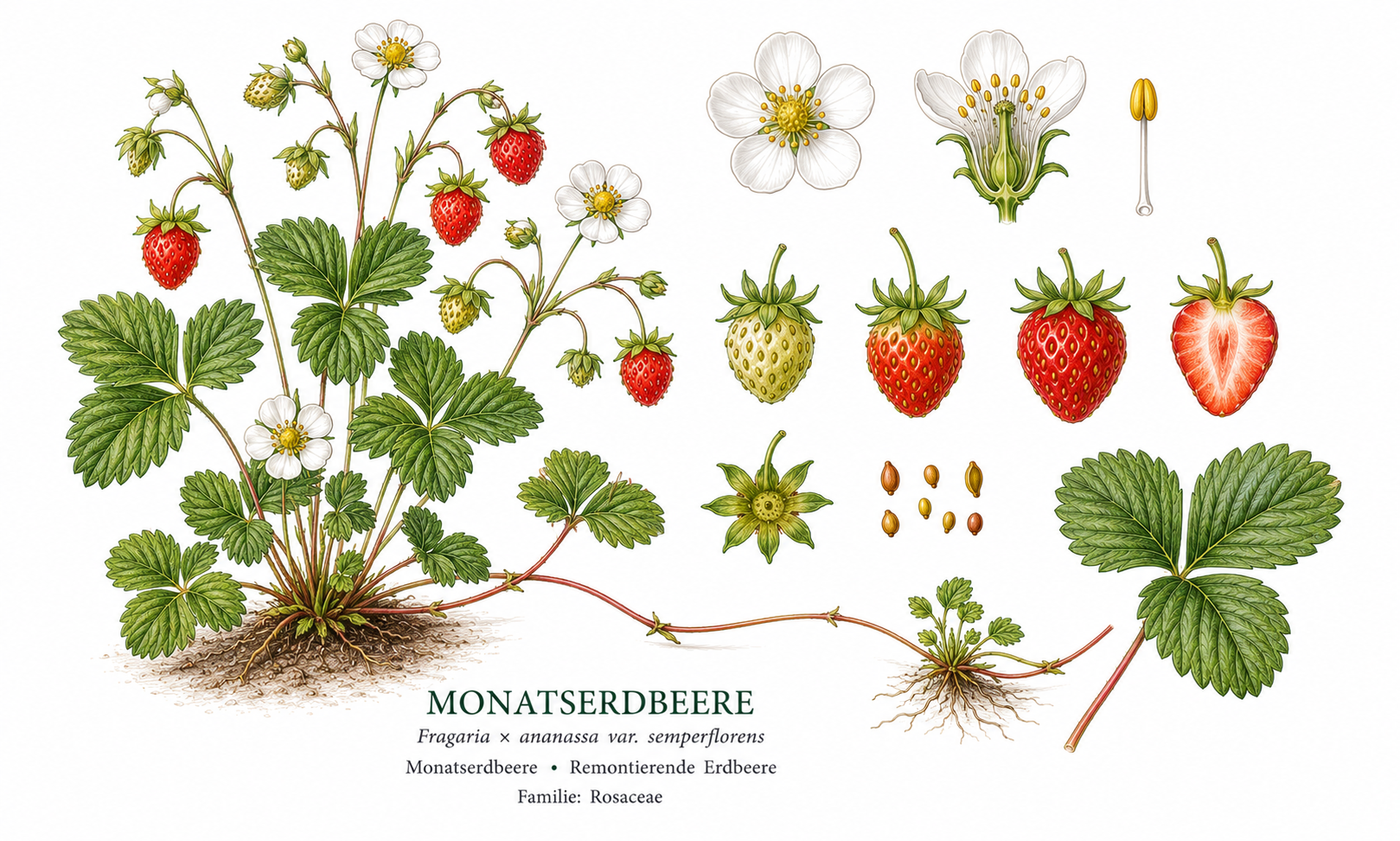
Strawberry plant card: Fruit, Rose family, Harvest May - October

Sheep

Strawberry

moderation onlyRisk level 2 / 5observelow evidence

Fruits are generally safe for sheep as an occasional treat, but leaves and stems may cause gastrointestinal irritation due to tannins when consumed in large amounts. No known serious toxins for sheep in the fruits.

Suitable: Fruits

Risk parts: Leaves, Stems

Dill plant card: Herbs, Celery family, Harvest May - October

Sheep

Dill

moderation onlyRisk level 1 / 5usually no action neededlow evidence

No direct species-specific source was found for sheep. This is a cautious inference from the cattle profile and the known plant-part risks.

Suitable: Leaves, Seeds, Flowers, Tender stems

Wild Strawberry plant card: Fruit, Rose family, Full sun to partial shade

Sheep

Wild Strawberry

moderation onlyRisk level 1 / 5usually no action neededlow evidence

Wild strawberry (Fragaria vesca) is non-toxic to sheep and all parts are edible. Fruits and leaves can be given as supplemental feed. Overconsumption may cause mild gastrointestinal upset but is rare. No known toxic compounds.

Suitable: Fruits, Leaves

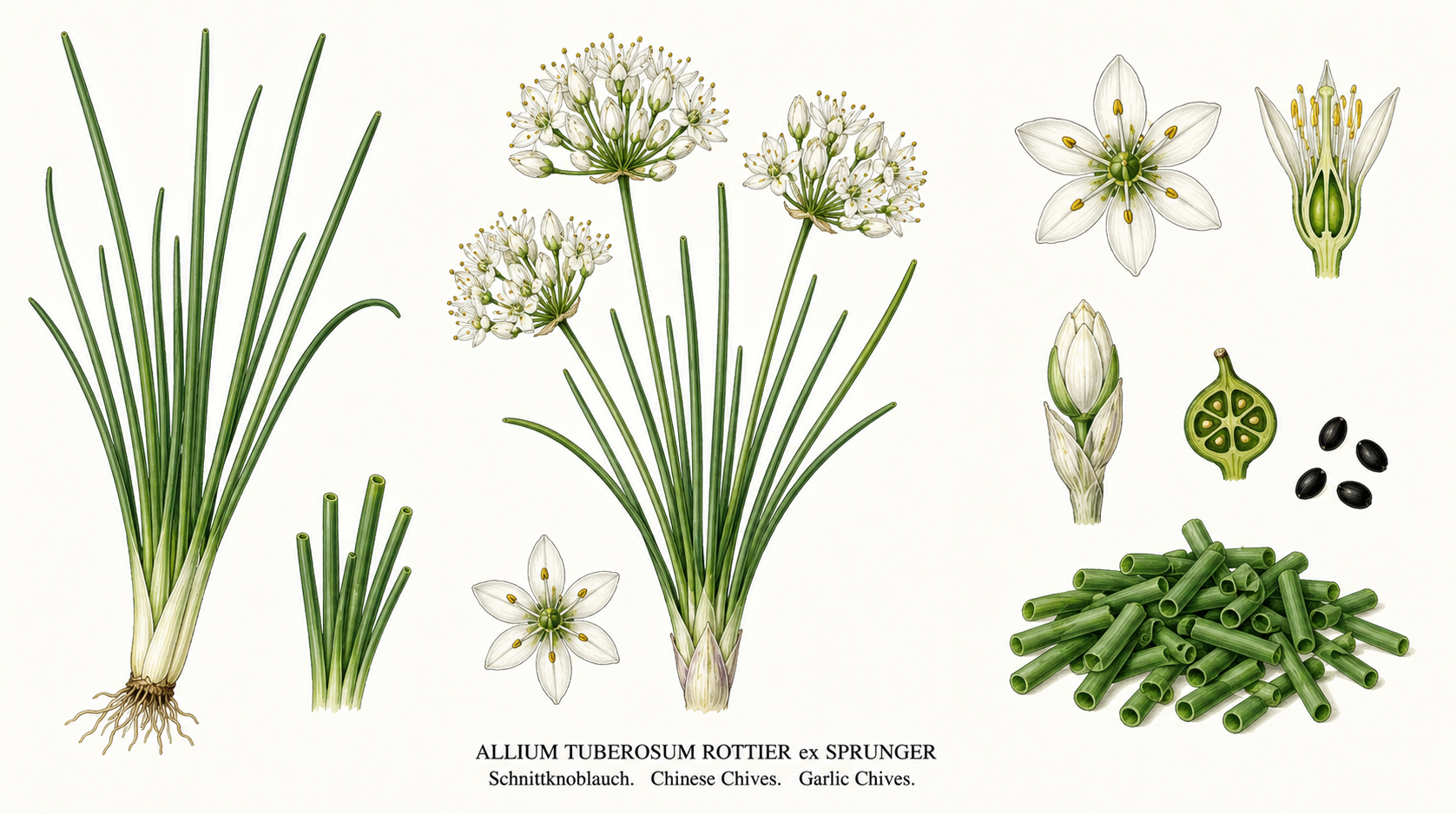
Allium ramosum plant card: Vegetables, Amaryllis family, Harvest April - October

Sheep

Allium ramosum

moderation onlyRisk level unknownobservelow evidence

Leaves and flowers of Allium ramosum are edible for sheep in small amounts, but contain sulfur compounds that may cause gastrointestinal upset if consumed excessively. No evidence of severe toxicity in sheep, but caution is warranted due to its Allium nature.

Suitable: Leaves, Flowers

Risk parts: Bulbs, Tubers

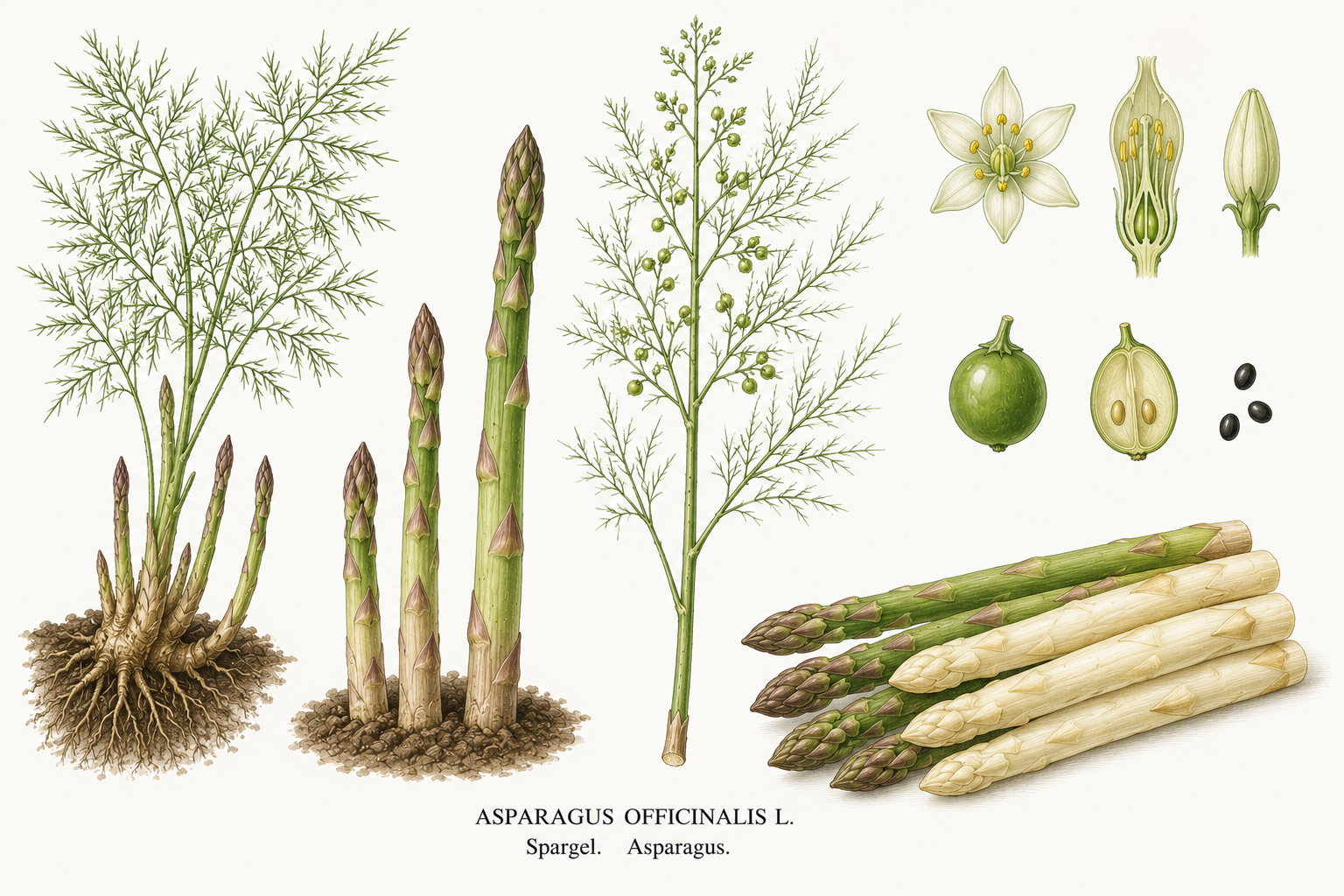
Asparagus plant card: Vegetables, Asparagus family, Harvest April - June

Sheep

Asparagus

moderation onlyRisk level unknownobservelow evidence

Young asparagus shoots are generally safe for sheep in moderation, while berries and mature plant parts contain saponins that can cause gastrointestinal upset. Sheep should only consume the young, tender shoots and be prevented from accessing berries and woody ends. If large amounts or toxic parts are ingested, the animal should be observed and a veterinarian consulted if symptoms persist.

Suitable: Young shoots (asparagus spears)

Risk parts: Berries, Woody ends of spears, Mature fronds

Barbarea vulgaris plant card: Leafy vegetables, Brassicaceae, sun to partial shade

Sheep

Barbarea vulgaris

moderation onlyRisk level unknownobservelow evidence

No reliable species-specific assessment for sheep is available. Yellow Rocket belongs to the Brassicaceae family, which can contain glucosinolates. Young leaves and flower buds can be consumed in moderation as forage or supplement. Older or very pungent leaves should be avoided as they can cause gastrointestinal upset or potentially thyroid issues.

Suitable: young leaves, flower buds

Risk parts: very pungent or old leaves

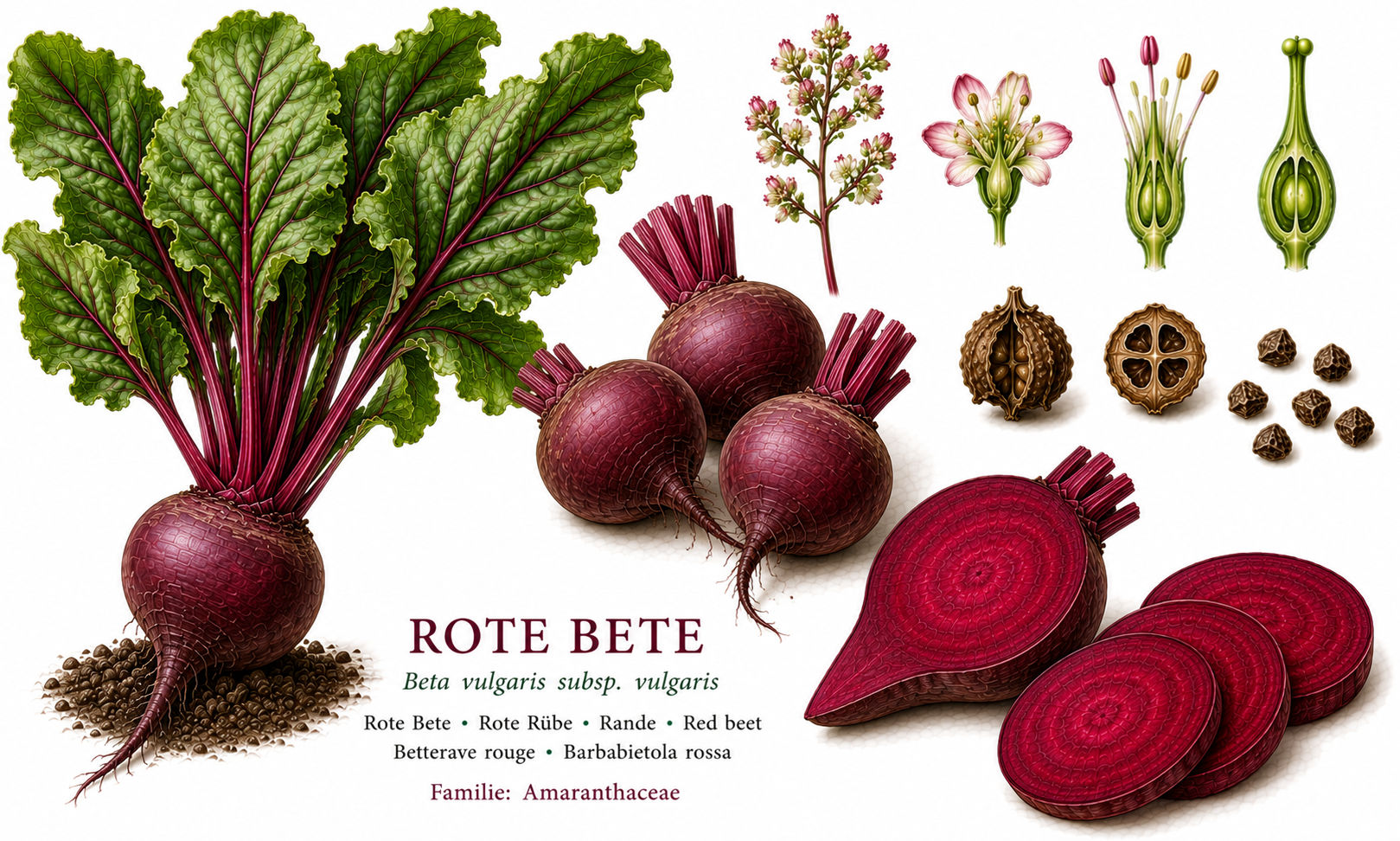
beet plant card: Vegetables, Amaranthaceae, Harvest June - November

Sheep

beet

moderation onlyRisk level unknownobservelow evidence

The root of beetroot is generally safe for sheep in moderation and provides nutritional benefits. The leaves contain oxalic acid and should be fed only in limited amounts to avoid gastrointestinal upset. Excessive leaf consumption may warrant observation; consult a veterinarian if symptoms persist. Feeding should be part of a balanced diet and not replace the primary forage.

Suitable: root (taproot)

Risk parts: leaves

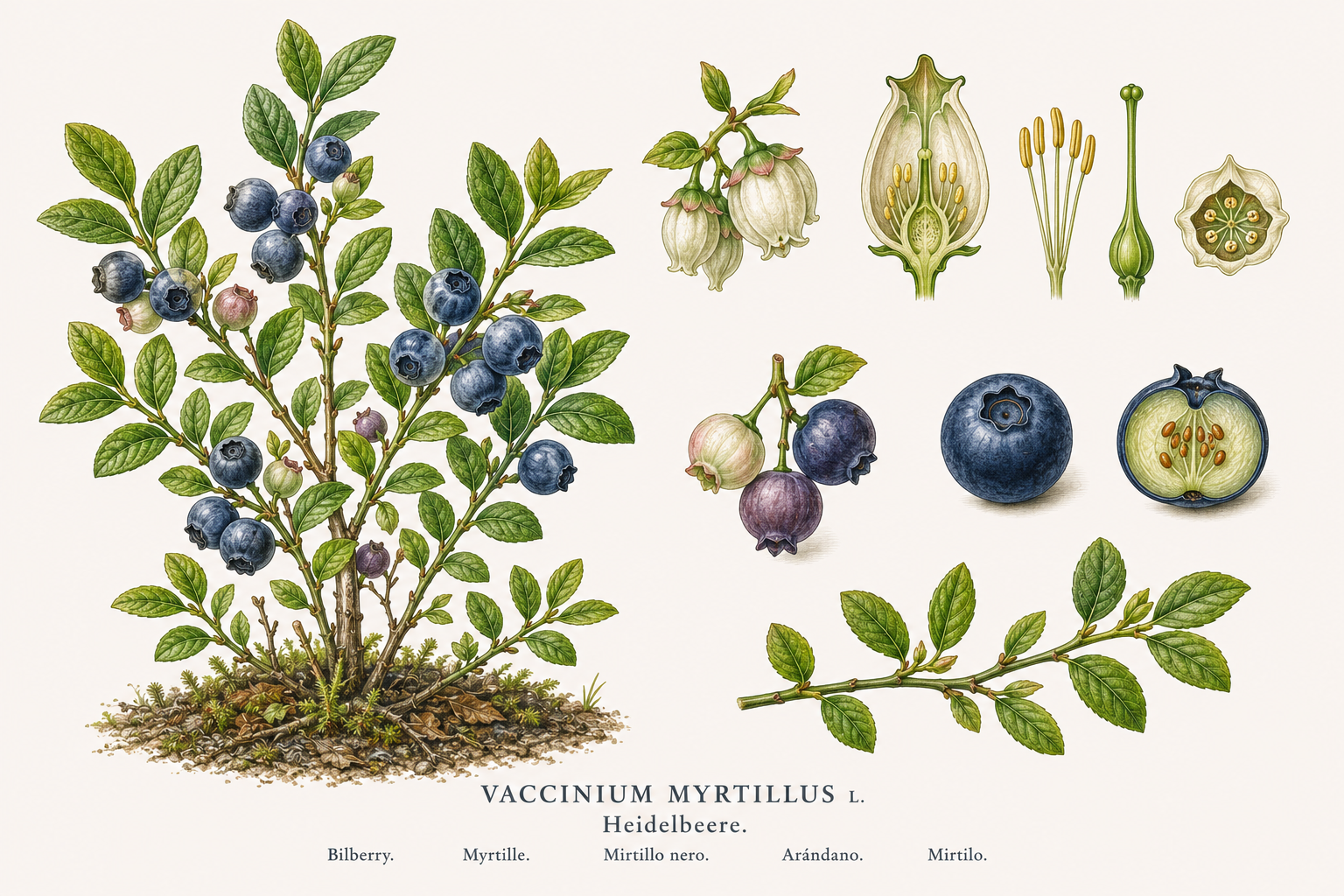
Bilberry plant card: Fruit, Heathers, Harvest July - September

Sheep

Bilberry

moderation onlyRisk level unknownobservelow evidence

No direct species-specific source was found for sheep. This is a cautious inference from the cattle profile and the known plant-part risks.

Suitable: Fruits

Risk parts: Leaves, Stems, Roots

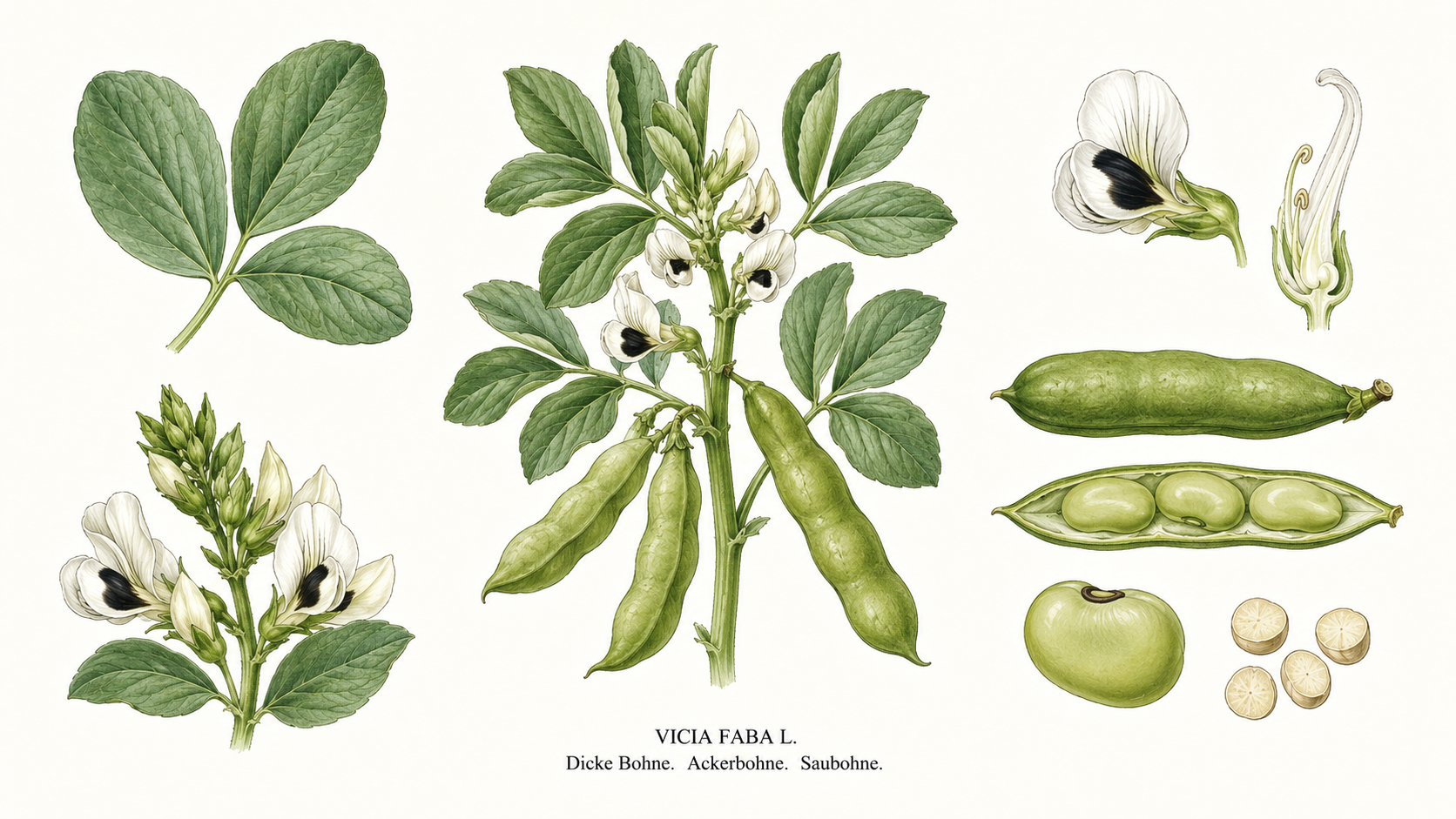
broad bean plant card: Vegetables, legumes, Harvest May - August

Sheep

broad bean

moderation onlyRisk level unknownobservelow evidence

Edible parts (seeds, young pods, shoot tips) are suitable for sheep in moderation and are used as forage. Mature pod shells and roots are tough and indigestible, potentially causing gastrointestinal discomfort. Phasin is destroyed by cooking. No evidence of specific toxicity to sheep when edible parts are fed normally. Excessive raw or immature consumption may cause bloat due to high fiber and lectin content…

Suitable: Seeds (beans), Very young pods, Tender shoot tips

Risk parts: Mature pod shells (tough and indigestible), Roots

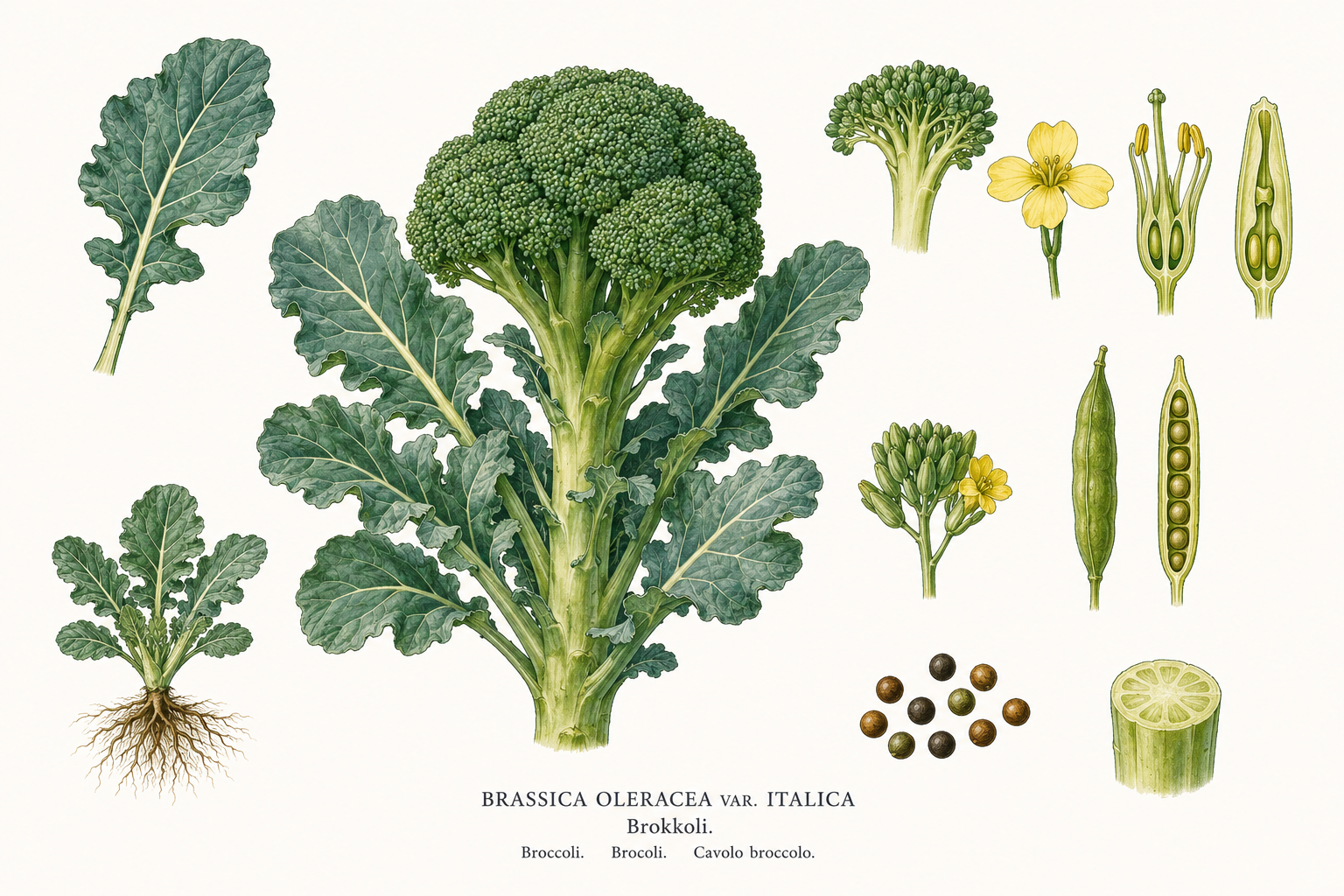
broccoli plant card: Vegetables, mustard family, Sunny to partial shade

Sheep

broccoli

moderation onlyRisk level unknownobservelow evidence

Broccoli is generally safe for sheep in moderation. Overconsumption may cause bloat, as with other brassicas.

Suitable: flower buds, tender stems, young leaves

Brussels sprouts plant card: Vegetables, Mustard family, Sunny to partial shade

Sheep

Brussels sprouts

moderation onlyRisk level unknownobservelow evidence

Brussels sprouts are edible and non-toxic for sheep, but should only be given as supplemental feed as overfeeding can cause digestive issues such as bloat. Young sprouts and leaves are preferred.

Suitable: Buds (sprouts), Young leaves

cardoon plant card: Vegetables, daisy family, Harvest July - October

Sheep

cardoon

moderation onlyRisk level unknownobservelow evidence

No direct species-specific source was found for sheep. This is a cautious inference from the goats profile and the known plant-part risks.

Suitable: Young leaf stalks, Young leaves, Flower buds

Risk parts: Older, fibrous leaf stalks, Thorns on leaves and stalks

cauliflower plant card: Vegetables, Mustard family, Harvest June - November

Sheep

cauliflower

moderation onlyRisk level unknownobservelow evidence

Cauliflower is generally safe for sheep when fed in moderation. Large quantities can lead to digestive issues due to its fiber content and potential for gas production. Feed only fresh, clean parts.

Suitable: curd/head, tender inner leaves, peeled stem

Risk parts: rotted or moldy parts

celeriac plant card: Vegetables, Carrot family, Harvest August - November

Sheep

celeriac

moderation onlyRisk level unknownusually no action neededlow evidence

The bulb of celeriac is suitable for sheep in small amounts as a treat. Leaves and stalks should be avoided as they may contain potentially irritating compounds. Excessive consumption of the bulb can lead to gastrointestinal upset.

Suitable: Bulb (hypocotyl)

celery plant card: Vegetables, Carrot family, Harvest July - October

Sheep

celery

moderation onlyRisk level unknownobservelow evidence

Celery is suitable for sheep in small amounts as a treat. Stalks and leaves are safe; seeds should be fed sparingly due to their high psoralen and essential oil content. Under normal forage feeding, there is no risk.

Suitable: stalks, leaves

Risk parts: seeds

Choy Sum plant card: Vegetables, Mustard family, Harvest May - November

Sheep

Choy Sum

moderation onlyRisk level unknownobservelow evidence

No direct species-specific source was found for sheep. This is a cautious inference from the goats profile and the known plant-part risks.

Suitable: Leaves, Stems, Flower buds, Flowers

Risk parts: Roots

Common Purslane plant card: Vegetables, Purslanes, Harvest June - October

Sheep

Common Purslane

moderation onlyRisk level unknownobservelow evidence

No direct species-specific source was found for sheep. This is a cautious inference from the goats profile and the known plant-part risks.

Suitable: Leaves, Stems, Flower buds

Risk parts: Seeds

Crambe plant card: Vegetables, Brassicaceae, Harvest April - October

Sheep

Crambe

moderation onlyRisk level unknownusually no action neededlow evidence

Crambe is not a known toxic plant for sheep and is used as a forage plant. However, excessive consumption of raw material may cause digestive upset in sensitive animals, similar to other brassicas.

Suitable: Leaves, Shoots, Flower buds

Cucumber plant card: Vegetables, Gourd family, Harvest July - October

Sheep

Cucumber

moderation onlyRisk level unknownobservelow evidence

Cucumber fruit is suitable for sheep in small amounts as a treat. Leaves, stems, and roots contain cucurbitacins and may cause gastrointestinal upset. Avoid bitter-tasting fruits, as they may contain high concentrations of toxic cucurbitacins.

Suitable: Fruit

Risk parts: Leaves, Stems, Roots

Cynara scolymus plant card: Vegetables, Aster family, Harvest June - October

Sheep

Cynara scolymus

moderation onlyRisk level unknownobservelow evidence

Artichoke is generally considered safe for sheep when edible parts are fed in moderation. Unsuitable parts or excessive consumption may lead to mild gastrointestinal upset.

Suitable: Flower bud base (heart), Inner, tender parts of the bracts

Risk parts: Choke (the fine hairs inside the flower head), Outer, tough parts of the bracts, Stems (raw)

Daucus carota plant card: Vegetables, Apiaceae, full sun

Sheep

Daucus carota

moderation onlyRisk level unknownobservelow evidence

The roots of Daucus carota are safe and nutritious for sheep. Older leaves and stems can be bitter and should be avoided. No known poisoning symptoms with normal feeding.

Suitable: Root, Young leaves (in moderation)

Risk parts: Older leaves and stems

Garden cress plant card: Vegetables, Mustard family, Harvest January - December

Sheep

Garden cress

moderation onlyRisk level unknownobserveinsufficient

No reliable species-specific assessment is available.

Suitable: Leaves, Seedlings, Flowers

Risk parts: Seeds

Garden Orache plant card: Vegetables, Amaranth family, Harvest May - October

Sheep

Garden Orache

moderation onlyRisk level unknownobservelow evidence

Garden orache is safe for sheep in moderation, particularly young leaves and stems. Mature seeds contain saponins and should only be fed in small quantities. Woody stems are difficult to digest and should be avoided. Overconsumption may cause gastrointestinal upset. If symptoms occur, a veterinarian should be consulted.

Suitable: Leaves, Young stems

Risk parts: Old, woody stems, Large quantities of mature seeds

gooseberry plant card: Fruit, Gooseberry family, Harvest June - August

Sheep

gooseberry

moderation onlyRisk level unknownobservelow evidence

Fully ripe fruit is generally safe for sheep as an occasional treat. Leaves, stems, unripe fruit, and large quantities of seeds contain oxalic acid and may cause gastrointestinal upset. Feed only ripe fruit in limited amounts. Consult a veterinarian if symptoms occur.

Suitable: fruit (fully ripe)

Risk parts: leaves, stems, unripe fruit, seeds (in large quantities)

hardy kiwi plant card: Fruit, Kiwifruit family, Harvest September - October

Sheep

hardy kiwi

moderation onlyRisk level unknownobservelow evidence

The fruit of hardy kiwi is suitable for sheep in small amounts as a treat. No known toxic compounds or parts. Overconsumption may cause gastrointestinal discomfort due to fiber and natural sugars. Leaves and stems are not considered toxic but should not be used as primary feed.

Suitable: Fruit

Honeyberry plant card: Fruit, Honeysuckle family, Harvest May - June

Sheep

Honeyberry

moderation onlyRisk level unknownobservelow evidence

Honeyberry fruits are edible for sheep and can be fed as a treat. Other plant parts such as leaves and stems should be avoided as their safety is not established. No poisoning symptoms are expected when fruits are fed normally.

Suitable: Fruits

Risk parts: Leaves, Stems

Horseradish plant card: Vegetables, Mustard family, Harvest January - March, October - December

Sheep

Horseradish

moderation onlyRisk level unknownobservelow evidence

No direct species-specific source was found for sheep. This is a cautious inference from the goats profile and the known plant-part risks.

Suitable: Root (rhizome), Young leaves (sparingly)

Risk parts: Older leaves, Large quantities of leaves

iceberg lettuce plant card: Aster family, Harvest June - October, Direct sowing April - July

Sheep

iceberg lettuce

moderation onlyRisk level unknownobservelow evidence

No direct species-specific source was found for sheep. This is a cautious inference from the goats profile and the known plant-part risks.

Suitable: Leaves, young stem

Risk parts: Milky sap in old stems

Jostaberry plant card: Fruit, Gooseberry family, Harvest June - August

Sheep

Jostaberry

moderation onlyRisk level unknownobserveinsufficient

No reliable species-specific assessment is available.

Suitable: Fruit

Risk parts: Leaves, Stems, Roots

kohlrabi plant card: Vegetables, Cabbage family, Harvest May - October

Sheep

kohlrabi

moderation onlyRisk level unknownusually no action neededlow evidence

Kohlrabi is generally safe for sheep, with only the stem tuber and young leaves recommended for feeding. Older, woody parts are less digestible and may cause bloat if overconsumed. Suitable as part of a balanced diet but not as a primary feed.

Suitable: Stem tuber, Young leaves

Komatsuna plant card: Vegetables, Cabbage family, Harvest May - November

Sheep

Komatsuna

moderation onlyRisk level unknownusually no action neededlow evidence

Komatsuna is safe and nutritious for sheep. All aerial parts can be fed. Like all brassicas, it contains glucosinolates, which are beneficial in normal amounts. Overconsumption may cause bloating. Roots and old, woody stems should be avoided as they are difficult to digest but not toxic.

Suitable: Leaves, Stems, Flower buds, Young flower stalks

Risk parts: Roots, Old, woody stems

Lacinato kale plant card: Vegetables, Mustard family, Harvest January - February, August - December

Sheep

Lacinato kale

moderation onlyRisk level unknownobservelow evidence

Palmkohl (Lacinato kale) is suitable for sheep in moderation as supplemental feed. Leaves and young flower buds are safe, while tough, woody stalks should be avoided. Like all Brassica species, it contains glucosinolates that may cause bloating or gastrointestinal upset if overfed. Sheep generally tolerate brassicas well, but gradual introduction is recommended.

Suitable: Leaves, Young flower buds

Risk parts: Tough, woody stalks

Lavandula plant card: Ornamentals, Lamiaceae, Harvest June - August

Sheep

Lavandula

moderation onlyRisk level unknownobservelow evidence

Lavender flowers and young leaves can be given in small amounts as treats for sheep. Older, woody plant parts and essential oil should be avoided as they can cause gastrointestinal upset. No specific toxicity data for sheep, but a conservative assessment based on general plant knowledge and the essential oils present.

Suitable: Flowers, Young leaves

Risk parts: Older, woody plant parts

leaf mustard plant card: Mustard family, sun to partial shade, Harvest May - June, September - November

Sheep

leaf mustard

moderation onlyRisk level unknownobservelow evidence

Brassica juncea is a brassica and can contain glucosinolates, which may cause gastrointestinal upset if consumed excessively, especially raw. Large quantities can also affect thyroid function. Cooked leaves in moderation are suitable for sheep as part of their diet. Seeds should be avoided.

Suitable: leaves (in moderation, cooked)

Risk parts: seeds, large quantities of raw leaves

Leafy Goosefoot plant card: Vegetables, Amaranth family, Harvest June - October

Sheep

Leafy Goosefoot

moderation onlyRisk level unknownobservelow evidence

No direct species-specific source was found for sheep. This is a cautious inference from the goats profile and the known plant-part risks.

Suitable: Leaves, Young shoots, Ripe pseudo-fruits

Risk parts: Roots, Green (unripe) fruits, Seeds (in large quantities)

Lentil plant card: Legumes, Pea family, Harvest July - September

Sheep

Lentil

moderation onlyRisk level unknownobservelow evidence

No direct species-specific source was found for sheep. This is a cautious inference from the goats profile and the known plant-part risks.

Suitable: Seeds (cooked)

Risk parts: Raw seeds, Leaves, Stems

Levisticum officinale plant card: Herbs, Apiaceae, Harvest April - October

Sheep

Levisticum officinale

moderation onlyRisk level unknownobservelow evidence

No direct species-specific source was found for sheep. This is a cautious inference from the goats profile and the known plant-part risks.

Suitable: leaves, stems

Risk parts: seeds

May turnip plant card: Vegetables, Mustard family, Harvest May - October

Sheep

May turnip

moderation onlyRisk level unknownusually no action neededlow evidence

May turnips are non-toxic for sheep and can serve as a forage crop. Young turnips and leaves are digestible and palatable. Older or bolted plants can become woody and bitter, reducing palatability but not posing a toxicity risk. As with all Brassica species, excessive feeding should be avoided to prevent digestive issues.

Suitable: Root (turnip), Leaves (young)

Risk parts: Older, woody turnips, Flower stalks (after bolting)

Medlar plant card: Fruit, Rose family, Harvest October - November

Sheep

Medlar

moderation onlyRisk level unknowncontact a vet if symptoms appearinsufficient

The fruit of the medlar tree is suitable for sheep in small amounts as a treat after bletting. The seeds contain cyanogenic glycosides and should not be consumed. Overconsumption may cause gastrointestinal upset.

Suitable: Fruit (after bletting)

Risk parts: Seeds

Mesembryanthemum crystallinum plant card: Woody plants, Aizoaceae, full sun and warm

Sheep

Mesembryanthemum crystallinum

moderation onlyRisk level unknownusually no action neededlow evidence

Flowers and leaves of Mesembryanthemum crystallinum are suitable for sheep in small amounts as an occasional treat. Seeds should be avoided as their safety profile is unclear. No known toxic compounds or symptoms from leaf or flower consumption. For seed ingestion, observe and contact vet if symptoms occur.

Suitable: Flowers, Leaves

Risk parts: Seeds

Mizuna plant card: Leafy vegetables, Mustard family, Sun to partial shade

Sheep

Mizuna

moderation onlyRisk level unknownobservelow evidence

Mizuna is safe for sheep in moderation. Young leaves and stems are edible and well-tolerated. Due to high water and fiber content, it should only be given as supplemental feed to avoid digestive issues. No known toxic compounds in edible parts.

Suitable: Leaves, Young stems

New Zealand spinach plant card: Vegetables, Fig-marigold family, Harvest June - October

Sheep

New Zealand spinach

moderation onlyRisk level unknownobservelow evidence

Young leaves and shoot tips are suitable for sheep after blanching and are occasionally used as supplemental feed. Mature parts and seeds contain higher concentrations of oxalic acid and saponins, which can cause health issues if consumed excessively. Blanching significantly reduces oxalic acid content.

Suitable: Young leaves, Tender shoot tips

Risk parts: Tough, woody stems, Mature fruits (seed capsules)

Parsnip plant card: Vegetables, Carrot family, Harvest January - February, October - December

Sheep

Parsnip

moderation onlyRisk level unknowncontact a vet if symptoms appearlow evidence

No direct species-specific source was found for sheep. This is a cautious inference from the goats profile and the known plant-part risks.

Suitable: Root

Risk parts: Foliage (especially older), Flower stalks

Pea plant card: Vegetables, Legumes, Harvest June - September

Sheep

Pea

moderation onlyRisk level unknownobservelow evidence

No direct species-specific source was found for sheep. This is a cautious inference from the goats profile and the known plant-part risks.

Suitable: Seeds, Pods (sugar peas only), Young shoot tips, Flowers

Risk parts: Old, fibrous pods (shelling peas), Roots

peanut plant card: Vegetables, Legumes, Harvest September - October

Sheep

peanut

moderation onlyRisk level unknowncontact a vet if symptoms appearlow evidence

Peanut kernels can be given to sheep as an occasional protein-rich supplement, but only in small amounts due to high fat and allergenic potential. Mold contamination leads to aflatoxin formation, which is highly toxic. Shells and foliage are not recommended due to possible contamination and lower digestibility. No indications of direct toxicity of plant material to sheep from fresh, mold-free kernels in moderation…

Suitable: Seeds (kernels)

Risk parts: Shell, Foliage

pointed cabbage plant card: Vegetables, Mustard family, Harvest June - October

Sheep

pointed cabbage

moderation onlyRisk level unknownobservelow evidence

Pointed cabbage is safe for sheep in moderation. The leaves and head can be given as supplemental feed, but overconsumption may cause flatulence due to mustard oils. The core should be removed due to its fibrousness.

Suitable: head, leaves

Radicchio plant card: Vegetables, Aster family, Harvest January, August - December

Sheep

Radicchio

moderation onlyRisk level unknownusually no action neededlow evidence

Radicchio is generally safe for sheep in moderation. The leaves are edible and contain intybin, which aids digestion. Overconsumption may cause bloat due to high water and fiber content. No known severe toxicities documented for sheep. Suitable as part of a varied diet.

Suitable: Leaves

Radish plant card: Vegetables, Mustard family, Harvest April - November

Sheep

Radish

moderation onlyRisk level unknowncontact a vet if symptoms appearlow evidence

Radish is generally safe for sheep, but high consumption can cause stomach irritation.

Suitable: Root tuber, Young leaves, Seed pods, Flowers

Risk parts: Old, woody leaves

Radish plant card: Vegetables, Mustard family, Full sun to partial shade

Sheep

Radish

moderation onlyRisk level unknownobservelow evidence

Roots are safe in moderation; leaves contain glucosinolates and may cause gastrointestinal upset if consumed excessively.

Suitable: Root

Risk parts: Leaves

Ribes plant card: Fruit, Gooseberry family, Harvest June - August

Sheep

Ribes

moderation onlyRisk level unknownobservelow evidence

Currant fruits are safe for sheep in moderation and are readily consumed. Leaves, stems, and roots contain glycosides and may cause gastrointestinal upset if consumed excessively. Suitable as an occasional supplemental feed.

Suitable: Fruit

Risk parts: Leaves, Stems, Roots

Romanesco broccoli plant card: Vegetables, Mustards, Harvest August - November

Sheep

Romanesco broccoli

moderation onlyRisk level unknownobservelow evidence

No direct species-specific source was found for sheep. This is a cautious inference from the cattle profile and the known plant-part risks.

Suitable: Inflorescence (head), Tender inner leaves, Stem (peeled)

Risk parts: Roots, Old, tough outer leaves

Root Parsley plant card: Vegetables, Umbellifers, Harvest September - December

Sheep

Root Parsley

moderation onlyRisk level unknownobservelow evidence

Root parsley is safe for sheep in moderation, with the root and leaves being suitable for feeding. Seeds and flowering plants contain elevated apiol and myristicin levels and should be avoided, particularly in pregnant sheep due to potential uterine stimulation. Excessive seed consumption may cause gastrointestinal upset.

Suitable: Root, Leaves

Risk parts: Seeds (in large amounts), Flowering plants in second year

Rubus plant card: Fruit, Rose family, Harvest July - October

Sheep

Rubus

moderation onlyRisk level unknownobservelow evidence

The fruits are safe for sheep and readily consumed. Leaves and stems contain tannins that may cause gastrointestinal upset if ingested in large quantities. Thorns can cause physical injury but are not toxic.

Suitable: Fruit

Risk parts: Leaves and stems

Rutabaga plant card: Vegetables, Cabbage family, Harvest May - October

Sheep

Rutabaga

moderation onlyRisk level unknownobservelow evidence

Kohlrabi is generally safe for sheep, with the stem tuber and young leaves being suitable for feeding. Like all cruciferous vegetables, it contains glucosinolates, which in excessive amounts can cause bloating and digestive issues. Not suitable as a primary feed, but acceptable as an occasional treat or supplement. Woody or very old tubers should be avoided due to poor digestibility. Flowering stems are fibrous but…

Suitable: Stem tuber, Young leaves

Salad Burnet plant card: Herbs, Rose family, Harvest January - December

Sheep

Salad Burnet

moderation onlyRisk level unknownobservelow evidence

No direct species-specific source was found for sheep. This is a cautious inference from the cattle profile and the known plant-part risks.

Suitable: Leaves, Flowers, Young shoots

Risk parts: Woody stems

Salsify plant card: Vegetables, Daisy family, Harvest January - February, October - December

Sheep

Salsify

moderation onlyRisk level unknownobservelow evidence

No direct species-specific source was found for sheep. This is a cautious inference from the goats profile and the known plant-part risks. Edible parts are safe in moderation; avoid old stems.

Suitable: Root, Young shoots, Leaves, Flower buds

Risk parts: Old, woody stems in the second year

Satureja plant card: Herbs, Lamiaceae, Harvest June - October

Sheep

Satureja

moderation onlyRisk level unknownobservelow evidence

Savoury is generally considered safe for sheep in normal amounts, particularly young leaves and shoots. Excessive consumption may lead to mild gastrointestinal upset. Roots and woody stems should be avoided.

Suitable: Young leaves, Young shoots

Risk parts: Roots, Woody stems (raw)

Savoy cabbage plant card: Vegetables, Cabbage family, Harvest July - November

Sheep

Savoy cabbage

moderation onlyRisk level unknownobservelow evidence

No direct species-specific source was found for sheep. This is a cautious inference from the cattle profile and the known plant-part risks.

Suitable: Leaves, Head

Scorzonera plant card: Vegetables, Aster family, Full sun to partial shade

Sheep

Scorzonera

moderation onlyRisk level unknownusually no action neededlow evidence

No direct species-specific source was found for sheep. This is a cautious inference from the goats profile and the known plant-part risks.

Suitable: Root

Risk parts: Leaves and stems

Sea Buckthorn plant card: Fruit, Oleaster family, Harvest August - October

Sheep

Sea Buckthorn

moderation onlyRisk level unknownobservelow evidence

The edible berries of sea buckthorn are suitable for sheep in small amounts as an occasional treat, but contain high levels of vitamin C and acidity that can cause gastrointestinal upset if overconsumed. Thorns should be removed to prevent physical injury. No known toxic compounds in the edible parts. Not suitable as a primary feed due to acidic taste and low dry matter content.

Suitable: Fruits (berries)

Sedum rupestre plant card: Stonecrop family, Harvest April - October, Direct sowing March - May

Sheep

Sedum rupestre

moderation onlyRisk level unknownobservelow evidence

Tripmadam (Sedum rupestre) is considered non-toxic and safe for sheep in the usual parts. Young shoots and leaves can be offered as supplemental feed. Roots and flowers are not commonly consumed and are not known to be toxic, but should be avoided due to low nutritional value. Overconsumption may pose a low risk of gastrointestinal upset due to high water and fiber content.

Suitable: Young shoots, Leaves

Serviceberry plant card: Woody plants, Rose family, Harvest June - August

Sheep

Serviceberry

moderation onlyRisk level unknowncontact a vet if symptoms appearlow evidence

Serviceberry fruits are generally safe for sheep as an occasional treat. Seeds, leaves, and bark contain cyanogenic glycosides that can release cyanide when tissue is damaged, potentially causing poisoning. Monitoring is advised if sheep have access to fallen foliage or fruits with seeds.

Suitable: Fruits

Risk parts: Seeds (contain cyanogenic glycosides), Leaves, Bark

Skirret plant card: Vegetables, Carrot family, Harvest January - February, October - December

Sheep

Skirret

moderation onlyRisk level unknownusually no action neededlow evidence

Skirret is safe for sheep and can be included in their diet. Young roots and shoots are particularly palatable and nutritious. When foraging wild, there is a risk of confusion with toxic species like Sium latifolium (great water-parsnip), so only cultivated skirret should be used. No known toxic compounds or adverse effects documented in sheep.

Suitable: Roots, Young shoots in spring

soybean plant card: Legumes, legume family, Harvest September - October

Sheep

soybean

moderation onlyRisk level unknownobservelow evidence

Processed soybeans are suitable for sheep as a protein-rich supplemental feed, but raw seeds should be avoided due to trypsin inhibitors. Gradual introduction is recommended to prevent digestive issues.

Suitable: Seeds (after processing/cooking)

Risk parts: Raw seeds

Spinach plant card: Vegetables, Amaranth family, Harvest April - December

Sheep

Spinach

moderation onlyRisk level unknownobservelow evidence

Leaves and young shoots are safe and nutritious for sheep in moderation. Roots, flower stalks, and seeds contain higher concentrations of oxalic acid and should be avoided. Blanching reduces oxalic acid content.

Suitable: Leaves, young shoots

Risk parts: Roots, Flower stalks, Seeds

Stielmus plant card: Vegetables, Mustard family, Harvest April - October

Sheep

Stielmus

moderation onlyRisk level unknownobservelow evidence

Stielmus is edible and non-toxic for sheep when young, tender parts are fed. Older, woody stems and seeds should be avoided as they are poorly digestible and may cause bloat if consumed in excess.

Suitable: Stems, Leaves, Young roots

Risk parts: Old, woody stems, Flower stalks (if already bloomed), Seed pods

Sweet Chestnut plant card: Tree fruit, Beech family, Full sun to partial shade

Sheep

Sweet Chestnut

moderation onlyRisk level unknownobservelow evidence

Cooked or roasted nuts from the sweet chestnut are suitable for sheep in small amounts as a treat. Raw nut meat contains tannins that can cause gastrointestinal upset if consumed excessively. Leaves and bark should not be fed. If symptoms such as diarrhea or vomiting occur, a veterinarian should be consulted.

Suitable: Nut (after peeling and cooking/roasting)

Risk parts: Raw nut meat (high tannin content), Leaves, Bark, Cupule (spiny)

Sweet corn plant card: Vegetables, Grasses, Harvest August - October

Sheep

Sweet corn

moderation onlyRisk level unknownobservelow evidence

No direct species-specific source was found for sheep. This is a cautious inference from the cattle profile and the known plant-part risks.

Suitable: Kernels (seeds), Young, immature ears (baby corn)

Risk parts: Husks, Stalks, Dried silks, Central cob core

sweet potato plant card: Vegetables, morning glory, Harvest September - October

Sheep

sweet potato

moderation onlyRisk level unknownusually no action neededlow evidence

Cooked sweet potato tuber is suitable in small amounts as a treat. Raw tubers or seeds should be avoided. No specific toxicity data found for sheep.

Suitable: tuber (cooked)

table grape plant card: Fruit, Grape family, Harvest August - October

Sheep

table grape

moderation onlyRisk level unknownobservelow evidence

The fruit of the table grape is safe for sheep in moderation and is readily consumed. Stems and seeds may cause gastrointestinal upset if consumed in excess. Seeds contain tannins that can impair nutrient absorption in large quantities. Ripe grapes are an energy-rich treat. If signs of digestive upset occur, feeding should be reduced and a veterinarian consulted.

Suitable: Fruit (berries)

Risk parts: Stems, Seeds

Tatsoi plant card: Vegetables, Mustard family, Harvest April - November

Sheep

Tatsoi

moderation onlyRisk level unknownobservelow evidence

Tatsoi is generally safe for sheep when fed in moderation. Like other brassicas, it contains glucosinolates which can cause mild digestive upset if consumed in excess. Leaves and leaf stalks are the commonly consumed parts.

Suitable: Leaves, Leaf stalks

Thymus plant card: Herbs, Mint family, Harvest May - September

Sheep

Thymus

moderation onlyRisk level unknownusually no action neededlow evidence

Thyme is safe for sheep in normal amounts and is valued as a forage plant. In very large amounts it may cause mild stomach irritation.

Suitable: Leaves, young shoots, flowers

Risk parts: Woody stems

Tiger Nut plant card: Vegetables, Sedges, Harvest October - November

Sheep

Tiger Nut

moderation onlyRisk level unknownobservelow evidence

The underground tubers of tiger nut (Cyperus esculentus) are edible for sheep and are occasionally used as a nutritious snack. The green foliage is very fibrous and sharp-edged, which may cause gastrointestinal upset if consumed excessively. No known toxic compounds.

Suitable: Underground tubers

Risk parts: Green foliage (very fibrous and sharp-edged)

tomato plant card: Fruit vegetables, nightshade family, Harvest July - October

Sheep

tomato

moderation onlyRisk level unknownobservelow evidence

Ripe tomato fruits are generally safe for sheep as an occasional treat in small amounts. All green parts of the plant contain solanine and can cause gastrointestinal upset if consumed excessively. Sheep may browse plants and should be restricted from accessing unripe plant parts.

Suitable: Fruit (ripe)

Risk parts: Leaves, Stems, Unripe green fruits

Urtica plant card: Wild herbs, Nettle family, Harvest March - September

Sheep

Urtica

moderation onlyRisk level unknownobservelow evidence

['Young leaves and shoot tips are safe and nutritious for sheep after heating, blanching, or drying. Old stems are more fibrous and may irritate the digestive tract. Stinging hairs cause skin irritation on contact but are inactivated by heat. Seeds only in small amounts due to possible hormonal effects.']

Suitable: young leaves, shoot tips, seeds in small amounts

Risk parts: old fibrous stems

Watercress plant card: Herbs, Mustard family, Harvest April - October

Sheep

Watercress

moderation onlyRisk level unknowncontact a vet if symptoms appearlow evidence

Watercress contains glucosinolates which can cause gastrointestinal upset if consumed in excessive amounts. In very large quantities and with long-term intake, there is a low risk of thyroid dysfunction. Likely safe for sheep in moderate amounts as part of a varied pasture or diet.

Suitable: Leaves, Young shoots

Welsh onion plant card: Vegetables, Amaryllis family, Harvest January - December

Sheep

Welsh onion

moderation onlyRisk level unknownobservelow evidence

Welsh onion (Allium fistulosum) contains mild sulfur-containing compounds that can cause gastrointestinal upset in sheep when consumed in large quantities. The edible parts (leaves, stems, bulb base) are tolerable in moderation but should not be used as a primary feed. When consumed normally as supplemental feed or treat, the risk is low. Excessive consumption may lead to diarrhea and discomfort. No evidence of…

Suitable: Leaves, Stems, Bulb base

White Cabbage plant card: Vegetables, Mustard family, Harvest July - November

Sheep

White Cabbage

moderation onlyRisk level unknownobservelow evidence

White cabbage leaves are safe for sheep in moderation. Excessive consumption can lead to bloating and gastrointestinal upset. Roots and core should be avoided.

Suitable: Head (leaves)

Risk parts: Roots, Core

winter purslane plant card: Vegetables, Montiaceae, Harvest January - March, October - December

Sheep

winter purslane

moderation onlyRisk level unknownobserveinsufficient

No reliable species-specific assessment is available.

Suitable: Leaves, Stems

Risk parts: Flower stems (may be bitter) on older plants, Seeds (not recommended)

Zingiber plant card: Herbs, Ginger family, Harvest October - December

Sheep

Zingiber

moderation onlyRisk level unknownobservelow evidence

Ginger rhizome is generally safe for sheep in small amounts and may aid digestion. Large amounts can cause stomach irritation. Other plant parts such as leaves or stems are not typically used in feed and their safety is not established.

Suitable: Rhizome

Zucchini plant card: Vegetables, Gourd family, Harvest June - October

Sheep

Zucchini

moderation onlyRisk level unknowncontact a vet if symptoms appearlow evidence

No reliable species-specific assessment is available. Based on general plant toxicity and the presence of cucurbitacins in bitter fruits, a conservative classification of 'safe_in_moderation' for young, non-bitter fruits is made. Excessive consumption or bitter fruits may cause gastrointestinal upset.

Suitable: Young fruits (including skin and soft seeds), Male and female flowers, Young, tender shoot tips

Risk parts: Old, woody stems, Bitter-tasting fruits

Lemon Balm plant card: Herbs, Mint family, Sunny to partial shade

Sheep

Lemon Balm

suitableRisk level 1 / 5usually no action neededlow evidence

Lemon balm (Melissa officinalis) is considered non-toxic to sheep. Leaves and young shoots can be fed in moderation as part of a balanced diet. No known toxic compounds or serious side effects with intended use. Mild gastrointestinal upset may occur with overconsumption.

Suitable: Leaves, Young shoots

Arugula plant card: Vegetables, Mustard family, Harvest May - October

Sheep

Arugula

suitableRisk level unknownusually no action neededlow evidence

Arugula is non-toxic for sheep and can be fed as part of their diet. It contains valuable nutrients and is generally well-tolerated. As with any feed, a gradual introduction should be made to avoid digestive upset.

Suitable: Leaves, Flowers, Young seed pods

buck's-horn plantain plant card: Vegetables, Plantain family, Harvest April - October

Sheep

buck's-horn plantain

suitableRisk level unknownusually no action neededlow evidence

No direct species-specific source was found for sheep. This is a cautious inference from the goats profile and the known plant-part risks.

Suitable: Leaves

Butterhead lettuce plant card: Vegetables, Aster family, Harvest May - October

Sheep

Butterhead lettuce

suitableRisk level unknownusually no action neededlow evidence

Butterhead lettuce is generally safe for sheep and is accepted as fresh forage. Nitrate can accumulate in leaves if over-fertilized, posing a risk with large quantities. No known toxic compounds in normal amounts.

Suitable: Leaves, Head

Chayote plant card: Vegetables, Gourd family, Full sun

Sheep

Chayote

suitableRisk level unknownusually no action neededlow evidence

Chayote is considered safe for sheep in moderation. All parts are edible and non-toxic, but it should only be given as supplemental feed to avoid digestive upset.

Suitable: Fruit, Young shoots, Leaves, Roots

Cichorium endivia plant card: Vegetables, Aster family, Full sun to partial shade

Sheep

Cichorium endivia

suitableRisk level unknownusually no action neededlow evidence

Endive is non-toxic to sheep and can be fed as part of a balanced diet. The leaves and heart are edible and well tolerated. Roots and flowering stems should be avoided due to woodiness, but are not toxic.

Suitable: Leaves, Heart

Common chickweed plant card: Wild plants, Pink family, Harvest March - November

Sheep

Common chickweed

suitableRisk level unknownusually no action neededlow evidence

Common chickweed (Stellaria media) is safe for sheep and is commonly accepted as a nutritious forage. Young shoots and leaves are particularly palatable and can be fed regularly. No known toxic effects under normal feeding conditions.

Suitable: Young shoots, Leaves

Common chicory plant card: Vegetables, Aster family, Harvest May - October

Sheep

Common chicory

suitableRisk level unknownusually no action neededlow evidence

Chicory is considered a safe feed for sheep, particularly as part of pasture or hay. It contains no known toxic compounds for ruminants and is commonly used due to its medium nutritional value and palatability. However, sudden diet changes or overfeeding may pose a low risk of bloat, typical of rapidly fermentable forages. A gradual introduction is recommended.

Suitable: whole plant, leaves, stems, roots

Common Hazel plant card: Nuts, Birch family, Harvest September - October

Sheep

Common Hazel

suitableRisk level unknownobservelow evidence

Hazelnut is a common forage for sheep. Leaves and twigs are well-tolerated. Nuts can be fed in moderation, but excessive consumption may lead to digestive upset. There are no known toxic compounds.

Suitable: Leaves, Twigs, Nuts (in moderation)

corn salad plant card: Vegetables, Honeysuckle family, Harvest January - April, September - December

Sheep

corn salad

suitableRisk level unknownusually no action neededlow evidence

Corn salad is safe for sheep and valued as nutritious green forage. Leaves and flowers can be fed regularly. Roots and seeds should not be fed as they may be poorly digested.

Suitable: Leaves, Flowers

cutting lettuce plant card: Vegetables, Aster family, Harvest April - October

Sheep

cutting lettuce

suitableRisk level unknownusually no action neededlow evidence

Cutting lettuce is safe for sheep and is commonly accepted as fresh green forage. All parts are edible and non-toxic. If the plant bolts prematurely, leaves may become bitter, reducing palatability but posing no health risk. As with any fresh feed, gradual introduction is recommended to avoid digestive upset.

Suitable: Leaves

Dandelion plant card: Wild plants, Aster family, Harvest March - October

Sheep

Dandelion

suitableRisk level unknownusually no action neededlow evidence

Dandelion is safe for sheep and is commonly used as a forage plant. All parts are edible and nutritious.

Suitable: Leaves, Flowers, Roots

Ground elder plant card: Wild herbs, Carrot family, Harvest March - October

Sheep

Ground elder

suitableRisk level unknownusually no action neededlow evidence

Ground elder is generally accepted as safe forage for sheep. Young shoots are particularly palatable and nutritious. Risk of confusion with poisonous Apiaceae exists, so ensure positive identification before feeding.

Suitable: Leaves, Stems, Flowers

kale plant card: Vegetables, Mustard family, Harvest January - February, October - December

Sheep

kale

suitableRisk level unknownusually no action neededlow evidence

Kale is generally safe and nutritious for sheep but should be fed in moderation due to bloat and potential goitrogenic risk. Young leaves are preferred.

Suitable: Leaves, Young shoots, Flower buds

Napa cabbage plant card: Vegetables, Mustard family, Harvest September - November

Sheep

Napa cabbage

suitableRisk level unknownusually no action neededlow evidence

Napa cabbage (Chinakohl) is suitable as feed for sheep and is considered non-toxic. It causes less bloating than other brassicas and is very easily digestible. Leaves, leaf ribs, and the heart can be fed regularly as part of a balanced diet. Roots should be avoided as they are not typically consumed and may be harder to digest. Overconsumption may lead to mild bloating, but serious poisoning symptoms are not…

Suitable: Leaves, Leaf ribs, Heart

Romaine lettuce plant card: Vegetables, Daisy family, Harvest May - October

Sheep

Romaine lettuce

suitableRisk level unknownusually no action neededlow evidence

Romaine lettuce is safe for sheep and can be fed as part of their diet. Nitrate may accumulate if over-fertilized, posing a risk only at very high intakes. Normal feeding is safe.

Suitable: Leaves, Tender inner stalk

Sheep

Not sufficiently known

The public evidence for this combination is not strong enough.

17 Plants

Asian pear plant card: Fruit, Rose family, Harvest August - October

Sheep

Asian pear

not establishedRisk level unknownunknowninsufficient

No reliable species-specific assessment is available.

Bok choy plant card: Vegetables, Cabbage family, Harvest May - July, September - November

Sheep

Bok choy

not establishedRisk level unknownunknowninsufficient

No reliable species-specific assessment is available.

butternut squash plant card: Vegetables, Gourd family, Sunny to partially shaded

Sheep

butternut squash

not establishedRisk level unknownunknowninsufficient

No reliable species-specific assessment is available.

Cherry plum plant card: Fruit shrub/tree, Rose family, Harvest June - August

Sheep

Cherry plum

not establishedRisk level unknownunknowninsufficient

No reliable species-specific assessment is available.

Chickpea plant card: Vegetables, Legume family, Harvest July - September

Sheep

Chickpea

not establishedRisk level unknownunknowninsufficient

No reliable species-specific assessment is available.

Coriander plant card: Herbs, Carrot family, Harvest June - October

Sheep

Coriander

not establishedRisk level unknownunknowninsufficient

Leaves and flowers are suitable for sheep in moderation. Seeds contain essential oils that may cause gastrointestinal upset if consumed in large quantities. No indications of severe toxicity from usual feeding of green parts.

garden chervil plant card: Herbs, Carrot family, Harvest April - October

Sheep

garden chervil

not establishedRisk level unknownunknowninsufficient

No reliable species-specific assessment is available.

Garlic plant card: Vegetables, Amaryllidaceae, Harvest June - August

Sheep

Garlic

not establishedRisk level unknownunknowninsufficient

No reliable species-specific assessment is available.

Hyssop plant card: Herbs, Mint family, Harvest June - September

Sheep

Hyssop

not establishedRisk level unknownunknowninsufficient

No reliable species-specific assessment is available.

Jerusalem artichoke plant card: Vegetables, Aster family, Harvest January - March, October - December

Sheep

Jerusalem artichoke

not establishedRisk level unknownunknowninsufficient

No reliable species-specific assessment is available.

marjoram plant card: Herbs, Mint family, Harvest June - September

Sheep

marjoram

not establishedRisk level unknownunknowninsufficient

No reliable species-specific assessment is available.

Raspberry plant card: Fruit, Rose family, Harvest June - October

Sheep

Raspberry

not establishedRisk level unknownunknowninsufficient

The fruit is safe for sheep as an occasional treat. Raw leaves and stems may cause gastrointestinal upset if consumed in large quantities.

red cabbage plant card: Vegetables, Mustard family, Harvest July - November

Sheep

red cabbage

not establishedRisk level unknownunknowninsufficient

No reliable species-specific assessment is available.

Rosmarinus tomentosus plant card: Herbs, Mint family, Harvest January - December

Sheep

Rosmarinus tomentosus

not establishedRisk level unknownunknowninsufficient

No specific information available for sheep. Rosemary is generally considered safe for most animals when consumed in small amounts, but direct evidence for sheep is lacking.

Sugarloaf Chicory plant card: Vegetables, Aster family, Harvest September - December

Sheep

Sugarloaf Chicory

not establishedRisk level unknownunknowninsufficient

Sugarloaf chicory (Cichorium intybus var. foliosum) is safe for sheep and valued as nutritious winter forage. The leaves are highly digestible and contain beneficial bitter compounds like intybin that stimulate digestion. No known toxic effects in sheep documented.

sweet woodruff plant card: Madder family, Harvest April - May, Direct sowing March - April, September - October

Sheep

sweet woodruff

not establishedRisk level unknownunknowninsufficient

No reliable species-specific assessment is available.

Swiss Chard plant card: Vegetables, Amaranth family, Harvest May - November

Sheep

Swiss Chard

not establishedRisk level unknownunknowninsufficient

No reliable species-specific assessment is available.