Guide
Pet-Safe Herb Gardens for Balconies and Beds
A herb garden provides fresh flavors for the kitchen and can fit well into a household with pets. With careful plant selection, thoughtful garden design, and regular maintenance, herbs and animals can coexist successfully in the same space.
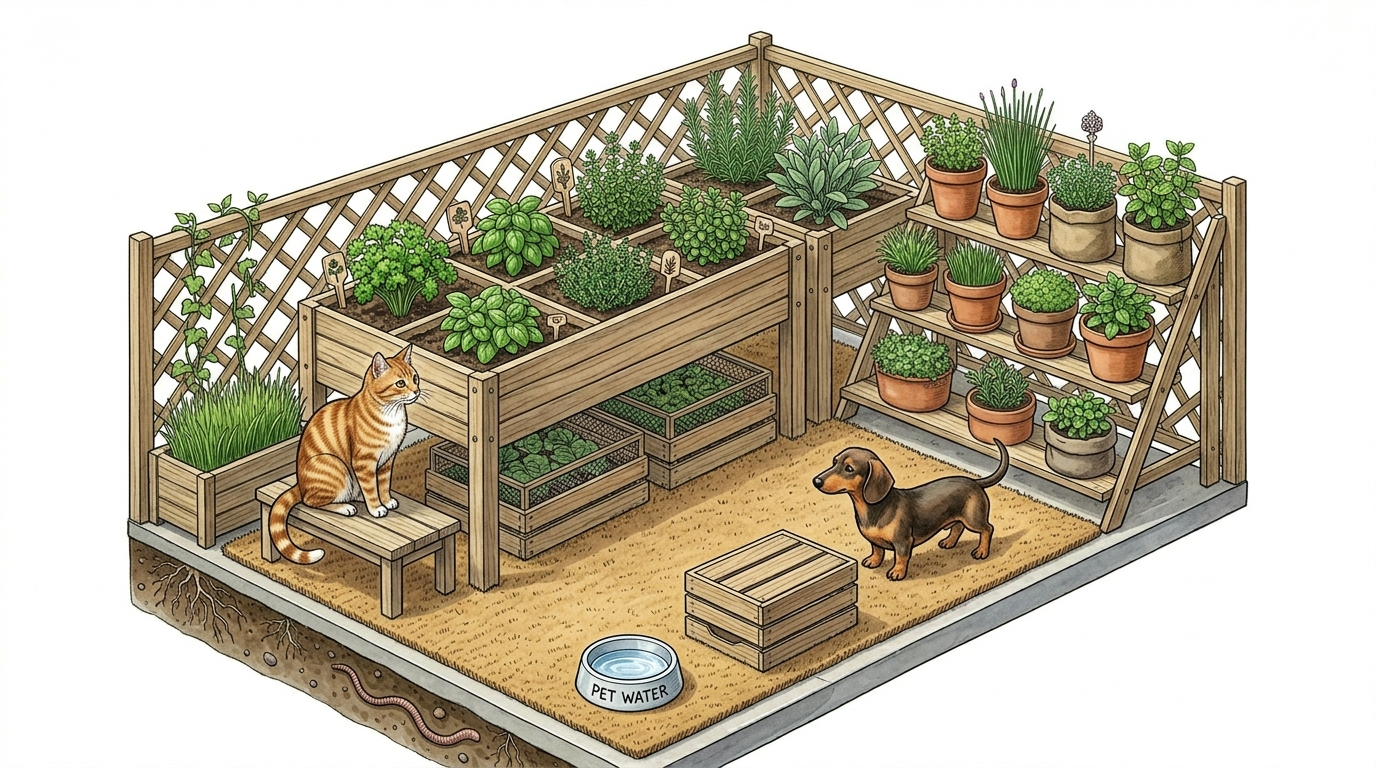
What makes a pet-safe herb garden?
Pet safety begins during planning. The choice of herbs matters, but so do placement, accessibility, and the management of cuttings and harvest waste.
- choose herbs carefully
- plan around animal access
- remove cuttings regularly
- keep beds and containers organized
- check new plants before adding them
Popular herbs for pet-friendly gardens
Many common culinary herbs grow well in gardens, raised beds, and containers. Hardy species that tolerate regular harvesting are especially popular.
- basil
- parsley
- dill
- thyme
- rosemary
- mint
The suitability of individual herbs should always be checked in the corresponding plant profiles, since animal species, plant parts, and consumed amounts may influence safety.
Herbs on balconies and patios
Balconies and patios are excellent places for herb gardens. However, plants are often easier for pets to reach than they would be in larger gardens.
- use containers with good drainage
- choose stable pots that will not tip over
- group herbs by size and growth habit
- remove dead plant material regularly
- keep saucers and water trays clean
Creating a pet-friendly herb bed
A dedicated herb bed improves organization, harvesting, and maintenance. It also helps separate sensitive herbs from heavily used animal areas.
- 1
Choose a location
Select a sunny to partially shaded spot with easy access.
- 2
Group herbs
Plant herbs with similar growing requirements together.
- 3
Keep paths clear
Allow enough space for maintenance and harvesting.
- 4
Consider animal routes
Avoid placing delicate herbs directly in high-traffic pet areas.
- 5
Maintain regularly
Remove dead growth and keep the planting tidy.
Gardening with dogs, cats, and rabbits
Different pets interact with gardens in different ways. Cats may nibble leaves, dogs often investigate harvest waste, and rabbits may actively browse plants.
- cats sometimes nibble foliage
- dogs investigate cuttings and harvest crates
- rabbits often require protected planting areas
- separate forage plants from herb beds
- always verify plant-specific animal safety
Harvesting and maintenance
Regular harvesting keeps many herbs compact and productive while reducing the amount of dead material left in the garden.
- trim herbs regularly
- remove wilted foliage
- dispose of or use cuttings promptly
- keep containers clean
- inspect plants frequently
Planning a pet-friendly garden
Combining herbs, edible gardening, and pets works best with clear organization. Separate zones simplify maintenance and reduce conflicts between animals and plants.
- clearly define herb-growing areas
- consider animal movement routes
- keep harvest stations tidy
- secure compost areas
- introduce new plants gradually
Frequently asked questions
Which herbs are commonly grown in pet-friendly gardens?
Popular choices include basil, parsley, dill, thyme, rosemary, and mint. Individual plant profiles should always be checked for detailed safety information.
Can herbs be grown on a balcony with pets?
Yes. Stable containers, good maintenance, and thoughtful placement help keep both plants and pets safe.
Why should herb cuttings be removed?
Plant waste is often easier for pets to access than growing herbs and should therefore be cleared away regularly.
Do pets and herbs need separate garden areas?
Not necessarily, but clearly defined zones make maintenance easier and improve safety.
Internal links
Related plants
Guides
Related guides
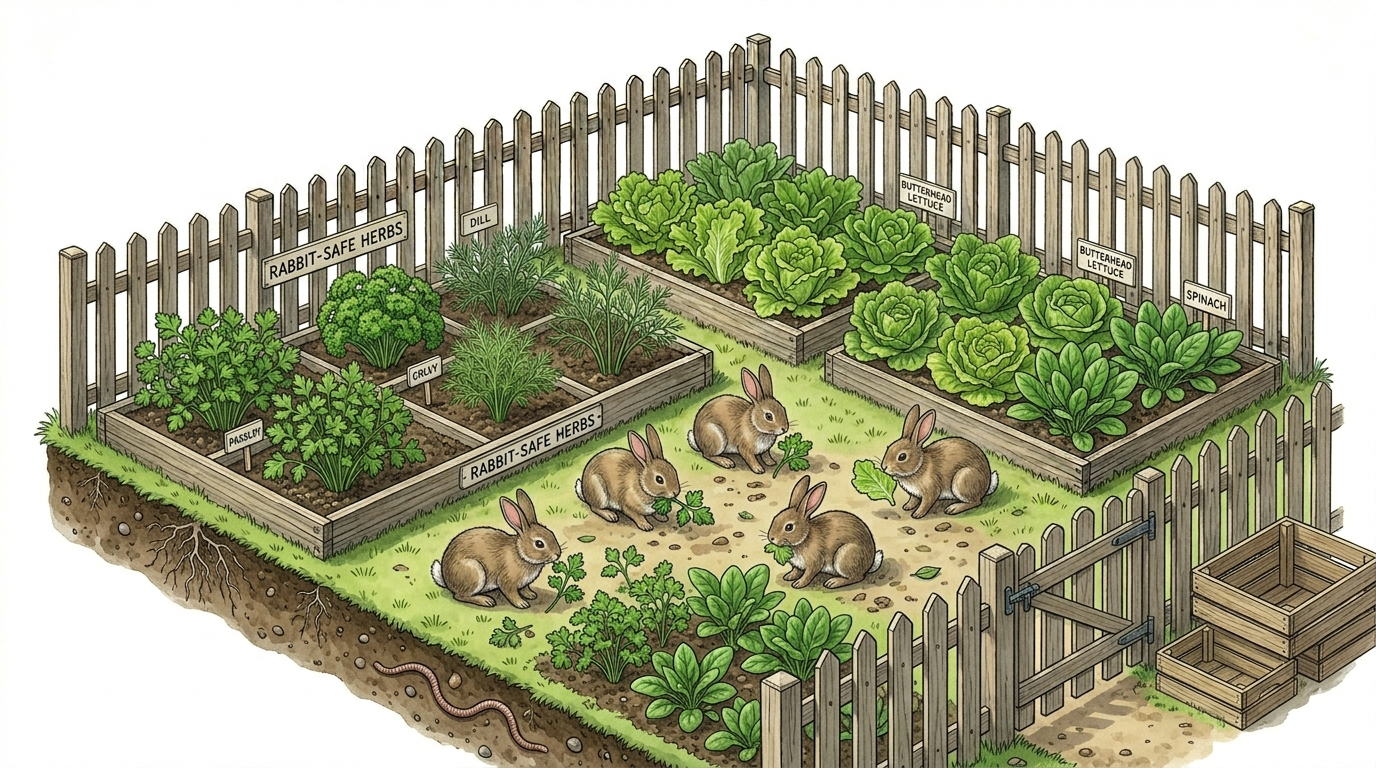
Guide
Rabbits in the Garden: Herbs and Vegetables
Learn how to choose suitable herbs and vegetables for rabbits, grow feeding plants, and plan a rabbit-friendly garden.
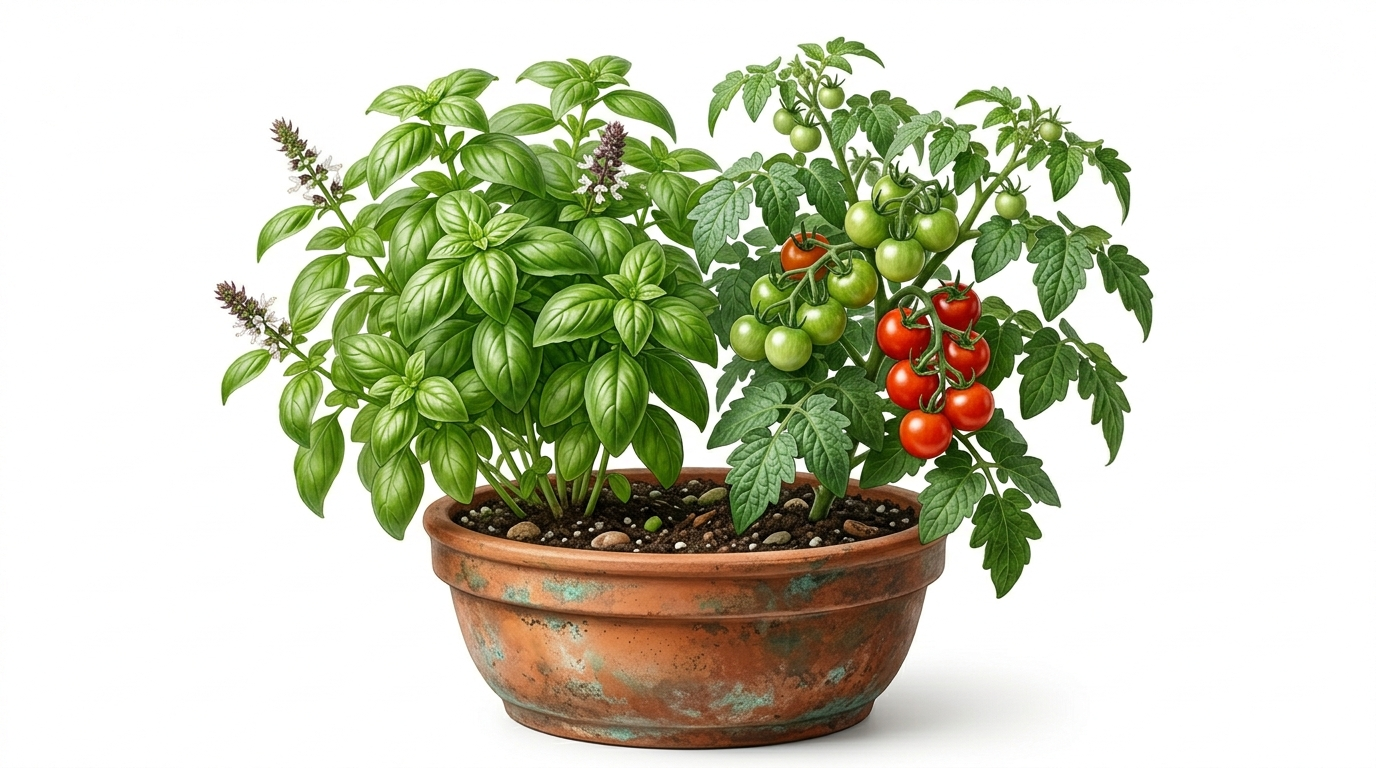
Guide
Growing Basil: Site, Watering and Harvesting
Learn how to grow basil successfully with the right site, steady watering, regular harvesting, and tips to delay flowering.
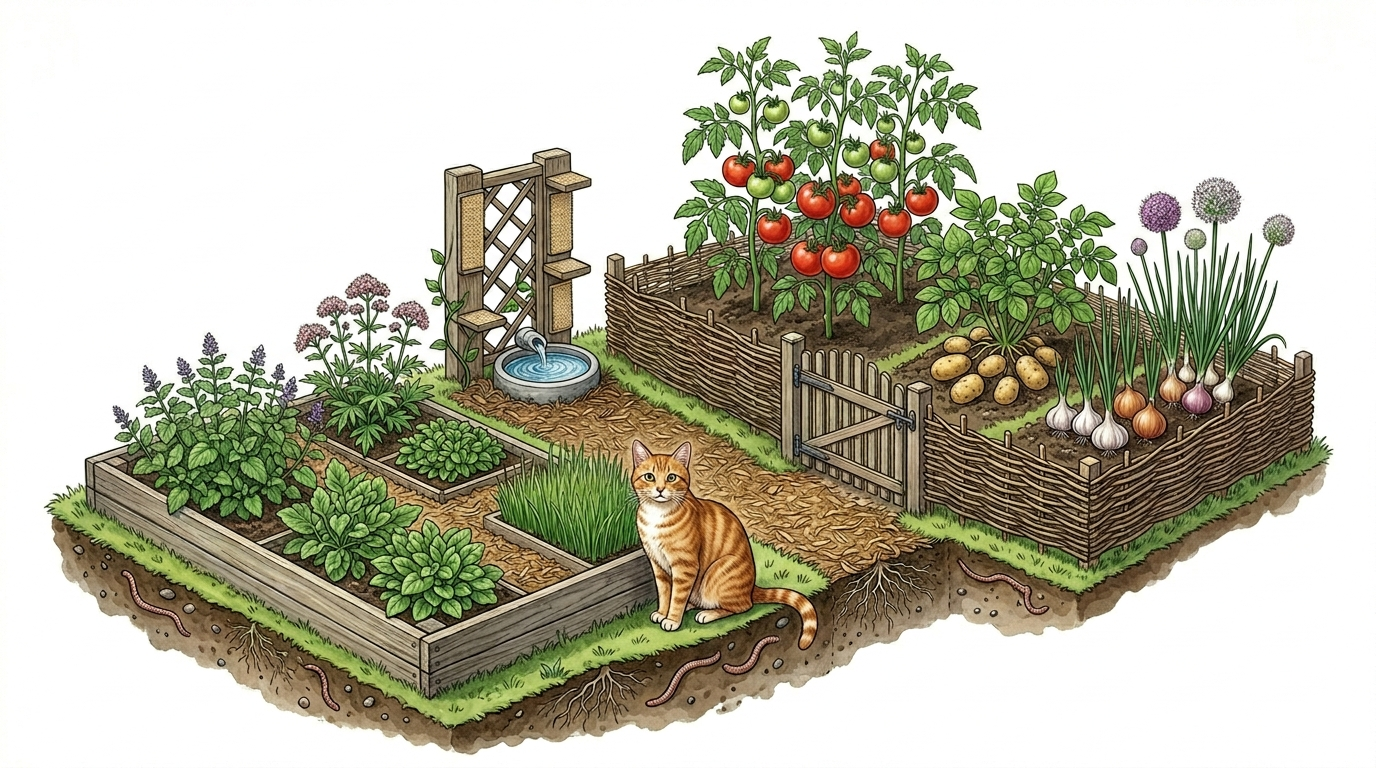
Guide
Toxic Garden Plants for Cats: Safer Planning
Learn which garden plants can be risky for cats, how to plan safer beds, and what to do if a cat eats a toxic plant.
Guide
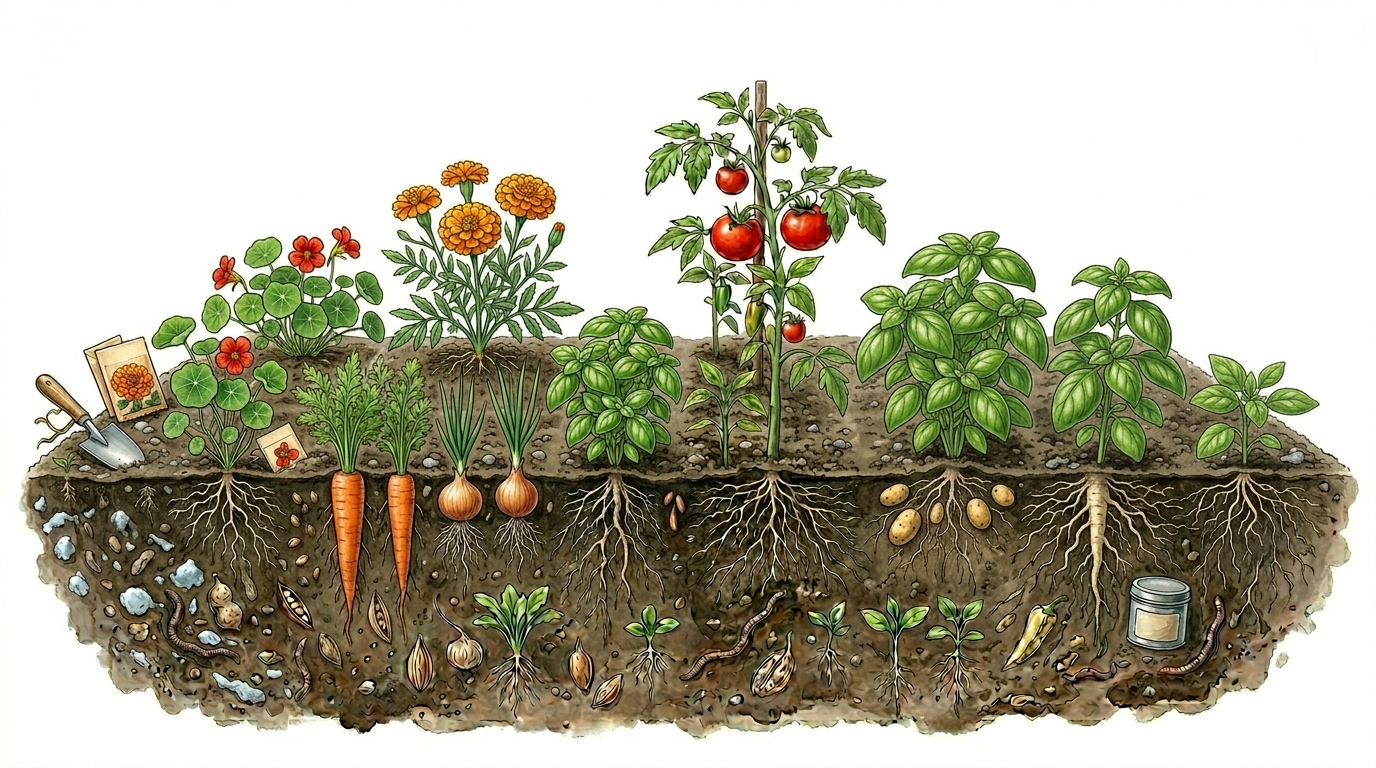
Companion Planting for Tomatoes: Good and Bad Neighbors
Learn which plants grow well with tomatoes, which neighbors to avoid, and how to plan productive mixed tomato beds.