Symptoms
Stunted growth
Understand Stunted growth on plants: possible causes, affected plants, and matching diagnosis guides. 52 affected plants.
Editorial diagnosis
Diagnosis overview
Poor growth appears as small plants, short shoots, weak roots, or stalled development. Nutrients are not always the cause. Soil structure, temperature, water, light, root damage, and competition often interact.
The symptom is documented in the available plant profiles for crops including Chayote, Acorn Squash, pointed cabbage, Aronia. Also check weather, watering, soil moisture, and any changes appearing at the same time.
Compare healthy and affected plants directly and record whether young or old leaves, individual shoots, or the whole plant are affected first. Photos taken several days apart can also show whether the pattern is progressing or remains stable.
A common diagnostic mistake is to assign one visible sign immediately to a specific deficiency, pest, or pathogen. Compare several plausible causes before fertilising or treating the plant.
At a glance
Plants
52
Possible causes
12
Category
Alliums, Berries, Cabbages, Cucurbits, Fruit
Possible confusion
- Similar stress damage: Check soil moisture, recent weather, and affected plant parts. The overall pattern matters more than one symptom.
- Diseases: Diseases more often show spots, coatings, rot, or progressive spread.
- Nutrient deficiency: Deficiencies often follow typical leaf patterns and are not always directly linked to weather events.
Immediate actions
- Narrow down the cause using soil moisture, weather, and affected plant parts
- Remove badly damaged or rotting tissue
- Stabilise water and site conditions
- Check roots, drainage, and pot size in containers
- Watch for further spread or recurrence
Prevention
- Choose suitable season and site
- Maintain even watering
- Keep enough spacing and airflow
- Improve soil structure long term
- Check regularly before damage becomes severe
Affected plants
Guides
Related guides
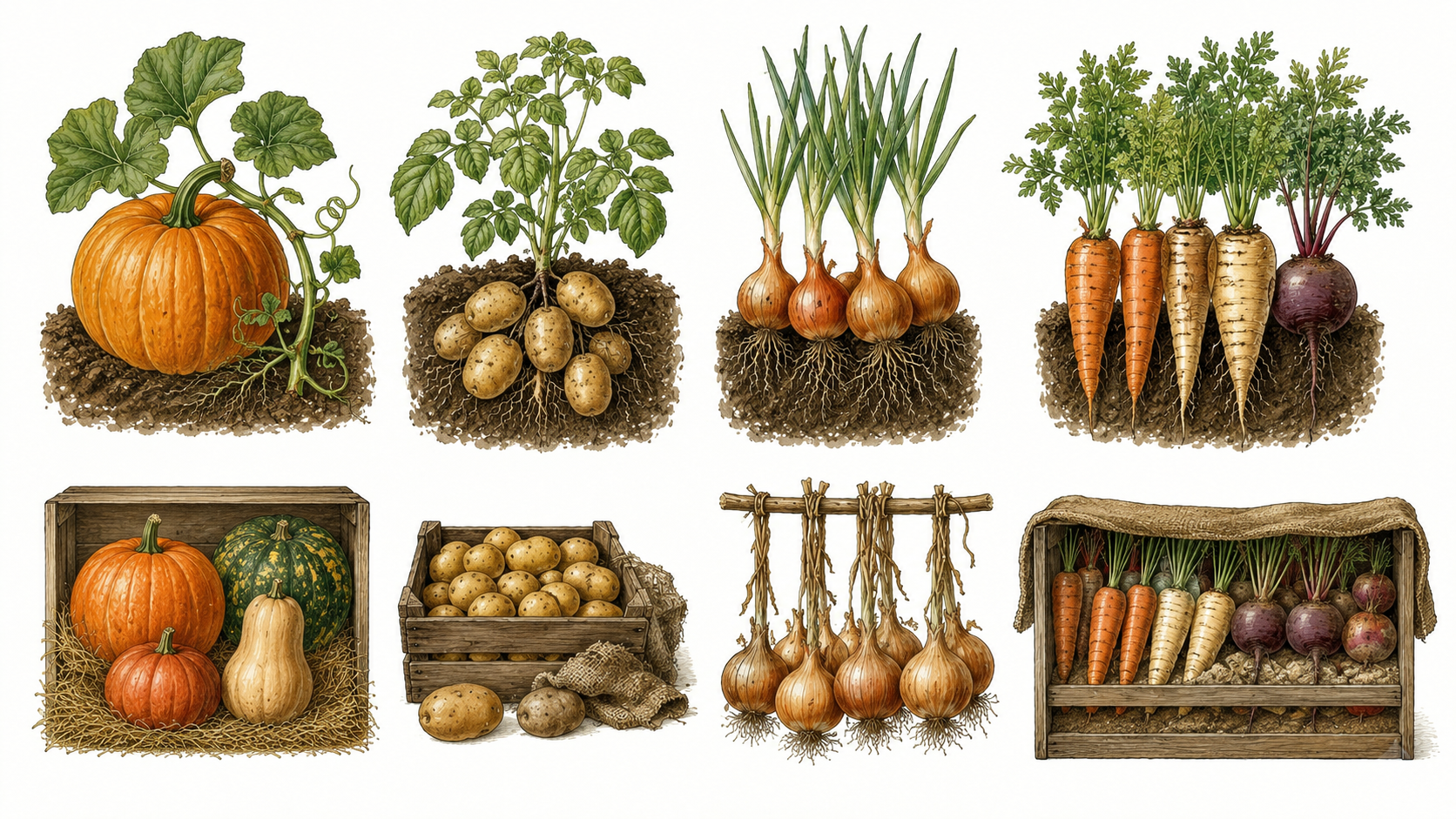
Guide
Autumn Harvest and Storage for Squash and Root Crops
Learn how to harvest and store squash, potatoes, onions, and root vegetables for longer freshness through autumn and winter.
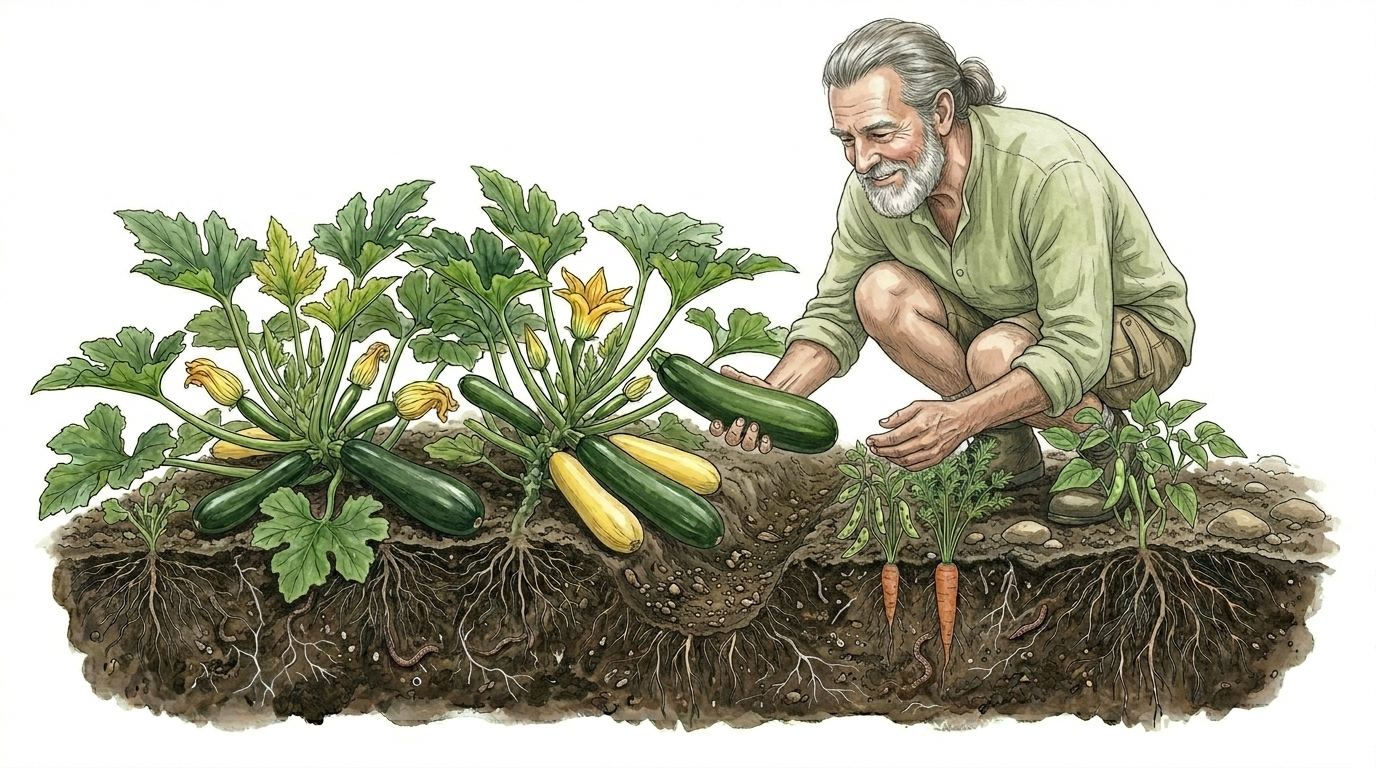
Guide
Growing Zucchini: Spacing, Pollination and Mildew
Learn how to grow zucchini with the right site, spacing, pollination support, and practical tips to prevent powdery mildew.
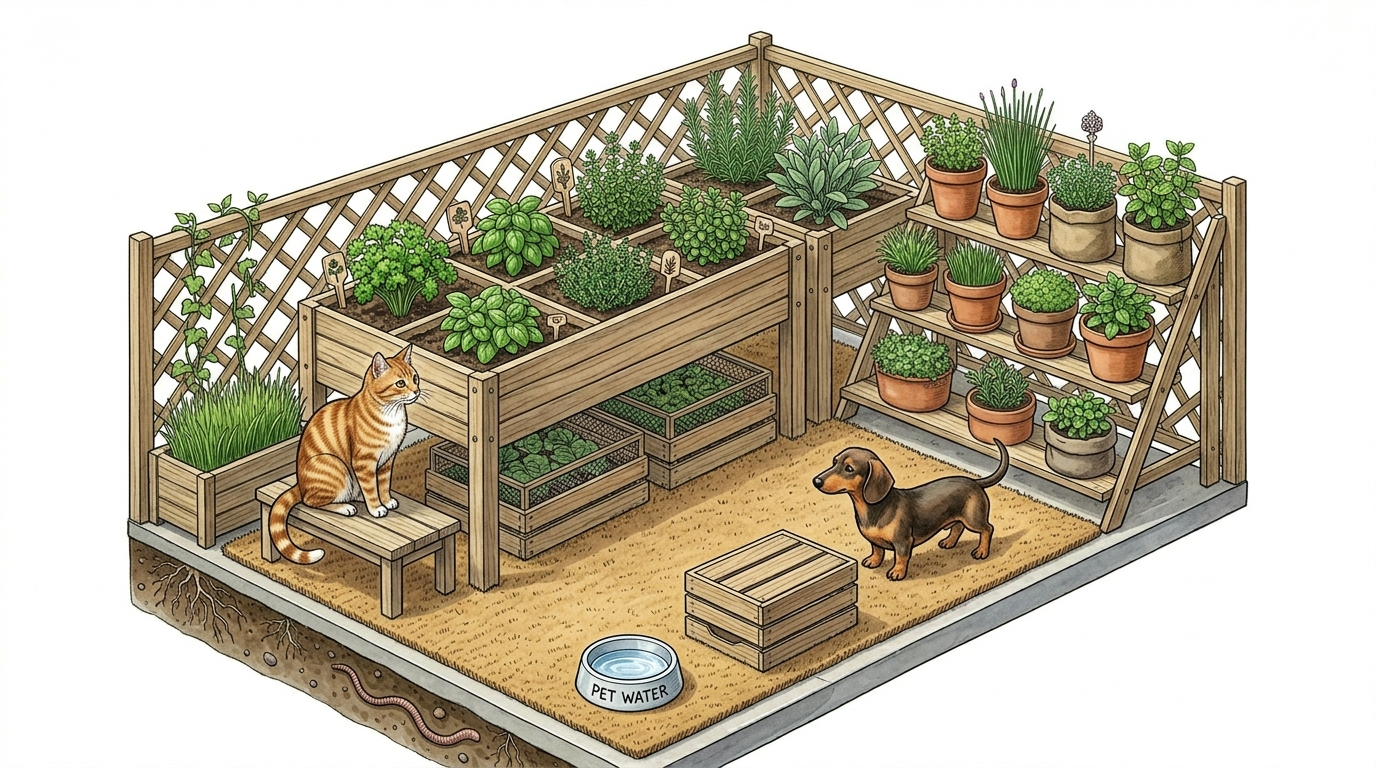
Guide
Pet-Safe Herb Gardens for Balconies and Beds
Learn how to create a pet-safe herb garden with suitable herbs, thoughtful layouts, and practical maintenance strategies.
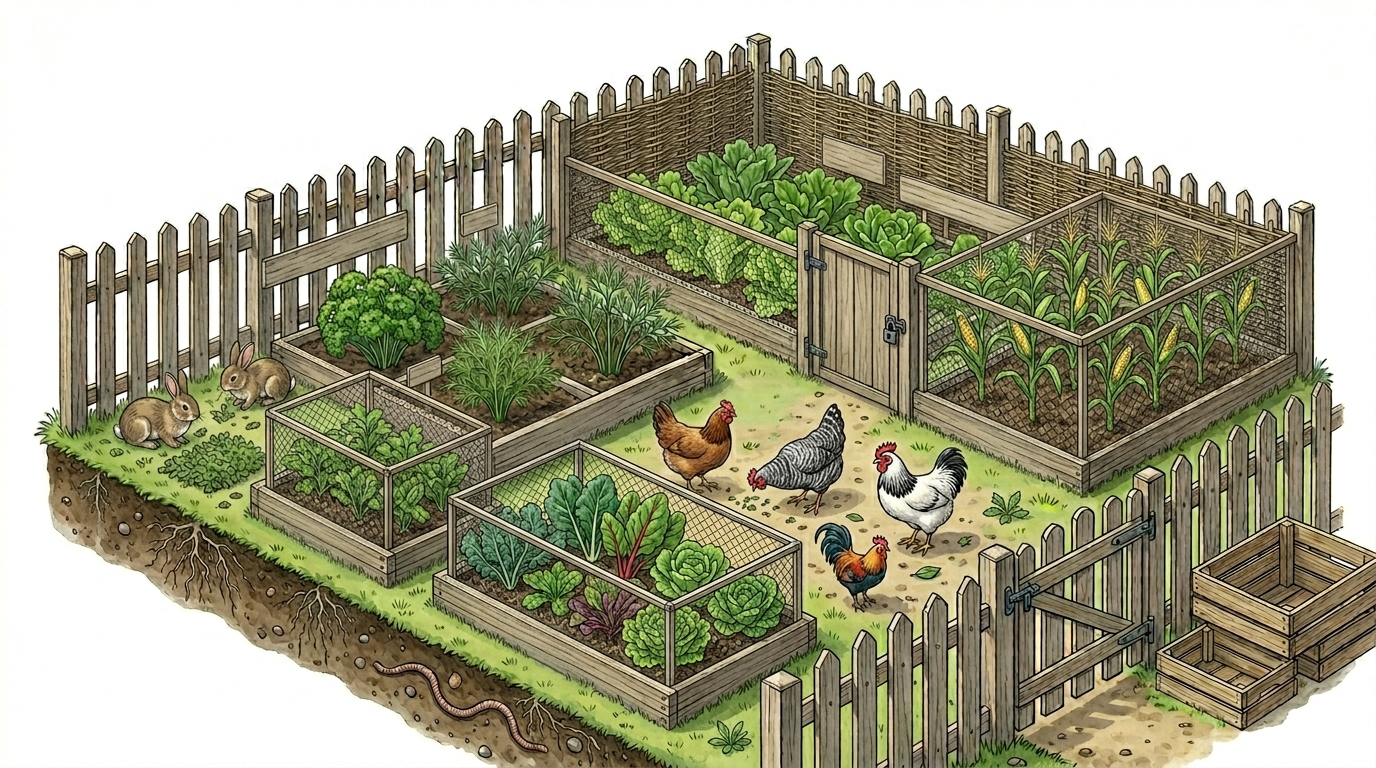
Guide
Chickens in the Garden: Safe Plants and Zones
Learn how to design a chicken-friendly garden with suitable plants, protected beds, and well-planned activity areas.
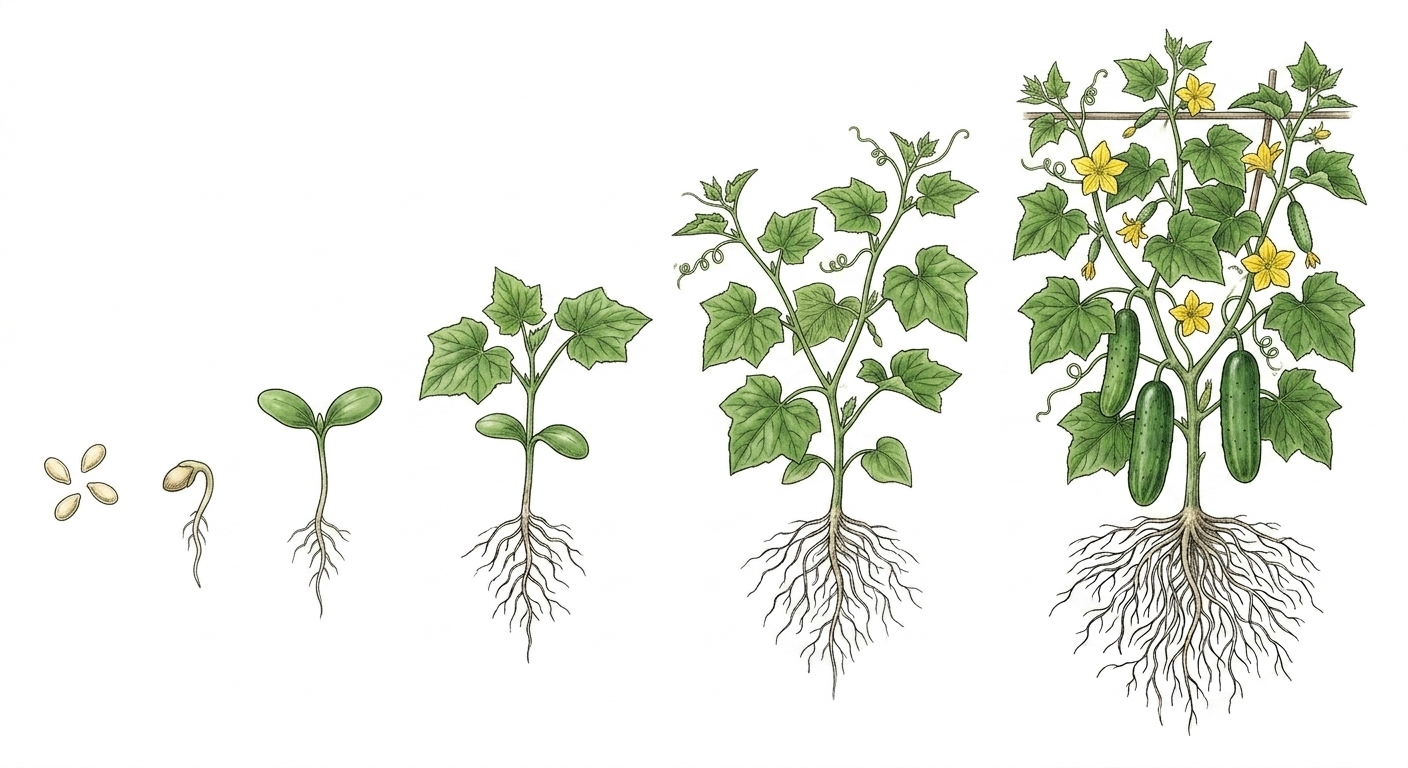
Guide
Growing Cucumbers: Starting, Supports and Harvest
Learn how to grow cucumbers successfully with indoor starting, transplanting, trellises, watering, and regular harvesting.
Similar topics
FAQ
Can a plant recover from poor growth?
Mild damage often grows out once the cause is corrected. Badly damaged leaves, fruit, or roots usually remain visibly affected.
Should I fertilise immediately?
Not automatically. Many problems are caused by water, weather, roots, or site conditions. Identify the likely cause first.
When should plant parts be removed?
Remove rotting, badly damaged, or disease-promoting tissue. With pure stress damage, some leaves may still provide shade and should not always be removed immediately.