Guide
Growing Zucchini: Spacing, Pollination and Mildew
Zucchini are among the most productive summer vegetables. With warmth, enough space, and regular care, the plants produce fresh fruits continuously for many weeks. Good airflow also helps prevent mildew problems.
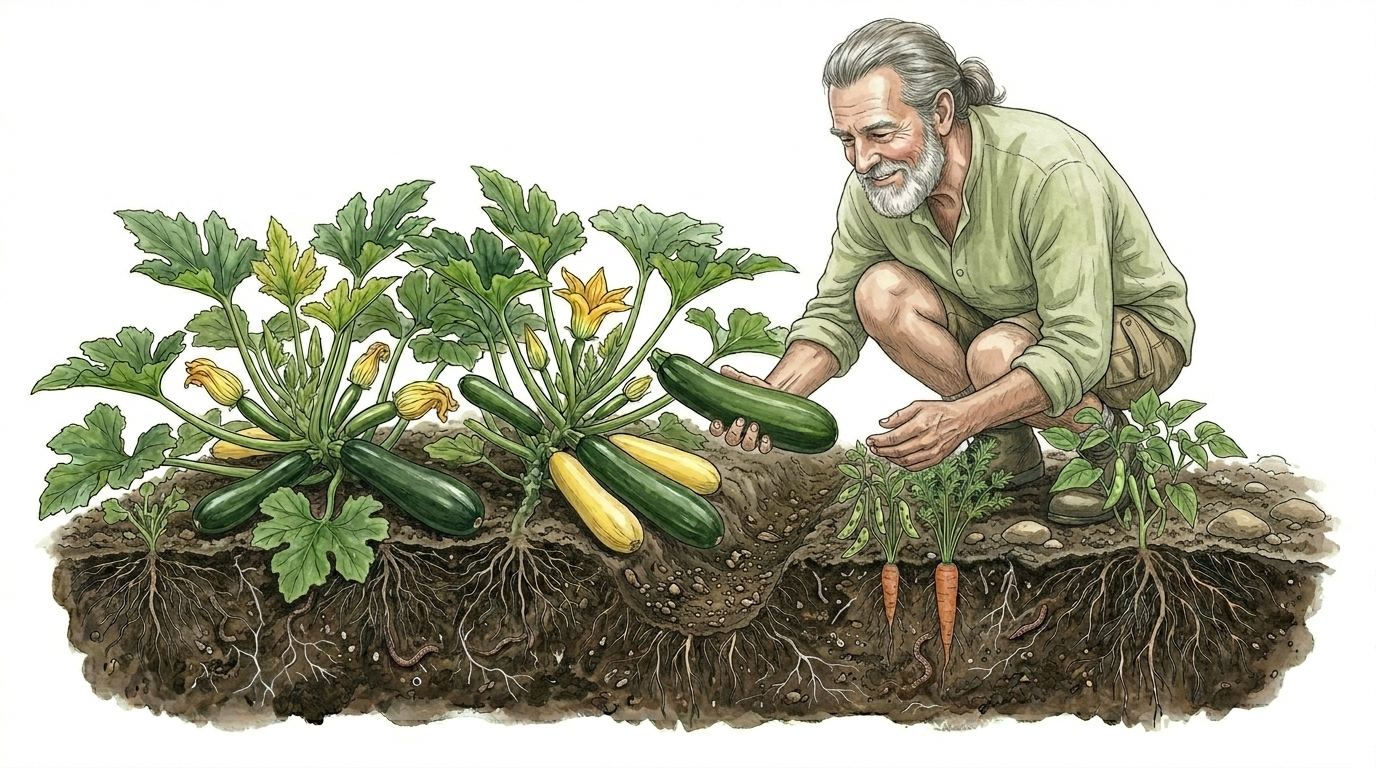
Choosing the right site
Zucchini thrive in warm, sunny places with nutrient-rich soil. A sheltered and bright location encourages vigorous growth and plenty of flowers and fruits.
- Sunny to full-sun position
- Loose, humus-rich soil
- Even soil moisture
- Sheltered spots are ideal
Starting and transplanting zucchini
Zucchini can be started indoors from April or sown directly outdoors later in the season. Because the plants are sensitive to cold, they should only be planted outside after frost-free nights.
- 1
Sow the seeds
Place seeds individually into small pots filled with loose soil.
- 2
Keep warm and bright
Maintain even moisture and provide strong light after germination.
- 3
Harden off gradually
Slowly acclimate young plants to outdoor conditions before transplanting.
- 4
Plant outdoors
Move zucchini into prepared garden soil only after the last frosts.
Why proper spacing matters
Zucchini grow quickly and develop very large leaves. Generous spacing improves airflow and light exposure while helping prevent diseases.
- Avoid planting too closely together
- Large varieties need especially wide spacing
- Good airflow reduces moisture on leaves
- Easy access improves harvesting and maintenance
Pollination and fruit set
Zucchini plants produce both male and female flowers. Pollination by insects is important for good fruit production.
- Bees and pollinators improve fruit set
- Female flowers have small fruits behind the blossom
- Poor weather may reduce pollination
- Many flowers do not always mean many fruits
Seasonal care
Zucchini grow rapidly and need regular water and nutrients. Drought stress can reduce growth and fruit quality.
- Water regularly at soil level
- Avoid waterlogging
- Use compost or nutrient-rich soil
- Remove damaged or old leaves
Preventing powdery mildew
Powdery mildew is one of the most common zucchini problems. Warm days combined with humid nights especially encourage its spread.
- Ensure good airflow around plants
- Keep leaves as dry as possible
- Avoid overcrowding
- Remove infected leaves early
- Maintain healthy growth with consistent care
Harvesting zucchini
Young zucchini are usually the most tender and flavorful. Frequent harvesting encourages the plant to keep producing new fruits.
- Check plants regularly for ripe fruits
- Harvest with scissors or a knife
- Smaller fruits are often especially tasty
- Regular picking improves total yield
Frequently asked questions
Why does my zucchini have many flowers but few fruits?
Poor pollination is a common reason, especially during cool or rainy weather.
How can powdery mildew be prevented on zucchini?
Good airflow, enough spacing, and keeping leaves dry help reduce mildew problems.
Can zucchini be direct sown outdoors?
Yes, once the weather is warm enough zucchini can be sown directly into the garden.
Internal links
Related plants
Guides
Related guides
Guide
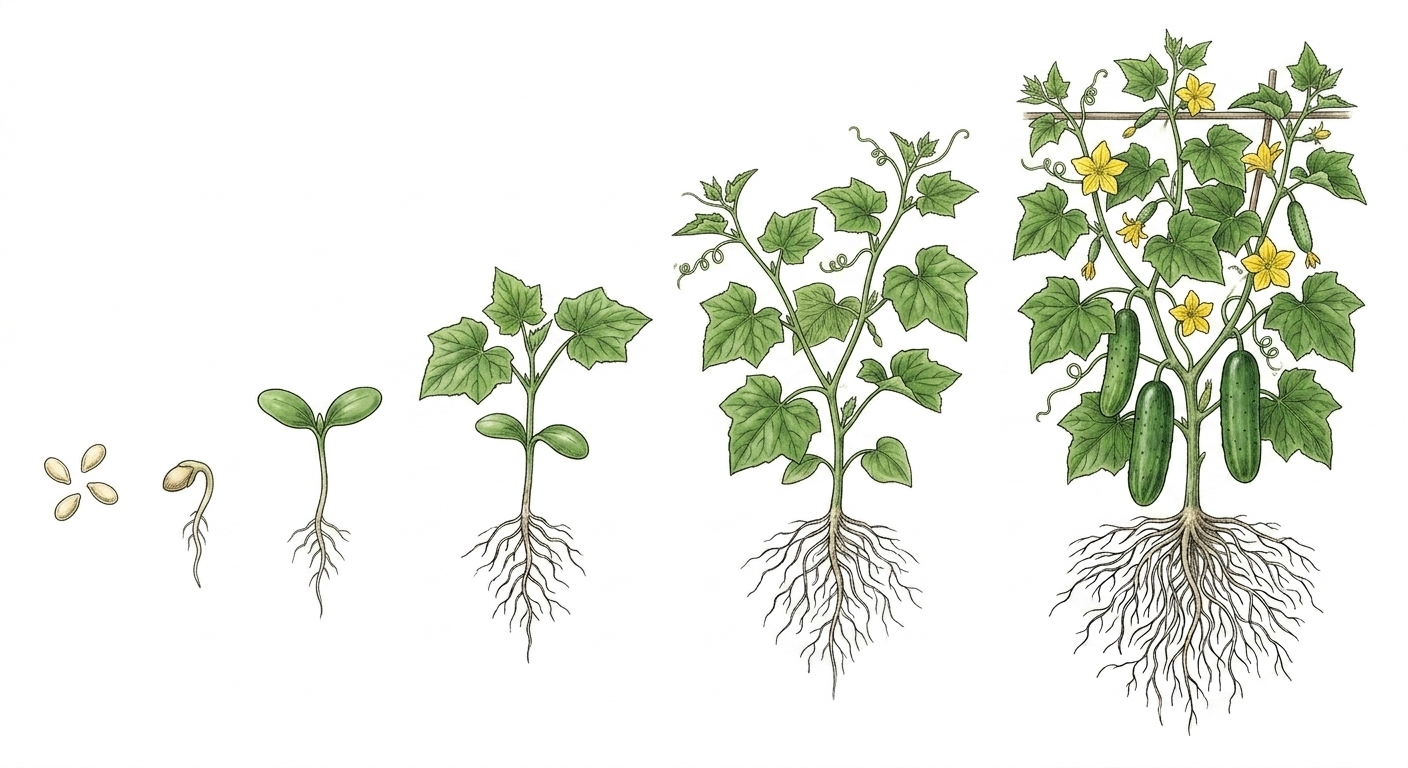
Growing Cucumbers: Starting, Supports and Harvest
Learn how to grow cucumbers successfully with indoor starting, transplanting, trellises, watering, and regular harvesting.
Guide
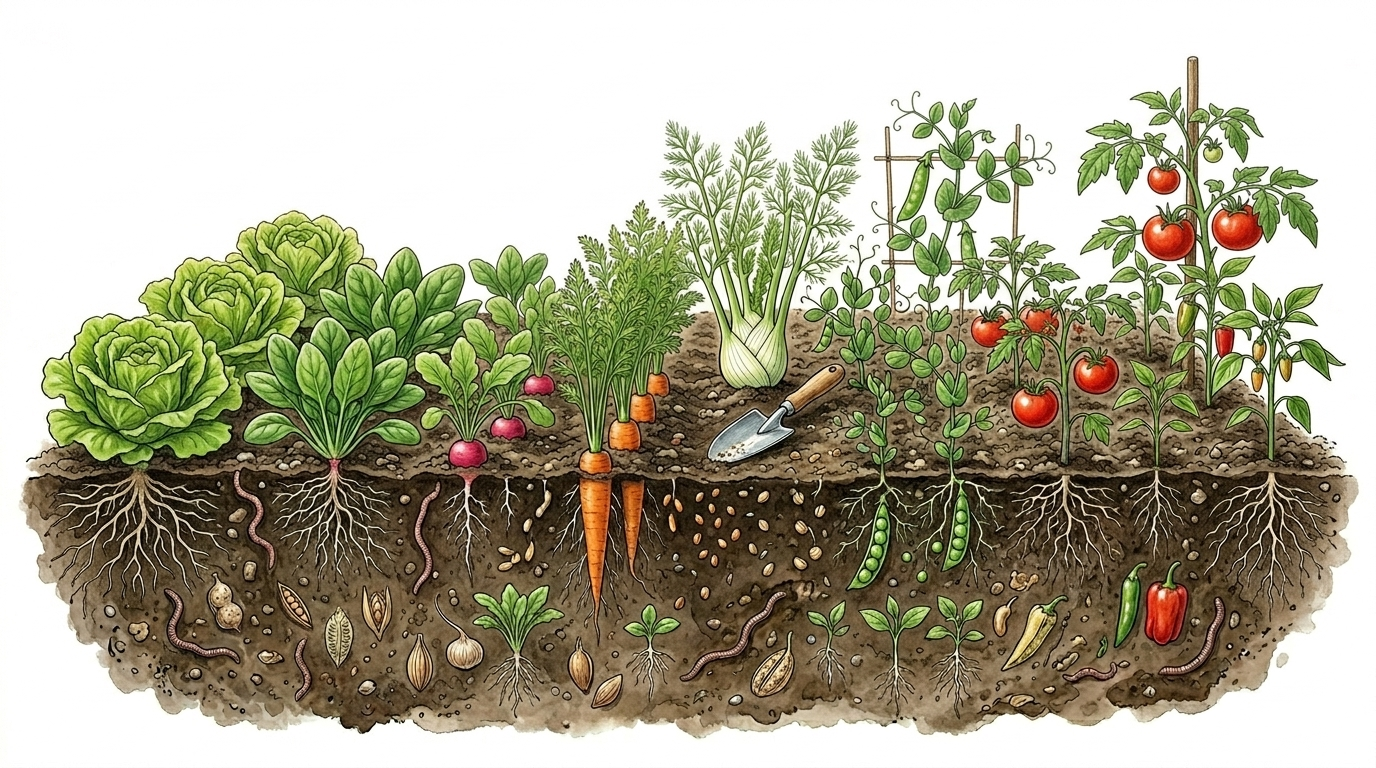
May Planting Calendar: Transplanting and Succession Sowing
What to plant and sow in May: transplant tender vegetables, continue succession sowing, and make the most of garden beds.
Guide
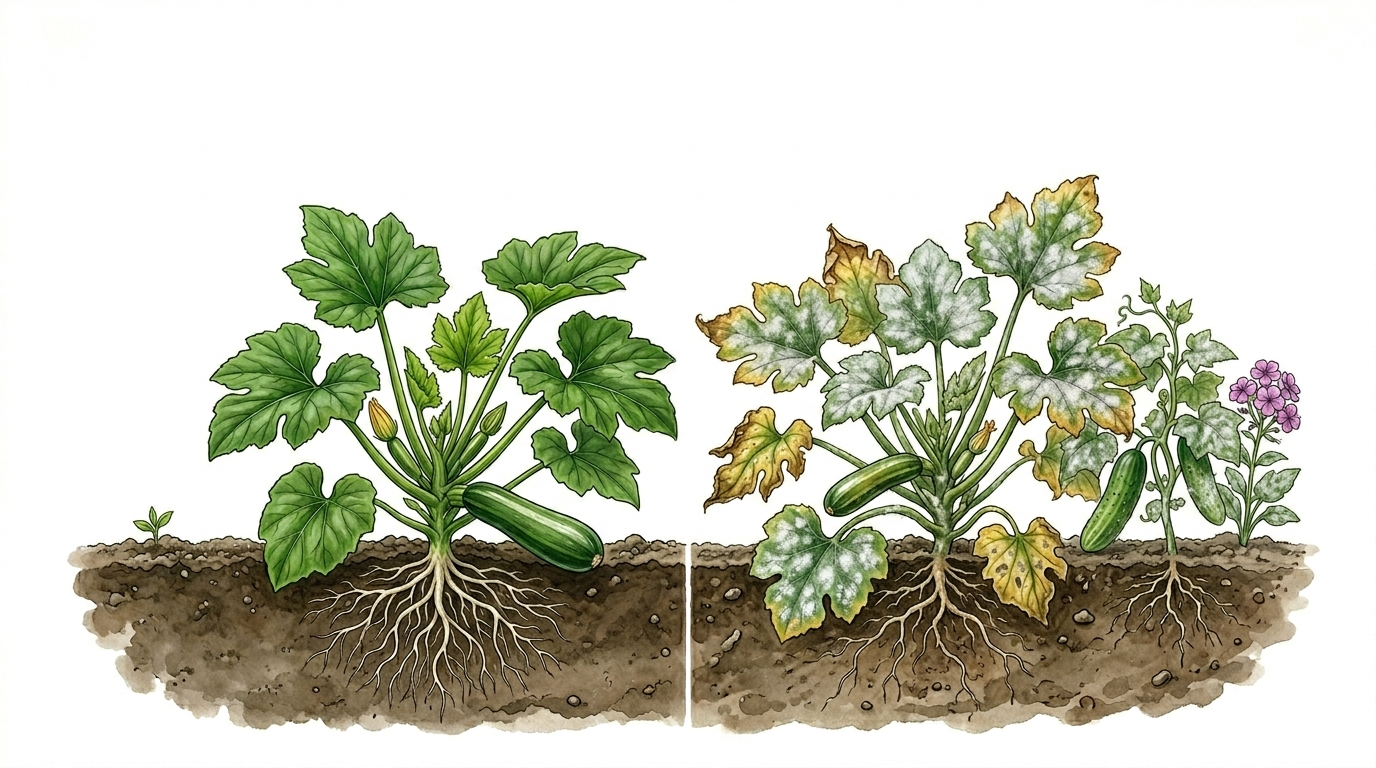
Powdery Mildew in the Garden: Prevention and Care
Learn how to recognize powdery mildew early, improve airflow, and care for affected vegetables in the garden.
Guide
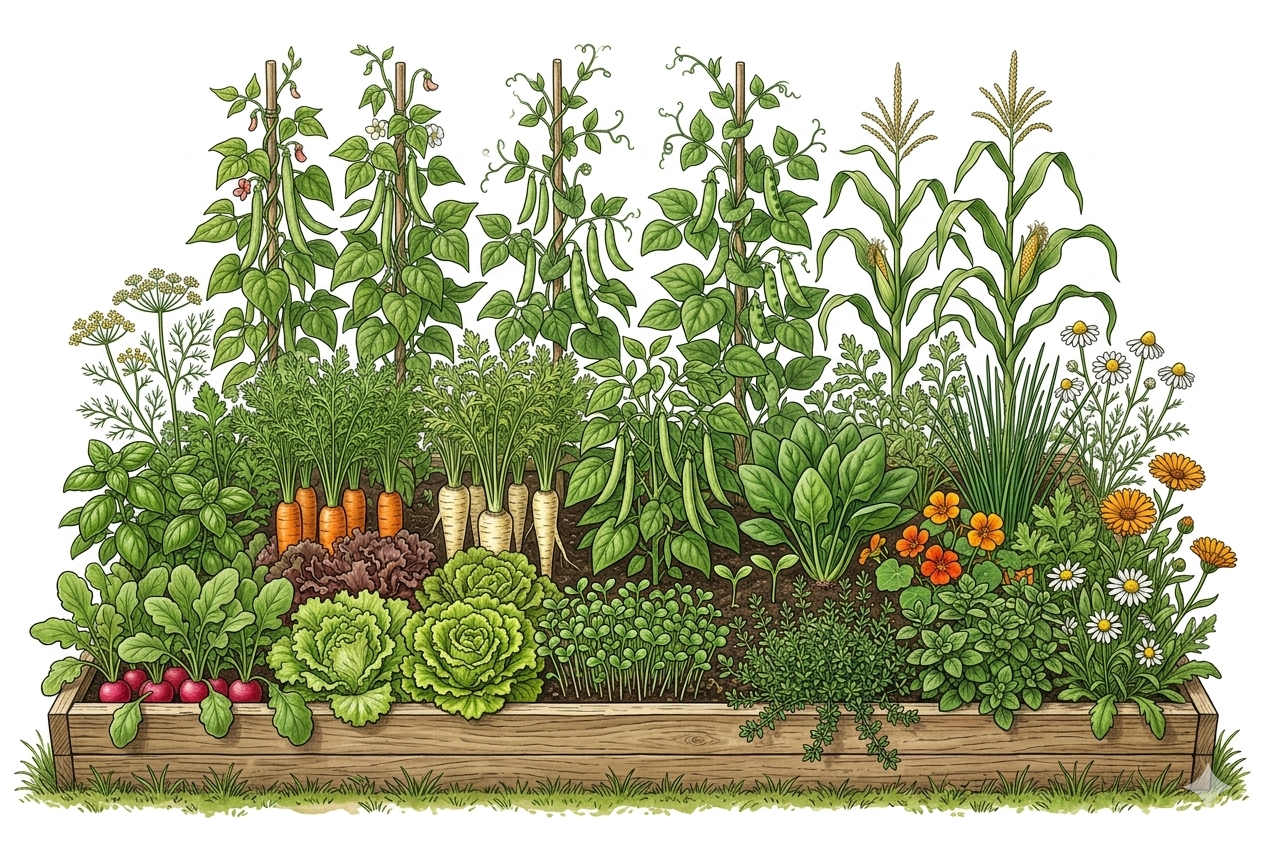
Small Garden Bed Planning: Combine 20 Crops Well
Use small beds efficiently by combining 20 vegetables and herbs, planning successions, and avoiding wasted gaps.