Symptoms
Wilting
Understand Wilting on plants: possible causes, affected plants, and matching diagnosis guides. 13 affected plants.
Editorial diagnosis
Diagnosis overview
Wilting is a visible plant sign, not a diagnosis on its own. The affected plant part, distribution of the pattern, and its progression help narrow down the possible causes.
The symptom is documented in the available plant profiles for crops including Common chicory, Horseradish, Brussels sprouts, pointed cabbage. Also check weather, watering, soil moisture, and any changes appearing at the same time.
Compare healthy and affected plants directly and record whether young or old leaves, individual shoots, or the whole plant are affected first. Photos taken several days apart can also show whether the pattern is progressing or remains stable.
A common diagnostic mistake is to assign one visible sign immediately to a specific deficiency, pest, or pathogen. Compare several plausible causes before fertilising or treating the plant.
At a glance
Plants
13
Possible causes
9
Category
Alliums, Brassicas, Cabbages, Herbs, Leafy vegetables
Possible confusion
The visible symptom alone is not enough for a diagnosis. These additional signs help distinguish the linked causes.
- Carrot fly: Also check for Rust-brown tunnels; Distorted roots.
- Cabbage Root Fly: Also check for Wilting seedlings; Chewed roots.
- Onion fly: Also check for Yellowing leaves; Wilting.
- Downy mildew: Also check for Yellowish leaf spots; Grey/purple growth beneath leaves.
- Root rot: Also check for Wilting despite moist soil; Yellow leaves.
- Clubroot: Also check for Stunting; Wilting in warmth.
- Potassium deficiency: Also check for Stunted growth; Marginal necrosis on older leaves.
- Waterlogging: Also check for Wilting leaves despite moist soil; Root rot.
Affected plants
Guides
Related guides
Guide
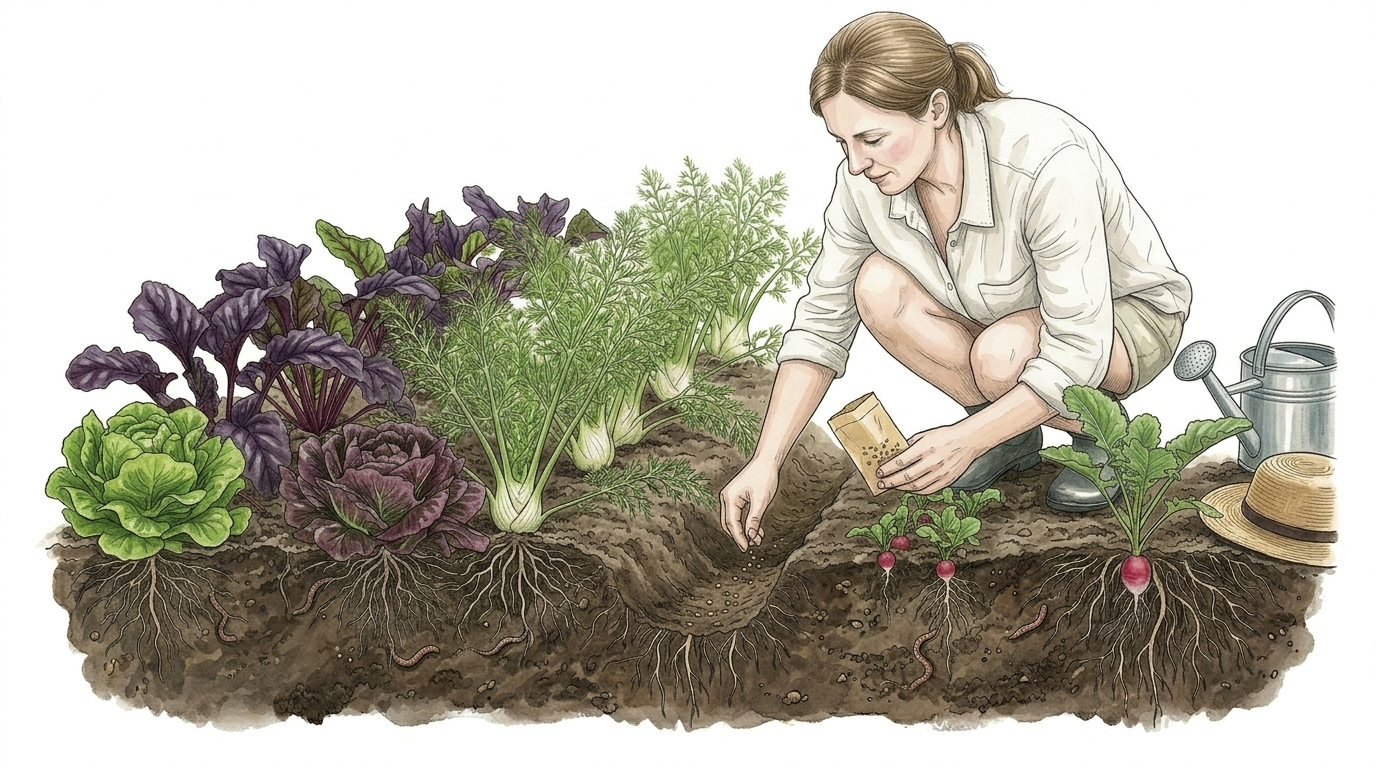
What to Sow in June: Succession Crops and Autumn Harvests
Discover which vegetables to sow in June for succession planting, filling gaps in beds, and planning autumn harvests.
Guide
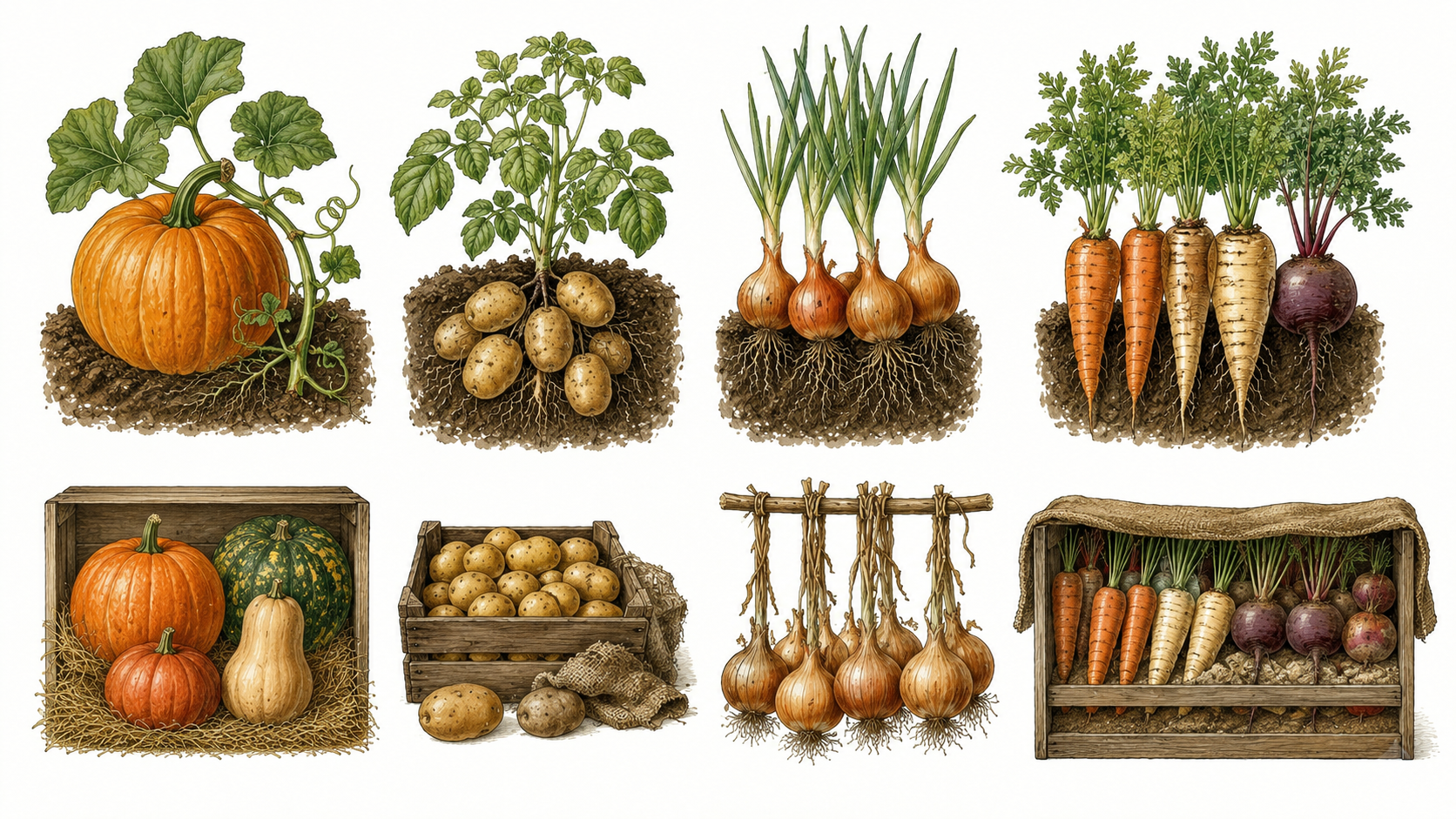
Autumn Harvest and Storage for Squash and Root Crops
Learn how to harvest and store squash, potatoes, onions, and root vegetables for longer freshness through autumn and winter.