Guide
Crop Rotation in Vegetable Gardens Explained
Good crop rotation helps maintain healthy and productive vegetable beds over many years. Rotating different crops balances nutrient use and gives garden soil time to recover between growing seasons.
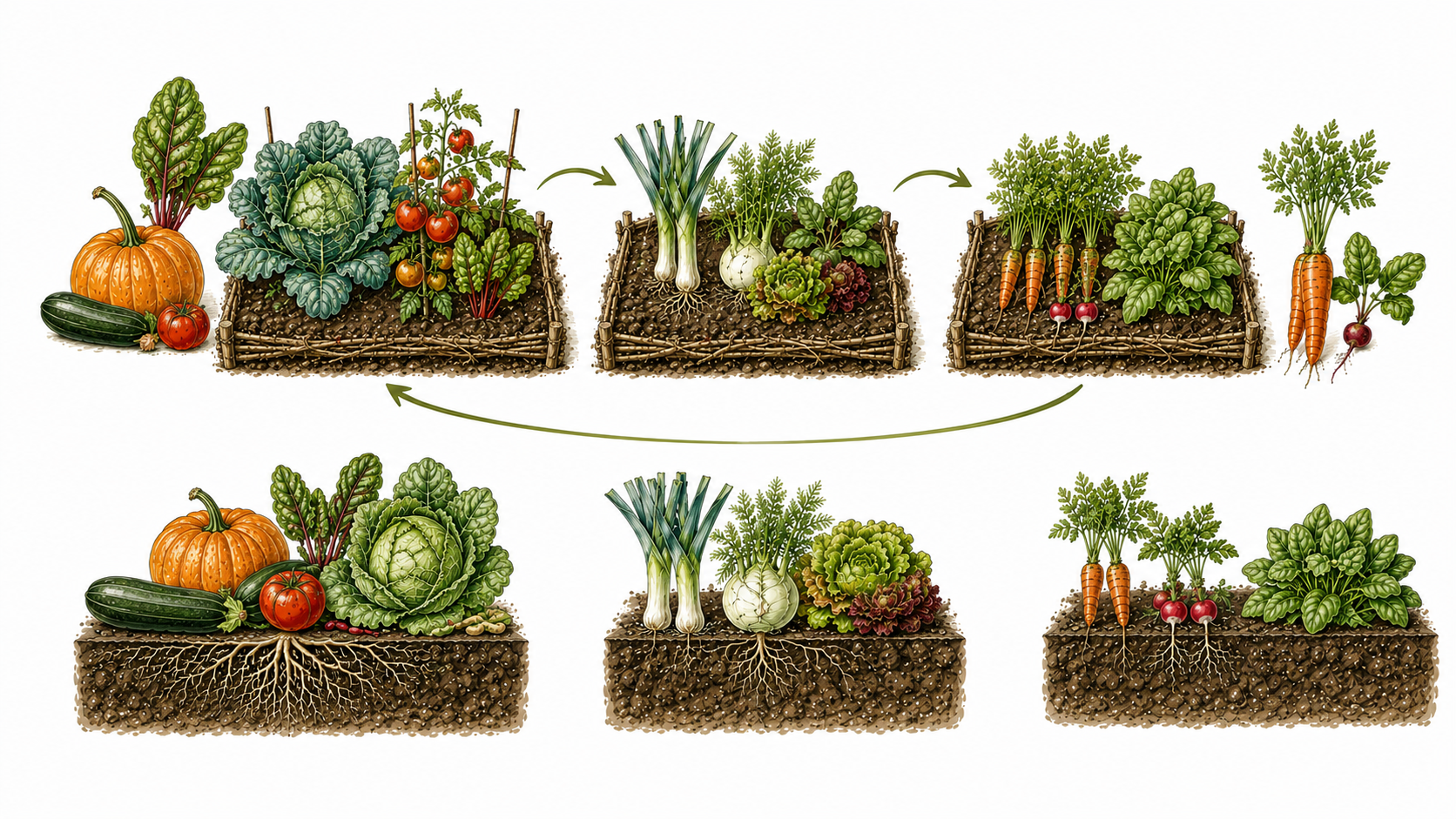
Why crop rotation matters
Growing the same vegetables in the same place every year can place uneven pressure on the soil. Crop rotation supports a more balanced garden ecosystem.
- Nutrients are used more evenly
- Soil structure remains healthier over time
- Beds recover better between crops
- Diverse plantings support a balanced garden environment
Heavy feeders in the garden
Heavy feeders require large amounts of nutrients and usually grow vigorously in rich soil.
- Tomatoes are typical heavy feeders
- Potatoes also require many nutrients
- Large and fast-growing crops consume more resources
- Compost and humus-rich soil support strong growth
Planning medium feeders
Medium feeders are often planted after heavy feeders. They still benefit from fertile soil but place less pressure on the bed.
- Lettuce works well as a follow-up crop
- Many moderately growing vegetables belong to this group
- Loose soil remains important
- Even watering supports healthy growth
Light feeders and soil recovery
Light feeders need fewer nutrients and are often used later in the crop rotation cycle.
- Onions are considered typical light feeders
- Many herbs require little additional nutrition
- Less demanding crops reduce soil pressure
- Soil care still remains important
Peas and other legumes
Peas and other legumes are often included in crop rotations to increase diversity in bed planning.
- Peas add variation to garden rotations
- Diverse crops improve bed use
- Early harvested plants create space for later crops
- Crop diversity avoids repetitive planting
Planning vegetable beds long term
Crop rotation works best when garden beds are planned several years ahead.
- Rotate beds every year
- Avoid growing heavy feeders in the same place continuously
- Reuse open spaces efficiently
- Combine crop rotation with companion planting
Soil care between crops
Soil maintenance remains important between different crops and growing seasons.
- Add compost regularly
- Use mulch to reduce drying out
- Loosen compacted soil areas
- Avoid leaving soil uncovered for long periods
Planning a simple crop rotation
- 1
Divide the garden into beds
Create several fixed growing areas.
- 2
Start with heavy feeders
Plant nutrient-demanding crops in well-prepared beds.
- 3
Follow with medium feeders
Use crops with moderate nutrient needs the following year.
- 4
Add light feeders
Finish the cycle with less demanding vegetables.
- 5
Continue rotating
Move crop groups regularly between the beds.
Common mistakes to avoid
- Growing the same crops in the same bed for years
- Ignoring nutrient demand differences
- Neglecting soil care
- Leaving beds bare for long periods
- Not tracking previous crops
Frequently asked questions
What is crop rotation?
Crop rotation means regularly changing which vegetables are grown in the same beds over several years.
Which vegetables are considered heavy feeders?
Tomatoes and potatoes are among the most common heavy feeders.
Why should vegetable beds be rotated?
Rotation helps balance soil use and supports healthier beds over the long term.
Internal links
Related plants
Guides
Related guides
Guide
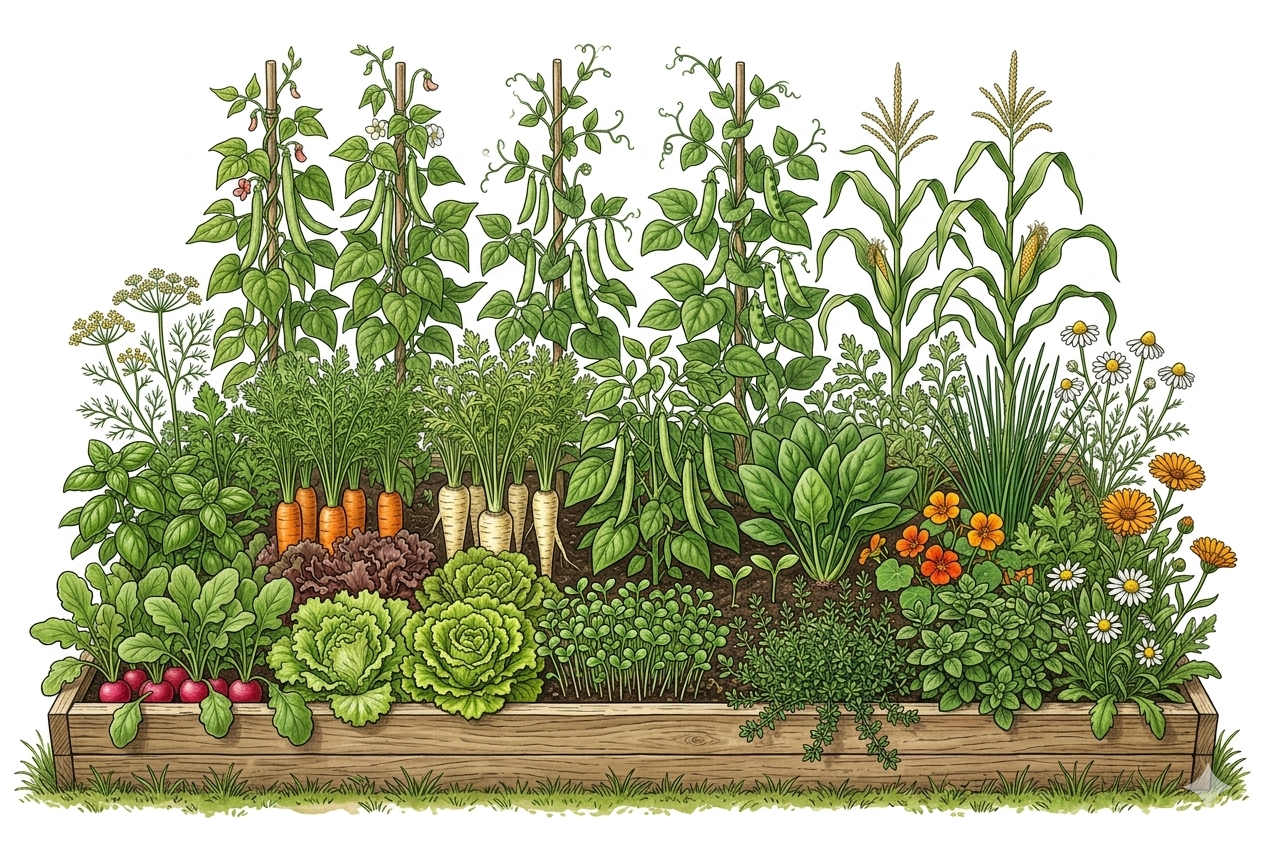
Small Garden Bed Planning: Combine 20 Crops Well
Use small beds efficiently by combining 20 vegetables and herbs, planning successions, and avoiding wasted gaps.
Guide
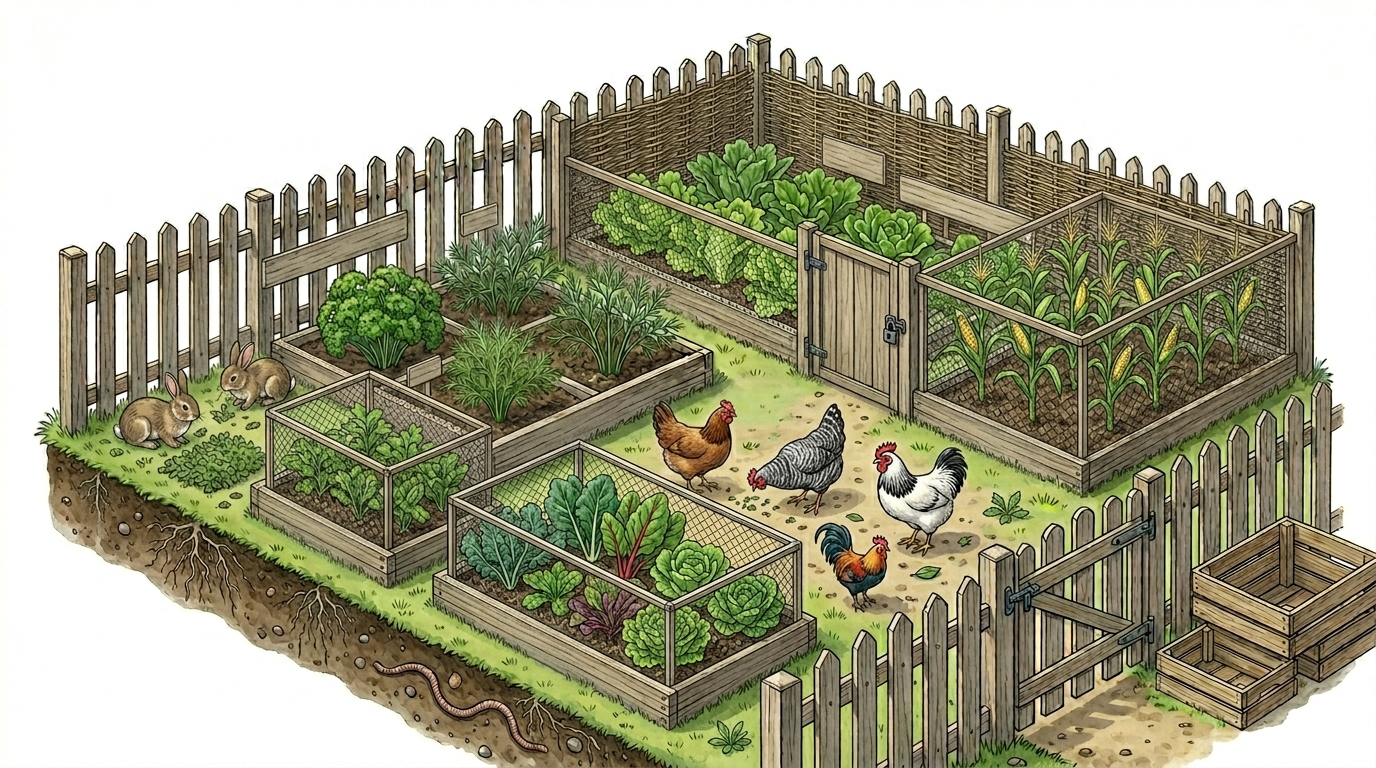
Chickens in the Garden: Safe Plants and Zones
Learn how to design a chicken-friendly garden with suitable plants, protected beds, and well-planned activity areas.
Guide
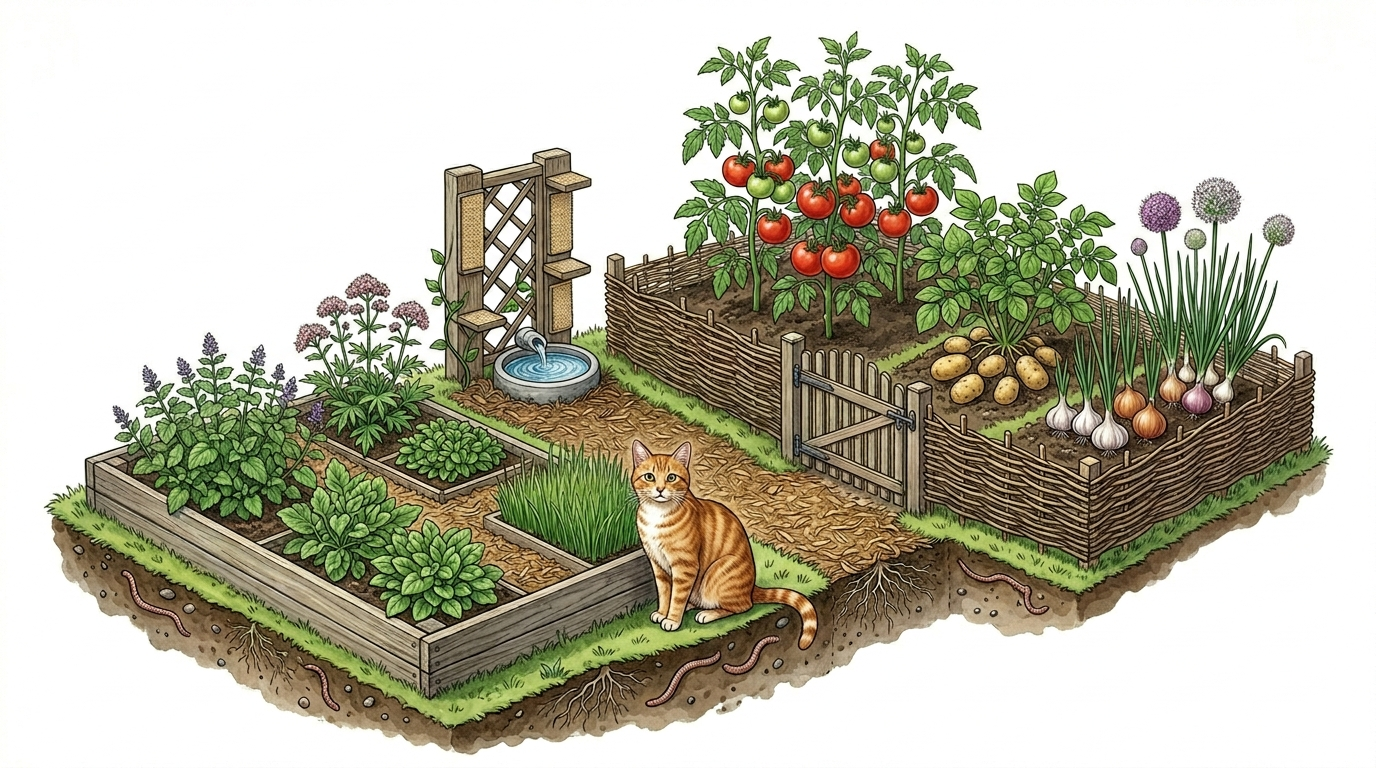
Toxic Garden Plants for Cats: Safer Planning
Learn which garden plants can be risky for cats, how to plan safer beds, and what to do if a cat eats a toxic plant.
Guide
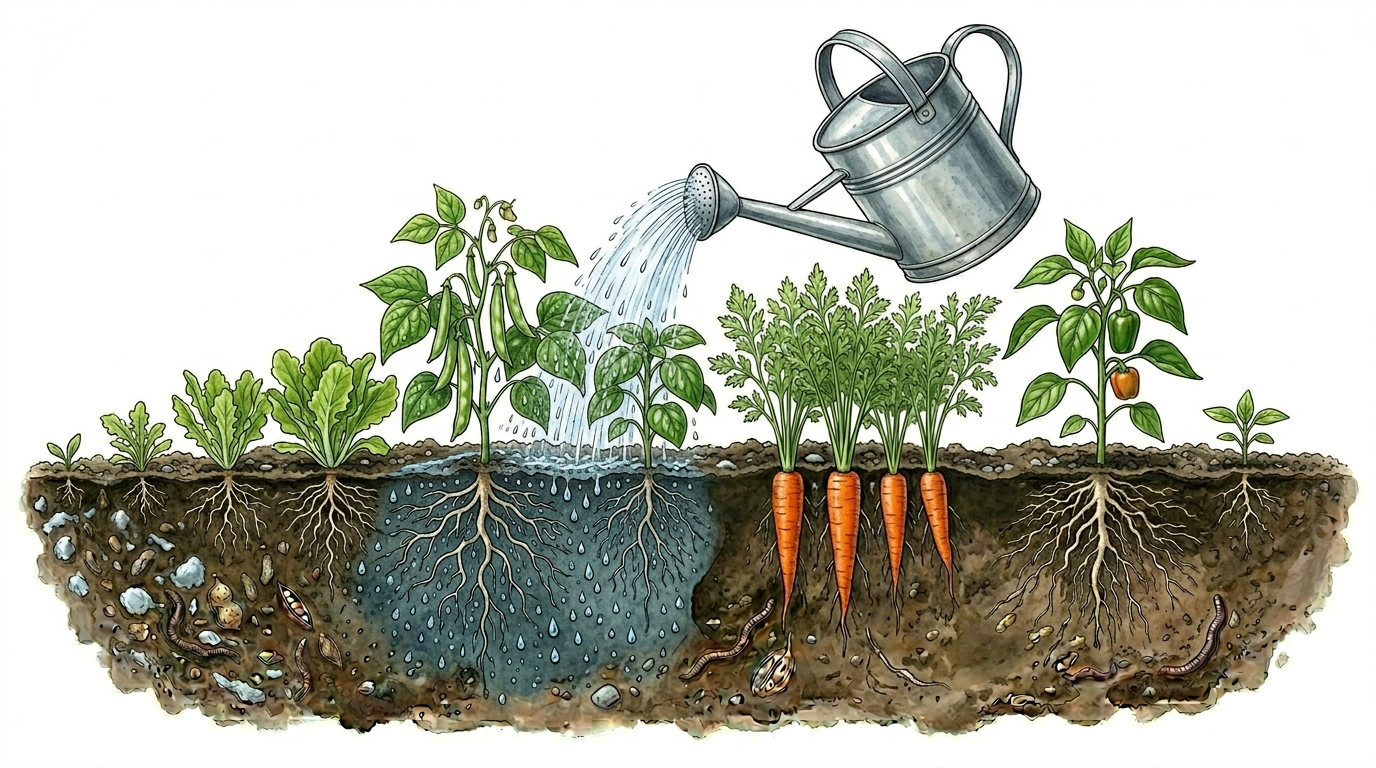
Watering Vegetable Gardens: Mulch, Water and Mistakes
Learn how to water vegetable gardens properly with mulch, morning routines, balanced moisture, and fewer watering mistakes.