Plants
39
Category
Fruit brings together 39 plant profiles with cultivation data, care guidance, and calendar windows. Typical sowing windows include January - June, September - December. Harvest is especially relevant in May - November. Common site needs: Full sun to partial shade, Sunny to partial shade, full sun. Useful edible parts: Berries, fruit, Fruit, fruit (cherry).
Overview
39
Full sun to partial shade, Sunny to partial shade, full sun, sunny, warm, airy
high, low, medium
Berries, fruit, Fruit, fruit (cherry), Fruits, fruits
27 / 39
Growing guidance
Fruit crops vary more in space and lifespan than most vegetables. Strawberries produce quickly, berry shrubs need several years of good care, and fruit trees can define a site for decades. Selection should therefore consider mature size as carefully as the desired fruit. Rootstock, training form, and pruning system often influence the space required by apples, pears, and stone fruit more than the cultivar name. Small gardens can use trained trees, compact shrubs, or crops genuinely suited to large containers.
A sunny, airy position supports flowering, ripening, and drying after rain. Frost pockets can damage early blossom, while sheltered walls help warmth-loving fruit. Waterlogging causes long-term damage to many woody crops; on dry sites, young plants need dependable watering for several years. Before planting, assess soil, mature dimensions, and distance from buildings, paths, and boundaries. Planting too deeply or leaving ties to constrict a trunk creates avoidable problems.
Many fruit crops require a compatible pollination partner or crop more reliably with a second cultivar. Pruning timing and response also differ: pome fruit, stone fruit, berry shrubs, and climbing fruit should not be treated with one universal method. The goal is a stable, well-lit framework with healthy fruiting wood, not the strongest possible annual cut. Mulch and a clear area around young trees reduce competition, but should remain away from the trunk and graft union.
The profiles provide planting and harvest windows, growth dimensions, pollination, pruning, and likely health issues. Compare several crops before assigning permanent space. Traditional orchards also require attention to robustness, regional suitability, and long-term maintenance; balcony and patio fruit depends on adequate container volume, root protection in winter, and reliable irrigation.
Overview
Sowing: January - June, September - December; harvest: May - November.
Site values: Full sun to partial shade, Sunny to partial shade, full sun, sunny, warm, airy; water: high, low, medium.
Useful parts: Berries, fruit, Fruit, fruit (cherry), Fruits; container suitable: 27 of 39 plants.
Overview
Quick entry points by common gardening intent, so the category is more than a list.
This selection helps with quick decisions in June.
This selection helps with quick decisions in June.
This selection helps with quick decisions in June.
This selection helps with quick decisions in June.
Plants
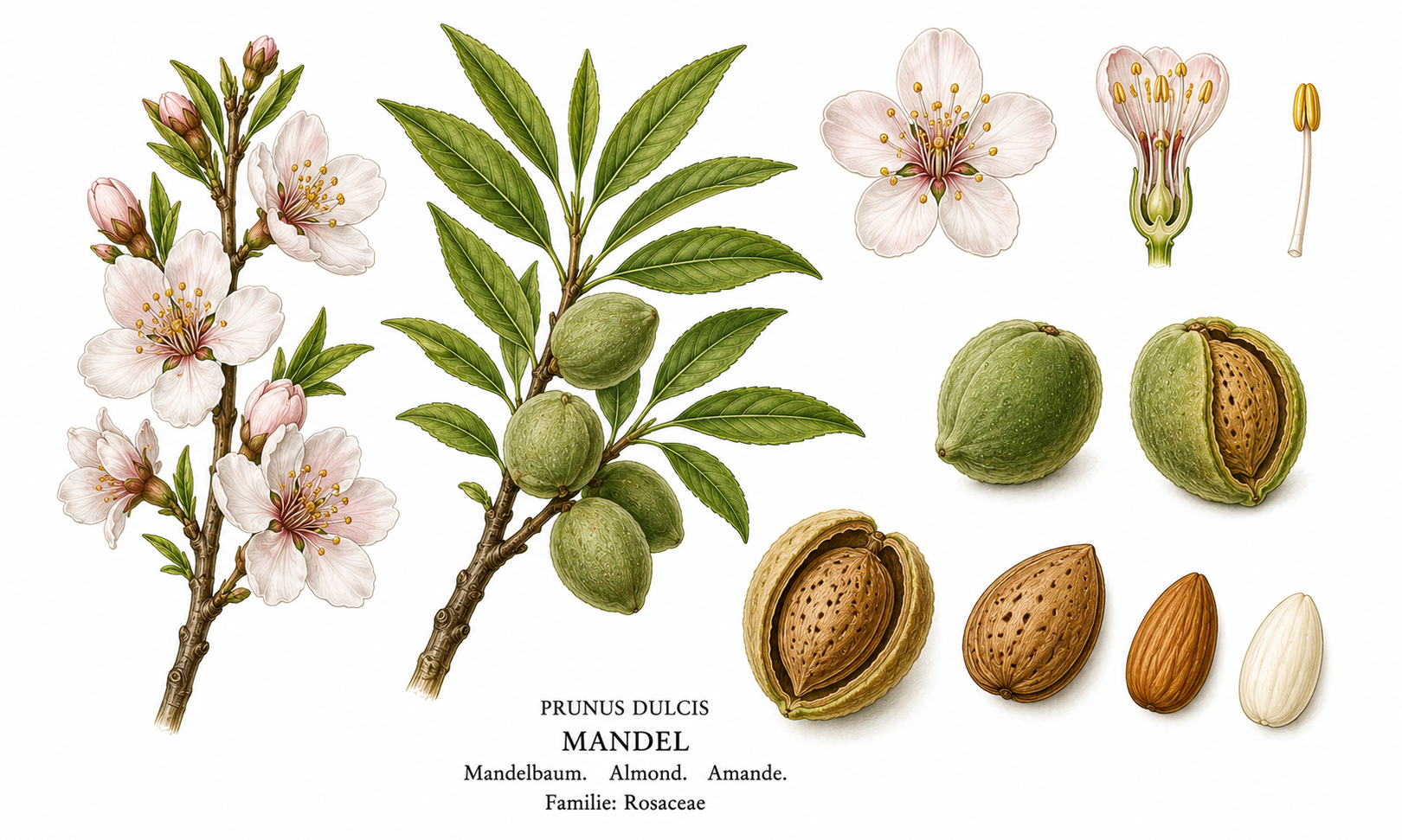
Prunus dulcis
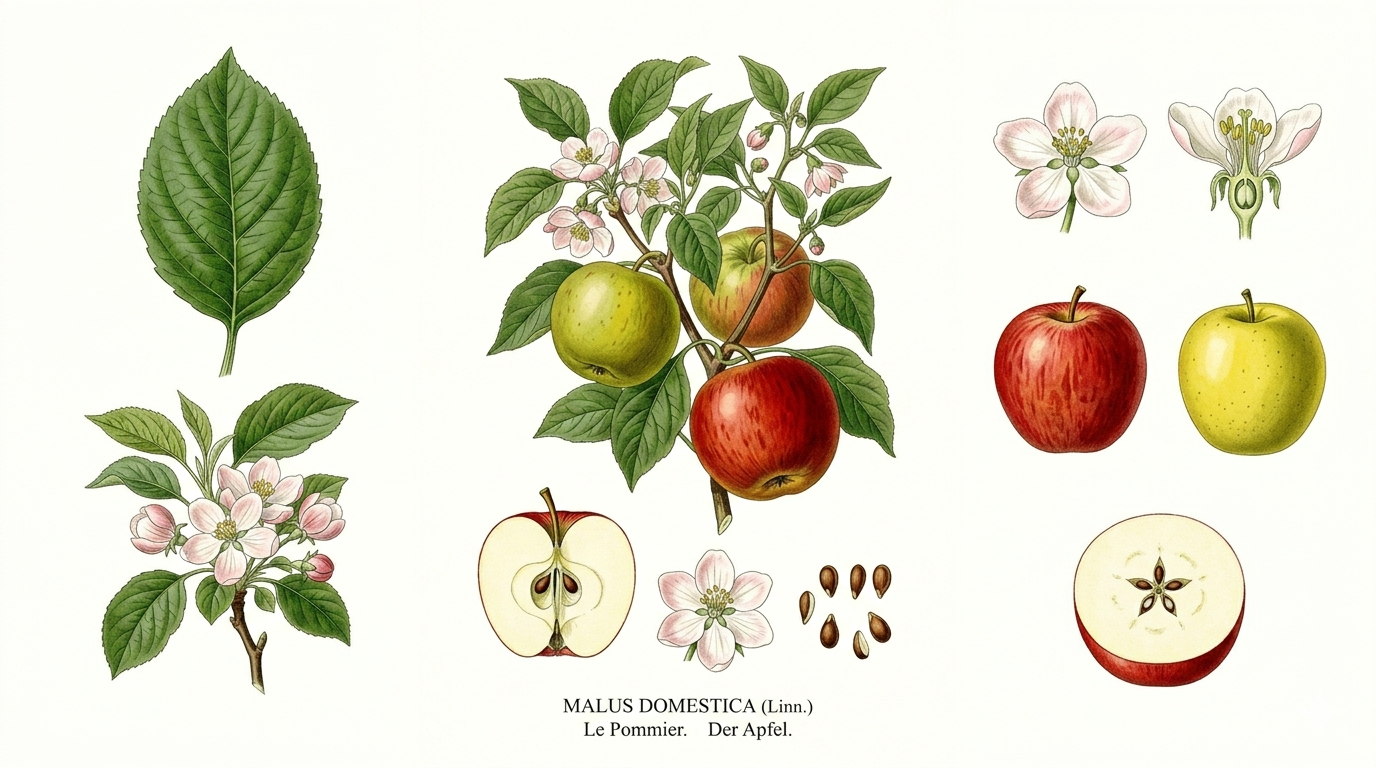
Malus domestica
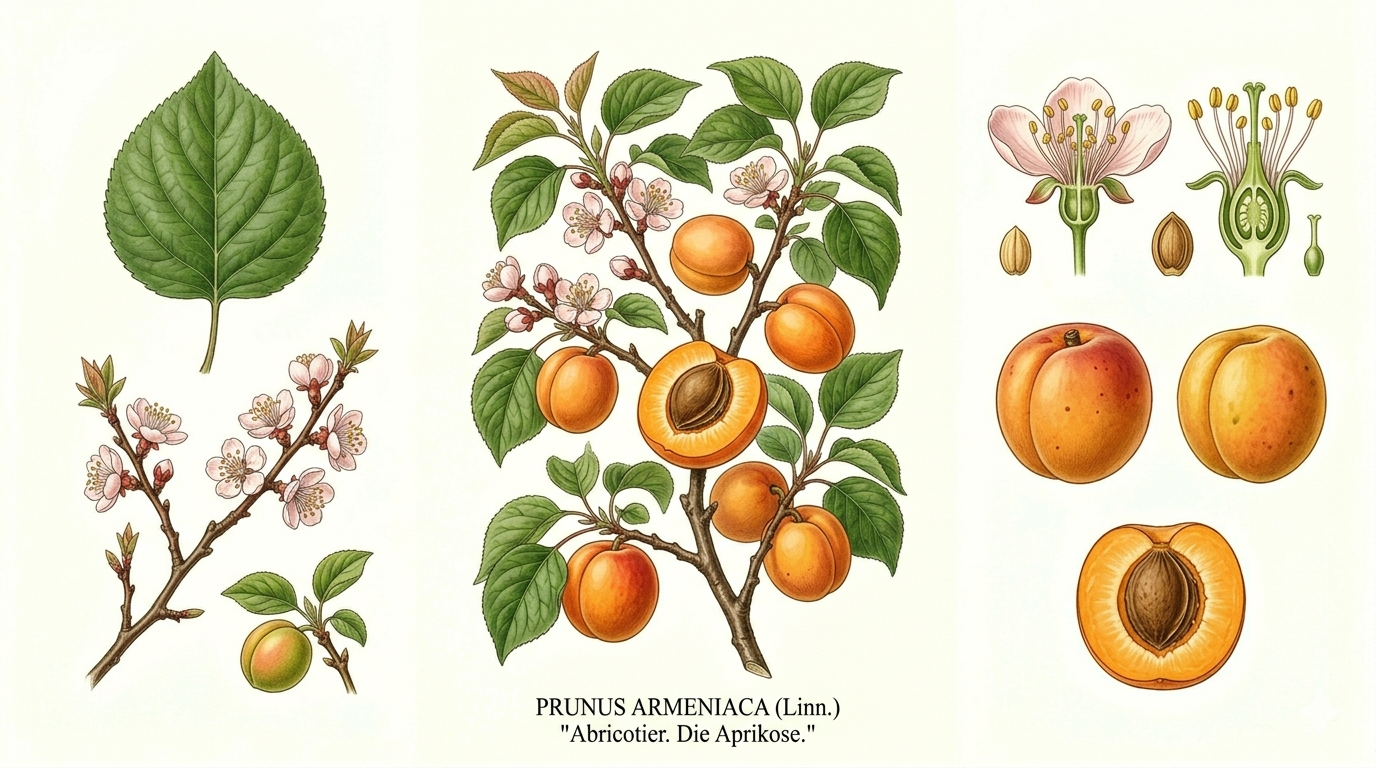
Prunus armeniaca
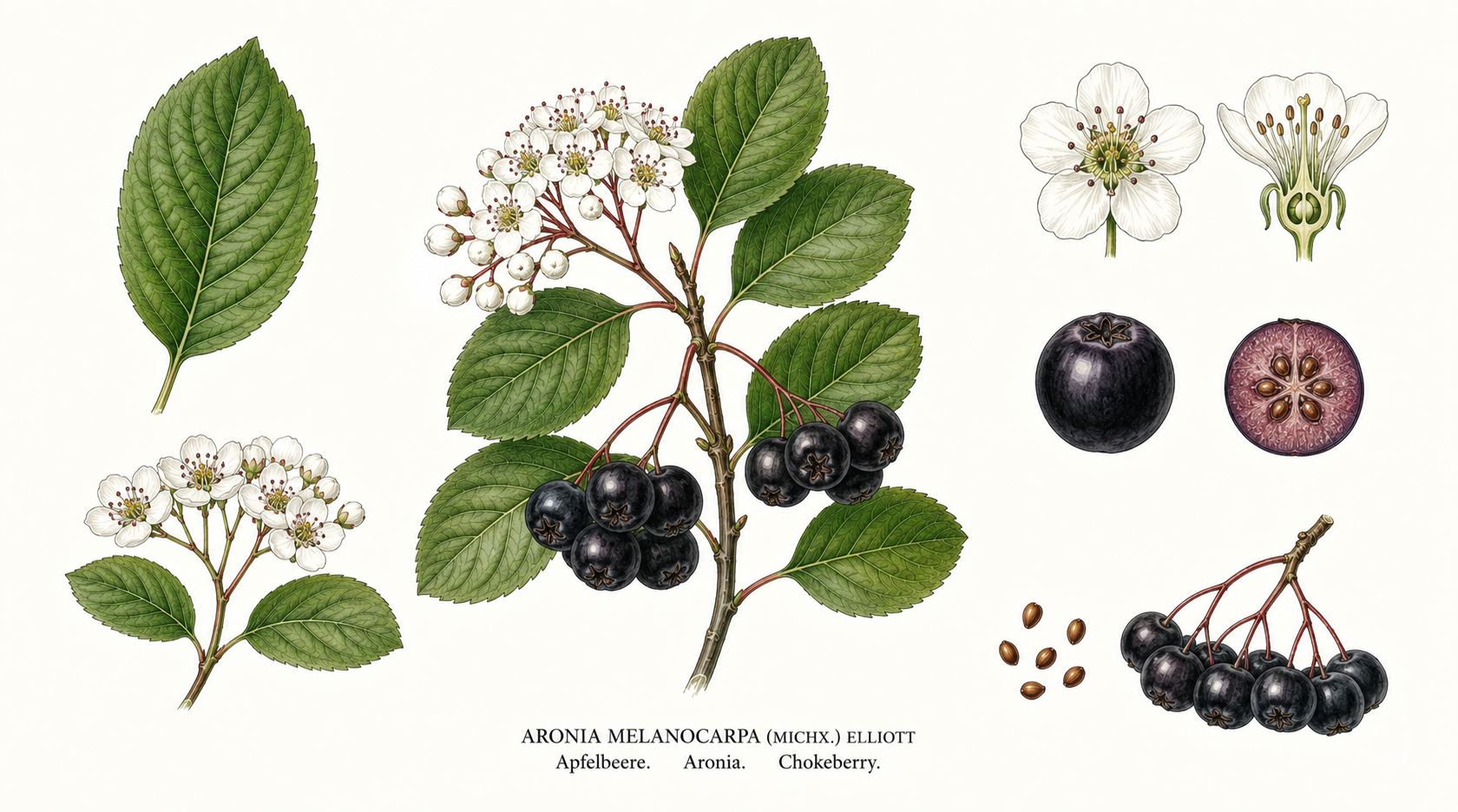
Aronia
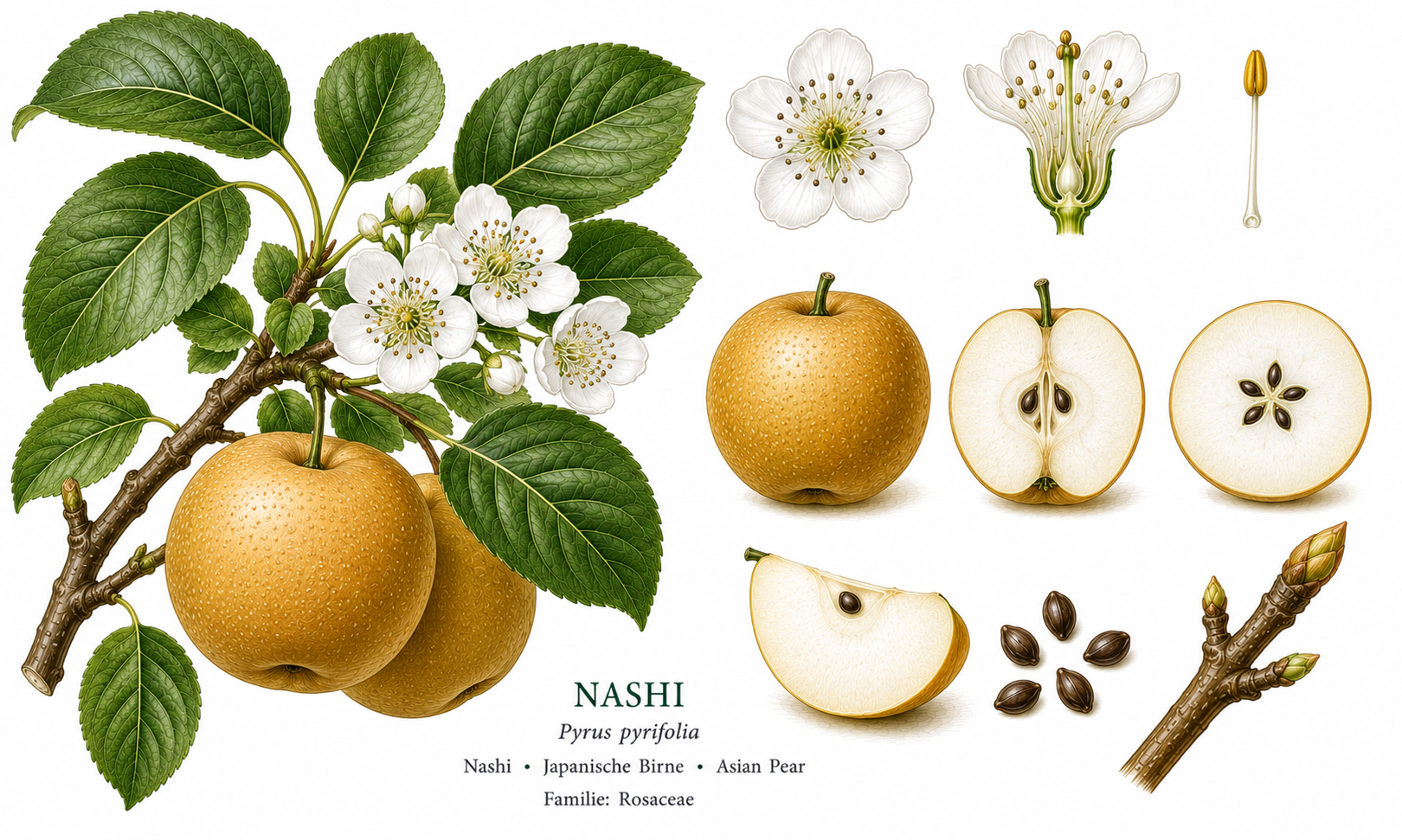
Pyrus pyrifolia
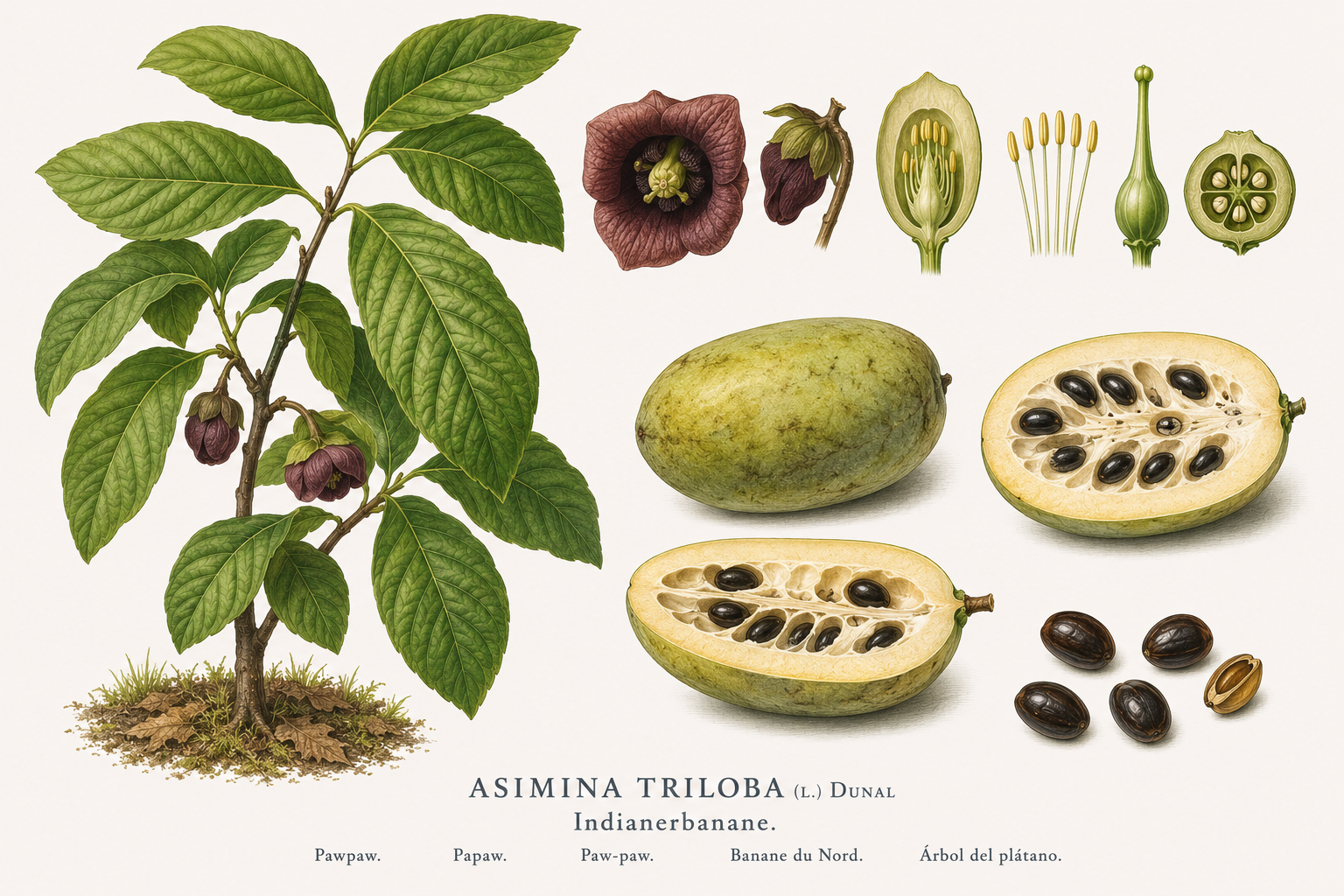
Asimina triloba
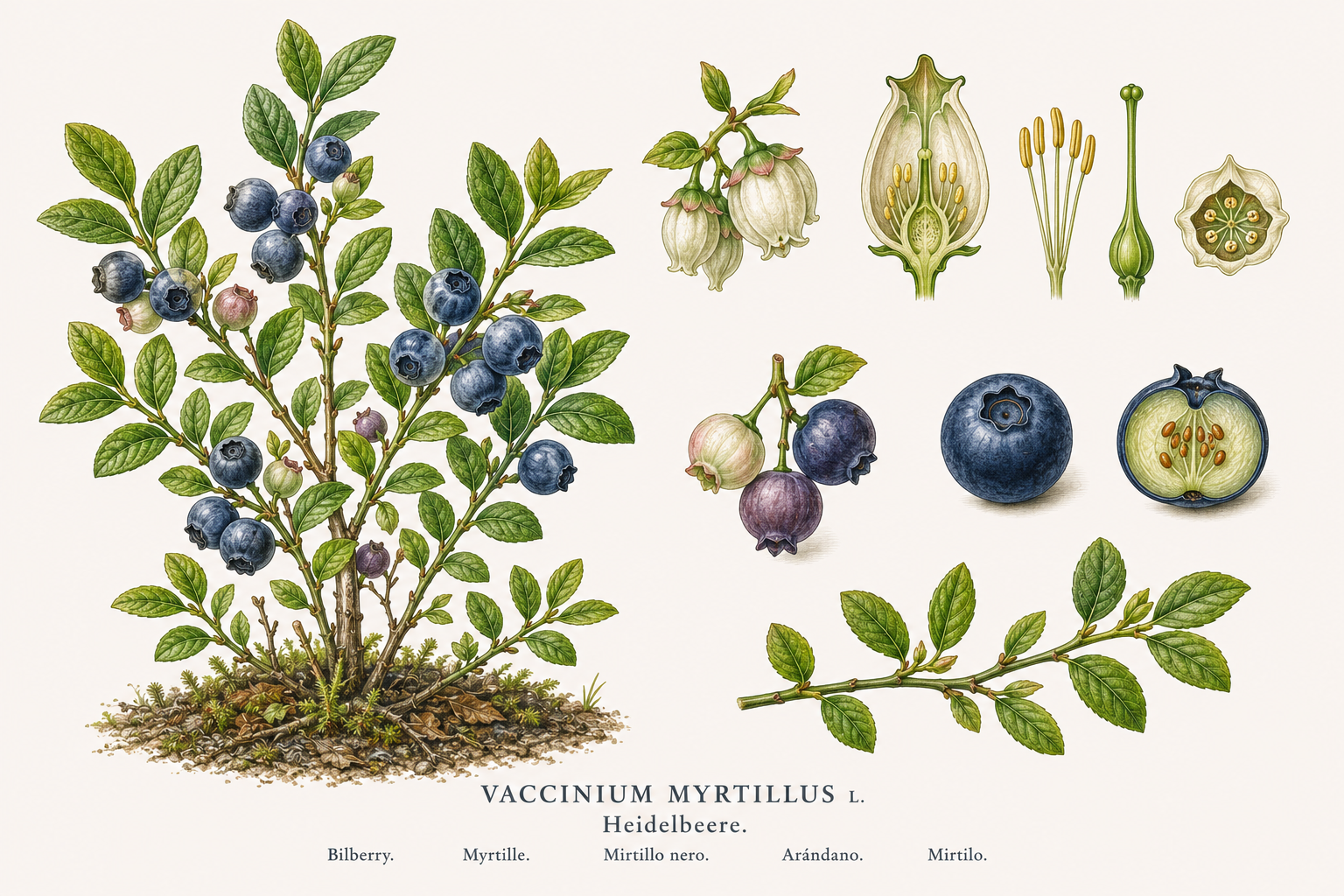
Vaccinium myrtillus
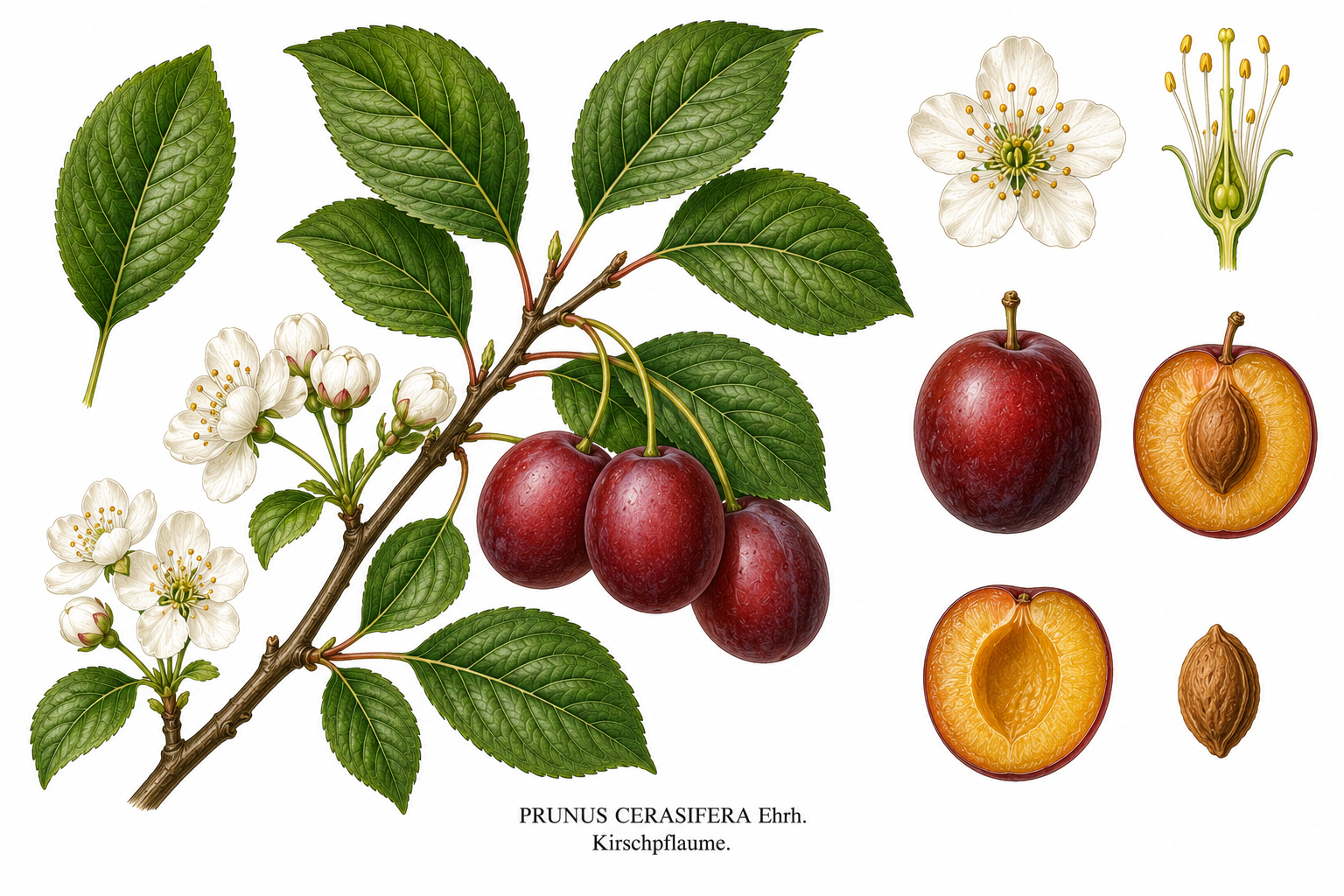
Prunus cerasifera
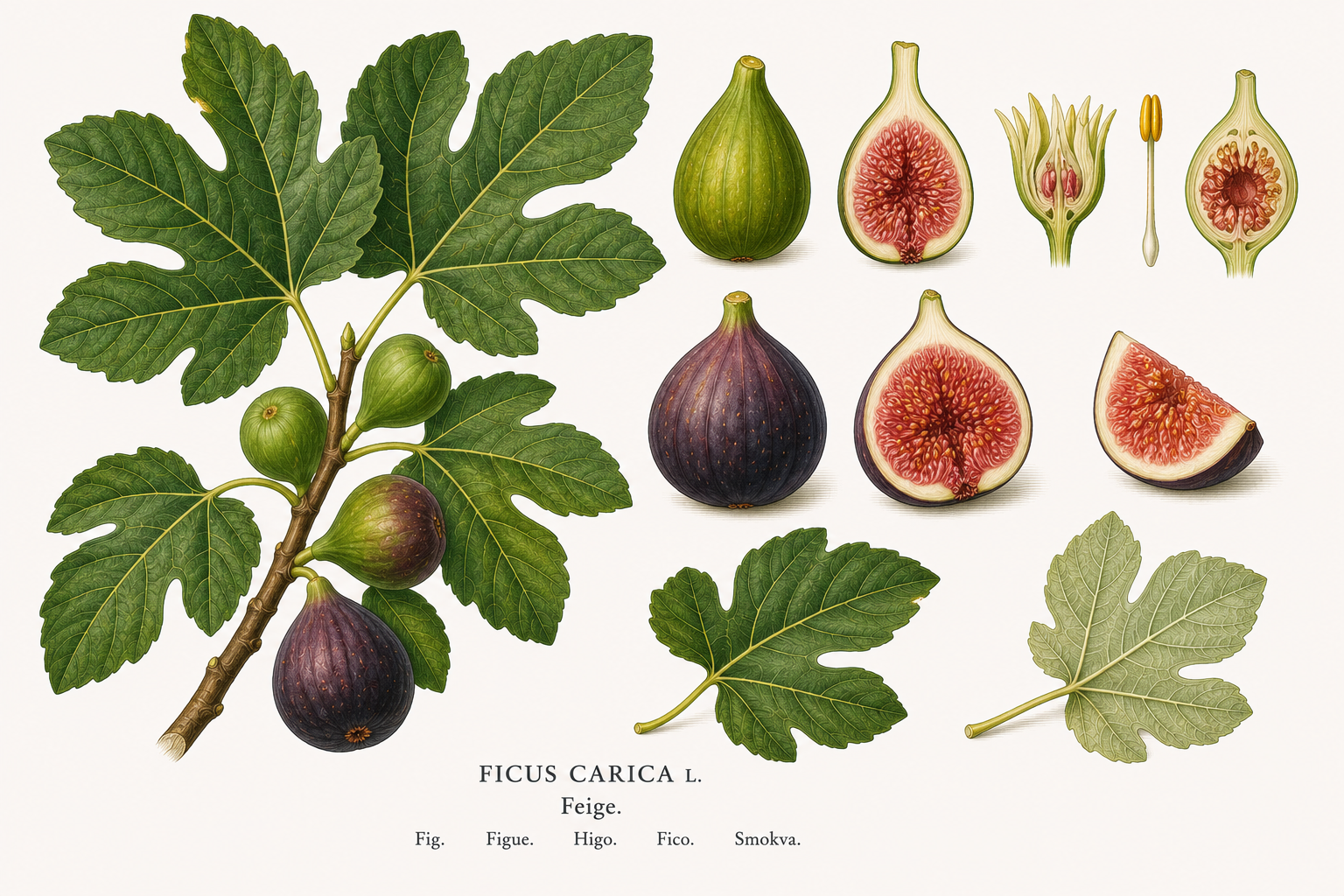
Ficus carica
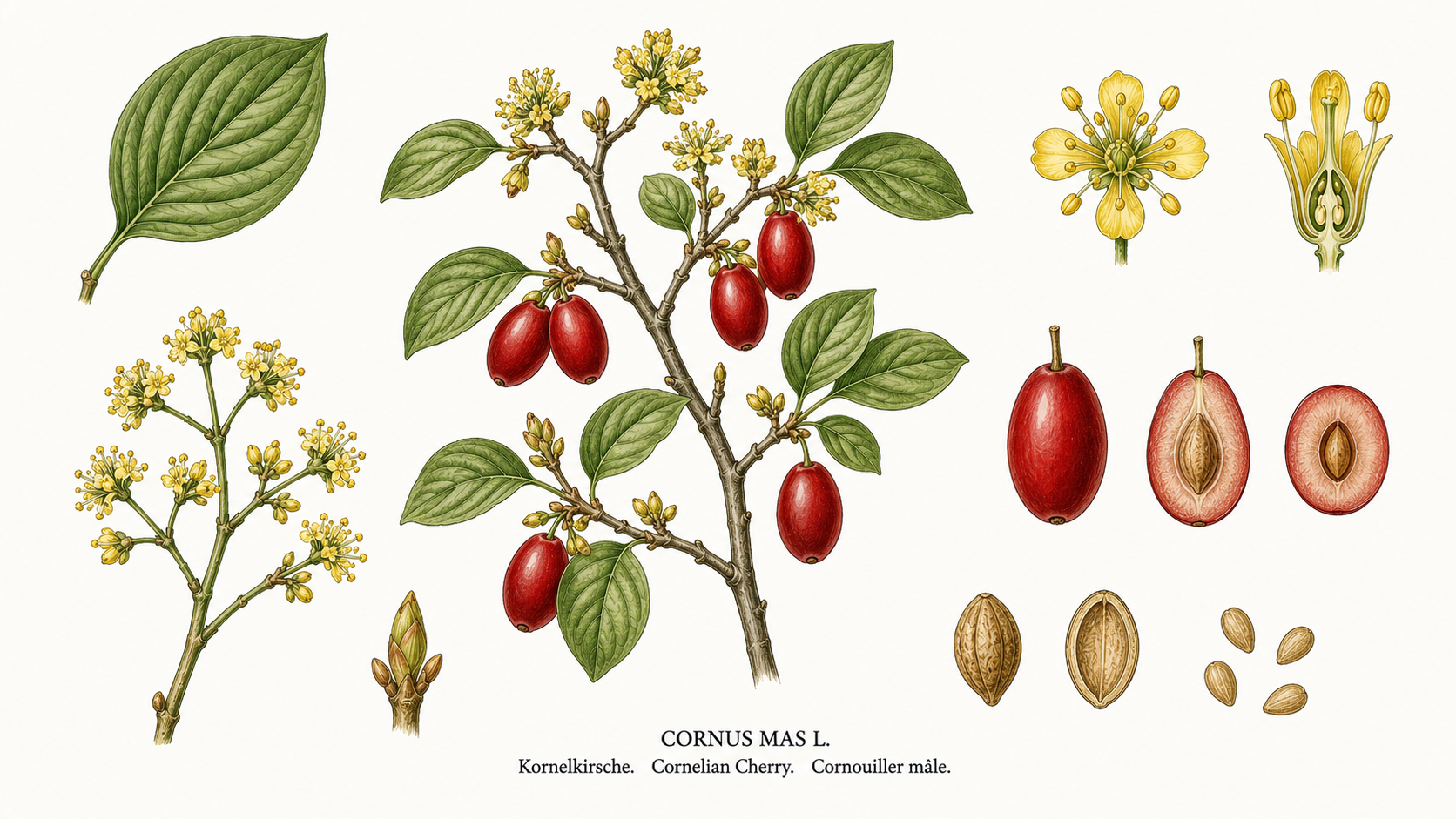
Cornus mas
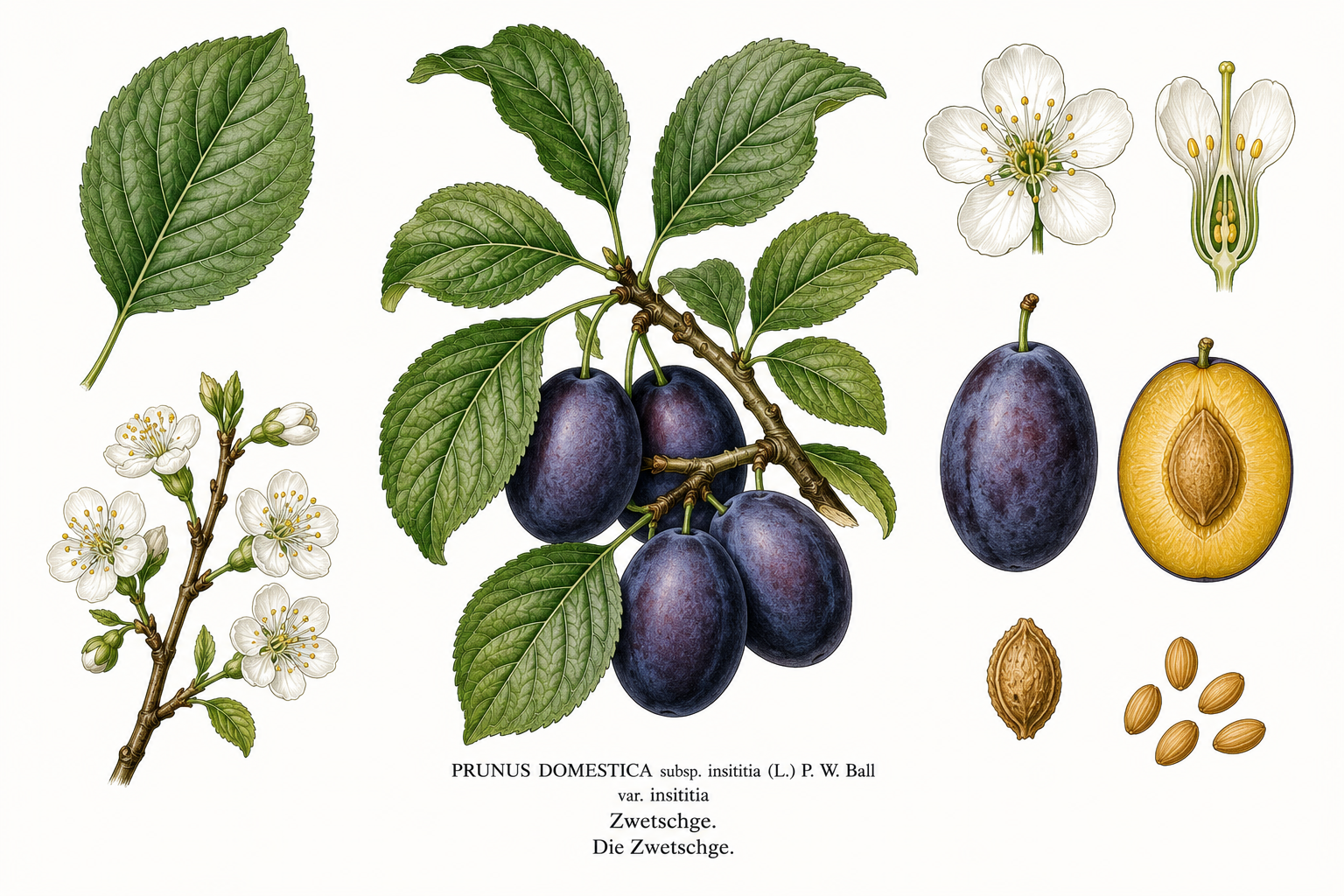
Prunus domestica
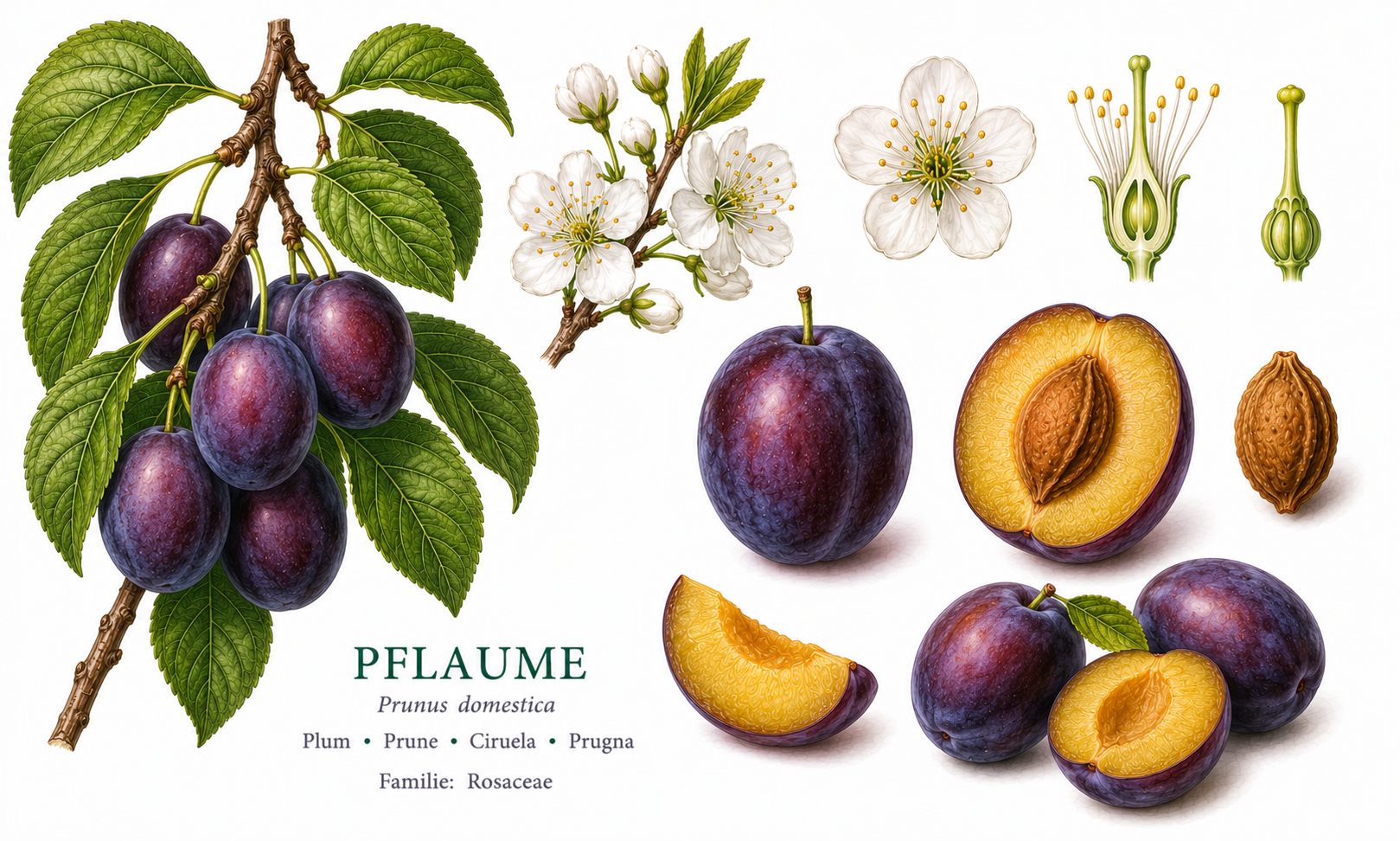
Prunus domestica
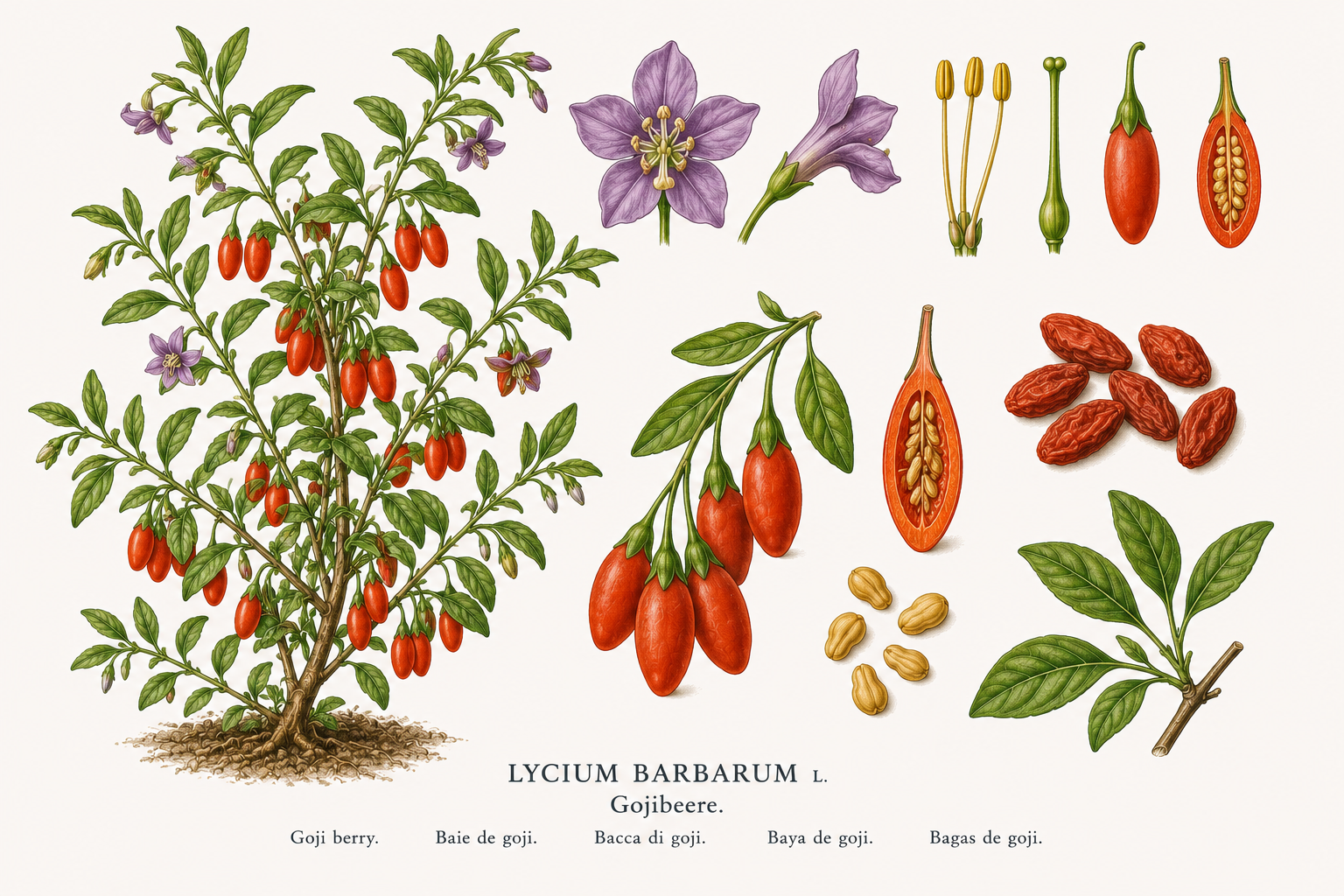
Lycium barbarum
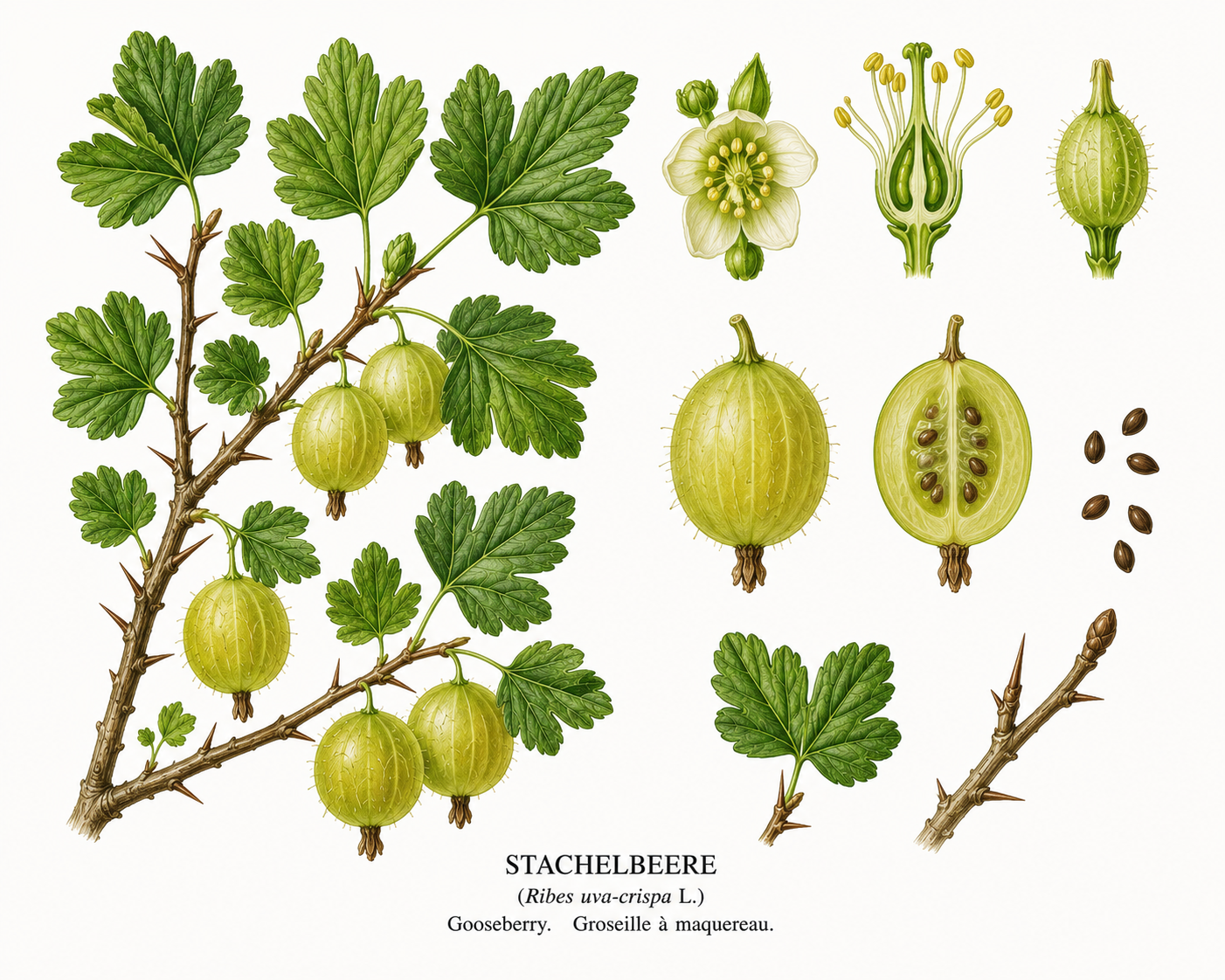
Ribes uva-crispa
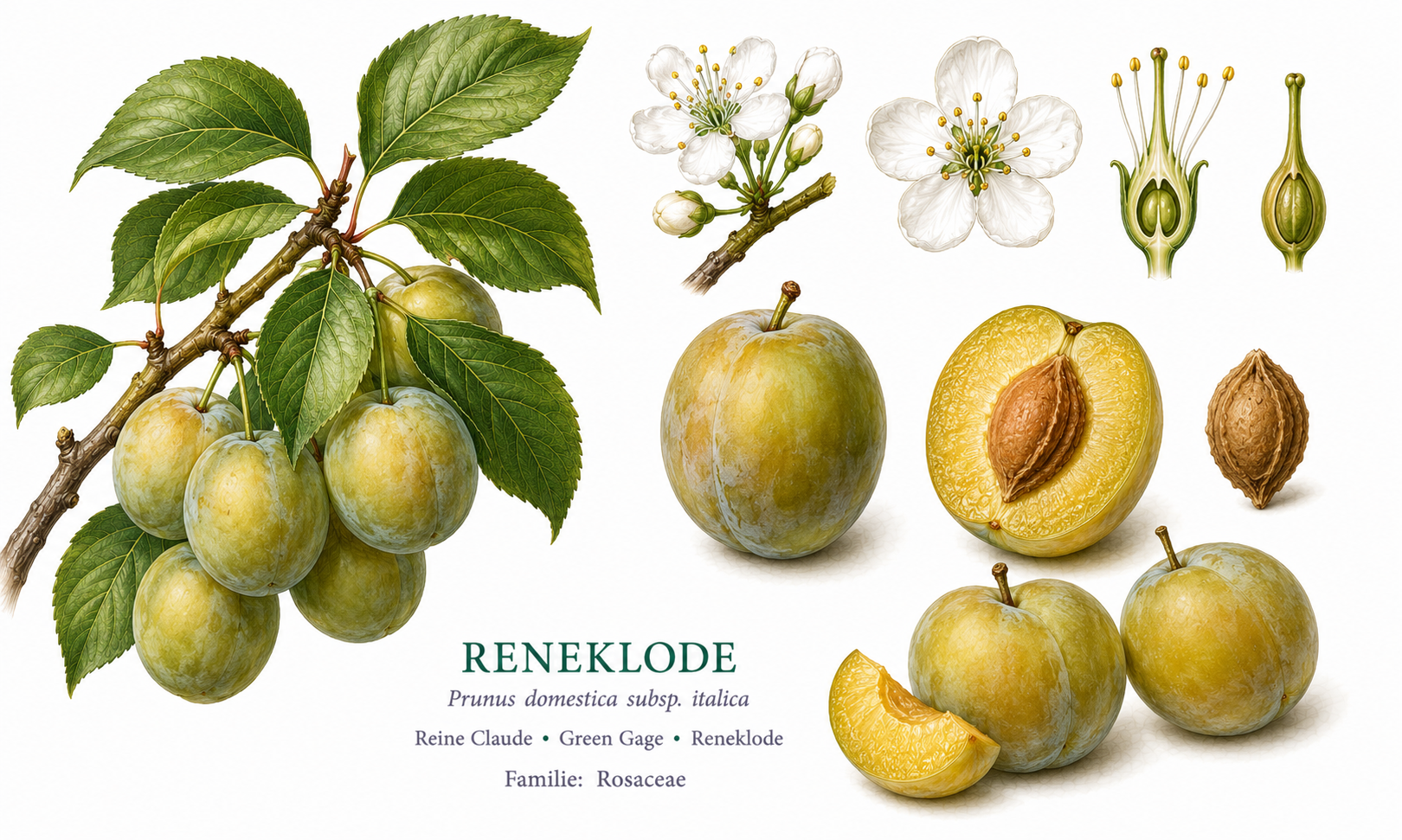
Prunus domestica subsp. italica
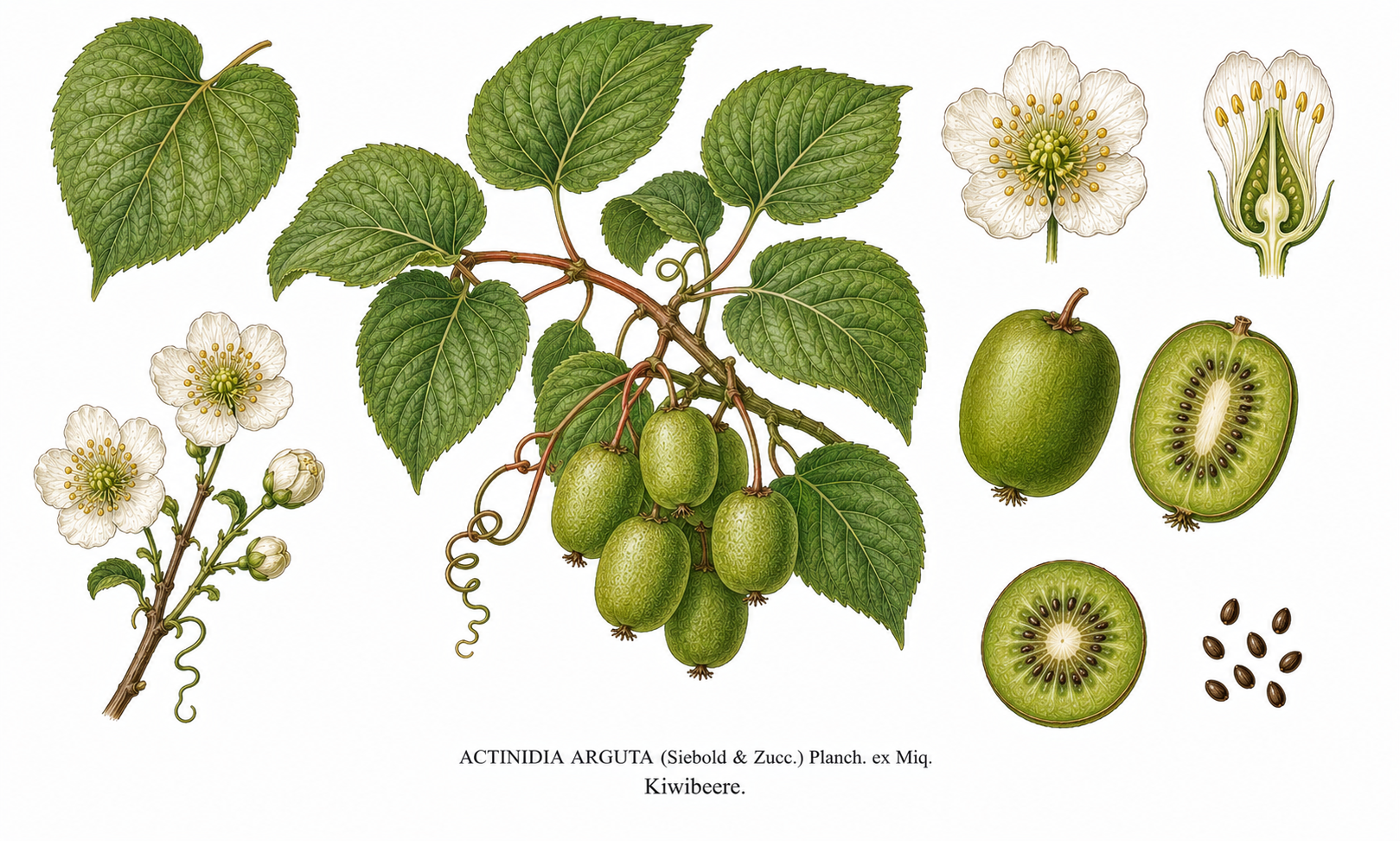
Actinidia arguta
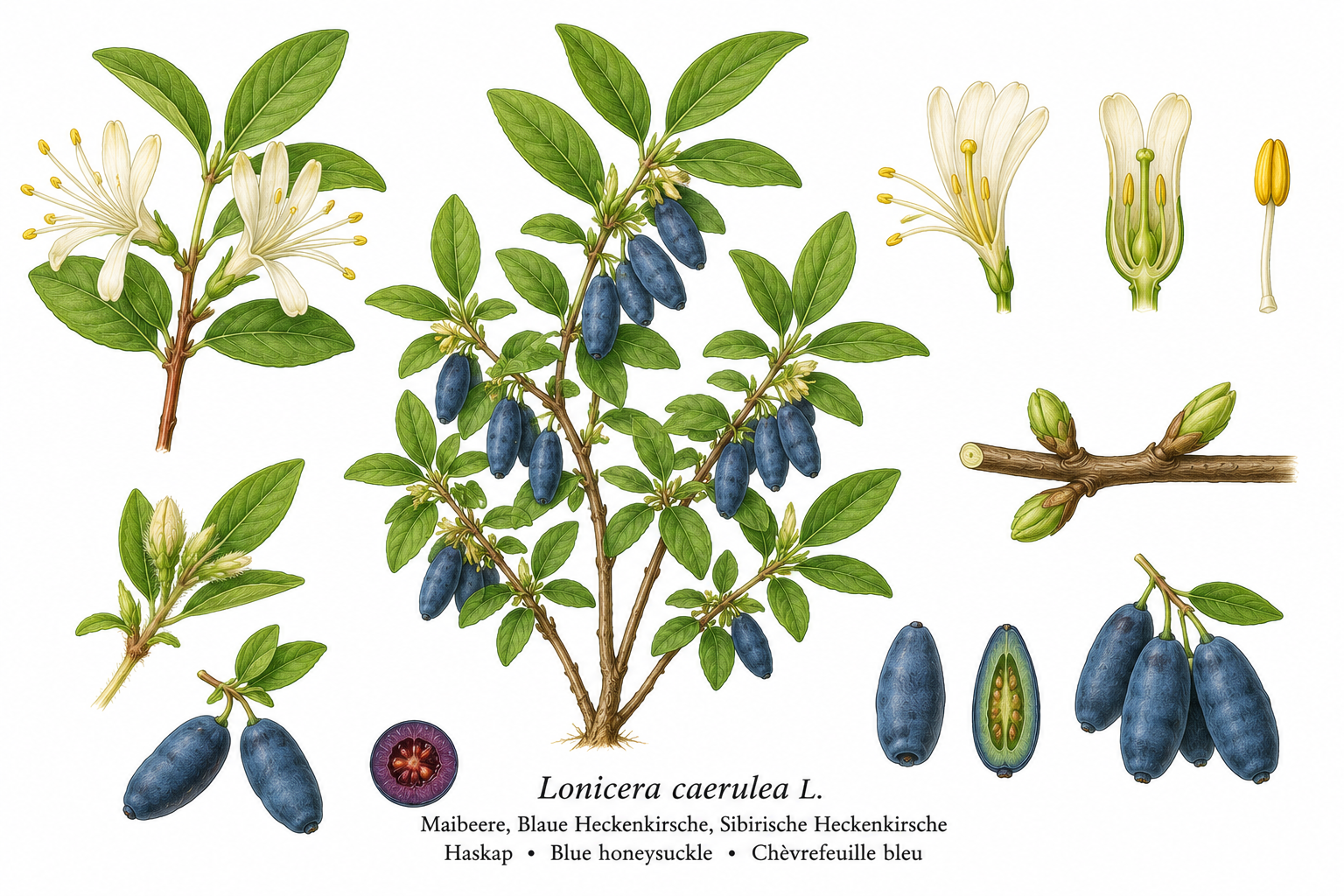
Lonicera caerulea
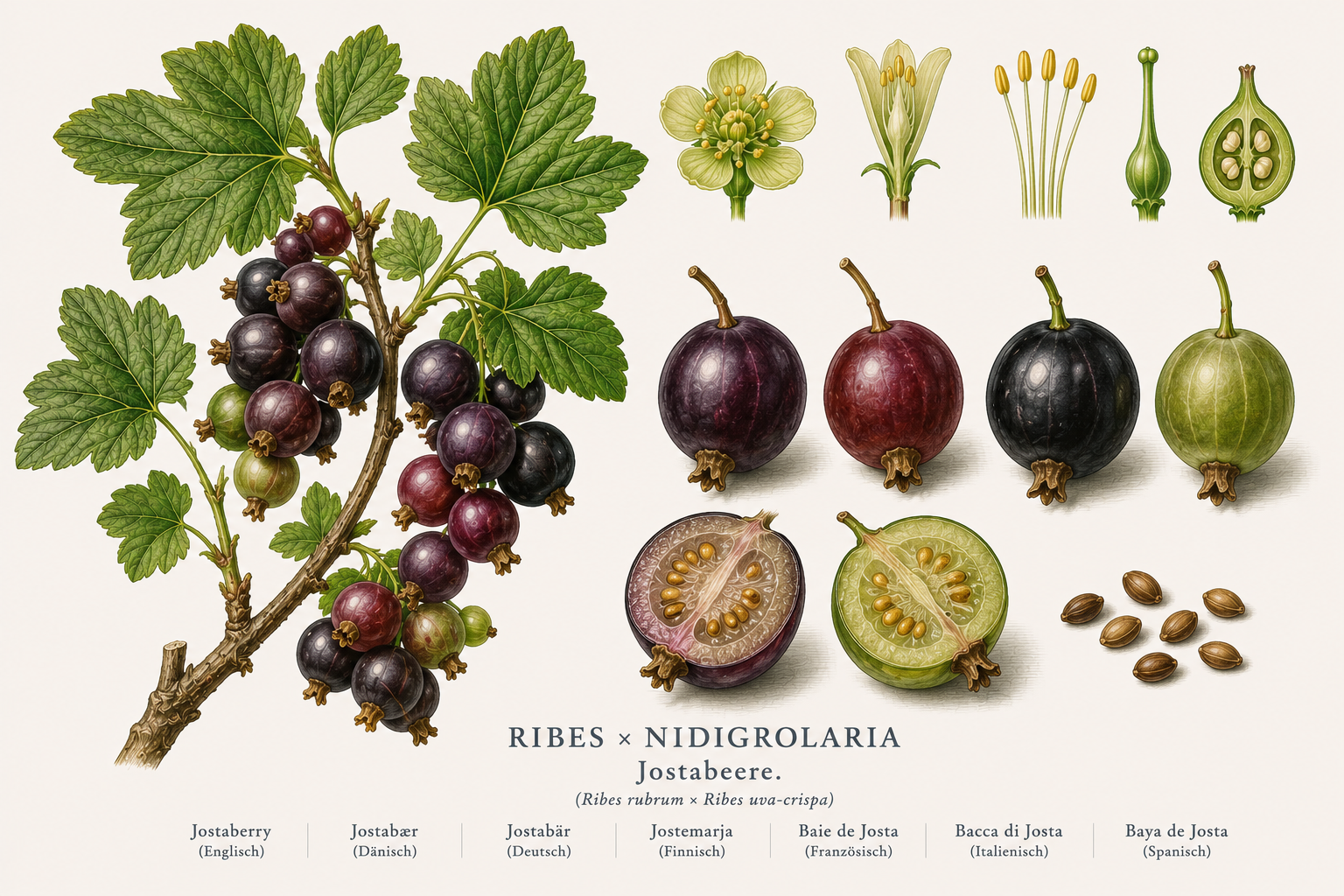
Ribes × nidigrolaria
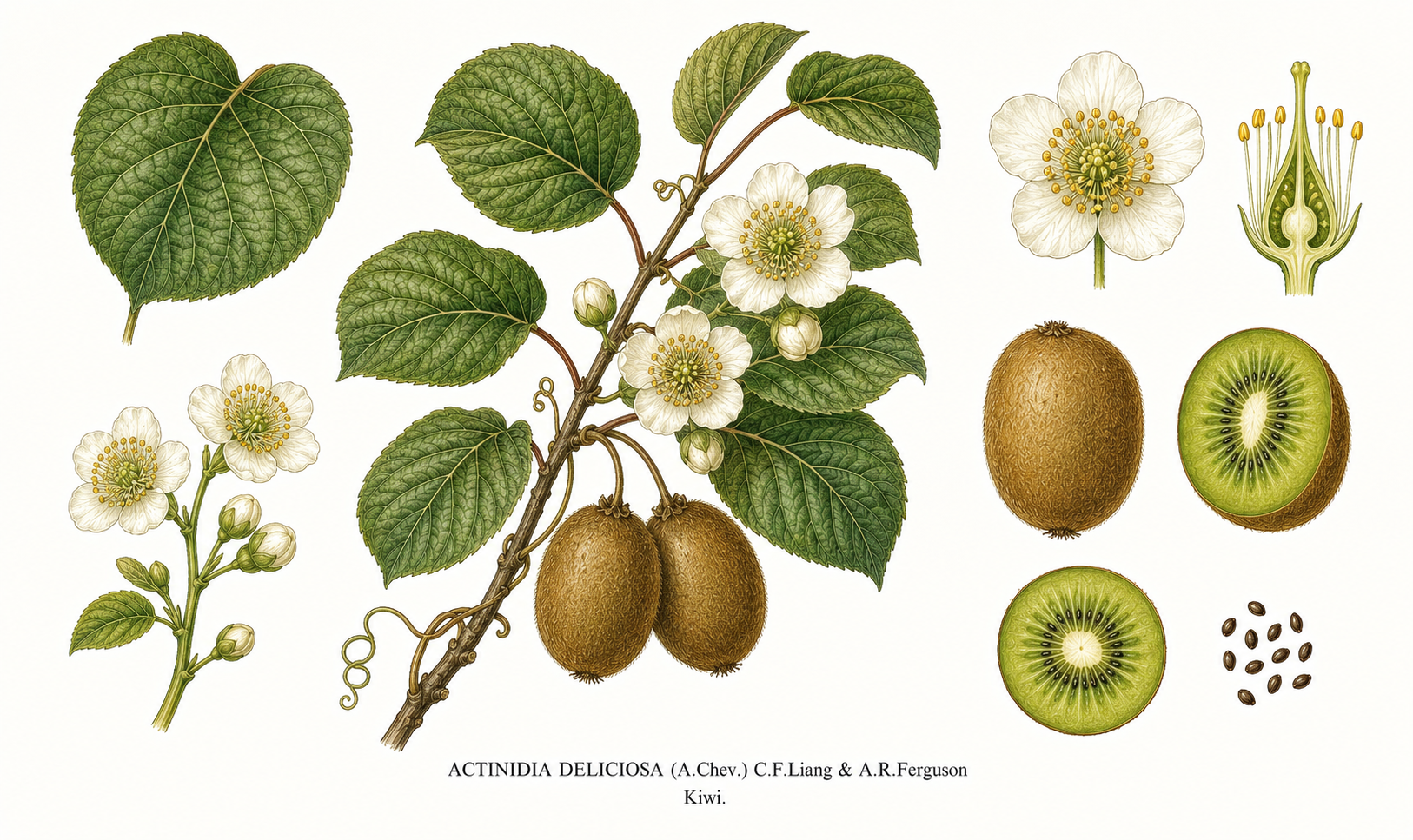
Actinidia chinensis
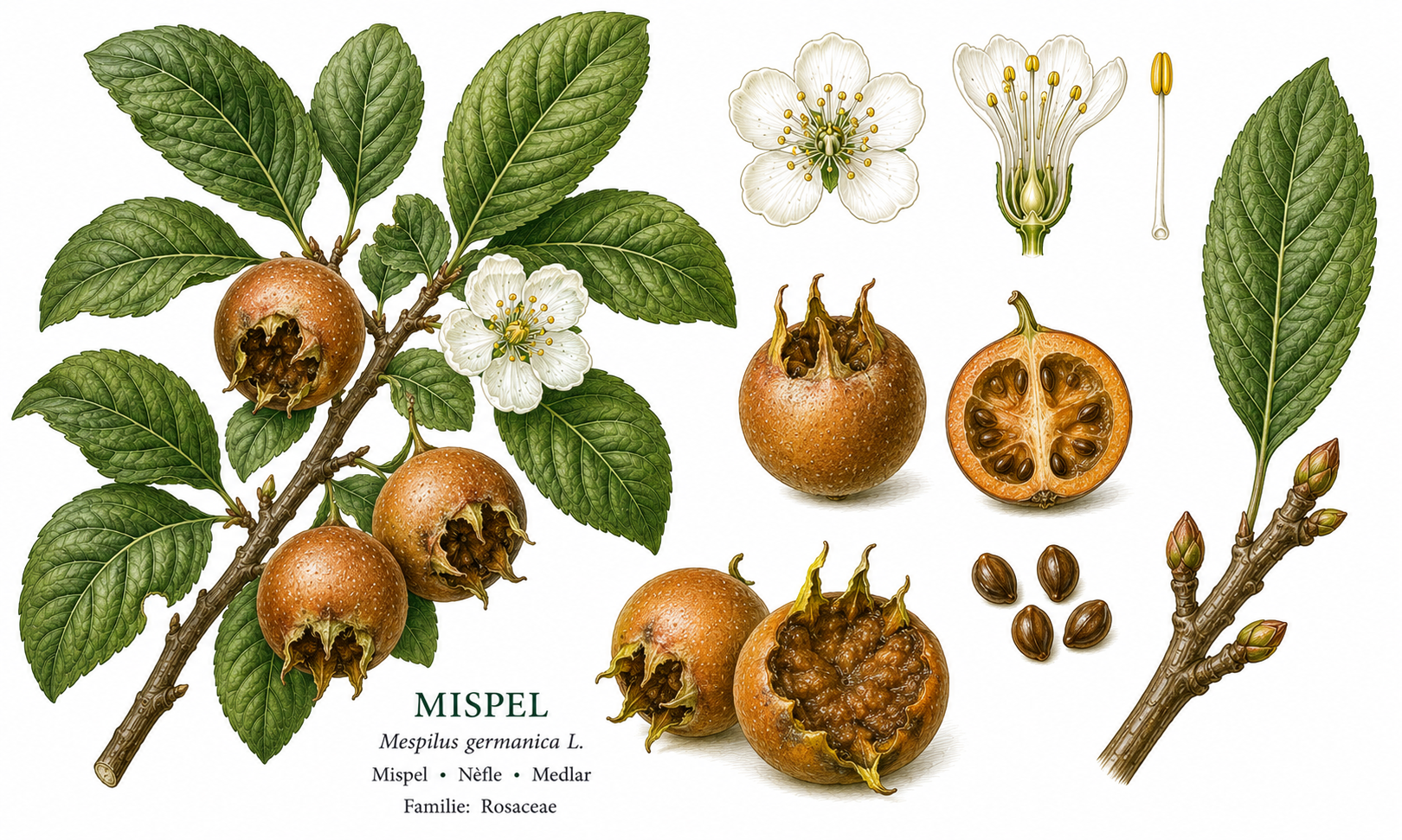
Mespilus germanica
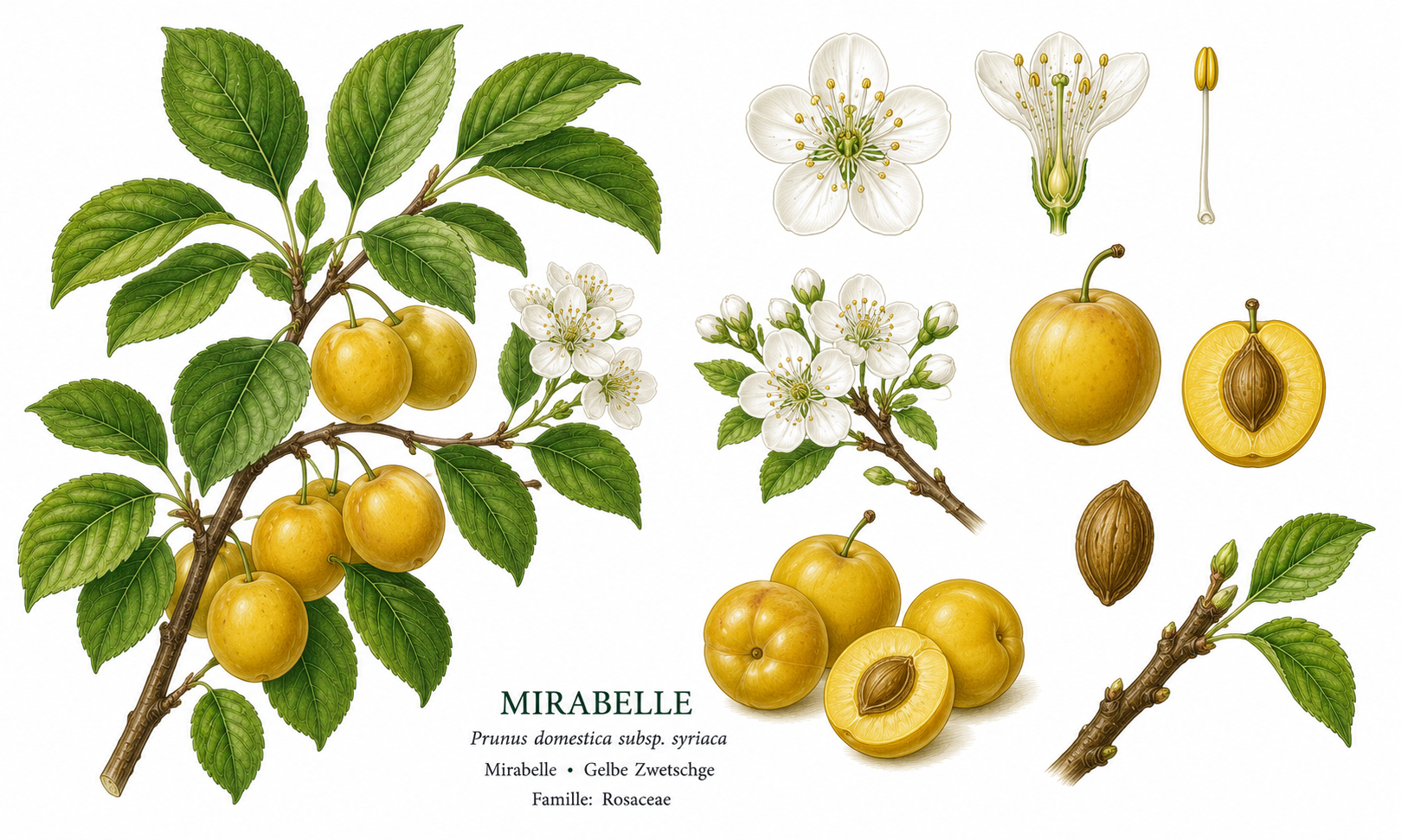
Prunus domestica subsp. syriaca
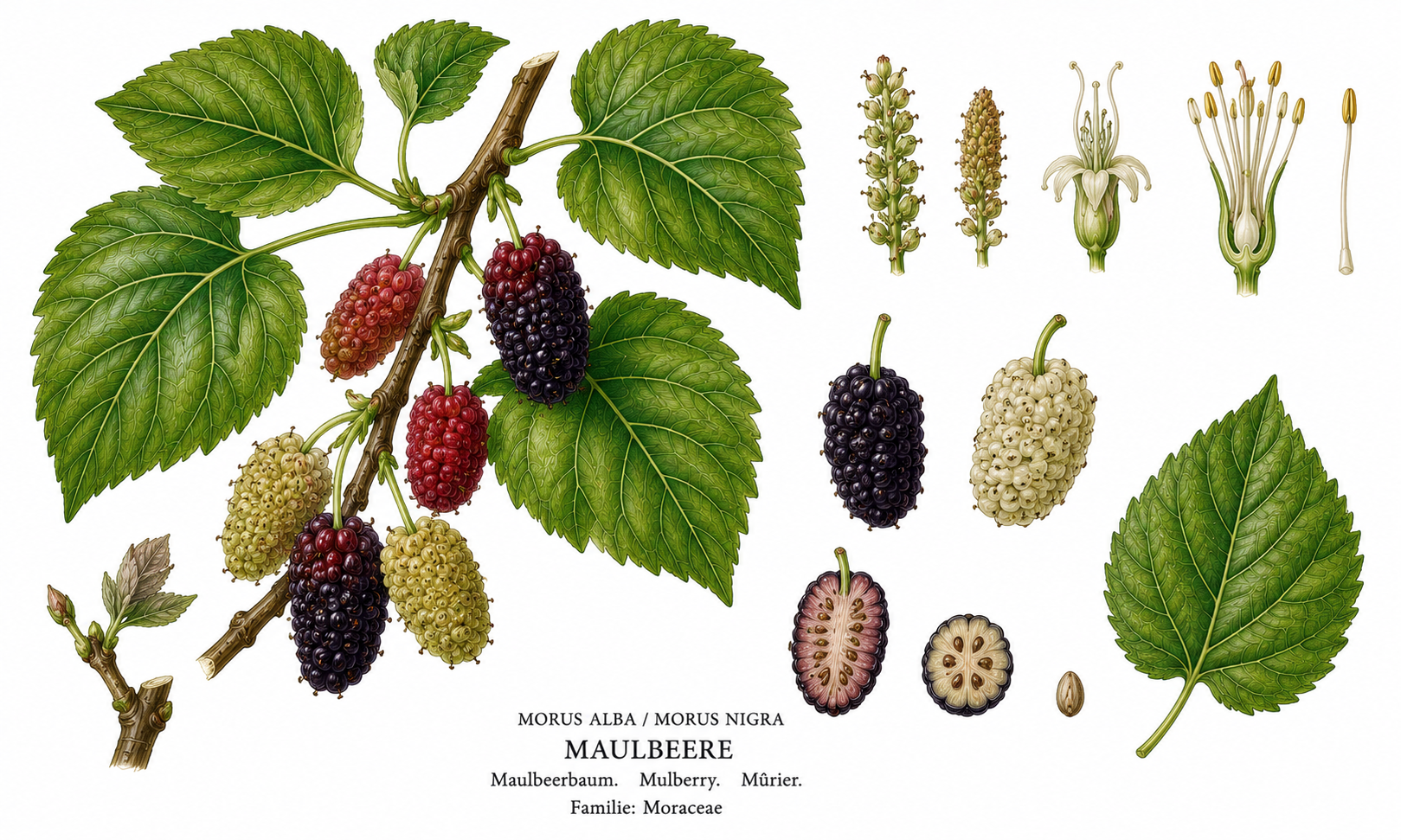
Morus
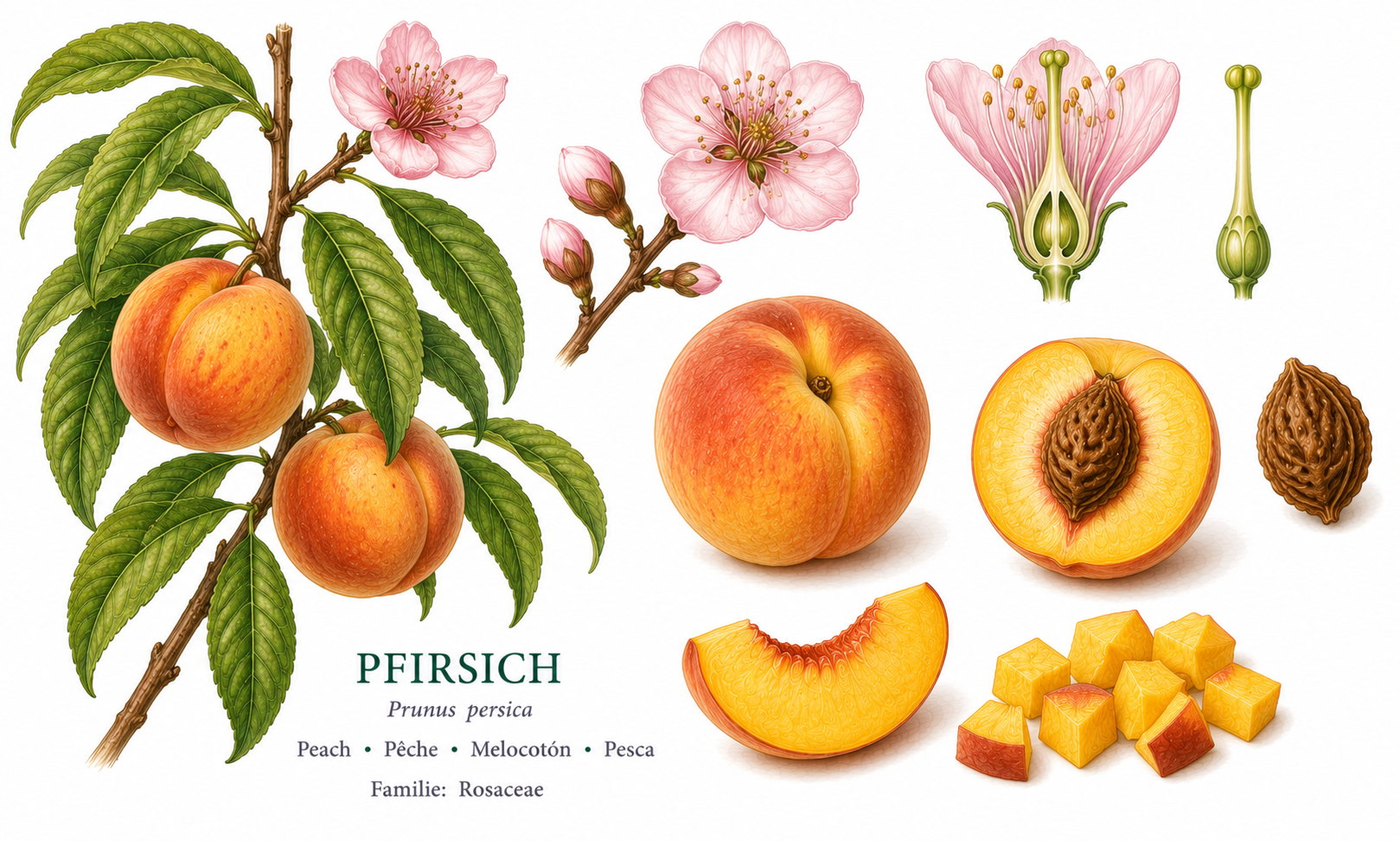
Prunus persica
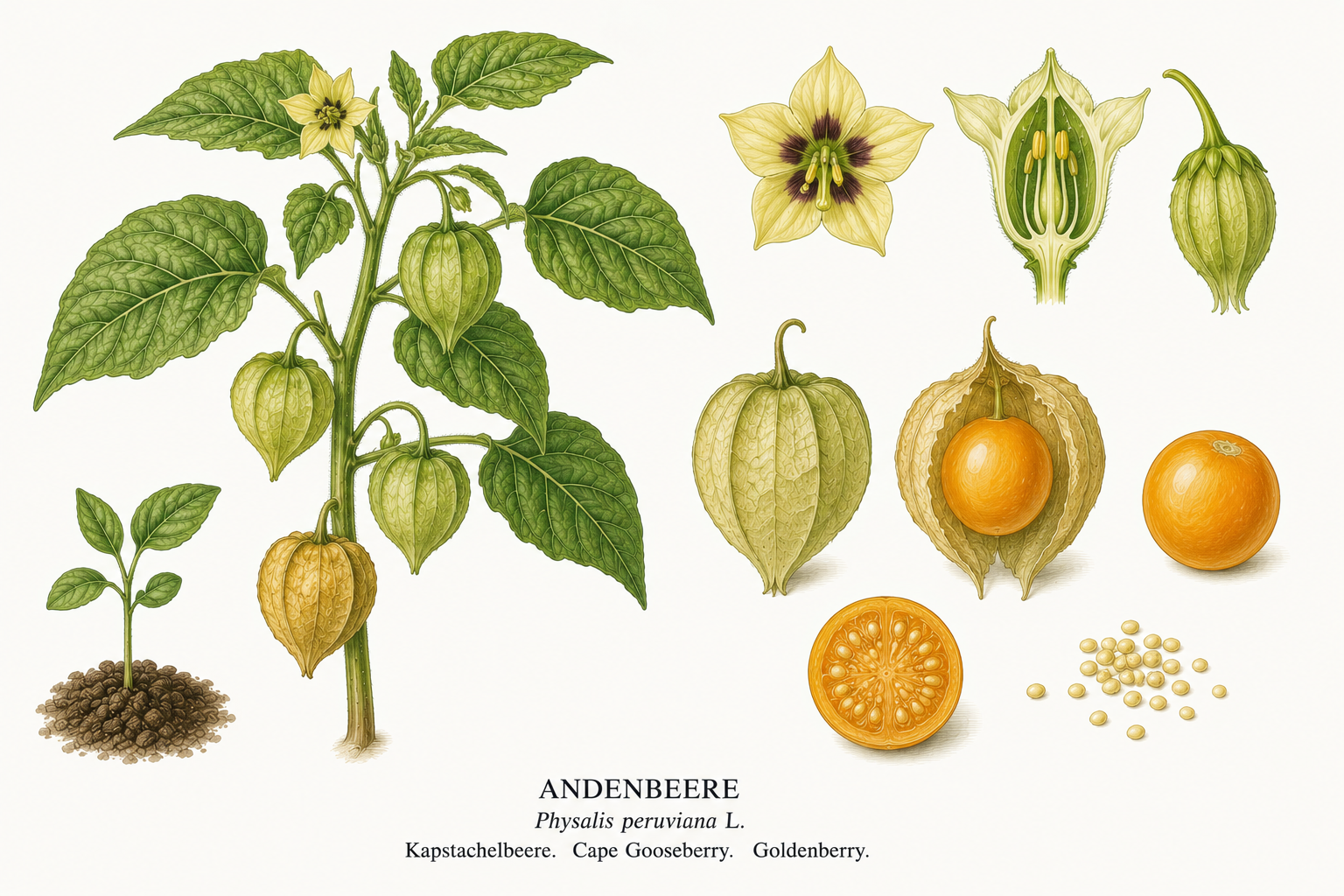
Physalis peruviana
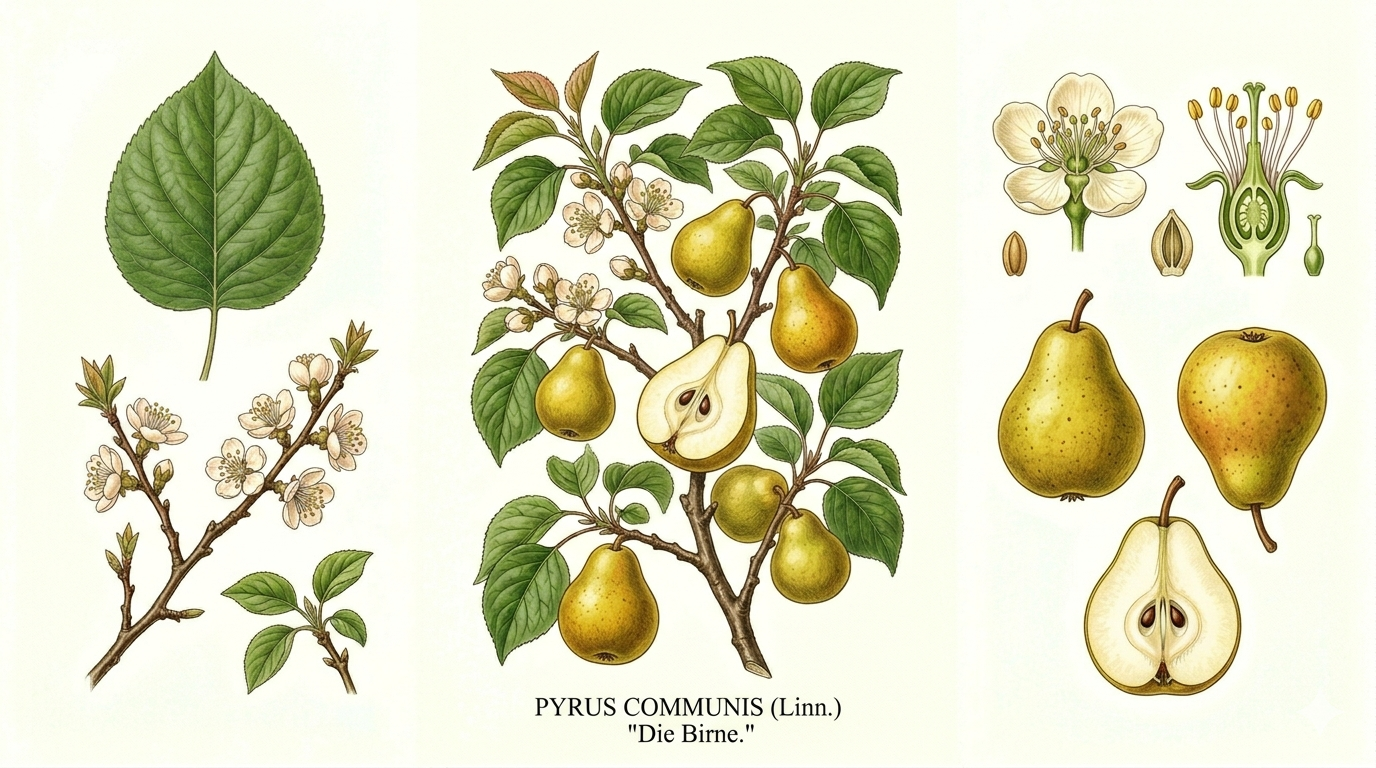
Pyrus communis
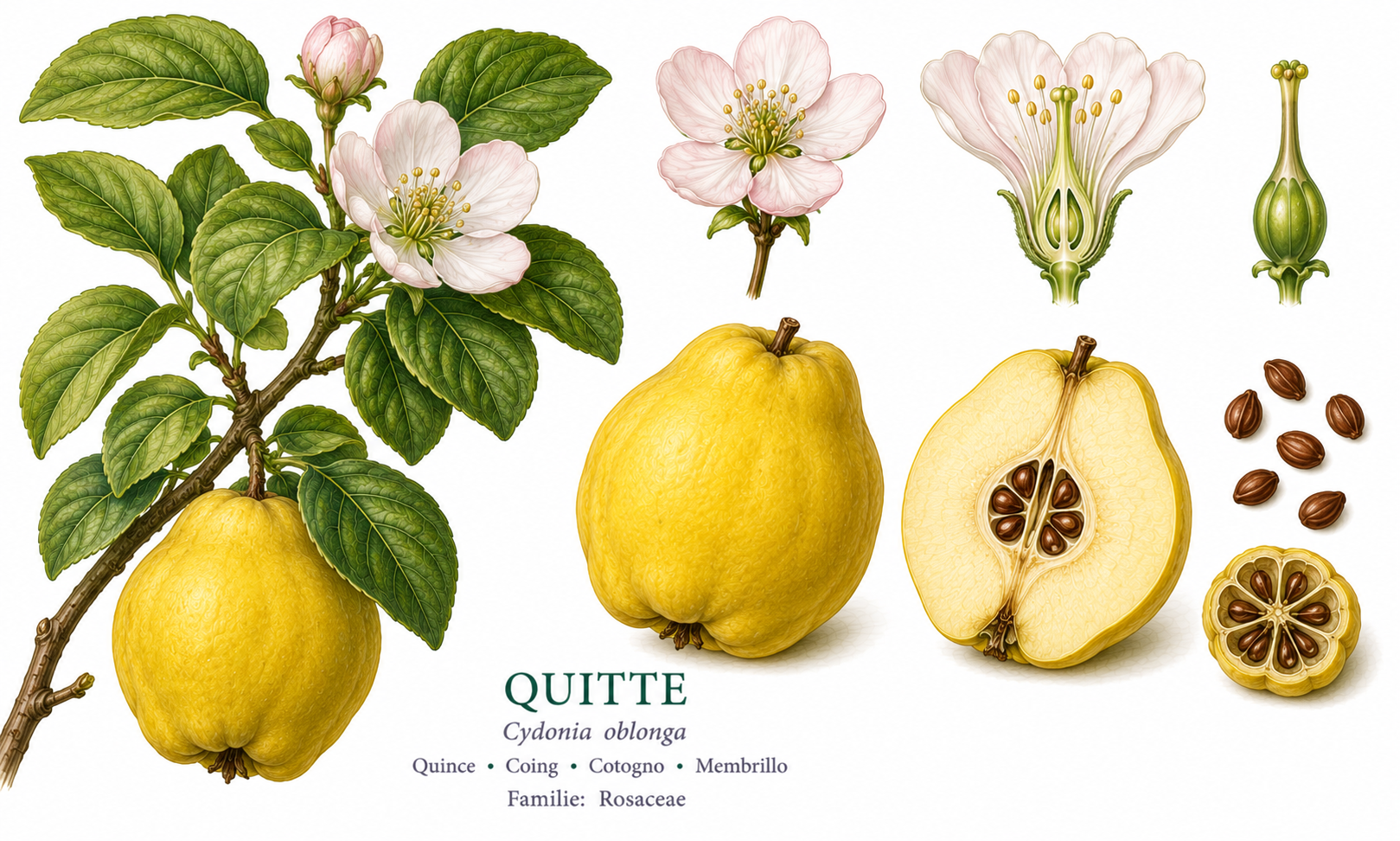
Cydonia oblonga
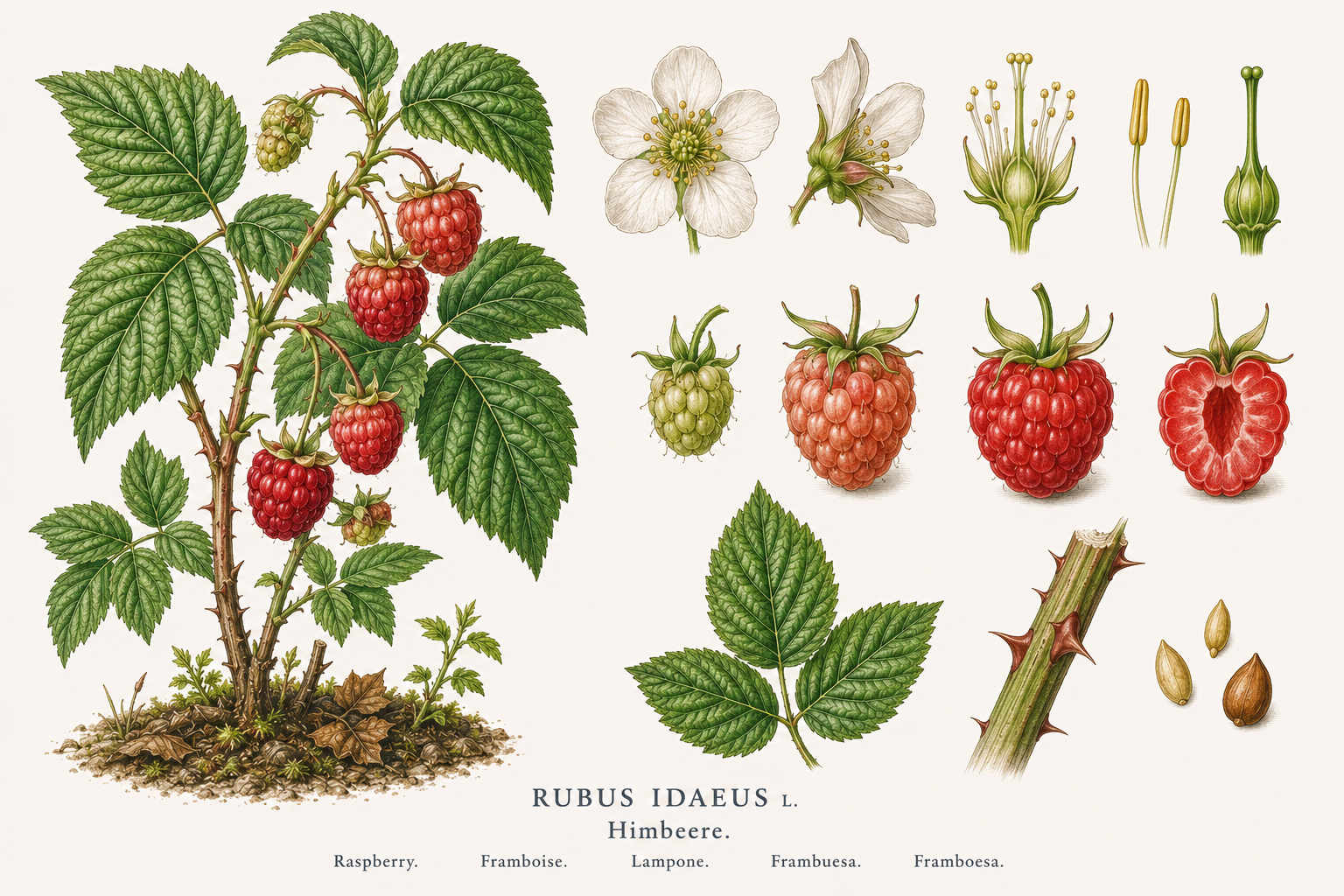
Rubus idaeus
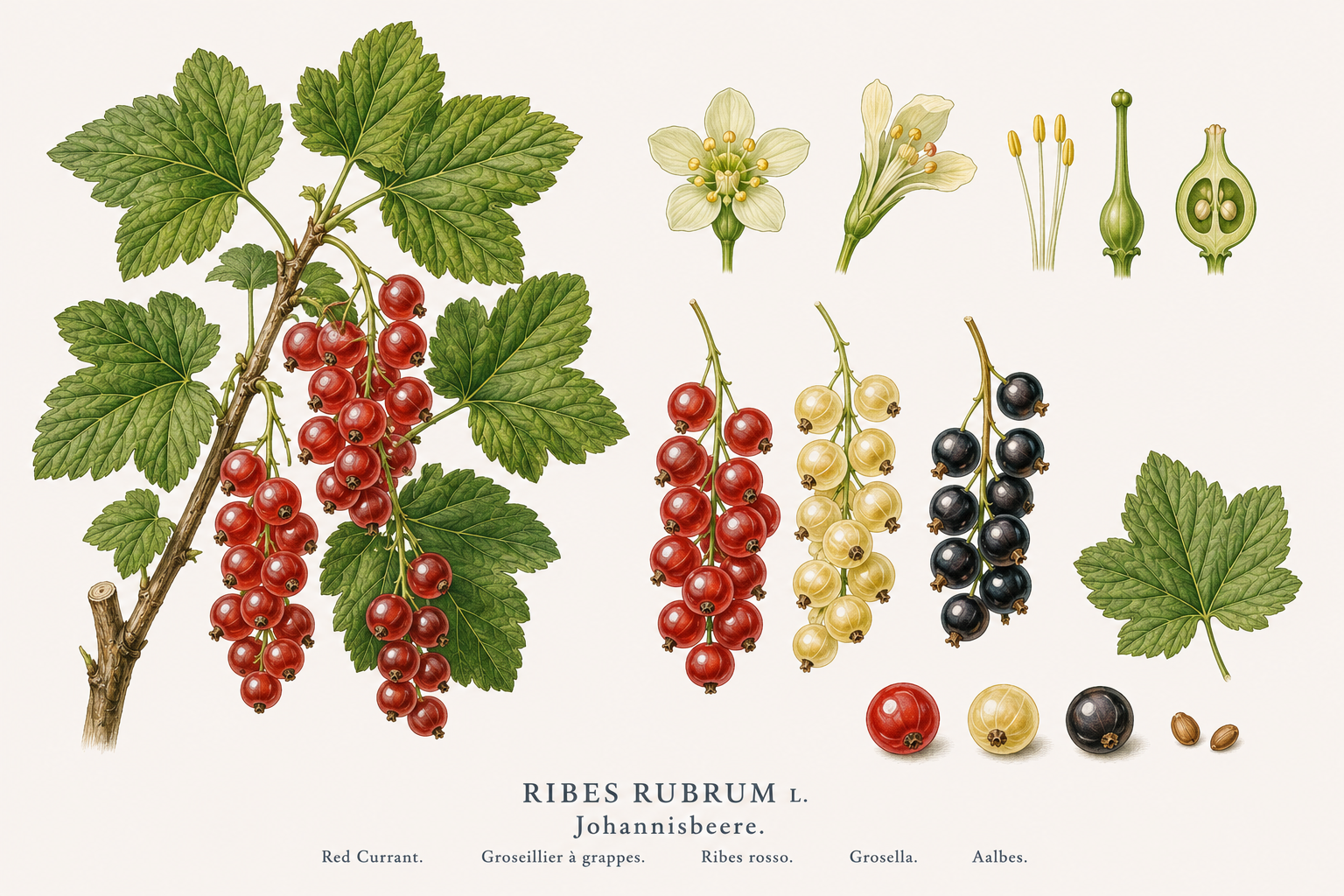
Ribes
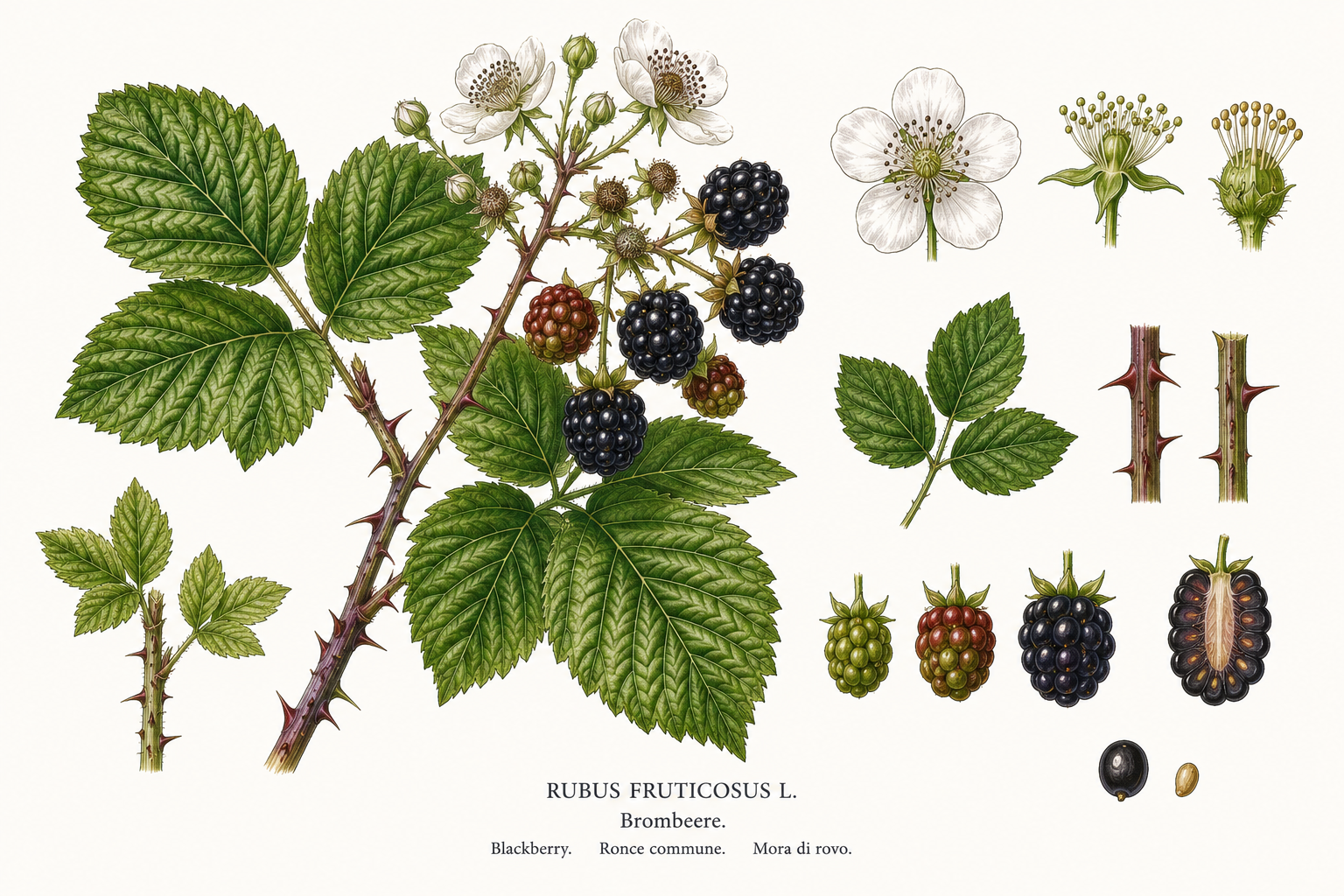
Rubus
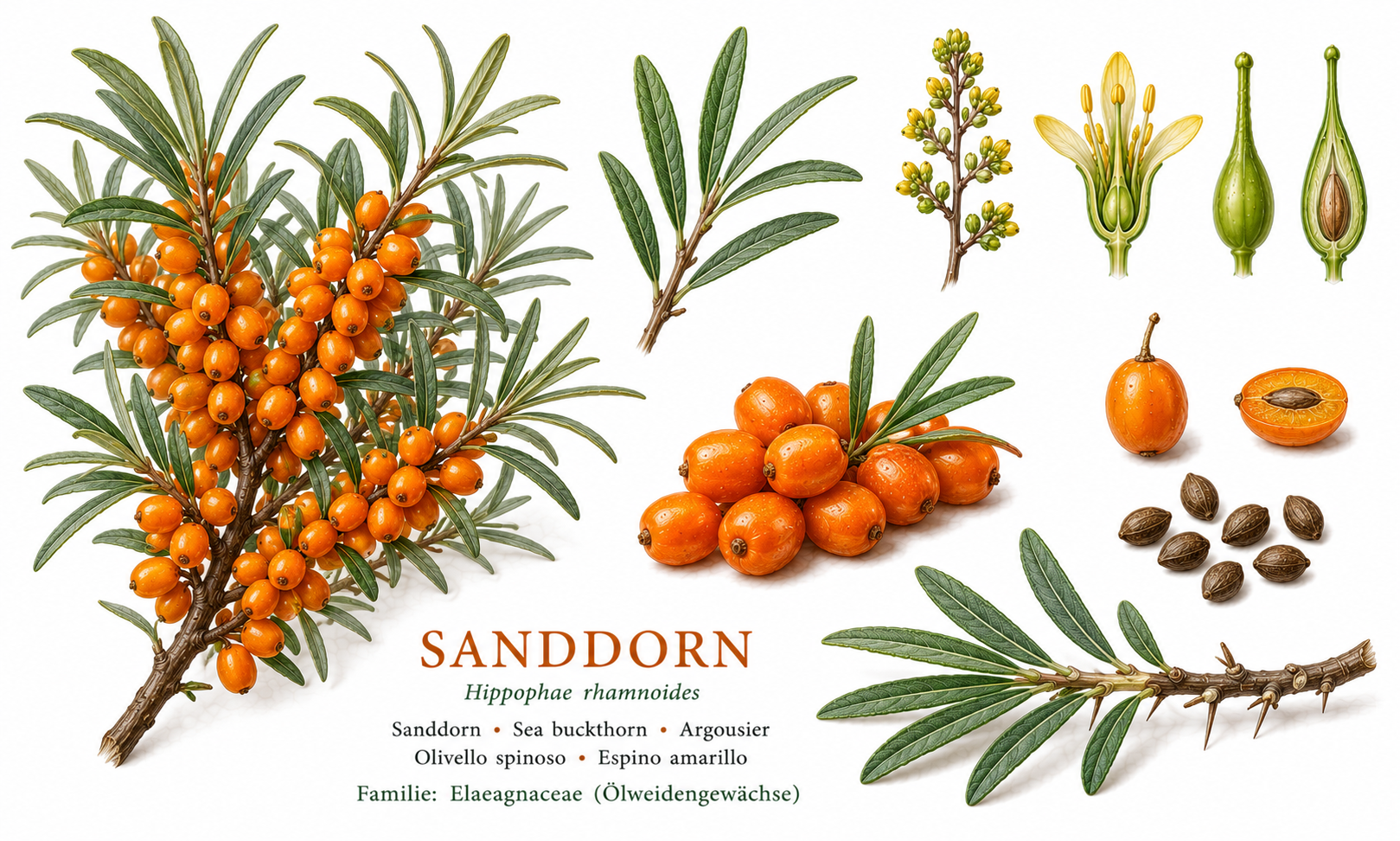
Hippophae rhamnoides
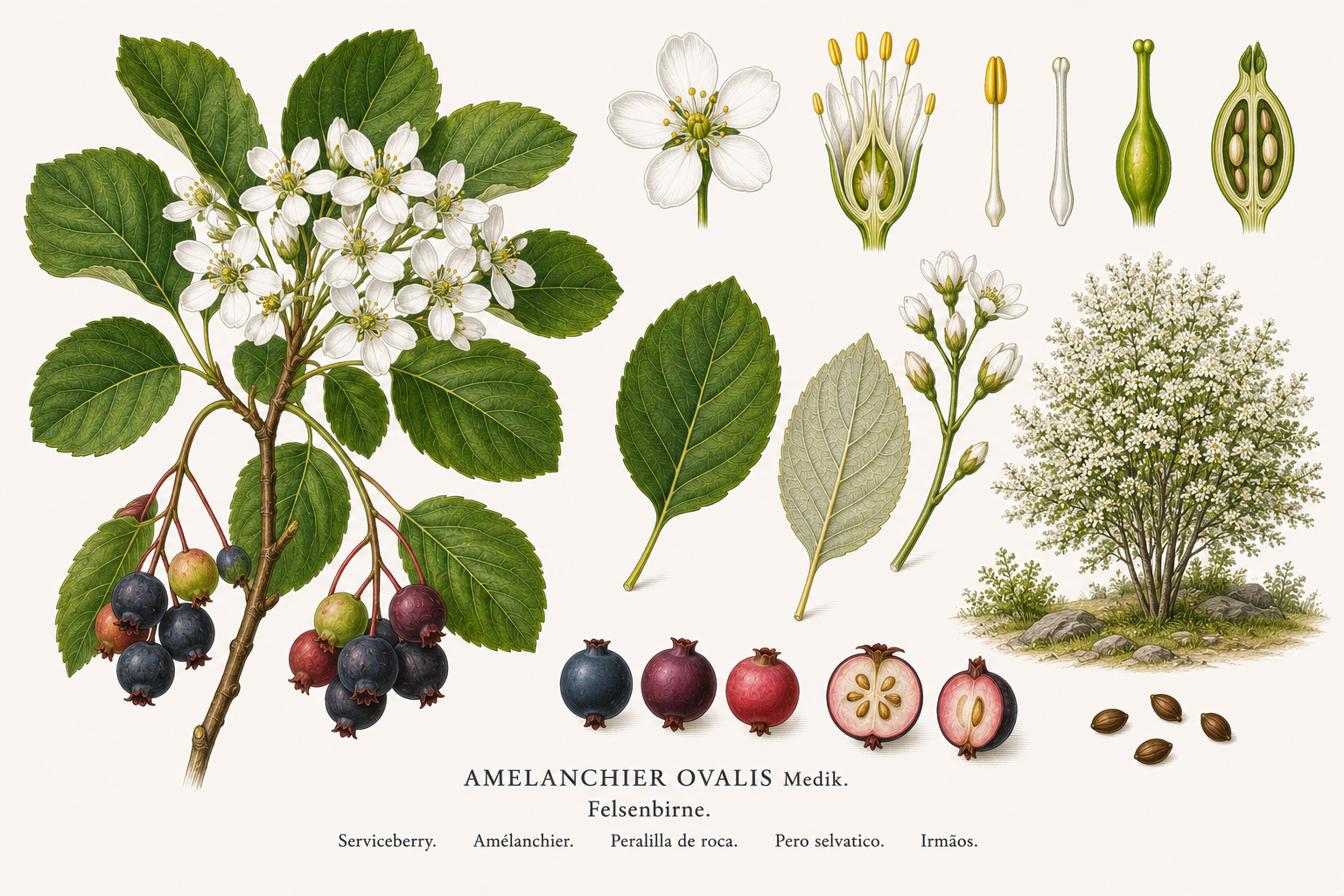
Amelanchier
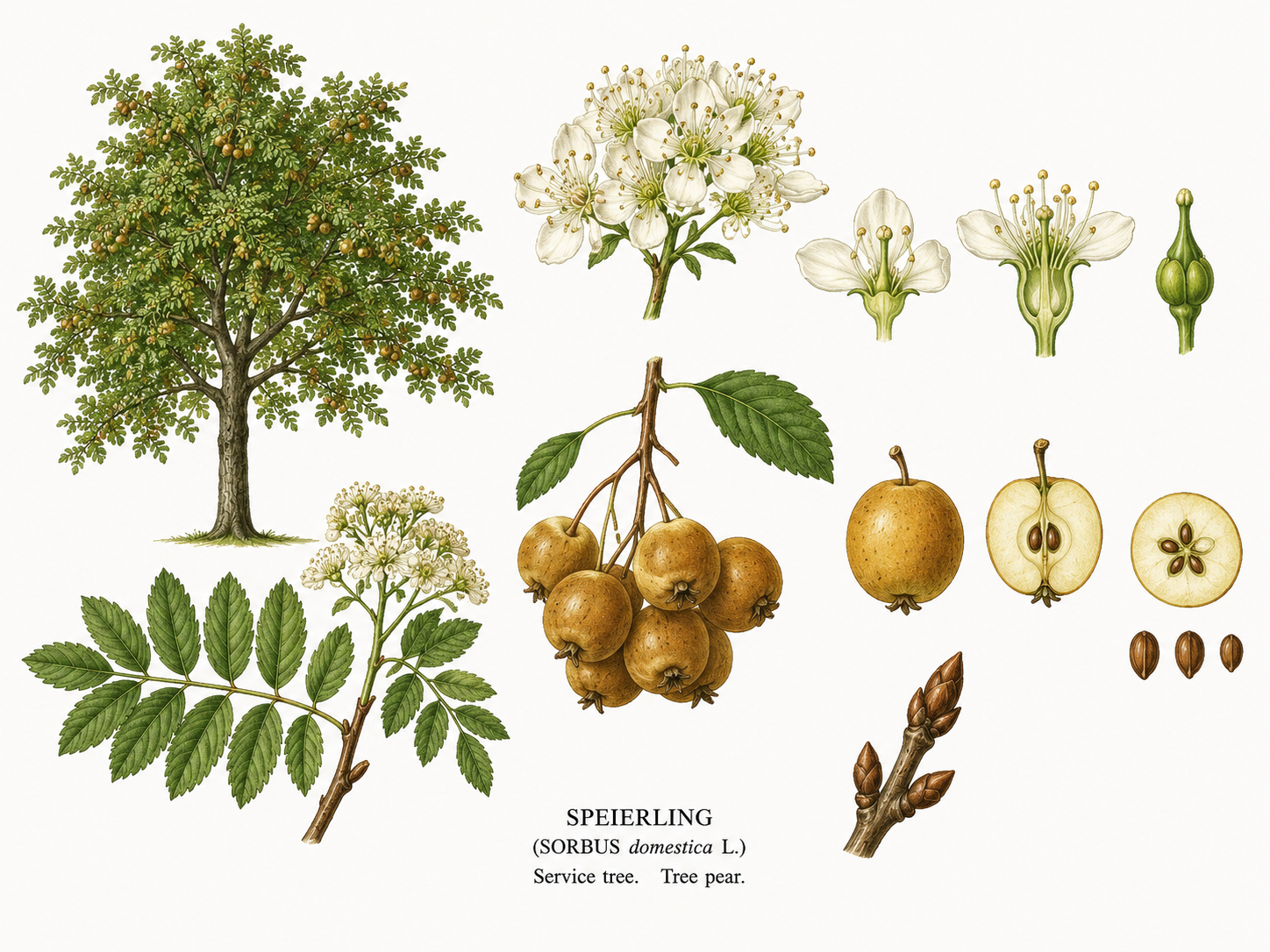
Sorbus domestica
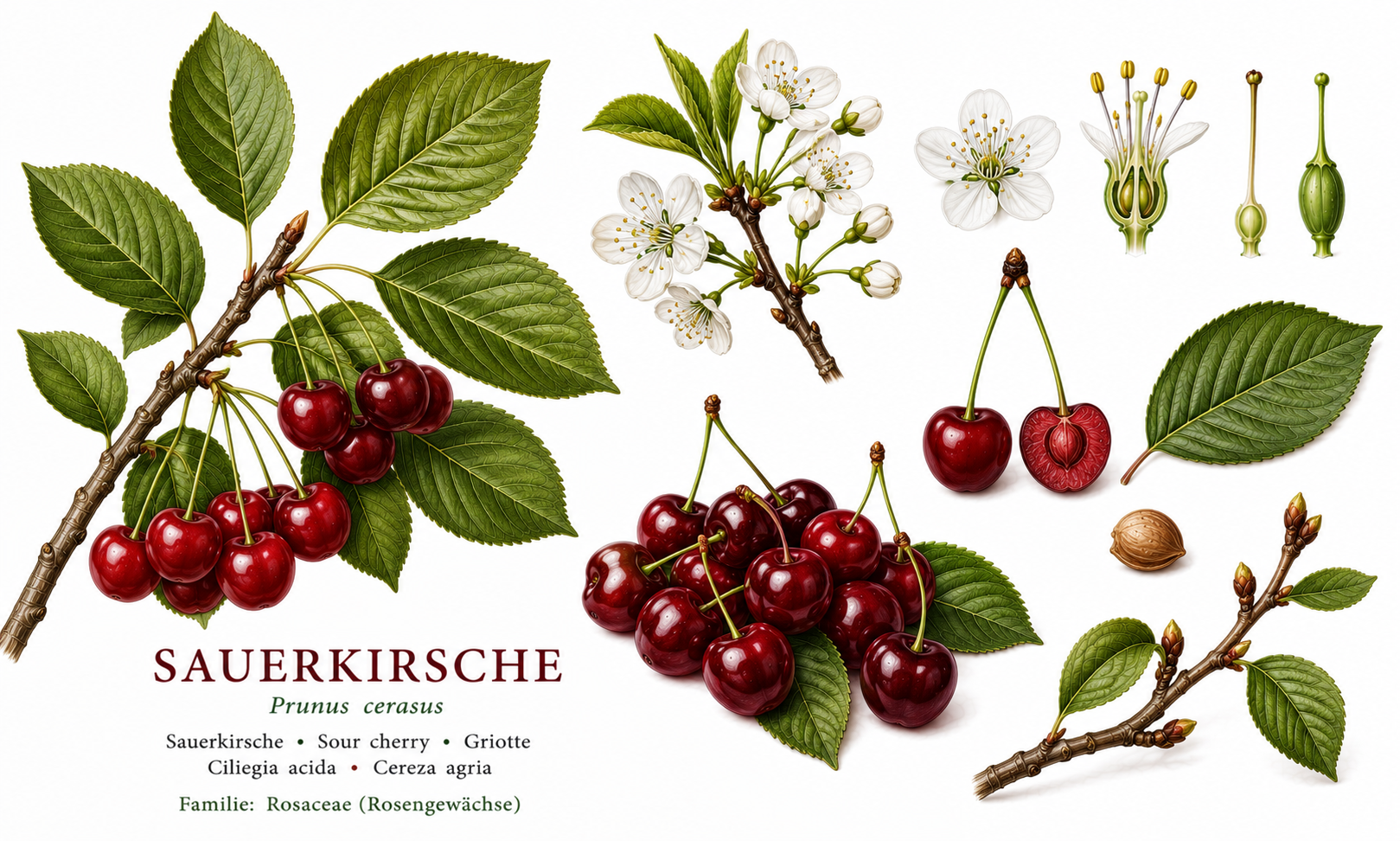
Prunus cerasus
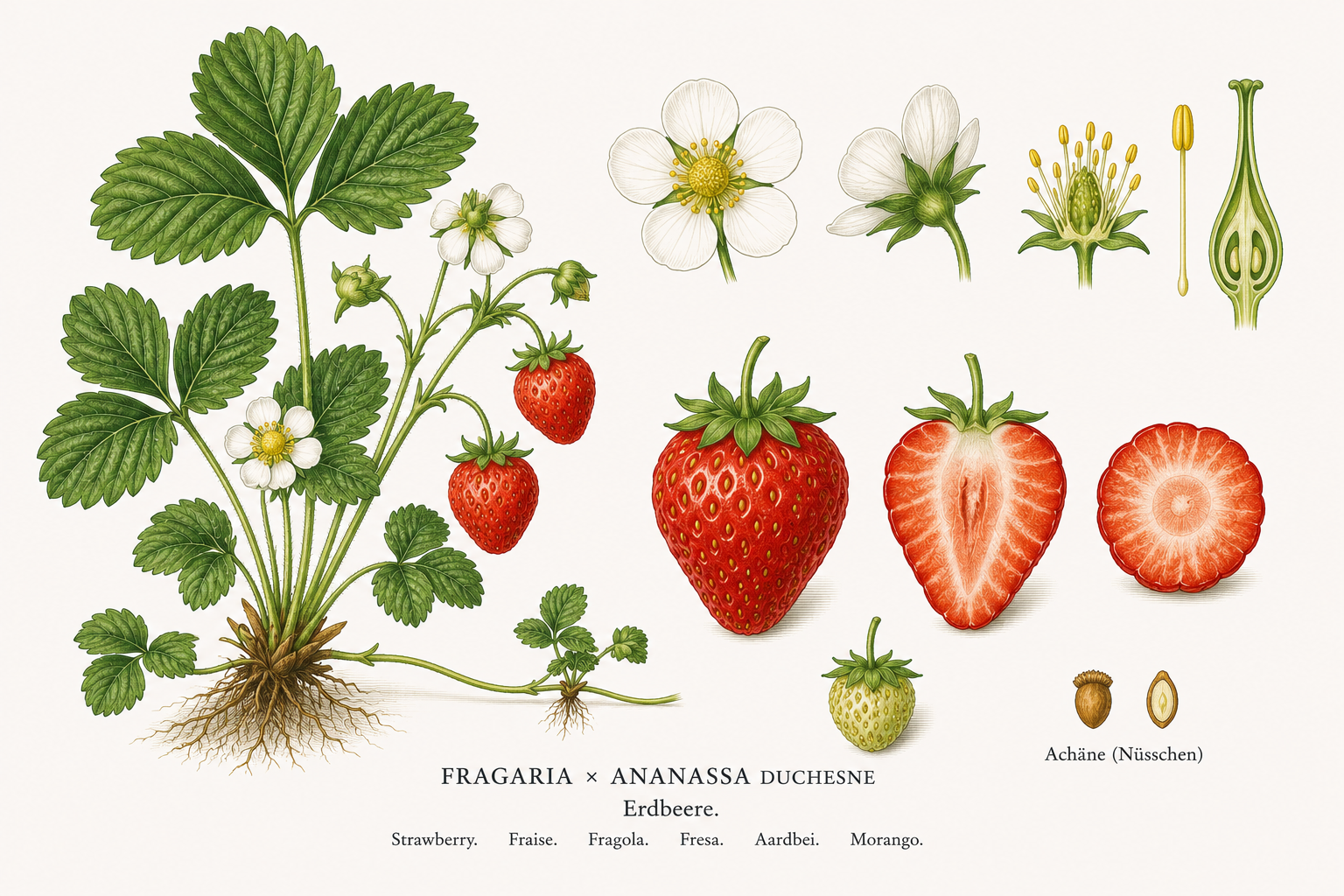
Fragaria
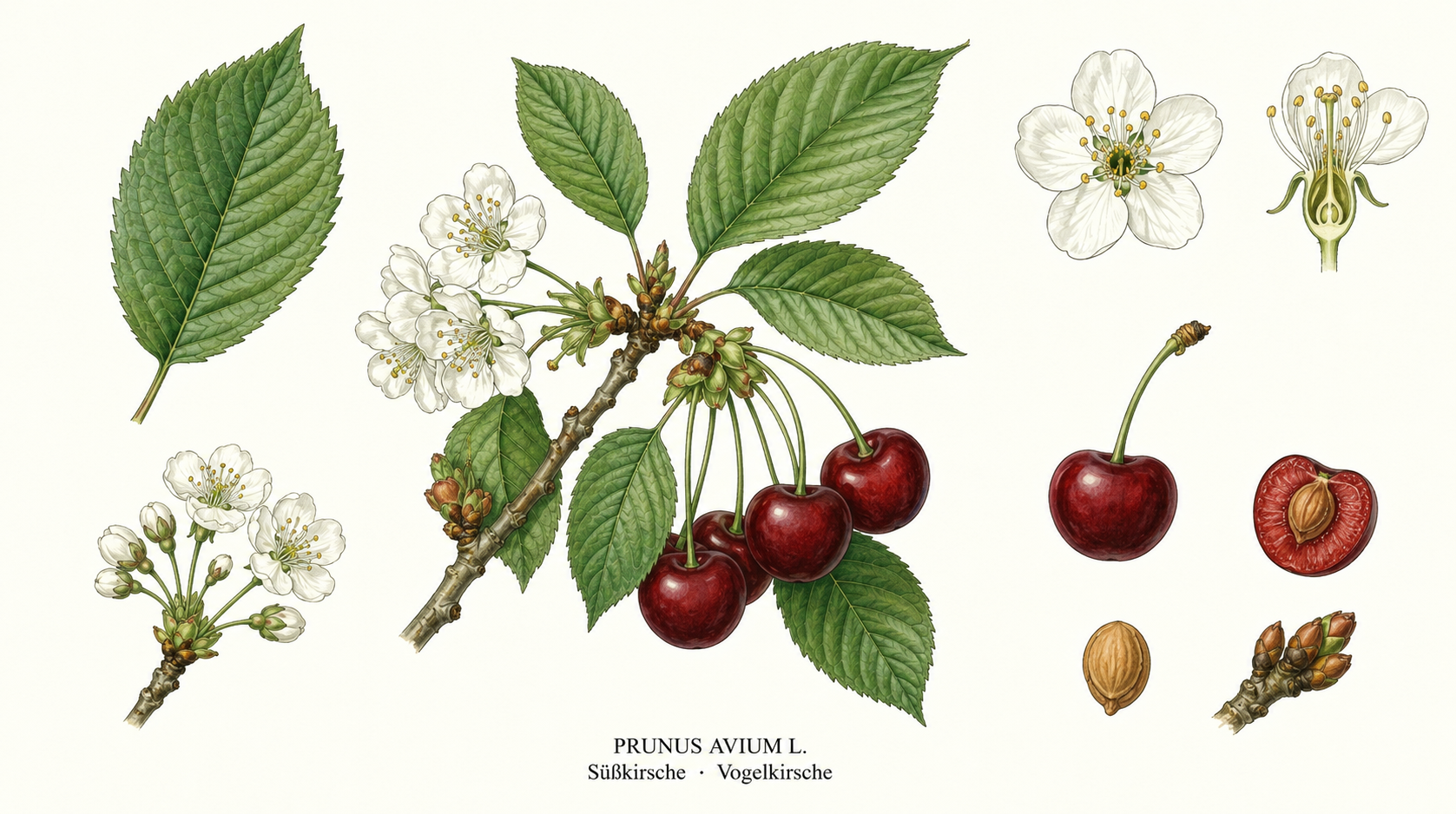
Prunus avium
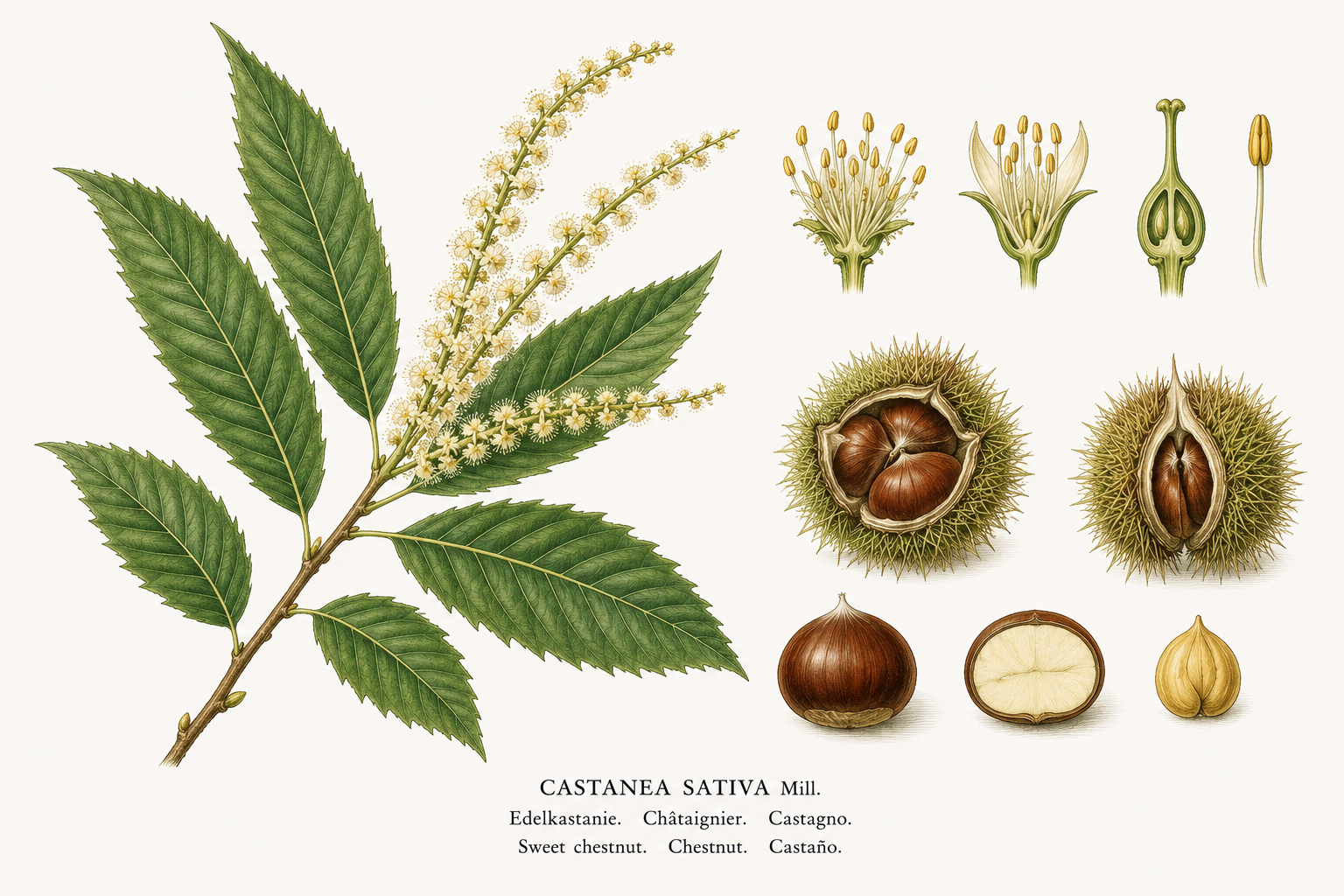
Castanea sativa
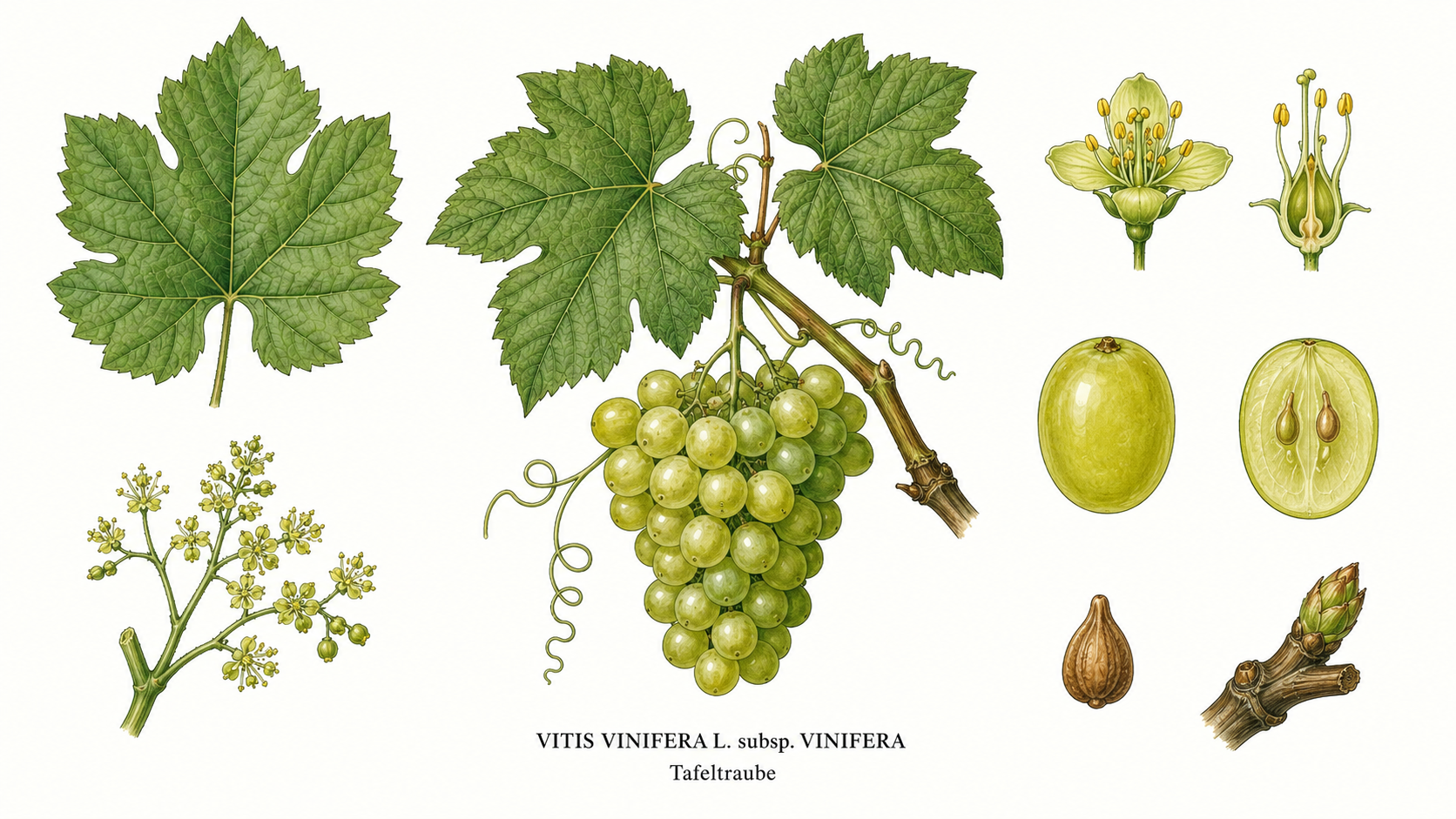
Vitis vinifera
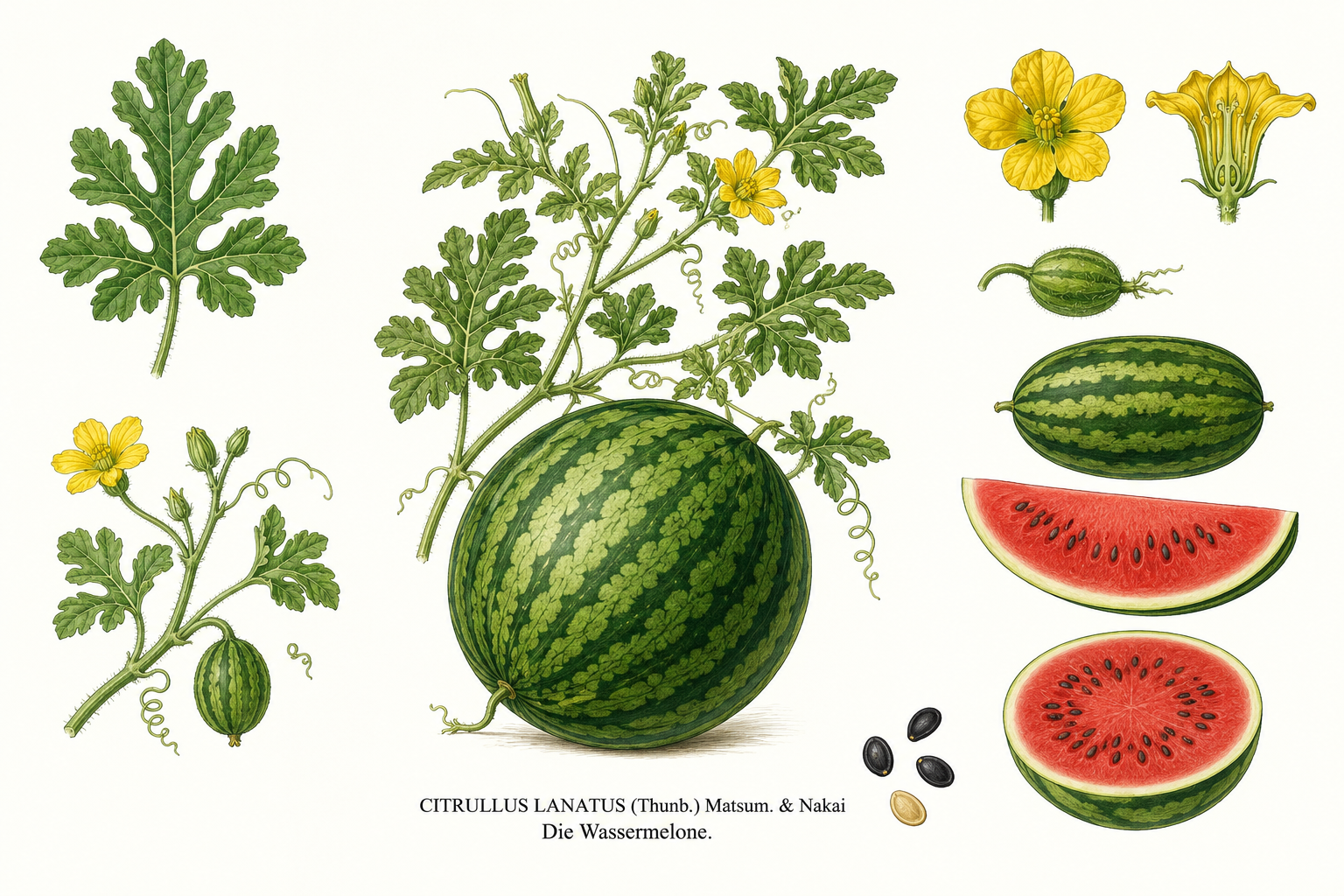
Citrullus lanatus
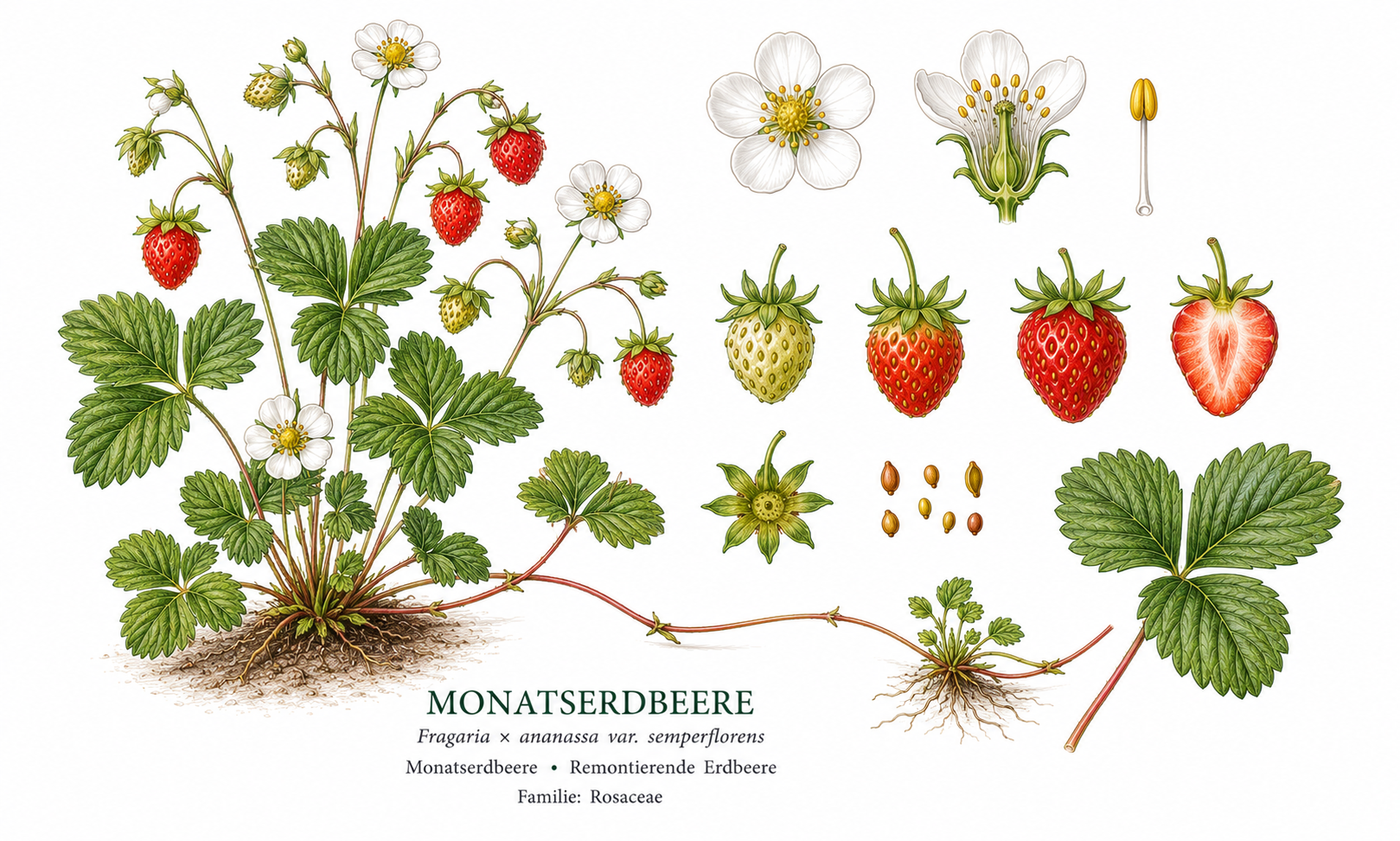
Fragaria vesca
Guides
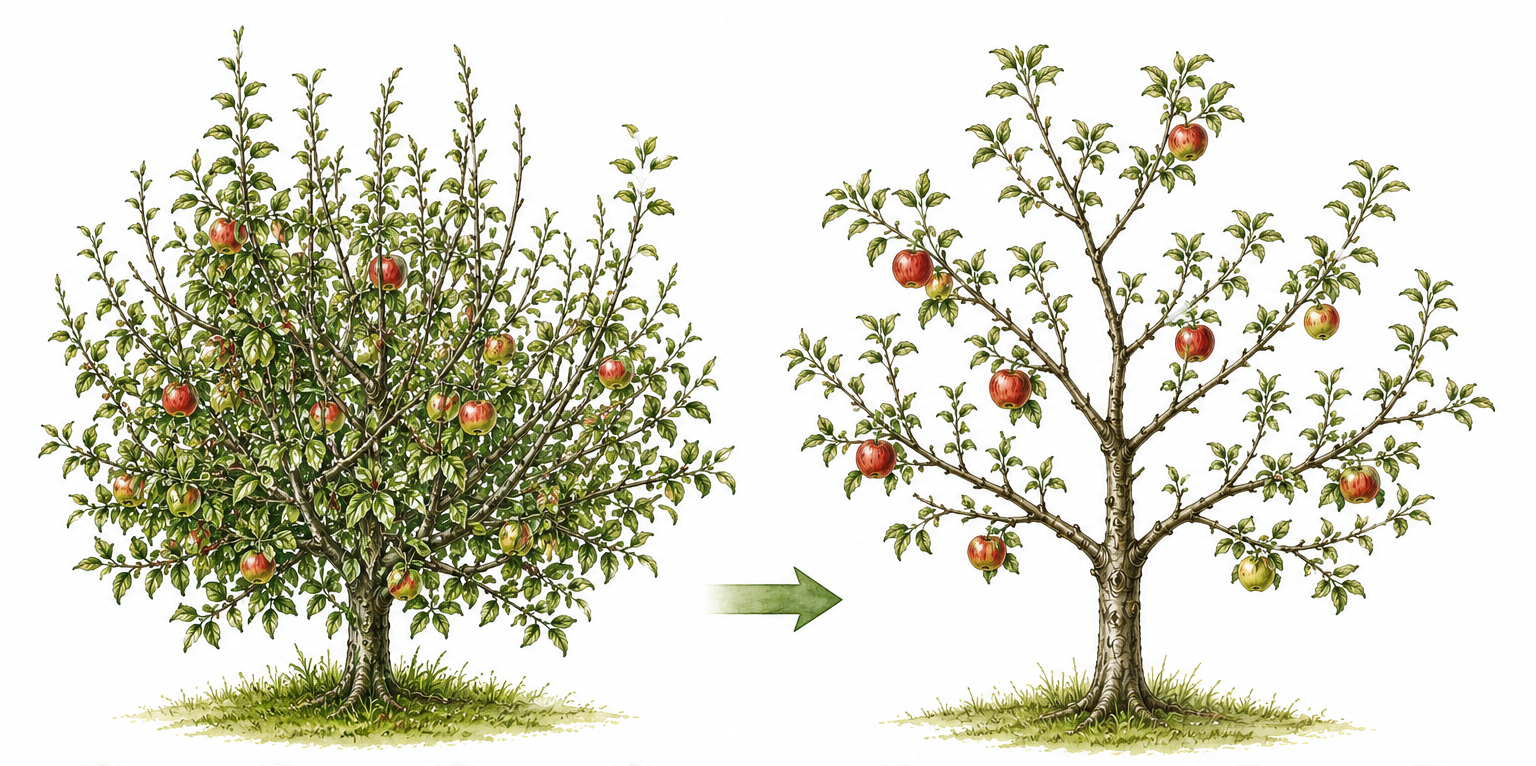
Guide
Learn when and how to prune apple trees properly, including winter pruning, summer pruning, training cuts, and maintenance tips for healthy, productive…

Guide
Grow figs outdoors or in containers with the right variety, warm site, steady care, and practical winter protection.
Guide
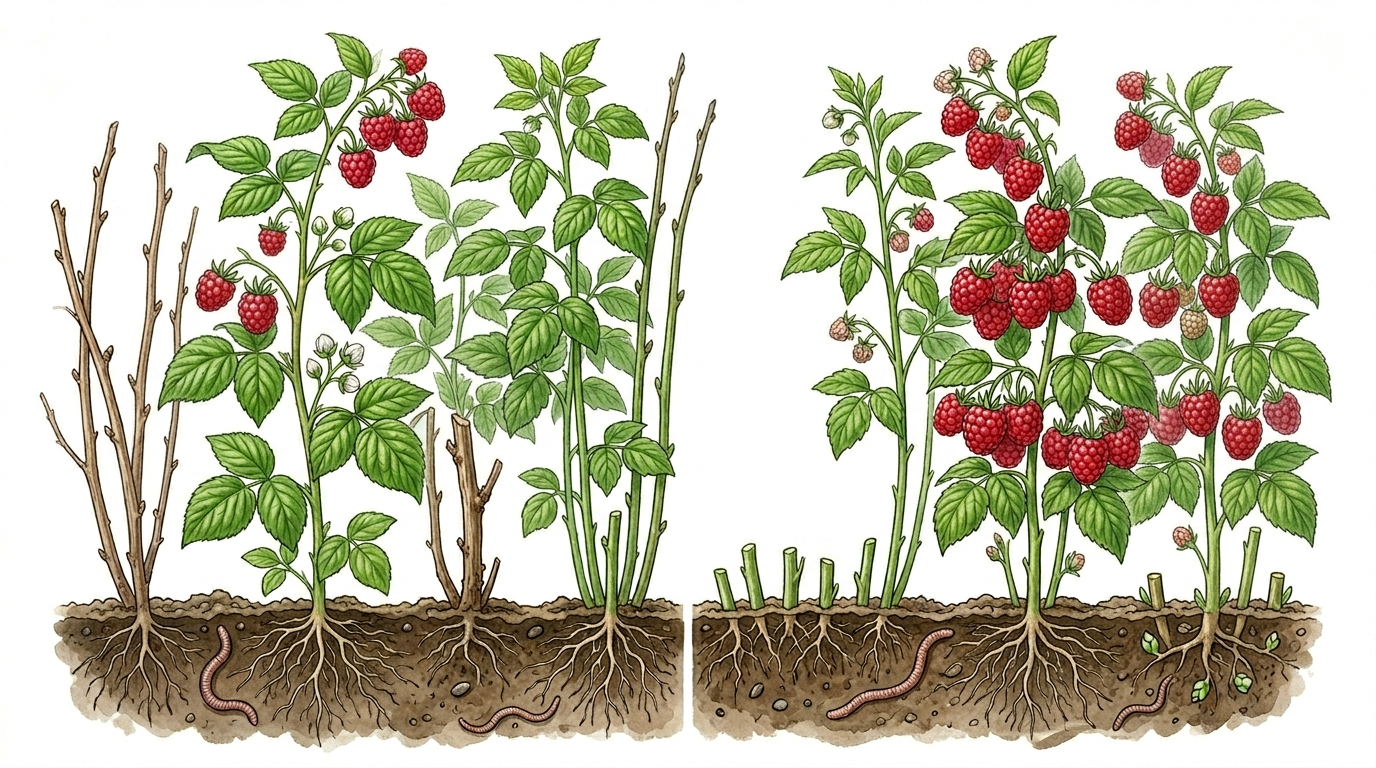
Learn how to prune raspberries correctly by understanding the differences between summer-bearing and autumn-bearing types.
Guide
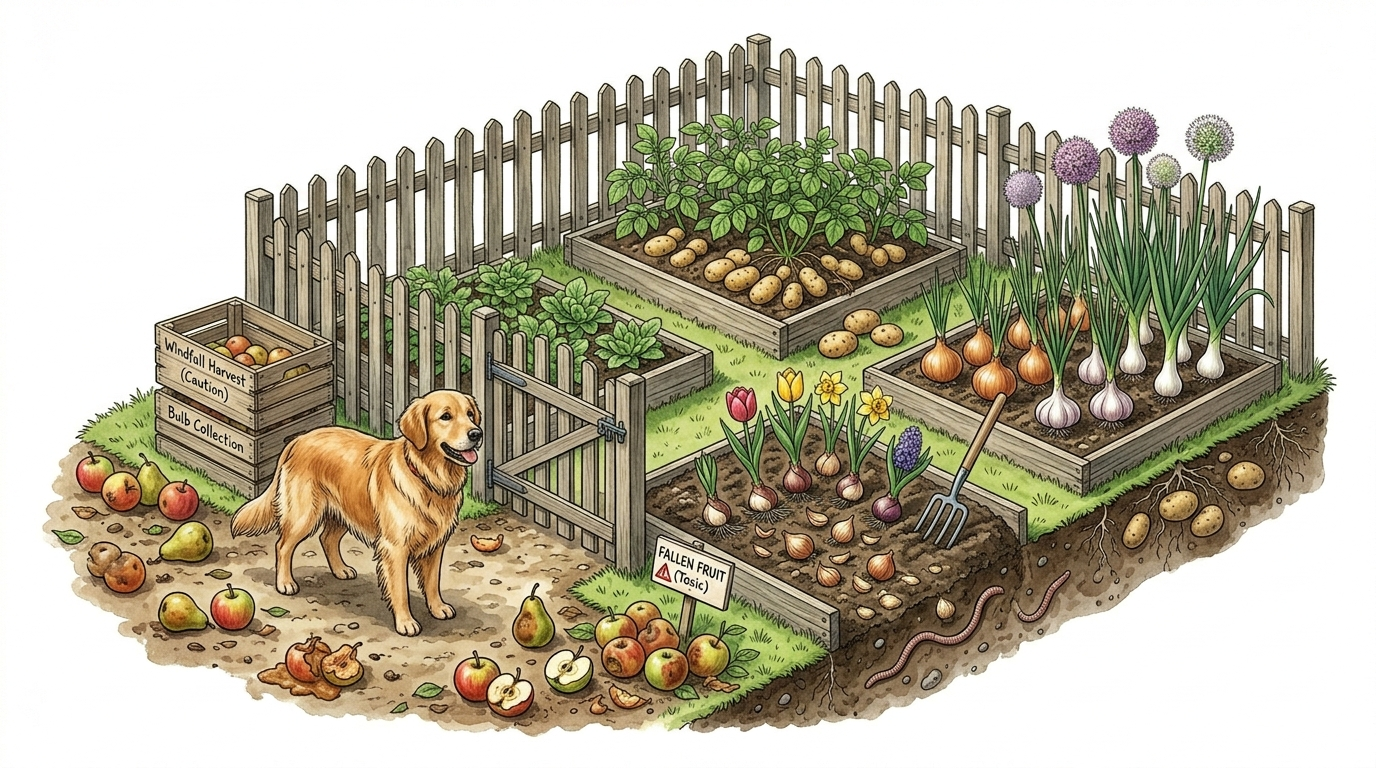
Keep your garden dog-safe by managing windfall fruit, seeds, stored crops, and potentially problematic plant parts.
Guide
Learn how to identify risks near horse pastures, fences, turnout areas, fruit trees, and garden planting zones.
Guide
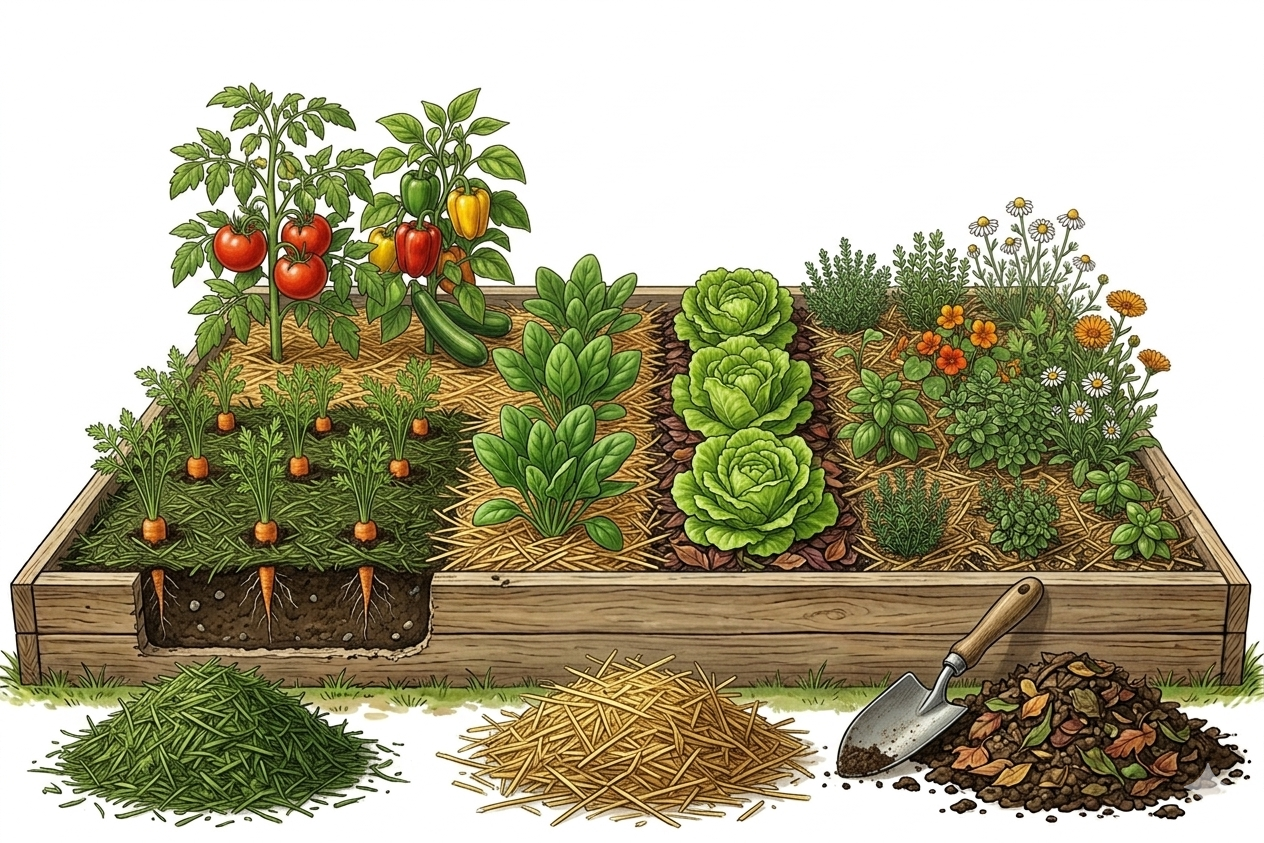
Learn how grass clippings, straw, and leaves can improve soil, reduce watering, and support healthy vegetable crops.
More categories