Guide
Growing Figs Outdoors: Varieties, Pots and Winter Care
Figs add a Mediterranean feel to the garden and can grow outdoors in mild areas. With a hardy variety, a warm site, good winter protection, and the right container care, figs can also be grown successfully in cooler regions.

The best site for figs
Figs need warmth, sun, and shelter. A spot against a south-facing wall, in front of a bright masonry surface, or in a sheltered courtyard is ideal. These places help shoots ripen better and give the fruit more warmth.
- choose a full-sun, warm site
- avoid cold easterly winds
- use free-draining soil without waterlogging
- grow in a container in colder locations
Choose hardy varieties
For home gardens, hardy and self-fertile fig varieties are the most useful choice. They should cope with short summers, crop reliably, and tolerate some frost. In cooler regions, proven outdoor varieties are safer than delicate collector varieties.
- choose a self-fertile variety
- look for early ripening
- use hardy varieties for outdoor planting
- prefer compact growth for container culture
How to plant figs
Spring is the best time to plant figs once severe frosts are no longer expected. This gives the plant a full season to form new roots and become stronger before its first winter.
- 1
Prepare the site
Choose a sunny, sheltered place with free-draining soil.
- 2
Loosen the planting hole
Loosen the soil deeply and improve heavy soil with mineral material or mature compost.
- 3
Set the fig in place
Plant it at the same depth as it grew in the pot and firm the soil gently.
- 4
Water in
Water thoroughly so the soil settles around the roots.
- 5
Mulch lightly
Cover the root area lightly to keep soil moisture more even.
Summer care
Established figs are fairly easy to care for. The main tasks are steady watering during dry spells and moderate feeding. Too much nitrogen encourages soft shoots that ripen poorly before winter.
- water deeply during dry periods
- avoid waterlogging
- feed moderately in spring
- stop strong feeding from late summer
- remove damaged or unusable fruit
Growing figs in containers
Containers make it possible to grow figs where outdoor planting is too risky. The pot should be large, stable, and well drained. Container-grown figs need more regular watering and feeding than figs planted in the ground.
- use a large pot with drainage holes
- add drainage and a stable, open potting mix
- water regularly in summer
- repot or renew the root ball every few years
- protect both pot and roots in winter
Winter protection for figs
Young figs and container figs need special protection in winter. Outdoors, the root area is the priority. In cold regions, an airy wrap around the shoots can also help.
- 1
Cover the root area
In autumn, cover the soil with leaves, brushwood, or mulch.
- 2
Protect the shoots
Wrap young plants loosely with fleece so air can still circulate.
- 3
Insulate the pot
Place container figs in a sheltered position and wrap the pot with jute, fleece, or an insulating mat.
- 4
Keep slightly moist
Water in winter only enough to stop the root ball from drying out completely.
- 5
Remove protection in spring
Take winter protection off gradually once severe frosts have passed.
Harvesting figs and spotting ripeness
Figs do not reliably ripen after picking, so harvest them only when they are soft, aromatic, and show their typical ripe color. Ripe fruit often hangs slightly downward and comes away gently from the shoot.
- harvest only soft, fully ripe fruit
- do not pull hard fruit from the plant
- eat or process ripe figs quickly
- check regularly for ripeness in cool weather
Common mistakes to avoid
- choosing a delicate variety for a cold site
- planting figs in shade
- allowing waterlogging in containers
- feeding too strongly in late summer
- leaving young plants without winter protection
- letting container figs dry out completely in winter
Frequently asked questions
Can figs be grown outdoors in cooler climates?
Yes, especially in mild areas and very sheltered, sunny sites. In colder regions, container growing is often the safer option.
When is the best time to plant a fig tree?
Spring is best, because the fig has time to root well before its first winter.
Do container figs need winter protection?
Yes. Roots are more exposed to frost in pots, so the container and root ball should be insulated and placed in a sheltered spot.
Why are my figs not ripening?
Common reasons are too little warmth, too little sun, or a variety that ripens too late. Too much nitrogen can also delay ripening by encouraging soft growth.
Internal links
Related plants
Guides
Related guides
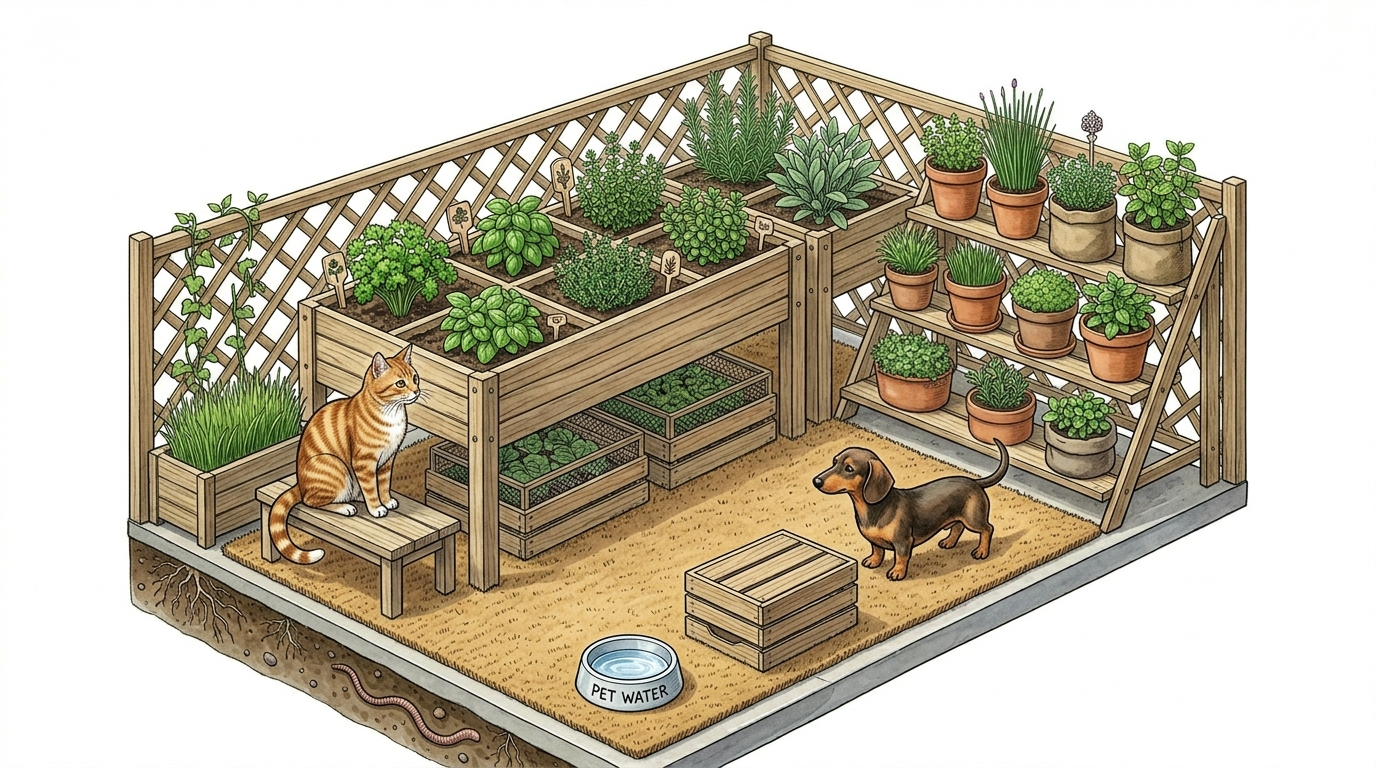
Guide
Pet-Safe Herb Gardens for Balconies and Beds
Learn how to create a pet-safe herb garden with suitable herbs, thoughtful layouts, and practical maintenance strategies.
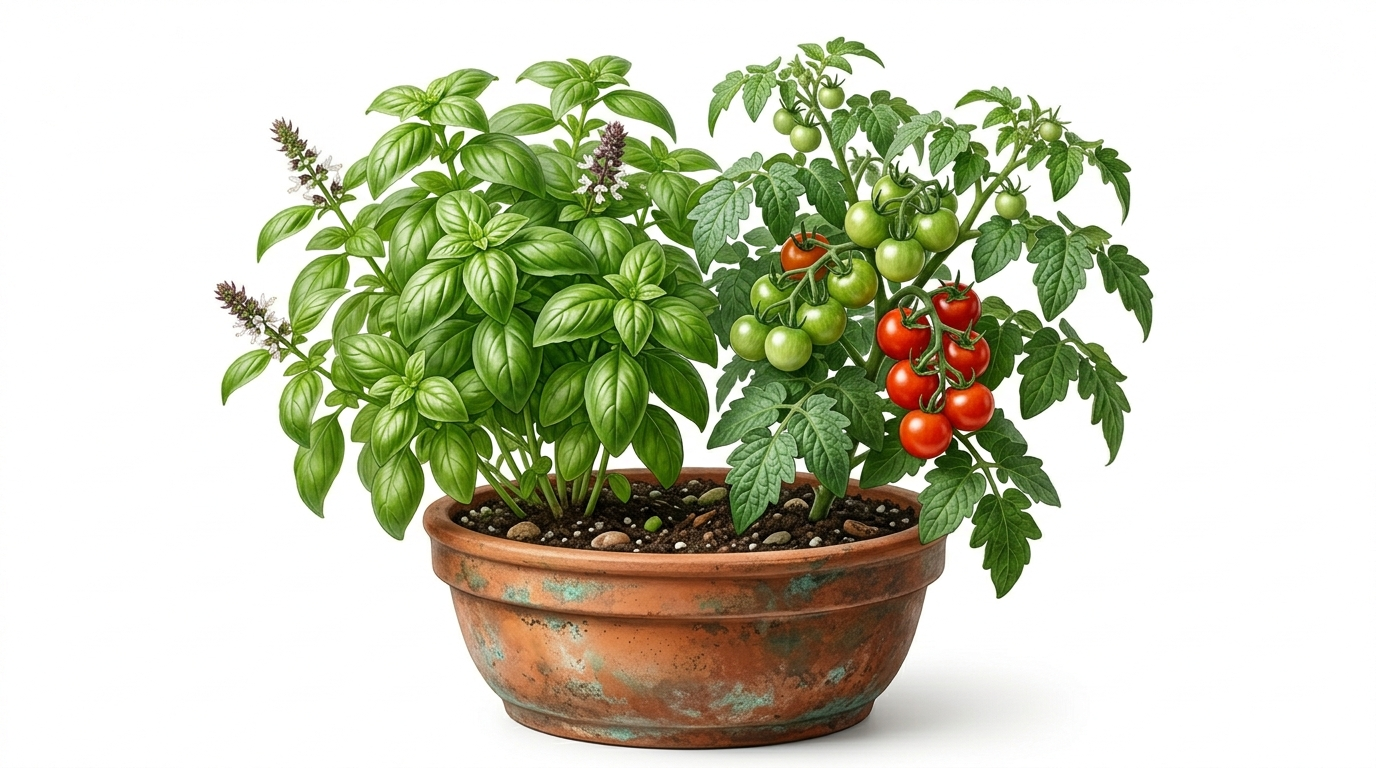
Guide
Growing Basil: Site, Watering and Harvesting
Learn how to grow basil successfully with the right site, steady watering, regular harvesting, and tips to delay flowering.
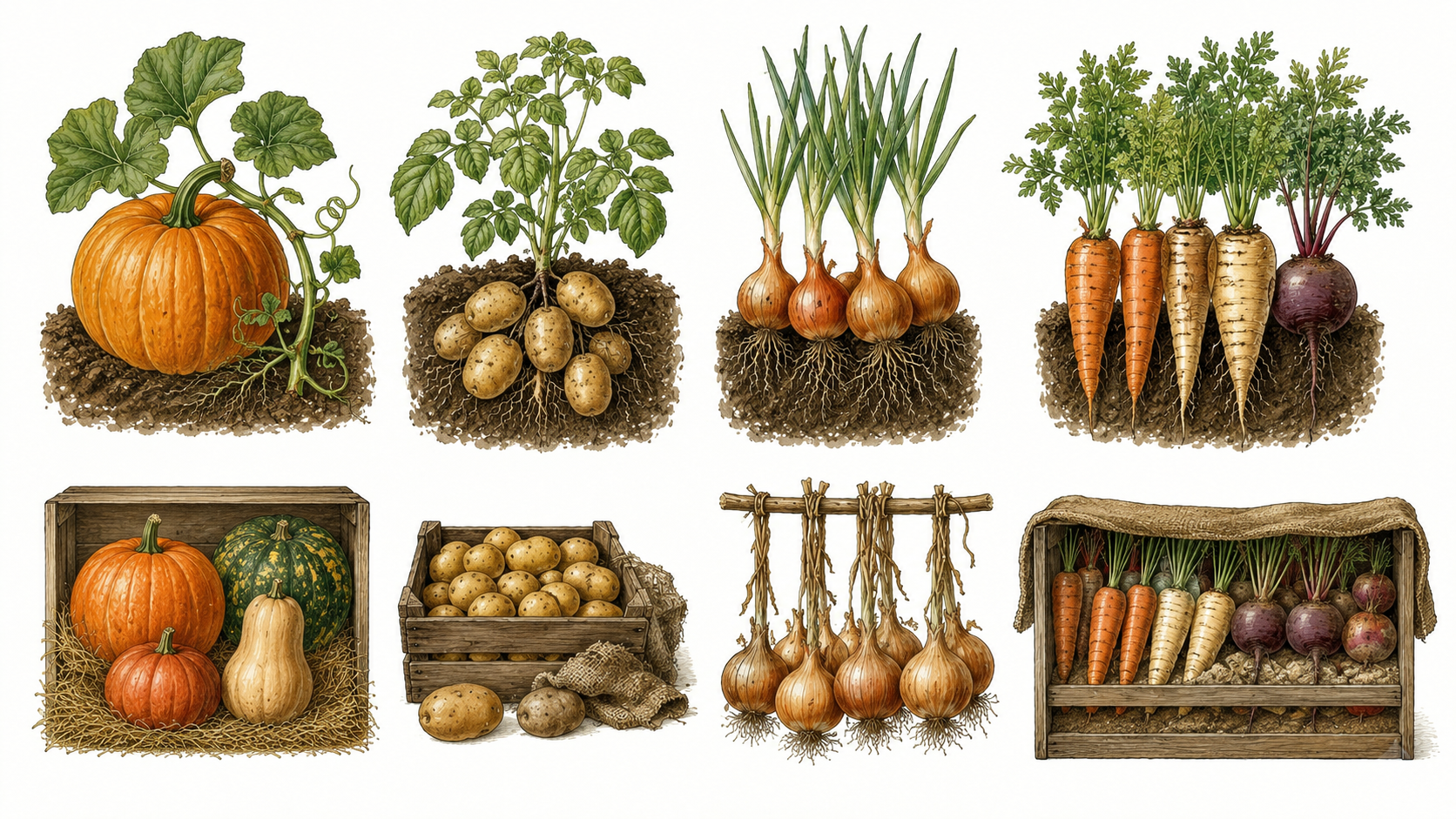
Guide
Autumn Harvest and Storage for Squash and Root Crops
Learn how to harvest and store squash, potatoes, onions, and root vegetables for longer freshness through autumn and winter.
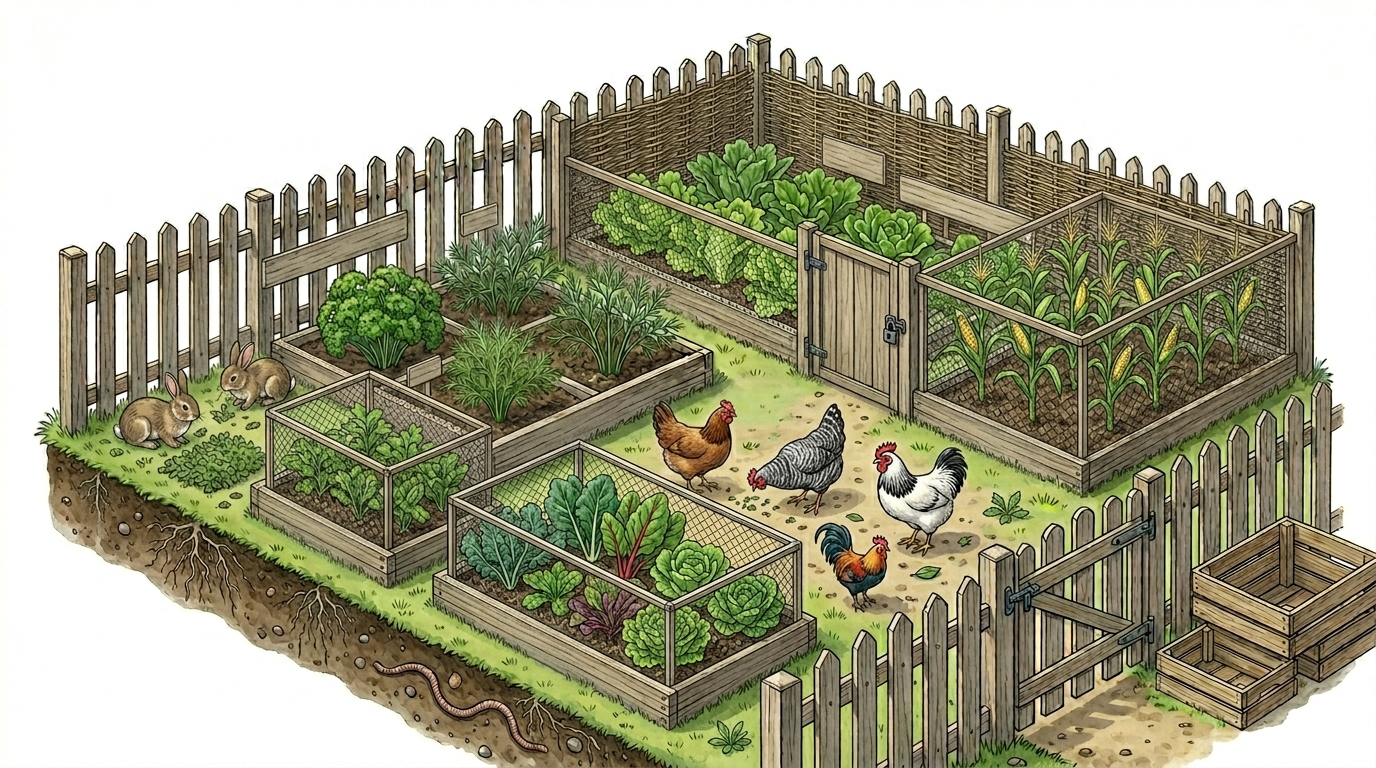
Guide
Chickens in the Garden: Safe Plants and Zones
Learn how to design a chicken-friendly garden with suitable plants, protected beds, and well-planned activity areas.