Pests
Spider mites
Identify Spider mites: symptoms, possible causes, prevention, and practical actions for 42 affected plants. Fine webbing on the underside of leaves
Editorial diagnosis
Diagnosis overview
Spider mites are tiny sap-sucking mites that thrive in dry, warm conditions. They usually sit on leaf undersides and are often noticed only when leaves become finely speckled or webbing appears.
In gardens, Spider mites can occur on plants including Physalis pruinosa, Physalis peruviana, Apple, Aronia. In the available profiles, it is linked mainly with Berries, Cucurbits, Fruit. Recorded timing or triggers include Summer, especially during dry, warm weather., peak infestation June–September.
The recorded risk level is medium. Act quickly when webbing, heavy speckling, or rapid leaf loss appears.
Inspect leaf undersides, shoot tips, and the soil around the plant at different times of day. Eggs, larvae, droppings, webbing, or slime trails are often more diagnostic than one damaged leaf.
A common mistake is to treat feeding damage without checking the animal, eggs, larvae, time of activity, and affected plant parts.
At a glance
Plants
42
Category
Berries, Cucurbits, Fruit, Fruit vegetables, Herbs
Risk
medium
Season
Summer, especially during dry, warm weather., peak infestation June–September
Scientific name
Tetranychus urticae
Typical signs
- Fine pale speckling on leaves
- Tiny mites on leaf undersides
- Fine webbing
- Yellowing or drying leaves
- Worse outbreaks in dry conditions
Possible confusion
- Thrips: Thrips leave silvery scarring and black specks; spider mites often produce webbing.
- Drought stress: Drought stress causes wilting but no mite colonies or webbing.
Immediate actions
- Check leaf undersides
- Rinse plants where suitable
- Remove badly infested leaves
- Increase humidity carefully
- Isolate infested container plants
Prevention
- Avoid drought stress
- Manage greenhouse climate well
- Protect predatory mites and beneficials
- Avoid persistently hot, dry conditions
Affected plants
Guides
Related guides
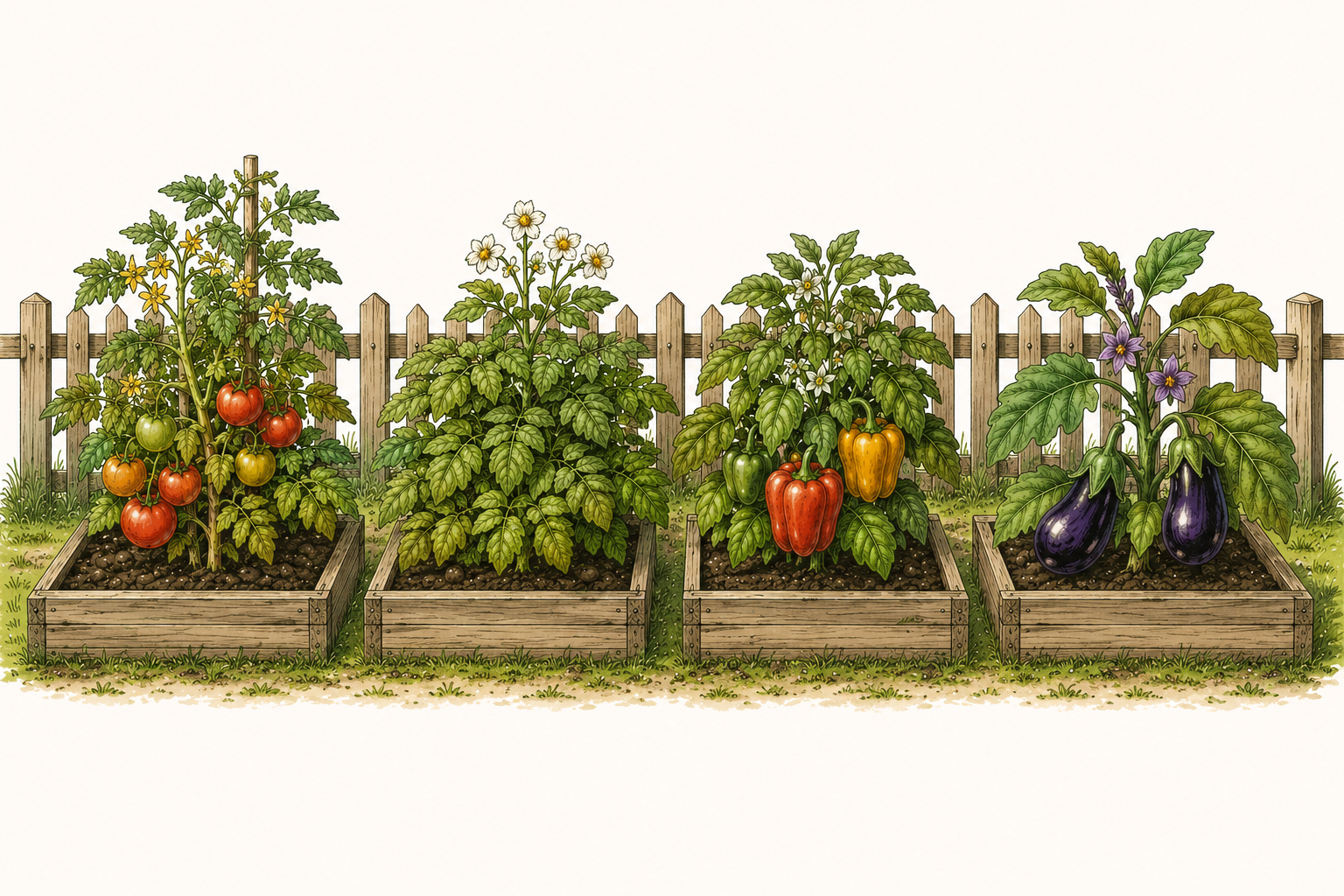
Guide
Pets and Nightshades: Tomatoes, Potatoes and More
Learn how to grow tomatoes, potatoes, peppers, and eggplants safely in pet-friendly gardens and understand plant-part risks.
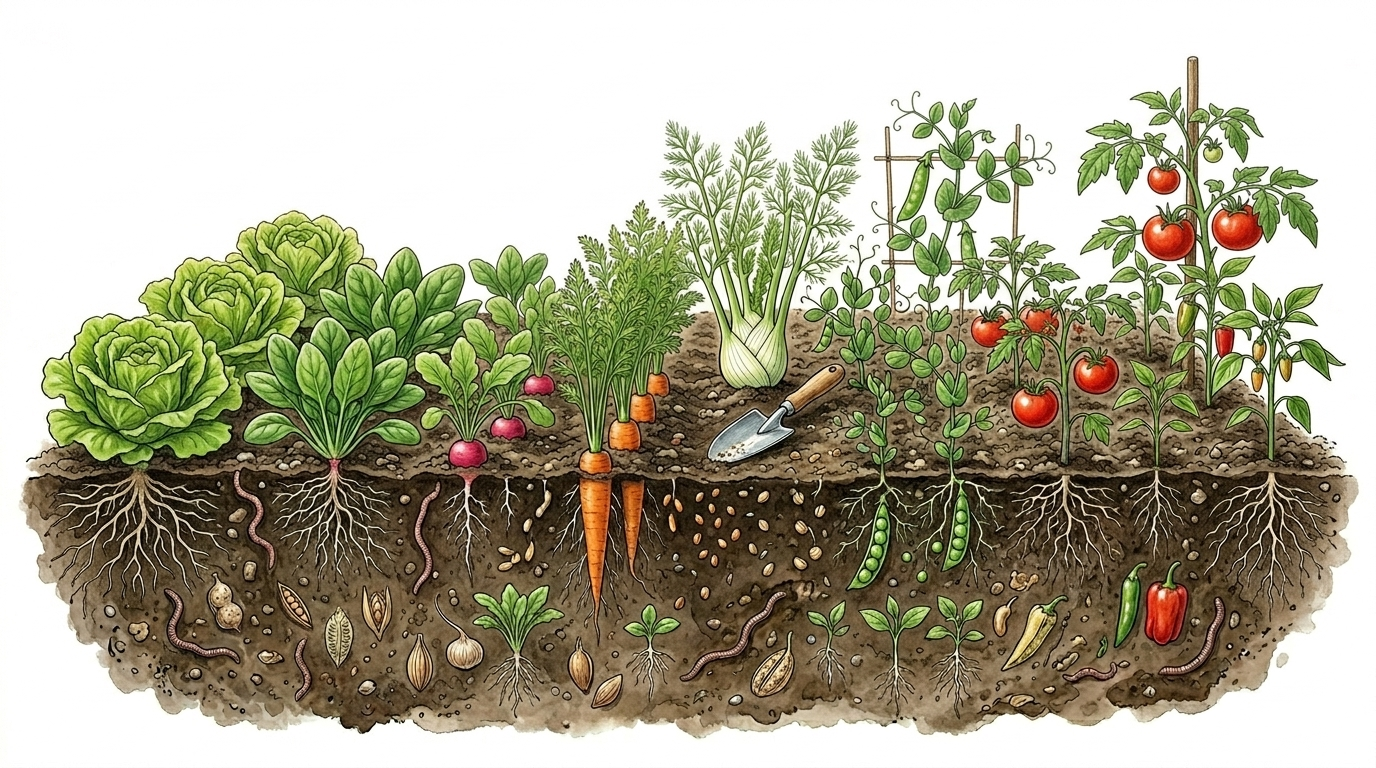
Guide
May Planting Calendar: Transplanting and Succession Sowing
What to plant and sow in May: transplant tender vegetables, continue succession sowing, and make the most of garden beds.

Guide
Growing Figs Outdoors: Varieties, Pots and Winter Care
Grow figs outdoors or in containers with the right variety, warm site, steady care, and practical winter protection.
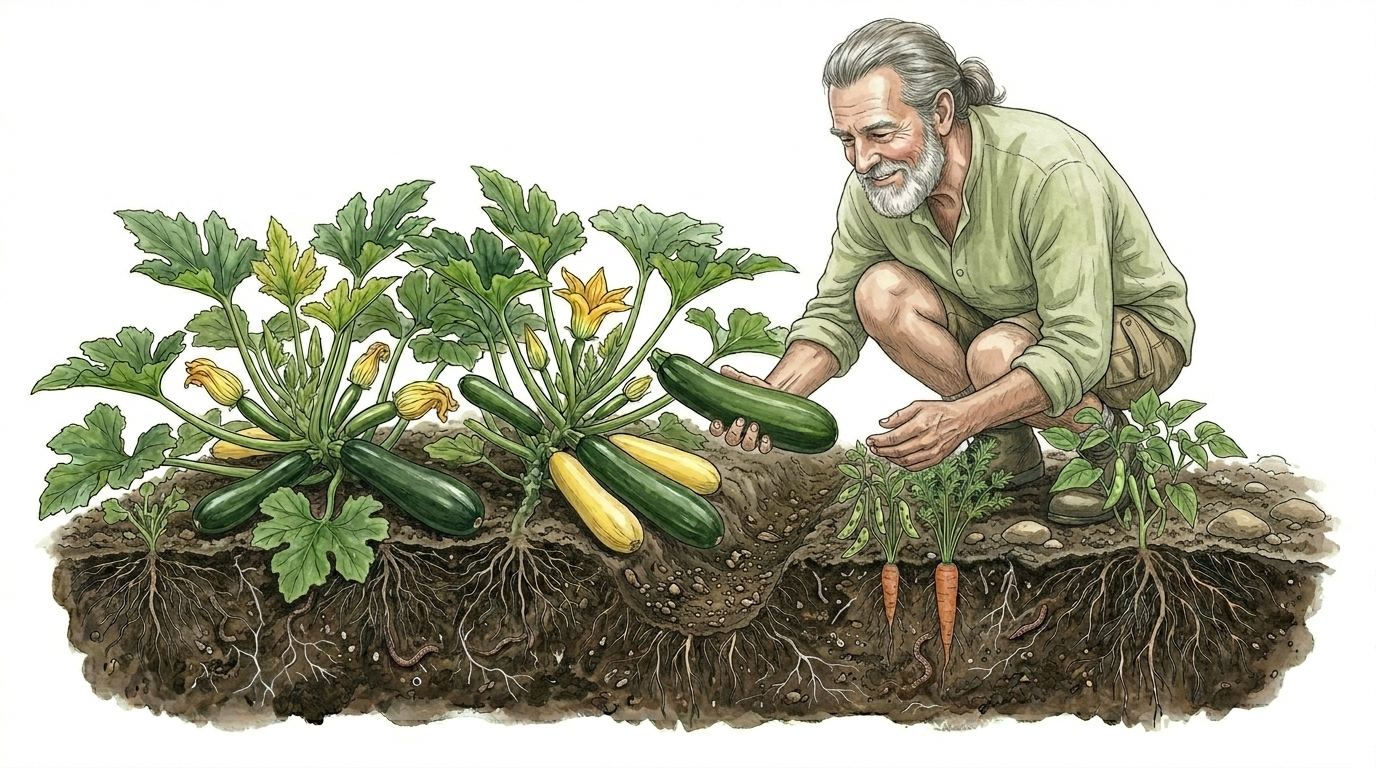
Guide
Growing Zucchini: Spacing, Pollination and Mildew
Learn how to grow zucchini with the right site, spacing, pollination support, and practical tips to prevent powdery mildew.
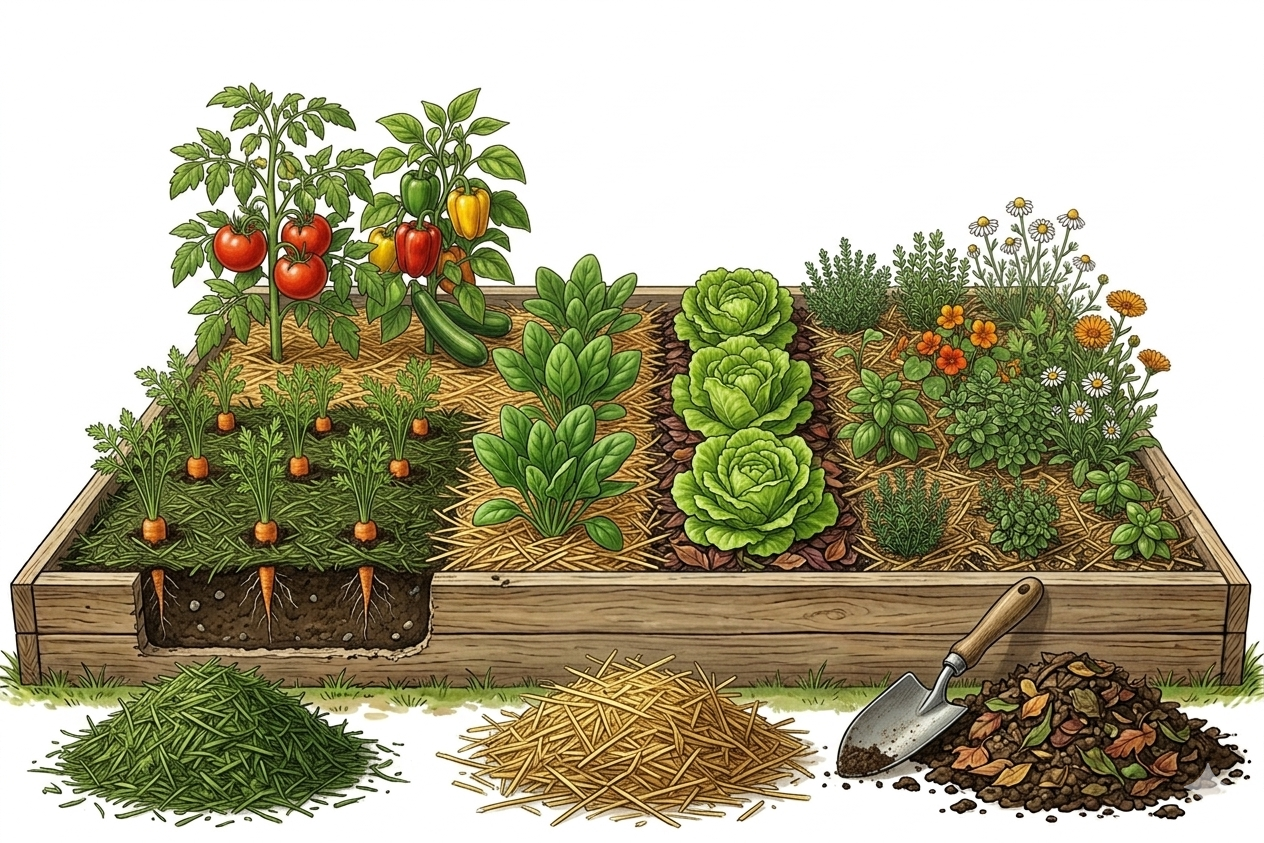
Guide
Mulching Vegetable Gardens: Materials and Mistakes
Learn how grass clippings, straw, and leaves can improve soil, reduce watering, and support healthy vegetable crops.