Pests
Slugs
Identify Slugs: symptoms, possible causes, prevention, and practical actions for 35 affected plants. Eaten leaves and fruits
Editorial diagnosis
Diagnosis overview
Slugs and snails cause serious damage especially to seedlings, salads, herbs, and soft leaves. Damage is often worst after rain, during damp nights, and in dense vegetation.
In gardens, Slugs can occur on plants including Physalis pruinosa, Cynara scolymus, Barbarea vulgaris, Tree spinach. In the available profiles, it is linked mainly with Berries, Cabbages, Cucurbits. Recorded timing or triggers include peak activity March–October, Moist periods in spring and autumn.
The recorded risk level is medium. Immediate action matters most with new sowings and freshly planted seedlings.
Inspect leaf undersides, shoot tips, and the soil around the plant at different times of day. Eggs, larvae, droppings, webbing, or slime trails are often more diagnostic than one damaged leaf.
A common mistake is to treat feeding damage without checking the animal, eggs, larvae, time of activity, and affected plant parts.
At a glance
Plants
35
Category
Berries, Cabbages, Cucurbits, Fruit vegetables, Herbs
Risk
medium
Season
peak activity March–October, Moist periods in spring and autumn
Scientific name
Gastropoda
Typical signs
- Irregular holes
- Chewed leaf edges
- Seedlings disappear overnight
- Slime trails
- More damage in wet weather
Possible confusion
- Caterpillars: Caterpillars leave droppings and visible larvae, but no slime trails.
- Flea beetles: Flea beetles make many tiny shot holes; slug damage is larger and more irregular.
Immediate actions
- Collect them in evening or morning
- Protect seedlings
- Keep mulch away from vulnerable stems
- Check hiding places
- Replace badly damaged sowings
Prevention
- Plant sturdy seedlings
- Keep beds airy
- Check after rain
- Encourage natural predators
- Cover vulnerable crops temporarily
Affected plants
Guides
Related guides
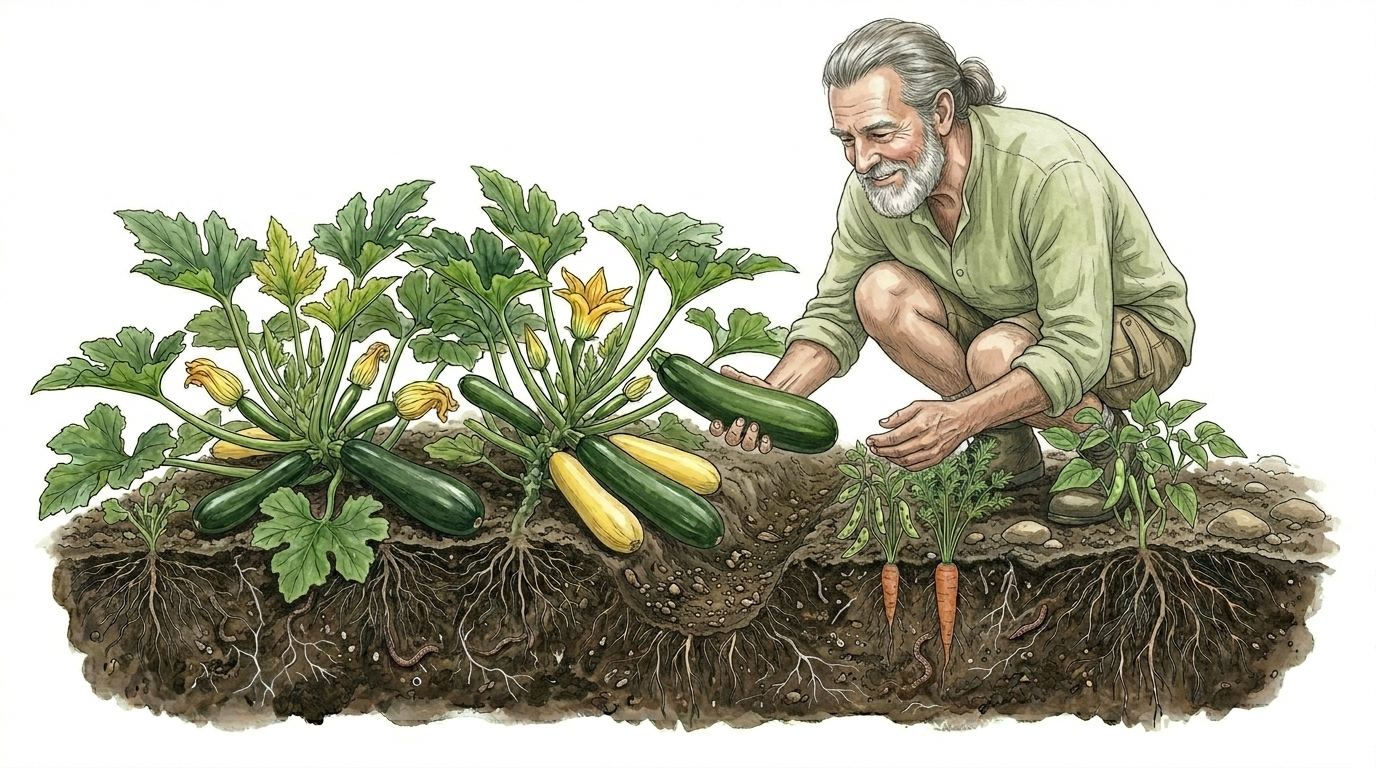
Guide
Growing Zucchini: Spacing, Pollination and Mildew
Learn how to grow zucchini with the right site, spacing, pollination support, and practical tips to prevent powdery mildew.
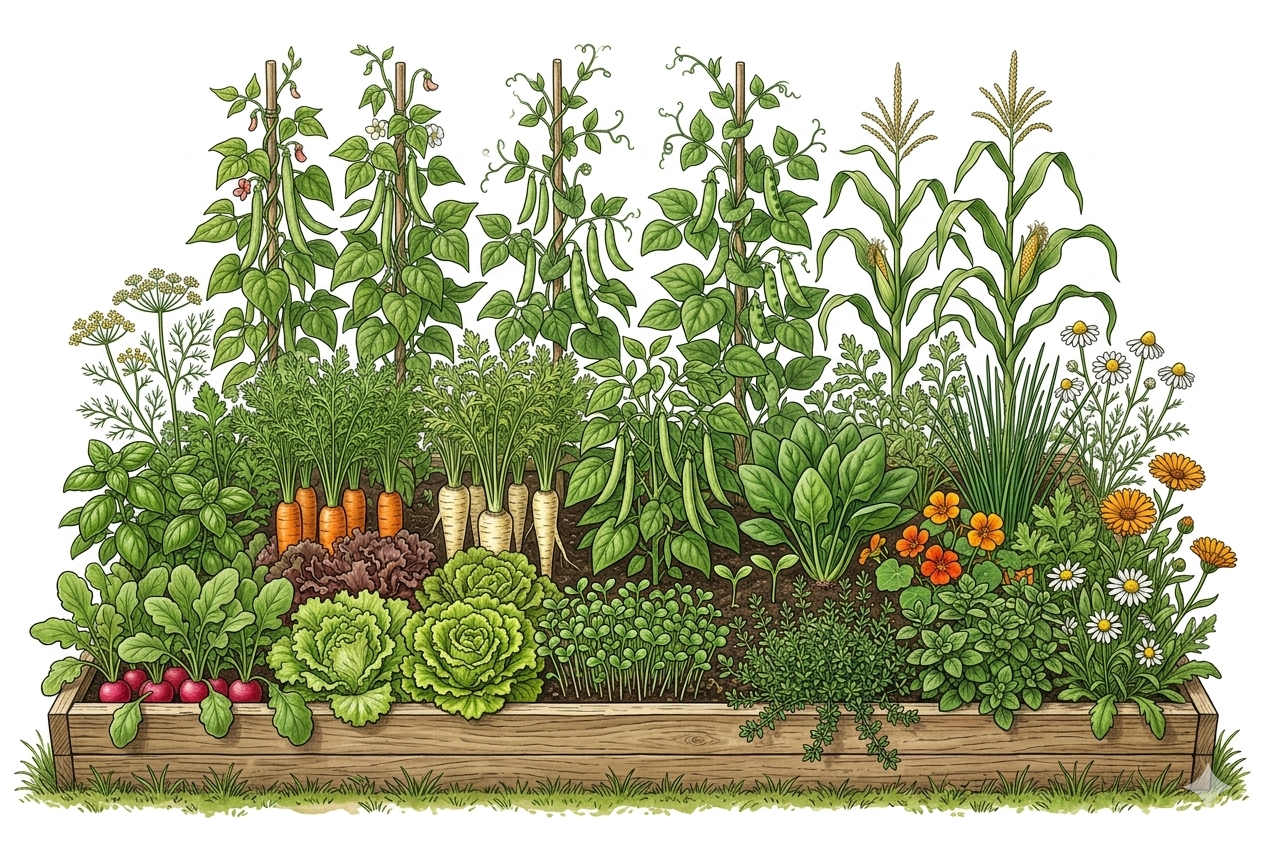
Guide
Small Garden Bed Planning: Combine 20 Crops Well
Use small beds efficiently by combining 20 vegetables and herbs, planning successions, and avoiding wasted gaps.
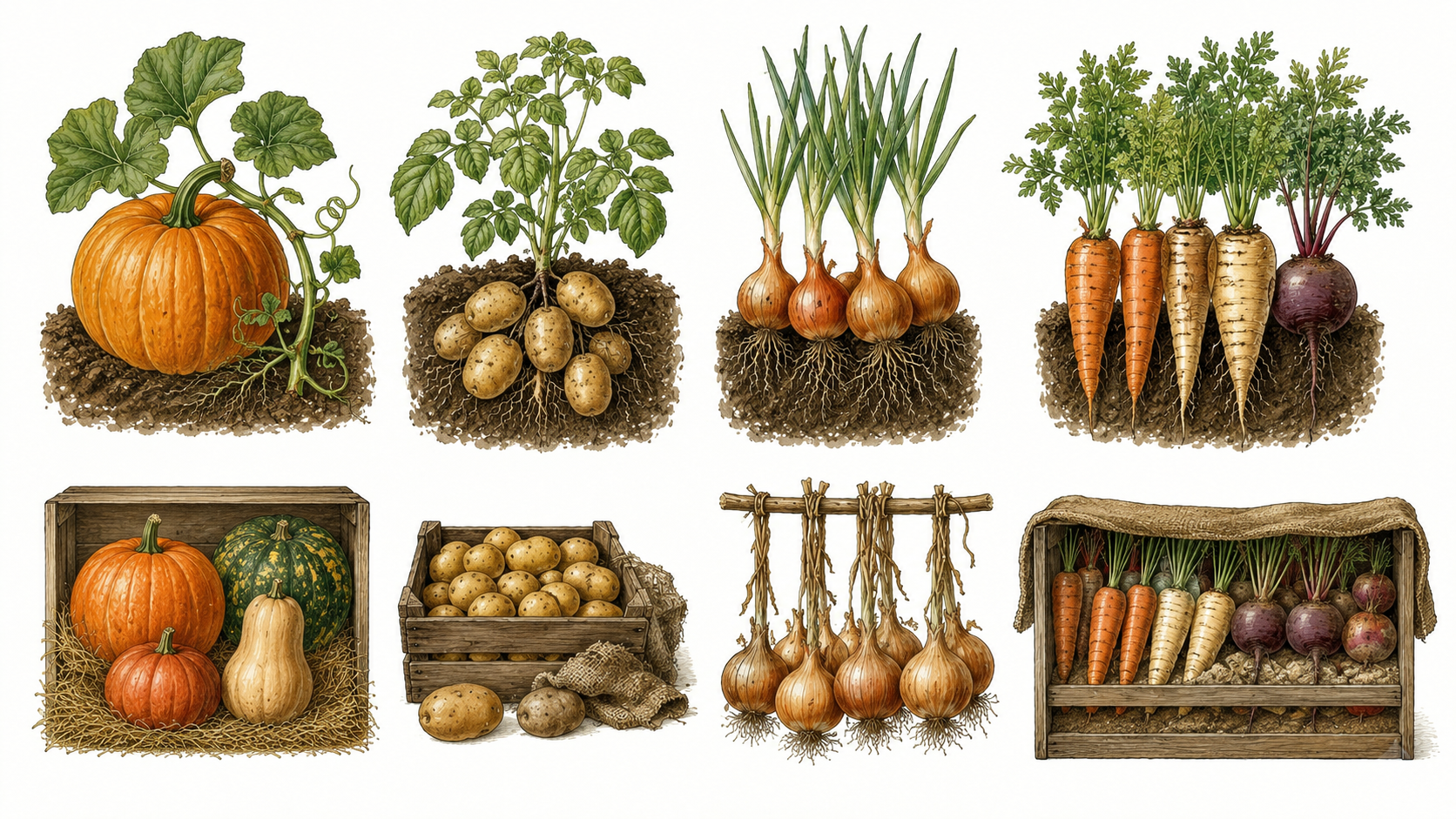
Guide
Autumn Harvest and Storage for Squash and Root Crops
Learn how to harvest and store squash, potatoes, onions, and root vegetables for longer freshness through autumn and winter.
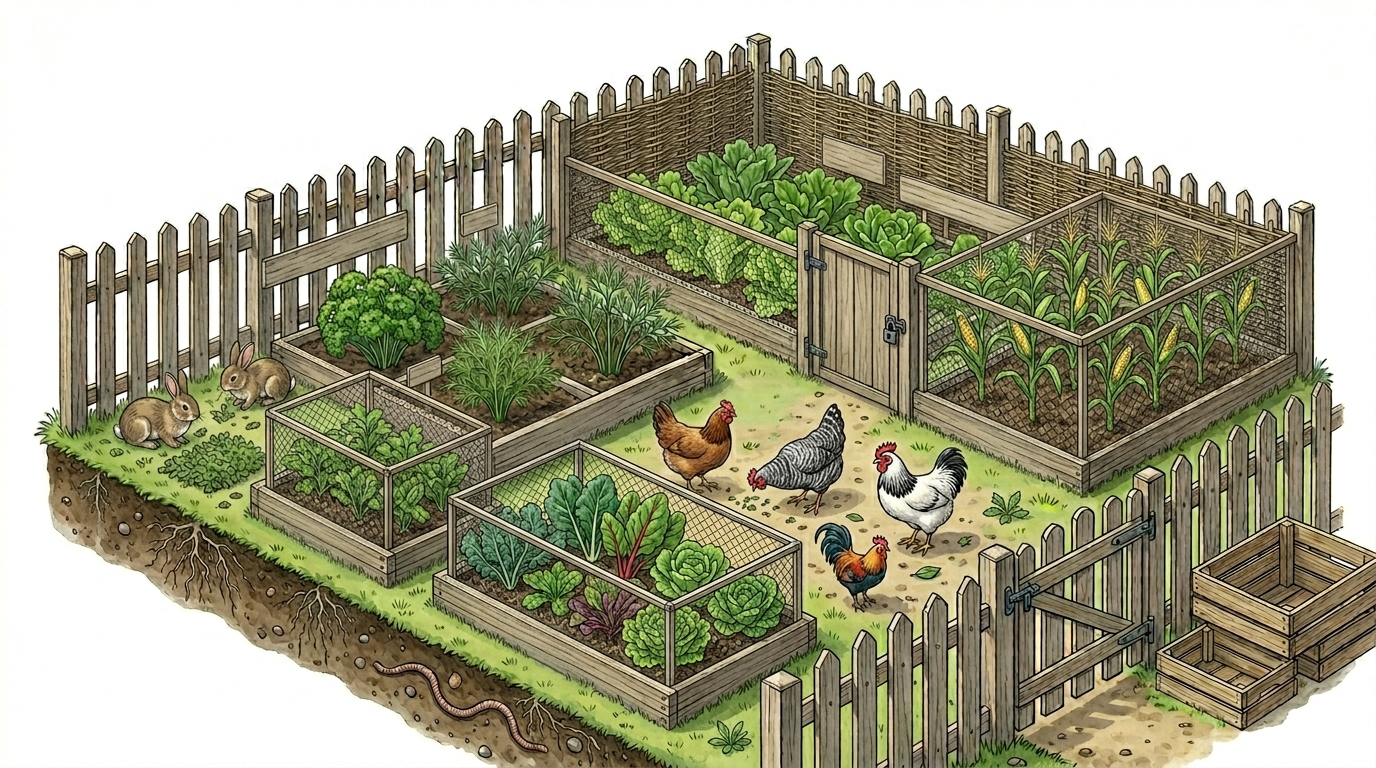
Guide
Chickens in the Garden: Safe Plants and Zones
Learn how to design a chicken-friendly garden with suitable plants, protected beds, and well-planned activity areas.
Guide
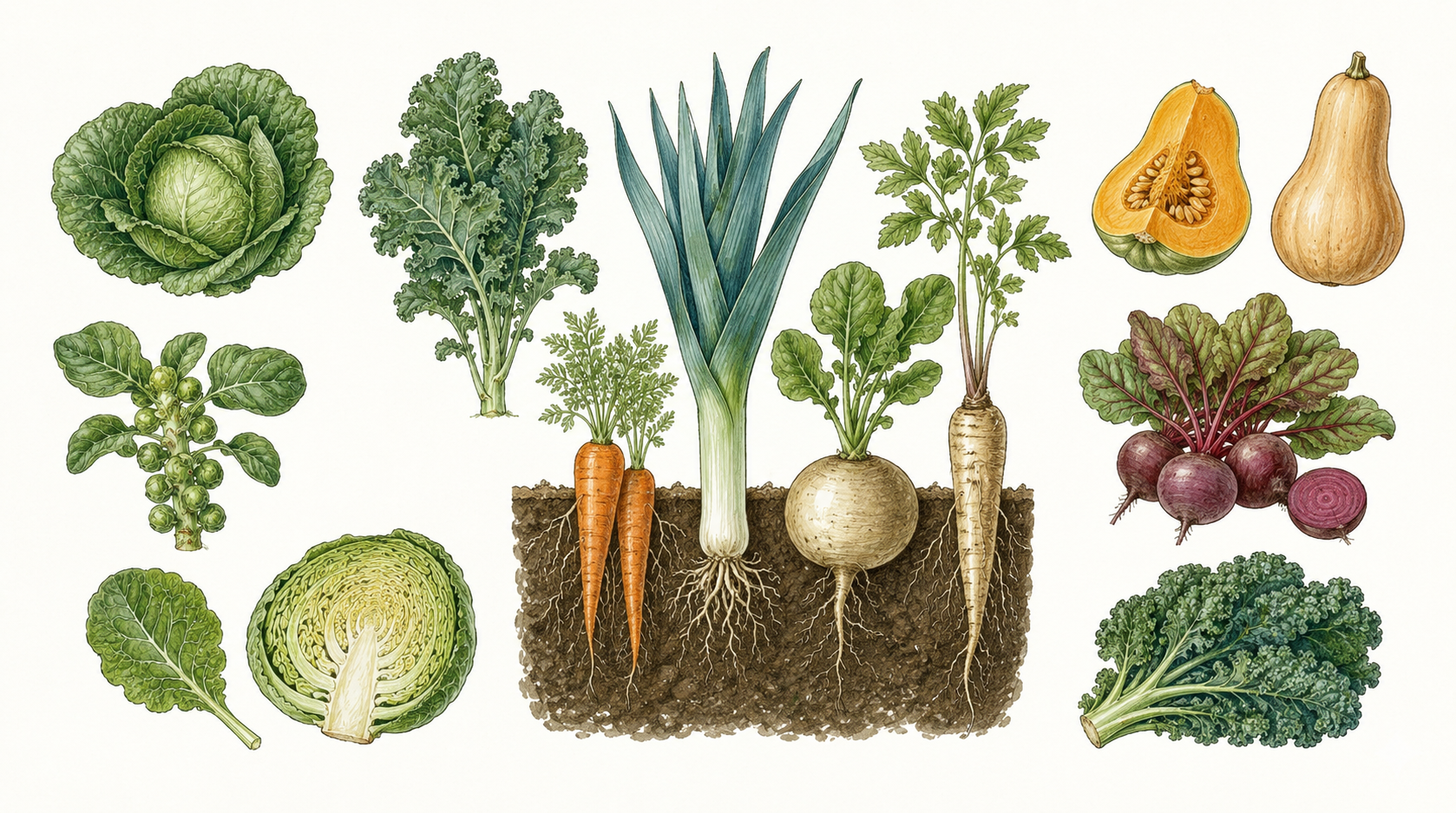
Growing Autumn Vegetables for Winter Harvests
Learn how to grow autumn vegetables such as kale, spinach, lamb's lettuce, and leeks for harvests into winter.