Garden planning
Planting an outdoor garden bed: soil, site & crop plan
An outdoor bed gives plants natural root space and direct access to established garden soil. Long-term success depends on soil structure, light, drainage, realistic spacing, and a clear crop rotation rather than the densest possible planting.
Overview
Practical planning guidance
Assess soil and position
Before planning, observe sun, wind, slope, and places where water remains after rain. Vegetable beds generally benefit from at least six hours of light and loose, humus-rich soil. Relieve compaction carefully, remove persistent root weeds, and add mature compost according to need. Very light soils require more organic matter and moisture retention, while heavy soils benefit from permanent cover and minimal cultivation when wet.
Plan crops and spacing
Arrange crops by mature size, height, and growing period. Tall or sprawling plants should not permanently shade smaller neighbours, and paths must remain accessible for care and harvest. Quick salads or radishes can use temporary gaps, but they do not replace crop rotation. Plants from the same family should not dominate the same ground every year, especially where soil-borne diseases or specialised pests occur.
Care through the gardening year
Water deeply rather than frequently wetting only the surface so roots develop at depth. Mulch reduces evaporation and protects the soil surface, but where slugs are active it should not surround vulnerable seedlings too closely. Regular checks for competition, damage, and disease are more effective than late intervention. After harvest, follow-on crops, green manure, or an organic cover keep soil protected and biologically active.
Plants
Choose suitable plants
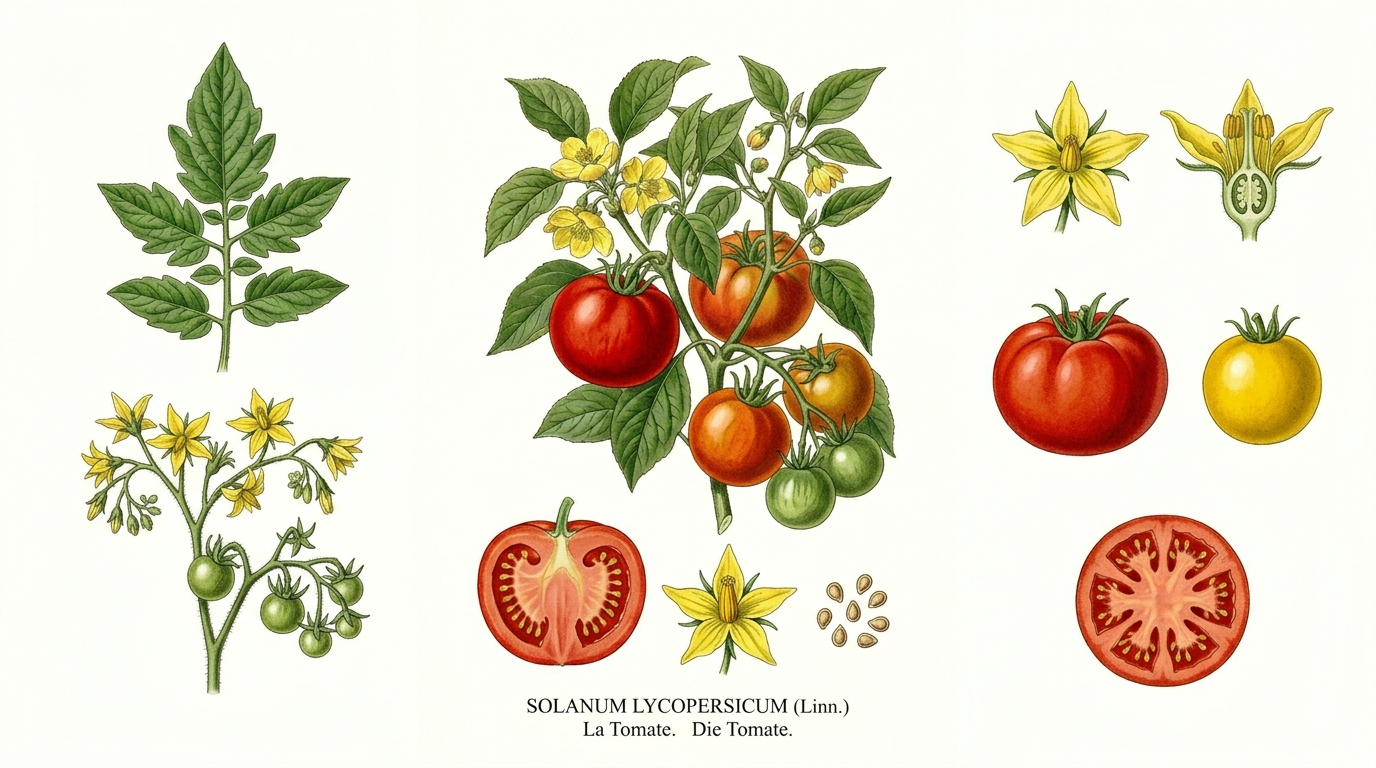
This selection connects reliable edible crops with the site, calendar, and care information available in each plant profile.
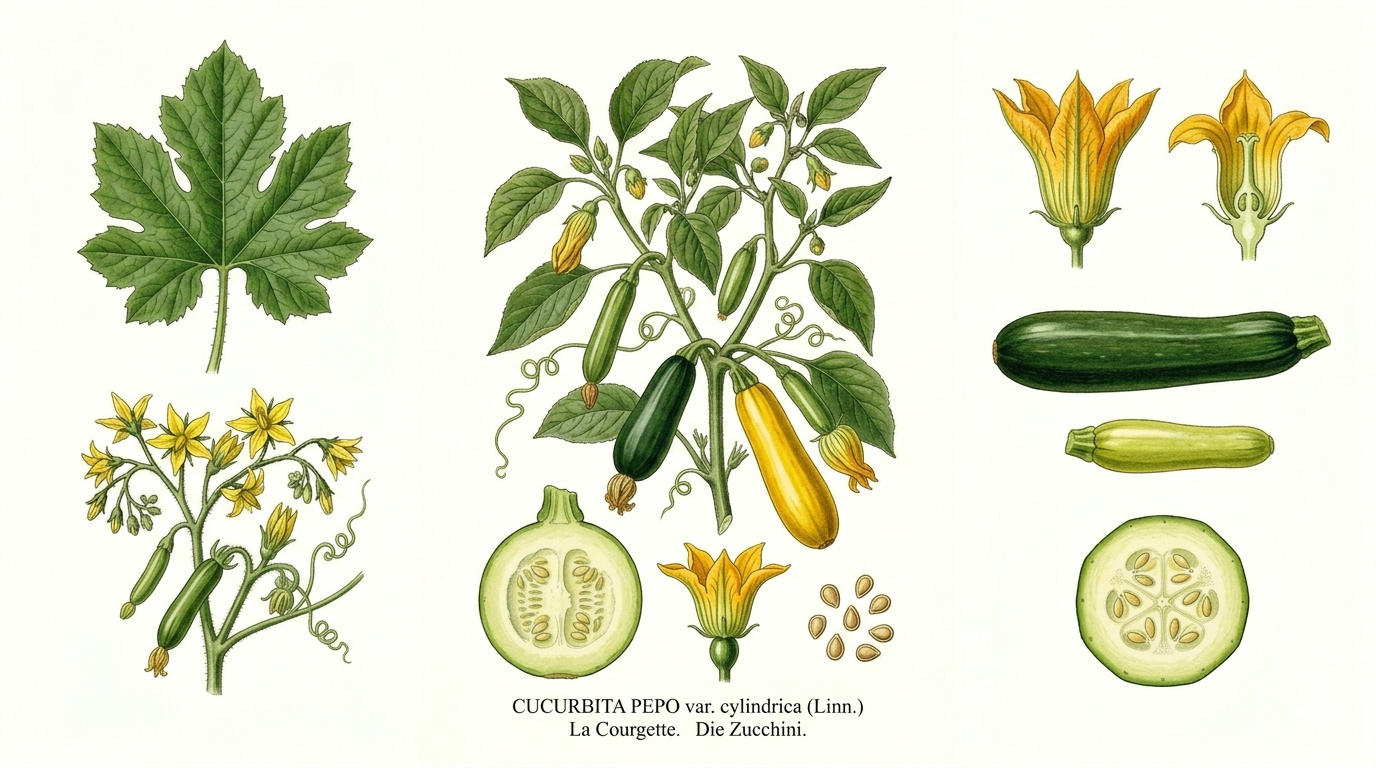
Zucchini
Cucurbita pepo var. cylindrica
Zucchini (Cucurbita pepo var. cylindrica) are among the most straightforward and high-yielding fruiting vegetables for home gardens in temperate Central Europe.
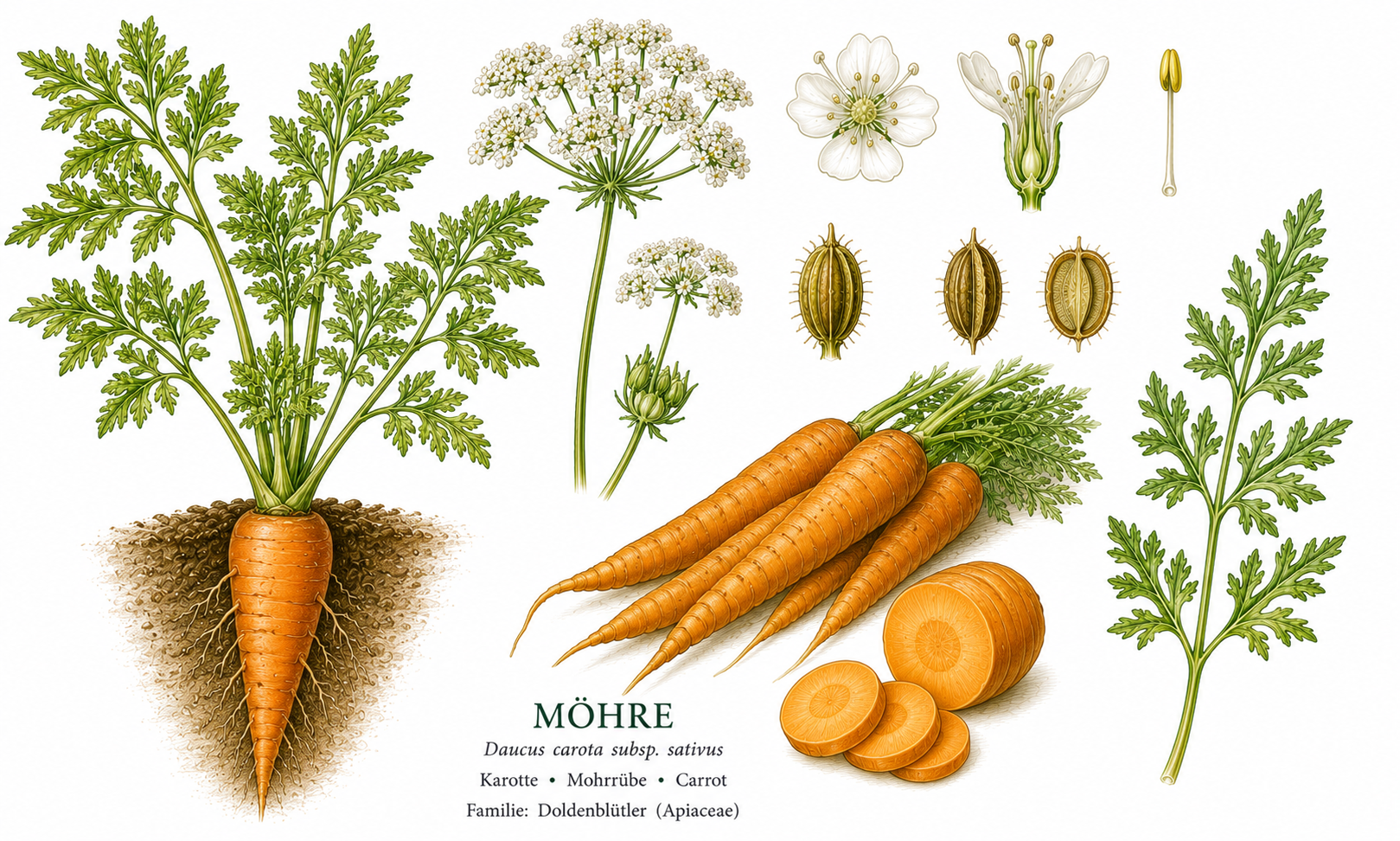
Daucus carota
Daucus carota
The carrot (Daucus carota) is a popular root vegetable plant valued for its sweetish, nutritious roots.
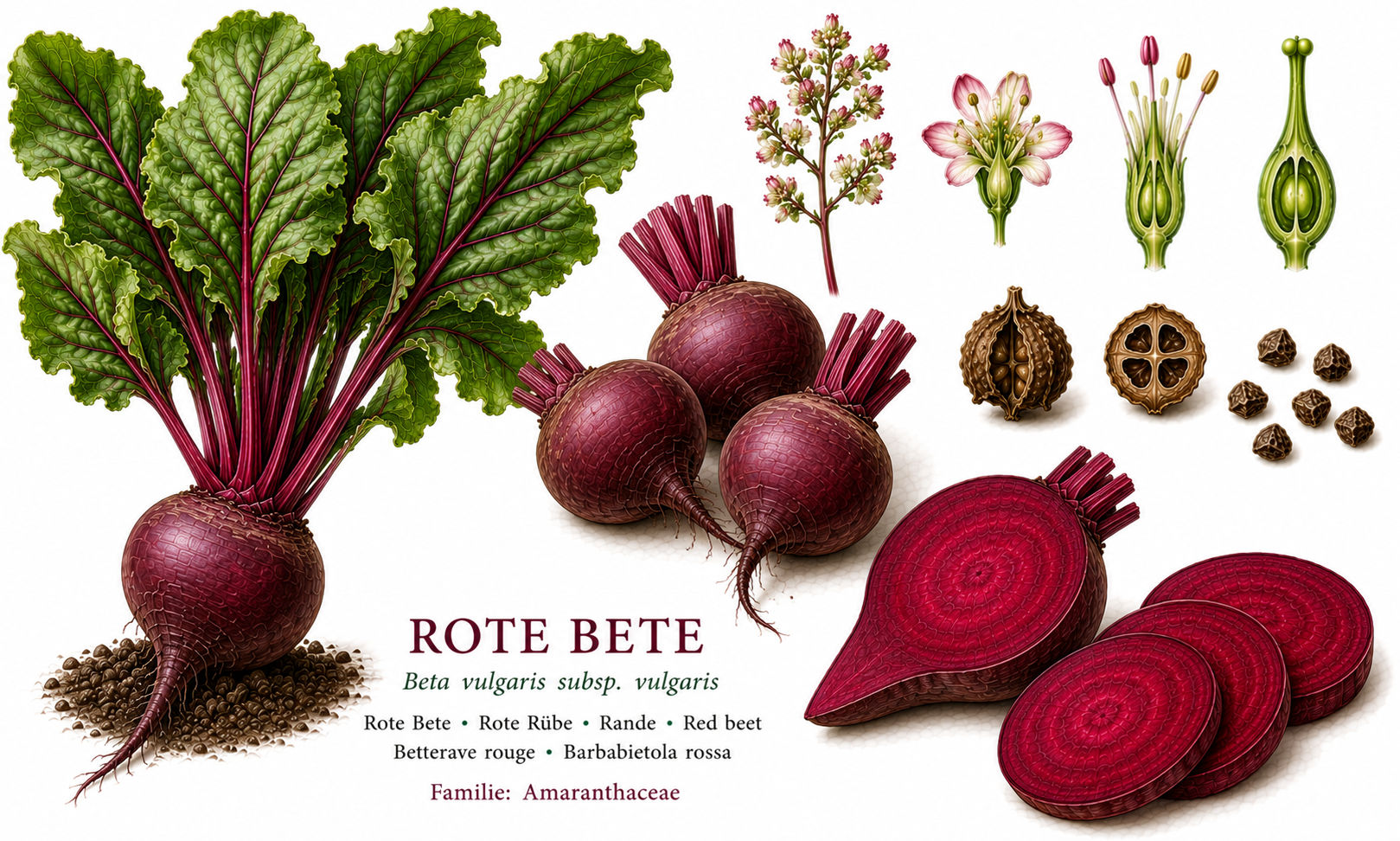
Beet
Beta vulgaris subsp. vulgaris Conditiva Group
A versatile root vegetable with edible leaves, known for its intense color and earthy flavor.
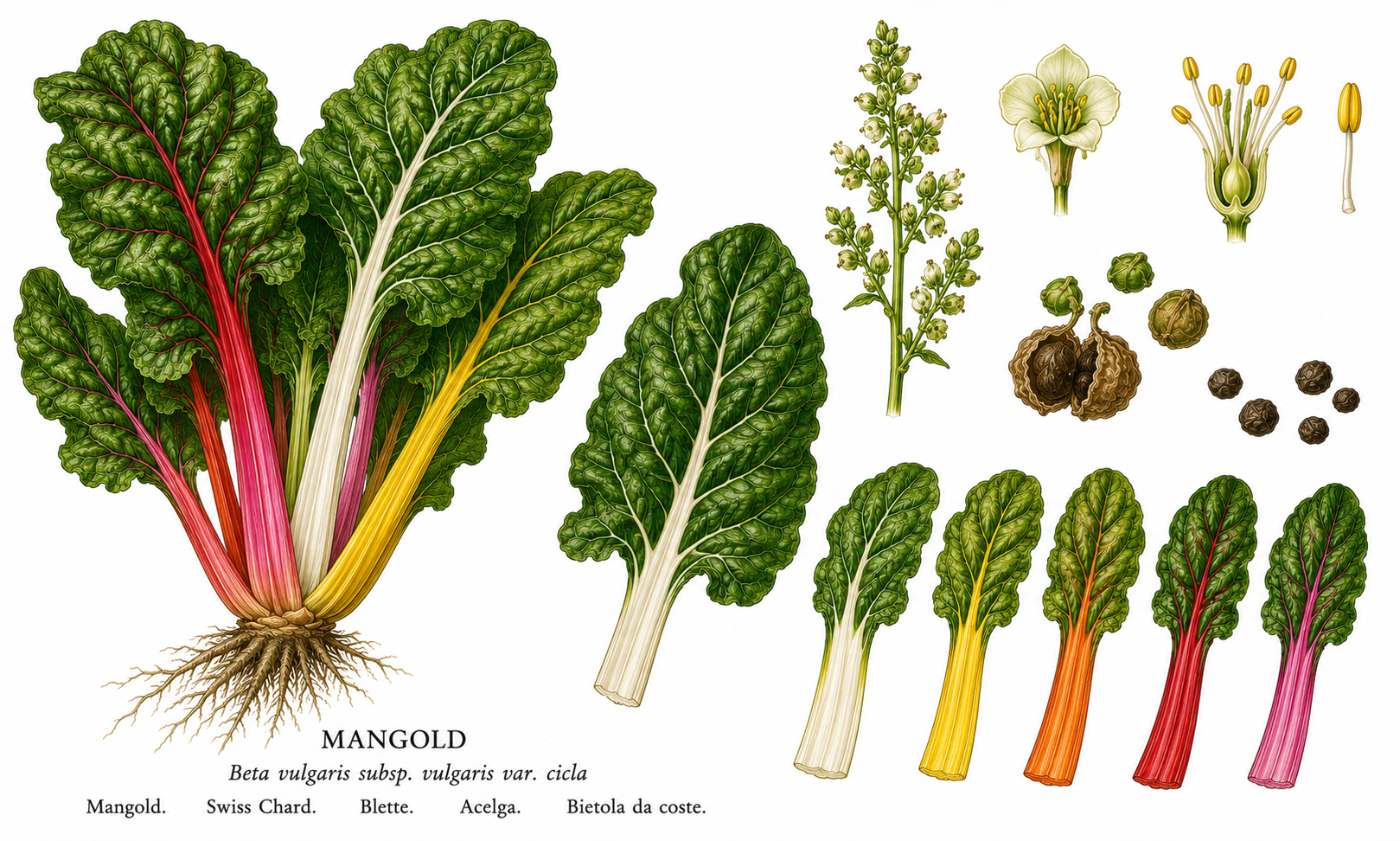
Swiss Chard
Beta vulgaris subsp. vulgaris Cicla Group
Swiss chard is a versatile powerhouse in the vegetable garden.
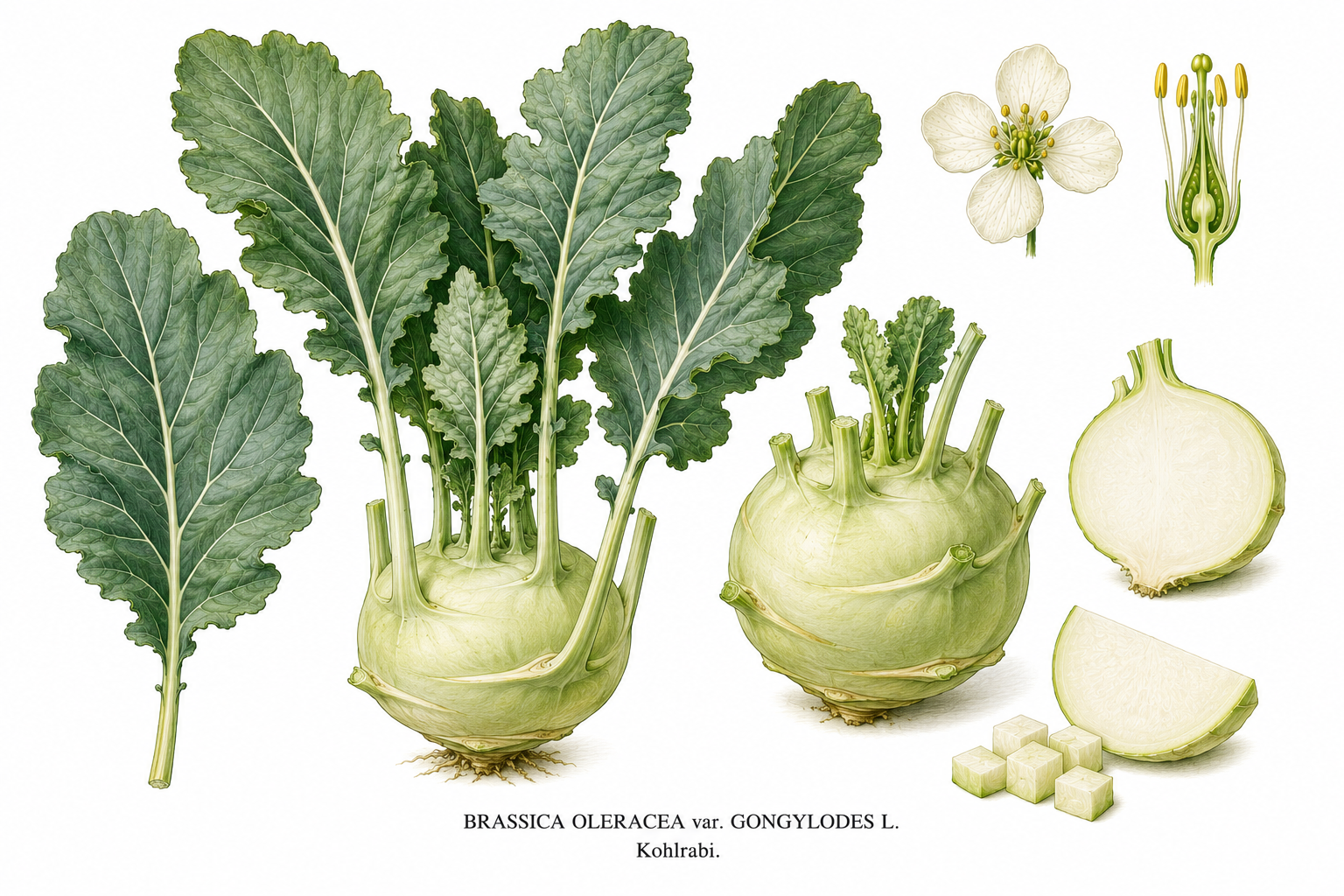
Kohlrabi
Brassica oleracea var. gongylodes
Kohlrabi is a popular, easy-to-grow vegetable valued for its crisp, above-ground stem tuber.
Guides
Related guides
These existing guides cover crop planning, sowing, watering, companion planting, plant health, and seasonal work.
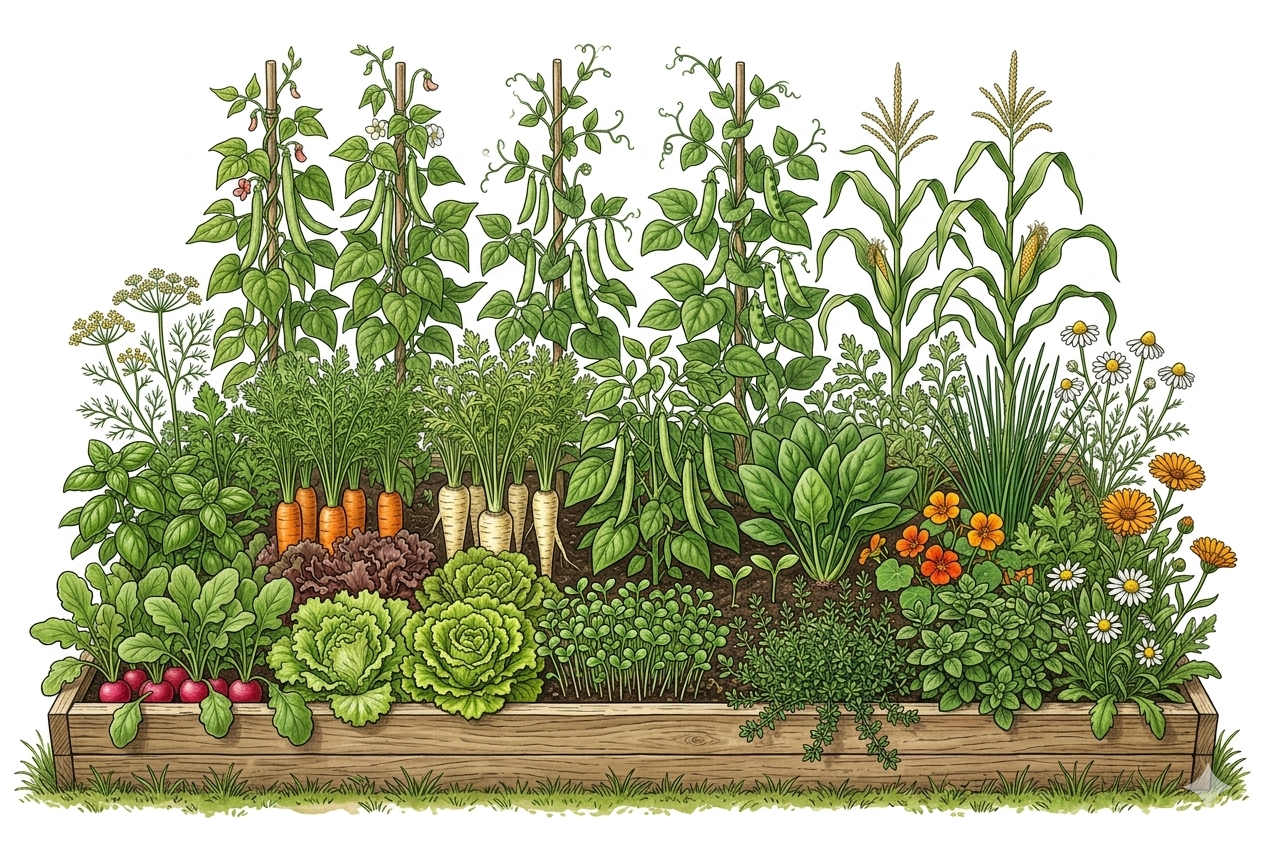
Guide
Small Garden Bed Planning: Combine 20 Crops Well
Use small beds efficiently by combining 20 vegetables and herbs, planning successions, and avoiding wasted gaps.
Updated:2026-06-11
Season:January - October
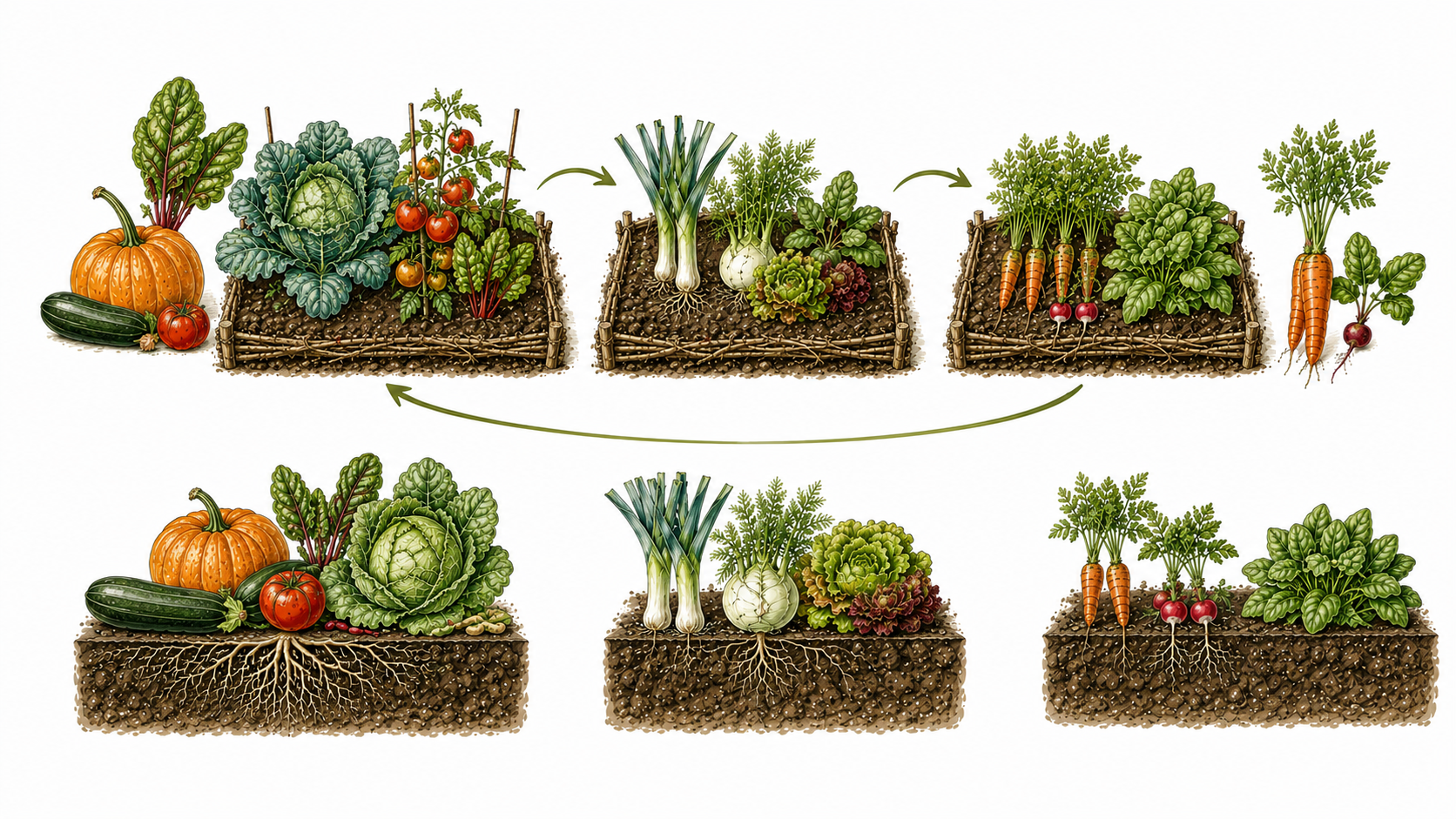
Guide
Crop Rotation in Vegetable Gardens Explained
Learn how to plan crop rotation with heavy, medium, and light feeders to keep vegetable beds productive and balanced.
Updated:2026-05-21
Season:January - February, September - November
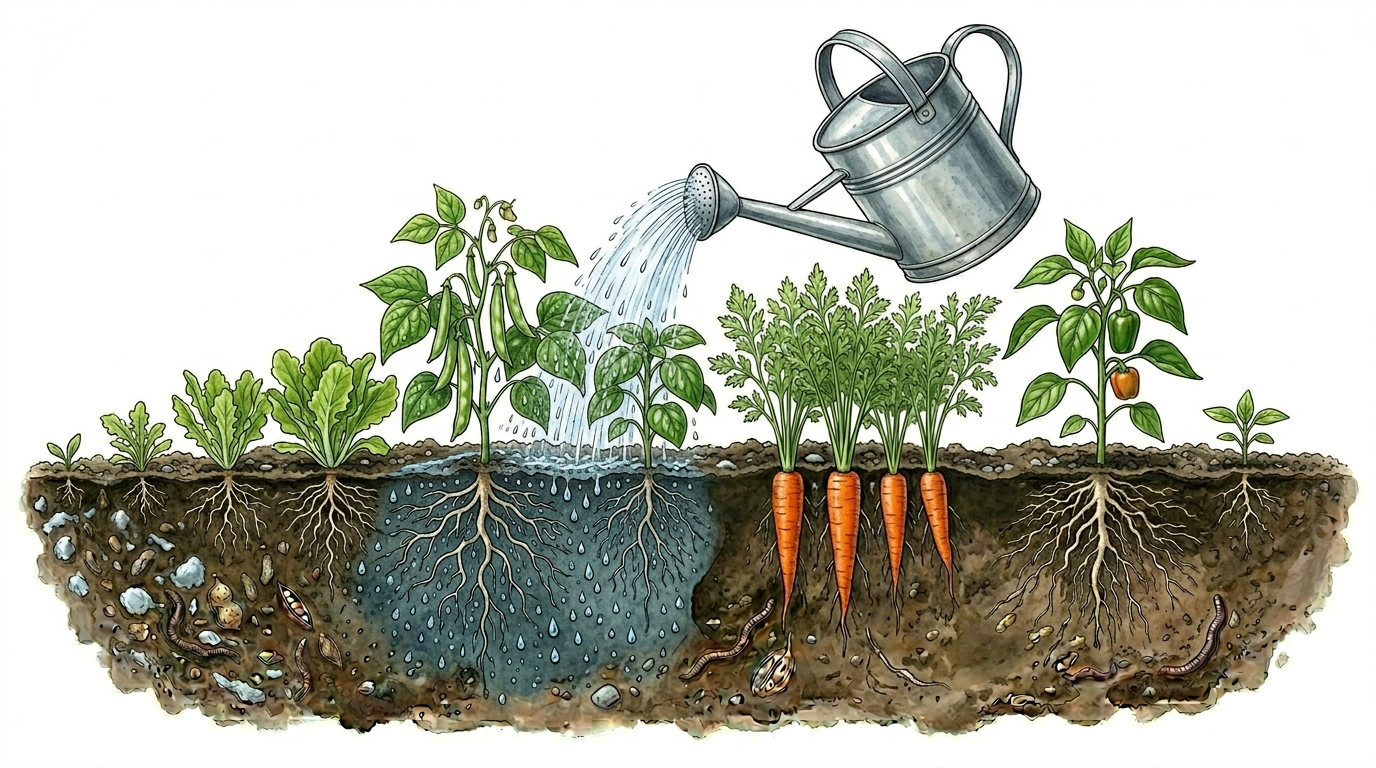
Guide
Watering Vegetable Gardens: Mulch, Water and Mistakes
Learn how to water vegetable gardens properly with mulch, morning routines, balanced moisture, and fewer watering mistakes.
Updated:2026-05-21
Season:May - September
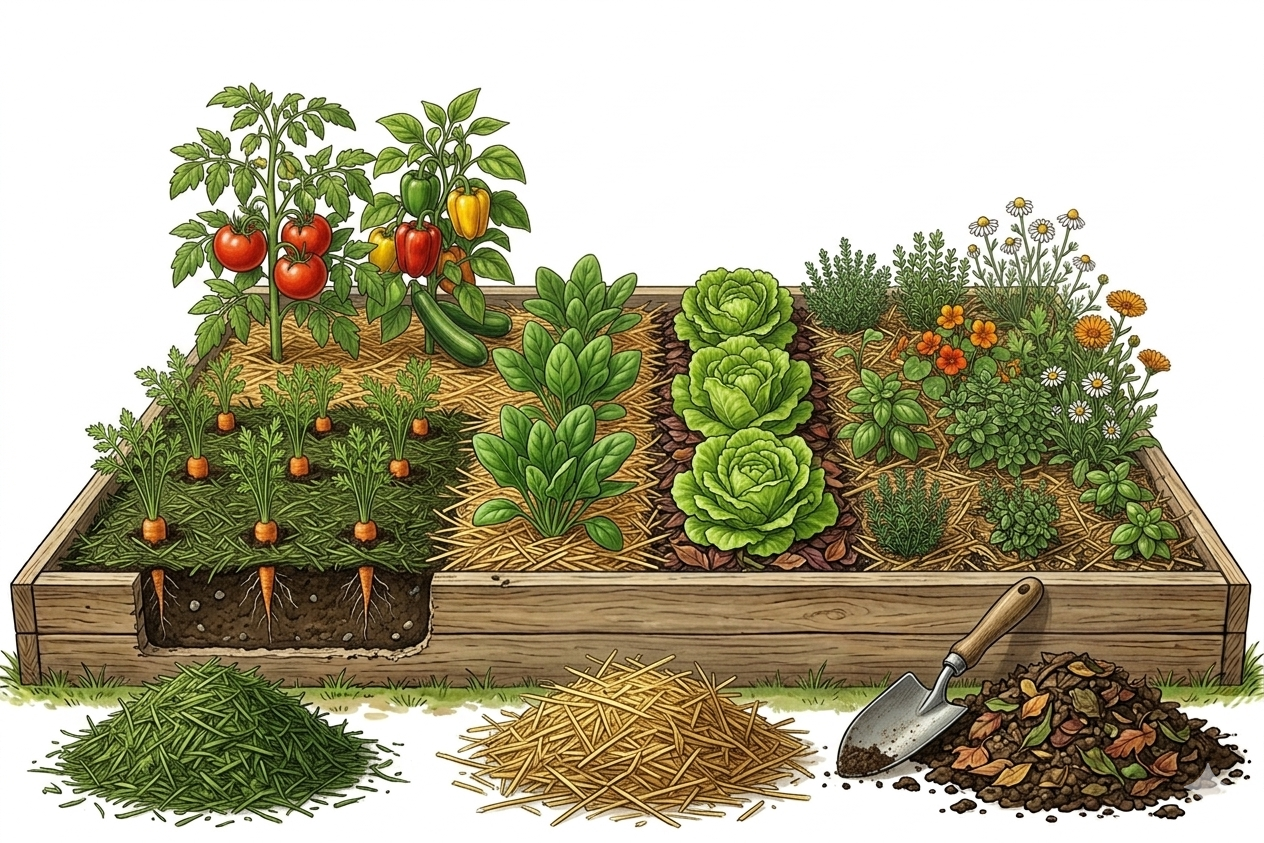
Guide
Mulching Vegetable Gardens: Materials and Mistakes
Learn how grass clippings, straw, and leaves can improve soil, reduce watering, and support healthy vegetable crops.
Updated:2026-06-12
Season:April - October
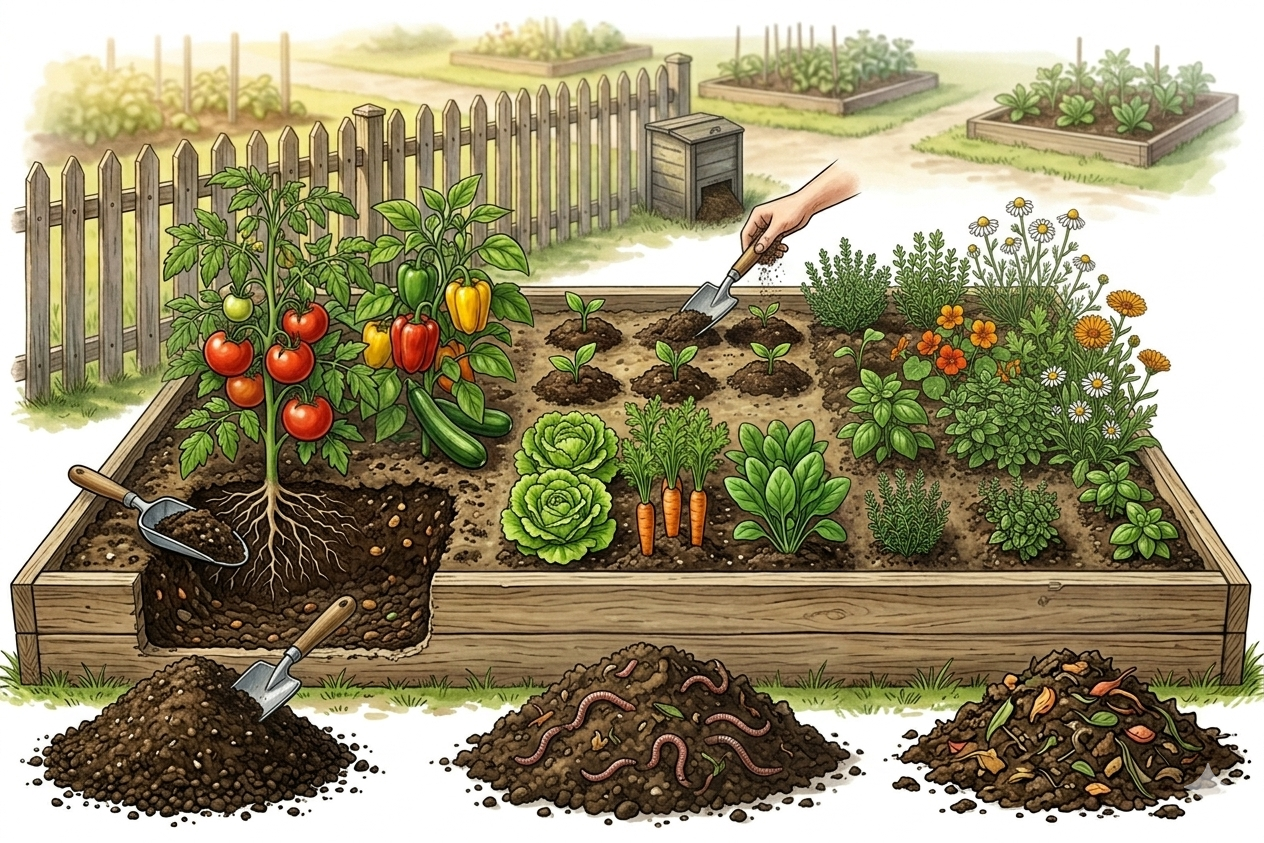
Guide
Using Compost in Food Gardens: Dosage and Timing
Learn how to use compost in vegetable beds, which crops need the most, how seedlings benefit, and when compost is best applied.
Updated:2026-06-12
Season:February - May, September - October
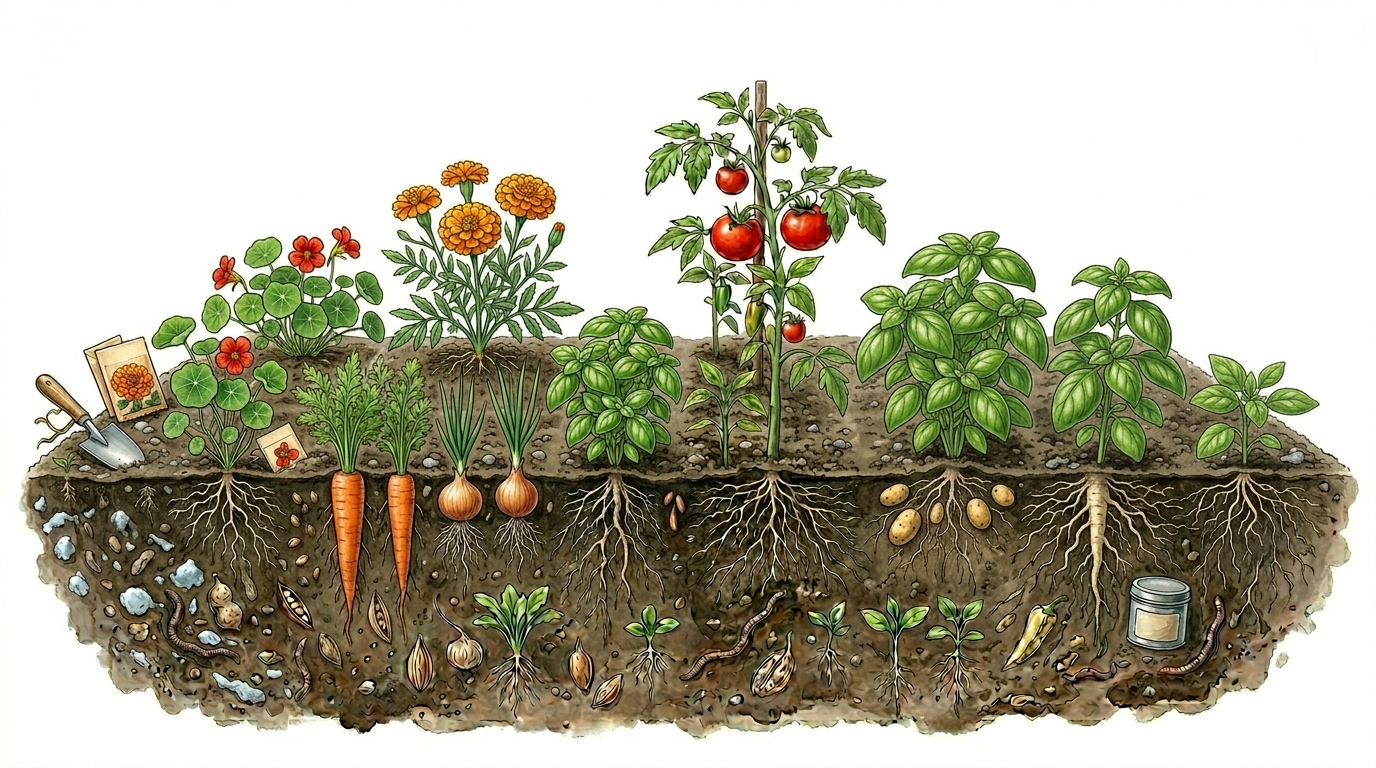
Guide
Companion Planting for Tomatoes: Good and Bad Neighbors
Learn which plants grow well with tomatoes, which neighbors to avoid, and how to plan productive mixed tomato beds.
Updated:2026-05-21
Season:April - June
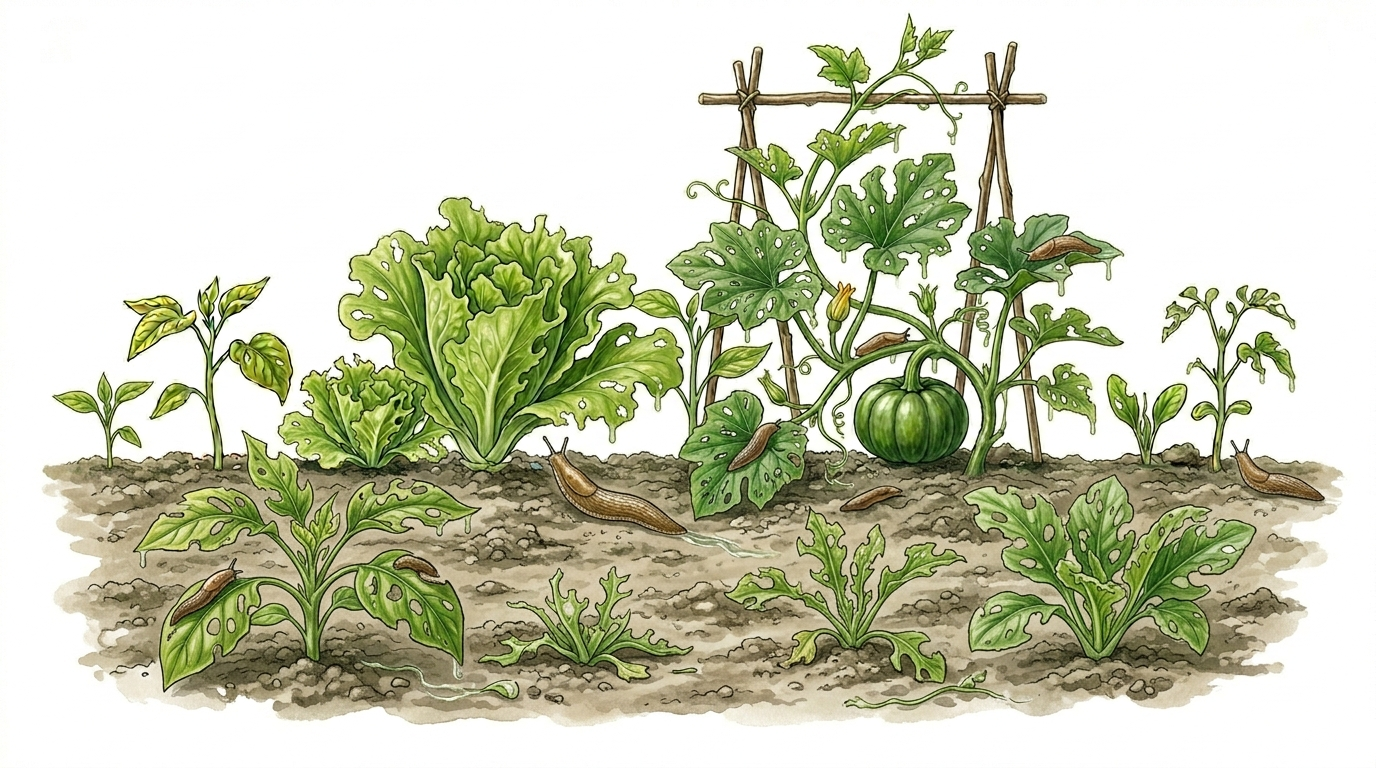
Guide
Slugs in Vegetable Beds: Protecting Vulnerable Plants
Learn how to protect vegetables from slugs, recognize feeding damage early, and plan beds to reduce slug pressure.
Updated:2026-05-21
Season:April - September
Common questions
Common questions
How should an outdoor bed be prepared?
Remove persistent weeds, check compaction and drainage, and add mature compost near the surface where needed. Avoid intensive cultivation while soil is wet.
How wide should a garden bed be?
A width of roughly 1 to 1.2 metres usually allows access from both sides without stepping on the soil. Paths and personal reach determine the exact size.
Which plants suit a sunny outdoor bed?
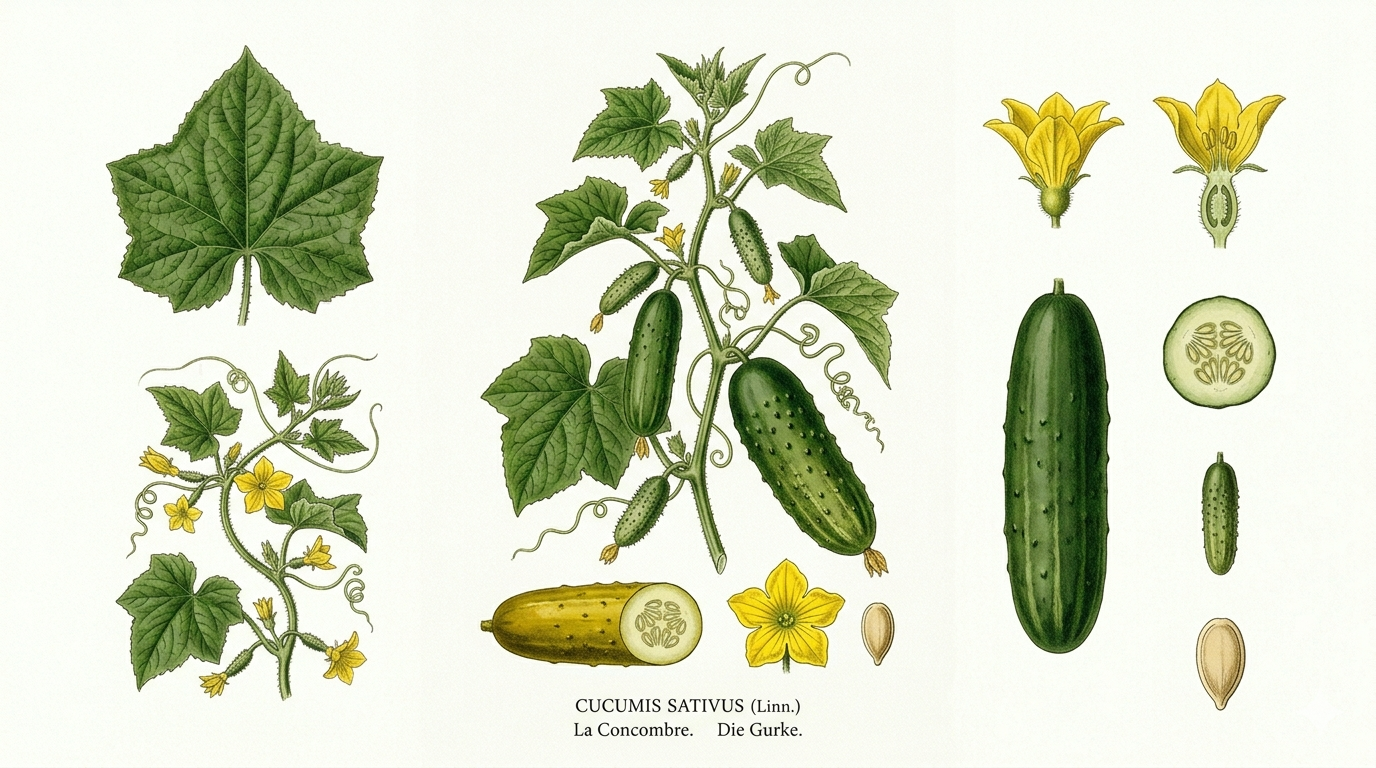
Tomatoes, beans, courgettes, cucumbers, many brassicas, root crops, and numerous herbs are options. Check spacing, soil, water demand, and local frost risk in each plant profile.
What should follow harvested crops?
Depending on the season, use salads, spinach, lamb's lettuce, green manure, or a protective mulch. Avoid leaving soil bare for long periods.