Garden planning
Balcony gardening: vegetables, herbs & fruit in containers
Herbs, salads, vegetables, and compact fruit crops can grow on only a few square metres. The key is a realistic assessment of sun, wind, and structural load, combined with sufficiently large containers and dependable drainage.
Overview
Practical planning guidance
Light, wind, and microclimate
A south-facing balcony provides abundant warmth but often requires frequent summer watering and occasional heat protection. East- and west-facing balconies offer balanced conditions for many herbs, salads, strawberries, and compact vegetables. North-facing sites are better suited to shade-tolerant leafy crops and selected perennial herbs. Walls store heat, while upper floors can be substantially windier. Tall tomatoes, cucumbers, and climbers therefore need stable supports fixed to the container without creating a falling hazard.
Containers and plant choice
Container volume determines how stable water and nutrient availability remain. Small herbs can manage in moderate pots, while tomatoes, aubergines, peppers, and berry shrubs need much more root space. Every container requires drainage holes and a stable saucer without leaving roots permanently in water. Use peat-free, structurally stable compost and account for the total weight of wet containers. Window boxes and pots must be secured safely and should never obstruct access or escape routes.
Watering, feeding, and harvesting
Check the compost daily in summer instead of watering only to a fixed weekly schedule. Deep morning watering is usually more effective than frequent small amounts. Heavy feeders in containers need regular nutrients during active growth, while Mediterranean herbs require less. Frequent harvesting keeps basil, cut-and-come-again salads, and many herbs compact and productive. Remove diseased leaves early, leave enough airflow between pots, and arrange a reliable watering system before holidays or prolonged absences.
Plants
Choose suitable plants
This selection connects reliable edible crops with the site, calendar, and care information available in each plant profile.
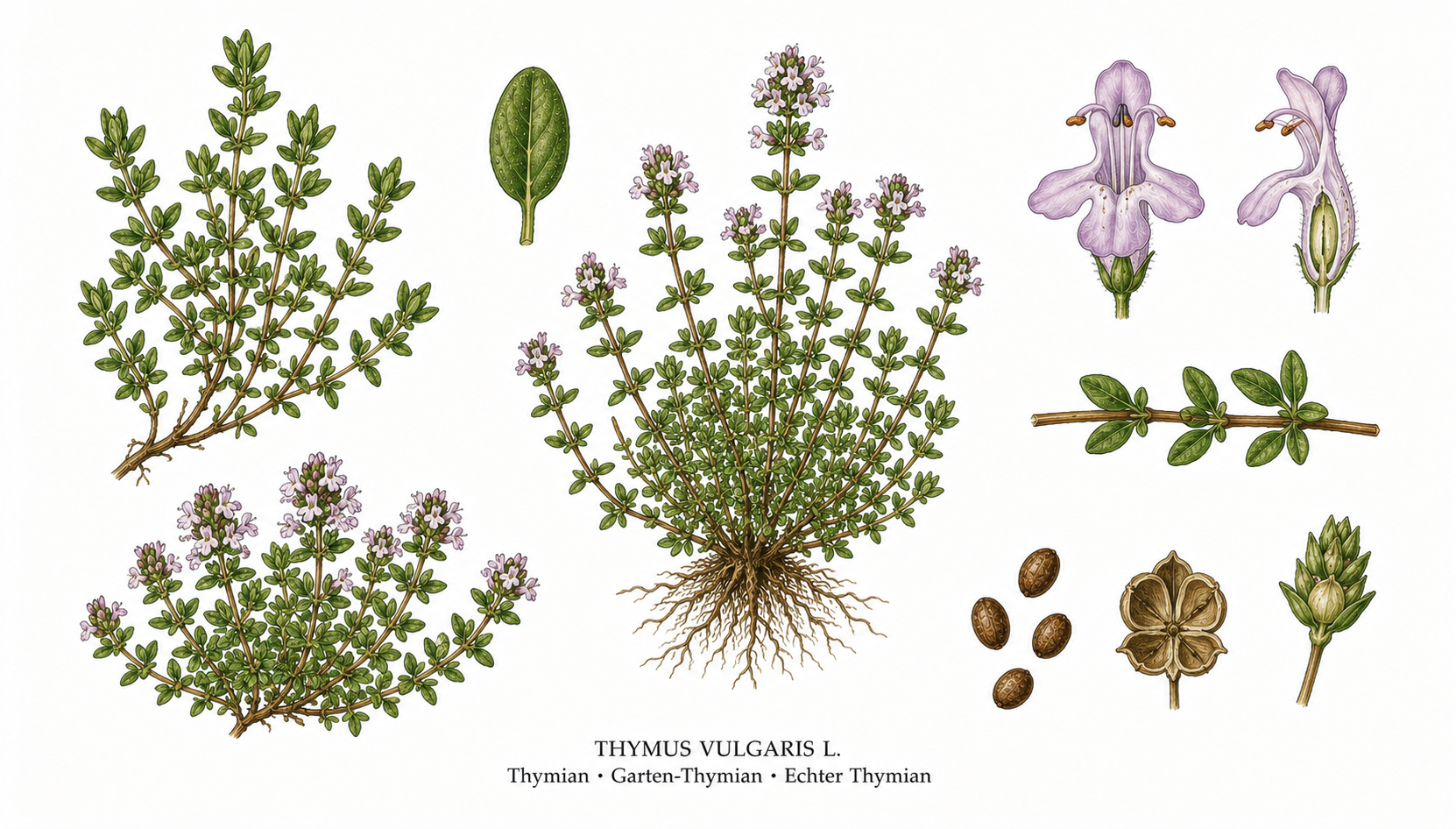
Thymus
Thymus
Thyme is a robust, perennial subshrub that enriches both the kitchen and the garden with its intense aroma and pretty flowers.
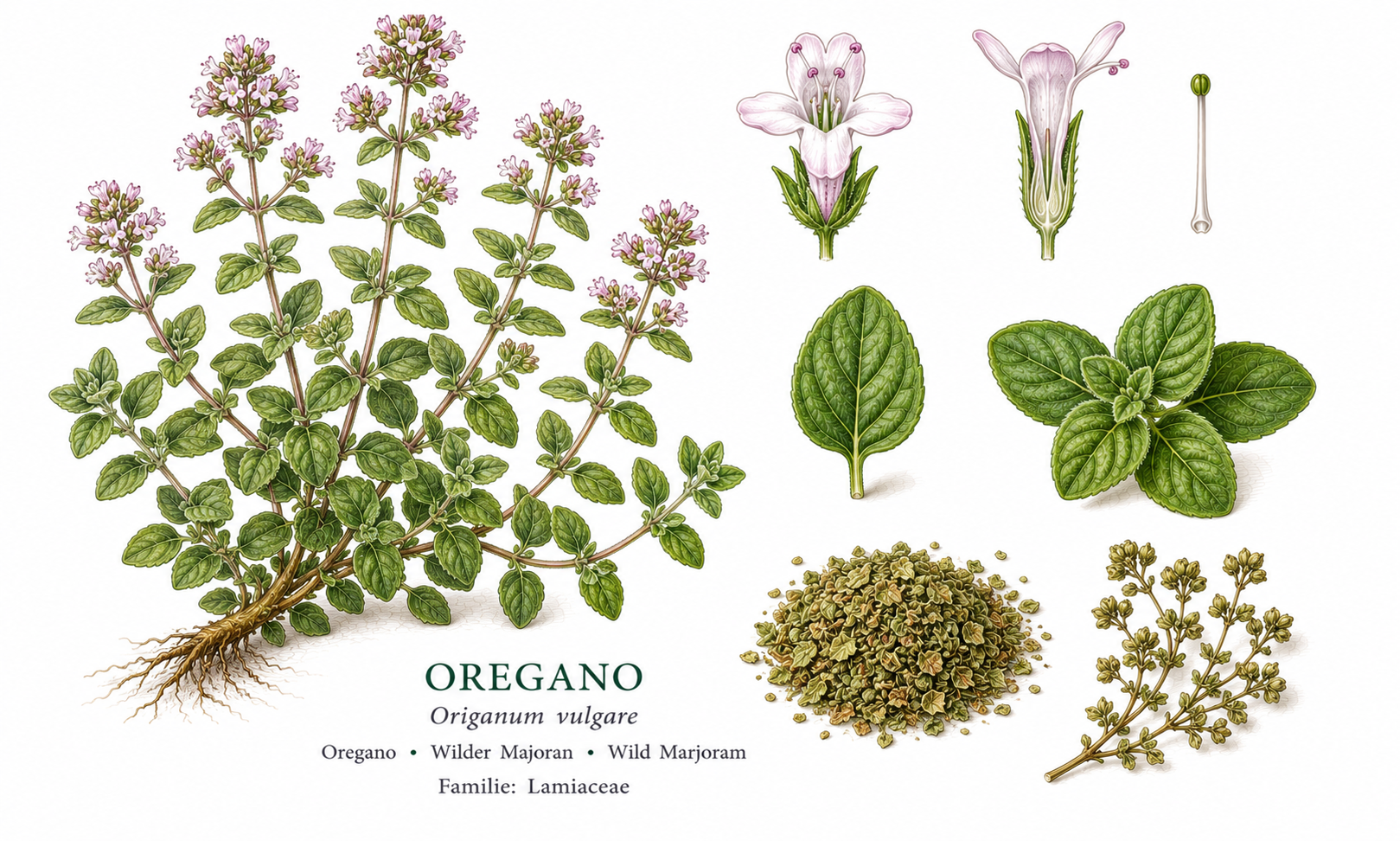
Oregano
Origanum vulgare
Oregano, also known as wild marjoram, is an indispensable classic of the Mediterranean herb garden.
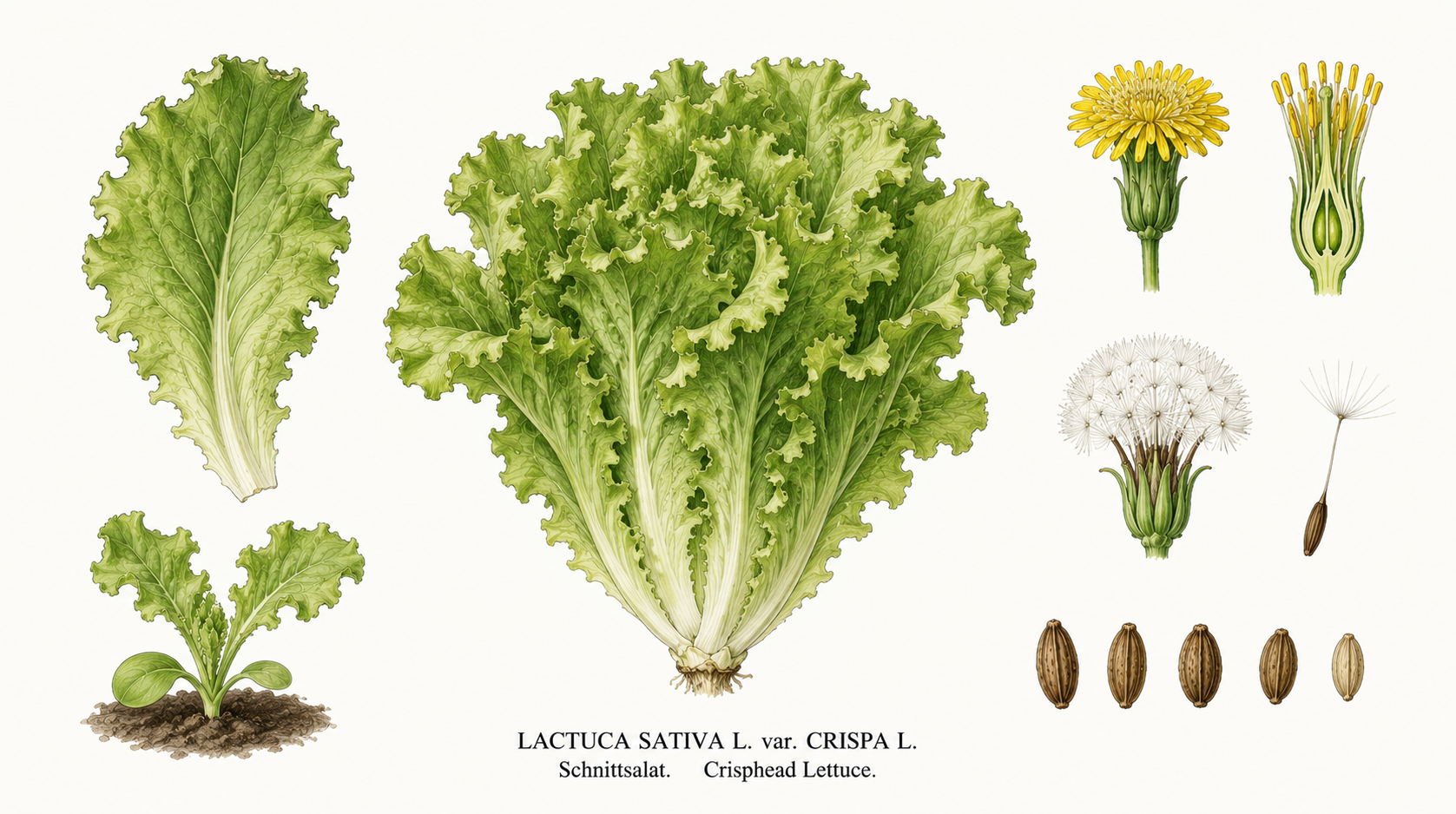
Cutting lettuce
Lactuca sativa var. crispa
Cutting lettuce is a popular and easy-to-grow vegetable variety, characterized by its fast-growing, loose leaf rosettes.
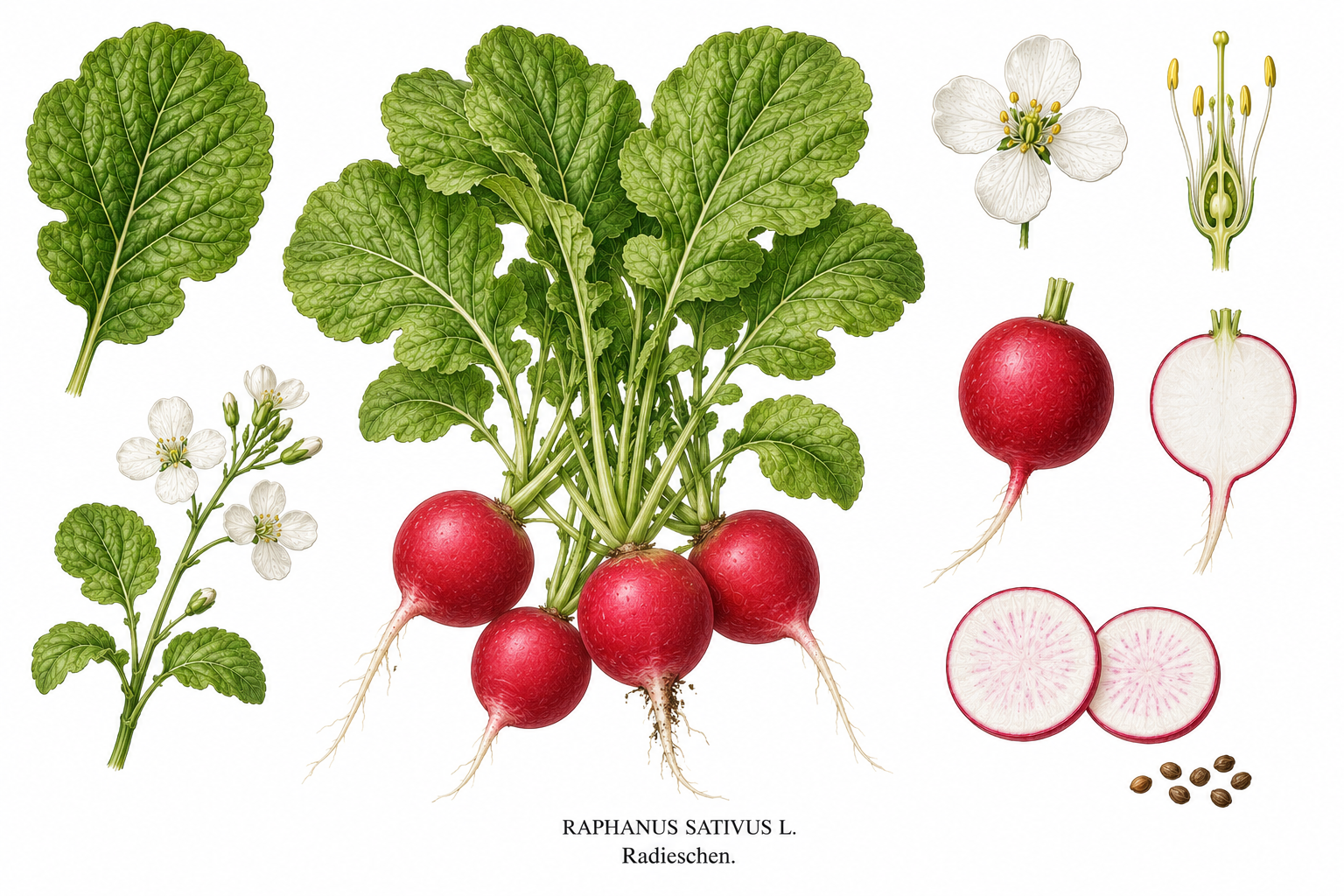
Radish
Raphanus sativus
Radishes (Raphanus sativus) are popular, fast-growing root vegetables prized for their pungent, slightly peppery flavor and crisp texture.
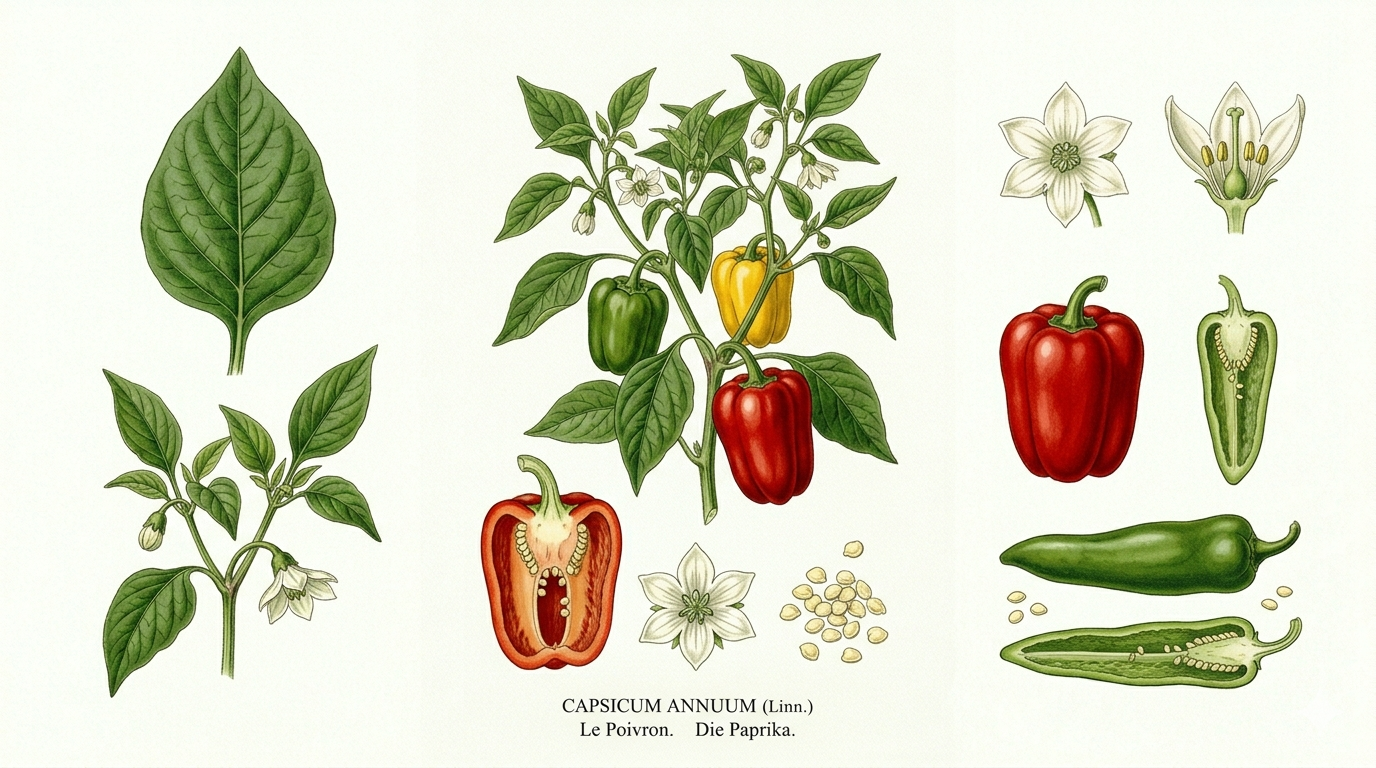
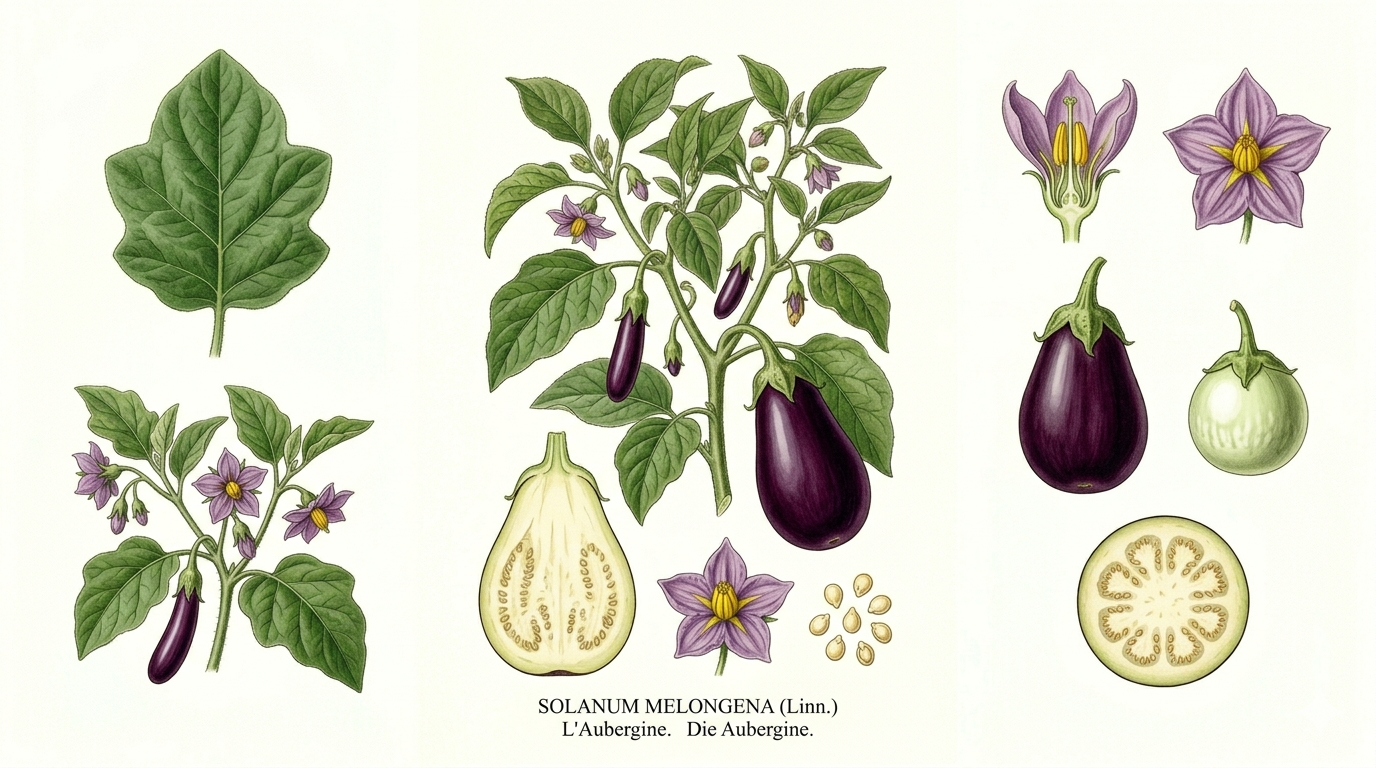
Eggplant
Solanum melongena
The eggplant is an annual plant with a bushy growth habit and purple fruits.
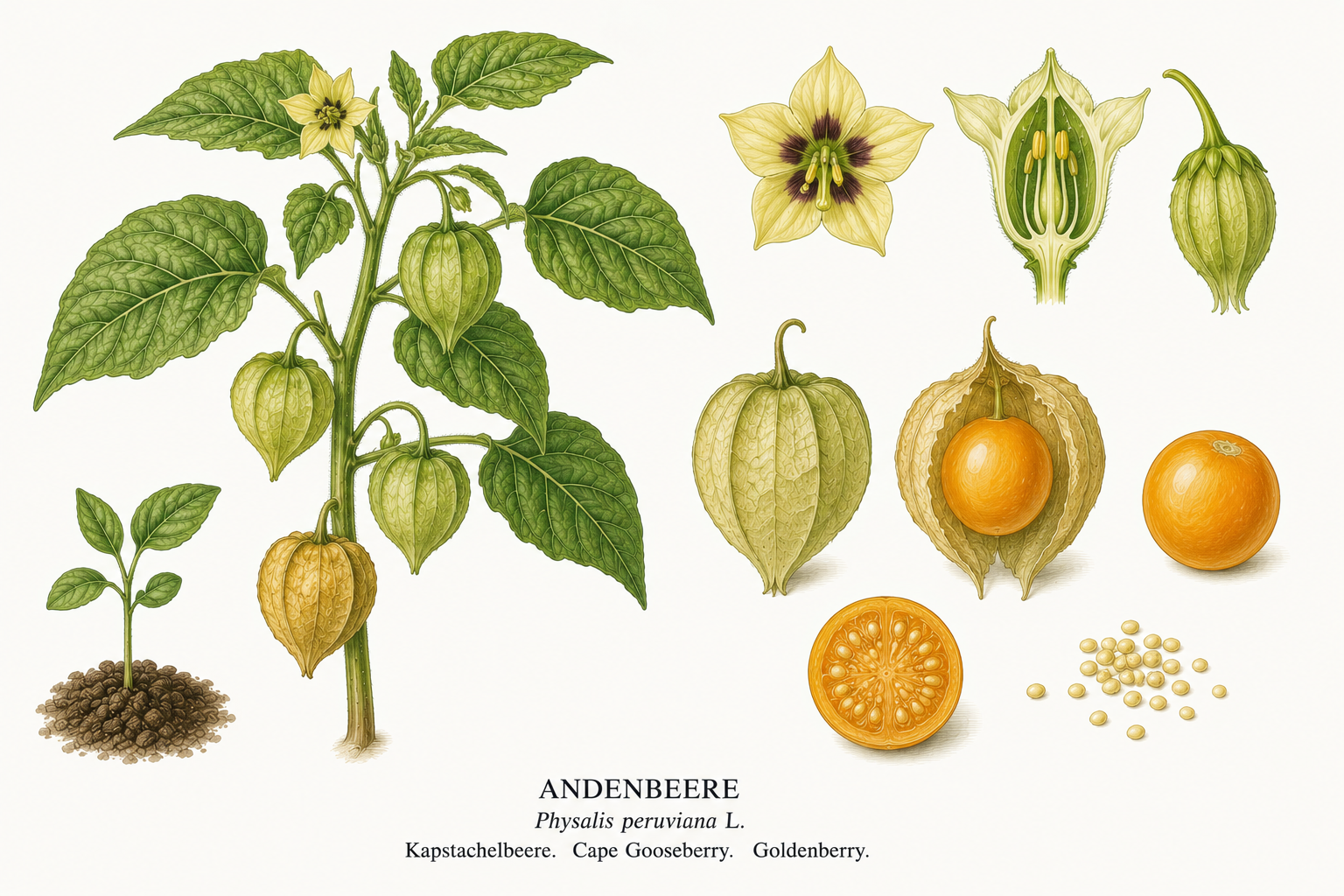
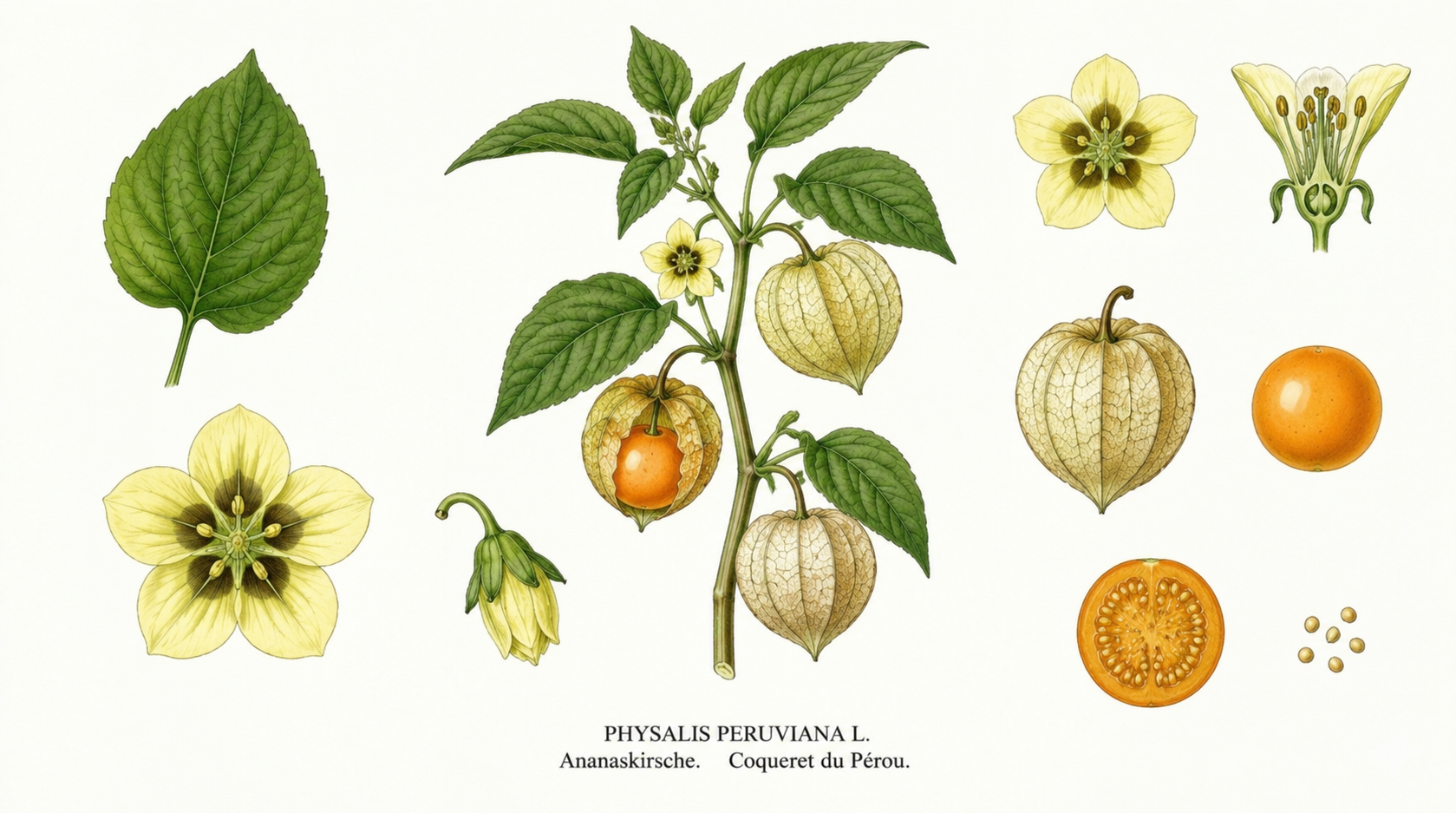
Physalis peruviana
Physalis peruviana
The Andean berry (Physalis peruviana), also known as the Cape gooseberry or goldenberry, is a fascinating fruit plant native to the Andes of South America.
Physalis pruinosa
Physalis pruinosa
The Ananaskirsche (Physalis pruinosa), also known as the strawberry groundcherry, is a fascinating fruiting vegetable plant that delights with its sweet-sour fruits reminiscent of tropical flavors.
Guides
Related guides
These existing guides cover crop planning, sowing, watering, companion planting, plant health, and seasonal work.
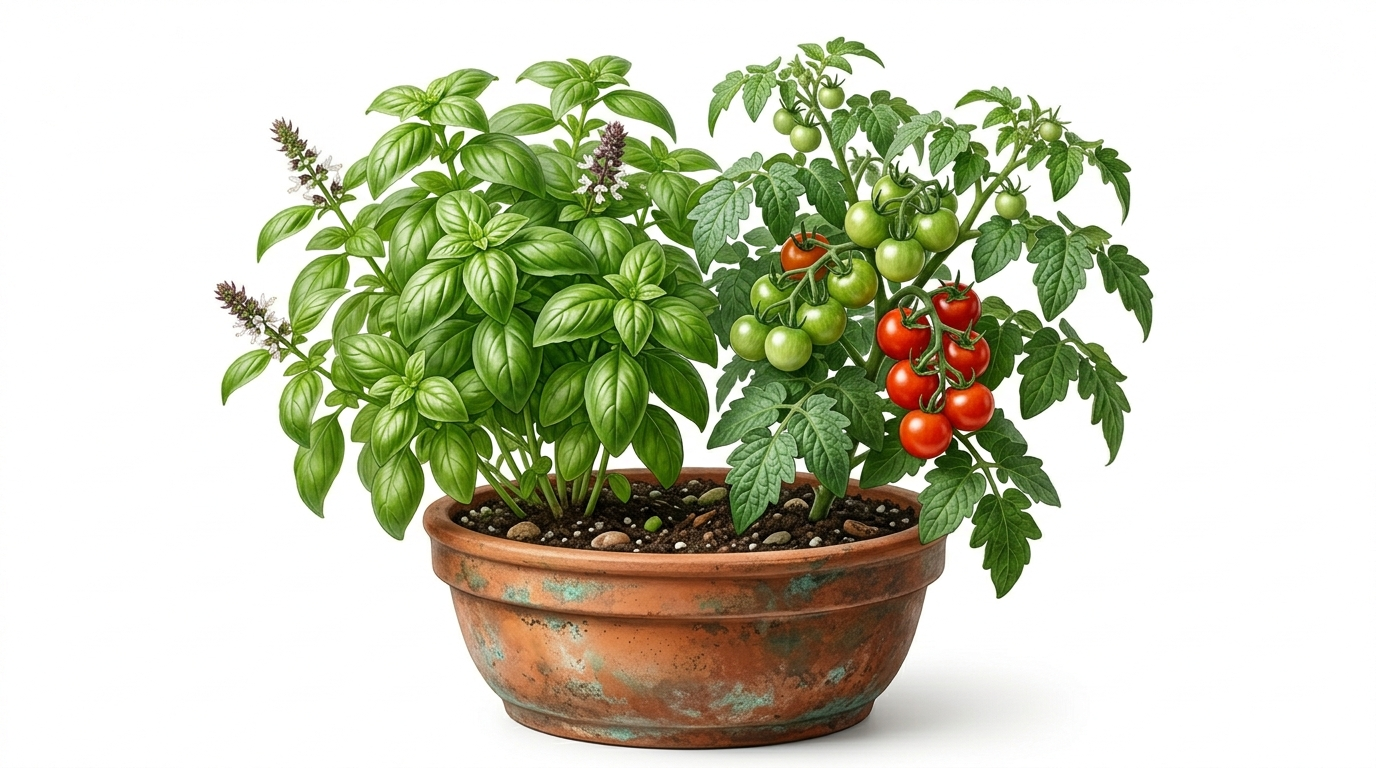
Guide
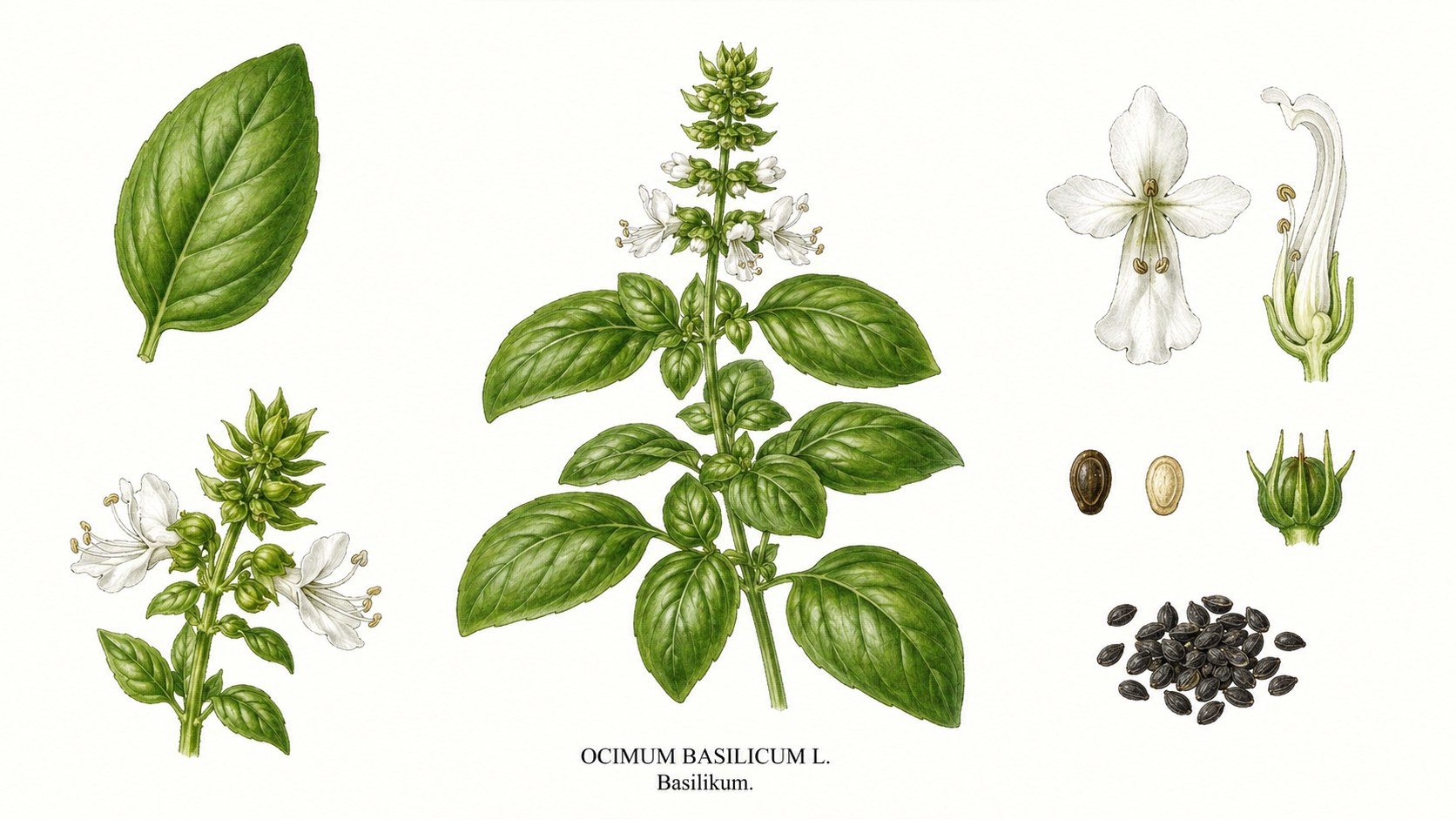
Growing Basil: Site, Watering and Harvesting
Learn how to grow basil successfully with the right site, steady watering, regular harvesting, and tips to delay flowering.
Updated:2026-05-28
Season:March - September

Guide
Growing Figs Outdoors: Varieties, Pots and Winter Care
Grow figs outdoors or in containers with the right variety, warm site, steady care, and practical winter protection.
Updated:2026-05-28
Season:March - May, August - November
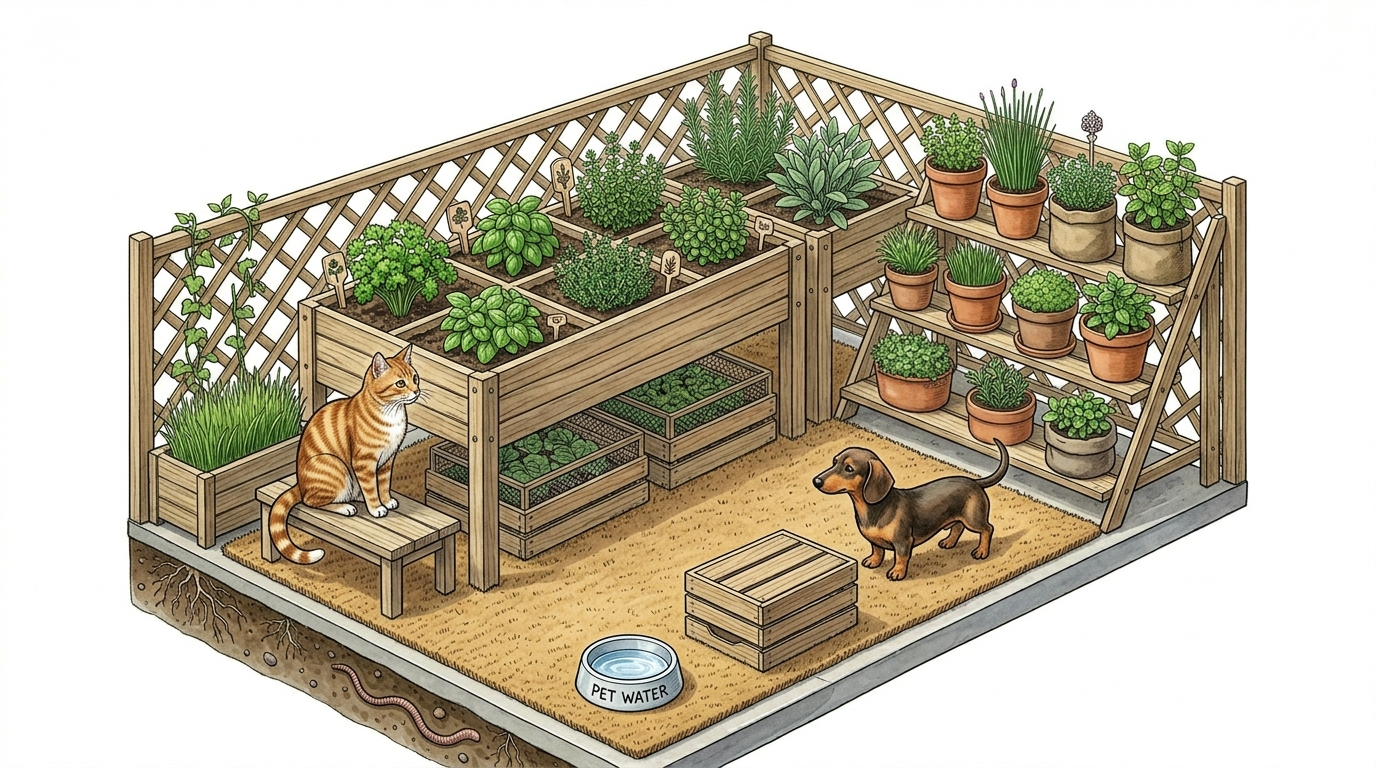
Guide
Pet-Safe Herb Gardens for Balconies and Beds
Learn how to create a pet-safe herb garden with suitable herbs, thoughtful layouts, and practical maintenance strategies.
Updated:2026-05-28
Season:March - September
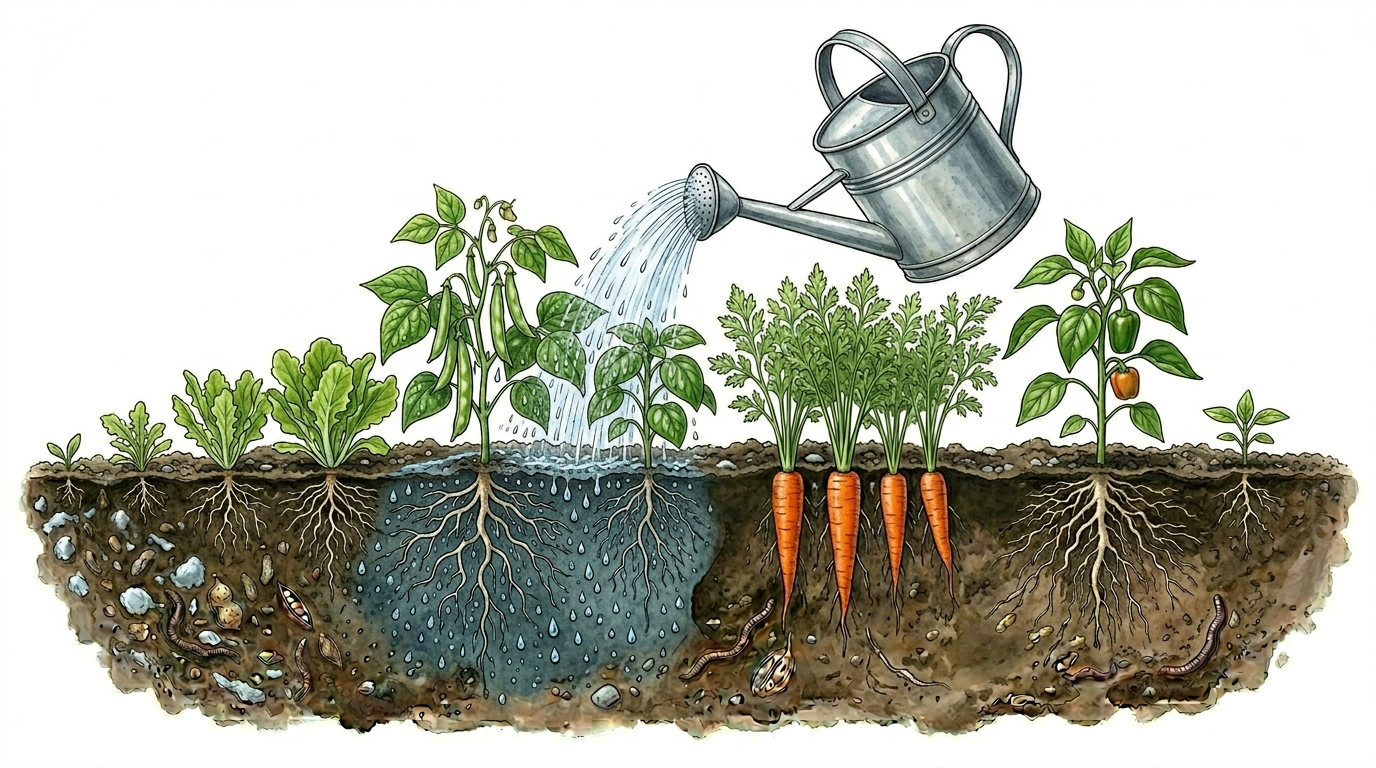
Guide
Watering Vegetable Gardens: Mulch, Water and Mistakes
Learn how to water vegetable gardens properly with mulch, morning routines, balanced moisture, and fewer watering mistakes.
Updated:2026-05-21
Season:May - September
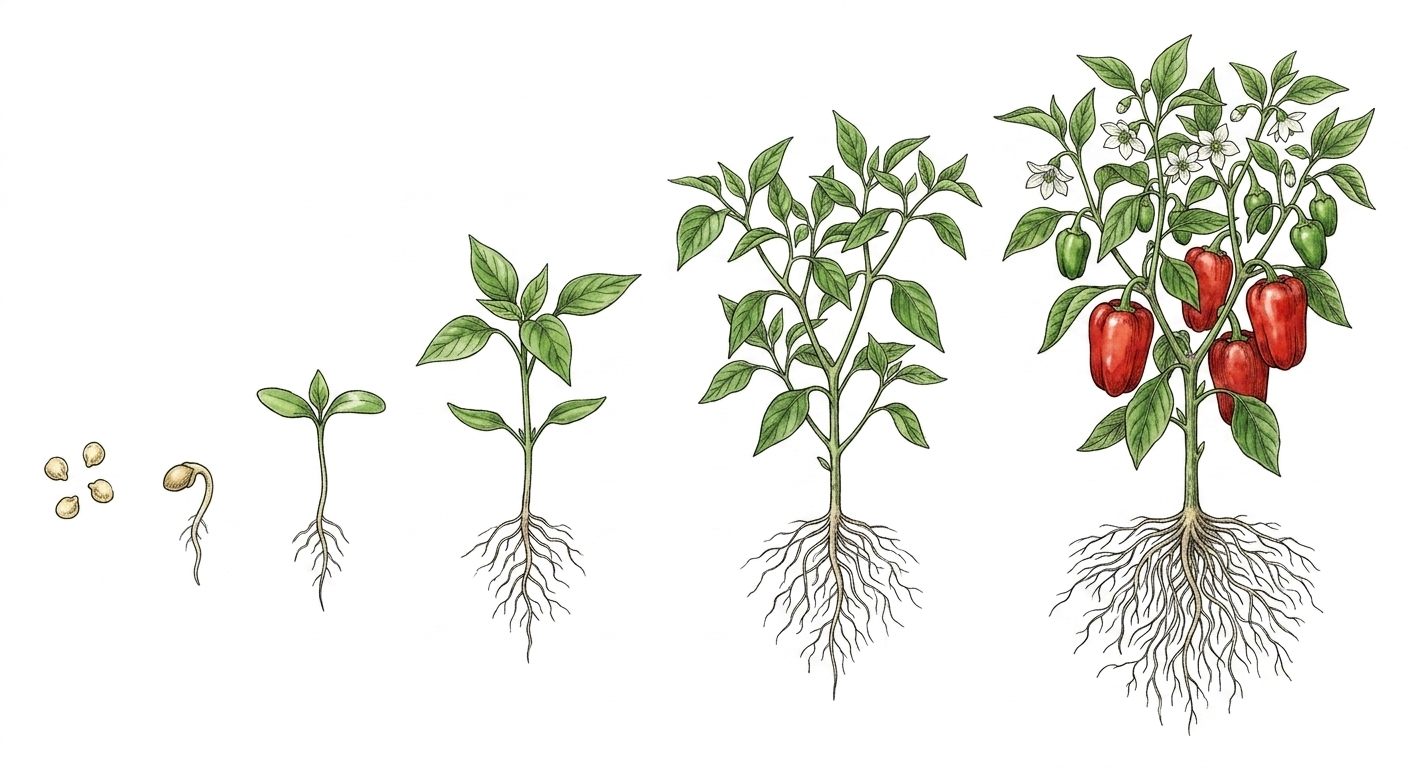
Guide
Starting Peppers and Chilies Indoors Successfully
Learn how to start peppers and chilies indoors with proper warmth, strong light, pricking out, and healthy seedling care.
Updated:2026-05-21
Season:January - April
Guide
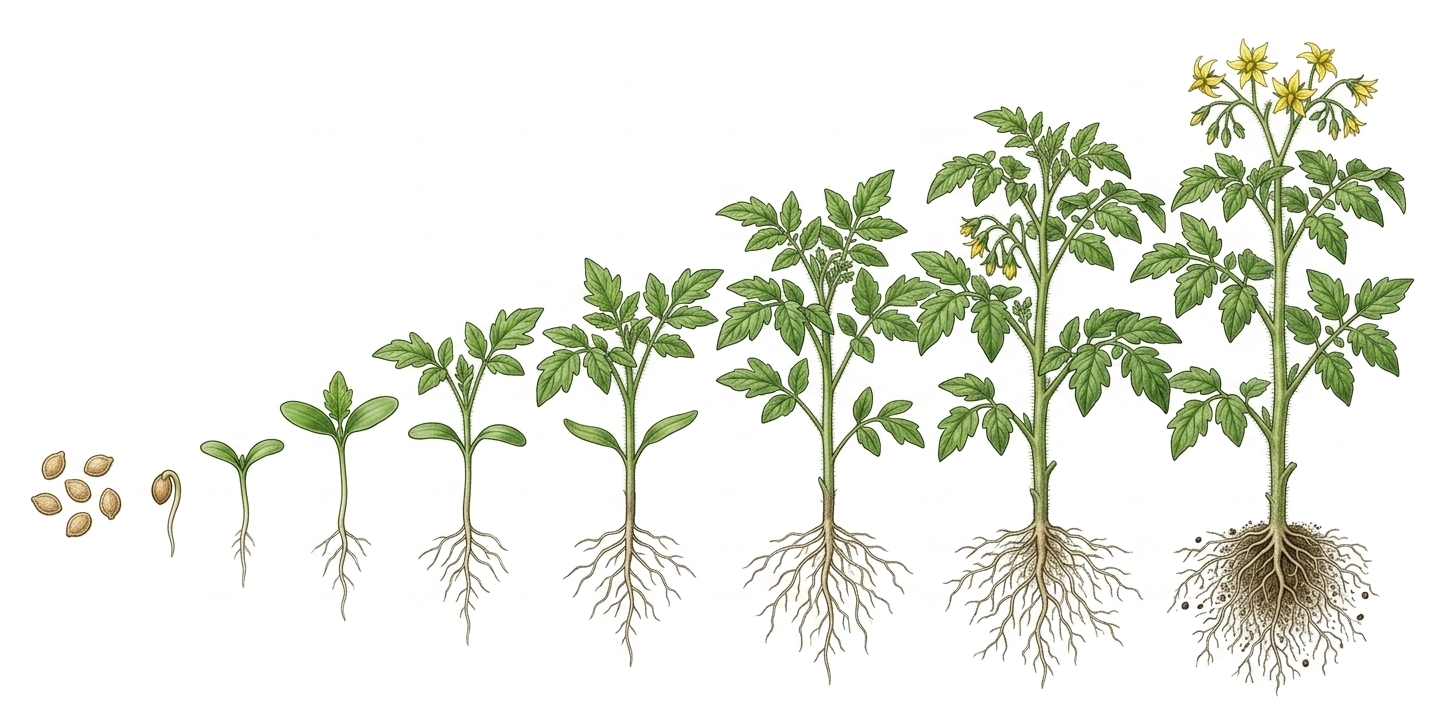
Starting Tomatoes Indoors: Light, Timing and Pricking Out
Start tomatoes indoors successfully with the right timing, warmth, strong light, pricking out, and care for healthy young plants.
Updated:2026-05-21
Season:February - April
Guide
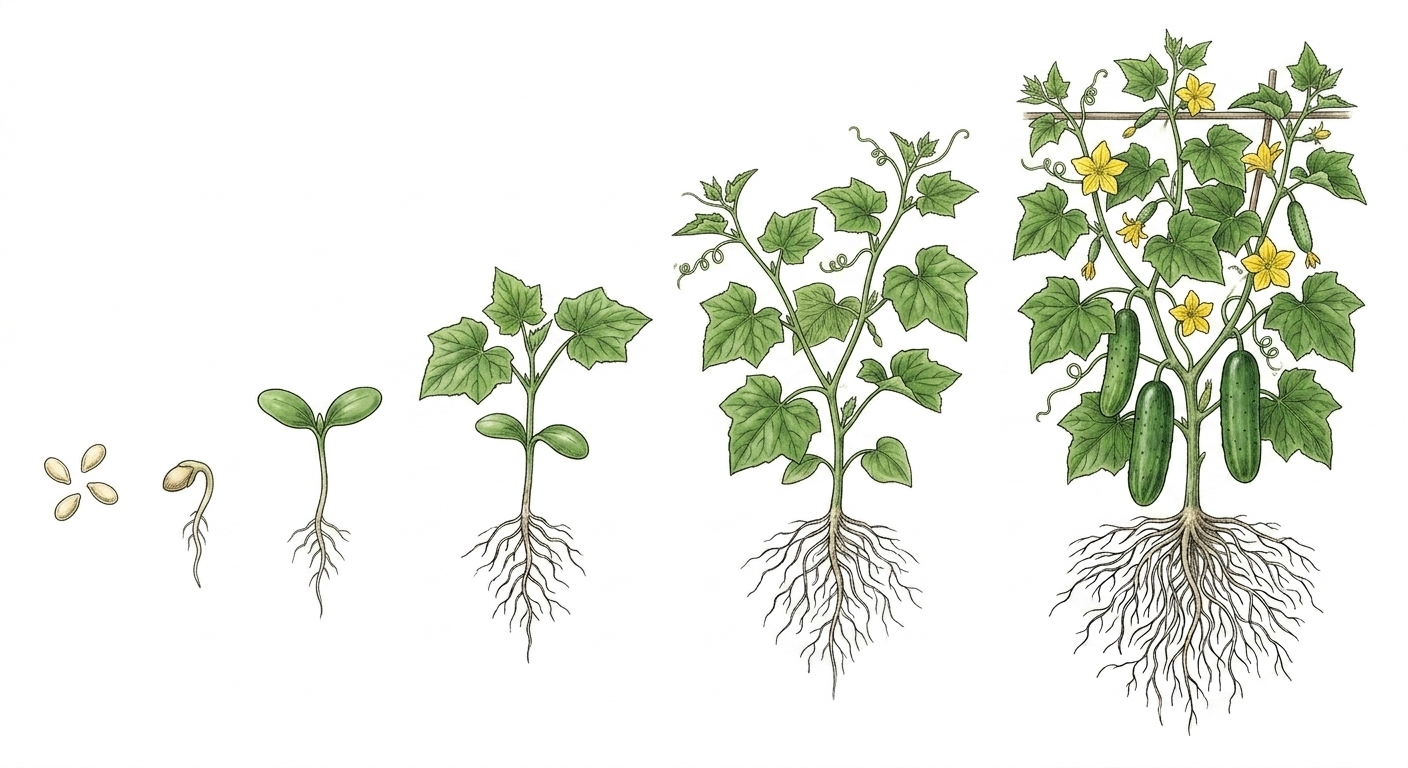
Growing Cucumbers: Starting, Supports and Harvest
Learn how to grow cucumbers successfully with indoor starting, transplanting, trellises, watering, and regular harvesting.
Updated:2026-05-21
Season:March - September
Common questions
Common questions
Which plants suit a sunny balcony?
Basil, thyme, tomatoes, peppers, chillies, strawberries, and many compact vegetables grow well in sufficiently large containers with regular watering.
What grows on a partly shaded balcony?
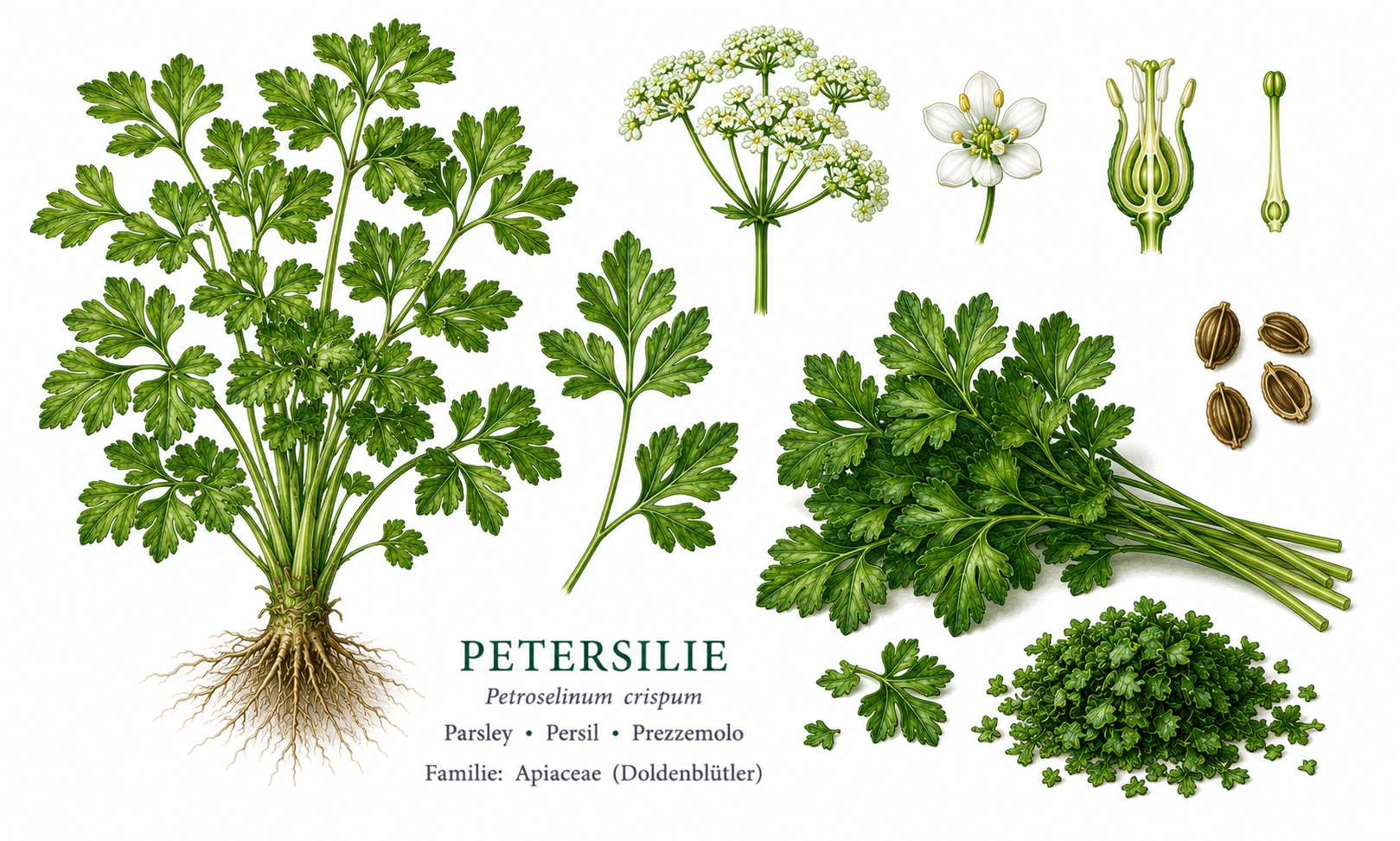
Parsley, cut-and-come-again salads, chard, radishes, mint, and wild garlic often manage with less direct sun. Suitability depends on the time and duration of available light.
How large should pots for balcony vegetables be?
Herbs and salads need less volume than tomatoes, aubergines, or berry shrubs. Stable containers of roughly 15 to 30 litres make large fruiting vegetables much easier to manage.
How can waterlogging be prevented in a window box?
Every container needs open drainage holes, structurally stable compost, and a saucer that does not hold water permanently. Check decorative outer pots after heavy rain.