Garden planning
Container gardening: vegetables, herbs & fruit in pots
Containers make garden plants flexible on patios, courtyards, and small spaces. The mature plant must match the pot volume, root depth, drainage, and nutrient supply; an undersized pot can make even robust crops unnecessarily demanding.
Overview
Practical planning guidance
Pot size and material
Choose a container for the mature plant and its root system, not the small seedling. Large fruiting vegetables and berry shrubs need substantially more volume than salads or compact herbs. Heavy pots are more stable, while lighter containers are easier to move. Every pot needs open drainage holes; saucers can catch water but should not leave roots permanently wet.
Compost, water, and nutrients
Structurally stable peat-free compost retains moisture while remaining aerated. Containers dry faster than garden soil and need daily checks during warm periods. Water thoroughly until excess drains, then base the next watering on actual moisture. Heavy feeders require regular nutrients during active growth, while Mediterranean herbs and many perennial plants need much less.
Position and overwintering
Sun, wind, and heat-reflecting walls strongly influence a container's microclimate. Tall plants need stable pots and secure supports. Perennial container plants face greater winter risk than the same species in open ground because the entire root ball can freeze. Move suitable plants to shelter, insulate pots without causing waterlogging, and water sparingly during frost-free periods.
Plants
Choose suitable plants
This selection connects reliable edible crops with the site, calendar, and care information available in each plant profile.

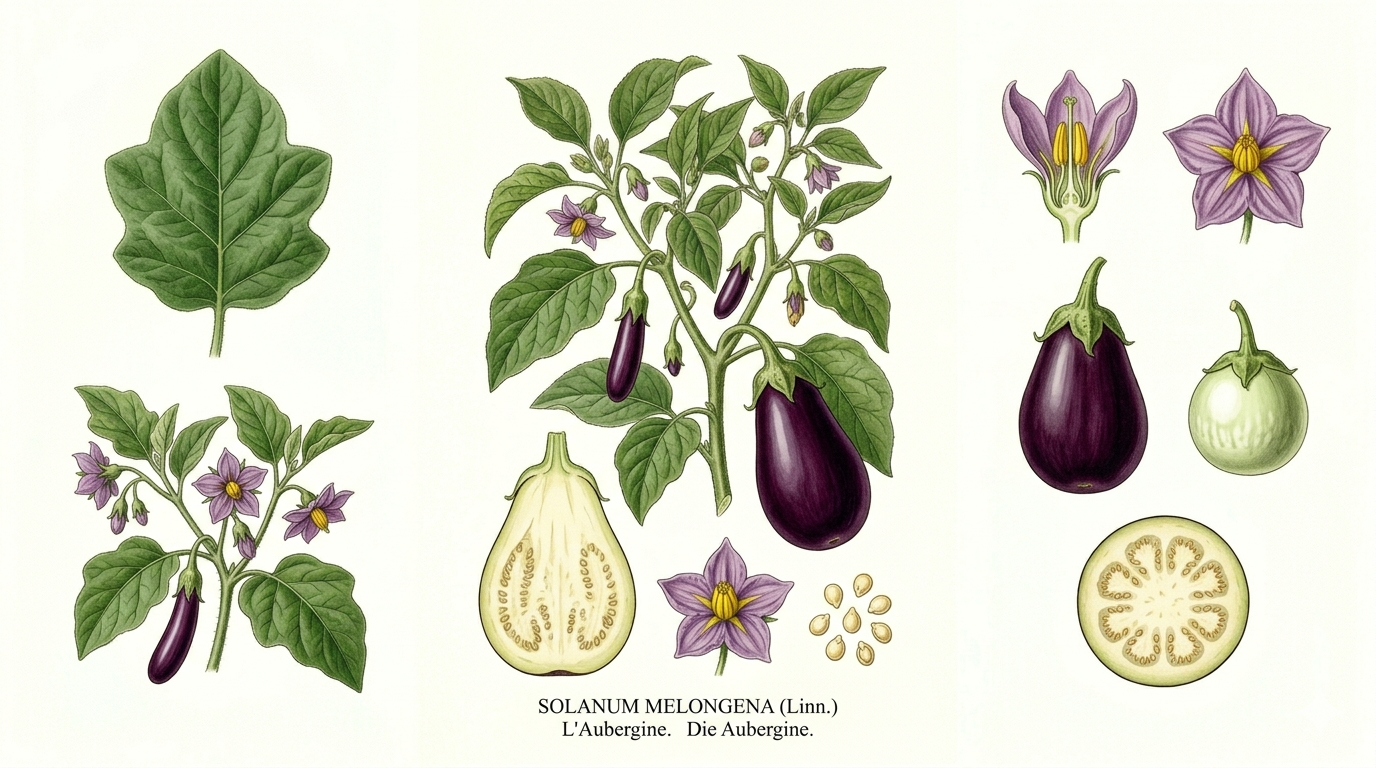
Eggplant
Solanum melongena
The eggplant is an annual plant with a bushy growth habit and purple fruits.
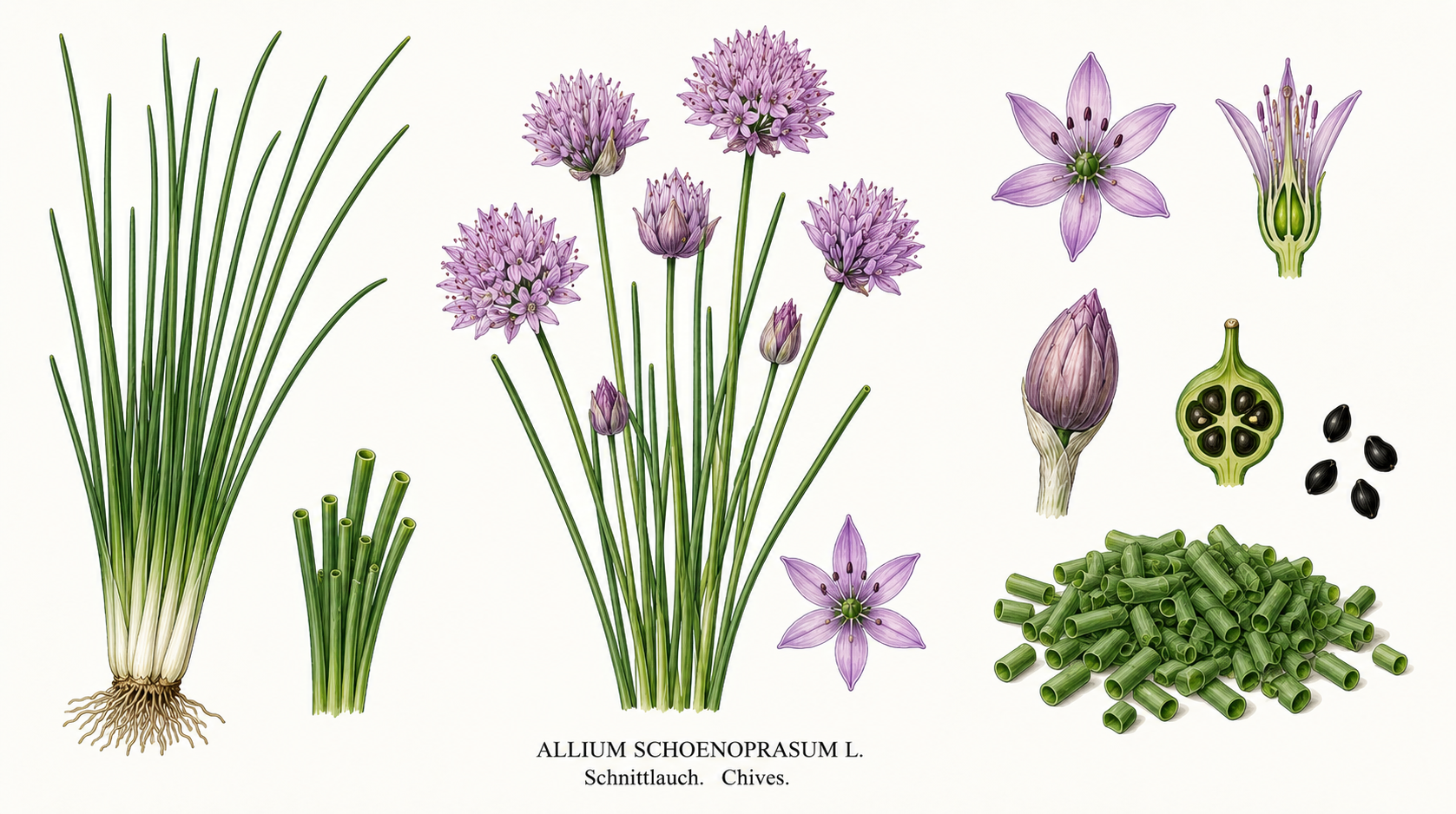
Chives
Allium schoenoprasum
Chives are a popular and easy-to-care-for culinary herb that should be a staple in any garden.
Thymus
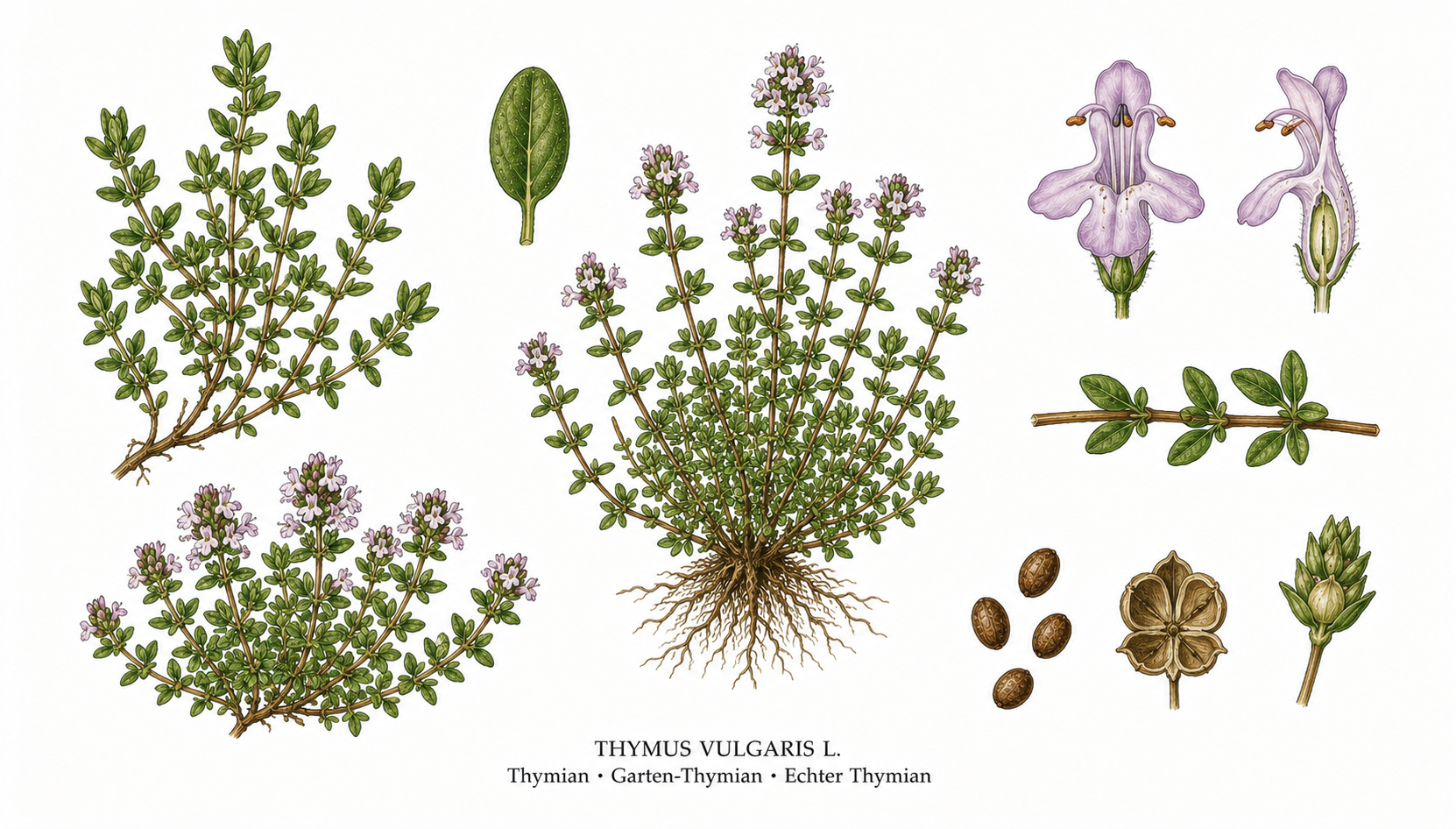
Thymus
Thyme is a robust, perennial subshrub that enriches both the kitchen and the garden with its intense aroma and pretty flowers.
Guides
Related guides
These existing guides cover crop planning, sowing, watering, companion planting, plant health, and seasonal work.
Guide
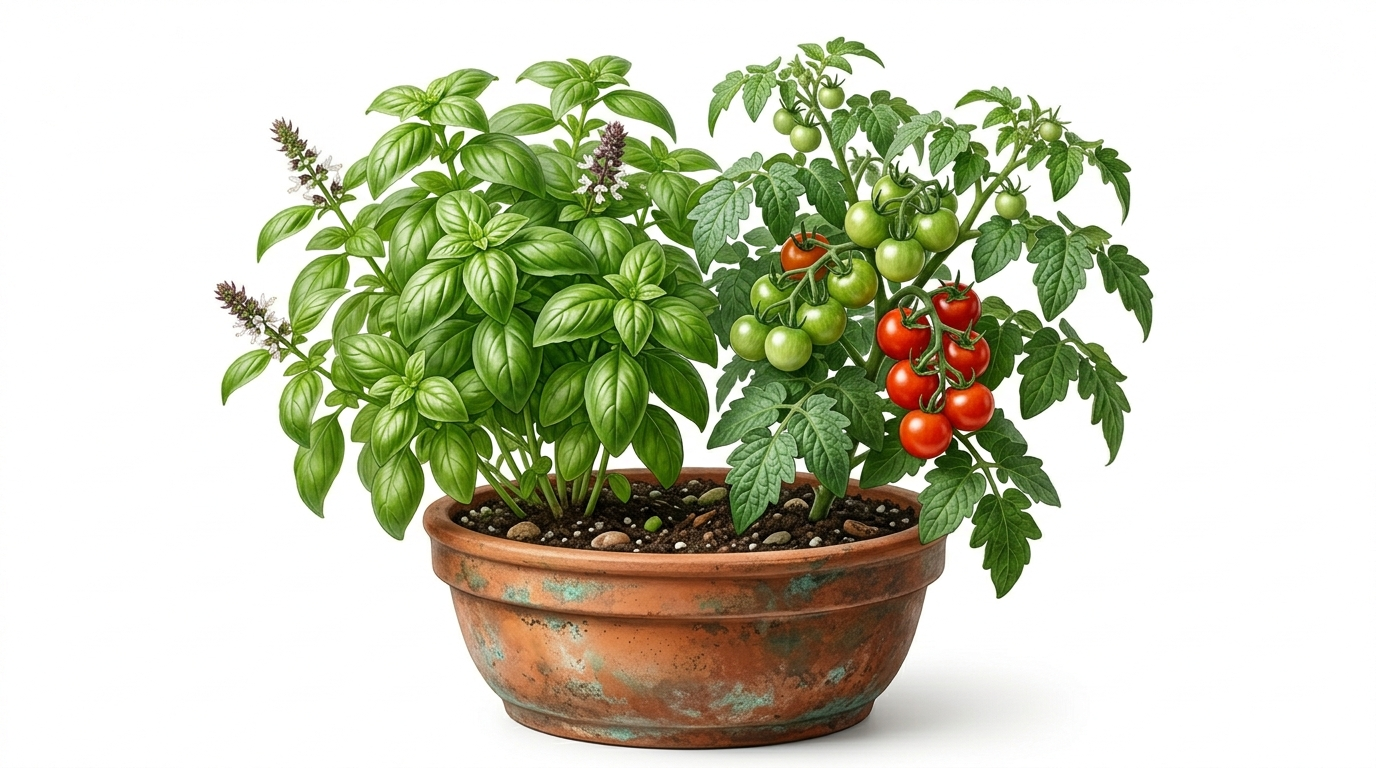
Growing Basil: Site, Watering and Harvesting
Learn how to grow basil successfully with the right site, steady watering, regular harvesting, and tips to delay flowering.
Updated:2026-05-28
Season:March - September
Guide
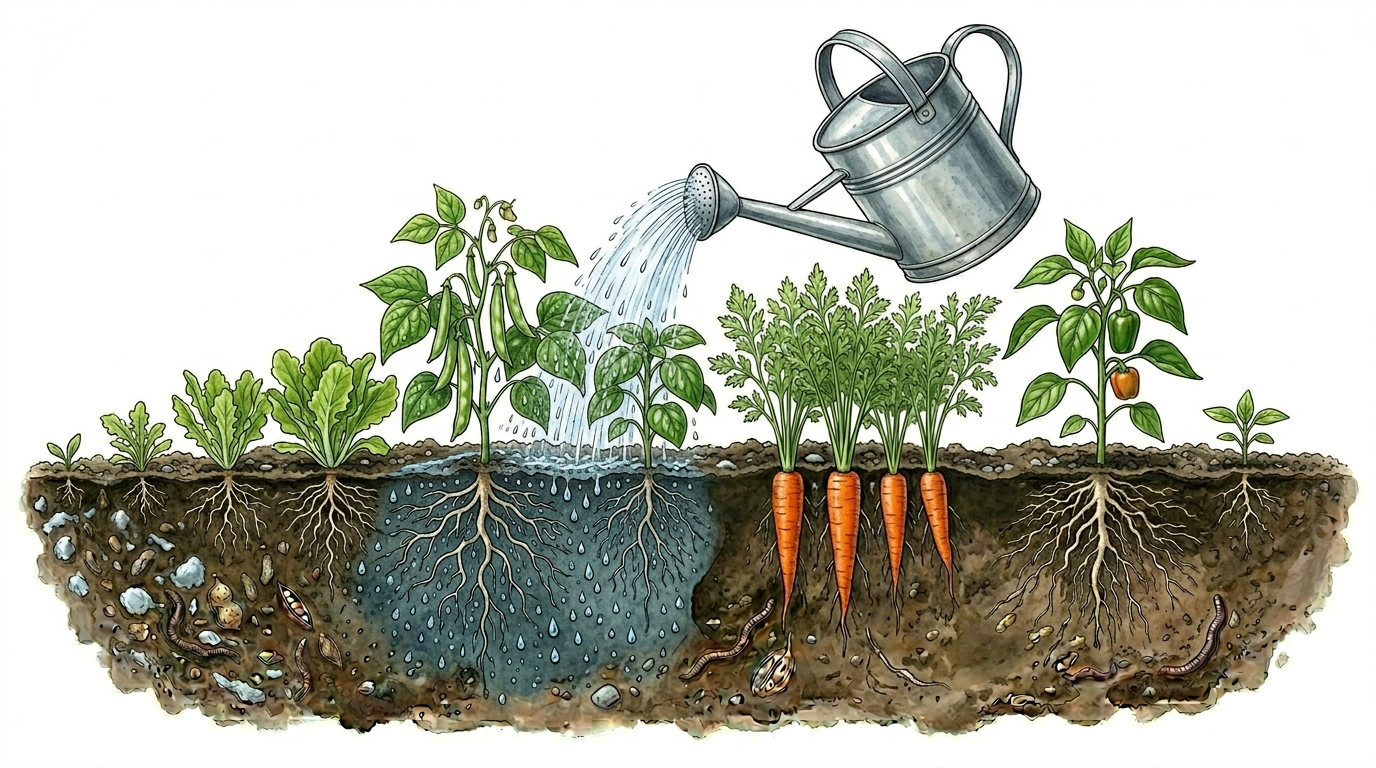
Watering Vegetable Gardens: Mulch, Water and Mistakes
Learn how to water vegetable gardens properly with mulch, morning routines, balanced moisture, and fewer watering mistakes.
Updated:2026-05-21
Season:May - September
Guide
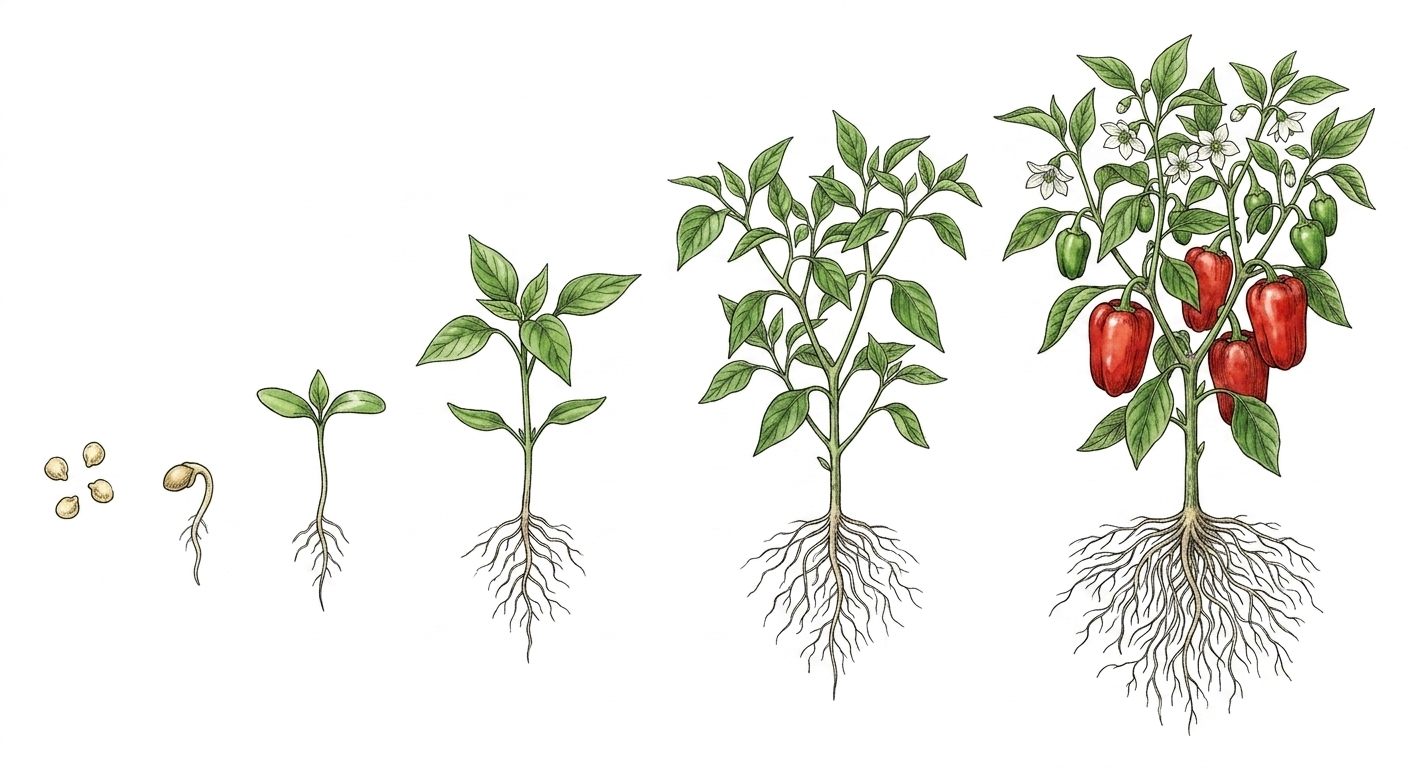
Starting Peppers and Chilies Indoors Successfully
Learn how to start peppers and chilies indoors with proper warmth, strong light, pricking out, and healthy seedling care.
Updated:2026-05-21
Season:January - April
Guide
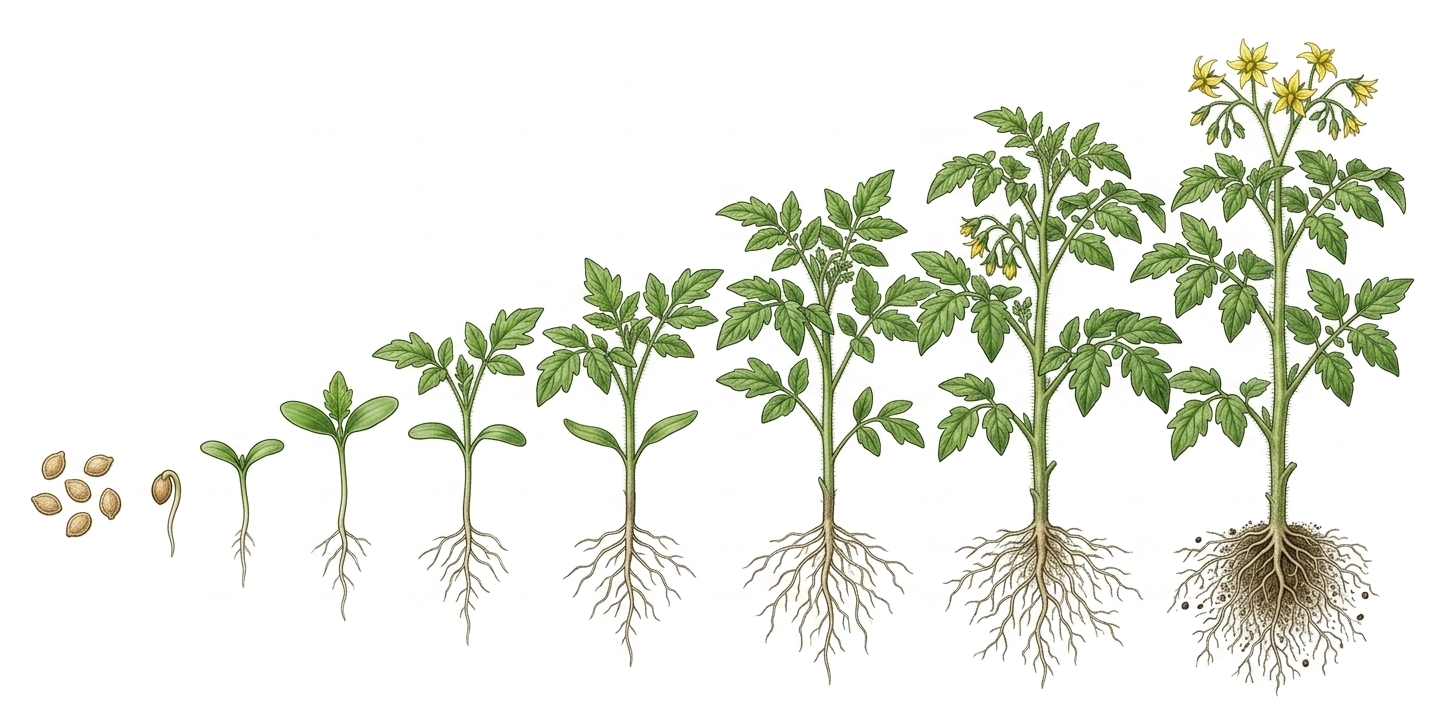
Starting Tomatoes Indoors: Light, Timing and Pricking Out
Start tomatoes indoors successfully with the right timing, warmth, strong light, pricking out, and care for healthy young plants.
Updated:2026-05-21
Season:February - April
Guide
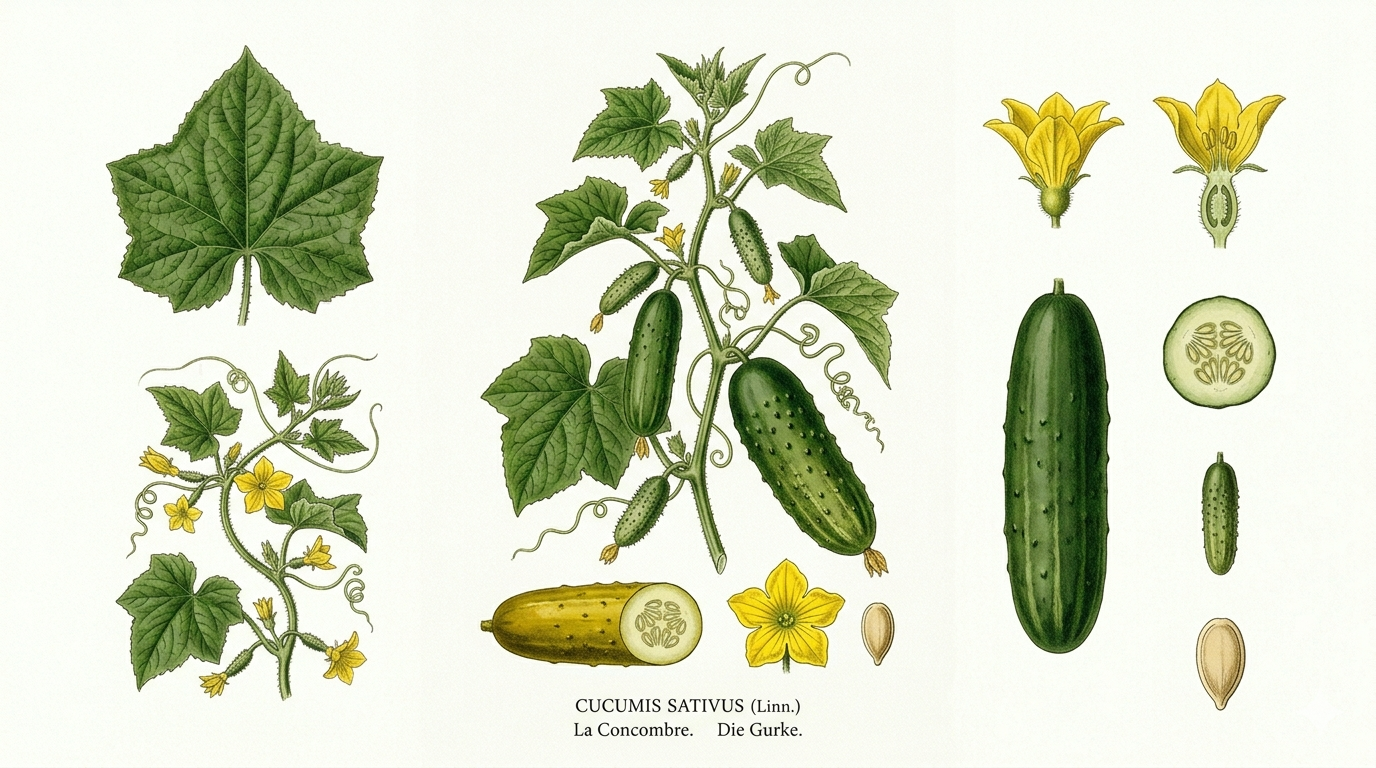
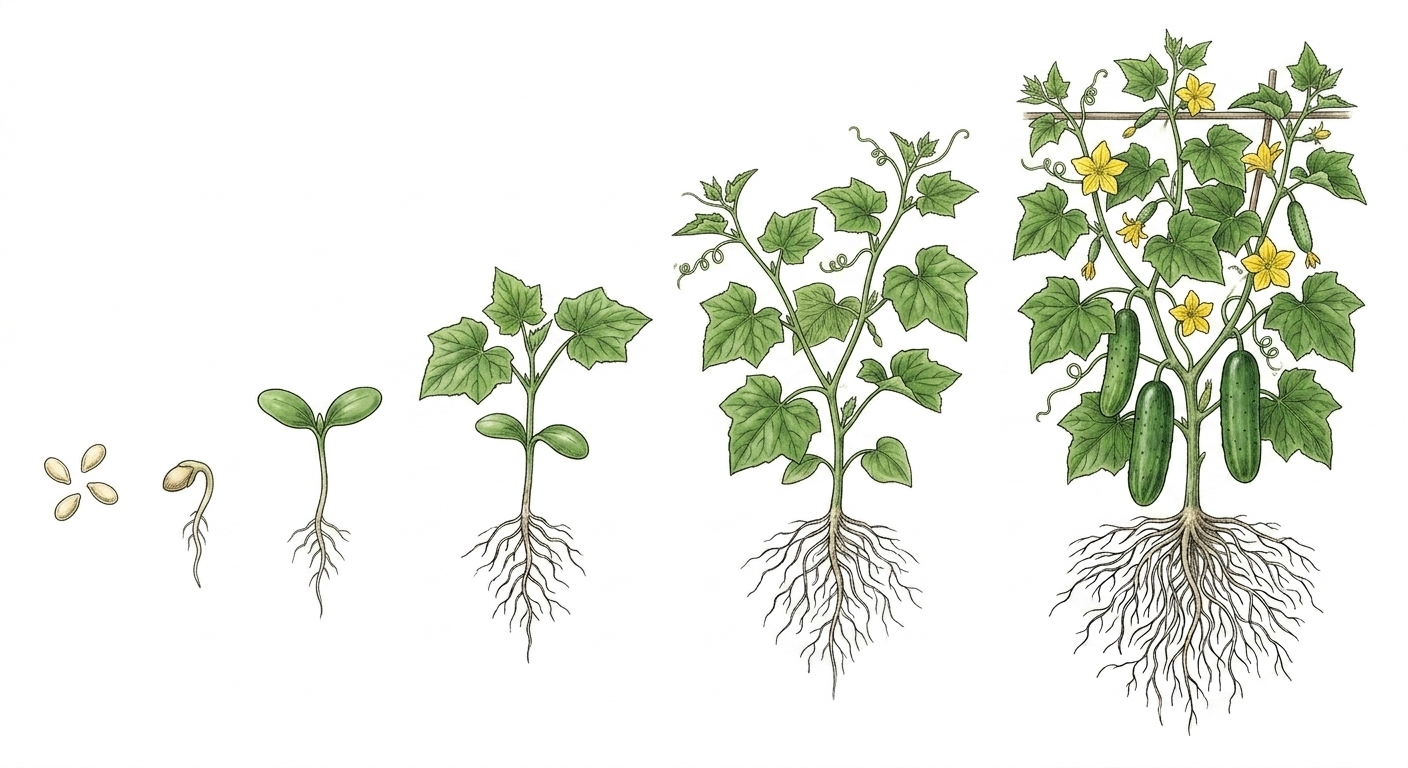
Growing Cucumbers: Starting, Supports and Harvest
Learn how to grow cucumbers successfully with indoor starting, transplanting, trellises, watering, and regular harvesting.
Updated:2026-05-21
Season:March - September

Guide
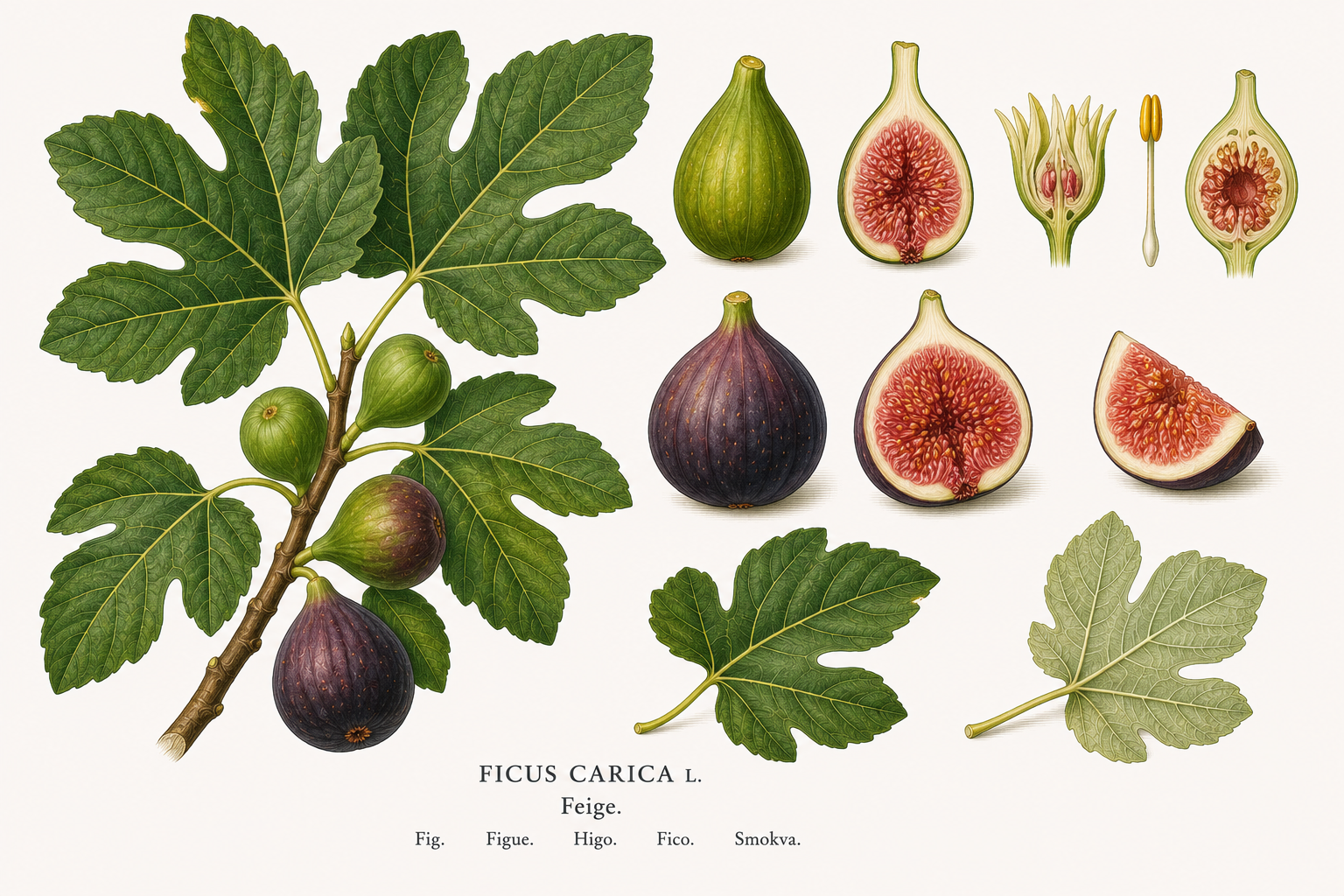
Growing Figs Outdoors: Varieties, Pots and Winter Care
Grow figs outdoors or in containers with the right variety, warm site, steady care, and practical winter protection.
Updated:2026-05-28
Season:March - May, August - November
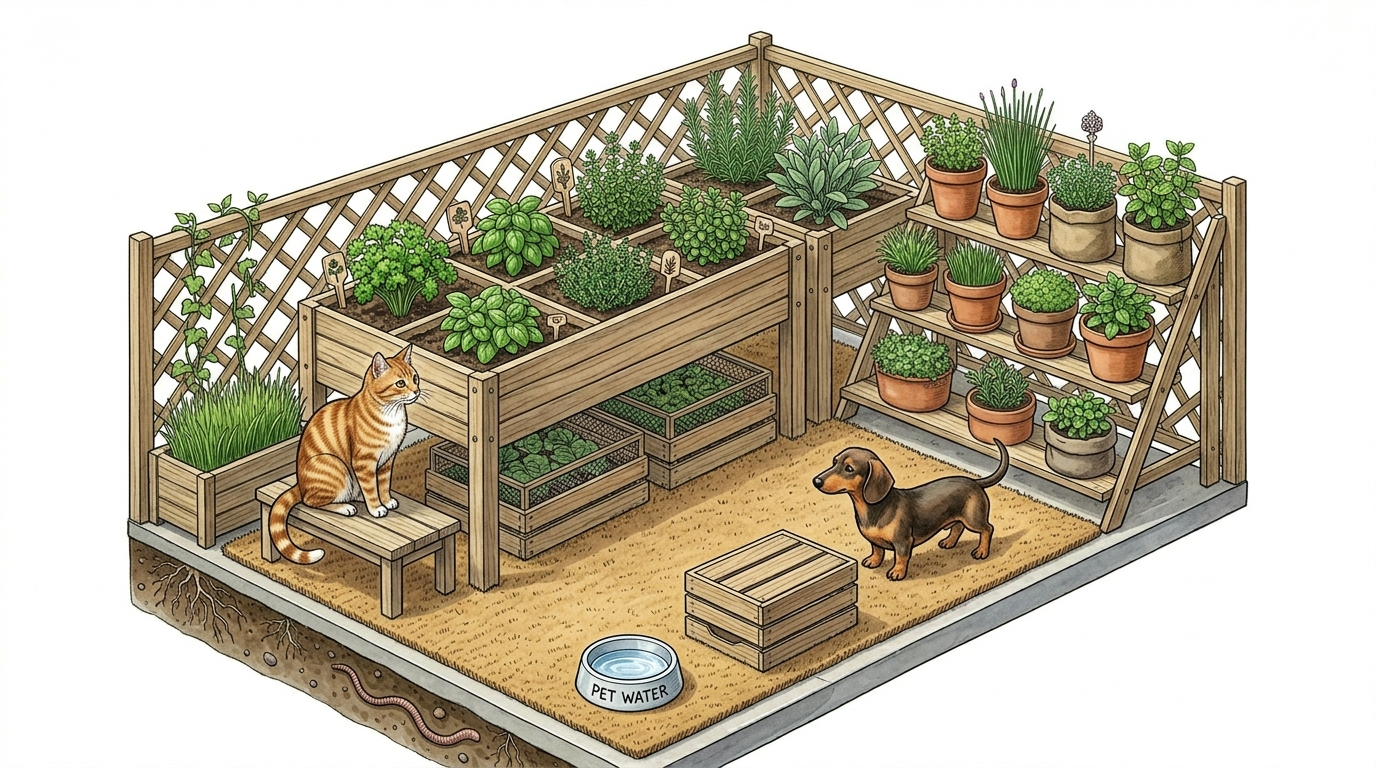
Guide
Pet-Safe Herb Gardens for Balconies and Beds
Learn how to create a pet-safe herb garden with suitable herbs, thoughtful layouts, and practical maintenance strategies.
Updated:2026-05-28
Season:March - September
Common questions
Common questions
How large should a vegetable container be?
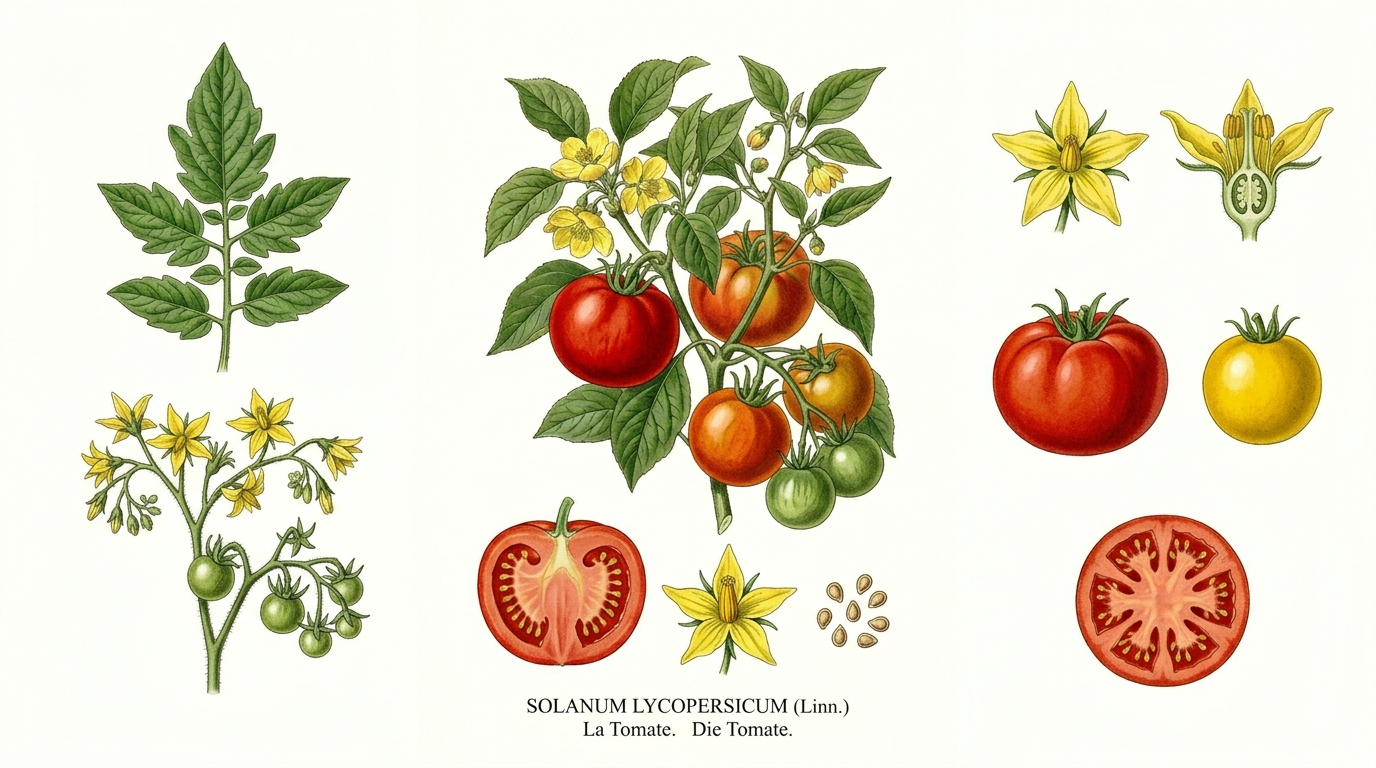
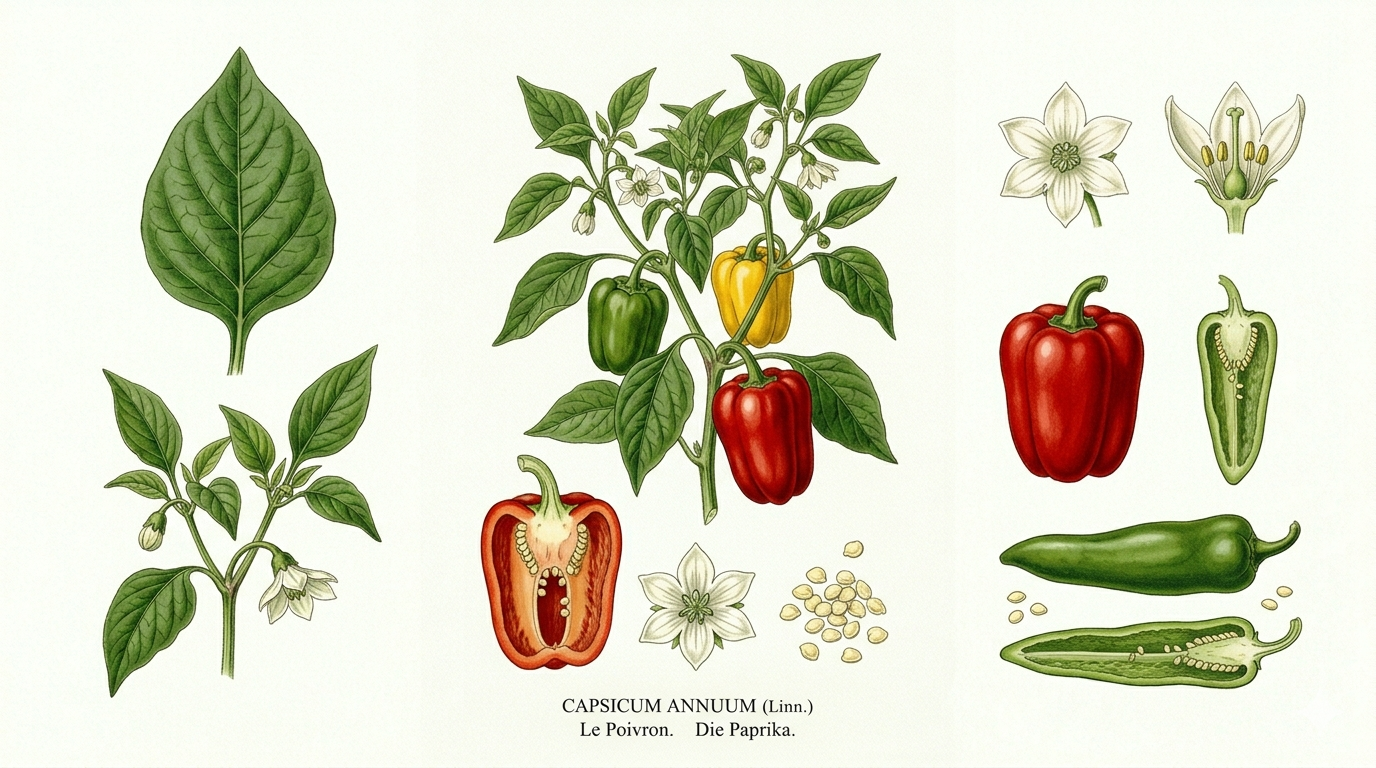
It depends on the crop. Salads and small herbs need limited volume, while tomatoes, aubergines, cucumbers, and berry shrubs usually grow more reliably in substantially larger stable pots.
Does every plant container need drainage holes?
Yes. Excess water must be able to escape. A drainage layer does not replace open holes and cannot prevent waterlogging on its own.
How often should container plants be fed?
Frequency depends on the plant, compost, and fertiliser. Heavy feeders need regular nutrients during growth, while herbs and light feeders require less.
Can hardy plants remain outdoors in containers?
Many can, but their roots face greater frost exposure. The pot, position, winter protection, and occasional watering during frost-free weather must suit the species.