Garden planning
Windowsill gardening: herbs, salads & seed starting
A bright windowsill suits compact herbs, quick leafy crops, and temporary seed starting for many garden plants. It is not the same as outdoor growing: limited light, dry heated air, small pots, and weak airflow restrict long-term growth.
Overview
Practical planning guidance
Assess light realistically
South-facing windows provide the most winter light but can become very hot in summer. East- and west-facing windows are more balanced for many herbs; north-facing windows suit only selected shade-tolerant plants. Long pale growth or shoots leaning strongly toward the glass indicate insufficient light. Glazing, roof overhangs, and nearby buildings substantially reduce the light that reaches plants.
Containers and watering
Small pots dry rapidly and provide little margin for care mistakes. Use containers with drainage holes and empty excess water from decorative outer pots. Water according to moisture rather than a fixed weekly schedule. Positions directly above radiators dry foliage and compost quickly, while permanently wet soil under weak winter light can encourage root problems.
Harvesting and seedlings
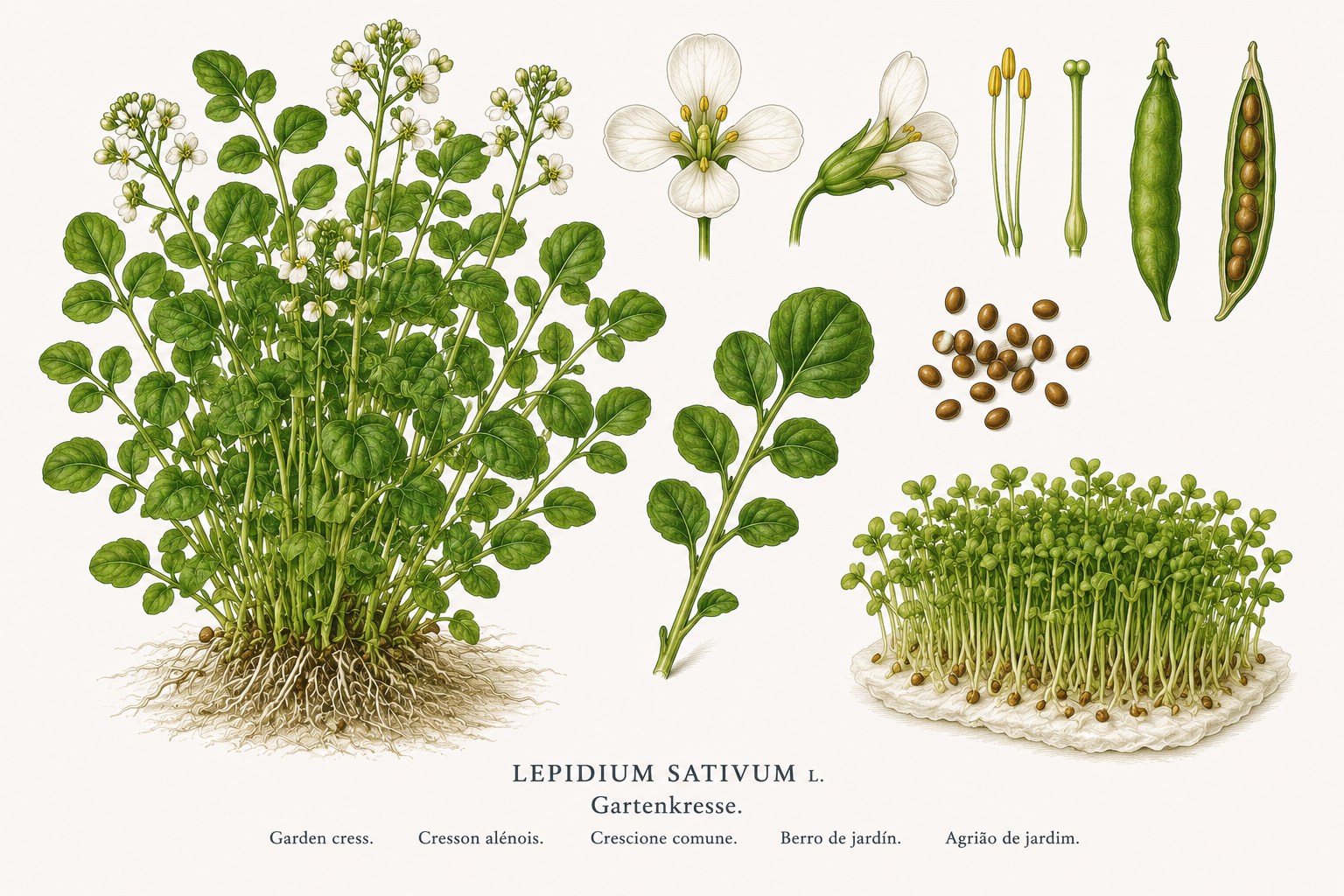
Garden cress, cut-and-come-again salads, and selected herbs can be harvested young and regularly. For larger garden plants, a windowsill is usually a seed-starting station: after germination seedlings need abundant light, sufficient spacing, and often cooler conditions. Before planting outdoors, acclimatise them gradually to wind, direct sun, and changing temperatures.
Plants
Choose suitable plants
This selection connects reliable edible crops with the site, calendar, and care information available in each plant profile.
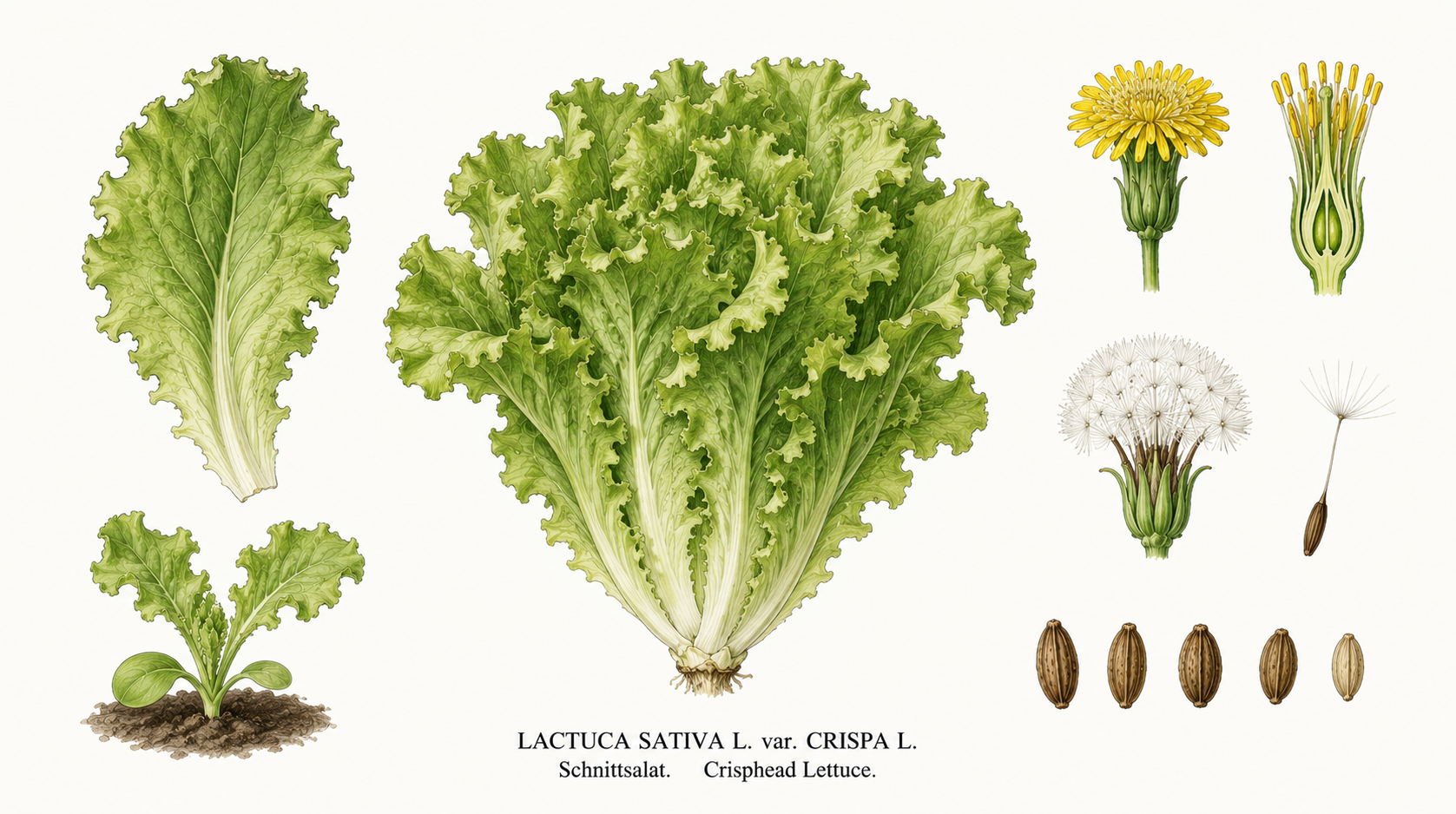
Cutting lettuce
Lactuca sativa var. crispa
Cutting lettuce is a popular and easy-to-grow vegetable variety, characterized by its fast-growing, loose leaf rosettes.
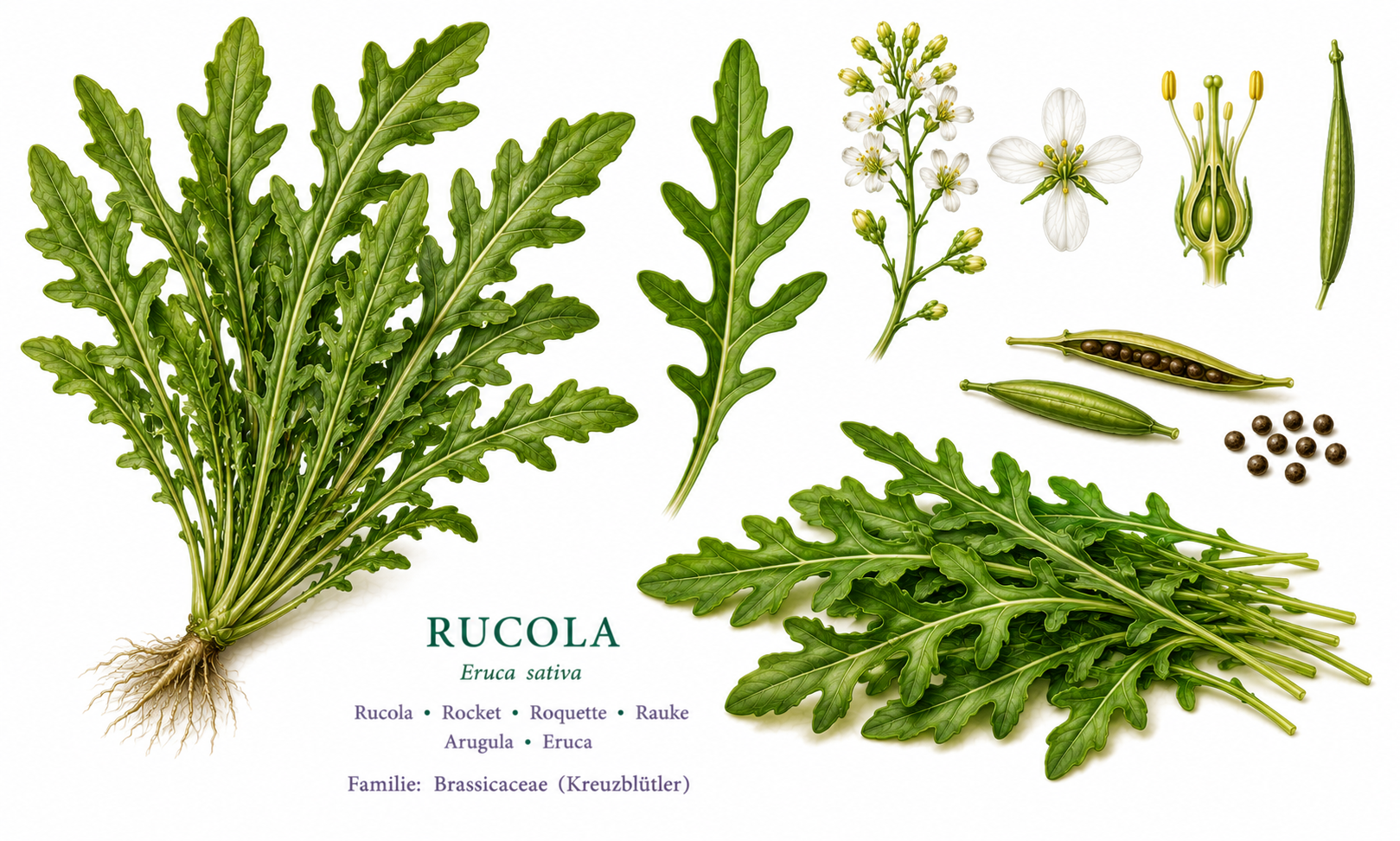
Arugula
Eruca vesicaria subsp. sativa
Arugula is a popular leafy green with a spicy, nutty flavor, characterized by fast growth and easy care.
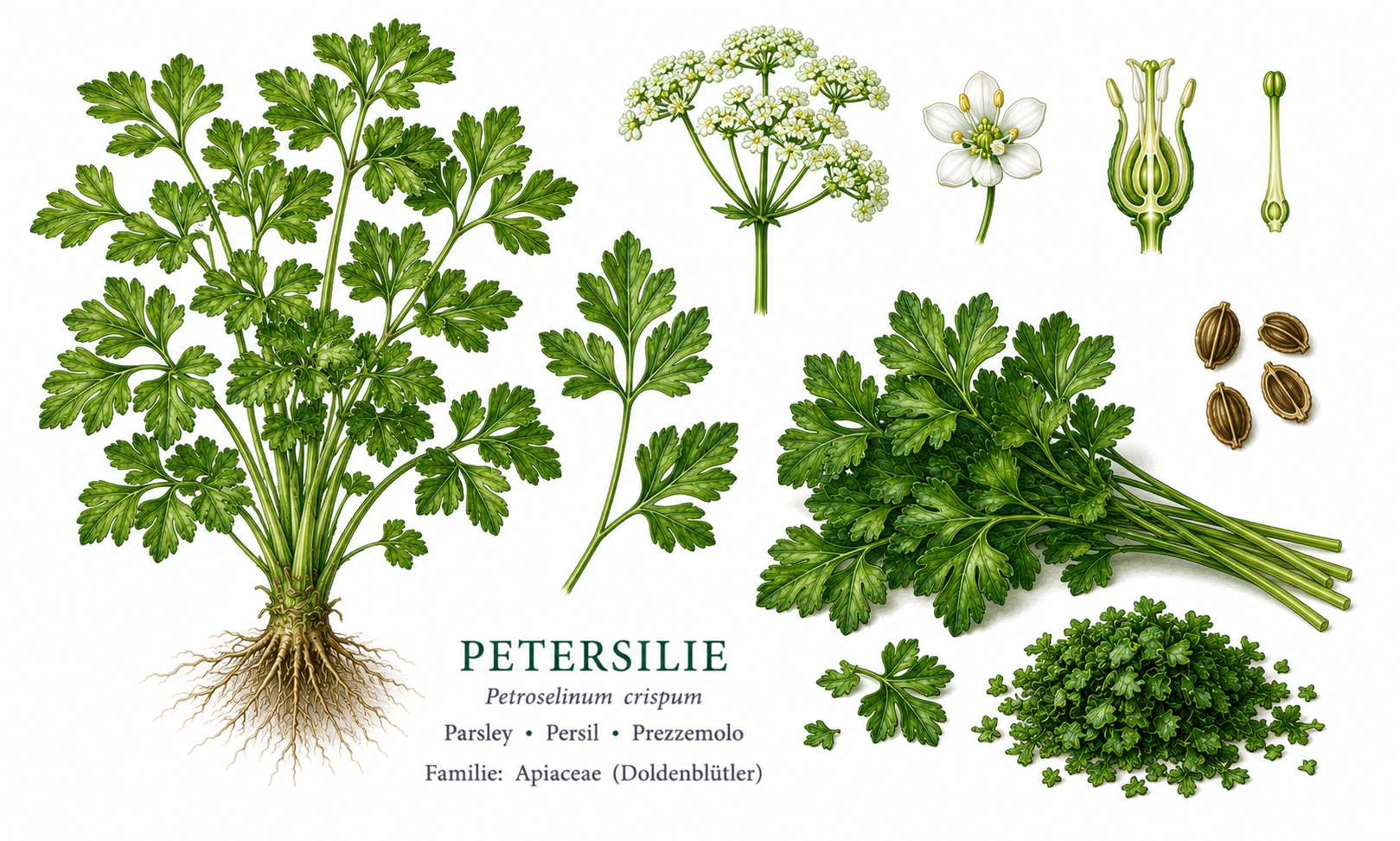
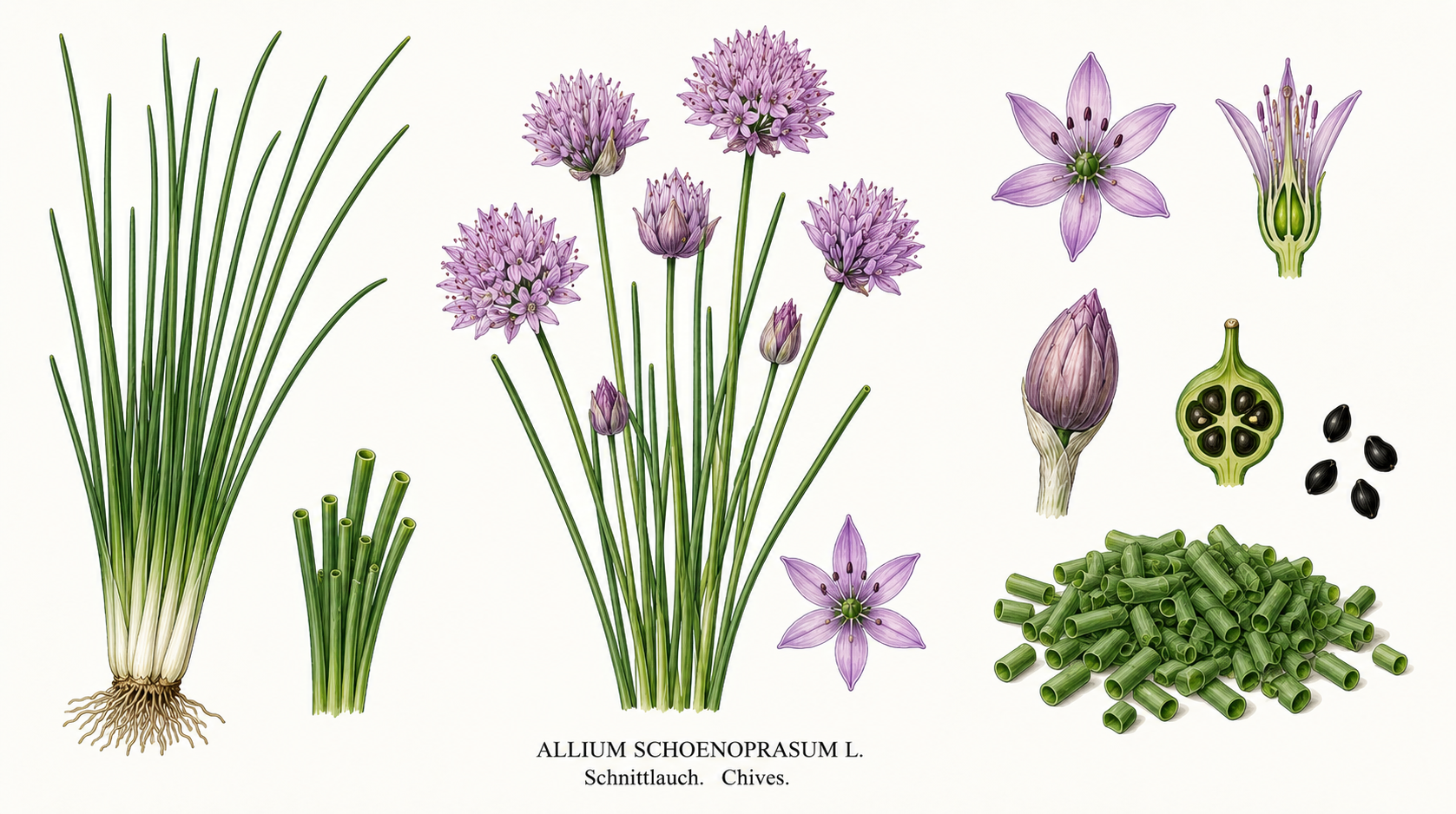
Chives
Allium schoenoprasum
Chives are a popular and easy-to-care-for culinary herb that should be a staple in any garden.

Dill
Anethum graveolens
Dill (Anethum graveolens) is a popular annual herb prized for its fresh, anise-like flavor.
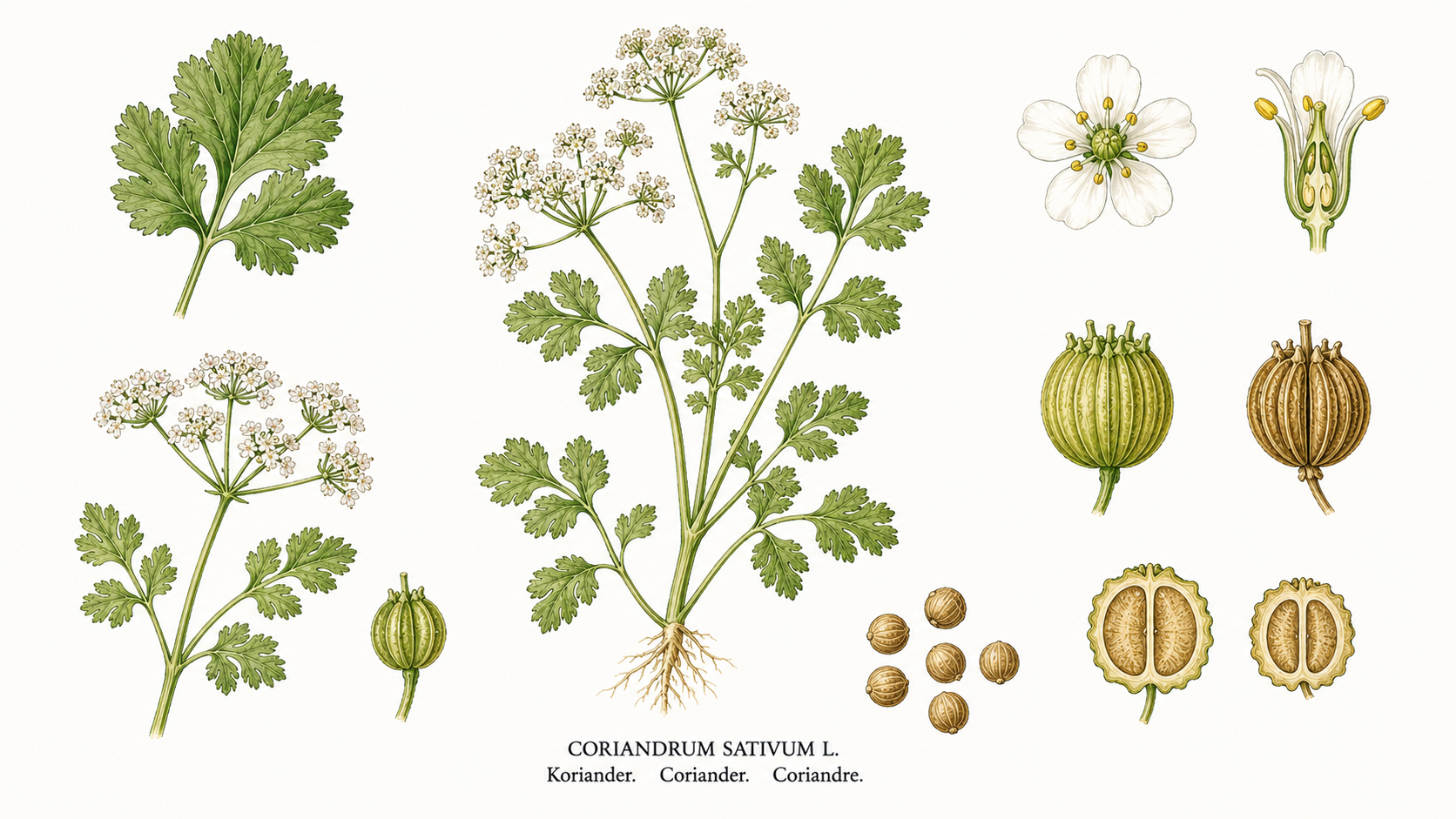
Coriander
Coriandrum sativum
Coriander is an essential culinary herb valued for both its fresh leaves and aromatic seeds.
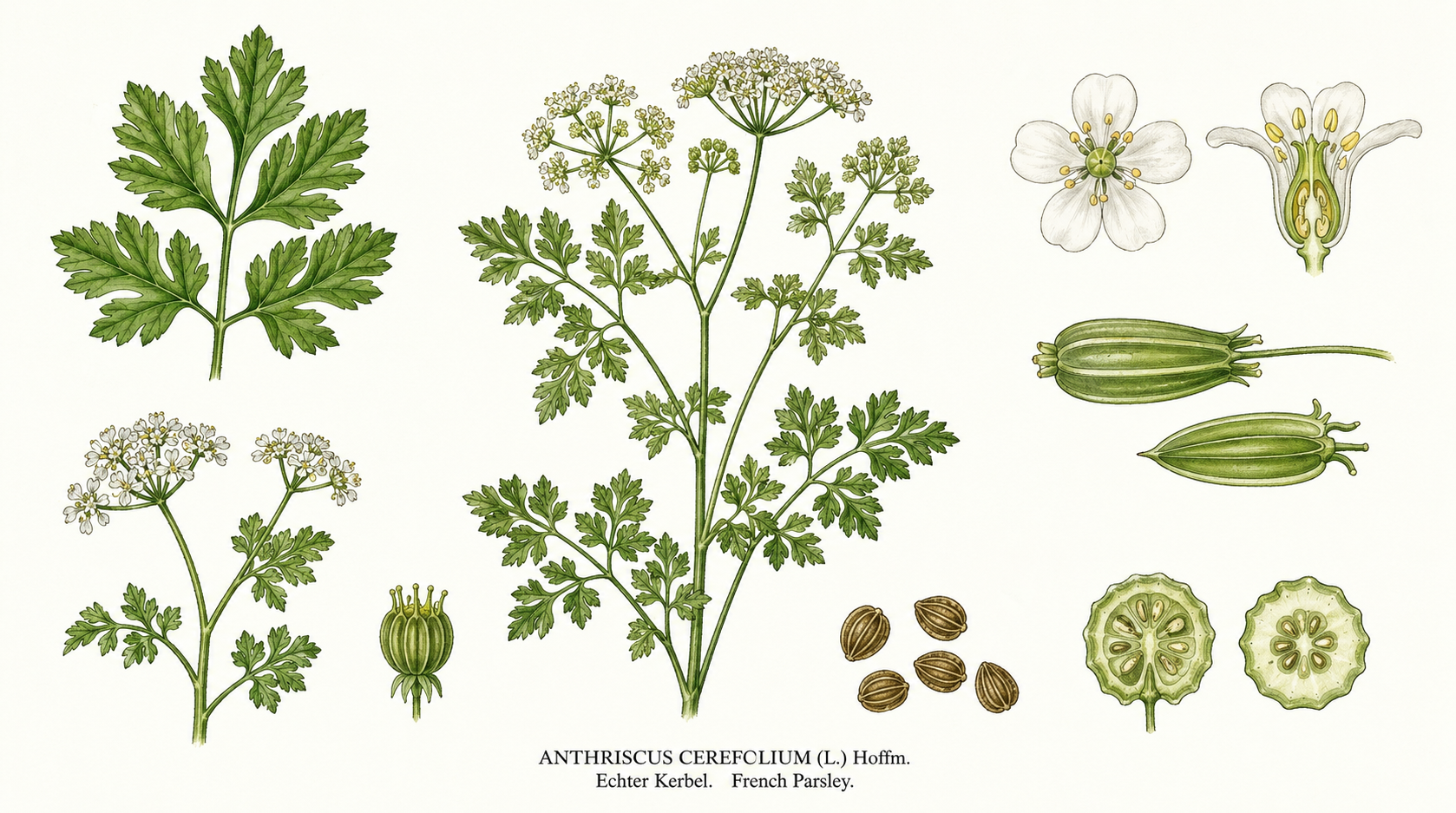
Garden chervil
Anthriscus cerefolium
A fast-growing annual herb with a delicate, anise-like aroma, ideal for salads, soups, and sauces.
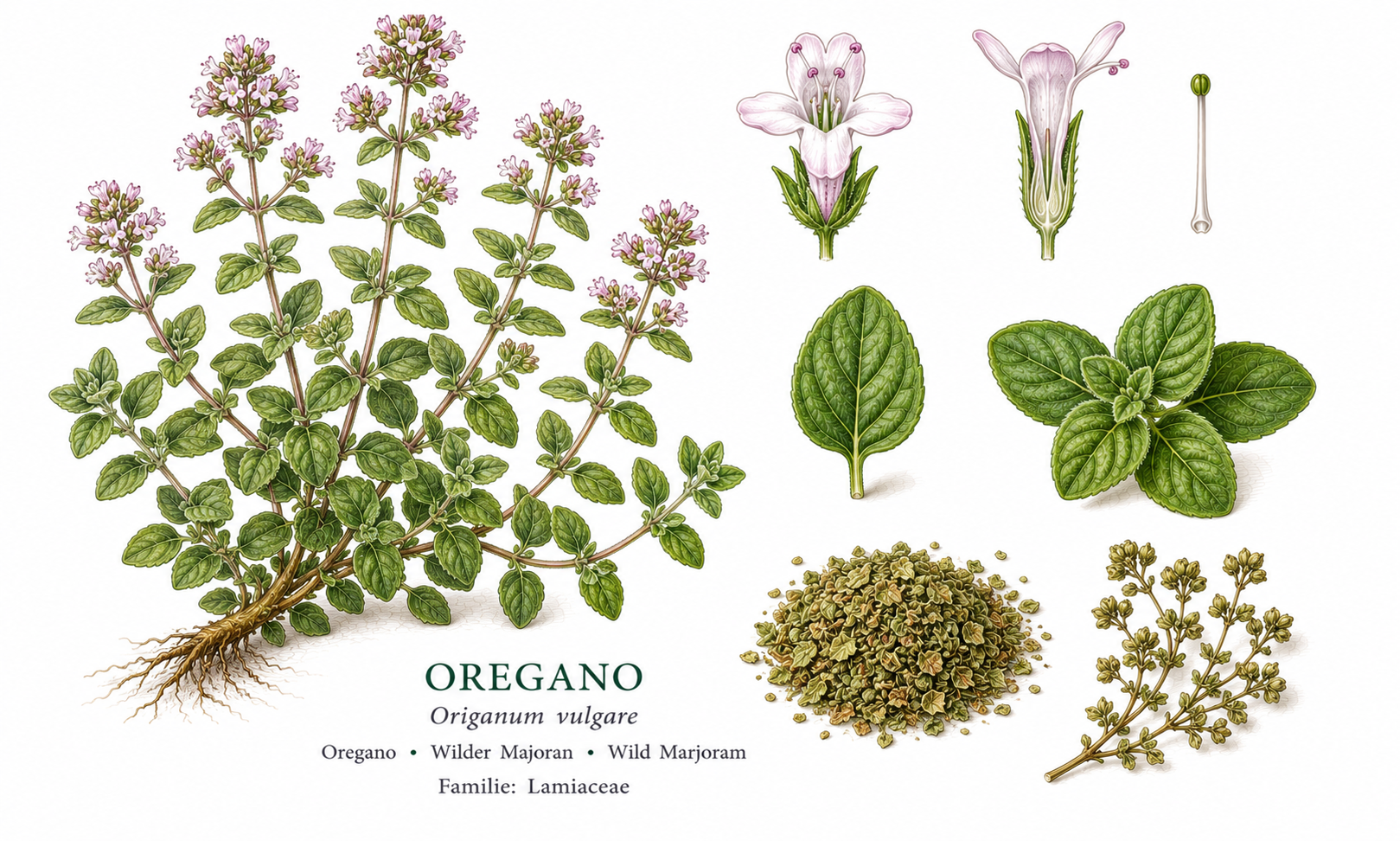
Oregano
Origanum vulgare
Oregano, also known as wild marjoram, is an indispensable classic of the Mediterranean herb garden.
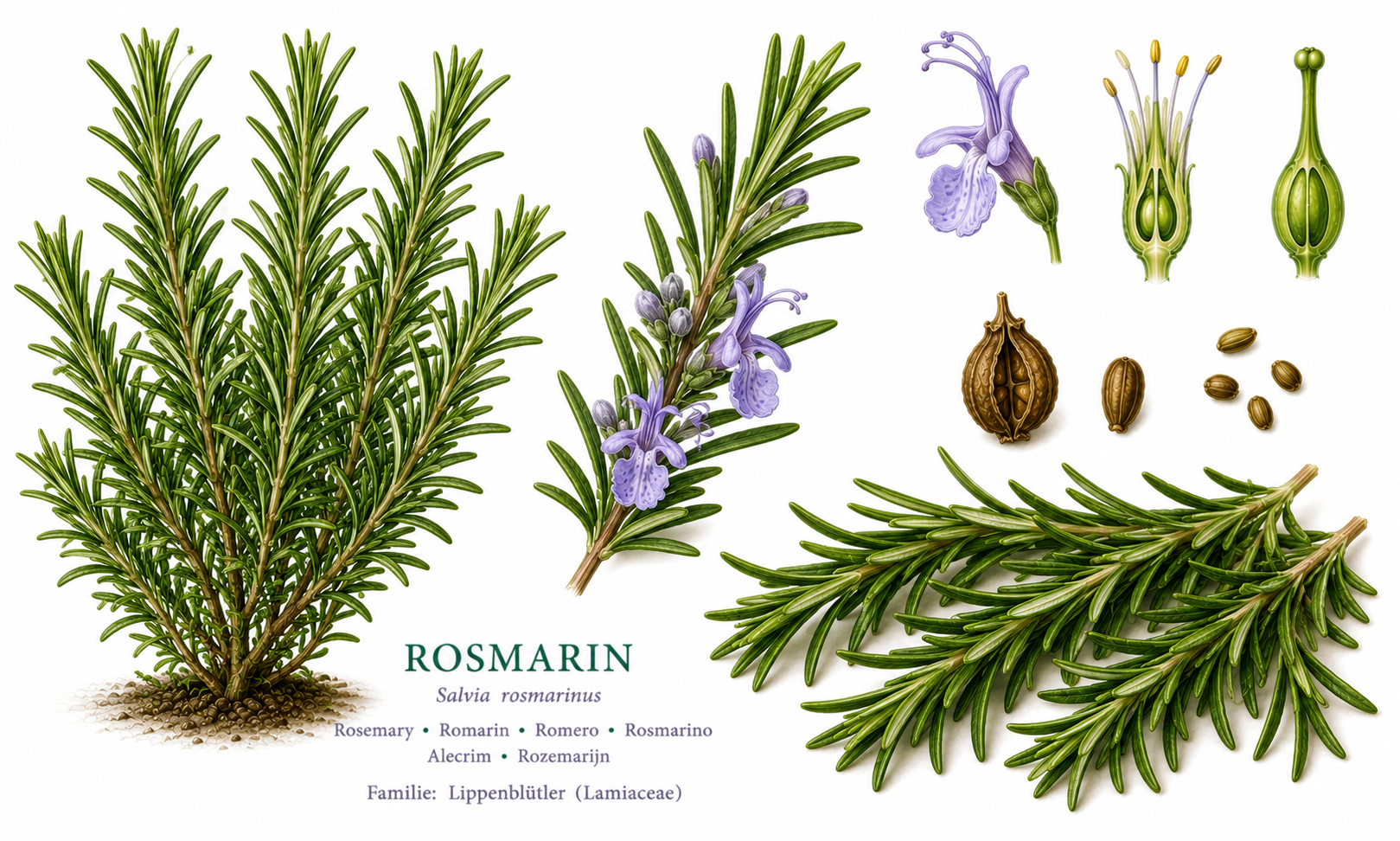
Rosmarinus tomentosus
Rosmarinus tomentosus
Rosemary (Rosmarinus tomentosus) is an evergreen, aromatic subshrub native to the Mediterranean region.
Guides
Related guides
These existing guides cover crop planning, sowing, watering, companion planting, plant health, and seasonal work.
Guide
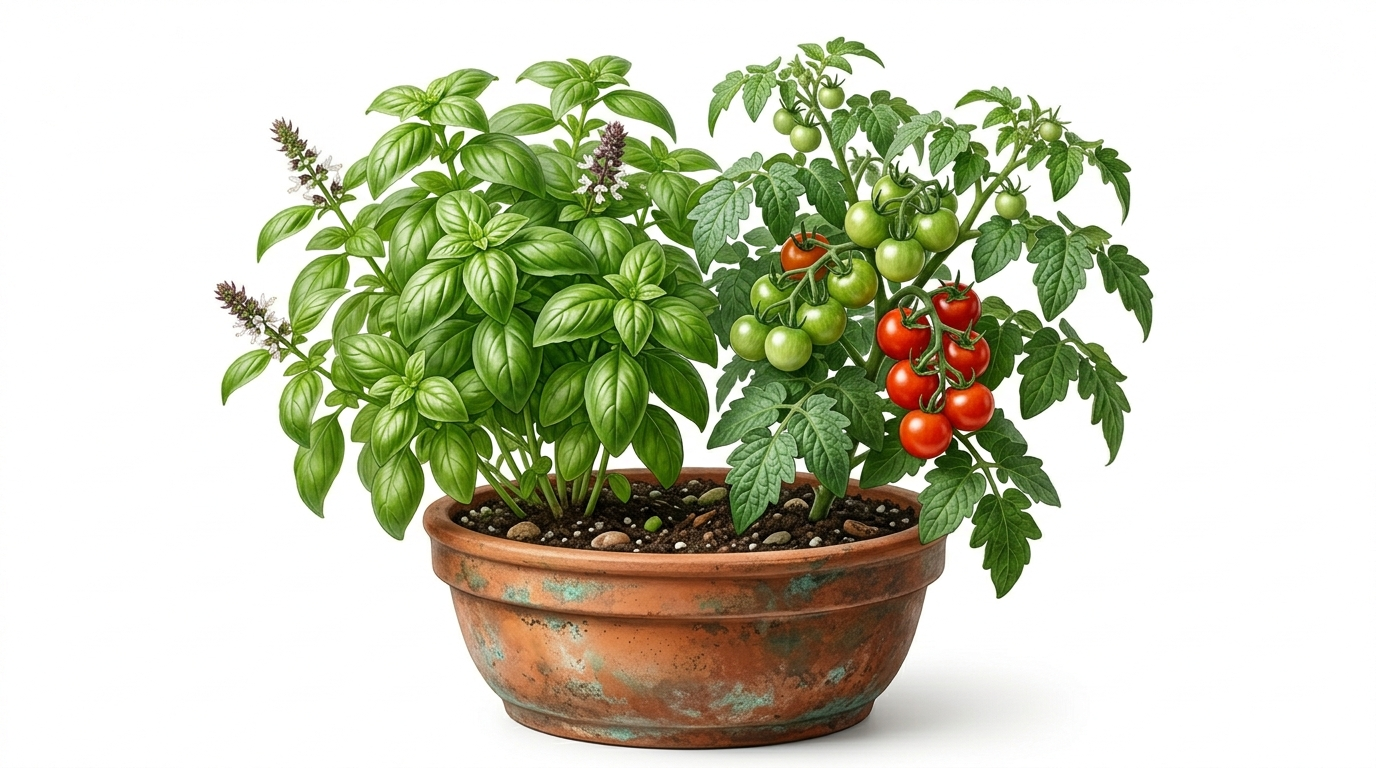
Growing Basil: Site, Watering and Harvesting
Learn how to grow basil successfully with the right site, steady watering, regular harvesting, and tips to delay flowering.
Updated:2026-05-28
Season:March - September
Guide
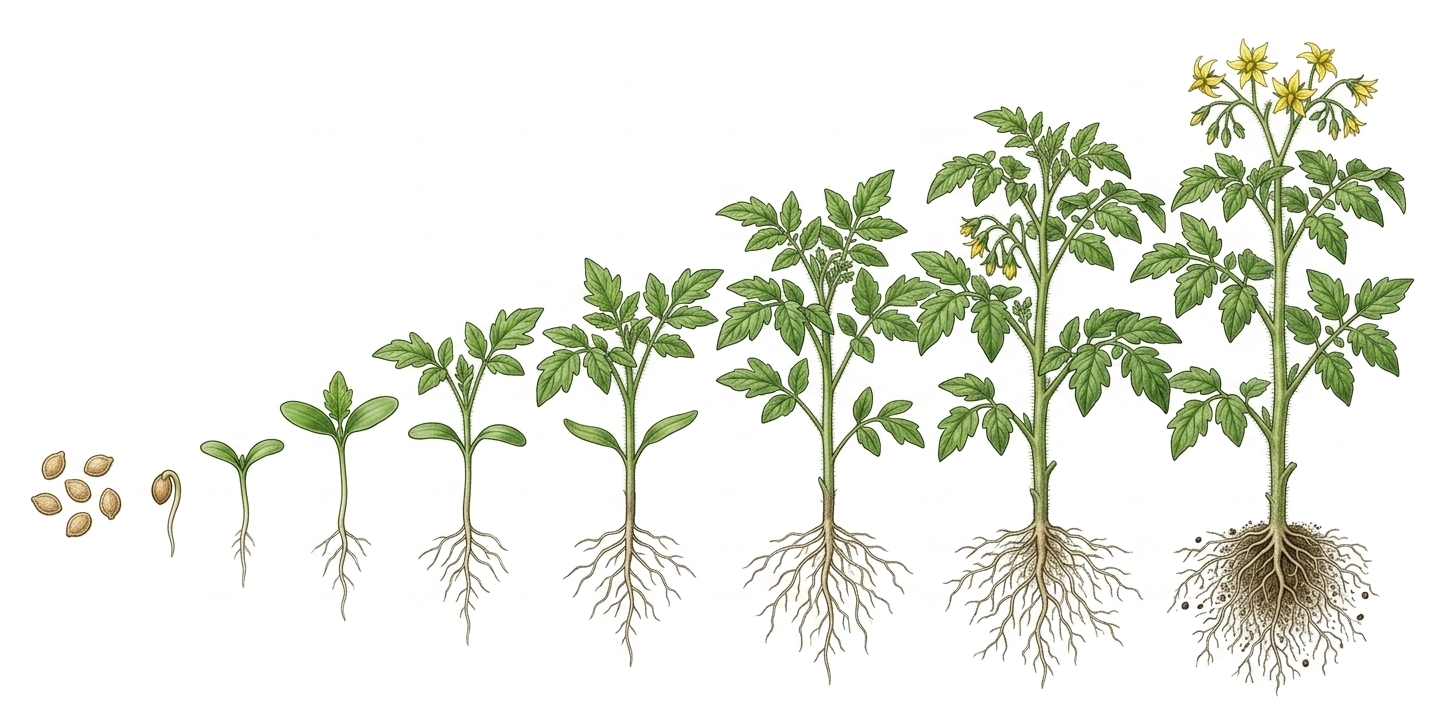
Starting Tomatoes Indoors: Light, Timing and Pricking Out
Start tomatoes indoors successfully with the right timing, warmth, strong light, pricking out, and care for healthy young plants.
Updated:2026-05-21
Season:February - April
Guide
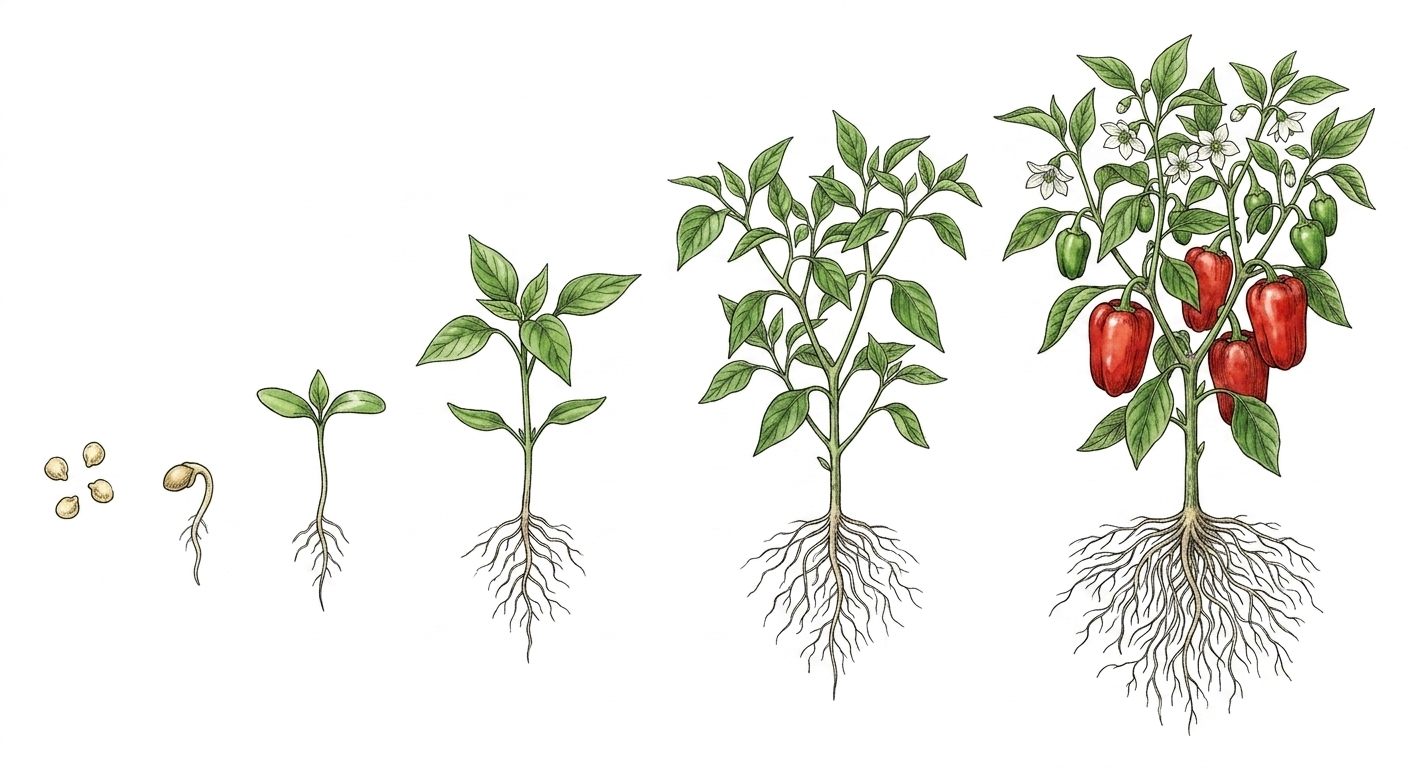
Starting Peppers and Chilies Indoors Successfully
Learn how to start peppers and chilies indoors with proper warmth, strong light, pricking out, and healthy seedling care.
Updated:2026-05-21
Season:January - April
Guide
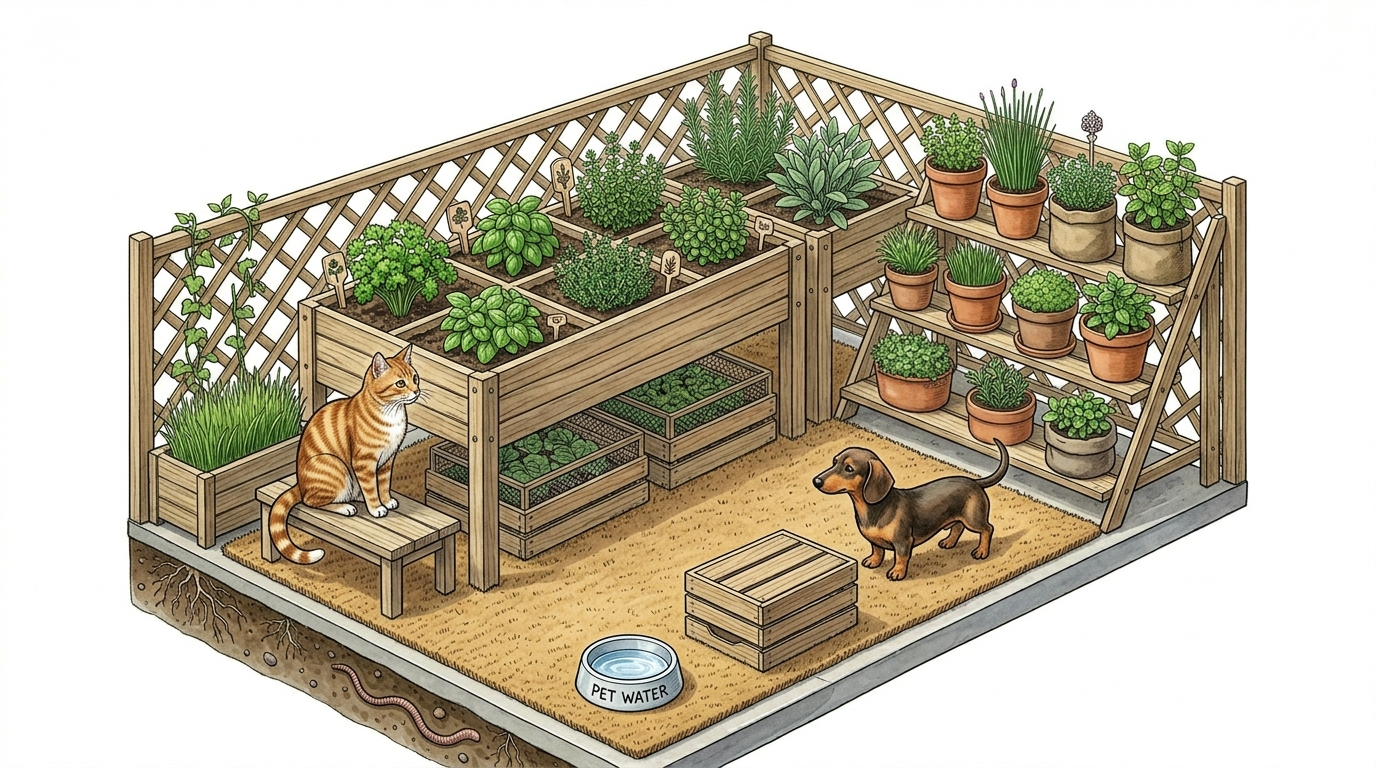
Pet-Safe Herb Gardens for Balconies and Beds
Learn how to create a pet-safe herb garden with suitable herbs, thoughtful layouts, and practical maintenance strategies.
Updated:2026-05-28
Season:March - September
Guide
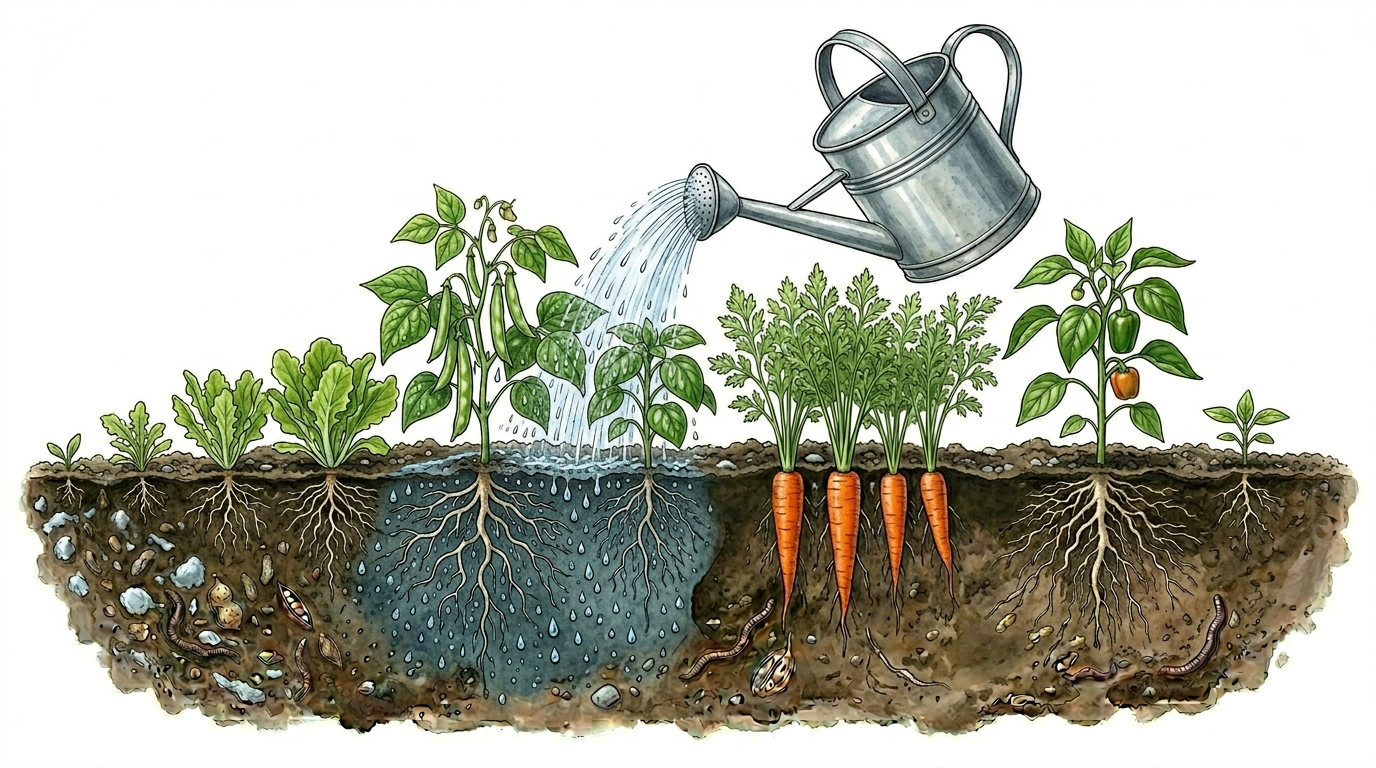
Watering Vegetable Gardens: Mulch, Water and Mistakes
Learn how to water vegetable gardens properly with mulch, morning routines, balanced moisture, and fewer watering mistakes.
Updated:2026-05-21
Season:May - September
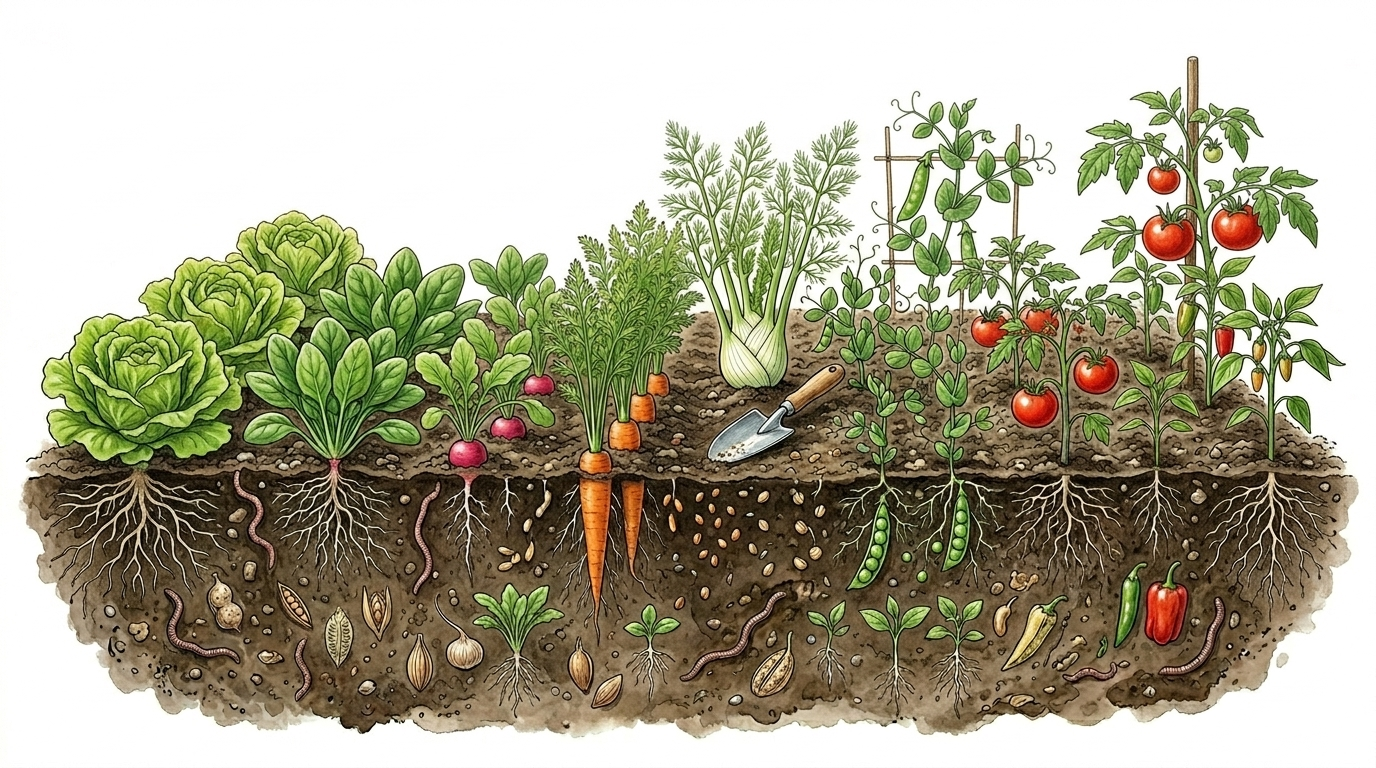
Guide
May Planting Calendar: Transplanting and Succession Sowing
What to plant and sow in May: transplant tender vegetables, continue succession sowing, and make the most of garden beds.
Updated:2026-05-21
Season:May
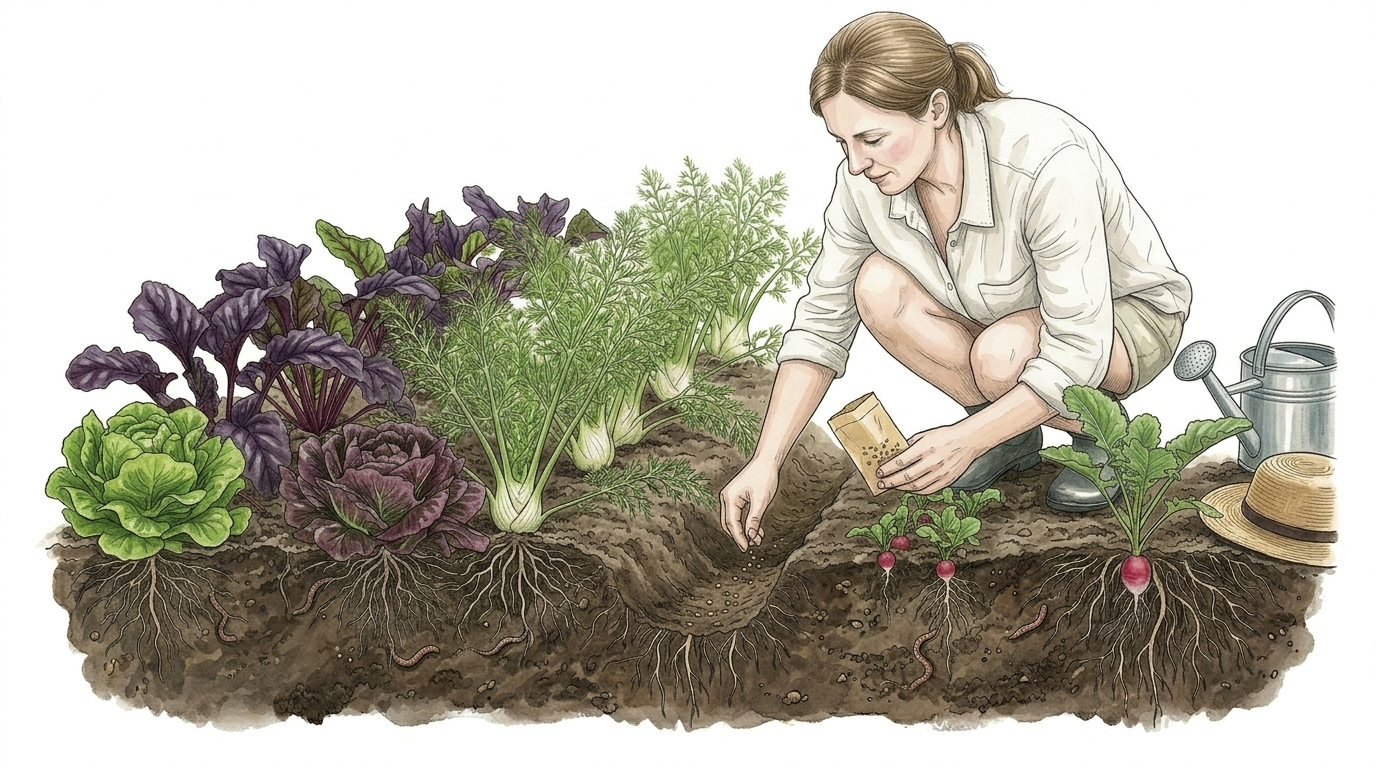
Guide
What to Sow in June: Succession Crops and Autumn Harvests
Discover which vegetables to sow in June for succession planting, filling gaps in beds, and planning autumn harvests.
Updated:2026-05-21
Season:June
Common questions
Common questions
Which edible plants grow on a windowsill?
Garden cress, cut-and-come-again salads, and compact herbs are common options. Actual suitability depends strongly on light, season, pot size, and room temperature.
Why do windowsill herbs become long and pale?
They usually receive too little light while room temperature remains high. A brighter and sometimes cooler position encourages more compact growth.
Do windowsill pots need drainage holes?
Yes. Excess water must escape, and standing water should be emptied from decorative outer pots after watering.
When can indoor-raised plants move outdoors?
Only when the species, development stage, and local frost risk allow it. Acclimatise seedlings gradually to sun, wind, and cooler temperatures over several days.