Pests
Carrot fly
Identify Carrot fly: symptoms, possible causes, prevention, and practical actions for 8 affected plants. Root damage
Editorial diagnosis
Diagnosis overview
Carrot fly damages carrots and related umbellifers through larval feeding in the roots.
In gardens, Carrot fly can occur on plants including Common chicory, Coriander, Salsify, Daucus carota. In the available profiles, it is linked mainly with Herbs, Leafy vegetables, Root vegetables.
The recorded risk level is medium. Suspect carrot fly early when rust-brown tunnels appear in carrots, parsnips, or parsley roots.
Inspect leaf undersides, shoot tips, and the soil around the plant at different times of day. Eggs, larvae, droppings, webbing, or slime trails are often more diagnostic than one damaged leaf.
A common mistake is to treat feeding damage without checking the animal, eggs, larvae, time of activity, and affected plant parts.
At a glance
Plants
8
Category
Herbs, Leafy vegetables, Root vegetables, Stalk vegetables
Risk
medium
Scientific name
Psila rosae
Typical signs
- Rust-brown tunnels
- Distorted roots
- Weak foliage
- Often noticed at harvest
Possible confusion
- Similar feeding damage: Always check for insects, droppings, slime, mines, holes, or residues. The damage pattern alone is often not enough.
Immediate actions
- Inspect affected parts and remove where useful
- Stabilise the plant and reduce stress
- Keep monitoring the planting
Prevention
- Encourage vigorous plants
- Monitor regularly
- Support beneficials and diversity
- Adapt care to weather and site
Affected plants
Guides
Related guides
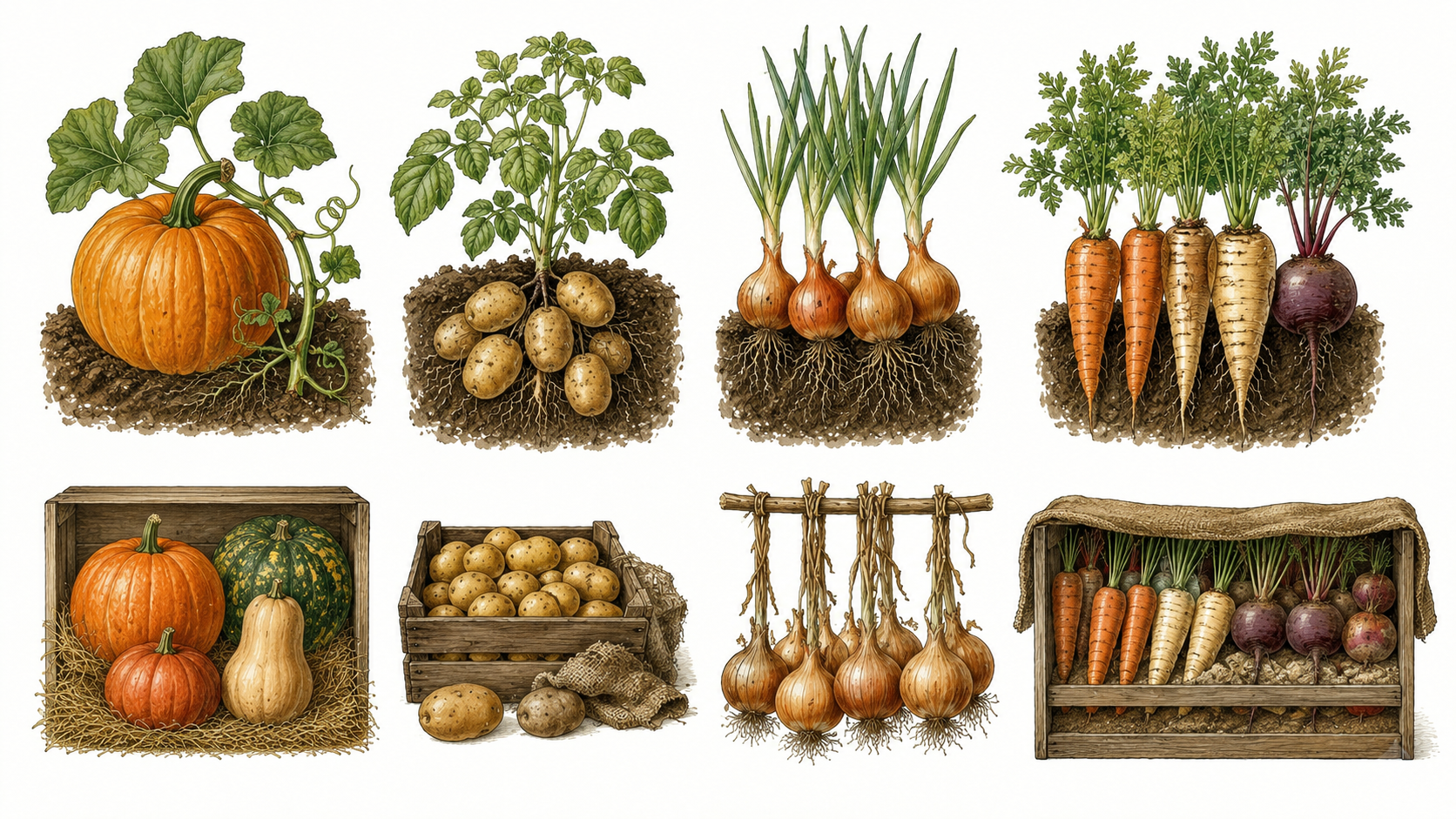
Guide
Autumn Harvest and Storage for Squash and Root Crops
Learn how to harvest and store squash, potatoes, onions, and root vegetables for longer freshness through autumn and winter.
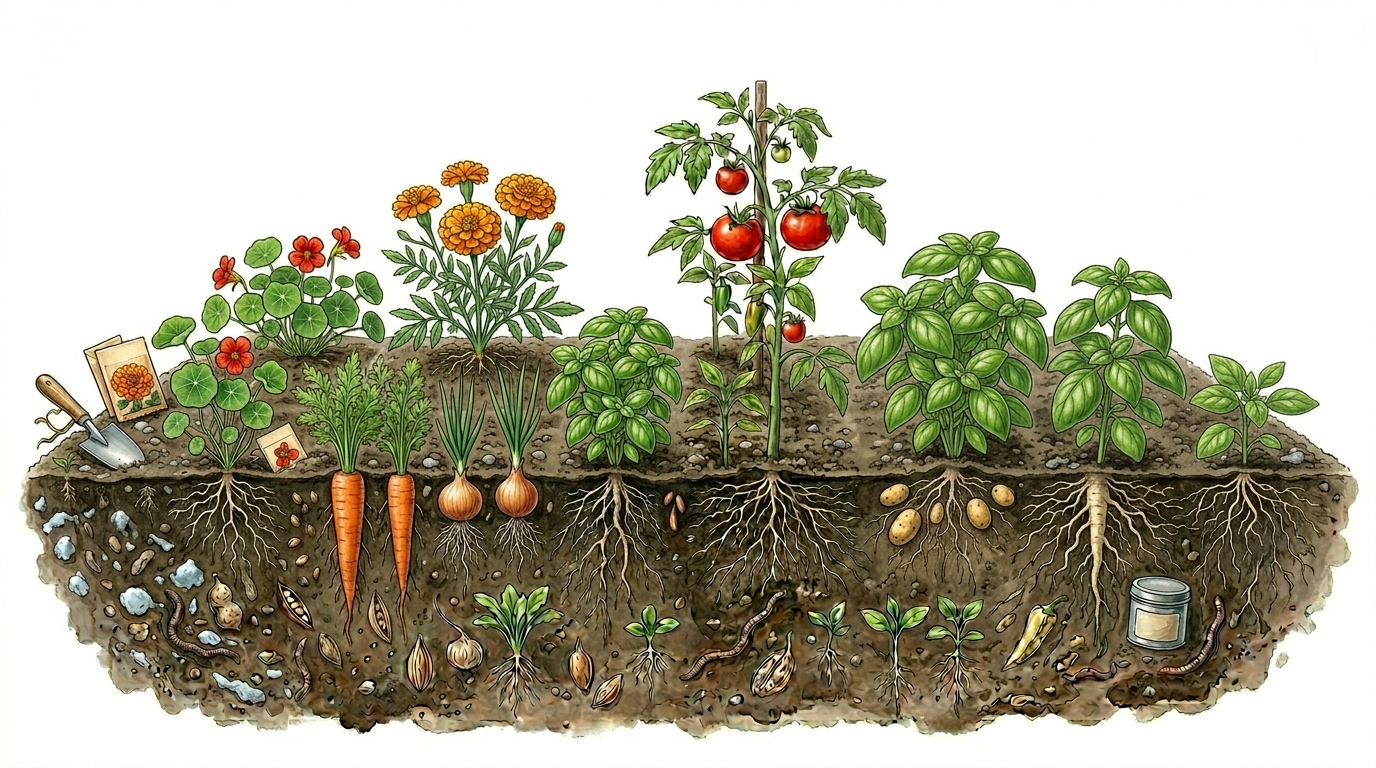
Guide
Companion Planting for Tomatoes: Good and Bad Neighbors
Learn which plants grow well with tomatoes, which neighbors to avoid, and how to plan productive mixed tomato beds.
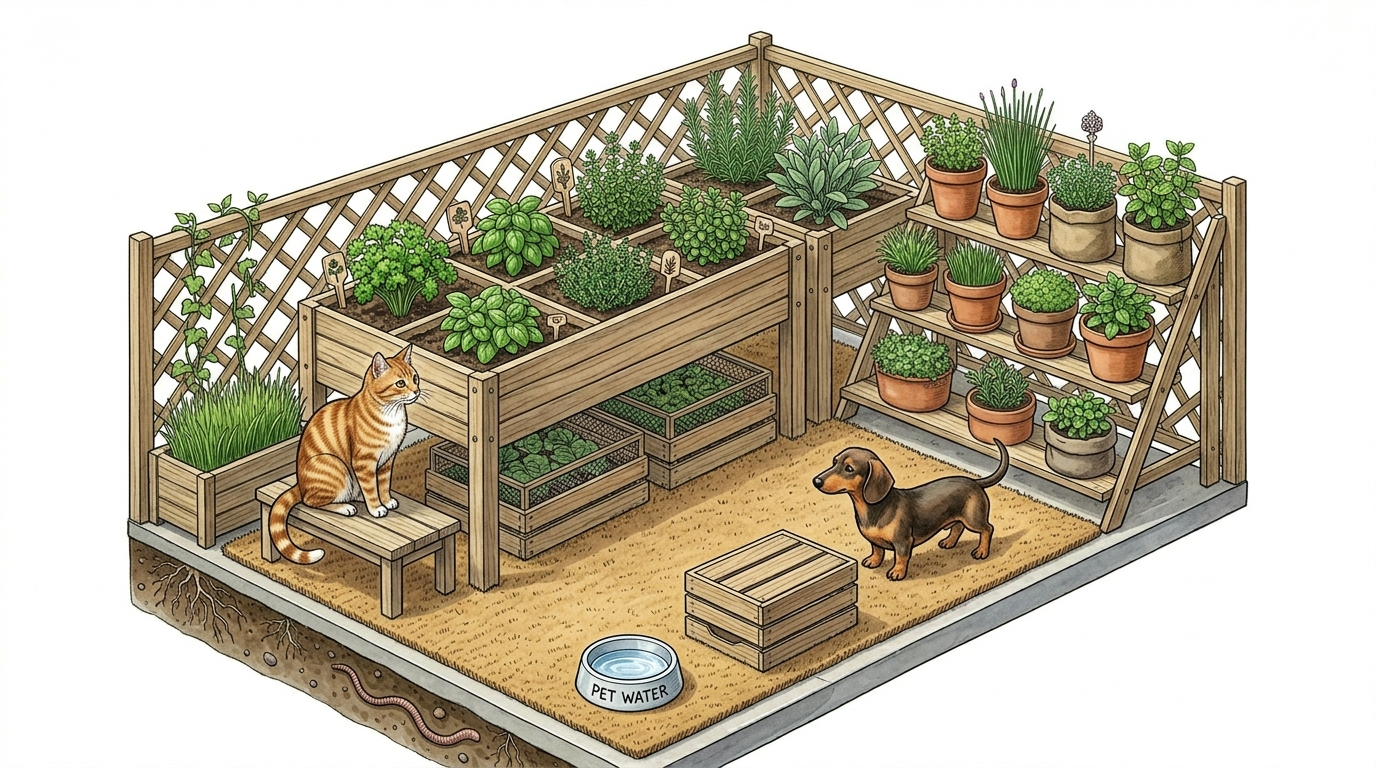
Guide
Pet-Safe Herb Gardens for Balconies and Beds
Learn how to create a pet-safe herb garden with suitable herbs, thoughtful layouts, and practical maintenance strategies.
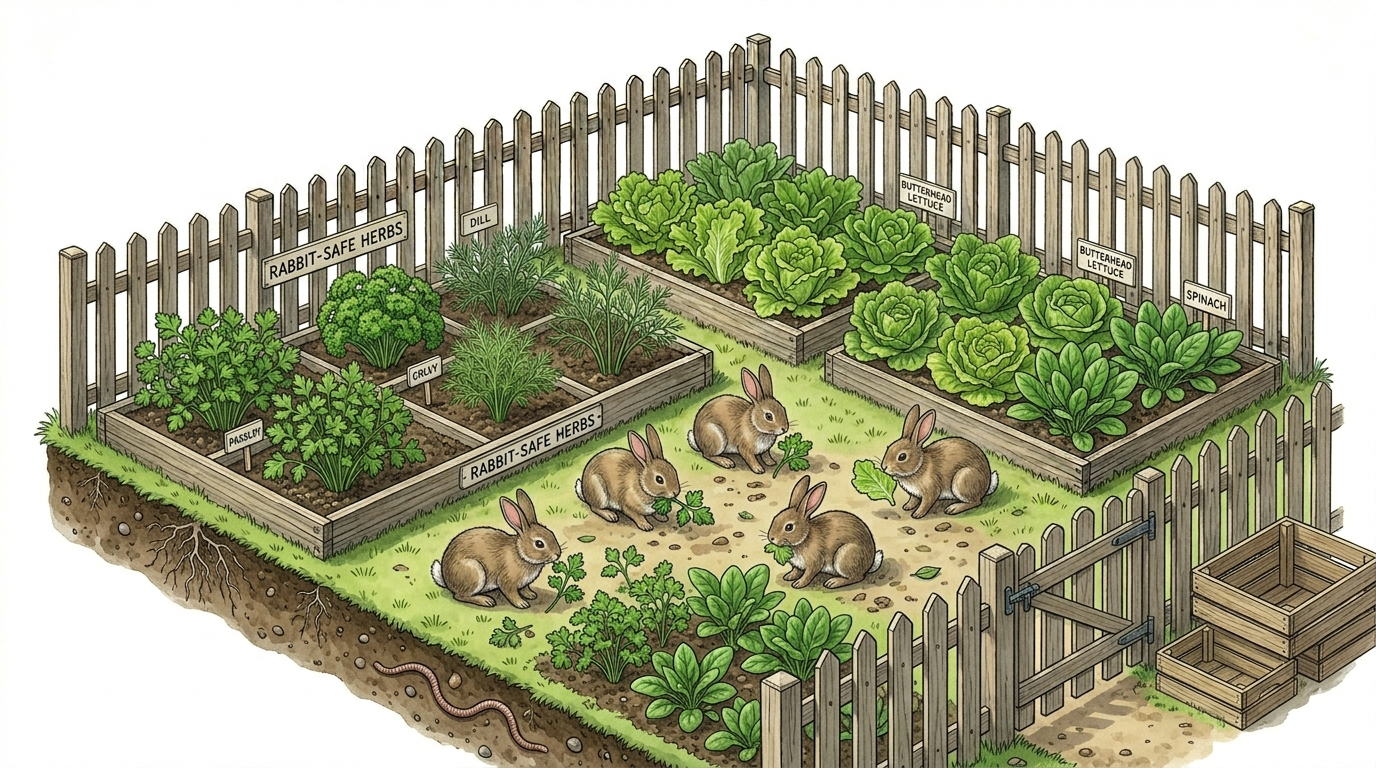
Guide
Rabbits in the Garden: Herbs and Vegetables
Learn how to choose suitable herbs and vegetables for rabbits, grow feeding plants, and plan a rabbit-friendly garden.
Guide
Small Garden Bed Planning: Combine 20 Crops Well
Use small beds efficiently by combining 20 vegetables and herbs, planning successions, and avoiding wasted gaps.