Guide
Slugs in Vegetable Beds: Protecting Vulnerable Plants
Slugs are among the most common problems in vegetable gardens, especially during wet spring and summer periods. With thoughtful bed planning, regular checks, and practical protection methods, young plants can be protected much more effectively.
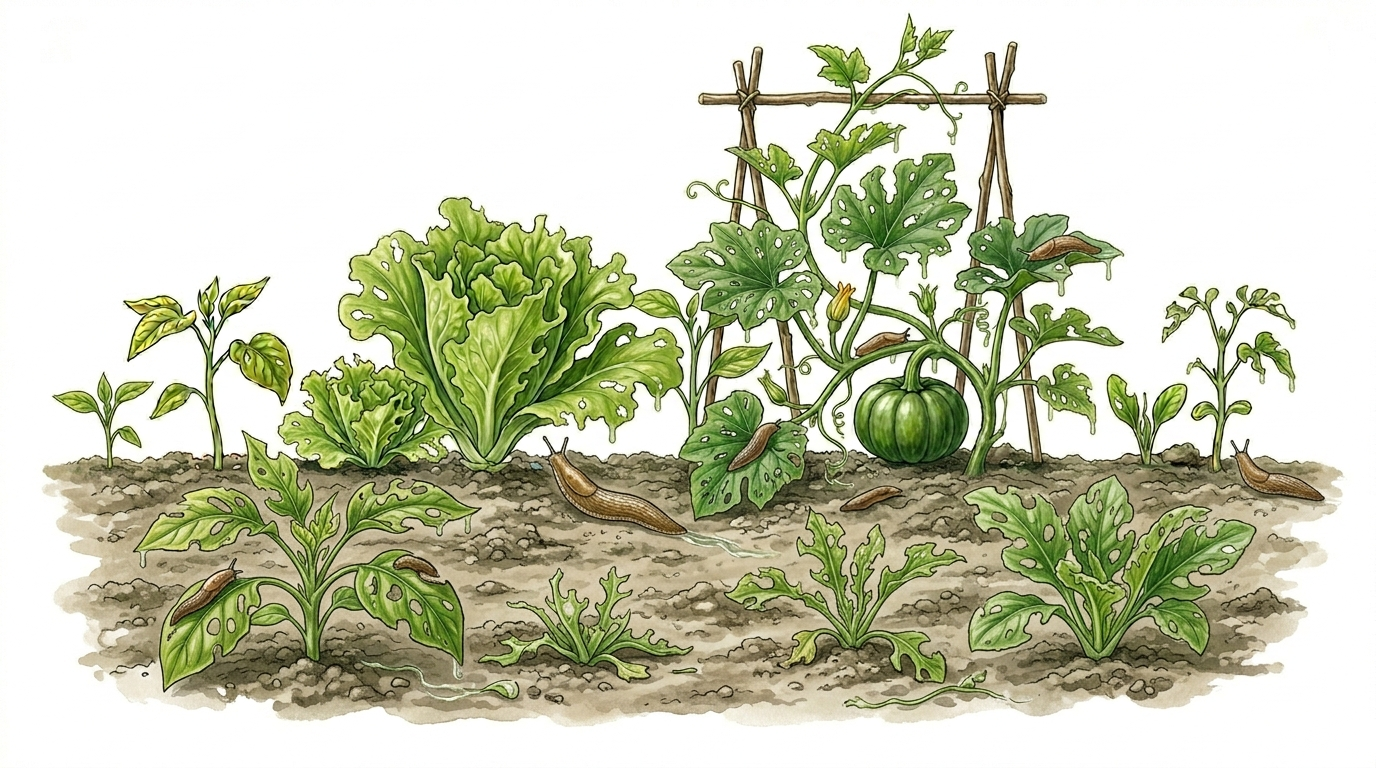
Why slugs are a problem
Young vegetables are especially vulnerable to slug damage. Tender leaves and fresh shoots are often attacked first.
- Young plants are especially attractive to slugs
- Damage often appears overnight
- Wet weather increases slug activity
- Dense beds stay moist for longer
Plants especially vulnerable to slugs
Some vegetables and herbs are particularly attractive to slugs.
- Head lettuce with soft leaves
- Spinach and other leafy greens
- Strawberries growing close to the ground
- Watercress in moist conditions
Recognizing slug damage
Slugs often leave characteristic feeding marks on leaves and seedlings.
- Irregular holes in leaves
- Chewed young plants
- Slime trails on soil and foliage
- Completely eaten seedlings
Planning beds more effectively
Good bed structure can help reduce slug problems. Open and airy beds dry more quickly and are easier to monitor.
- Avoid overcrowding plants
- Leave clear paths between rows
- Reduce damp hiding places
- Place young plants in visible locations
Protecting vulnerable plants
Several practical measures can help protect sensitive vegetables from slug damage.
- Check young plants regularly
- Remove slugs early
- Use protective barriers or collars
- Use mulch carefully in high-risk areas
- Protect especially vulnerable crops
Managing moisture and garden climate
Slugs prefer moist and shady conditions. Garden climate and watering habits therefore strongly influence slug pressure.
- Water in the morning instead of the evening
- Avoid waterlogged soil
- Improve airflow around plants
- Monitor dense ground cover regularly
How to protect vulnerable beds
- 1
Inspect the bed
Check sensitive plants for feeding damage in the morning or evening.
- 2
Reduce hiding places
Remove damp boards, dense plant debris, or other shelters.
- 3
Protect young plants
Use collars or avoid planting sensitive crops too densely.
- 4
Adjust maintenance
Water in the morning and keep beds airy and open.
Common mistakes to avoid
- Very dense and permanently damp beds
- Heavy evening watering
- Planting seedlings without protection
- Not noticing feeding damage early enough
- Overgrown and cluttered bed structures
Frequently asked questions
Which vegetables are most vulnerable to slugs?
Head lettuce, spinach, young strawberries, and tender leafy crops are often heavily affected.
Why are slugs especially active after rain?
Moist conditions improve movement and activity for many slug species.
How can vegetable beds become less attractive to slugs?
Airy bed planning, morning watering, and reducing damp hiding places can help lower slug pressure.
Internal links
Related plants
Guides
Related guides
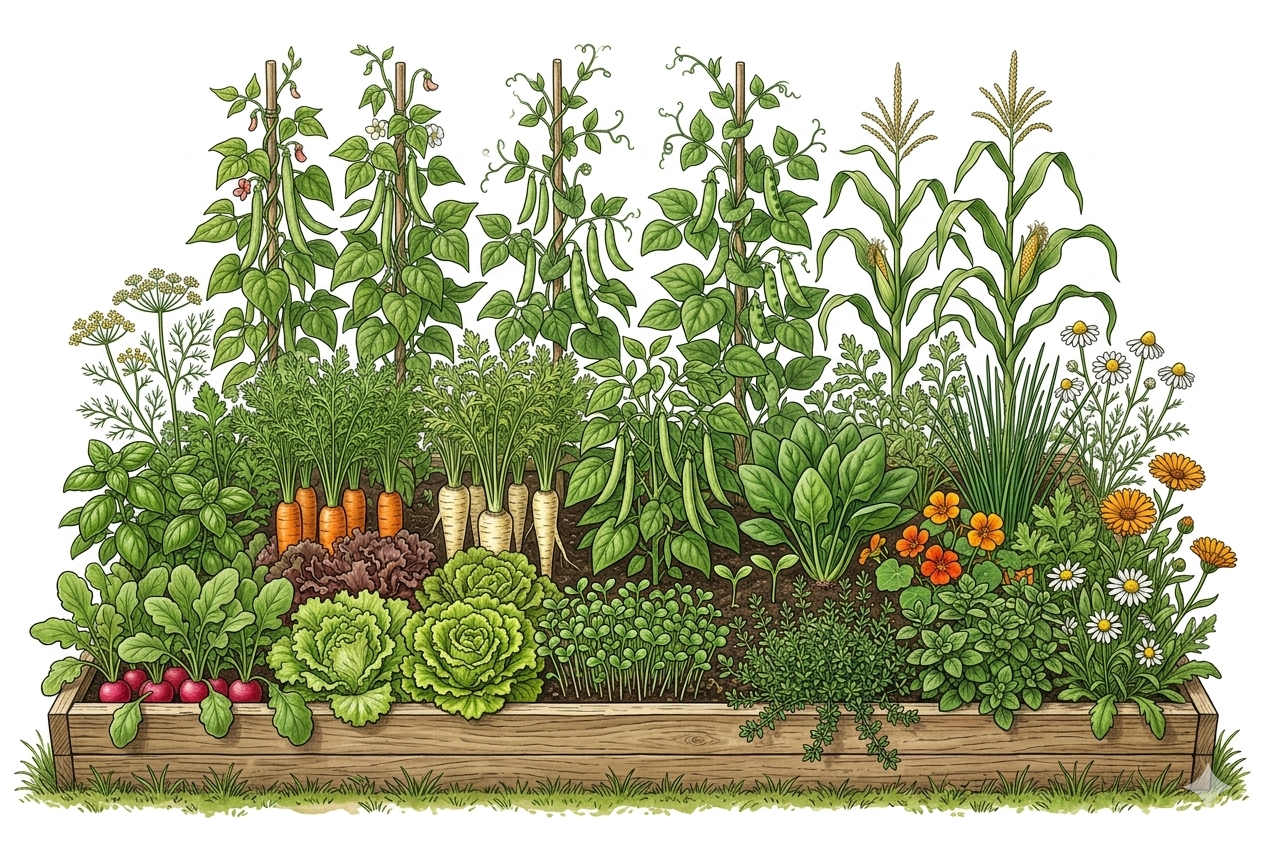
Guide
Small Garden Bed Planning: Combine 20 Crops Well
Use small beds efficiently by combining 20 vegetables and herbs, planning successions, and avoiding wasted gaps.
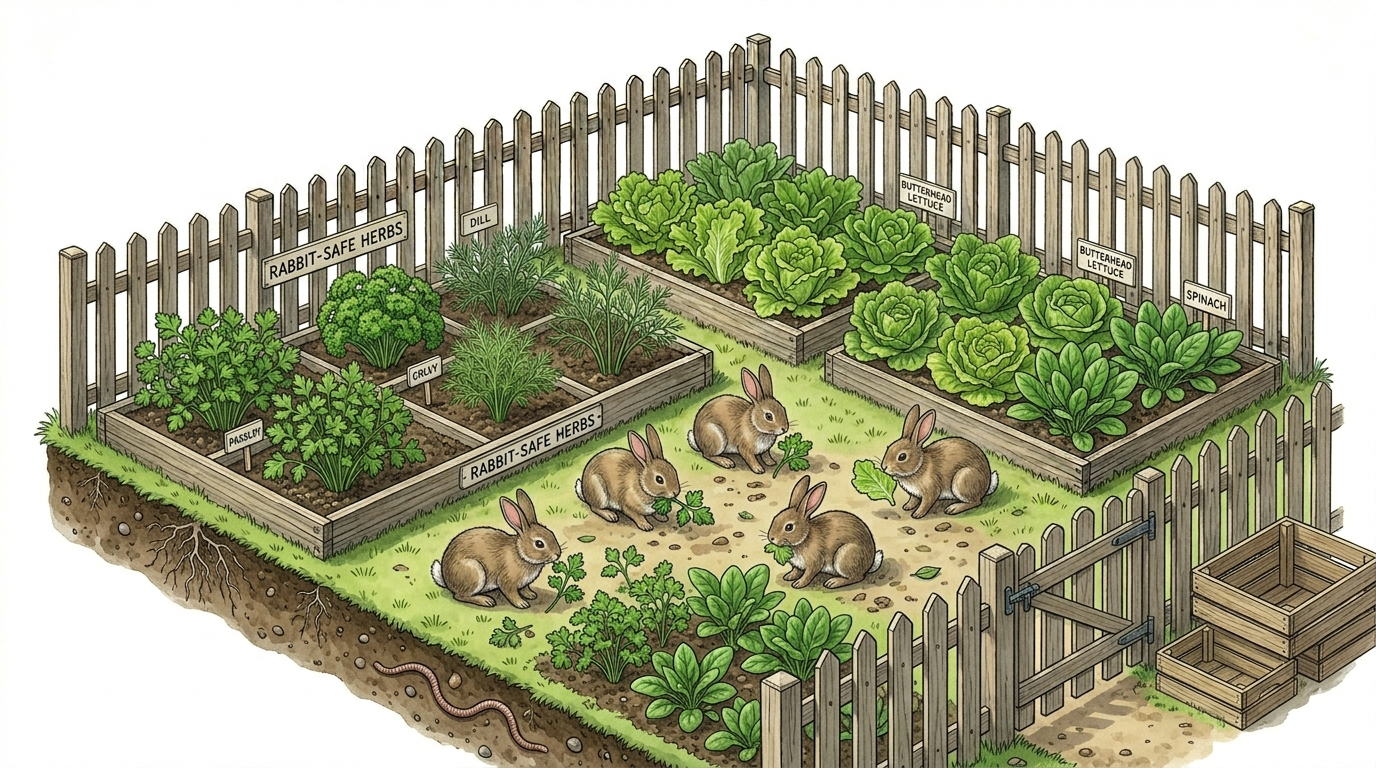
Guide
Rabbits in the Garden: Herbs and Vegetables
Learn how to choose suitable herbs and vegetables for rabbits, grow feeding plants, and plan a rabbit-friendly garden.
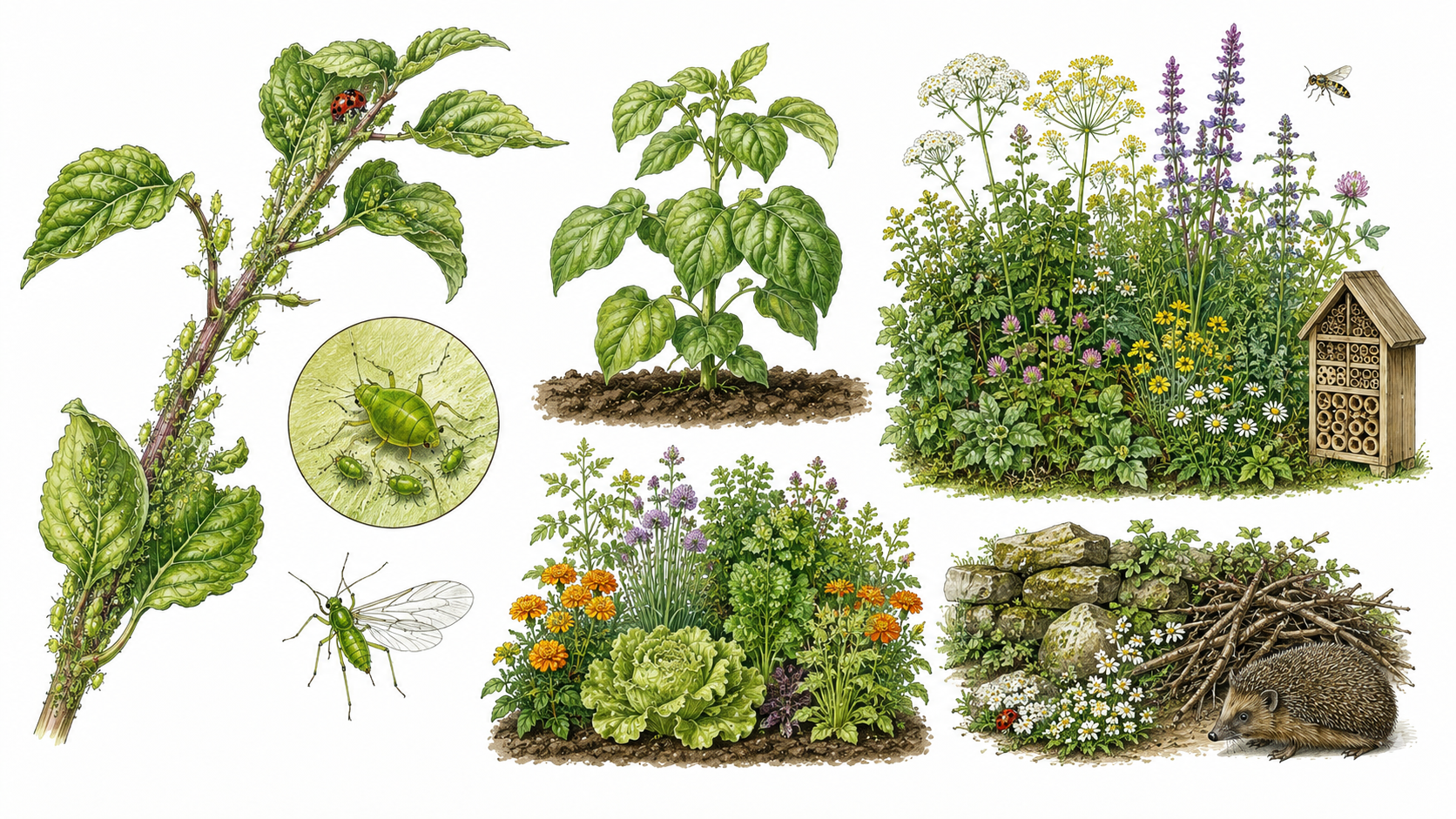
Guide
Preventing Aphids Naturally with Companion Planting
Learn how to reduce aphids naturally with resilient plants, beneficial insects, diverse beds, and companion planting.
Guide
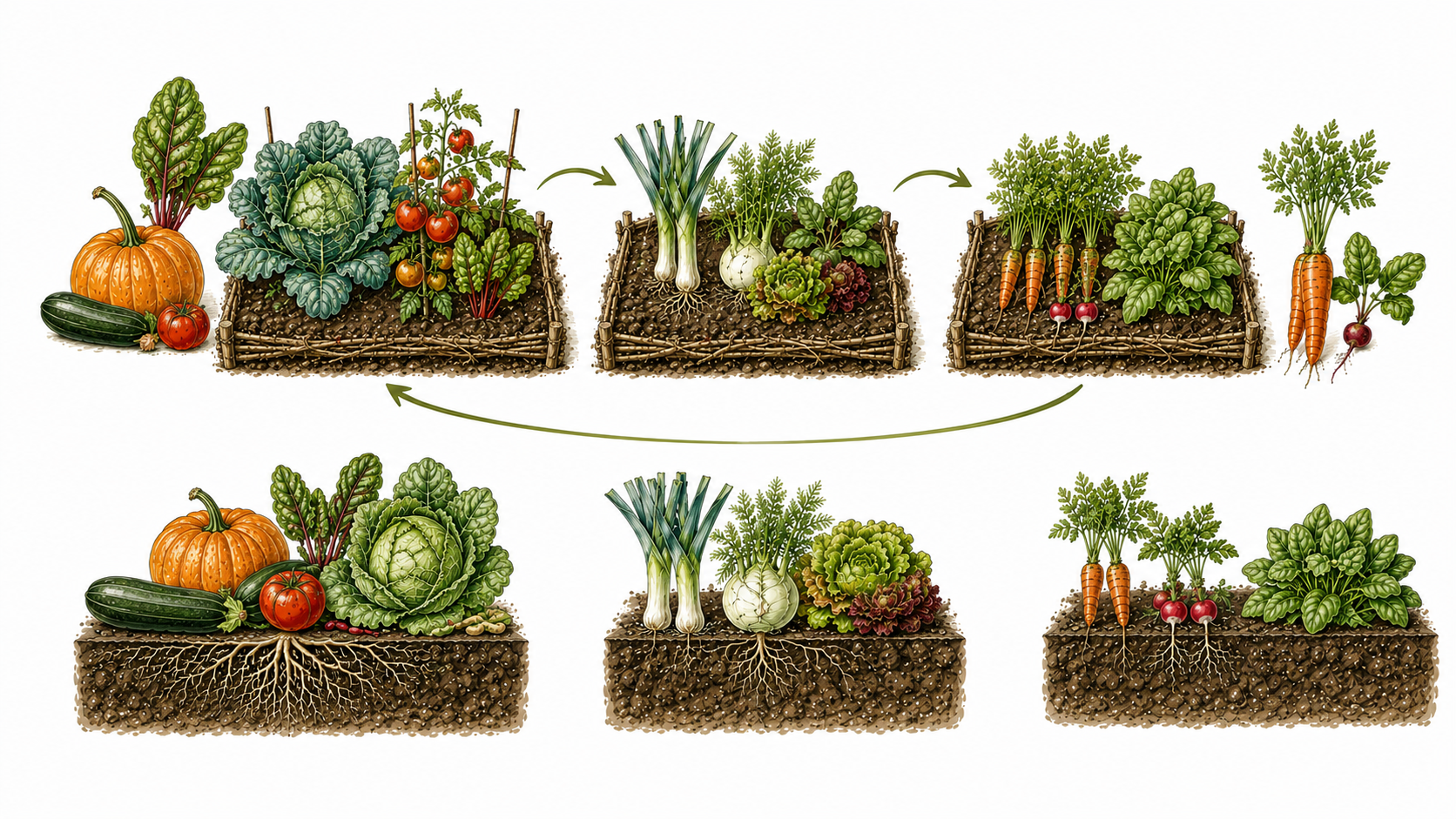
Crop Rotation in Vegetable Gardens Explained
Learn how to plan crop rotation with heavy, medium, and light feeders to keep vegetable beds productive and balanced.