Diseases
Gray mold
Identify Gray mold: symptoms, possible causes, prevention, and practical actions for 14 affected plants. Gray, fuzzy mold growth on leaves
Editorial diagnosis
Diagnosis overview
Grey mould is a rot disease of humid plantings and forms grey fuzzy mould.
In gardens, Gray mold can occur on plants including Physalis pruinosa, Physalis peruviana, Cynara scolymus, iceberg lettuce. In the available profiles, it is linked mainly with Berries, Cucurbits, Fruit.
The recorded risk level is medium to high. Conditions that favour it include Wet weather or prolonged leaf wetness, Dense planting and poor airflow, Susceptible cultivars. Grey mould becomes serious in dense damp plantings where it spreads quickly.
Compare upper and lower leaf surfaces, the boundary between healthy and damaged tissue, and spread after wet weather. Coatings, spores, or progressive rot support a disease diagnosis.
A common mistake is to identify a disease from one spot alone; weather, spread, and pathogen structures also need to fit.
At a glance
Plants
14
Category
Berries, Cucurbits, Fruit, Fruit vegetables, Herbs
Risk
medium to high
Typical signs
- Grey fuzzy mould
- Watery rot
- Soft fruit
- Outbreaks in humidity
Possible confusion
- Growing problem: Growing problems are usually linked to water, light, temperature, or soil and do not show pathogen growth, pustules, or progressive infection patterns.
- Nutrient deficiency: Deficiency patterns are often more regular and follow leaf age or veins. Diseases more often show spots, coatings, rot, wilting, or pathogen structures.
Immediate actions
- Remove affected plant parts
- Improve airflow
- Avoid overhead watering
- Keep tools clean
- Remove heavily infected plant residues
Prevention
- Use suitable spacing
- Follow crop rotation
- Choose robust cultivars
- Keep leaves dry
- Support soil structure and plant vigour
Affected plants
Guides
Related guides
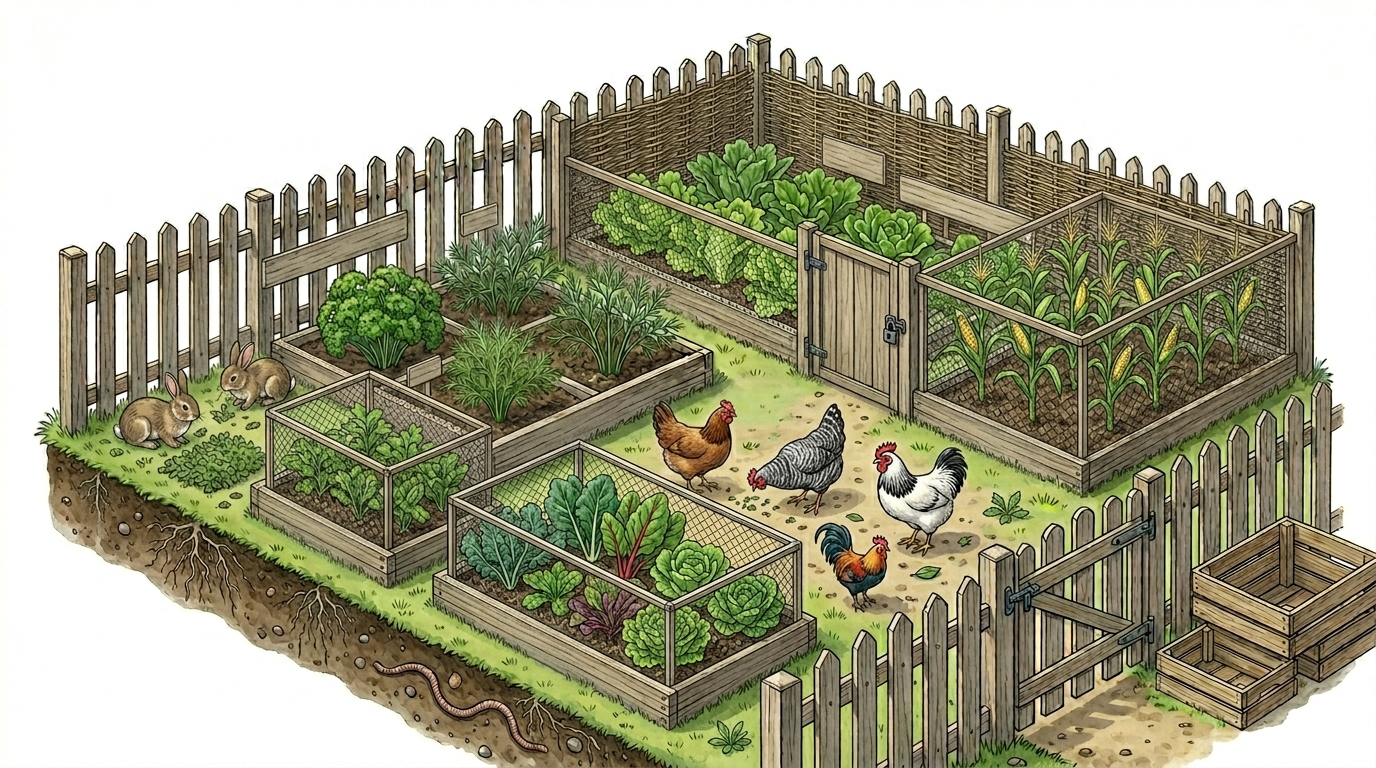
Guide
Chickens in the Garden: Safe Plants and Zones
Learn how to design a chicken-friendly garden with suitable plants, protected beds, and well-planned activity areas.
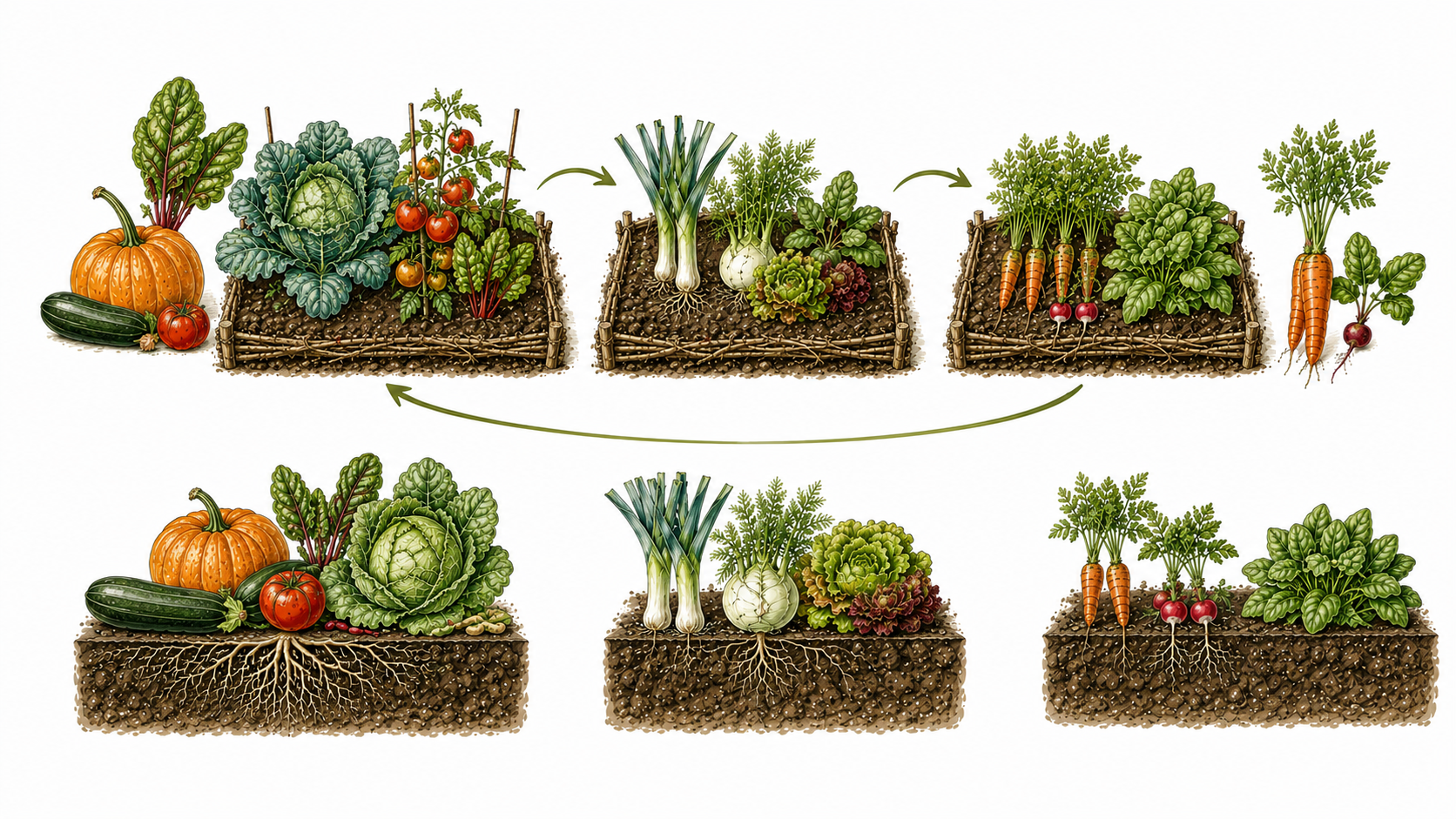
Guide
Crop Rotation in Vegetable Gardens Explained
Learn how to plan crop rotation with heavy, medium, and light feeders to keep vegetable beds productive and balanced.

Guide
Growing Figs Outdoors: Varieties, Pots and Winter Care
Grow figs outdoors or in containers with the right variety, warm site, steady care, and practical winter protection.
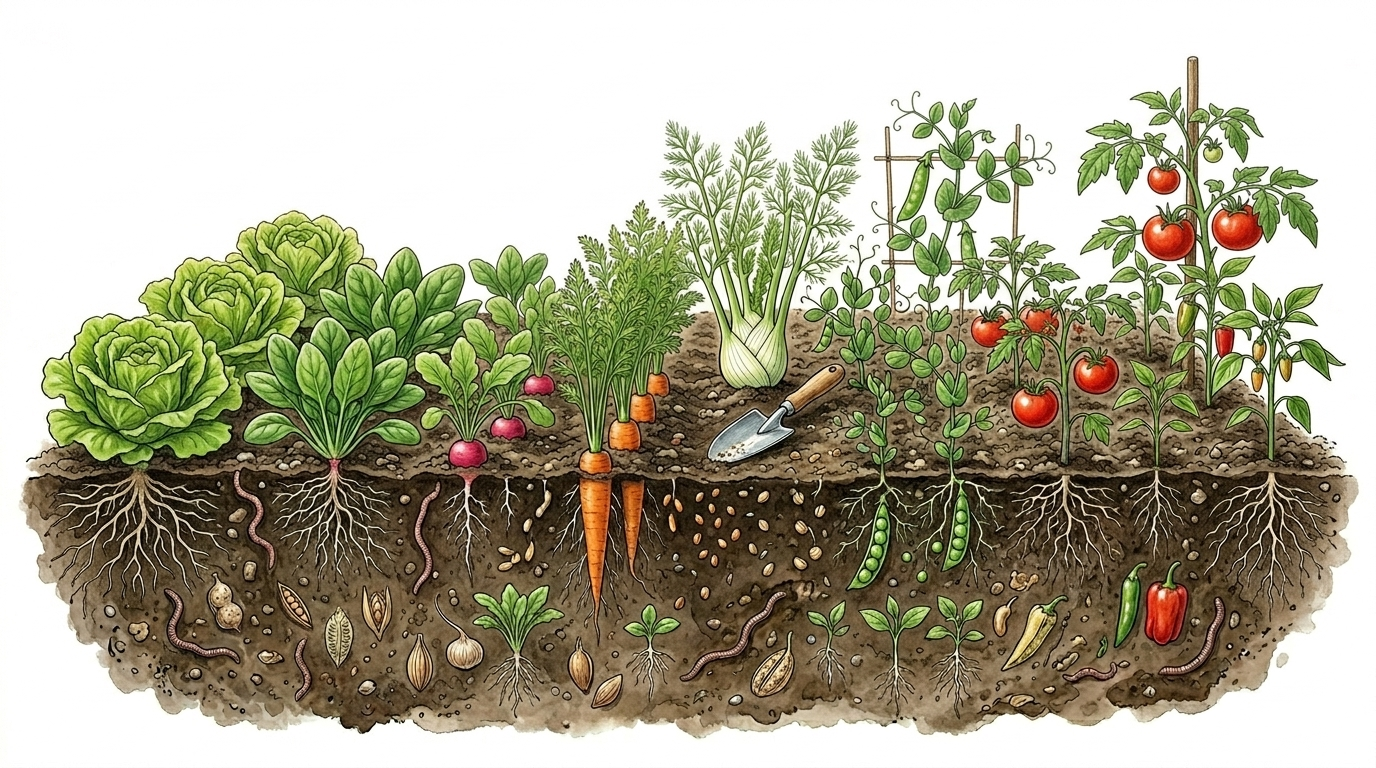
Guide
May Planting Calendar: Transplanting and Succession Sowing
What to plant and sow in May: transplant tender vegetables, continue succession sowing, and make the most of garden beds.
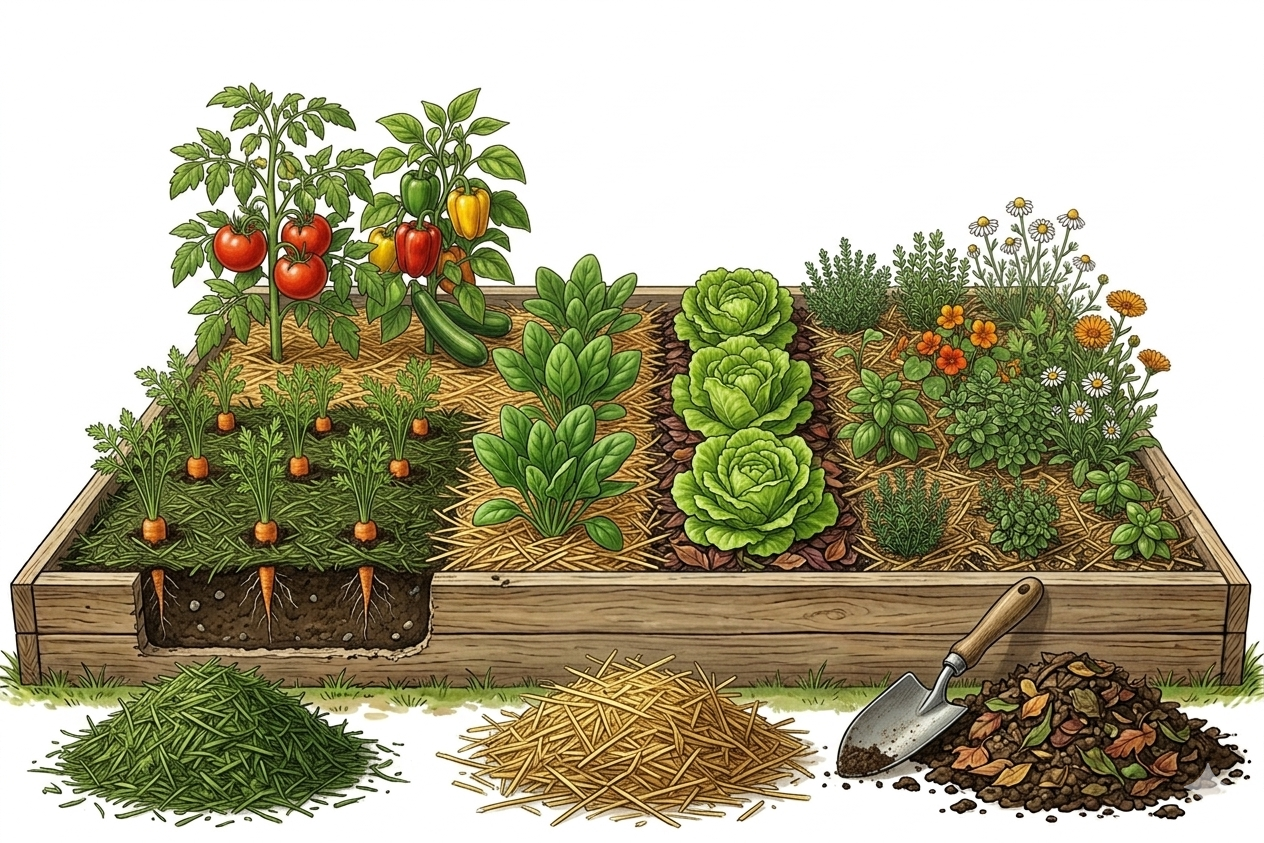
Guide
Mulching Vegetable Gardens: Materials and Mistakes
Learn how grass clippings, straw, and leaves can improve soil, reduce watering, and support healthy vegetable crops.