Problems
Bitter taste
Identify Bitter taste: symptoms, possible causes, prevention, and practical actions for 3 affected plants. Some squashes can taste bitter, which is due to…
Editorial diagnosis
Diagnosis overview
Bitter taste is a growing problem usually shaped by site conditions, weather, and plant care.
In gardens, Bitter taste can occur on plants including butternut squash, buck's-horn plantain, cutting lettuce. In the available profiles, it is linked mainly with Cucurbits, Salads.
Its importance depends on how quickly it spreads and whether seedlings, shoot tips, flowers, or fruit are affected.
Check whether individual plants, one bed area, or the whole crop is affected. Onset after frost, heat, transplanting, heavy watering, or a recent care step often provides the strongest clue. Compare an unaffected plant in the same location and observe for two or three days whether the pattern changes without another intervention.
A common mistake is to assess only the plant's current appearance. Weather history, watering, site conditions, and recent care also matter.
At a glance
Plants
3
Category
Cucurbits, Salads
Typical signs
- Intense, bitter taste of the leaves
- Some squashes can taste bitter, which is due to cucurbitacins.
- Can be caused by stress factors such as heat, drought, nutrient deficiency, or harvesting too late. Certain varieties can also be naturally more bitter.
Immediate actions
- Do not consume bitter fruits
- Ensure consistent watering and nutrient supply
- Gleichmäßige Bewässerung
Prevention
- Variety selection
Affected plants
Guides
Related guides
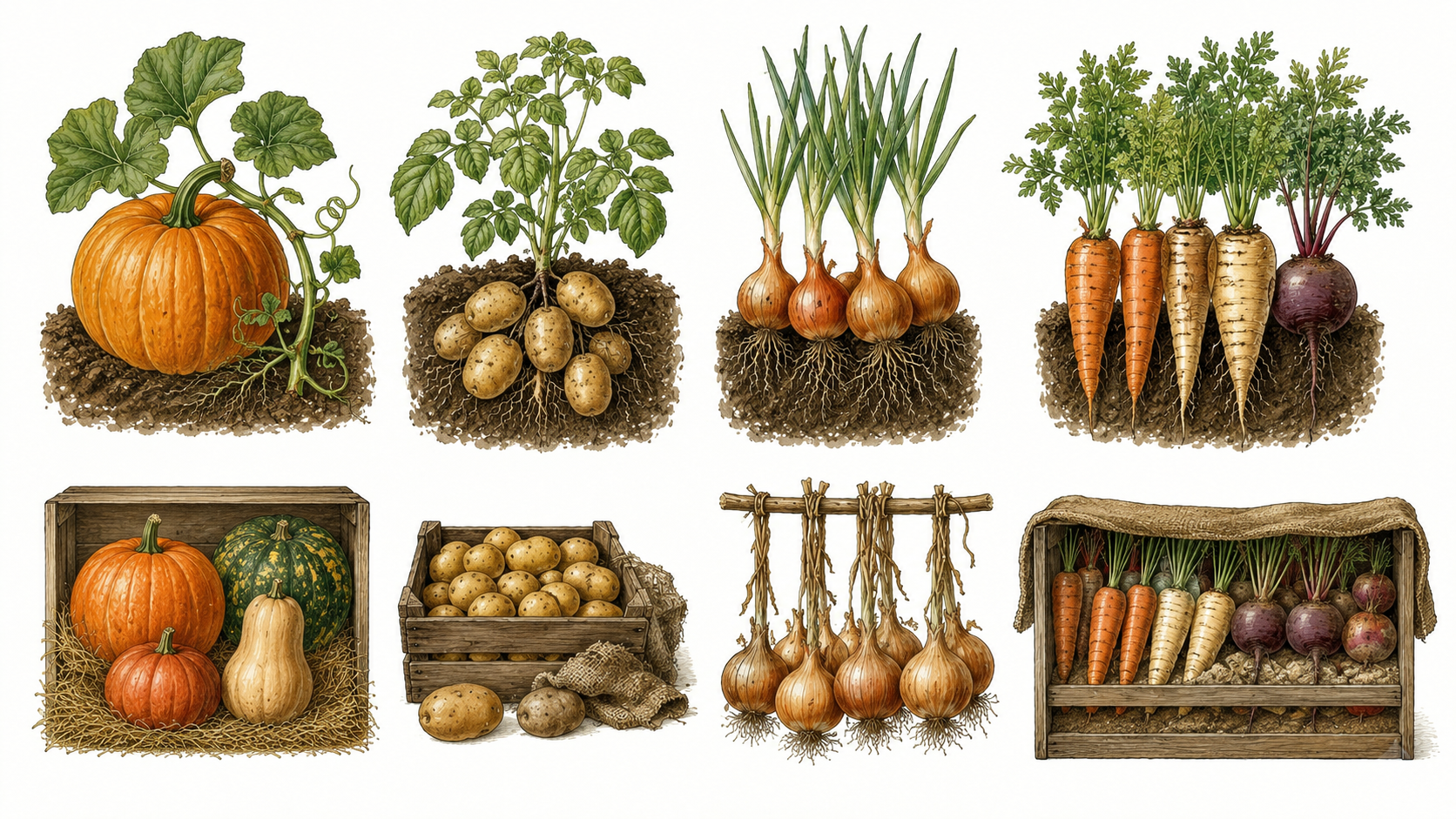
Guide
Autumn Harvest and Storage for Squash and Root Crops
Learn how to harvest and store squash, potatoes, onions, and root vegetables for longer freshness through autumn and winter.
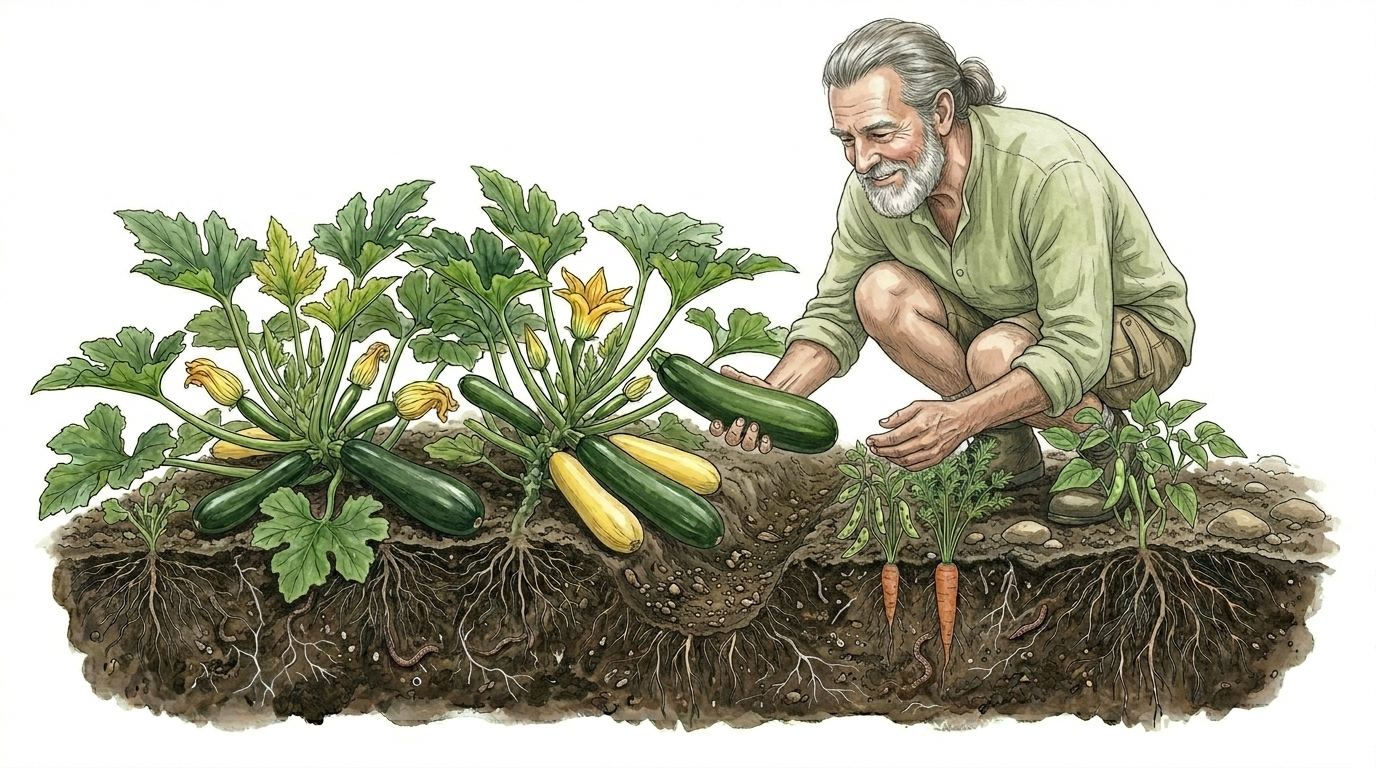
Guide
Growing Zucchini: Spacing, Pollination and Mildew
Learn how to grow zucchini with the right site, spacing, pollination support, and practical tips to prevent powdery mildew.
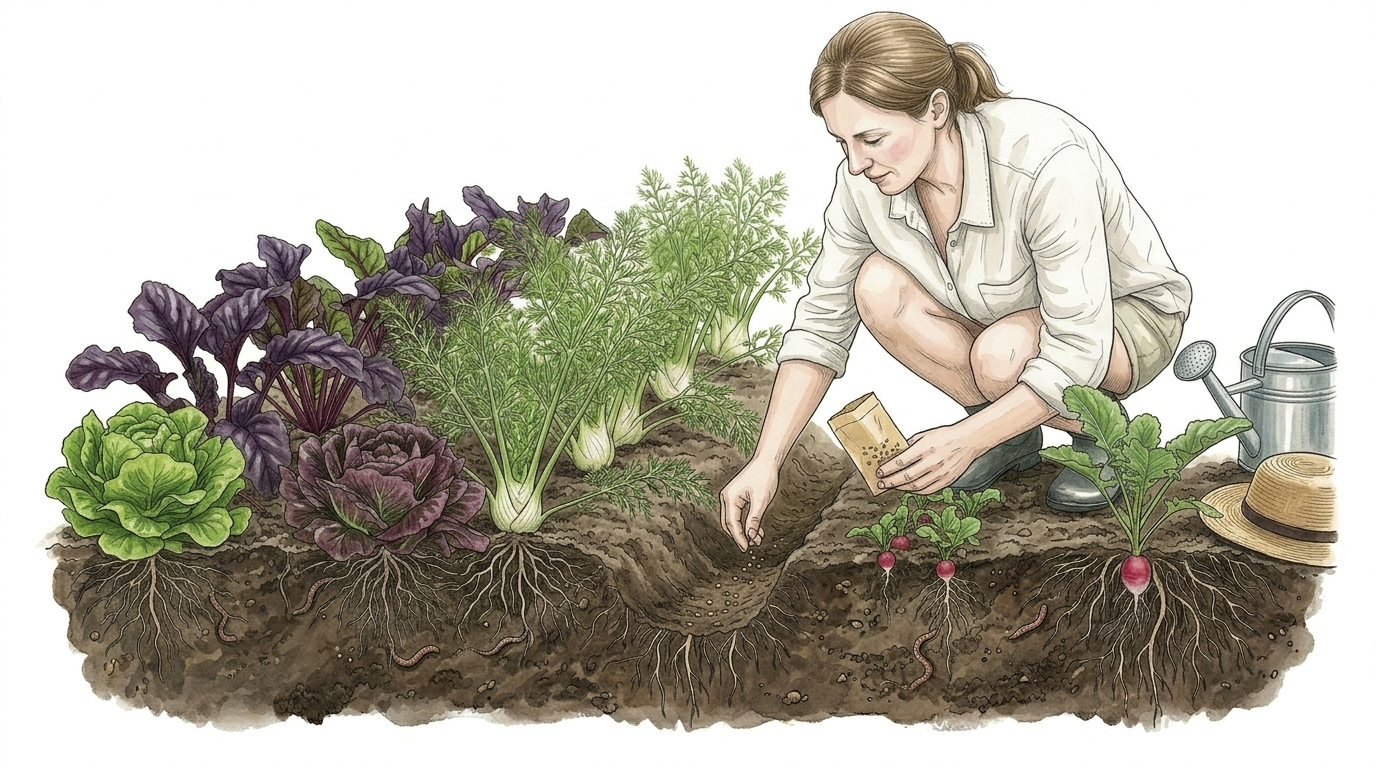
Guide
What to Sow in June: Succession Crops and Autumn Harvests
Discover which vegetables to sow in June for succession planting, filling gaps in beds, and planning autumn harvests.
Similar topics
FAQ
What causes Bitter taste?
Genetic predisposition