Diseases
Fire blight
Identify Fire blight: symptoms, possible causes, prevention, and practical actions for 8 affected plants. Scorched-looking blossoms and shoots
Fire blight is relevant across 8 plant profiles on Wild-Wuchs. In the data it is most often linked with Apple, Aronia, Serviceberry, Medlar, Asian pear. Typical signs include: Scorched-looking blossoms and shoots For gardeners, early diagnosis, suitable growing conditions, and gentle action matter most: Immediately prune and dispose of infected parts generously (do not compost)
Plants
8
Category
Fruit, Ornamentals, Woody plants
Risk
high, critical
Synonyms
Erwinia-amylovora, Feuerbrand, erwinia-amylovora
Overview
Symptoms
- Scorched-looking blossoms and shoots
- Shoots and leaves wilt rapidly and die back
- Wilting, black discolored blossoms and leaves
Damage
- Bacterial disease affecting blossoms, shoots, and branches, which can rapidly lead to the death of entire plant parts.
- A bacterial disease primarily affecting pome fruits. It causes rapid wilting and death of shoots, flowers, and fruits, making them appear scorched.
Prevention
- Avoid wounding the bark
- Choose resistant varieties
Organic control
- Immediately prune and dispose of infected parts generously (do not compost)
- Immediately prune infected shoots generously (at least 20 cm below visible infection) and destroy the prunings
- Prune affected branches generously back to healthy wood and destroy (do not compost)
Season
Spring to summer, especially in warm, humid weather.
Affected plants
Guides
Related guides
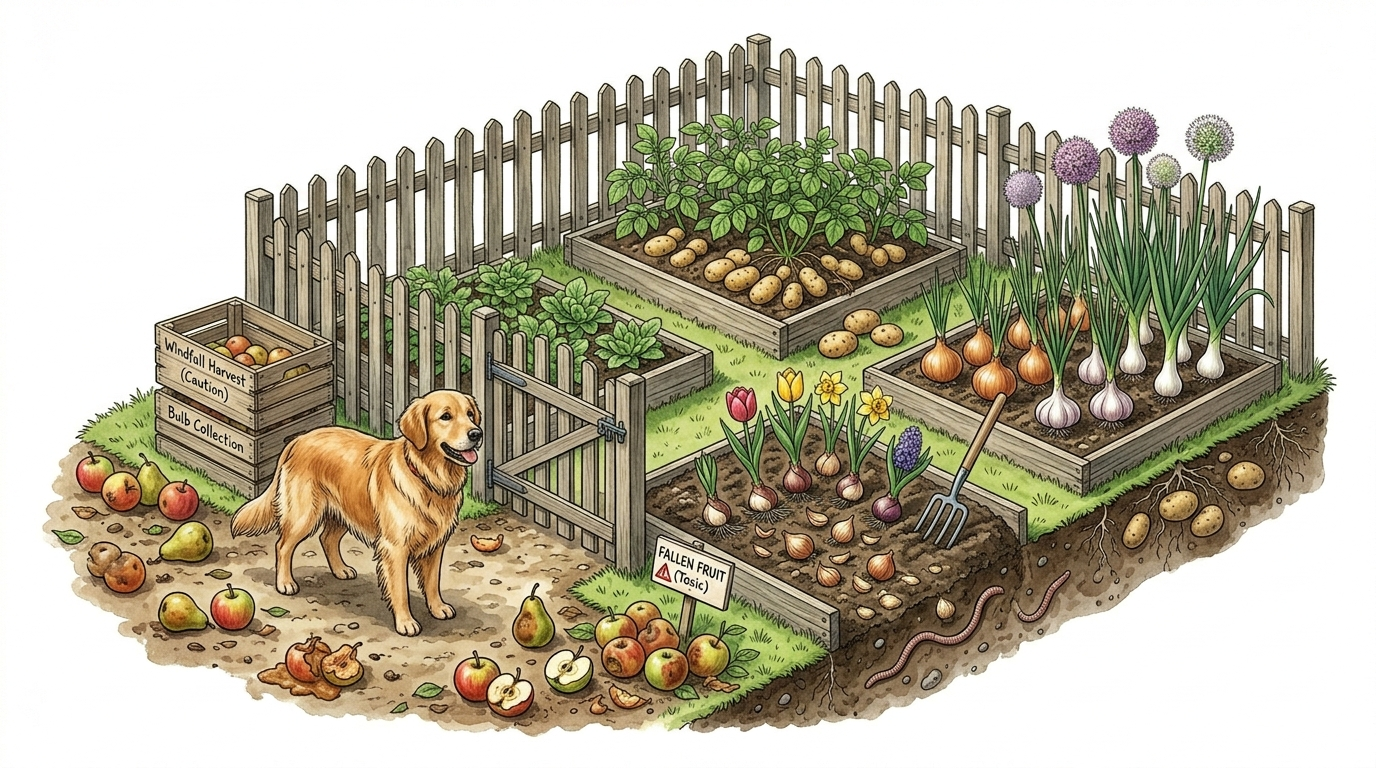
Guide
Dogs in the Garden: Windfall Fruit and Risks
Keep your garden dog-safe by managing windfall fruit, seeds, stored crops, and potentially problematic plant parts.
Guide
Horse Pastures and Garden Plants: Safety Checks
Learn how to identify risks near horse pastures, fences, turnout areas, fruit trees, and garden planting zones.
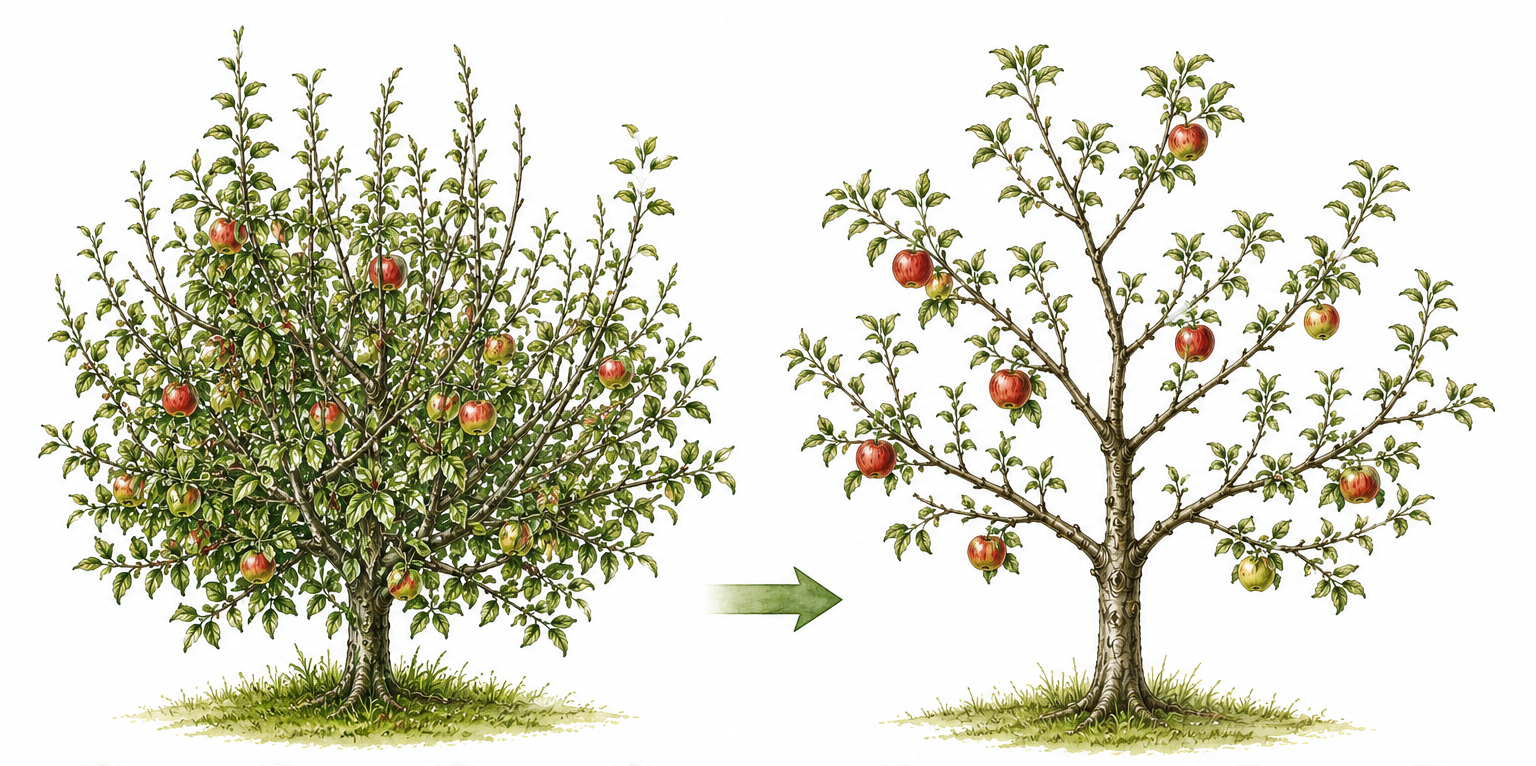
Guide
Pruning Apple Trees: Timing, Techniques, and Common Mistakes
Learn when and how to prune apple trees properly, including winter pruning, summer pruning, training cuts, and maintenance tips for healthy, productive…
Similar topics
FAQ
How do I recognize Fire blight?
Scorched-looking blossoms and shoots
What causes Fire blight?
Causes often relate to site conditions, weather, care, plant density, or pest pressure.
How can I prevent Fire blight?
Avoid wounding the bark
What helps against Fire blight?
Immediately prune and dispose of infected parts generously (do not compost)
Which plants are affected?
Apple, Aronia, Serviceberry, Medlar, Asian pear, Quince, Sorbus domestica, Chaenomeles
When does Fire blight usually appear?
Spring to summer, especially in warm, humid weather.