Guide
Recognizing Nutrient Deficiencies in Vegetables
Poor growth and discolored leaves often point to imbalances in the soil. Recognizing common nutrient deficiency symptoms helps gardeners respond more effectively and support healthier plants over time.
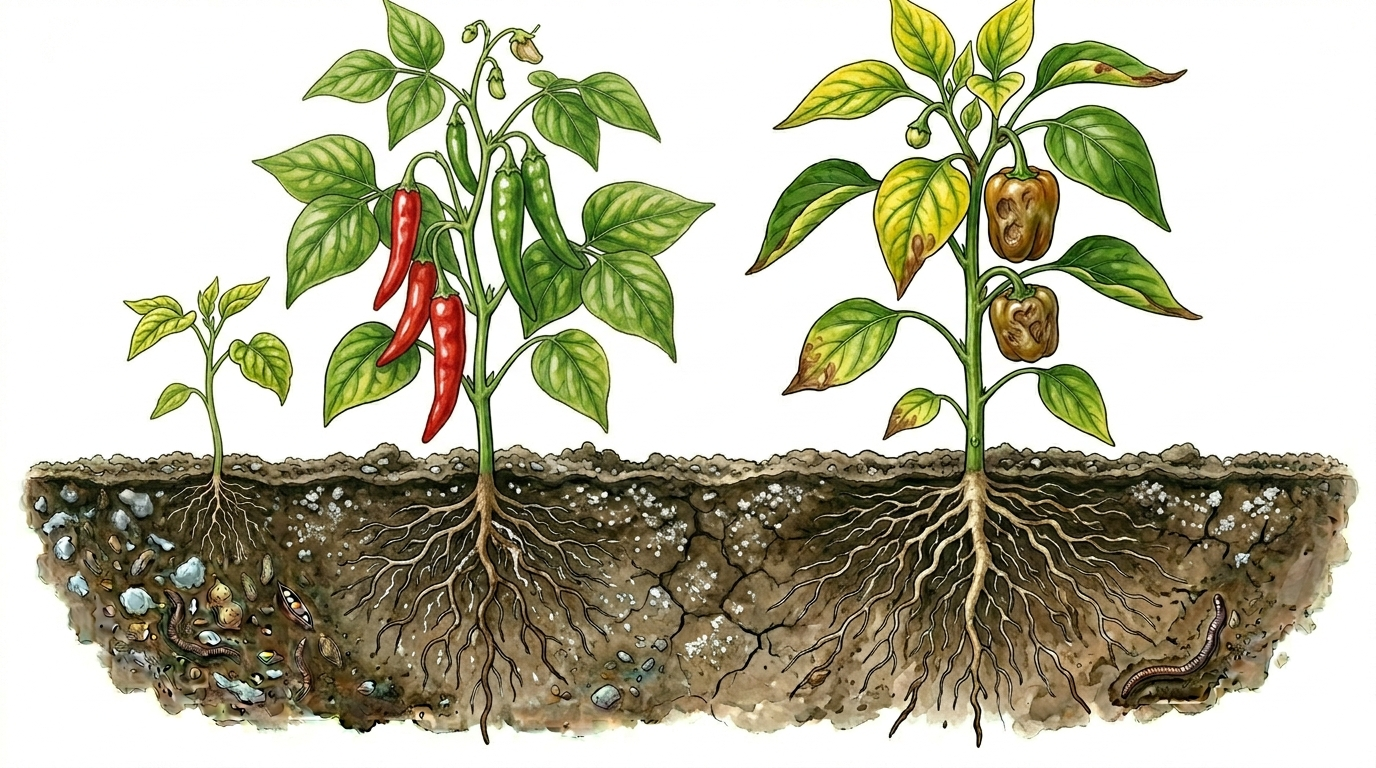
Why nutrients matter
Vegetable plants need different nutrients for growth, leaf production, root development, and fruit formation. When important elements are missing, plants often show visible changes.
- Nitrogen supports leafy and shoot growth
- Potassium is important for strength and water balance
- Magnesium plays a role in chlorophyll production
- Iron affects the formation of healthy green leaves
Understanding yellow leaves
Yellowing leaves are among the most common warning signs in vegetable gardens. It is important to notice where discoloration begins and how it develops.
- Older leaves affected first
- Young leaves turning pale
- Leaf veins staying partly green
- Yellowing spreading slowly or quickly
Recognizing nitrogen deficiency
Nitrogen deficiency often causes pale plants and weak growth. Older leaves usually become lighter first.
- Light green or yellow older leaves
- Slow overall growth
- Weak or thin shoots
- Smaller leaves and lower yields
Potassium and magnesium deficiency
Potassium and magnesium deficiencies can appear differently but often affect leaf color and plant stability.
- Brown or dry leaf edges with potassium deficiency
- Weak growth despite enough water
- Yellowing between veins with magnesium deficiency
- Patchy or uneven leaf discoloration
Recognizing iron deficiency
Iron deficiency is often most visible on young leaves. They turn pale while the veins may remain green.
- Young leaves becoming pale yellow
- Green veins still visible
- Weak new growth
- Overall slower plant development
Practical care instead of overfertilizing
Plants do not always need immediate fertilizer. Better soil care, even moisture, and stable soil structure often improve growth significantly.
- Compost improves soil over the long term
- Mulch reduces drying out
- Use moderate and regular fertilizing
- Avoid waterlogging and severe drought
Checking plant problems step by step
- 1
Observe the leaves
Notice which leaves are affected first and how the discoloration develops.
- 2
Check soil moisture
See whether the soil is too dry or permanently wet.
- 3
Compare plant growth
Compare affected plants with healthier ones nearby.
- 4
Adjust care gradually
Improve watering, soil care, and nutrient supply step by step.
Common mistakes to avoid
- Applying heavy fertilizer immediately without checking causes
- Keeping soil permanently wet
- Using very unbalanced fertilization
- Ignoring compacted soil
- Assuming every yellow leaf means disease
Frequently asked questions
Why do plants develop yellow leaves?
Yellow leaves can result from nutrient deficiencies, drought, waterlogging, or other stress factors.
Should yellow leaves always be treated with fertilizer?
Not necessarily. Soil moisture, growing conditions, and overall plant care should be checked first.
How can long-term nutrient supply be improved?
Humus-rich soil, compost, mulch, and consistent soil care help support healthy soil life.
Internal links
Related plants
Guides
Related guides
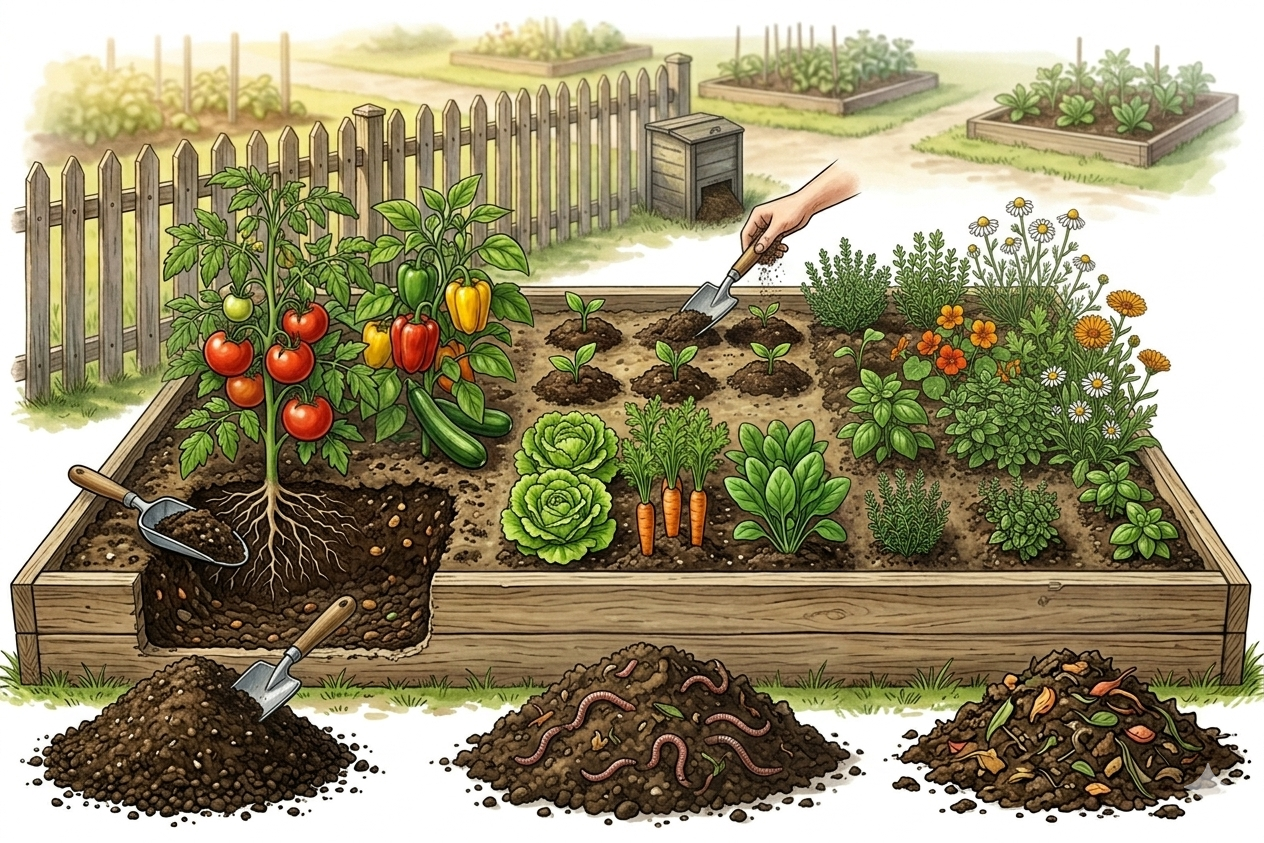
Guide
Using Compost in Food Gardens: Dosage and Timing
Learn how to use compost in vegetable beds, which crops need the most, how seedlings benefit, and when compost is best applied.
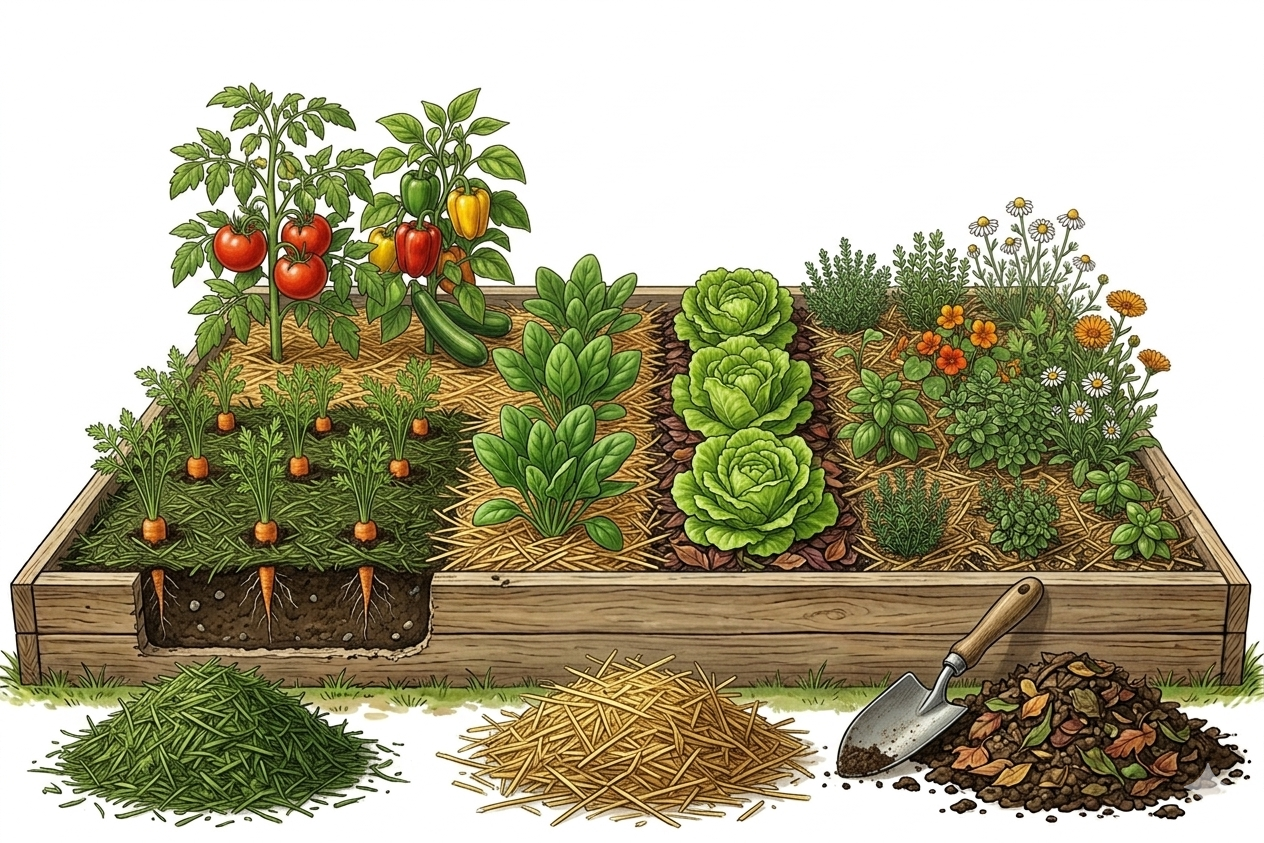
Guide
Mulching Vegetable Gardens: Materials and Mistakes
Learn how grass clippings, straw, and leaves can improve soil, reduce watering, and support healthy vegetable crops.
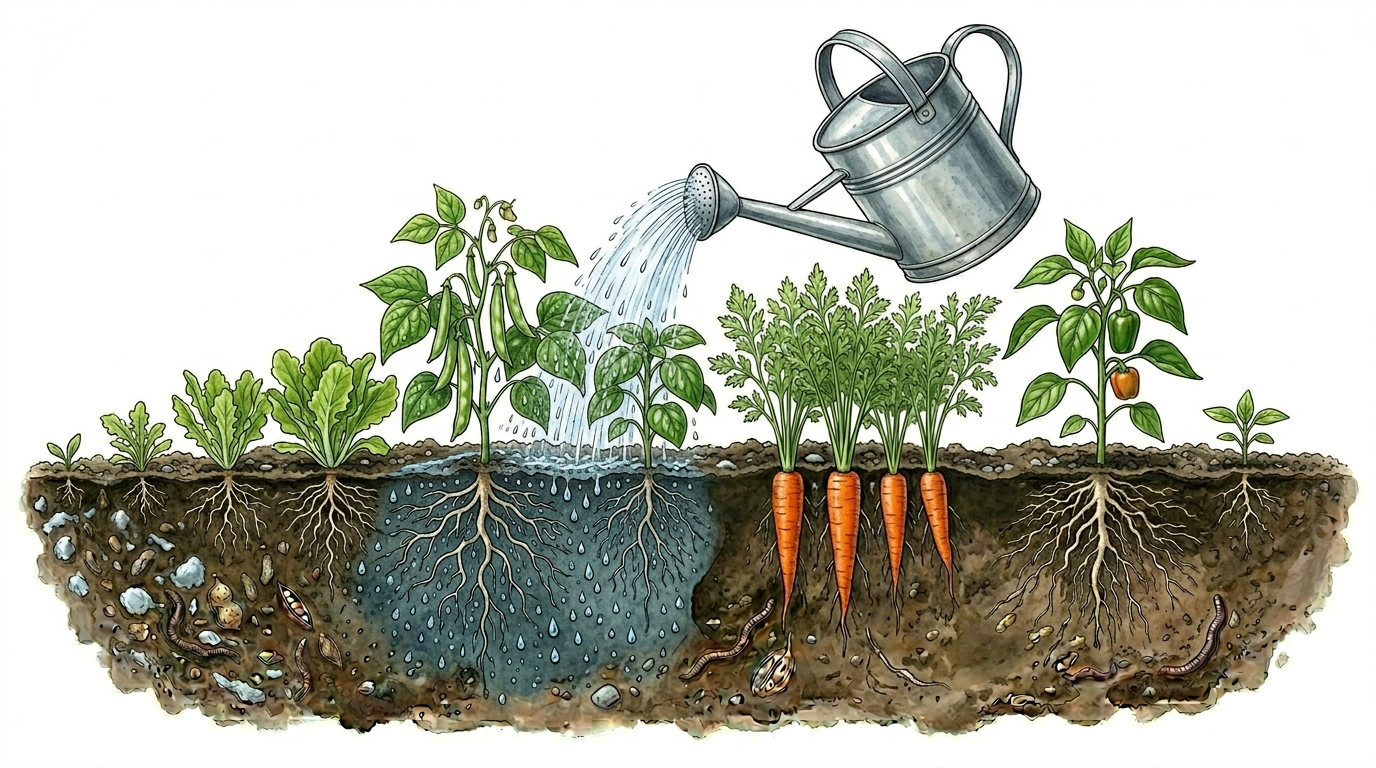
Guide
Watering Vegetable Gardens: Mulch, Water and Mistakes
Learn how to water vegetable gardens properly with mulch, morning routines, balanced moisture, and fewer watering mistakes.
Guide
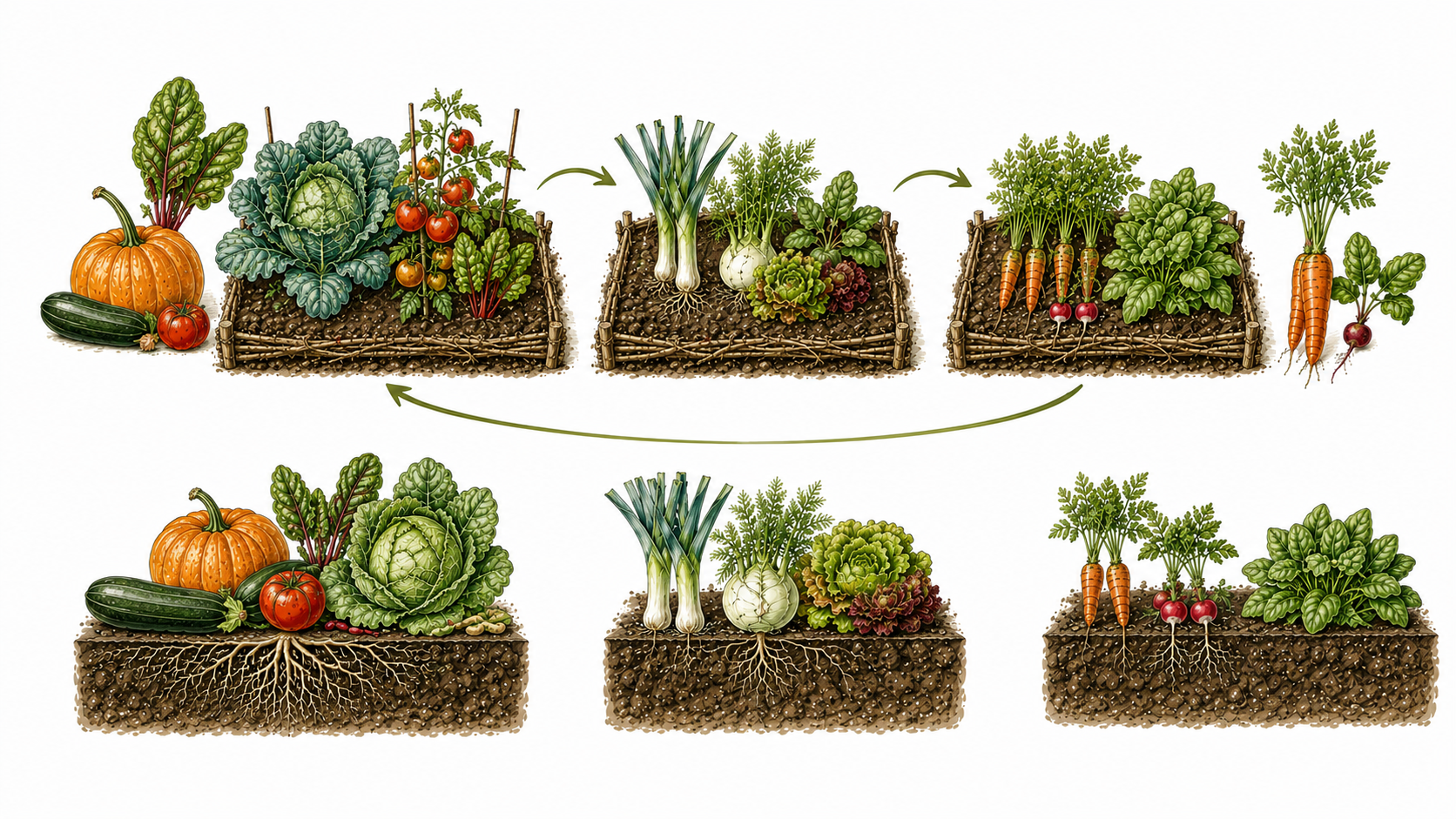
Crop Rotation in Vegetable Gardens Explained
Learn how to plan crop rotation with heavy, medium, and light feeders to keep vegetable beds productive and balanced.