Pests
Winter moth
Identify Winter moth: symptoms, possible causes, prevention, and practical actions for 2 affected plants. Holes eaten in leaves and blossoms in spring
Editorial diagnosis
Diagnosis overview
Winter moth caterpillars feed in spring on buds, leaves, and blossoms of fruit trees.
In gardens, Winter moth can occur on plants including Bilberry, Cherry plum. In the available profiles, it is linked mainly with Berries, Stone fruit.
The recorded risk level is medium. Monitor and remove caterpillars early on young trees when numbers are high.
Inspect leaf undersides, shoot tips, and the soil around the plant at different times of day. Eggs, larvae, droppings, webbing, or slime trails are often more diagnostic than one damaged leaf.
A common mistake is to treat feeding damage without checking the animal, eggs, larvae, time of activity, and affected plant parts.
At a glance
Plants
2
Category
Berries, Stone fruit
Risk
medium
Typical signs
- Spring feeding holes
- Caterpillars on buds
- Possible defoliation
Possible confusion
- Similar feeding damage: Always check for insects, droppings, slime, mines, holes, or residues. The damage pattern alone is often not enough.
Immediate actions
- Inspect affected parts and remove where useful
- Stabilise the plant and reduce stress
- Keep monitoring the planting
Prevention
- Encourage vigorous plants
- Monitor regularly
- Support beneficials and diversity
- Adapt care to weather and site
Affected plants
Guides
Related guides
Guide
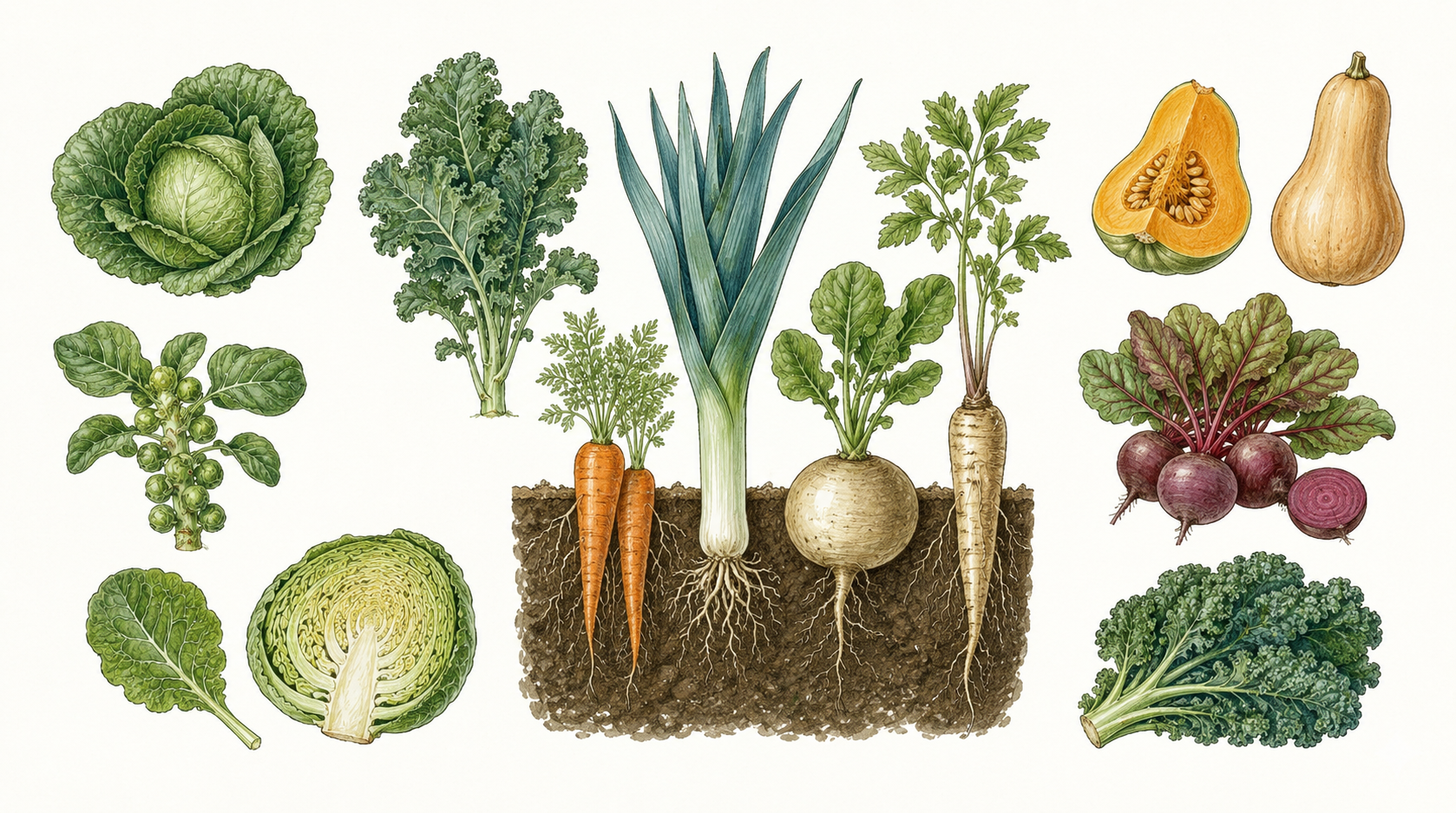
Growing Autumn Vegetables for Winter Harvests
Learn how to grow autumn vegetables such as kale, spinach, lamb's lettuce, and leeks for harvests into winter.

Guide
Growing Figs Outdoors: Varieties, Pots and Winter Care
Grow figs outdoors or in containers with the right variety, warm site, steady care, and practical winter protection.
Guide
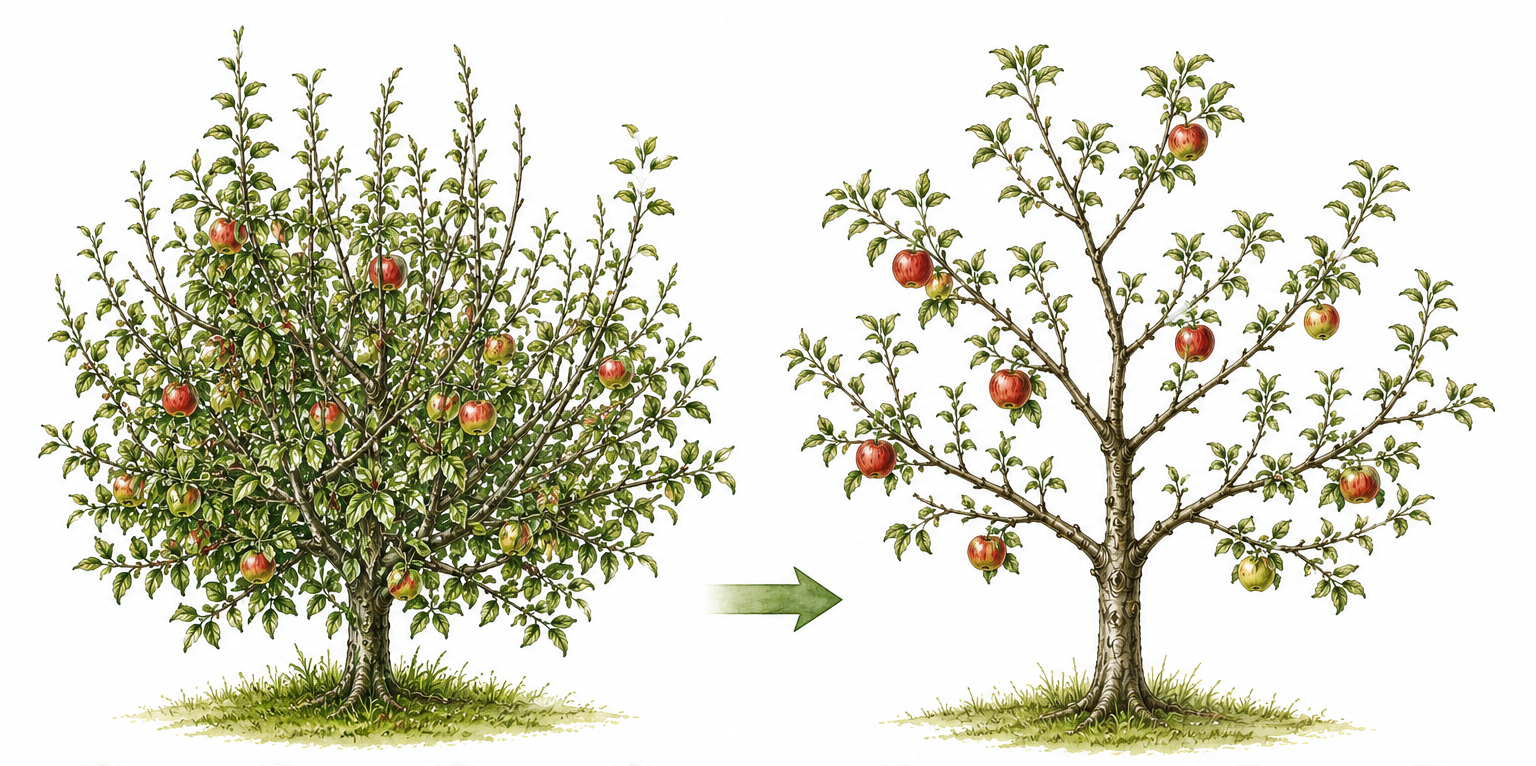
Pruning Apple Trees: Timing, Techniques, and Common Mistakes
Learn when and how to prune apple trees properly, including winter pruning, summer pruning, training cuts, and maintenance tips for healthy, productive…